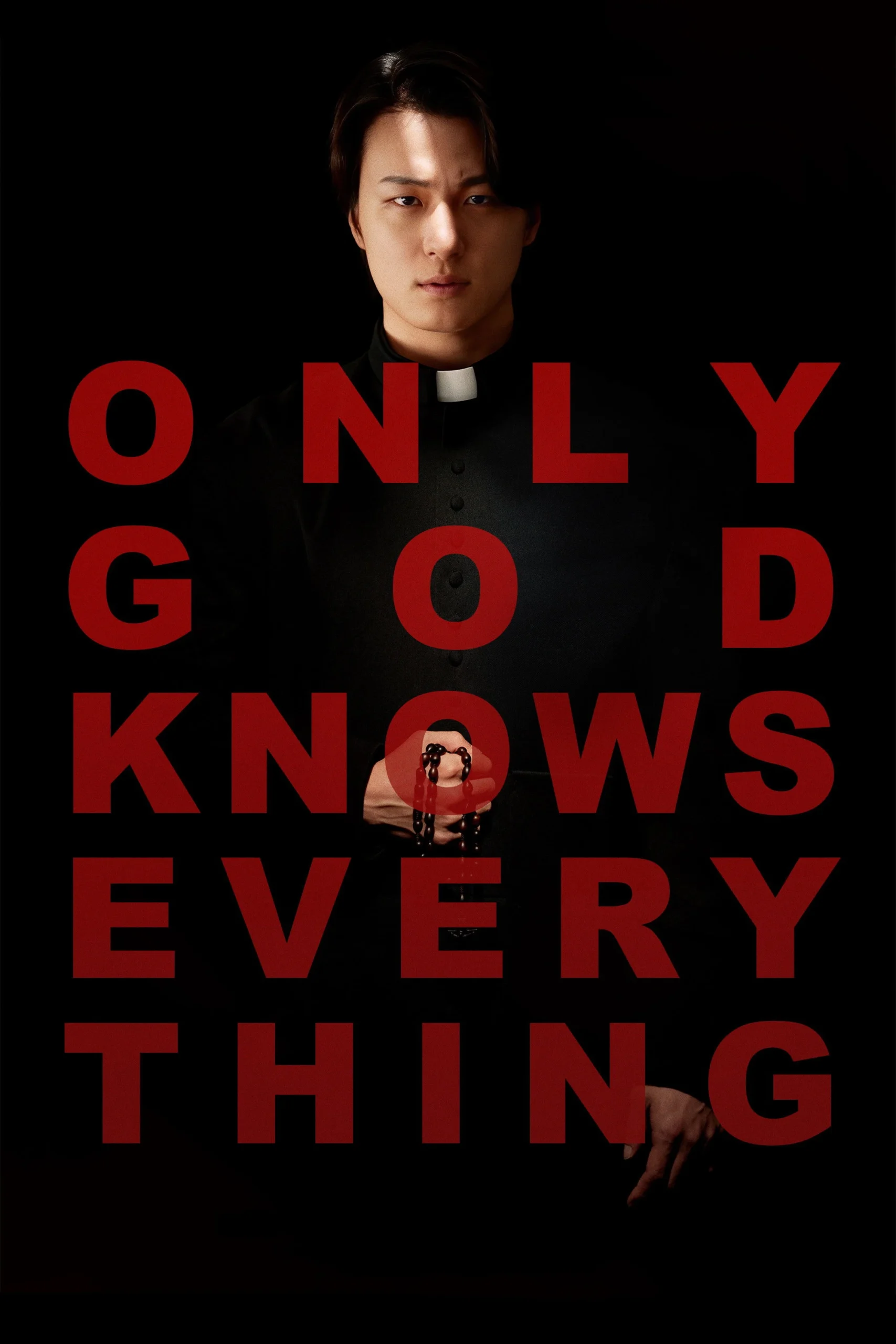
Only God Knows Everything
🎬 Netflix · VIU · Apple TV+
⭐ 6.4 MDL
🔞 15+
🎬 Film Overview
FAITH VS. REVENGE PICK
Jeong Do-woon has spent his entire adult life building toward this: ordination, a small parish, the quiet discipline of a man who found meaning in service after losing his mother to an unsolved disappearance thirteen years earlier. He’s the kind of priest a community leans on — calm, attentive, sincere about the vows he’s just taken, including the one that matters most for what’s coming: the absolute seal of confession. Then a stranger kneels in his confessional and says something no seal was built to survive intact — that he was involved in the murder of Do-woon’s mother.
What follows is less a whodunit than a slow theological crisis. Director Paek Seung-hwan, working from Ko Joon-seok’s screenplay, is less interested in the mechanics of solving a cold case than in what it costs a devout man to want revenge more than he wants to keep his word to God. Homicide detective Yoon Joo-young is chasing the same thread from the other direction — a string of disappearances that lead toward a fringe religious group called the Jeonsingyo sect — and the film uses her investigation to widen a story that could have stayed claustrophobically internal. It’s a dark, deliberately paced thriller that treats a priest’s crisis of conscience as seriously as it treats its crime.
⚡ Quick Verdict
Skip the scroll — here’s the verdict in one glance.
· MDL · 78 ratings
▶ Official Trailer
🎭 Cast & Characters
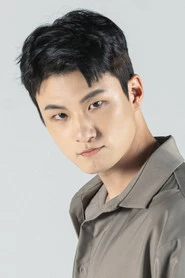
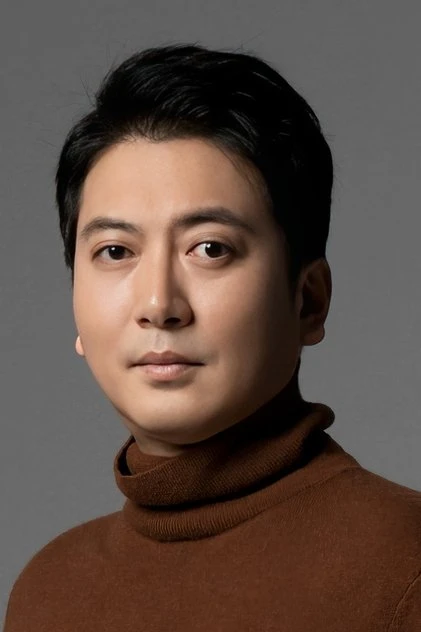
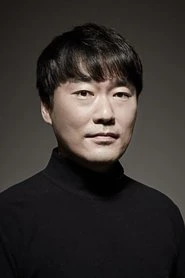
Four leads circling one confessional booth and the sect it can’t fully contain.
Lead

Lead
Lead

Lead
Supporting
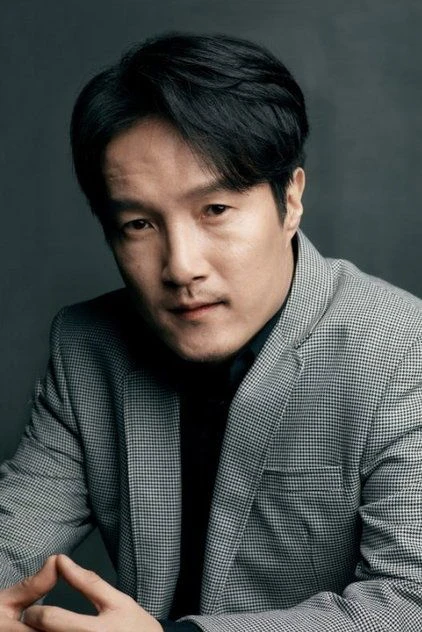
Supporting
📖 The Story
No spoilers, just the setup — enough to decide if it’s for you.
Jeong Do-woon has built an entire adult identity around service — raised inside the Church after his mother vanished without explanation thirteen years ago, he’s just been ordained, and he takes to it with the quiet seriousness of someone who needed somewhere to put his grief. His parish is small, his devotion sincere, and the vow that matters most to him is the seal of confession: whatever’s said to him in that booth stays there, absolutely, no exceptions. The film spends just enough time establishing how much he believes that before it tests him.
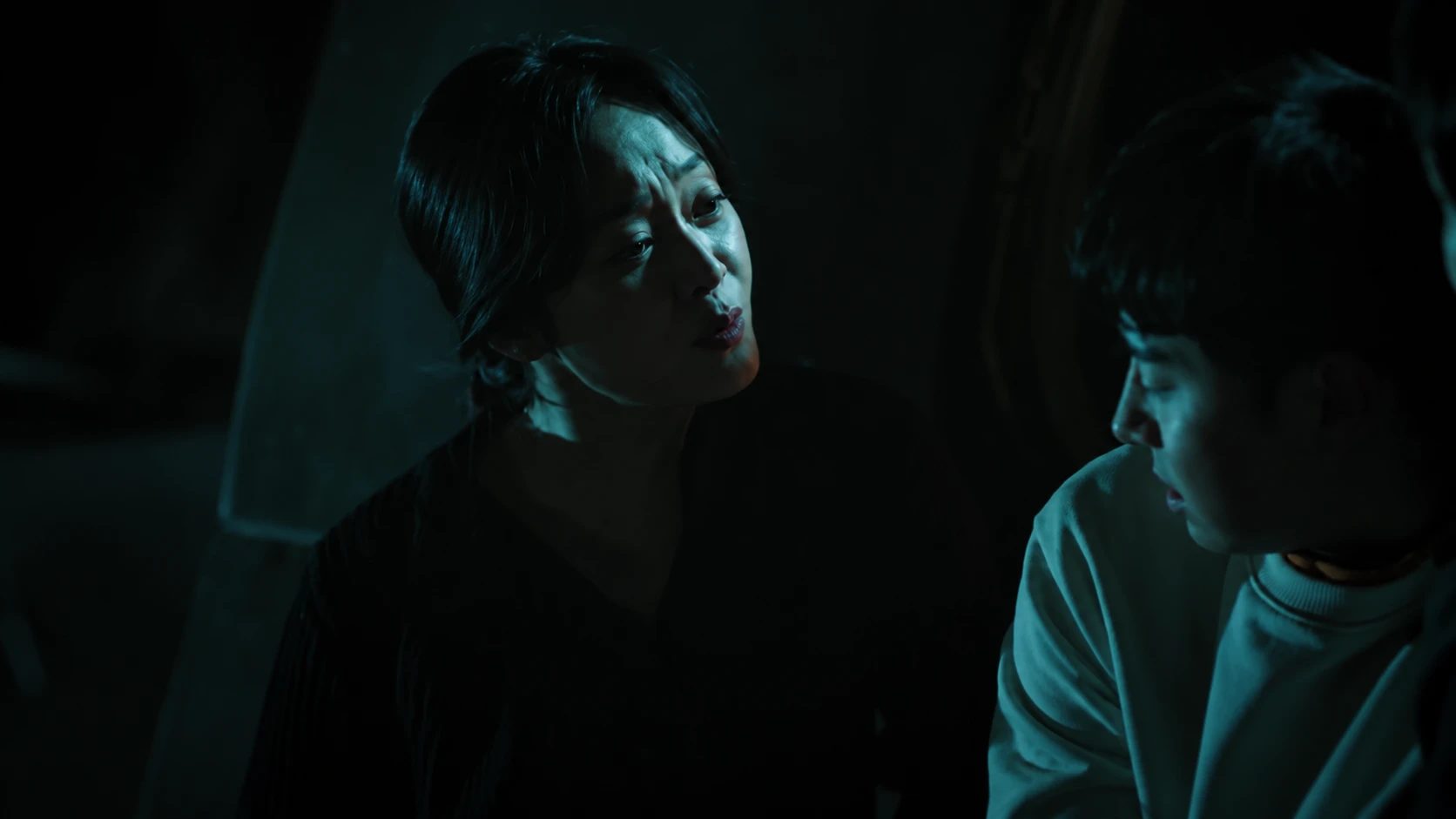
The test arrives as a man kneeling in his confessional, not for absolution but to unload a confession that has nothing to do with his own soul: he claims involvement in the murder of Do-woon’s mother. It’s not an accusation Do-woon can act on, investigate, or even repeat — the seal forbids all of it — and that single scene turns thirteen years of buried grief into an active, present-tense demand for truth that his faith explicitly tells him he isn’t allowed to pursue.
What’s actually at stake for Do-woon isn’t the cold case itself — it’s whether the identity he’s built, priest first and son second, can survive contact with what he now knows. The film treats this as a genuine crisis rather than a plot device: every step he takes toward his mother’s truth is also a step away from the vows he took days earlier, and it never lets him have both without cost.
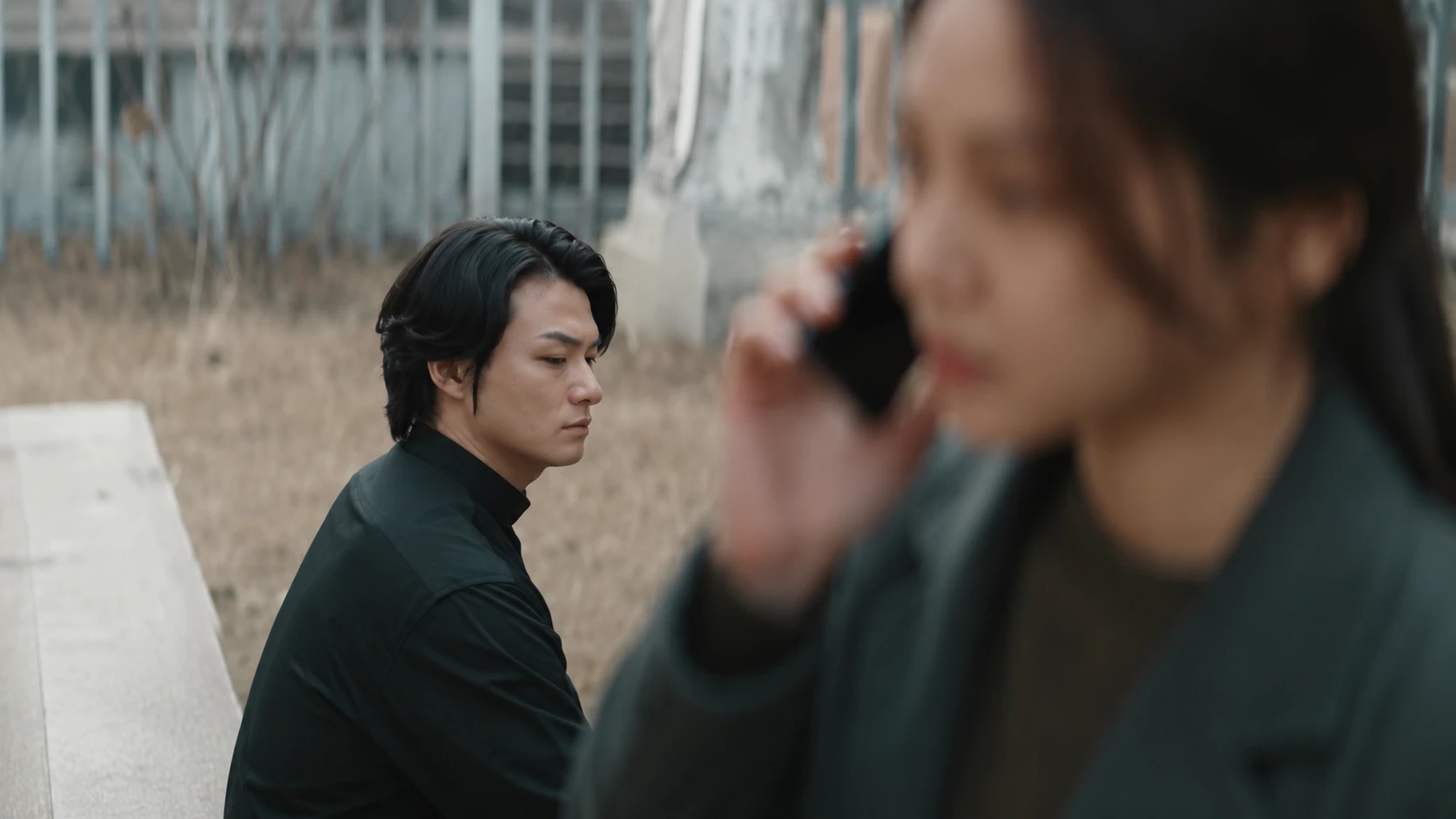
His path crosses Yoon Joo-young, a homicide detective working her own angle on a cluster of disappearances that turn out to trace back to the same source: a fringe religious group known as the Jeonsingyo sect. Around them orbit Shim Gwang-woon, a shaman whose violence reads as ritual rather than random, and Paek Soo-yeon, an ordinary-seeming woman whose devotion to the sect is anything but ordinary. Each of them is holding a different piece of what happened to Do-woon’s mother, and none of them is inclined to hand it over easily.
What separates this from a standard cult-thriller is how seriously it takes the religious half of its premise. This isn’t faith as obstacle or faith as punchline — it’s faith as the actual battlefield, with Do-woon’s moral compass under genuine pressure rather than serving as a fig leaf for a revenge plot. The film is more interested in how desperation gets exploited by belief systems that promise certainty than in staging elaborate set-pieces.
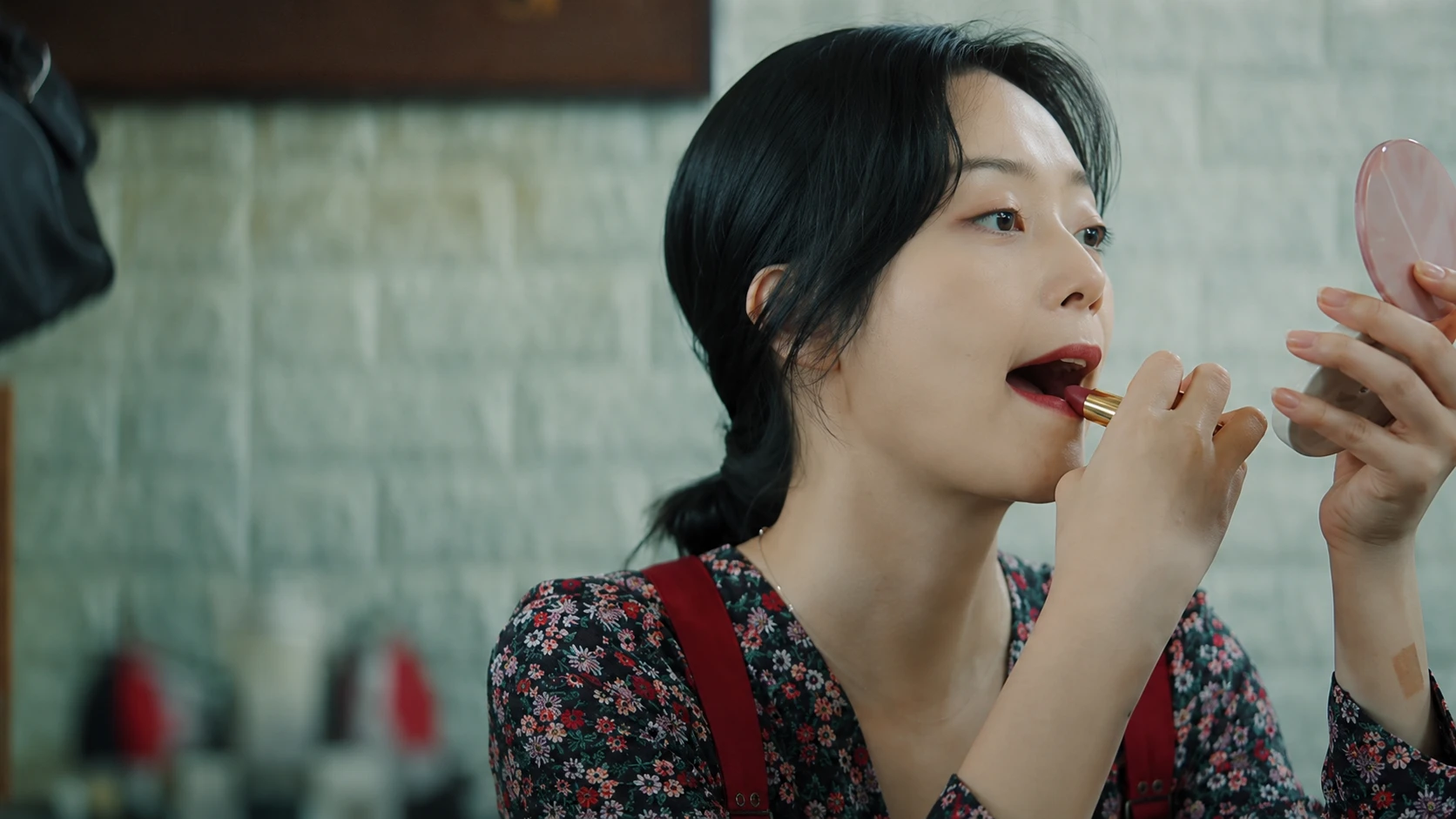
The tone stays deliberately heavy throughout — a stark, muted palette, a pace that refuses to rush toward its confrontations, and a persistent unease that owes more to dread than to shock. This isn’t a film chasing jump scares or action beats; it wants the tension sitting in your chest the way it sits in Do-woon’s.
That approach puts it in a specific lineage of Korean thrillers that use genre mechanics to poke at real anxieties — here, specifically, South Korea’s long history of fringe religious groups and the damage they do to the desperate people who trust them. Paek Seung-hwan has said the film channels his own uncertainty about faith and institutional religion, and that personal stake shows in how the film refuses to let its cult be simple villains or its priest be a simple hero.
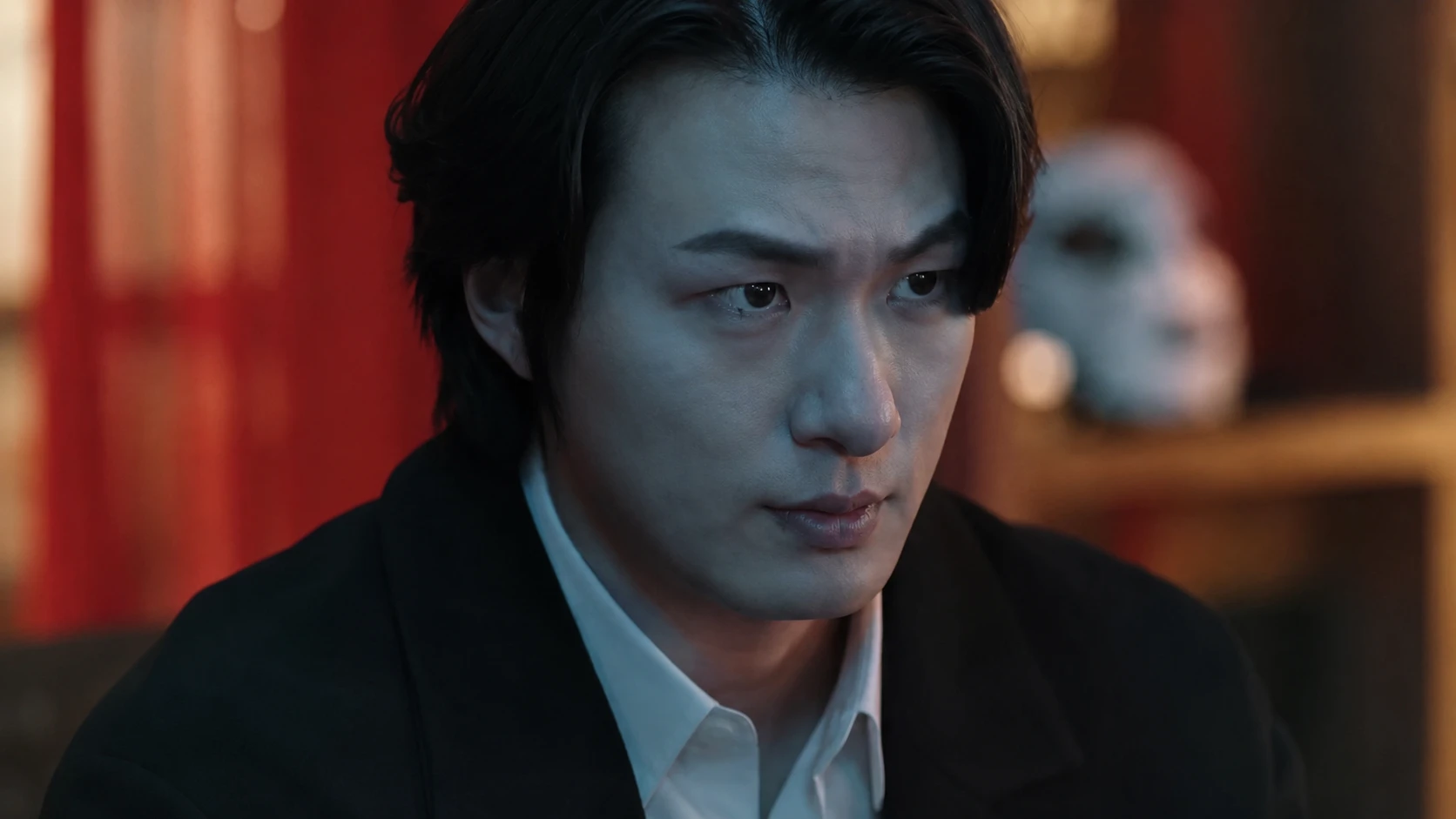
🏁 Ending Explained
Everything the ending means, spoilers and all.
Full Spoilers Ahead — This section covers the complete ending of Only God Knows Everything. Stop here if you haven’t watched.
What the Jeonsingyo sect actually did Do-woon’s confrontation with the cult’s inner circle answers the question the whole film has been circling: his mother wasn’t a random victim, she was coerced into what the Jeonsingyo sect called a “sacrifice” — offered up in the belief that it would heal her sick child, meaning Do-woon himself. Shim Gwang-woon and Paek Soo-yeon weren’t fringe lunatics operating alone; they were executing a system built specifically to prey on parents desperate enough to believe divine intervention was on the table. The man who confessed to Do-woon turns out to be another casualty of the same machine: a victim first, then a liability the sect murdered to keep him quiet after he broke and confessed.
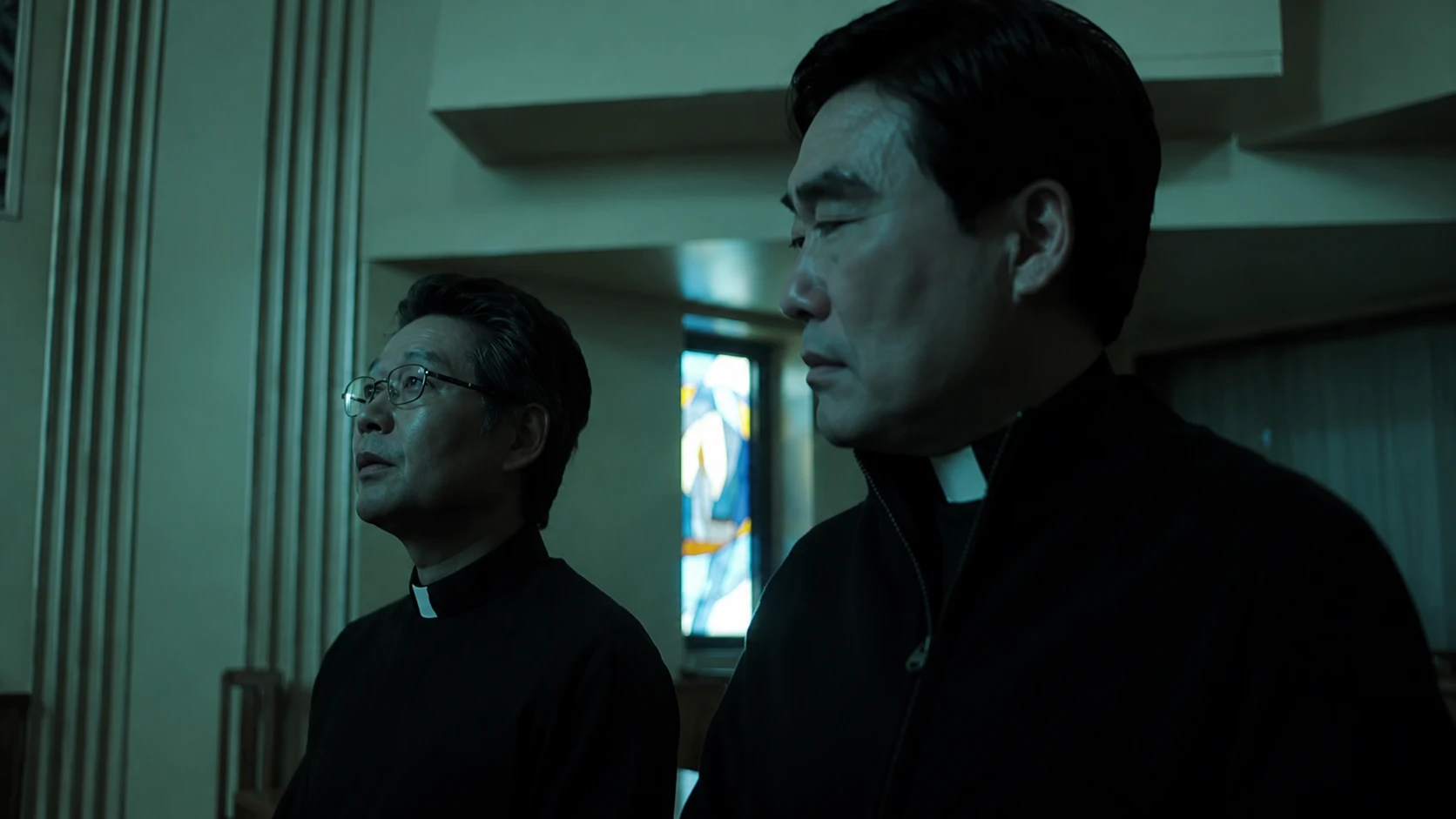
Do-woon’s choice, and what it costs him Do-woon doesn’t resolve his crisis by choosing faith or choosing revenge cleanly — he does both, badly, at the same time. He sets aside his priestly restraint long enough to force the truth into the open and to make sure the people responsible face consequences, and the film doesn’t pretend that’s a triumphant or clean decision. It’s a man breaking his own rules because the alternative — silence, in service of a seal meant to protect the innocent — would mean protecting the people who destroyed his family instead.
Why the ending refuses a clean answer The film’s thesis sits in that discomfort: it suggests that faith untethered from accountability curdles into exactly the kind of exploitation the Jeonsingyo sect represents, and that pursuing justice sometimes means stepping outside the moral architecture you’ve built your whole identity on. Nobody gets a clean absolution here — not Do-woon, who gets truth but not peace, and not the audience, who’s left questioning whether “justice” and “revenge” were ever really different things in this story.
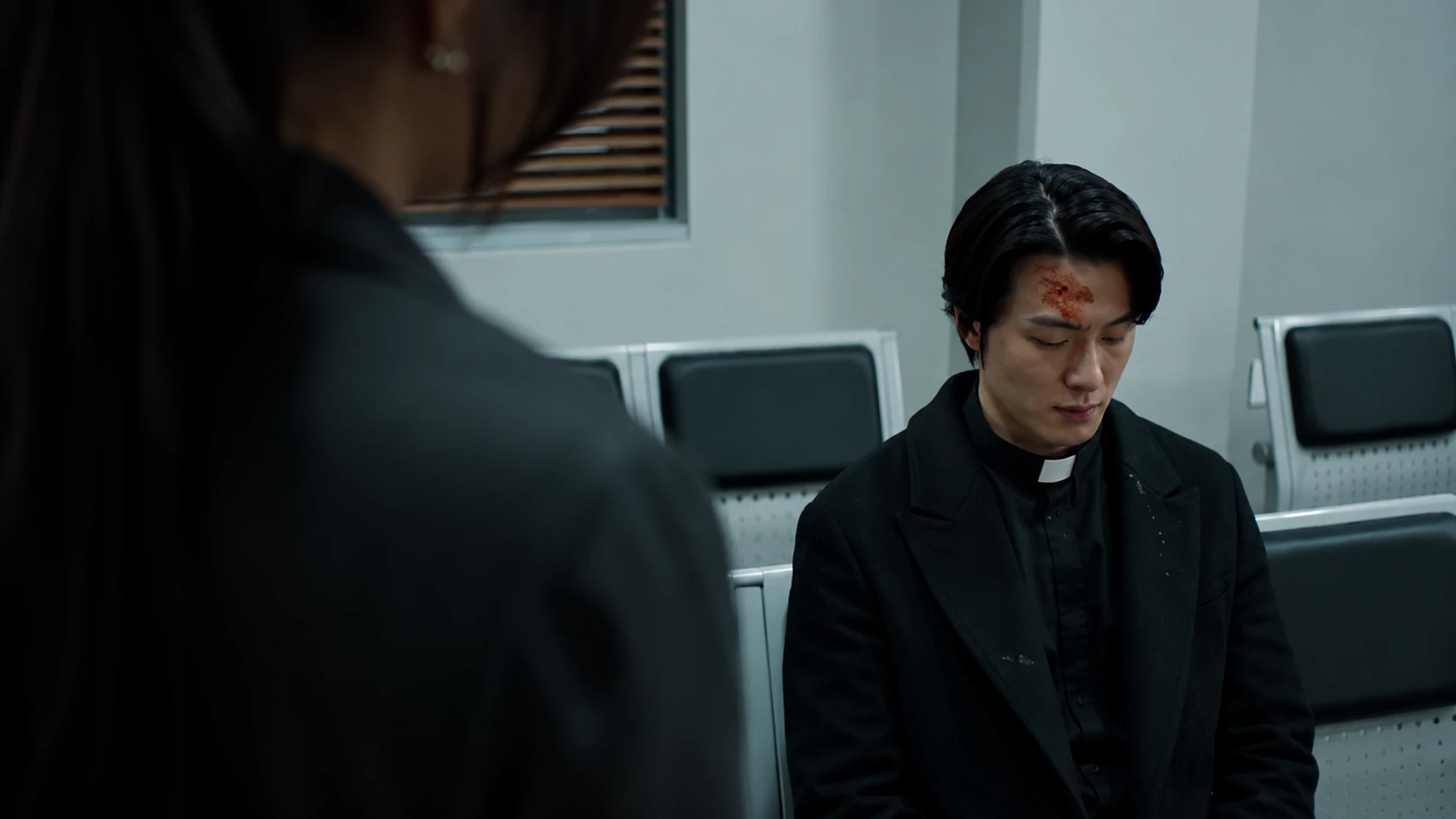
What’s left unresolved Detective Yoon Joo-young’s investigation is still active as the credits approach, which is the film’s way of saying the sect’s damage extends well past what Do-woon personally uncovered — there’s no tidy dismantling of the whole organization, just one thread pulled loose. The film also leaves the supernatural material genuinely ambiguous: Do-woon sees what look like his parents’ spirits at points in the story, and whether that’s real spiritual contact or trauma finding a shape to take is never settled either way.
Why the opening scenes hit differently on rewatch Knowing what’s coming reframes Do-woon’s early devotion entirely — his earnest insistence on the seal of confession, once a sign of admirable faith, now plays as tragic naivety, since the institution he’s serving turns out to be entangled with the very cult that destroyed his family. Even his visions of his parents, which read the first time as private grief, look on rewatch like his subconscious already circling the truth long before his conscious mind could accept it. The film’s opening quiet devotion becomes, in hindsight, the calm before a very deliberate storm.
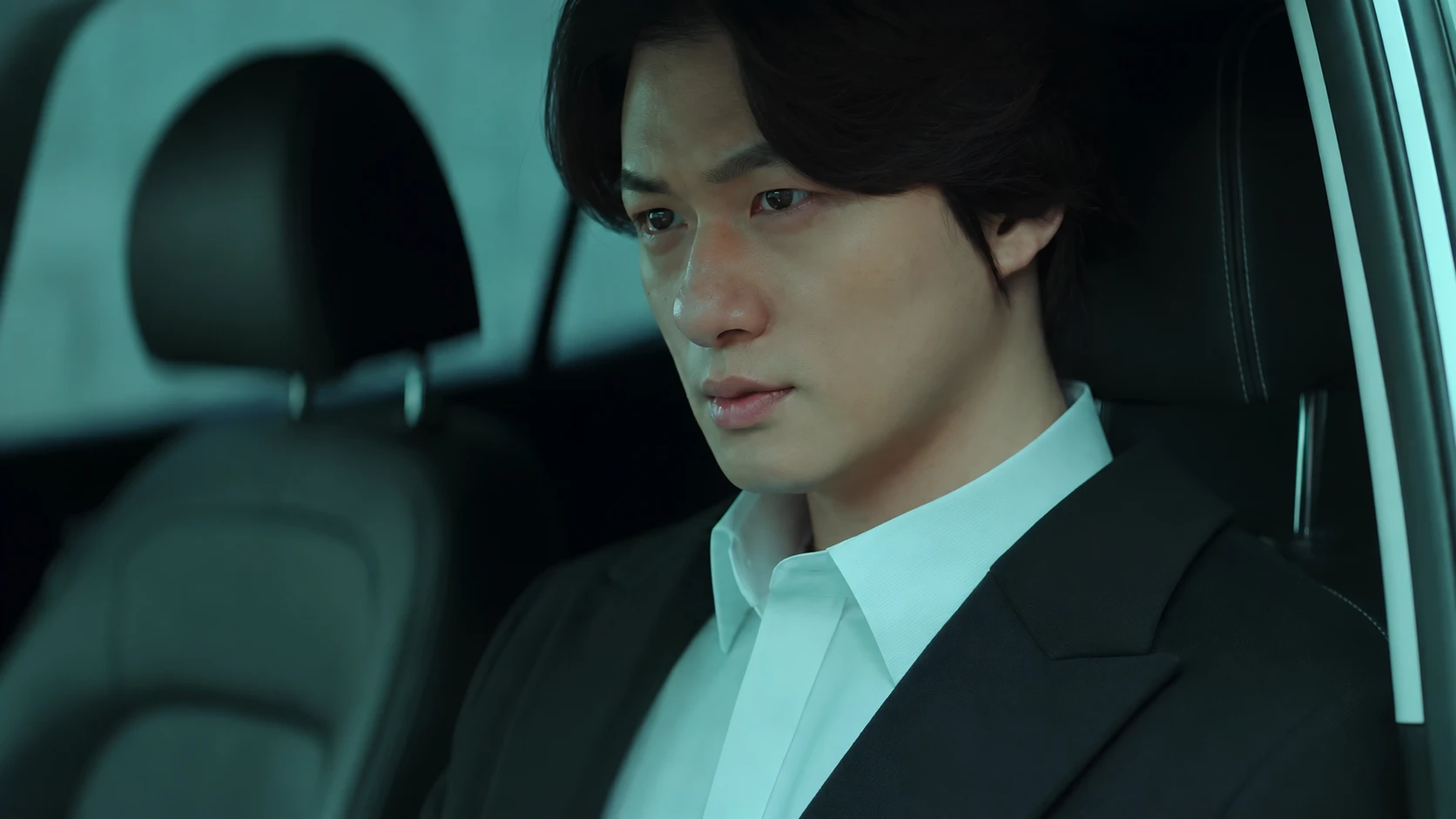
✍️ KDramaWorlds Editor’s Take
Here’s our honest verdict, and who’s going to love it.
Paek Seung-hwan
Known for: Paek Seung-hwan uses Only God Knows Everything to work through his own ambivalence about institutional faith, filtering it through the mechanics of a cult mystery rather than straightforward drama. His approach favors moral discomfort over resolution — protagonists who can’t fully justify their choices, antagonists whose belief is sincere rather than cynical — and a visual restraint that lets the story’s spiritual stakes carry weight without over-explaining them.
Shin Seung-ho plays Do-woon’s unraveling from the inside out — you can track exactly how much faith he still has left in a scene by how tightly he’s holding himself together, and the performance never tips into obvious anguish until the film has earned it. It’s a harder role than it looks: a priest losing his grip on doctrine has to still read as a man of genuine conviction, not a pretender waiting to be unmasked, and Shin threads that needle for most of the runtime. If you want another recent Korean thriller putting Catholic clergy through the wringer, Dark Nuns takes the premise somewhere more overtly supernatural, but both films share an interest in what institutional faith looks like when it’s actually tested.
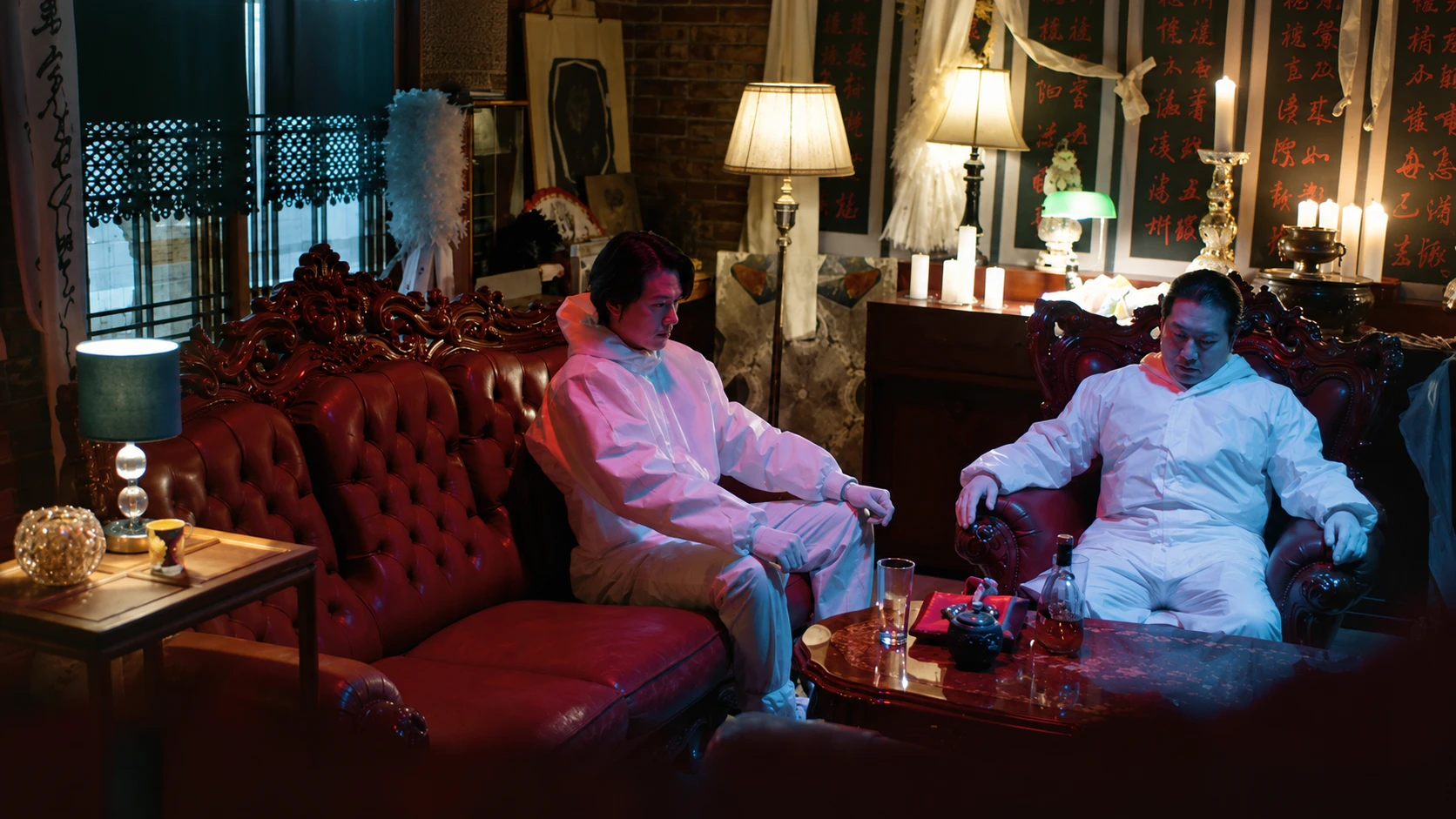
The film’s best instinct is refusing to let the Jeonsingyo sect play as pure cartoon villainy — Shim Gwang-woon’s violence has ritual logic behind it, and Paek Soo-yeon’s fanaticism reads as someone who genuinely believes she’s saving people, which is scarier than if she just knew she was lying. Where the film loses some of its grip is in pacing: the investigation-thriller half occasionally slows to a crawl between confrontations, asking patience the mystery hasn’t always banked. Fans of dark, morally compromised revenge stories like The Childe will recognize the register, even if that film moves with considerably more urgency.
What lingers isn’t the cult’s specific scheme — sacrificial cults chasing miracle cures are familiar enough genre territory — it’s the image of a man who spent his whole life building faith as a shield, discovering that the shield was manufactured by the same forces that broke him in the first place. That’s a sharper, sadder idea than the thriller mechanics around it always manage to sell.
🎬 You Might Also Like
If you liked Only God Knows Everything, these are your next three watches.
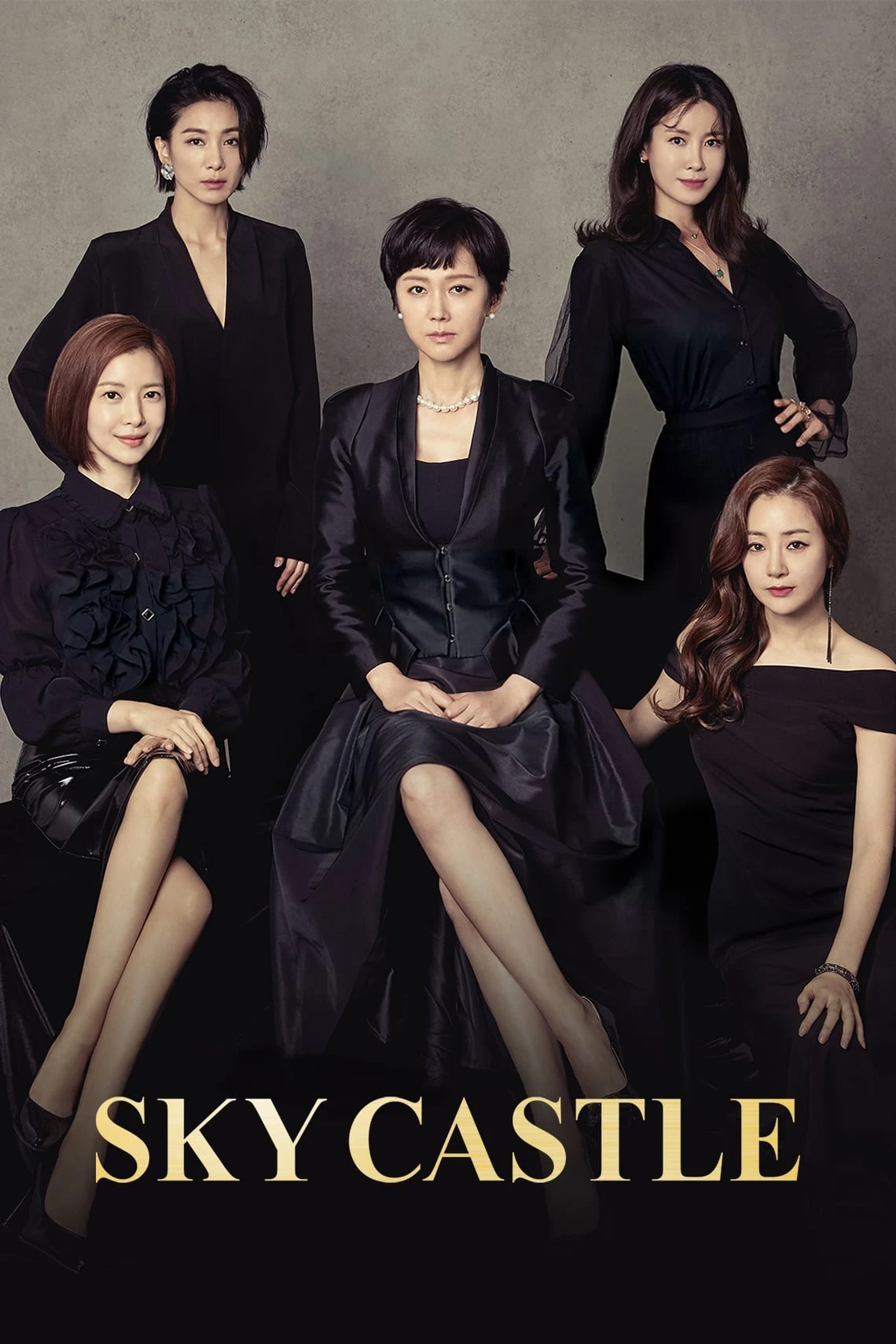 SKY Castle
Dark ComedyEducation Satire
Read Full Review →
|
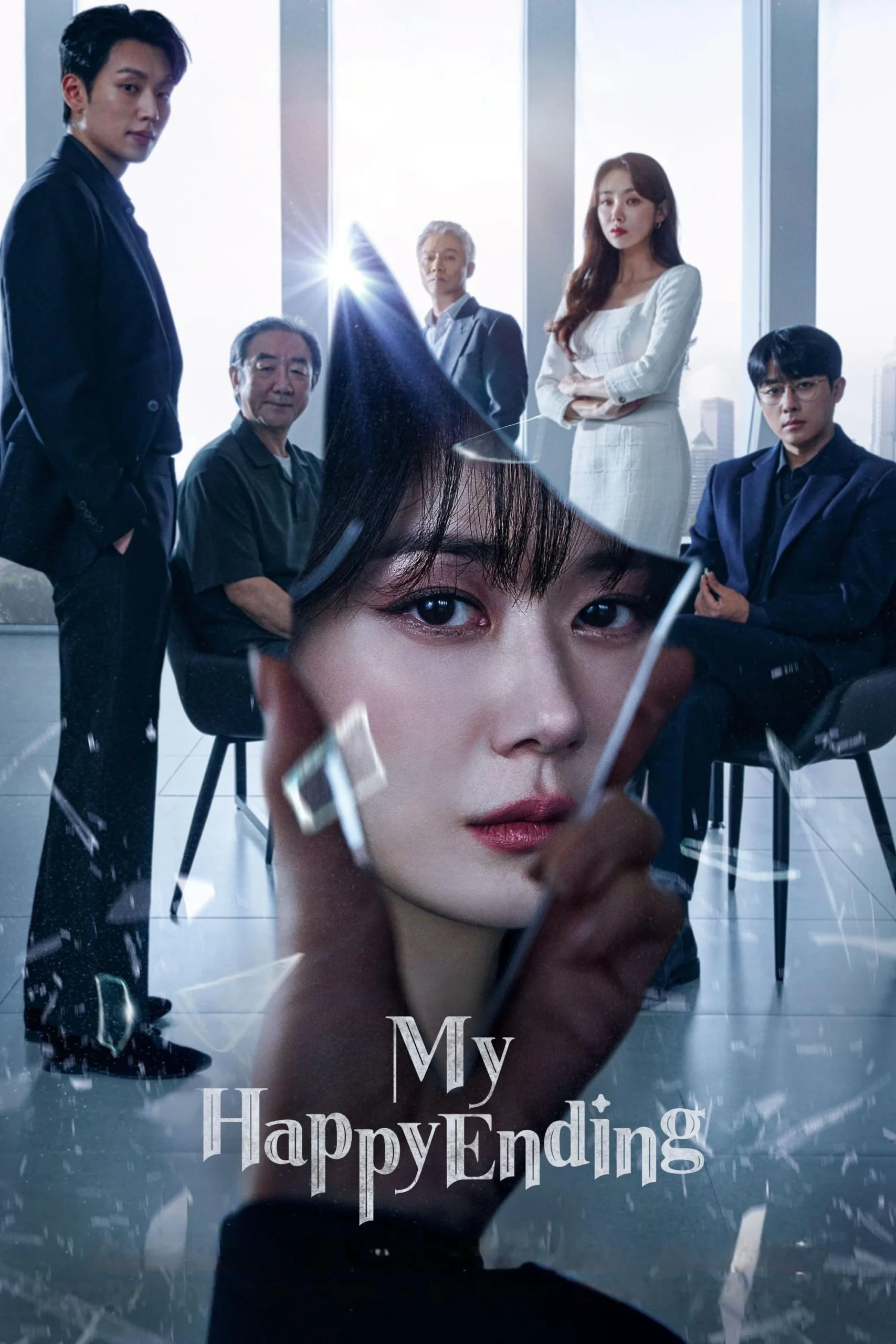 My Happy Ending
ChaebolJang Na-ra
Read Full Review →
|
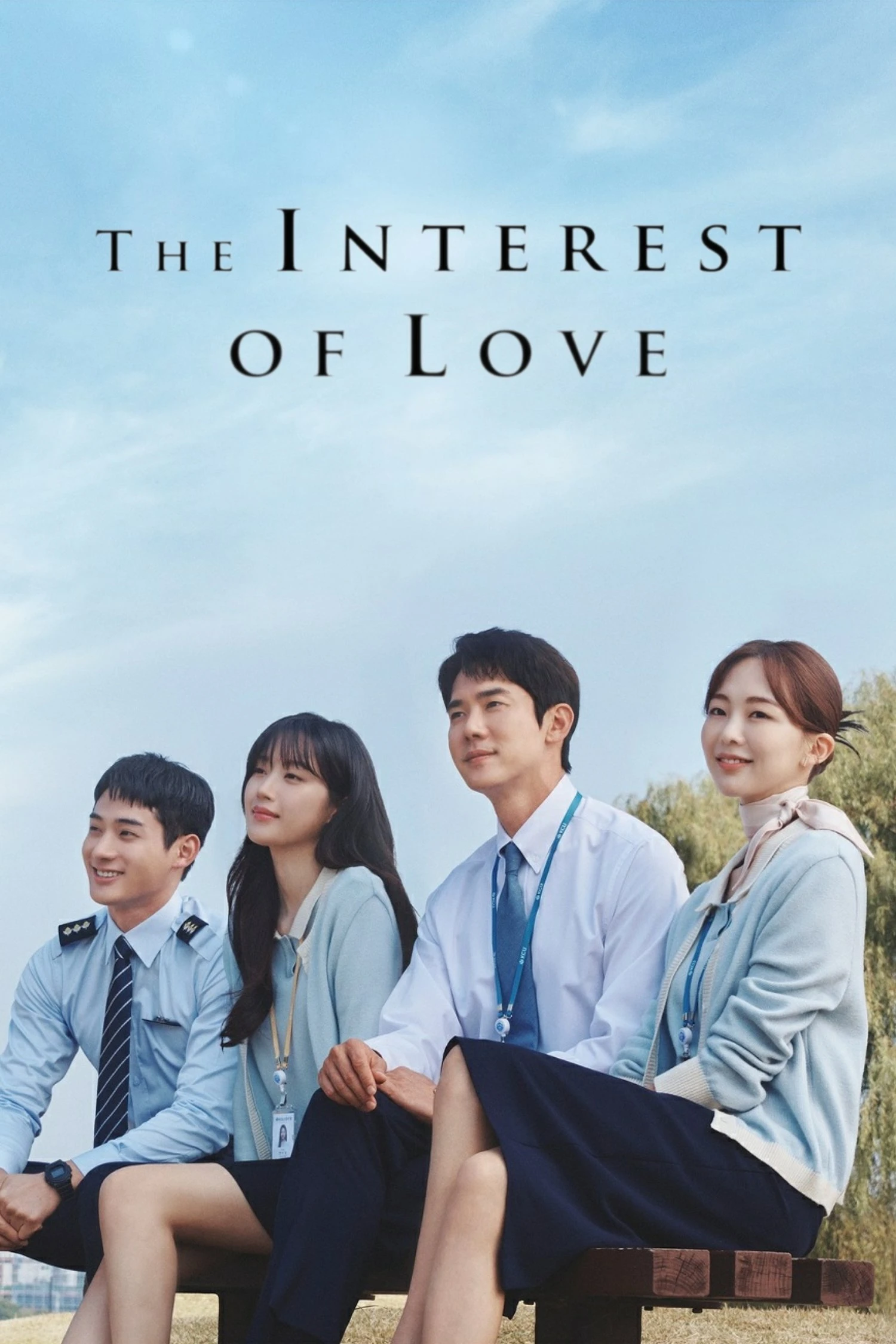 The Interest of Love
Bank SettingLove Square
Read Full Review →
|







Keep it kind, skip the harsh language, and please — no spoilers. Everyone's taste is different, and that's perfectly fine.
This space is for real reactions and discussion from other viewers. Help keep it comfortable for everyone by not giving away major plot details.
What do you think of this drama?
Login to share your review or leave a comment.
No email needed — just pick a username & password.