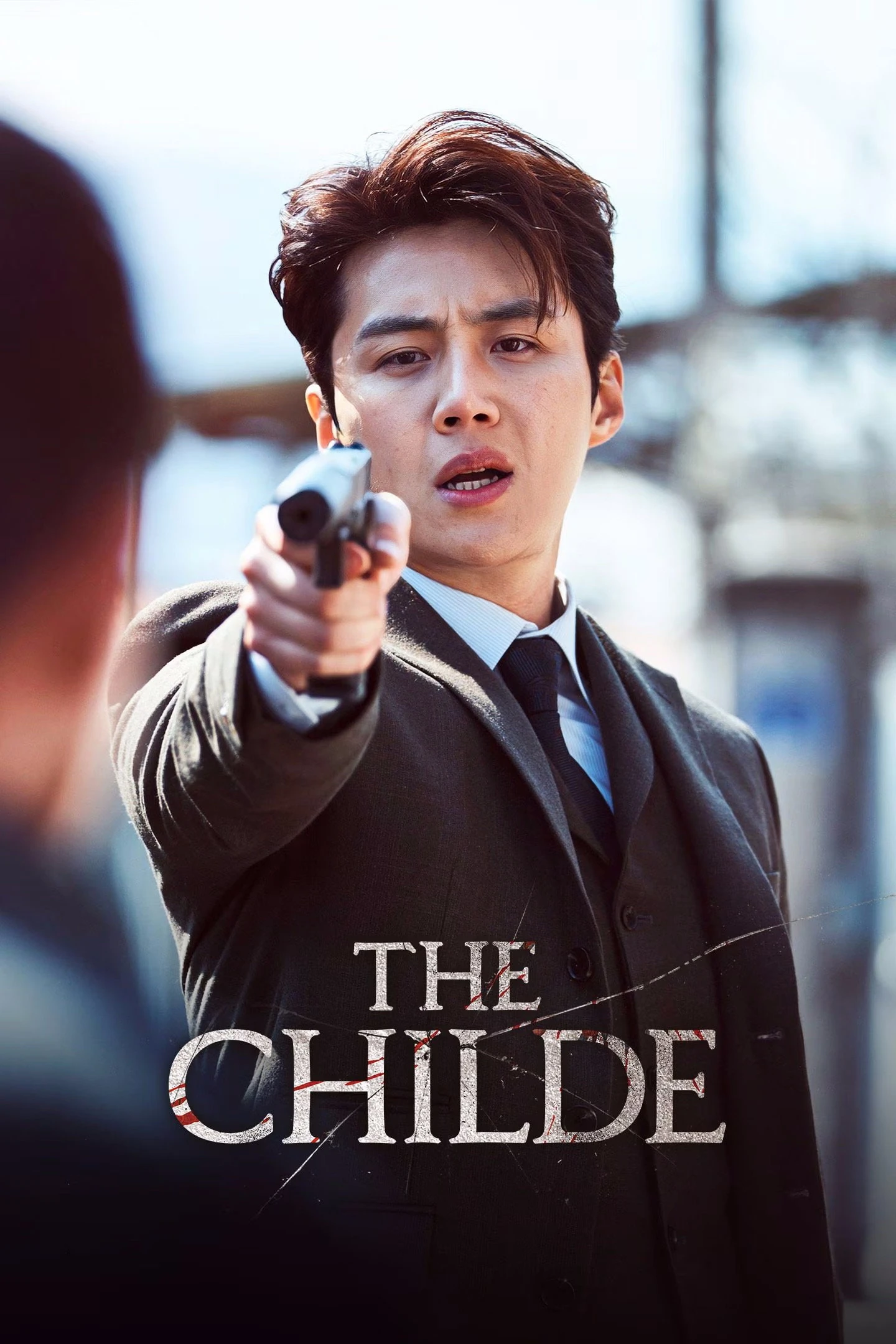
The Childe
🎬 Disney+ · Viki · Hulu
⭐ 8.4 MDL
🔞 14A
🎬 Film Overview
💯 100% RT Critics
Marco has been boxing in the margins of Manila’s underground circuit long enough to know that the money is never really the point — surviving until the next fight is. He is twenty-something, Filipino-Korean, and the only person in his life who knows his father’s name is his dying mother, who can’t stop bleeding through a hospital bill they cannot pay. When that name finally opens a door to South Korea, it looks, for exactly one scene, like something hopeful.
Park Hoon-jung — who wrote I Saw the Devil and directed The Witch — is not interested in hope for very long. The Childe uses the family-reunion premise as a delivery mechanism for something colder: a film about how wealth and bloodline operate as weapons, and about what happens to a person who shows up at the wrong door, at the wrong time, carrying the wrong last name.
⚡ Quick Verdict
No scrolling required — the verdict’s right here.
· MDL
· 100% RT Critics
· 97% RT Audience
· 6.9 / 10 IMDb
▶ Official Trailer
🎭 Cast & Characters
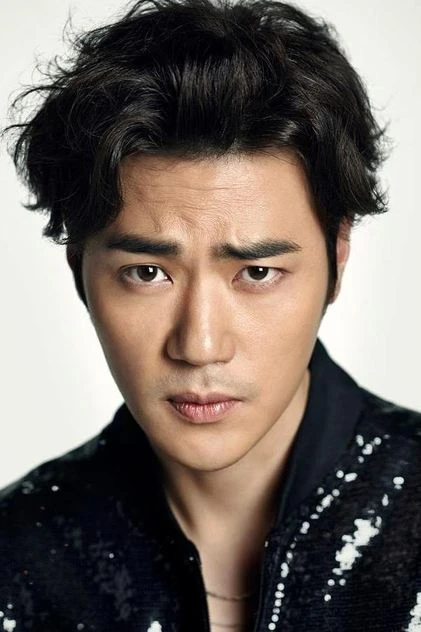
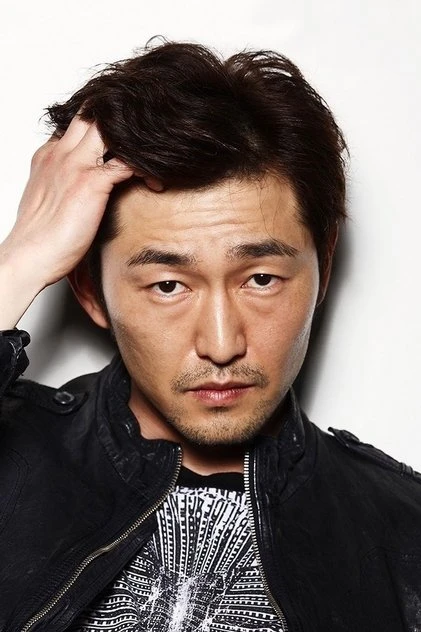
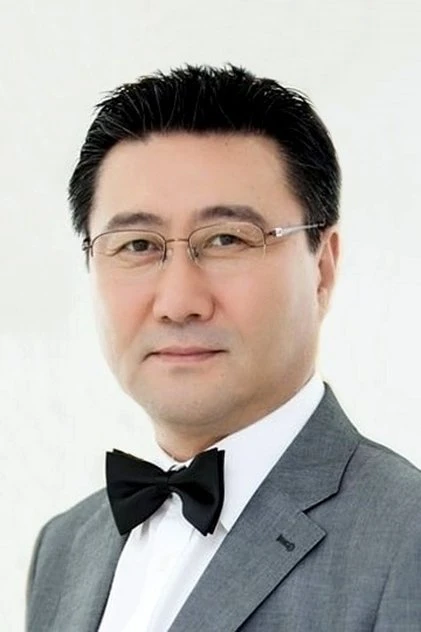
Twelve performances — one ice-cold villain, one stranger in a country that was never going to welcome him.

Lead

Lead
Lead

Lead

Supporting
Supporting
Supporting
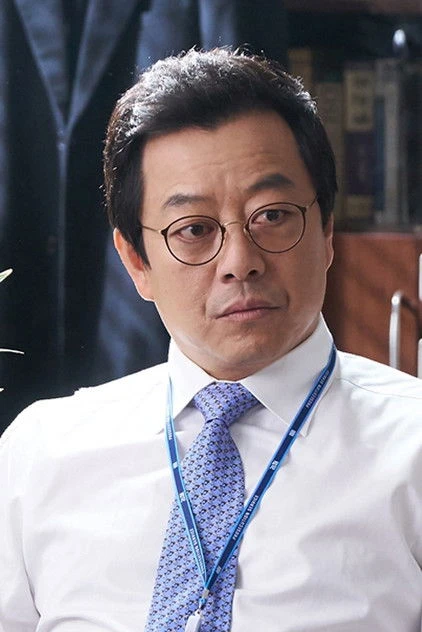
Supporting

Supporting
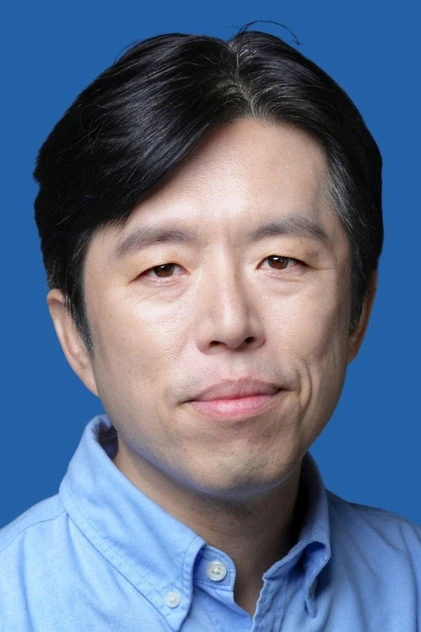
Supporting

Supporting

Supporting
🍿 Where to Watch
Stream The Childe on these platforms.
📖 The Story
Spoiler-free — enough to know whether this is your kind of film.
Marco’s life in the Philippines maps out in three directions: the ring, the hospital bed, and the unpaid bill sitting between them. He is a young man boxing at the bottom of a structure that has no interest in letting him rise — not because he lacks talent, but because the fight he is in predates him. Filipino-Korean, neither fully one thing nor the other, he moves through Manila as someone who has learned to occupy the margins of both identities without belonging entirely to either.
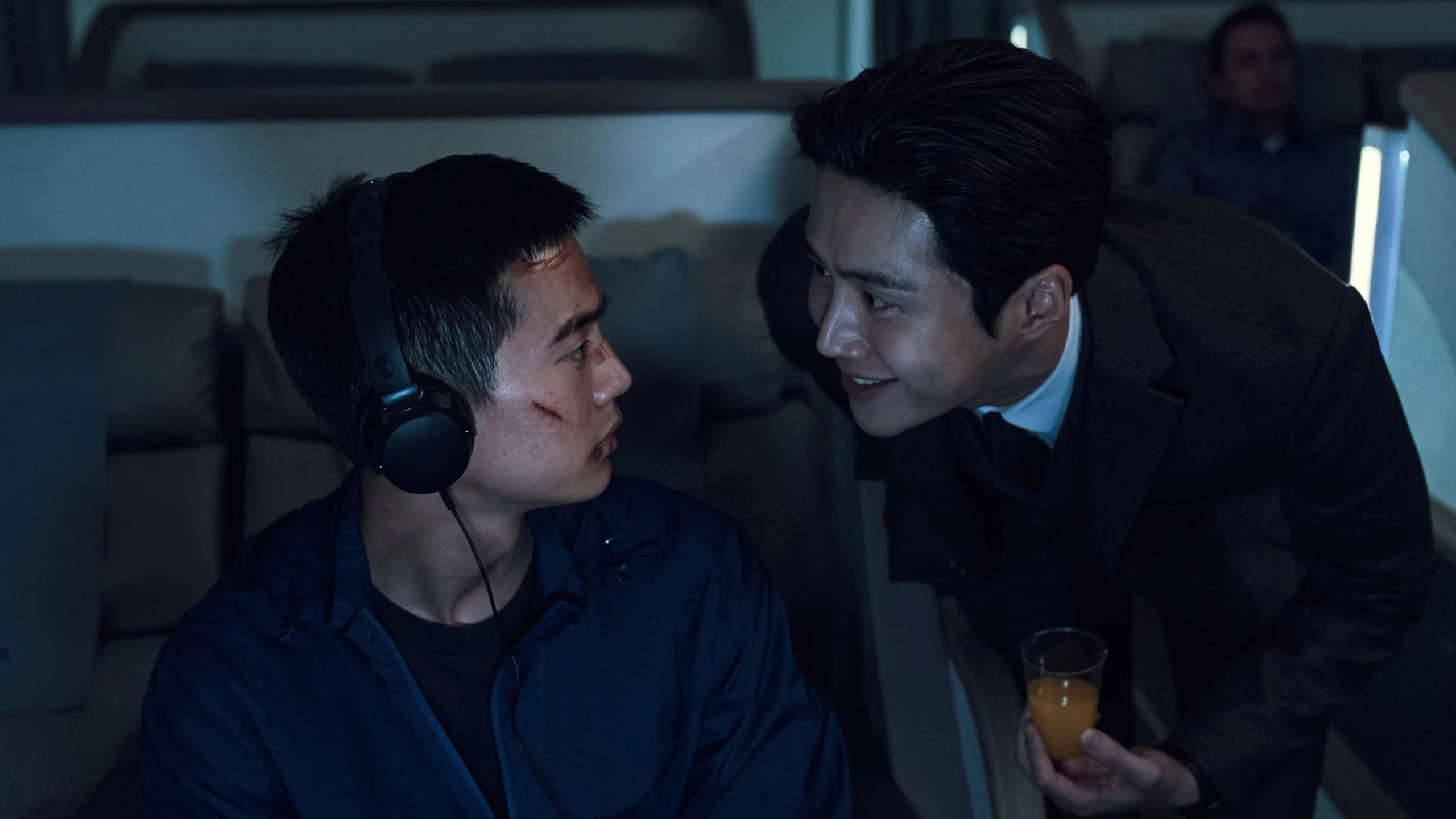
The call to South Korea arrives with the weight of a last option. His father — wealthy, connected, the kind of man whose name opens doors — has been located. Marco sets out not with optimism but with the arithmetic of desperation: the surgery has a cost, his father has money, and somewhere between those two facts is a trip worth taking. What he does not account for is the man already watching him before the plane has landed.
The Nobleman — Kim Seon-ho’s character, deliberately undefined in the film’s early movements — is the film’s central disturbing presence. He is not physically imposing or conspicuously menacing. He moves like someone who has already calculated every version of the next hour and found none of them particularly challenging. In a film full of people who want something from Marco, the Nobleman wants something Marco does not yet understand, which is precisely what makes him the most dangerous person in any given scene.
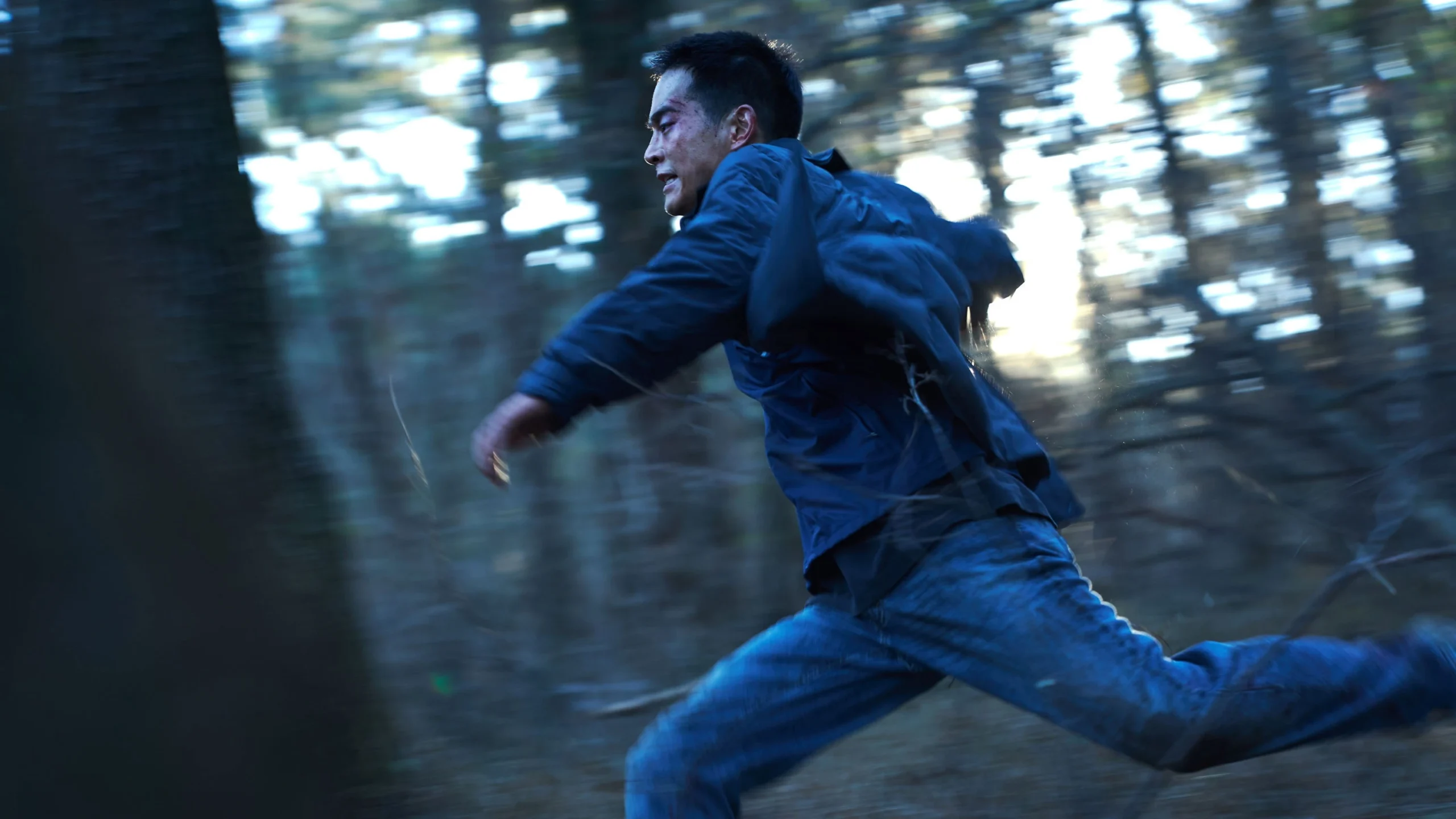
The supporting network around Marco slots into the thriller machinery with precision: Lawyer Kang presents as an ally and reads as a handler; Director Han wears the face of a businessman and carries the posture of a man accustomed to owning outcomes; Yoon-ju — Go Ara, working with considerably less material than she deserves — arrives at intervals that suggest she may be the only person in Marco’s orbit without a fixed agenda, which in itself becomes suspicious. Park Hoon-jung keeps everyone’s motives credibly opaque for most of the running time.
Kim Seon-ho built his audience on warmth. Two years of rom-com roles and one beloved drama series established him as the actor you root for even when the writing fails him. The Nobleman is the deliberate undoing of that expectation — no warmth concealed beneath the danger, no conflicted humanity surfacing in the pauses. Seon-ho calibrates the performance at a specific frequency of threat: quiet enough to be elegant, cold enough to be genuinely frightening. The film’s best moments are the ones where he is simply in the same room as someone who does not yet know to be afraid.
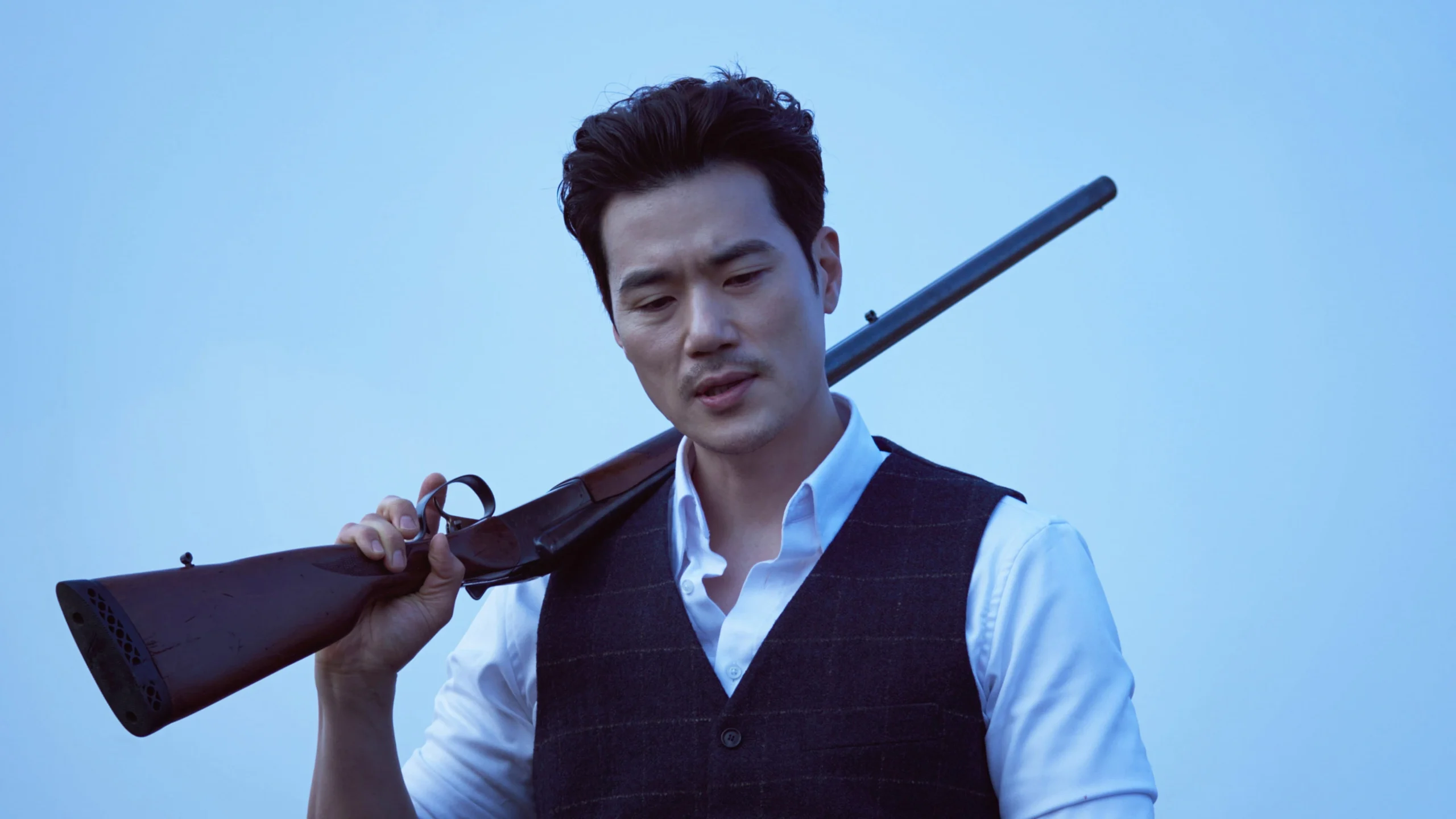
Park Hoon-jung works in a mode that could be called Korean genre maximalism: action sequences staged with stylized clarity, violence that arrives with brutal abruptness rather than slow buildup, and a tonal range that moves between pulp entertainment and something darker without apologizing for either end of the spectrum. The Manila sequences give the film an energy that most Korean action films don’t have — a rougher, more improvisational visual texture that makes the transition to South Korea’s cleaner infrastructure feel like entering a different kind of trap.
For non-Korean audiences, one layer of the film operates fine as pure action and lands perfectly well on those terms. But the social architecture beneath the chase is doing real work. Marco is not simply a man being hunted — he is a man whose claim to legitimacy, inheritance, and even personhood is being evaluated and contested by people with vastly more institutional power. The violence is not random. It is the way a system enforces its own definitions of who counts as an heir and who counts as a liability.
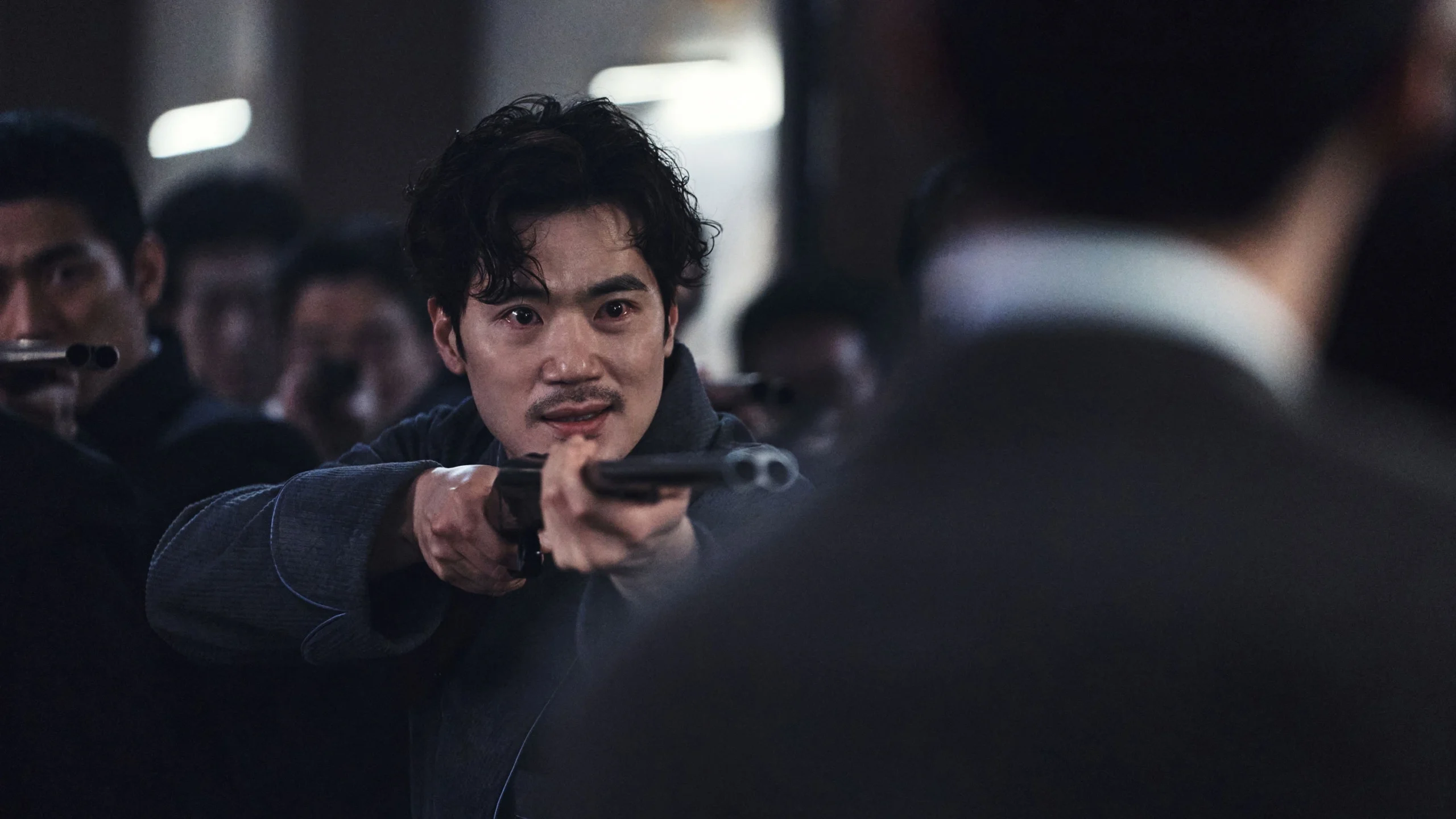
🏁 Ending Explained
Full spoilers ahead — what happens, what it means, and what the film was really building toward.
Full Spoilers Ahead — This section covers the complete ending of The Childe. Stop here if you haven’t watched.
The trap closes. The final act removes every ambiguity about what Marco was brought to Korea for. Director Han’s scheme — using Marco’s search for family as the mechanism for a plan involving inheritance and family assets — is laid bare not through exposition but through the behavior of everyone around him at once: the lawyer who was never an advocate, the woman who appeared at calibrated moments, the Nobleman who has been operating from a completed map from the very beginning. The confrontation is not a twist. It is an arrival at the destination the film had been pointing toward since the opening scene.
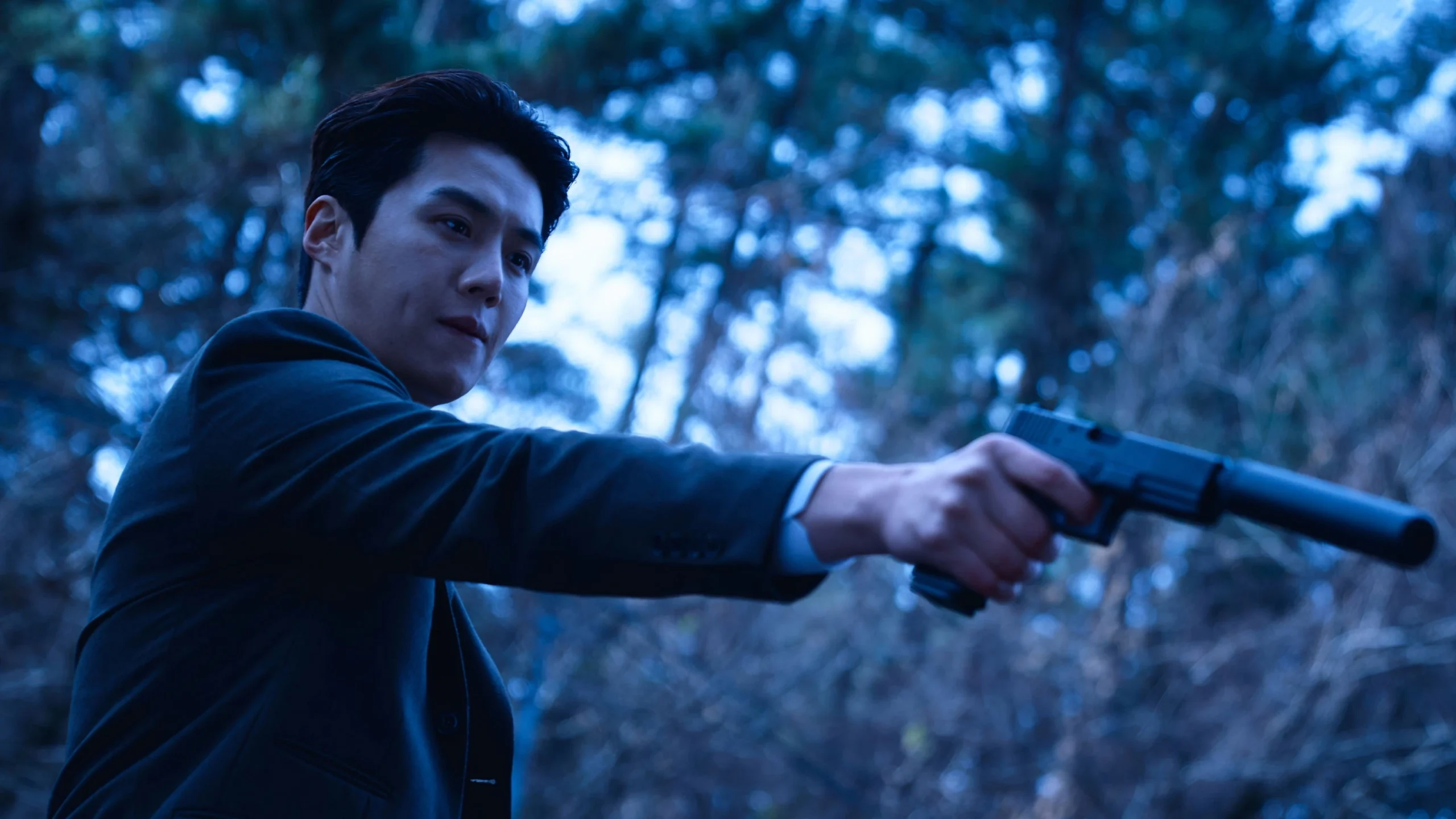
Exploitation disguised as rescue. What makes the ending meaningful rather than merely clever is the discovery that Marco’s search for family was never going to be what he needed it to be. Director Han’s interest in his illegitimate son was always transactional — a financial scheme that required Marco to appear on Korean soil, claim something, and then become controllable or disposable, whichever was more convenient. The film does not frame this as a betrayal of father-son expectation. It presents it as the logical endpoint of a system in which bloodline is a legal instrument rather than an emotional reality.
The Nobleman’s ambiguity holds. The question of how much the Nobleman knew and when — and what his actual objective became once Marco’s value to Director Han was established — is something the film deliberately refuses to resolve. Two coherent readings remain available. In the first, he is a hired instrument who developed something closer to interest in Marco as a rare adversary worth respecting. In the second, he was always operating on a different logic entirely: a figure who understood the system well enough to navigate it independently of whoever was paying him. The film earns the ambiguity because neither reading breaks what came before.
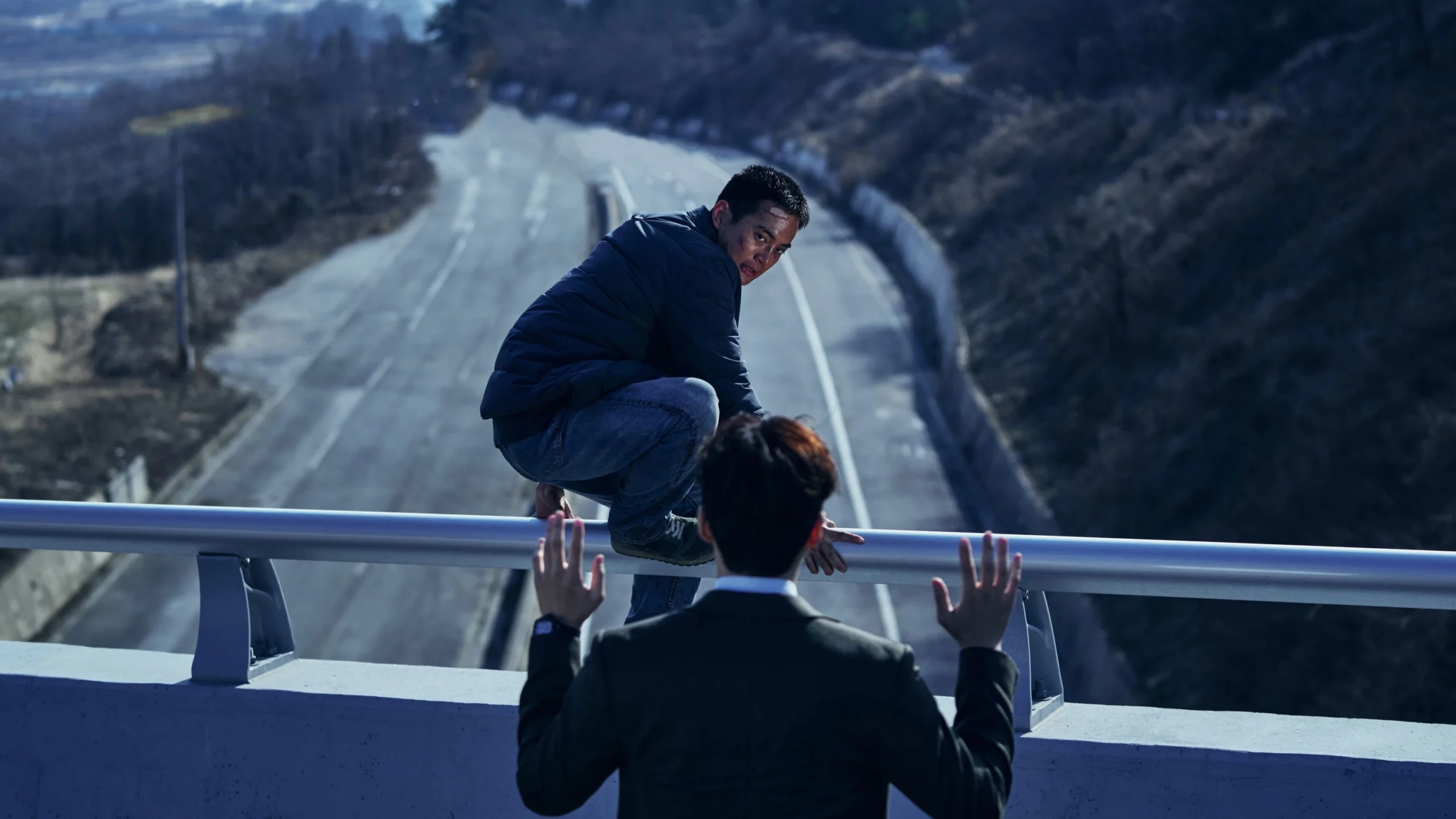
What the ending argues. The strongest reading of The Childe’s conclusion is not about individual characters but about the structure they inhabit. The film argues — quietly and consistently — that belonging is not something Marco can acquire by finding his father. It was never available to him on those terms. The inheritance system he encounters in Korea is not dysfunctional. It is working exactly as designed: built to protect the people already inside it. Marco arrived from outside. That is not a personal tragedy. That is the architecture of legitimacy, operating normally.
What a rewatch reveals. A second viewing makes the first act look completely different, which is the mark of a well-constructed thriller. The airport, the lawyer’s welcome, the conversation on the plane — every early moment of apparent help or warmth carries a different charge once you understand each person’s position in the scheme. What felt like confident genre filmmaking on first watch reveals itself as deliberate construction: Park Hoon-jung was always building a machine, and the machine was always pointed in the same direction. Belonging is not inherited safely. It is claimed in a world that tries to sell it back to you — at a price that was never really about money.

✍️ KDramaWorlds Editor’s Take
Straight talk on whether this one’s worth watching, and for who.
Park Hoon-jung
Known for: New World (2013) · The Witch: Part 1 (2018)
Kim Seon-ho spent the better part of his career playing men you want to root for — charming, warm, the romantic lead who almost doesn’t make it but does. The Childe is the film where he systematically reverses everything that goodwill built. His Nobleman never raises his voice, never moves with urgency, never expresses frustration at obstacles. What makes the performance unsettling is the stillness: the way the Nobleman sits across from someone who is clearly afraid and makes no adjustment whatsoever for their discomfort. The scene on the plane where he first makes direct contact with Marco lands not because of what Seon-ho does, but because of what he refuses to do — there is no warmth available to soften it, even briefly. For comparison, the crime action of The Roundup: No Way Out offers a different register: where Ma Dong-seok externalizes all his menace through sheer physical presence, Seon-ho’s Nobleman internalizes it completely. Both approaches work. One of them is much harder to do.
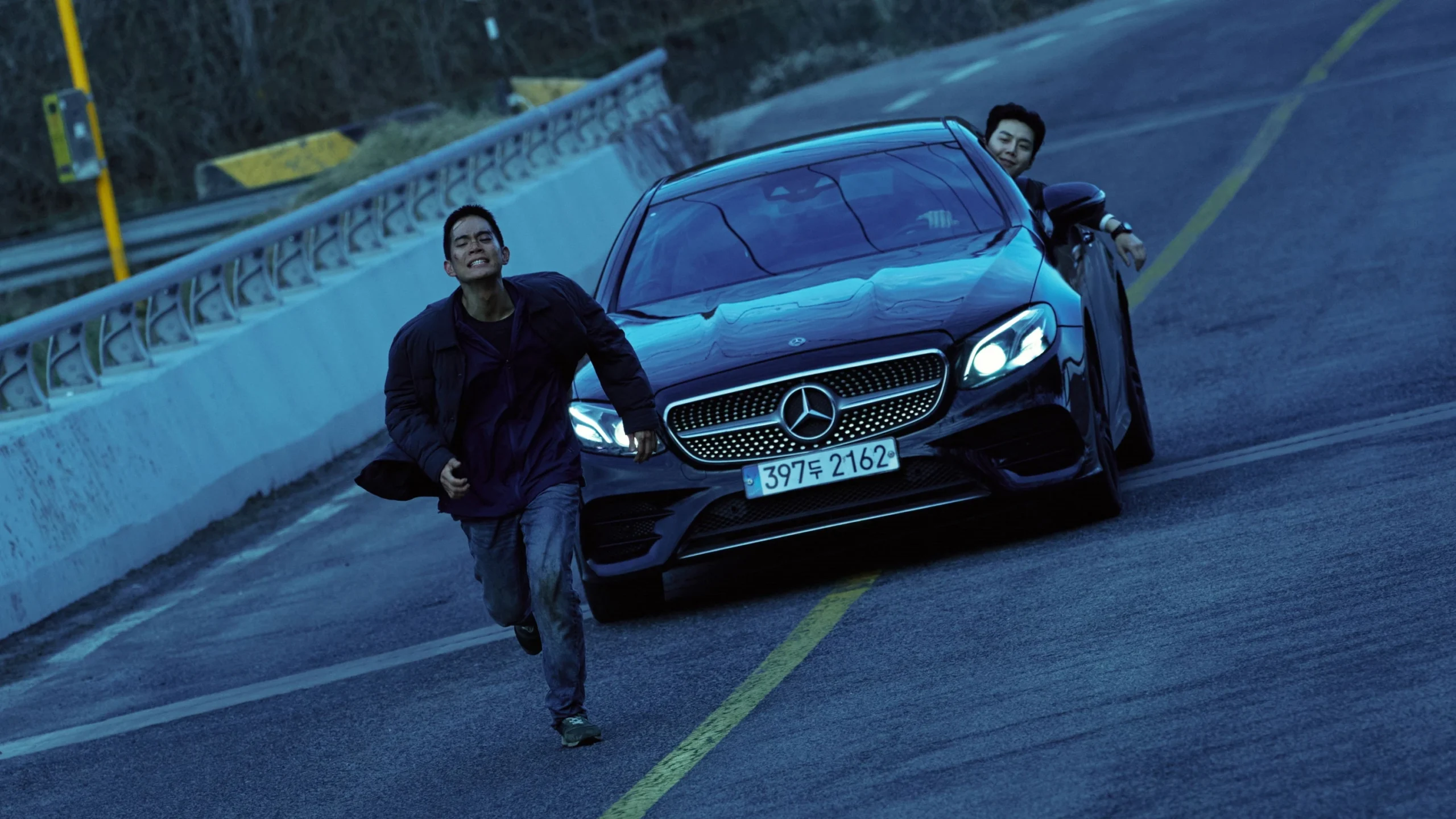
Kang Tae-ju carries the film’s emotional load in a role that could have been purely reactive and mostly isn’t. Marco is not a character who gets many scenes of interiority — the film moves too fast for that — but Tae-ju finds a way to communicate the specific weight of someone who grew up straddling two cultures without fully belonging to either. The boxing sequences read as genuine, and the transition from fighting-as-trade to fighting-for-survival is performed as a shift in tempo rather than in tone, which is a harder and more specific thing to achieve. His performance is the anchor point the film needs precisely because everyone around him is performing concealment. That quality of holding the center while everyone else works angles recalls the understated work in Following, though where that film folded inward psychologically, The Childe keeps its protagonist physically present and outwardly driven.
Park Hoon-jung’s weakness here is the same weakness visible in some of his other work: secondary characters get defined by their function rather than developed as people. Go Ara is given barely enough screen time to establish Yoon-ju as a distinct presence before she is required to mean something, and the gap between what the character represents and what she is allowed to do is notable. Kim Kang-woo’s Director Han is sketched in efficient villain strokes — they land, but they don’t linger. The film earns its 100% RT Critics score on momentum and Kim Seon-ho’s performance more than on structural completeness. That said, at 118 minutes with relentless pacing and a genuinely unsettling central antagonist, The Childe does exactly what it sets out to do with almost no waste. Cold, stylish, and more interested in what it means than its genre obligations require it to be.
Action thriller viewers who want the violence to carry thematic weight
Anyone curious what a Korean-Filipino action film looks like
Rewatch-ready viewers who like spotting what they missed the first time
🎬 You Might Also Like
If you liked The Childe, these are your next three watches.
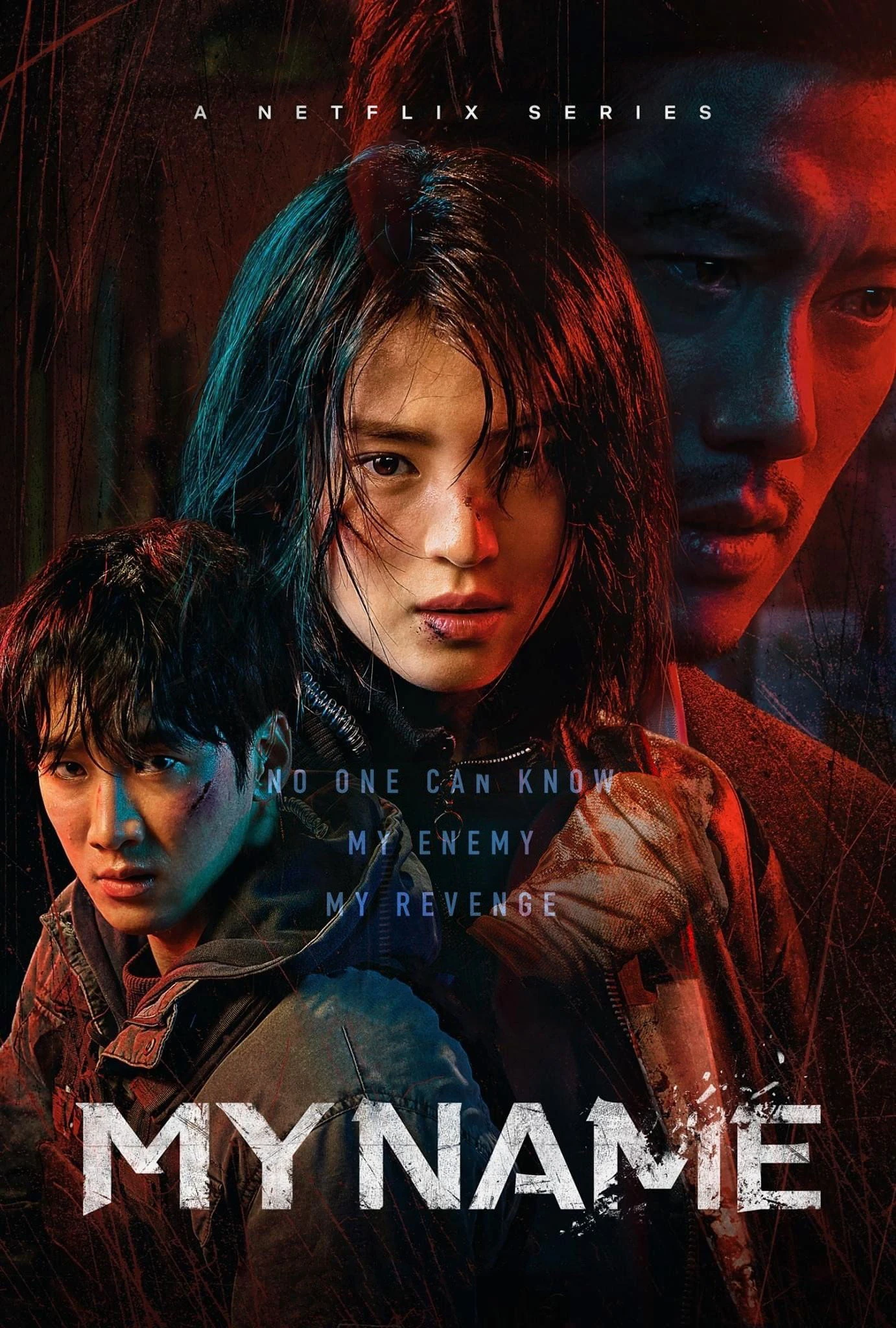
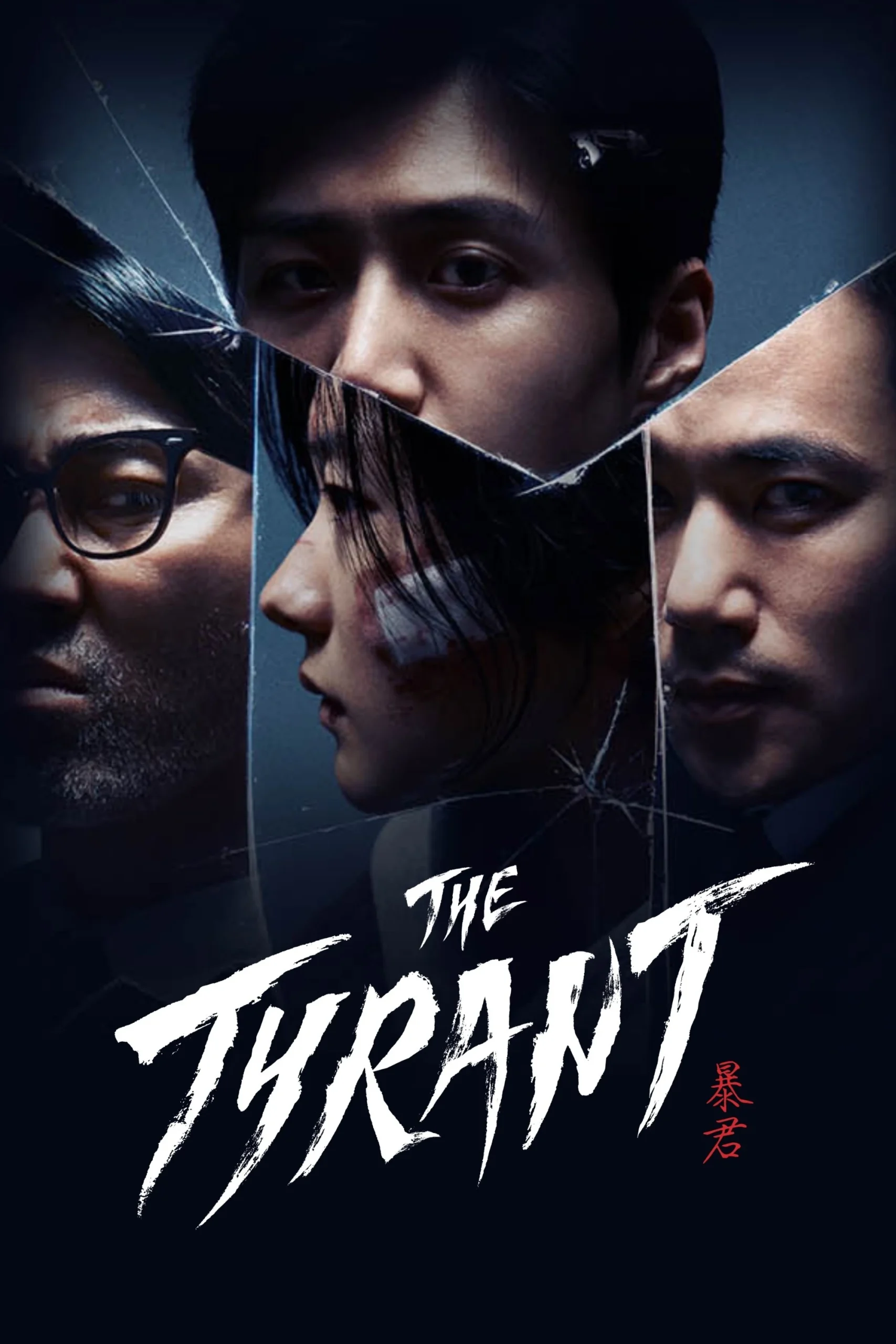 The Tyrant
action thrillerantihero
Read Full Review →
|
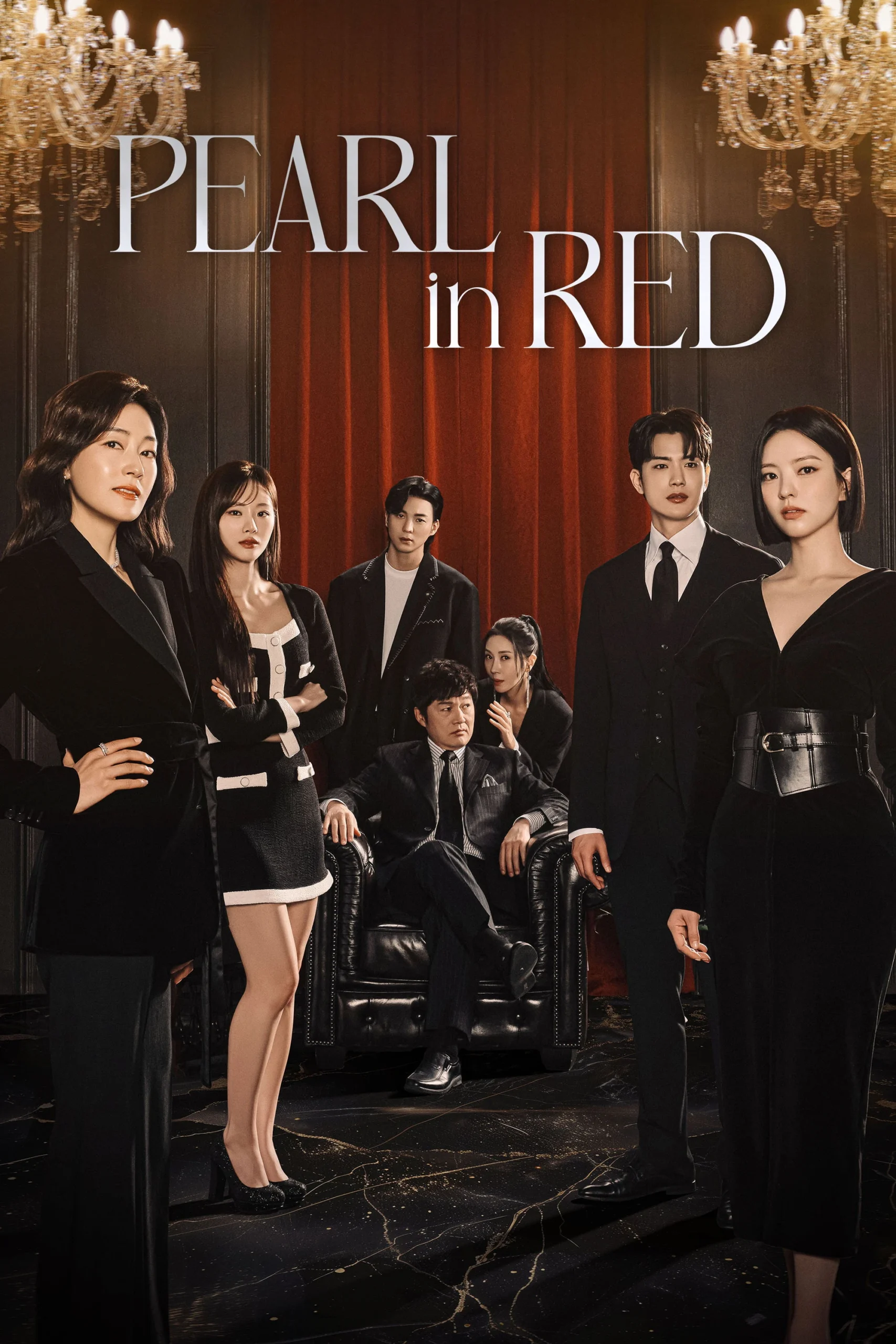 Pearl in Red
corporate dramaMelodrama
Read Full Review →
|
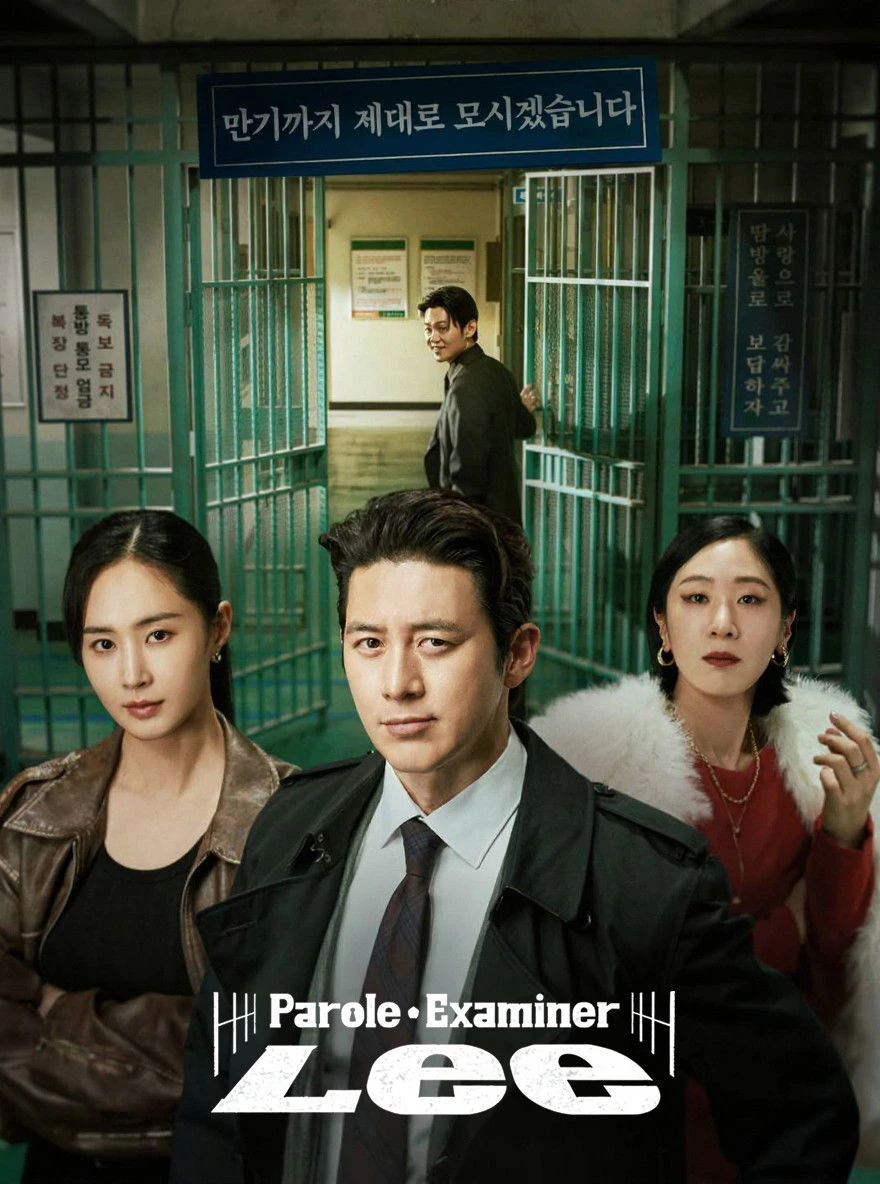 Parole Examiner Lee
ChaebolCorruption
Read Full Review →
|








Keep it kind, skip the harsh language, and please — no spoilers. Everyone's taste is different, and that's perfectly fine.
This space is for real reactions and discussion from other viewers. Help keep it comfortable for everyone by not giving away major plot details.
What do you think of this drama?
Login to share your review or leave a comment.
No email needed — just pick a username & password.