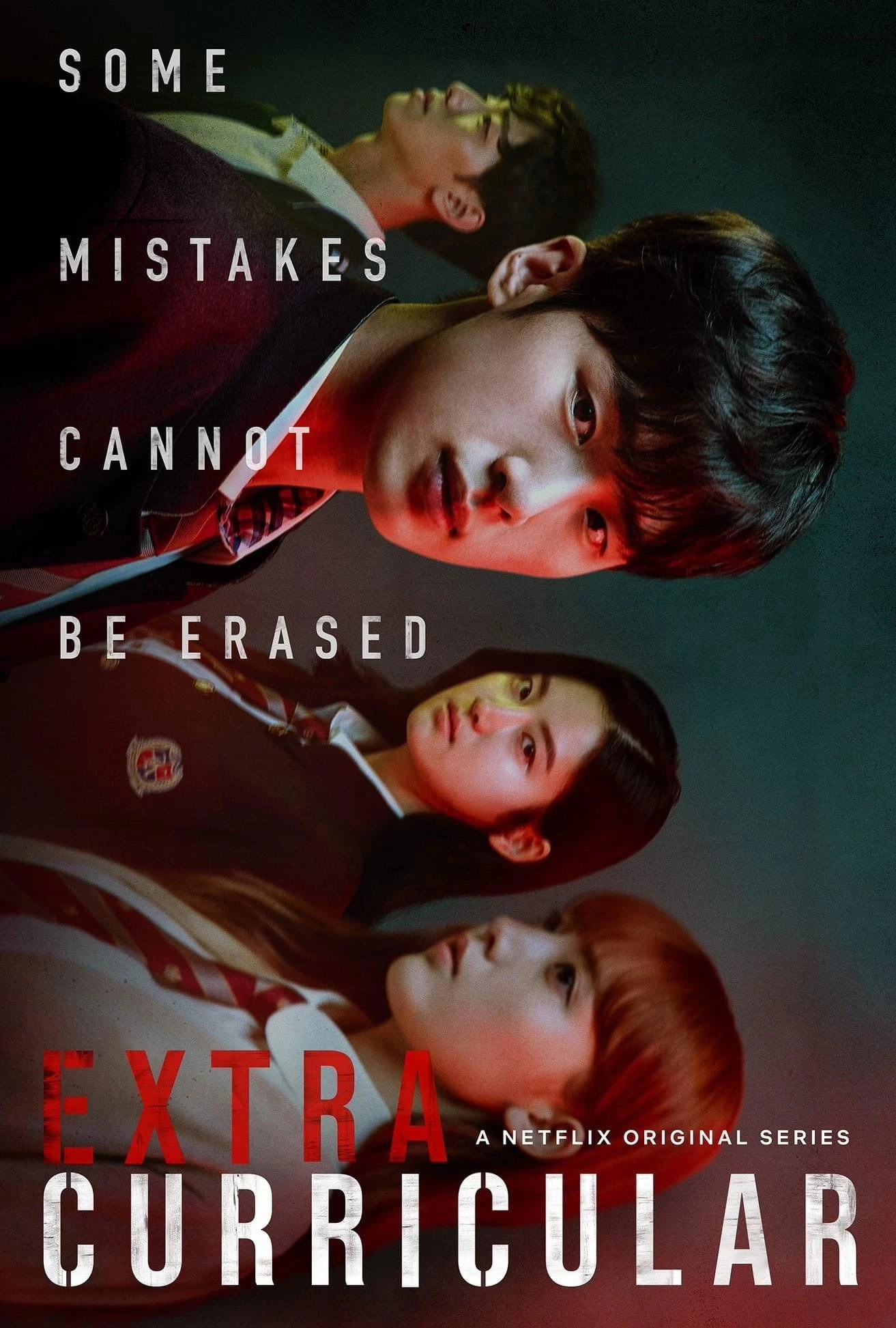
Extracurricular
🎬 Netflix
⭐ 8.3 / 10 MDL
🔞 TV-MA
📋 Drama Overview
Start here — the basics before the first scene.
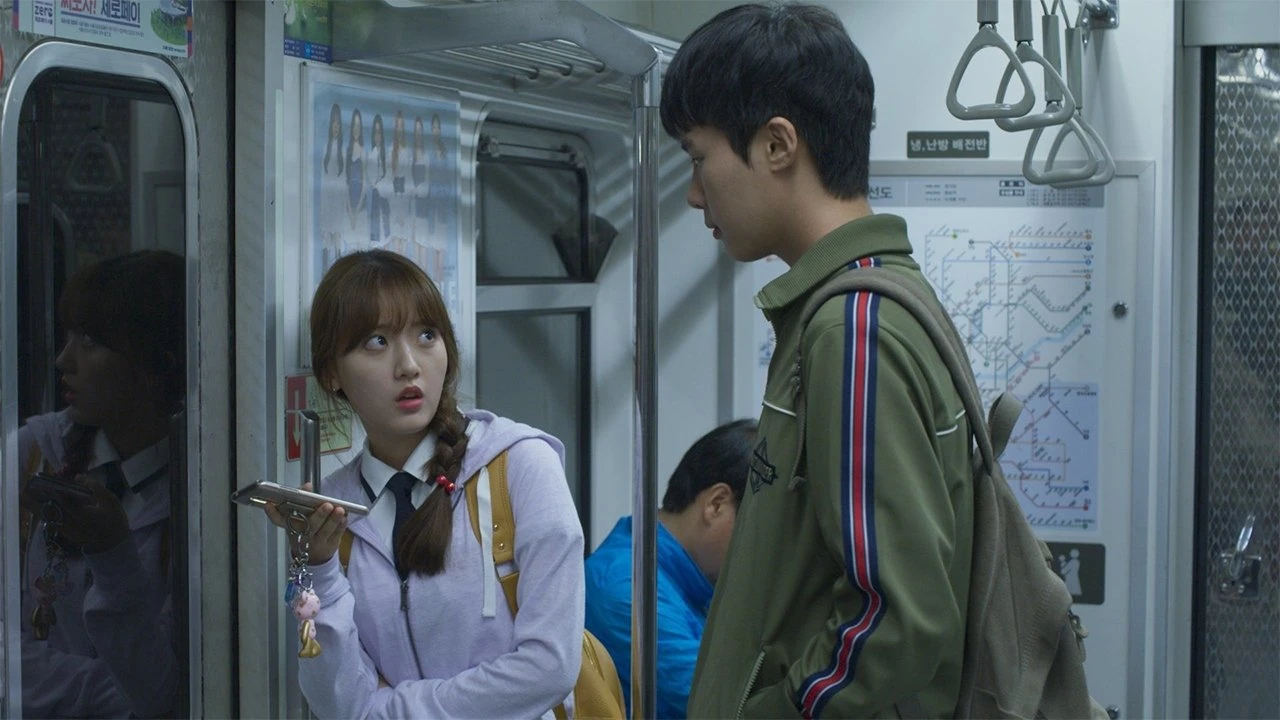
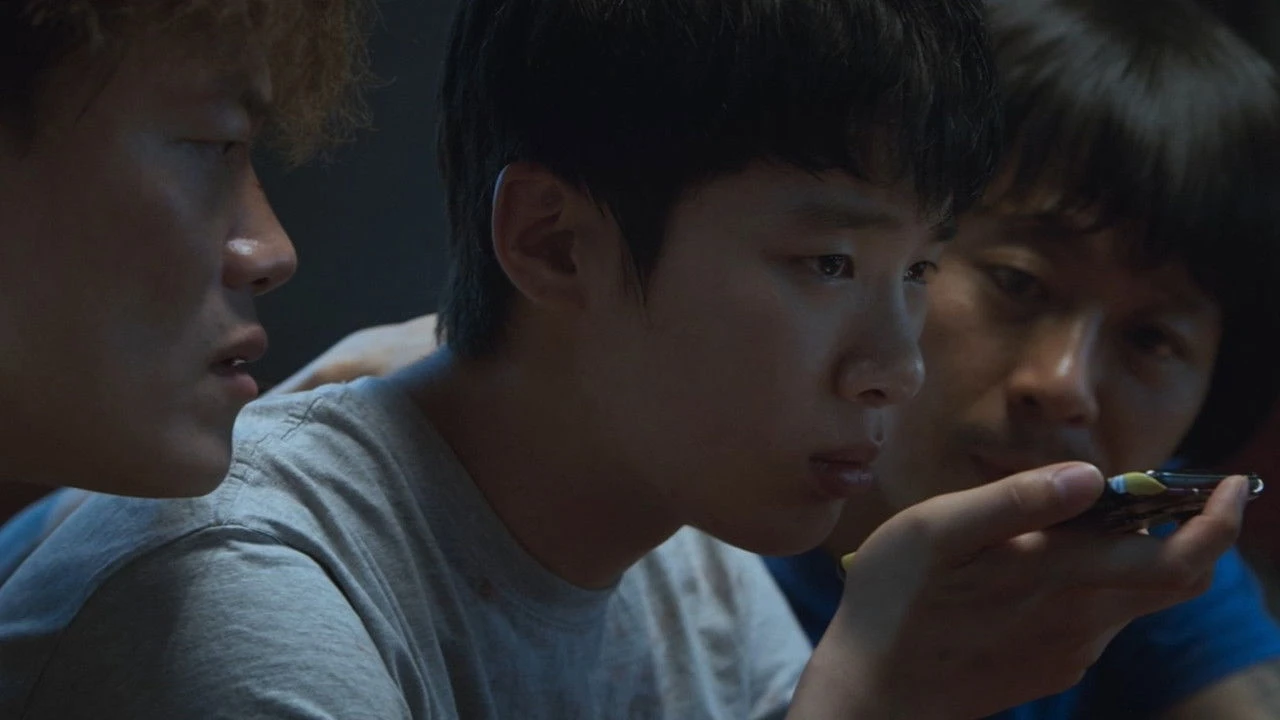
Oh Ji-soo is the student nobody looks at twice — quiet, organized, consistently top of the class. That invisibility is deliberate. Behind it, he runs a compensated dating service with the same methodical care he applies to his homework, skimming profits to save for college tuition his absent father never bothered to secure. The operation is clean until it isn’t, and what undoes it isn’t police work — it’s a classmate named Bae Gyu-ri, who finds his phone and doesn’t call the authorities. She calls him. Closer in premise to Pyramid Game than any conventional teen drama, Extracurricular treats its high school setting not as a backdrop for romance but as a pressure cooker where economic desperation produces progressively worse decisions.
What follows is one of 2020’s most unsettling watches — a show that hands you two protagonists who are clearly doing something wrong and then refuses to tell you how to feel about it. Gyu-ri’s decision to join Ji-soo’s operation isn’t born from desperation or unresolved trauma; it’s born from capability and the quiet recognition that she is more interesting than her comfortable life allows. The show handles both characters with the same cold precision that Through the Darkness brings to its crime profilers — no editorializing, no softening, just the facts of what people are willing to do when they think no one is watching.
10 / 10 ✅ Completed
⚡ Quick Verdict
The short version — everything that matters, boxed up.
· MDL Score · 54,989 ratings
▶ Official Trailer
🎭 Cast & Characters
The cast that makes doing the wrong thing look disturbingly rational.

Lead

Lead

Supporting

Supporting

Supporting
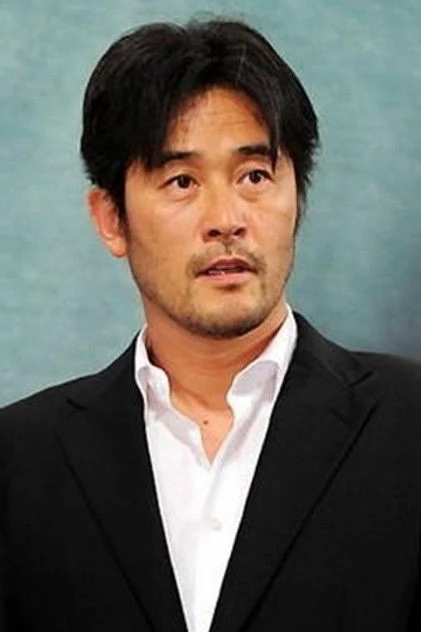
Supporting
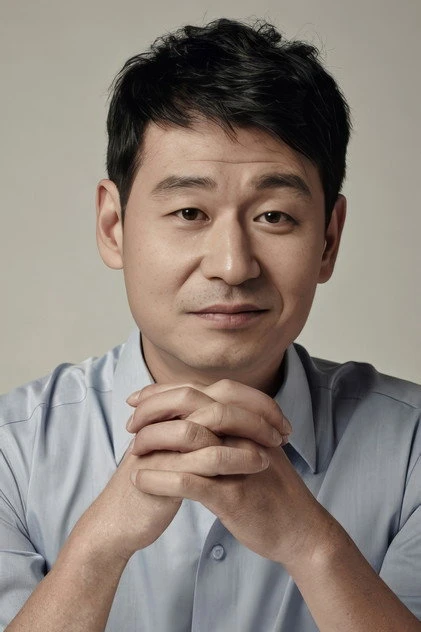
Supporting

Supporting

Supporting

Supporting

Supporting
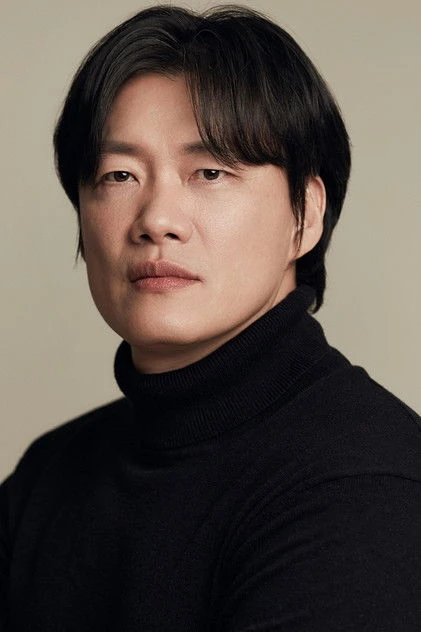
Supporting
📺 Episode Guide
Enough per episode to jog your memory, nothing more.
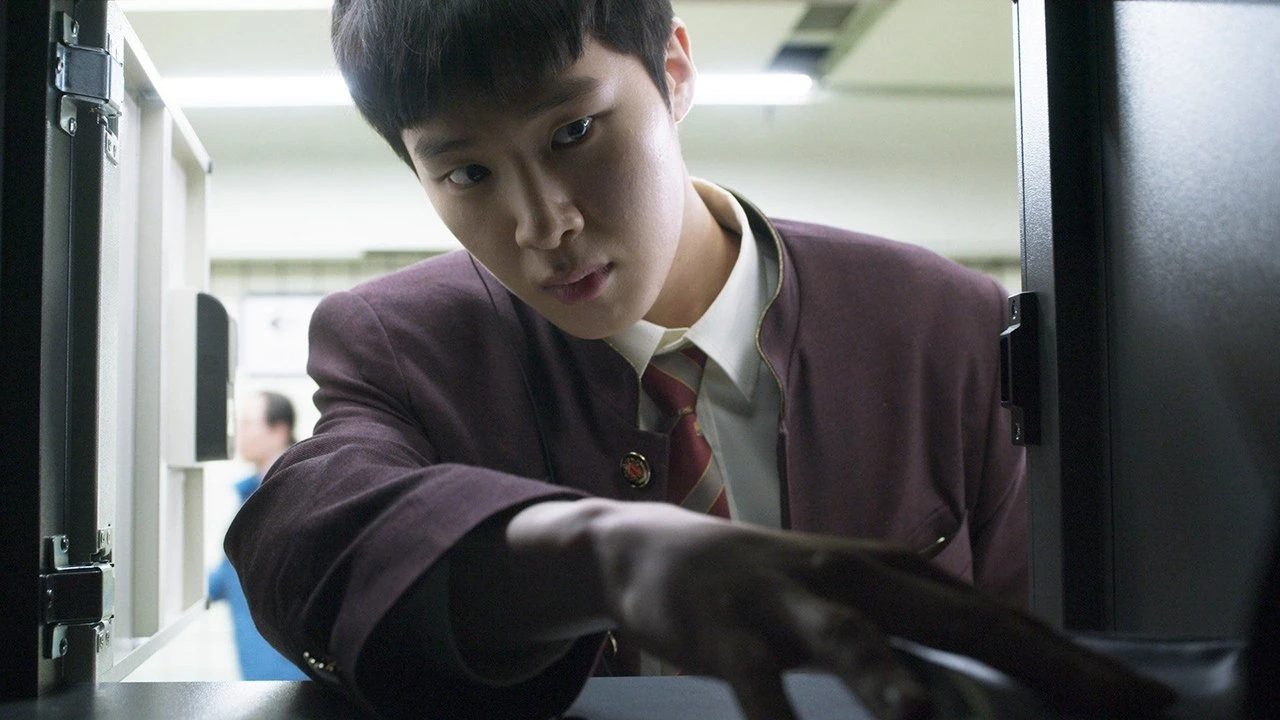
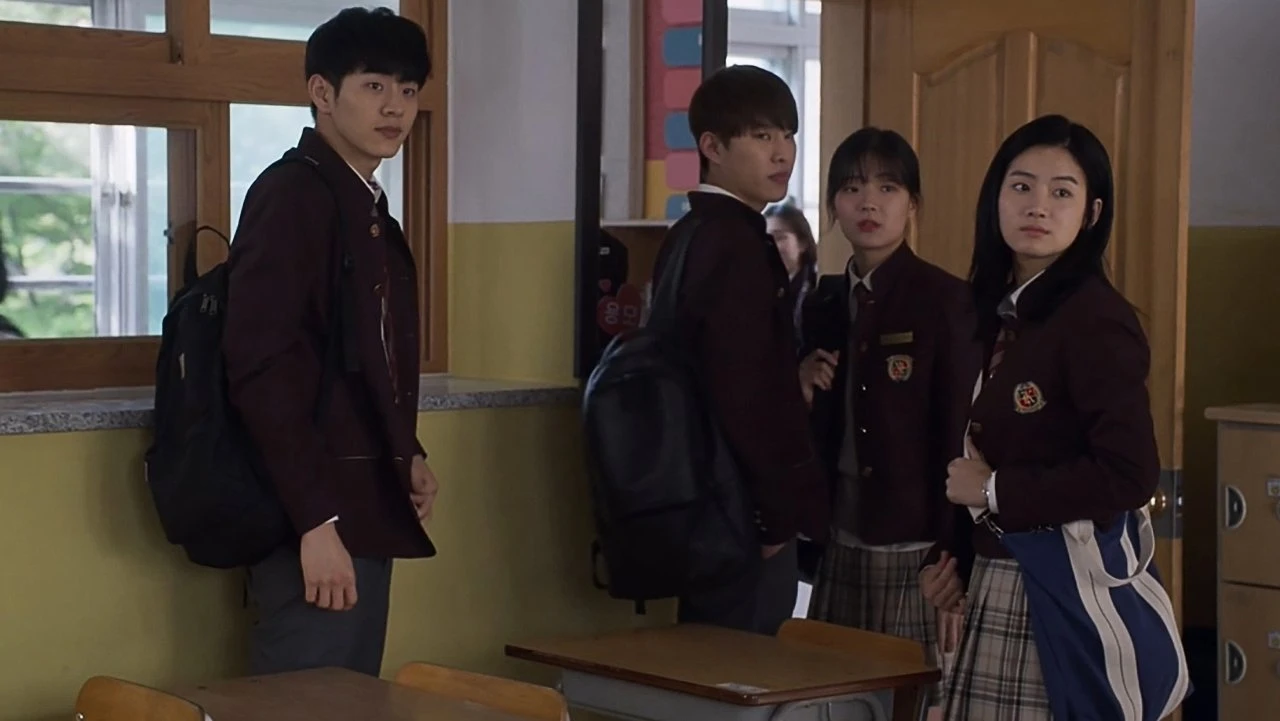
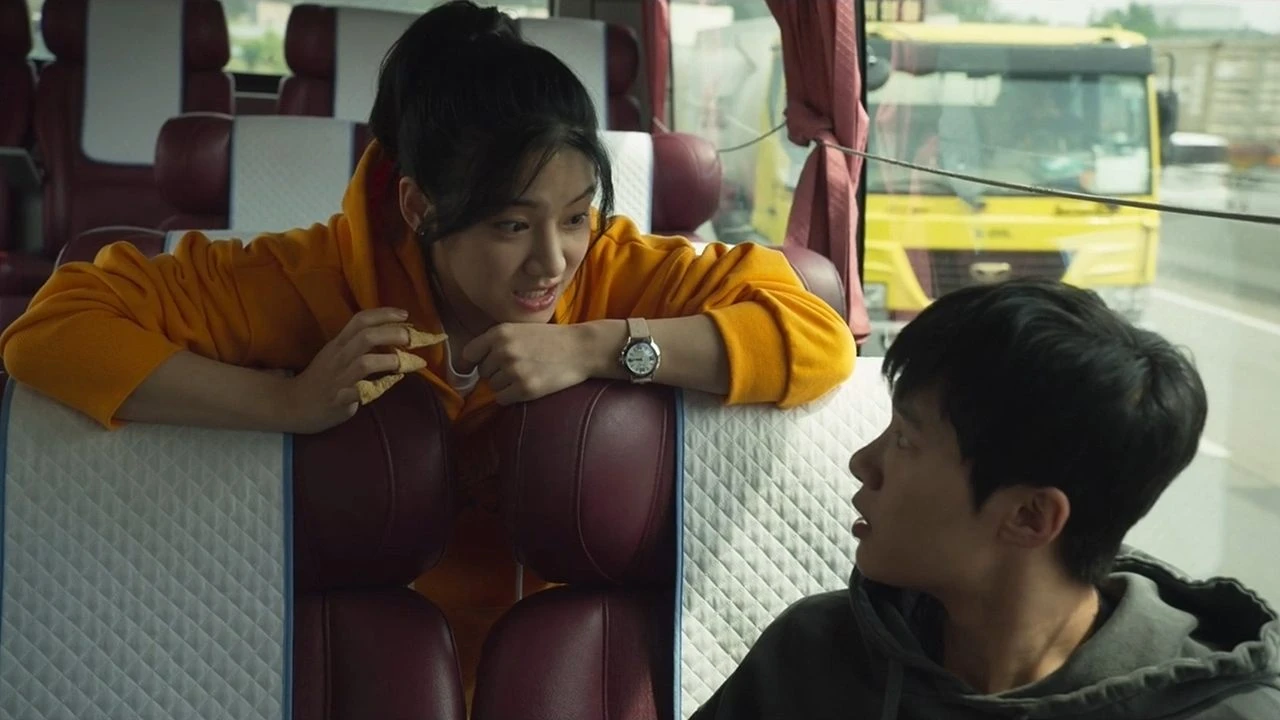
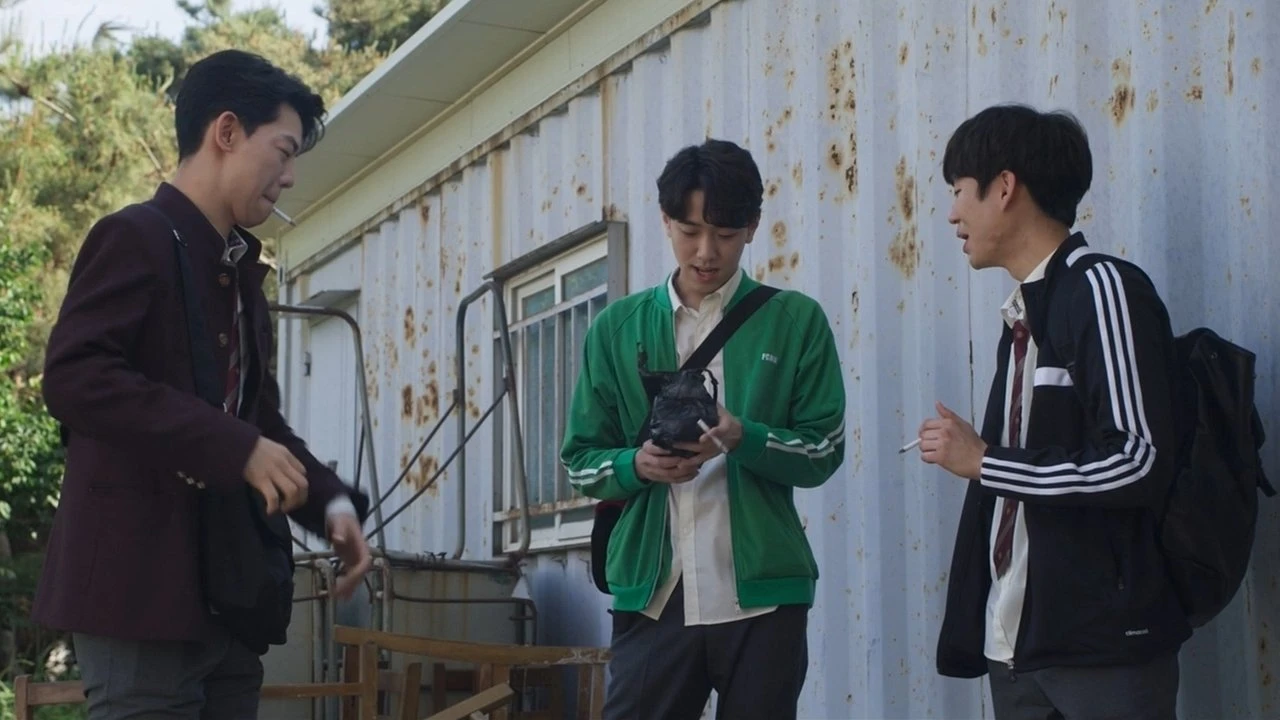
🏁 Ending Explained
Everything that happens in the finale, explained in full — spoilers ahead.
Spoiler Warning — This section covers the full finale of Extracurricular. Stop here if you haven’t finished the series.
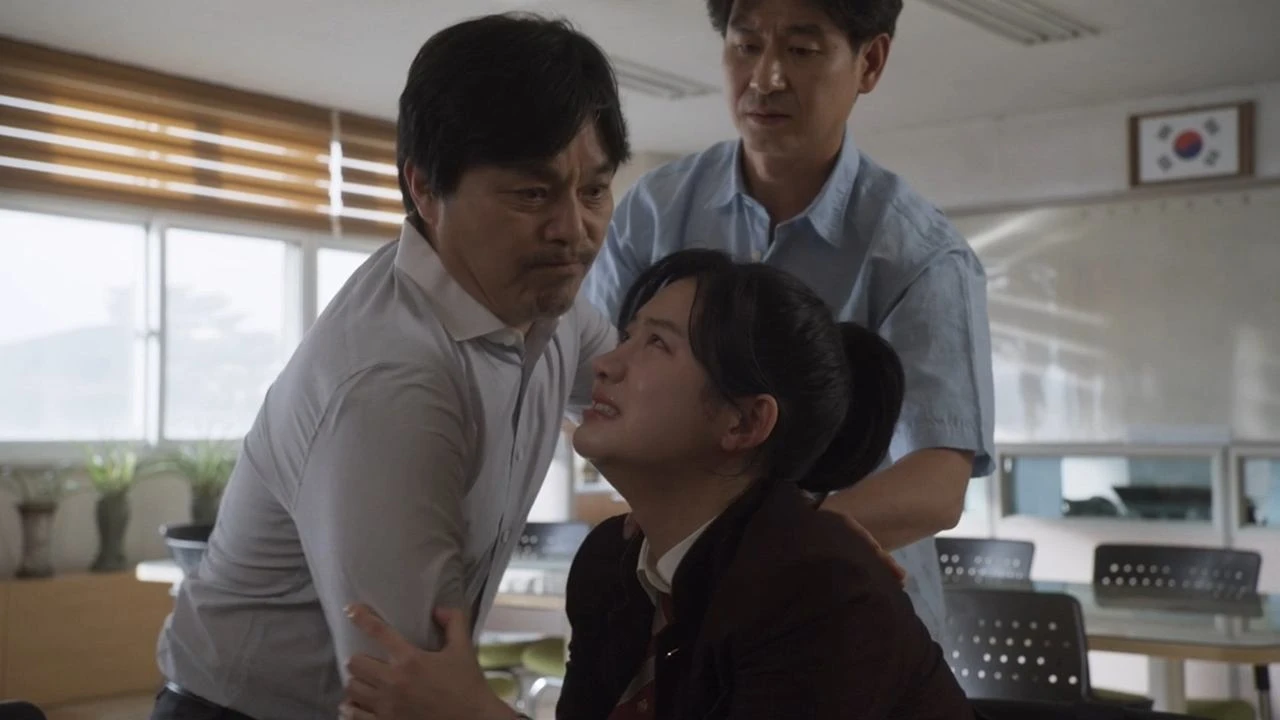
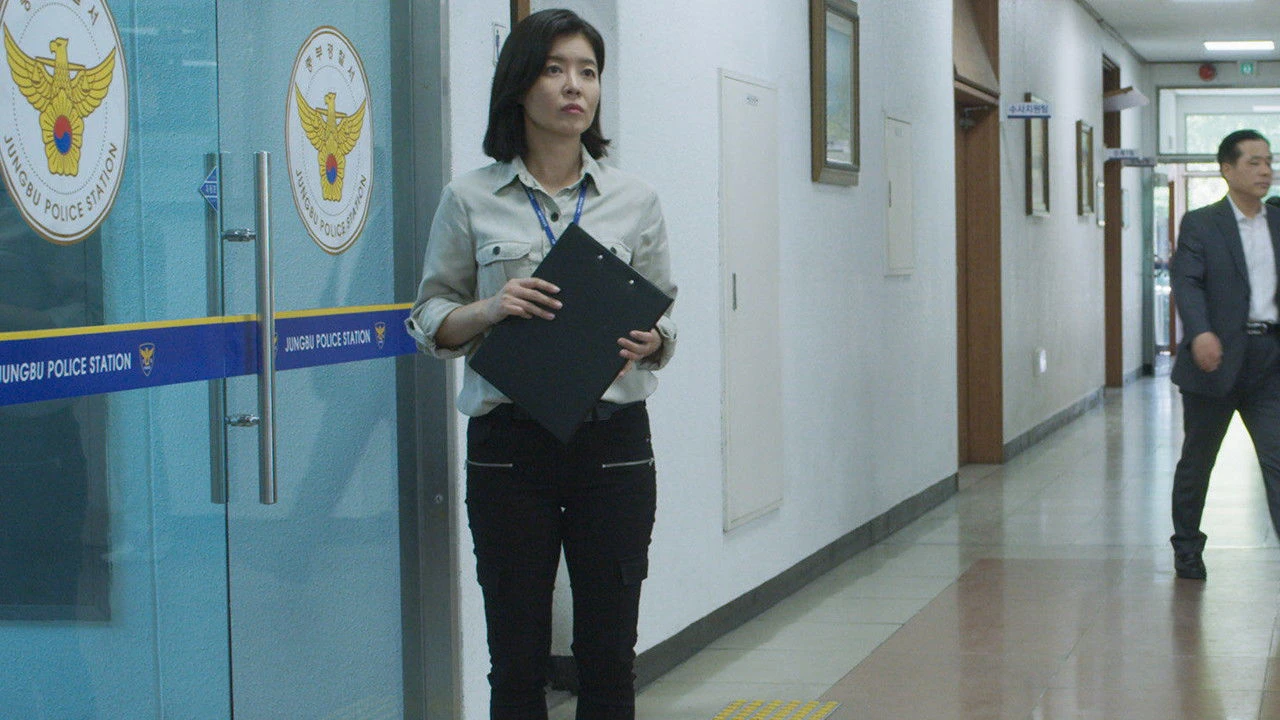
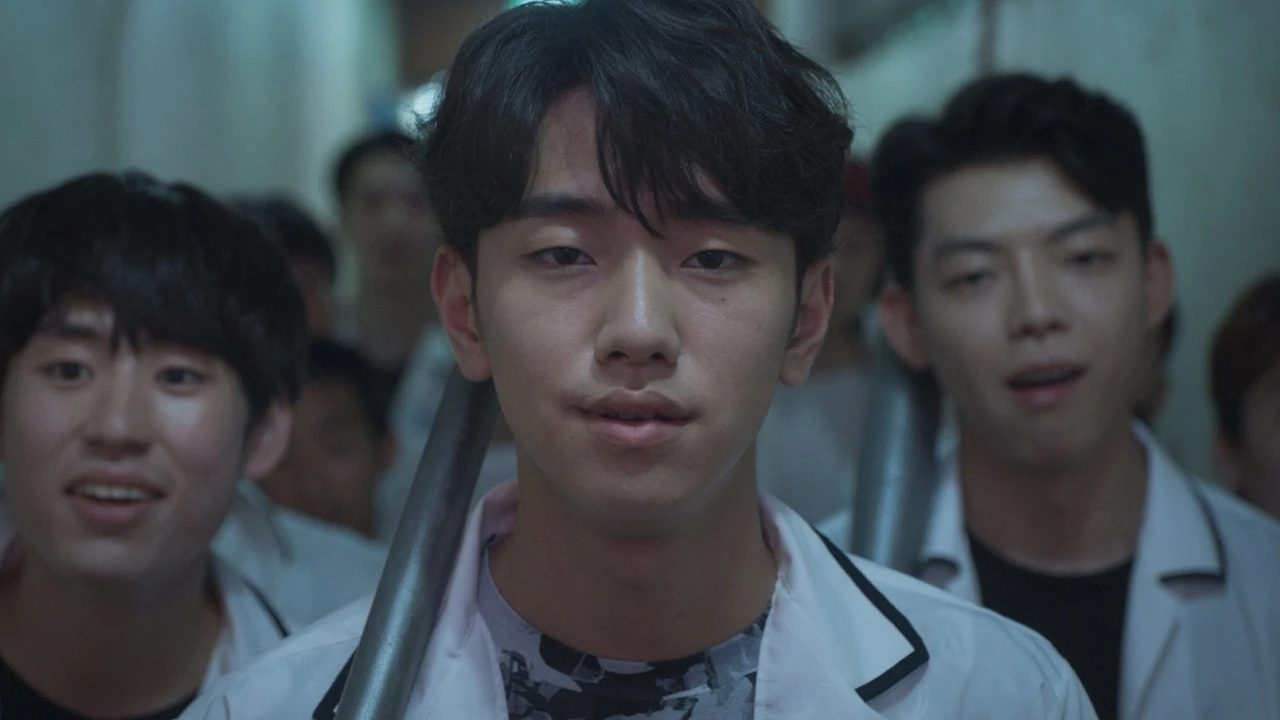
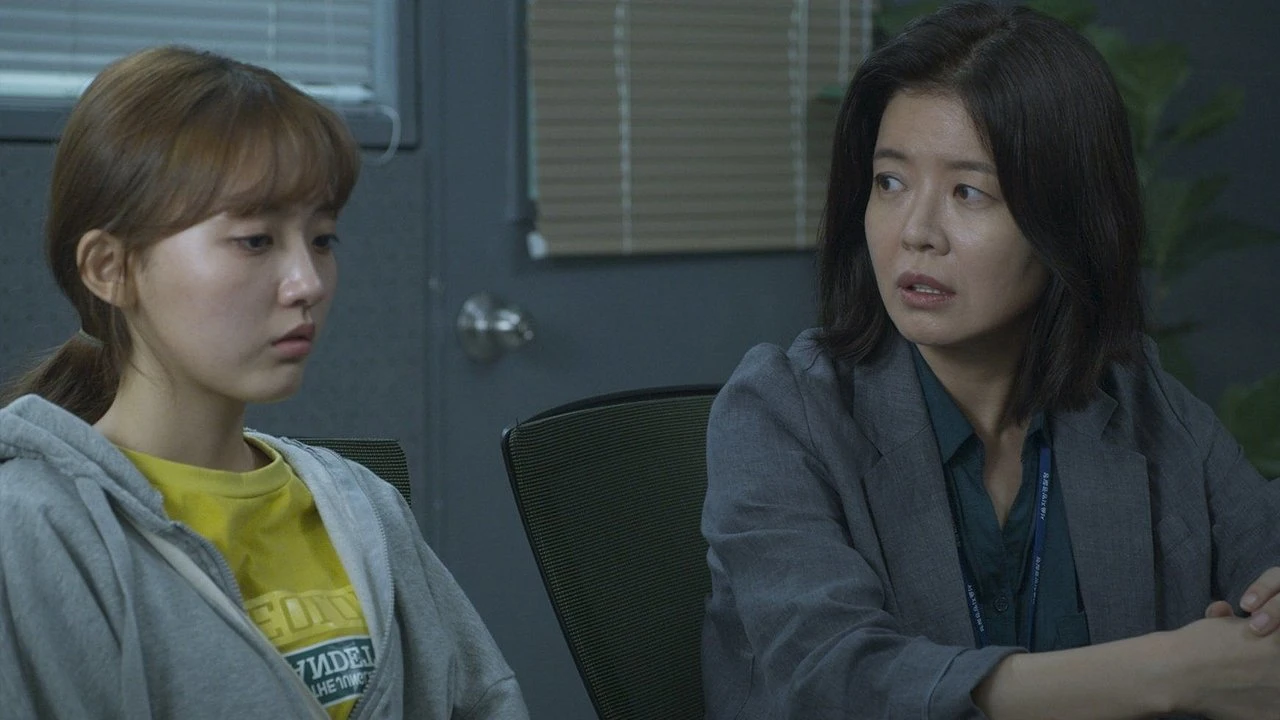
What the finale actually delivers Ki-tae and Ryu Dae-yeol are both dead by the time the dust settles. Mr. Lee — Lee Gwang-soo, Ji-soo’s criminal mentor and protector — is taken by police. Min-hee survives, battered but alive. Detective Lee Hae-gyoung has enough of the picture to know what happened, even if the two people most responsible for it are no longer within reach. Ji-soo and Gyu-ri escape together, driving away from the wreckage of every choice that led them here.

No redemption arc — intentionally The show could have given Ji-soo a breakdown, a confession, a moment of reckoning that let the audience exhale. It doesn’t. Gyu-ri’s first words after surviving a kidnapping are essentially: when do we restart? The finale refuses moral closure because Extracurricular was never about crime leading to punishment. It was about two people who looked at the available options and made a choice — and kept making it, each time with less hesitation than the last.
What the Korean title actually means 인간수업 (Ingansueop) translates literally to ‘Human Lesson’ — not a lesson about the beauty of humanity but about its capacity for rationalization. Ji-soo never saw himself as a criminal. He was solving a math problem: income needed, method found, risks calculated. The ‘lesson’ is that this kind of logic does not stop once you have started. Gyu-ri’s arc is the cleaner version of the same revelation — she discovers she is good at this, and that turns out to be enough reason to continue.
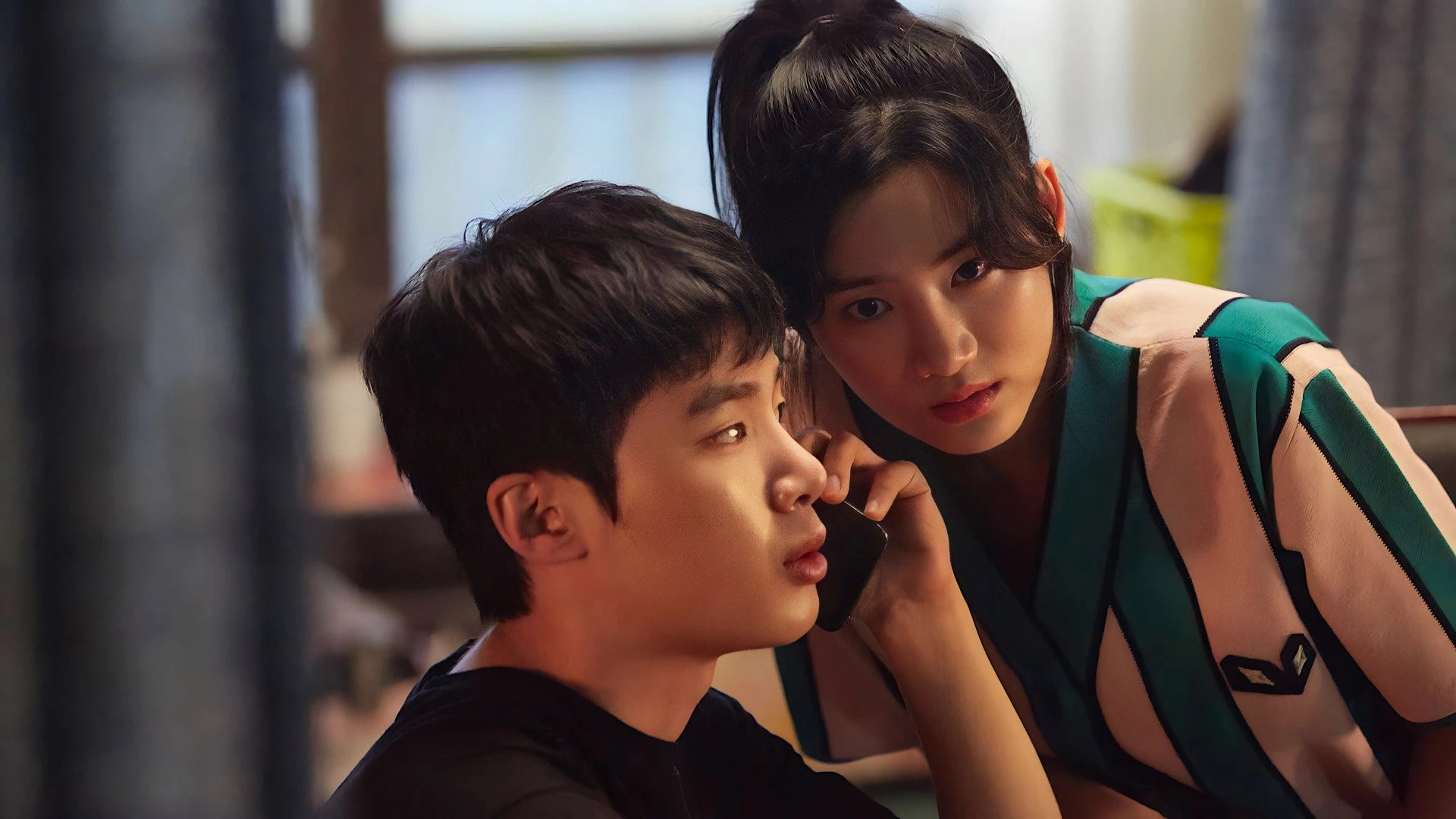
Min-hee and Ki-tae — collateral damage The drama’s strongest supporting arc belongs to Seo Min-hee and Kwak Ki-tae, two characters swept into Ji-soo’s orbit and destroyed by it. Min-hee was already in a compromised situation before Ji-soo; what the show argues is that people like Ji-soo do not create victims so much as find them. Ki-tae’s violence is ugly and his death unambiguously tragic — not because he was innocent, but because the system that produced him is the same one that produced Ji-soo, just with different test scores.
The KDW verdict Detective Lee will keep pulling the thread — that is the only promise the show makes. Not justice. Just persistence. Ji-soo and Gyu-ri exist somewhere in the dark, presumably reorganizing. The ending is uncomfortable in the way the best crime dramas are: it refuses to punish the people you have been watching for ten episodes, which means you have to sit with the fact that you watched. Extracurricular is not a warning about what teenagers might become. **It is a documentation of what the system already made.**
✍️ KDramaWorlds Editor’s Take
Our genuine take on whether it’s worth your time, and who it’s for.
💀 No Redemption Arc
🎓 School of Crime
⚡ Moral Freefall
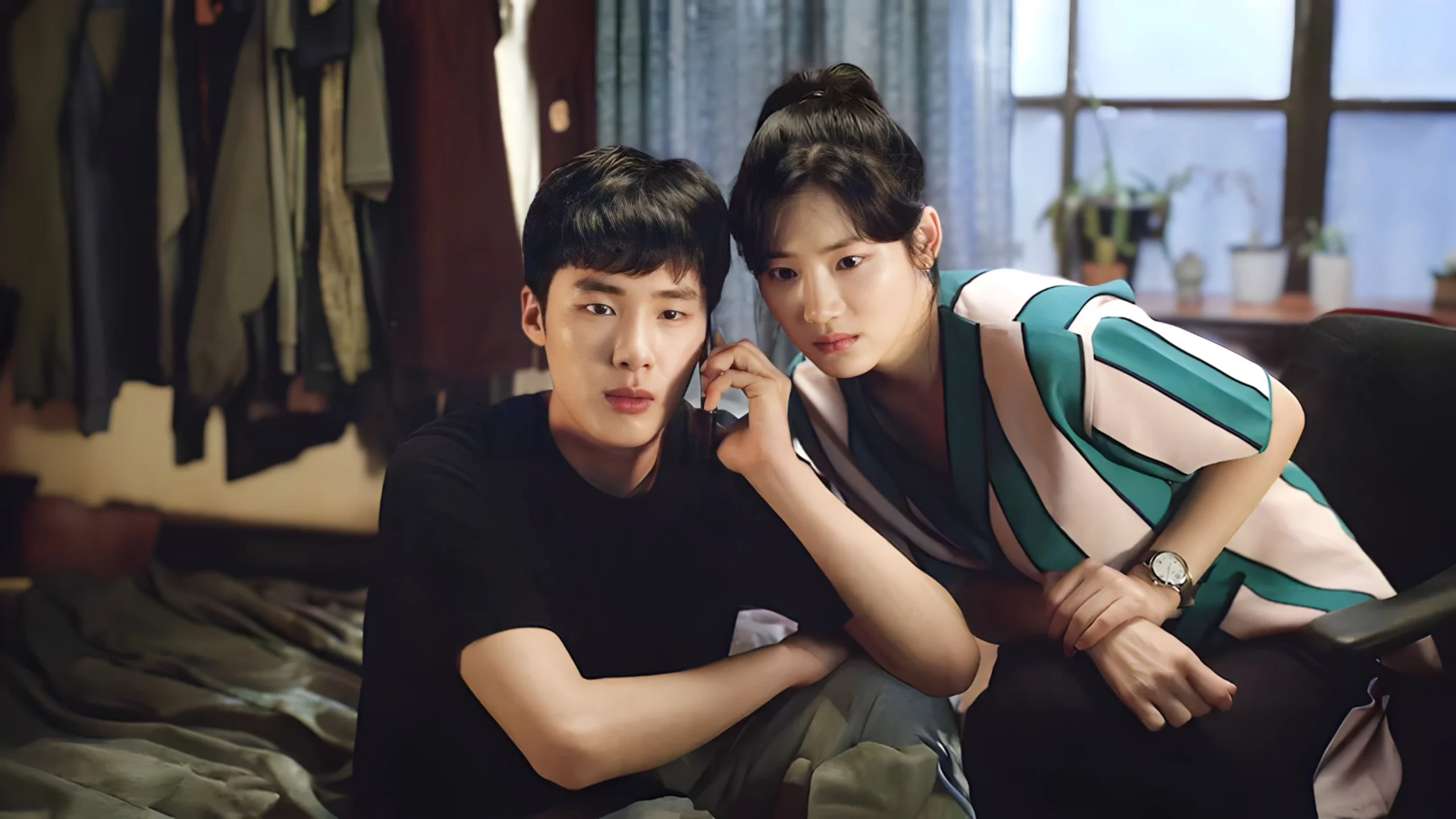
There is a scene in episode three where Ji-soo sits across from Gyu-ri and she lays out her terms with the composure of someone presenting a business proposal — because that is exactly what it is. Kim Dong-hee’s response is the best acting in the show: he does not rage, does not plead, does not even look particularly alarmed. He runs the numbers. That moment establishes the register Extracurricular maintains for its entire run — these are not children who fell into crime. They are people who chose it, deliberately, with full information. The drama does not explain them. It observes them.
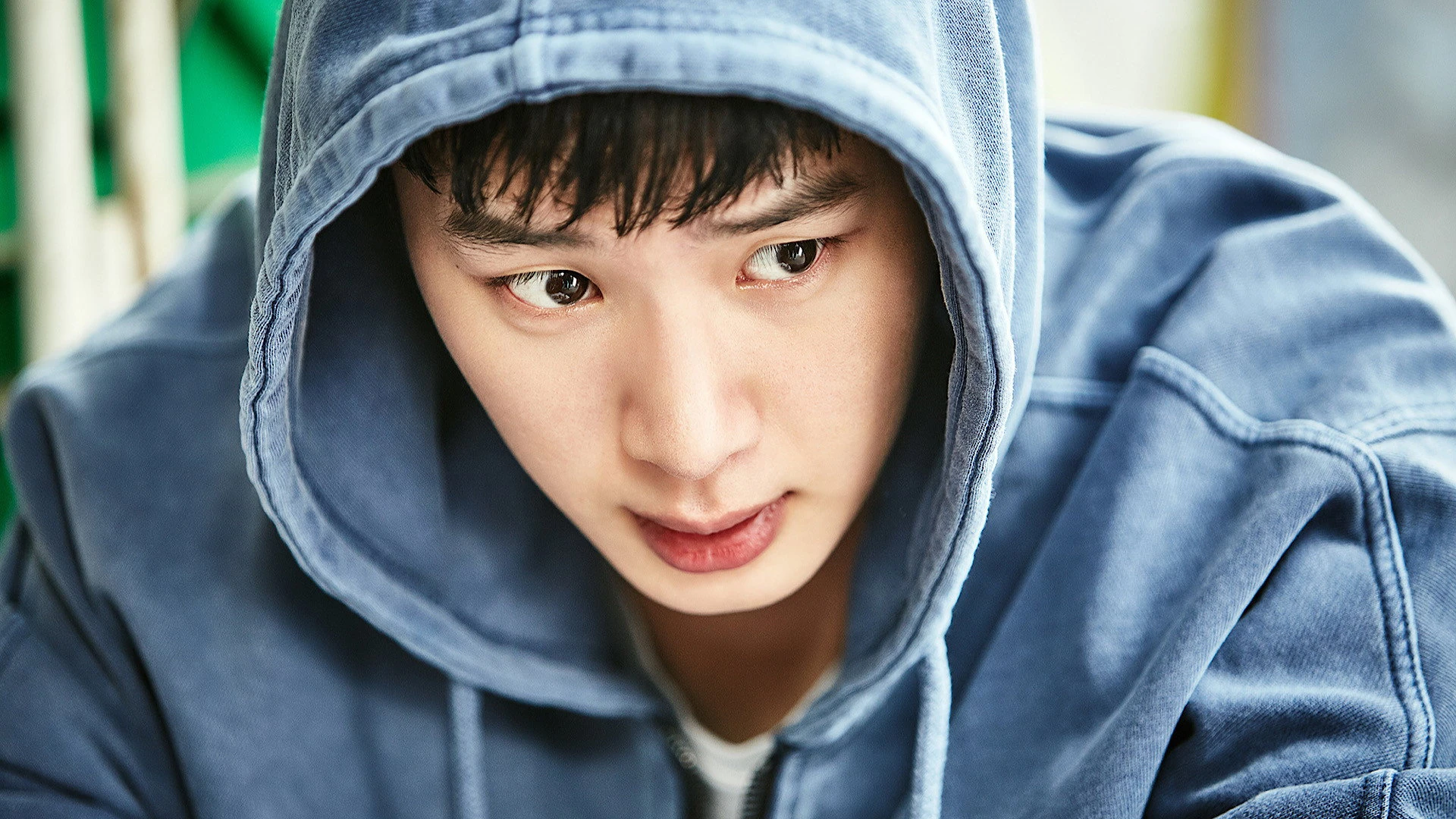
Park Ju-hyun’s Gyu-ri is the more interesting character and the show knows it. The writing gives her the cleaner arc — she enters the story with more freedom than Ji-soo and ends it with even more, having shed the last pretense that she wanted the life her parents curated for her. What makes her compelling is not the moral ambiguity (every antihero in prestige drama has that) but the specificity: Gyu-ri is not acting out, not working through something, not damaged in a way that explains her choices. She is genuinely interested. That is harder to write and harder to perform, and Park Ju-hyun handles it with unsettling precision.
인간수업 — human lesson — is the title, and the lesson is yours to extract, if you can be bothered. Extracurricular was divisive on release precisely because it refused the move that would have made it easier to recommend: it never condemns its protagonists. There is no scene where Ji-soo breaks down and understands the damage he has caused. There is no episode where the show steps back and underlines the moral. Most viewers found that uncomfortable, and that discomfort is probably the most honest thing the show achieves.
Fans of dark social commentary that refuses to end with a lesson
Anyone curious what happens when a teen drama stops protecting its audience
🎬 You Might Also Like
If you liked Extracurricular, these are your next three watches.
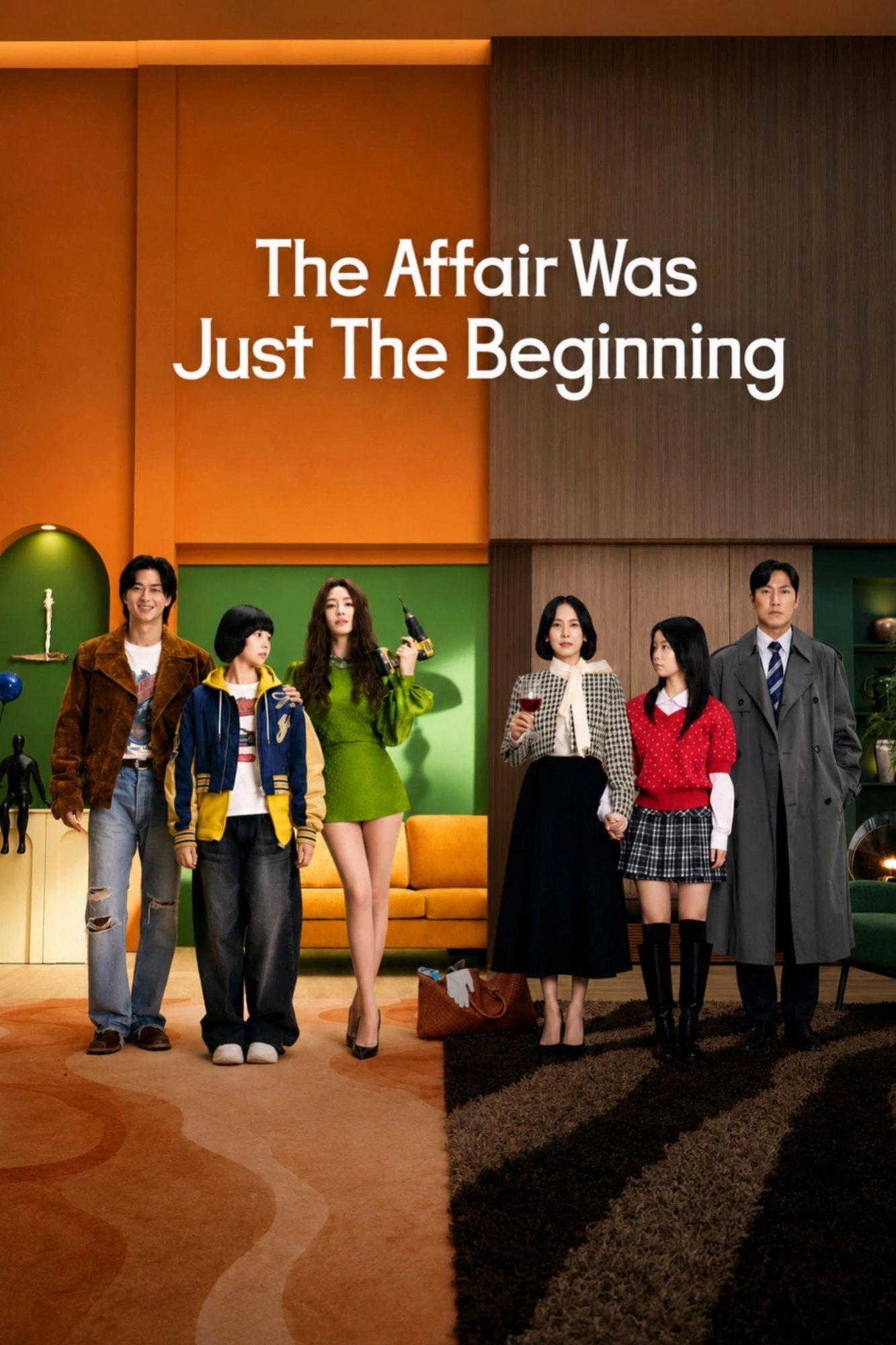 The Affair Was Just The Beginning
Black Comedyblackmail
Read Full Review →
|
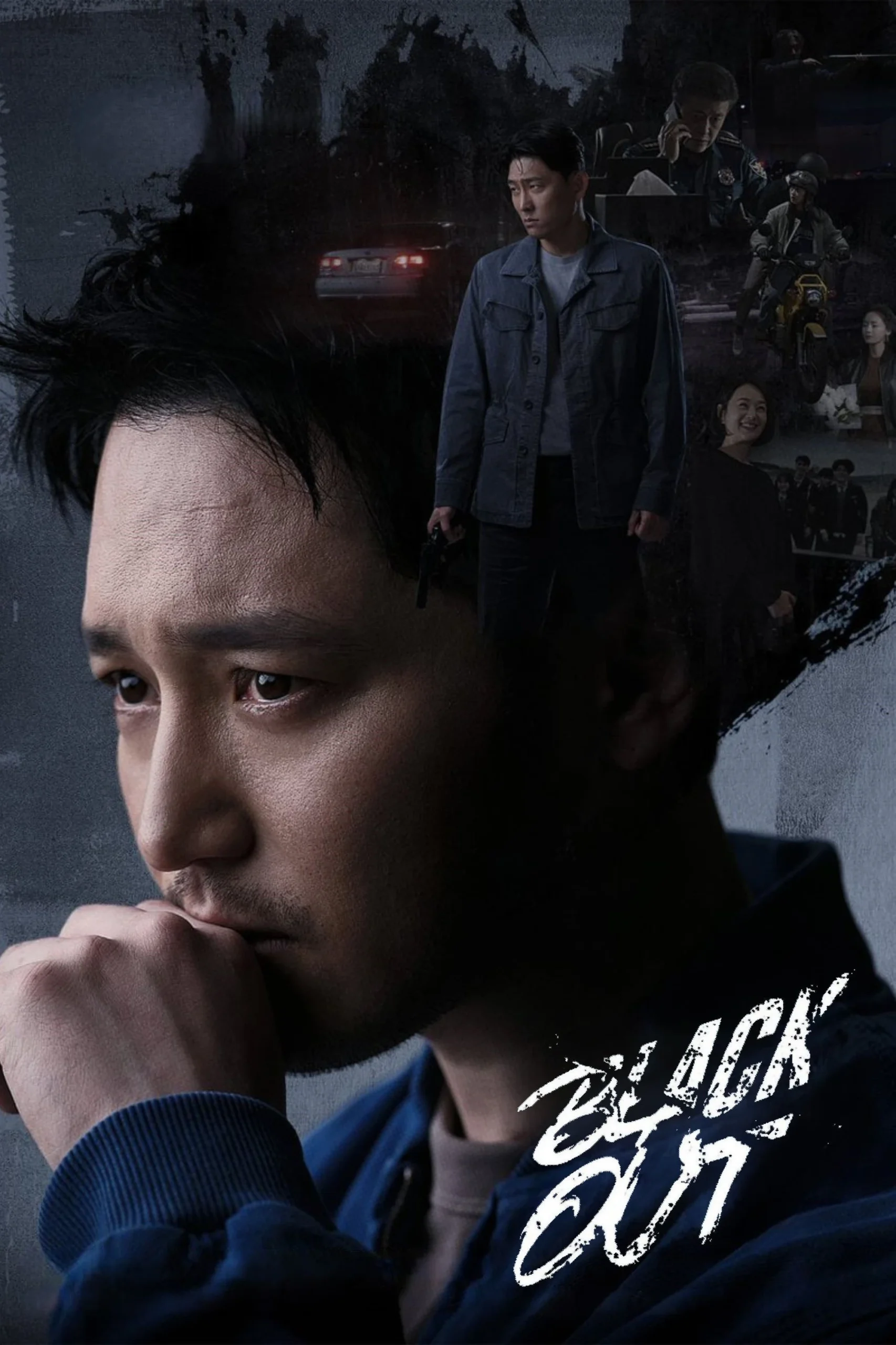 Black Out
Byun Yo-hancrime
Read Full Review →
|
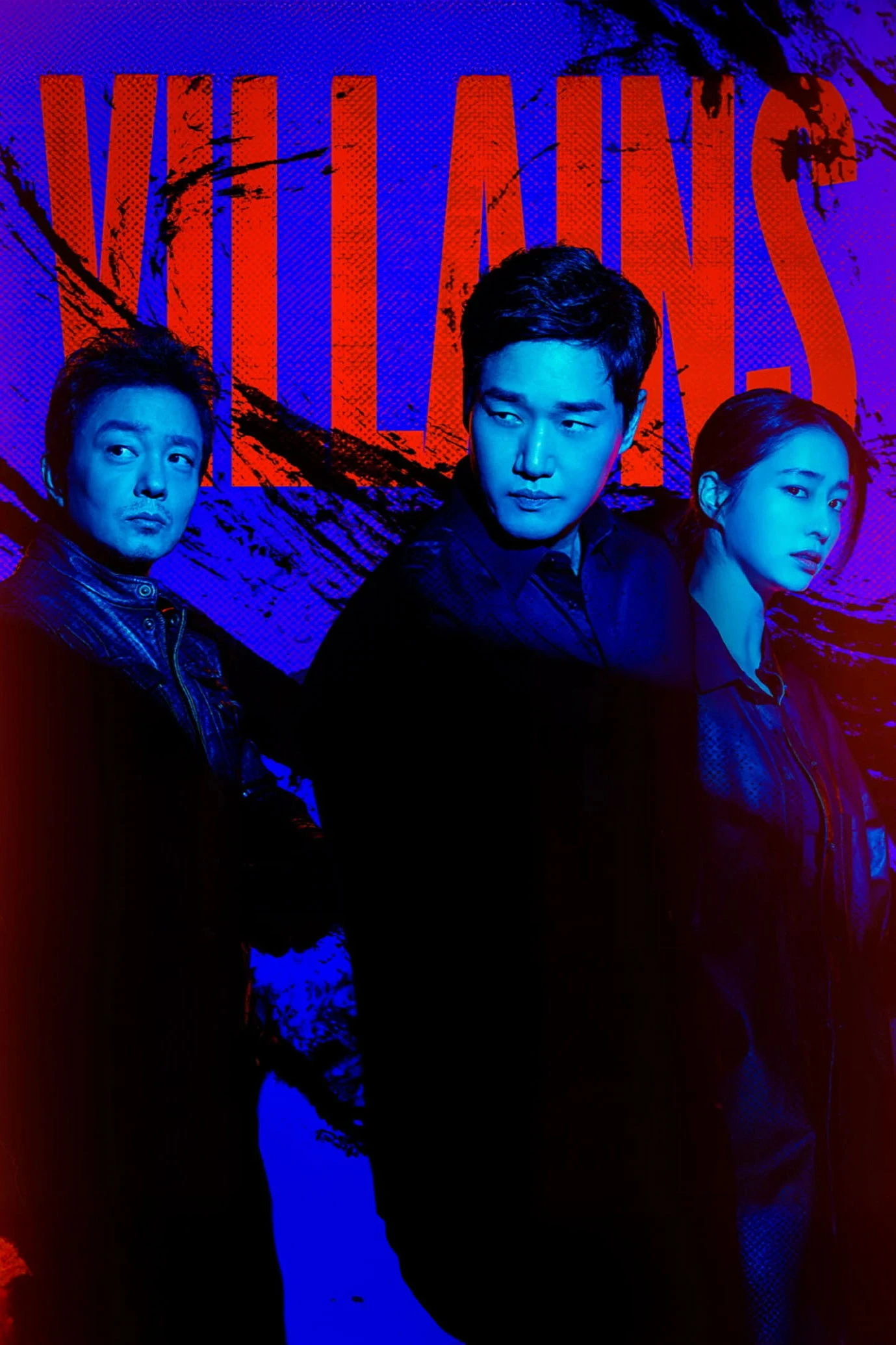 Villains
Corrupt Detectivecrime
Read Full Review →
|
















Keep it kind, skip the harsh language, and please — no spoilers. Everyone's taste is different, and that's perfectly fine.
This space is for real reactions and discussion from other viewers. Help keep it comfortable for everyone by not giving away major plot details.
What do you think of this drama?
Login to share your review or leave a comment.
No email needed — just pick a username & password.