
Twenty-Five Twenty-One
🎬 Netflix · TVING
⭐ 8.1 / 10 MDL
🔞 TV-14
📋 Drama Overview
Everything you need to know before you hit play.
💛 Romance Must-Watch
TVING
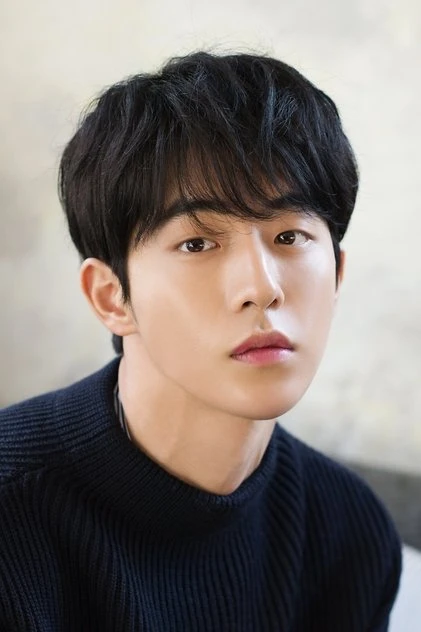
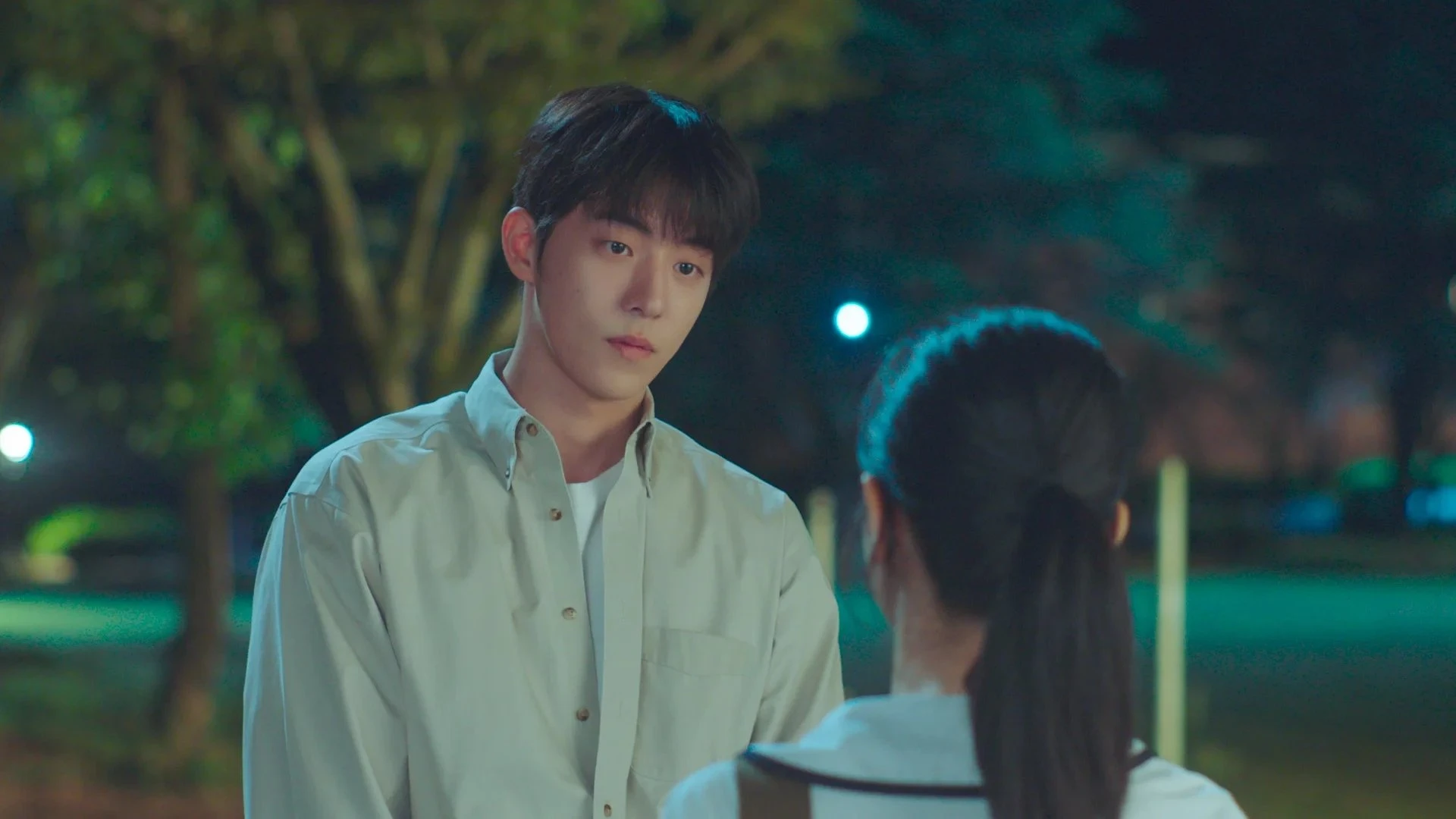
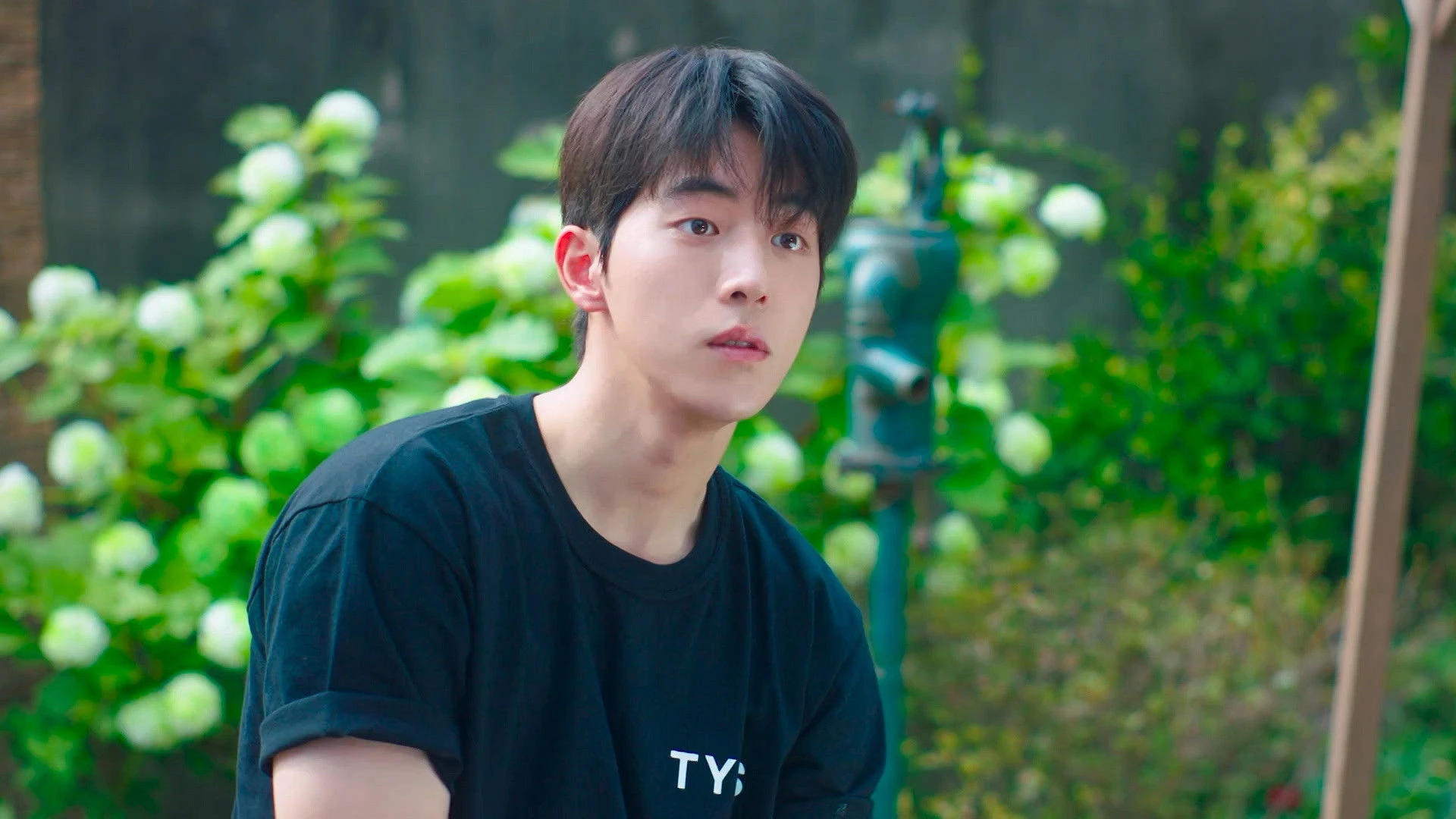
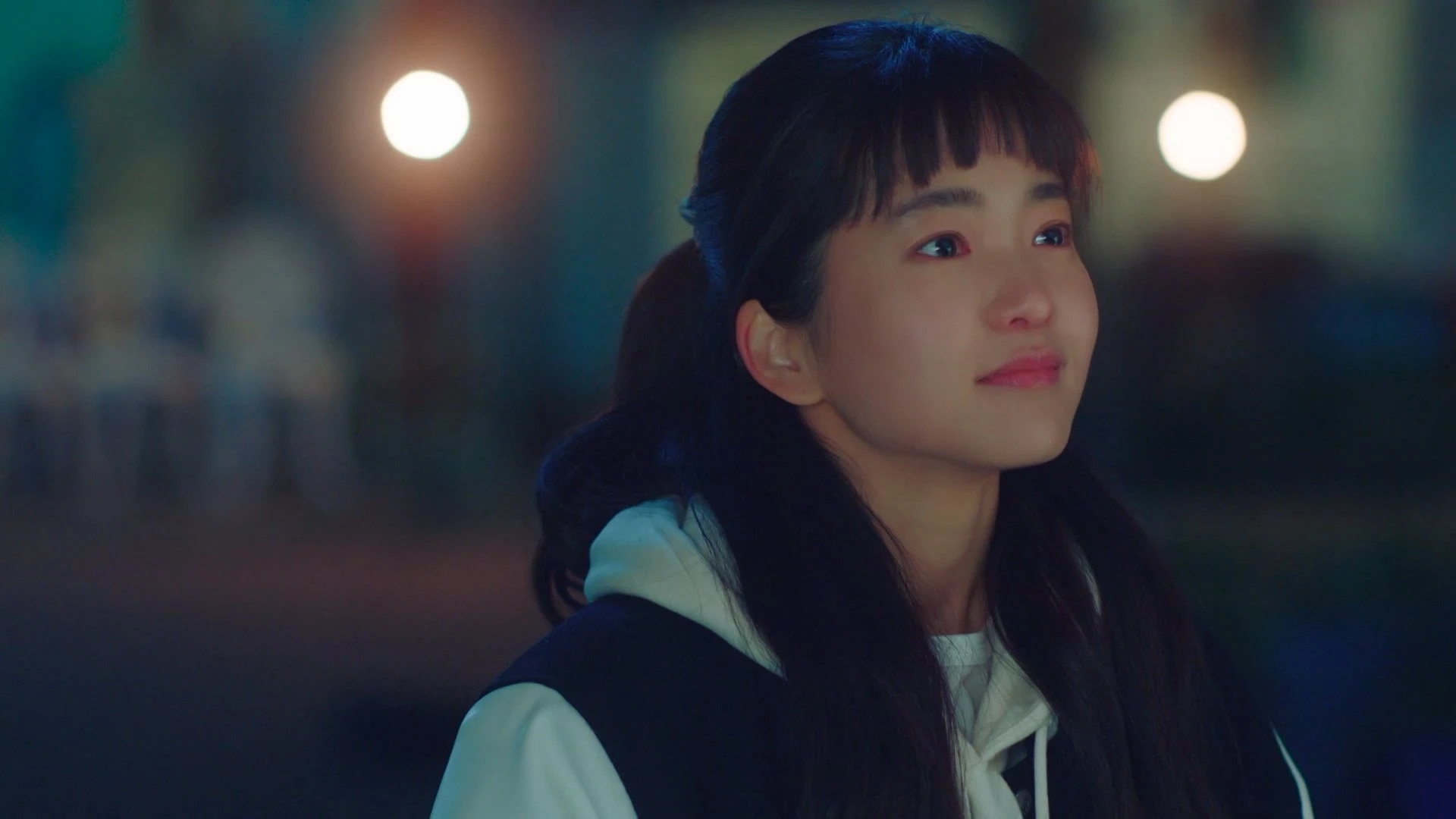
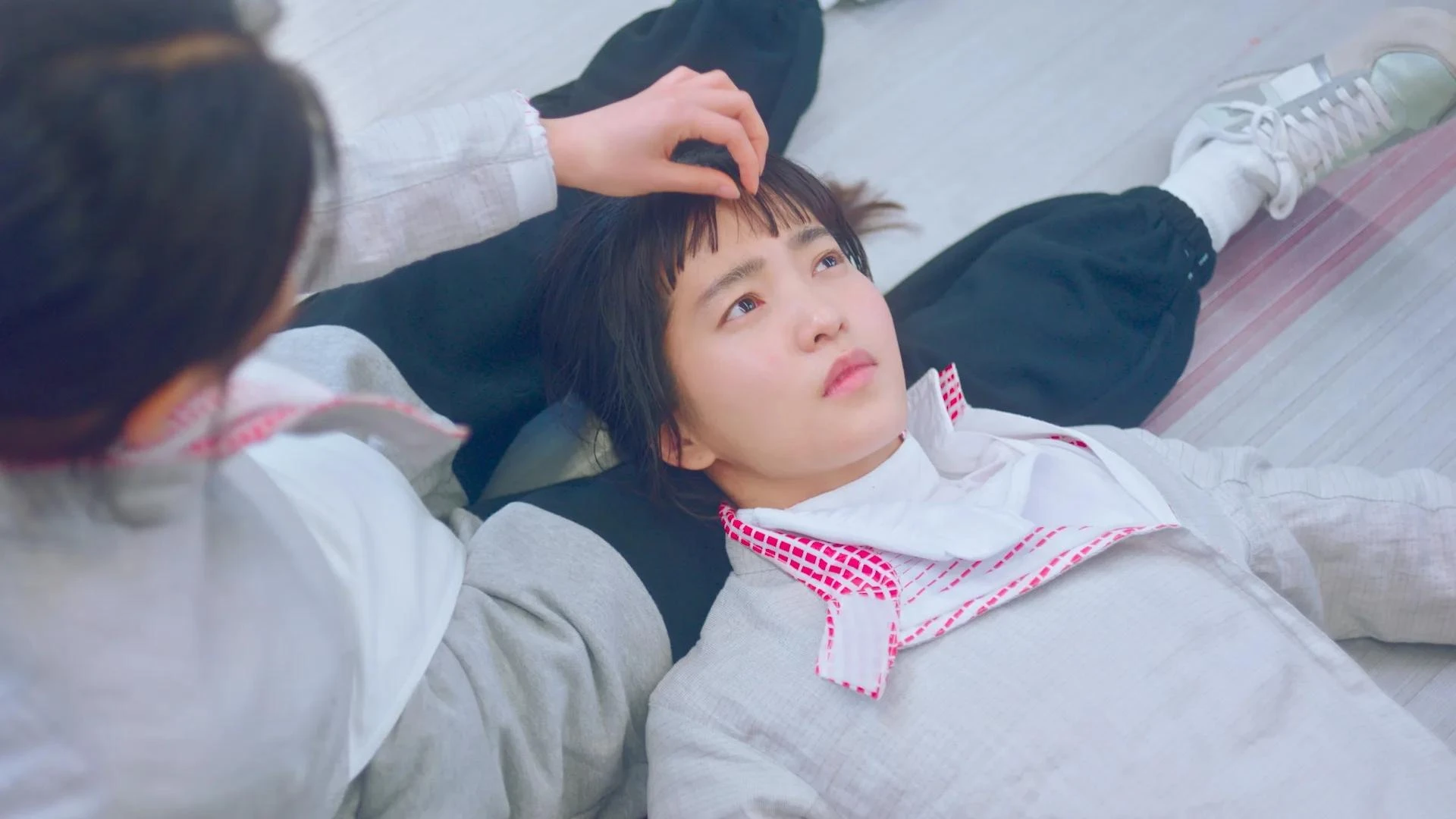
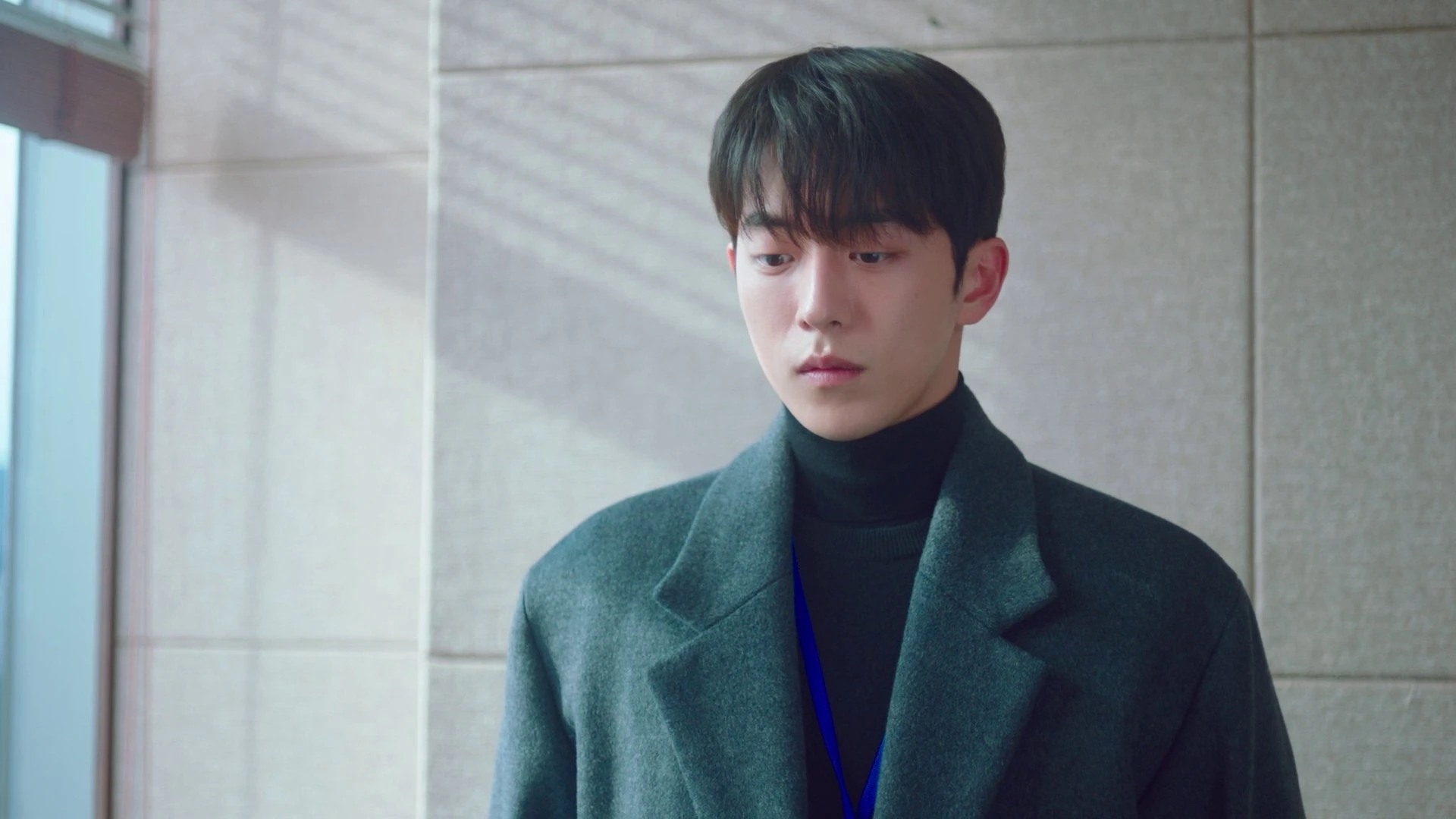
Na Hee-do (Kim Tae-ri) is eighteen, relentless, and obsessed with fencing — but the 1998 IMF financial crisis has disbanded her school’s team and closed off the only path she knew. She doesn’t stop. She transfers schools, talks her way onto a national programme, and in doing so walks into the life of Baek Yi-jin (Nam Joo-hyuk) — a 22-year-old whose family’s wealth evaporated overnight, who is now working part-time jobs and quietly rebuilding himself from nothing.
What begins as two young people surviving the same economic wreckage becomes something more complicated and harder to name. The story is told through the diary of adult Hee-do, discovered by her daughter Min-chae — a frame that tells you, from the very first episode, that whatever this love was, it did not last. And somehow that makes it more worth watching, not less.
16 / 16 ✅ Completed
⚡ Quick Verdict
One box. Everything you need to decide.
· MDL Score · 136,165 ratings
▶ Official Trailer
🎭 Cast & Characters
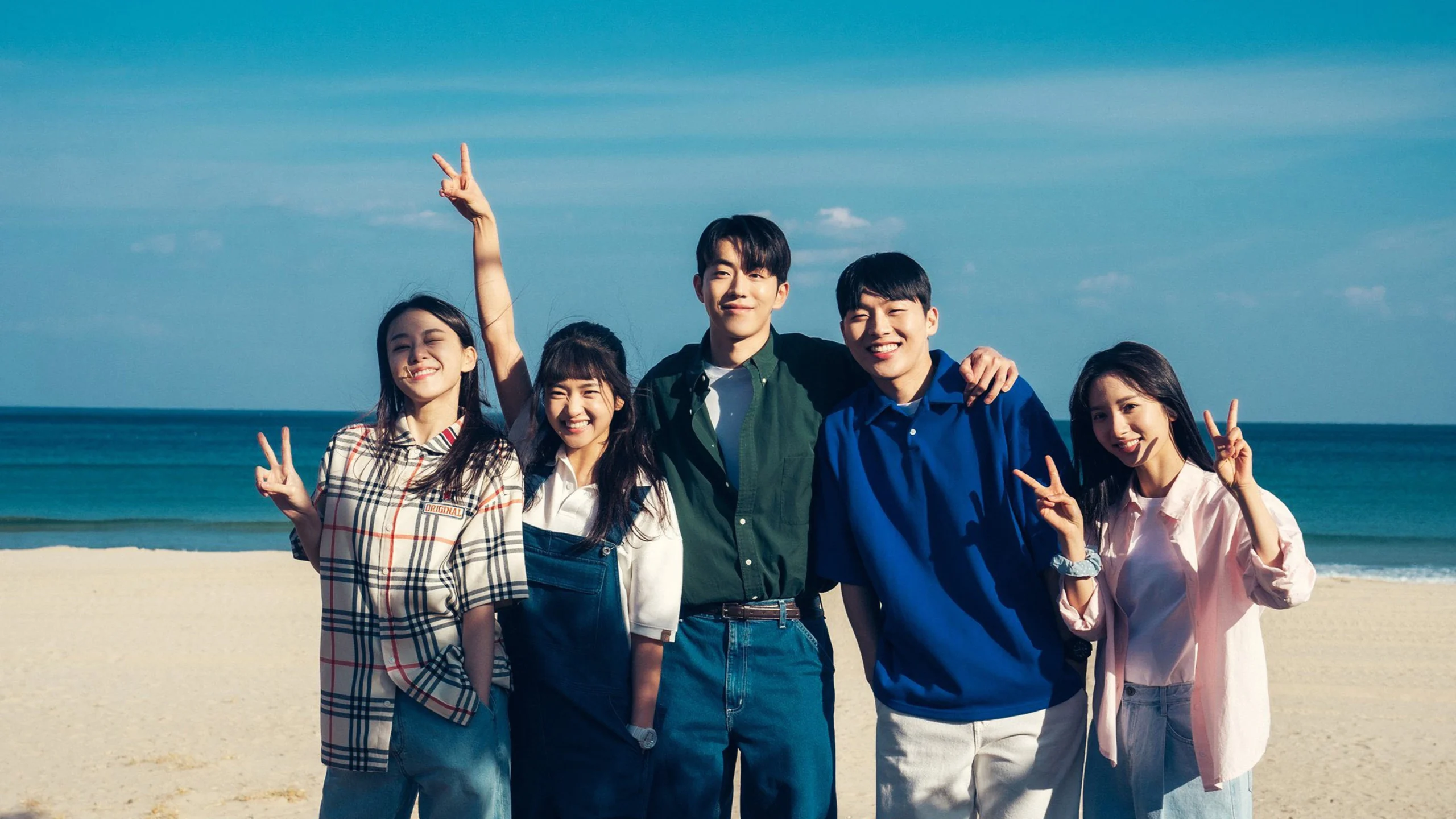
Five friends shaped by the same crisis — and the one woman who remembers it best.

Lead
Lead

Lead

Lead

Lead

Supporting
📺 Episode Guide
All 16 episodes — spoiler-light recaps with the moments that matter.

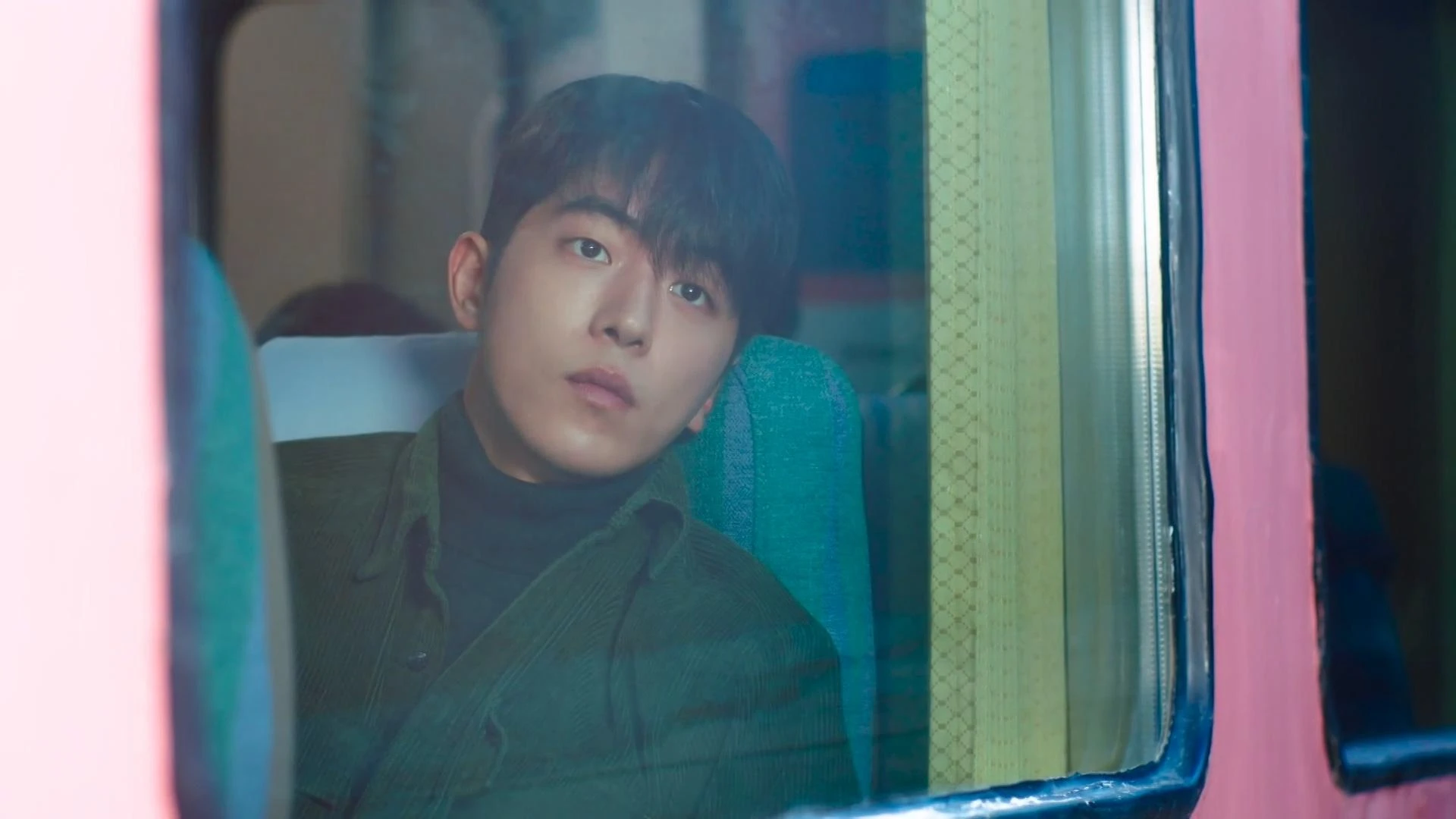
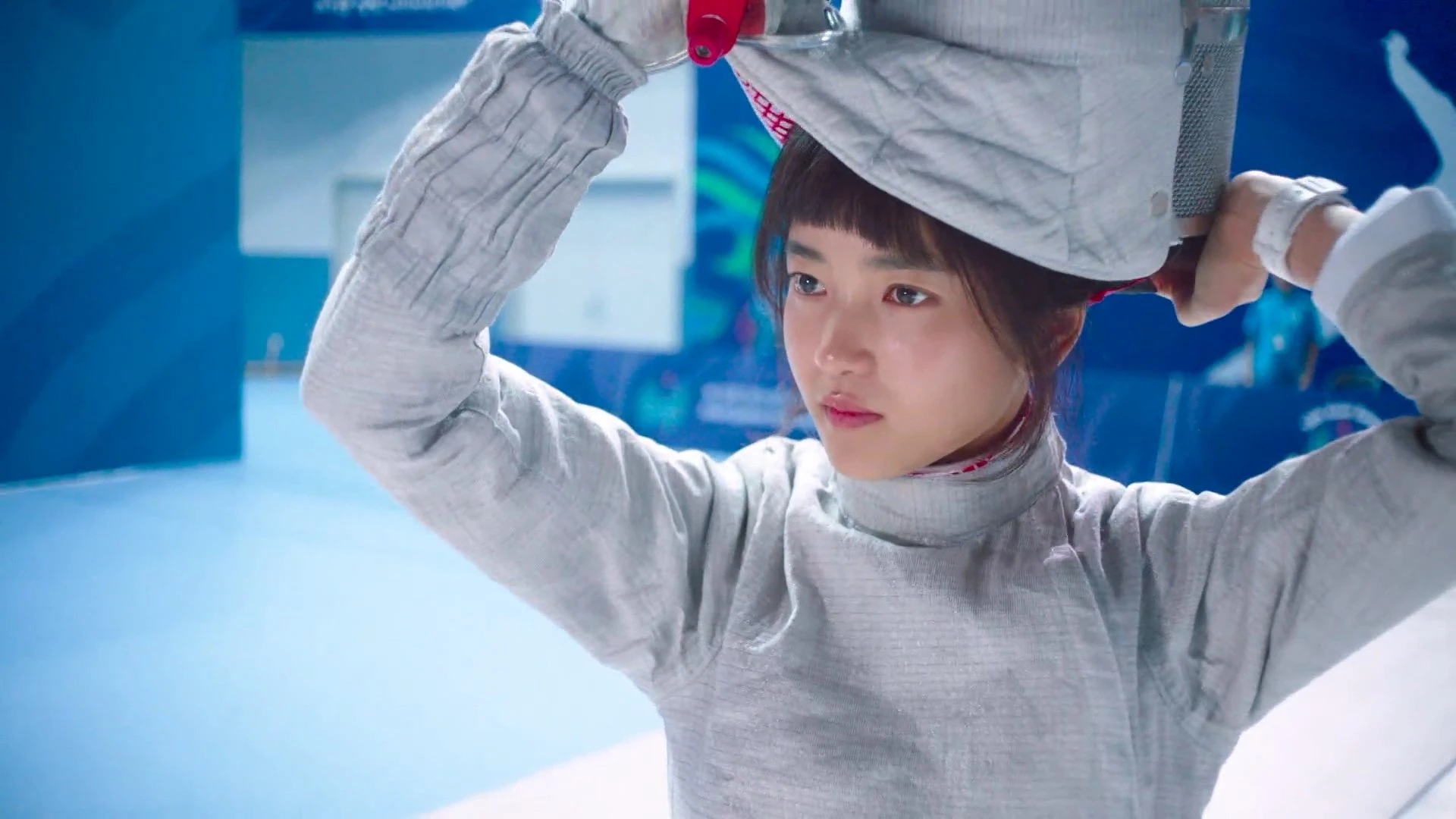
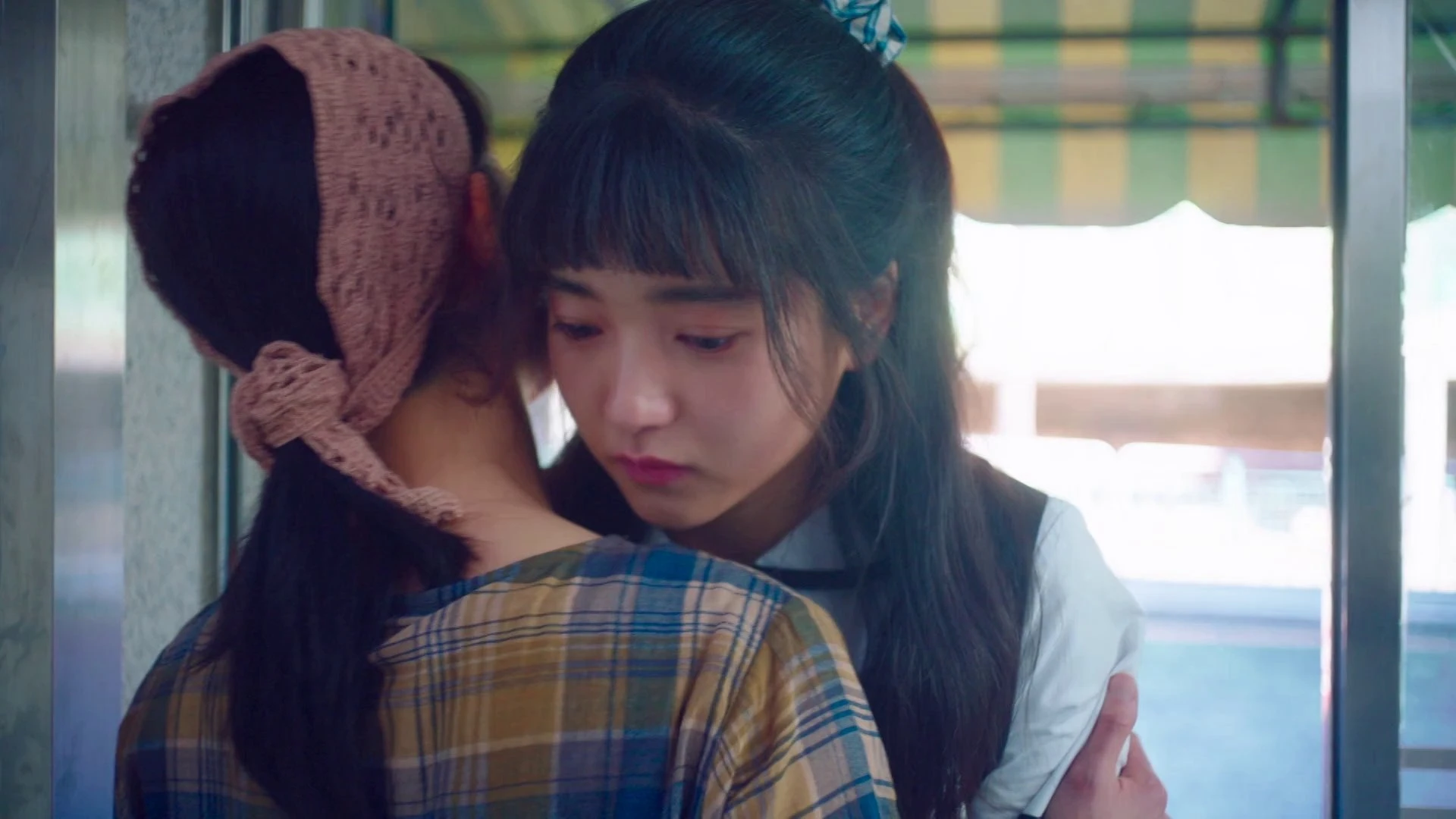
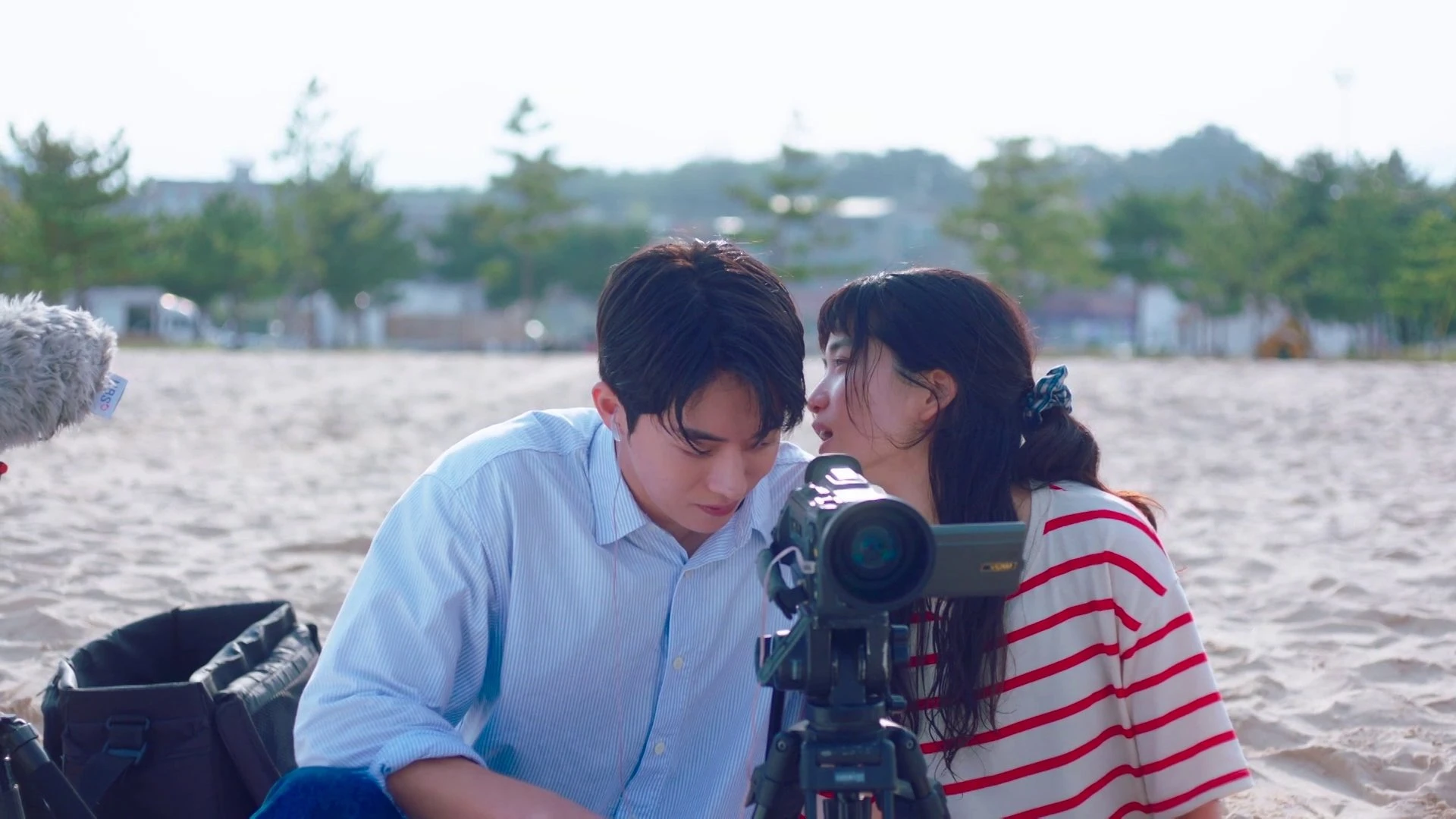


🏁 Ending Explained
Full spoilers ahead — everything that happens in the finale and what it all means.
Spoiler Warning — This section covers the full finale of Twenty-Five Twenty-One. Stop here if you haven’t finished the series.
The Call from New York. The finale opens with Yi-jin in New York, covering the September 11 attacks as a reporter. He calls Hee-do from a payphone in the chaos — a moment that is at once the fullest realisation of everything he worked toward and the clearest sign of how far his life has moved from hers. He is twenty-five. She is twenty-one. The ages in the title are now literal, and the show has spent sixteen episodes explaining exactly what those numbers mean: this was the time, and the time is ending.
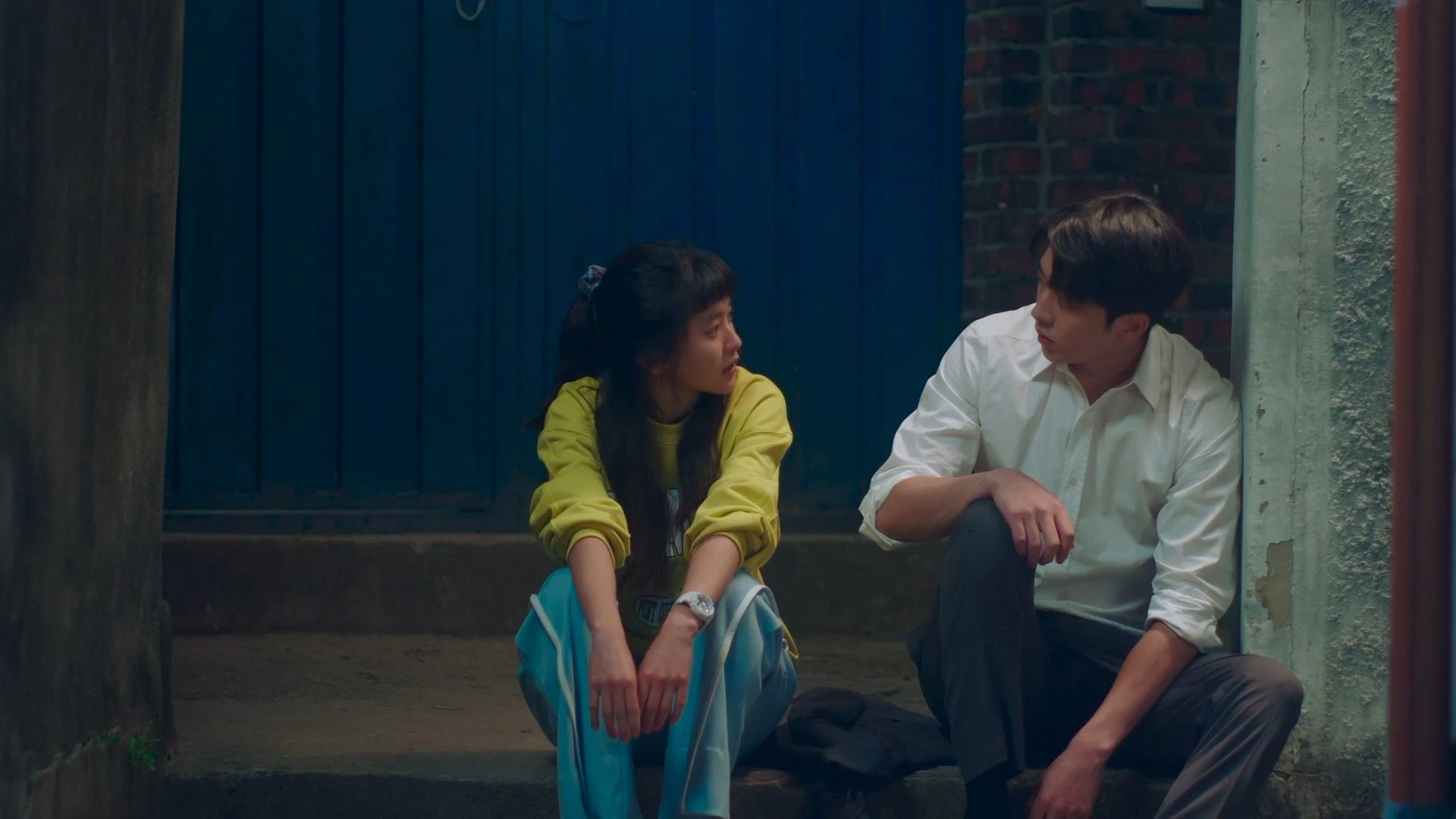
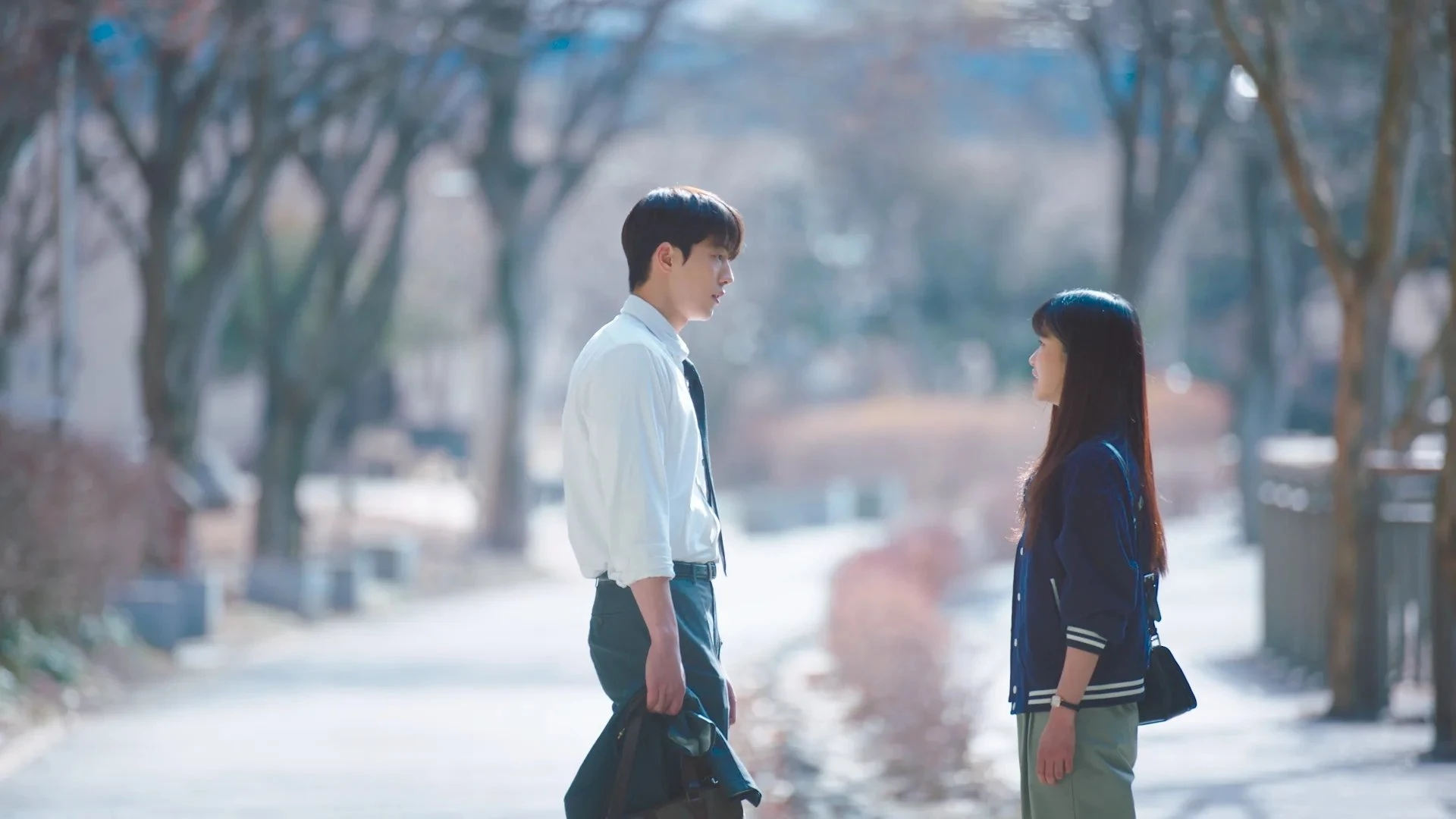
The Breakup That Wasn’t a Fight. Back in Korea, Hee-do and Yi-jin meet for what becomes their final conversation as a couple. The scene is written without a villain and without a single moment of cruelty. They do not fight. He is not a bad person; she is not unreasonable. What they are is two people who grew in incompatible directions while loving each other honestly. Yi-jin has become someone shaped by the world and its tragedies. Hee-do has become an athlete who needs total focus, and she needs it now. The relationship ends not because love ran out but because the specific version of them that fit together was twenty-five and twenty-one, in 1999, and that version has passed.
Where They All Land. The time skip delivers where the five end up: Moon Ji-woong launches the fashion website that becomes a business empire — the punchline to his comedic arc resolves as a genuine success story. Ji Seung-wan enters university and immediately becomes class representative, which surprises no one who watched her for sixteen episodes. Ko Yu-rim builds a new life in Russia, keeps in contact with the group, and makes friends. She left South Korea under difficult circumstances and found that life continued anyway. These resolutions are brief but exact — each one lands as the only right answer for that character.
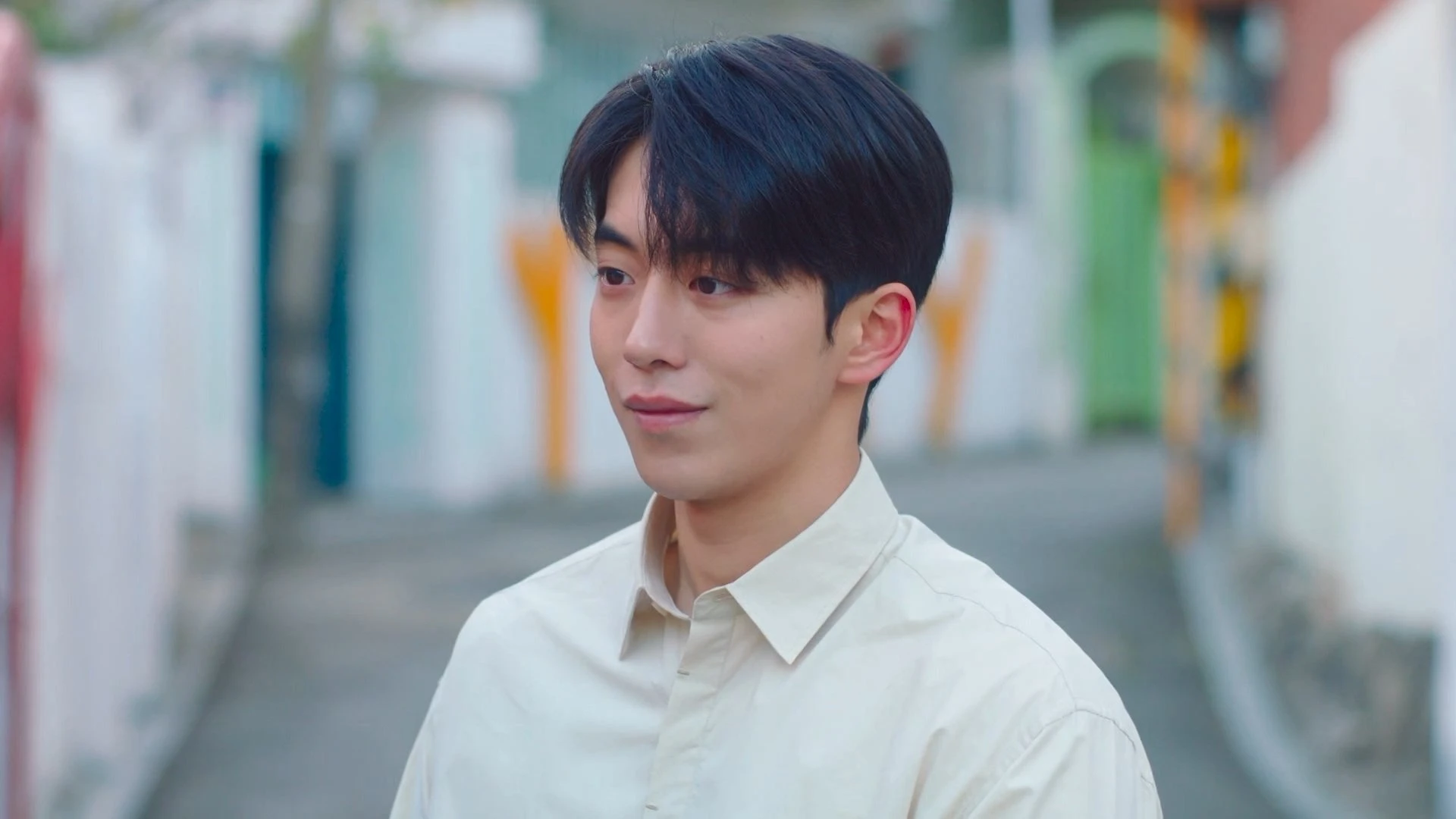
The Diary, the Daughter, the Frame. The finale closes the frame narrative. Min-chae has been reading her mother’s diary throughout — a device that was always less about suspense and more about asking the audience to hold two truths simultaneously: that this love was real, and that it ended. When Min-chae finishes the diary, she understands something about her mother that she did not before. Adult Hee-do is never shown with a husband; the show deliberately declines to reveal who she married, because that is not the story. The story is what she was before she became a mother, a public figure, a grown woman — the girl who fenced in 1998 and loved someone who became a journalist.
What the Title Actually Means. Twenty-five and twenty-one are not just their ages in the final episode. They are the ages at which they met — Yi-jin is twenty-two and Hee-do is eighteen, so the title is a slight lie, or a rounding, or a memorial. The numbers refer to a version of them that the drama knows it is already mourning while it is still happening. The show’s final argument is that first love does not require a happy ending to have been worth everything. It happened. It shaped both of them permanently. And the fact that it is over does not undo any of what it was. Some loves don’t last. That’s not a flaw — that’s the whole truth of them.
✍️ KDramaWorlds Editor’s Take
Our honest read on why this drama is worth your time — and who it’s for.
🏅 Sports Drive
🕰️ Late 90s Seoul
🥹 Bittersweet
👯 Found Family
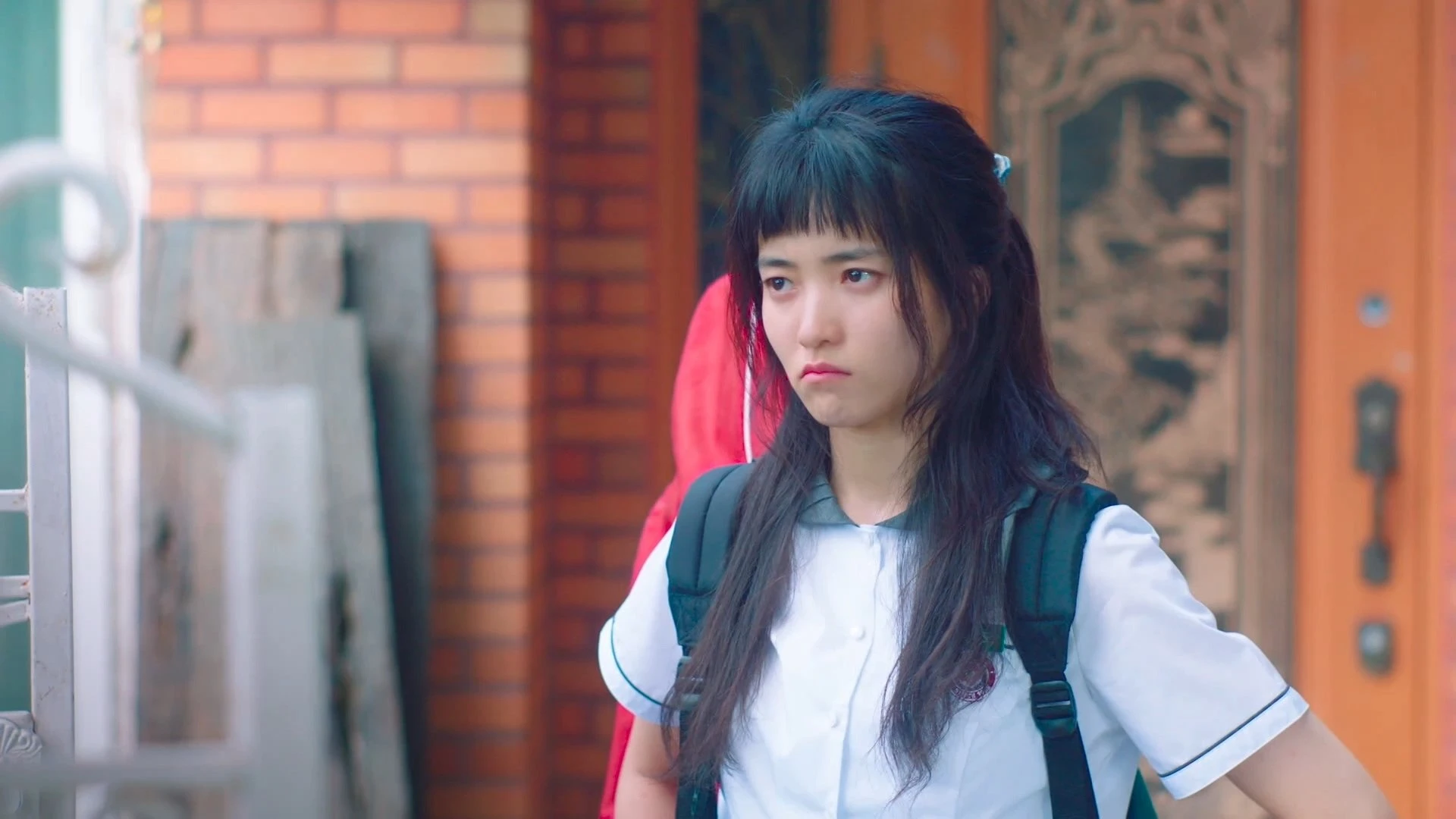
Kim Tae-ri gives the kind of performance that makes everything around it better. Na Hee-do is not a passive romantic lead waiting to be rescued — she is loud, physical, sometimes exhausting, and completely alive in every frame. The role required someone who could make relentless enthusiasm feel earned rather than grating, and Kim Tae-ri pulls it off without apparent effort. This is a stronger and more interesting performance than her work in The Manipulated — freer, warmer, more physical. She is carrying a drama that asks its lead to be joyful and heartbroken simultaneously, and she does not drop either.
The ending divided audiences sharply, and the division is legitimate — not a case of viewers missing the point, but a genuine disagreement about what a romance drama owes its audience. The argument for the ending is that it is honest: first love ends, and the show was always telling you that. The argument against it is that sixteen episodes of investment earns a different kind of closure. Both readings are defensible. What’s not defensible is pretending the finale doesn’t leave a wound. It does. The show knows it does. The question is whether you find that wound meaningful or simply painful — and for Lovely Runner viewers who came to this afterward hoping for a softer landing, the answer is probably the latter.
What Twenty-Five Twenty-One does better than almost any K-drama romance of its era is the ensemble. The five of them feel like a real group, not a narrative device — their dynamics shift and reconfigure across sixteen episodes in ways that feel observed rather than plotted. Choi Hyun-wook’s Ji-woong alone could anchor a lesser drama. The fencing sequences are genuinely kinetic. The IMF crisis backdrop gives the romance real economic and emotional stakes that most youth dramas skip entirely. This is not a light watch — it is a ~19-hour commitment that will cost you emotionally in the final episodes. It is worth it. Just don’t watch the finale alone.
Sports drama fans who want the emotional depth to match the training montages
Anyone who grew up in the 90s — or wishes they had
🎬 You Might Also Like
If you liked Twenty-Five Twenty-One, these are your next three watches.
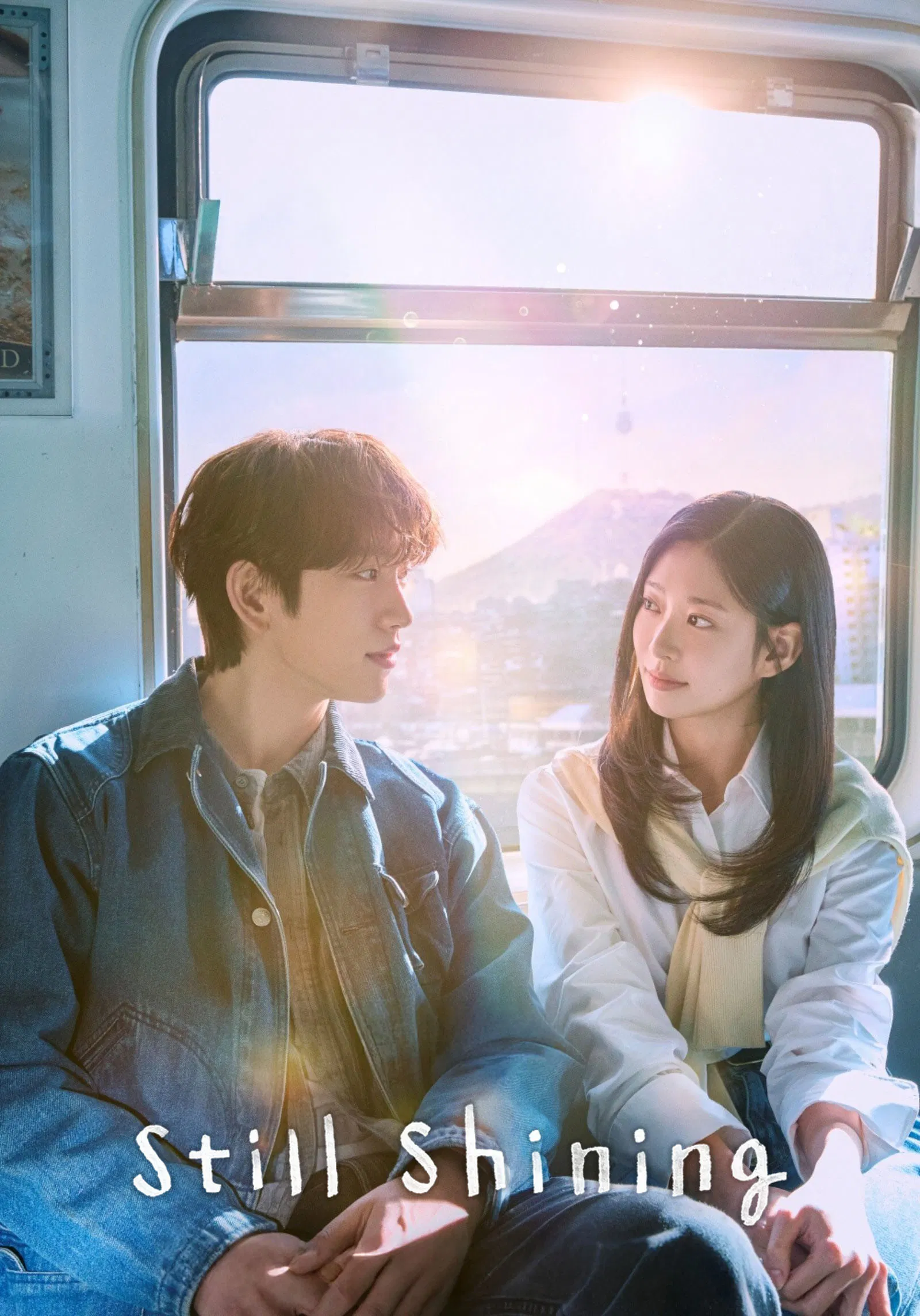 Still Shining
Coming-of-AgeFirst Love
Read Full Review →
|
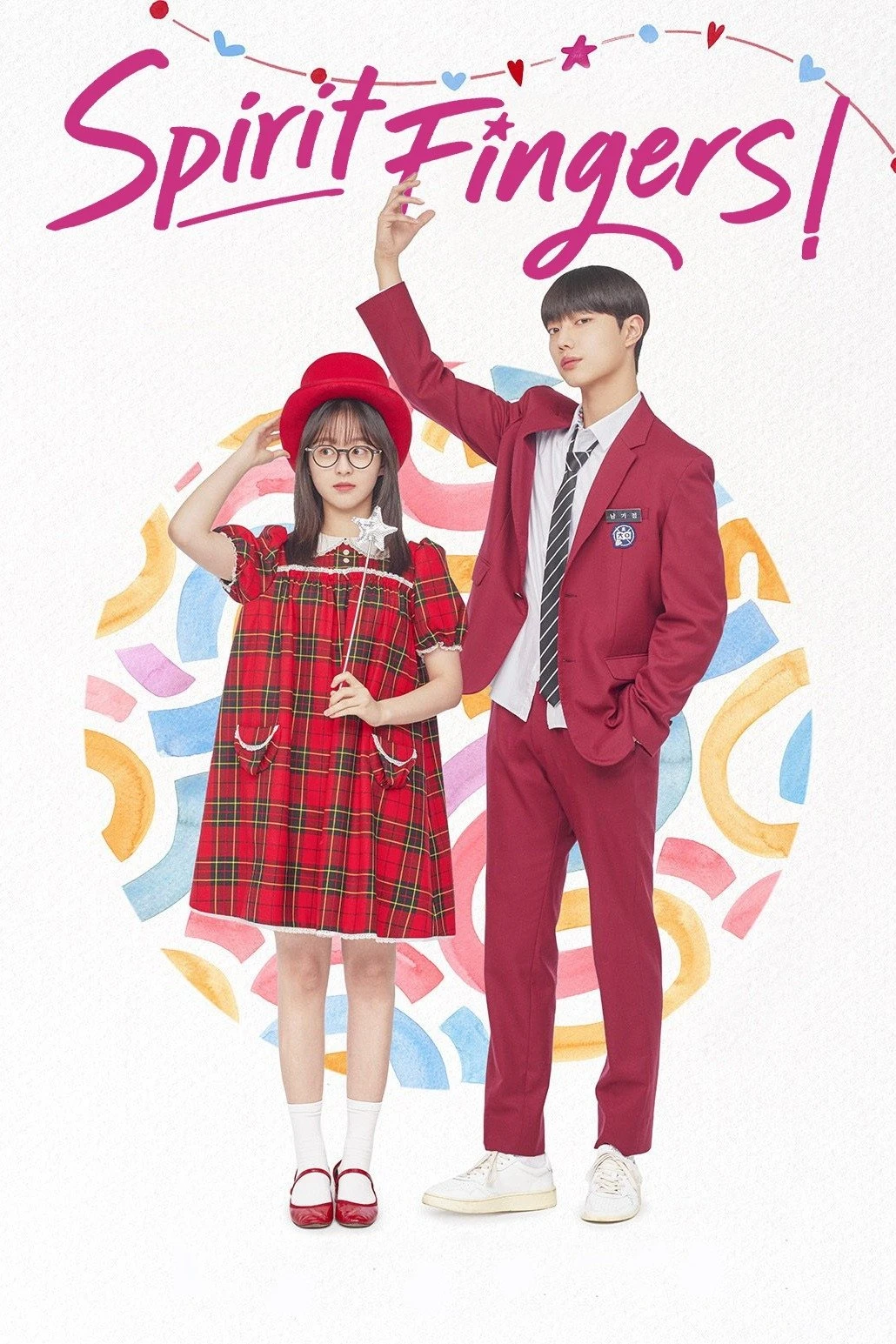 Spirit Fingers
art clubCho Jun-young
Read Full Review →
|
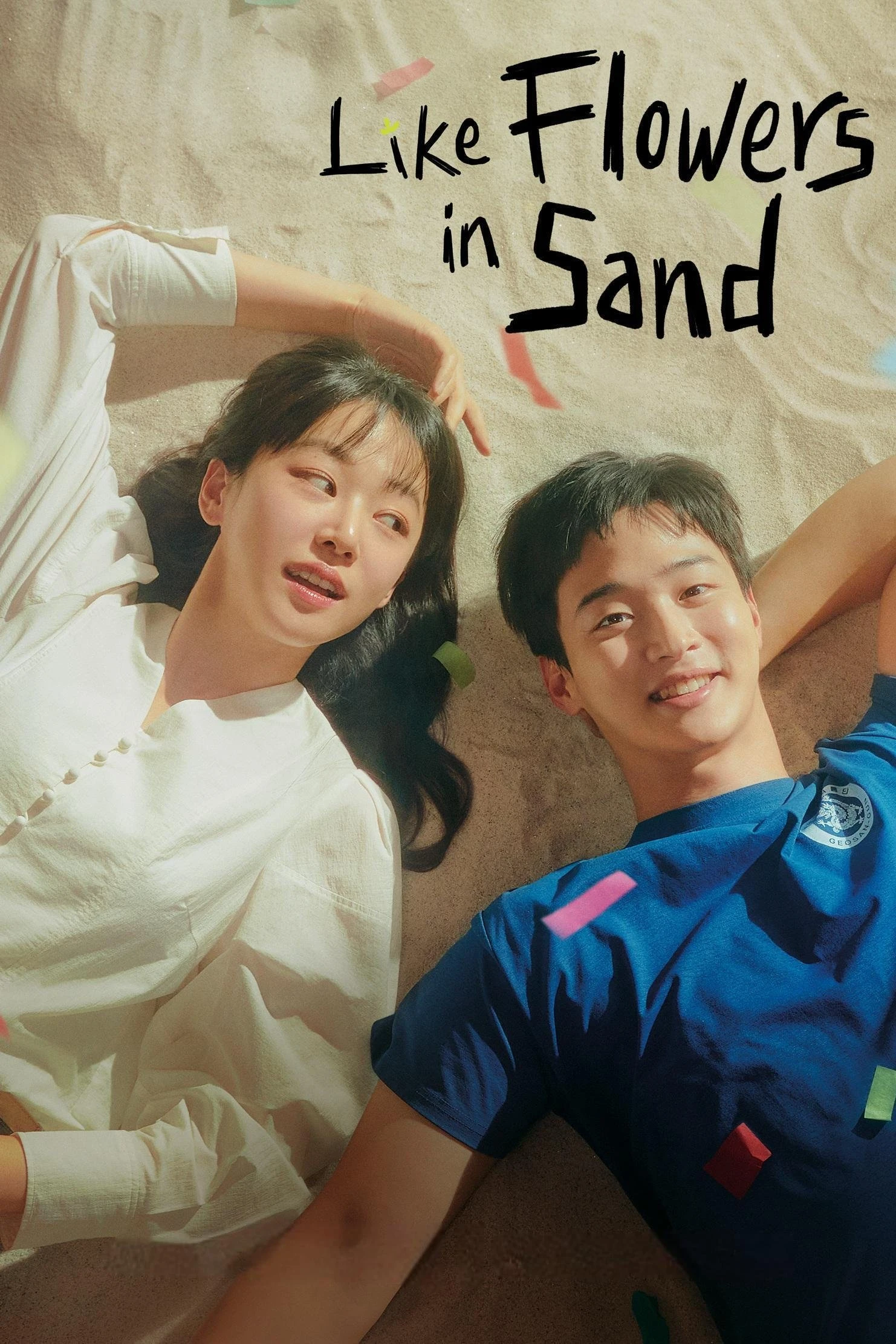 Like Flowers in Sand
childhood friendsFirst Love
Read Full Review →
|








Keep it kind, skip the harsh language, and please — no spoilers. Everyone's taste is different, and that's perfectly fine.
This space is for real reactions and discussion from other viewers. Help keep it comfortable for everyone by not giving away major plot details.
What do you think of this drama?
Login to share your review or leave a comment.
No email needed — just pick a username & password.