📺 K-Drama Guide · Ghost Photo Studio · Supernatural Romance
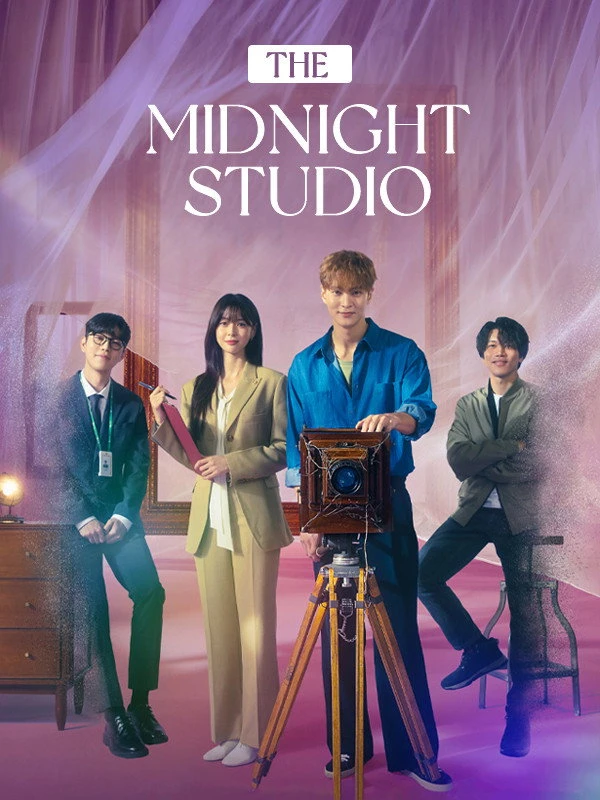
The Midnight Studio
야한 사진관 · 2024
✅ Completed · 16 eps
🎬 Viki
⭐ 8.0 MDL
📺 16+
⚡ Updated · Jun 29, 2026
📋 Drama Overview
Start here — the basics before the first scene.
Completed
👻 Supernatural Pick
The Midnight Studio
야한 사진관 (Yahan Sajin-gwan) · 2024 · South Korea
Viki
Ghost Photography
Ancestral Curse
Legal Drama
Found Family
Supernatural Romance
The premise of The Midnight Studio is strange in the best way: a man who photographs ghosts as a professional service, and a lawyer who realizes the dead make viable clients. The show opens with that combination already in place — what takes sixteen episodes to establish is whether either of them can handle what it costs.
Ki-joo is the seventh-generation heir to a curse he never chose. Every portrait he takes fixes a ghost’s last memory and grants them the space to settle unfinished business before passing on. He’s good at this. He’s also deeply lonely in the way that people are when their entire existence is organized around accommodating everyone else’s needs — including the needs of the recently dead. Han Bom arrives in his life through pure practical calculation: she’s a lawyer with no clients who discovers that a ghost’s portrait can function as evidence, and she doesn’t think “how interesting.” She thinks “how useful.” That honestly mercenary logic is ultimately more durable than idealism, which is one of the things the drama understands about her that she doesn’t fully understand about herself.
Episode Progress
16 / 16 ✅ Completed
⚡ Quick Verdict
Here’s the verdict — no scrolling, no guesswork.
⭐ Worth it?Yes — if you have patience for a slow-burn procedural with real atmosphere
⏱️ CommitmentHigh — ~18 hours total
👻 VibeAtmospheric · Slow Burn · Found Family
📺 Skip if…You need consistent plot momentum — the middle eight episodes test your patience
8.0 / 10
MDL Score · Check MyDramaList for updated community rating
🎭 Cast & Characters
Two leads who approach the same problem from opposite philosophies — one bound by duty, one driven by pure practical necessity — and what happens when neither one admits they need the other.
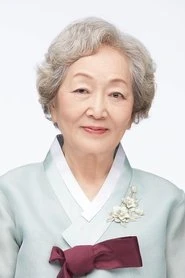
Yoo In-soo
Assistant Manager Go
Supporting
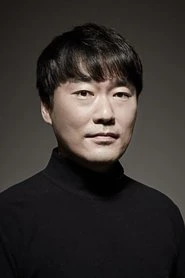
Um Mun-suk
Baek Nam-gu
Supporting
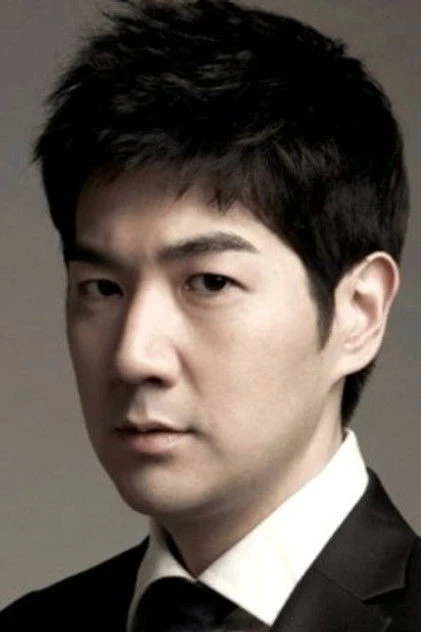
Park Ki-woong
Seo Ki-won
Villain
Lee Bom-so-ri
Kim Ji-won
Supporting
Kim Yeong-ok
So Geum-soon
Supporting
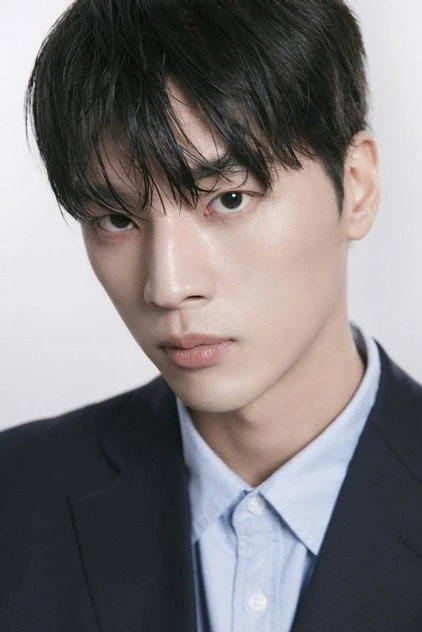
You Seong-joo
Lee Hyun-oh
Supporting
Han Sang-jin
Manager Kim
Supporting
Han Geu-ru
Jin Na-rae
Supporting
Lee Jung-hoon
Employee Kim
Supporting
Hwang Dong-hee
Possessed Man
Supporting
🍿 Where to Watch
Stream The Midnight Studio on these platforms.
📺 Episode Guide
Just enough to stay oriented, episode by episode.
 EP 01
EP 01
The First Shot
March 11, 2024
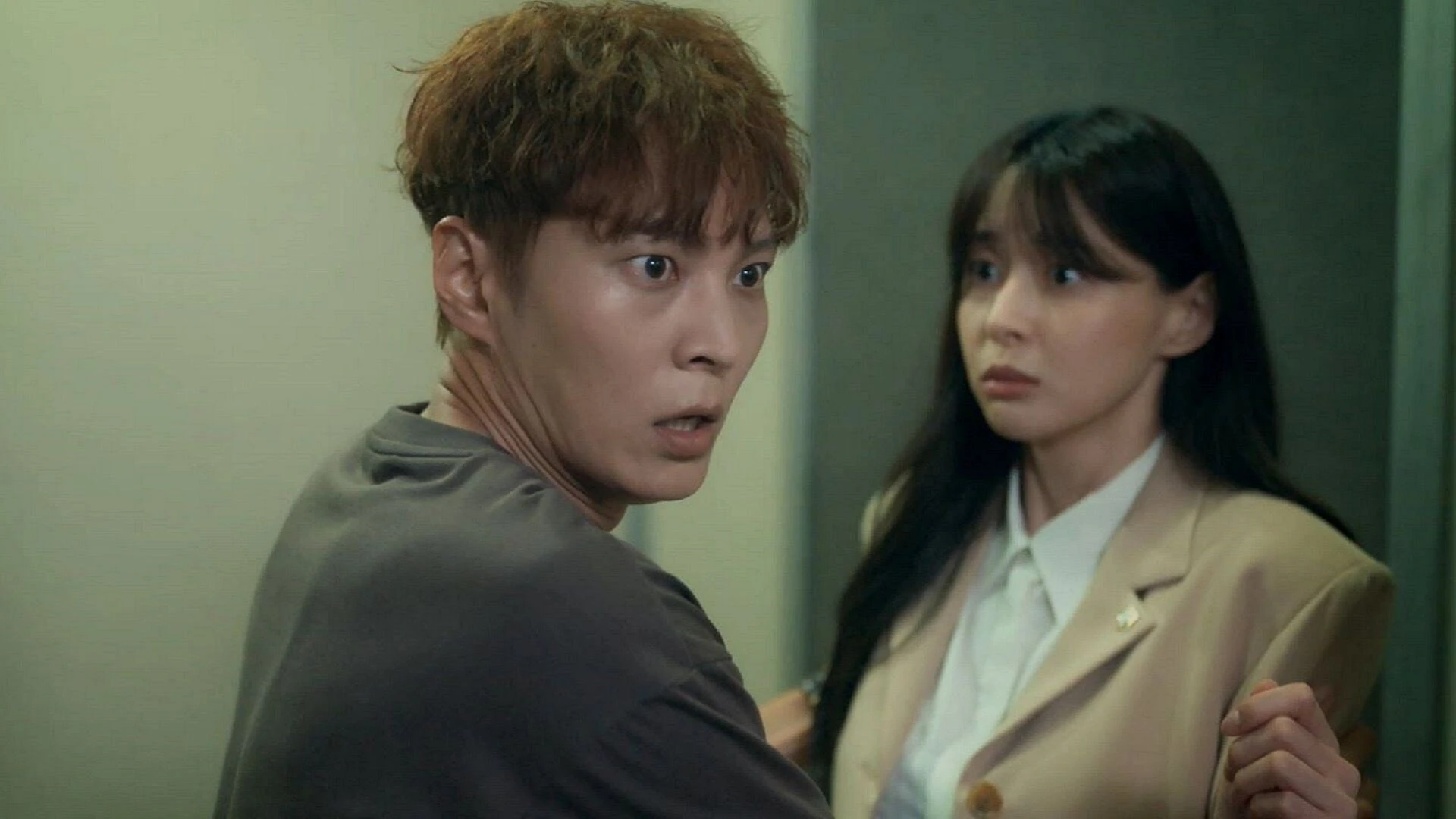
Ki-joo takes a commission from a ghost in the opening minutes and explains his entire world in a single portrait session — the rules, the grief, and the cost of being the only person who can do this job. Han Bom appears mid-case and figures out, faster than expected, that Ki-joo’s photographs prove things that conventional evidence cannot. The drama earns its premise in Episode 1 by refusing to make the supernatural feel extraordinary. This is just the work. The weirdness of it is entirely normal to Ki-joo.
 EP 02
EP 02
What They Don’t Say Out Loud
March 12, 2024
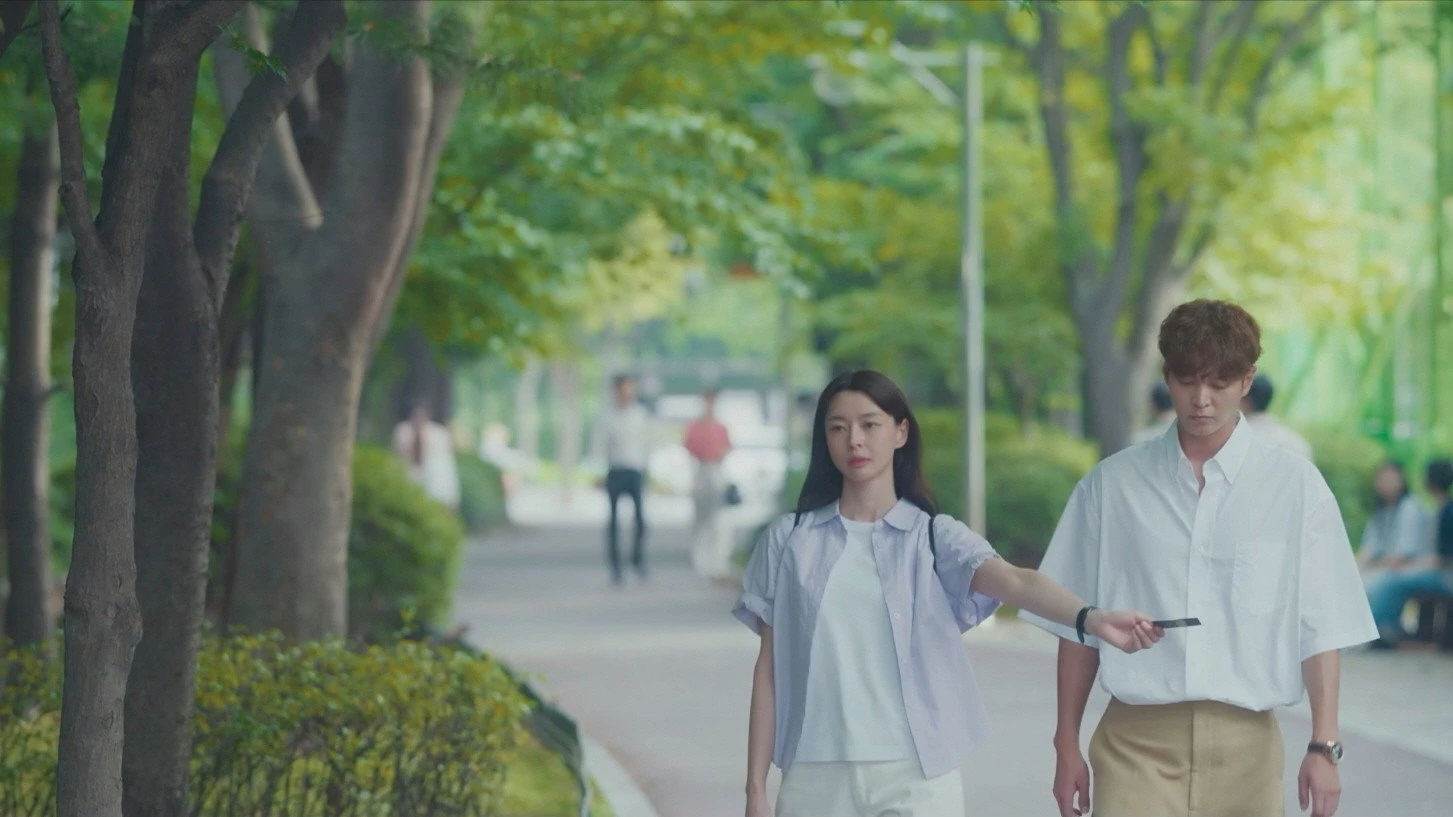
A new spirit brings a dispute that requires both Ki-joo’s photography and Han Bom’s legal training to resolve — the first time their combined skill set produces something neither could accomplish separately. Go and Baek Nam-gu have opinions about whether Han Bom belongs in the studio, and they don’t hide them. The episode makes clear that partnership here won’t be smooth: it will be earned, piece by piece, against resistance.
 EP 03
EP 03
The Seventh Generation
March 18, 2024
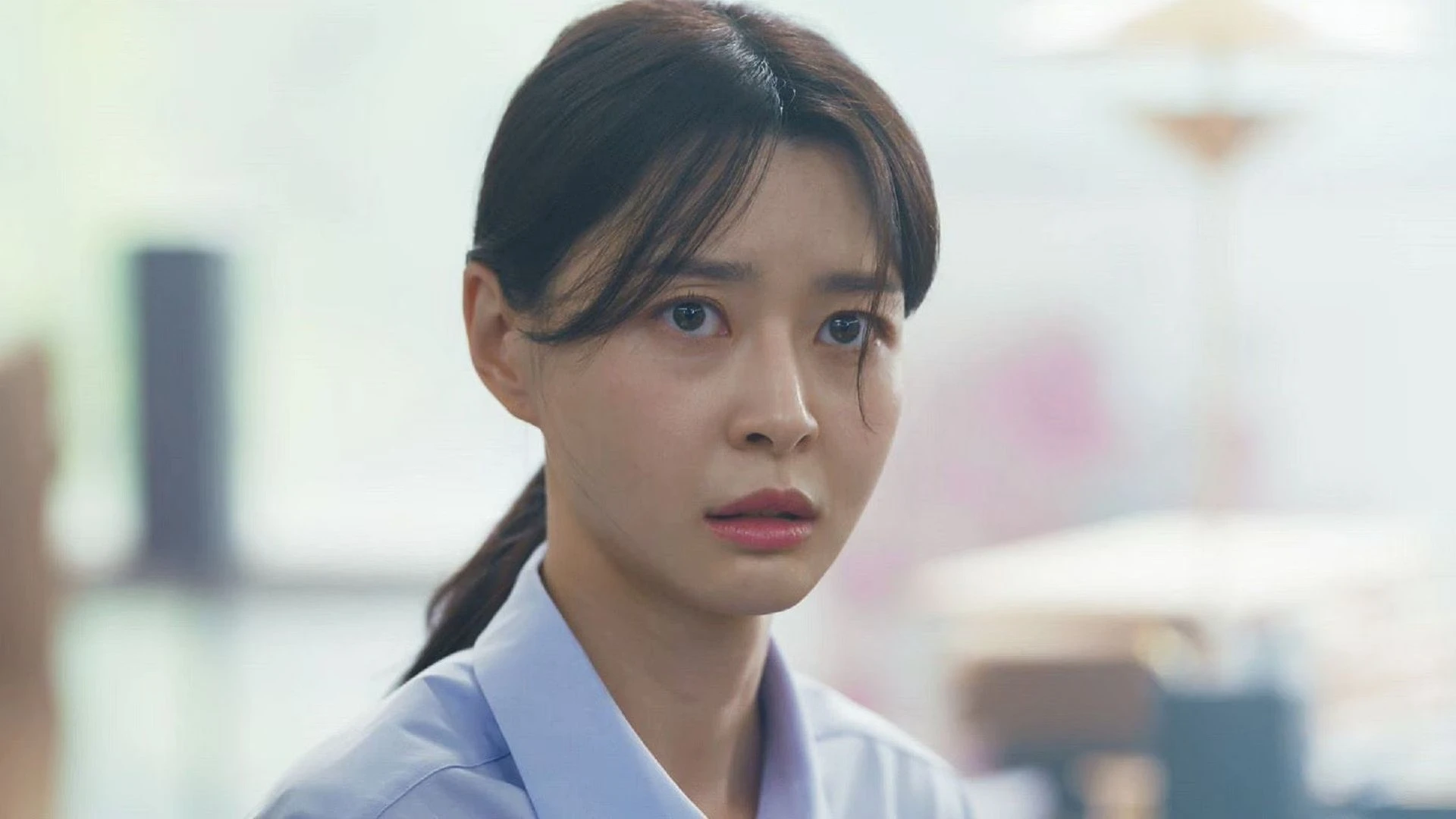
Flashbacks reveal what every generation before Ki-joo paid for the same obligation, and the accumulated weight of that history is more specific than any single tragedy. Han Bom navigates a case that puts her instinct for legal fairness against the stranger logic of spirit contracts — a negotiation between frameworks that don’t share vocabulary. The episode matters because it answers the one question the drama has been withholding: Ki-joo isn’t merely resigned to this life. He carries the history of everyone who couldn’t survive it.
 EP 04
EP 04
What the Portrait Proves
March 19, 2024
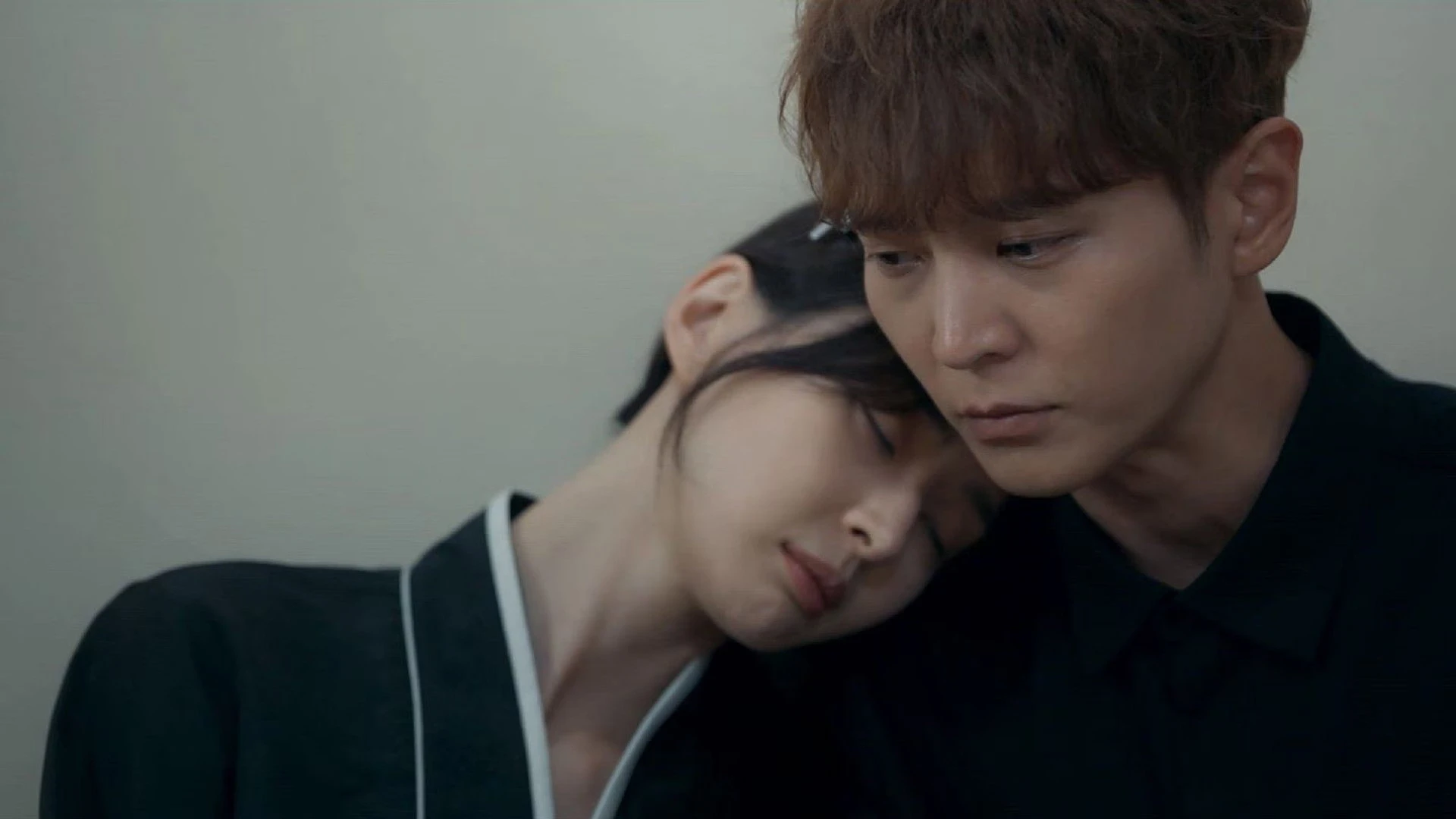
A portrait session exposes a living beneficiary who built their security on the assumption that the dead stay quiet. Han Bom constructs the legal argument; Ki-joo provides the proof. Their method becomes fully visible here for the first time: the photograph isn’t just evidence — it’s testimony from someone who can no longer be cross-examined and cannot be bought. The case closes cleanly. The mechanism is established.
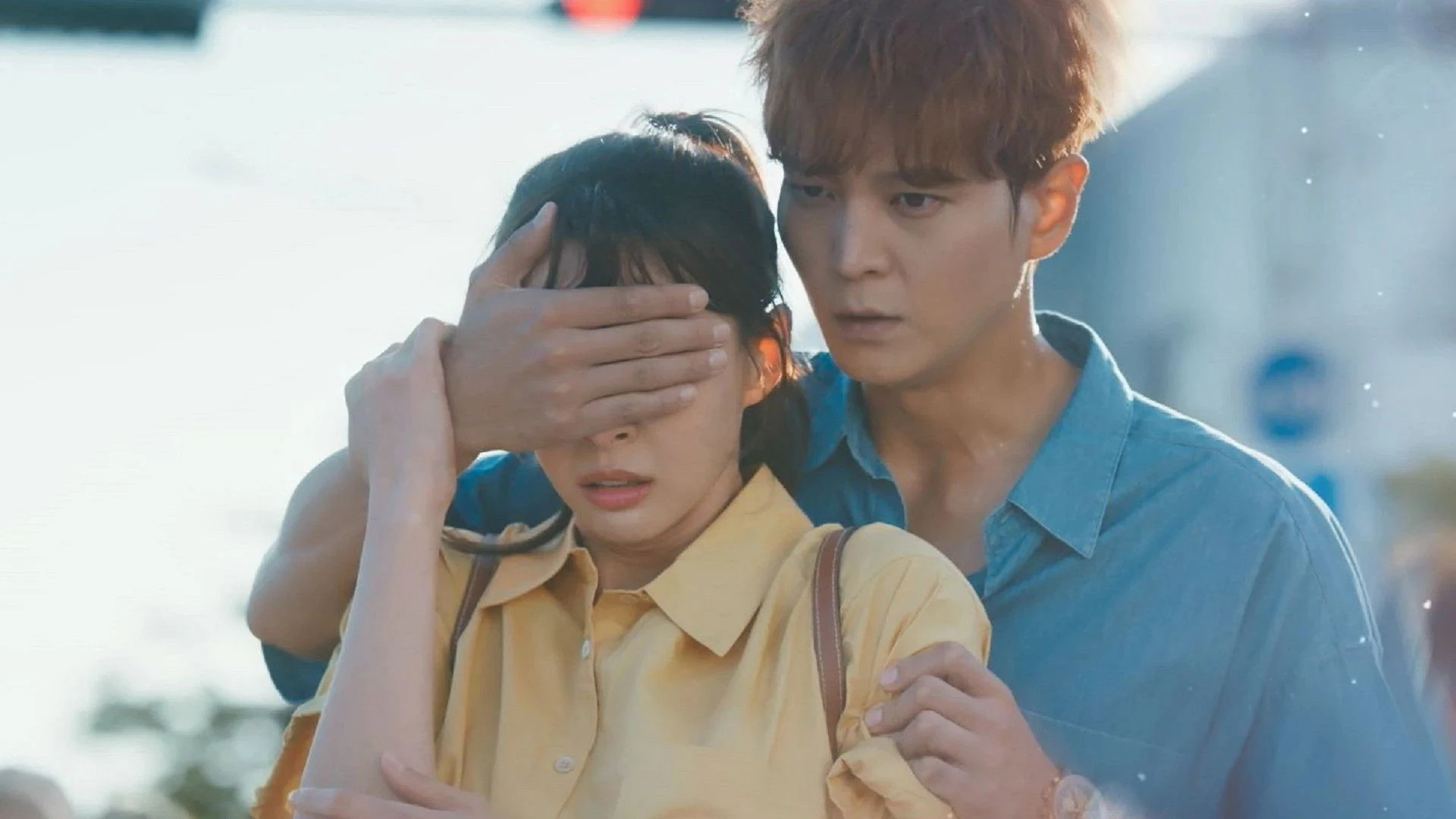 EP 05
EP 05
The Living Who Resist
March 25, 2024
When a ghost’s grievance implicates someone with institutional power, Han Bom calculates risk out loud — career damage on one side, the case’s actual merit on the other — and proceeds anyway. It’s the first time she acts against her own financial interests for reasons she hasn’t articulated yet. Ki-joo notices without commenting, which is already its own kind of statement.
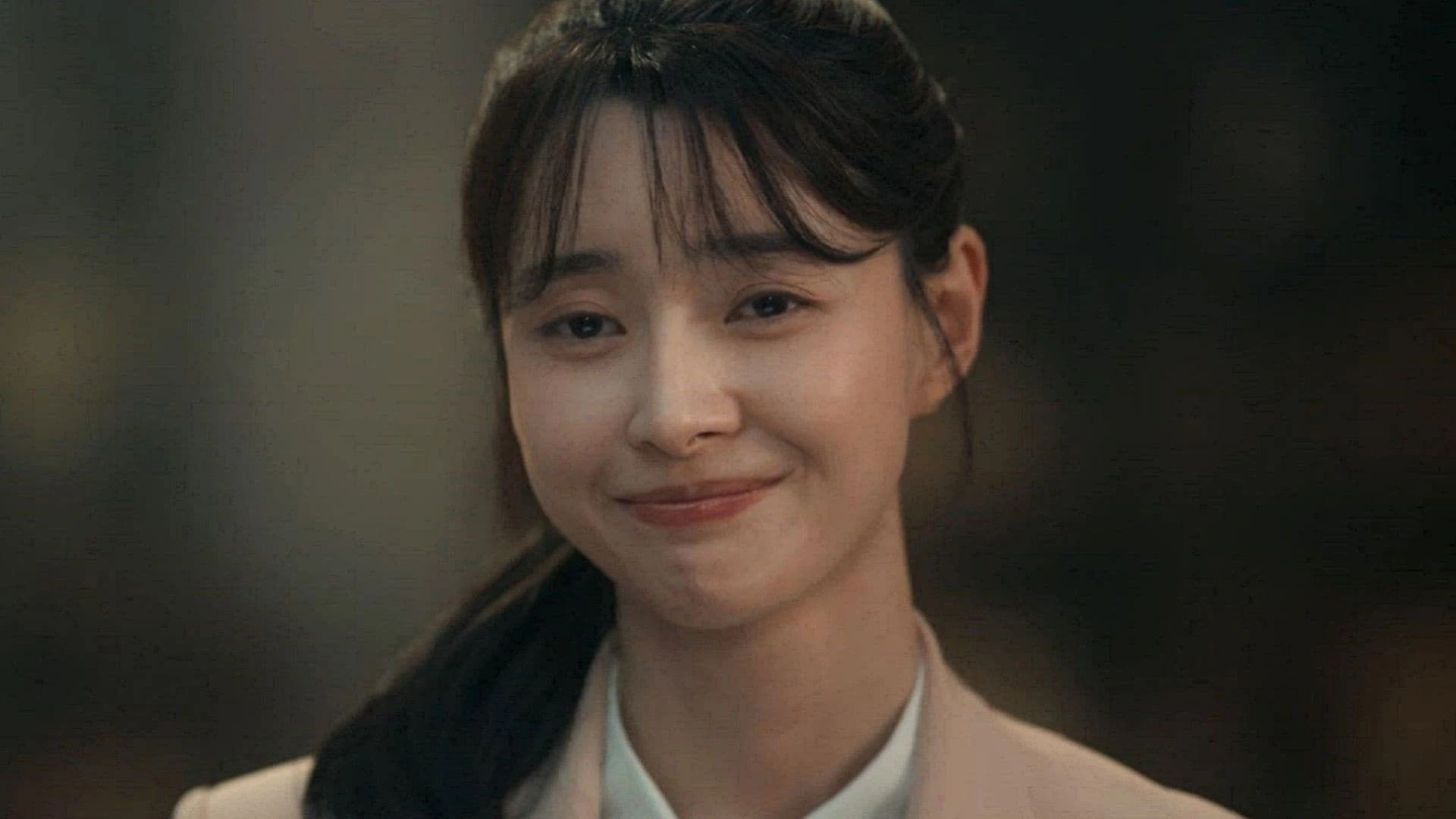 EP 06
EP 06
The People Who Stay
March 26, 2024
Go and Baek Nam-gu each get space that reveals how long they’ve been inside this work and what staying costs them. The episode is a character study of the studio as an ecosystem — who it asks things of and how much each person is willing to give before the asking stops being reasonable. A quiet episode. The show needed it.
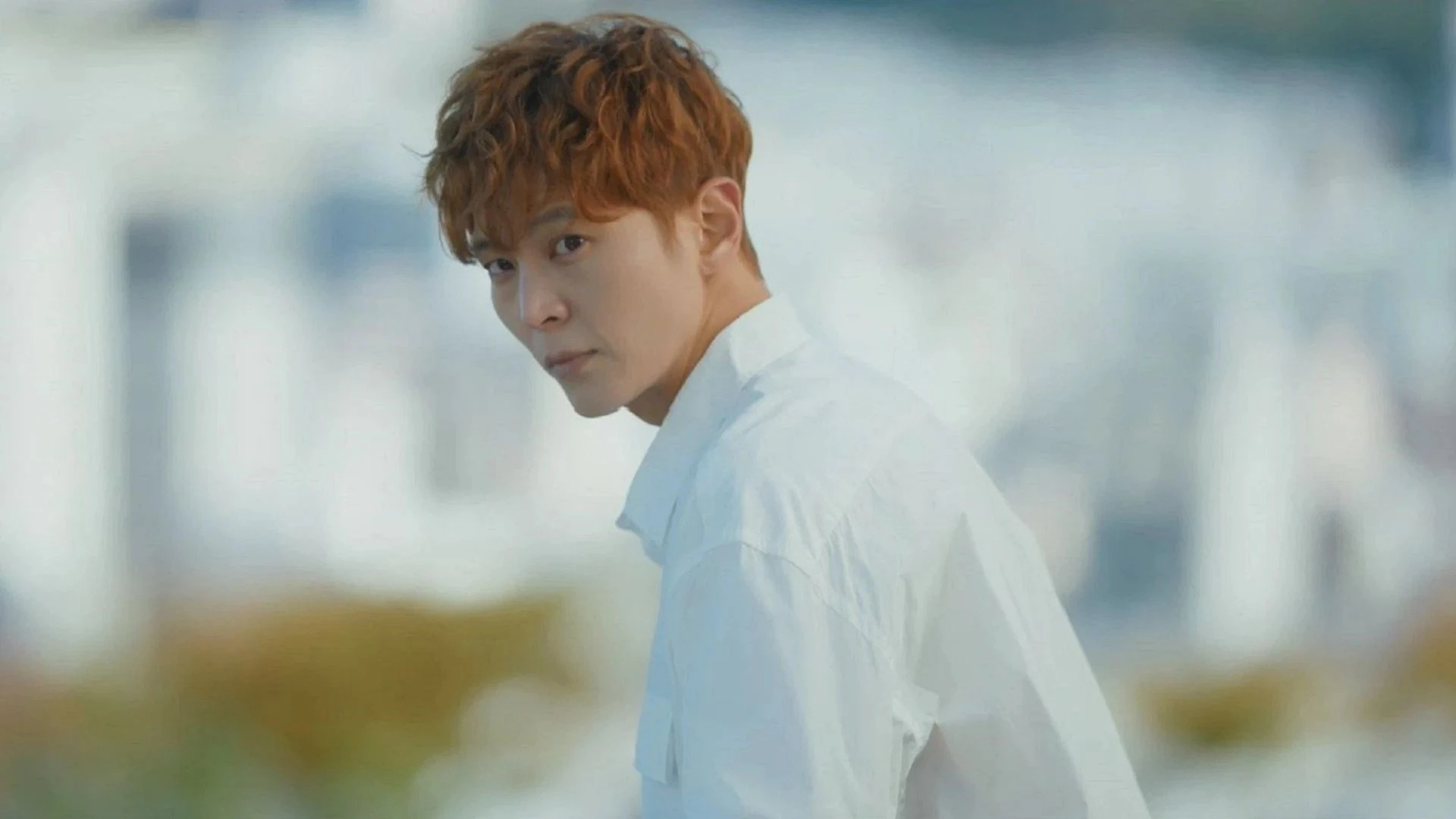 EP 07
EP 07
The Complicated Dead
April 1, 2024
A portrait reveals that the deceased didn’t live cleanly, and the photograph doesn’t filter that — it shows exactly what was there. Han Bom has to decide what to do with evidence that complicates her case more than it advances it. The episode shifts her from case strategist to something closer to advocate, and the show makes that distinction feel earned rather than declared. First-time-advocate episodes usually flatter the protagonist. This one complicates her instead.
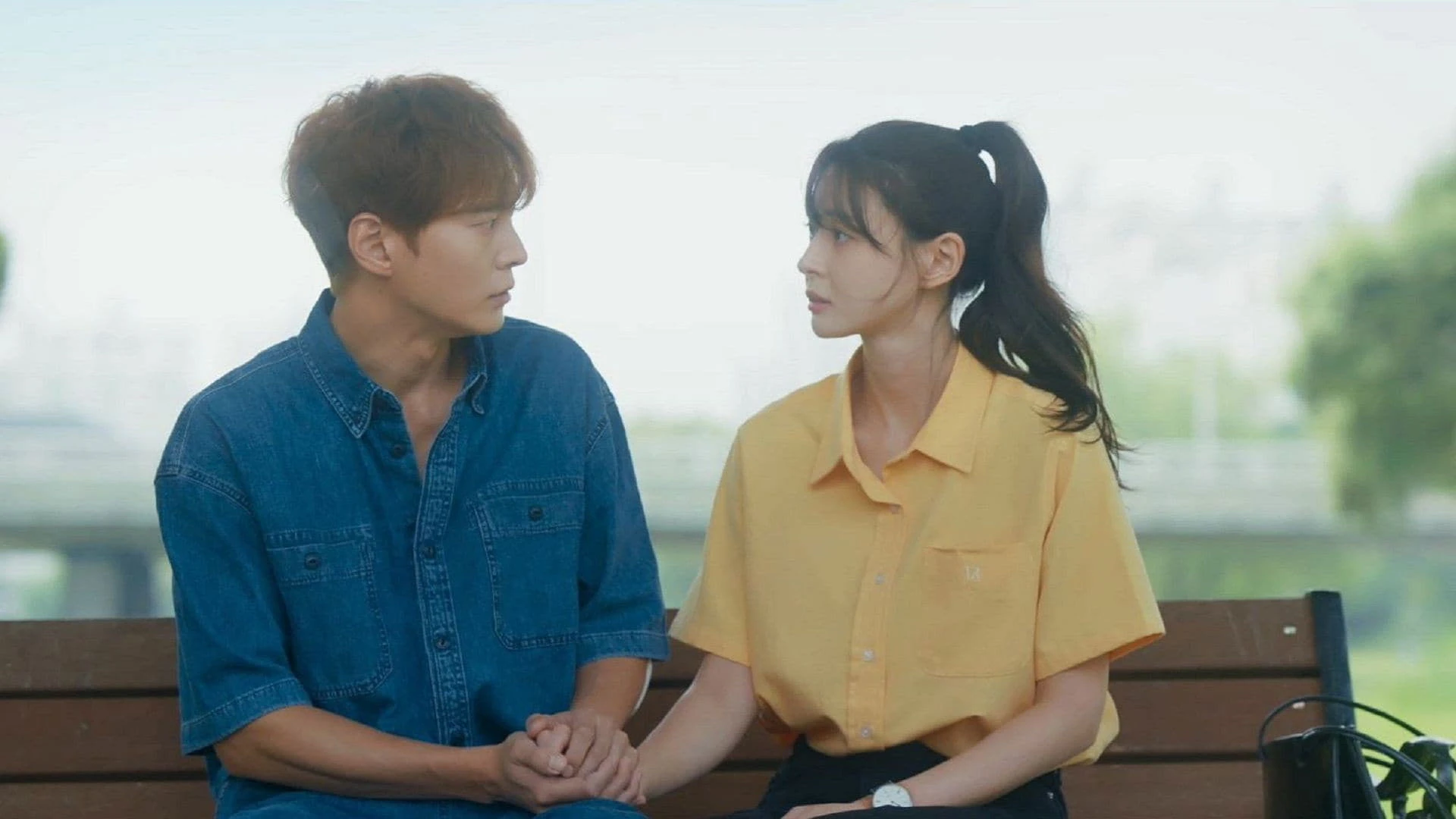 EP 08
EP 08
What Surfaces at the Middle
April 2, 2024
Something connected to the ancestral curse reappears — not through a ghost this time but through documentation Ki-joo had never thought to read. Han Bom’s personal history intersects with the current case in a way neither of them anticipated. The episode exists to make both leads uncomfortable with the professional distance they’ve been maintaining, and it succeeds by making that discomfort concrete rather than romantic.
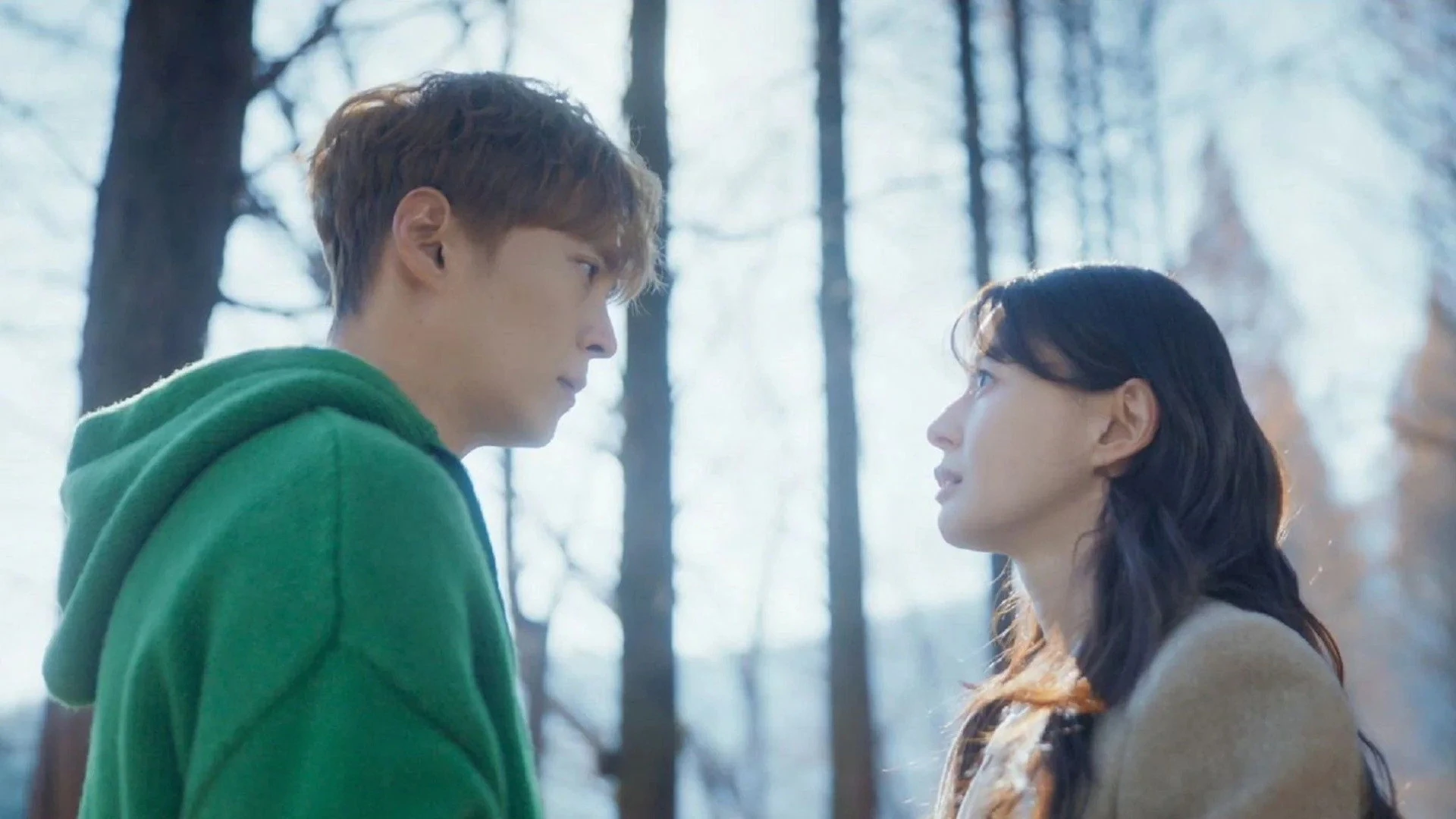 EP 09
EP 09
Evidence from the Other Side
April 8, 2024
Han Bom uses a portrait as the centerpiece of a courtroom-adjacent confrontation, and the argument she builds around it shows how far she’s traveled from the lawyer who took this case as a survival calculation. Ki-joo realizes the opposition isn’t trying to shut the studio down — they’re monitoring it, waiting. He’s slower than Han Bom to recognize that the danger is already inside the perimeter, which is the episode’s most honest character observation.
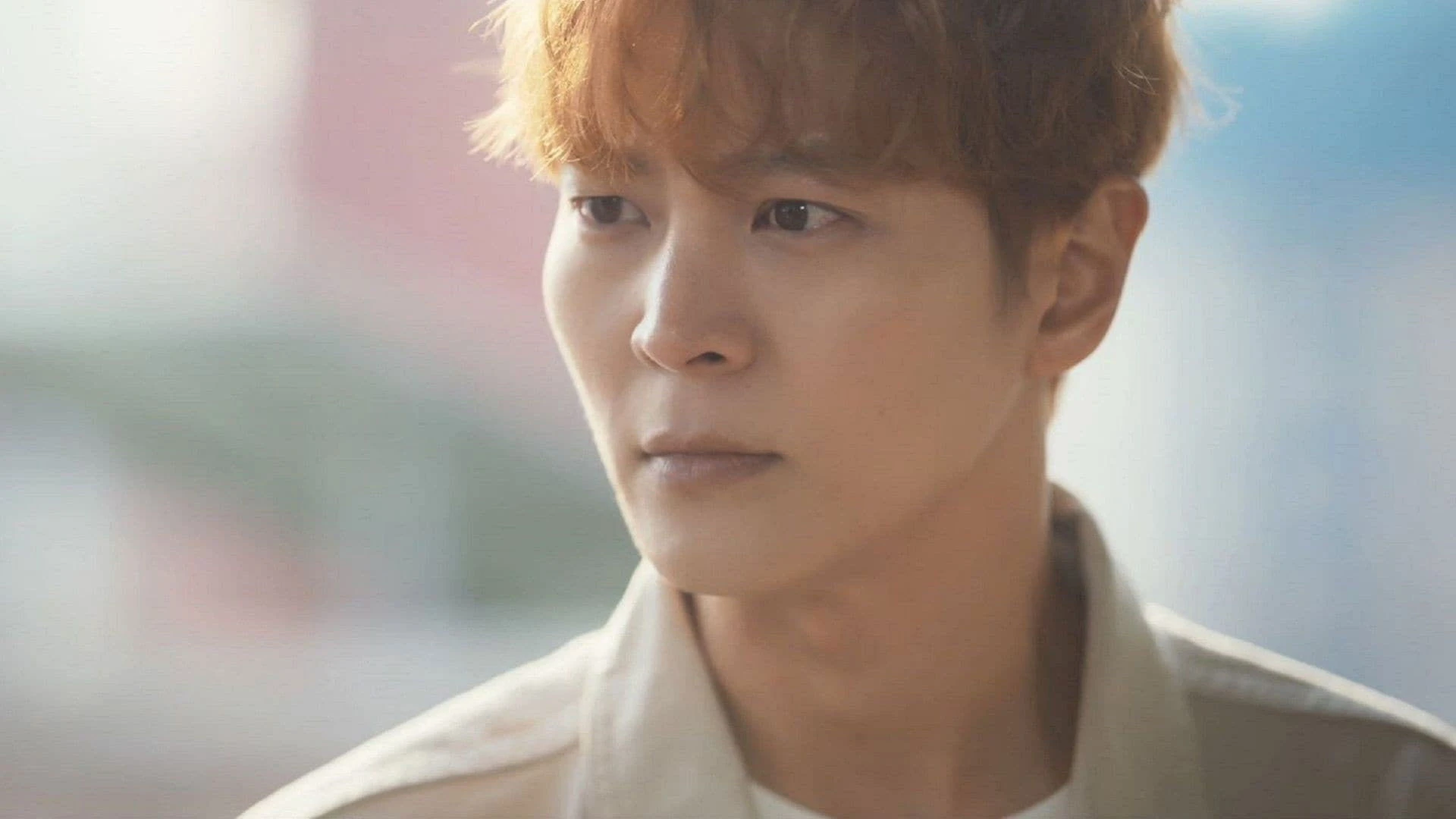 EP 10
EP 10
The Cost of the Curse
April 9, 2024
New information about the studio’s founding rewrites what Ki-joo has understood as family obligation. The curse isn’t just inherited — it has a mechanism, and the mechanism has a lifespan. Turning an abstract burden into a countdown is the show’s best structural move since the pilot, and Joo Won plays the moment of realization quietly, the way a person absorbs something they’ve been half-expecting and still aren’t prepared for.
 EP 11
EP 11
Han Bom’s Past
April 15, 2024
A spirit’s case requires Han Bom to revisit something from her own history that she had filed away as professionally irrelevant. Ki-joo watches her do this without commenting — no comfort offered, no distance maintained — and the observation is more intimate than anything declarative would have been. This is the episode where the studio stops being a workplace and becomes something the show will spend its remaining five episodes protecting.
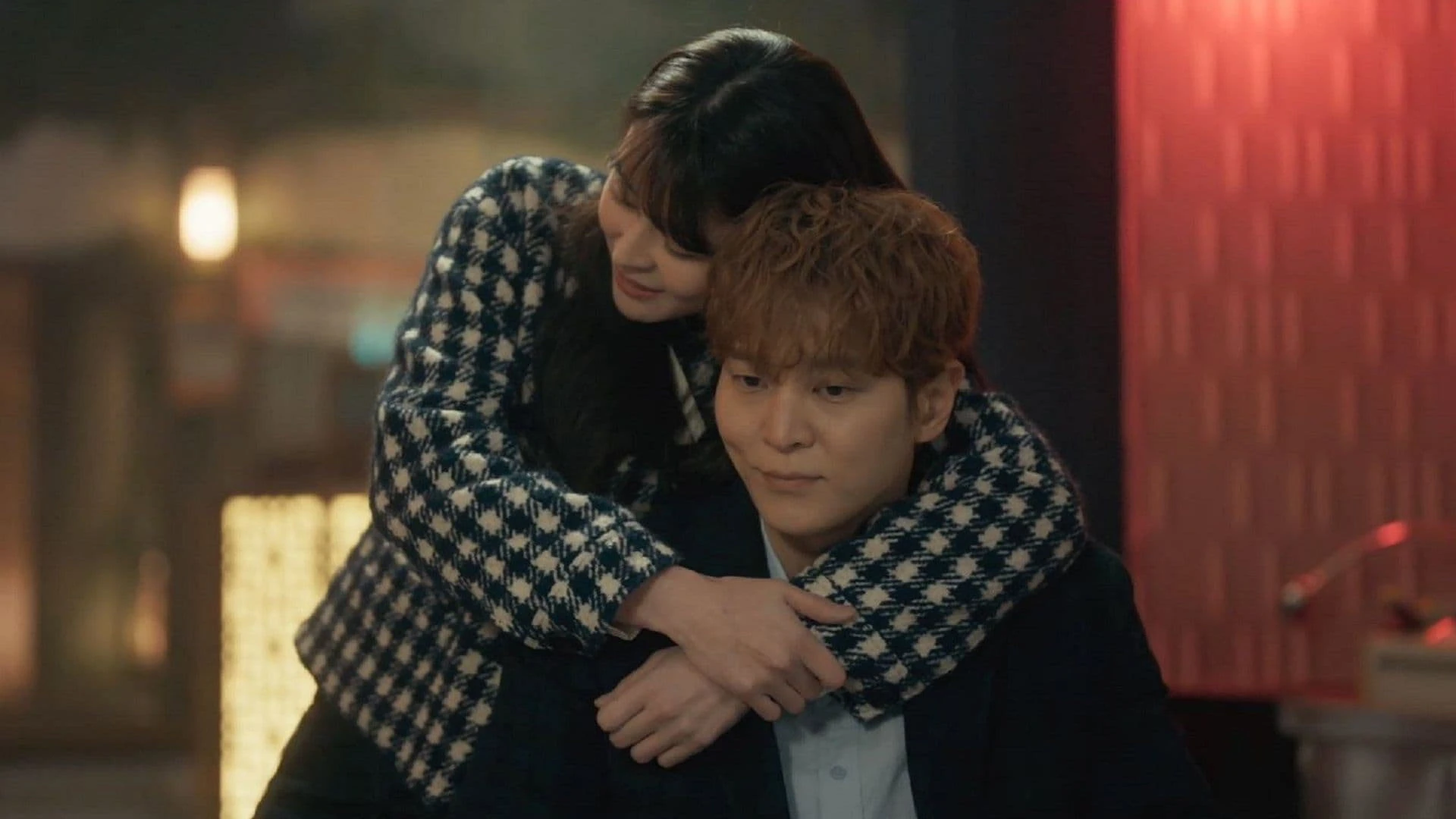 EP 12
EP 12
A Long Grudge Resolved
April 16, 2024
A longstanding grievance — the kind a living person carries for years waiting for the moment it can be formally addressed — finds resolution through a portrait and a legal filing. The win matters less than what it signals: the studio has become something the system cannot easily dismiss. Their effectiveness has grown past the point where it can be ignored by the people who’d prefer it stayed quiet.
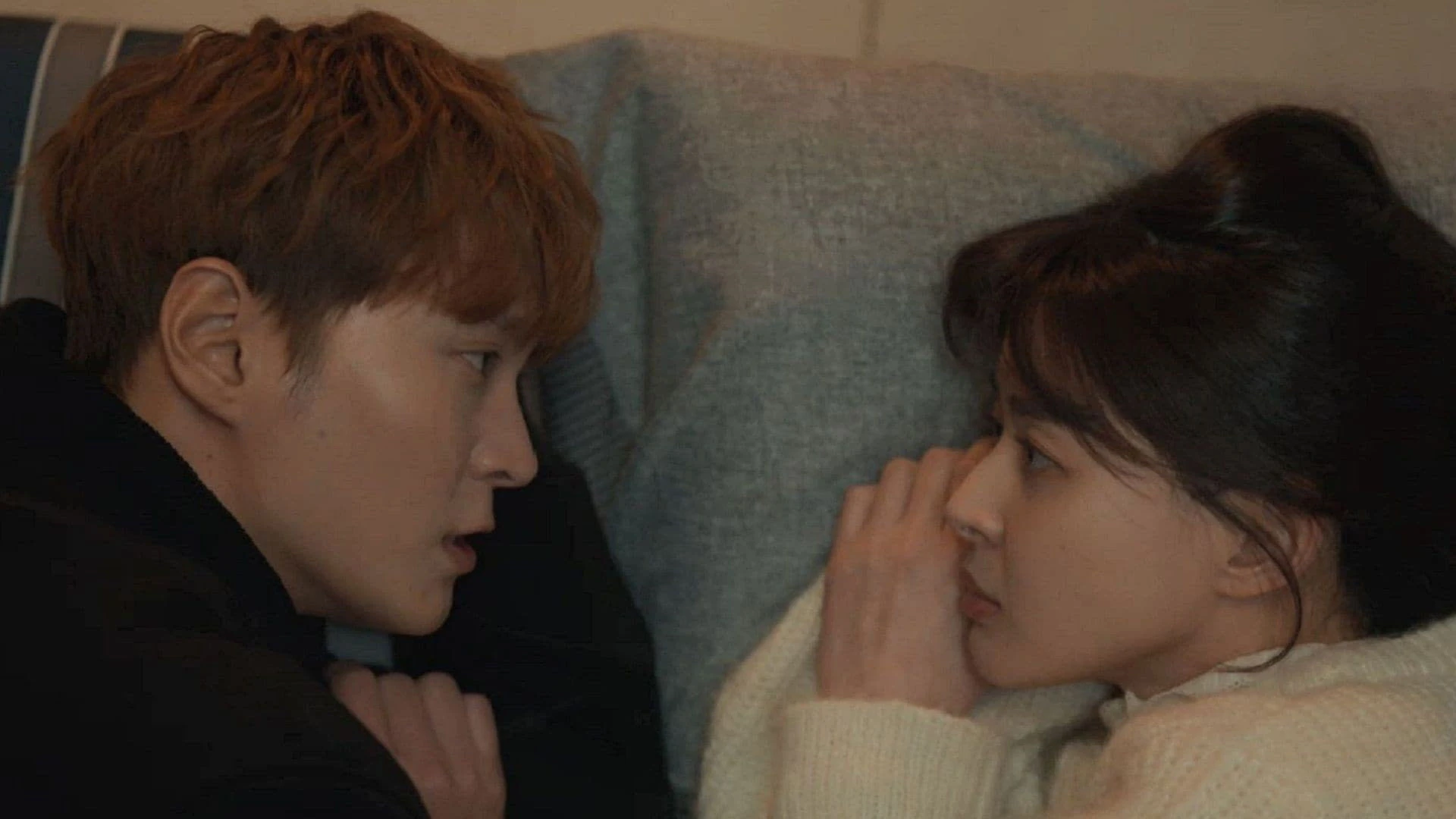 EP 13
EP 13
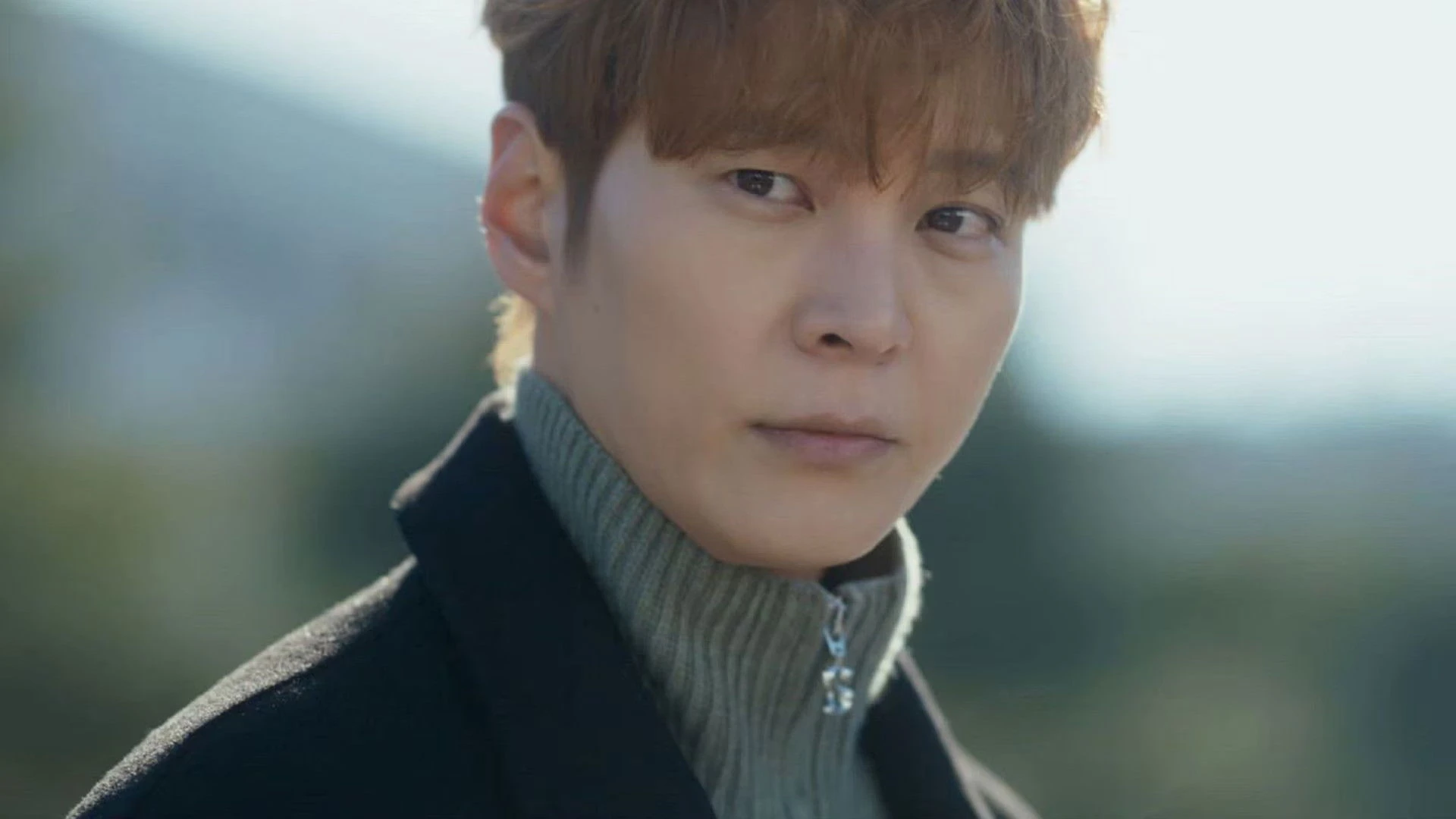
The Pressure Builds
April 22, 2024
The antagonists increase pressure in a way that makes Ki-joo’s curse feel newly vulnerable — not just as a personal burden but as an exploitable weakness. Han Bom begins constructing a defense that combines legal strategy with everything she now understands about how the studio operates. The episode is the drama’s clearest signal that the finale will ask someone to sacrifice something they hadn’t budgeted for.
 EP 14
EP 14
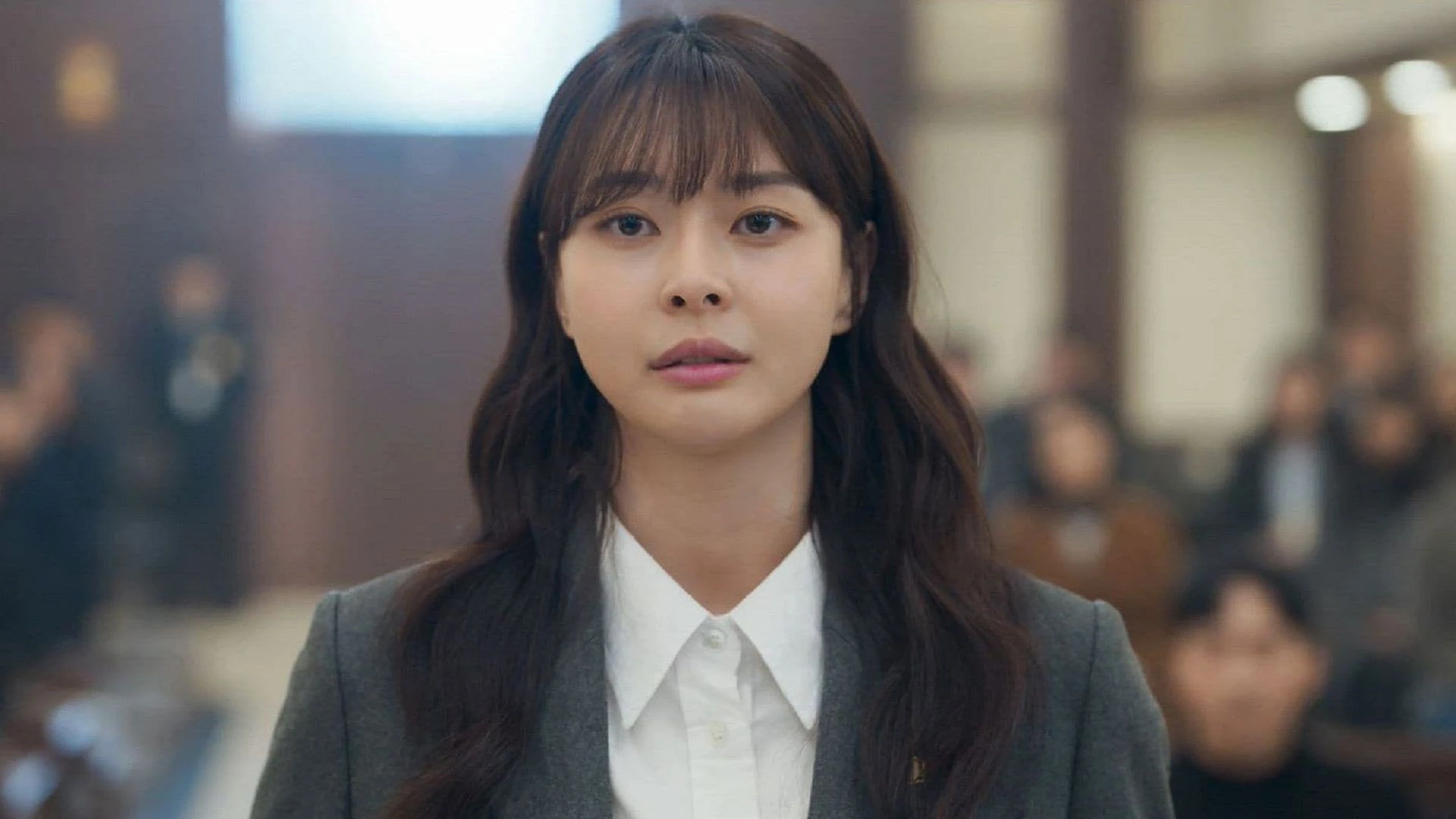
Secrets About the Camera
April 23, 2024
The camera’s origin is revealed, and it reframes every case that preceded it. Ki-joo confronts the possibility that the tool he inherited is not what he was told it was. Han Bom works a parallel track — identifying who benefits most from the studio’s secrets staying buried, and how to use the law to surface them. The two threads converge at the end of this episode in a way the drama has been preparing for since Episode 10.
 EP 15
EP 15
Han Bom’s Plan
April 29, 2024
Han Bom constructs the legal and evidential strategy for the finale confrontation using everything accumulated across fourteen episodes as material. Ki-joo prepares for the personal cost of what resolution will require. It’s a setup episode, and a good one — it treats both leads as intelligent people who already understand the stakes rather than characters who need the plot to explain itself to them.
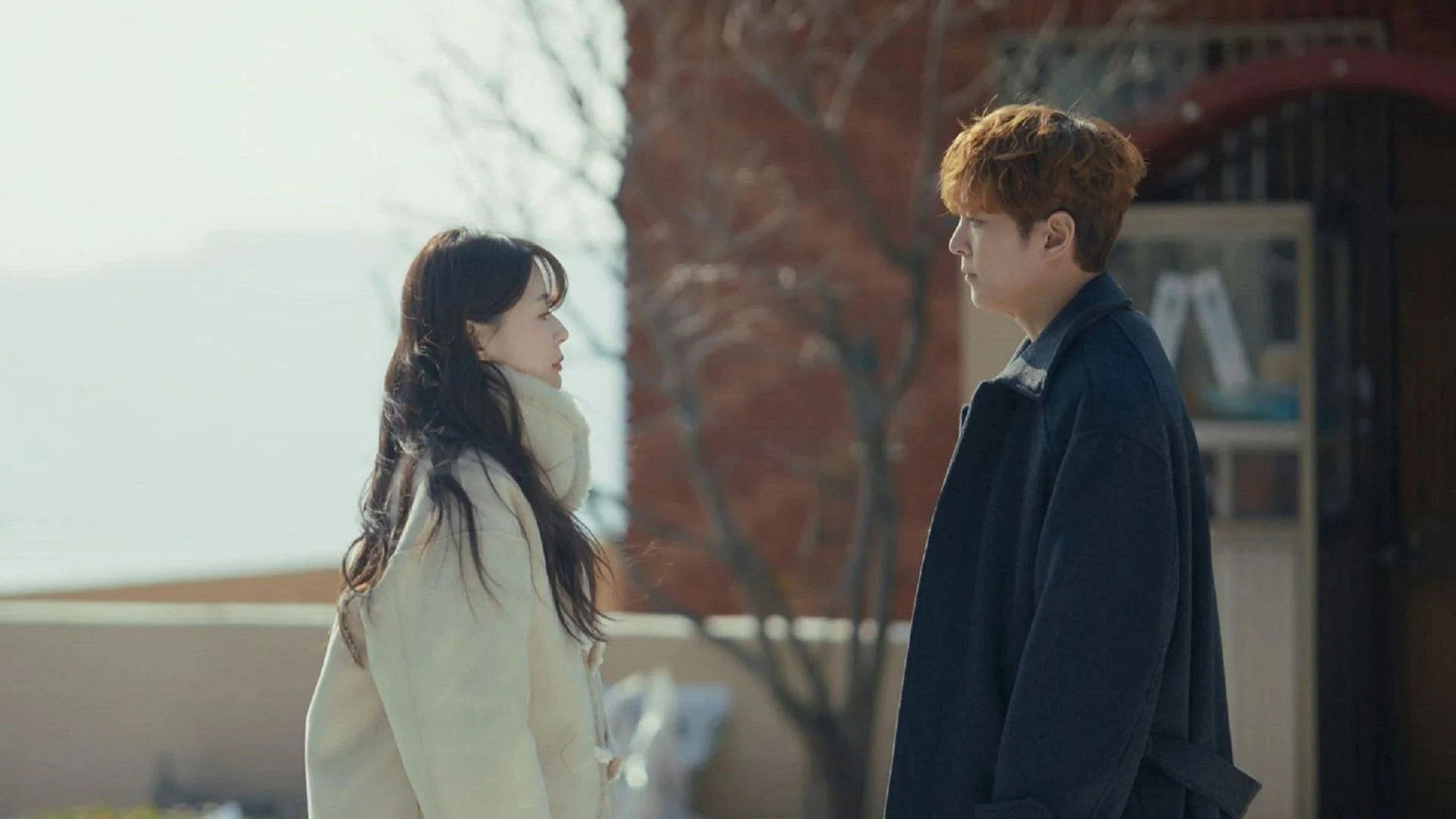 EP 16
EP 16
What Remains · Finale
May 6, 2024
Ki-joo confronts the full terms of his ancestral curse and makes a choice — about whether to carry it forward or end it. Han Bom secures the justice the most significant case required, completing her transition from survival lawyer to advocate for the dead. Go and Baek Nam-gu’s commitments to the studio are stated rather than implied. The finale earns its resolutions not by making the ending easy but by making it specific, which is harder and more honest.
🏁 Ending Explained
The finale, unpacked in full. Consider yourself warned.
⚠️
Spoiler Warning — This section covers the full finale of The Midnight Studio. Stop here if you haven’t finished the series.
What Ki-joo Actually Chooses. The ancestral curse reaches its resolution in the finale not through magical intervention but through Ki-joo making a deliberate choice about what to do with the information he uncovered in Episode 14. The curse has always had an escape condition — his family simply never found it, or chose not to pursue it because accepting the burden was the form their identity took. Ki-joo breaks the pattern. He survives the deadline implied by the curse’s mechanics, not unscathed but intact, which the show frames as the more meaningful outcome: not a clean liberation but a renegotiated life.
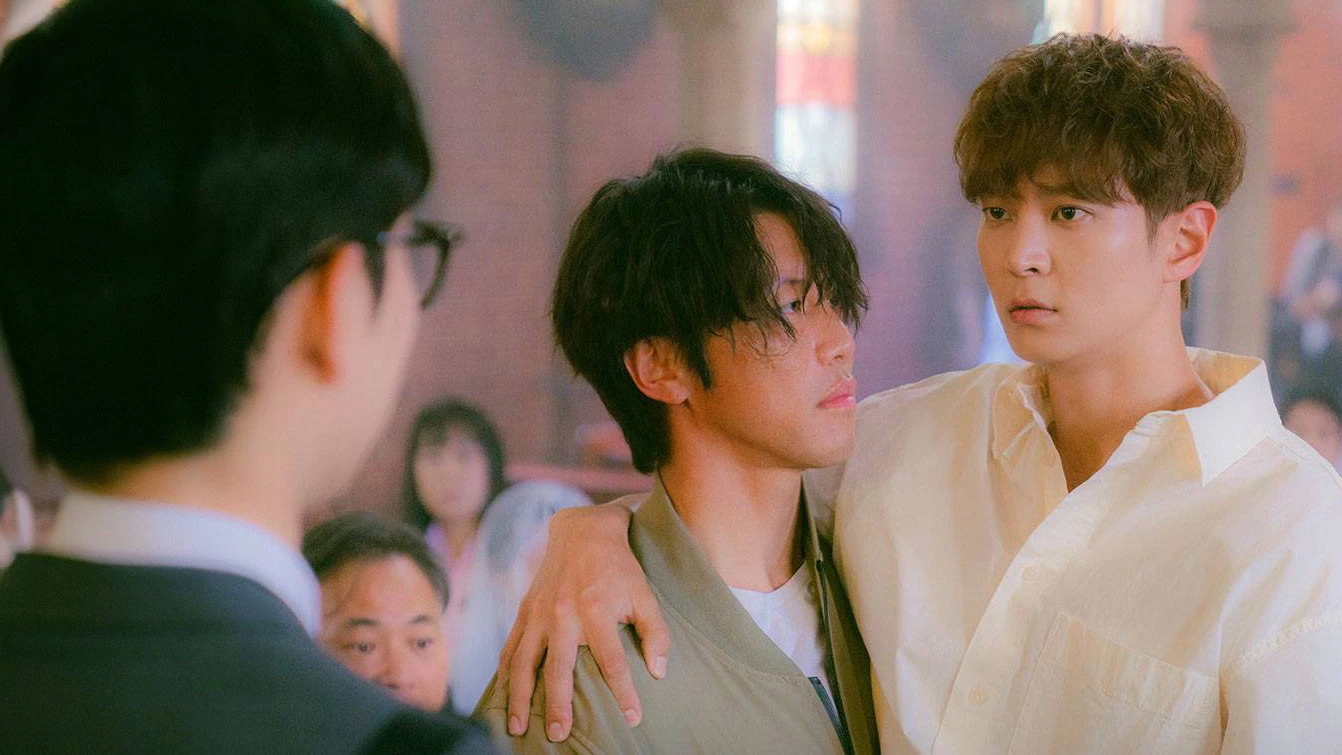
What Han Bom Becomes. Han Bom’s final case uses a ghost’s portrait as the centerpiece of a formal legal argument — evidence that no conventional court would have admitted from any other source. She wins. More importantly, the win formalizes something that has been true since Episode 7: she is no longer practicing law to survive. She is practicing it to accomplish something specific, for clients who have no one else. The shift from opportunist to advocate is complete here, and the show is careful not to make it triumphant. She’s still practical, still calculating. The calculation has just changed what it’s optimized for.
How the Antagonists Fall. The living-world antagonists who spent the drama’s second half monitoring the studio are exposed through the legal-supernatural fusion the show has been building toward — portraits as evidence, combined with Han Bom’s ability to make that proof legible to institutions that matter. The exposure is less dramatically satisfying than Ki-joo’s curse resolution, but it’s honest: these antagonists fall because the studio’s work is more durable than the resistance to it. The system that tried to suppress them ultimately uses the same mechanism they built.
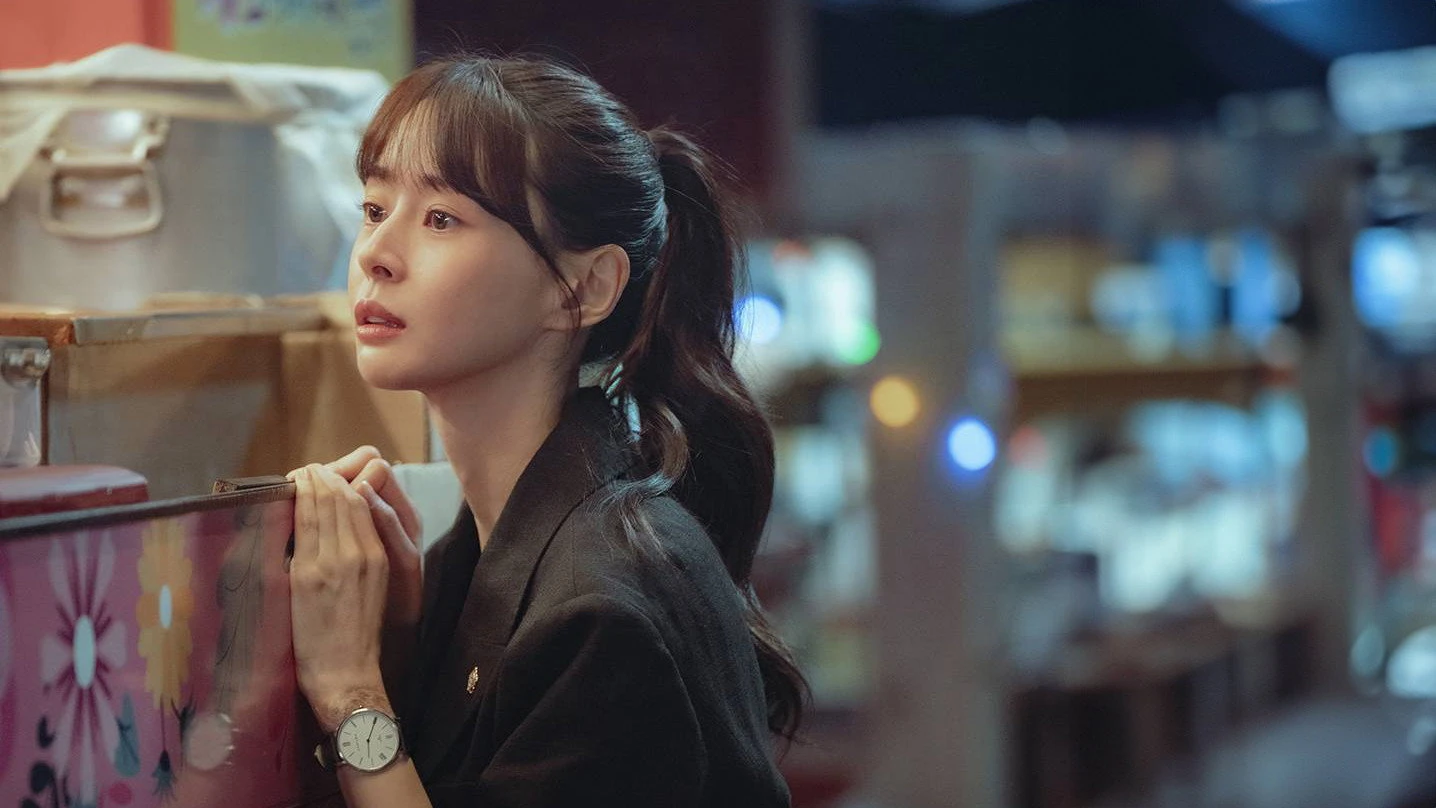
Ki-joo and Han Bom. The romance resolves without a large gesture. These are two people who have been in the same building for sixteen episodes, gradually adjusting their perception of each other, and by the finale both have run out of reasons to maintain professional distance. What the show gets right is that their relationship had already changed before the final episode makes it explicit — the declaration is a formality, not a revelation. It lands because the work was done in Episodes 5 through 11, in the quiet moments where each one noticed something about the other that neither commented on.
What “The Midnight Studio” Actually Names. The title refers to the literal photography studio and the literal hour of work that defines it. But the drama ends on a more precise meaning: the midnight hour is the space between the dead who haven’t resolved their business and the living who haven’t resolved theirs. Ki-joo and Han Bom built a practice in that space. The studio continues after the finale — changed, with some of the curse’s terms altered, but open — because the space it occupies doesn’t disappear just because the people inside it found peace with their own pasts. Grief doesn’t have office hours. Neither does this place.
✍️ KDramaWorlds Editor’s Take
Our honest take — is it worth your time, and who’s it really for.
👻 Atmospheric
🕰️ Slow Burn
⚖️ Legal Procedural
🏠 Found Family
💜 Supernatural Romance
Joo Won had been working in television for over a decade before The Midnight Studio — known mainly for broad action and melodrama — and this is the role where he finds a register closer to stillness. Ki-joo is a man who has been doing something emotionally brutal for years without processing it, and Joo Won plays that accumulated weight in how he holds himself: slightly forward, slightly careful, as if he’s learned to move through spaces without disturbing anything he doesn’t intend to. It’s a quieter performance than his reputation suggests, and the show benefits from the understatement in ways that a more demonstrative lead would have undermined. You can compare it directly to his earlier work in Hotel Del Luna (2019), another supernatural drama built around people who serve the dead — the difference is tonal: where that show leans into spectacle, The Midnight Studio leans into accumulation.
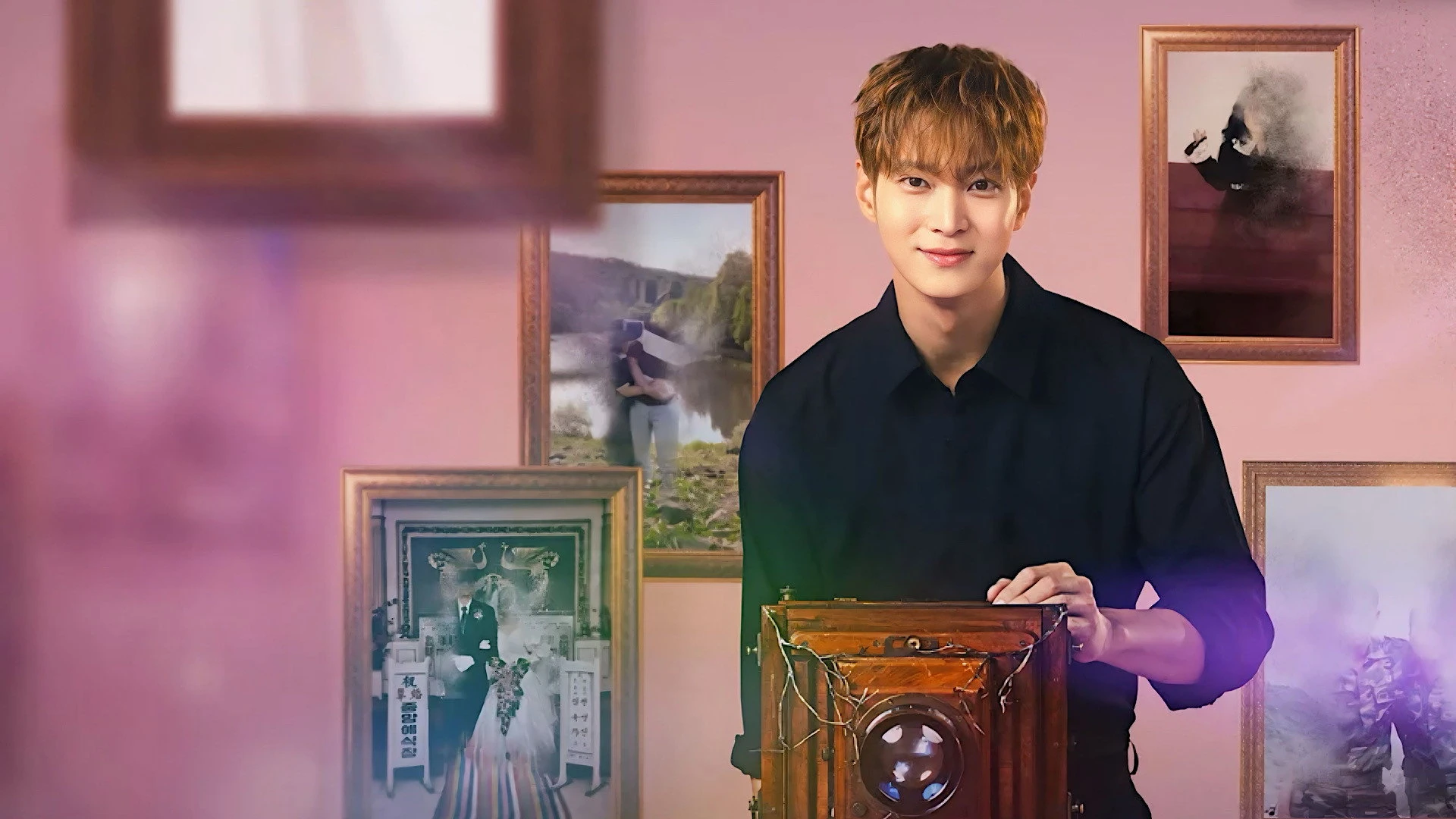
Kwon Na-ra’s Han Bom is the more kinetically interesting character because she’s the one whose situation is actively changing across the run. Kwon locates the specific satisfaction Han Bom gets from finding solutions in improbable places — the slight brightness in the calculation, the energy she conserves by letting pragmatism do the work that principle is expensive to maintain — and holds onto that texture even when the plot asks her to be vulnerable. Their chemistry operates on a specific frequency: two people who find each other’s approach surprisingly difficult to fault, which is harder to perform than attraction and more interesting to watch. The dynamic shares something with Mystic Pop-up Bar (2020), which built a similar structure around resolving the dead’s unfinished business — but The Midnight Studio invests more seriously in the legal-procedural element, which gives Han Bom’s arc a rigor the earlier drama didn’t attempt.
The show’s structural limitation is visible in its middle third: sixteen episodes is too long for a case-of-the-week format that doesn’t consistently escalate its individual cases. Episodes 6 through 9 reveal that limit clearly. The supernatural mechanics are established early and don’t deepen; what deepens instead is the relationship between the leads, and whether that’s sufficient depends entirely on your tolerance for a drama that takes its time arriving somewhere you can probably see from the beginning. It does arrive. That counts.
👍👍👍 BEST FOR 👍👍👍
👻 Supernatural romance fans who want a procedural twist
🎭 Joo Won fans ready to see him play restrained instead of explosive
⚖️ Viewers who liked the “help the dead settle unfinished business” premise done seriously
⚖️ Final Verdict
What works
•Joo Won’s most restrained and effective television performance
•Ghost photography as legal evidence — a premise taken seriously, not played for easy sentiment
•Han Bom’s arc from opportunist to genuine advocate is earned, not declared
What to know first
•16 episodes is too long for this pacing — the middle sags noticeably
•The curse mechanics stay surface-level; don’t expect deep supernatural world-building
•The antagonists are underwritten compared to the ghost cases — the living-world opposition never fully lands
7.7 / 10
A supernatural romance that earns its ending by taking the premise seriously from the start — and trusting its leads to carry what the plot doesn’t always earn on its own.
💬 Helpful? Share this guide →
🎬 You Might Also Like
If you liked The Midnight Studio, these are your next three watches.

















Keep it kind, skip the harsh language, and please — no spoilers. Everyone's taste is different, and that's perfectly fine.
This space is for real reactions and discussion from other viewers. Help keep it comfortable for everyone by not giving away major plot details.
What do you think of this drama?
Login to share your review or leave a comment.
No email needed — just pick a username & password.