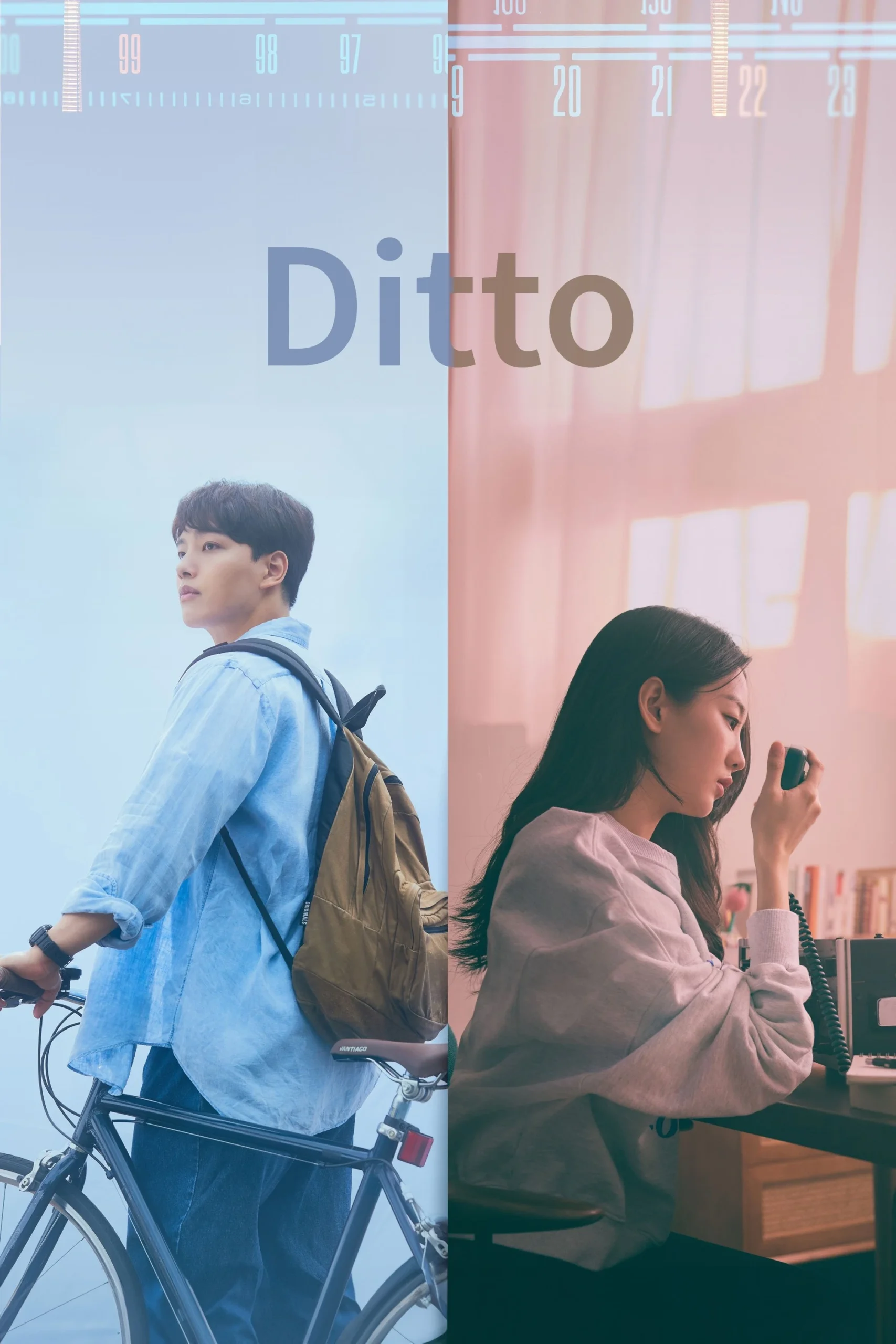
Ditto
🎬 Prime Video · Apple TV+ · Viu · Viki
⭐ 6.8 IMDb
🔞 13+
🎬 Film Overview
TIME-CROSSED ROMANCE PICK
Kim Yong just got back from mandatory service and wants exactly one thing from campus life: for Seo Han-sol to finally notice him. She doesn’t — not the way he’s hoping. What he gets instead, on the night of a lunar eclipse, is static on an old ham radio picking up a voice with no business being on that frequency in 1999: Kim Mo-nee, a sociology sophomore who insists it’s 2022.
Ditto spends its opening stretch treating the impossible calmly, letting Yong and Mo-nee talk each other through romantic disasters twenty-three years apart before either fully accepts what’s happening. Director Seo Eun-young’s remake of the 2000 cult favorite trades the original’s melancholy for something warmer — a story less interested in the tragedy of two people who can’t touch than in what they build anyway, across decades, through nothing but a dial and a voice.
⚡ Quick Verdict
Here’s the verdict — no scrolling, no guesswork.
· IMDb
· MDL 8.0/10 (7,589 ratings)
▶ Official Trailer
🎭 Cast & Characters
Two eras, one radio frequency, and the friends caught in between.

Lead

Lead

Supporting
Supporting

Supporting
Supporting

Supporting

Supporting
Supporting

Supporting

Supporting

Supporting
📖 The Story
A quick, spoiler-free look at what you’re in for.
Kim Yong comes back from his mandatory service expecting campus life to pick up where he left off — same classes, same friends, and, if things go well, Seo Han-sol finally noticing him back. She doesn’t, not the way he wants. What Yong gets instead, on a night when the moon disappears behind the earth’s shadow, is static on an old ham radio his father left behind, and then a voice that has no business being on that frequency in 1999.
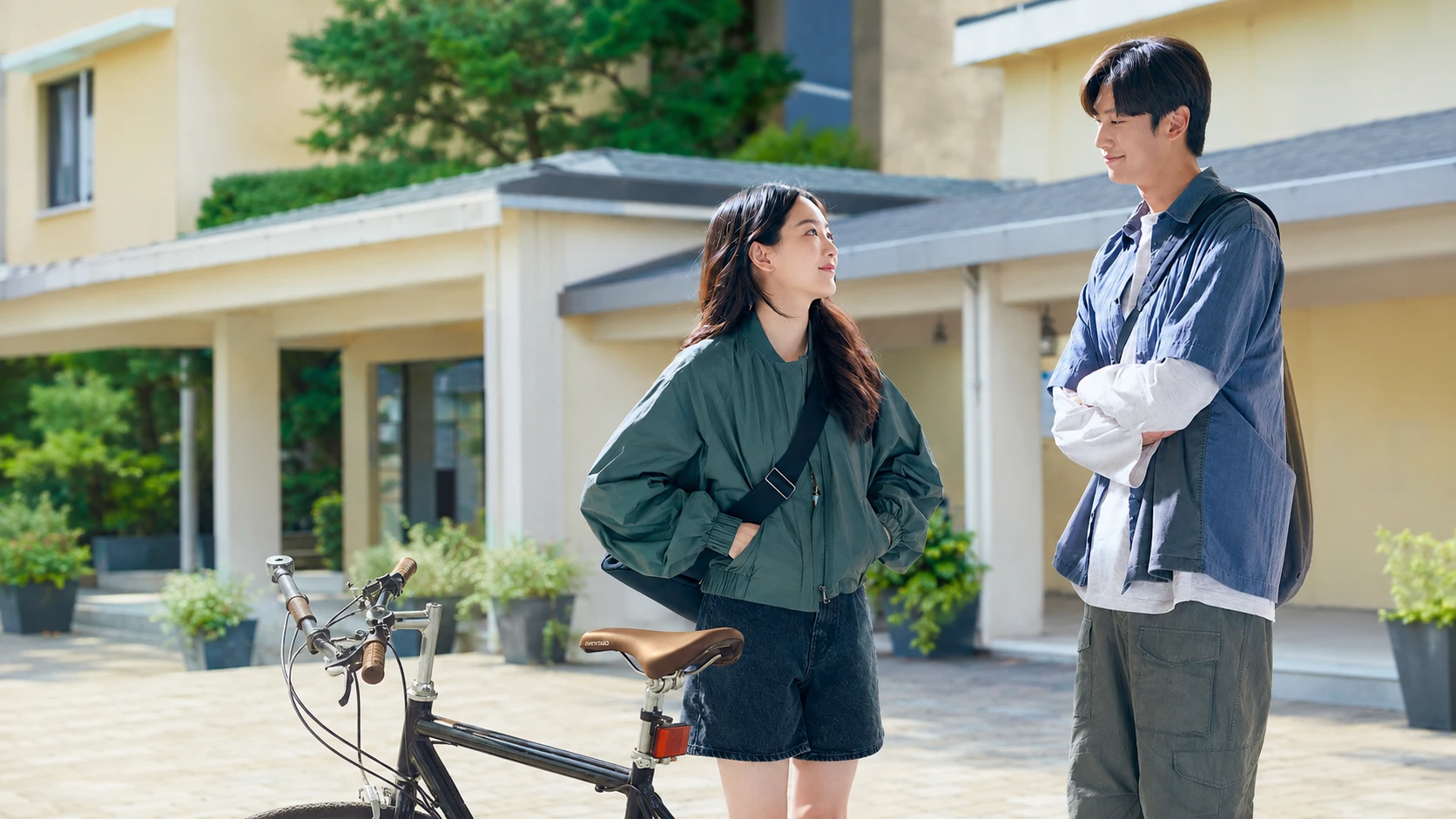
The voice belongs to Kim Mo-nee, a sociology sophomore at what is, impossibly, the same university — except she keeps insisting it’s 2022. Both of them spend the first few calls assuming the other is joking, or lying, or somehow prank-calling from a different dorm. It takes a series of small, unprovable details — a building that doesn’t exist yet, a professor who hasn’t been hired — before either one accepts that they’re talking across twenty-three years, not twenty-three miles.
Once the disbelief runs out, the calls become a habit. Yong walks Mo-nee through the awkward mechanics of confessing to a crush; Mo-nee, further along and less patient with heartbreak, pushes him to just tell Han-sol how he feels instead of circling her for another semester. Neither radio nor timeline makes the advice easier to take. It just gives them somewhere to say the hard parts out loud.
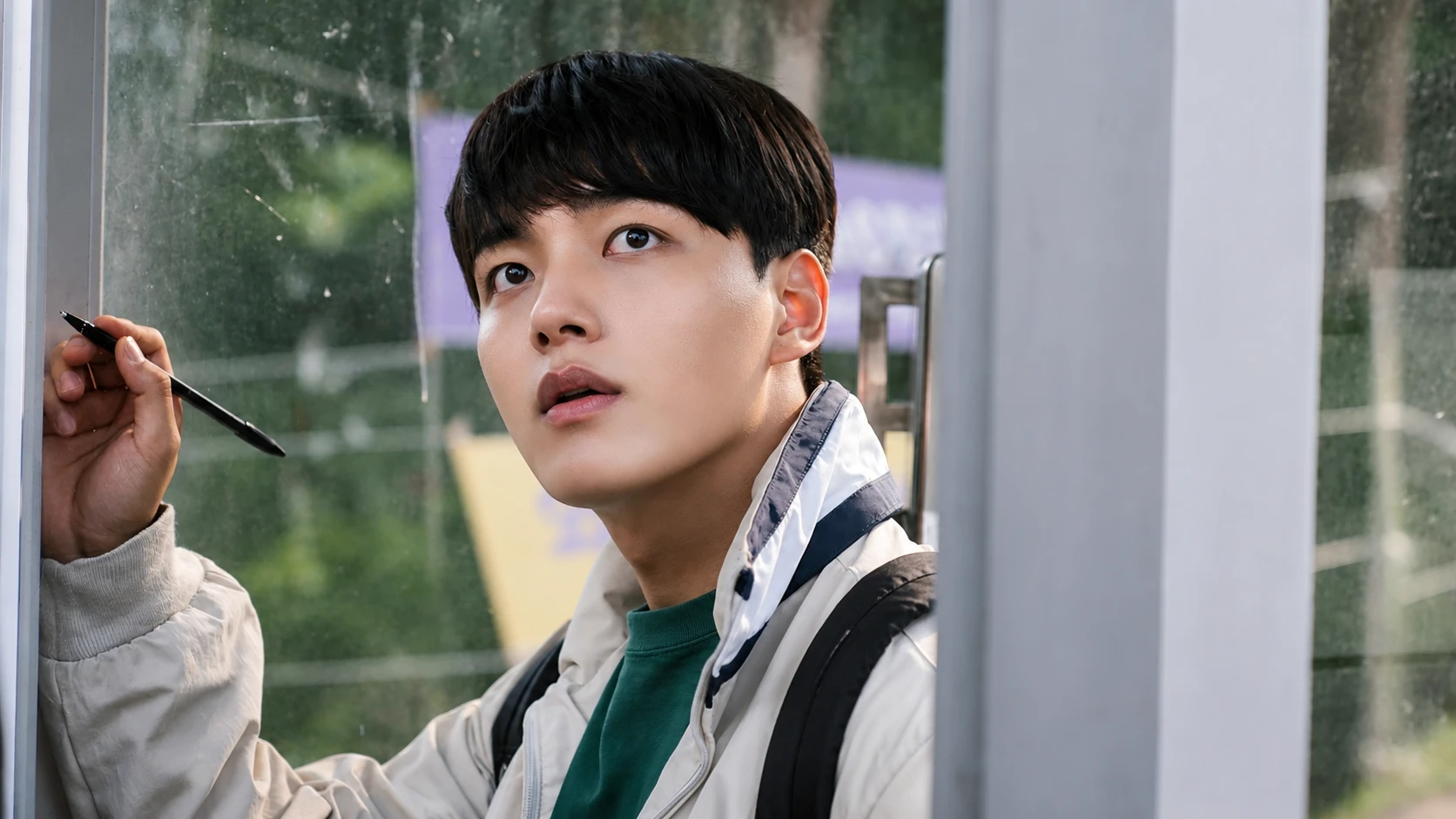
They try, more than once, to close the distance properly — meeting at the same spot on campus, at the same hour, twenty-three years apart, hoping proximity might do what physics says it can’t. It never works, not in the way either of them wants. What does work is smaller and stranger: a pet turtle named Mok-man that seems to cross between their two years entirely on its own, proof that whatever is happening between them is more than a bad connection.
Back in 1999, Yong’s own romantic math isn’t adding up the way he’d hoped, and the friction starts to show in how he treats the people closest to him — particularly Kim Eun-seong, the friend who’s been trying to help all along. Ditto doesn’t rush this part. It lets a college friendship strain in real time, which ends up mattering more to the back half of the film than the eclipse ever does.
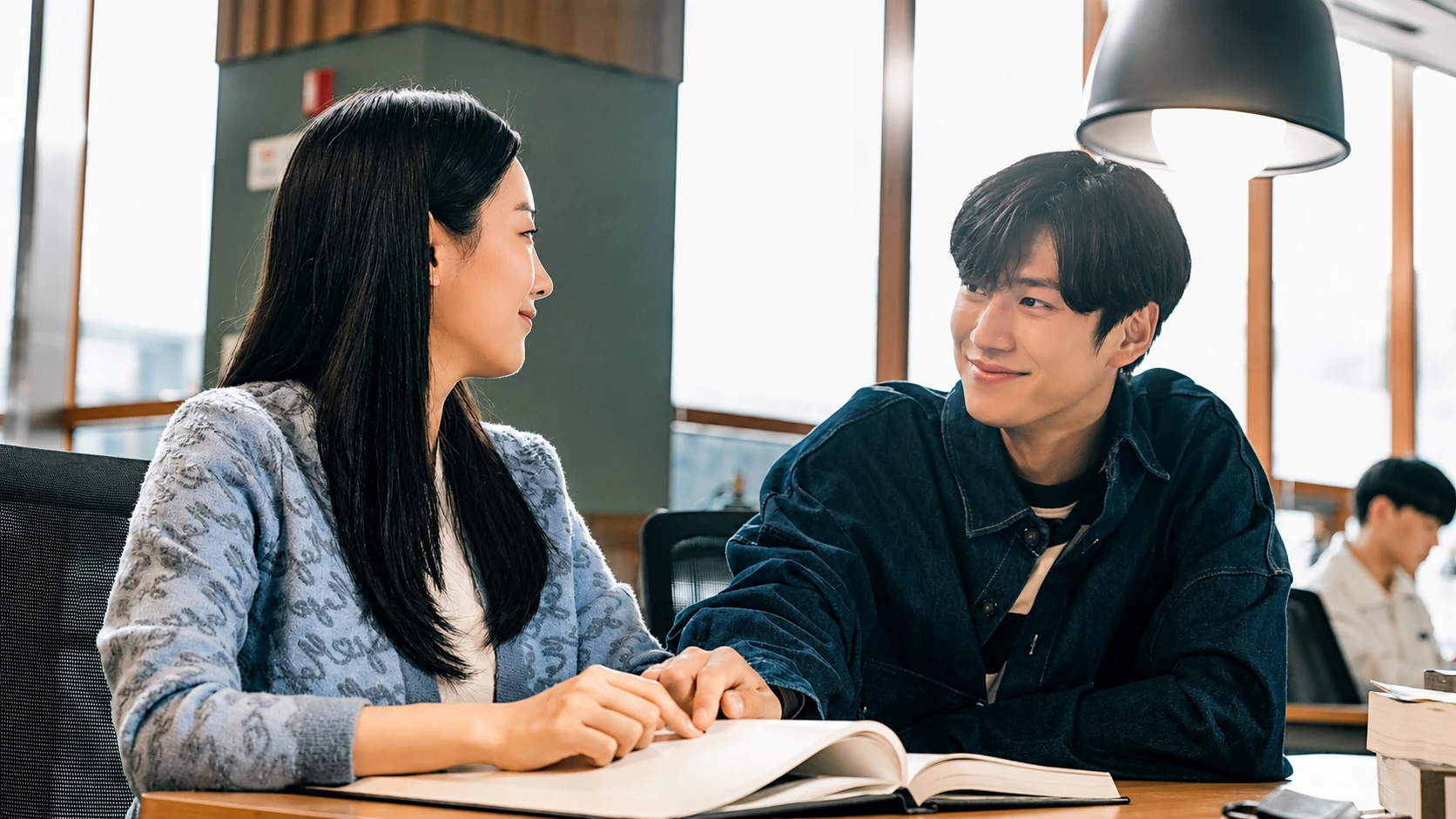
Years pass on Yong’s side of the radio faster than they do on Mo-nee’s, and an older, quieter Yong starts showing up in her present — not as a voice this time, but as someone who’s clearly been watching her life unfold from a distance and occasionally nudges it in a kinder direction, like handing an umbrella to the person she’s too shy to admit she likes.
By the time the film sets up its final stretch, Ditto has quietly swapped its original question — can two people separated by time ever really connect — for a harder one: what do you do with a connection once you understand exactly what it cost to make. That’s the version of the story the ending has to answer, and it does.

🏁 Ending Explained
Spoilers ahead — the ending, broken down in full.
Full Spoilers Ahead — This section covers the complete ending of Ditto. Stop here if you haven’t watched.
What actually happened The twist Ditto has been building toward is this: Seo Han-sol and Kim Eun-seong end up together. They marry, and their daughter is Kim Mo-nee — the same Mo-nee who’s been talking to Yong through the radio for the entire film. Yong isn’t destined for Han-sol at all. He’s destined to become, essentially, a family friend to the woman his best friend eventually marries, and indirectly responsible for the daughter he’s spent months mentoring from twenty-three years away.
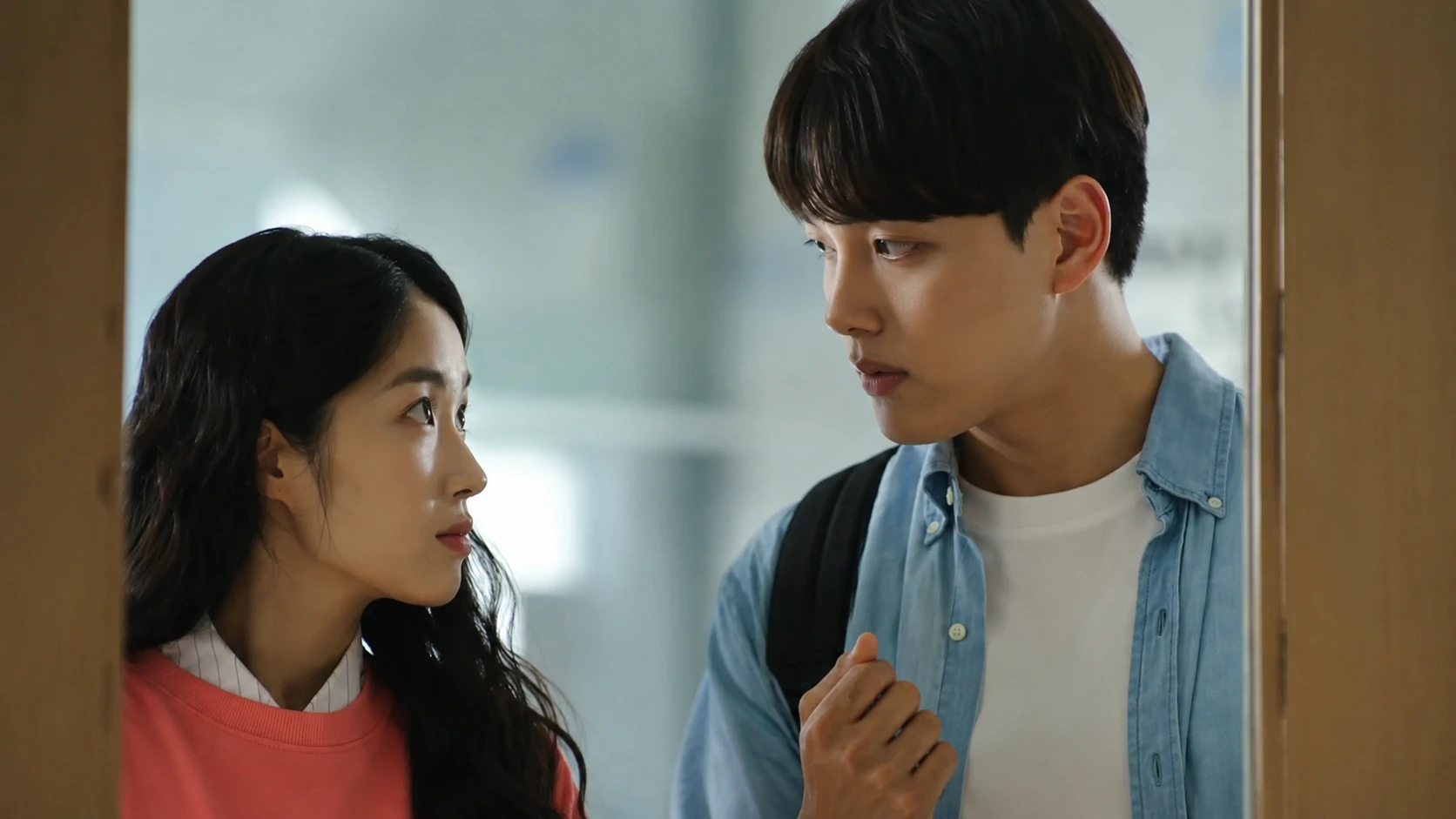
Yong finds this out the way people usually find out the worst timing possible — by accident, catching Han-sol and Eun-seong together in a quiet, unmistakably tender moment while he’s out looking for his missing turtle. He doesn’t make a scene. He just starts pulling back, from both of them, and redirects all that unspent romantic energy into something he can actually control: writing.
What it means It’s a gentler gut-punch than it sounds. Ditto isn’t interested in punishing Yong for loving the wrong person — it’s interested in what he does with the years afterward. The radio friendship with Mo-nee, which looked at first like a consolation prize for a love story that couldn’t work, turns out to be the relationship that actually shapes who he becomes: a novelist who spends his career, in some sense, still writing to her.

The film’s biggest departure from its 2000 predecessor lands here. Where the original kept its time-crossed pair permanently apart, this version lets an older Yong and a present-day Mo-nee finally occupy the same room — at a book signing, years after the calls have gone quiet, recognizing each other instantly as old friends even though they’ve never technically met.
The KDW verdict The note Yong leaves her at that signing is what pushes Mo-nee to finally tell Young-ji how she feels, instead of protecting the friendship by saying nothing. His answer back is the film’s title payoff — “ditto” — and it lands as earned rather than cute, because by that point the audience has watched two people spend a whole film learning that honesty, not timing, is the thing actually worth the risk.

✍️ KDramaWorlds Editor’s Take
Our honest opinion — and the kind of viewer who’ll love it most.
Seo Eun-young
Known for: Making her feature directorial debut with Ditto after years as a screenwriter, Seo built her remake around small, grounded youth-drama details — dorm rooms, radio static, an actual pet turtle — rather than leaning on the original’s more overtly melancholic tone.
There’s a small, unglamorous scene where Yong sits on the floor of his dorm room turning a radio dial back and forth, waiting for static to resolve into a voice he’s not sure is real. It’s the least cinematic moment in the film and also the one that sells everything after it — the idea that two people separated by twenty-three years might find each other not through fate doing something dramatic, but through one person refusing to give up on a frequency. It’s the same instinct that made Goblin work as a fate story rather than a gimmick: the connection has to feel earned in small, patient beats before the plot is allowed to cash it in.
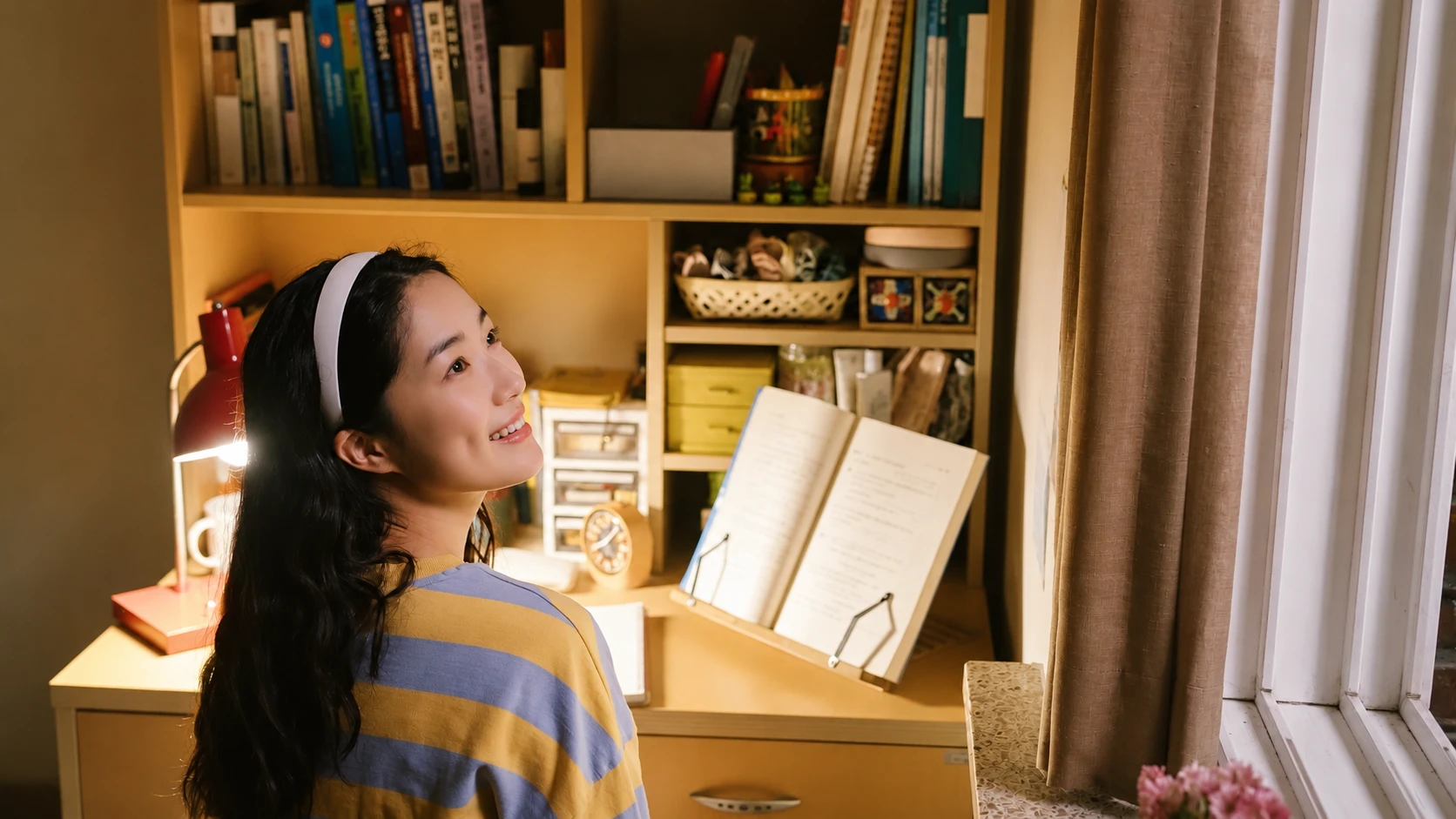
Yeo Jin-goo plays Yong with a specific kind of restraint — he underreacts to almost everything, which somehow makes the one or two moments he doesn’t feel bigger than they would in a more expressive performance. Cho Yi-hyun gets the harder job, carrying a character who exists mostly as a voice for half the runtime, and she makes Mo-nee’s impatience and dry humor land through dialogue alone before the film ever lets her be seen fully. Between the two of them and the 1999 dorm-room production design, Ditto earns comparisons to the campus-nostalgia mode Reply 1994 built a whole series around, minus the multi-season runway to get there.
The Eun-seong and Han-sol subplot is the one thing the film doesn’t fully earn. Their relationship happens mostly off-screen, which makes the eventual reveal land as information rather than heartbreak. It’s a minor complaint in a film this generous with everything else, but it’s the one place where more runtime would have actually helped.
🎬 You Might Also Like
If you liked Ditto, these are your next three watches.
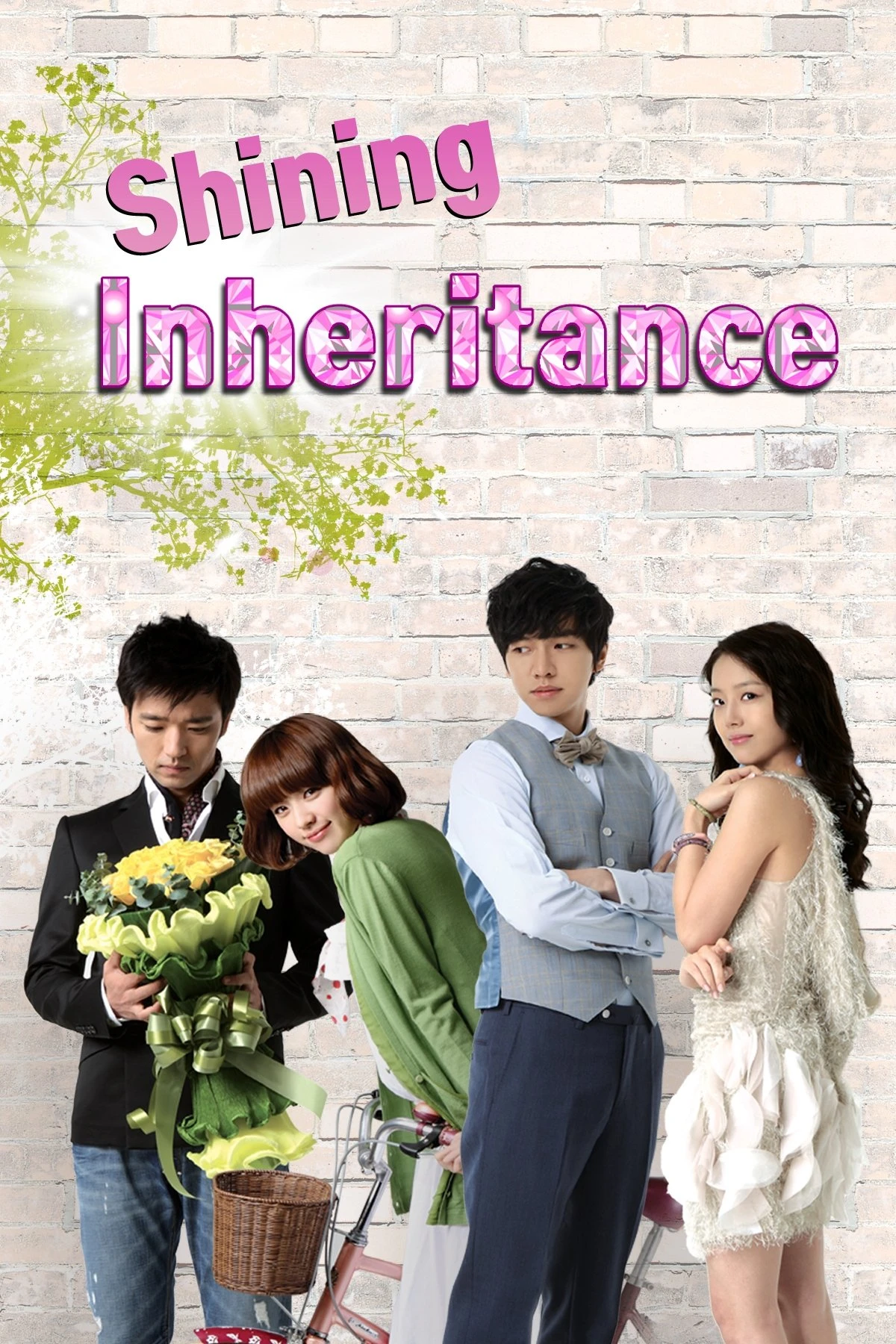
 Welcome to Waikiki (Season 1)
comedyFound Family
Read Full Review →
|
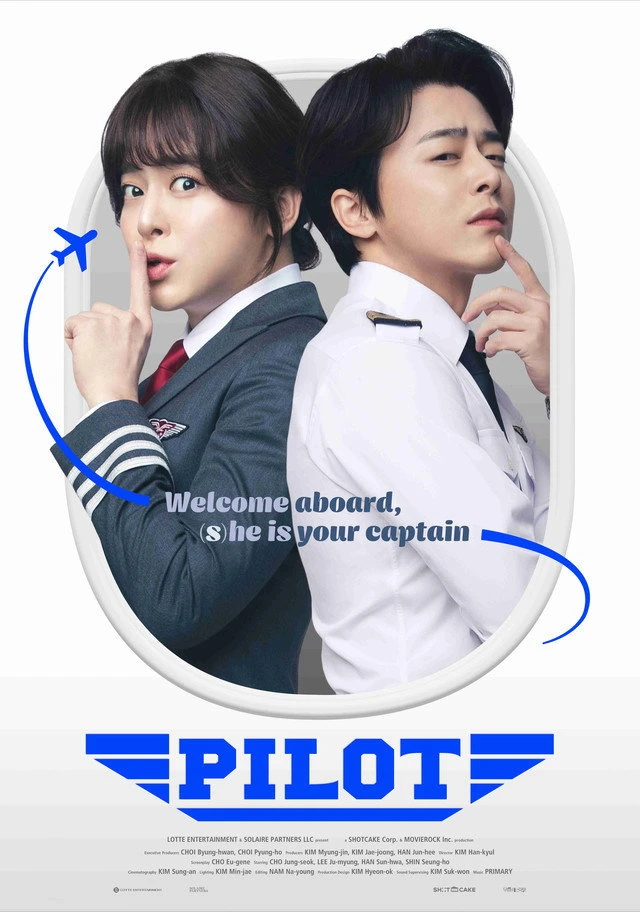
 Summer Vacation
Cho Yi-hyunfantasy
Read Full Review →
|
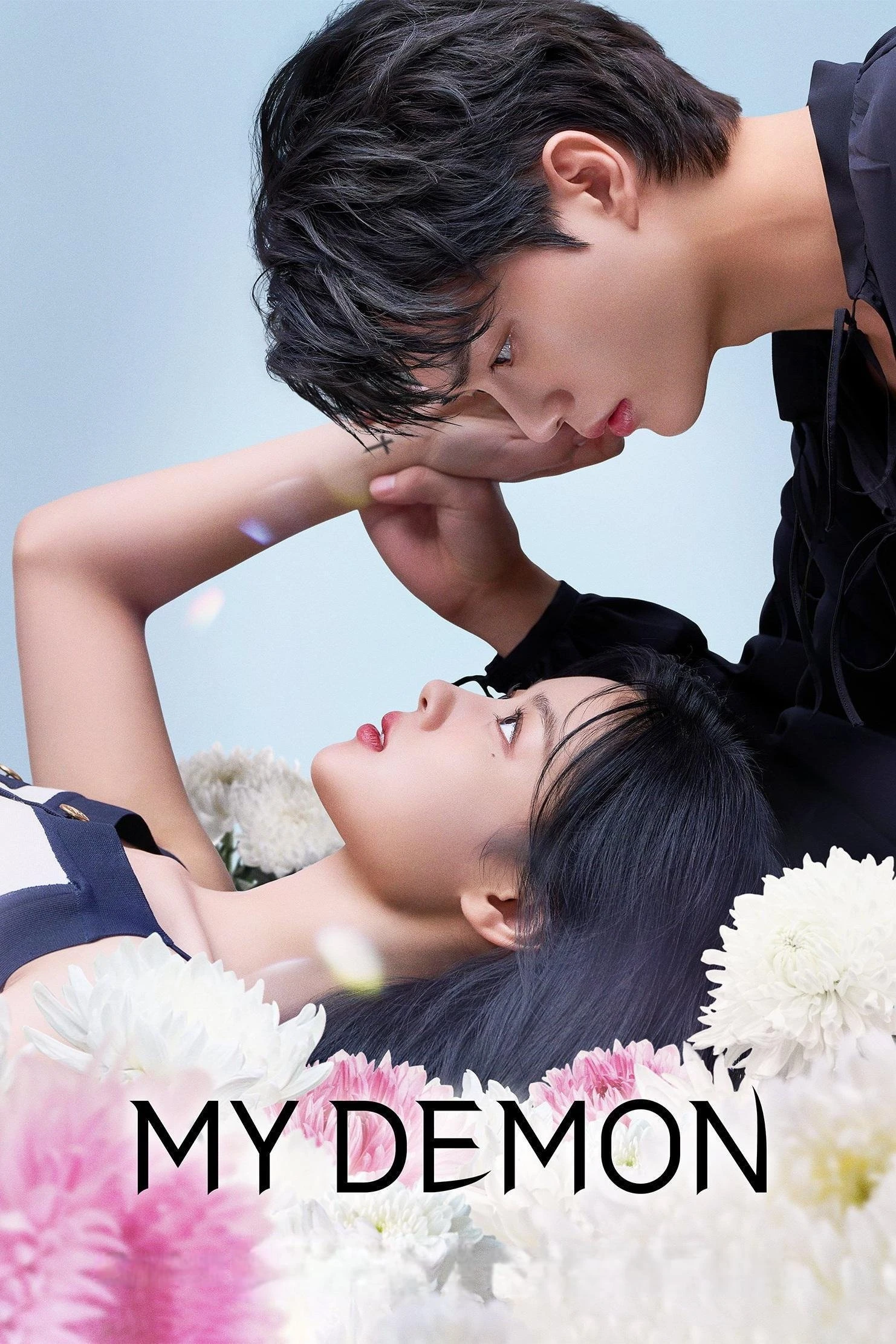
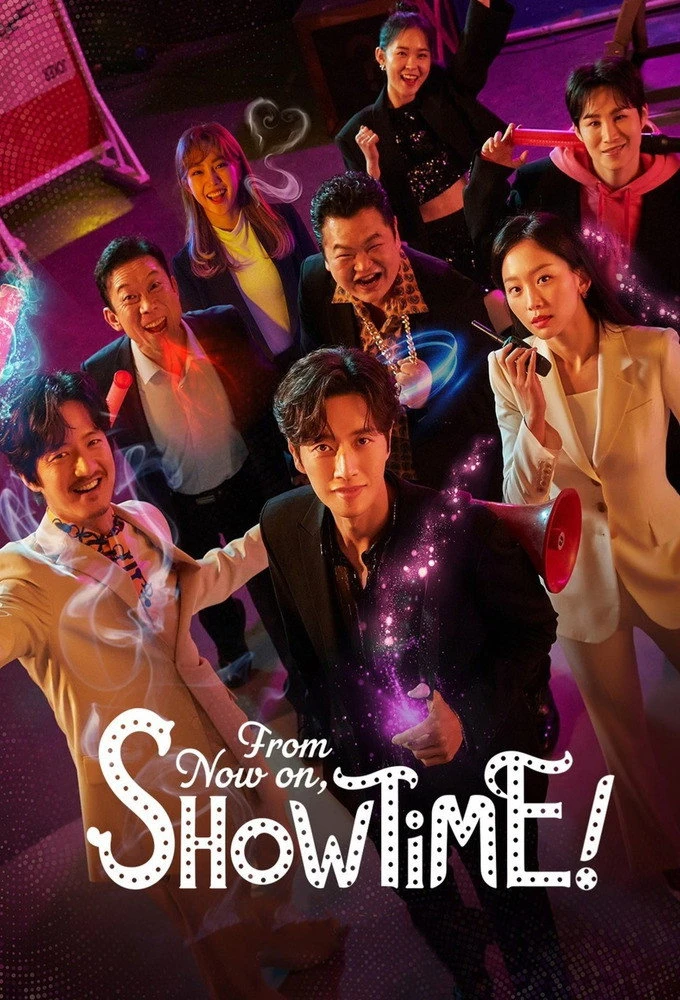 From Now On, Showtime!
comedyEnemies to Lovers
Read Full Review →
|







Keep it kind, skip the harsh language, and please — no spoilers. Everyone's taste is different, and that's perfectly fine.
This space is for real reactions and discussion from other viewers. Help keep it comfortable for everyone by not giving away major plot details.
What do you think of this drama?
Login to share your review or leave a comment.
No email needed — just pick a username & password.