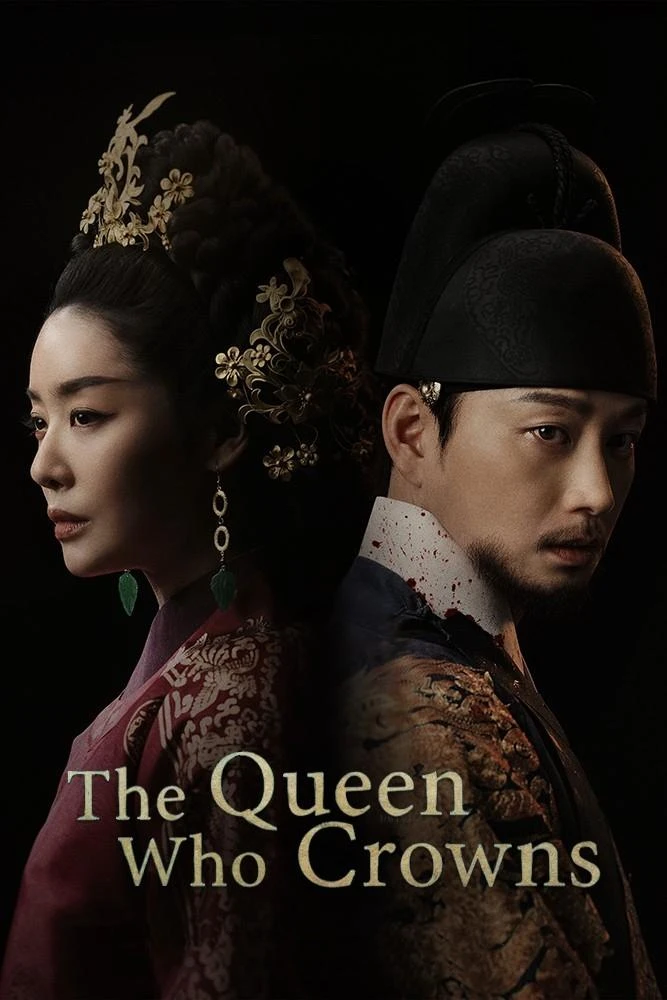
The Queen Who Crowns
🎬 tvN · TVING · Viki
⭐ 7.7 / 10 MDL
🔞 TV-15
📋 Drama Overview
Quick facts first, before the deep dive.
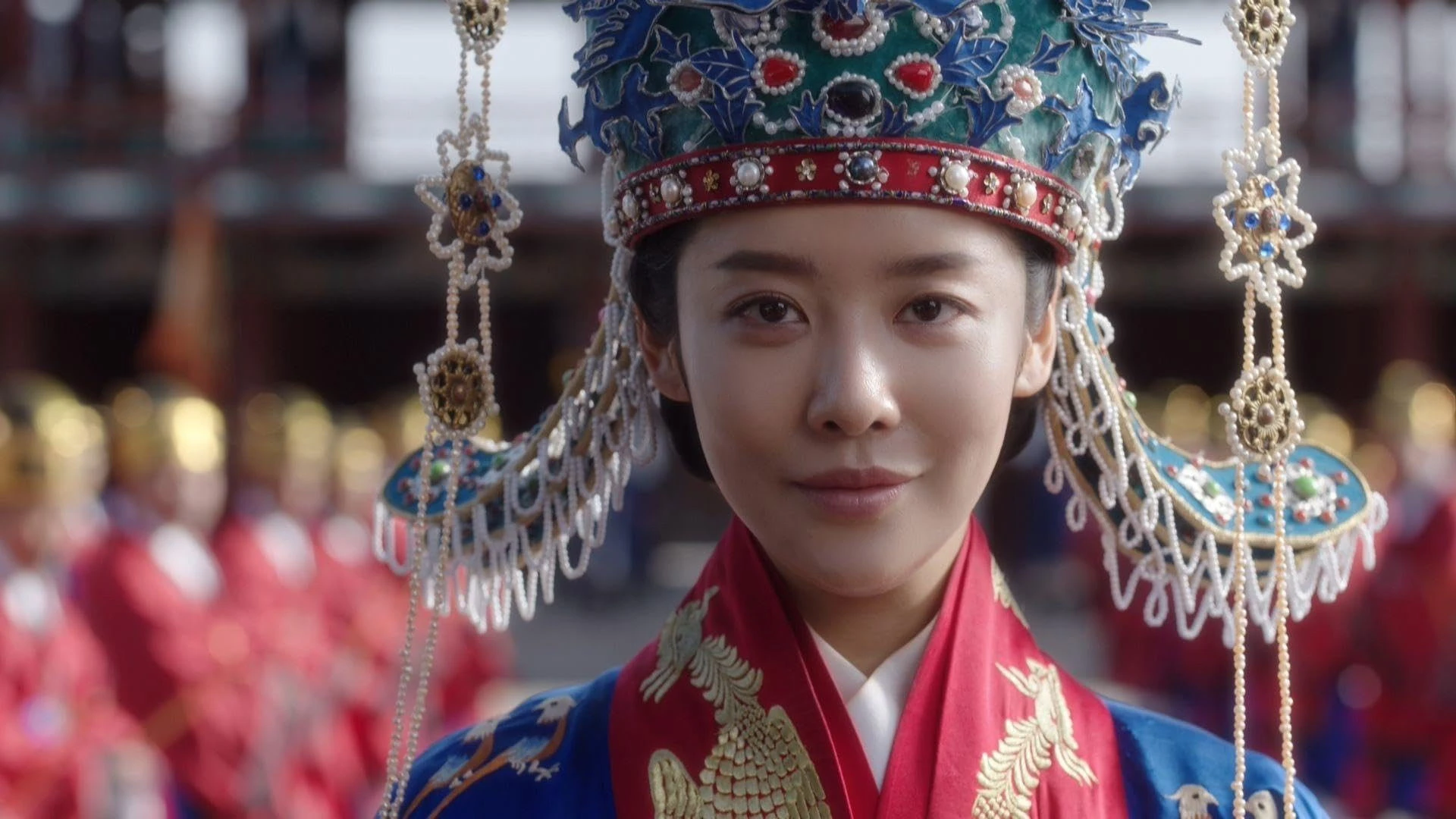
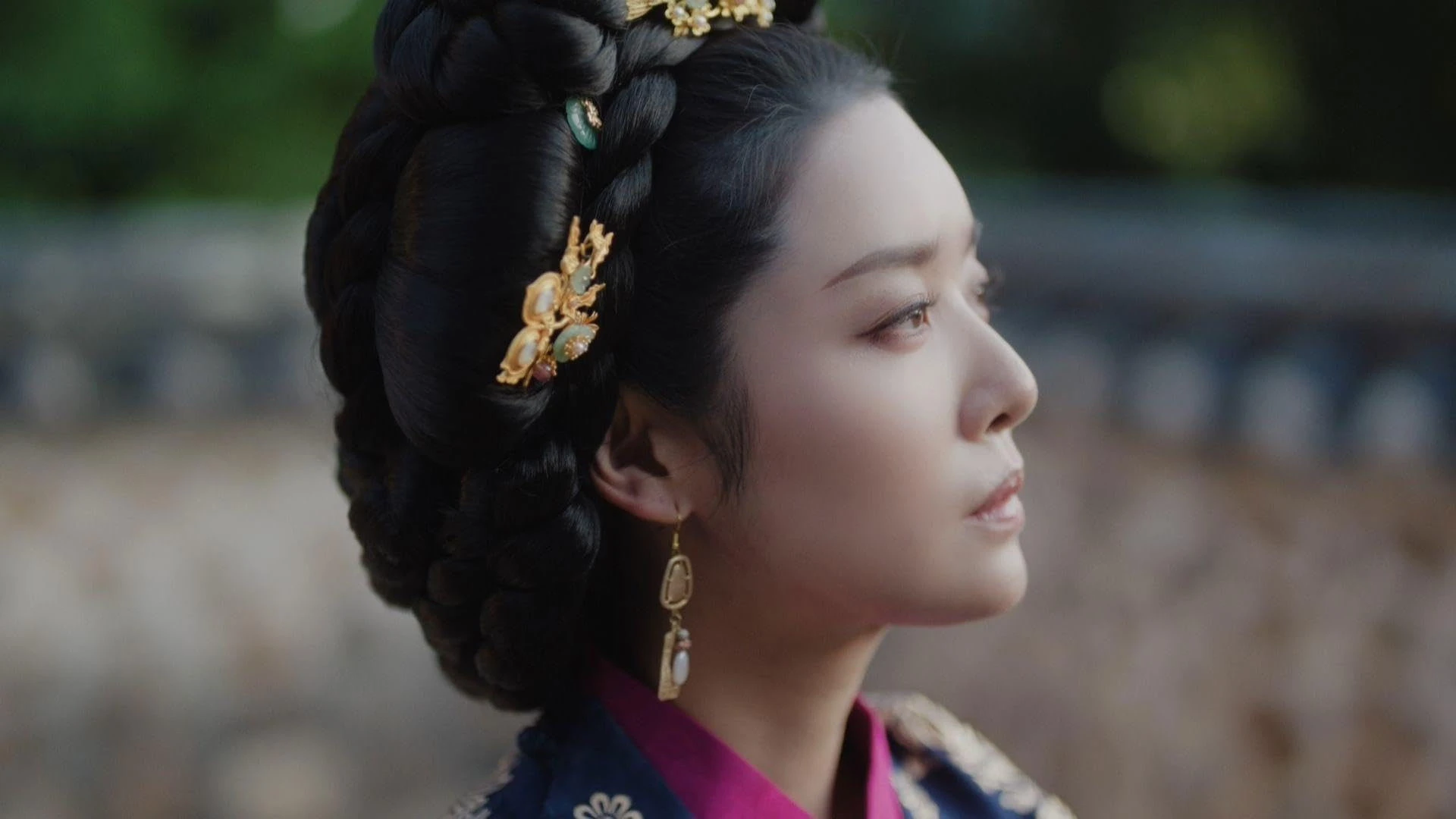
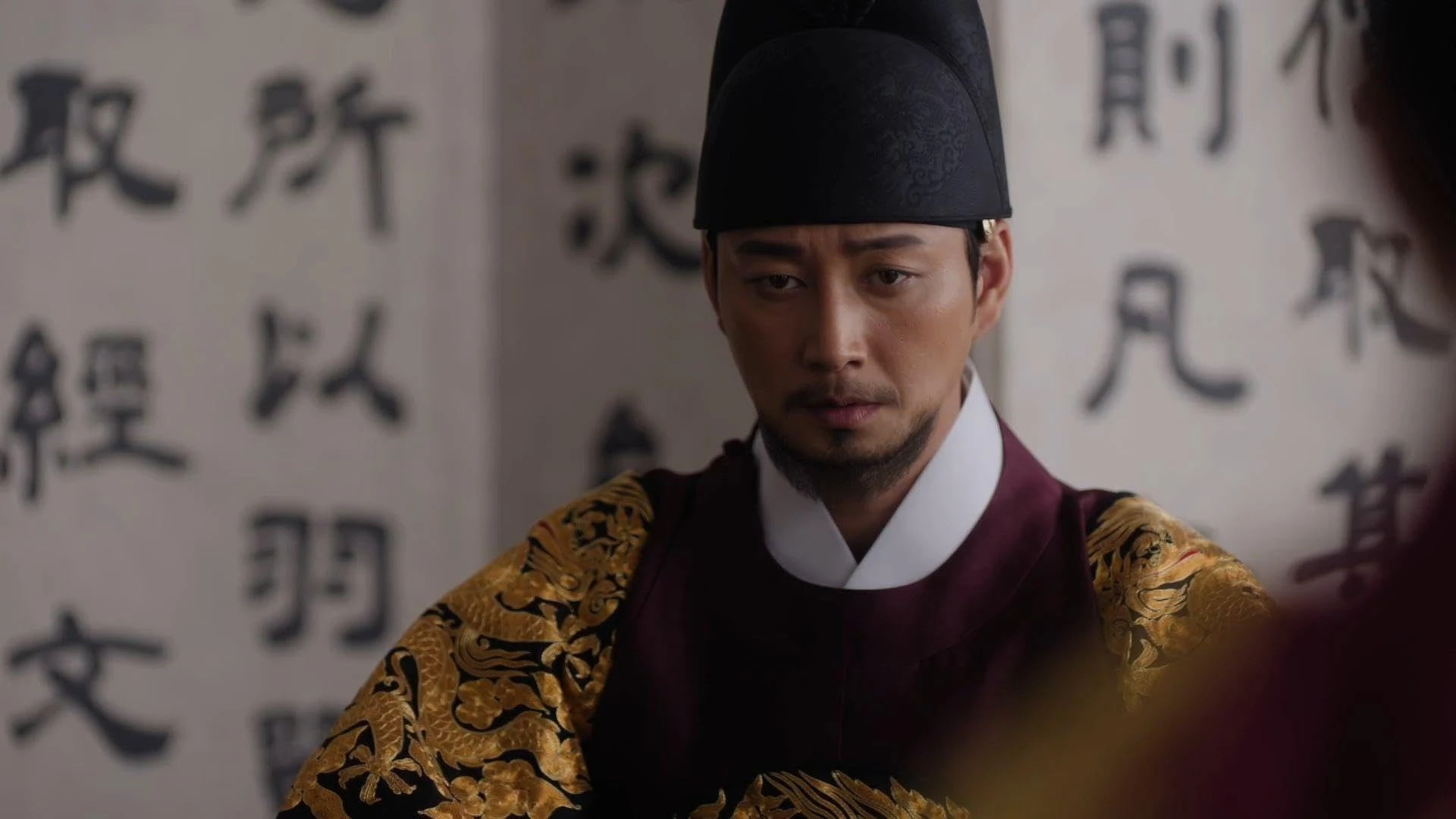
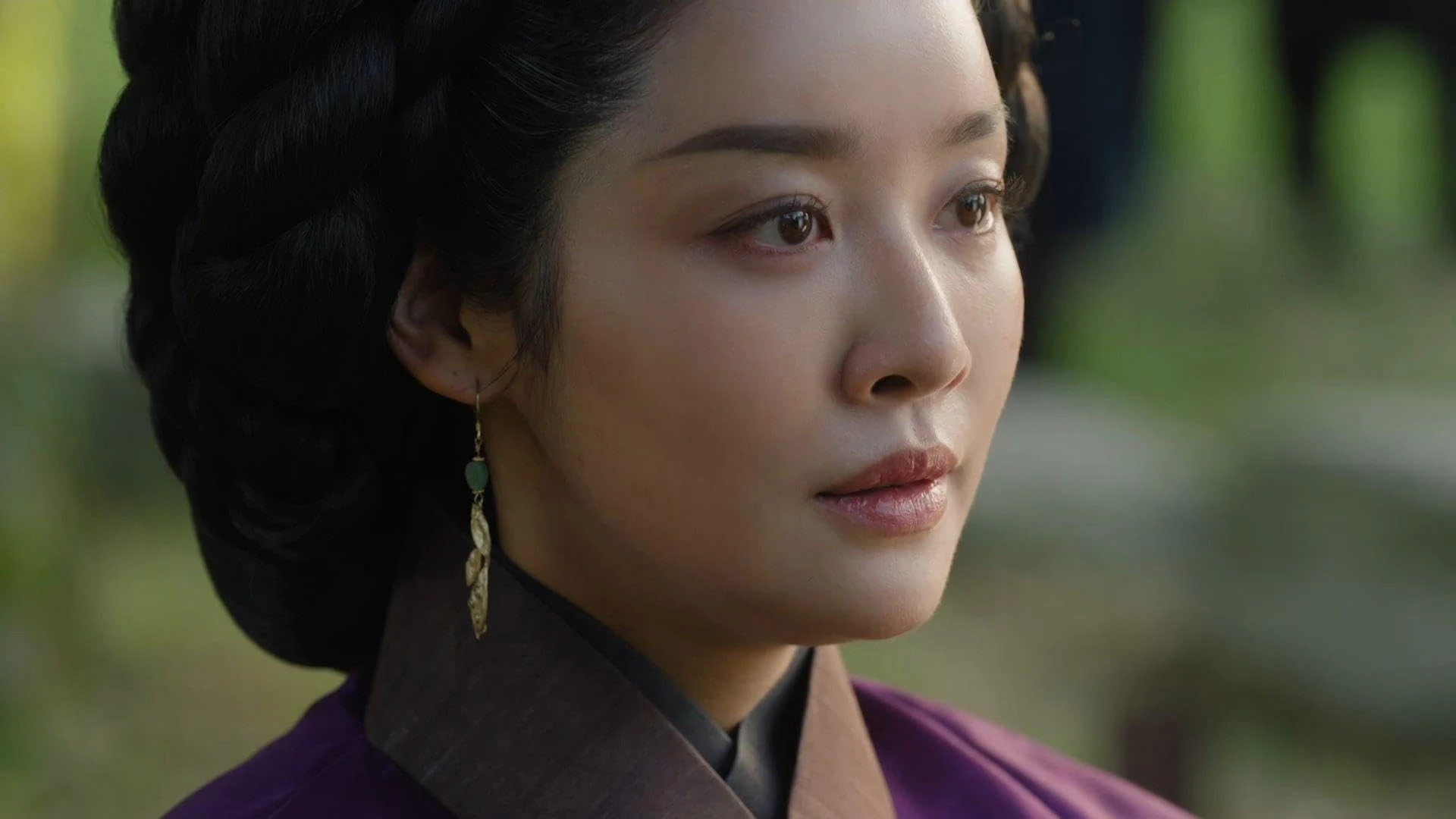
Lady Min was always the smarter one. When her husband Yi Bang-won is passed over for the Joseon throne in favor of a younger half-brother, it’s not his rage that saves their ambitions — it’s her precision. Cha Joo-young’s Queen Wongyeong enters this drama as a woman who has already done the political math and knows exactly which moves come next. Together, she and Yi Bang-won form one of Korean history’s most consequential partnerships, building a new dynasty through equal parts strategy, sacrifice, and an absolute refusal to lose.
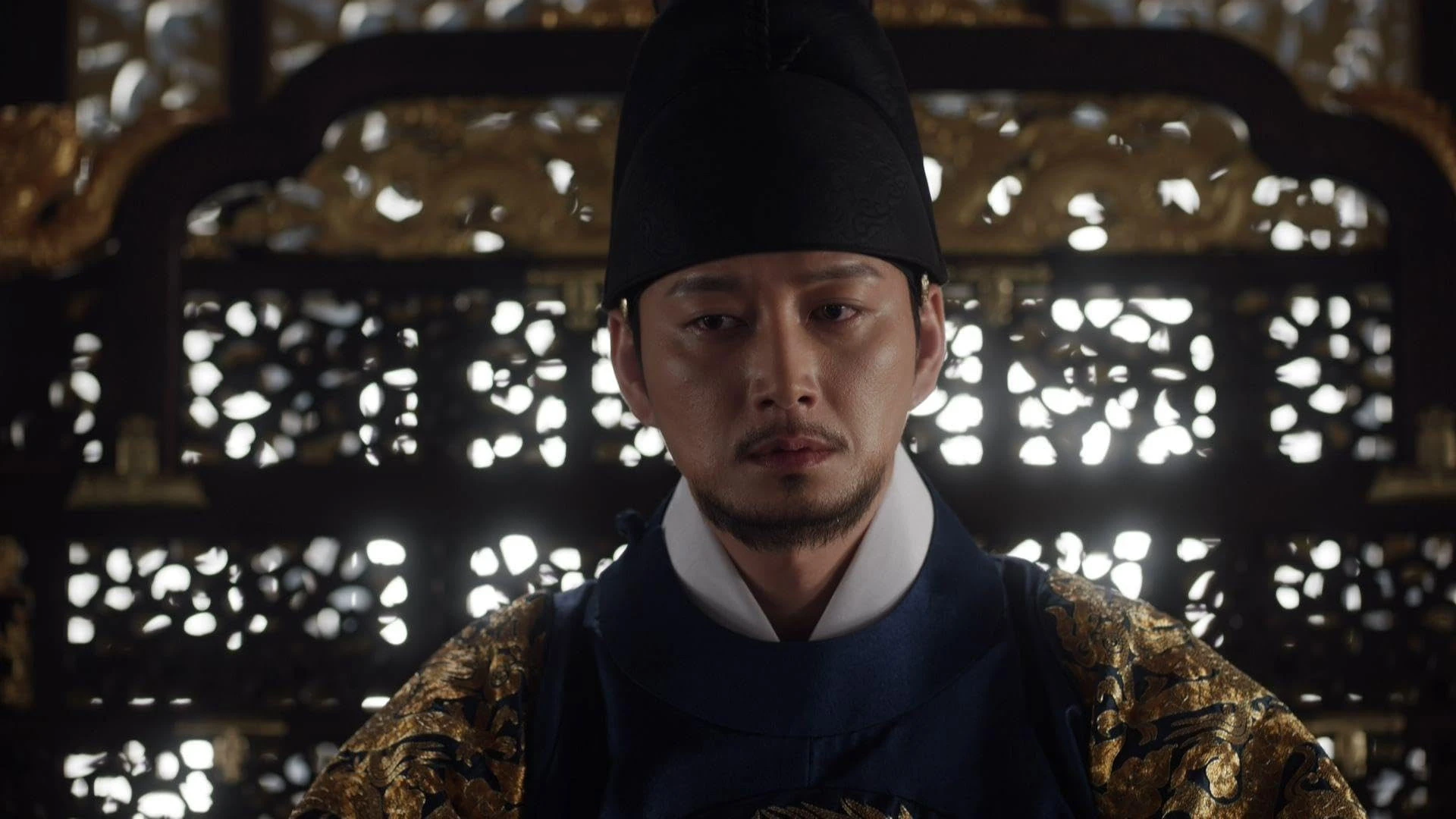
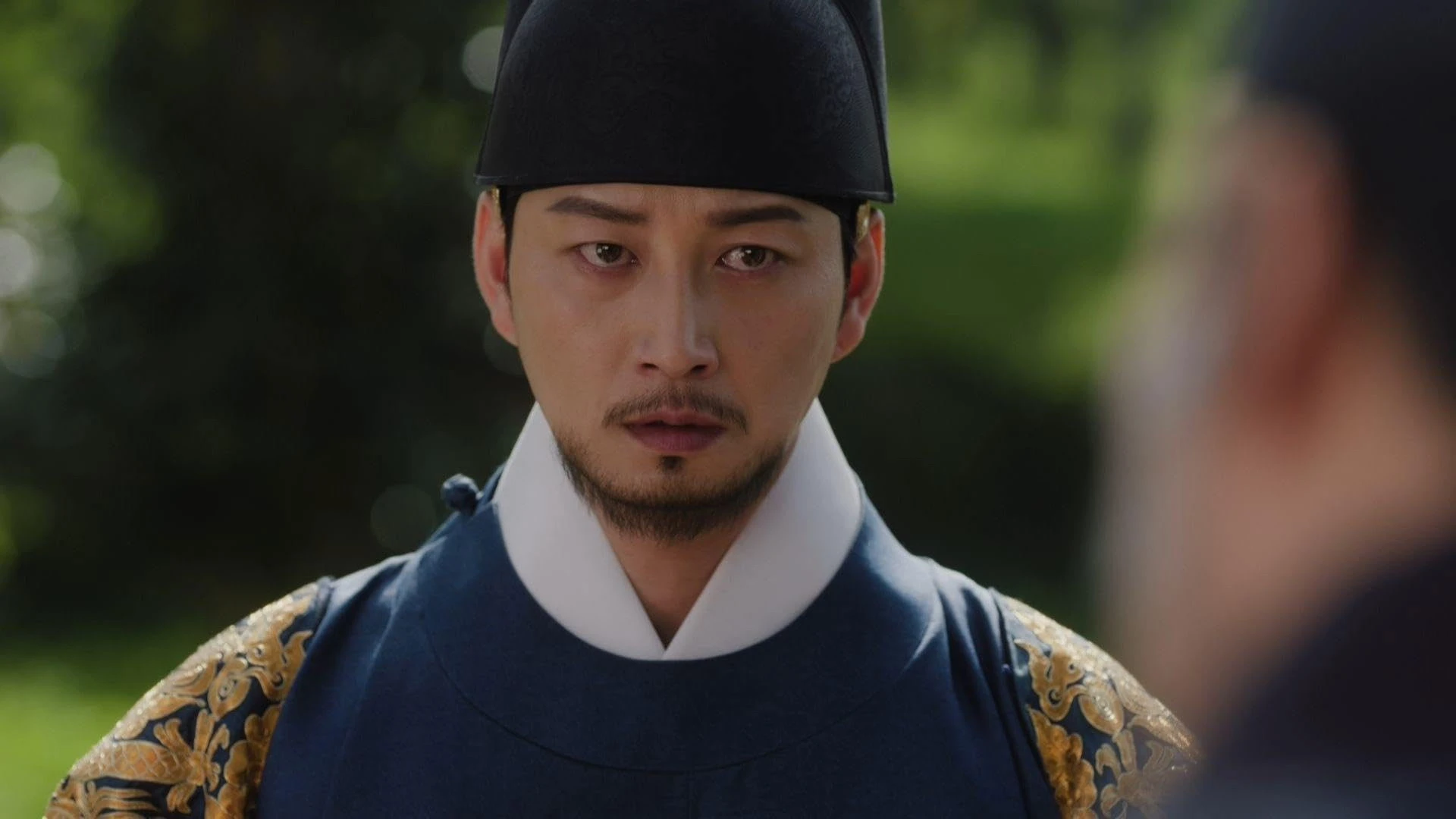
The catch, of course, is that he becomes King Taejong and she becomes something more complicated than a queen — she becomes a problem to be managed. The king who owed everything to her strategic mind now fills the palace with concubines, purges her family from court, and attempts to rewrite the narrative of his own rise. The Queen Who Crowns isn’t about a woman who was destroyed by the system she helped build. It’s about a woman who survived it — and what that survival actually costs when the person you trusted most becomes the threat.
12 / 12 ✅ Completed
⚡ Quick Verdict
One glance, one verdict — everything you need is right here.
· MDL Score
▶ Official Trailer
🎭 Cast & Characters
The cast that brings 15th-century Joseon’s most consequential marriage to life.

Lead
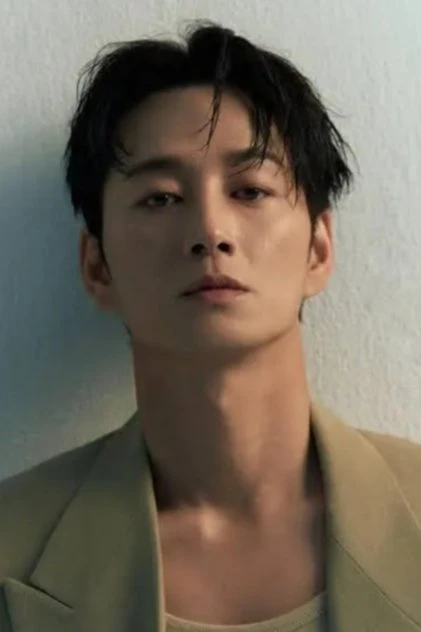
Lead

Supporting

Supporting

Supporting
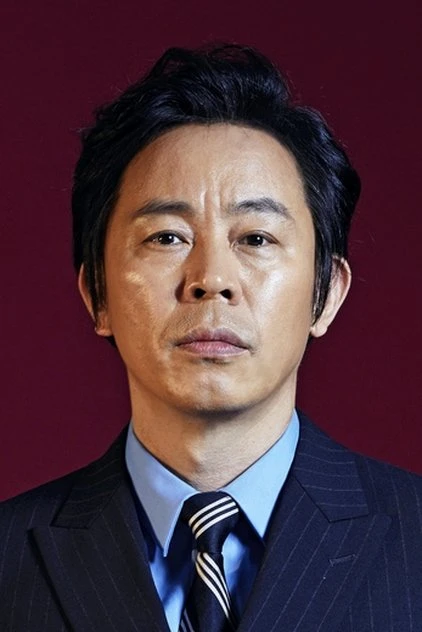
Supporting

Supporting
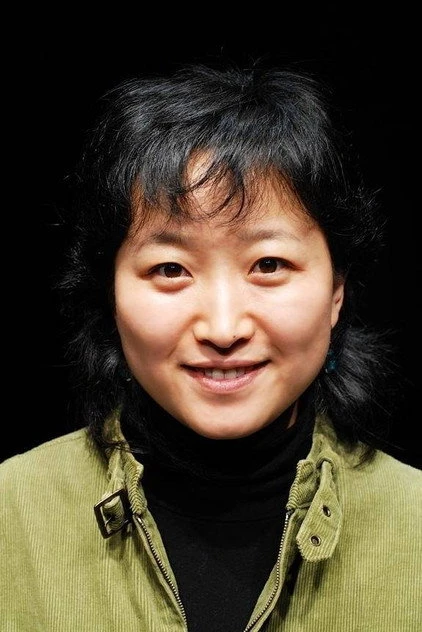
Supporting
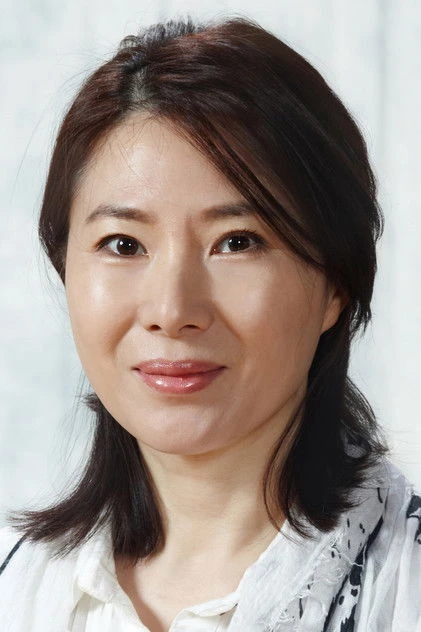
Supporting
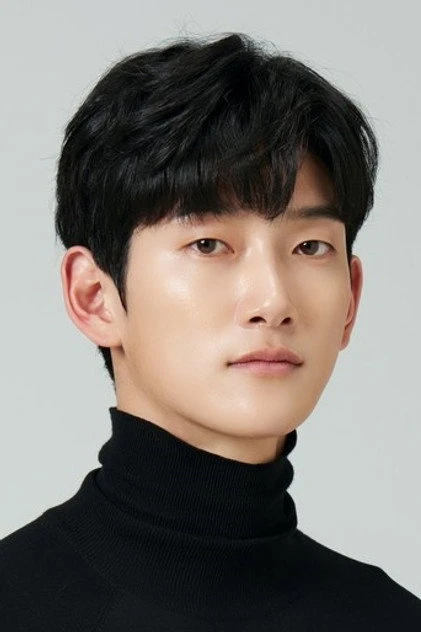
Supporting
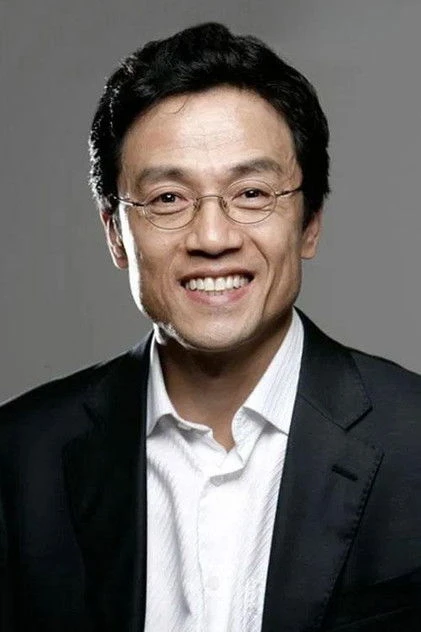
Supporting
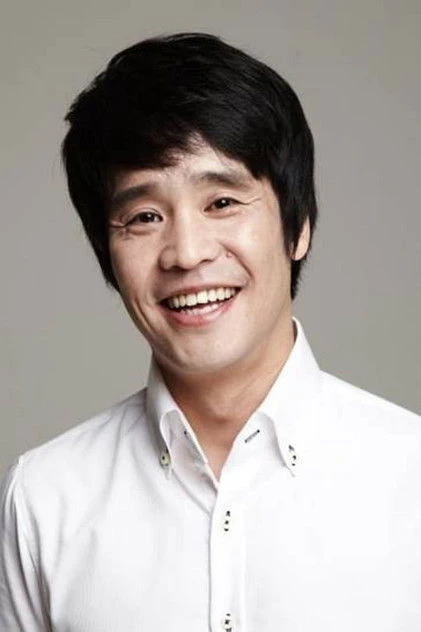
Supporting
📺 Episode Guide
Quick recaps per episode — just enough to stay caught up.

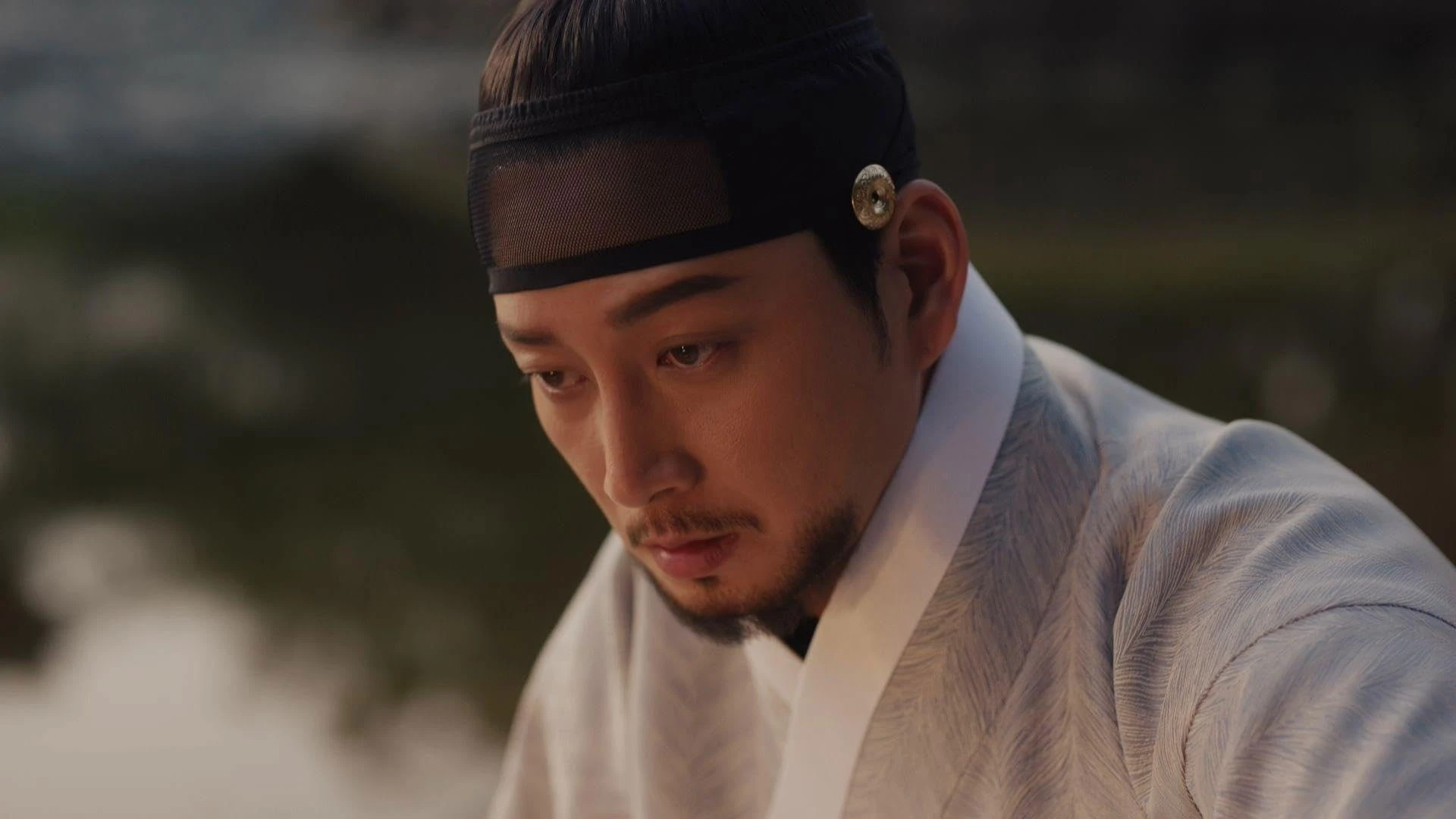
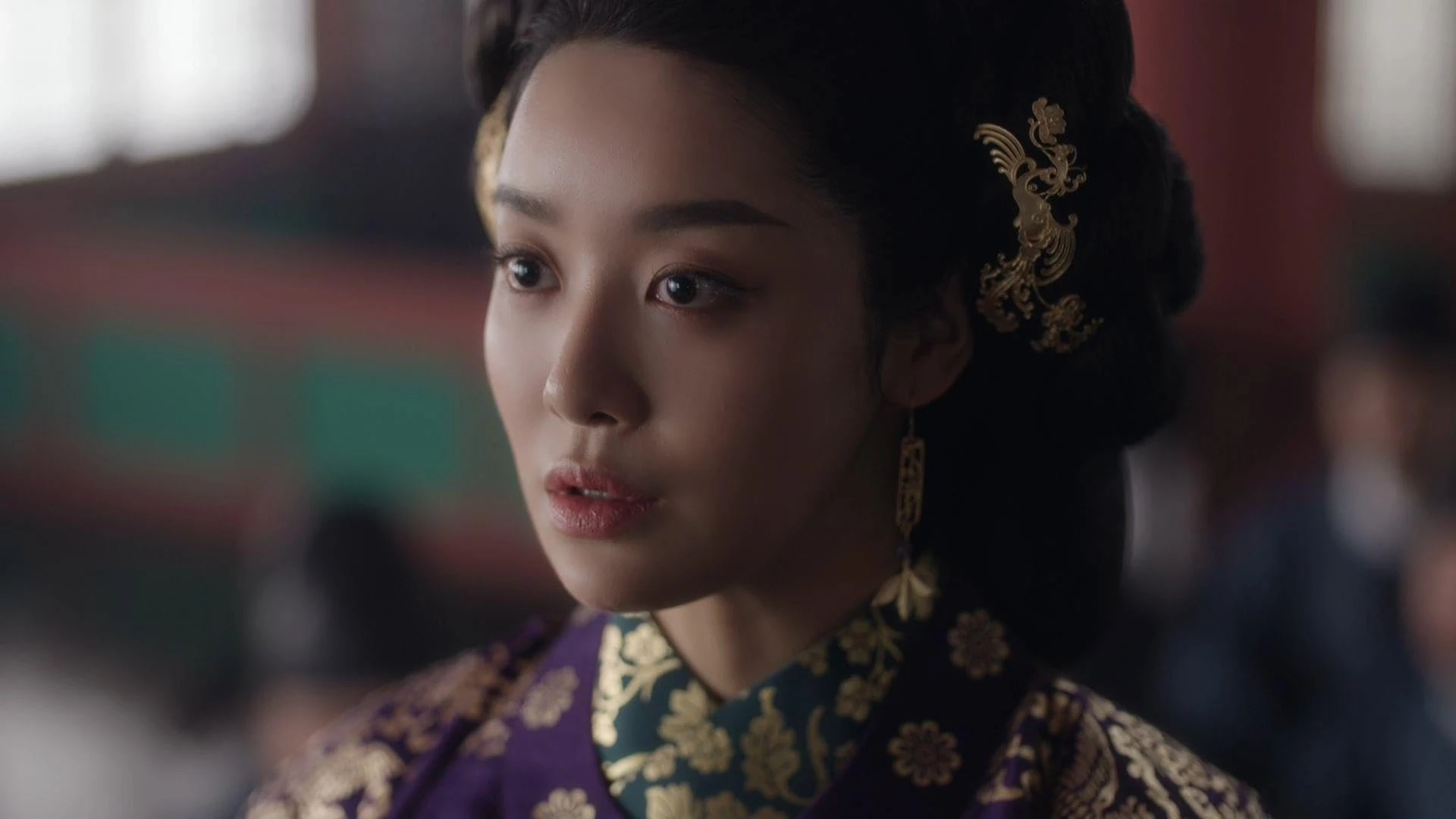
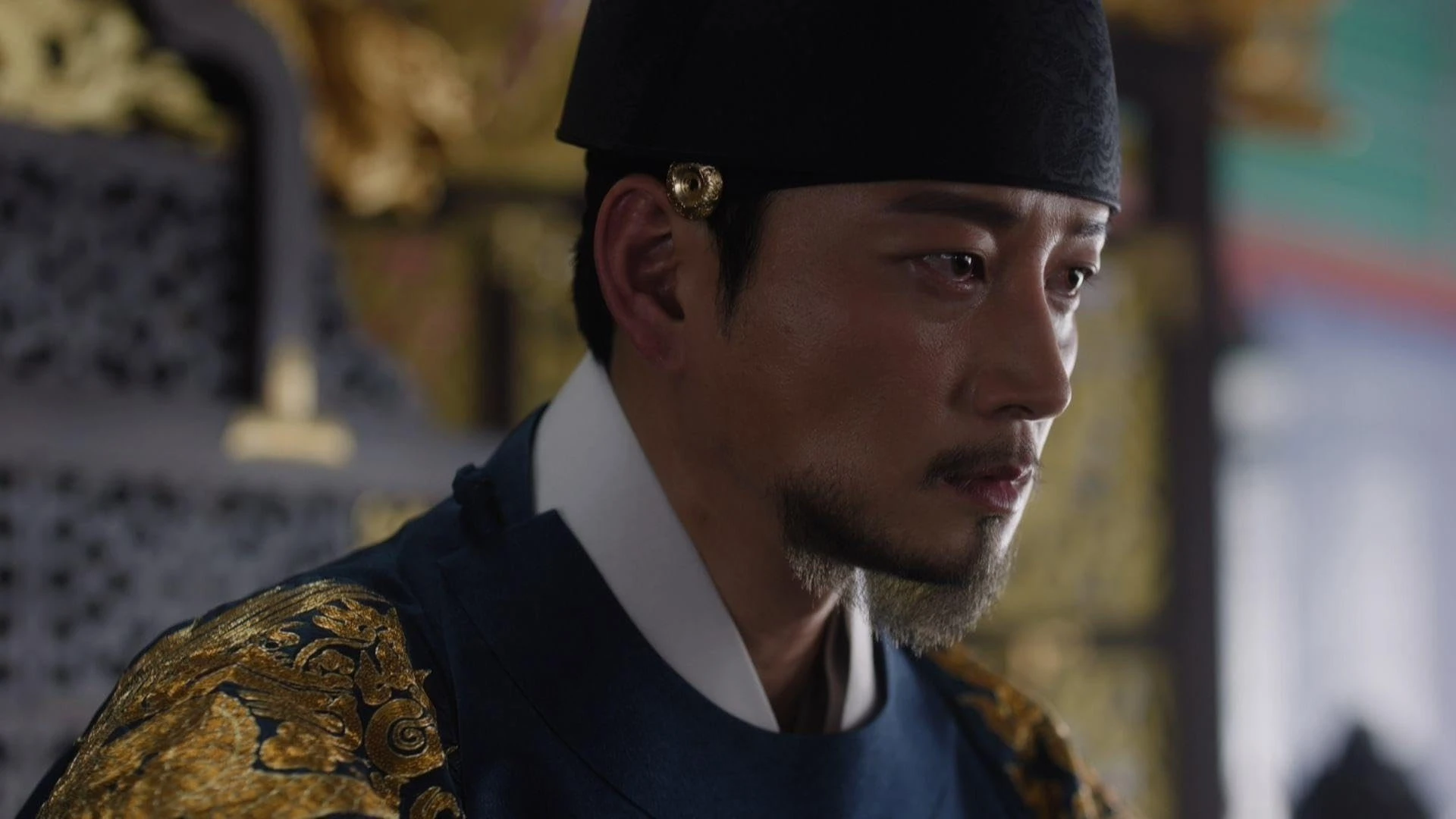
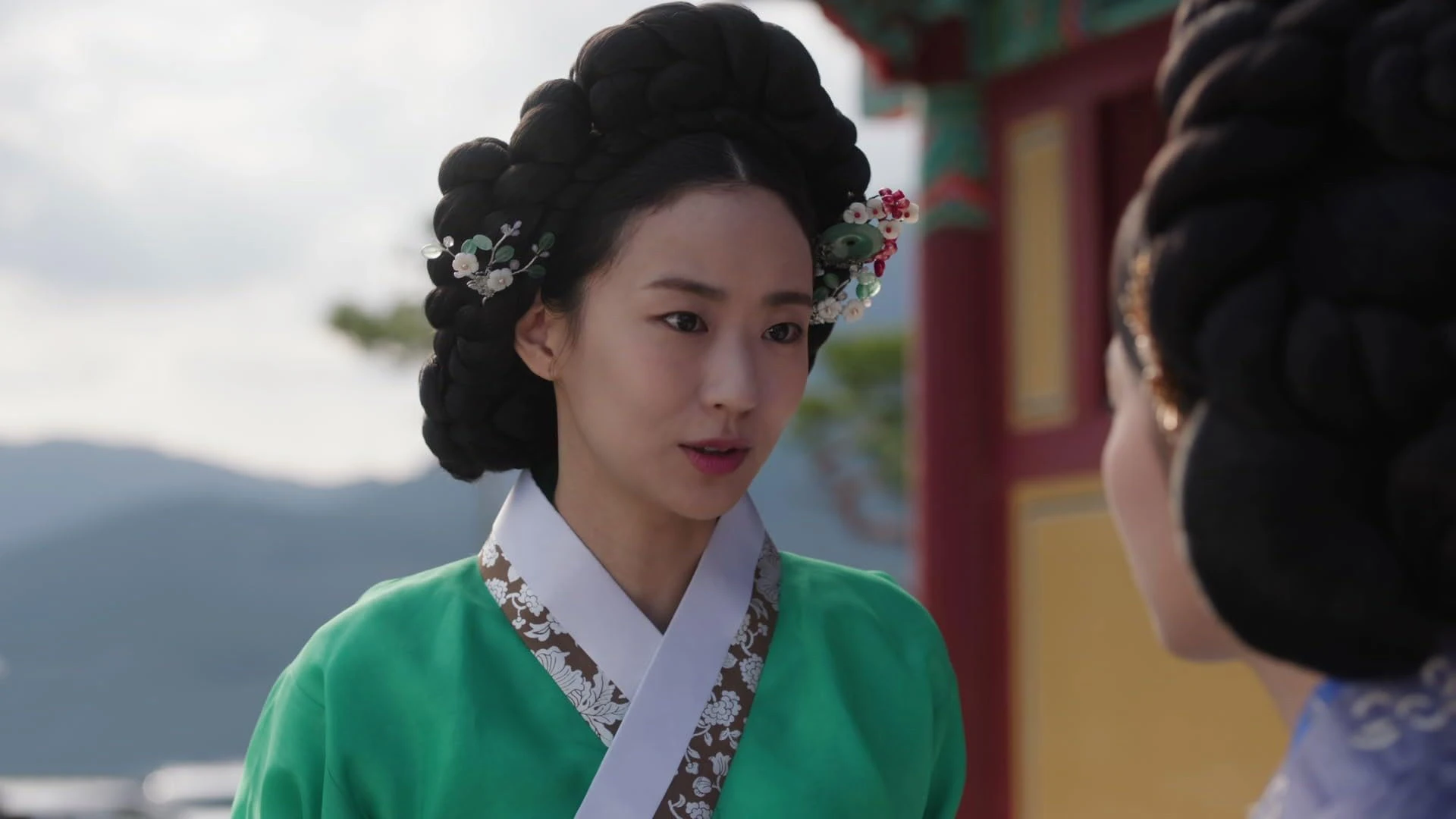
🏁 Ending Explained
Everything that happens in the finale, explained in full — spoilers ahead.
Spoiler Warning — This section covers the full finale of The Queen Who Crowns. Stop here if you haven’t finished the series.
What the ending actually delivers Lady Min survives. Her son Yi Do is elevated as Crown Prince and eventually becomes King Sejong — the same king who will create Hangul, modernize Joseon governance, and be remembered as the greatest ruler in the dynasty’s history. Queen Wongyeong lived to see the kingdom she built from scratch stabilize and flourish. King Taejong, having tried every available mechanism to reduce her influence, discovers in these final episodes that none of it worked. She is still there, still significant, still more politically essential to the dynasty’s legacy than anyone in the palace is comfortable admitting.
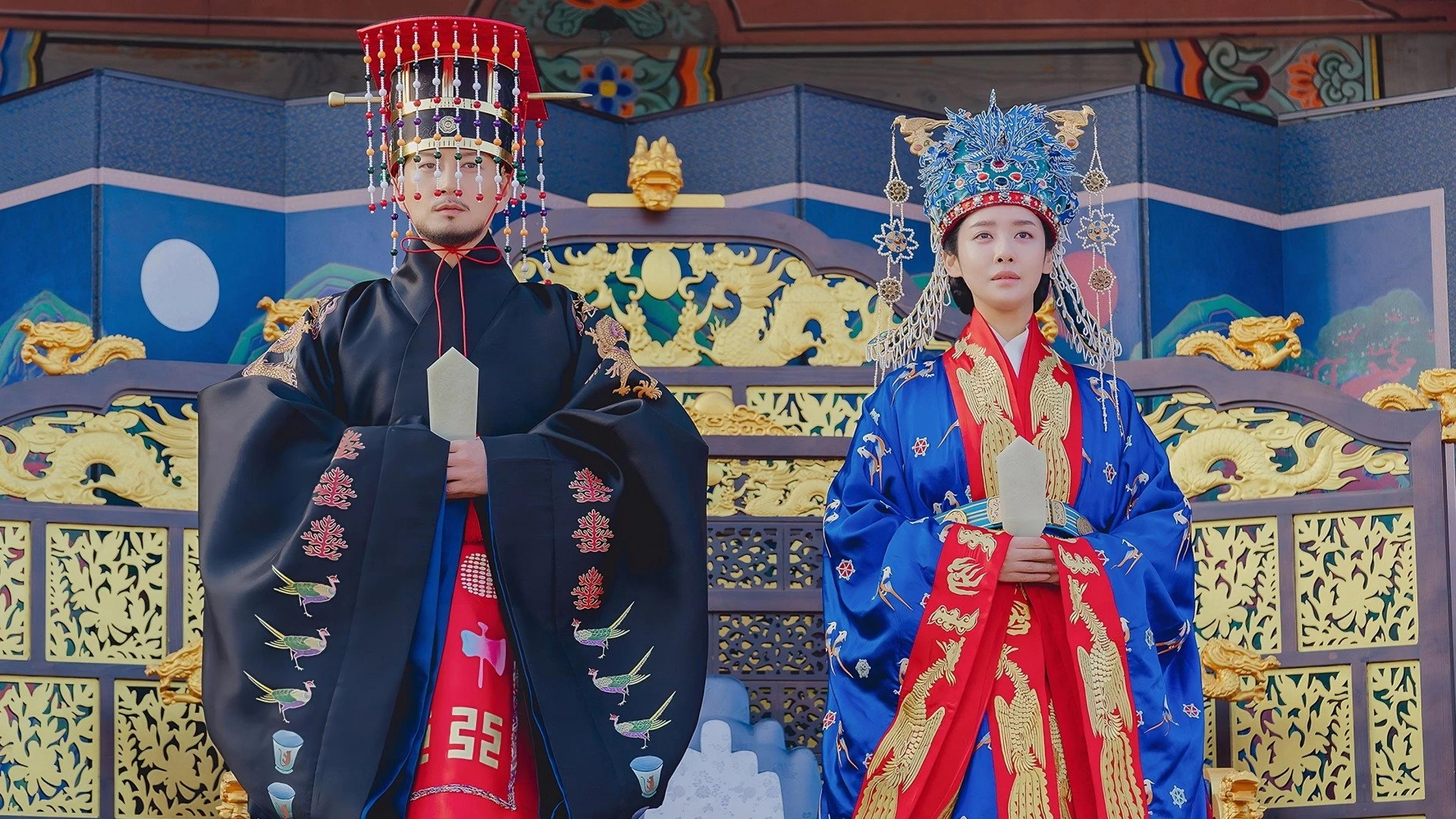
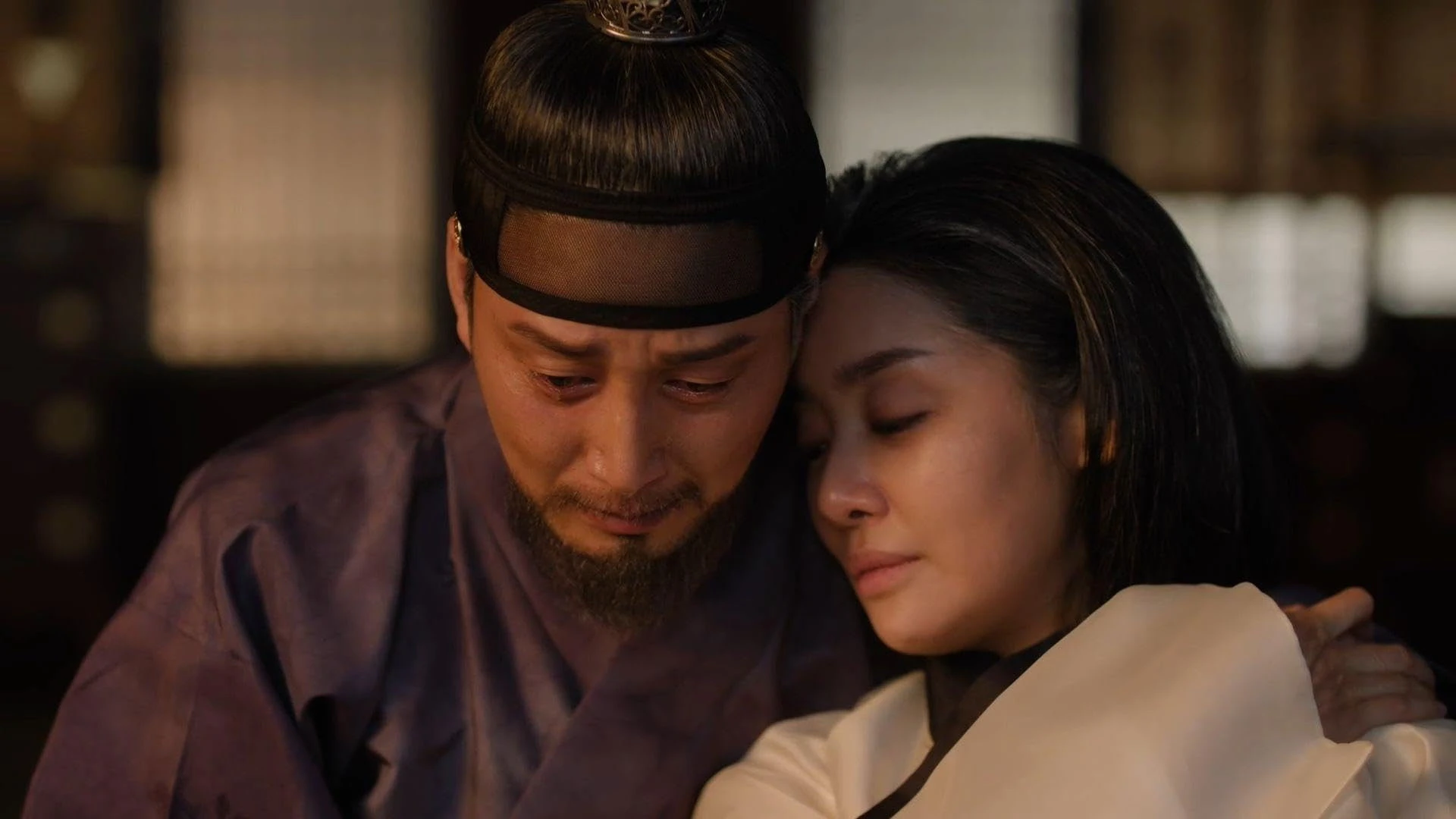
The final confrontation — and what it isn’t The show’s closing encounter between Lady Min and King Taejong is not a reconciliation. He comes to her not to apologize but to acknowledge — and there’s a meaningful difference. The king spent twelve episodes attempting to make her smaller. What he finds in the finale is a woman who has simply stopped being available for diminishment. Their estrangement is formalized rather than resolved, which is the honest historical ending rather than the emotionally convenient one.
What Lady Min actually walks away with What she gets is harder to name than power or love: it’s dignity on her own terms. The entire arc of The Queen Who Crowns has been about the distance between what she was promised and what she actually received — a partnership that became a rivalry, a shared dream that became a cage. The ending gives her something real: she gets to define her own identity outside of his shadow. She is not remembered as King Taejong’s wife. She is remembered as the woman who built the conditions for King Sejong — and that distinction is everything.
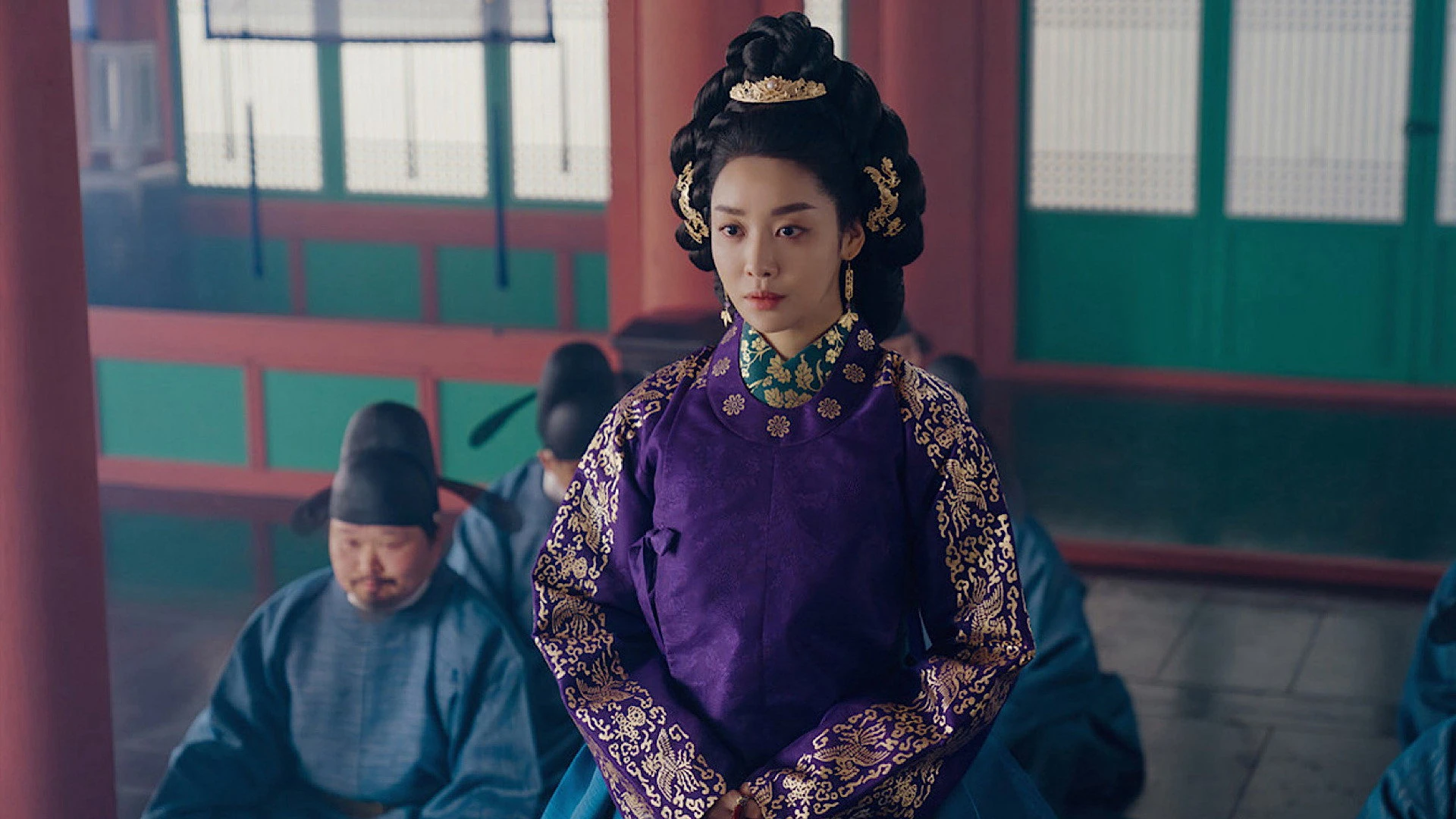
The historical layer the drama honors Queen Wongyeong historically outlived King Taejong and exercised real influence during the early years of King Sejong’s reign. The drama honors that reality — she was never a footnote. What the series adds is the emotional texture that history doesn’t preserve: what it cost her to be the political mind behind the throne while being systematically excluded from its formal power. That cost, the show argues, should be part of how we read her legacy.
The KDW verdict Cha Joo-young’s final scene — quiet, composed, looking at nothing in particular — is the ending this character deserves. Not triumphant. Not destroyed. Simply present. The Queen Who Crowns is most honest precisely when it refuses to give Lady Min a happy ending, because she was a historical figure who never had one. The show gives her something better than happiness: recognition. That’s the only thing the kings around her could never actually take away.
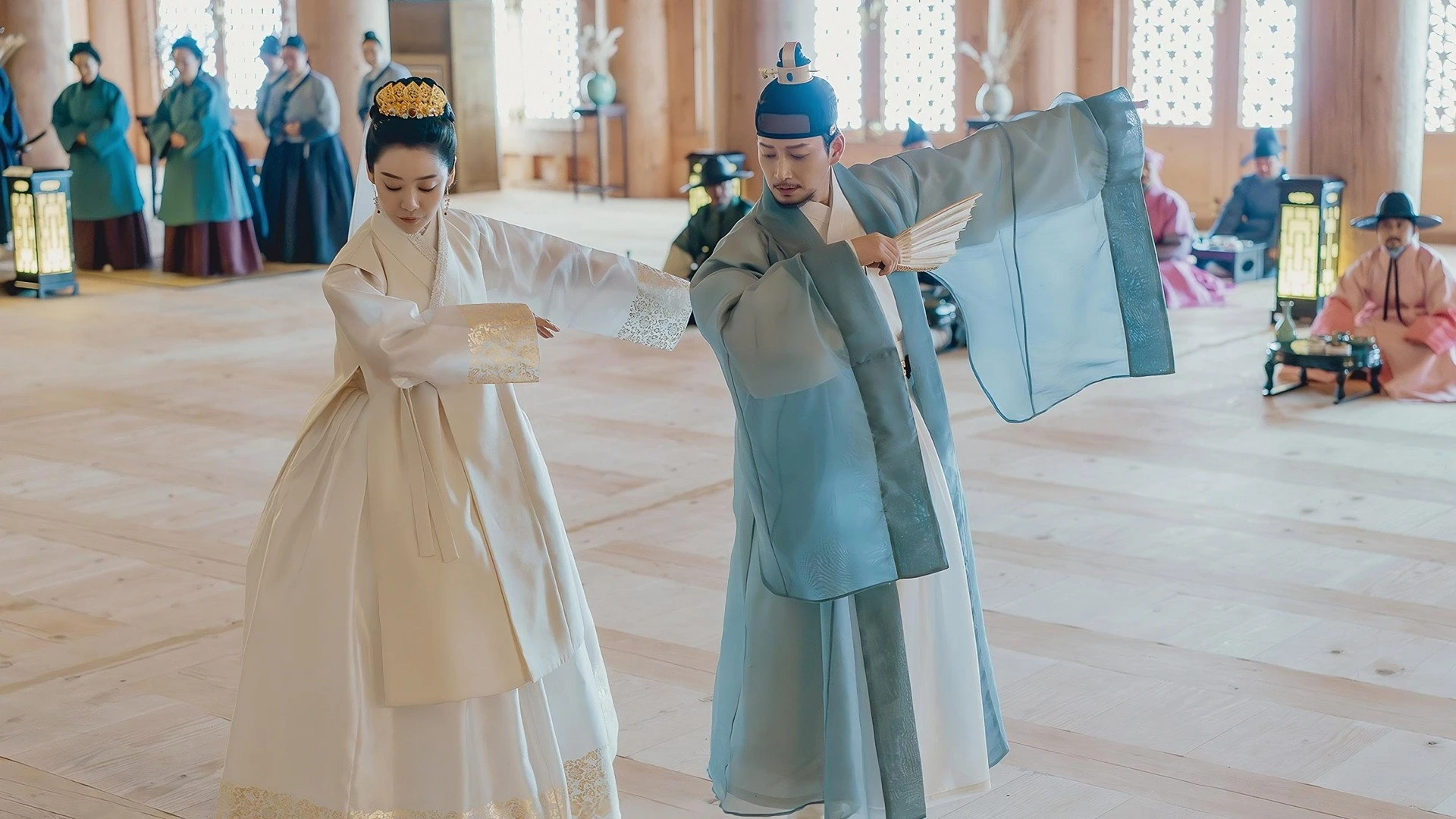
✍️ KDramaWorlds Editor’s Take
Our real opinion — worth the watch, and for who exactly.
🗡️ Kingmaker’s Price
🏯 Palace Survival
💔 Architect of Her Own Loneliness
There’s a moment in episode eight where King Taejong finally accuses Lady Min of being responsible for every problem in his reign — and the entire edifice of his self-justification becomes visible at once. Cha Joo-young doesn’t respond with anger. She responds with something colder: recognition. She already knew this was coming. She’s been watching him build toward this accusation for episodes. It’s a performance that recalls the quiet devastation of Under the Queen’s Umbrella — different tone entirely, same understanding that palace survival is fundamentally emotional labor that nobody will ever credit you for.
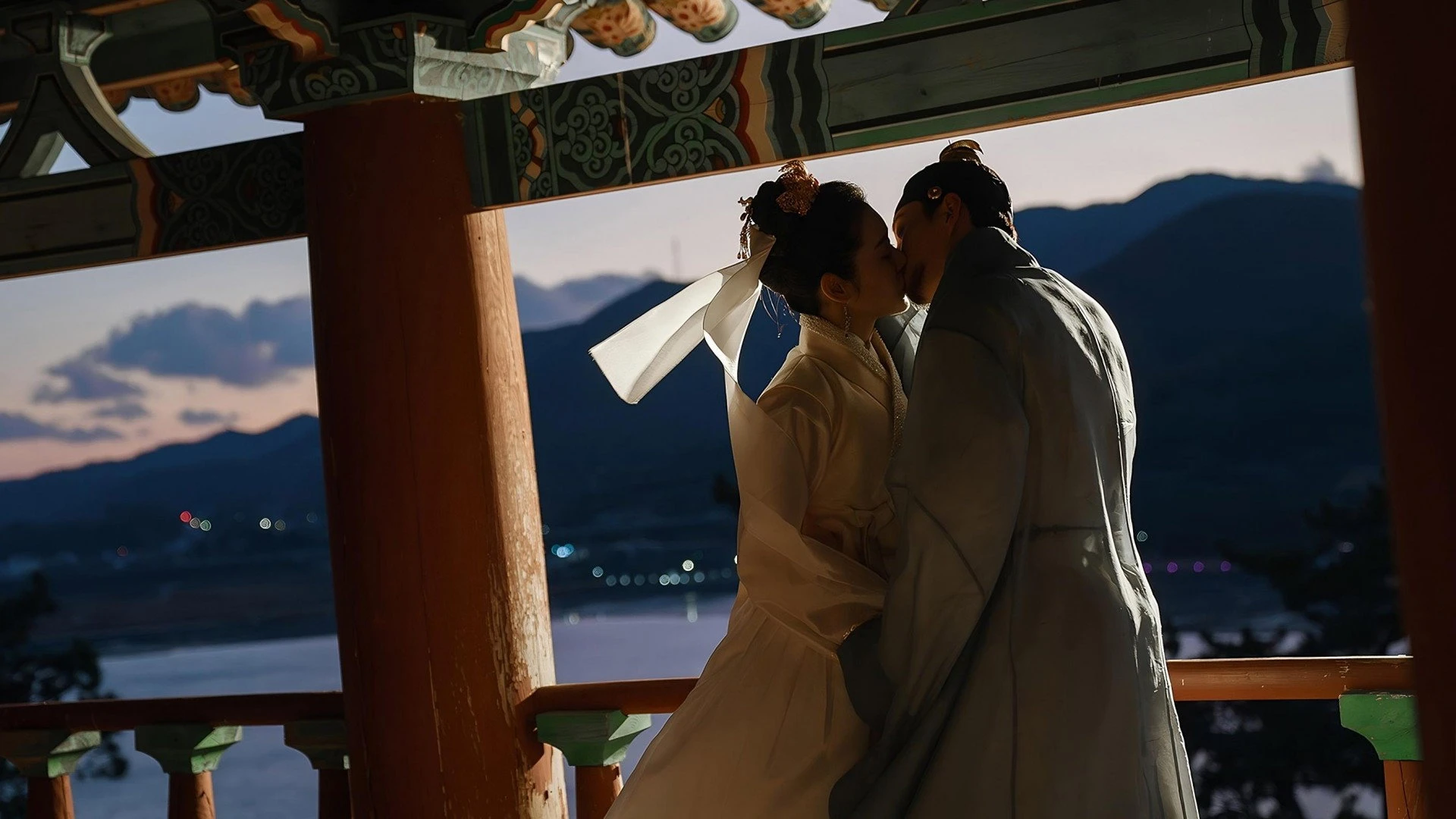
The show’s central decision — to make Lady Min the most intelligent person in every room — is also its most politically subversive move. She is never wrong about a person’s motivations. She is never outmaneuvered by the court. What defeats her isn’t her judgment but her position: a woman in 15th-century Joseon, married to a man who needed her strategically and resented her for it. The dynamic is sharper and darker than anything in The Red Sleeve, which at least allowed its characters the grace of private feeling. Lady Min never gets that grace.
Lee Hyun-wook’s King Taejong is a villain the show refuses to make simple. He’s not cruel for cruelty’s sake — he’s insecure in a way that his position only amplifies rather than resolves. Every attempt to diminish Lady Min is also an attempt to solve the problem that she sees him more clearly than he sees himself. The drama earns its bittersweet ending not by making either of them wrong about the other, but by making them both entirely right.
Fans of slow-burn character studies where the lead carries every scene
Historical drama lovers who prefer political complexity over palace romance
🎬 You Might Also Like
If you liked The Queen Who Crowns, these are your next three watches.
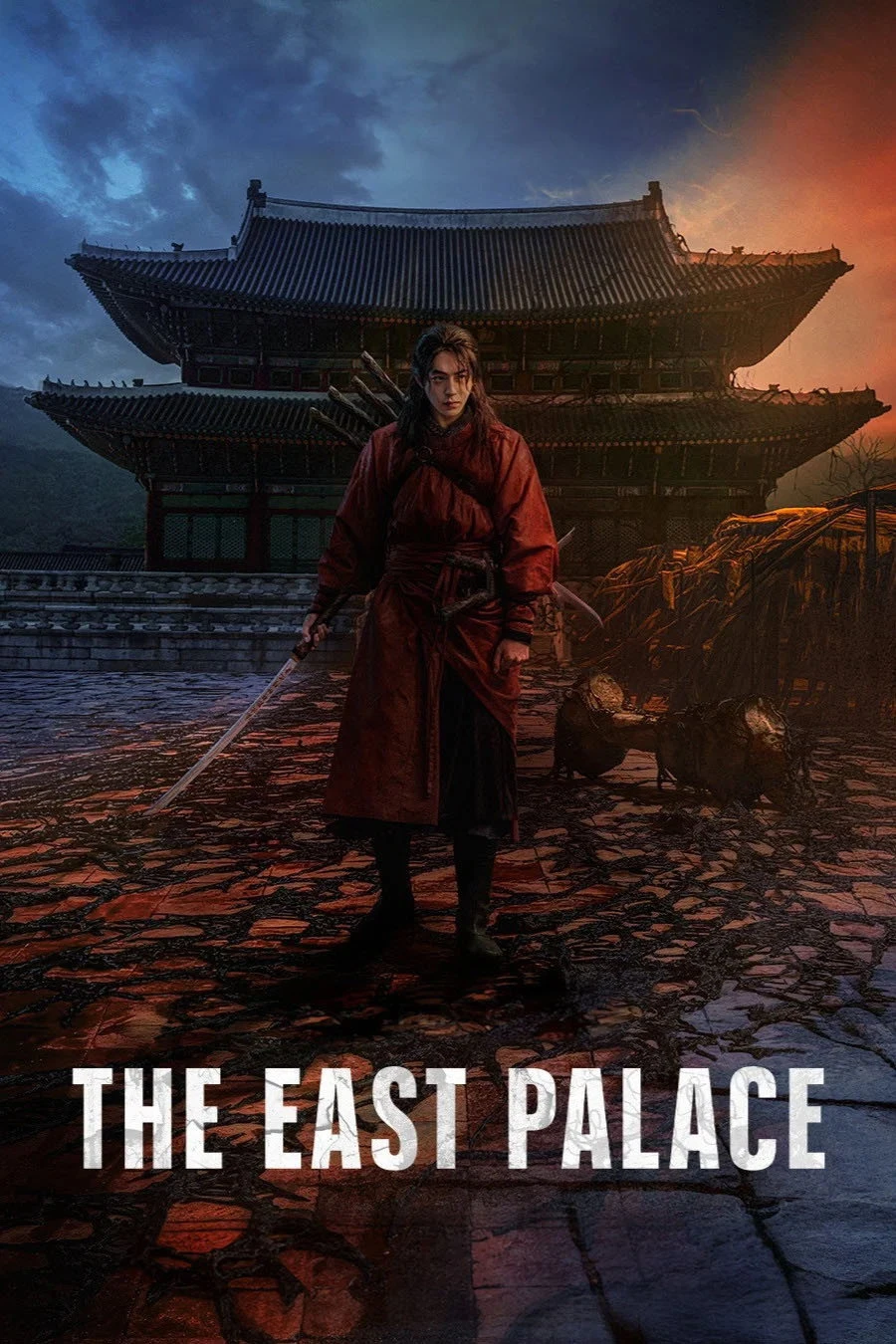 The East Palace
Ak-gwicourt lady
Read Full Review →
|
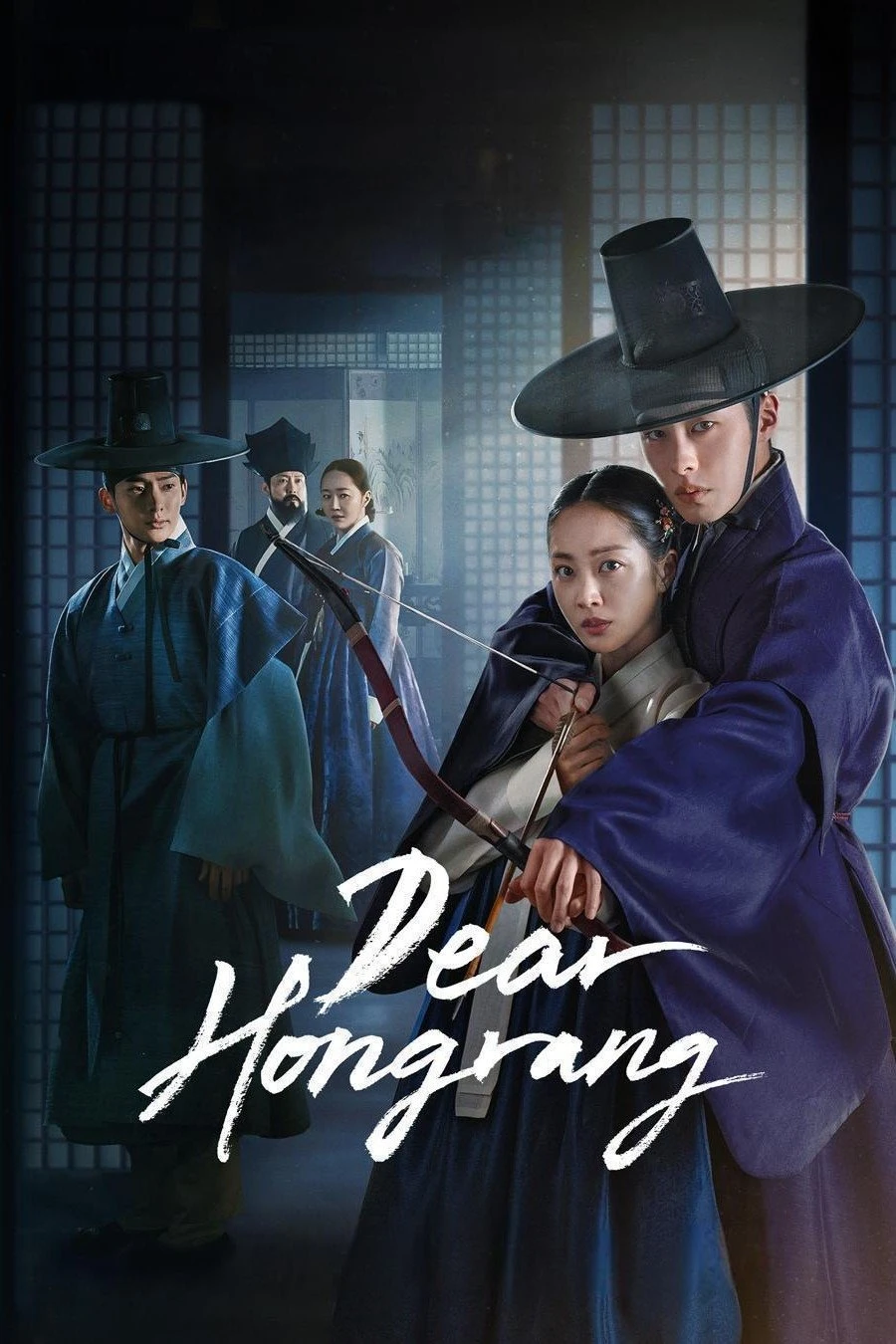 Dear Hongrang
Family SecretsHistorical
Read Full Review →
|
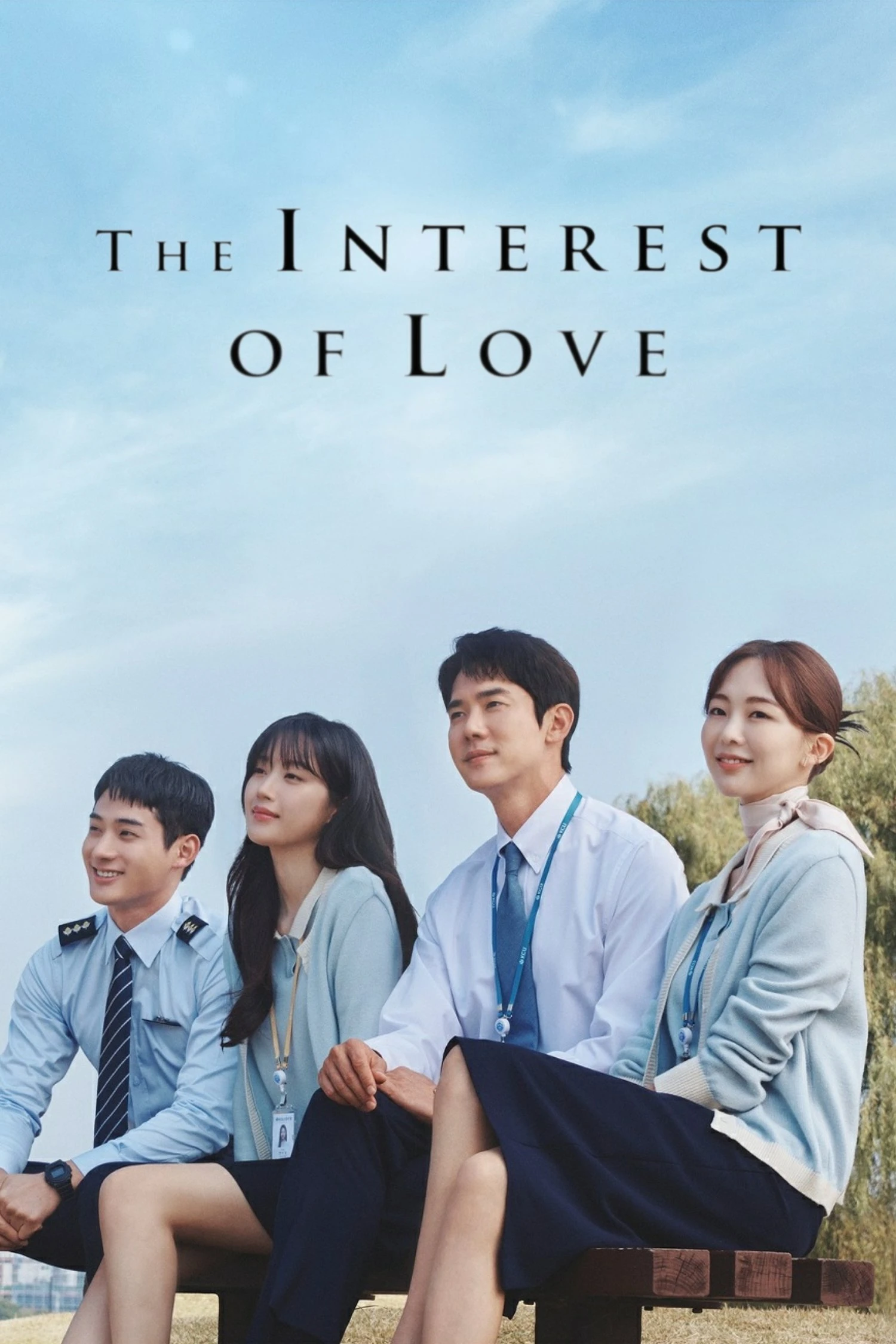 The Interest of Love
Bank SettingLove Square
Read Full Review →
|







Keep it kind, skip the harsh language, and please — no spoilers. Everyone's taste is different, and that's perfectly fine.
This space is for real reactions and discussion from other viewers. Help keep it comfortable for everyone by not giving away major plot details.
What do you think of this drama?
Login to share your review or leave a comment.
No email needed — just pick a username & password.