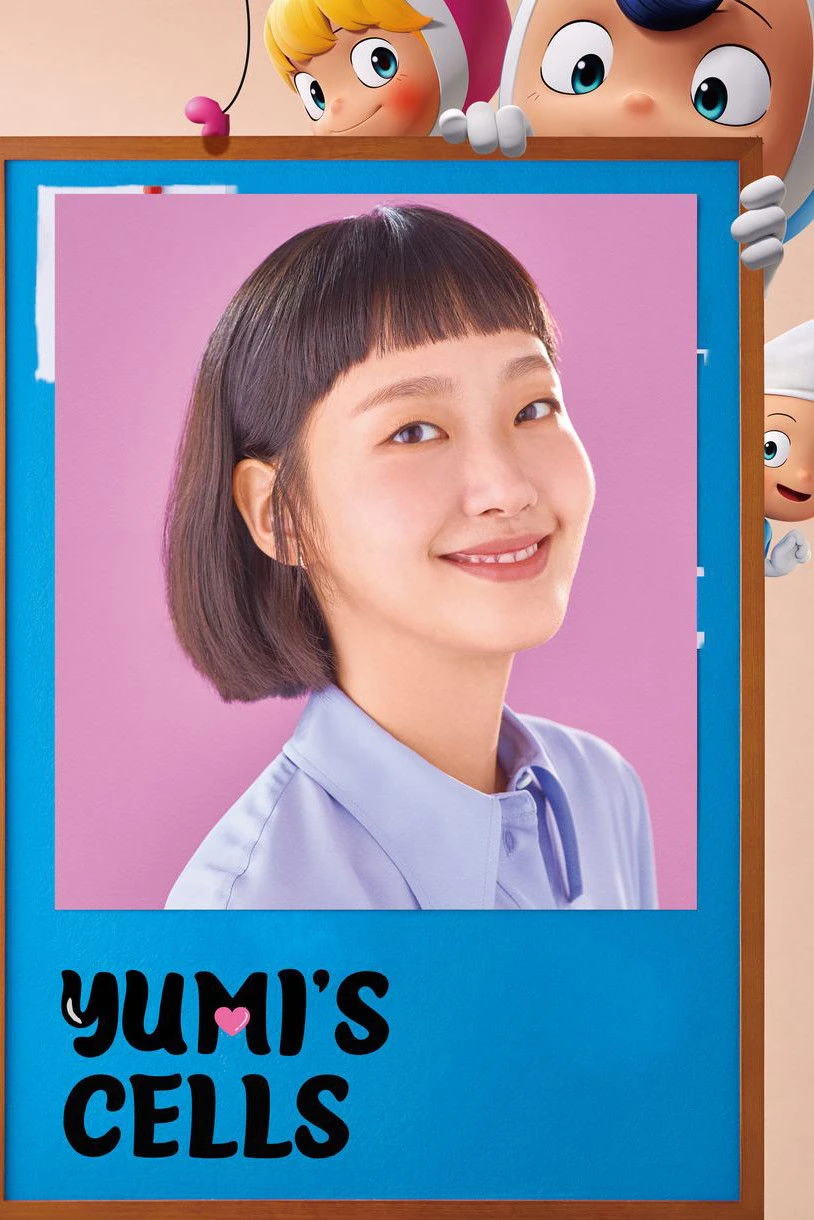
Yumi’s Cells (Season 1)
🎬 Viki · iQIYI
⭐ 8.2 / 10 MDL
🔞 TV-PG
📋 Drama Overview
Everything you need to know before you hit play.
💕 Romance Must-Watch
TVING
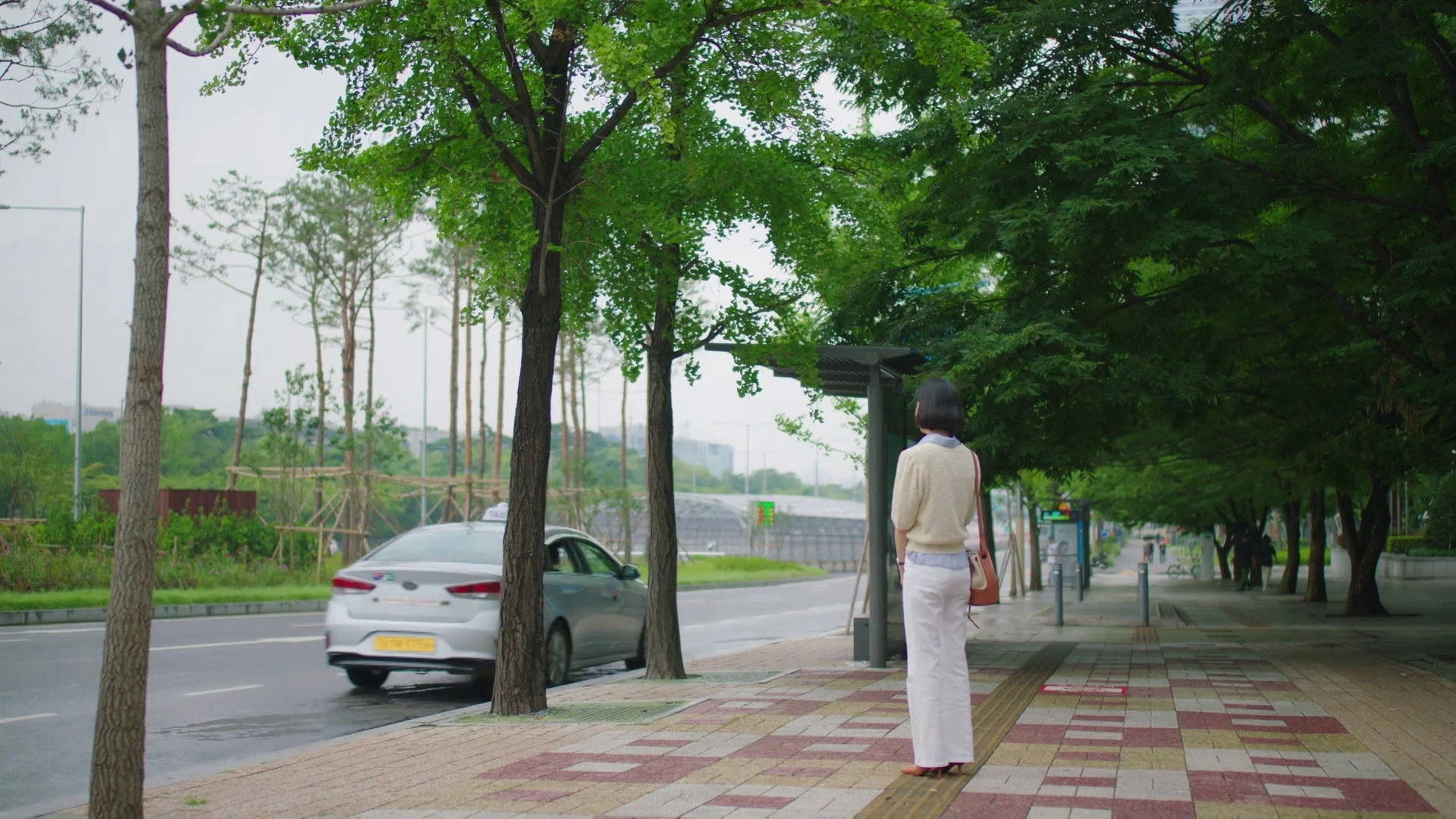
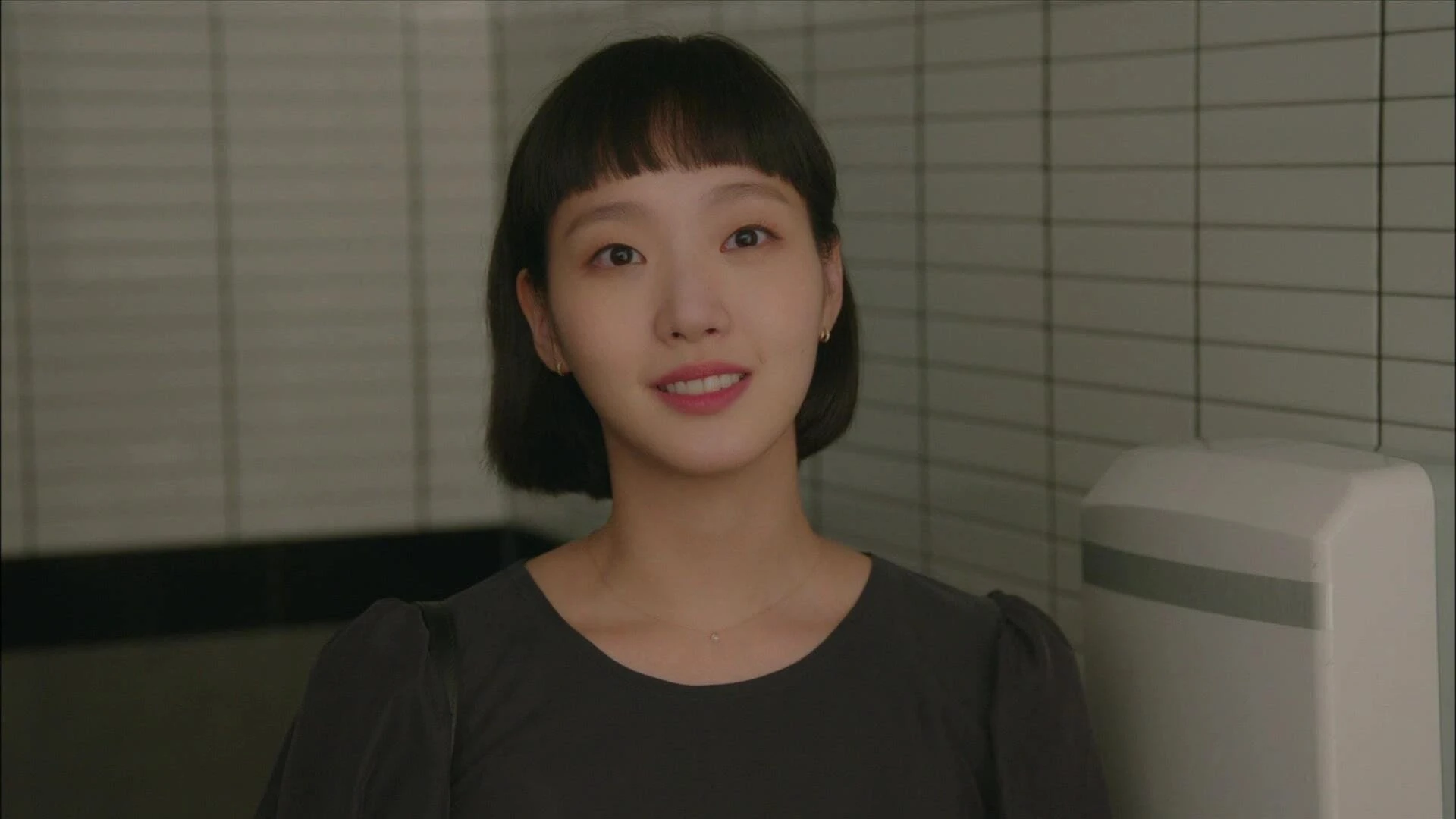
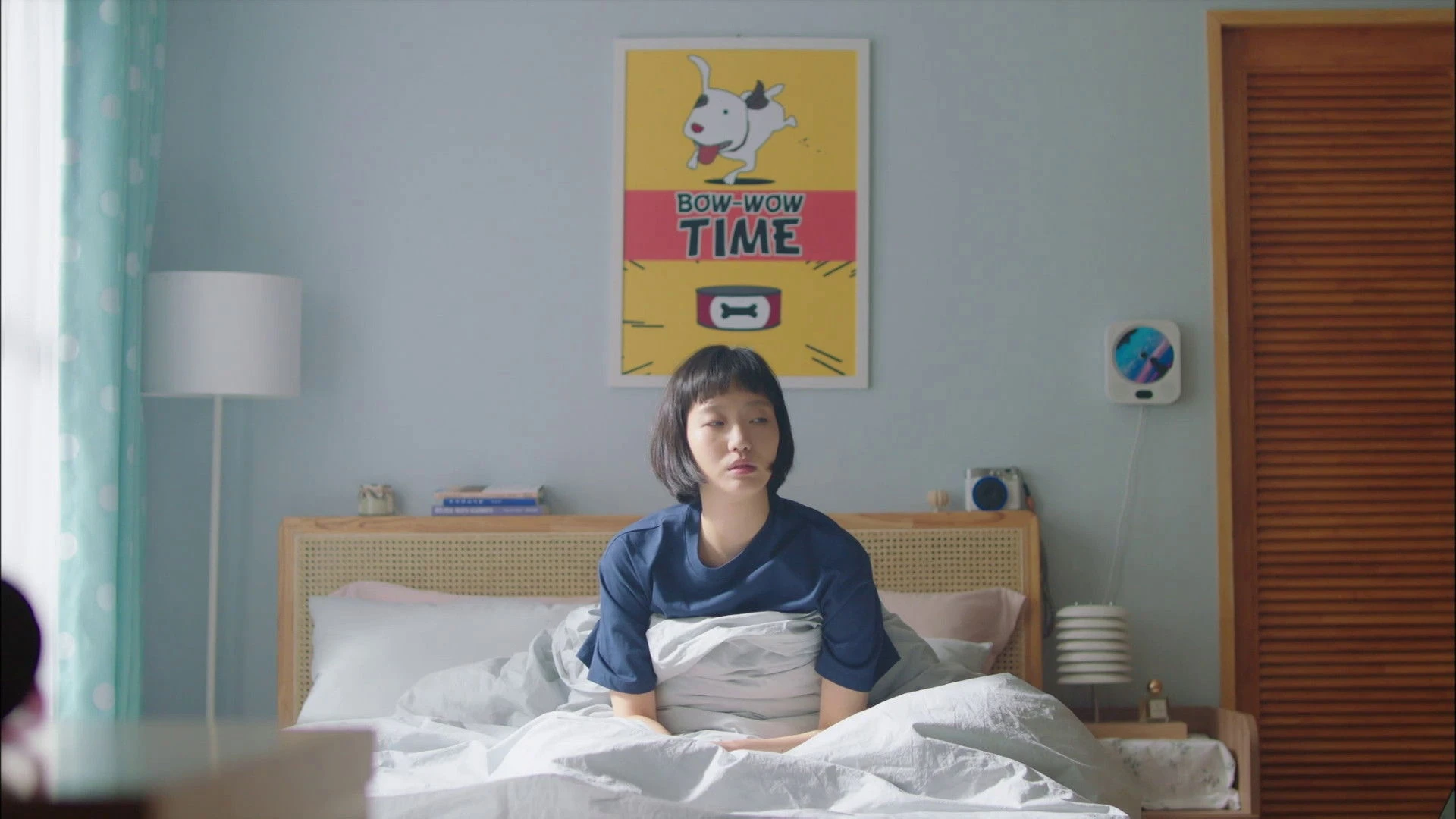
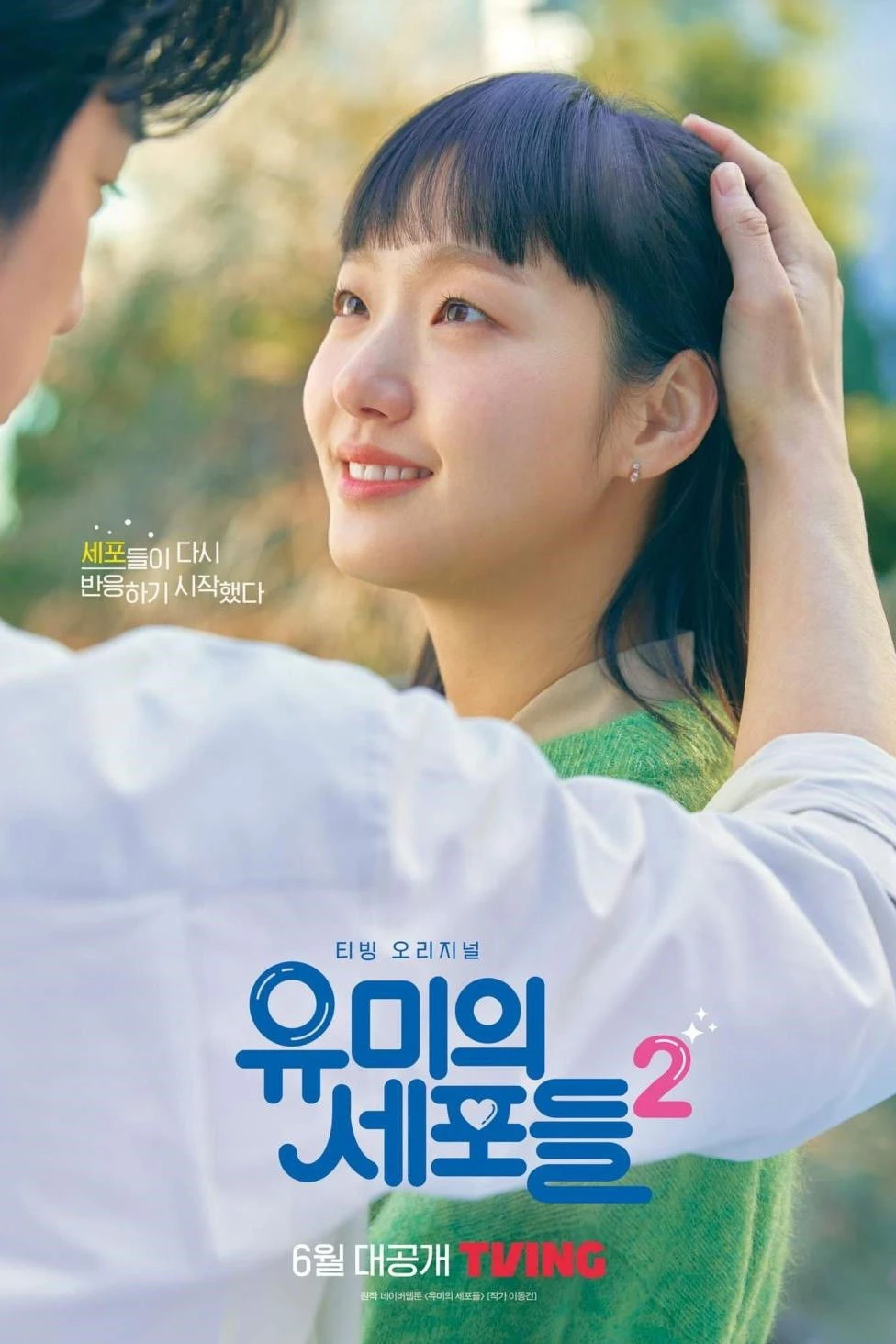
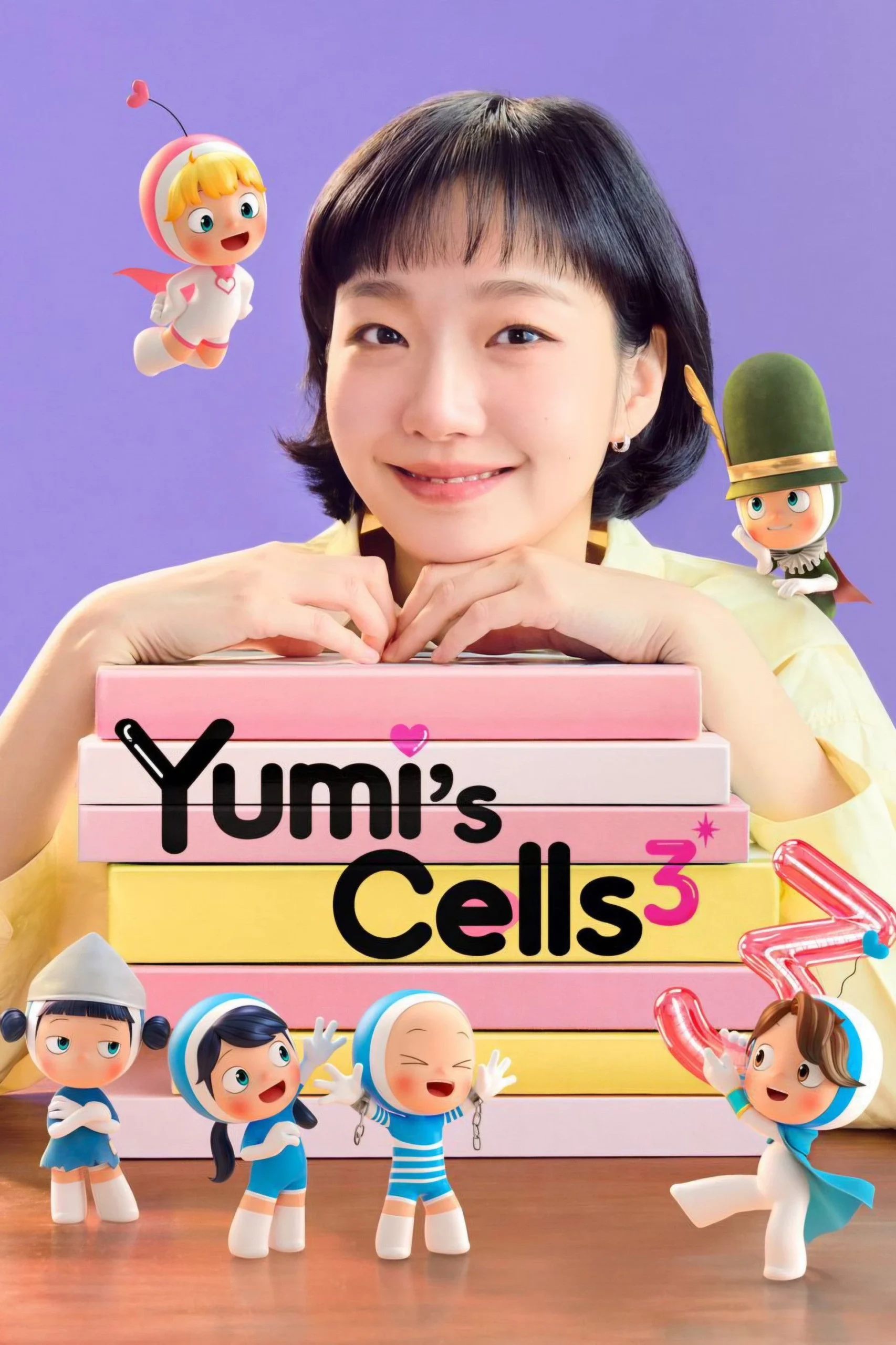
Kim Yu-mi (Kim Go-eun) is an ordinary 32-year-old office worker at Daehan Noodles whose love cells have fallen into a deep coma after a painful breakup. She goes through the motions of each day — unaware that inside her head, a bustling community of cells is working overtime to keep her functioning and, most urgently, to revive the Love Cell that has gone completely dark.
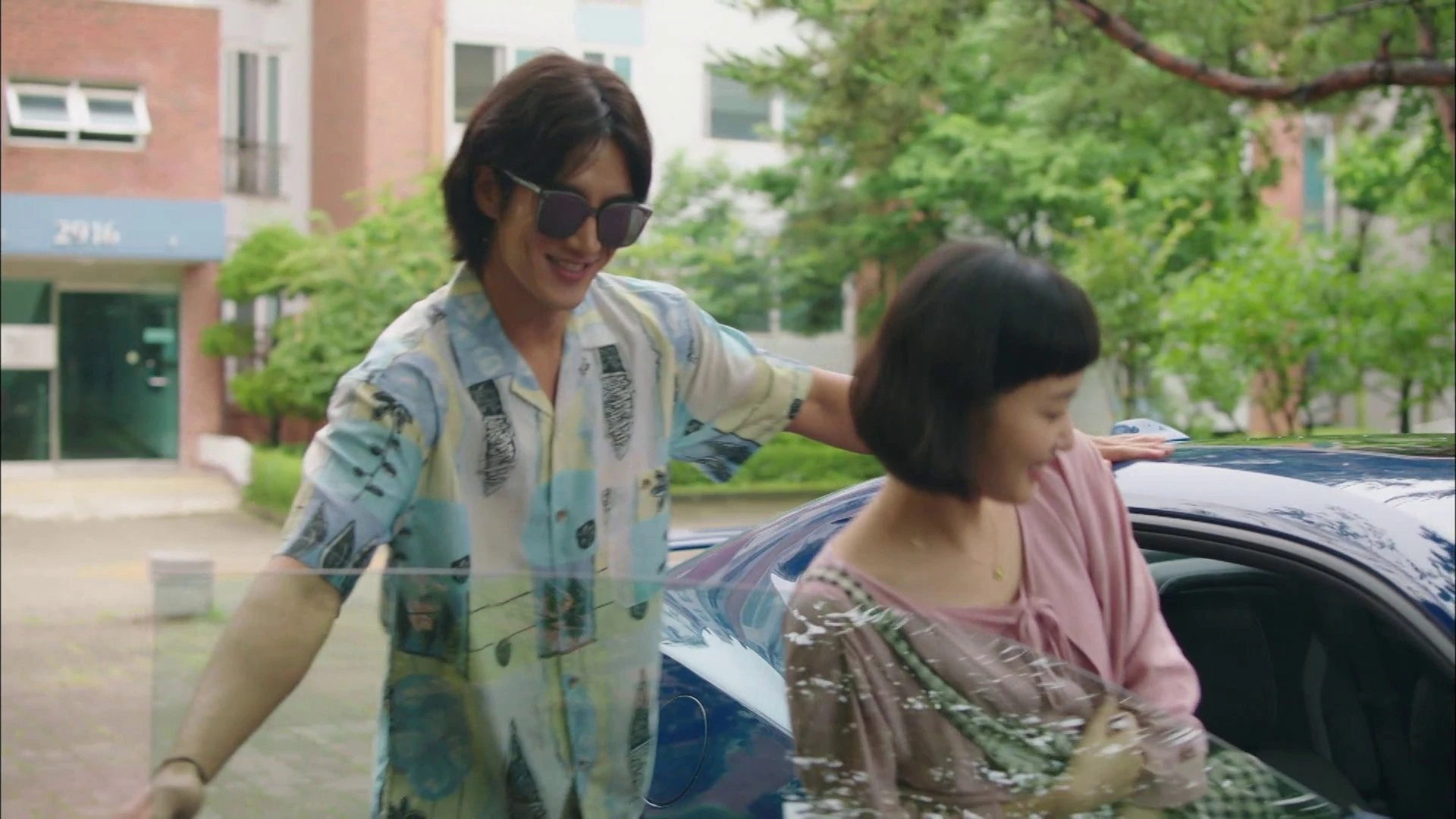
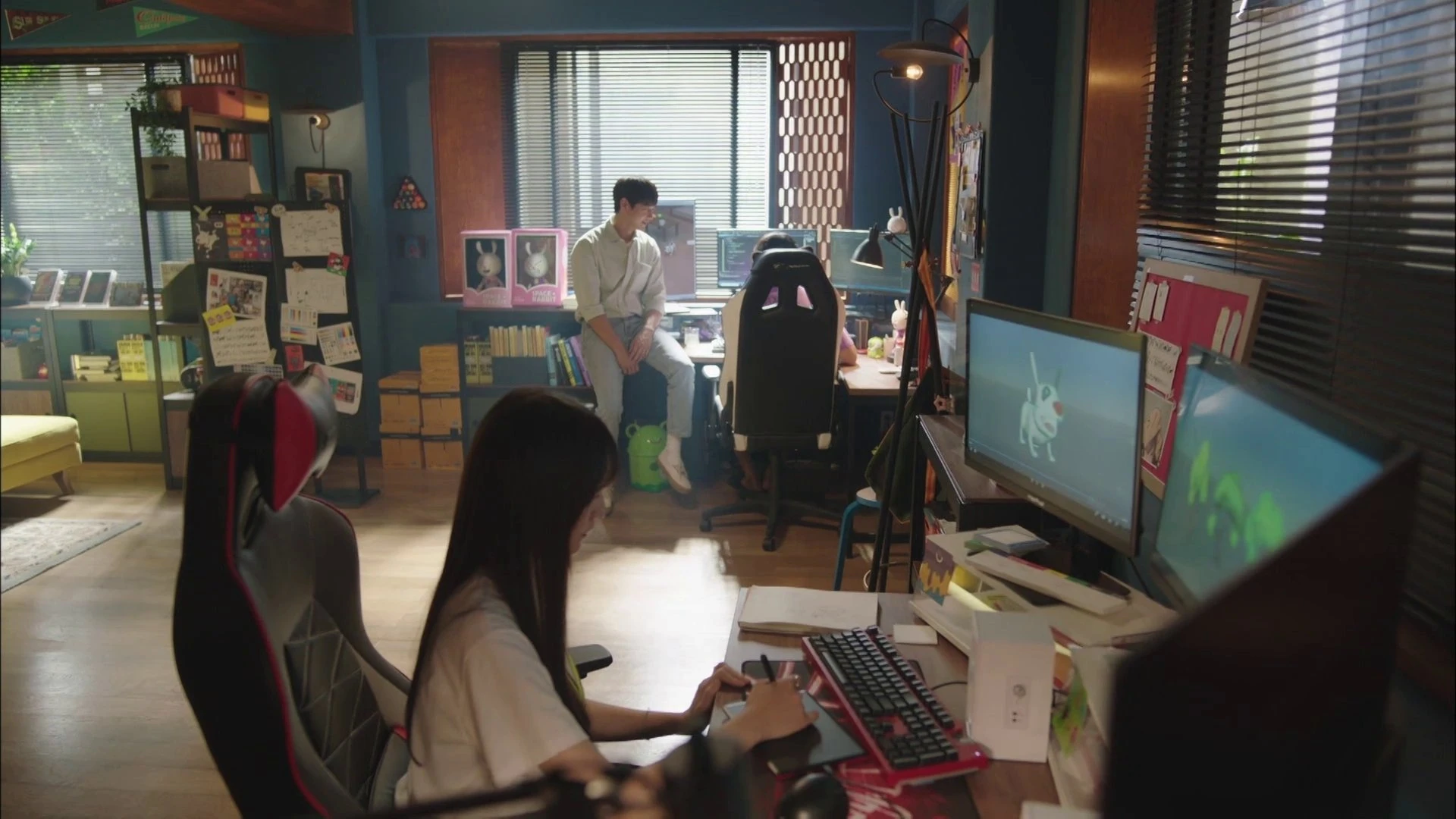
Everything changes when Koo Woong (Ahn Bo-hyun), an emotionally straightforward game developer who says exactly what he means and means exactly what he says, stumbles into her life. Told through a unique blend of live-action drama and 3D cell animation, Yumi’s Cells follows what happens when someone who stopped believing in love meets someone who doesn’t know how to be anything other than sincere.
14 / 14 ✅ Completed
⚡ Quick Verdict
One box. Everything you need to decide.
· MDL Score · 52,792 ratings
▶ Official Trailer
🎭 Cast & Characters
Six performances — from the woman trying to feel again to the man who makes her.

Lead
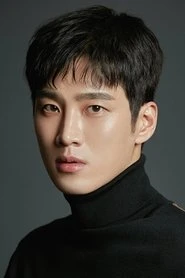
Lead

Supporting

Antagonist

Supporting

Supporting
📺 Episode Guide
Spoiler-light recaps — enough to remember where you left off, nothing that ruins the ride.
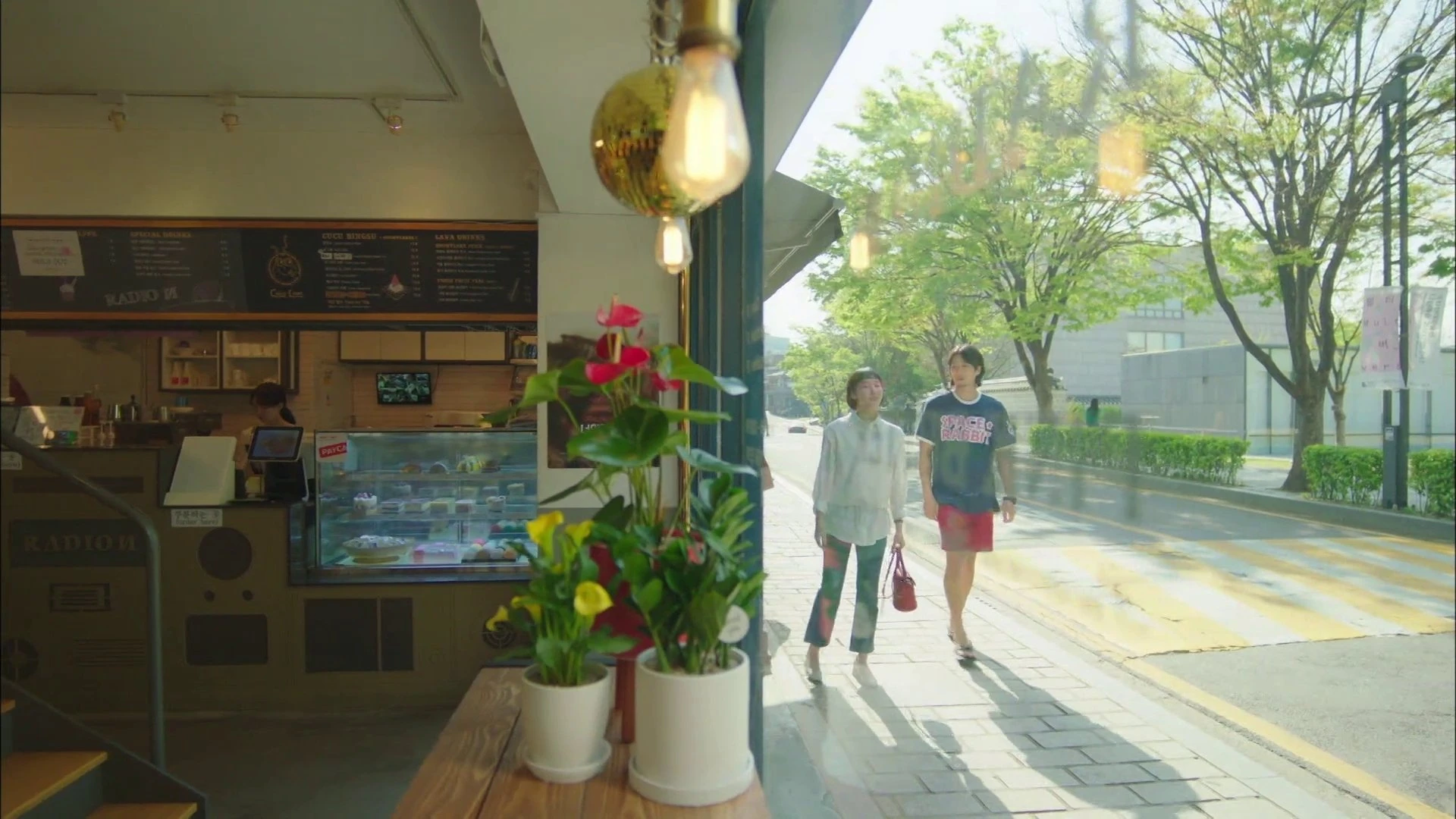
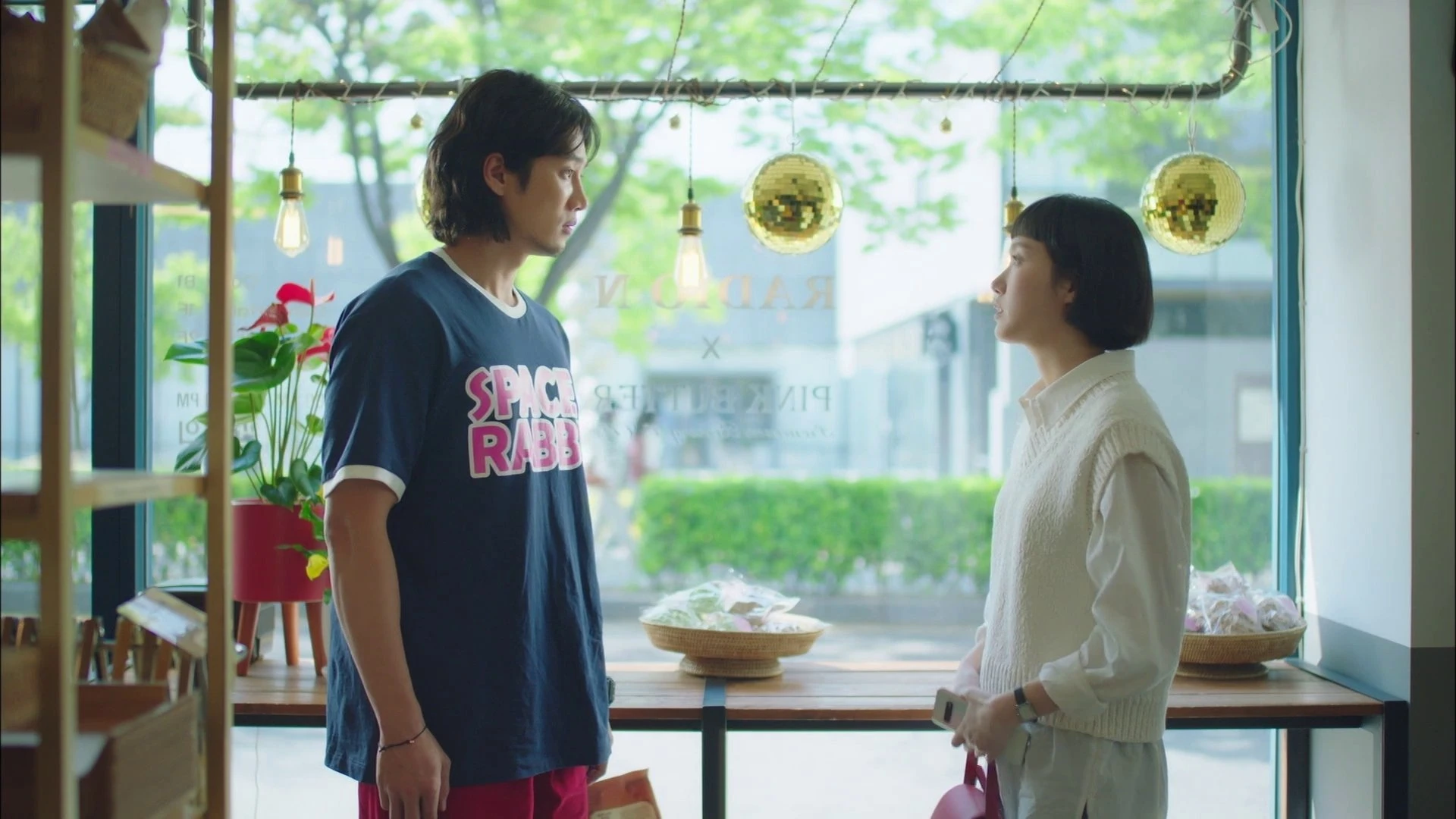
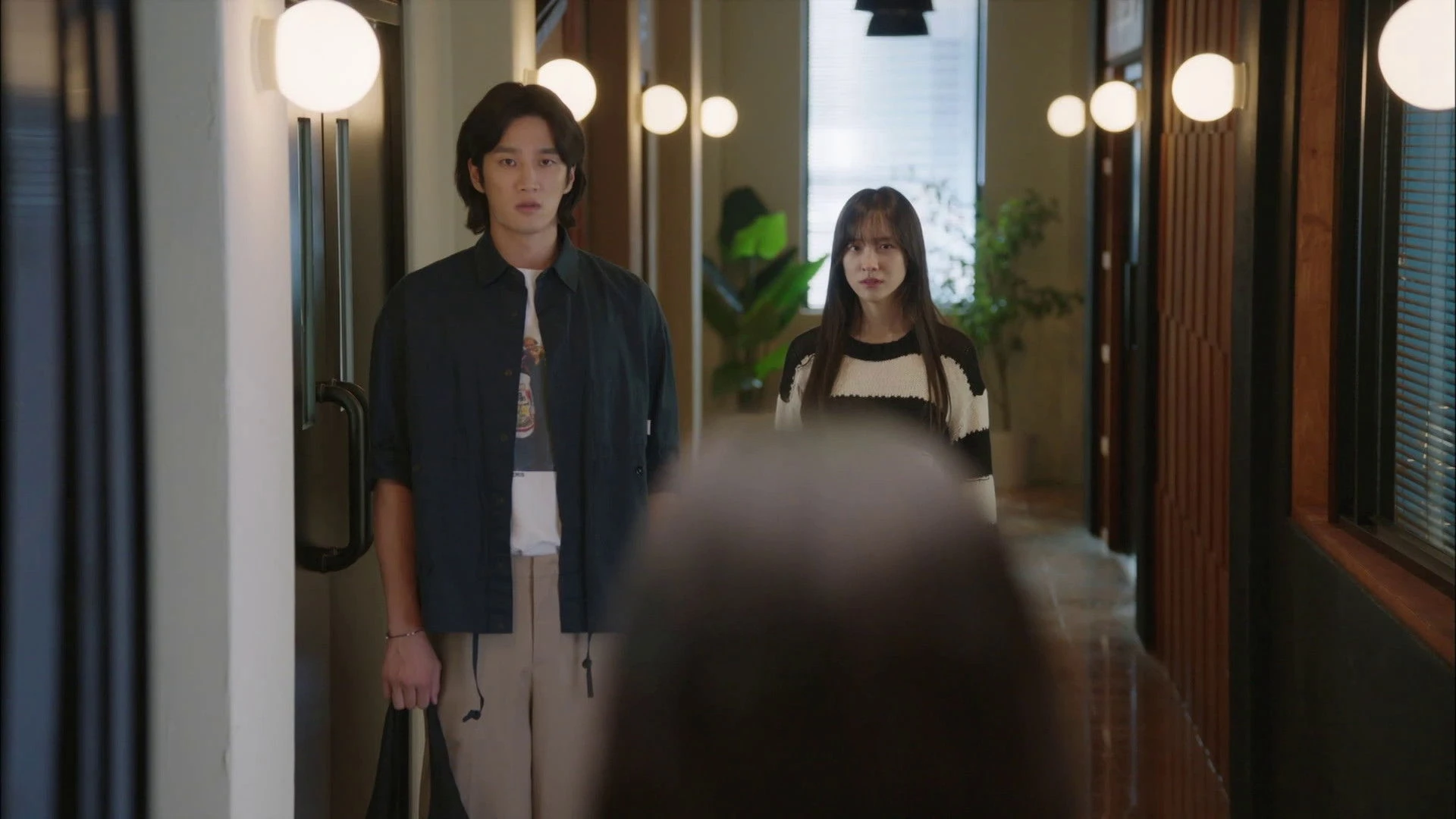
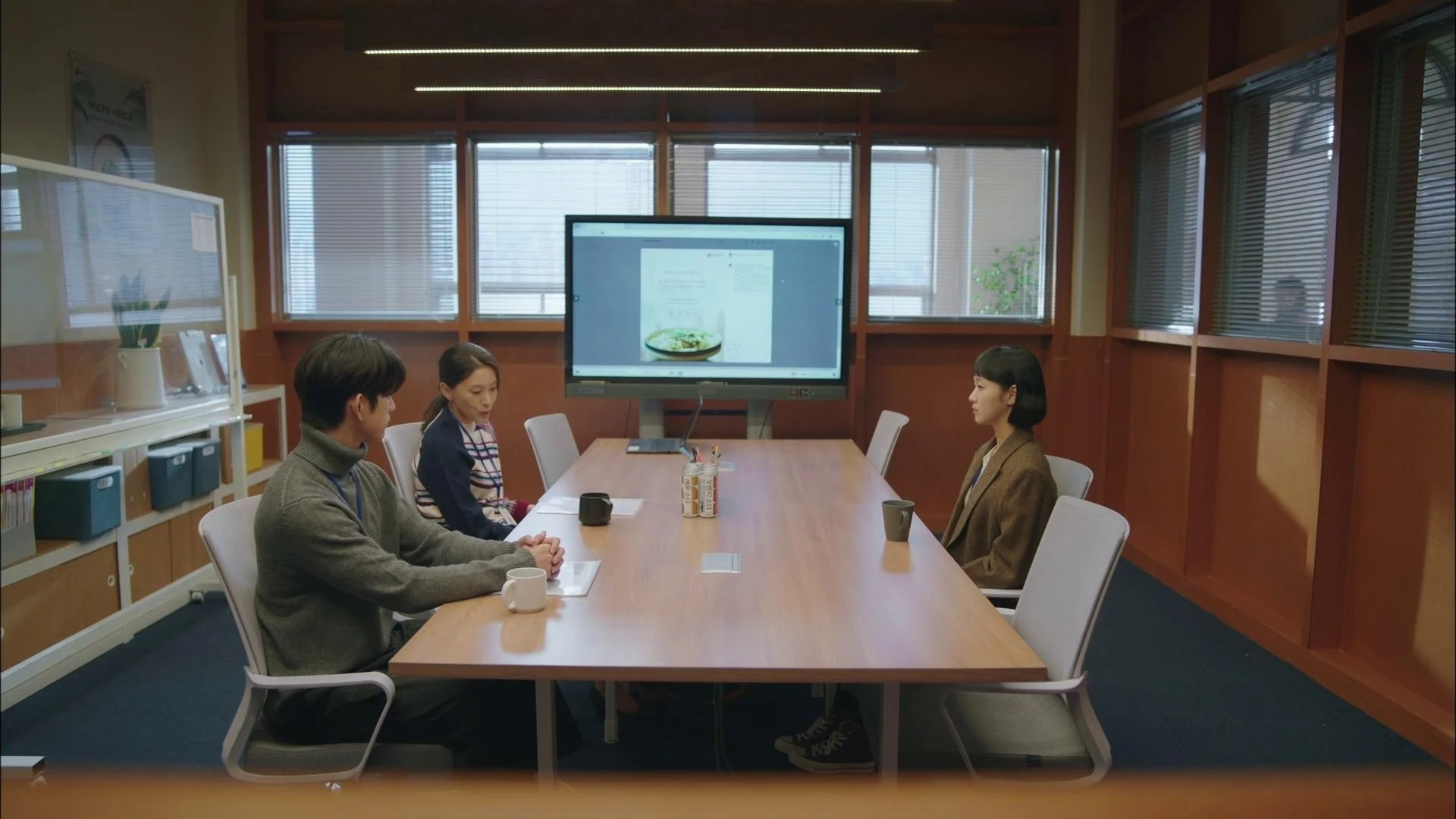
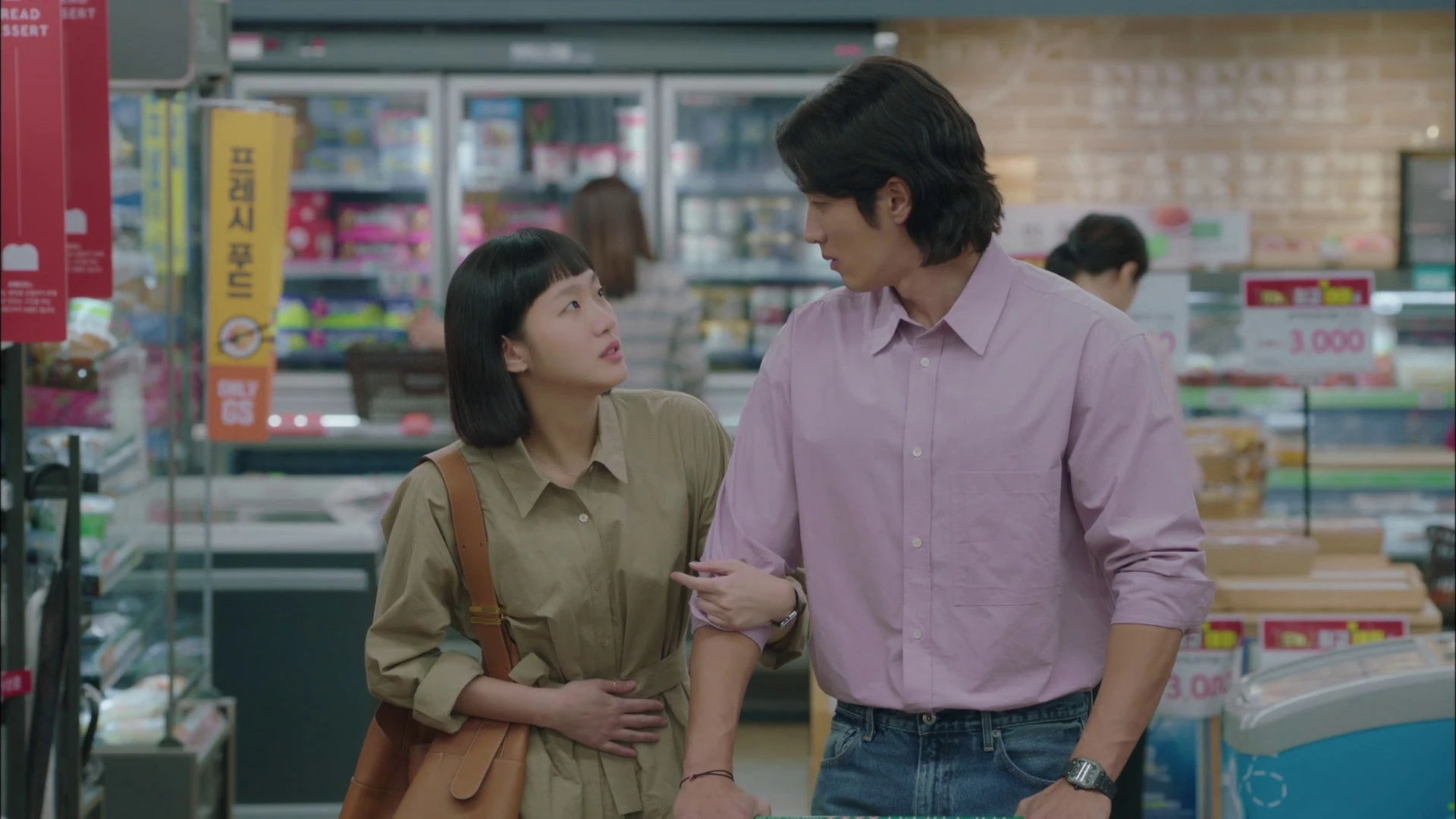
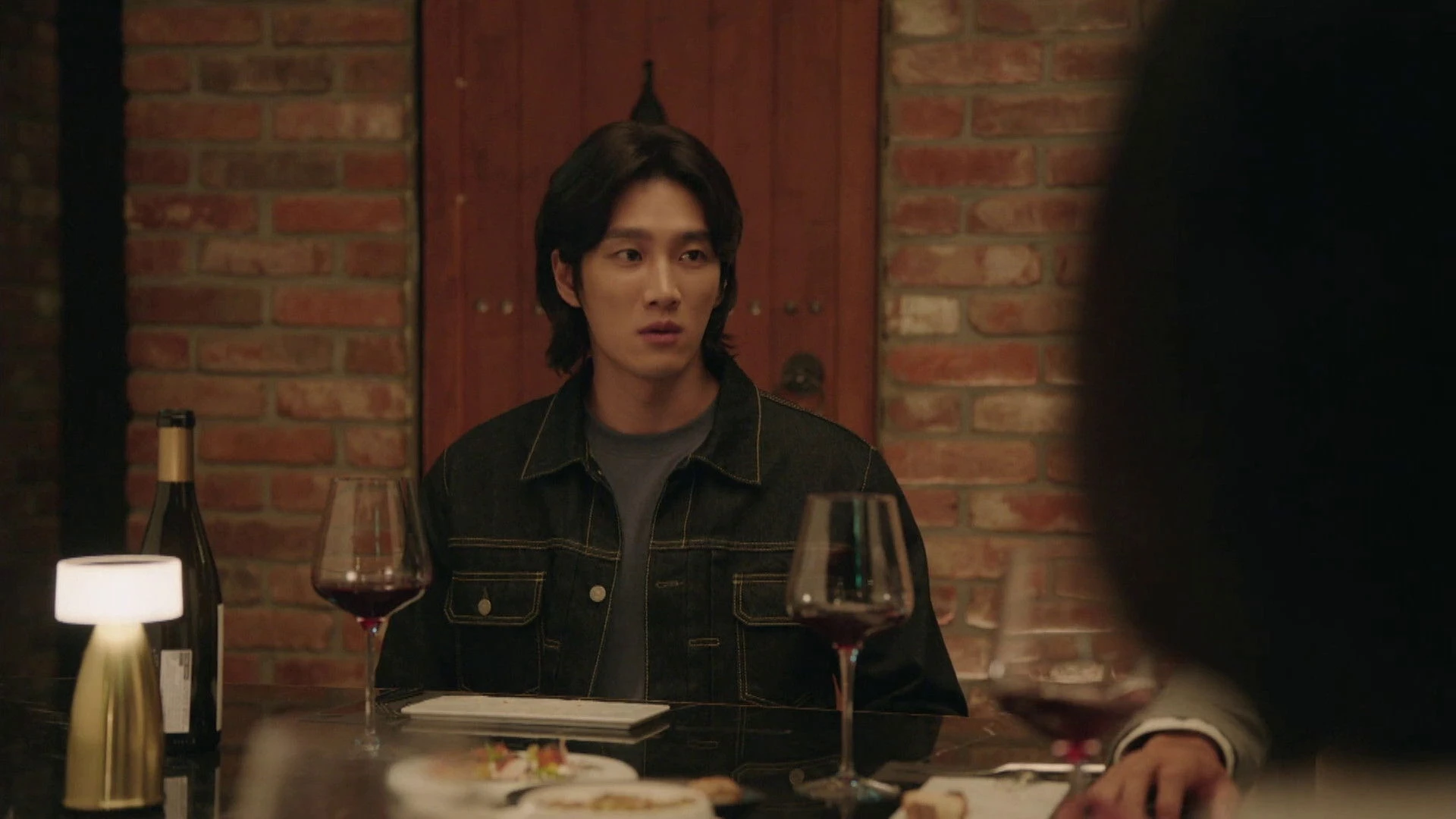
🏁 Ending Explained
Full spoilers ahead — everything that happens in the finale and what it all means.
Spoiler Warning — This section covers the full finale of Yumi’s Cells Season 1. Stop here if you haven’t finished the series.
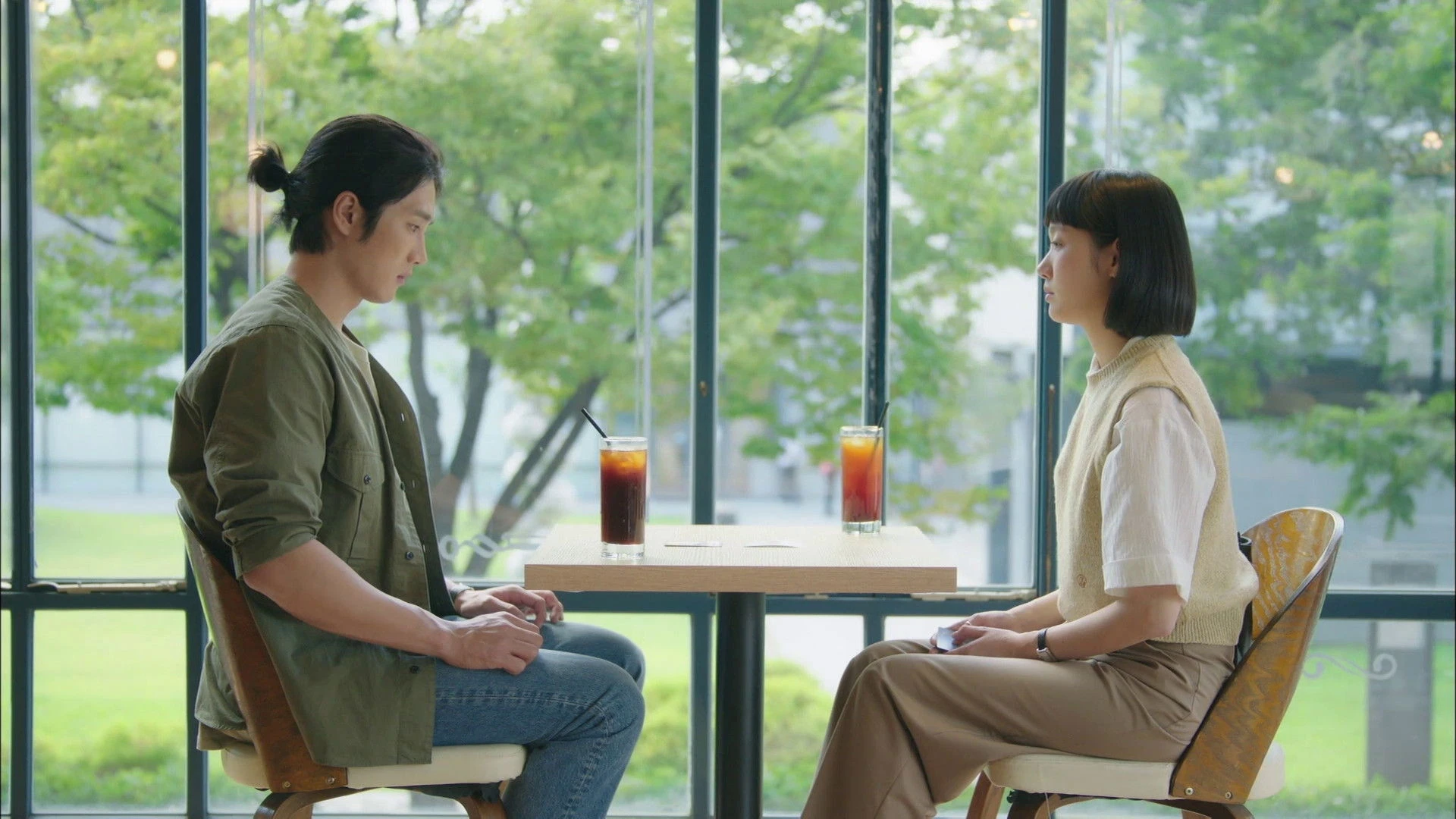
The Communication Breakdown. The finale picks up from the Season’s most emotionally honest ground: Yumi and Woong love each other, but Woong cannot tell her what she needs to hear, and Yumi has been trained by experience to read silence as rejection. The accumulated misunderstandings — the Sae-yi situation, Woong’s inability to articulate his feelings, Yumi’s tendency to protect herself by withdrawing — all converge at once. The cells hold a kind of emergency session. The Emotion Cell and Rational Cell reach something approaching consensus for the first time: whatever happens next, Yumi needs to choose consciously rather than react out of fear.
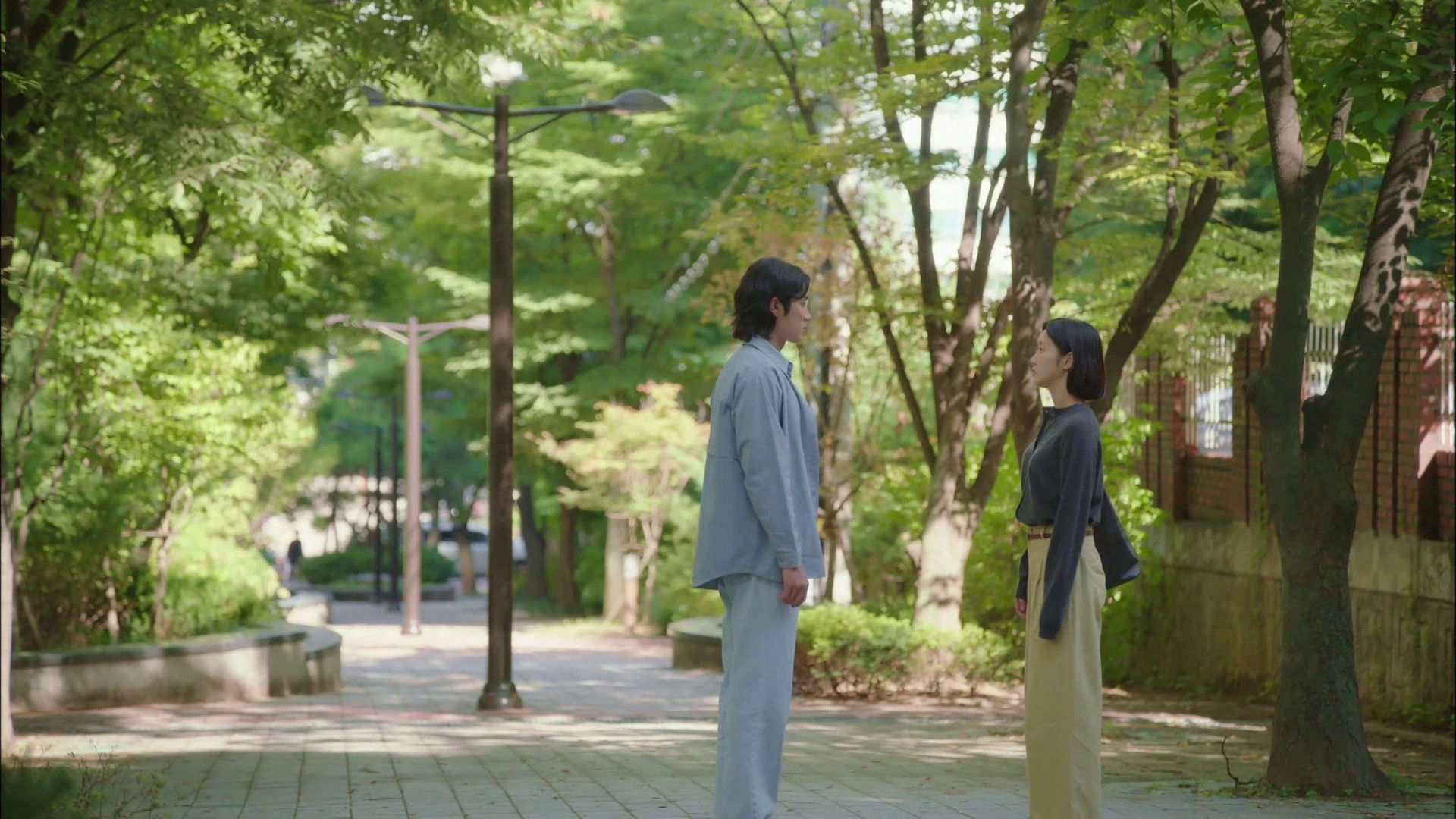
The Choice About Sae-yi. The finale addresses the Sae-yi threat not through confrontation or dramatic revelation but through restraint. Yumi decides not to act on her jealousy — not because she’s convinced everything is fine, but because she recognizes that acting on insecurity would make her someone she doesn’t want to be. It’s a small, adult decision that the show frames as a genuine act of emotional courage. Sae-yi’s feelings for Woong are implicitly confirmed and then set aside — she doesn’t get a villain arc because the show isn’t interested in externalizing Yumi’s emotional problems onto another woman.
Woong’s Reckoning. Woong is confronted — gently but directly — with the consequences of his emotional unavailability. His difficulty expressing love is something the show has presented as a character trait rather than a flaw to be corrected, but the finale makes clear it has a cost. His response is not a sudden transformation but a small, specific moment of honesty that Yumi’s cells register as something meaningful. The relationship continues. It’s not fixed. But it moves forward with more clarity than before.
The Babi Question. The season’s final significant move is Babi’s quiet elevation. He doesn’t act on his interest in Yumi — he simply exists in her orbit with an attentiveness Woong has never quite managed. The cells notice him. Yumi doesn’t, not yet. The show plants this thread without forcing it — it’s a seed for Season 2, not a cliffhanger. Crucially, his presence doesn’t undermine what Yumi and Woong have built; it just opens the question of whether that’s enough.
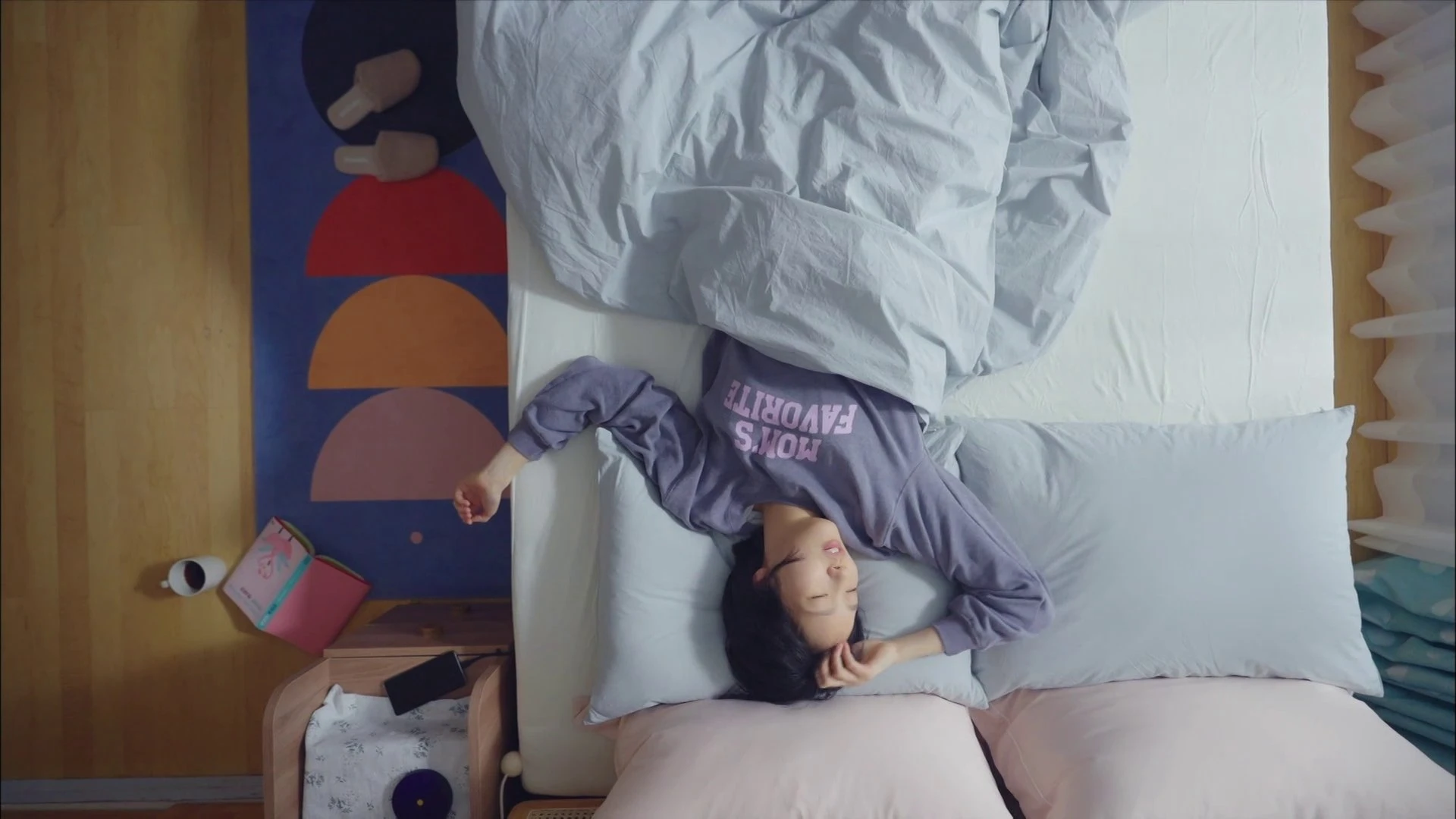
Love Cell, Fully Awake. The season’s final image returns to where everything started: the Love Cell, alone in its darkened station at the beginning of Episode 1, now fully operational and lit. It’s not triumphant. It’s cautious, a little bruised, aware of what being open to love costs. The cells — Rational, Emotional, Hunger, all of them — have learned to work in something closer to cooperation than chaos. Yumi hasn’t found a perfect love. She’s found something more sustainable: a version of herself that can hold love without shutting down. That’s the real arc. Everything else is just the story it happens inside.
✍️ KDramaWorlds Editor’s Take
Our honest read on why this drama is worth your time — and who it’s for.
🎨 Inventive Animation
😌 Warm & Relatable
🧠 Psychologically Sharp
📖 Webtoon Faithful
Kim Go-eun has been excellent in a lot of things — Goblin, The King: Eternal Monarch, Little Women — but Yumi’s Cells might be the role that shows the fullest range of what she can do. It demands physical comedy, emotional restraint, and the specific skill of playing someone whose inner life is infinitely richer than what she shows the world — all at the same time, often in the same scene. The fact that we also literally see her inner life via the cell animations means there’s no place to hide. She’s being asked to perform two versions of the same character simultaneously. She makes it look effortless.

The cell animation sequences are the element that divides viewers, and honestly, the division makes sense. If you’re coming to this for a clean, efficient romance, the cells are an interruption. If you’re willing to let the show be strange, they’re the best thing about it — a genuinely original way of visualizing interiority that doesn’t feel borrowed from anything else. The Love Cell’s arc from coma to cautious wakefulness across 14 episodes is, structurally, the real protagonist’s journey. The human story is the one happening above it. Both are worth watching.
The first seven episodes build slowly, and the Sae-yi jealousy thread is underdeveloped in a way that slightly blunts the finale’s emotional stakes. But the show earns its warmth by being genuinely honest about how difficult it is to open up after you’ve been hurt — not in a dramatic, trauma-narrative way, but in the small, daily way that most people actually experience it. Yumi’s Cells understands that falling in love again is less about meeting the right person and more about becoming the kind of person who can let them in. Not many romcoms have the patience for that, and fewer pull it off.
Anyone curious what an animation-live action hybrid K-drama actually looks like
Viewers who want a romance that takes adult emotional baggage seriously
🎬 You Might Also Like
If you liked Yumi's Cells (Season 1), these are your next three watches.
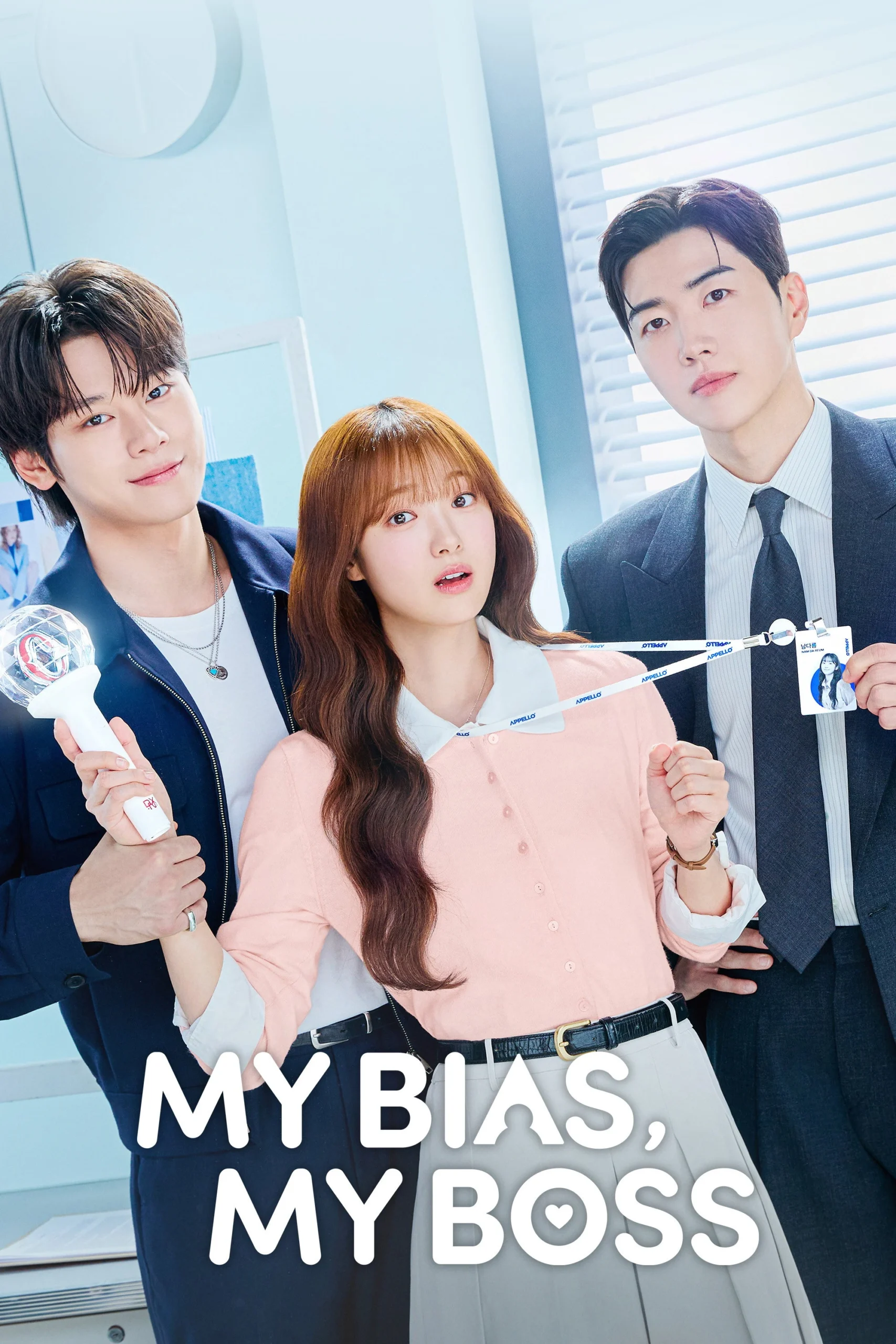 My Bias, My Boss
CEO Male LeadFangirl
Read Full Review →
|
 Azure Spring
coastal dramaComing-of-Age
Read Full Review →
|
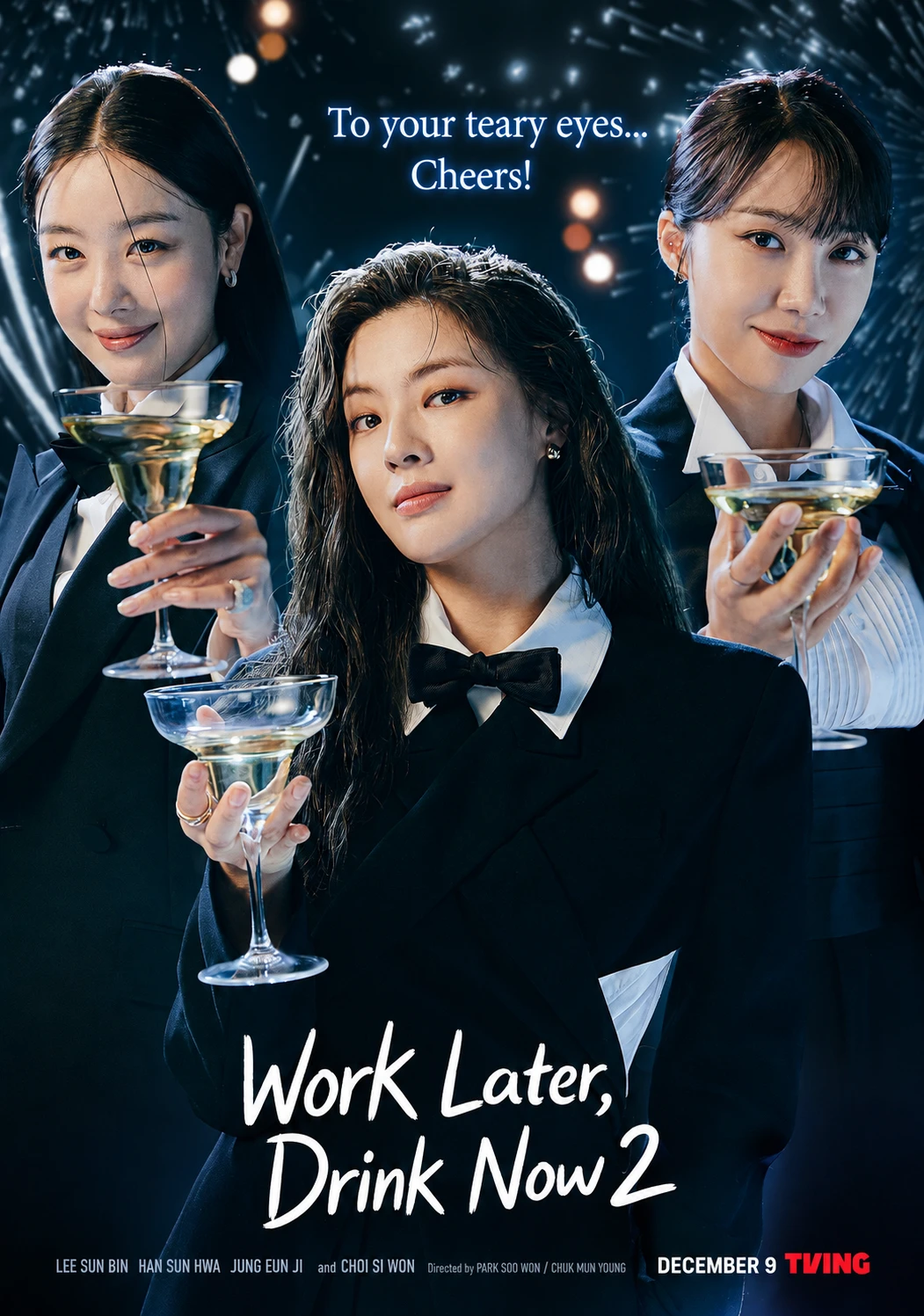 Work Later, Drink Now (Season 2)
comedyDrama
Read Full Review →
|









Keep it kind, skip the harsh language, and please — no spoilers. Everyone's taste is different, and that's perfectly fine.
This space is for real reactions and discussion from other viewers. Help keep it comfortable for everyone by not giving away major plot details.
What do you think of this drama?
Login to share your review or leave a comment.
No email needed — just pick a username & password.