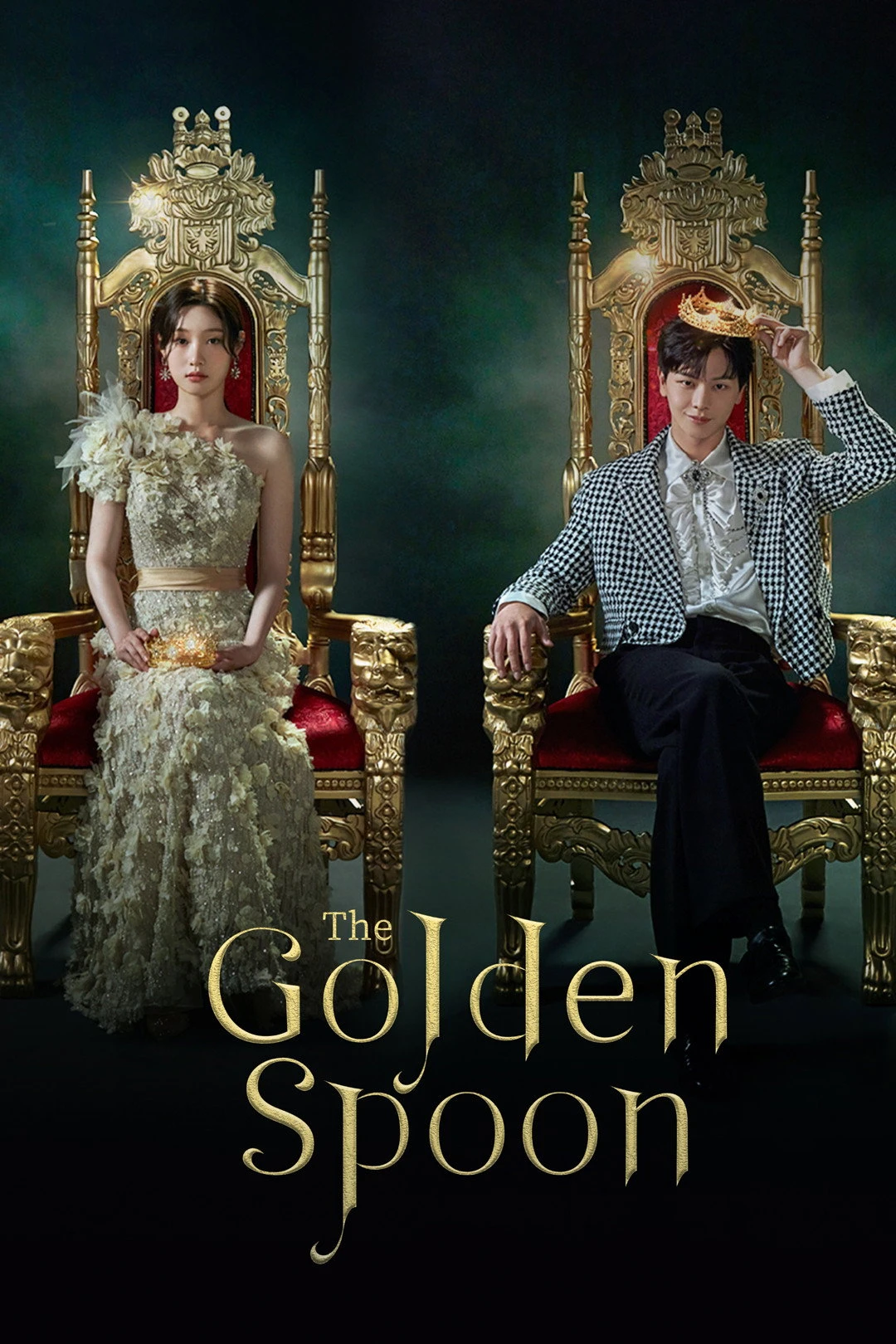
The Golden Spoon
🎬 MBC · Disney+ · Hulu
⭐ 8.0 / 10 MDL
🔞 15+
📋 Drama Overview
Quick facts first, before the deep dive.
Lee Seung-cheon (Yook Sung-jae) has been watching wealth his entire life — from the wrong side. When a mysterious old woman offers him a golden spoon that can swap his life with classmate Hwang Tae-yong’s (Lee Jong-won), Seung-cheon doesn’t hesitate. The wish works. He gets the house, the money, the status, the future he was owed. What nobody tells you about body swap fantasy dramas is that the exchange never ends at the swap. It ends where the consequences do.
The Golden Spoon is a 2022 MBC webtoon adaptation that understands its premise better than most. Class resentment is easy to dramatize; what’s harder is following that resentment all the way through to its moral logic. The fantasy mechanics — the rules of the spoon, its limits, what it can and cannot do — aren’t window dressing. They’re the drama’s way of asking whether a life built on someone else’s displacement is ever really a life at all. Yook Sung-jae carries the series through increasingly uncomfortable emotional terrain, and Lee Jong-won’s Tae-yong evolves quietly from displaced victim into the drama’s moral conscience.
16 / 16 ✅ Completed
⚡ Quick Verdict
The TL;DR, boxed and ready.
· MDL Score
▶ Official Trailer
🎭 Cast & Characters
Two young men who swapped everything — and spent the rest of the drama paying for it.

Lead

Lead

Supporting

Supporting
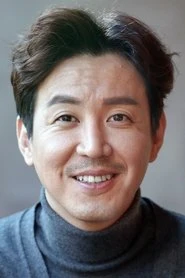
Supporting

Supporting

Supporting

Supporting

Supporting

Supporting

Supporting

Supporting
📺 Episode Guide
Enough per episode to jog your memory, nothing more.











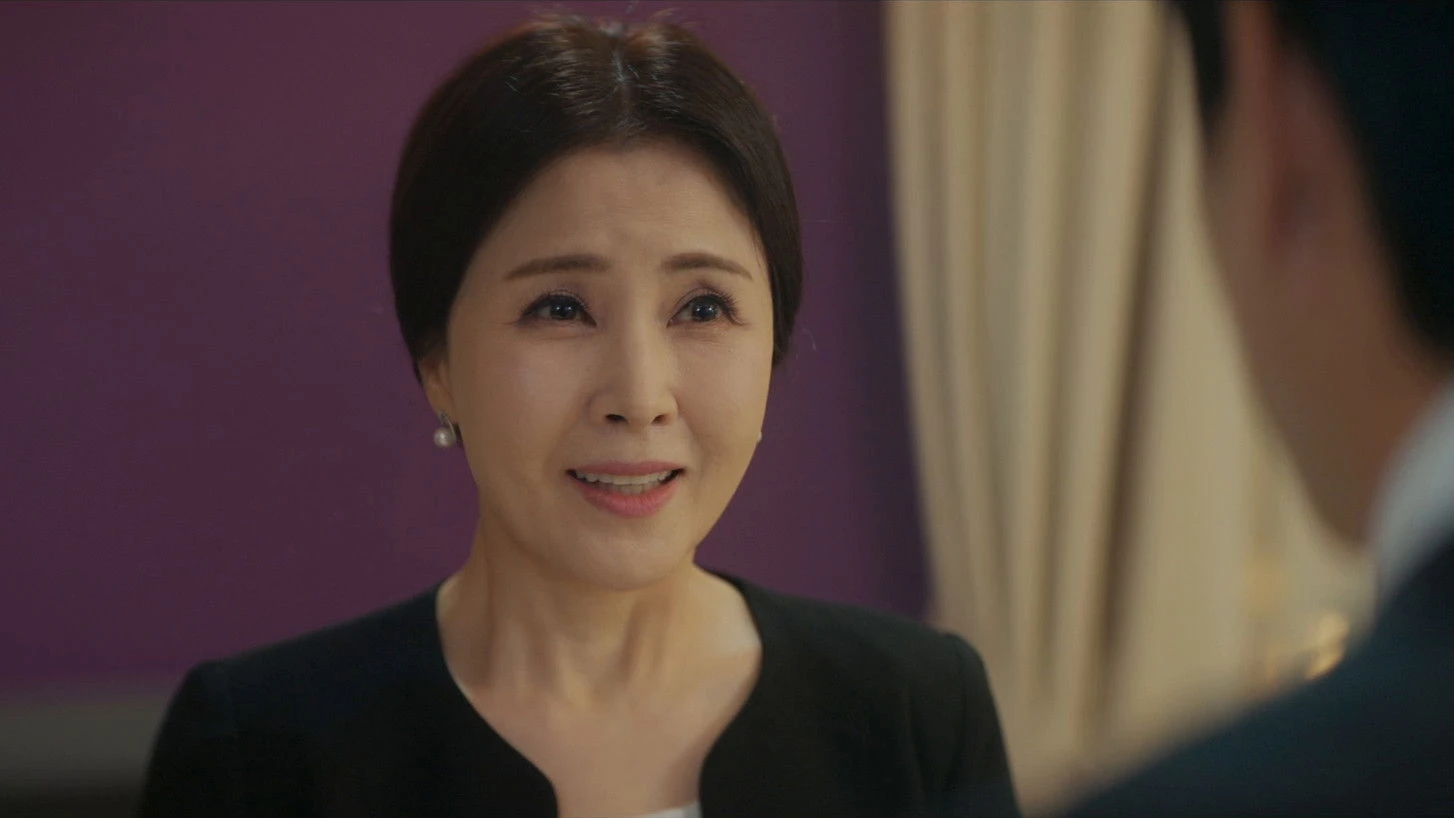
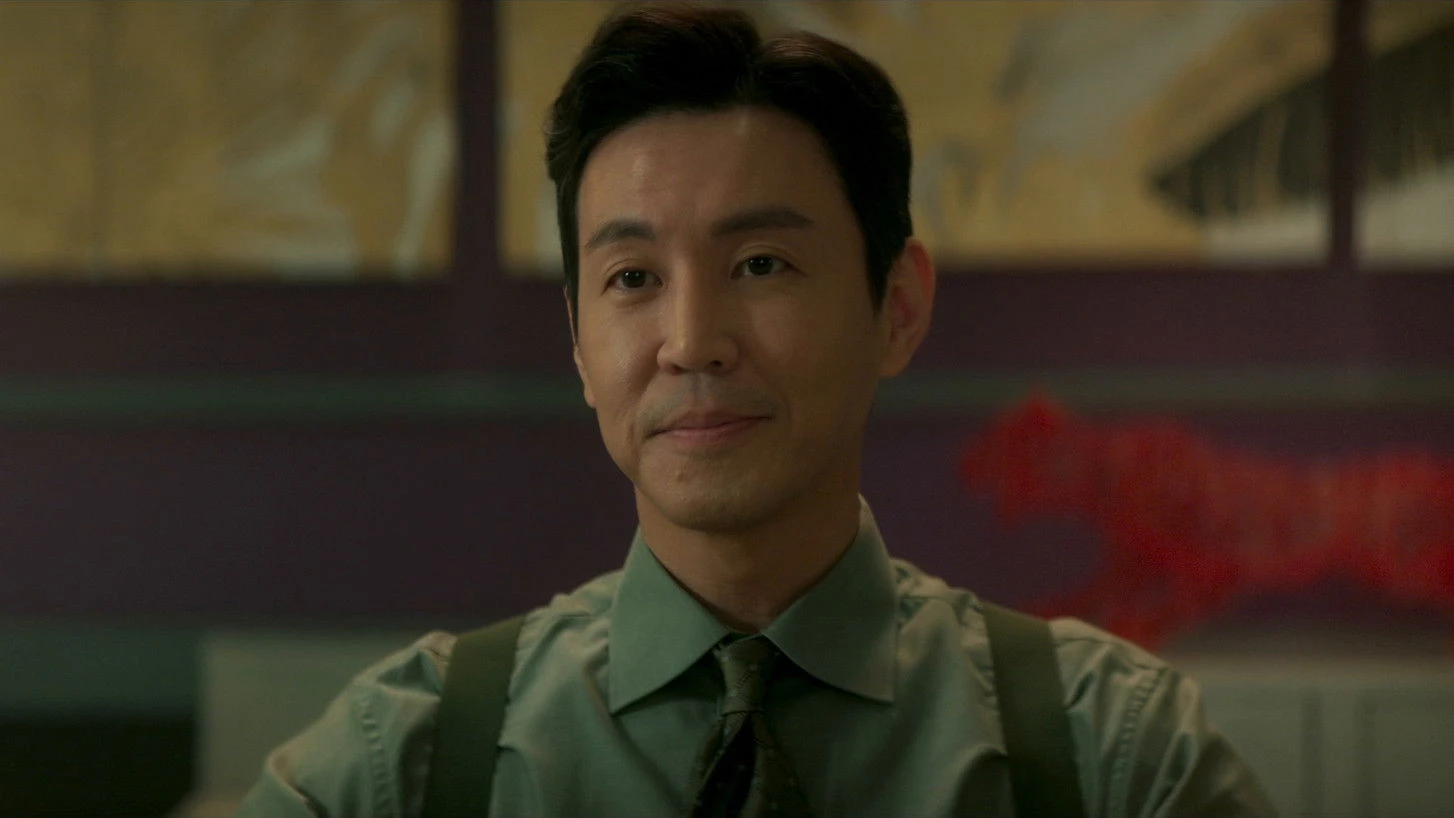


🏁 Ending Explained
Spoilers ahead — the finale, broken down in full.
Spoiler Warning — This section covers the full finale of The Golden Spoon. Stop here if you haven’t finished the series.
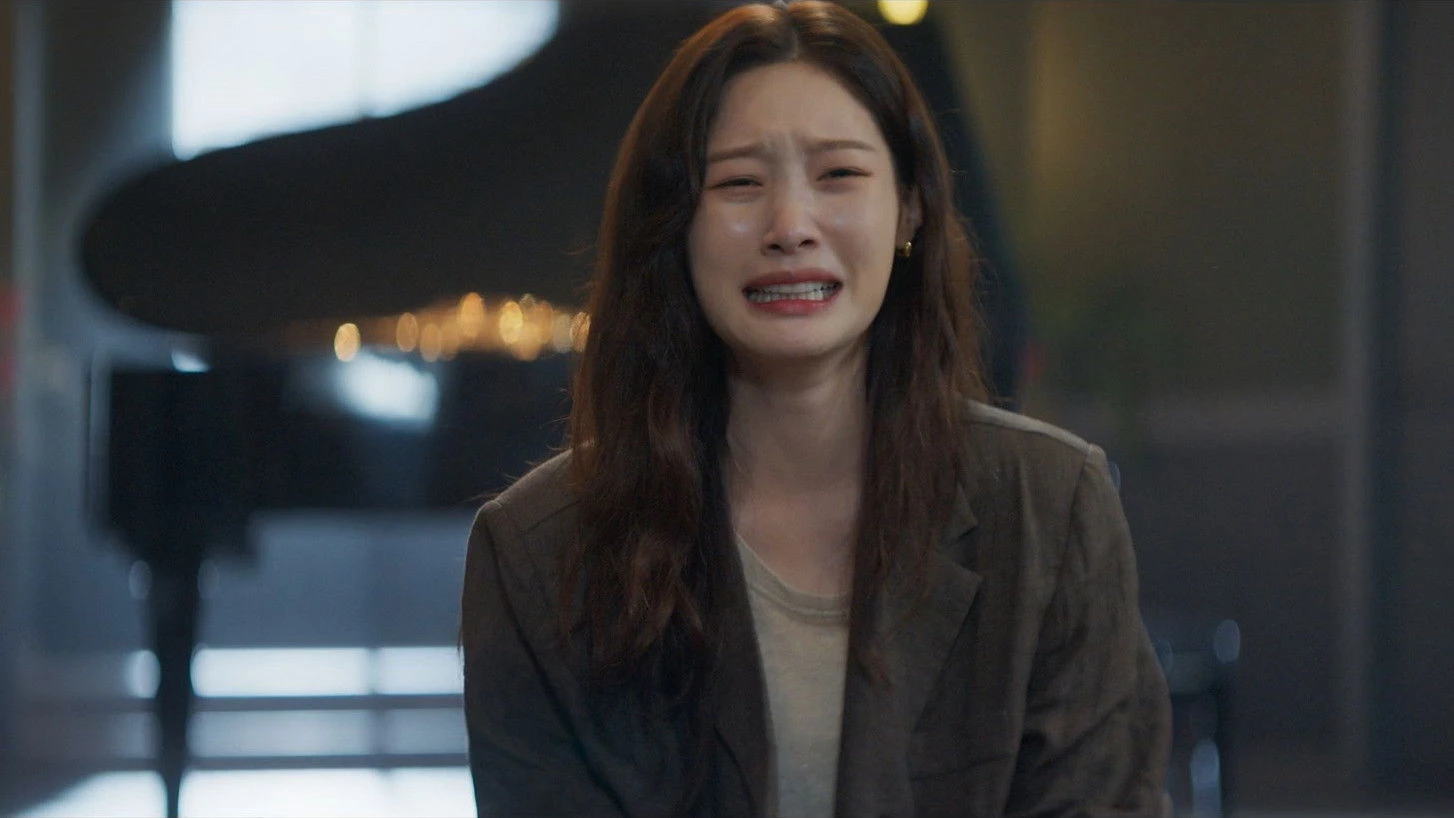
What the finale gives you The finale closes without vindicating Lee Seung-cheon. He ends the series under suspicion for murder, his accumulated choices finally converting into criminal exposure. Hwang Hyun-do — whose hidden history with the golden spoon established that this corruption predates Seung-cheon by a generation — is exposed as the central figure behind the final conflict. Tae-yong forces the truth to the surface, Joo-hee acts rather than observes, and Seung-cheon is left to face both the legal and emotional weight of the life he tried to purchase.
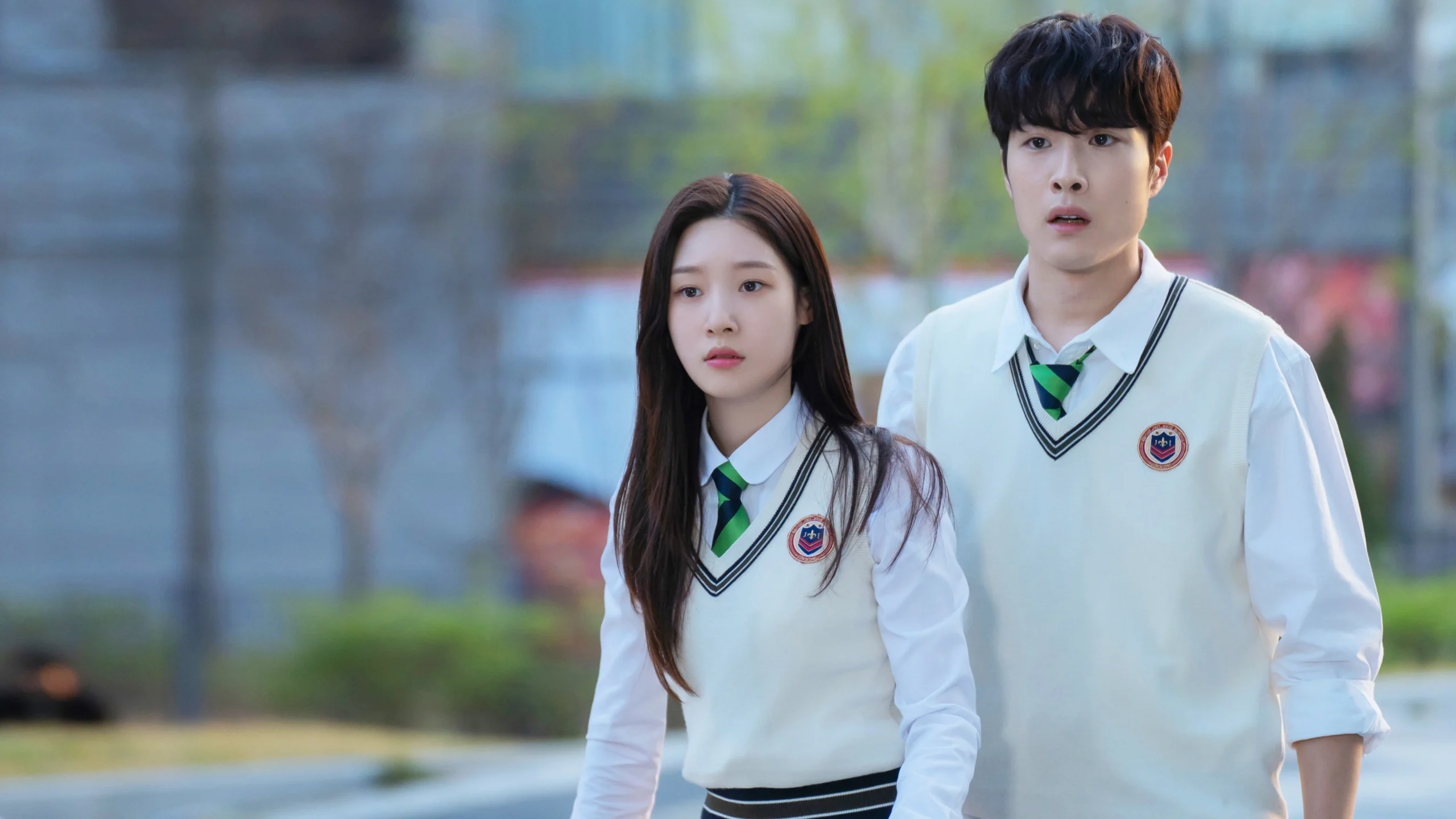
Seung-cheon’s arc Seung-cheon’s arc doesn’t resolve into redemption — it resolves into accountability. The drama has spent sixteen episodes tracking what his choice cost: his father, his authentic self, a decade of suppressed feeling, and finally his legal safety. Handing the spoon to Tae-yong in episode fifteen isn’t a heroic act; it’s the moment Seung-cheon admits the accounting was real all along. What he traded wasn’t just poverty for wealth. He traded being known for being performed — and the performance eventually collapsed under its own weight.
Tae-yong’s resolution Hwang Tae-yong’s arc is the drama’s quiet achievement. He enters as the displaced body — the person whose existence made Seung-cheon’s fantasy possible — and ends as the drama’s moral engine. Finding the old woman in episode twelve gives him agency for the first time, and he uses it not for revenge in the simple sense but for truth: he wants the facts in the open, the generational corruption of the spoon exposed, and his own family’s role in it acknowledged. His final act is not triumph. It’s obligation.

Secondary characters Na Joo-hee’s final episode is a corrective: the drama kept her at the periphery of the central conflict and the finale acknowledges that structural flaw by giving her visible agency in the resolution. Hwang Hyun-do’s exposure closes the loop on the generational corruption thesis — his own history with the spoon retroactively explains every ruthless choice he made in his legitimate life. Lee Cheol’s absence in the finale, felt rather than shown, is what transforms Seung-cheon’s arc from a class-escape story into a grief story. Wealth was supposed to protect his family. It didn’t protect the one person it was meant for.
The KDW verdict The Golden Spoon’s most underrated quality is its refusal to let the fantasy premise function as cover for the drama. The golden spoon is magical, yes — but what it reveals is purely sociological: a world in which class position determines not just material circumstances but emotional access, moral clarity, and even the possibility of loving someone honestly. When the drama ends without resolution, it’s making an argument about that world, not about the spoon. The magic was never the point. The inequality was.

✍️ KDramaWorlds Editor’s Take
Worth the watch? Our honest answer, and who it’s aimed at.
🥄 The Spoon Has Rules
🎭 Performance as Identity
⚖️ The Bill Comes Due
The episode that defines Yook Sung-jae’s performance is not the swap episode — it’s episode thirteen, when Seung-cheon returns to his original life and is left to look at what he actually built. There’s no speech, no cathartic breakdown. Just the specific weight of a person standing inside the consequences of choices he made when he was angry and young and certain the math would work differently. It’s the kind of performance that makes you rethink everything he played as triumph earlier in the series. If you watched Reborn Rich for the pleasure of watching a poor man maneuver his way through chaebol politics, The Golden Spoon is the same premise holding a harder mirror.

The drama’s most interesting structural choice is the time jump. Where most body swap stories end with restoration, The Golden Spoon skips forward a decade to show what a decade of living inside a borrowed life looks like from the outside — which is: exactly like the real thing, except for the feeling that never quite goes away. The ten-year gap changes the series from a cautionary tale about a bad choice into something more specific: a study of what sustained self-deception does to a person’s emotional vocabulary. If you watched Death’s Game for its interrogation of what makes a life worth living, The Golden Spoon is asking the same question from inside an identity that was stolen rather than earned.
Lee Jong-won’s Hwang Tae-yong is the series’ most underwritten character in the school-era episodes and its most rewarding one in the adult arc. Once Tae-yong learns enough to act on his own knowledge — episode twelve forward — Lee Jong-won plays the role with a controlled anger that’s different from any other emotional register in the drama. He’s not playing a victim seeking justice. He’s playing someone who finally understands the full architecture of what was done to him, and who intends to account for it precisely rather than emotionally.
Yook Sung-jae viewers looking for him carry a lead role through genuinely difficult emotional territory
Viewers who want a body swap drama that doesn’t hand out a clean restoration in the final episode
🎬 You Might Also Like
If you liked The Golden Spoon, these are your next three watches.
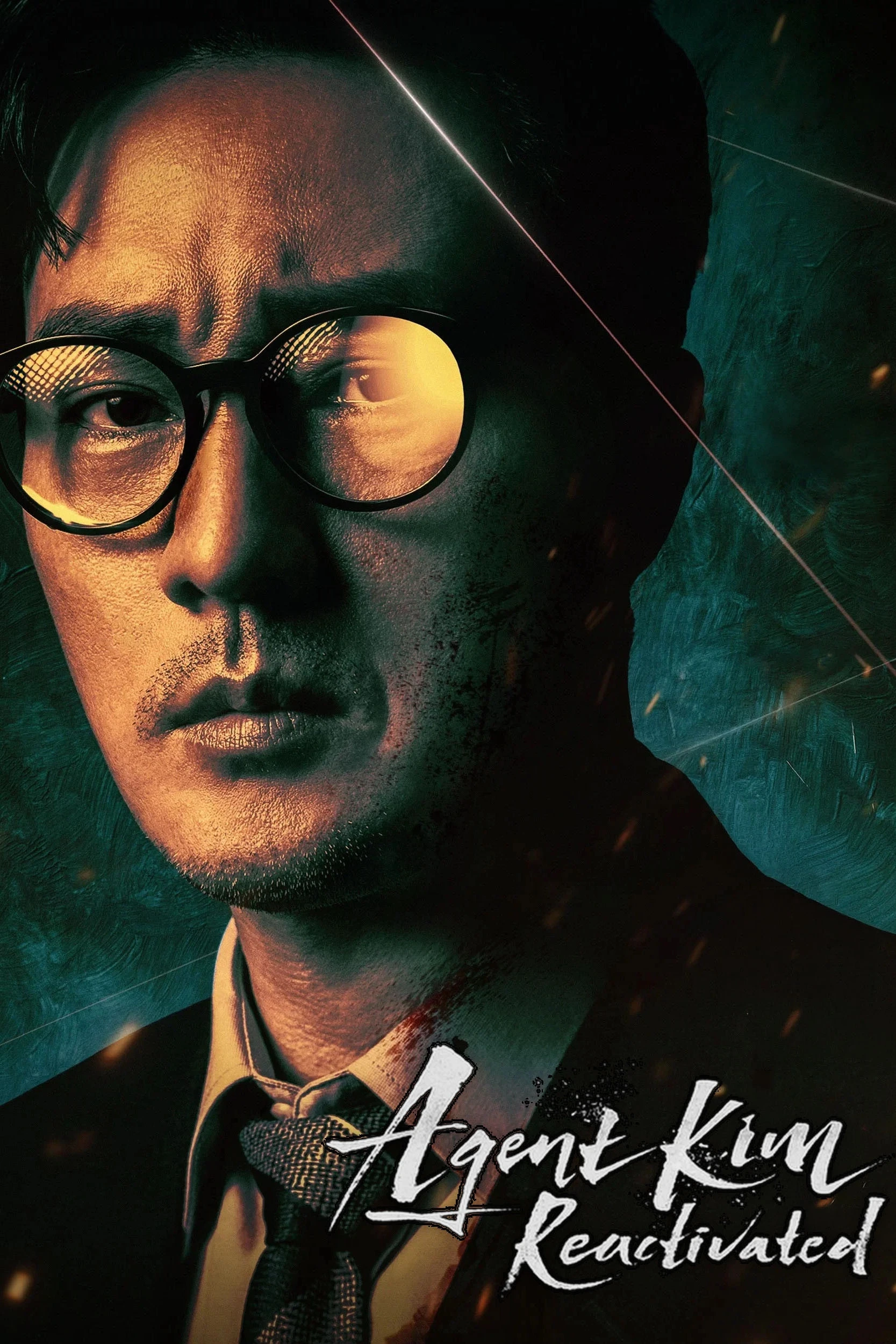 Agent Kim Reactivated
action thrillerBlack Ops
Read Full Review →
|
 The 8 Show
Black ComedyChun Woo-hee
Read Full Review →
|
 Spice Up Our Love
Body Swapfantasy
Read Full Review →
|
















Keep it kind, skip the harsh language, and please — no spoilers. Everyone's taste is different, and that's perfectly fine.
This space is for real reactions and discussion from other viewers. Help keep it comfortable for everyone by not giving away major plot details.
What do you think of this drama?
Login to share your review or leave a comment.
No email needed — just pick a username & password.