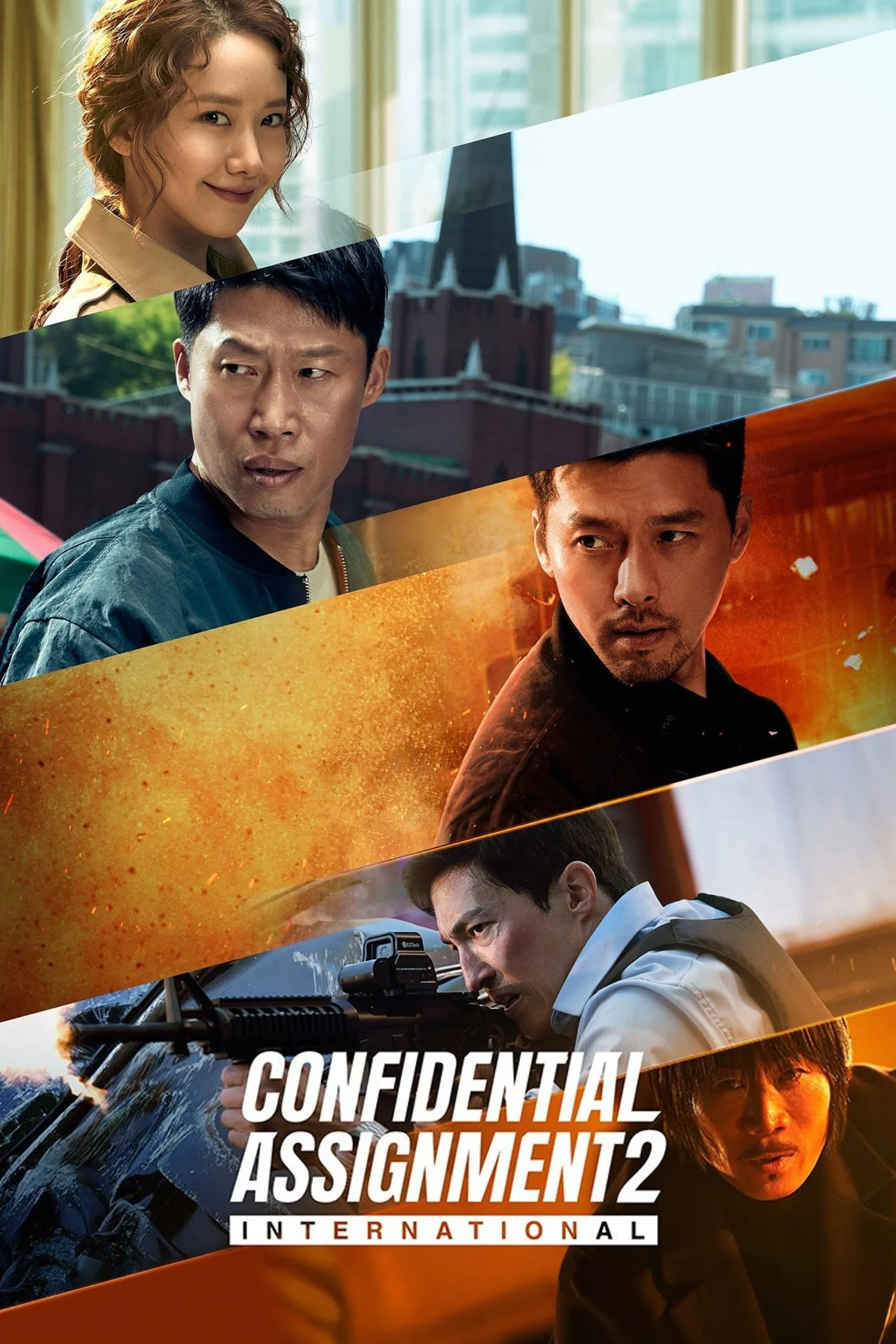
Confidential Assignment 2: International
🎬 Netflix · Prime Video · Disney+ · Apple TV+ · VIU
⭐ 6.6 IMDb
🔞 TV-14
🎬 Film Overview
INTER-KOREAN ACTION PICK
Five years after the first joint operation, North Korean detective Im Cheol-ryung is dispatched back to Seoul — this time chasing a criminal network sophisticated enough to have infiltrated both North and South. His reluctant South Korean counterpart Kang Jin-tae is still there, still loud, still somehow the only person Cheol-ryung trusts south of the DMZ. The complication this time: a third variable in the form of FBI agent Jack, sent by Washington with his own mandate and his own interpretation of the phrase ‘working together.’
Confidential Assignment 2: International is exactly what a sequel to a beloved buddy-cop film should be — bigger in scale, sharper in comedy, and unafraid to lean into what made the original work. The Hyun Bin–Yoo Hae-jin dynamic has deepened without becoming comfortable. Adding Daniel Henney as a third-wheel American whose confidence occasionally outruns his judgment is the film’s smartest move: three-way cultural collision comedy is harder to pull off than two-way, and this film mostly nails it. It is not a film that invents new things. It is a film that does familiar things exceptionally well.
⚡ Quick Verdict
Everything that matters, at a glance.
· IMDb
▶ Official Trailer
🎭 Cast & Characters
Three detectives, three countries, one very loud investigation.

Lead

Lead

Supporting

Supporting

Supporting

Supporting
Supporting

Supporting

Supporting
Supporting

Supporting
Supporting
🍿 Where to Watch
Watch Confidential Assignment 2: International on these platforms.
📖 The Story
A quick, spoiler-free look at what you’re in for.
When a shadowy international crime syndicate starts moving money through Seoul, North Korea notices before South Korea does. That’s because the money is North Korean — stolen funds being laundered through a network sophisticated enough to have people inside both governments. The North sends Im Cheol-ryung back south for a second time, which is the kind of assignment that doesn’t come with a manual. He already knows one person in Seoul he can work with. That person is Kang Jin-tae, who has been demoted to cybercrime since their last joint operation and is spectacularly unsuited for desk work.
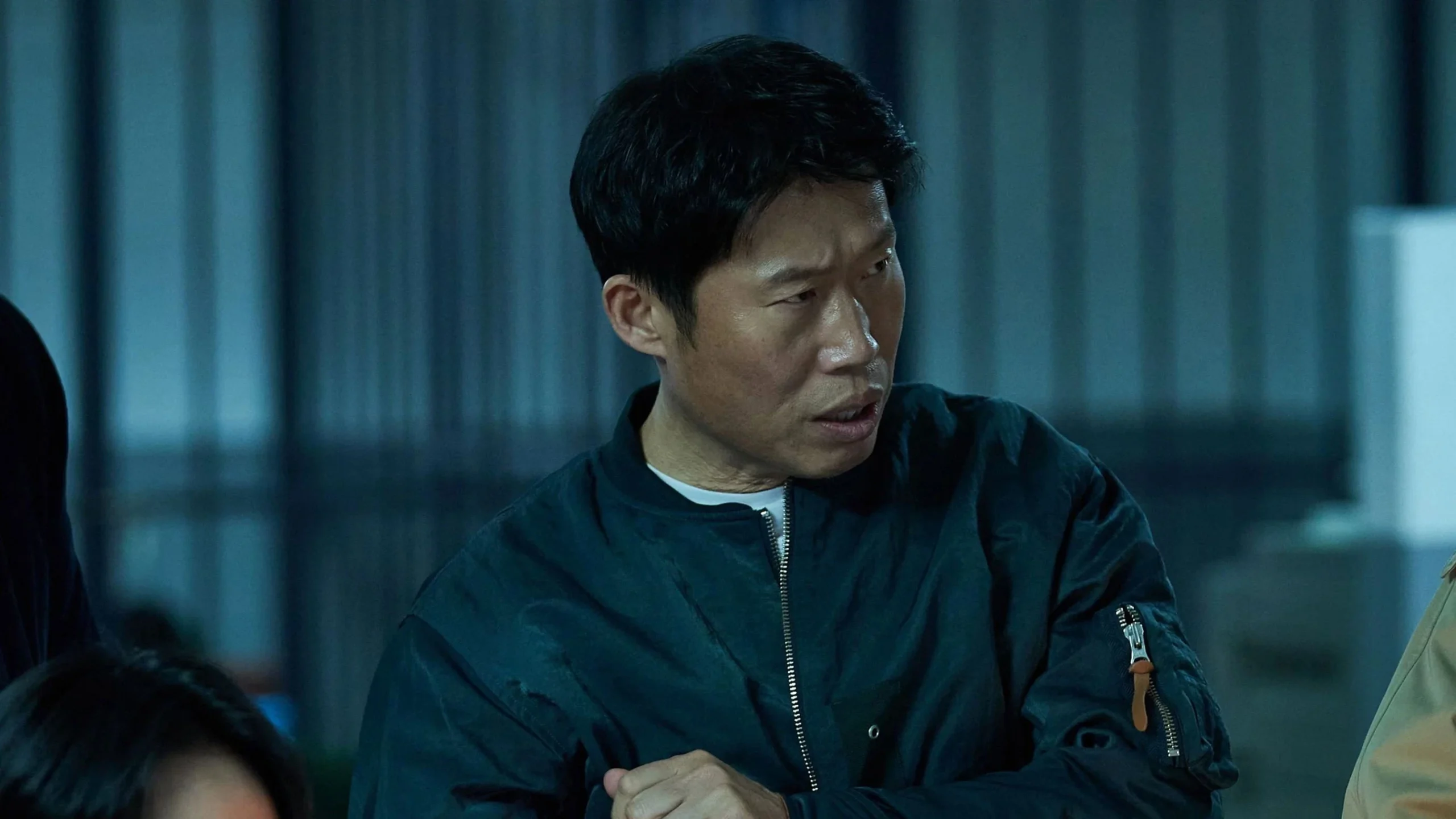
The criminal operation is run by Jang Myeong-jun, a figure with connections on multiple continents and a personal history that the film slowly unpeels over the course of two hours. He’s not the cartoonish villain the setup might suggest — there’s a reason his network has lasted this long, and the film takes its time making that clear. His presence in Seoul is the fulcrum the entire investigation balances on: find him, and everything else collapses; lose him, and years of intelligence work disappears with him.
Into this two-country investigation arrives Jack, an FBI agent who carries himself with the particular confidence of someone who has never been told no by a room. Daniel Henney plays the character as genuinely competent rather than comedically useless, which is the correct choice — the humor in the trio comes from competing competencies rather than one character being the obvious weak link. Three different approaches to law enforcement, three different ideas of what ‘chain of command’ means, and a villain patient enough to exploit every gap between them.
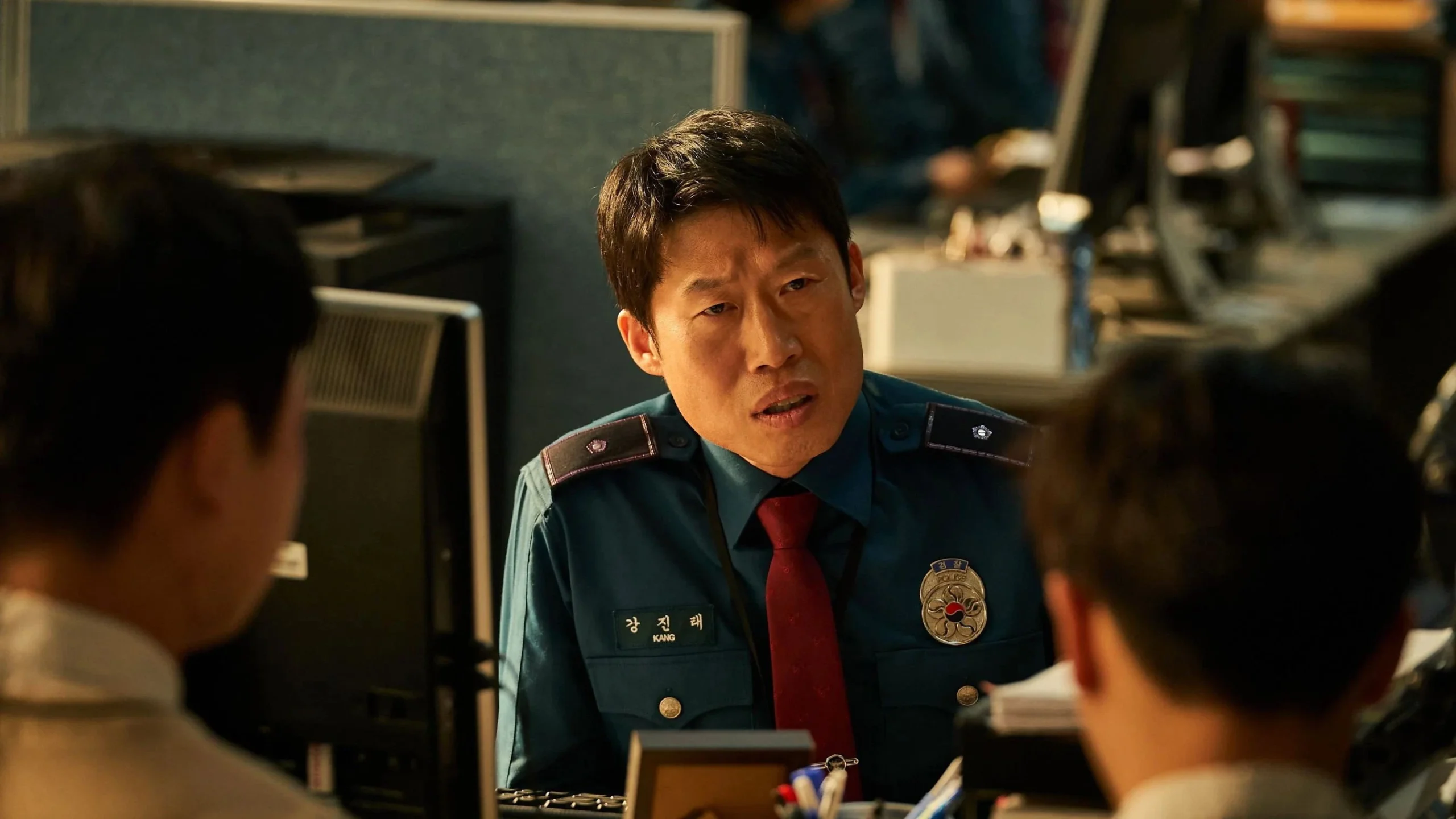
Meanwhile, Kang Jin-tae’s sister-in-law Park Min-young (Yoona) is back — still determinedly interested in Im Cheol-ryung, still oblivious to how much this horrifies him, and still providing the film’s most reliable source of situational comedy. Their dynamic is a running thread through both films: a North Korean operative trained to be invisible navigating the specifically exhausting social energy of someone who will not leave him alone. Yoona plays it with genuine comedic timing, and the film is wise enough not to turn it into something more than it is.
The investigation leads the trio across multiple countries before inevitably pulling back to Seoul for the finale. Each location shift is a chance for the film to stage a new set piece — a chase, a fight, a sequence of miscommunication that nearly derails the entire operation. The action choreography is clean and inventive without trying to redefine what Korean action cinema looks like, which is fine. The film knows its register: crowd-pleasing blockbuster with a genuine warm center. It stays in that lane with confidence.
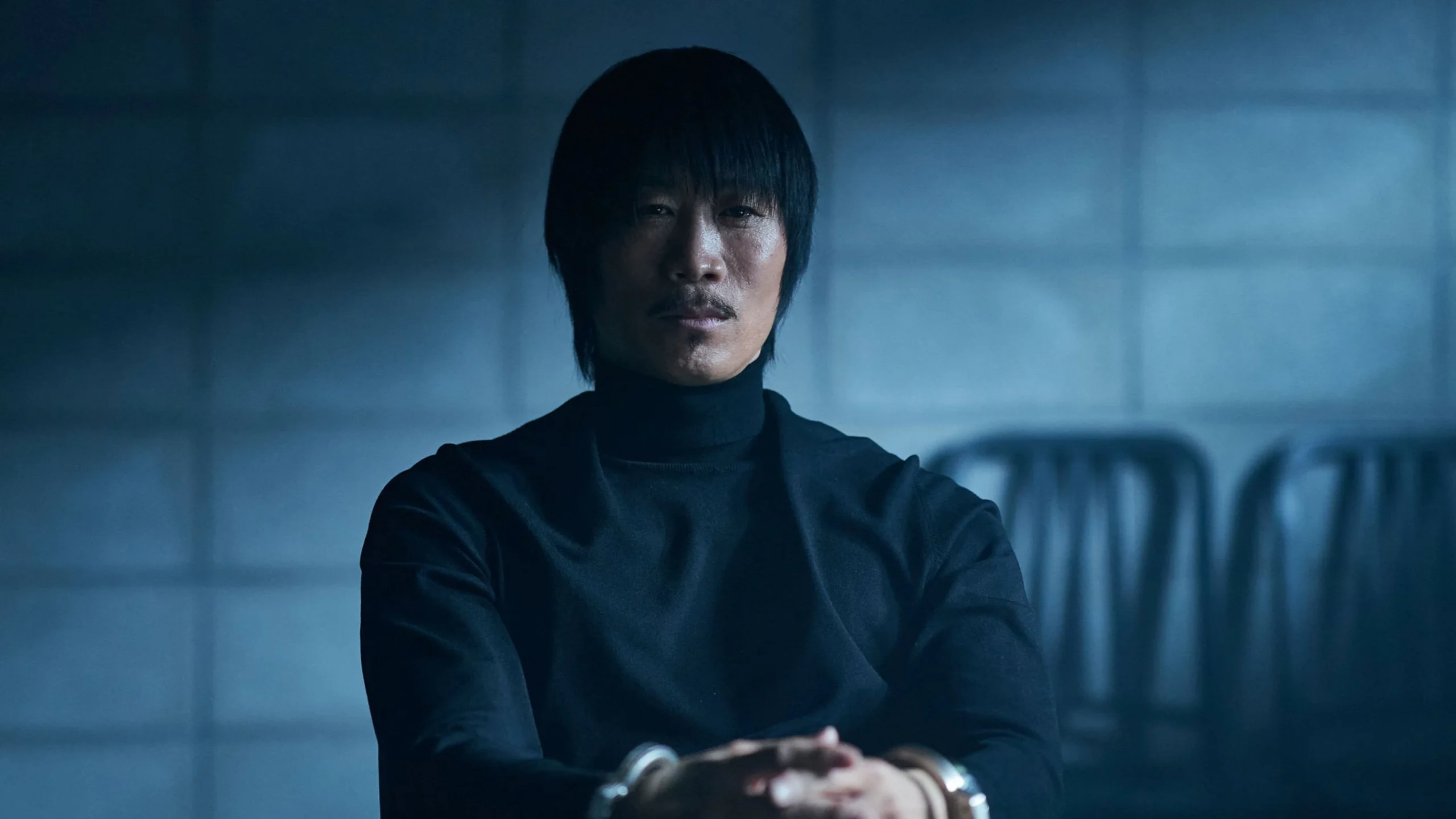
The film’s deeper thread is about what Myeong-jun actually wants — which turns out to be less about money than about a very specific piece of history involving someone named Kim Jeong-taek, who goes by the alias Bohrmann, and who is directly responsible for the deaths of Myeong-jun’s family. The layers between ‘criminal syndicate boss’ and ‘man seeking specific revenge against a specific person’ give Jin Sun-kyu room to make Myeong-jun considerably more interesting than a standard action-movie antagonist.
The final act brings everything back to Jin-tae’s family home, where the personal stakes snap into alignment with the professional ones. Jack arrives in time to neutralize the immediate threat. Cheol-ryung and Jin-tae close in on Myeong-jun from their respective directions. The film’s final action sequence earns its climax not through scale but through the accumulated investment in these characters over two films and 250 minutes of combined runtime. Payoff is proportional to setup. Confidential Assignment 2 sets up a lot and mostly delivers.

🏁 Ending Explained
Spoiler territory from here — the ending, fully unpacked.
Full Spoilers Ahead — This section covers the complete ending of Confidential Assignment 2: International. Stop here if you haven’t watched.
Myeong-jun gets what he came for The villain twist lands in the final act: Kim Jeong-taek, Myeong-jun’s apparent superior in the criminal network, is revealed to be Bohrmann — the man who killed Myeong-jun’s family and also hired Myeong-jun to steal the North Korean funds in the first place. Myeong-jun frees himself from custody long enough to find Jeong-taek and kill him. This is not a betrayal of the plot — it’s the plot. The entire criminal operation was built on Myeong-jun’s search for one specific man, and the stolen money was the mechanism to get close to him. He came to Seoul to close a debt, not to build an empire.
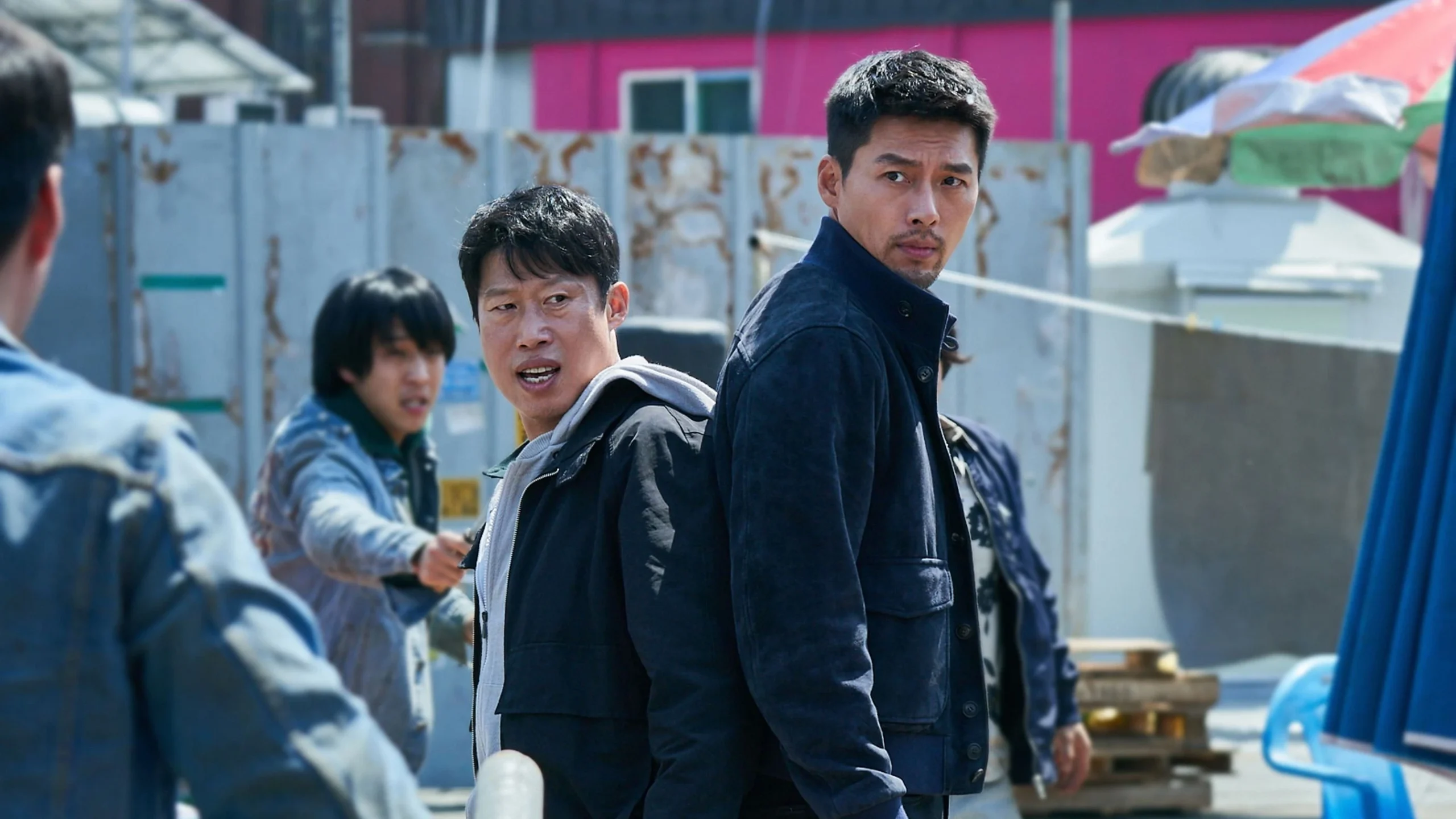
Jack saves the family; the detectives save everything else While Cheol-ryung and Jin-tae close in on Myeong-jun, attackers move on Jin-tae’s home. Jack arrives and neutralizes them — his most meaningful contribution to the operation, and the moment that earns him genuine standing in the trio rather than just professional courtesy. The three leads converge, the virus bomb is defused, and Myeong-jun is killed. The stolen funds don’t go back to North Korea. They go to UNICEF. This detail lands as both a political joke and a genuine statement — the film has always been about cooperation over nationalism, and this is the clearest expression of that idea.
The proposal Before Cheol-ryung returns to North Korea, he proposes to Park Min-young — which is the romantic conclusion two films’ worth of her determined pursuit has been building toward, and which the film handles with more grace than expected. It doesn’t play it as a comedic punchline. It plays it as the natural endpoint of a relationship that has been developing in spite of, rather than because of, the circumstances. For a film that has consistently treated the North-South division as a source of comedy, choosing a cross-border romance as its emotional anchor is its most quietly ambitious move.

What stays open The film doesn’t address what happens to the proposal in practical terms — a North Korean operative marrying a South Korean citizen is not a logistically simple situation, and the ending wisely declines to resolve what it can’t plausibly resolve. Myeong-jun’s death closes the criminal investigation but leaves the question of what actually happened to his family unanswered in explicit terms, though the film has shown enough that the audience can fill in the outline. Whether there’s a Confidential Assignment 3 depends on box office math, but the ending is written to work as a conclusion.
The KDW verdict Confidential Assignment 2 ends the way a good sequel should: with the feeling that the world of these characters has gotten larger without the characters themselves getting smaller. Cheol-ryung proposing to Min-young is surprising precisely because the film has spent two hours making the romantic thread feel incidental. Myeong-jun dying on his own terms — having gotten what he actually came for — gives the villain a resolution that most action movies don’t bother with. The trilogy of endings (villain’s arc, investigation’s arc, personal arc) land in roughly the right order and at roughly the right weight. That’s harder than it looks.
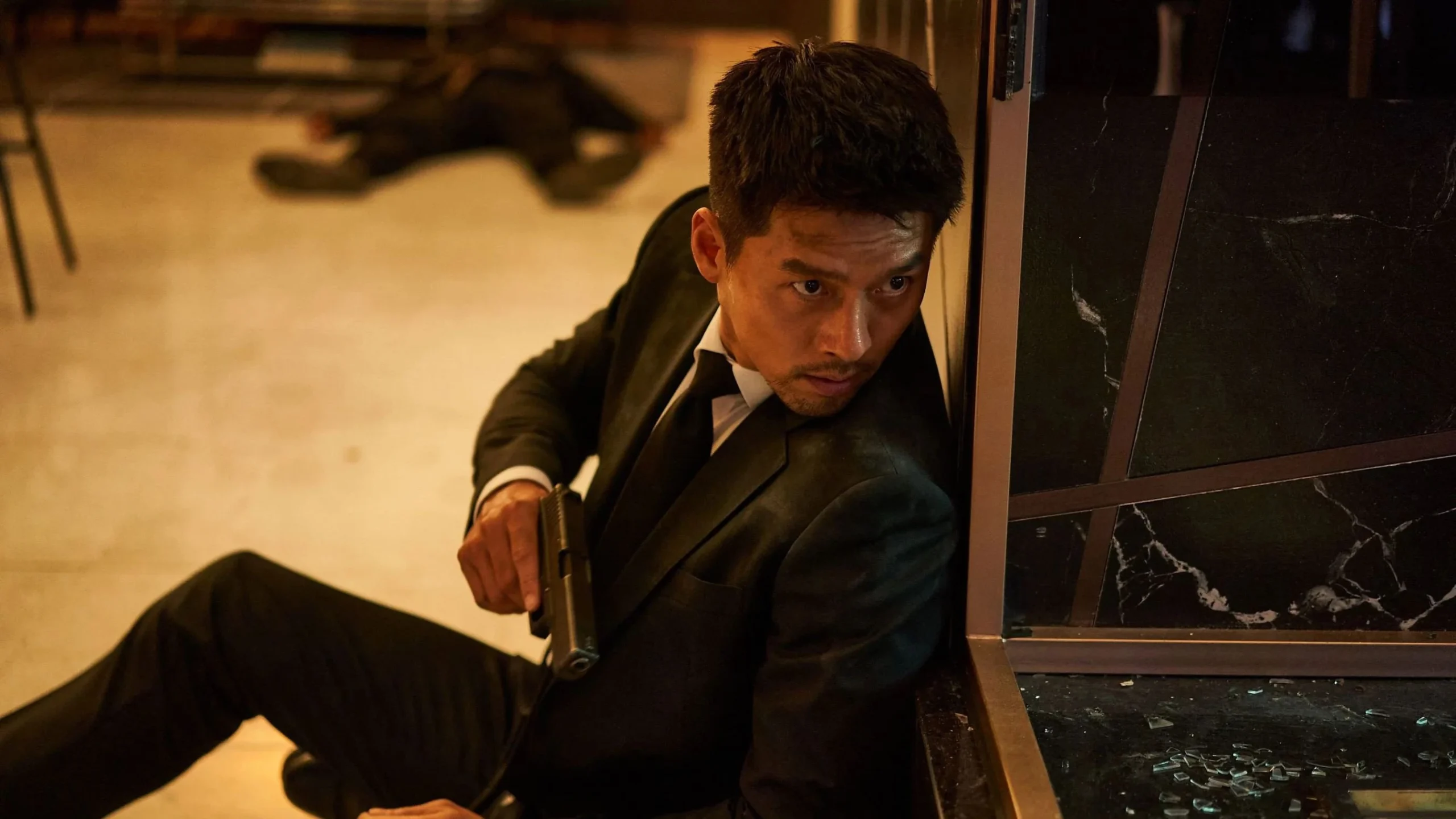
✍️ KDramaWorlds Editor’s Take
Here’s our honest verdict, and who’s going to love it.
Lee Seok-hoon
Known for: Lee Seok-hoon made Confidential Assignment (2017) one of the biggest Korean box office hits of that year, establishing a template for North-South buddy-cop action-comedies that balanced genuine action choreography with cultural-collision humor. The sequel confirms that his instinct for this specific genre is reliable rather than accidental — he understands that the comedy in these films lives in the gap between how different types of people think discipline works, and he has enough confidence in his leads to let that gap breathe. His films don’t reinvent Korean action cinema; they execute it at a high level for a broad audience.
The thing that makes Confidential Assignment 2 work where a lot of action-comedy sequels fail is that it doesn’t just expand the budget — it expands the comedic logic. A two-way North-South cultural clash is funny. A three-way North-South-American cultural clash, where all three parties are equally convinced they are correct about how an investigation should be run, is structurally funnier. Daniel Henney’s Jack never becomes a caricature precisely because the film treats American overconfidence with the same anthropological affection it treats North Korean rigidity and South Korean chaos. Nobody is the straight man. Everyone thinks they’re the straight man. This is the joke, and the film knows it. The same comedic structure powers The Roundup: No Way Out — where the humor comes not from incompetence but from competing kinds of competence crashing into each other.
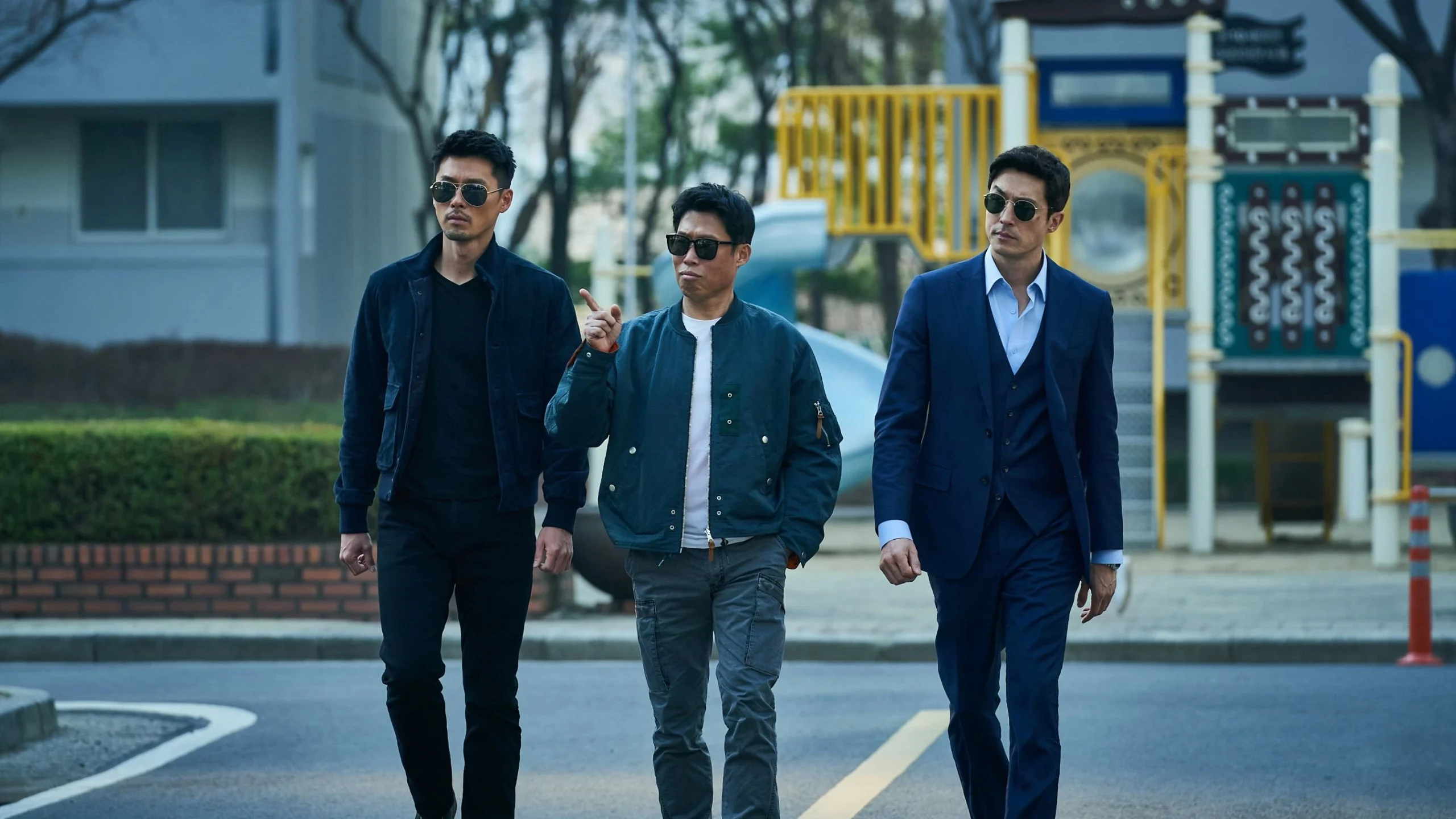
Hyun Bin is doing something interesting in the sequel that he couldn’t fully do in the first film: he’s playing Im Cheol-ryung as a man who has already been softened, and is fighting it. In Confidential Assignment 1, the comedy came from his rigid discipline meeting the South Korean disorder for the first time. In part 2, he’s been to Seoul before. He knows what Jin-tae is like. He still finds it intolerable, and his intolerance has become involuntarily affectionate, which is considerably harder to play than pure disapproval. The best Hyun Bin moments in this film are the ones where Cheol-ryung is visibly trying not to care and visibly failing. The Childe uses a similar technique — a protagonist whose emotional walls are dismantled gradually, scene by scene, until the finale means something.
Yoo Hae-jin remains the film’s MVP in the way that second-fiddle performances are always the underrated ones. Jin-tae is louder, broader, and more obviously comic than Cheol-ryung — which means Yoo Hae-jin has to make him feel real rather than just functional. He does this by keeping Jin-tae’s emotional through-line (desperate to return to his old unit, protective of his family to a fault) constantly visible beneath the comedy. When the attack on his family home lands, it works as a dramatic beat because the film has spent 90 minutes making you actually care about a house you’ve seen three times.
🎬 You Might Also Like
If you liked Confidential Assignment 2: International, these are your next three watches.
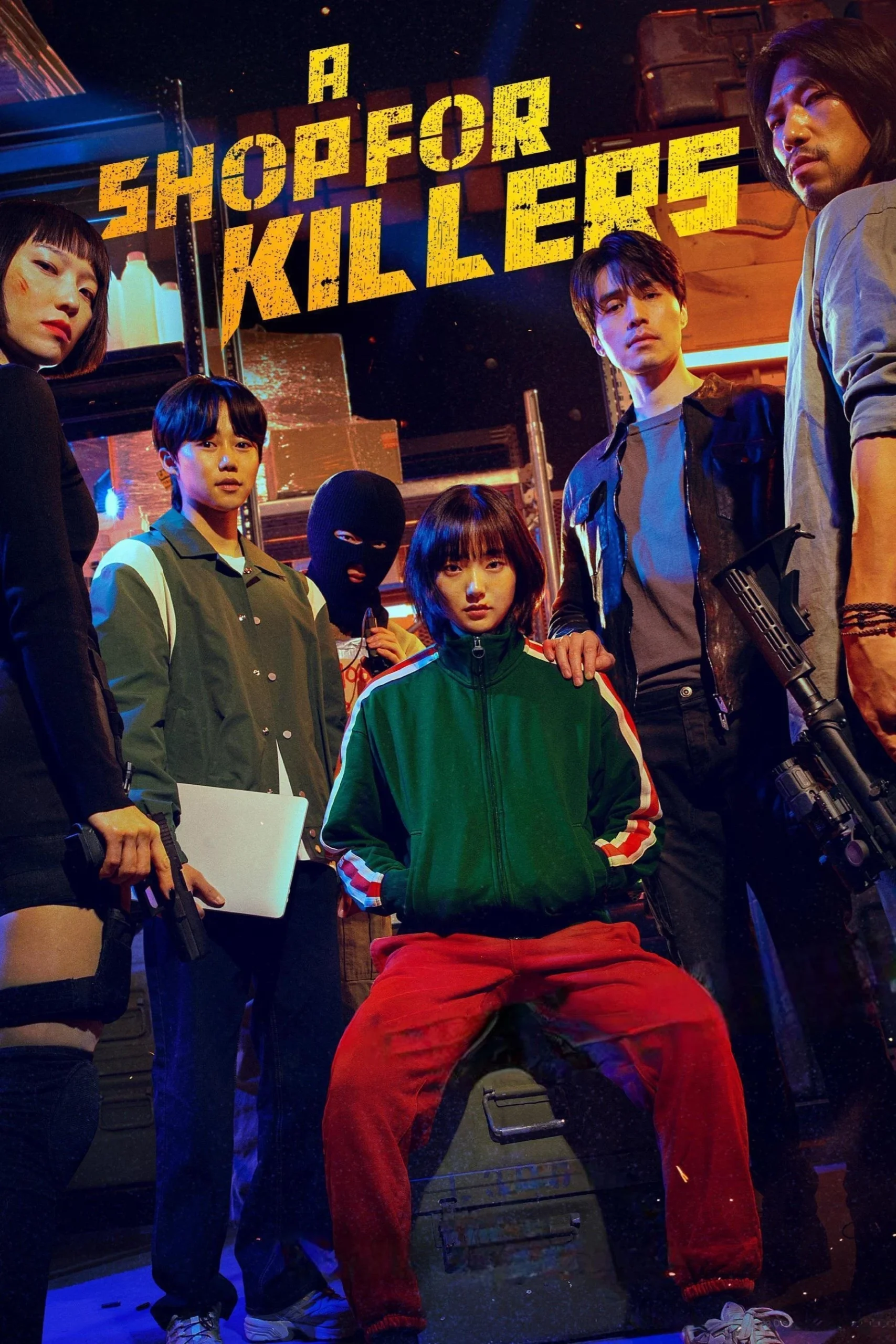
 Welcome to Waikiki (Season 1)
comedyFound Family
Read Full Review →
|
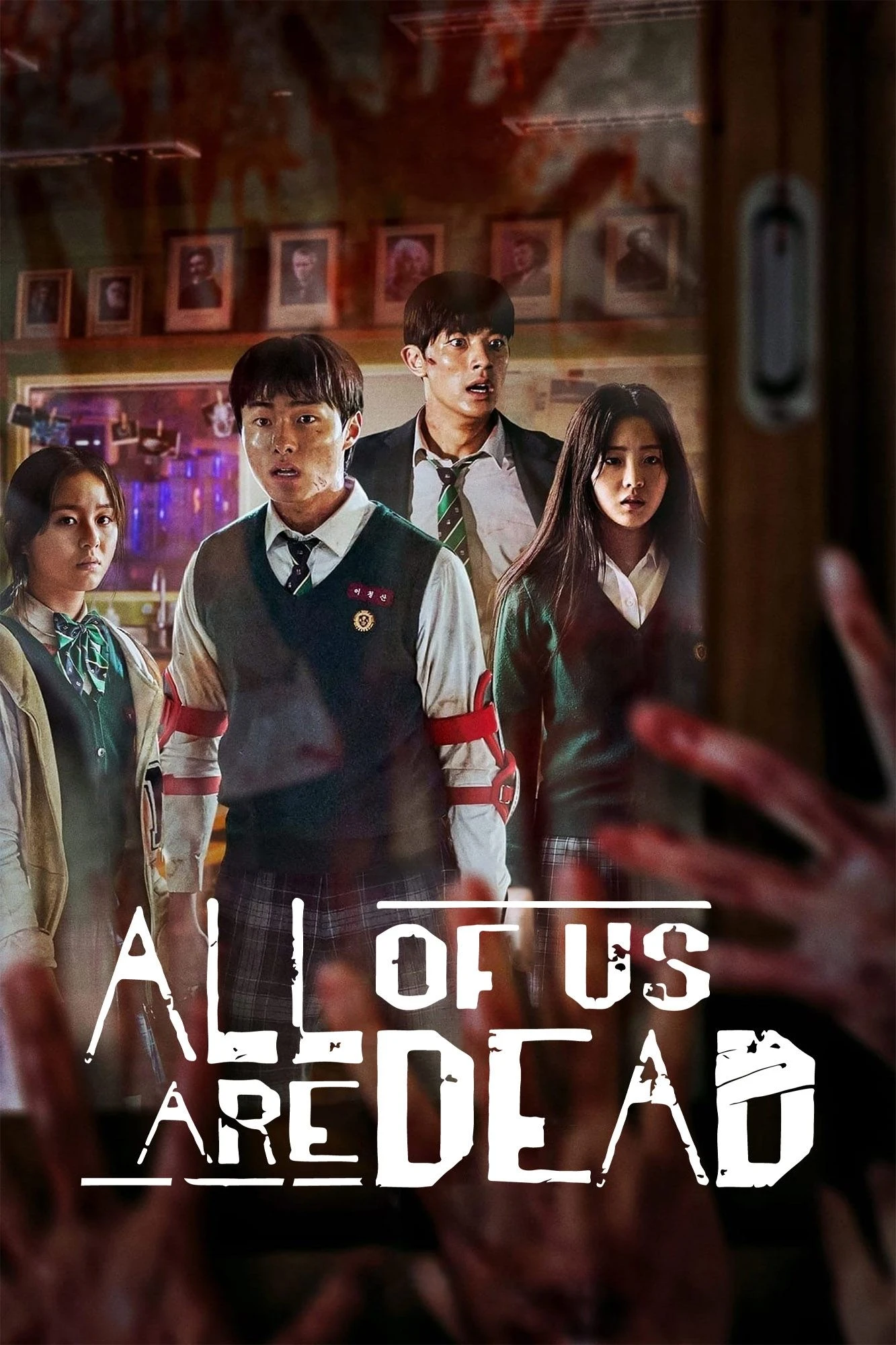
 Suspicious Partner
comedyJi Chang-wook
Read Full Review →
|
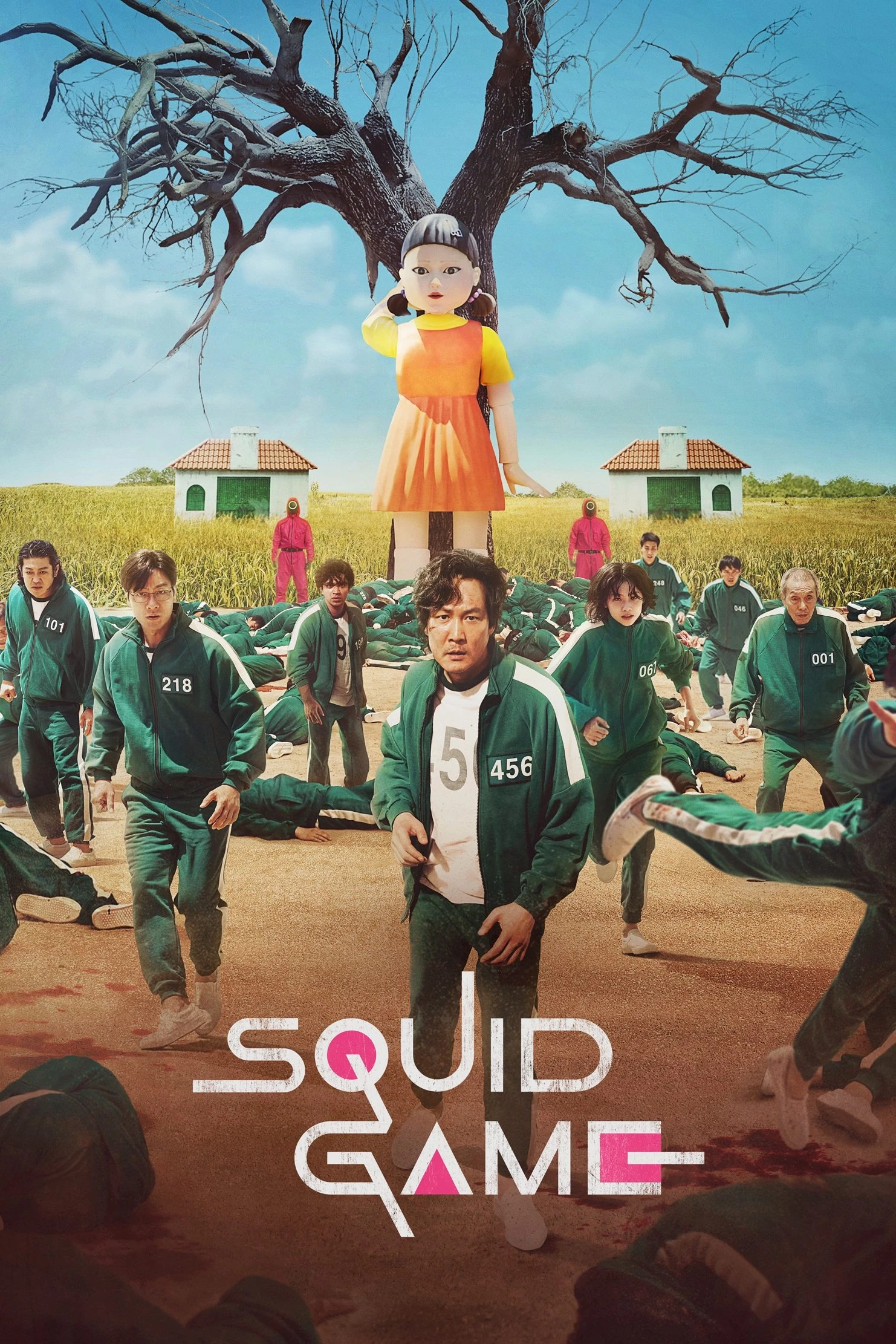
 Black Out
Byun Yo-hancrime
Read Full Review →
|










Keep it kind, skip the harsh language, and please — no spoilers. Everyone's taste is different, and that's perfectly fine.
This space is for real reactions and discussion from other viewers. Help keep it comfortable for everyone by not giving away major plot details.
What do you think of this drama?
Login to share your review or leave a comment.
No email needed — just pick a username & password.