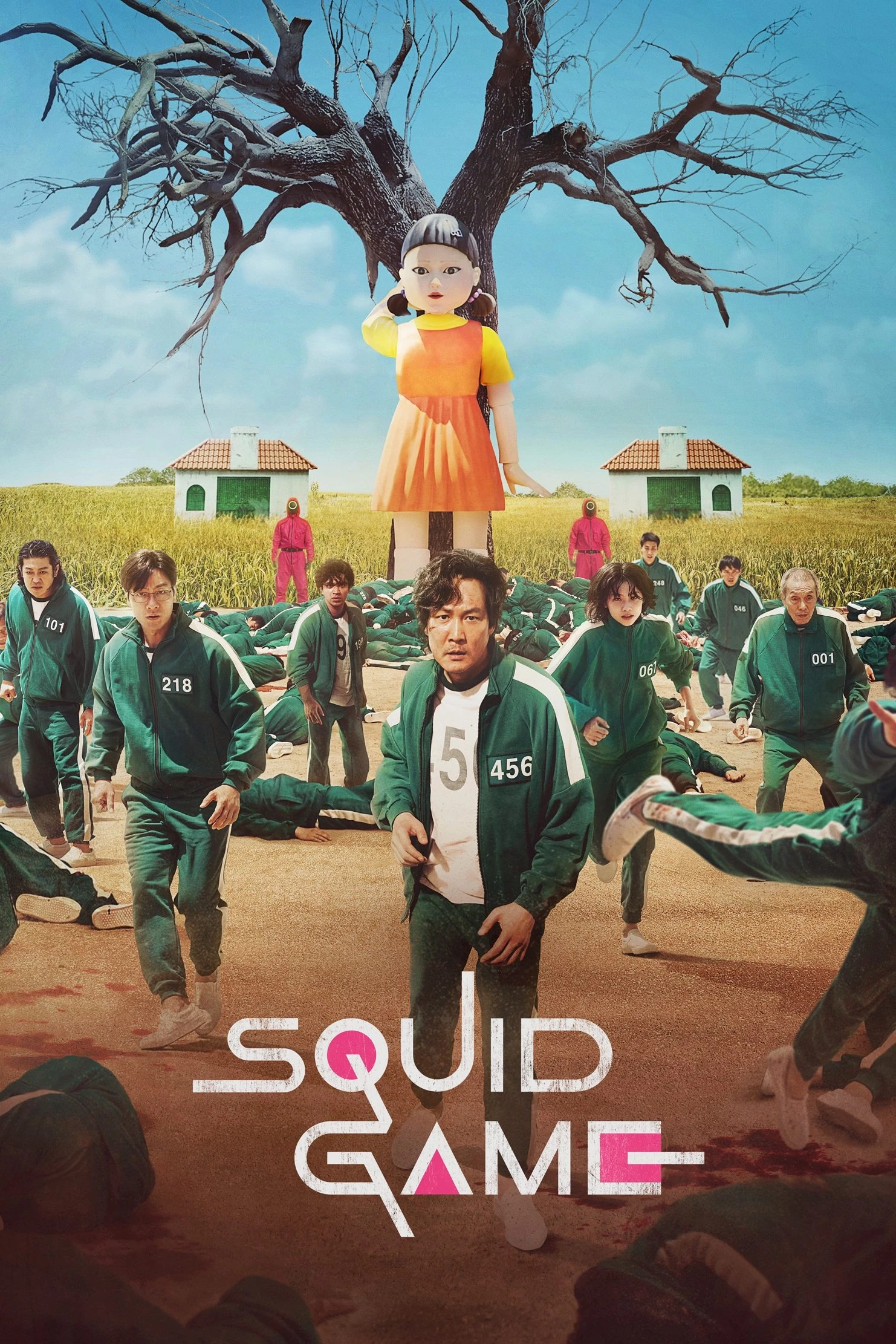
Squid Game (Season 1)
🎬 Netflix
⭐ 8.5 / 10 MDL
🔞 18+ · Graphic Violence
📋 Drama Overview
Everything you need to know before you hit play.
🔥 Netflix #1 All-Time
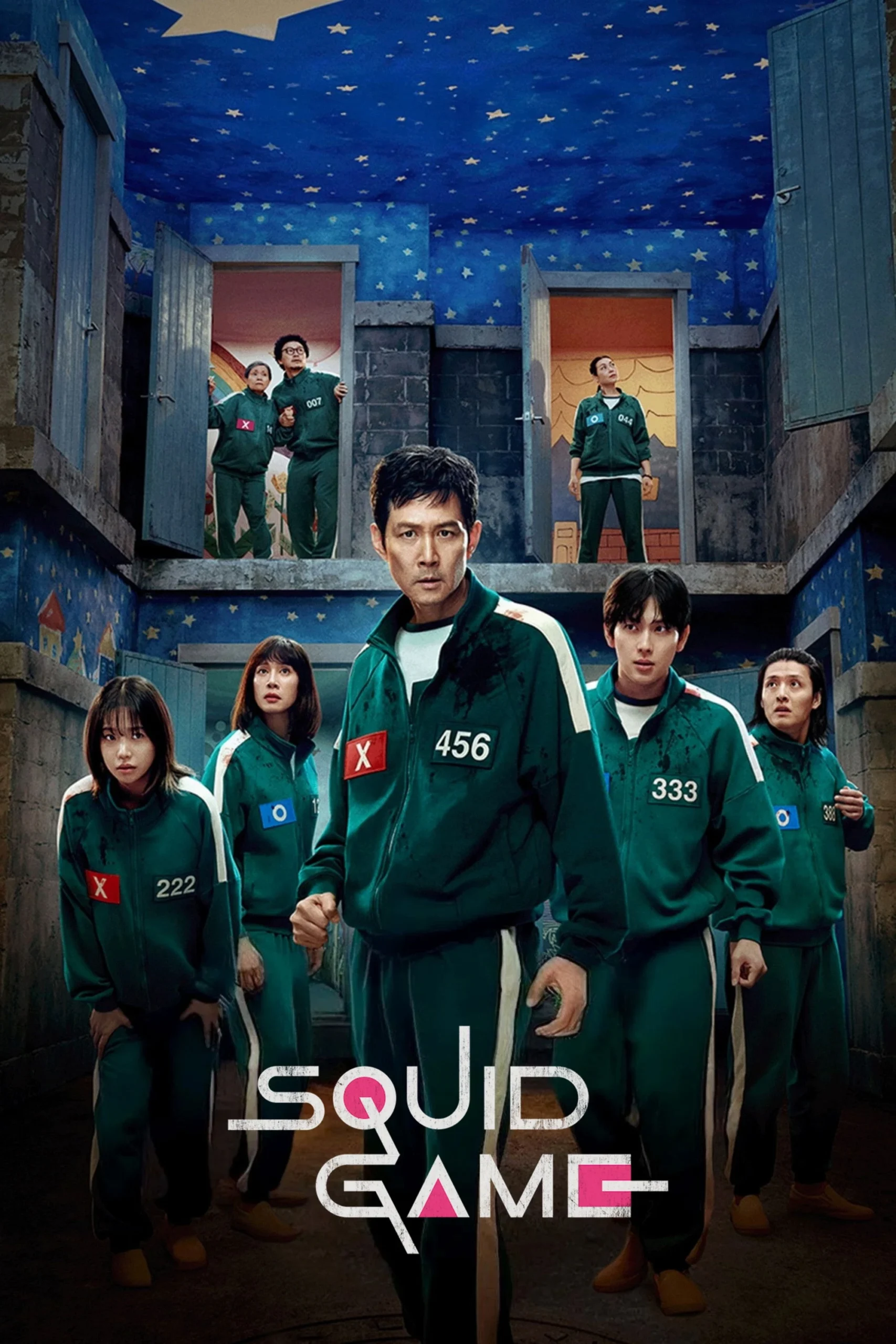
Seong Gi-hun (Lee Jung-jae) is a man running out of road. Divorced, in debt to loan sharks, living off his elderly mother, and about to lose his daughter to a stepfather with more money and a flight to the United States. At a train station, a stranger in a suit offers him a game of ddakji — slap a card and win money. Gi-hun wins, and walks away with an invitation: join 455 other people just like him, play children’s games, and compete for ₩45.6 billion. He shows up.
What waits on the island is something none of them were prepared for. The games are real. The prize is real. And the rule that turns everything into a nightmare is simple: if you lose, you die. What Hwang Dong-hyuk built around that premise isn’t just a survival thriller — it’s a portrait of people at the absolute bottom of a system that put them there, and what desperation does to the things people thought were unshakeable about themselves.
9 / 9 ✅ Completed
▶ Official Trailer
🎭 Cast & Characters
Twelve players — and the ones pulling the strings. Every performance here carries weight.

Lead
Antagonist

Lead

Lead

Villain

Villain

Supporting

Supporting

Antagonist

Supporting

Supporting

Supporting
📺 Episode Guide
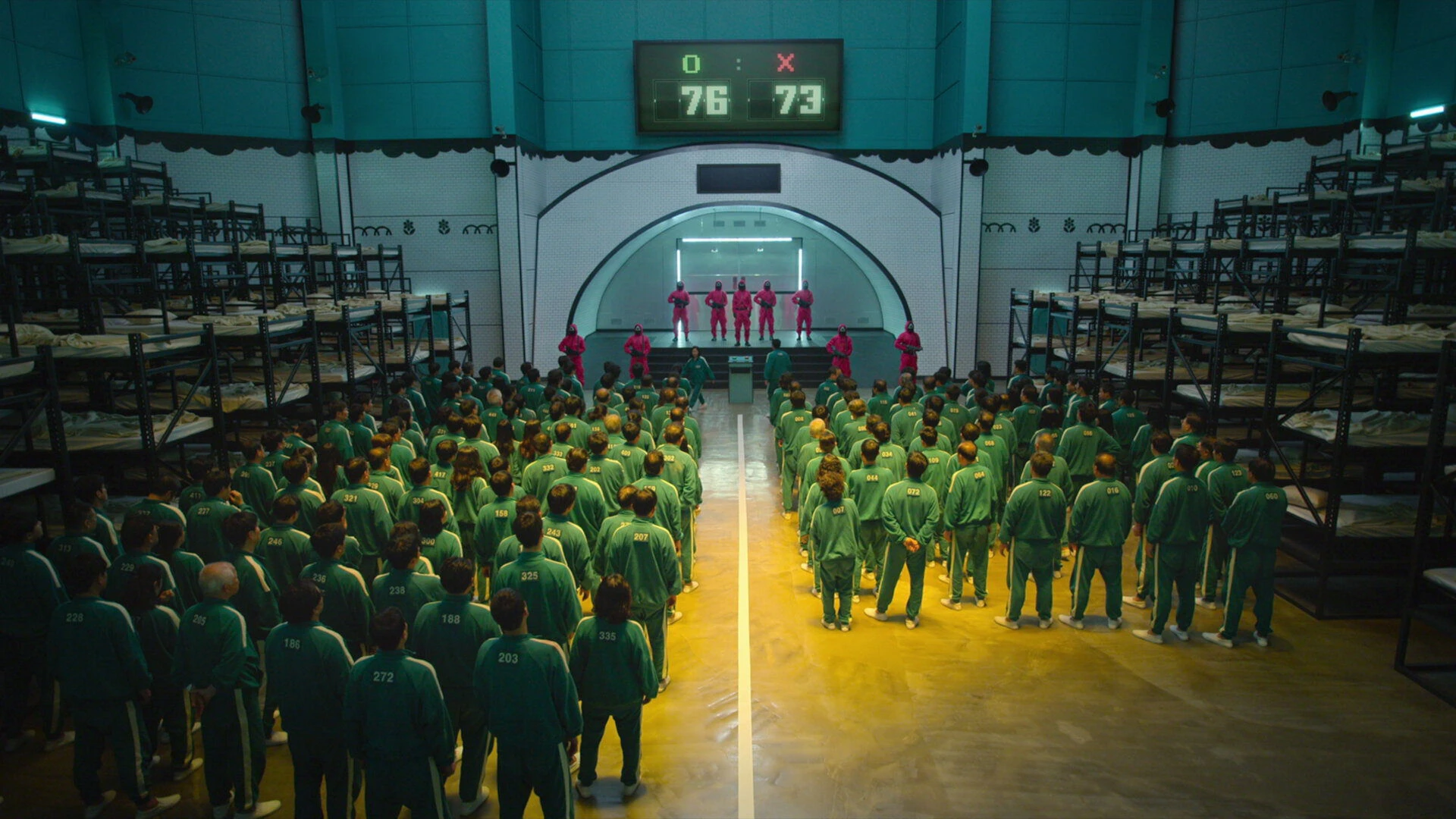
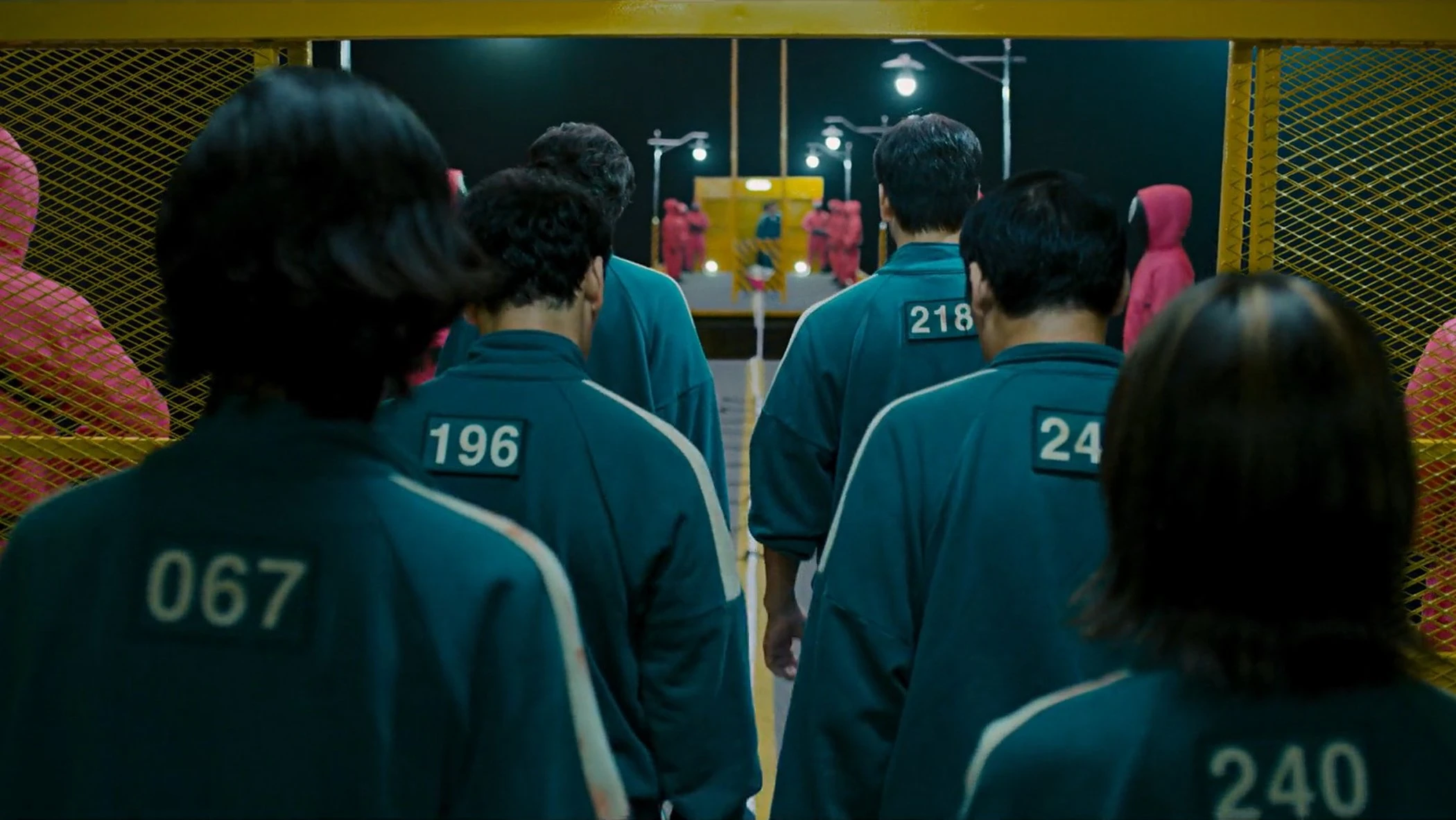
Spoiler-light recaps — enough to know what you’re getting into, nothing that takes the game away from you.






✍️ KDramaWorlds Editor’s Take
Our honest read on why this drama is worth your time — and who it’s for.
💸 Economic Despair
🧠 Moral Collapse
💔 Emotionally Devastating
🎨 Visually Iconic
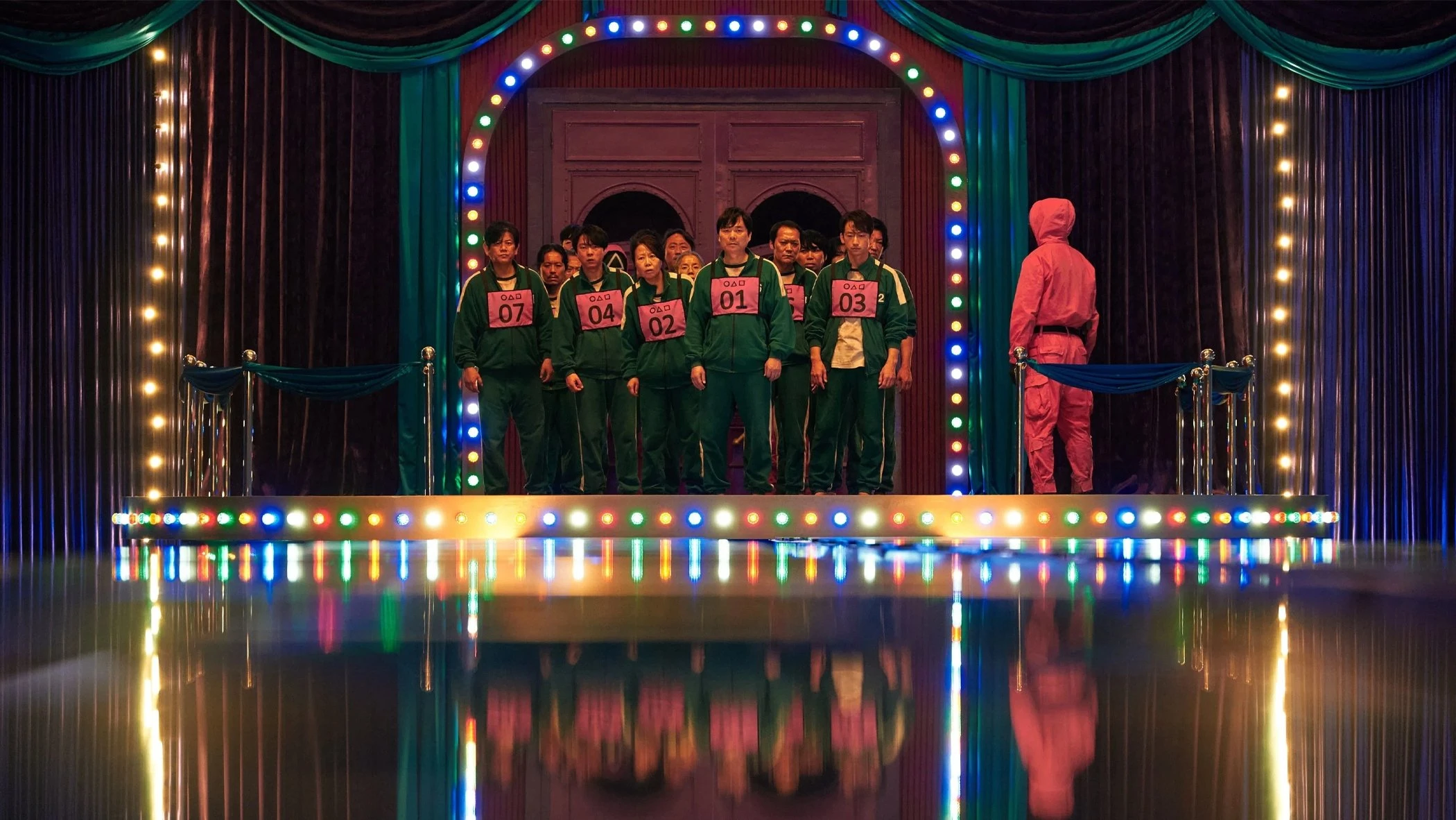
Hwang Dong-hyuk spent ten years trying to get this made, and was rejected for a decade because studios thought the premise was too dark and the characters too desperate. That context matters. Squid Game doesn’t feel like a pitch that went through notes — it feels like something a person needed to say. Lee Jung-jae’s Gi-hun is the vessel for all of it: a man who is fundamentally decent and comprehensively failed by every system he encountered. The performance doesn’t ask for sympathy so much as recognition. By the time the doll turns in episode one, you’ve already understood why he’s standing there.
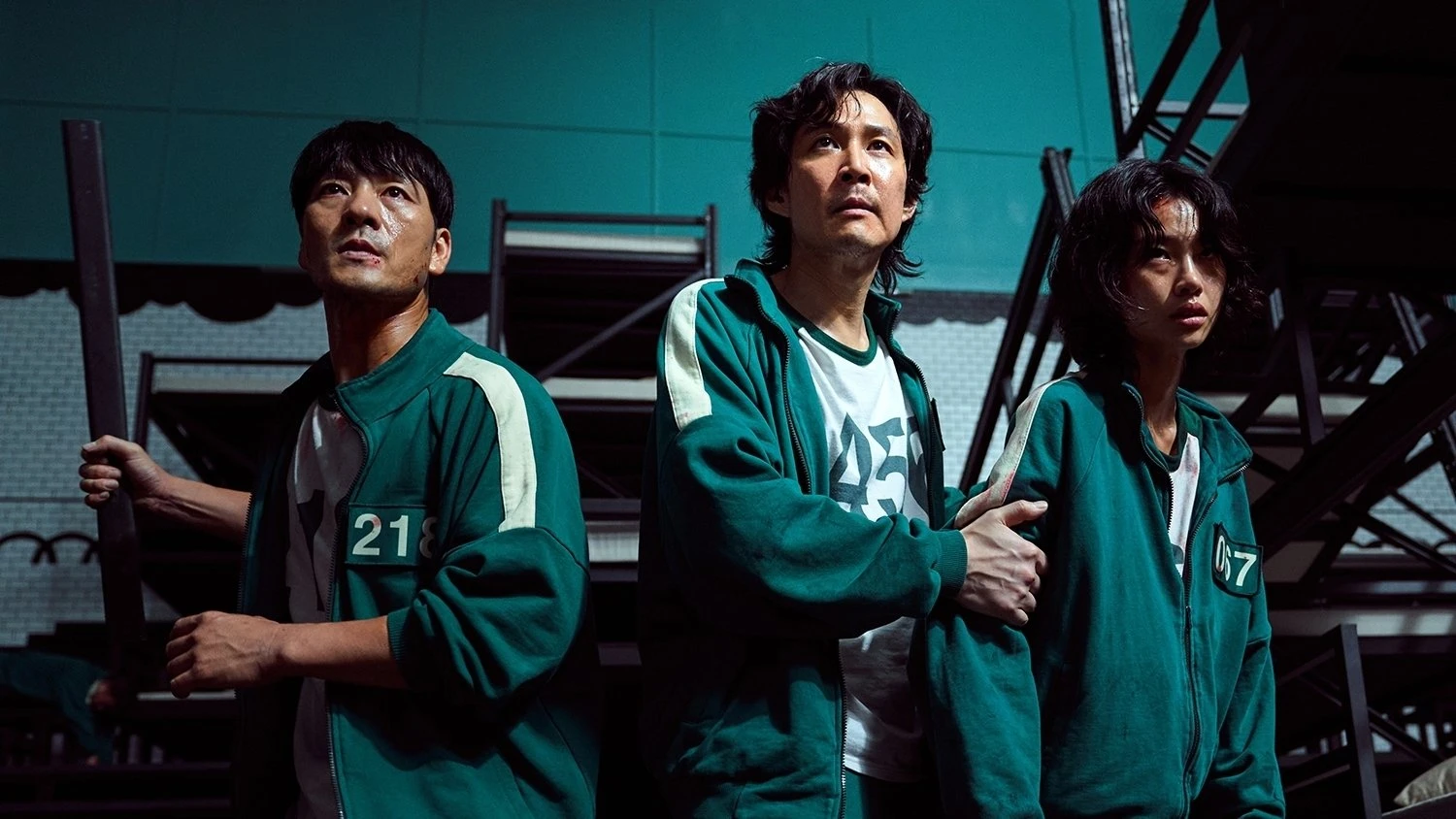
The show’s greatest strength — and the thing that separates Season 1 from what followed — is that it never loses sight of the people inside the game. Episode 6 (Gganbu) is the proof: a marbles game that should be spectacle becomes one of the most emotionally precise hours of television in recent memory, because Hwang trusts the relationships he’s built. The VIP sequence in episode 7 is the season’s only real misstep, and it’s a noticeable one — those characters belong to a different, lesser show. But the glass bridge carries enough dread to survive it.
Season 1 works as a complete thing. The Il-nam revelation is divisive, but as a structural choice it’s correct: the game was designed by someone who built it out of nostalgia, not cruelty alone, and that’s more unsettling than pure malice would be. The final shot of Gi-hun at the departure gate is the show’s actual thesis — and it’s left open for reasons that the later seasons would have to answer for. What Season 1 does is irreversible. The most-watched Netflix series of all time, and it earned every viewer.
Fans of Battle Royale, Parasite, or Alice in Borderland
Anyone who wants social commentary that hits like a sledgehammer without feeling preachy
🎬 You Might Also Like
If you liked Squid Game (Season 1), these are your next three watches.
 100 Days of Deception
Colonial-Era KoreaJinyoung
Read Full Review →
|
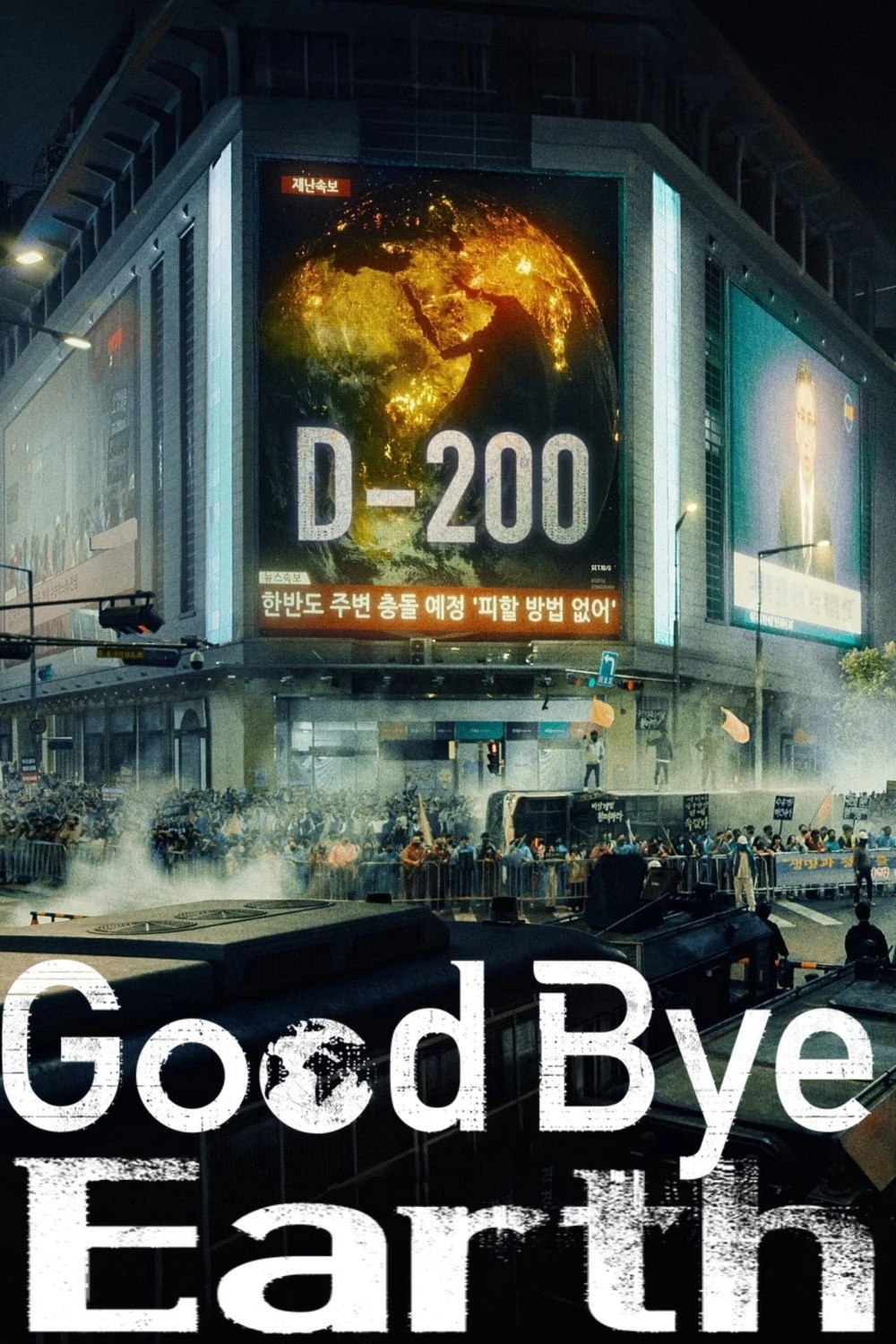 Goodbye Earth
Ahn Eun Jinapocalypse
Read Full Review →
|
 Squid Game (Season 2)
Death GameDystopian
Read Full Review →
|










Keep it kind, skip the harsh language, and please — no spoilers. Everyone's taste is different, and that's perfectly fine.
This space is for real reactions and discussion from other viewers. Help keep it comfortable for everyone by not giving away major plot details.
What do you think of this drama?
Login to share your review or leave a comment.
No email needed — just pick a username & password.