Hope
🎬 Film Overview
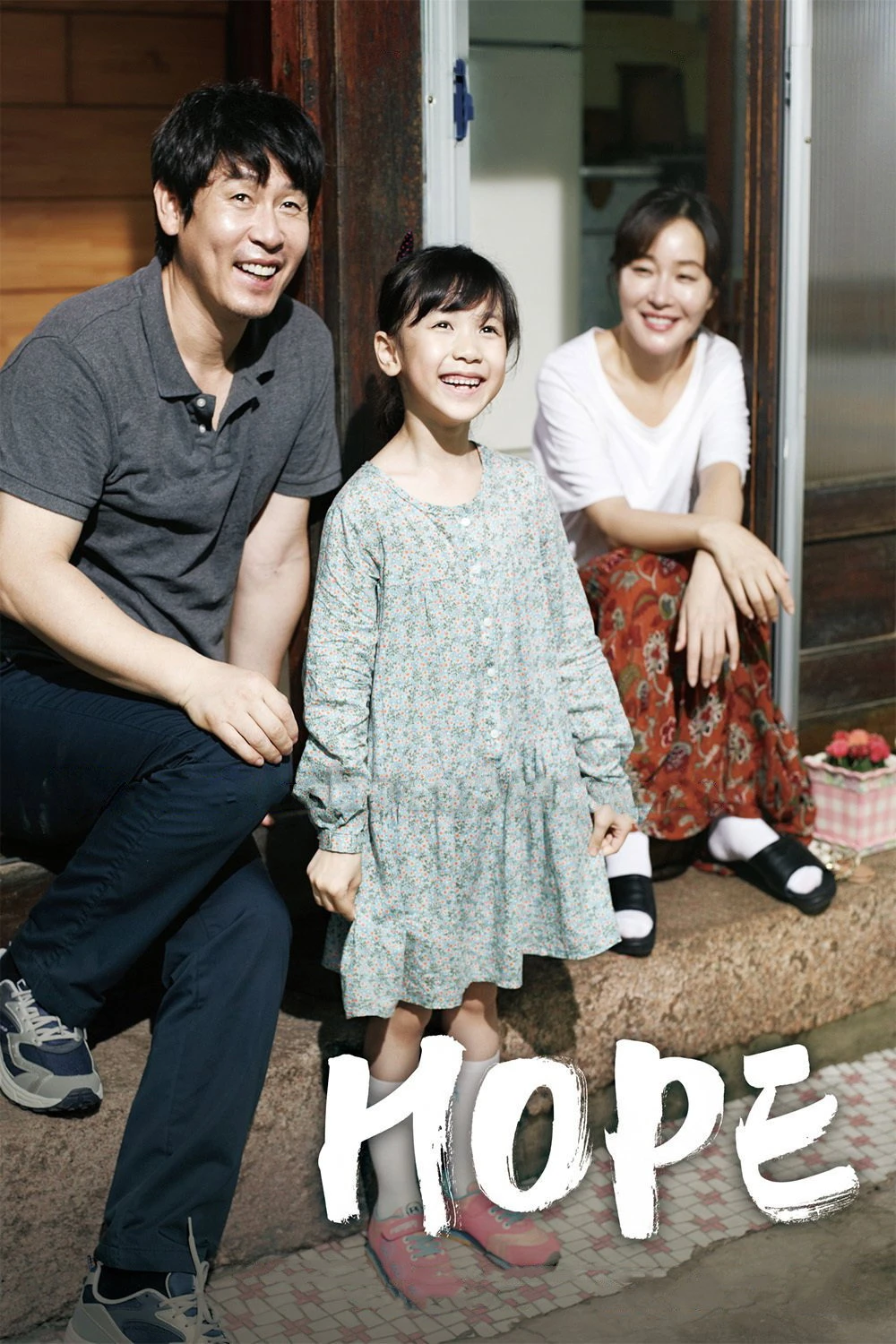
So-won is an eight-year-old girl who lives a modest, happy life with her parents Dong-hoon and Mi-hee, until a rainy morning on her way to school changes everything. She survives a brutal assault by a stranger, but the injuries, physical and psychological, are severe, and her family has to learn how to help her heal while carrying their own grief and rage. Directed by Lee Joon-ik and based on the real Na-young case of 2008, Hope won Best Film at the 34th Blue Dragon Film Awards and follows the long recovery rather than the crime.
⚡ Quick Verdict
No scrolling required — the verdict’s right here.
Watch Hope Free (US Only)
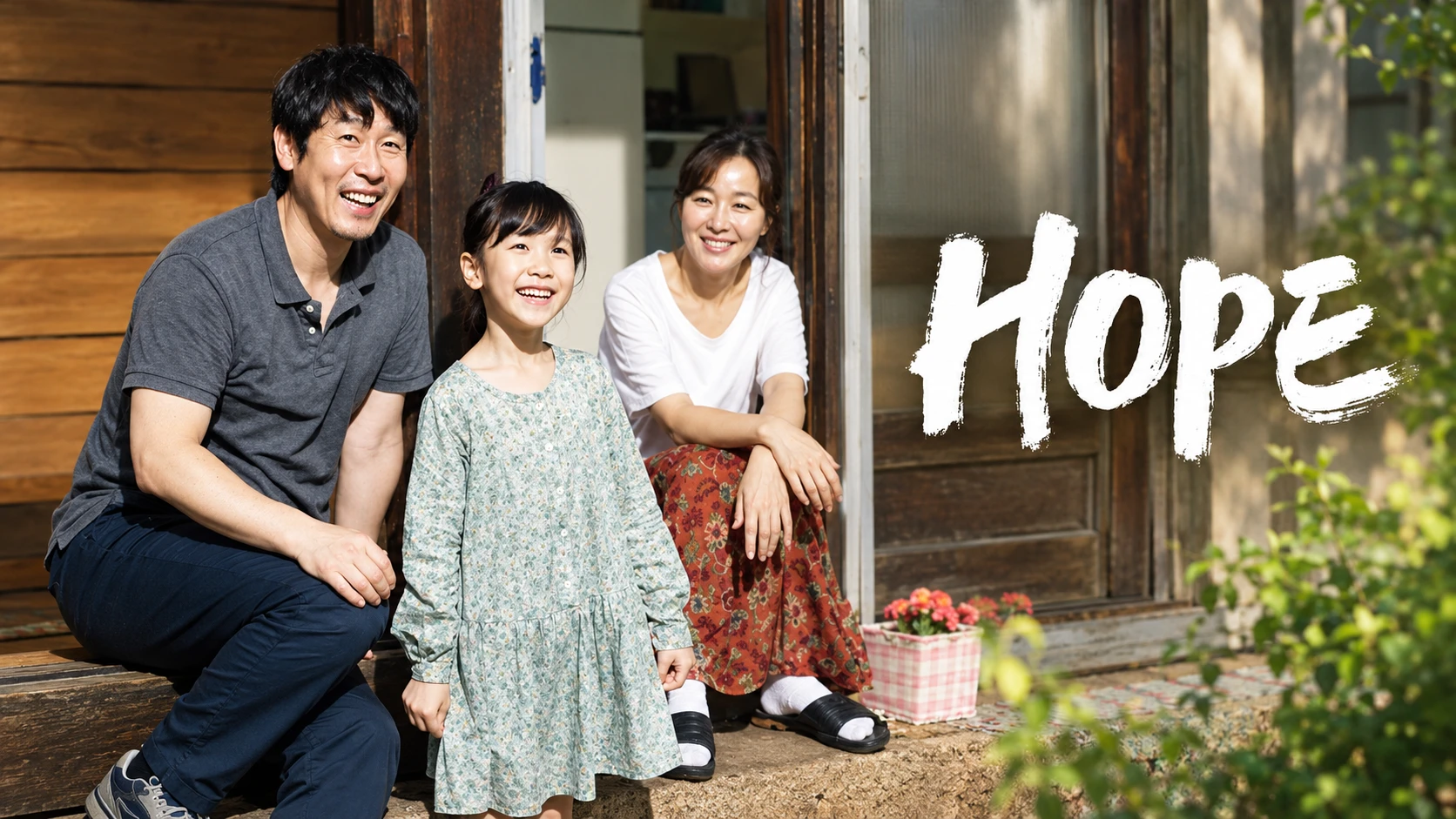
This film is free with ads, but the stream is currently available only in certain regions, mainly the United States. If the player shows “not available in your country,” the film can’t be played from your location.
Official Videos
 TRAILER
🎭 Cast & Characters
A small family, a child’s recovery, and the community that surrounds them.
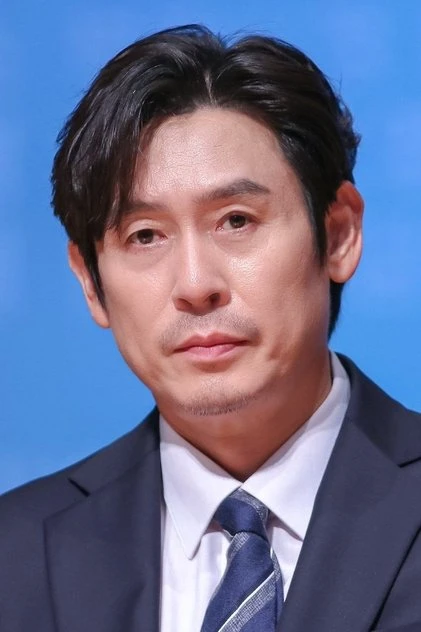
Lead

Lead

Lead
Supporting
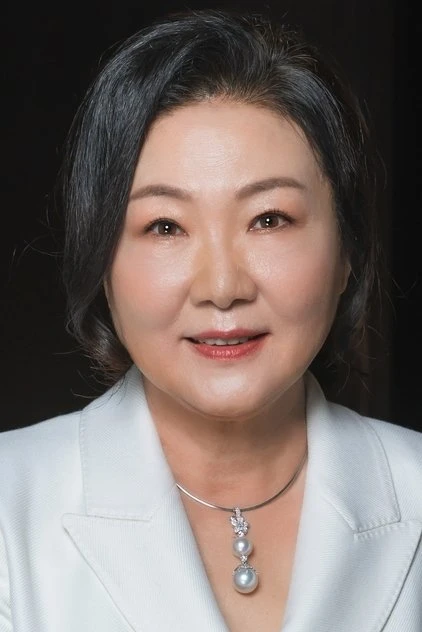
Supporting

Supporting
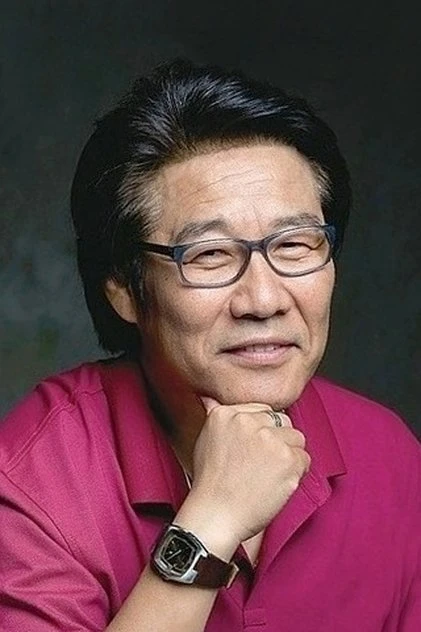
Supporting

Supporting

Supporting

Supporting
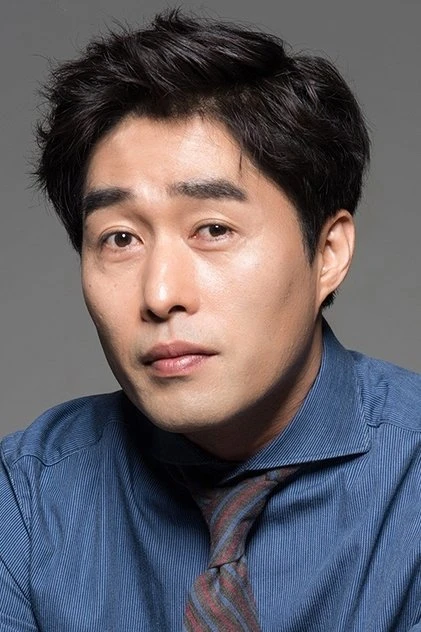
Supporting

Supporting
📖 The Story
No spoilers ahead — just enough to see if it fits your taste.
So-won is eight years old and, as the film opens, she is simply a kid in a working-class neighborhood with a pink backpack, a school route she knows by heart, and parents who run a small shop and never seem to have enough hours in the day. Her mother, Mi-hee, keeps the family store going while quietly expecting a second child, and her father, Dong-hoon, works long shifts and is gentler than he knows how to show. It is an ordinary, slightly tired, deeply loving household, and Lee Joon-ik takes his time letting us settle into it.
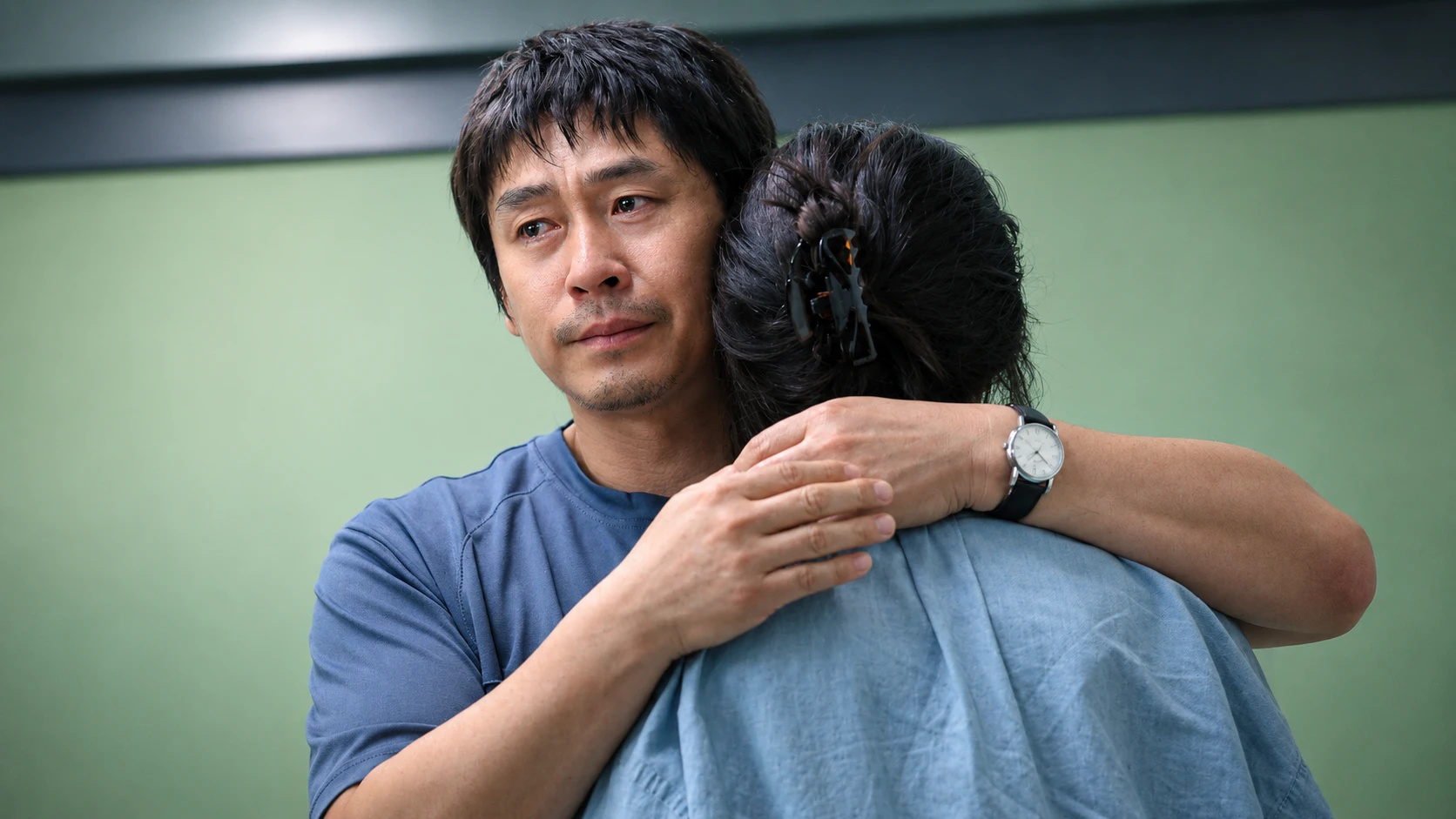
One rainy morning, on her way to school, So-won is attacked by a stranger and left badly hurt. The film does not stage the assault for shock. It cuts to the aftermath: So-won calls for help herself, and her first reaction when her parents arrive at the hospital is to worry that she has pulled them away from work. That single beat tells you everything about the girl at the center of the film, and why the rest of it hurts the way it does.
What follows is the part of the story most crime dramas skip. So-won’s injuries are severe, and the doctors warn that she will need long-term medical care. The case becomes a media sensation, reporters crowd the hospital, and her parents try to shield her from all of it. Dong-hoon scrambles to cover the bills, Mi-hee collapses under the strain, and both of them have to face the fact that grief and rage are not the same thing as helping their daughter heal.
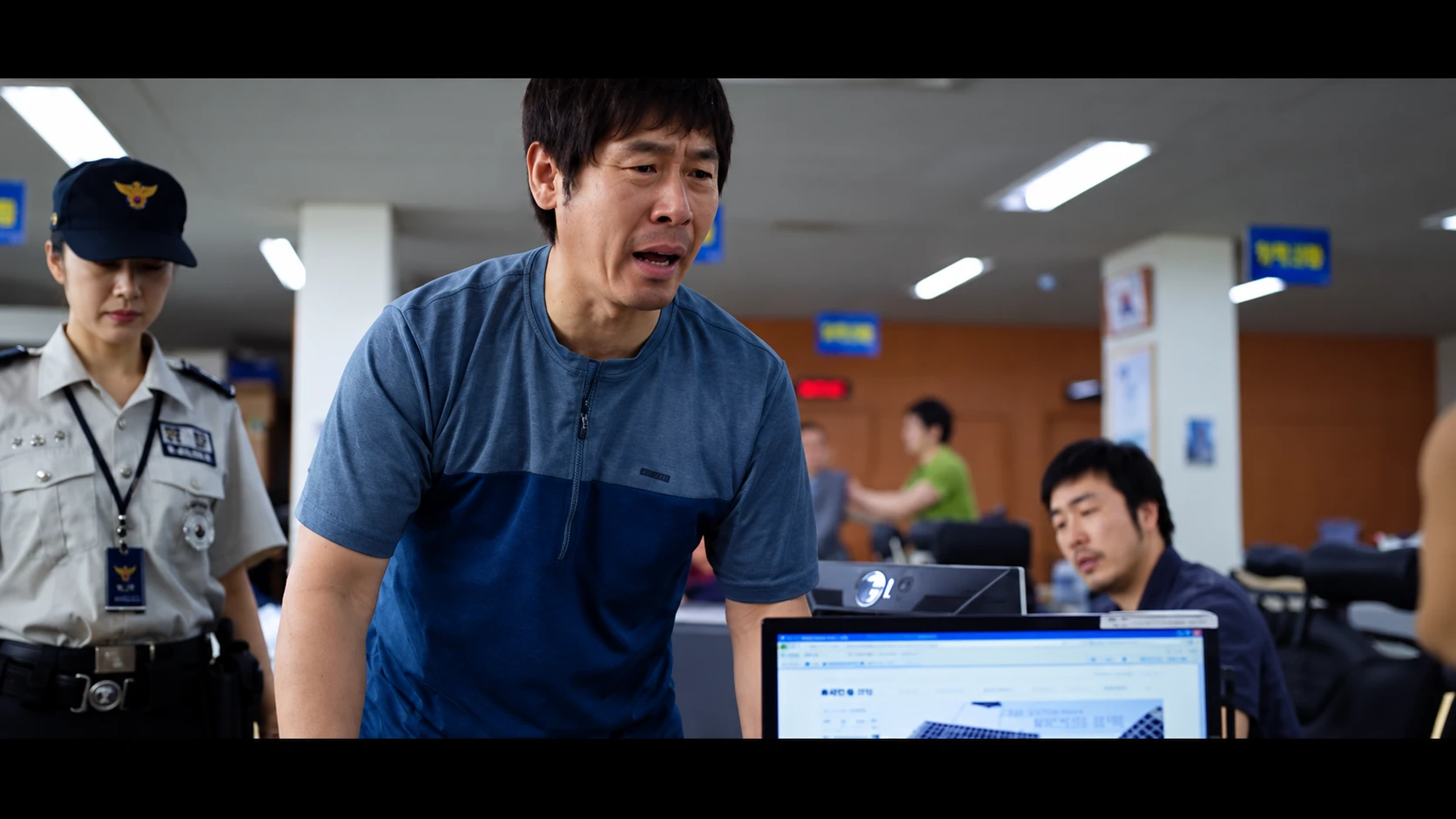
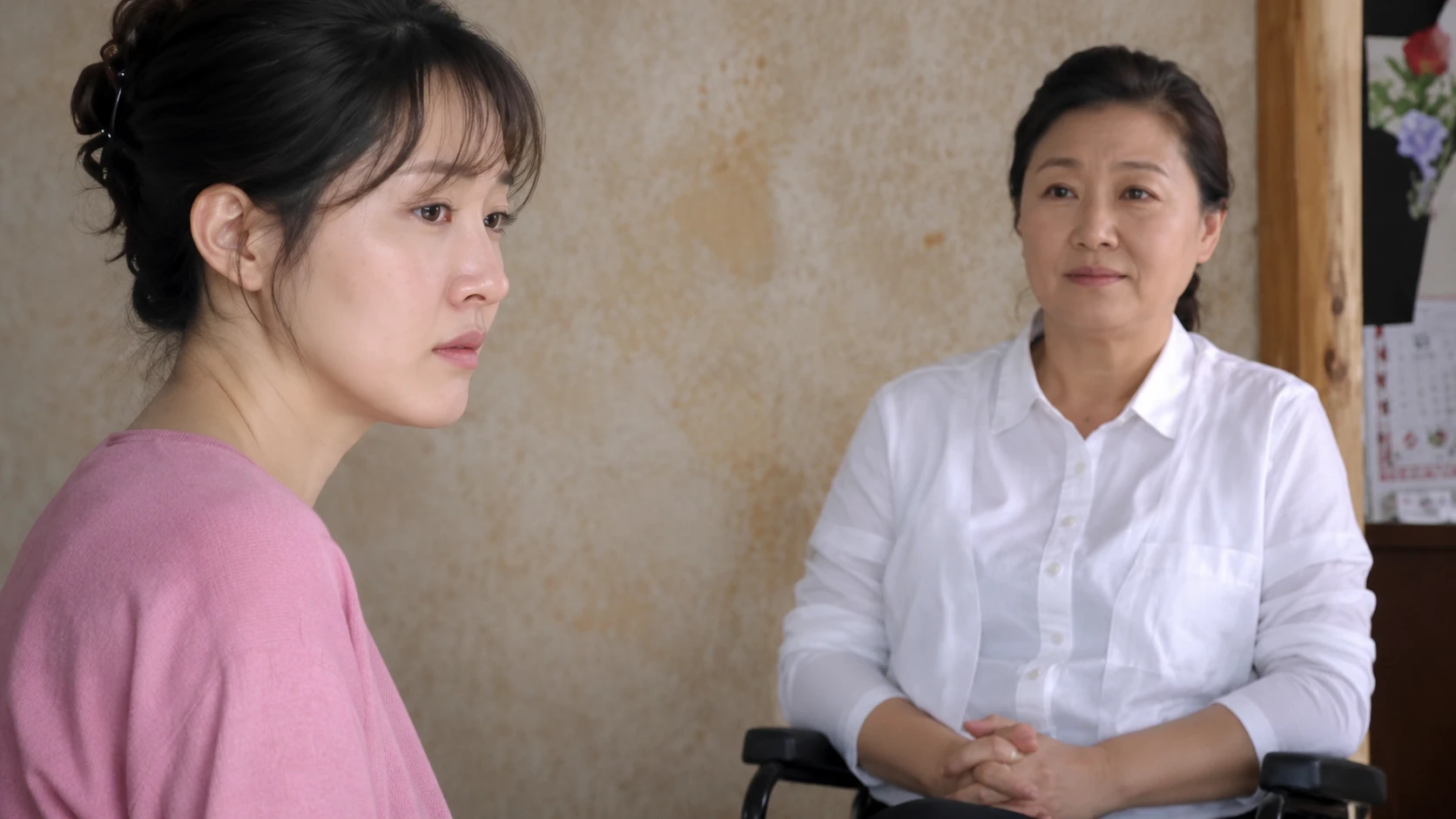
Then comes the harder, quieter problem: So-won is frightened of men, and in a cruel misunderstanding she briefly mistakes her own father for her attacker. Dong-hoon is shattered, and So-won refuses to look at him. Her mother brings in a child psychiatrist, Jung-sook, and the film turns into a patient study of how trauma shows up in a small body, in panic, in silence, in a child who would rather protect her parents than ask for comfort.
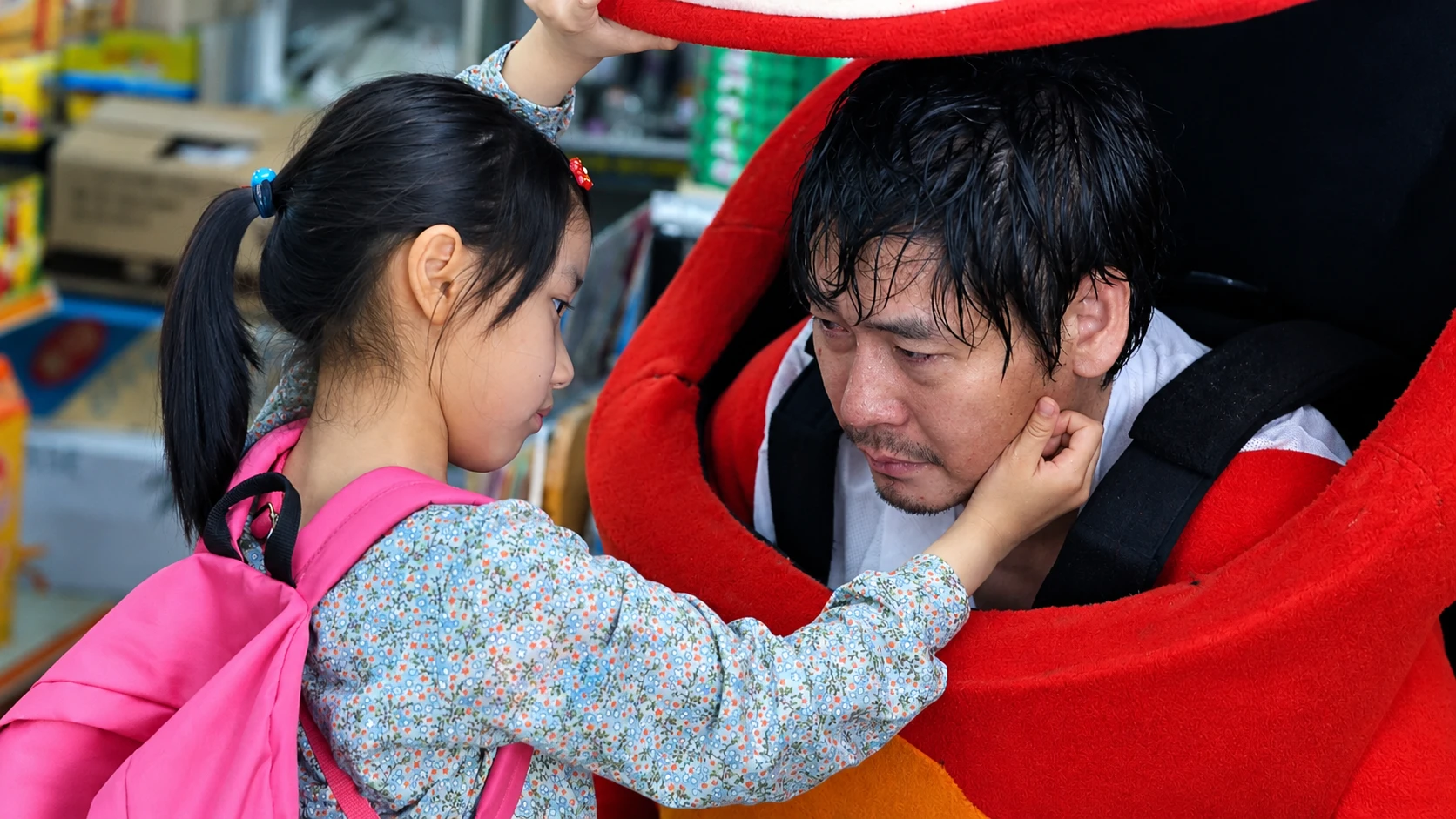
The warmest idea in the film is also its most unexpected. Mi-hee and her friends rent mascot costumes to cheer So-won up, and Dong-hoon realizes that his daughter reacts differently to her favorite cartoon sausage, Cocomong. He starts wearing the costume himself, hiding inside it so she can finally let someone hold her. It is silly and heartbreaking at once, and it gives Sul Kyung-gu some of the most tender scenes of his career.
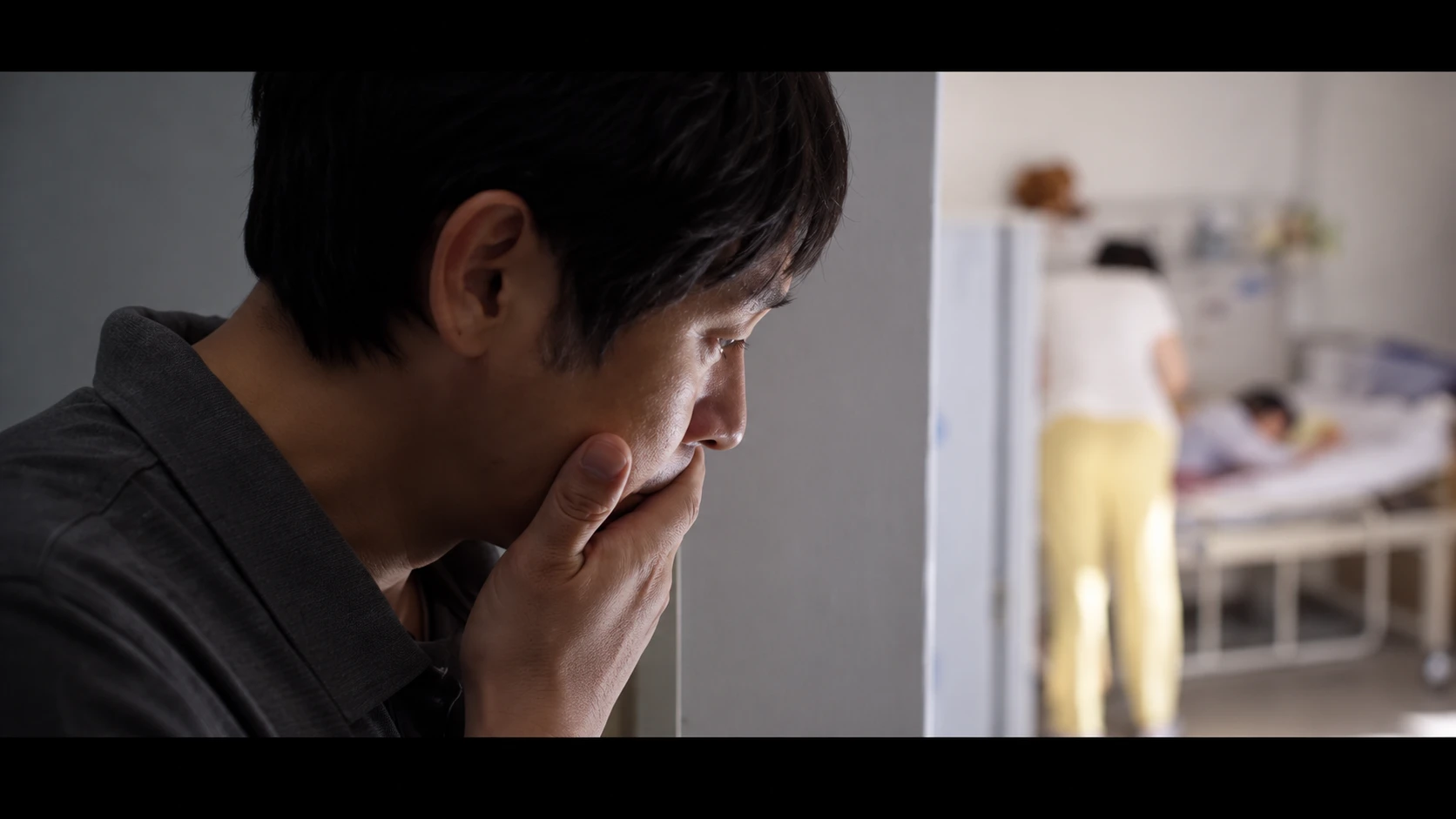
Healing arrives in small, stubborn steps. So-won leaves the hospital and returns to a neighborhood that has covered her home with notes of encouragement. Dong-hoon keeps dressing as Cocomong to walk her to and from school, until one day she works out who is inside. The family also has to prepare for the trial, where So-won will have to identify the man who hurt her. The film is based on the real 2008 Na-young case, which shook South Korea, and that weight sits behind every scene without ever being used as bait.
This is a film about the long afterwards, not the crime. Its optimism is deliberate: Lee Joon-ik has said he wanted to make a happy movie that begins with a tragedy, and Hope earns its tears by treating a child’s recovery as a community effort. Fair warning: the film handles its subject with care, but it is emotionally heavy, and viewers sensitive to themes of child abuse should go in prepared.
🏁 Ending Explained
Full spoilers from this point — what happened, and why.
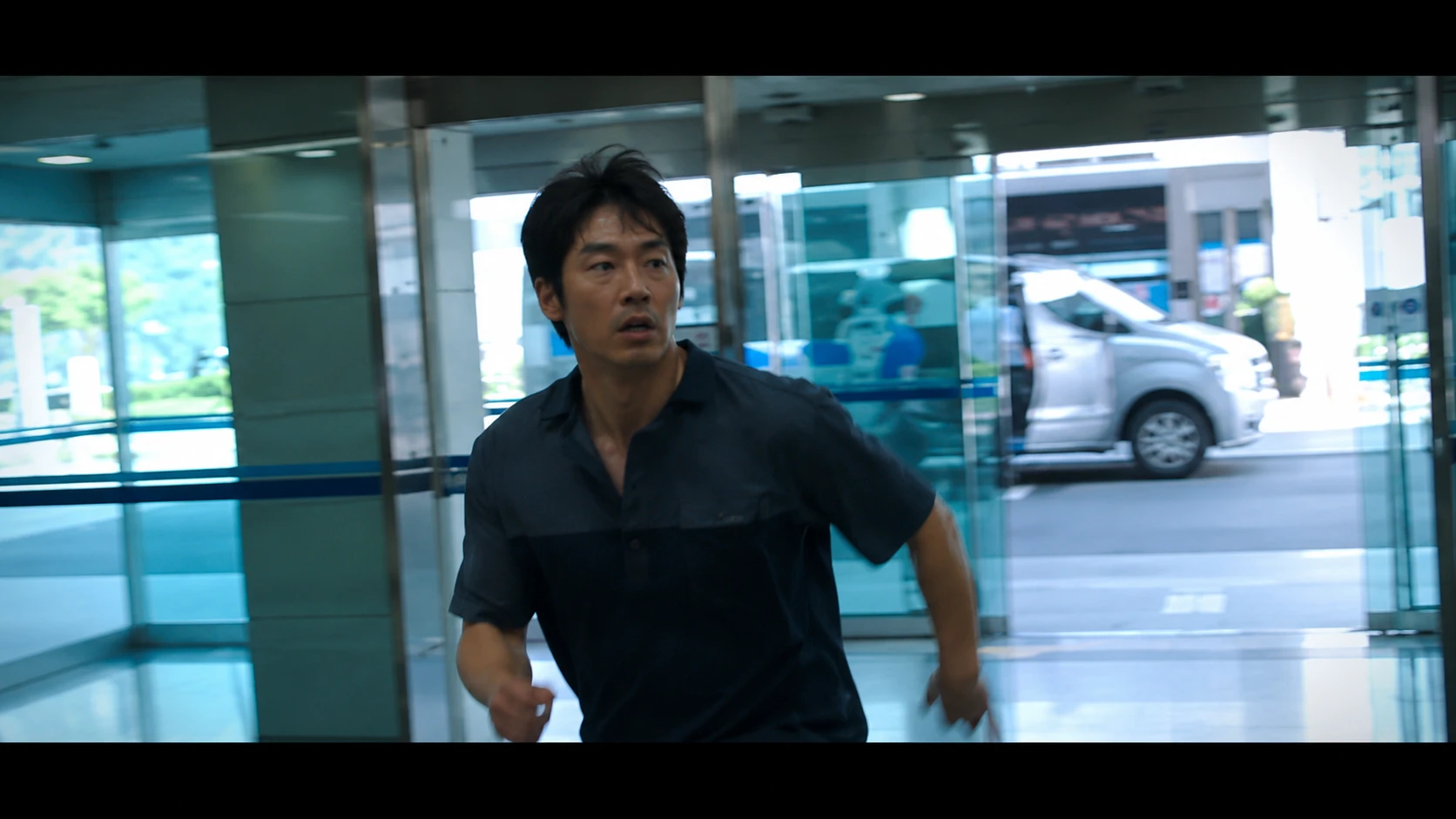
What actually happens The final stretch is built around the trial. So-won, with her parents beside her, has to describe what happened and identify her attacker in court, which is the moment the whole family has been dreading. She does it, and the film gives her real dignity in that scene. Then the sentence comes down: 12 years in prison, a result that sends the courtroom into uproar and prompts Dong-hoon to lunge at the attacker.
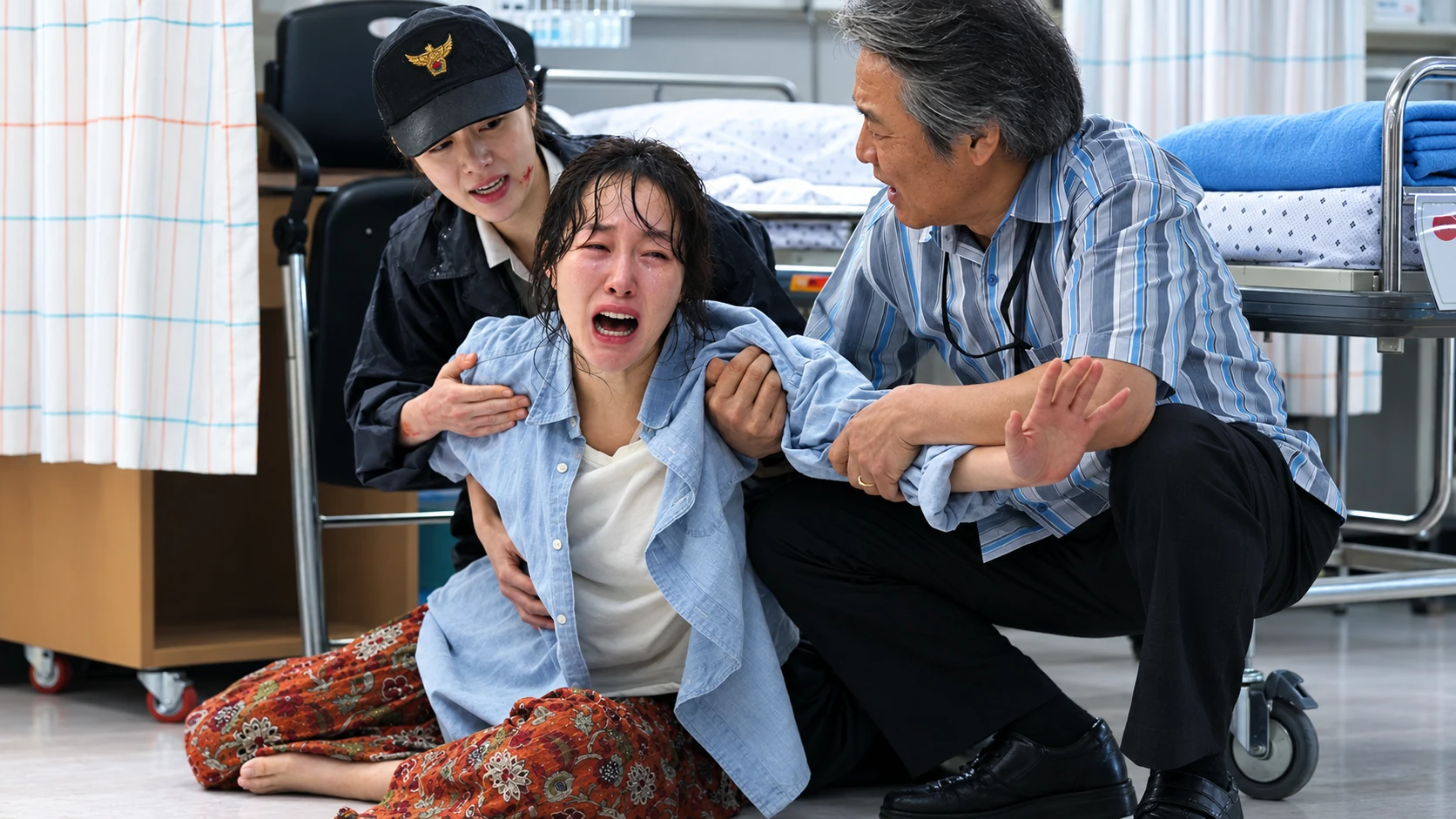
It is So-won who stops him. She begs her father to take her home, and the family walks out with very little in the way of closure. The film is blunt about this: the law does not give them the justice they wanted, and it does not pretend that it did. The real Na-young case ended with the same 12-year sentence, which is why the verdict lands as a statement rather than a twist.
Why the film refuses a victory Hope does not resolve through punishment. Instead of a revenge arc, the ending turns back to the family. The weight of the verdict is real, but the film cares more about what So-won and her parents do next than about what happens to the man.
The final scene jumps ahead. Mi-hee has given birth to a baby boy, So-mang, and the family and friends who stood by them, including Jung-sook and Gwang-sik, gather to celebrate. So-won says in closing narration that she still struggles and sometimes has to leave school early. Her brother’s birth gives her a new sense of purpose.
That quiet, unpolished note is the real ending. Hope does not claim that So-won is fine. It says she is still healing, that the people around her are what make it possible, and that her name, which means wish, is both the title and the point. Reviewers have called the film obvious in how it pulls at your emotions, but few dispute that its final image feels earned.
✍️ KDramaWorlds Editor’s Take
Worth watching or not — our honest read, and who it’s for.
Lee Re is the reason this film works. At seven years old during production, she plays So-won with a mix of fear, politeness and stubbornness that never feels performed, and Sul Kyung-gu and Uhm Ji-won wisely stay out of her way. Their grief is quiet and ordinary rather than operatic. If you want another Korean drama that finds hope inside a painful true story, Miracle in Cell No. 7 was released the same year, though Hope is far more restrained.

The Cocomong costume sequence is the soul of the film. It is a simple idea, a father hiding inside a mascot so his daughter will let him near her, but it carries all the helplessness and love the story has built up. The pastel photography and warm score are not always subtle, and one or two courtroom beats feel pulled straight from television. Still, the sincerity underneath keeps it from tipping into manipulation.
This is not an easy watch and it is not meant to be. It rewards viewers who want a story about what comes after a tragedy, and about how a family and a neighborhood hold someone up. Go in prepared, and keep tissues nearby.
🎬 You Might Also Like
If you liked Hope, these are your next three watches.
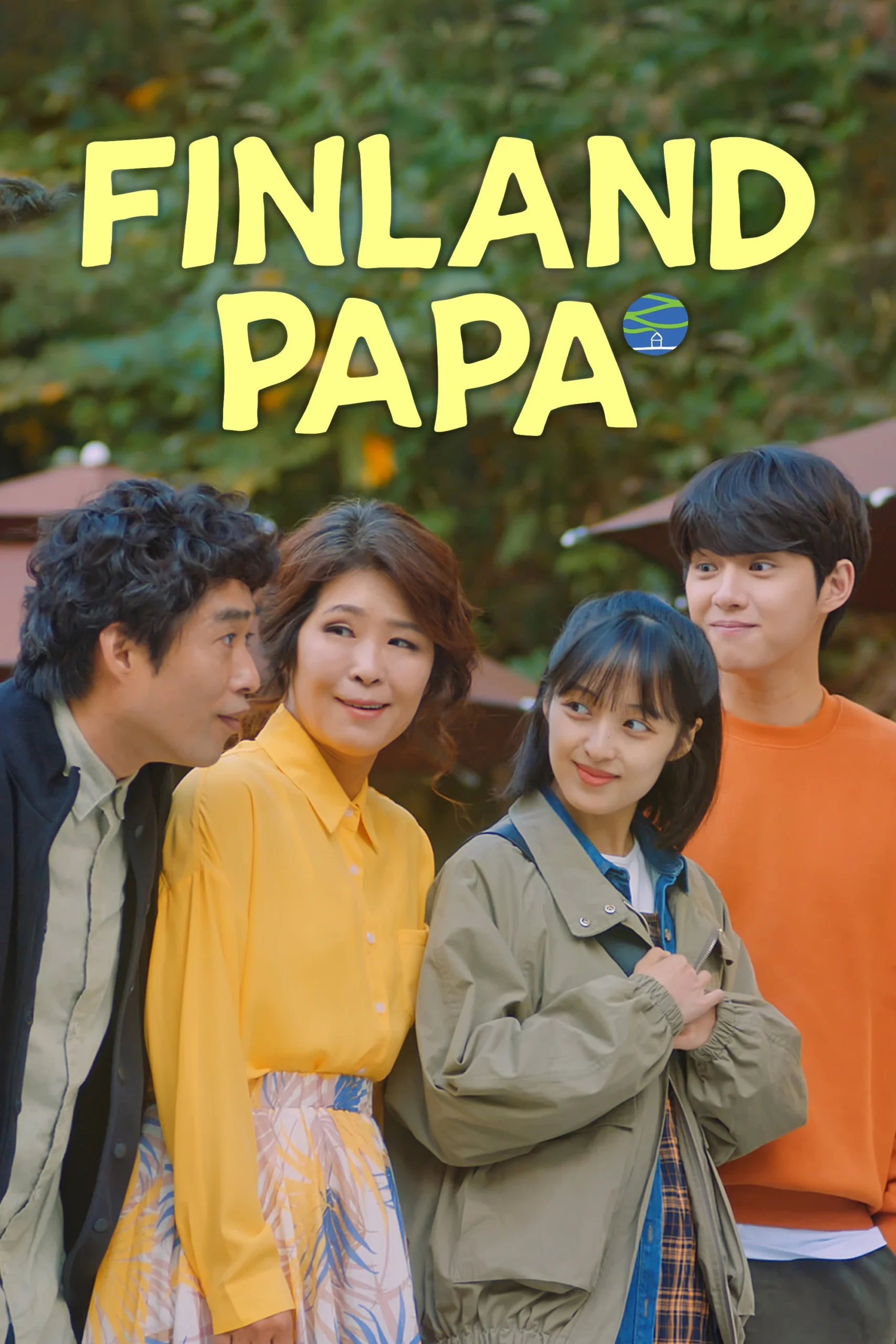 Finland Papa
CafeCinema Heaven
Read Full Review →
|
 Clean with Passion for Now
Age Gapfamily drama
Read Full Review →
|
 For Eagle Brothers
Ahn Jae-wookBrewery
Read Full Review →
|









Keep it kind, skip the harsh language, and please — no spoilers. Everyone's taste is different, and that's perfectly fine.
This space is for real reactions and discussion from other viewers. Help keep it comfortable for everyone by not giving away major plot details.
What do you think of this drama?
Login to share your review or leave a comment.
No email needed — just pick a username & password.