Dream
🎬 Netflix · TVING · VIU
⭐ 7.9 MDL
🔞 13+
🎬 Film Overview
UNDERDOG SPORTS HEART PICK
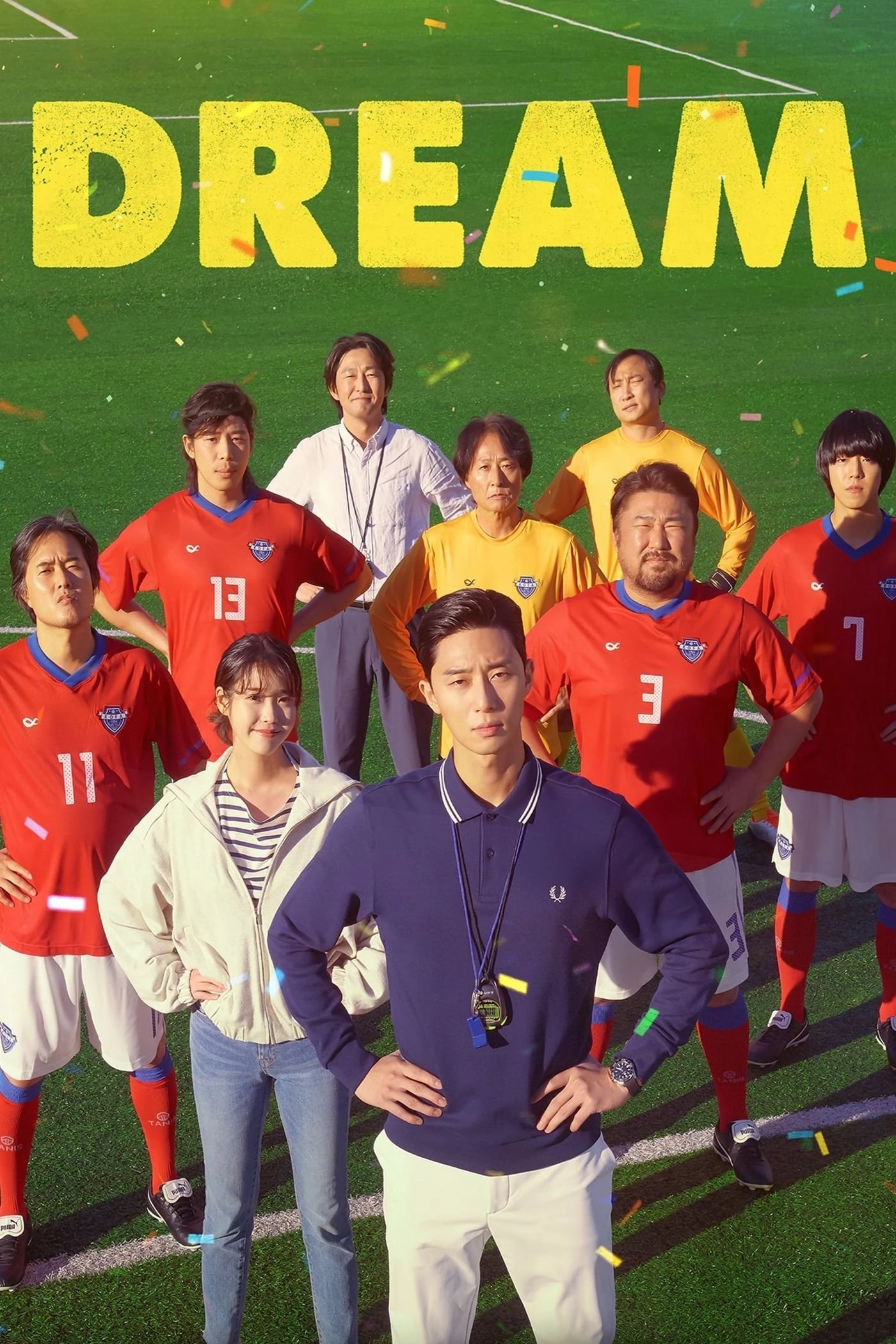
Korea makes underdog sports films well, but Dream has a detail most of them don’t: its team isn’t just bad at soccer — they’re homeless individuals who’ve barely touched a ball, assembled specifically as a PR exercise to rehabilitate a disgraced professional player’s public image. The film uses that premise with honesty. It knows the setup is a little absurd, lets the absurdity generate real comedy, and then quietly earns something more than the premise seemed to promise.
Yoon Hong-dae is a professional footballer who says something regrettable at a press conference and pays for it with a suspension. His management agency’s solution — coaching a Homeless World Cup team while a documentary director films the redemption arc — is transparently cynical, and both Hong-dae and the audience know it. Lee So-min, the struggling filmmaker assigned to capture all of this, is running her own calculations. Neither expects to be changed by the team they’re both treating as a means to an end. That gap between expectation and what actually happens is exactly where the film decides to live.
⚡ Quick Verdict
Everything you need to decide, in one place.
· MDL
▶ Official Trailer
🎭 Cast & Characters
The unexpected team that turned a PR stunt into something worth documenting.

Lead

Lead
Supporting
Supporting
Supporting

Supporting

Supporting
Supporting

Supporting
Supporting

Supporting

Supporting
📖 The Story
Spoiler-free — enough to know whether this is your kind of film.
The film opens with Hong-dae at the top: successful enough to be reckless, recognizable enough that a bad press conference moment can go viral in hours. The inciting incident isn’t dramatic — it’s the ordinary kind of collapse, a moment of frustration aimed at the wrong camera, compounded by personal pressure he hasn’t been managing well. His management agency moves quickly. The homeless team coaching assignment is presented to him as an opportunity, which both Hong-dae and the audience understand immediately means the opposite.
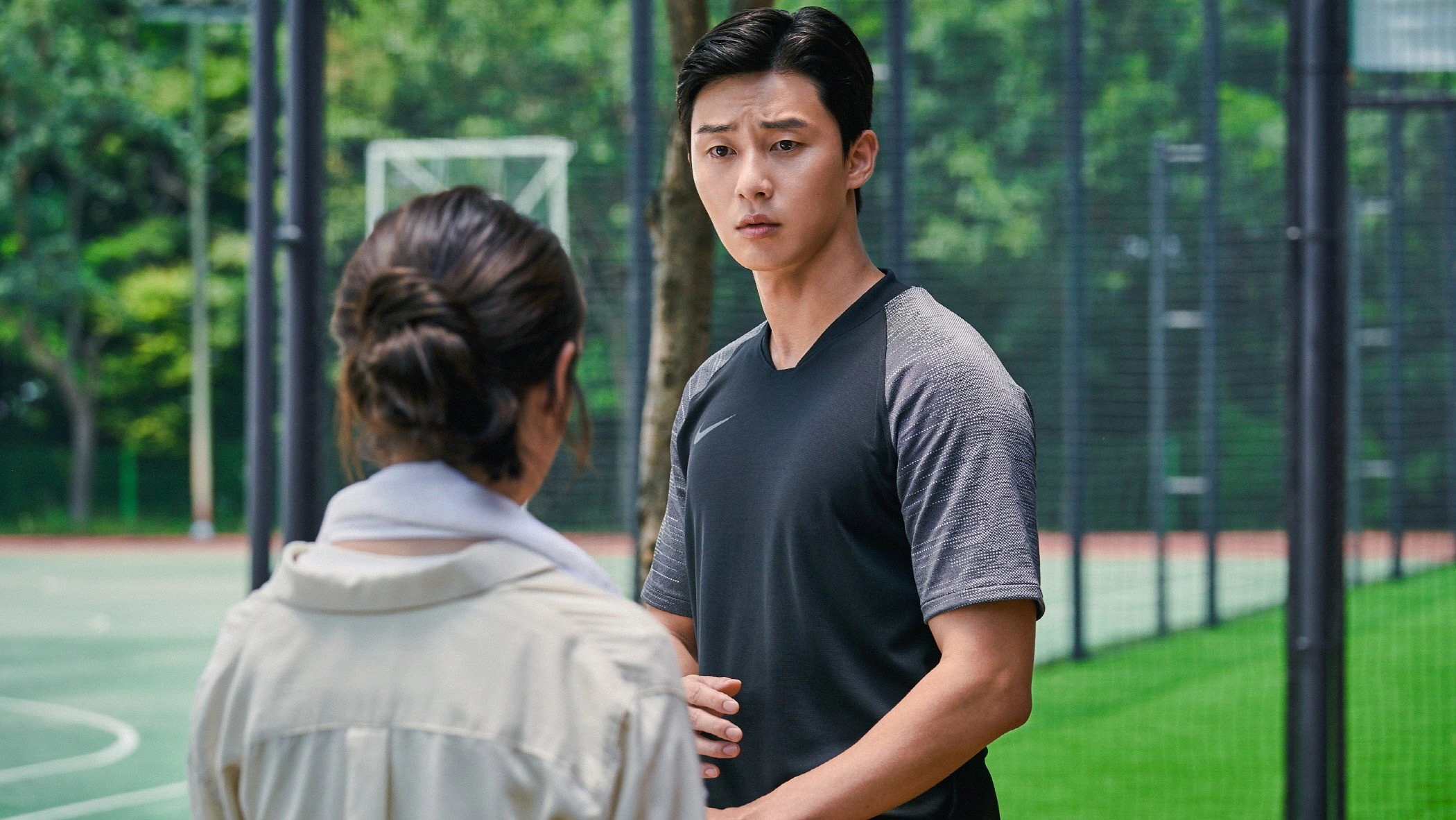
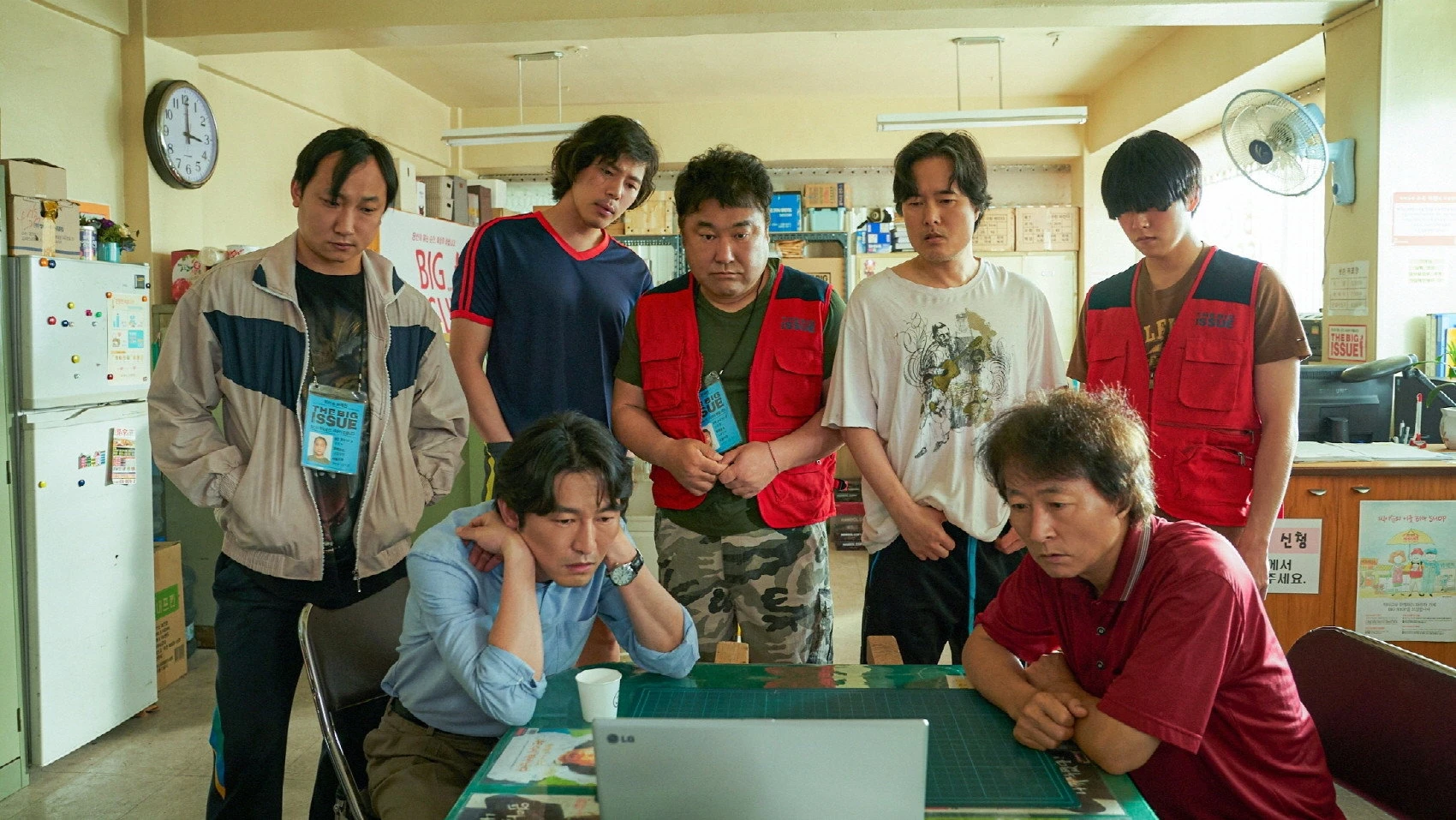
The team Hong-dae inherits is a proper ensemble: Kim Hwan-dong, who approaches every instruction with his own improvised interpretation of it; Son Beom-soo, stubborn in ways that become gradually useful; Kim In-seon, who has his own reason for needing to be somewhere other than where he currently is. The film takes time establishing them individually before asking you to root for them collectively — which is exactly the right instinct for this kind of story.
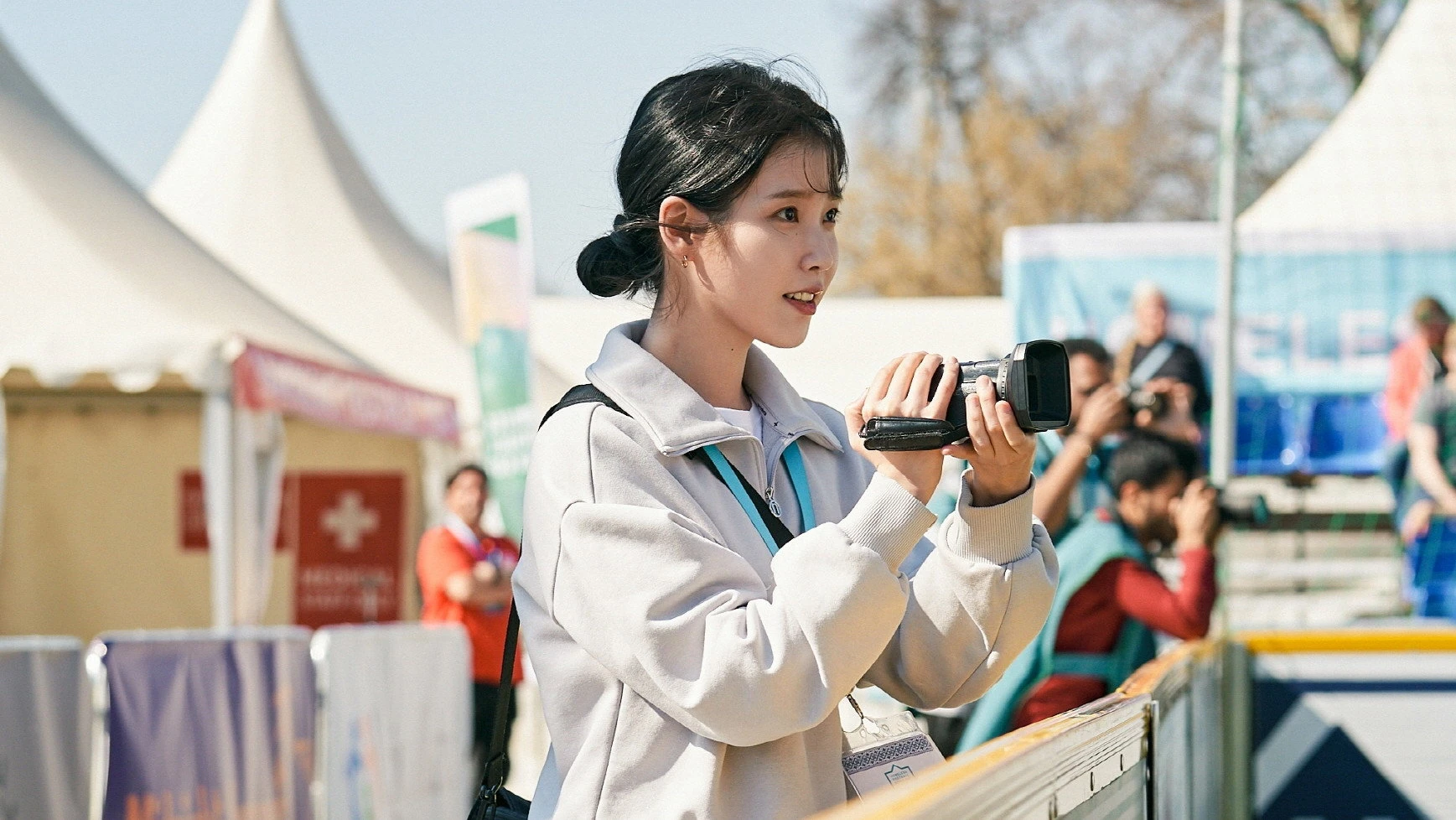
Lee So-min arrives with her own complications. Her career hasn’t gone as planned, and this documentary — a human-interest story about a famous footballer coaching homeless people — is exactly the kind of project that gets made and then watched by nobody. She knows this. The dynamic between her and Hong-dae takes shape in the gap between two people who are both pretending the assignment is fine when it clearly isn’t. There’s real chemistry in that friction, and the film doesn’t push it further than it needs to go.

The middle section is where the film does its best character work. Training sequences become the opportunity for individual backstories to surface — not in tearful monologue, but in the texture of how each team member navigates the drills and each other. Hong-dae starts coaching less out of obligation and more out of something he doesn’t name yet. The shift is gradual enough that you don’t notice exactly when it happens, which is precisely the point.
The Homeless World Cup sequences — shot in Croatia — give the film an elevated visual register and genuine sporting energy. The Korean team’s opening loss is handled without sentimentality: they’re outmatched, they know it, and the film shows it honestly. What follows is the decision that defines the story’s actual stakes — whether to bring in professional Brazilian players and actually compete, or to show up as themselves regardless of the likely outcome.

Around this point the film leans harder into its emotional register, and it earns most of what it reaches for. Kim In-seon’s search for a lost friend is the film’s most consistently affecting thread — the one that makes the final sequence work beyond the sports movie formula. Baek Ji-won’s Sun-ja provides the ensemble’s most unexpected emotional beat, handled with genuine restraint. Not every storyline lands with equal weight, but the distribution is honest enough that none of them feel cynically deployed.
The documentary-within-a-film structure gives Lee So-min’s arc its own satisfying resolution, weaving her career and Hong-dae’s transformation into a shared story that the film doesn’t oversell. By the final whistle, Dream has done what it set out to do: used the scaffolding of an underdog sports movie to deliver something that actually believes in the people it’s asking you to watch.
🏁 Ending Explained
Full spoilers from this point — what happened, and why.
Full Spoilers Ahead — This section covers the complete ending of Dream. Stop here if you haven’t watched.
The final match — what actually happens The Korean team’s final match is against Germany, and they play it without the two Brazilian professionals they’d briefly considered bringing in to boost their chances. The decision is unanimous: winning through ringers would make the documentary more compelling and the result more impressive, but it would betray what the journey was actually about. They lose 6-1. In the final seconds, Kim In-seon scores — not a winner, not a comeback goal, just one point against a much stronger side. The film treats it as exactly as significant as it is.
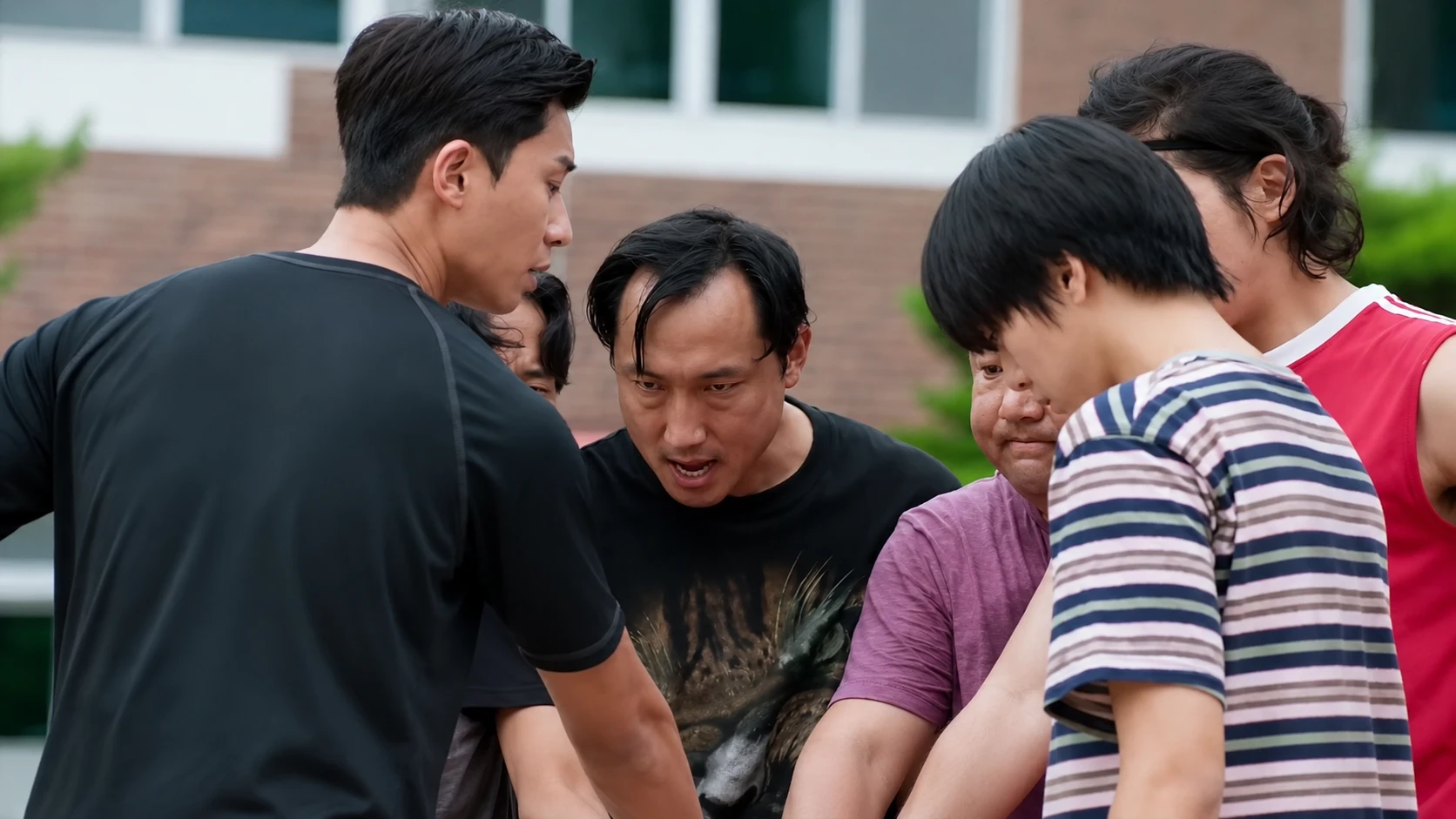
What the single goal means Nobody explains it onscreen. The team celebrates that goal the same way they would have celebrated a championship, and the film trusts the audience to understand why without spelling it out. It’s the ending the story earns rather than the ending that would have been more comfortable: no trophy, no miraculous comeback, no score correction — just people who started with almost nothing proving they belonged on the field at all. The film’s argument is that this is the harder thing to achieve, and it makes that argument quietly.
Hong-dae and his mother — the other resolution Hong-dae’s relationship with his mother runs through the film as a thread of resentment and obligation braided together. It resolves without sentimentality: he pays her bail, not out of forgiveness or reconciliation, but out of a matured understanding that his feelings about her don’t have to determine his actions. The final scene shows him returning to professional football, with the homeless team watching from the stands. The film doesn’t frame this as redemption so much as continuation — he’s still himself, just a version of himself that made a different set of choices under pressure.
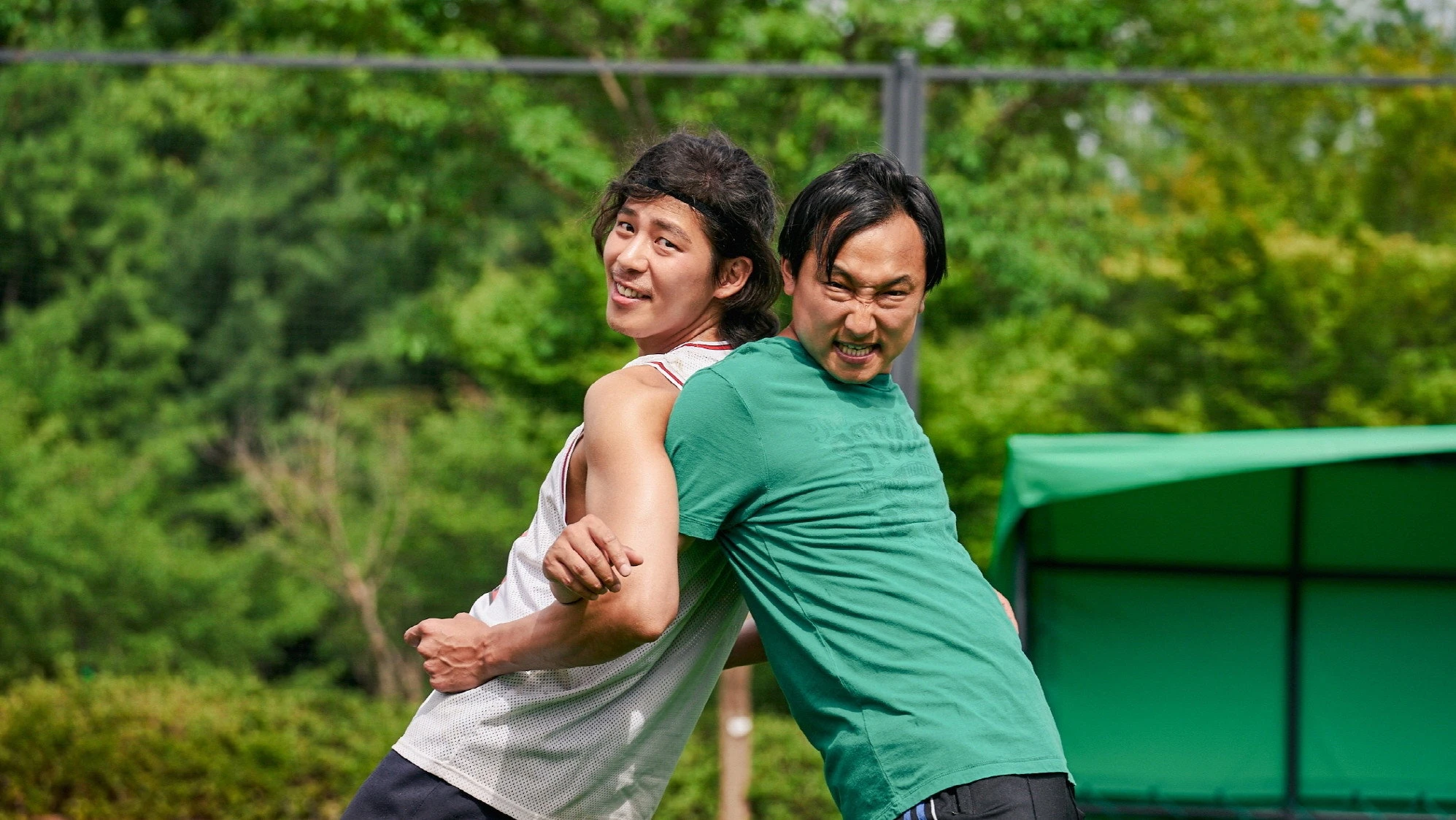
Lee So-min’s documentary — the lasting artifact Lee So-min’s documentary becomes the film’s final frame — the story being told about these men and about Hong-dae is itself the lasting artifact of what happened to all of them. The fact that this documentary exists within the film, and that the film you’re watching is structured partly as its reflection, is the one clever formal move Dream allows itself. It earns the device by not calling attention to it; the rewatch value is in noticing how consistently the film was building toward this.
The KDW read The individual team members’ futures are left largely open. Kim In-seon is still looking for his friend — but he’s looking, which is different from where he started. Sun-ja, Hyo-bong, Young-jin: each has moved, even if not very far. Dream’s thesis is the modest one the title implies — not that people get what they dream of, but that the capacity to dream at all is the thing that was at stake. The film makes that claim with appropriate humility, and it sticks.

✍️ KDramaWorlds Editor’s Take
Our honest take — is it worth your time, and who’s it really for.
Lee Byeong-heon
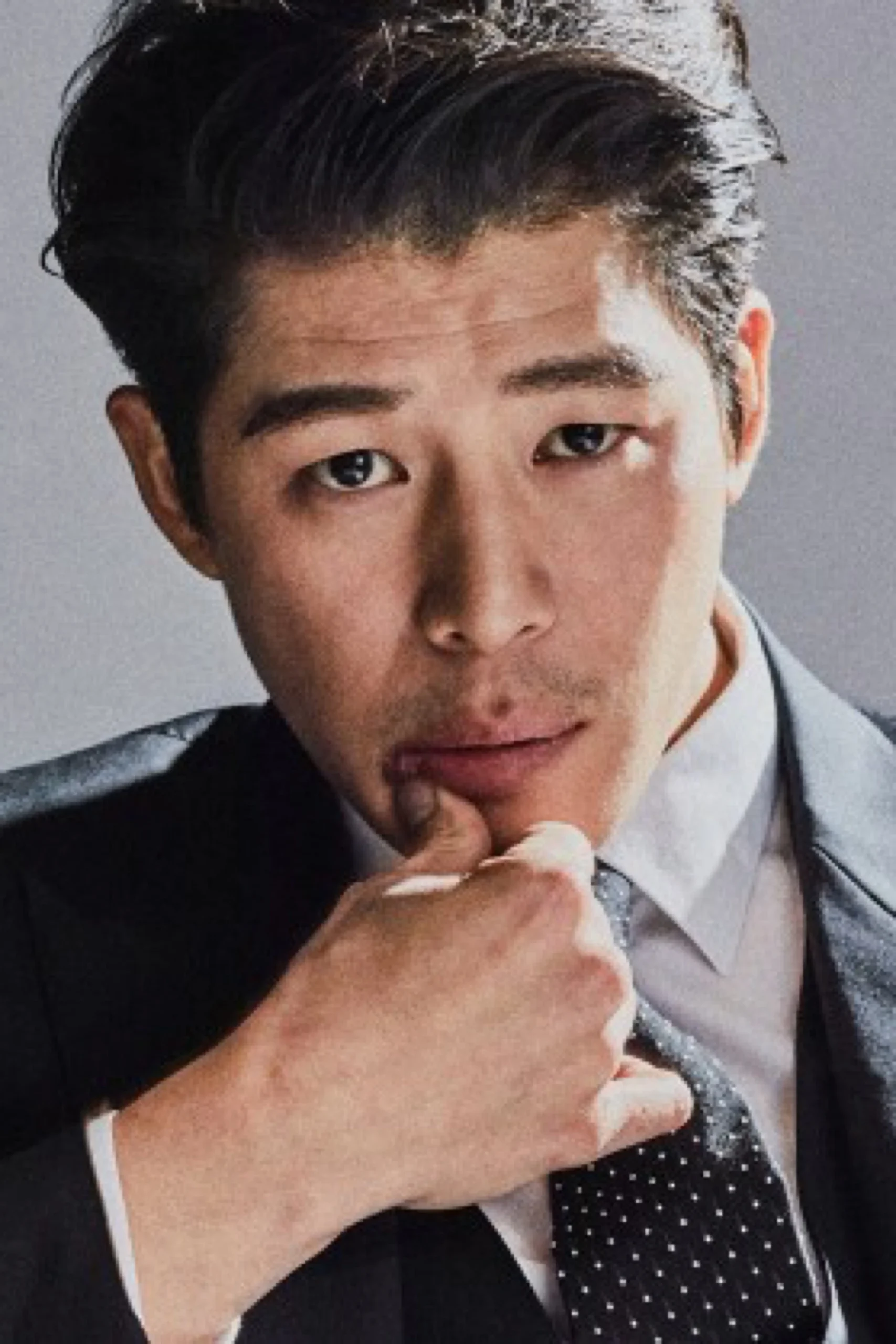
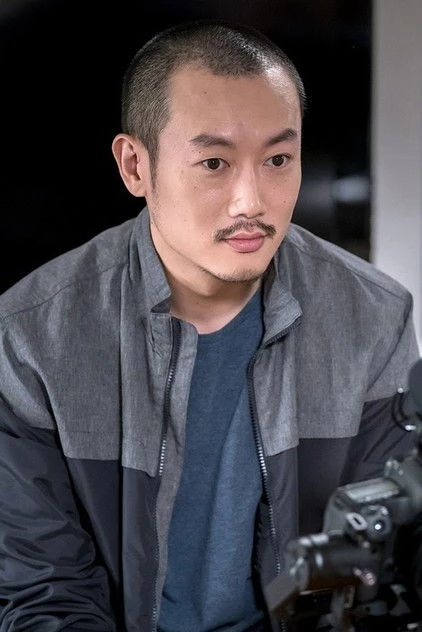
Known for: Lee Byeong-heon wrote and directed Extreme Job (2019), the highest-grossing Korean comedy of all time with over 16 million domestic admissions. That film’s formula — a misfit ensemble finding improbable success through an unlikely mission — runs clearly through Dream’s DNA, though Dream trades Extreme Job’s pure comedic energy for a more emotionally grounded register. He has a proven gift for balancing broad ensemble laughs with genuine character investment, and Dream marks his expansion into territory where the social backdrop carries as much weight as the comedy. The homeless team members’ individual stories give him the kind of character canvas that Extreme Job’s genre framework didn’t quite allow.
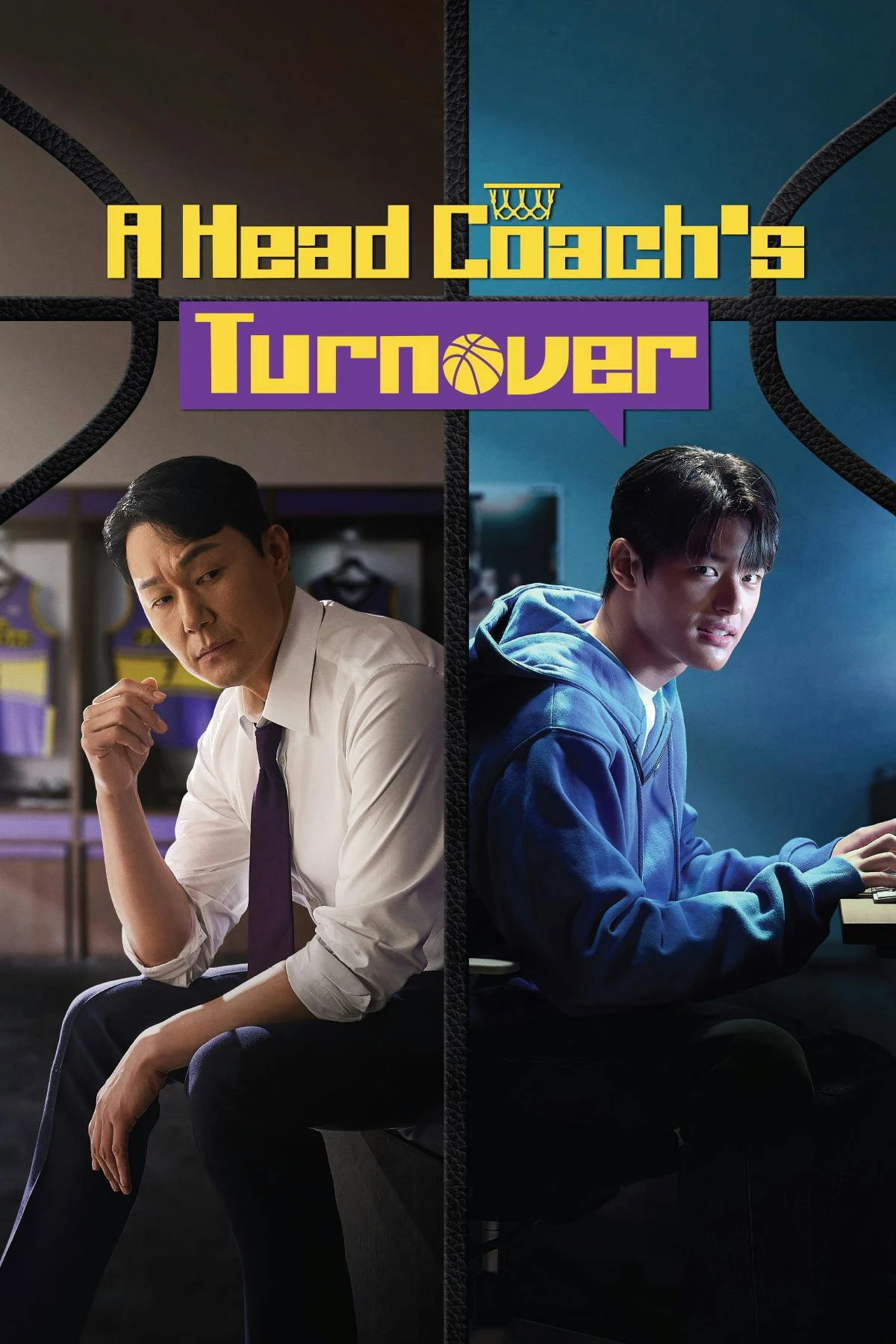
The film’s sharpest choice is its restraint about Hong-dae’s arc. Park Seo-jun plays someone who starts the film genuinely unlikeable — not movie-villain unlikeable, but the specific brand of arrogant that comes from being talented enough that accountability never quite sticks. The coaching assignment doesn’t turn him good in any clean or scripted way; he gets better slowly and messily, and the film never has him make a grand speech about it. For fans of Korean sports stories looking for a cinematic equivalent of A Head Coach’s Turnover, Dream delivers comparable emotional intelligence at a more contained scale.
IU’s Lee So-min is more interesting than the film sometimes knows what to do with her. She’s playing the most competent person in every room — the documentary director who’s the only one actually taking notes while everyone else panics or improvises — and the film gives her chemistry with Park Seo-jun without forcing it into romance. Their relationship stays in the more honest register of two people who respect each other after a long, difficult shared project. That’s rarer in Korean film than it should be. Love Reset found warmth in its central pairing through a different mechanism — Dream finds it through friction that eventually dissolves into mutual acknowledgment.
The homeless team ensemble is where Dream could have gone very wrong — twelve men each given individual backstories, any one of which could have become the entire emotional project of the film. Lee Byeong-heon distributes the weight instead of concentrating it. No single member’s story overwhelms the others; no backstory is deployed as a tearjerker for its own sake. The result is a film that feels genuinely populated rather than schematically assembled, and that’s the difference between a good ensemble sports film and a manipulative one.
🎬 You Might Also Like
If you liked Dream, these are your next three watches.
 Welcome to Waikiki (Season 1)
comedyFound Family
Read Full Review →
|
 Suspicious Partner
comedyJi Chang-wook
Read Full Review →
|
 Take Charge of My Heart
Artificial HeartChae Soo-bin
Read Full Review →
|











Keep it kind, skip the harsh language, and please — no spoilers. Everyone's taste is different, and that's perfectly fine.
This space is for real reactions and discussion from other viewers. Help keep it comfortable for everyone by not giving away major plot details.
What do you think of this drama?
Login to share your review or leave a comment.
No email needed — just pick a username & password.