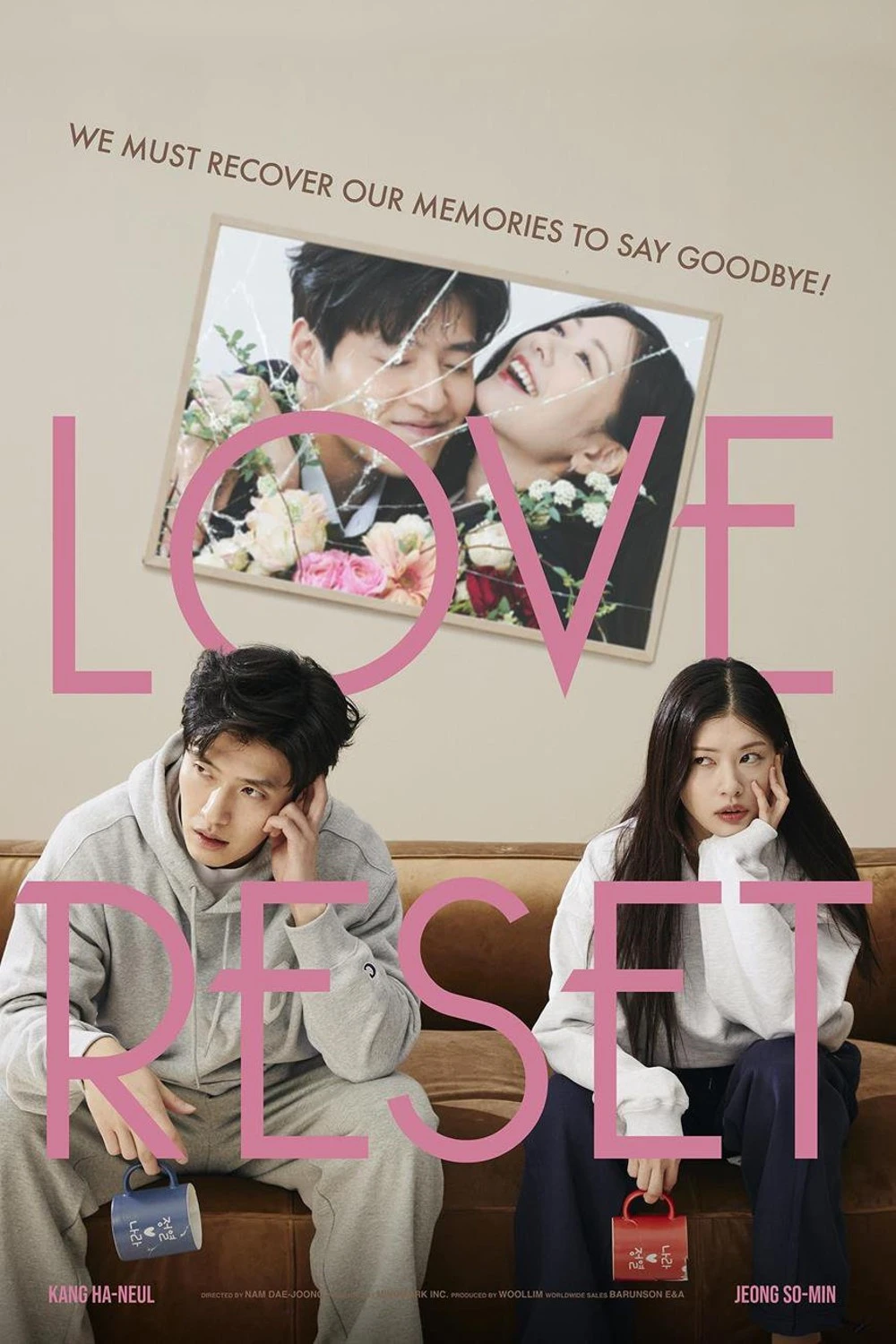
Love Reset
🎬 Viu · Disney+ · Viki
⭐ 6.8 IMDb
🔞 NR
🎬 Film Overview
Disney+
Viki
The divorce is already decided. Two people who once chose each other have spent years choosing differently — and they have thirty days left before the paperwork makes it permanent. Then a car accident erases those years entirely, and the problem changes shape. Noh Jung-yeol and Hong Na-ra don’t remember being unhappy. They don’t remember why they were leaving. They just remember being curious about each other, which turns out to be the most dangerous thing a separating couple can feel.
Love Reset earns its comedy through specifics: a couple rediscovering their attraction while their families scramble to remind them why that attraction failed. The film understands something worth 119 minutes of your time — that the version of yourself before the resentment isn’t gone. It’s just buried.
⚡ Quick Verdict
Everything worth knowing, distilled into one box.
IMDb Score · Check IMDb for updated community rating
▶ Official Trailer
🎭 Cast & Characters
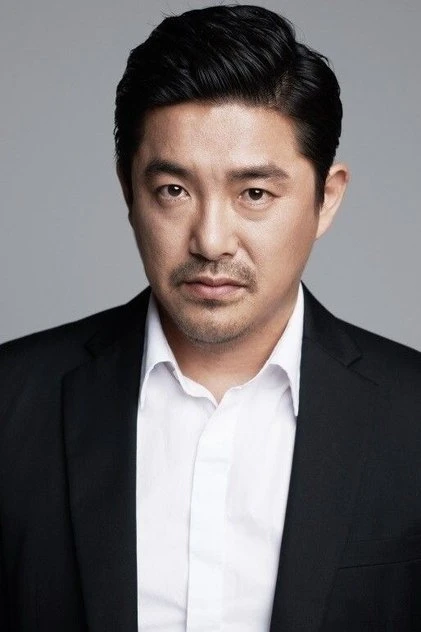
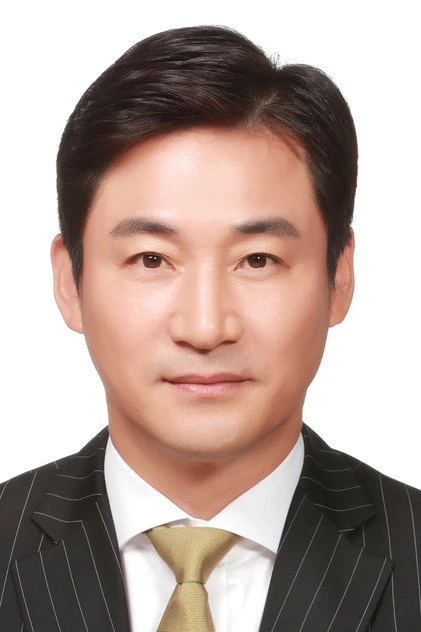
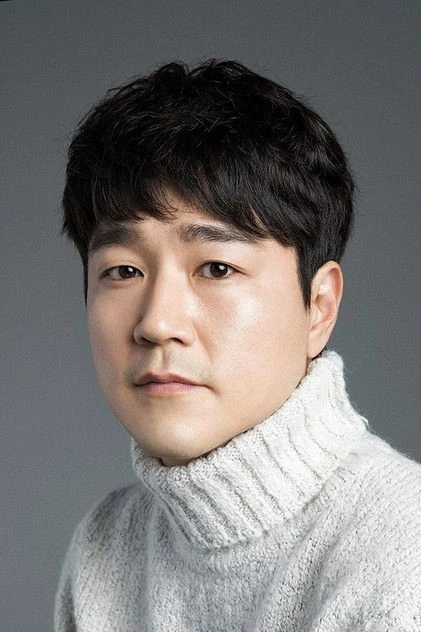
Kang Ha-neul and Jung So-min lead an ensemble that makes every side character feel like they belong to a real family — chaotic, affectionate, and convinced they know best.

Lead

Lead

Supporting
Supporting

Supporting

Supporting

Supporting

Supporting

Supporting

Supporting
Supporting
Supporting
📖 The Story
Spoiler-light — what the film is about, and why it’s worth your time. No ending details here.
Jung-yeol is a lawyer who has spent years being technically right about things that never needed to be argued. Na-ra is a film producer who runs on pressure and efficiency, someone who treats every obstacle — including her marriage — as a problem to be managed before moving on to the next one. Together, they have built a domestic life with all the external markers of success and none of the warmth. Their unhappiness is ordinary, which makes it worse. The film begins by letting their misery feel familiar before it makes its first move.
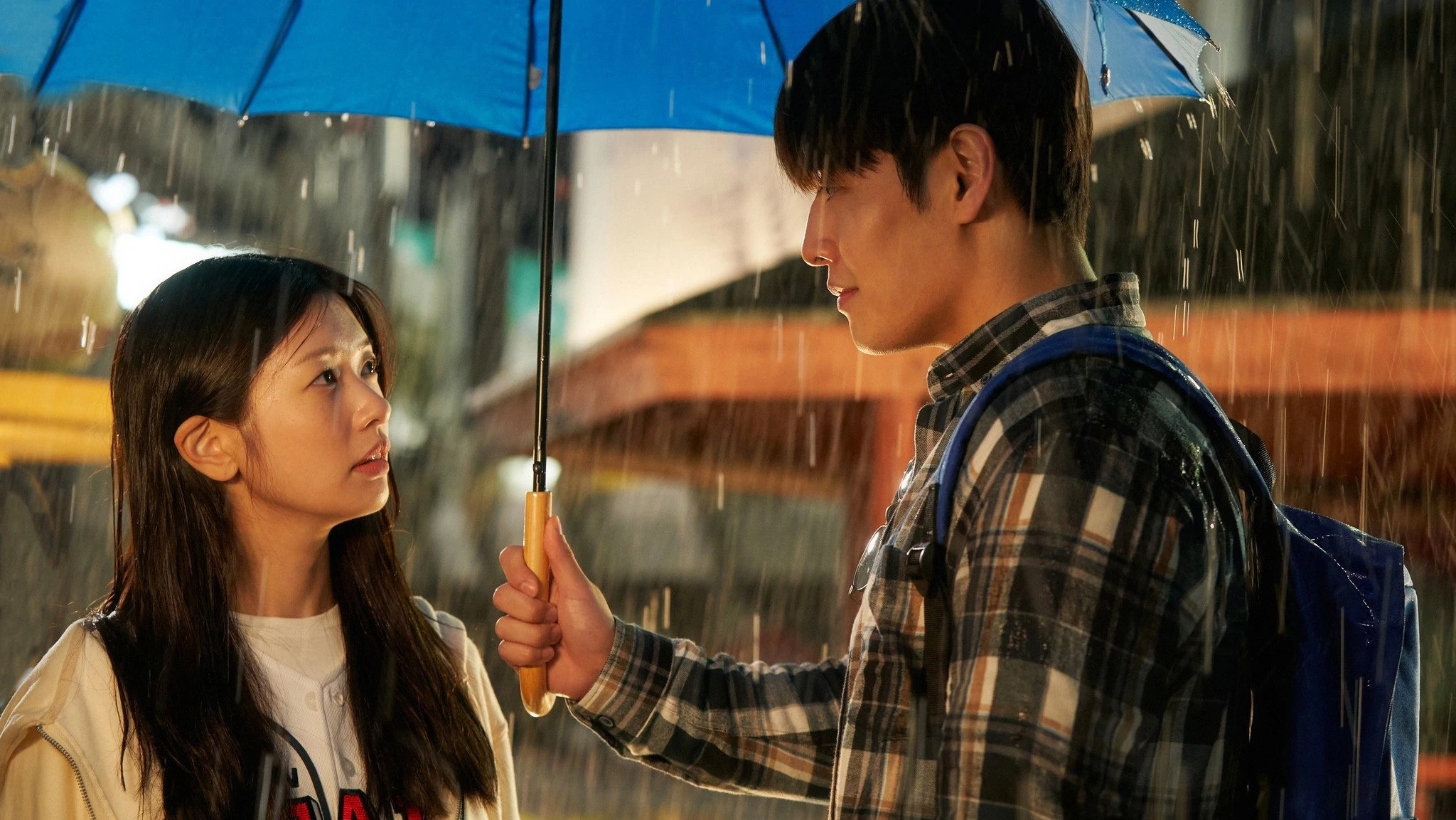
The thirty-day cooling period before a divorce is finalized is their legal timeline. On the drive home from the paperwork, a car accident wipes out both their memories — not just facts, but the emotional record, the precise shape of every argument they’ve had for years. They wake up as strangers who happen to be married, and have no idea what to do with that. The accident is not treated as a miracle. It’s treated as a problem that keeps changing form.
The question the film is actually asking isn’t whether they’ll remember. It’s whether who they are without their history is more accurate than who they became with it. Jung-yeol without his defensive habits is warmer and genuinely funnier. Na-ra without her guard is softer and more curious. That gap — between the people they actually are and the people their marriage made them into — is what the film keeps pressing on, and what makes it more interesting than its premise first suggests.
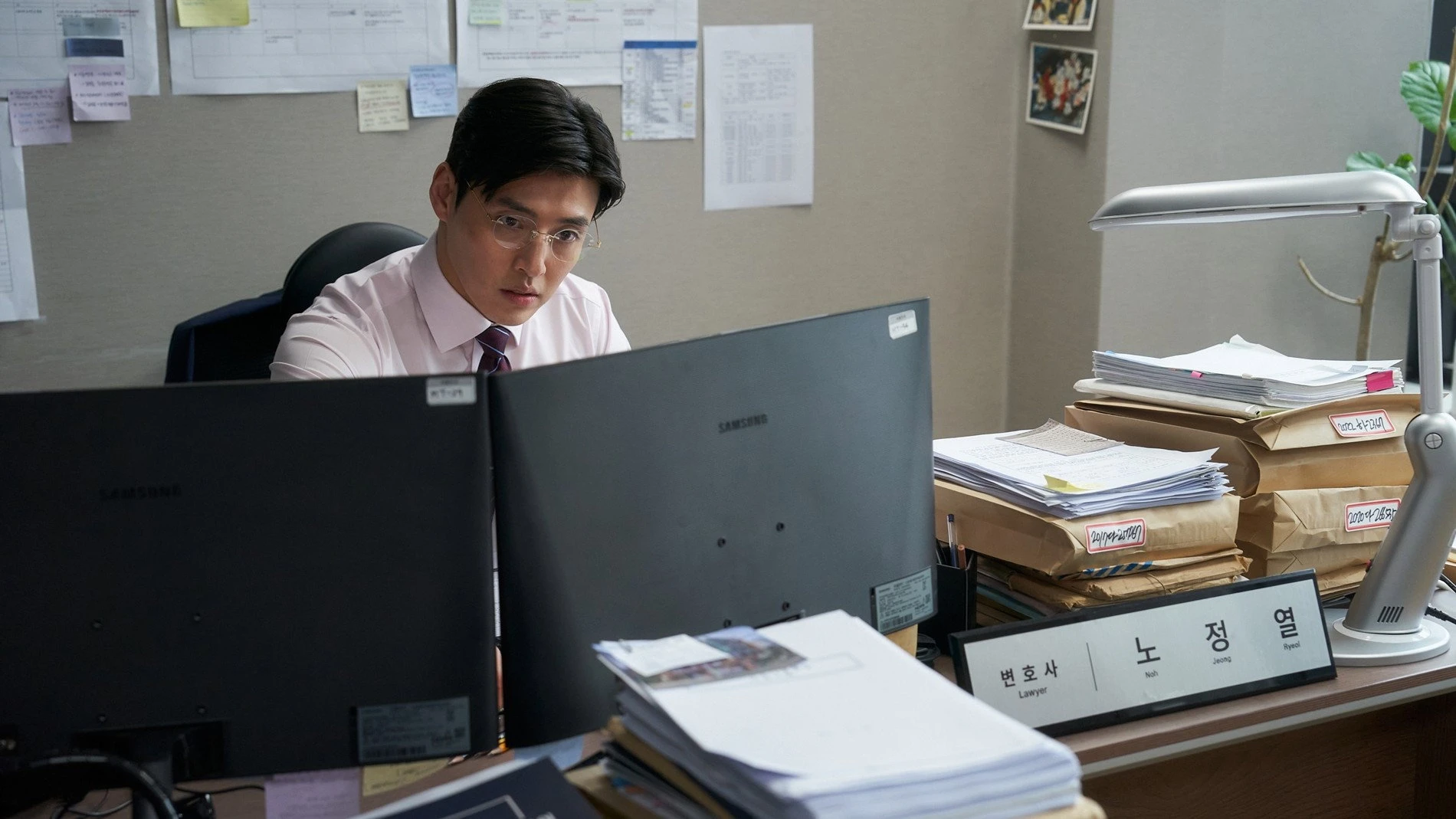
The people around the couple matter almost as much as the couple itself. Both families arrive with their own agendas: restoring memory, pushing the divorce through, managing the social awkwardness of two people who were clearly leaving each other now behaving as if they just met. The older generation — particularly the parents — operates not out of malice but out of the conviction that a proper ending matters, and that love which returns without permission is a complication, not a blessing. This interference is the engine of most of the film’s comedy.
Most romantic comedies need obstacles to keep a couple apart. Love Reset has an inversion: the obstacle is that people keep trying to push them back together — specifically, to the version of together that both parties had already agreed to leave. The film’s comic logic runs on the absurdity of everyone working harder to restore a broken marriage than anyone worked to save it. That irony is what gives the lighter scenes their particular texture.
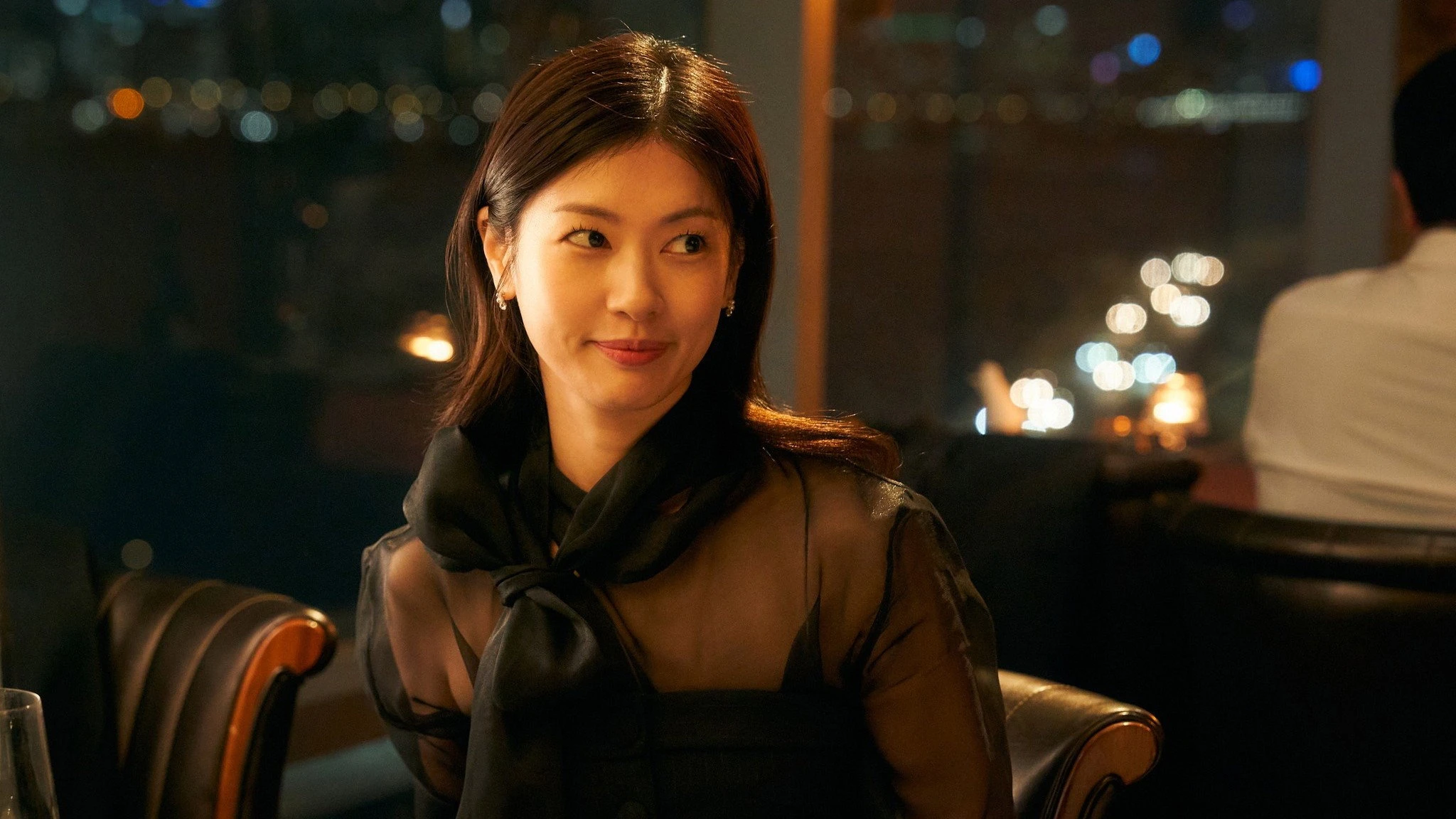
The tone throughout is bright and physically comedic — embarrassment and timing do more work here than any dramatic revelation. Kang Ha-neul is good at flustered. Jung So-min is good at the moment right before someone decides to believe something. Together, they make the re-courtship feel like something that could plausibly be happening, which is necessary for the emotional payoff to land at all. The pacing moves fast enough that when it does slow down to let a feeling breathe, you notice.
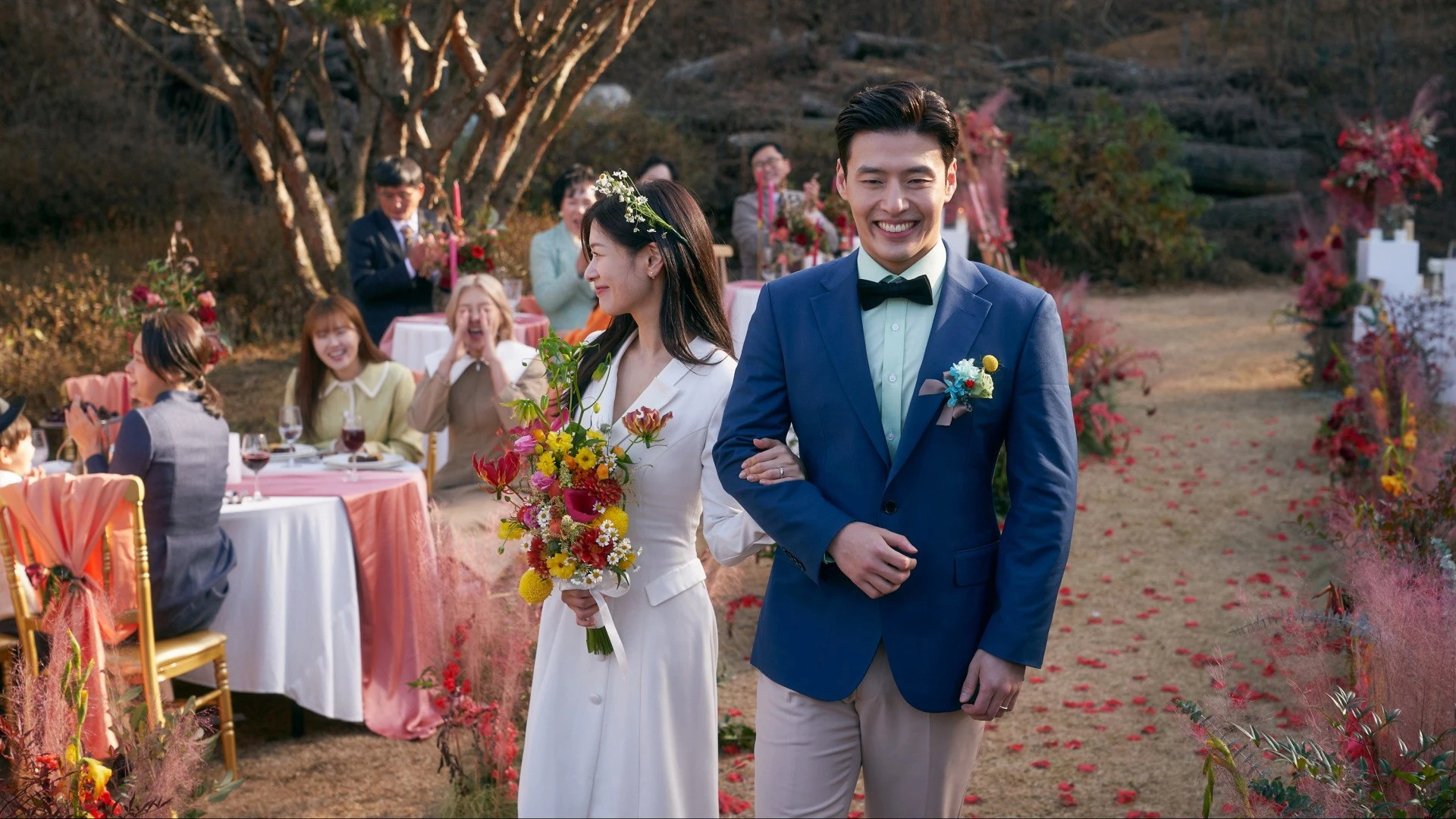
In Korea, divorce carries a different social weight than in many other contexts — it involves family reputation, formal waiting periods, and a kind of public accounting that makes separation feel institutional rather than private. Love Reset uses that pressure intelligently: the couple’s renewed closeness isn’t just their business, it affects every relationship around them. The film doesn’t explain any of this, but it shows it clearly enough that the stakes translate. The thirty days aren’t just a plot device. They’re a clock the whole family is watching.
🏁 Ending Explained
Full spoilers — everything that happens in the finale and what it actually means.
Spoiler Warning — This section covers the full finale of Love Reset. Stop here if you haven’t finished the film.
When memory returns. The finale arrives at the question the film has been withholding: what happens when the old record starts coming back. Not all at once — in pieces, the way forgetting usually works in reverse. Jung-yeol and Na-ra spent the majority of the film discovering each other without their accumulated damage active, and the ending forces them to decide whether that discovery holds once the damage returns. The couple’s renewed bond is tested not by the amnesia reversing, but by whether what they found in the middle was real enough to survive what came before it.
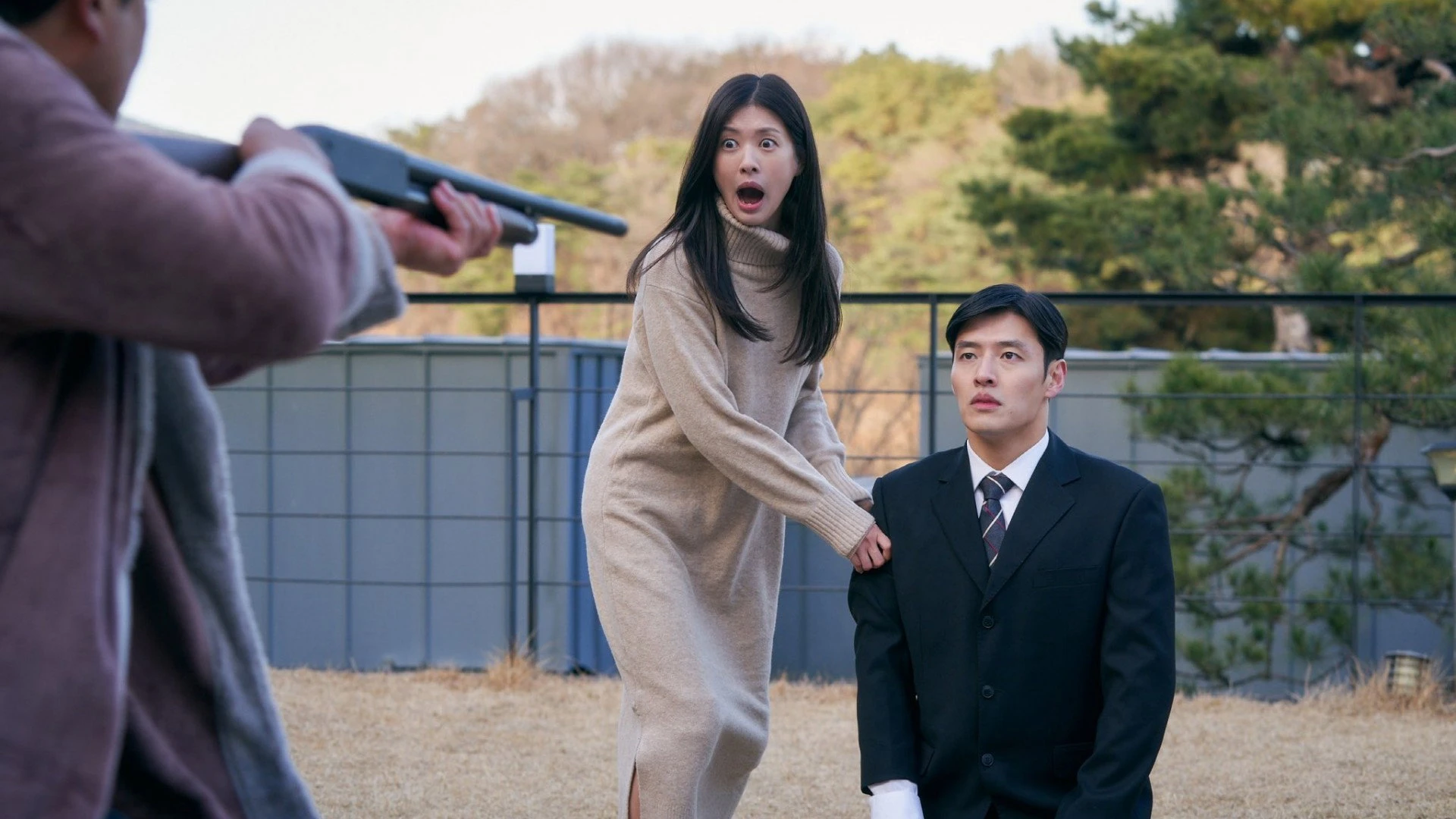
The families reach their limit. The relatives who spent the film working to restore the old reality — pushing the divorce through, managing the paperwork, strategizing around the couple’s accidental closeness — finally run into what their influence can’t control. The film argues something quietly important here: love can survive social pressure, but only when the people inside it choose it freely. Every relative who tried to manage the outcome eventually learns that the couple’s emotional reality was never theirs to direct.
Two readings, one ending. The film deliberately holds space for two interpretations. The optimistic one: Jung-yeol and Na-ra genuinely found something real — a version of their relationship stripped of the habits and defenses that had poisoned it. The more complicated one: the amnesia gave them a fantasy version of each other, and what they choose at the film’s close is partly constructed from that fantasy, not fully earned by what came before. Love Reset is comfortable with both readings. It doesn’t force a verdict on you.
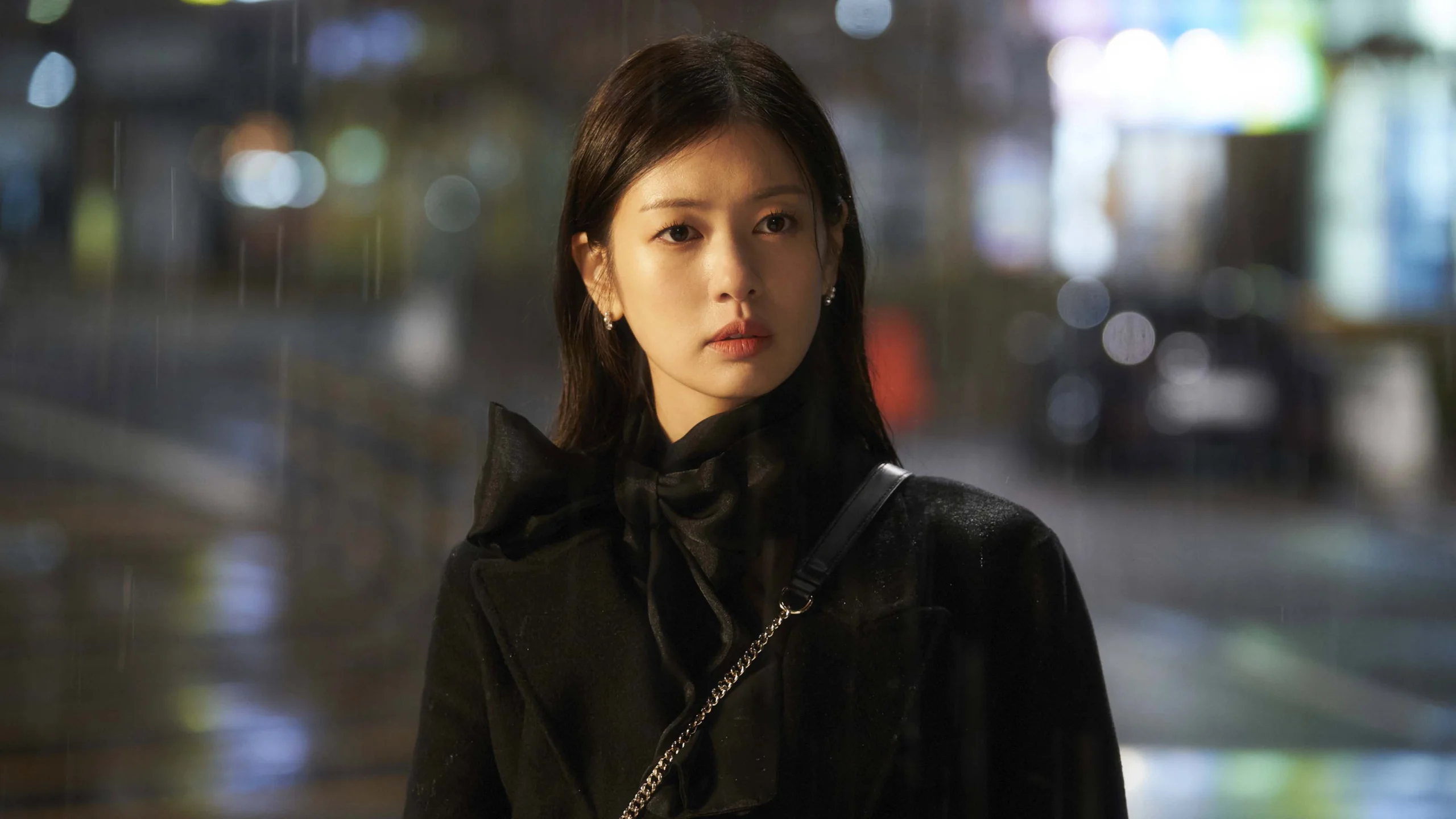
What the ending argues. The strongest version of this ending is simpler than either theory, and it’s what the film has been building toward from the first scene: the problem was never that they stopped loving each other. The problem was that they had never learned to be honest with each other while they still did. The accident didn’t fix their marriage. It gave them one undefended conversation — the first one in years. The reset wasn’t magic. It was just the first time they were paying attention.
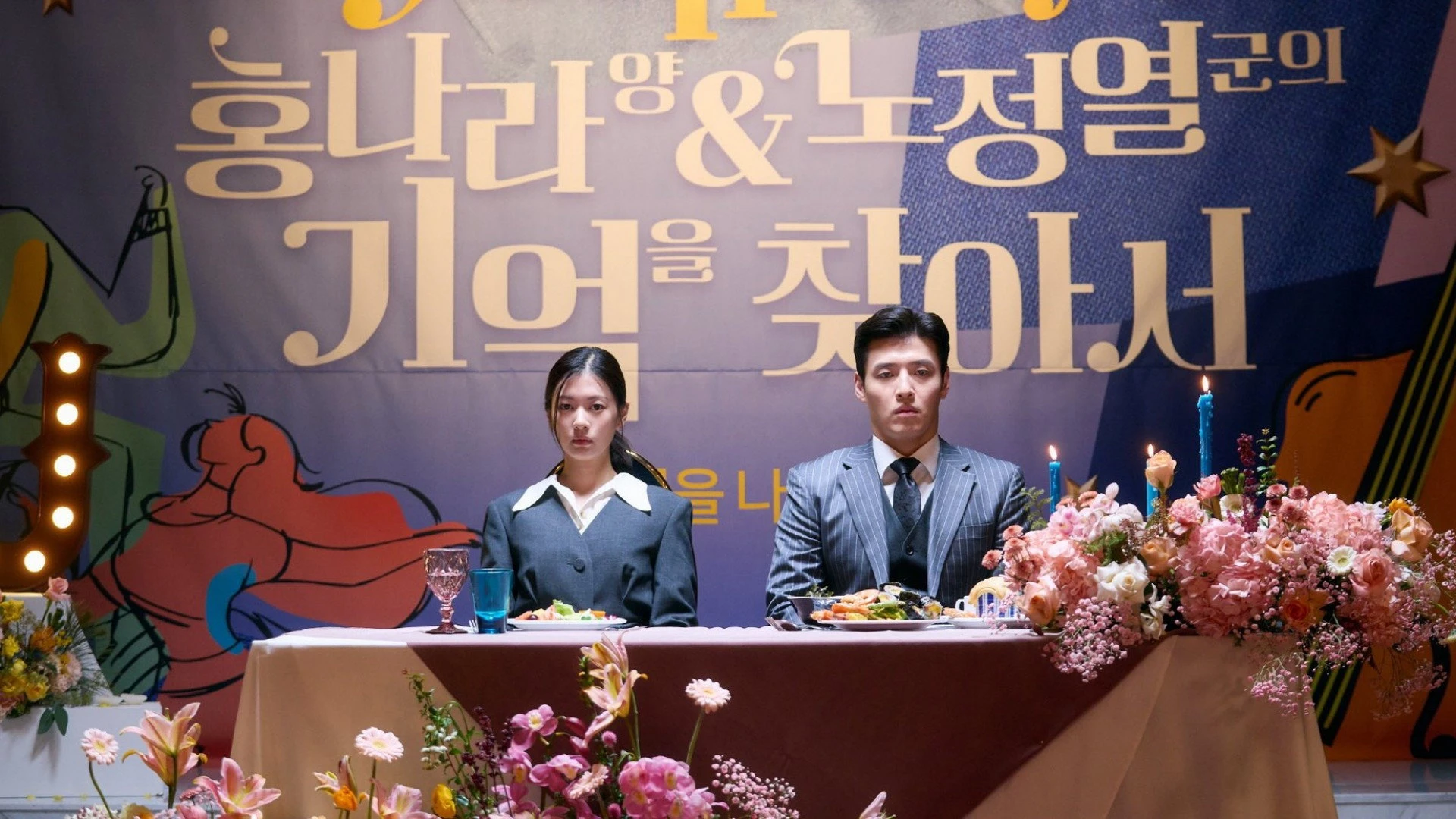
✍️ KDramaWorlds Editor’s Take
Our honest read on why this film works — and who it’s really for.
Kang Ha-neul has spent most of his career playing men under pressure — principled, slightly stiff, emotionally constrained by circumstance. What Love Reset does early and often is strip that composure away. The amnesia version of his character, Jung-yeol, is genuinely bad at being a person: he flinches at the right moments, reaches awkwardly for small talk he’s forgotten how to make, and ends up warmer for not having any armor left. Kang Ha-neul plays this not as incompetence but as relief — there’s a specific physicality in the recovery scenes, the way he holds himself differently once the lawyer-brain goes quiet, the way he reaches for words and comes up empty and keeps going anyway. His most interesting work here is in the scenes where he’s clearly feeling something he can’t quite name, largely because the character has no recent vocabulary for it. For a different register, see how he handles grief and restraint in Call It Love (2023).
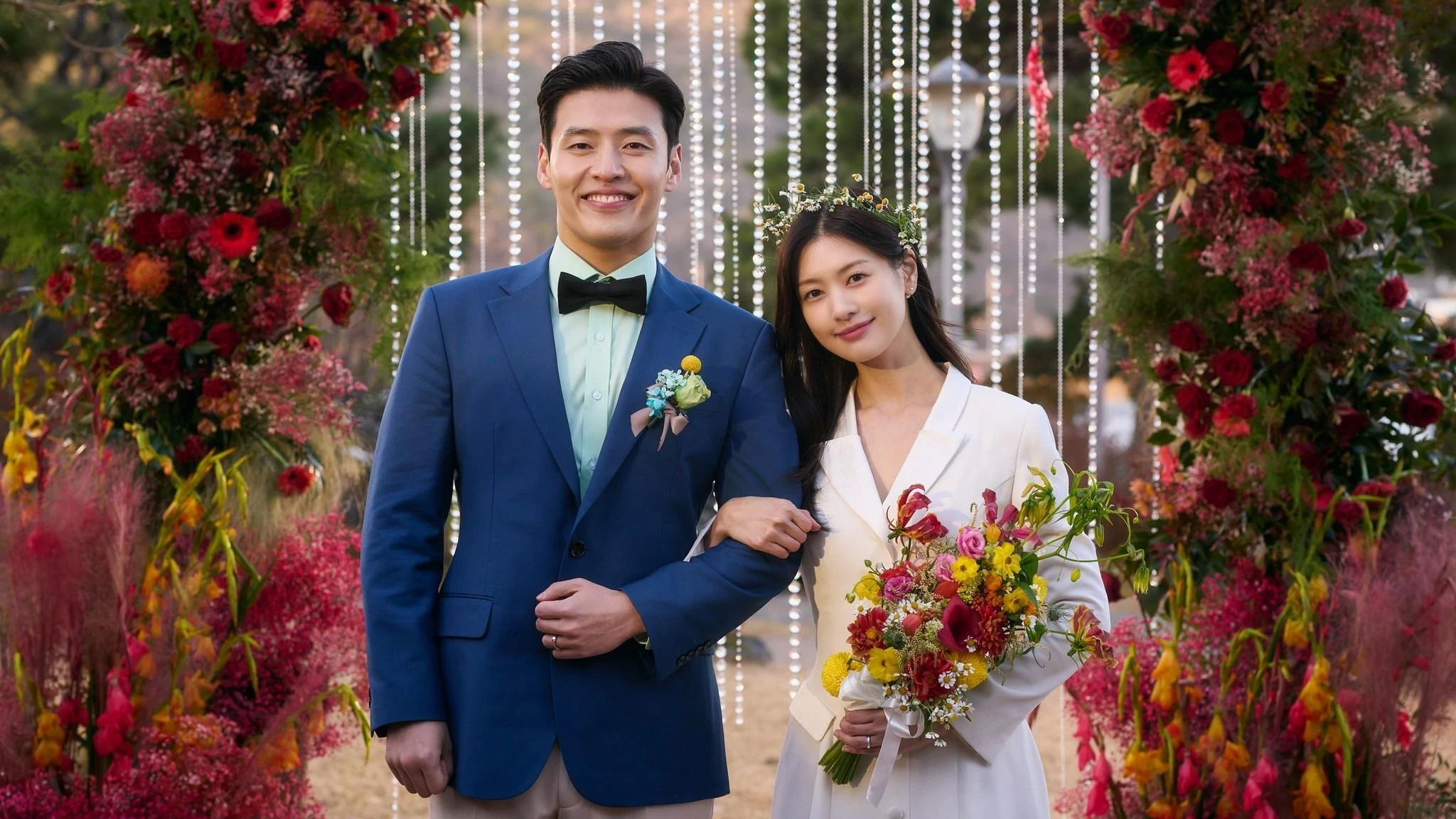
Jung So-min’s work is easier to underestimate than it should be. Na-ra is written as competent and slightly closed-off — the kind of character who processes everything efficiently until efficiency stops working as a strategy. What So-min adds is the moment right before the guard drops: a specific quality of attention she gives Kang Ha-neul in the rediscovery scenes, watching him the way you watch someone you’re permitting yourself to like, not yet sure it’s safe. That register — between professional wariness and new attraction — is the engine of every good scene they share. It’s close to what she does in Mr. Plankton (2024), though in a much lighter key here: the feeling costs less, which means the comedy has room to breathe.
The film’s structure wants to give equal weight to the comedy and the emotional stakes, and it’s more confident at one than the other. The family interference plots that drive most of the first half start losing their comic energy around the seventy-minute mark, and the finale leans on sentiment that the screenplay hasn’t fully set up. What saves it is that the central performances are doing their jobs well enough to carry weight the script doesn’t quite provide. Love Reset is not a perfectly made film. But for a romantic comedy about whether you can choose someone twice, it’s quietly honest about why that choice is hard — and occasionally honest enough to sting.
Fans of warm ensemble comedies with real family chaos
Romantic comedy fans who want emotional grounding
A warm, funny second-chance romance that earns its central irony. Not perfect. Worth the accident.
🎬 You Might Also Like
If you liked Love Reset, these are your next three watches.
 Strangers Again
Character Developmentdivorce
Read Full Review →
|
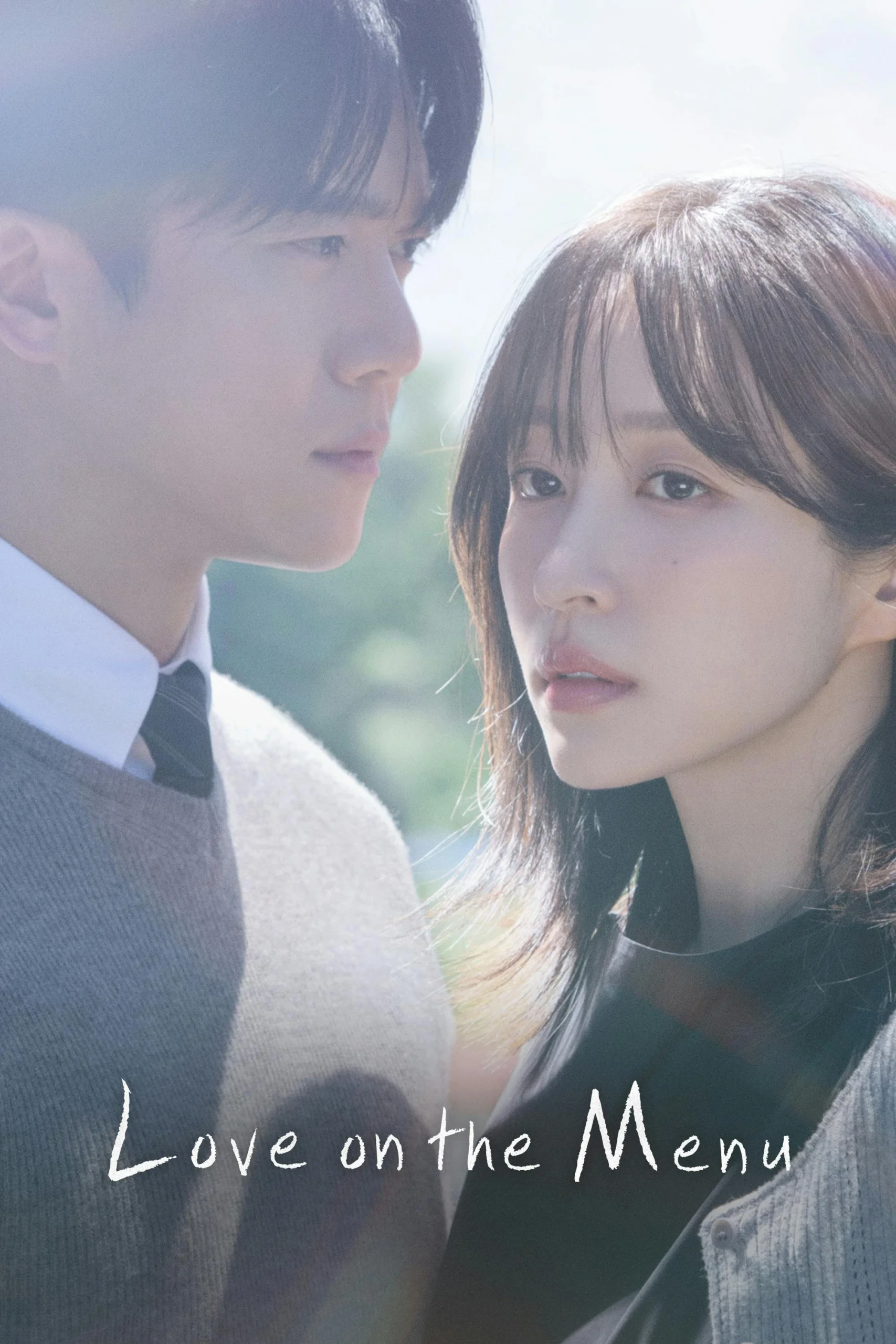 Love on the Menu
ChefClass Differences
Read Full Review →
|
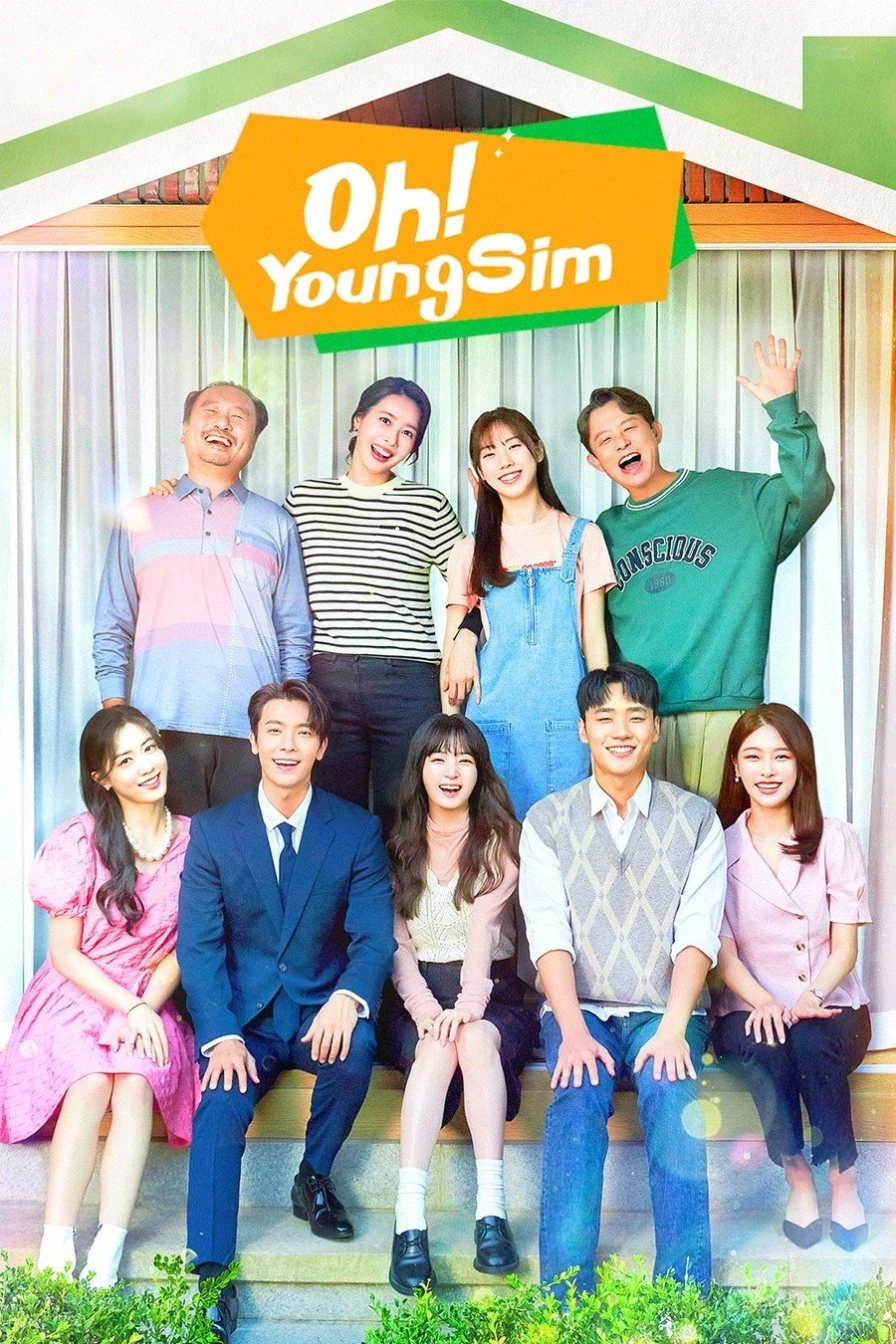 Oh! Youngsim
Animation AdaptationDonghae
Read Full Review →
|











Keep it kind, skip the harsh language, and please — no spoilers. Everyone's taste is different, and that's perfectly fine.
This space is for real reactions and discussion from other viewers. Help keep it comfortable for everyone by not giving away major plot details.
What do you think of this drama?
Login to share your review or leave a comment.
No email needed — just pick a username & password.