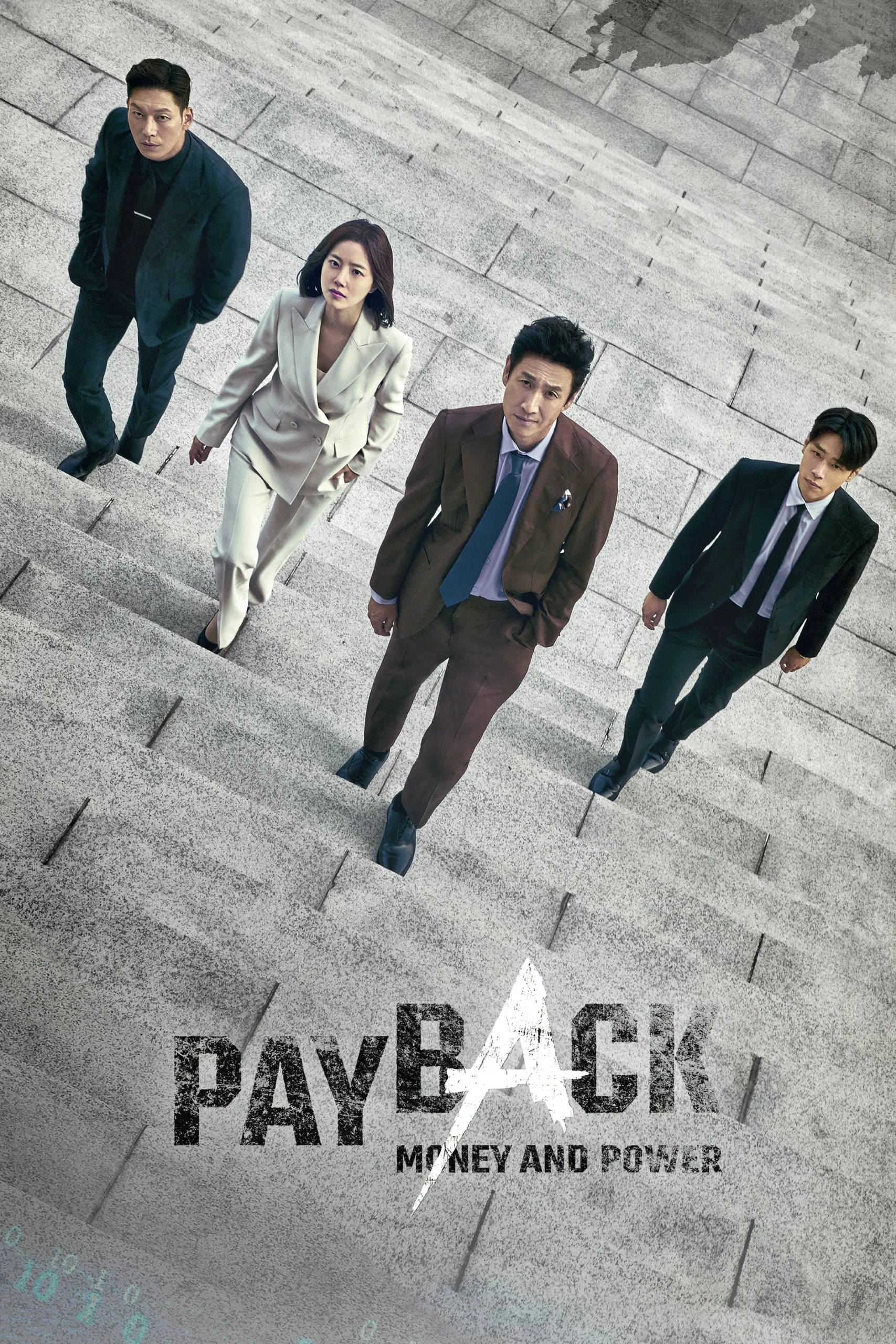
Payback: Money and Power
🎬 SBS · Prime Video · Apple TV+
⭐ 7.7 / 10 MDL
🔞 15+
📋 Drama Overview
The setup, the stakes, and where to watch — all in one place.
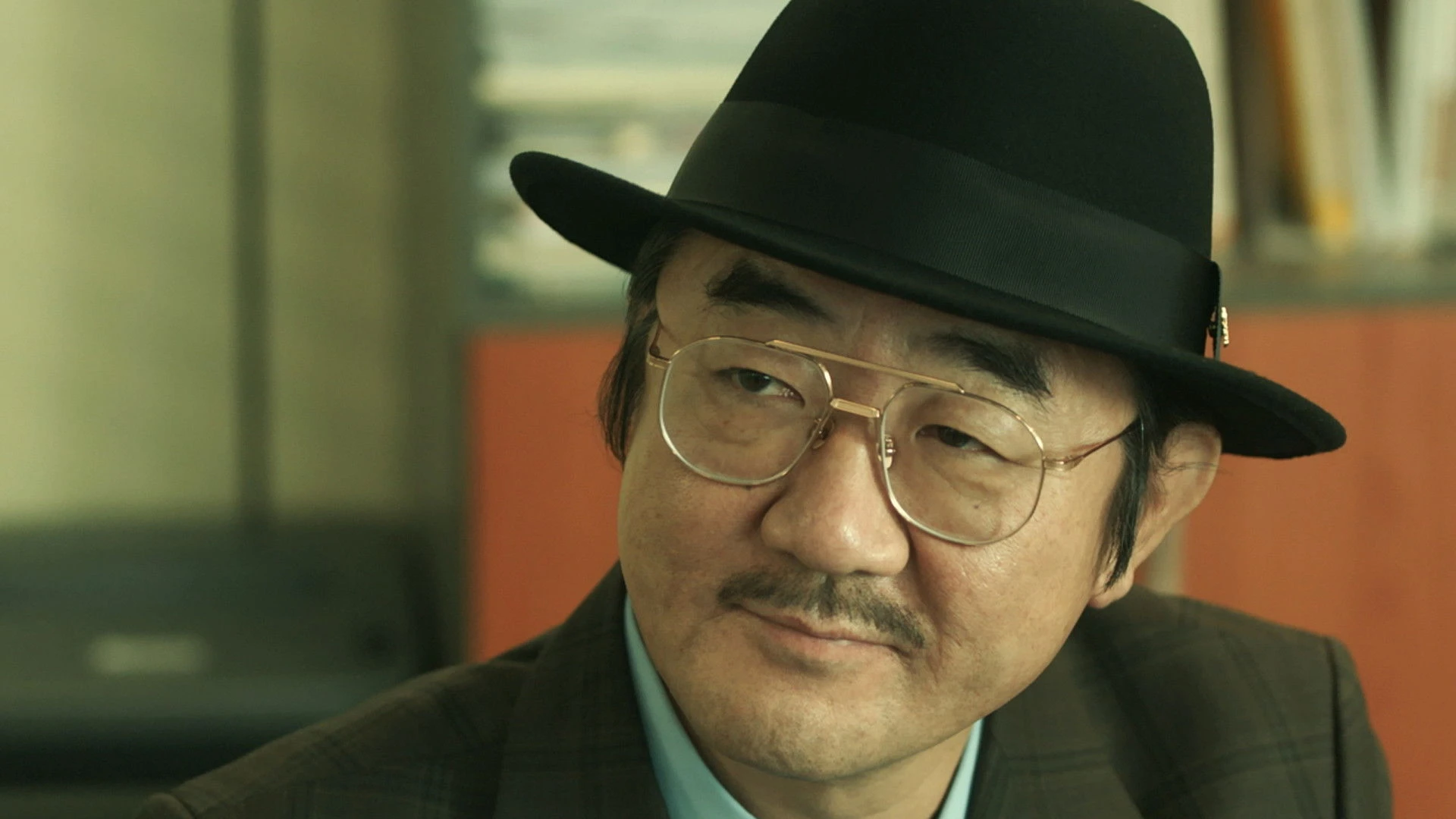
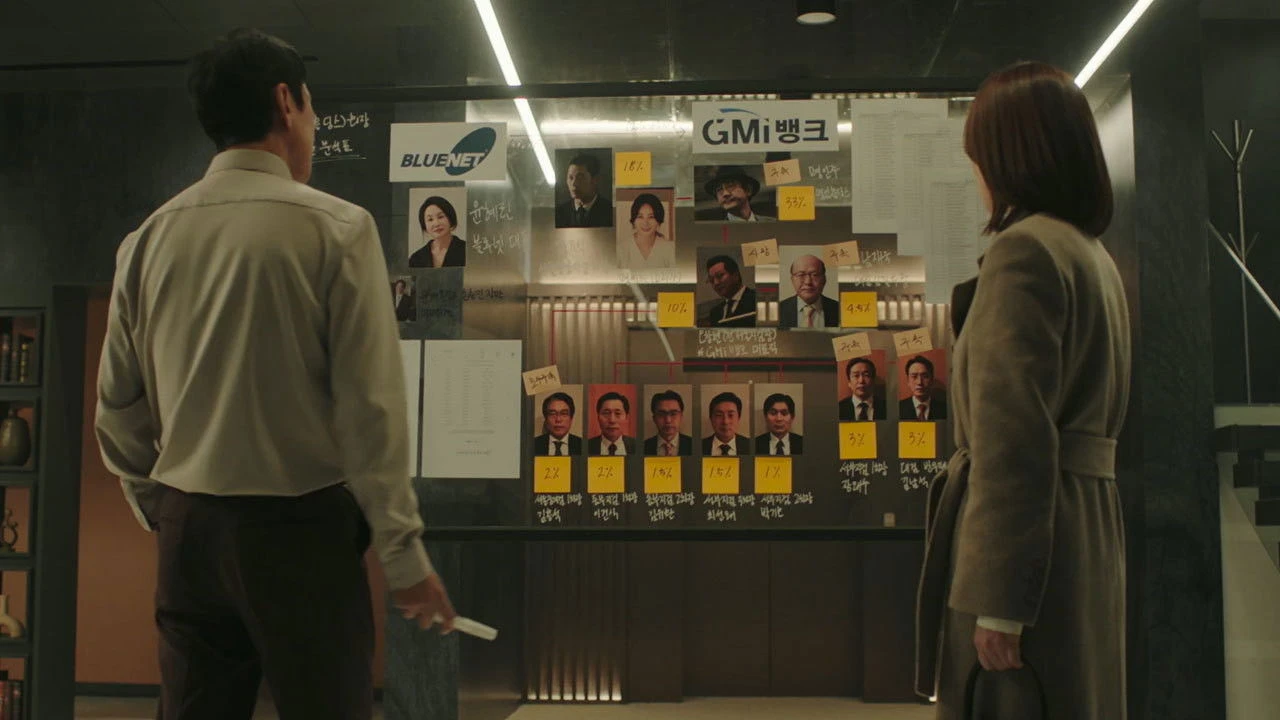
Somewhere in the Korean financial system, a cartel has learned how to be invisible. GMI Bank is a legal entity, Chairman Myung In-joo holds legitimate credentials, and the corruption runs so deeply through the prosecutorial office that the people paid to investigate it are the ones making it possible. This is the world Eun Yong left behind when he went to Mongolia — and the world he returns to when he senses the cartel has decided to reach his family. He comes back not with a weapon but with a ledger, and an understanding of money that is, in its own way, more dangerous.
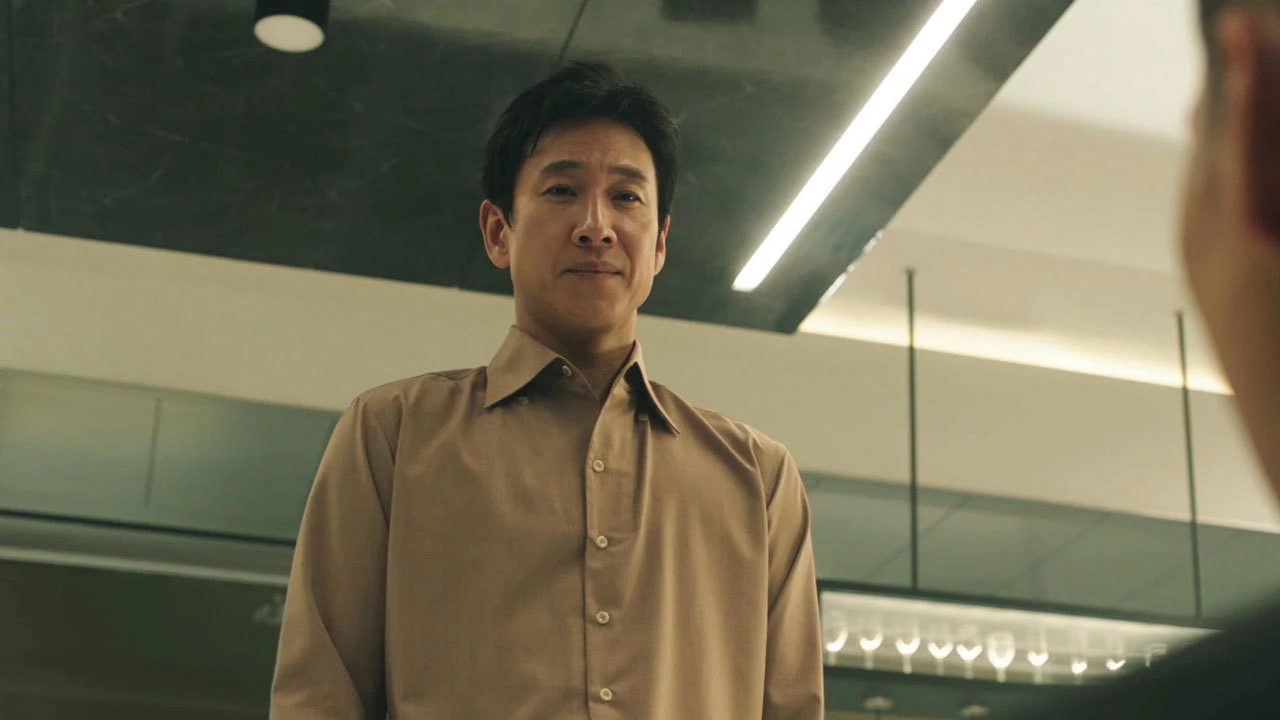
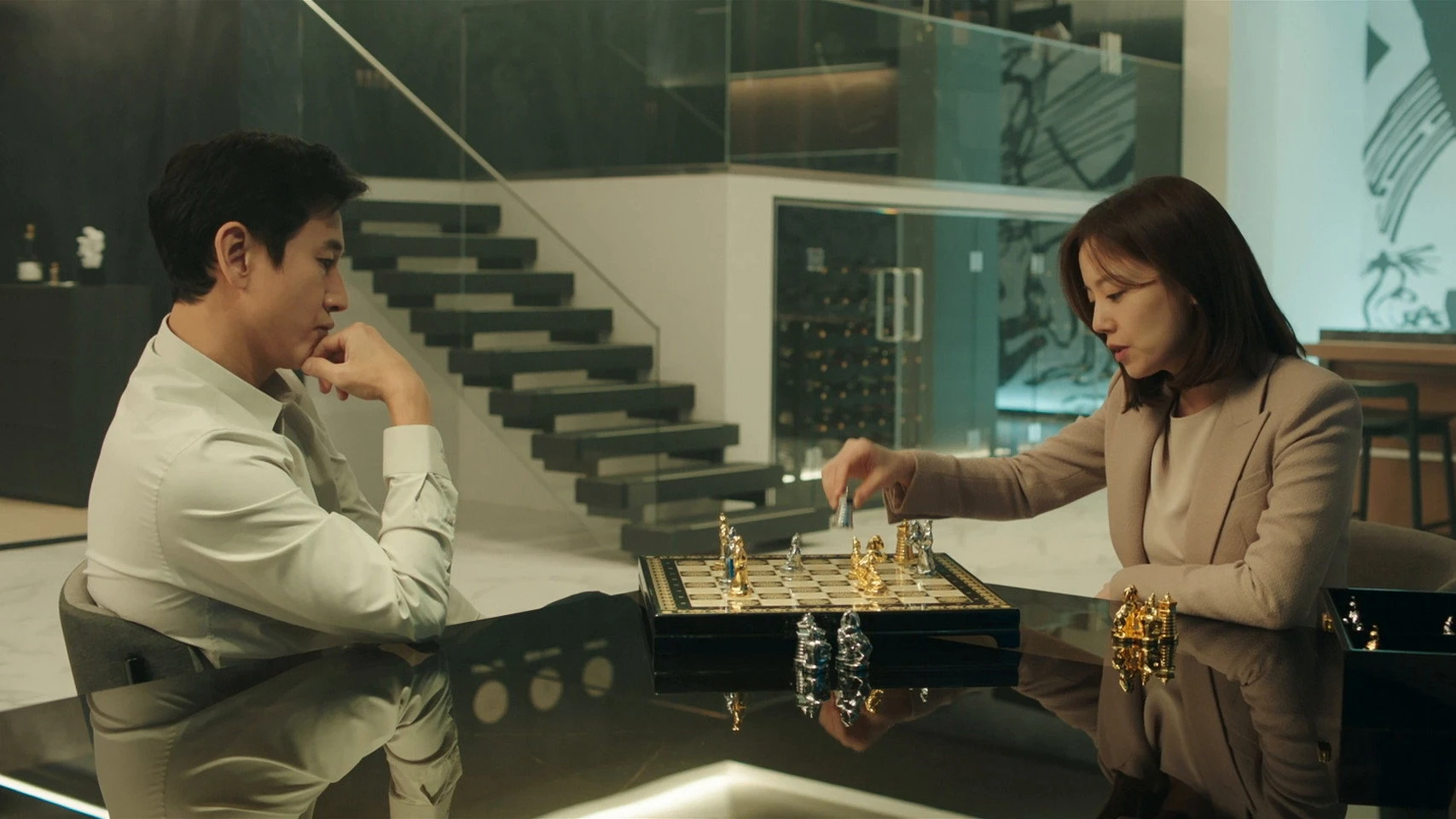
What separates Payback: Money and Power from the standard revenge thriller format is its commitment to the mechanics of financial crime: how leverage actually works, what institutional protection really means, and how people at the top of a corrupt system think about exposure. Lee Sun-kyun plays Eun Yong as a man who has spent years preparing for exactly this fight — patient, precise, and carrying a personal grief that clarifies everything. Moon Chae-won matches him as the military prosecutor whose own painful history with the Hye-rin case has made her indispensable to dismantling the same system she once had to compromise herself to survive.
12 / 12 ✅ Completed
⚡ Quick Verdict
The whole picture, condensed into one box.
· MDL Score
▶ Official Trailer
🎭 Cast & Characters
The ensemble that makes financial corruption feel genuinely personal.
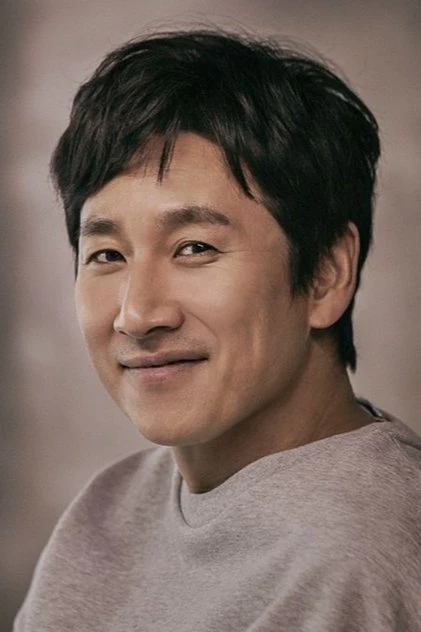
Lead

Lead

Supporting

Supporting

Supporting

Supporting
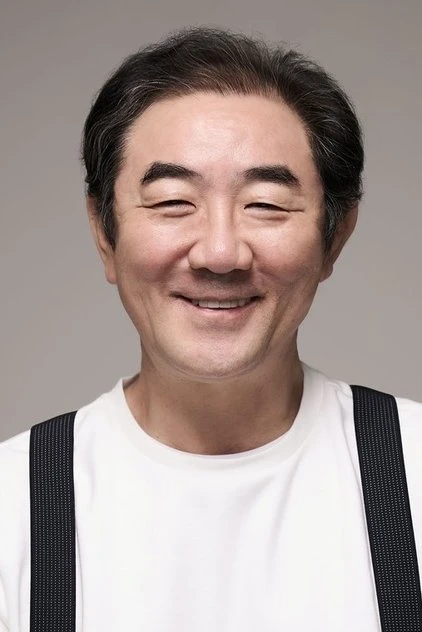
Supporting
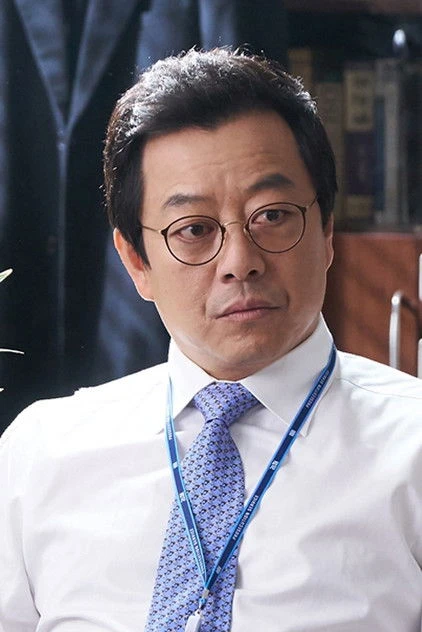
Supporting

Supporting
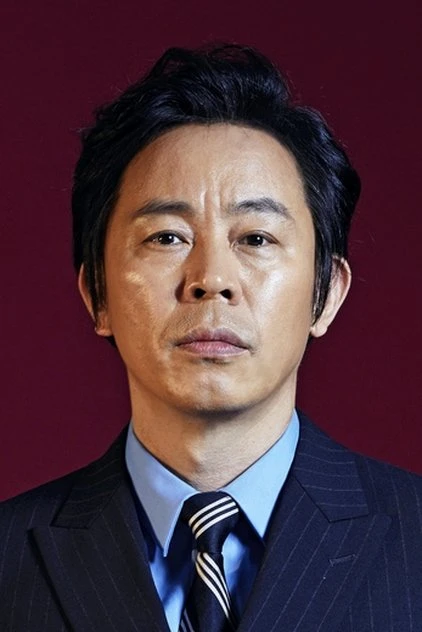
Supporting

Supporting

Supporting
📺 Episode Guide
Recaps that jog the memory, not spoil the ride.
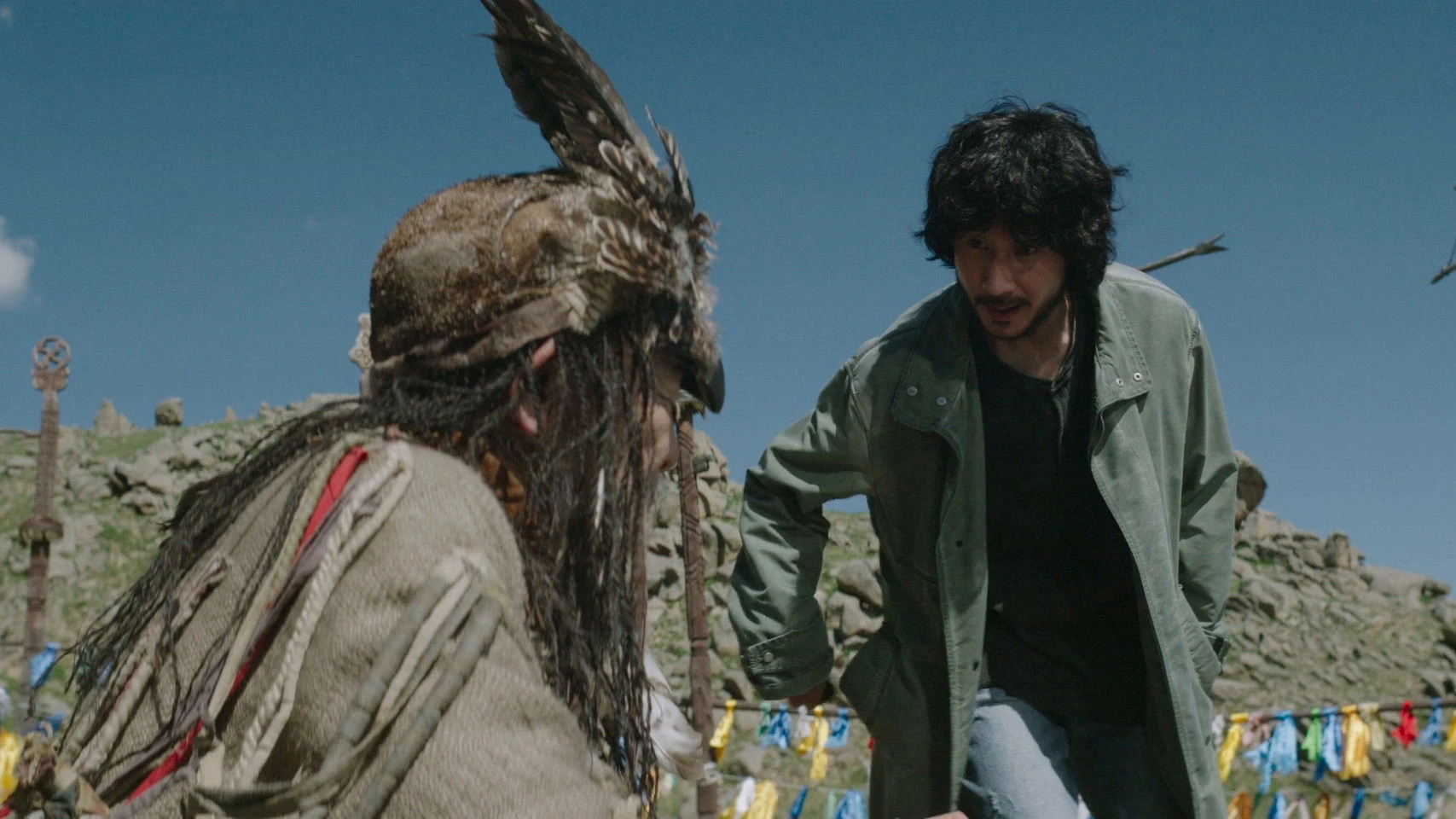
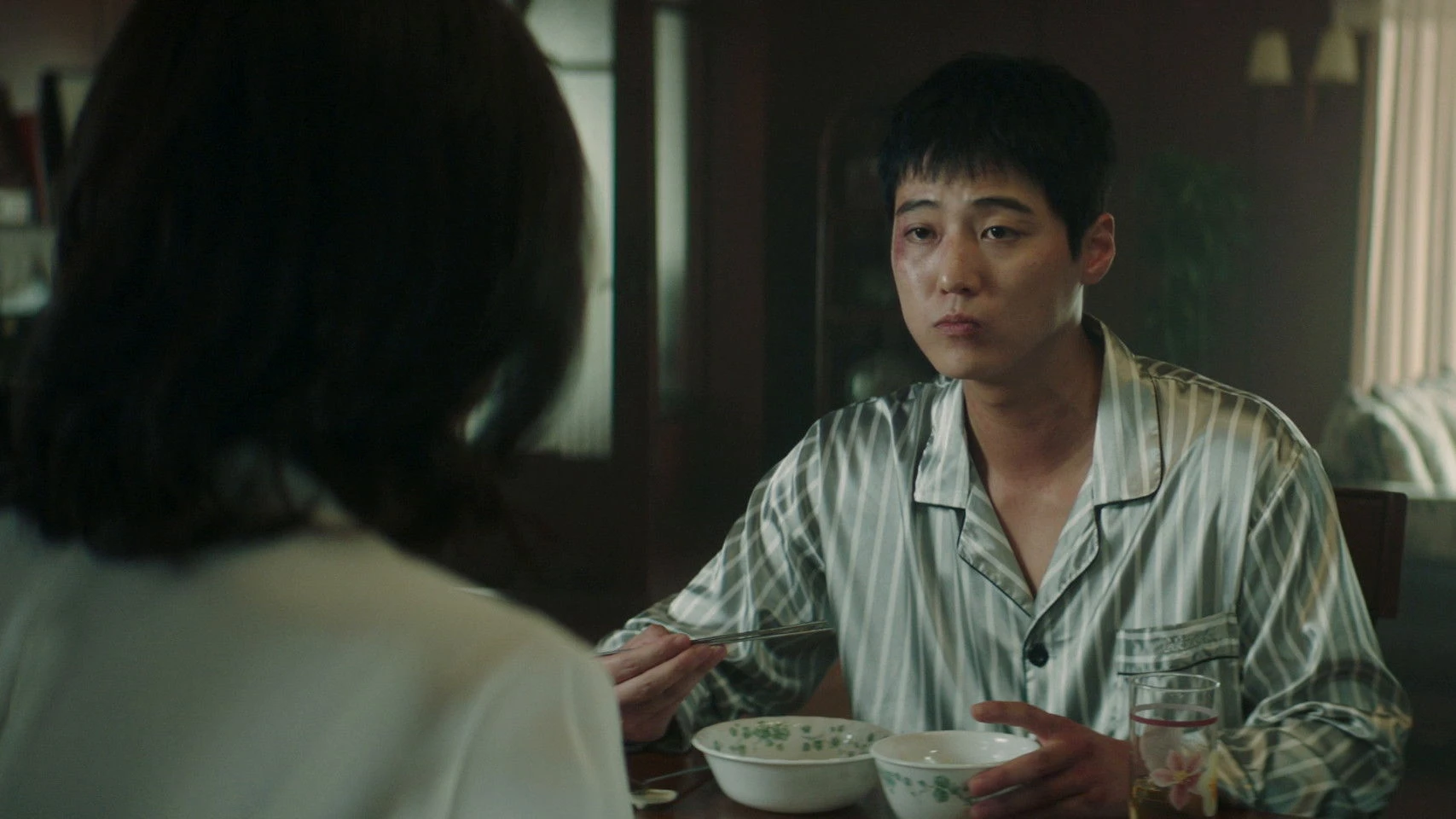
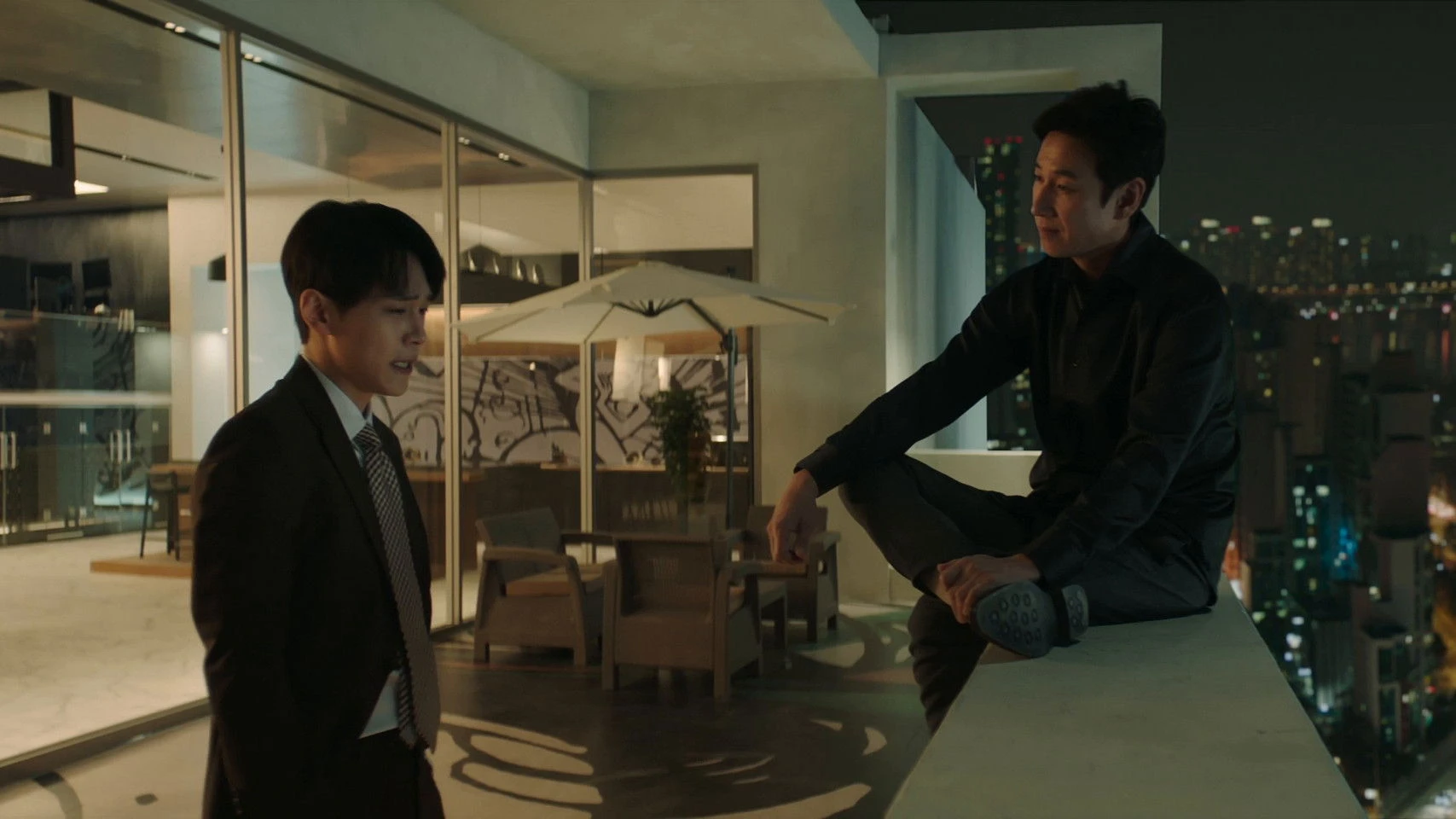
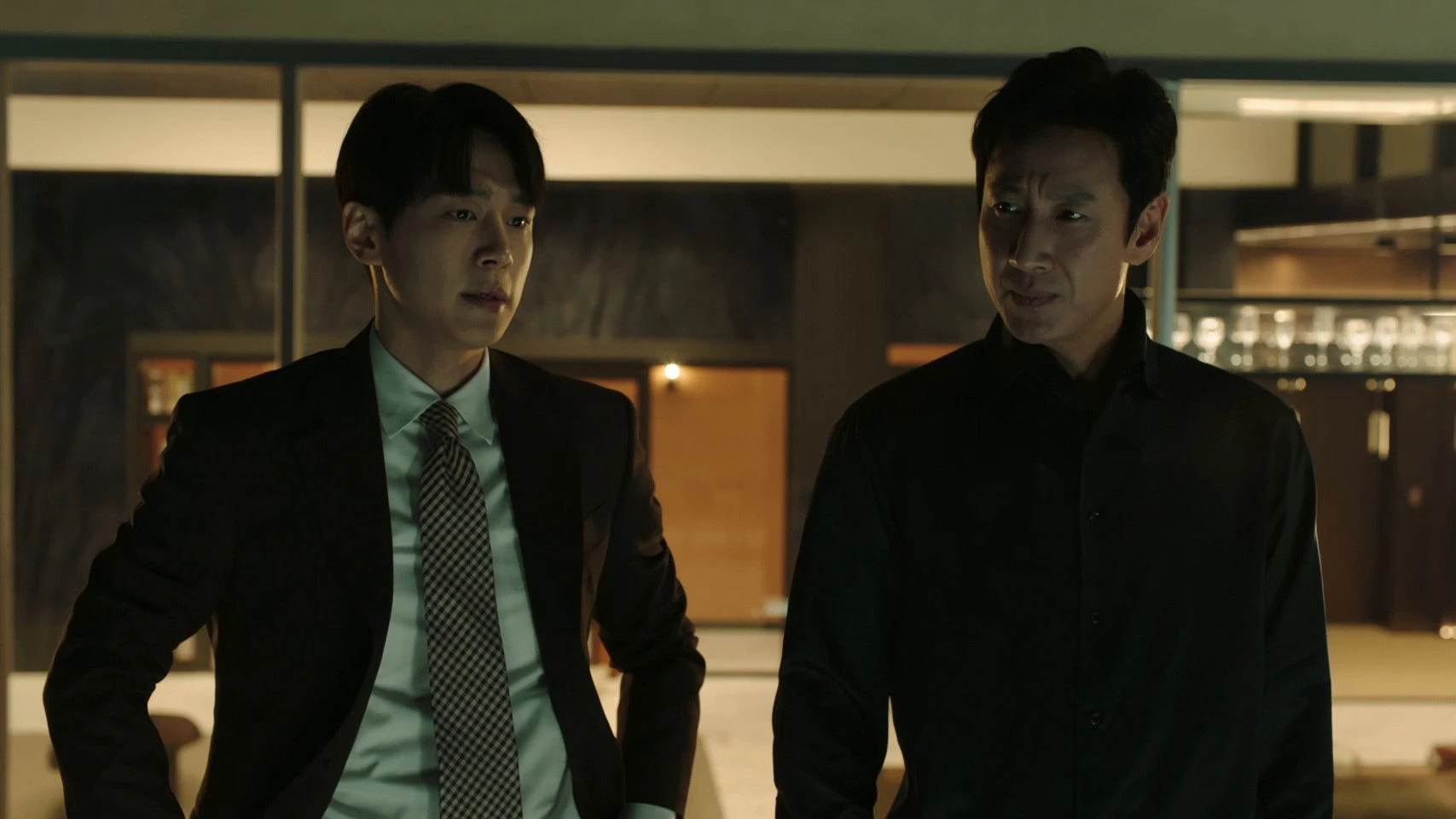

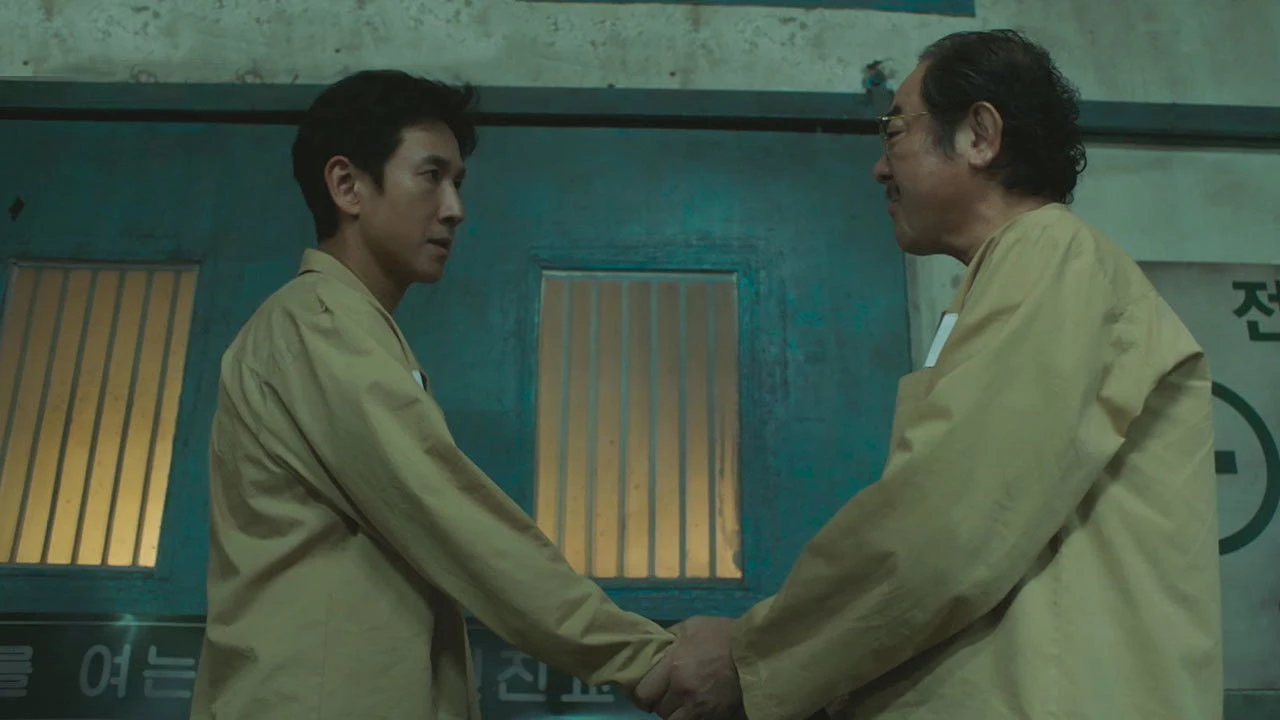
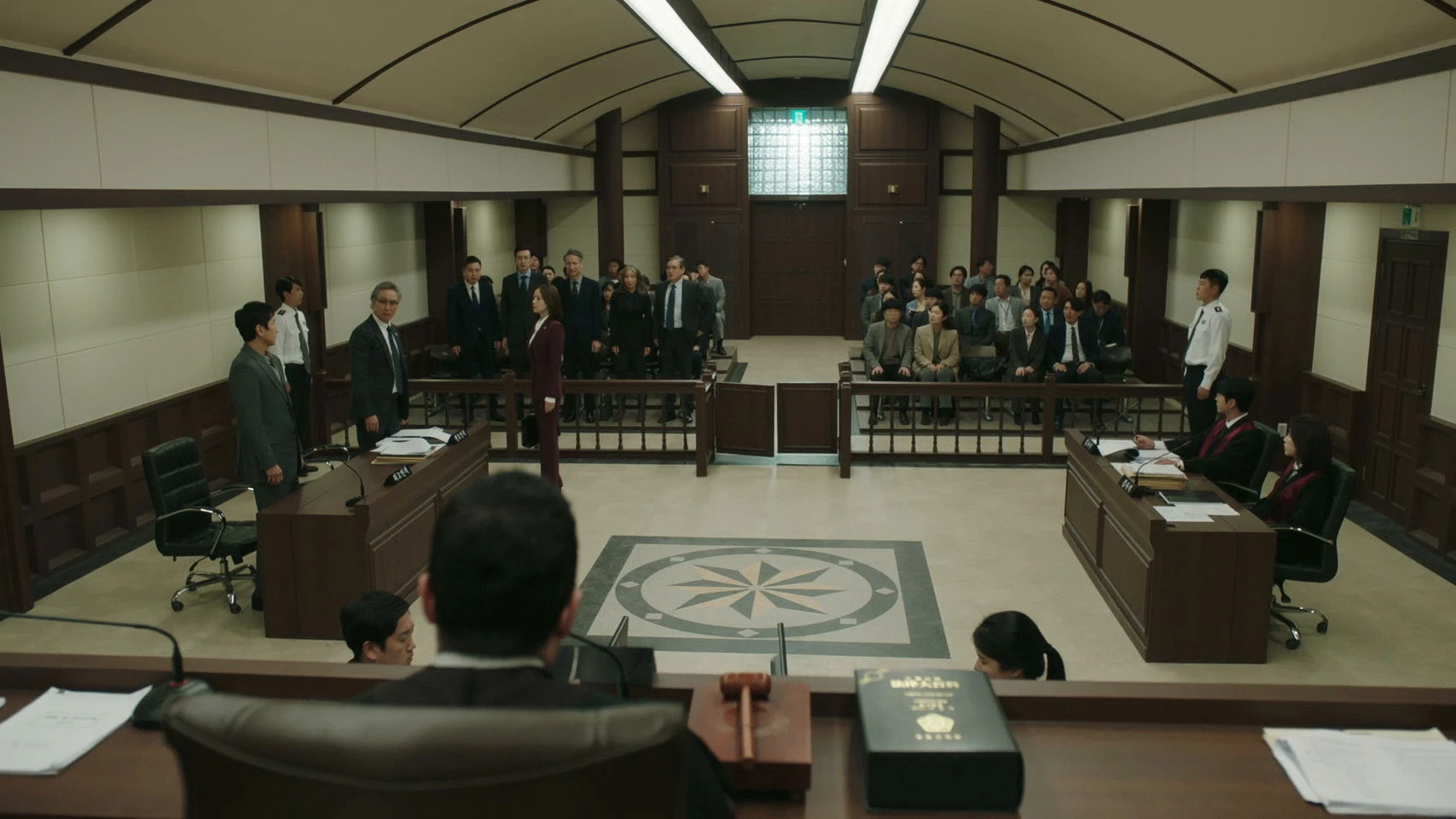
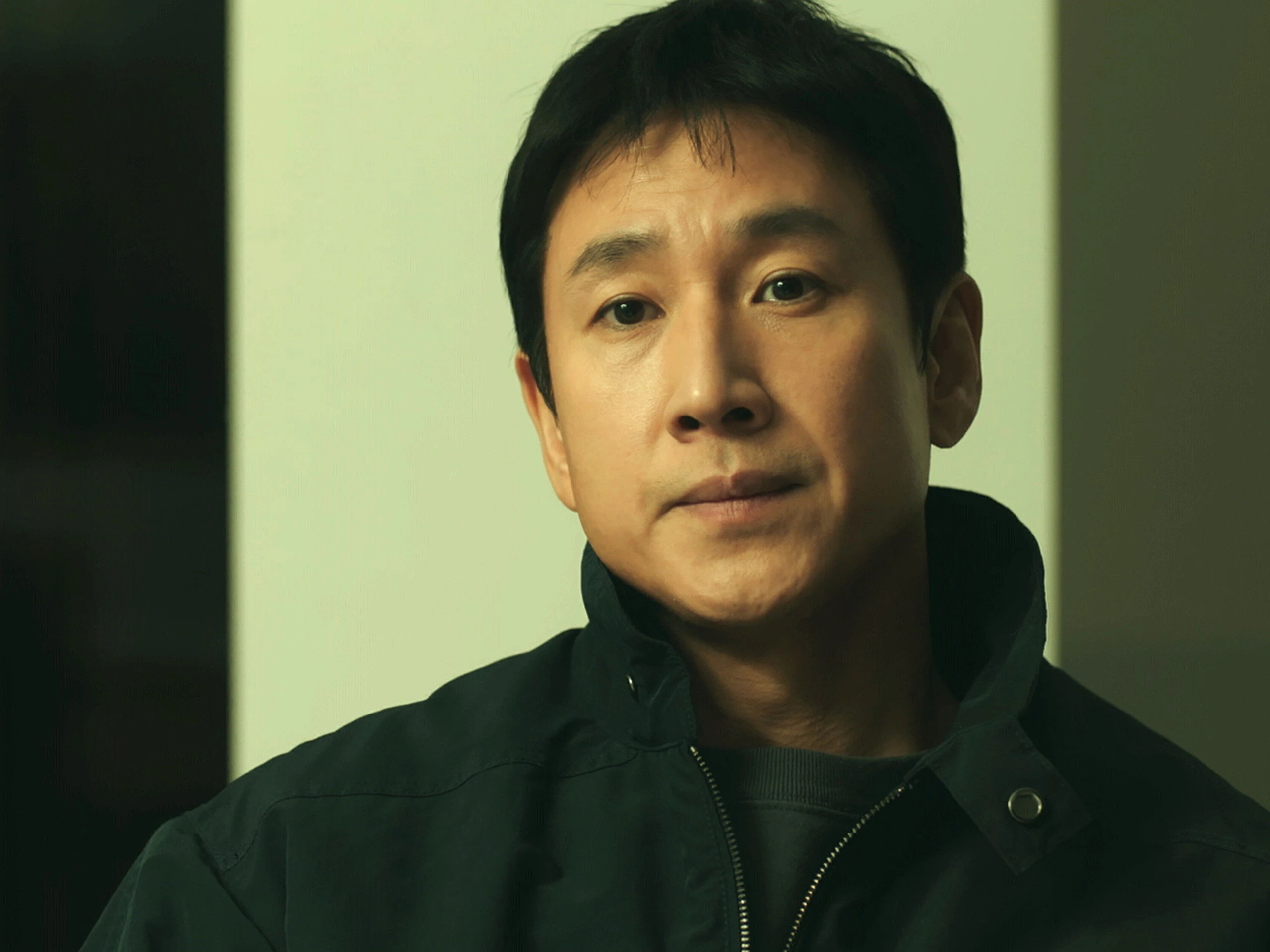
🏁 Ending Explained
Spoiler territory from here — the finale, fully unpacked.
Spoiler Warning — This section covers the full finale of Payback: Money and Power. Stop here if you haven’t finished the series.
How the finale dismantles the empire The endgame executes as a coordinated strike on multiple fronts simultaneously. Ki-seok’s decision to betray Myung In-joo has shifted the institutional calculus: where the prosecutorial system once shielded Myung, it now moves against him with the efficiency of a machine turned in reverse. Tae-chun and Jun-kyung secure the critical evidence before Ki-seok can corrupt it for his own use; Assemblyman Sohn’s political victory, engineered through Eun Yong’s positioning, removes Myung’s final layer of political protection. The arrest comes not as a dramatic confrontation but as the end result of a long game — every hidden account surfaced, every front company stripped of its legal cover, the network dismantled from multiple sides at once.
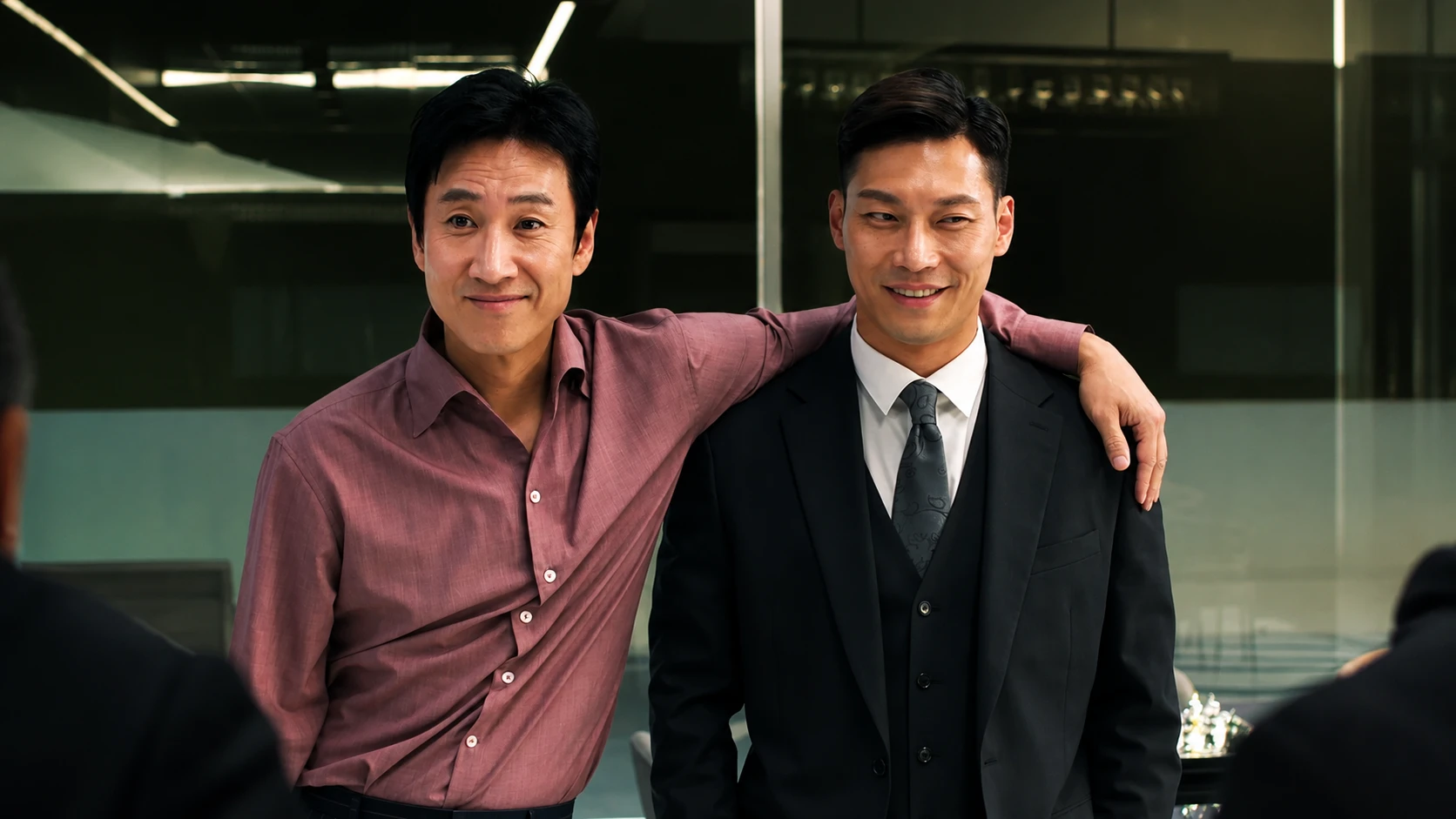
What the ending does not deliver — and why that matters The ending does not deliver simple justice, and Payback is honest about this. Ki-seok only turns against Myung because Eun Yong constructs a situation where betrayal is more profitable than loyalty — he doesn’t become good, he becomes redirected. The drama’s revenge is accomplished through the same logic that built Myung’s empire in the first place: leveraging self-interest, manipulating incentives, controlling information. The victory is real. The means are not clean. Payback never pretends otherwise, and that refusal is the most intellectually honest thing the series does.
Park Joong-kyung’s return — and what it costs Jun-kyung returning to her position as military prosecutor closes the arc that began with her mother’s death. She spent the series operating in the grey zone between legal and illegal action, and the ending restores her to legitimacy without erasing what that required. Moon Chae-won plays the final scenes with the quiet exhaustion of someone who got what they fought for and is still processing what it required — not triumphant, but resolved. The series treats this as a genuine conclusion rather than a comfortable one: Jun-kyung is back in the system, but the system she’s returned to has been changed, at least partially, by what she did outside it.
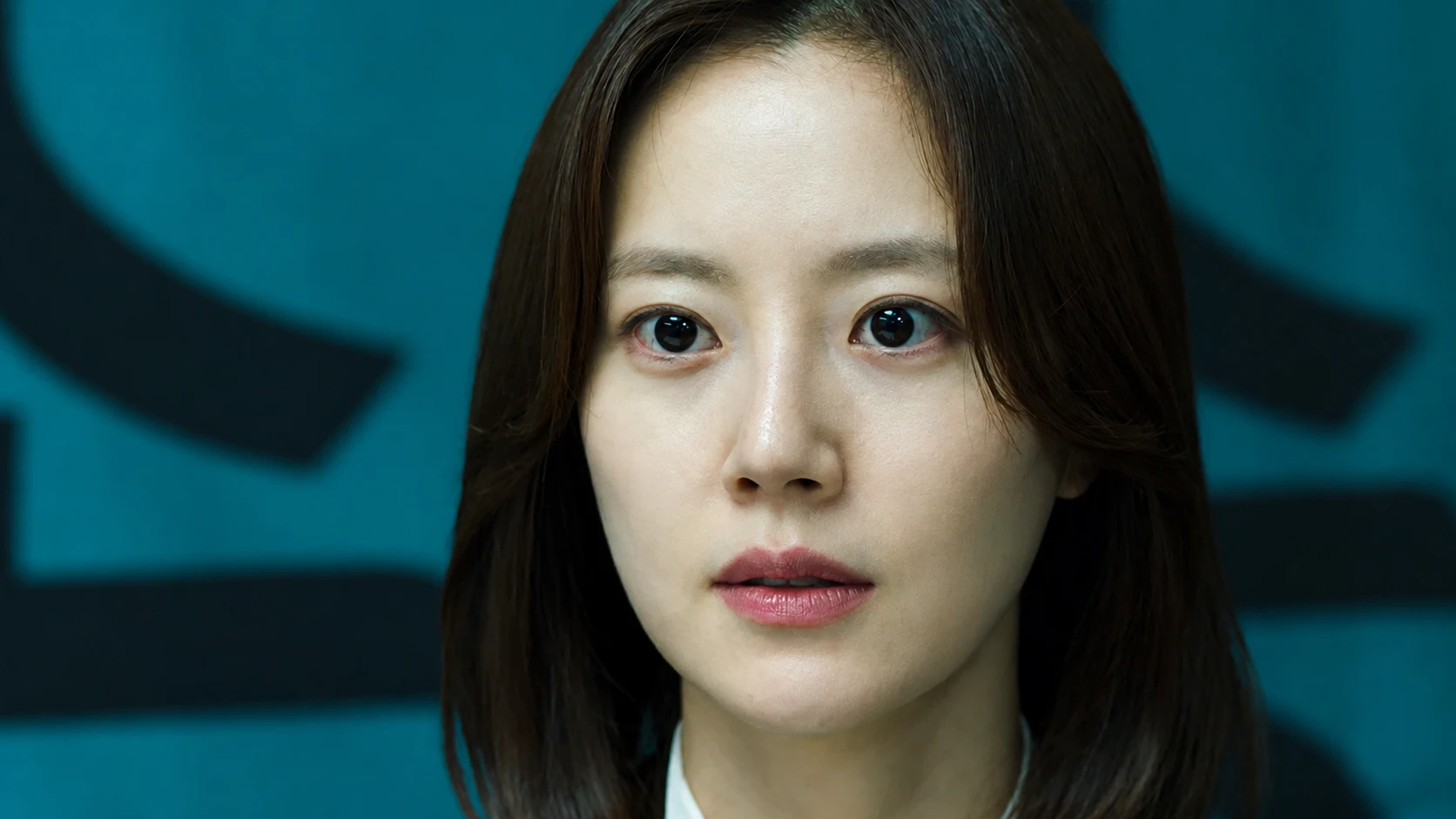
Why Eun Yong goes back to Mongolia Eun Yong’s return to Mongolia is the ending’s most deliberate choice. He doesn’t leave because he’s exiled or defeated — he leaves because the Korea he fought for, the legitimate country where Tae-chun’s commitment to the law means something, has no clear place for the methods he used to build it. He waged war on a corrupt system using tactics the system would recognize. He won. And the cost of that specific kind of winning is that you don’t get to stay for what comes after.
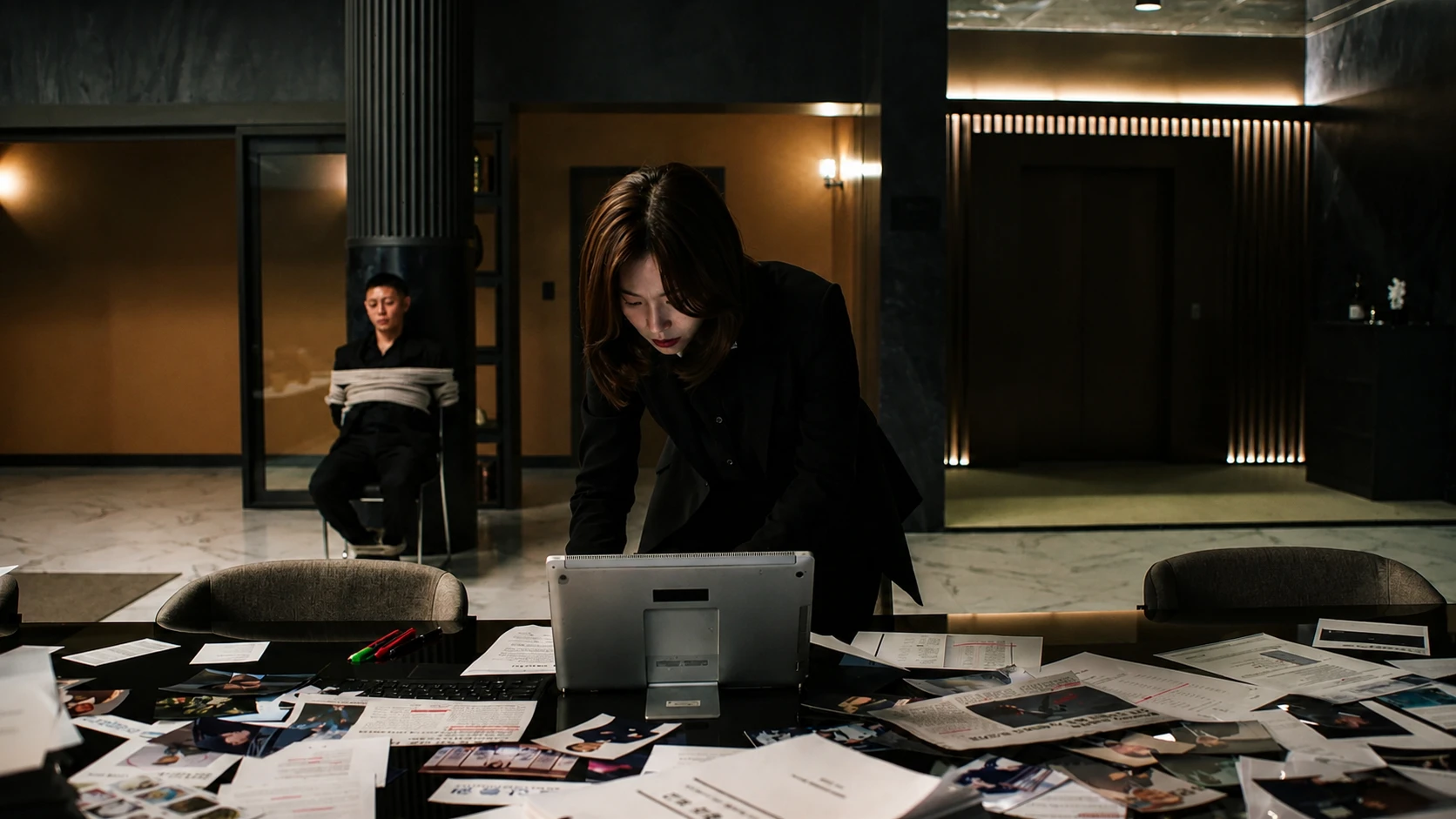
The KDW verdict — money, law, and who actually wins The drama’s final argument is that money and law are not opposites but adversaries in permanent negotiation, and the outcome of any specific conflict depends entirely on who is holding the information when it matters most. Eun Yong won because he knew things Myung didn’t expect him to know. Tae-chun prevails in the long run because his commitment to the law survives even when the law fails him. The ending recontextualizes every scene where Eun Yong’s ethics seemed questionable: viewed from the finale, those compromises were not corruption but calibration — bending the rules exactly as far as the situation required, and not one step further. Whether that distinction matters is the question the series leaves with you.
✍️ KDramaWorlds Editor’s Take
Our real opinion — worth the watch, and for who exactly.
⚖️ Law vs. Power
🔥 Cartel Under Fire
🕵️ The Long Con
What Payback understands about Lee Sun-kyun — and what the drama is, in a sense, a vehicle for — is the specific authority he brings to restraint. Eun Yong barely raises his voice in twelve episodes. His power comes entirely from information and timing, and Lee Sun-kyun plays that as a quality of attention: always in the scene, always calculating, never performing for the room he’s in. It’s a kind of acting that looks effortless from the outside and isn’t. The closest comparison in recent Korean crime drama is Vincenzo — but where Vincenzo performs his menace for the audience’s enjoyment, Eun Yong withholds his, and the difference in effect is considerable.

The drama’s diagnosis of how corrupt systems survive is precise enough to be uncomfortable: they don’t just bribe people, they make corruption the rational move. Ki-seok is the character who demonstrates this most clearly — a man whose moral flexibility is not weakness but adaptation, someone who serves whoever is winning because he has learned that principle doesn’t protect you. It’s a dynamic The Whirlwind later explores at the political level, but Payback finds it earlier and smaller — in the specific calculation of a prosecutor who knows exactly what his conscience is worth.
Moon Chae-won’s Jun-kyung is the emotional spine of the series in a way that might not be obvious until late in the run. She’s the character who pays the highest personal price — carrying her mother’s secret, operating outside her legal authority, serving a longer rehabilitation arc than any of the male leads. The Episode 3 scene where she finally tells Eun Yong the truth about Hye-rin is a masterclass in what Moon Chae-won does best: precision under pressure, a character holding everything and letting almost none of it show.
Fans of legal thrillers where the system itself is as much the antagonist as any individual villain
Anyone who appreciated Lee Sun-kyun’s work in Parasite and wants to see him carry a full series on his own
🎬 You Might Also Like
If you liked Payback: Money and Power, these are your next three watches.
 Made in Korea (Season 2)
ActionBrothers Rivalry
Read Full Review →
|
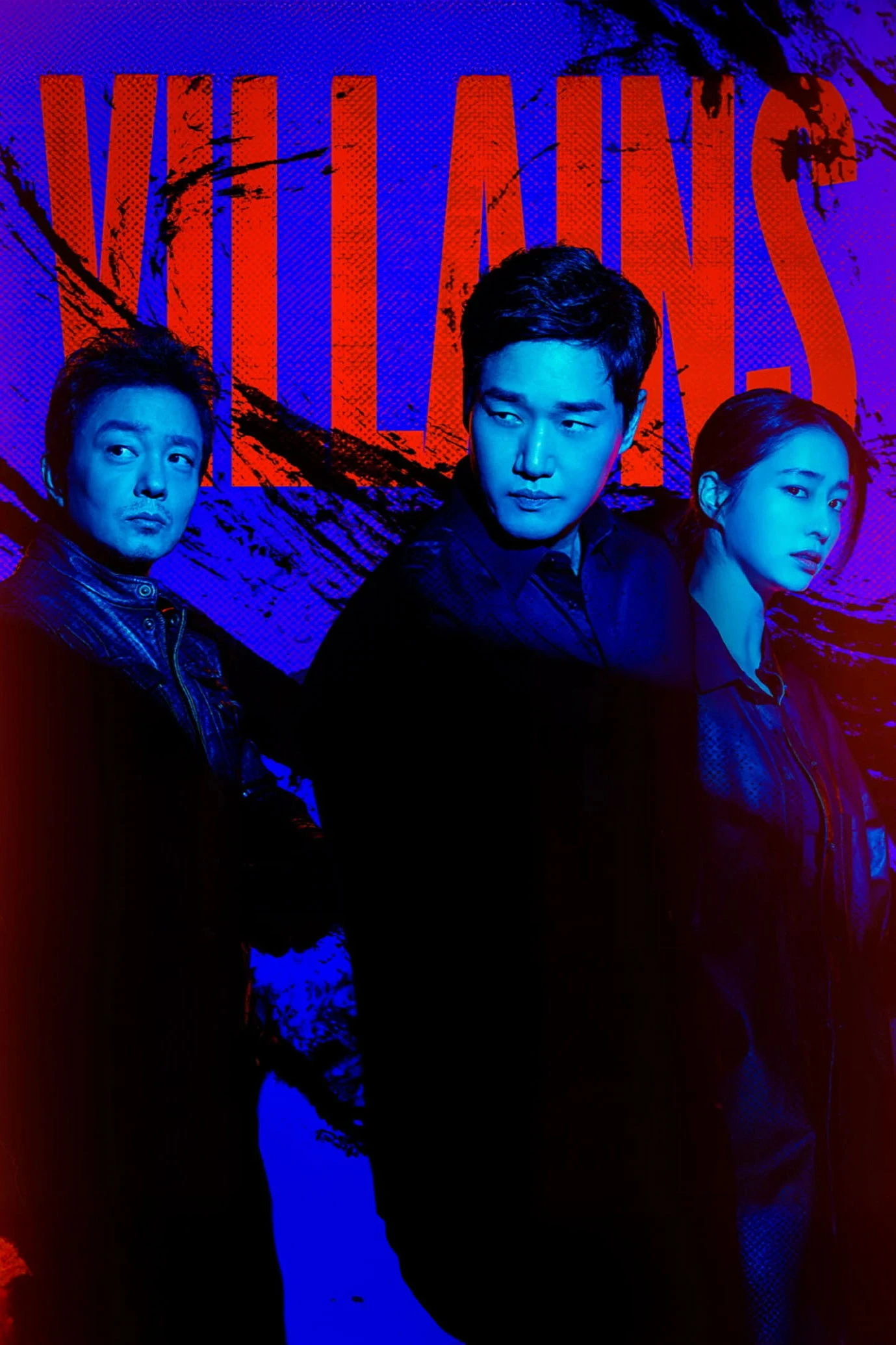 Villains
Corrupt Detectivecrime
Read Full Review →
|
 Doctor Lawyer
Chaebol CorruptionCorruption
Read Full Review →
|













Keep it kind, skip the harsh language, and please — no spoilers. Everyone's taste is different, and that's perfectly fine.
This space is for real reactions and discussion from other viewers. Help keep it comfortable for everyone by not giving away major plot details.
What do you think of this drama?
Login to share your review or leave a comment.
No email needed — just pick a username & password.