📺 K-Drama Guide · Romance · Comedy
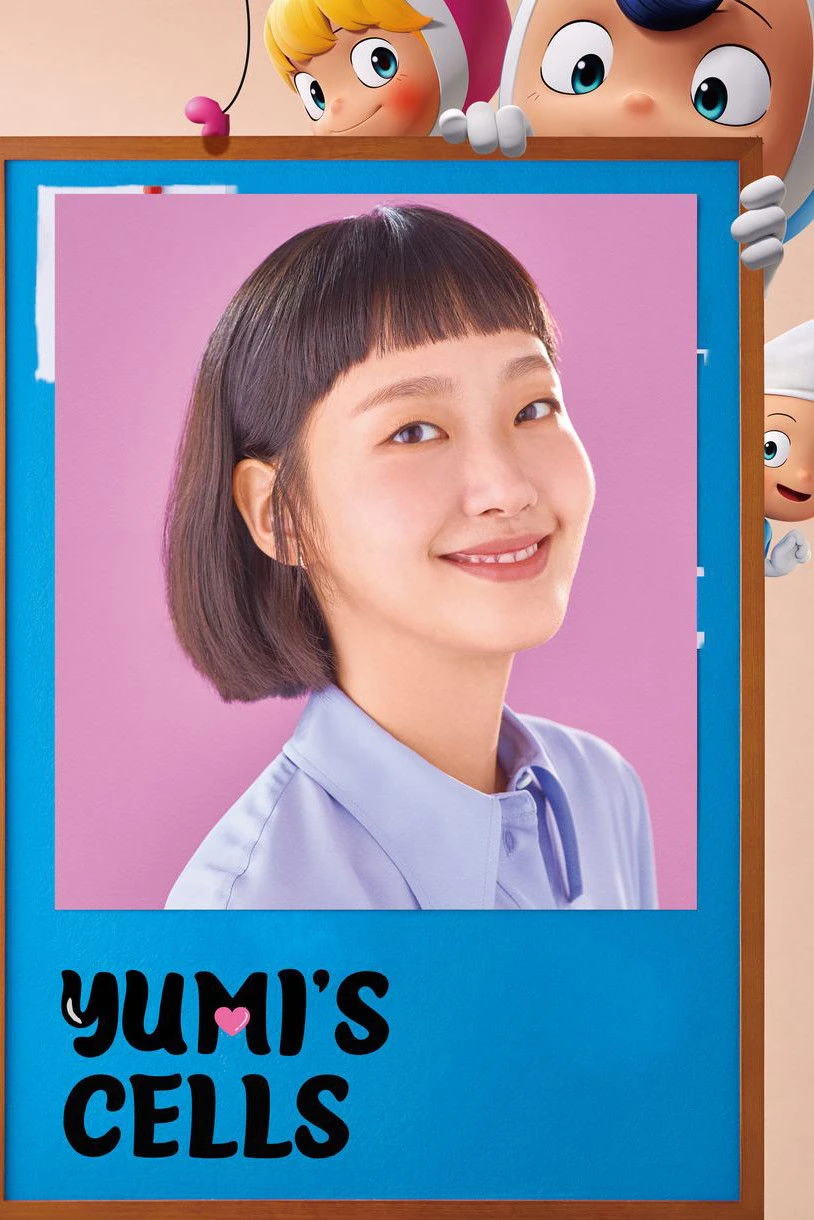
Yumi’s Cells (Season 1)
유미의 세포들 · 2021
✅ Completed · 14 eps
🎬 Viki · iQIYI
⭐ 8.2 / 10 MDL
🔞 TV-PG
⚡ Updated · Apr 12, 2026
📋 Drama Overview
Everything you need to know before you hit play.
Completed
💕 Romance Must-Watch
Yumi’s Cells (Season 1)
유미의 세포들 · 2021 · South Korea
Viki
TVING
Romance
Office Life
Webtoon
Animation Hybrid
Slice of Life
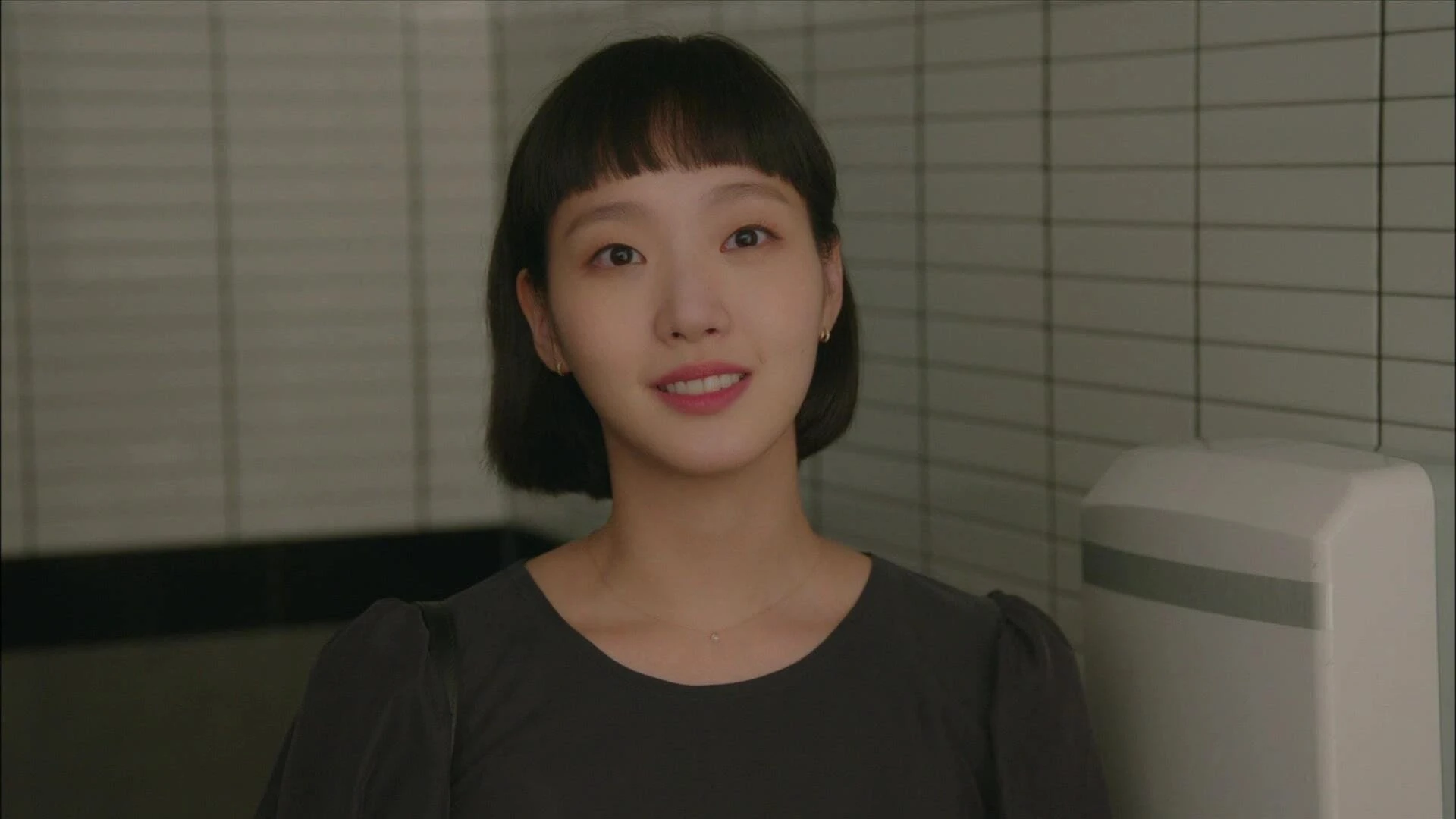
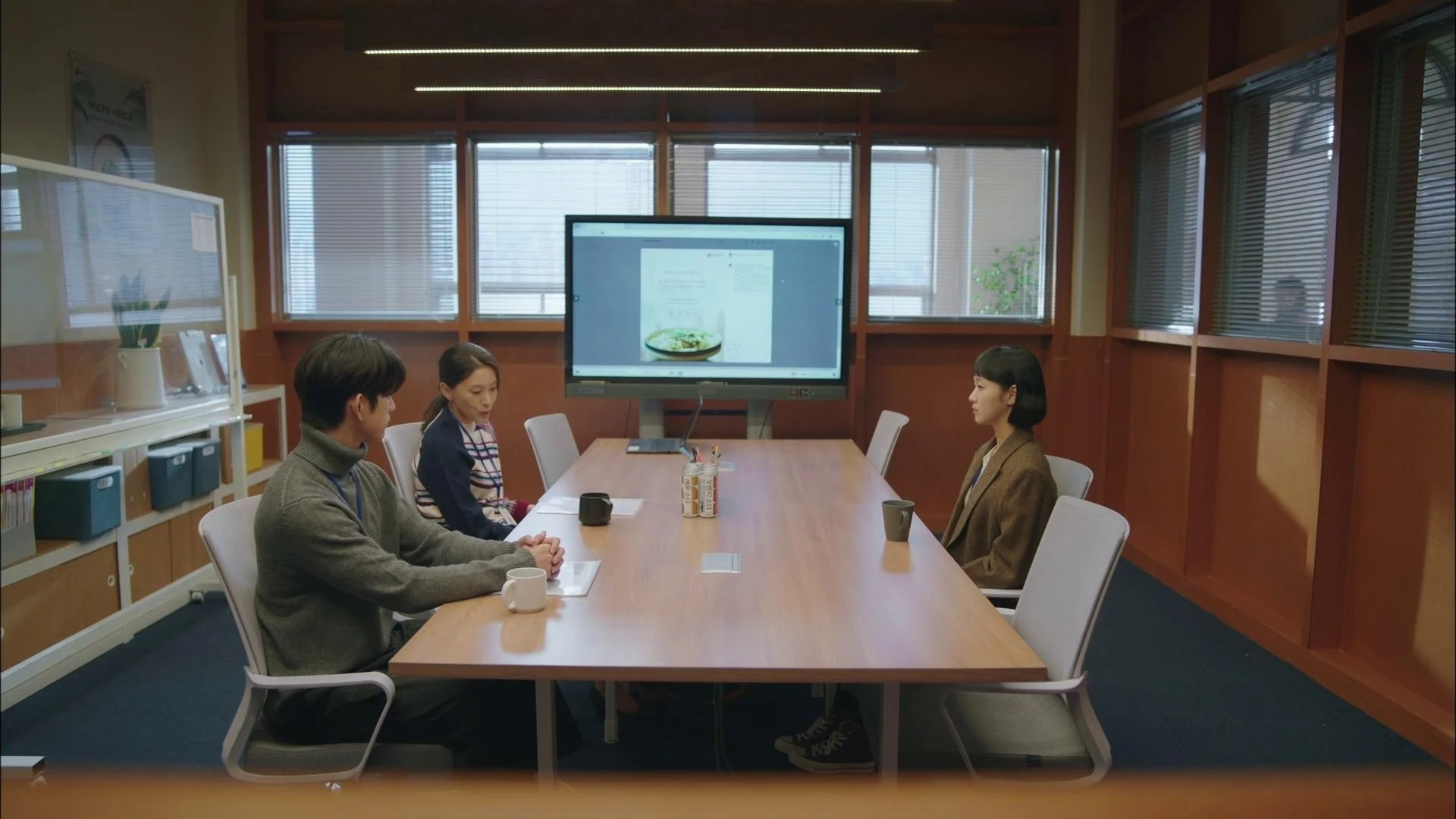
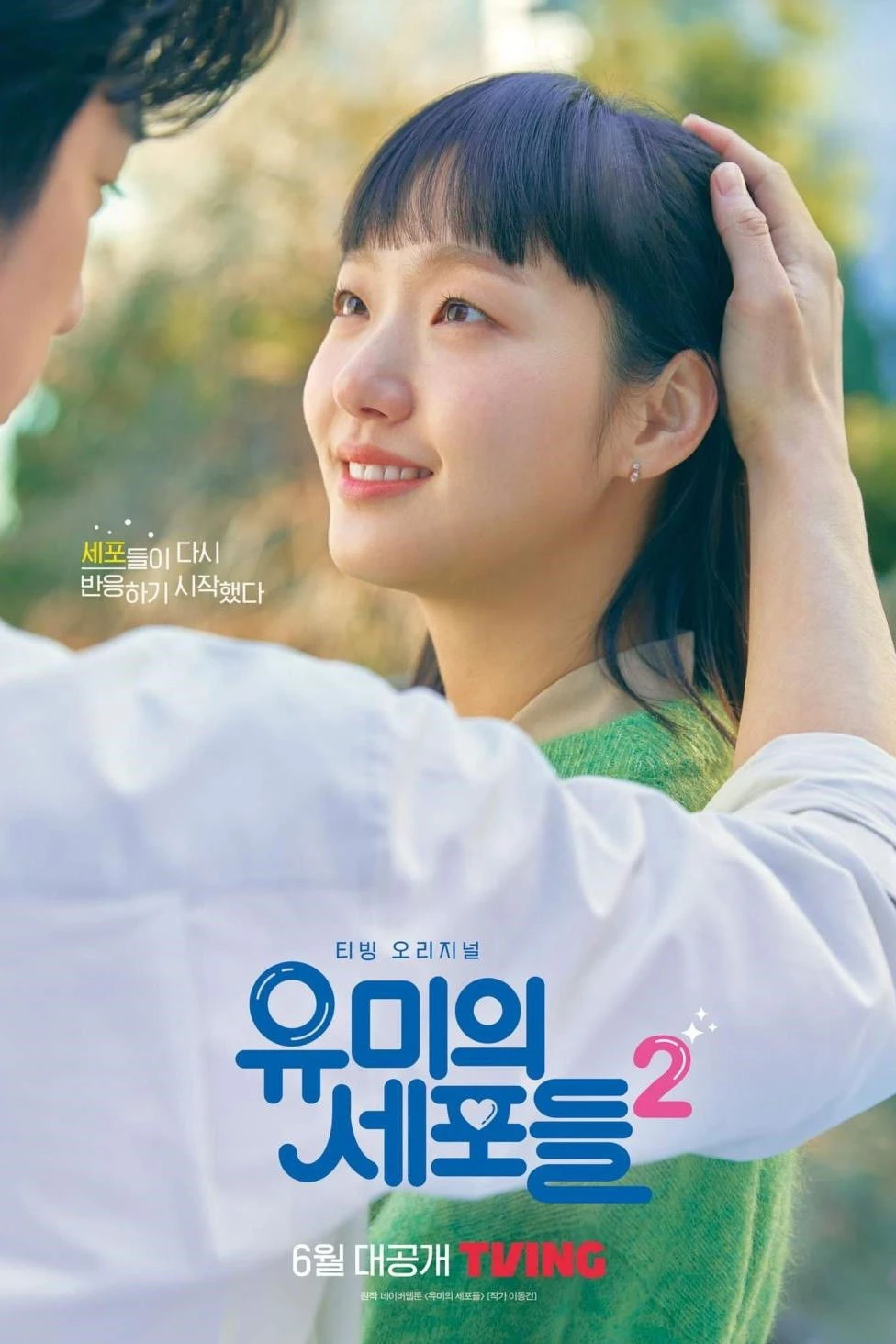
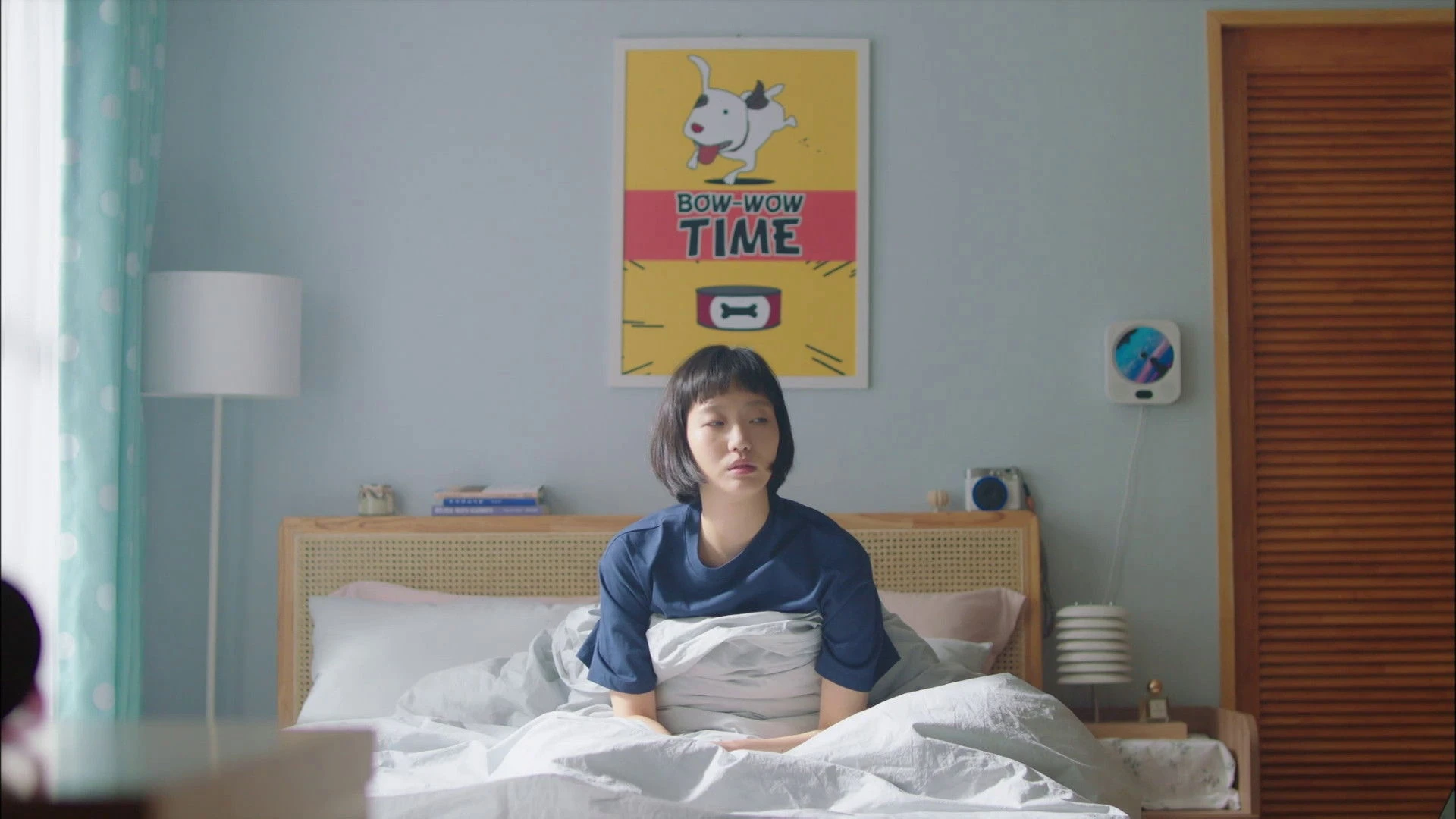
Kim Yu-mi (Kim Go-eun) is an ordinary 32-year-old office worker at Daehan Noodles whose love cells have fallen into a deep coma after a painful breakup. She goes through the motions of each day — unaware that inside her head, a bustling community of cells is working overtime to keep her functioning and, most urgently, to revive the Love Cell that has gone completely dark.
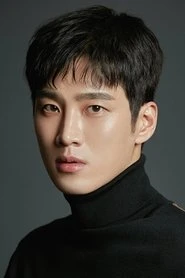
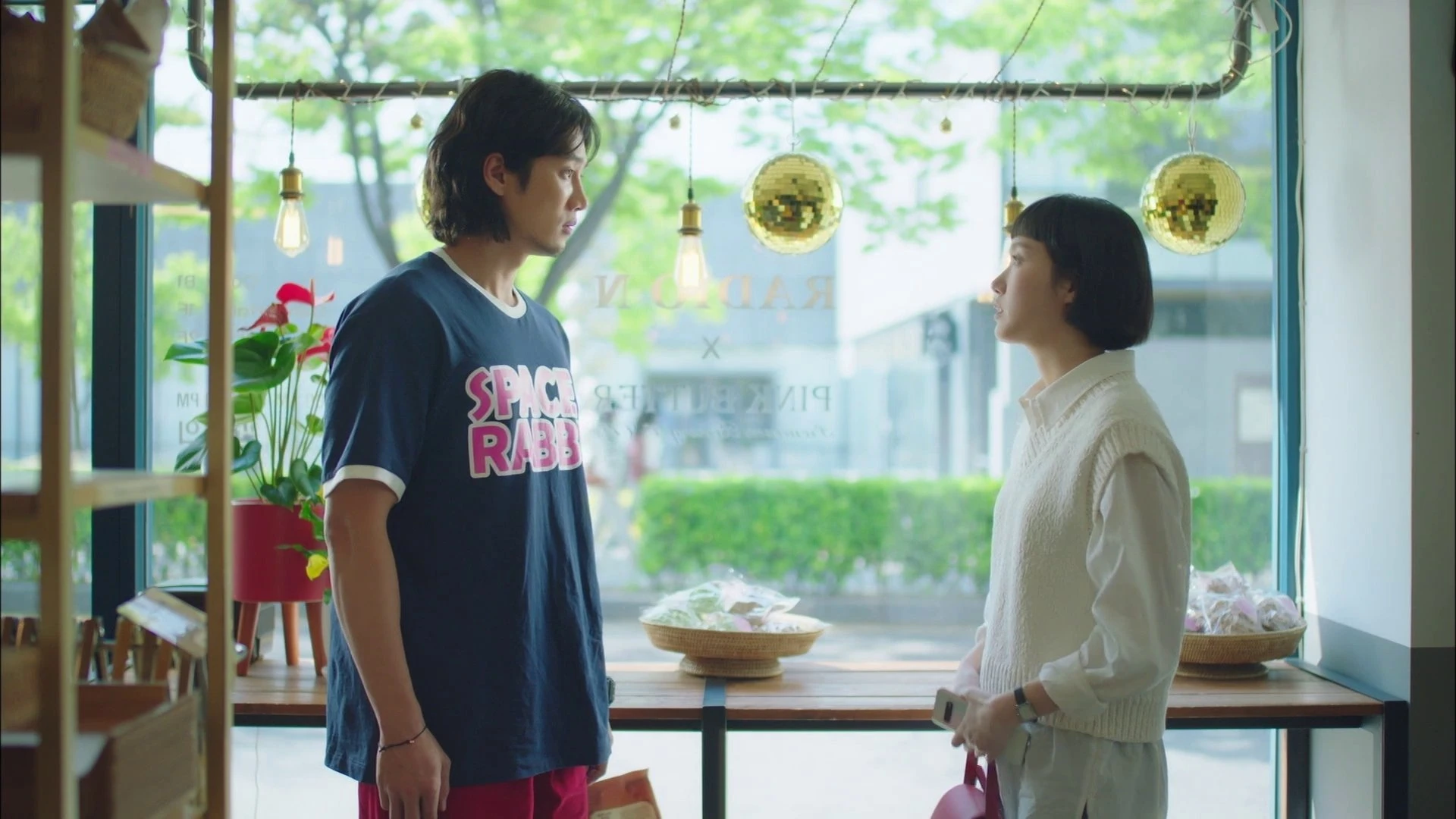
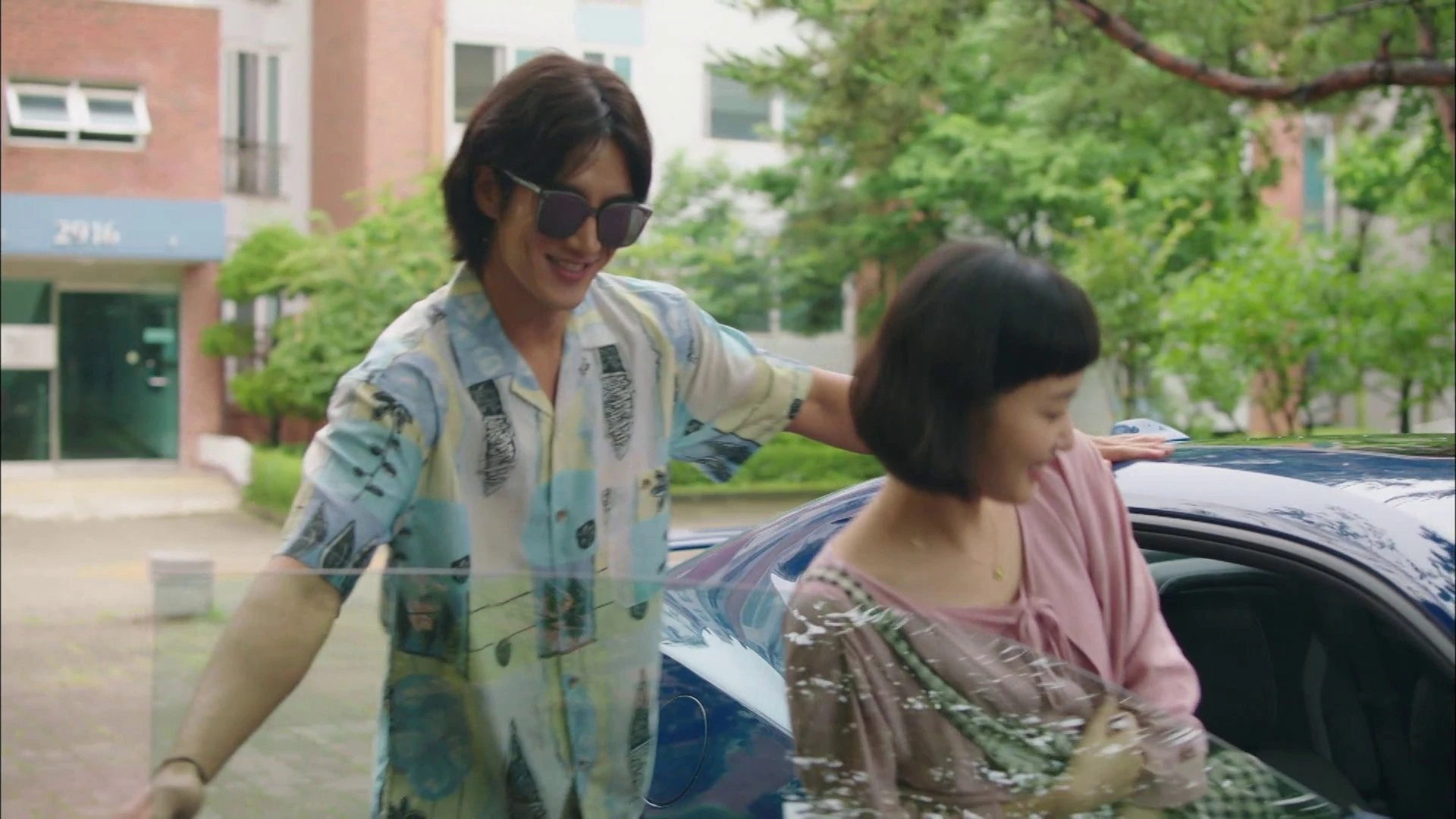
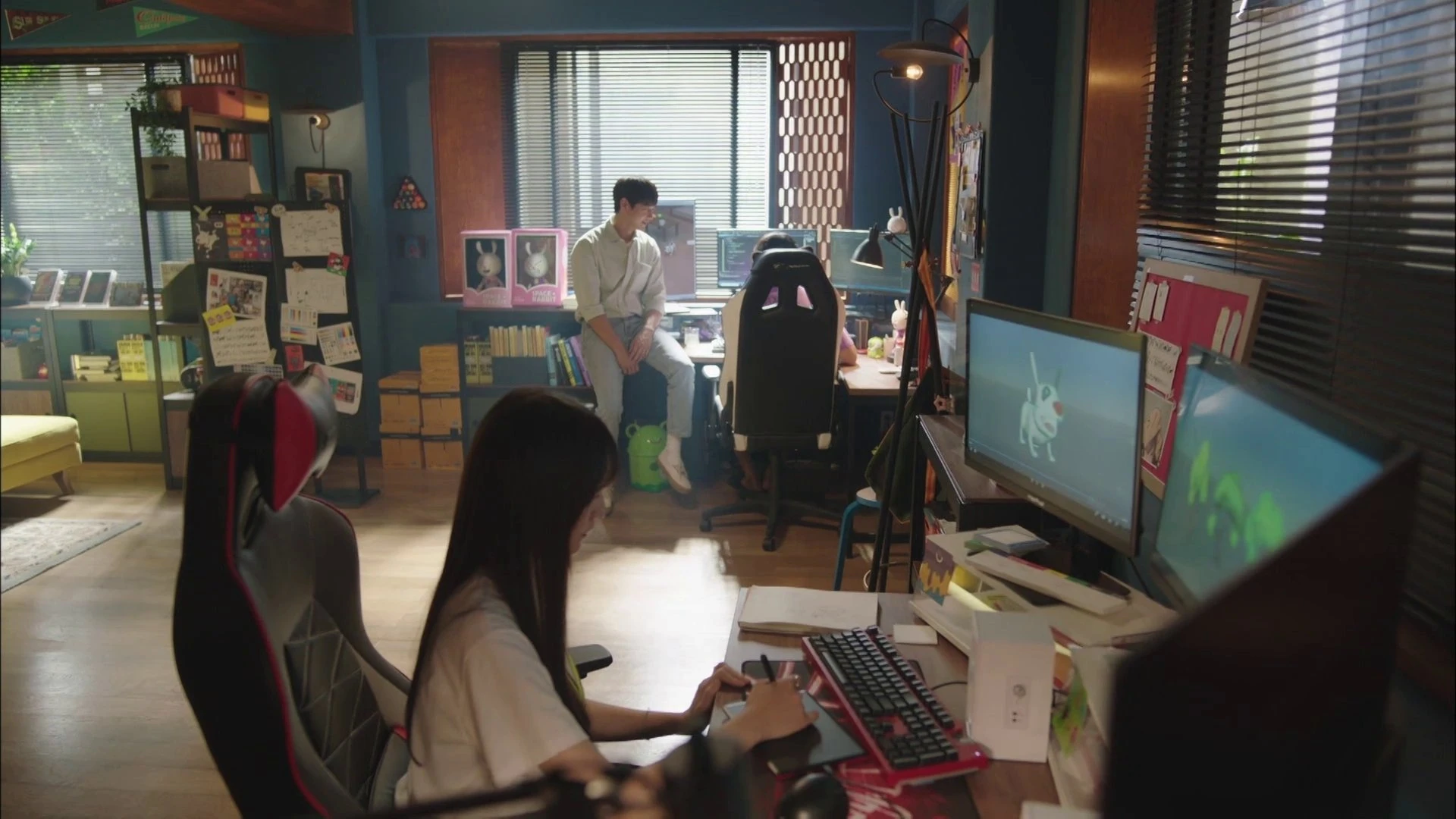
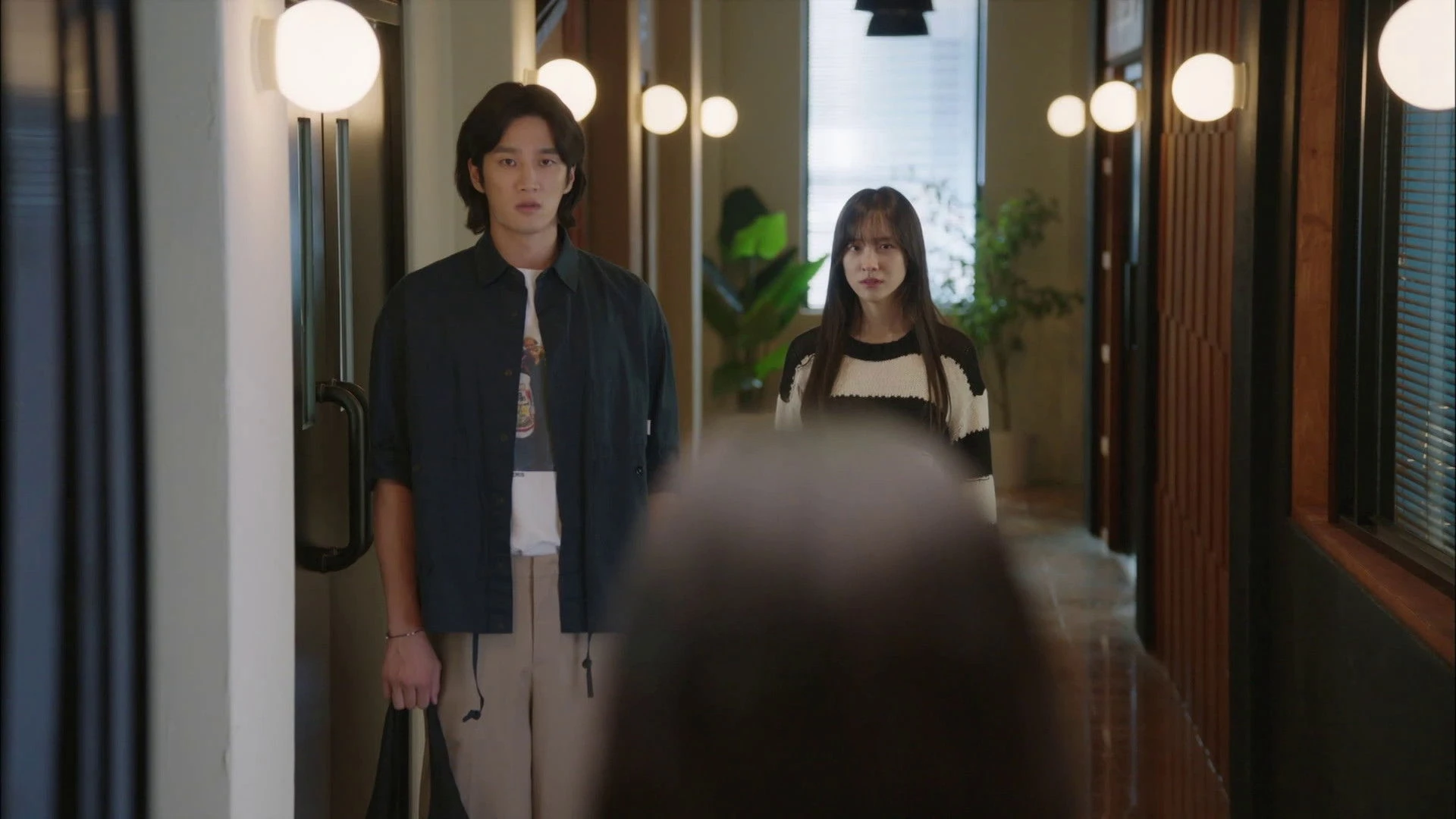
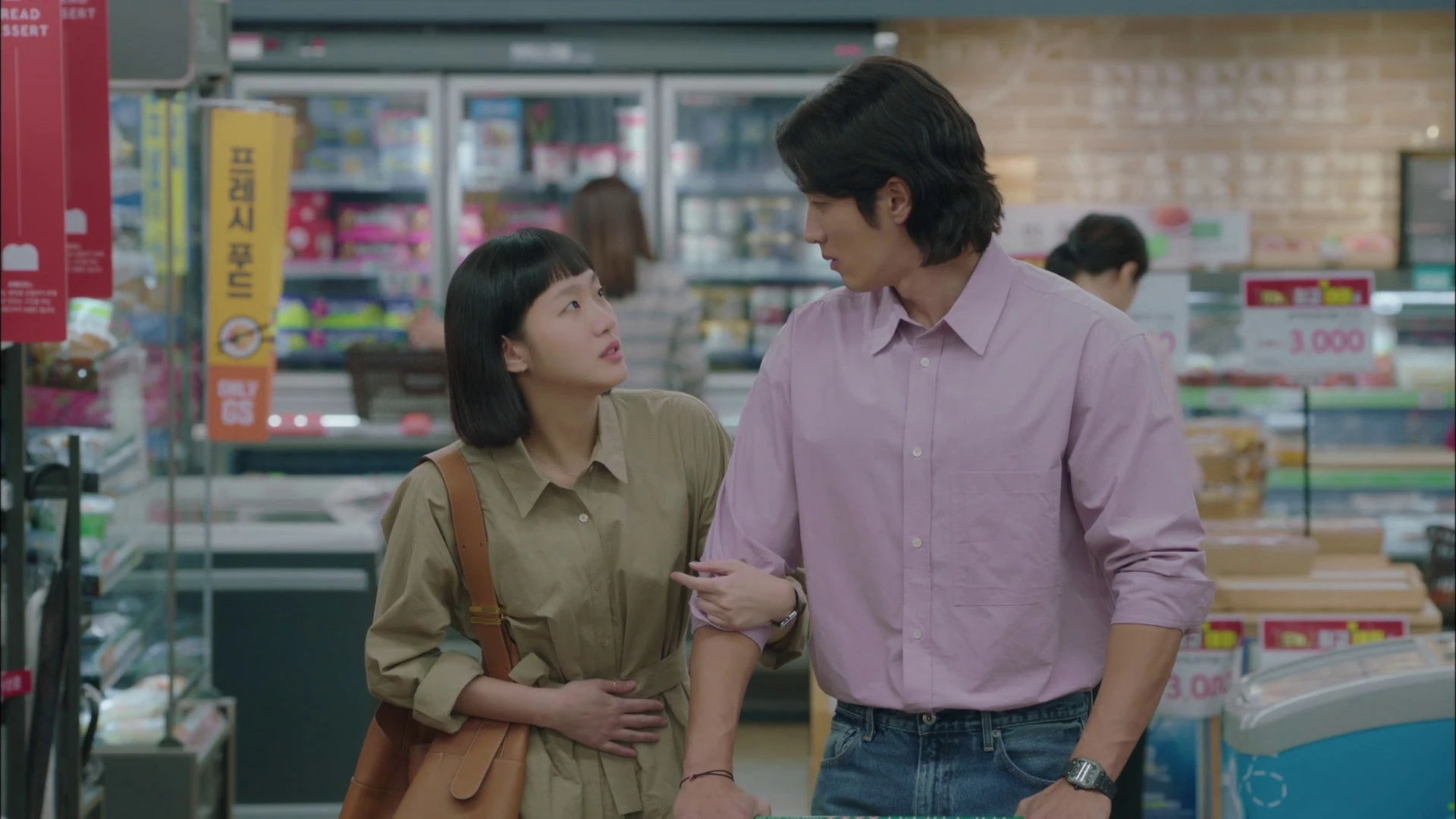
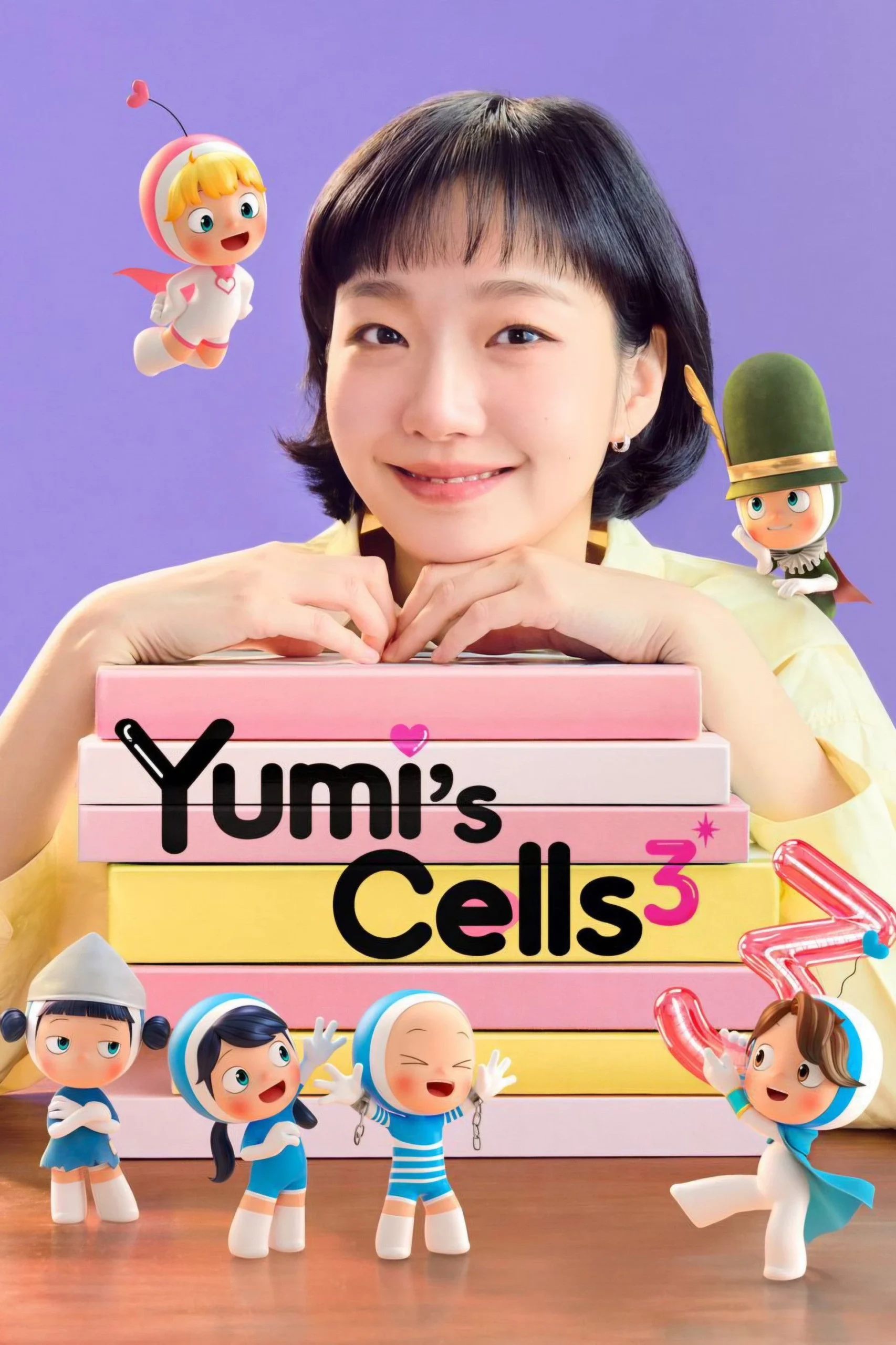
Everything changes when Koo Woong (Ahn Bo-hyun), an emotionally straightforward game developer who says exactly what he means and means exactly what he says, stumbles into her life. Told through a unique blend of live-action drama and 3D cell animation, Yumi’s Cells follows what happens when someone who stopped believing in love meets someone who doesn’t know how to be anything other than sincere.
Episode Progress
14 / 14 ✅ Completed
⚡ Quick Verdict
One box. Everything you need to decide.
⭐ Worth it?YES — if you enjoy unconventional romance
⏱️ CommitmentMedium — ~16 hours total
💛 VibeWarm · Whimsical · Emotionally Honest
📺 Skip if…You need a straightforward romance, no quirks
⭐ 8.2 / 10
· MDL Score · 52,792 ratings
🎭 Cast & Characters
Six performances — from the woman trying to feel again to the man who makes her.

Kim Go Eun
Kim Yu-mi
Lead
Ahn Bo Hyun
Koo Woong
Lead
Jinyoung
Yoo Ba-bi
Supporting
Park Ji Hyun
Seo Sae-yi
Antagonist
Lee Yoo Bi
Ruby
Supporting
Shin Ye Eun
Yoo Da-eun
Supporting
🍿 Where to Watch
Stream Yumi’s Cells (Season 1) on these platforms.
📺 Episode Guide
Spoiler-light recaps — enough to remember where you left off, nothing that ruins the ride.
EP 01
The Dormant Cell
September 17, 2021
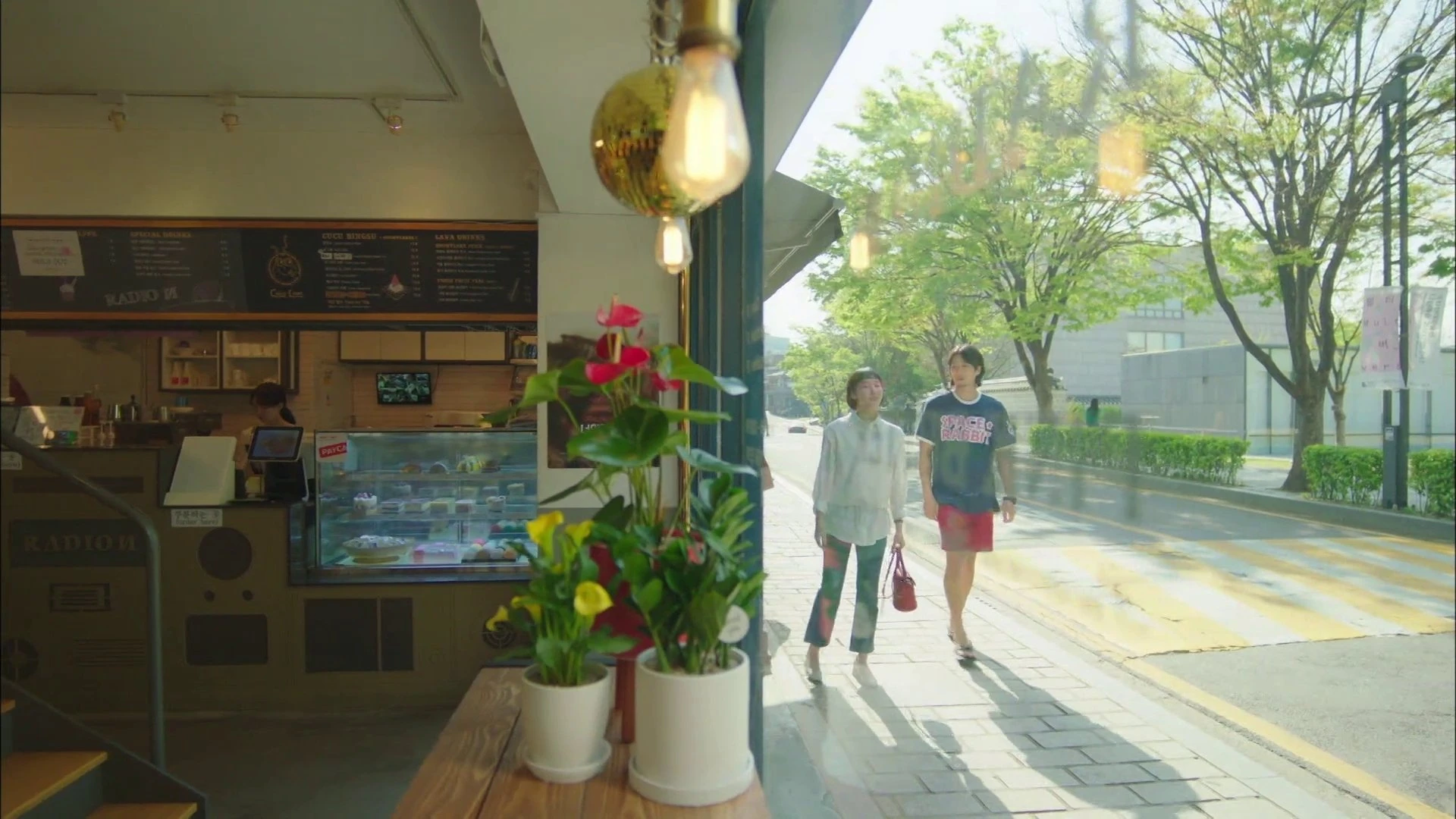
We meet Kim Yu-mi — and more importantly, the chaotic community living inside her head. The cell animation sequences land immediately: funny, inventive, and surprisingly useful for understanding how a woman who has closed herself off from love actually operates. Woo-gi from Sales enters the picture, and every cell in the village goes on high alert. A strong, characterful pilot that establishes the show’s unique language fast.
EP 02
Green Light?
September 17, 2021
Yumi cautiously tests whether Woo-gi’s attentiveness means something — and the cells argue every single step of the way. The gap between what she wants to do and what she actually does is the show’s most reliable source of comedy, and Kim Go-eun plays it with a precision that makes the second-hand embarrassment feel like solidarity rather than cringe. Her emotional restraint here sets the template for everything that follows.
EP 03
Mixed Signals
September 24, 2021
Woo-gi’s behavior starts sending contradictory messages, and Rational Cell and Emotional Cell reach something close to open conflict. The episode is notable for how well it captures the specific agony of reading too much into small interactions — and how much effort it takes to appear like you’re not doing exactly that. Yumi’s internal world starts feeling as real as the external one.
EP 04
The Strategy Room
September 24, 2021
The cells go into full tactical mode as Yumi looks for ways to get closer to Woo-gi. The office dynamic deepens — the show is unusually good at depicting the specific tedium and small social politics of workplace life without making it feel like a subplot. A quieter episode that does the necessary setup work without dragging.
EP 05
Proximity
October 1, 2021
Circumstances push Yumi and Woo-gi into closer proximity, and the cell animation finds its most inventive gear yet — the sequence visualizing Yumi’s internal decision-making in real time during a key interaction is the kind of thing only this show can do. The cells’ panic is funny; Yumi’s composed exterior is funnier.
EP 06
The Retreat
October 1, 2021
The Woo-gi situation reaches an emotional pivot point — the feelings are real, but the signals still aren’t clear enough to act on. Love Cell, still fragile from the last heartbreak, pushes for action; the rest of the village urges caution. It’s an unusually honest depiction of how self-protection and desire coexist in the same person. The final scene sets up the shift that defines the back half.
EP 07
Enter Woong
October 8, 2021
The episode where the drama truly begins. Koo Woong arrives properly — and his unfiltered, zero-strategic sincerity is immediately disorienting to Yumi’s cells, who are accustomed to parsing every interaction for hidden meaning. Ahn Bo-hyun plays him with a kind of cheerful obliviousness that makes him oddly moving. Love Cell registers a flicker for the first time. It’s a small detail. The show treats it like an event.
EP 08
The Honest Man
October 8, 2021
Woong and Yumi’s interactions multiply, and the show settles into the chemistry it will carry for the rest of the season. What makes the Yumi–Woong dynamic work is the asymmetry: she overthinks everything, he underthinks it, and somehow the collision produces something warmer than either approach on its own. The cell village registers the shift — the Love Cell wakes up tentatively, and the episode earns every second of it.
EP 09
Love Cell Wakes
October 15, 2021
The episode the first half has been building toward. Yumi–Woong interactions become something unmistakably more, and the cells react with the collective energy of a village that hasn’t had good news in a very long time. Some of Kim Go-eun’s best physical comedy lands here — she plays the specific awkwardness of starting to have feelings for someone while desperately trying not to show it with genuine skill.
EP 10
Babi
October 15, 2021
Jinyoung’s Yoo Ba-bi makes his proper entrance — quiet, watchful, already interested in a way Woong never is. The cells notice him before Yumi does. It’s a carefully placed introduction: he doesn’t disrupt the Yumi–Woong dynamic, but he plants the question of what happens if that dynamic doesn’t hold. The episode also deepens the Love Cell’s vulnerability — Yumi’s feelings are real now, which means there’s something to lose.
EP 11
Officially Us
October 22, 2021
Yumi and Woong become a couple — and the Cell Village reacts like the power has been restored after a very long blackout. The episode earns the warmth it generates because the show has been honest about how much this costs Yumi to allow. But the joy doesn’t last uncomplicated: Woong’s emotional communication style, endearing when he was a prospect, immediately creates friction as a partner. The show pivots from getting together to staying together without missing a beat.
EP 12
Sae-yi
October 29, 2021
Park Ji-hyun’s Seo Sae-yi steps into the foreground — a colleague of Woong’s whose closeness to him is technically explainable and emotionally corrosive. The episode doesn’t make Sae-yi a cartoonish rival; she’s a complication that exists because Woong is genuinely bad at managing perceptions. The cells split: some urge confrontation, some urge patience, none of them agree. Yumi’s anxiety is written with real empathy here.
EP 13
The Weight of It
November 19, 2021
The relationship strain intensifies as communication failures accumulate. The episode is less funny than earlier ones — deliberately. It’s about what it actually feels like to love someone who struggles to say what they feel, and to watch the gap between what you know and what you need confirmed widen quietly. Kim Go-eun carries the emotional weight without overplaying it. The finale’s emotional stakes are fully earned by the time this episode ends.
EP 14
The Love Cell, Alive
November 26, 2021
The season finale resolves the Sae-yi situation — not with a dramatic confrontation, but with Yumi choosing to confront her own insecurities rather than act on jealousy, which is the more interesting and more difficult choice. Woong’s emotional limitations are addressed honestly, without being papered over. Babi’s growing presence is acknowledged in the final minutes. The finale closes with Love Cell — once comatose and silent — now fully awake, bruised, and resilient. It’s the right note to end on.
🏁 Ending Explained
Full spoilers ahead — everything that happens in the finale and what it all means.
⚠️
Spoiler Warning — This section covers the full finale of Yumi’s Cells Season 1. Stop here if you haven’t finished the series.
The Communication Breakdown. The finale picks up from the Season’s most emotionally honest ground: Yumi and Woong love each other, but Woong cannot tell her what she needs to hear, and Yumi has been trained by experience to read silence as rejection. The accumulated misunderstandings — the Sae-yi situation, Woong’s inability to articulate his feelings, Yumi’s tendency to protect herself by withdrawing — all converge at once. The cells hold a kind of emergency session. The Emotion Cell and Rational Cell reach something approaching consensus for the first time: whatever happens next, Yumi needs to choose consciously rather than react out of fear.
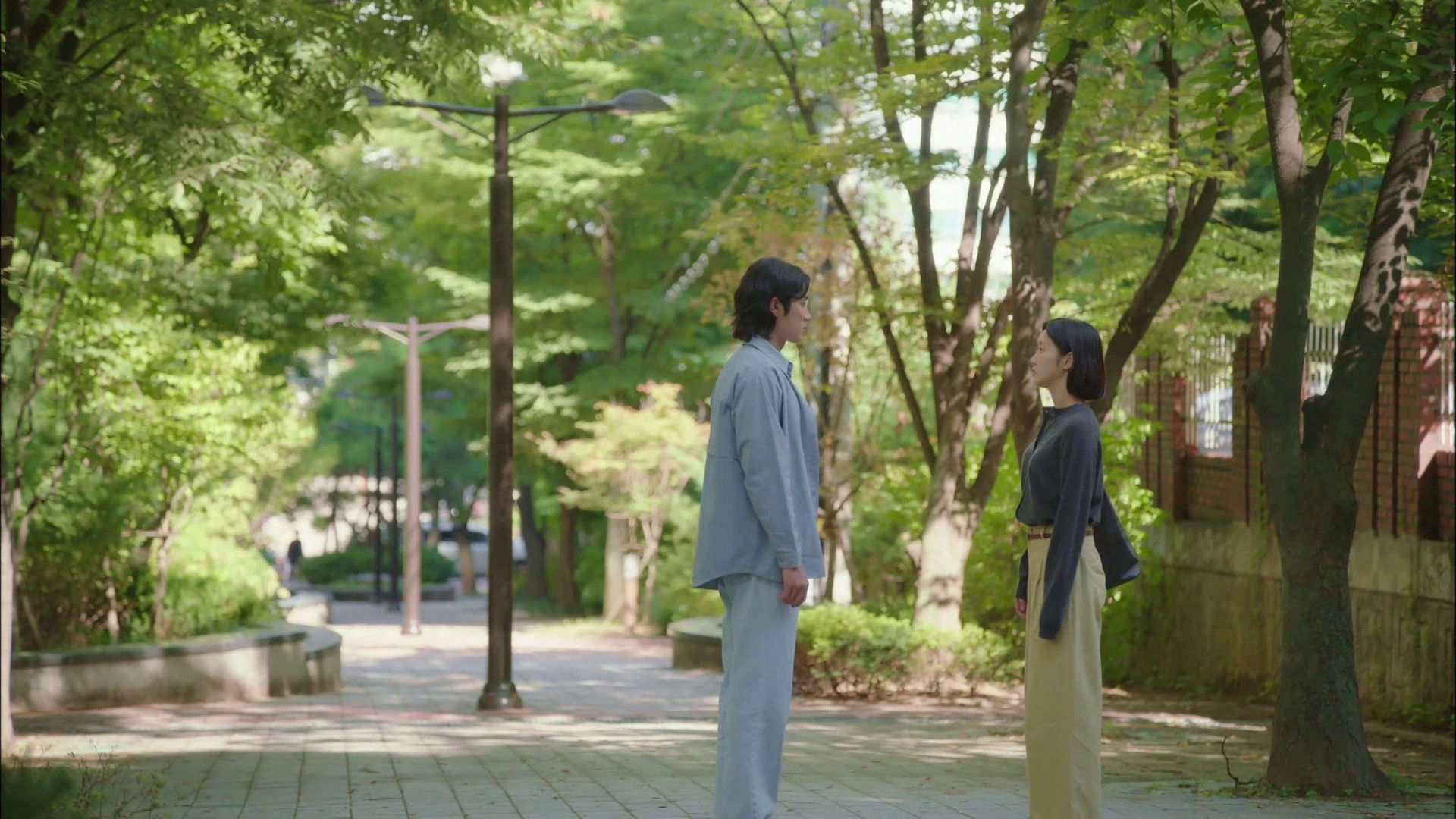
The Choice About Sae-yi. The finale addresses the Sae-yi threat not through confrontation or dramatic revelation but through restraint. Yumi decides not to act on her jealousy — not because she’s convinced everything is fine, but because she recognizes that acting on insecurity would make her someone she doesn’t want to be. It’s a small, adult decision that the show frames as a genuine act of emotional courage. Sae-yi’s feelings for Woong are implicitly confirmed and then set aside — she doesn’t get a villain arc because the show isn’t interested in externalizing Yumi’s emotional problems onto another woman.
Woong’s Reckoning. Woong is confronted — gently but directly — with the consequences of his emotional unavailability. His difficulty expressing love is something the show has presented as a character trait rather than a flaw to be corrected, but the finale makes clear it has a cost. His response is not a sudden transformation but a small, specific moment of honesty that Yumi’s cells register as something meaningful. The relationship continues. It’s not fixed. But it moves forward with more clarity than before.
The Babi Question. The season’s final significant move is Babi’s quiet elevation. He doesn’t act on his interest in Yumi — he simply exists in her orbit with an attentiveness Woong has never quite managed. The cells notice him. Yumi doesn’t, not yet. The show plants this thread without forcing it — it’s a seed for Season 2, not a cliffhanger. Crucially, his presence doesn’t undermine what Yumi and Woong have built; it just opens the question of whether that’s enough.
Love Cell, Fully Awake. The season’s final image returns to where everything started: the Love Cell, alone in its darkened station at the beginning of Episode 1, now fully operational and lit. It’s not triumphant. It’s cautious, a little bruised, aware of what being open to love costs. The cells — Rational, Emotional, Hunger, all of them — have learned to work in something closer to cooperation than chaos. Yumi hasn’t found a perfect love. She’s found something more sustainable: a version of herself that can hold love without shutting down. That’s the real arc. Everything else is just the story it happens inside.
✍️ KDramaWorlds Editor’s Take
Our honest read on why this drama is worth your time — and who it’s for.
💕 Emotionally Honest Romance
🎨 Inventive Animation
😌 Warm & Relatable
🧠 Psychologically Sharp
📖 Webtoon Faithful
Kim Go-eun has been excellent in a lot of things — Goblin, The King: Eternal Monarch, Little Women — but Yumi’s Cells might be the role that shows the fullest range of what she can do. It demands physical comedy, emotional restraint, and the specific skill of playing someone whose inner life is infinitely richer than what she shows the world — all at the same time, often in the same scene. The fact that we also literally see her inner life via the cell animations means there’s no place to hide. She’s being asked to perform two versions of the same character simultaneously. She makes it look effortless.

The cell animation sequences are the element that divides viewers, and honestly, the division makes sense. If you’re coming to this for a clean, efficient romance, the cells are an interruption. If you’re willing to let the show be strange, they’re the best thing about it — a genuinely original way of visualizing interiority that doesn’t feel borrowed from anything else. The Love Cell’s arc from coma to cautious wakefulness across 14 episodes is, structurally, the real protagonist’s journey. The human story is the one happening above it. Both are worth watching.
The first seven episodes build slowly, and the Sae-yi jealousy thread is underdeveloped in a way that slightly blunts the finale’s emotional stakes. But the show earns its warmth by being genuinely honest about how difficult it is to open up after you’ve been hurt — not in a dramatic, trauma-narrative way, but in the small, daily way that most people actually experience it. Yumi’s Cells understands that falling in love again is less about meeting the right person and more about becoming the kind of person who can let them in. Not many romcoms have the patience for that, and fewer pull it off.
👍👍👍 BEST FOR 👍👍👍
💕 Fans of webtoon adaptations who want the source material honored
🎨 Anyone curious what an animation-live action hybrid K-drama actually looks like
🧠 Viewers who want a romance that takes adult emotional baggage seriously
⚖️ Final Verdict
What works
•Kim Go-eun’s dual-register performance — physical and emotional at once
•Cell animation sequences — inventive, funny, and genuinely illuminating
•Emotionally honest about adult love — not a fantasy, a process
•Ahn Bo-hyun’s disarming, utterly sincere portrayal of Koo Woong
What to know first
•Episodes 1–7 build slowly before the central romance takes full shape
•The cell animation can feel repetitive for viewers new to the format
•Season ends open — full resolution requires Season 2
•Sae-yi’s arc is underdeveloped — the jealousy thread could have gone further
8.2 / 10Kim Go-eun turns the inside of one woman’s head into the most entertaining place on Korean television — warm, whimsical, and more emotionally honest than most romcoms dare to be.
💬 Helpful? Share this guide →
🎬 You Might Also Like
If you liked Yumi's Cells (Season 1), these are your next three watches.
Keep it kind, skip the harsh language, and please — no spoilers. Everyone's taste is different, and that's perfectly fine.
This space is for real reactions and discussion from other viewers. Help keep it comfortable for everyone by not giving away major plot details.
What do you think of this drama?
Login to share your review or leave a comment.
No email needed — just pick a username & password.