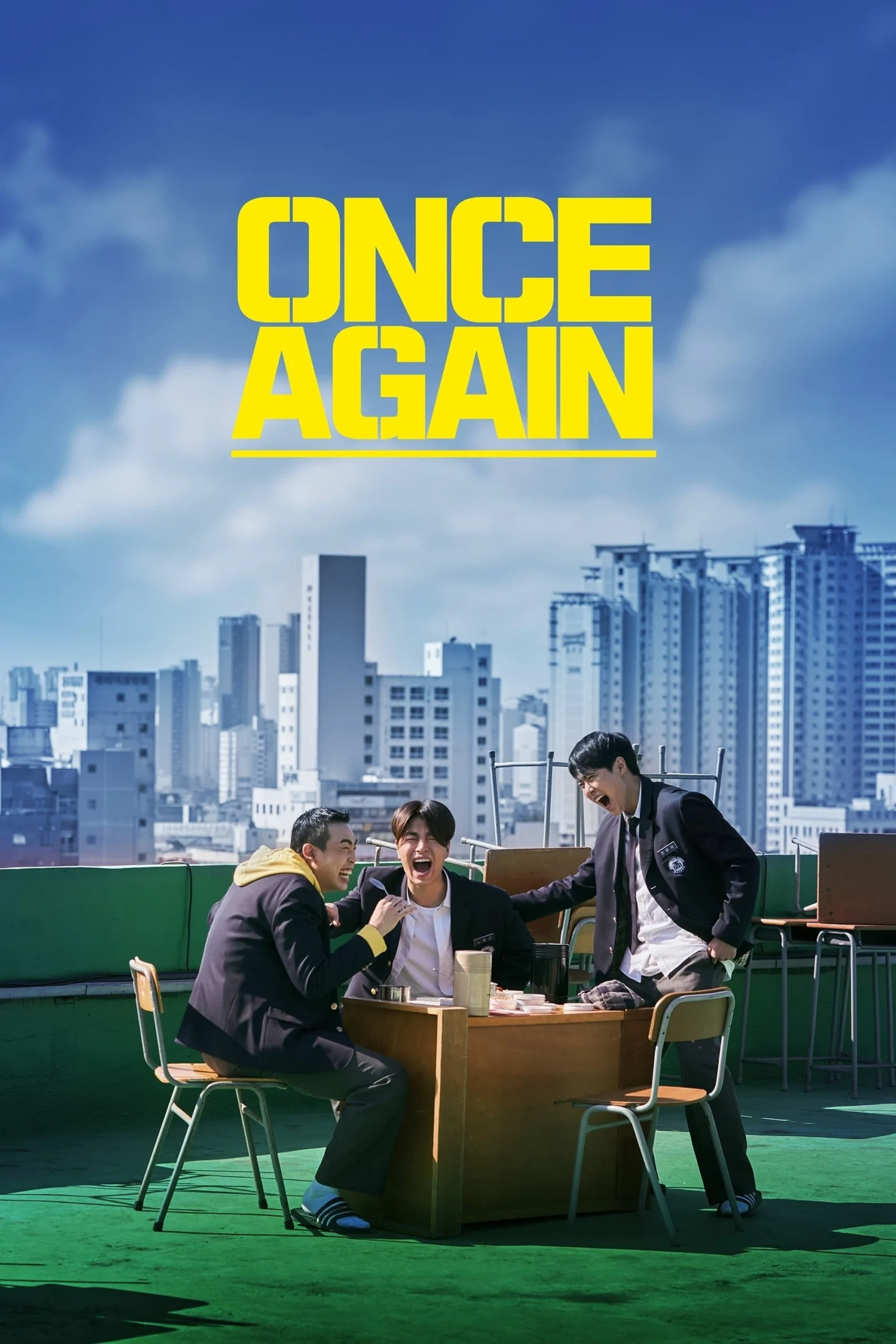
Once Again
🎬 Viu
⭐ 7.3 MDL
🔞 15+
🎬 Film Overview
TIME-SLIP DRAMEDY PICK
Jeon Woo-seok has spent his forties falling off buildings for other people’s movies, carrying a facial scar that ended his own shot at acting and a marriage to Ji-min that’s gone quietly cold. He can’t stop thinking about 1997 — the last year before the scar, before the disappointment, before he became the man he is now.
A stranger’s talismans and a stunt gone wrong send him back there for real, dropped into his own seventeen-year-old body with a forty-something’s regrets intact. Once Again spends its runtime testing an idea most time-travel stories are too polite to sit with: that knowing exactly what went wrong doesn’t actually make it easy to fix, and some of what Woo-seok wants to escape might be worth keeping after all.
⚡ Quick Verdict
No scrolling required — the verdict’s right here.
· MDL · 115 ratings
▶ Official Trailer
🎭 Cast & Characters
Two versions of the same man, and the friends who only ever knew one of them.
Lead

Lead

Supporting
Supporting
Supporting

Supporting
Supporting
Supporting

Supporting
Supporting

Supporting

Supporting
📖 The Story
Spoiler-free — just enough to know if it’s worth your time.
Jeon Woo-seok makes his living falling off buildings and out of cars for other people’s movies, which is a cruel joke for a man who once wanted to be the one delivering the lines instead of taking the hit. A facial scar ended that dream decades ago, and it’s left him drifting through a marriage to Ji-min that feels more like cohabitation than partnership. 1997 sits in his memory as the last year everything still felt possible — before the scar, before the disappointment, before the life he settled for instead of the one he wanted.
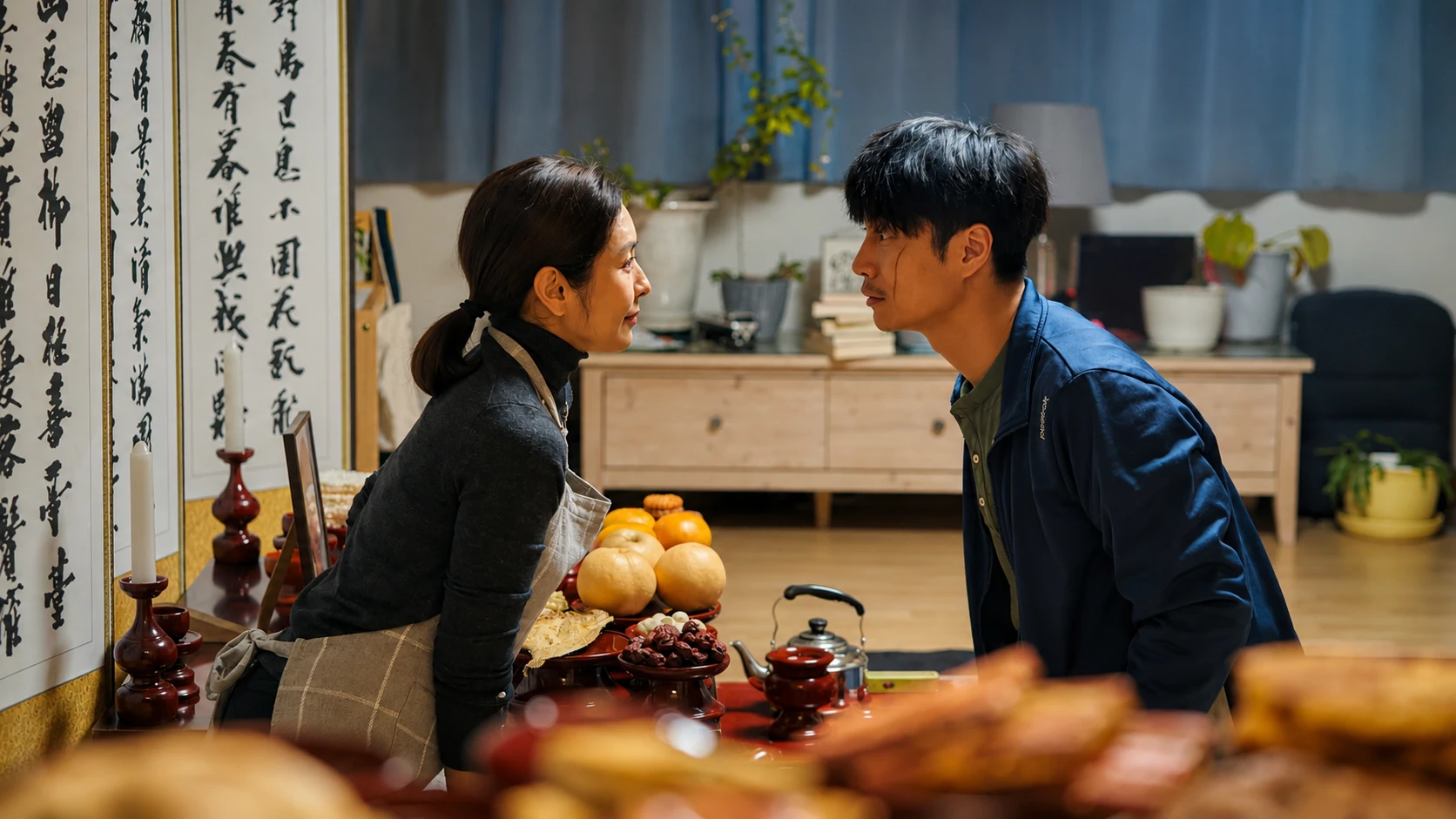
A chance meeting with a monk selling five talismans that supposedly rewrite fate would be easy to laugh off, if Woo-seok’s next stunt didn’t send his car over a cliff for real. He doesn’t die. He wakes up seventeen years old, back in 1997, carrying a forty-something man’s regrets inside a body that hasn’t made any of his mistakes yet.
The premise hands Woo-seok something most time-travel stories treat as a fantasy without consequences — actual leverage over his own future — and then makes him sit with how terrifying that leverage really is. Every decision he makes as a teenager now carries the weight of a life he’s already lived once. Fix the past cleanly, and he risks erasing the people and relationships he’d otherwise never trade away, flawed as they are.
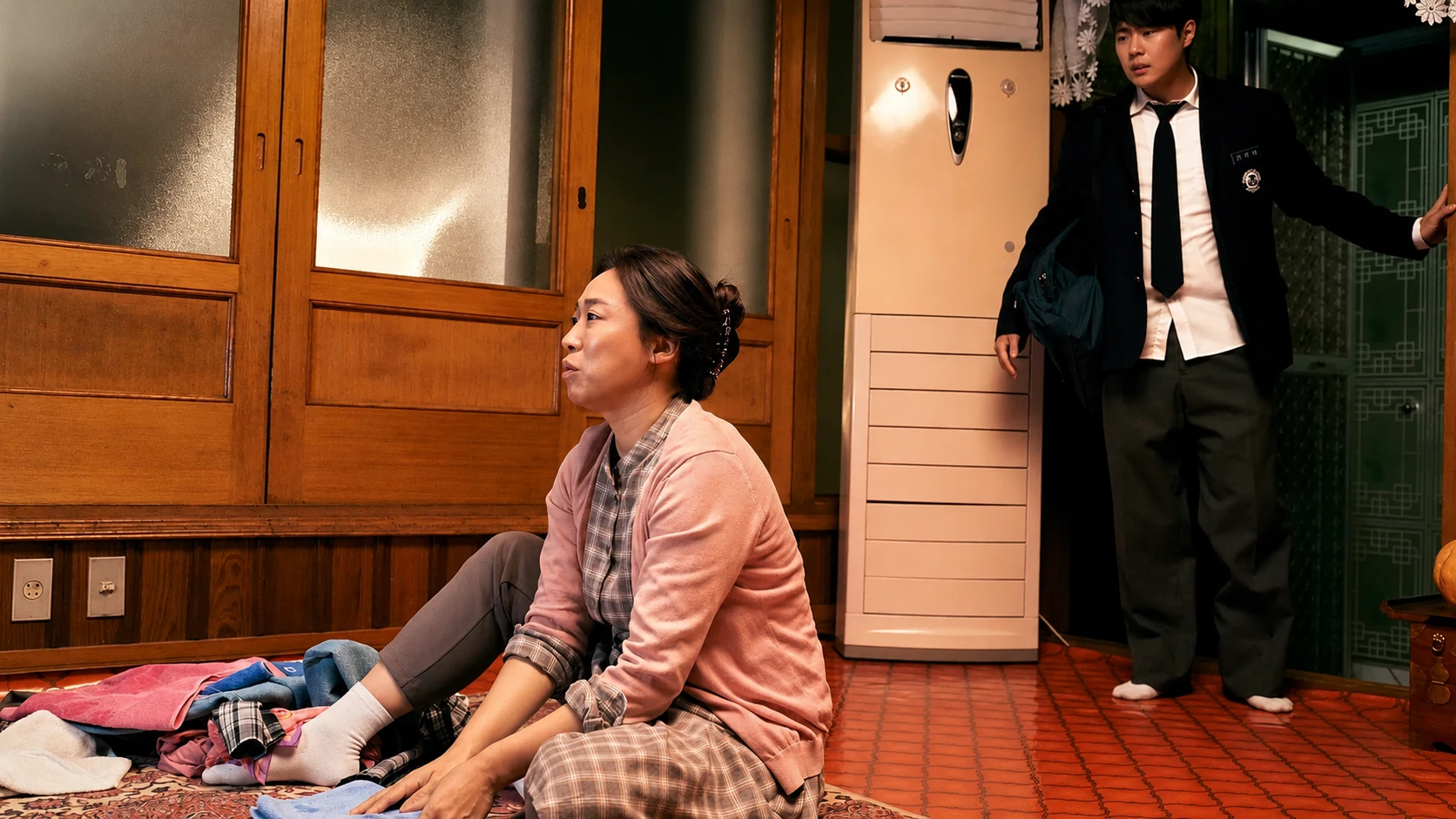
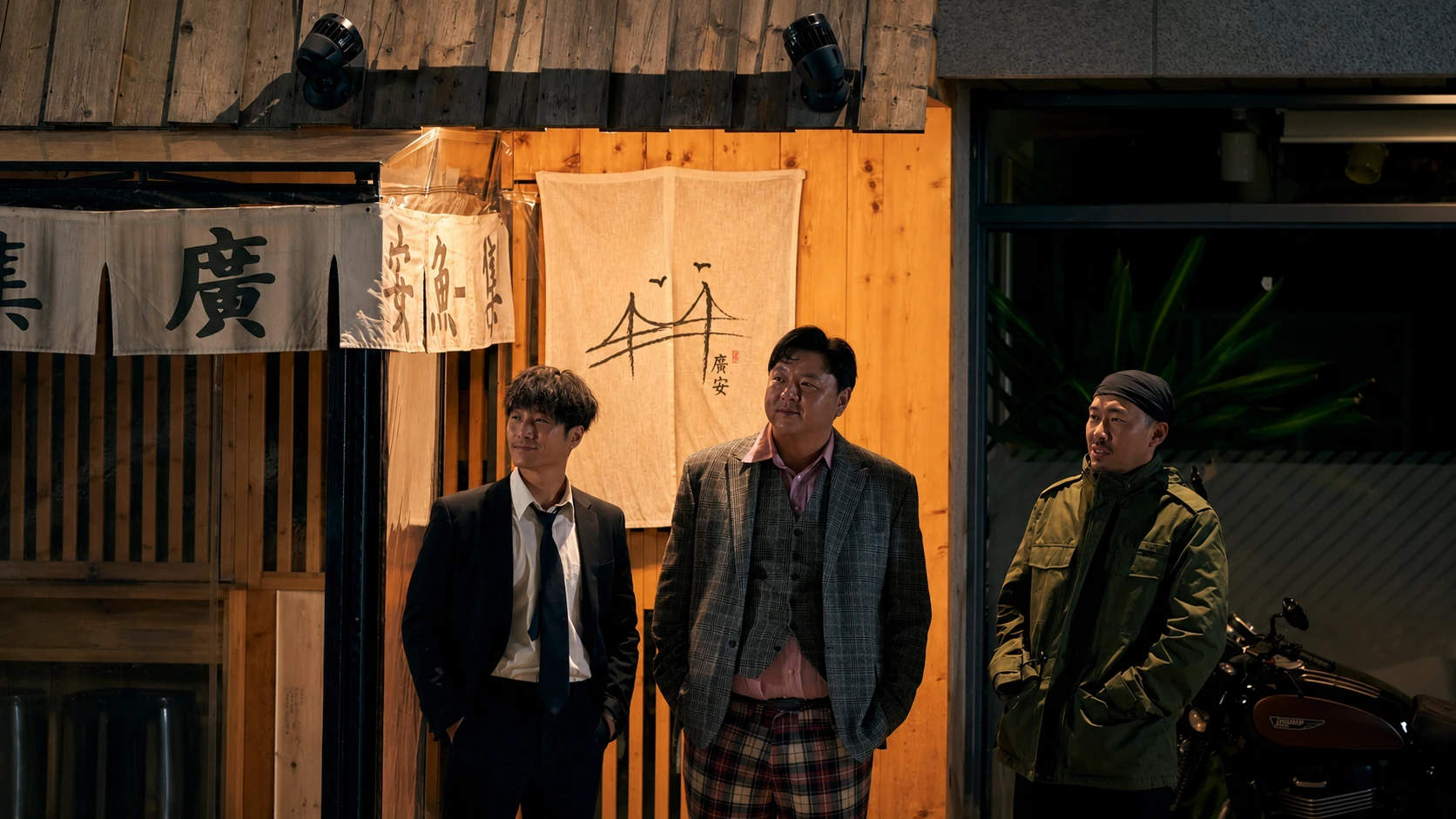
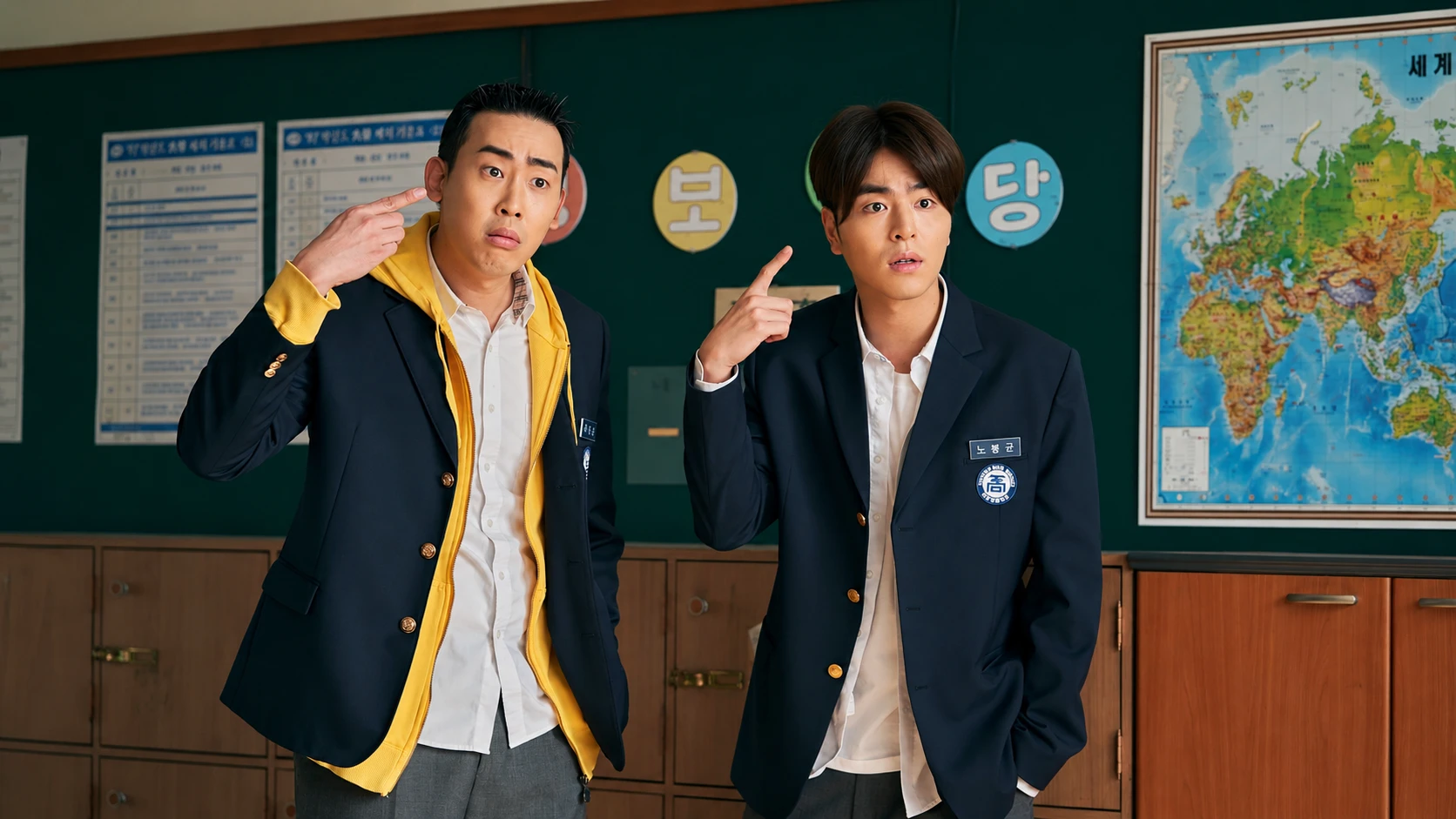
Back among Bong-gyun and Ji-sung, his closest friends from high school, Woo-seok can’t fully explain why he suddenly acts like a man twice his age — because he is one. The friendship scenes carry most of the film’s comedy, but it’s his scenes with a teenage Ji-min that do the real work: he tries to keep his distance, convinced that avoiding her is how he avoids the unhappy marriage waiting for him, and finds out almost immediately that it isn’t that simple.
What separates Once Again from the standard second-chance fantasy is its refusal to let Woo-seok’s plan work the way he wants it to. He treats his own history like a problem he can edit line by line, and the film keeps proving him wrong — his attempts to steer around his old mistakes generate new complications he never accounted for, because a life isn’t actually a script.
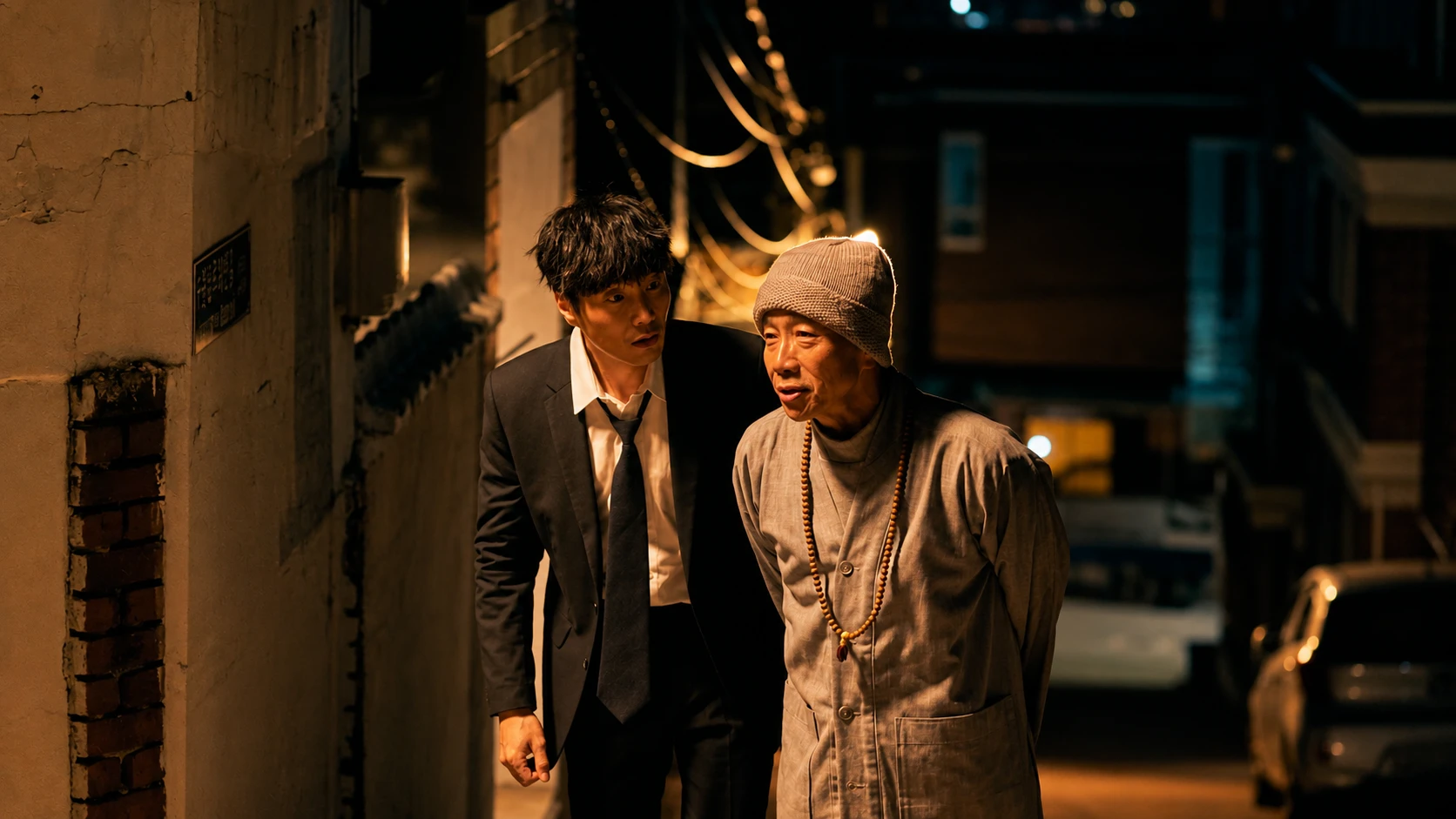
The tone shifts constantly and on purpose: a grown man’s mannerisms trapped inside a teenager’s body plays for easy laughs in one scene, then the film slows down and lets Woo-seok actually sit with what he’s lost. Visually, 1997 gets the soft, slightly overexposed treatment reserved for a memory rather than a documented year — which is the point.
Korean cinema has a long-running fascination with time-slip stories built on regret and the desire for a do-over, and Once Again leans into a specific version of it: high school as the last era before everything calcified into disappointment. That framing is what gives Woo-seok’s return its weight for a Korean audience in particular — it’s not just his youth he’s revisiting, it’s the cultural idea that this was supposed to be the best it ever got.
🏁 Ending Explained
Spoiler territory from here — the ending, fully unpacked.
Full Spoilers Ahead — This section covers the complete ending of Once Again. Stop here if you haven’t watched.
Does Woo-seok get his old life back, or a new one? Once Again is deliberately cagey about the mechanics of what actually happens to Woo-seok by the end — whether he returns to his original 2024 life with the same wife and the same scar, or wakes up inside some quietly altered version of the future he thought he was rewriting. The film doesn’t resolve that ambiguity with a tidy reveal, and that’s clearly on purpose: it’s less interested in proving whether time travel is real than in what Woo-seok does with the version of 1997 he’s given.
The five talismans matter less than what he does without them The five talismans he buys from the monk set the plot in motion, but they stop functioning as a plot device almost immediately after the accident — nobody explains how they work, and the film never revisits them as a mechanism to be solved. They’re a fairy-tale device meant to get Woo-seok back to 1997, not a system with rules he can exploit, which is part of why his attempts to strategically avoid his own mistakes keep backfiring.
Ji-min was never the problem The clearest throughline in the back half is Woo-seok’s relationship with a teenage Ji-min. He spends the first act of his second chance actively avoiding her, convinced their eventual marriage is the mistake he needs to undo. What the film keeps circling back to instead is that Ji-min was never the flaw in his life — his own resentment and self-pity were. Getting close to her again, even briefly, is what starts unraveling that assumption.
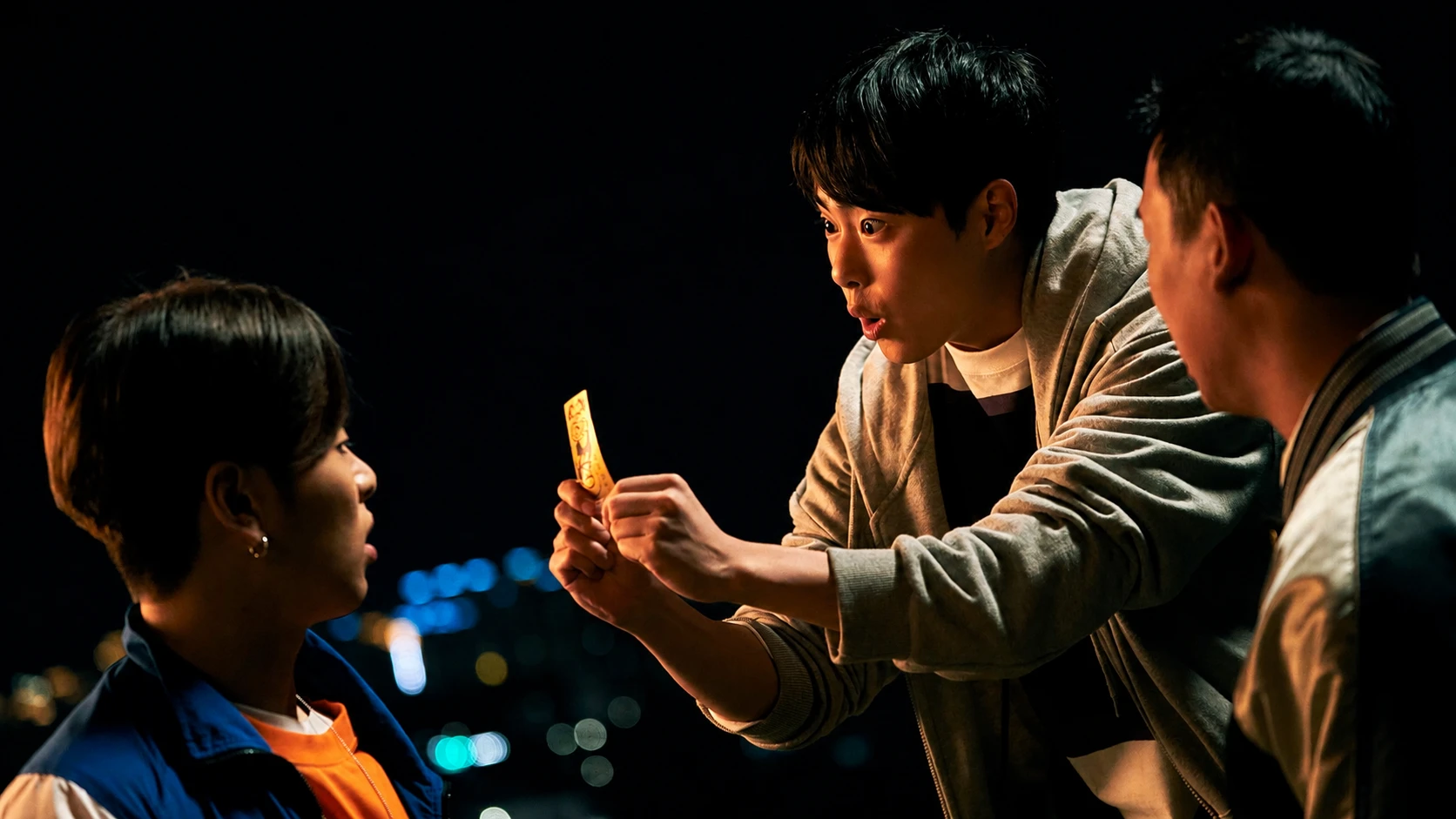
The film’s answer isn’t a plot twist, it’s a mindset shift By the time Woo-seok reaches whatever version of an ending the film settles on, the takeaway isn’t that he successfully edited his own history — it’s that trying to edit it taught him something he couldn’t have learned by simply avoiding his old regrets. The second-chance framing turns out to be a trick: the thing that actually needed to change was never the events of 1997, it was how Woo-seok related to the life he already had.
The scar he spent the whole film resenting stops mattering The scar that opens the film as the symbol of everything Woo-seok lost — the acting career, the confidence, the version of himself he preferred — quietly stops being the point by the end. Once Again’s closing note isn’t triumphant; it’s closer to acceptance, the idea that a flawed, ordinary life can still be worth choosing on purpose rather than something you settle for because the better version got away. It’s a modest thesis for a time-travel movie to land on, and it earns it by refusing the easy fix the whole premise seemed to promise.

✍️ KDramaWorlds Editor’s Take
Worth the watch? Our honest answer, and who it’s aimed at.
Shin Seung-hoon
Known for: Shin Seung-hoon writes as well as directs Once Again, and the film’s clearest fingerprint is a refusal to let its fantasy hook operate as pure wish fulfillment — the time-slip premise exists to interrogate Woo-seok’s regret rather than to hand him an easy fix. It’s a smaller, more intimate approach to a genre that Korean cinema usually plays for either big tears or big laughs.
Once Again sits in a crowded lane of Korean films built around time and regret — Ditto uses a radio across decades to let two people almost meet; this one just drops its regretful adult straight into his own past. Cho Byeong-kyu carries most of that gimmick on comic timing alone — the film gets a lot of easy mileage out of a grown man’s exhausted body language showing up inside a seventeen-year-old, and Cho mostly resists overplaying it.
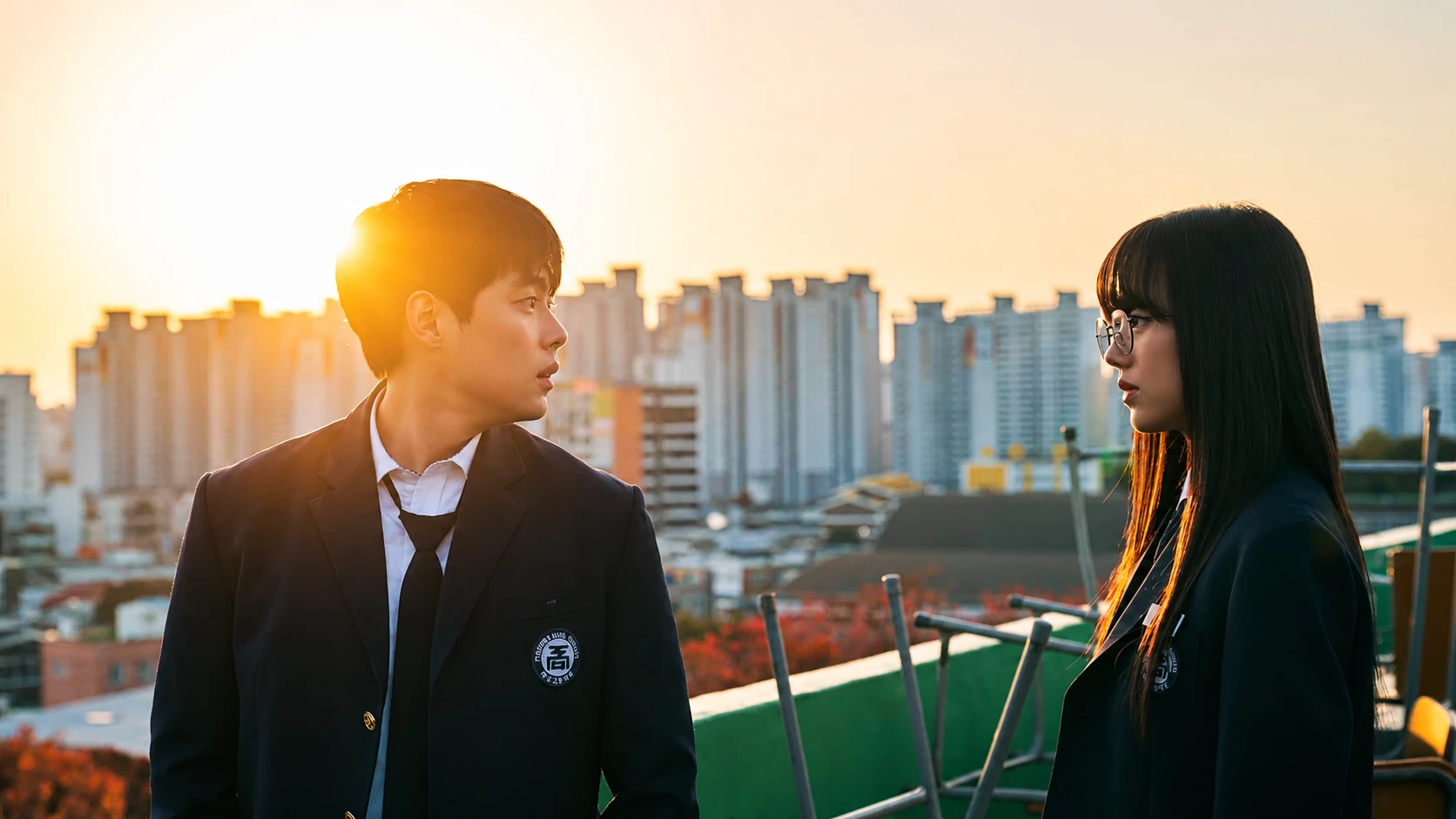
Where the film is less sure-footed is the emotional math around Ji-min. Love Reset earns its own magical-fix premise by keeping its focus tightly on one relationship; Once Again spreads itself across a scar, a stalled acting career, two best friends, and a marriage, and not all four threads get the same amount of room. Han Eun-su does what she can with Ji-min in the sections where the script actually slows down for her.
It’s a modest premise stretched to exactly 104 minutes rather than padded into a bigger mythology, and that restraint mostly pays off even when the plot mechanics stay deliberately vague about how or why any of this is actually happening.
🎬 You Might Also Like
If you liked Once Again, these are your next three watches.
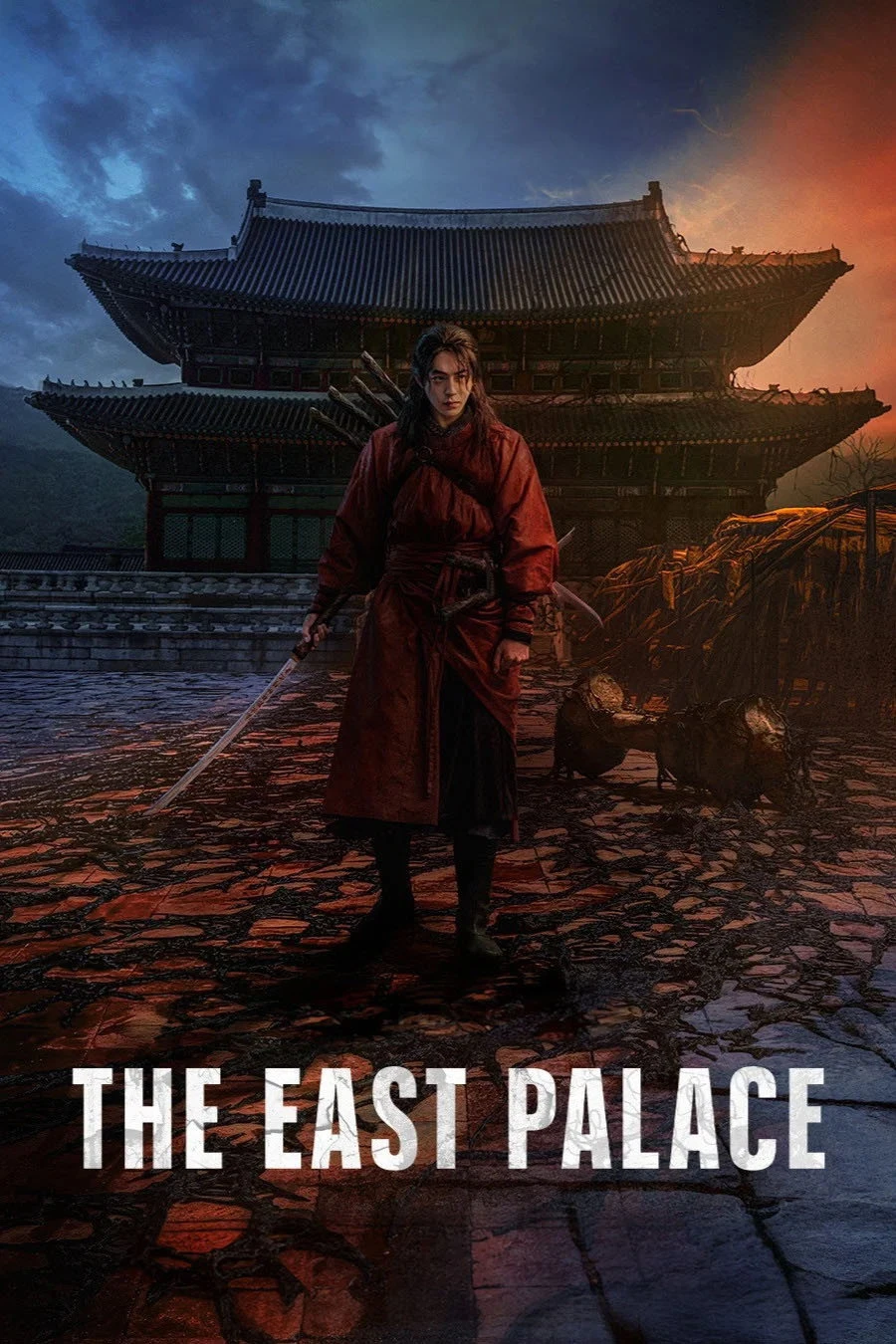
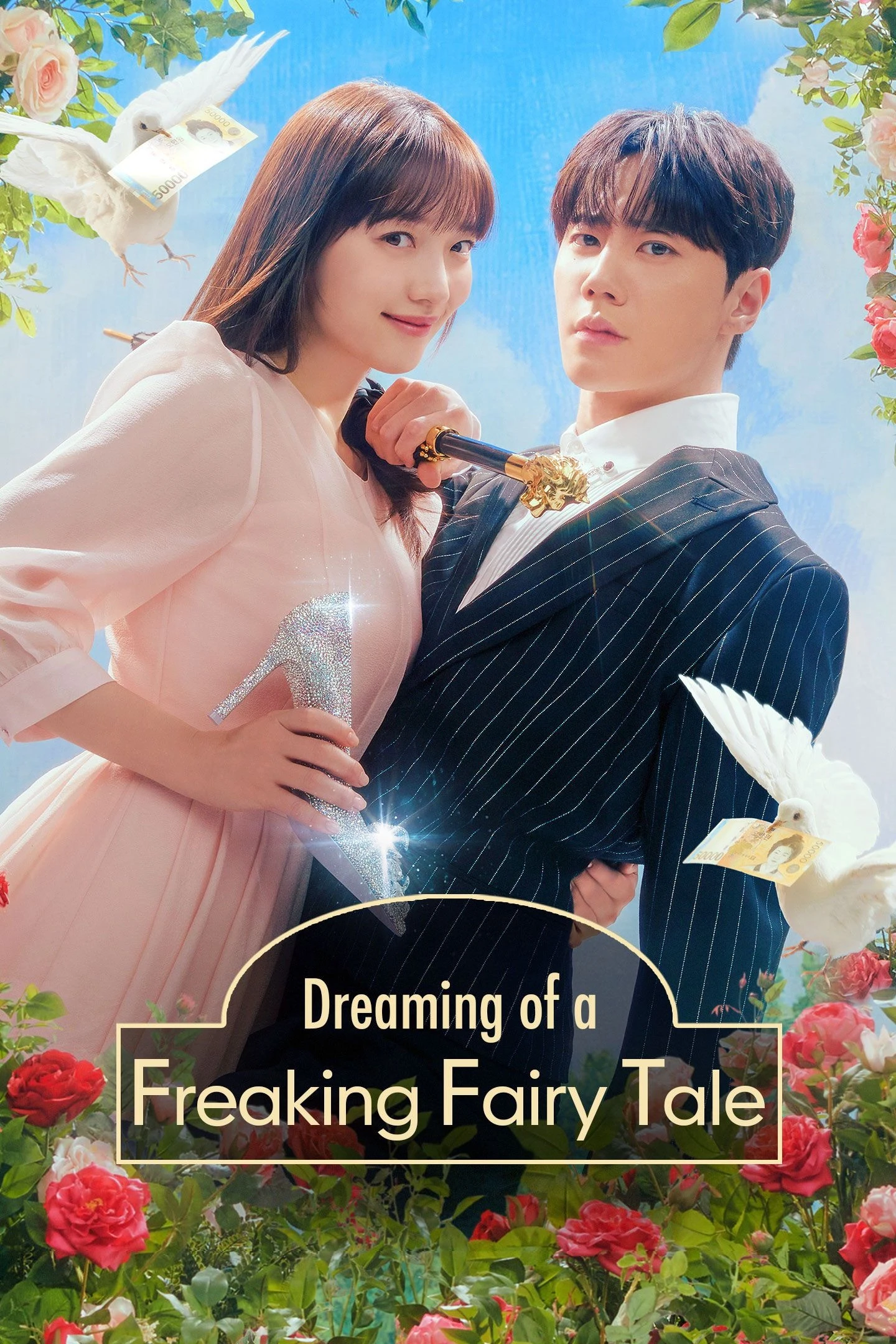 Dreaming of a Freaking Fairy Tale
ChaebolCinderella Story
Read Full Review →
|
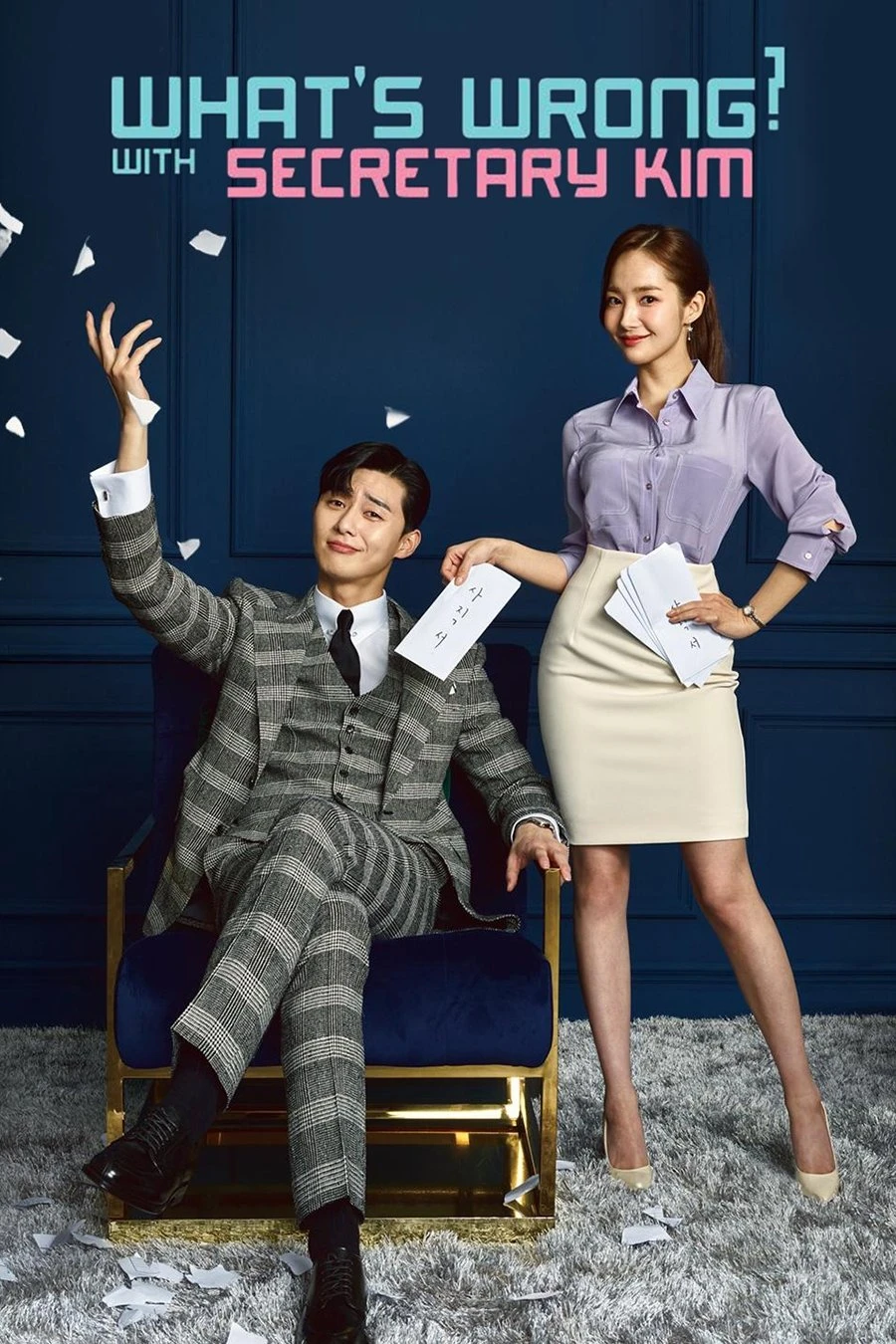
 Crushology 101
campus romanceComing-of-Age
Read Full Review →
|
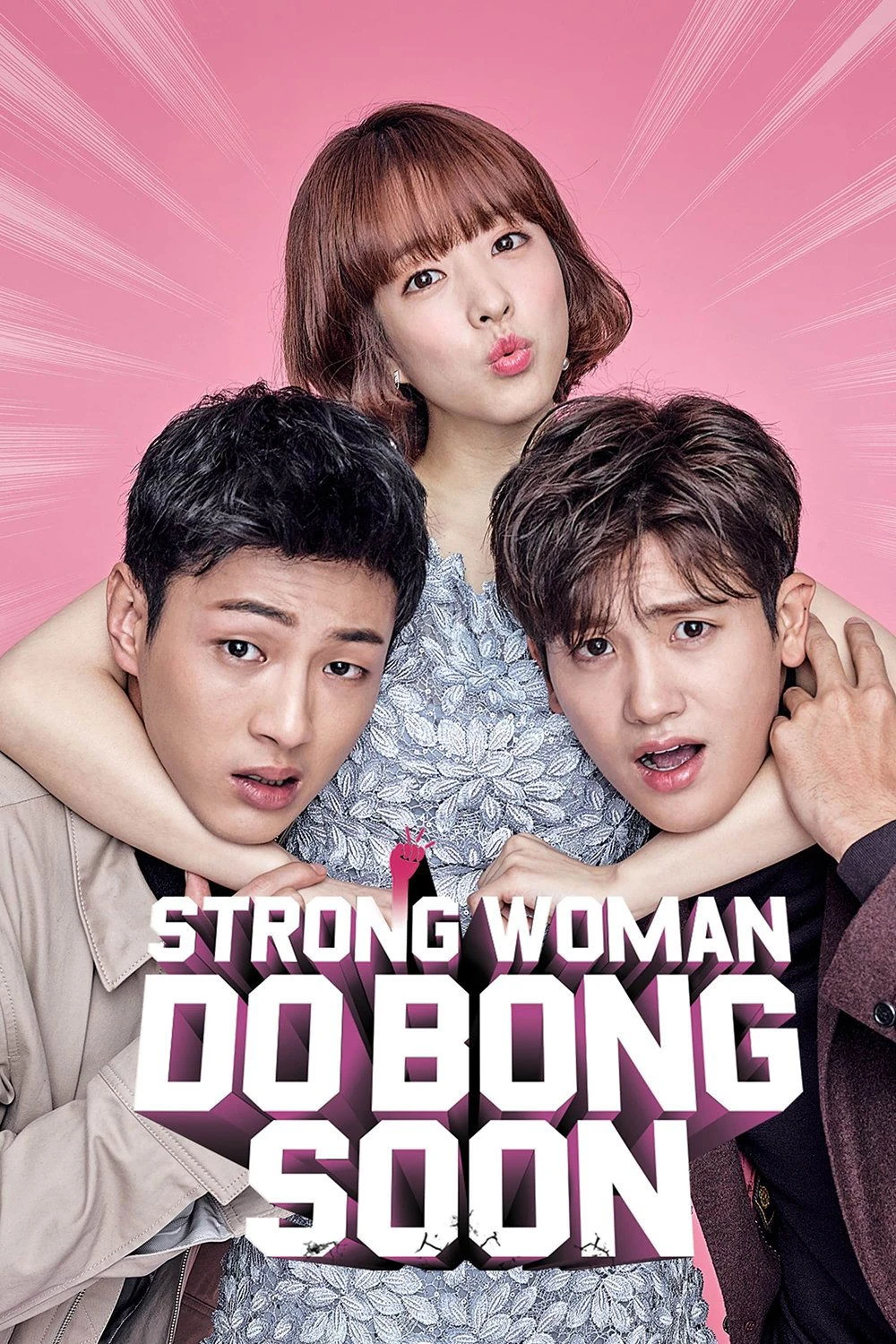
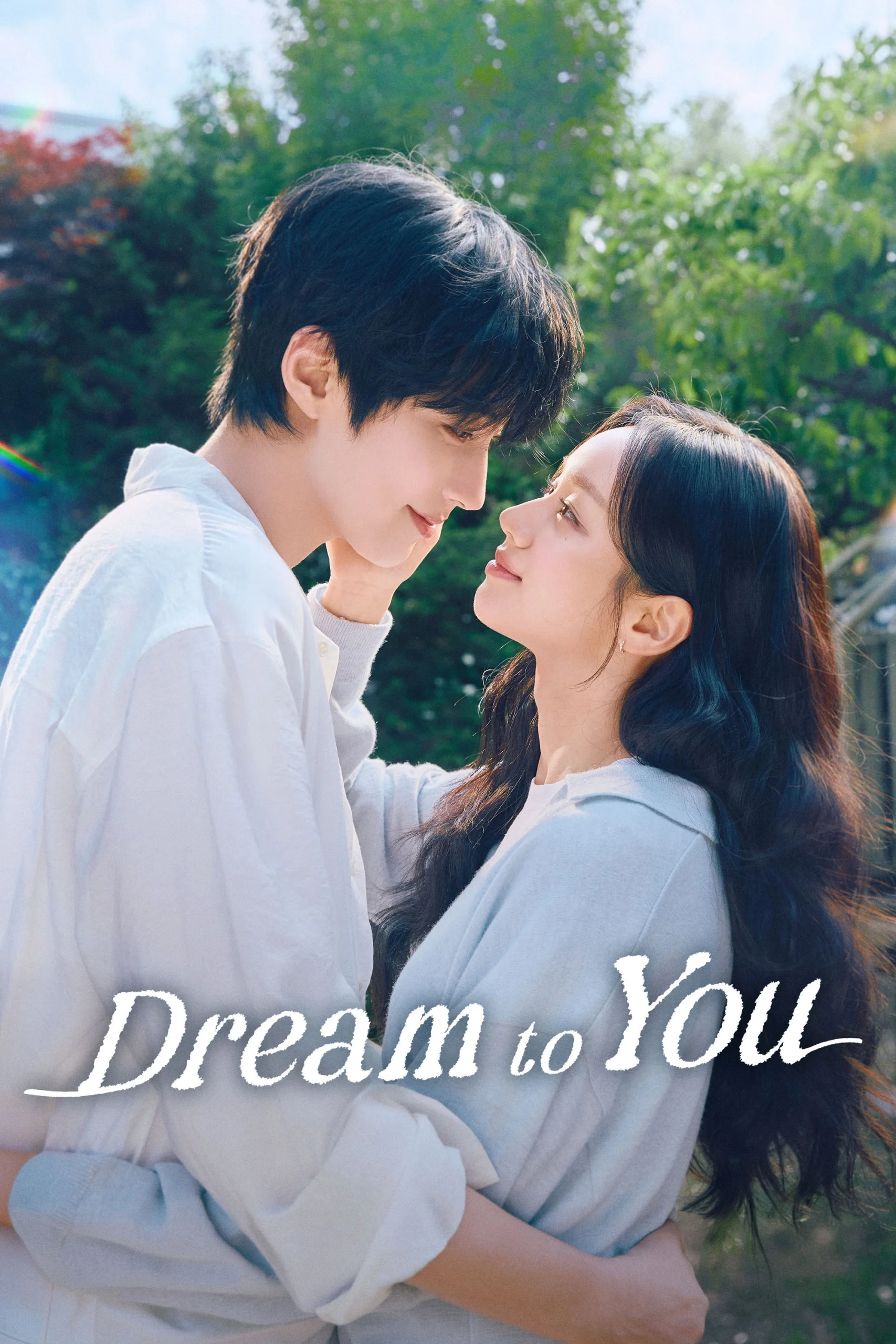 Dream to You
AdulthoodChasing Dreams
Read Full Review →
|





Keep it kind, skip the harsh language, and please — no spoilers. Everyone's taste is different, and that's perfectly fine.
This space is for real reactions and discussion from other viewers. Help keep it comfortable for everyone by not giving away major plot details.
What do you think of this drama?
Login to share your review or leave a comment.
No email needed — just pick a username & password.