📺 K-Drama Guide · Psychological Thriller · Crime
Mouse
마우스 (Mau-seu) · 2021
✅ Completed · 20 eps
🎬 Viki · Prime Video · Viu
⭐ 8.3 MDL
📺 15+
⚡ Updated · Jun 25, 2026
📋 Drama Overview
Everything you need to know before you hit play.
Completed
🔍 Psychological Thriller Pick
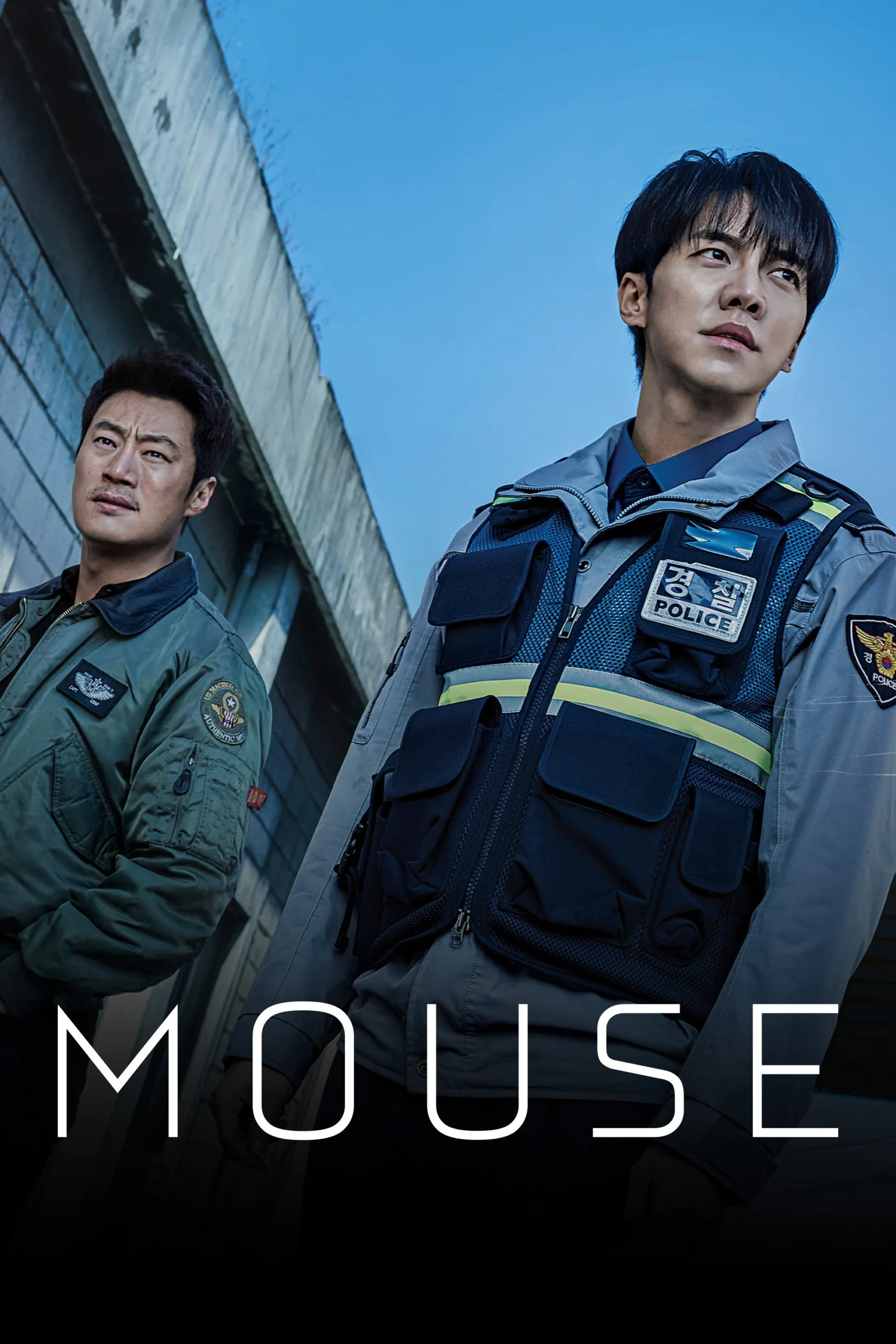
Mouse
마우스 (Mau-seu) · 2021 · South Korea
Viki
Prime Video
Viu
Serial Killer
Nature vs Nurture
Police Procedural
Identity Twist
Psychological Mystery
Mouse opens with a genetics lecture. A doctor presents research on psychopathy — the gene exists, it can be detected in a fetus, and a test is now possible. The question she poses is not rhetorical: if the results come back positive, what do you do? Two couples are in the room. Both are pregnant. The episode answers nothing about that, but the prologue is doing structural work that won’t become visible until episode ten.
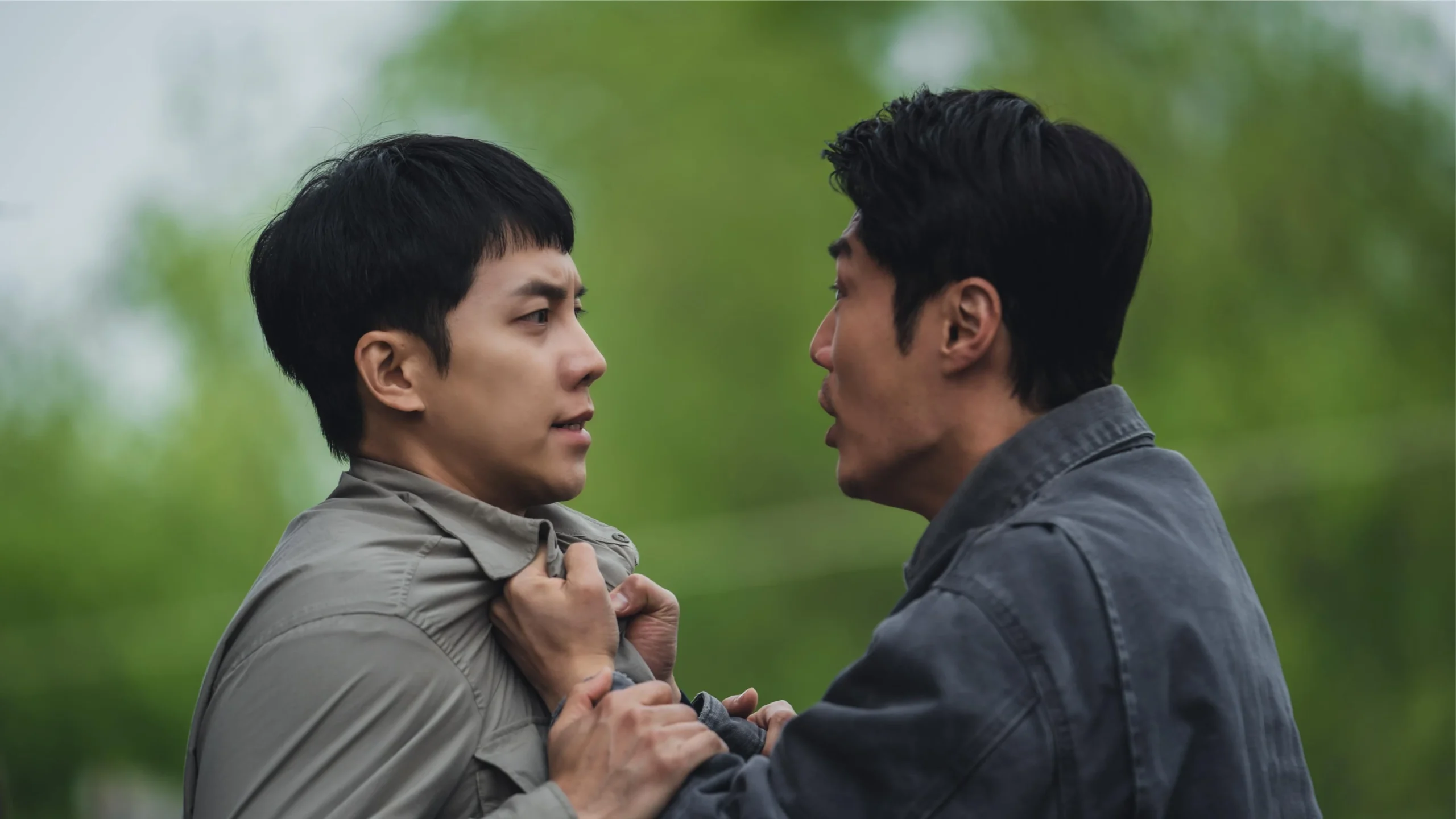
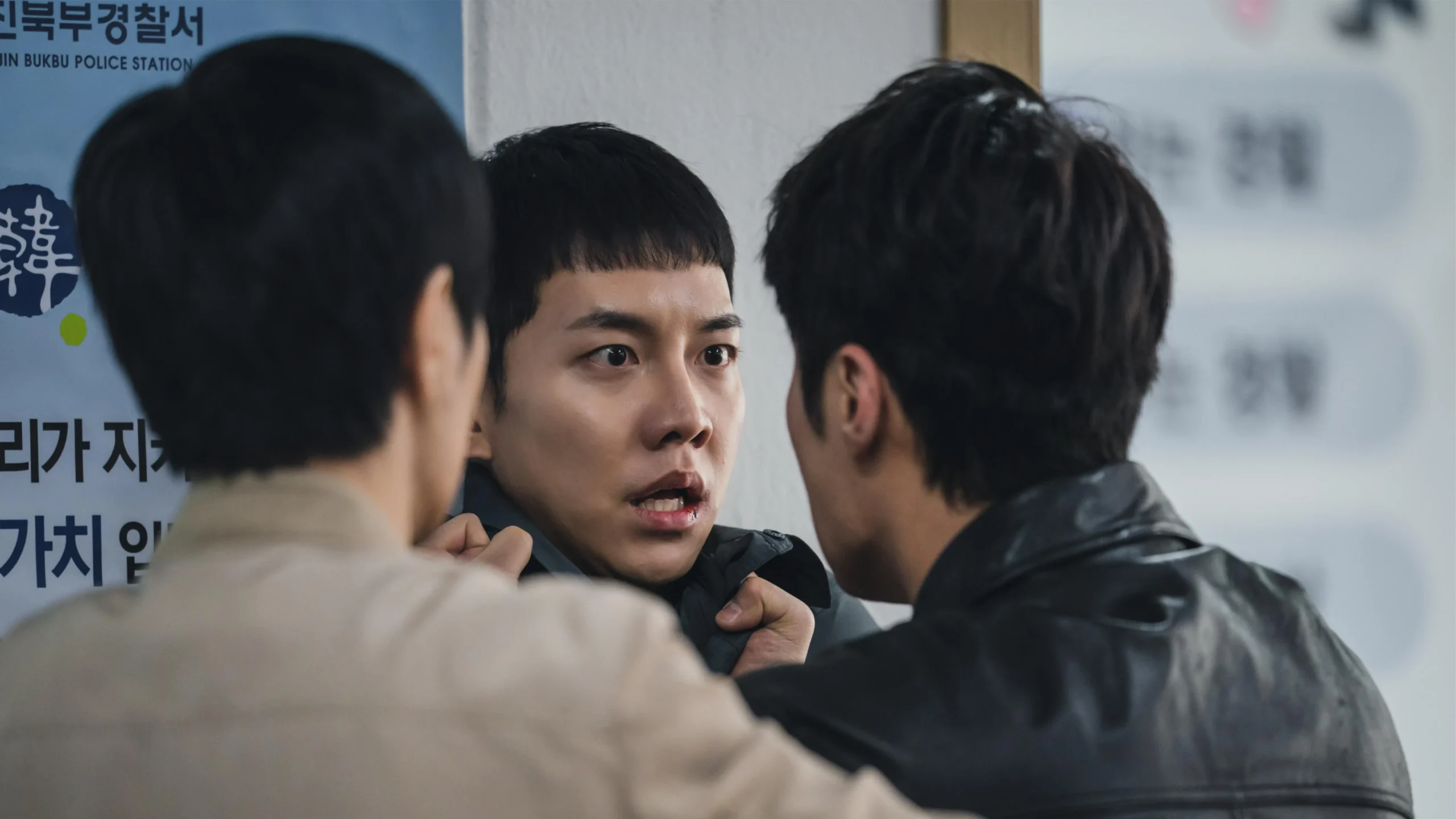
Jung Ba-reum is the kind of police officer who runs toward danger before he’s thought through the cost. That instinct — immediate, unguarded, not entirely rational — gets him assigned to Ko Moo-chi’s serial murder case. Moo-chi doesn’t investigate; he hunts. The distinction matters. His entire personality is an unclosed wound, and every case involving a killer is also a case about himself. The friction between them isn’t just temperamental — it’s the show arranging two very different approaches to the same terrible question.
What Mouse is actually about is how long you can look at a person and be wrong about them. The serial killer isn’t where you expect. And once the show reveals where it’s been hiding the answer, everything you believed about the warm-hearted officer in episode one has to be renegotiated from scratch. That renegotiation is what the drama does best.
Episode Progress
20 / 20 ✅ Completed
⚡ Quick Verdict
One box. Everything you need to decide.
⭐ Worth it?Yes — if psychological unraveling is your genre
⏱️ CommitmentHigh — ~27 hours total
🧠 VibePsychological · Disturbing · Twisty
📺 Skip if…You need airtight plot logic
8.3 / 10
MDL Score · Check MyDramaList for updated community rating
🎭 Cast & Characters
Lee Seung-gi and Lee Hee-jun lead a cast built around moral ambiguity — the show’s greatest trick is that the warmest person on screen is also its most dangerous.
Lee Seung-gi
Jung Ba-reum
Lead
Lee Hee-jun
Go Moo-chi
Lead
Park Ju-hyun
Oh Bong-yi
Supporting
Kwon Hwa-woon
Sung Yo-han
Villain
Kyung Soo-jin
Choi Hong-ju
Supporting
Woo Ji-hyun
Koo Dong-koo
Supporting
🍿 Where to Watch
Stream Mouse on these platforms.
📺 Episode Guide
Spoiler-light recaps — enough to remember where you left off, nothing that ruins the ride.
 EP 01
EP 01
Pilot / First Case
March 3, 2021
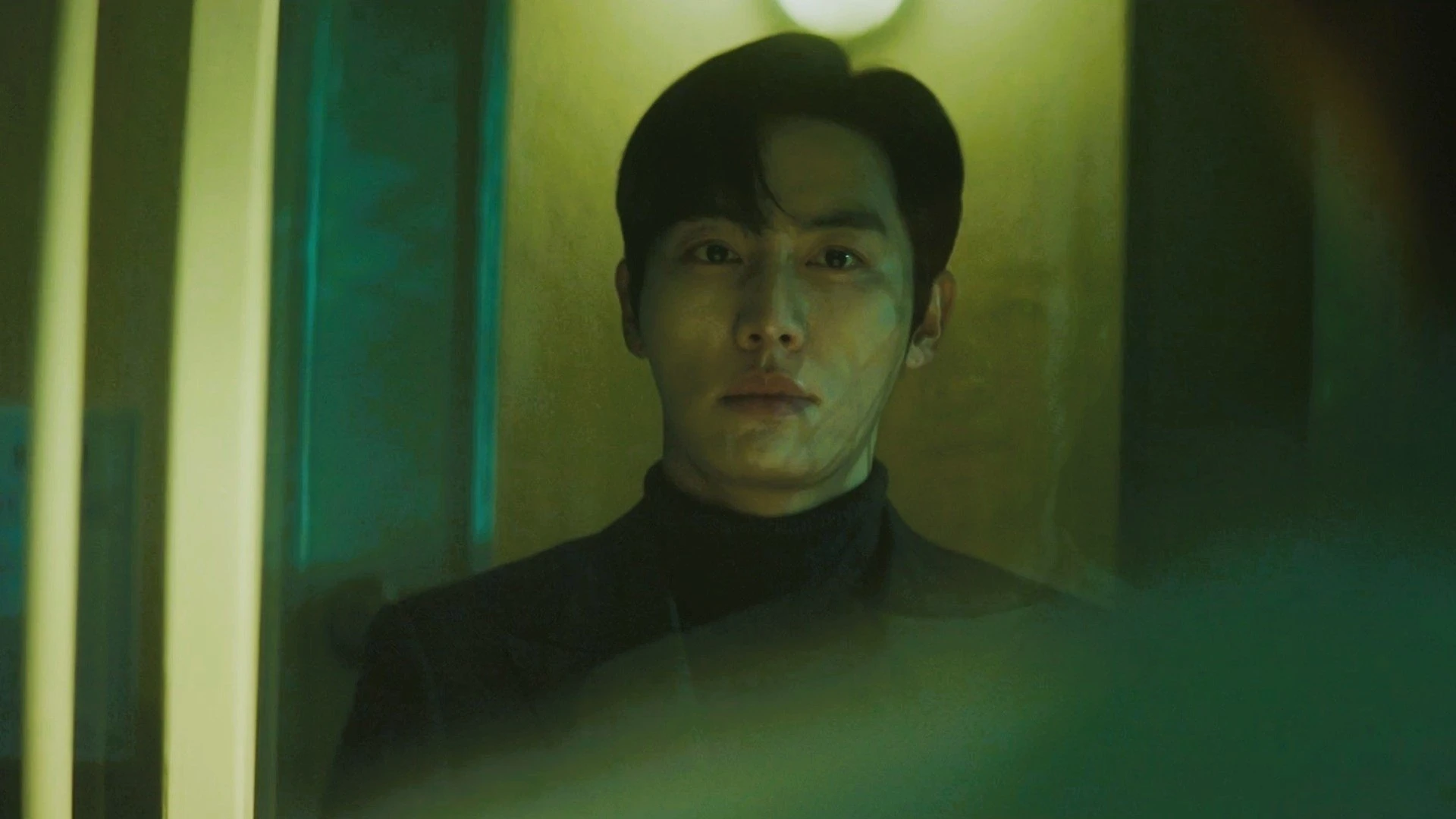
Jung Ba-reum rescues a man from a violent assault before thinking twice about the cost — that instinct, immediate and unguarded, is what gets him assigned to Ko Moo-chi’s case. Mouse opens with a genetics lecture in its prologue: a doctor asks whether a psychopathic fetus should be terminated. Two couples are in the room. The episode answers nothing, but that prologue is doing structural work that won’t land until episode ten.
 EP 02
EP 02
The Test of Nature
March 4, 2021
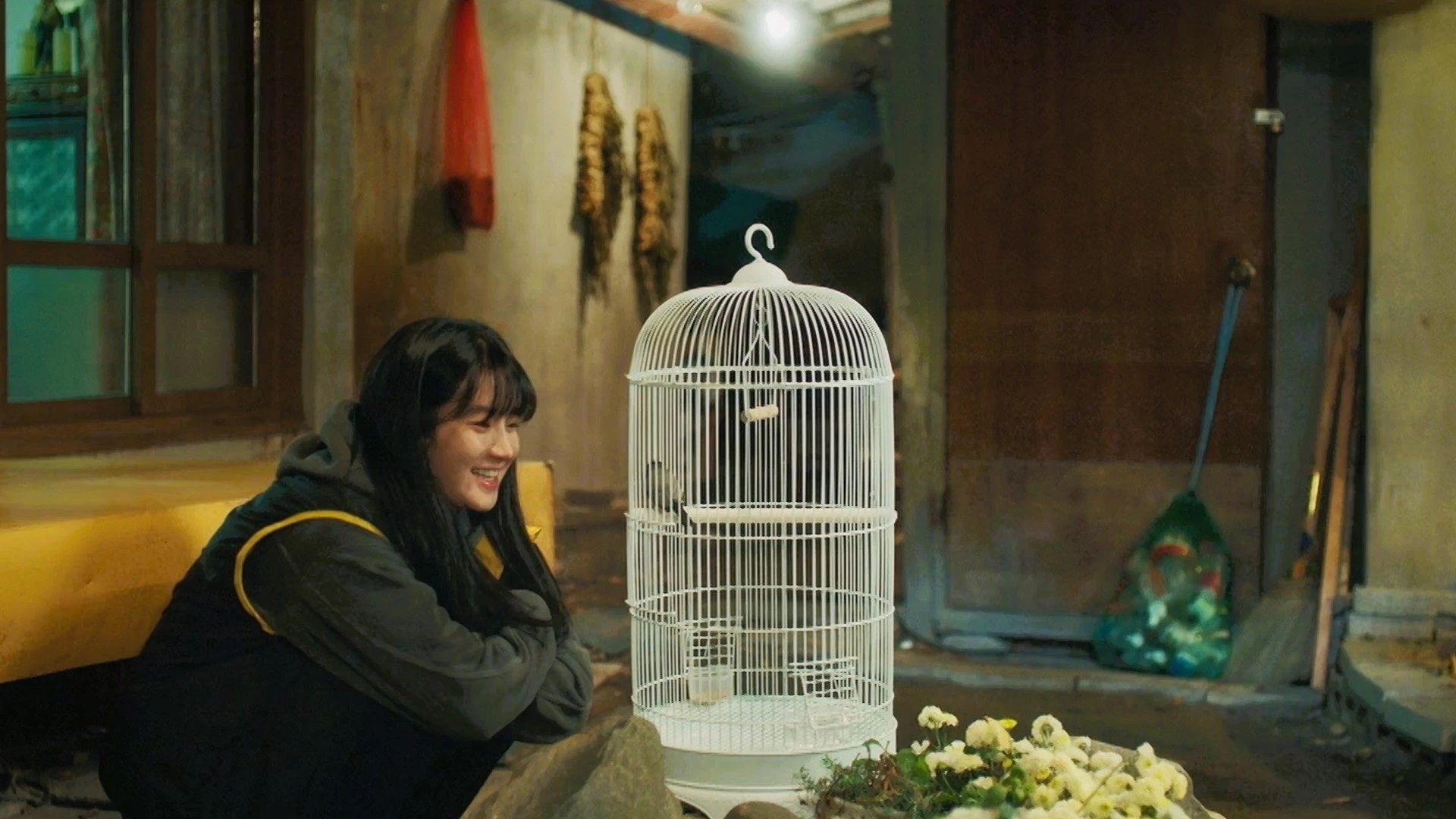
Ba-reum and Moo-chi occupy the same investigation from opposite ends: one reads the crime scene through empathy, the other through accumulated grief that calcified long ago into something harder. The friction between them isn’t friction at all — it’s a gap the show is widening deliberately. What both of them miss, working separately, is more than either could have found working together.
 EP 03
EP 03
Patterns Appear
March 10, 2021
Bong-yi begins connecting dots that Ba-reum and Moo-chi were too invested to see clearly. Her approach is quieter — observation over reaction, evidence over instinct. The episode establishes her competence early because the show will need her reliable long before it tells you why.
 EP 04
EP 04
Questioning Identity
March 11, 2021
Evidence begins pointing toward Ba-reum’s past in ways that complicate his standing in the investigation. For the first time, the show asks the audience to hold distance from a character we’ve been asked to root for. The discomfort is deliberate — Mouse is testing whether sympathy survives scrutiny.
 EP 05
EP 05
Lines Crossed
March 17, 2021
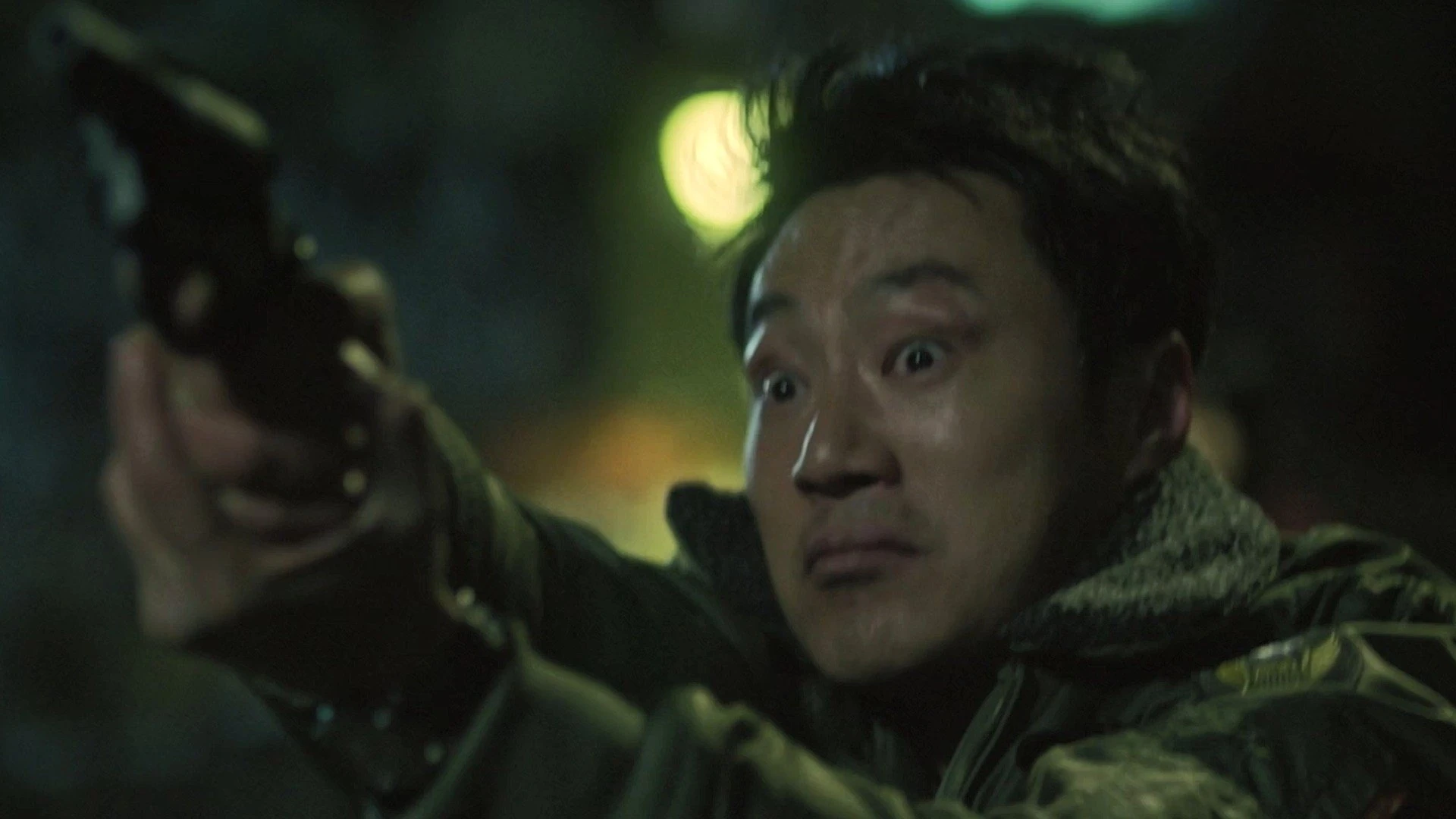
Ko Moo-chi breaks procedure to extract information — a confrontation that slides into coercion — and then watches as other officers rationalize what they witnessed. Lee Hee-jun plays the aftermath with a specific blankness: a man whose moral vocabulary has worn down to the point where the word “wrong” no longer quite attaches to his own behavior. The episode earns that detail because it doesn’t point at it.
 EP 06
EP 06
Hidden Connections
March 18, 2021
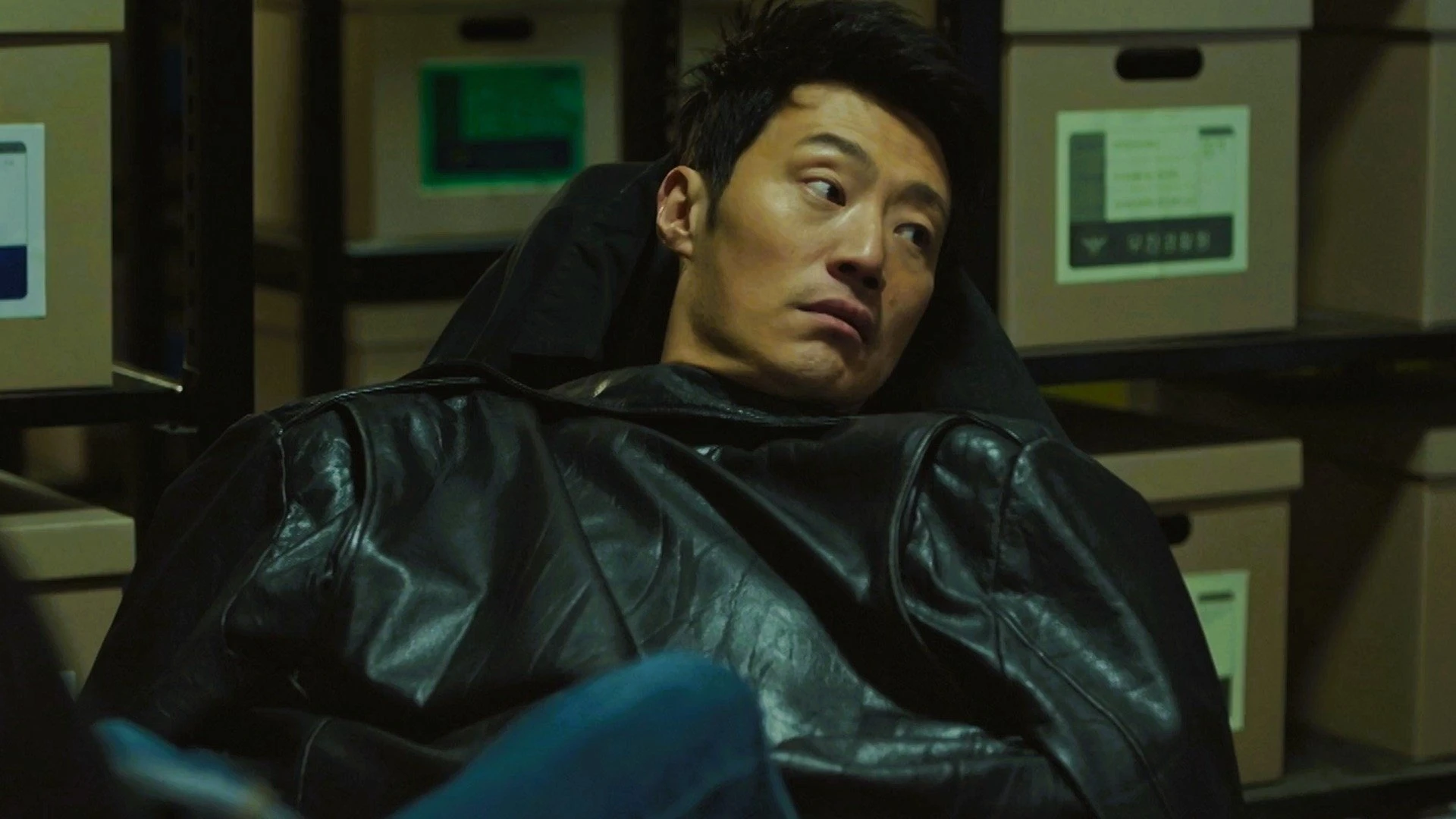
New forensic evidence links several victims to a shared history that nobody had assembled yet — and the person who finds the pattern is Ba-reum. His immediate response is protective rather than investigative. The episode marks that distinction quietly and doesn’t explain it yet.
 EP 07
EP 07
The Past Returns
March 24, 2021
Childhood timelines surface — shared histories between suspects and victims that the adult investigation couldn’t account for until it went backward. The backstory revelations don’t answer the central question; they deepen it. Where a person comes from doesn’t explain who they become, and Mouse keeps making that argument while quietly arranging evidence for the counterargument.
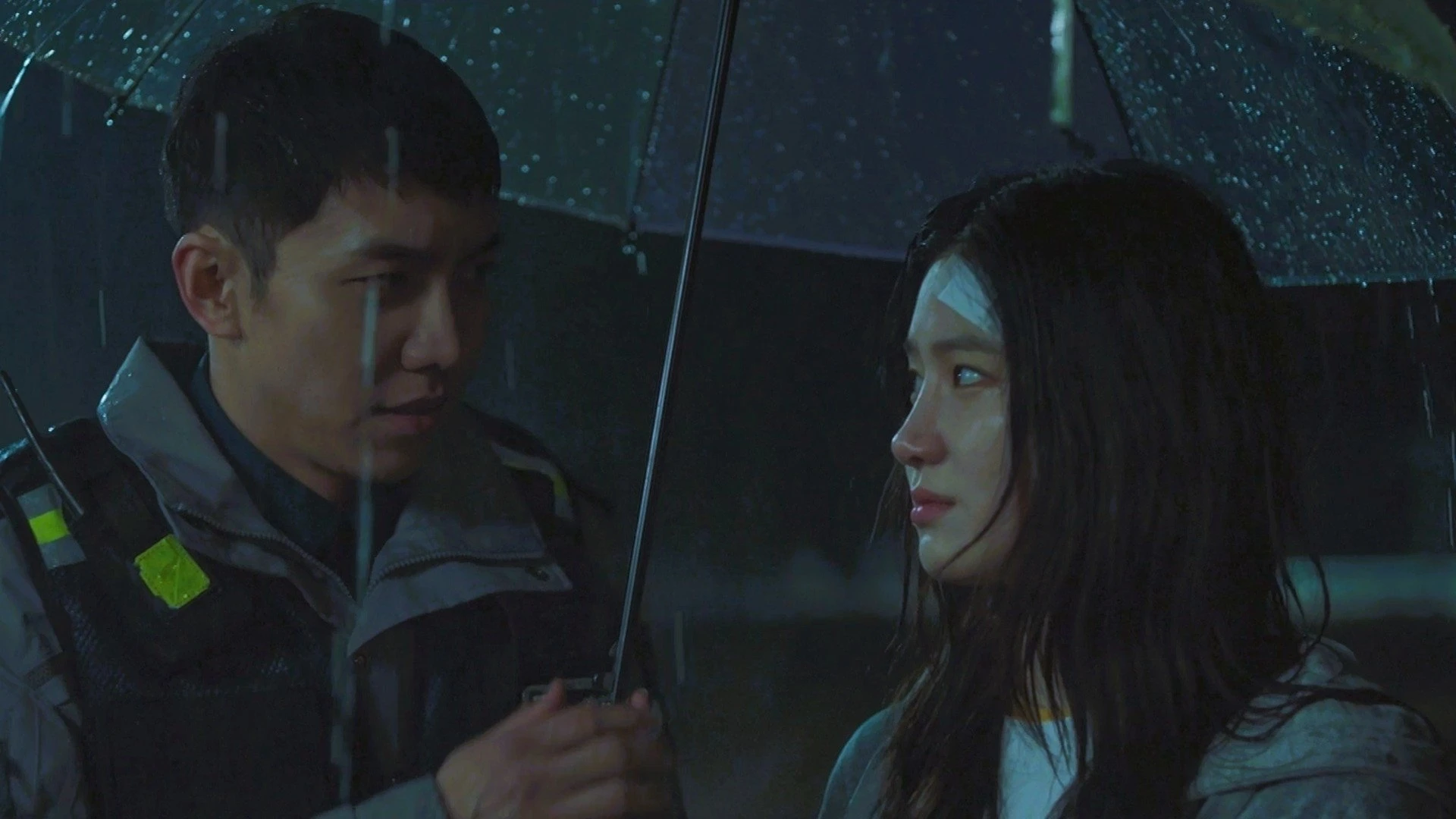 EP 08
EP 08
Trust and Doubt
March 25, 2021
The police institution officially doubts Ba-reum, which creates a different kind of pressure than the serial killer does — bureaucratic suspicion is intimate in a way that external threat isn’t. The episode watches Ba-reum submit to self-examination with an openness that should be reassuring. It’s the last episode where it fully is.
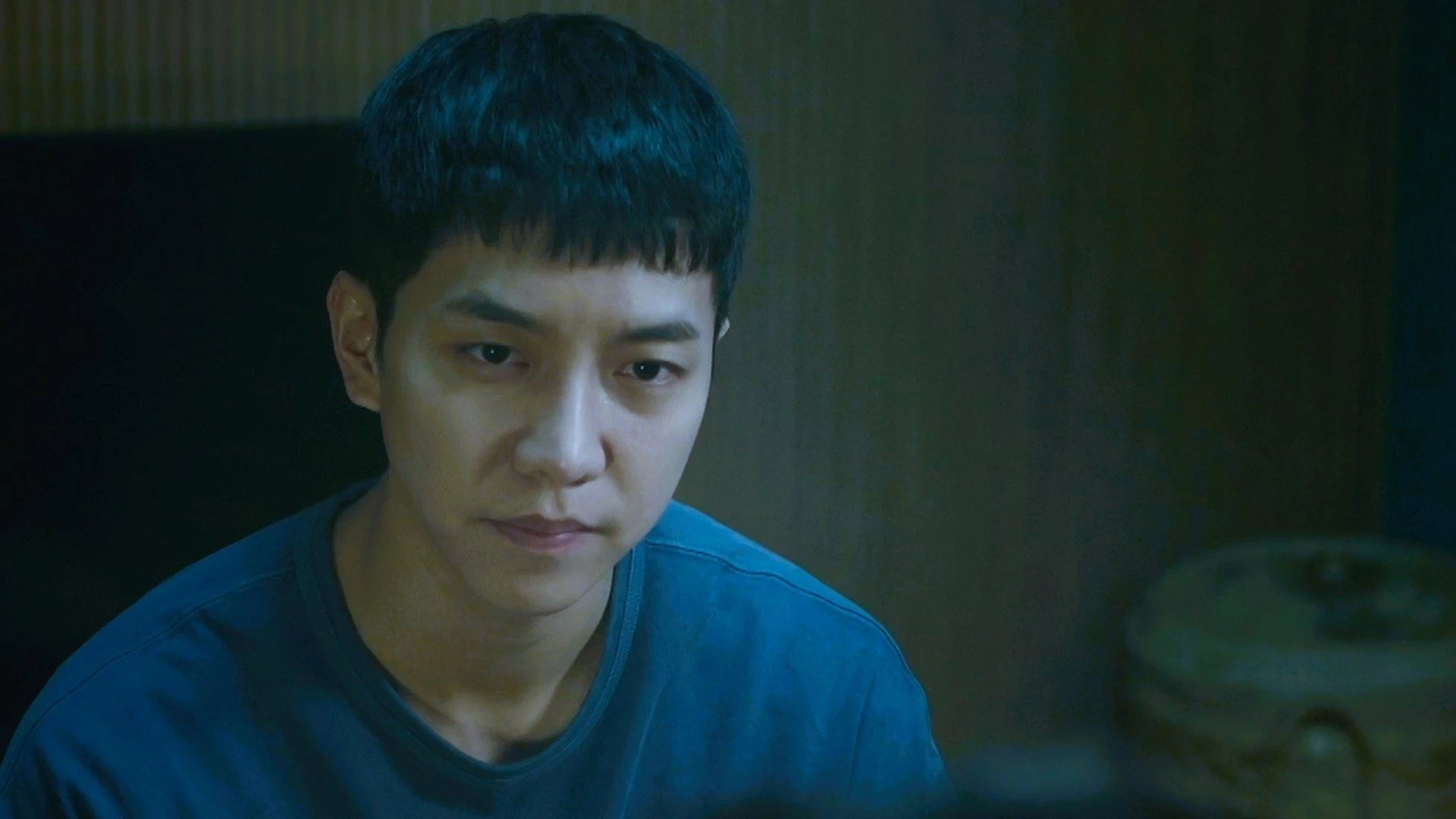 EP 09
EP 09
A Closer Look
March 31, 2021
Moo-chi follows forensic threads that lead him somewhere personal — a crime that traces back to his own history. One of the show’s tighter procedural hours: less interested in theme than in watching a man work a case he is constitutionally unable to be objective about. The competence is real. The objectivity is not.
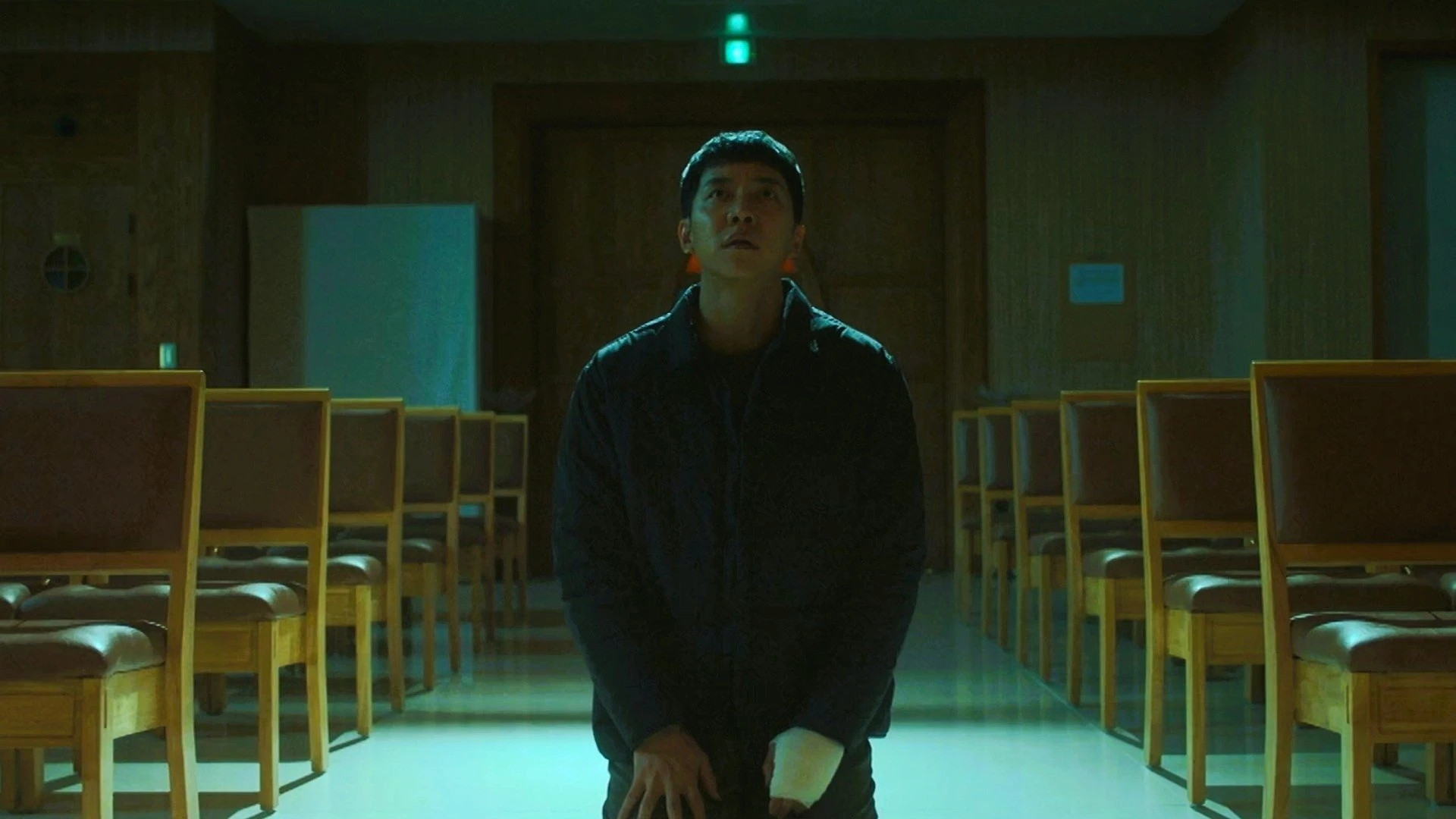 EP 10
EP 10
Midpoint Revelation
April 1, 2021
Something happens to Ba-reum in this episode that changes everything he already was. The midpoint reveal lands correctly because Mouse spent nine episodes making you believe one thing so completely that the other thing doesn’t feel like a trick — it feels like the show finally telling you what you were already watching. Everything before episode ten now means something different.
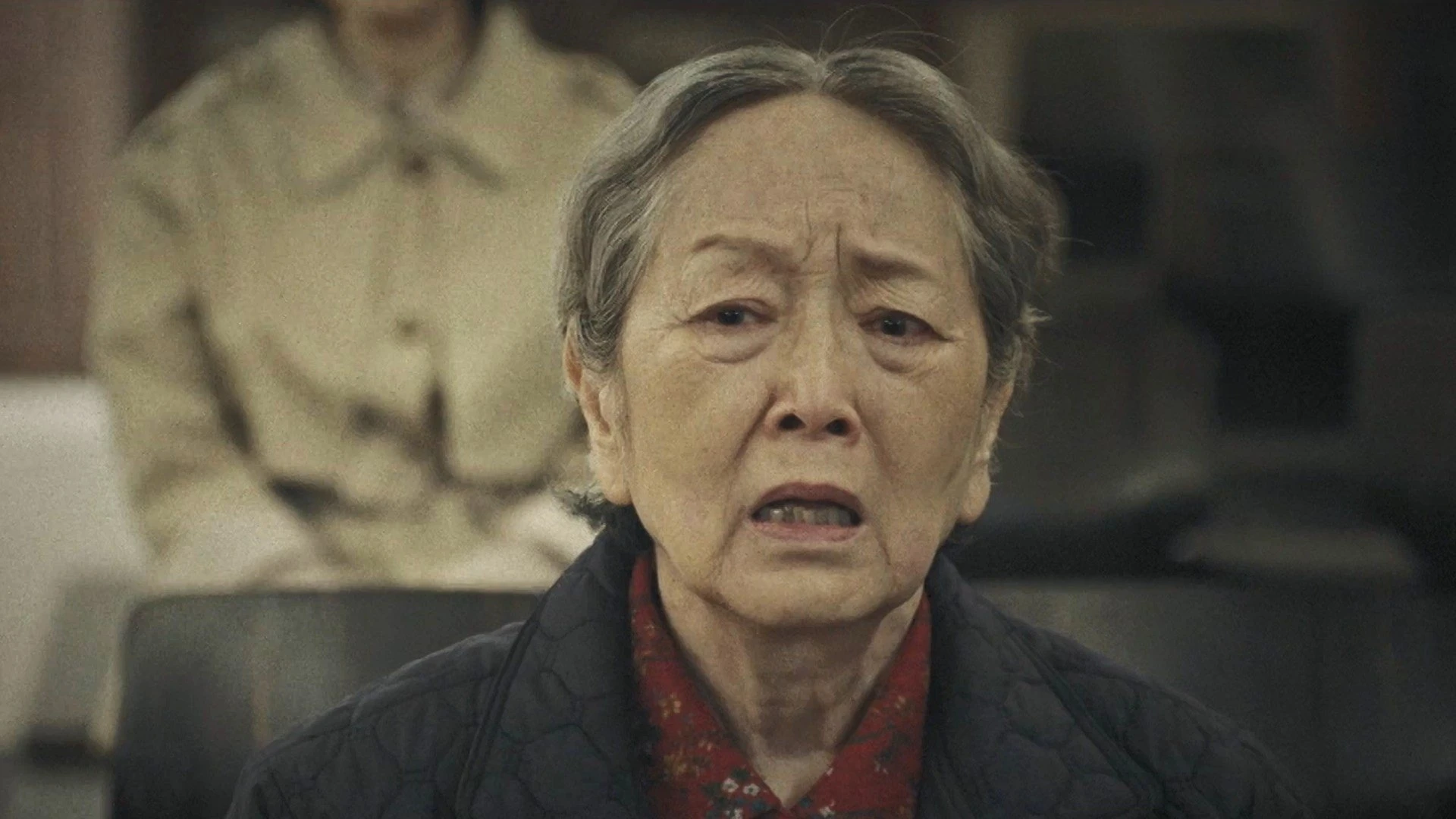 EP 11
EP 11
Lines of Evidence
April 7, 2021
The show has to manage something complicated now: the audience knows what the central characters don’t, and watching Ba-reum operate inside the investigation while concealing what he is requires Mouse to hold two emotional registers simultaneously. Bong-yi’s ethical clarity becomes the episode’s north — she is the only person in the room whose perception is still accurate.
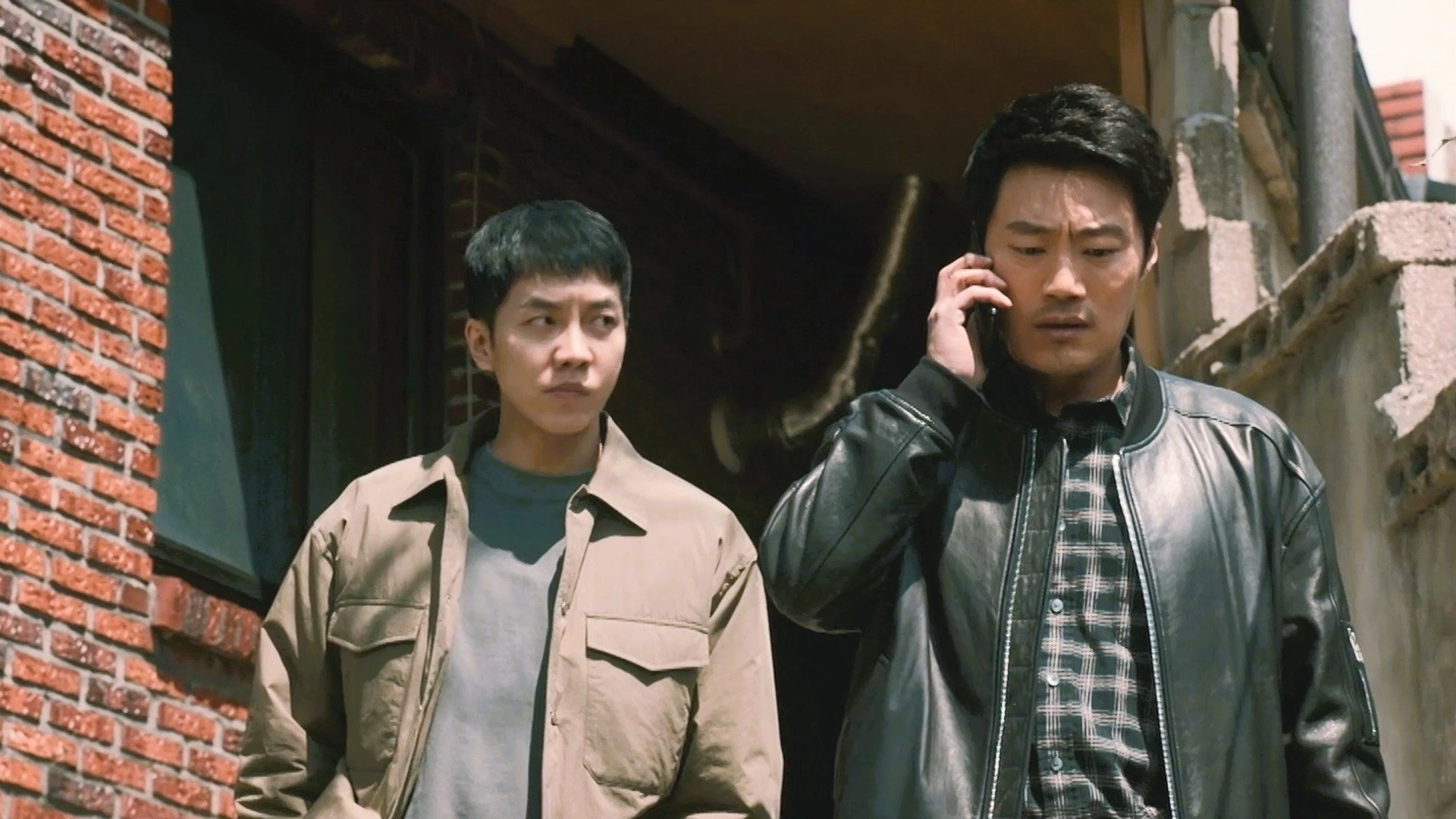 EP 12
EP 12
The Unexpected Suspect
April 8, 2021
An arrest brings the question of verification into focus: how much certainty is enough before acting? Characters who have been operating on gut certainty are put under pressure here, and some of them fail the pressure test in ways that will cost them later. The episode is Mouse being direct about the danger of conclusion without evidence.
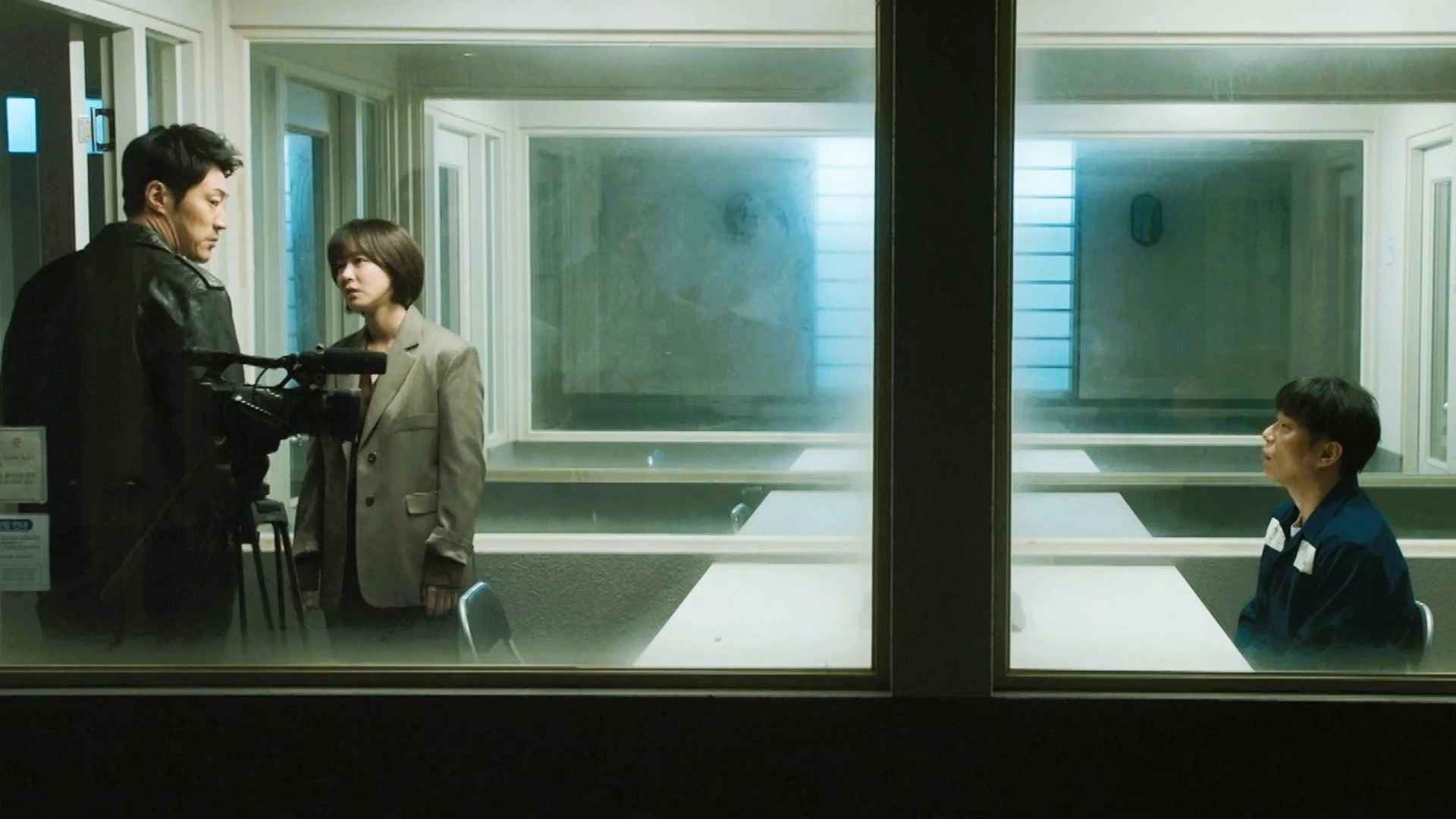 EP 13
EP 13
Fractures
April 14, 2021
Ko Moo-chi’s methods push against Bong-yi’s ethics at the moment the investigation most needs internal consistency. The cost of obsession shows up here — not as failure, but as the slow erosion of trust between people who are, separately, doing the right thing for the wrong reasons.
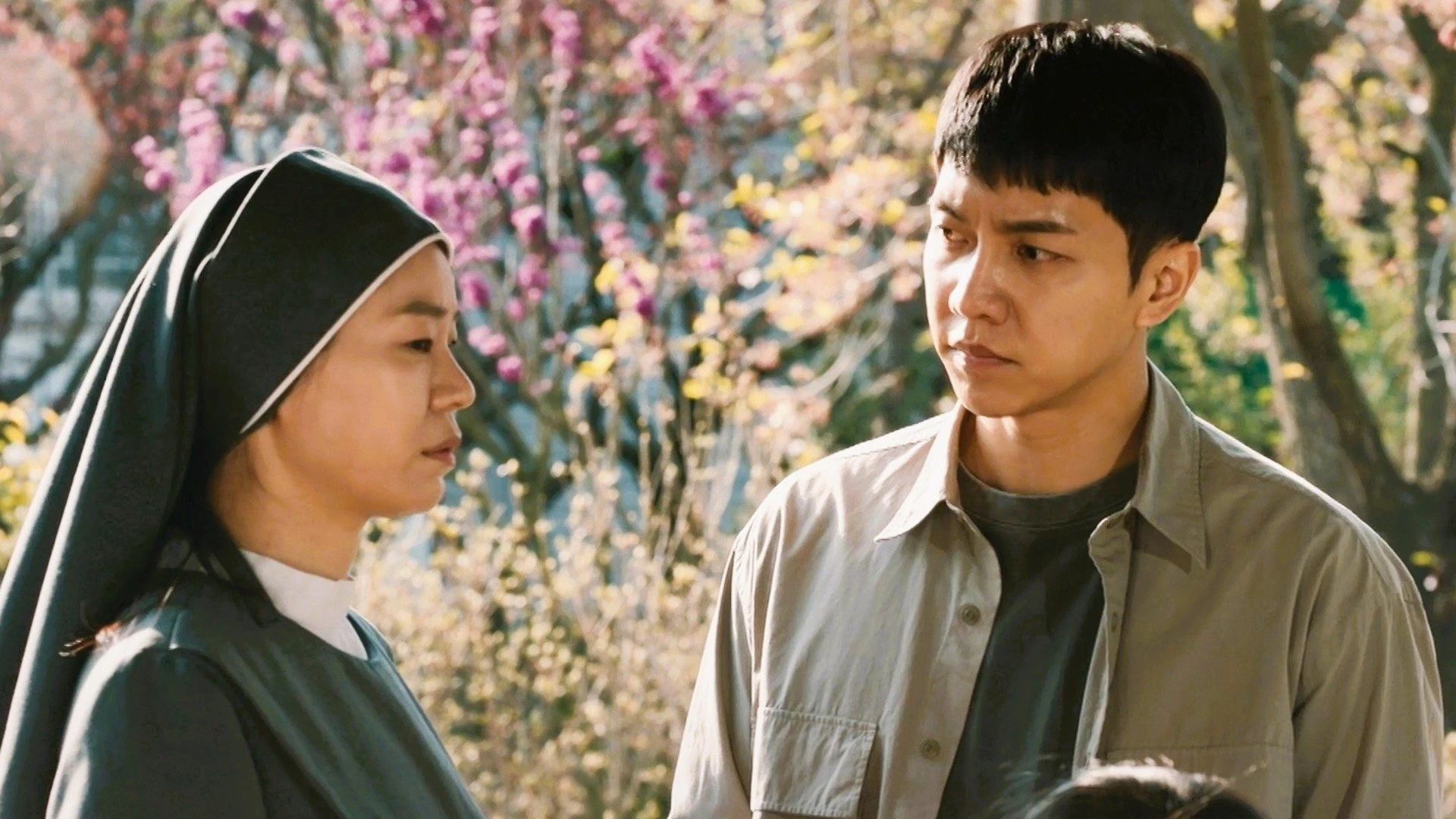 EP 14
EP 14
Narrowing the Field
April 15, 2021
Separate timelines converge: victims, suspects, and witnesses turn out to have been adjacent for longer than anyone understood. Ba-reum’s compassion is still present in these scenes — and is now the most unsettling thing about him, because the audience knows what that compassion is covering.
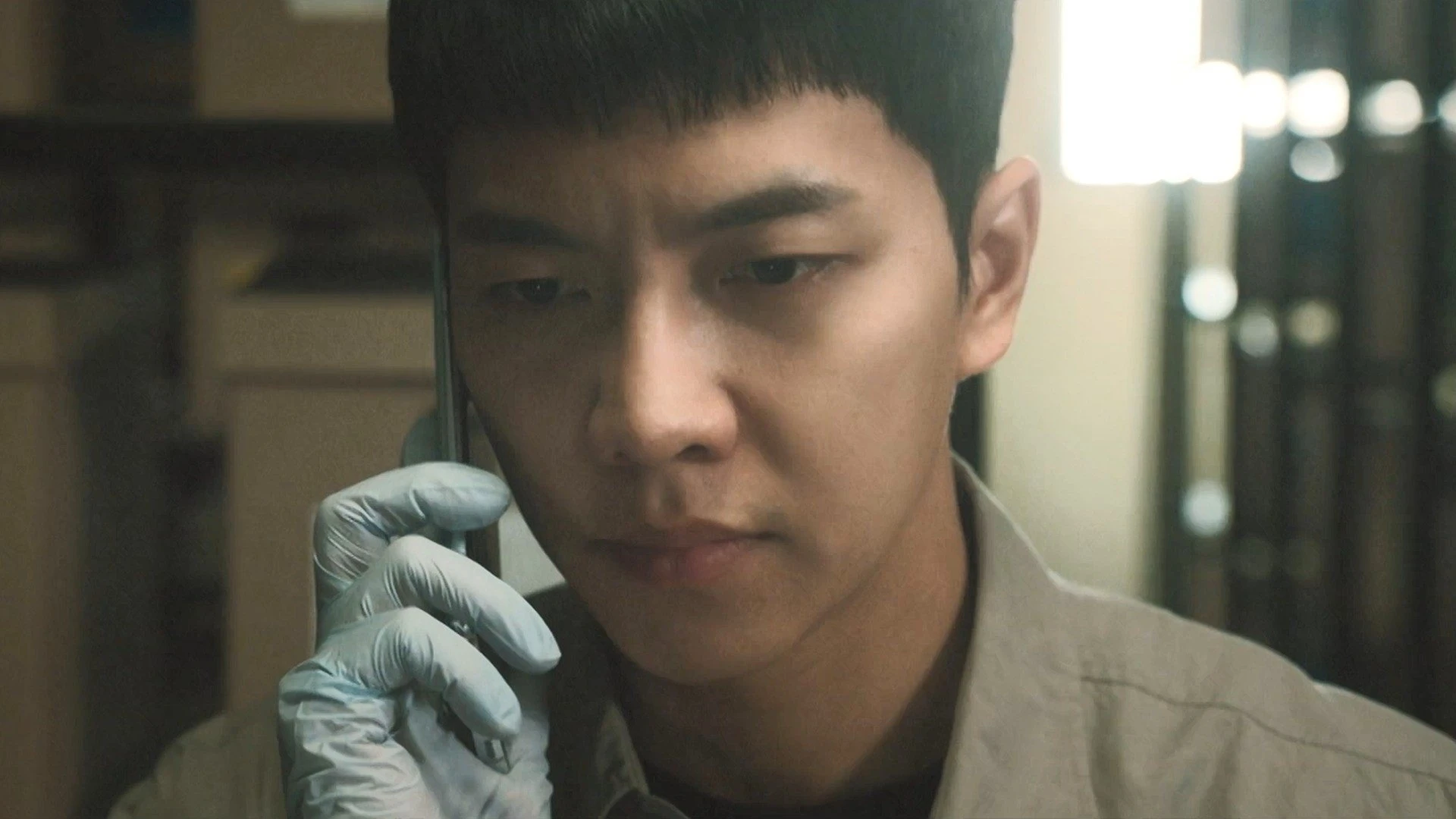 EP 15
EP 15
Truth’s Edge
April 21, 2021
The investigation breaks into territory protected by institutional power, and the show is direct about what that costs: Ba-reum pays a personal price that the episode refuses to treat as a plot convenience. The scene where the cost becomes clear is among Lee Seung-gi’s best in the series — it works precisely because you can no longer read it simply.
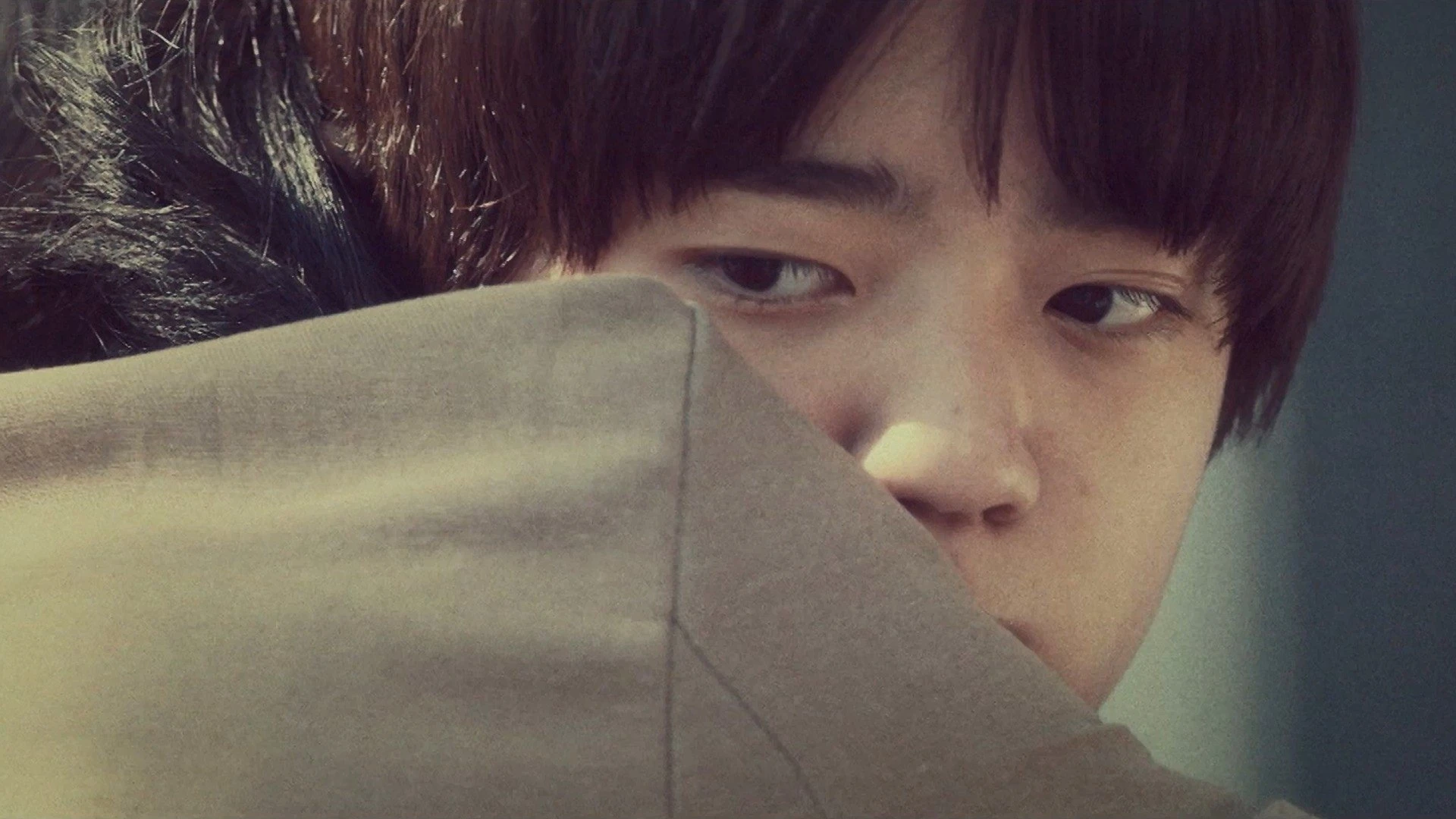 EP 16
EP 16
Collisions
April 22, 2021
Direct confrontations between Moo-chi, Sang, and external figures bring loyalties into the open — characters who have been theoretical allies now have to act. The episode is Mouse at its most kinetic, not in physical action but in the velocity of decisions whose weight won’t be clear until the final episodes.
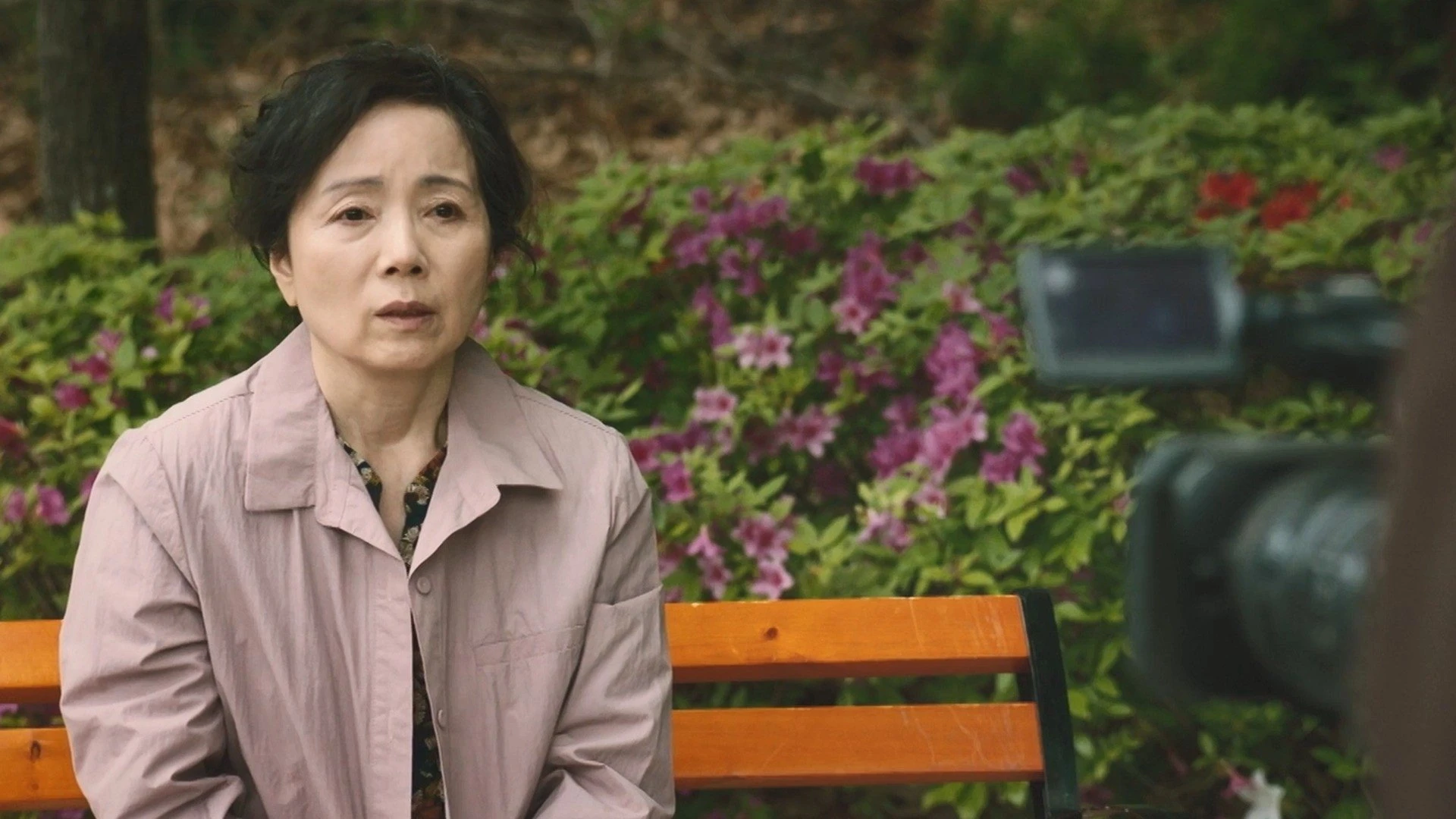 EP 17
EP 17
Deepening Mystery
April 28, 2021
The investigation reaches a layer beneath the layer the team thought was the bottom. Bong-yi’s role expands from supporting observer to necessary agent — Mouse has been investing in her reliability since episode three, and this episode begins to pay that investment off.
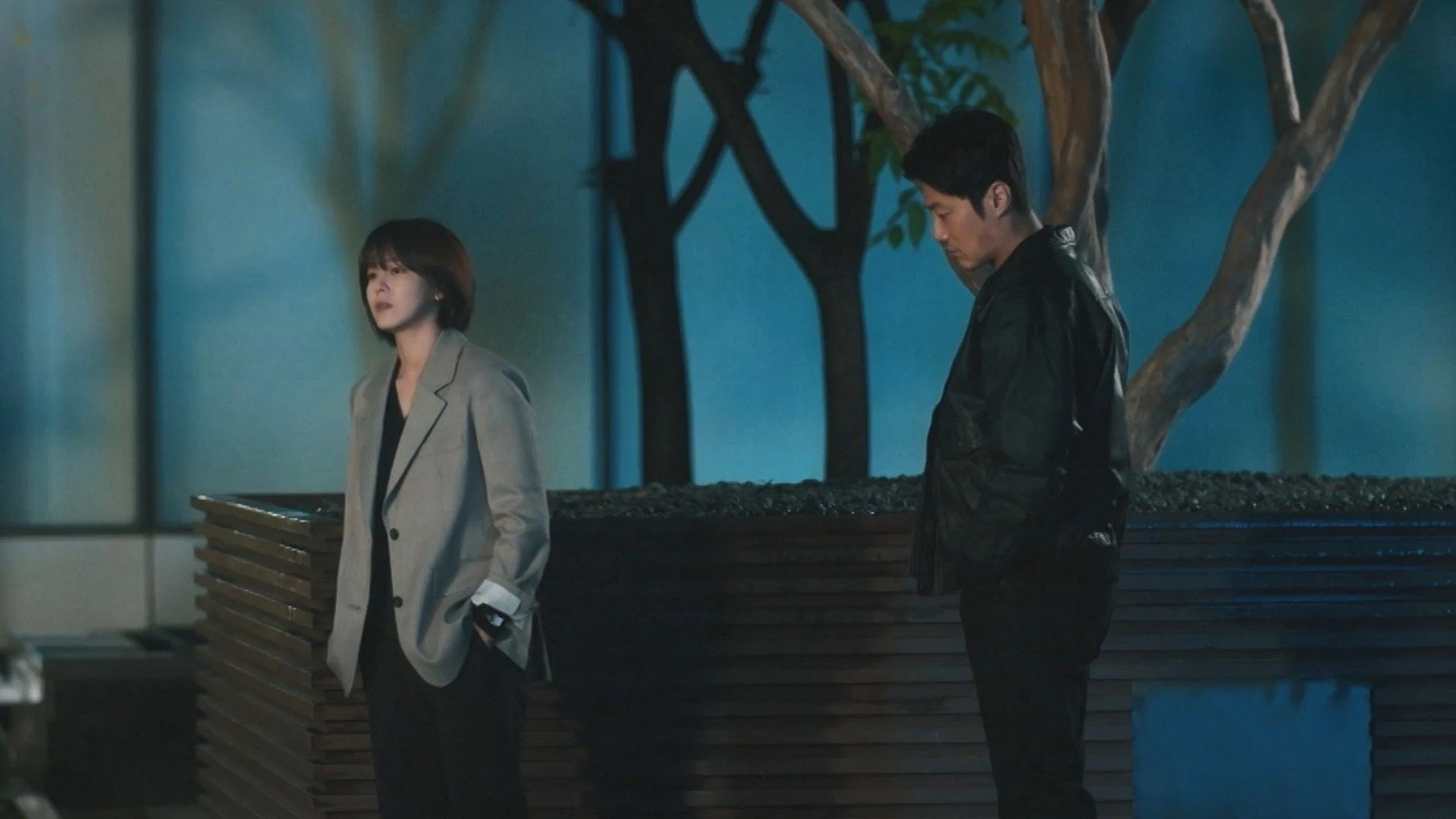 EP 18
EP 18
Penultimate Clues
April 29, 2021
Forensic links, witness statements, and personal revelations pull together in an assembly that places each major character within reach of a conclusion. The episode doesn’t rush. It’s Mouse doing its structural work — creating the conditions under which the finale will either earn or waste what the show has accumulated.
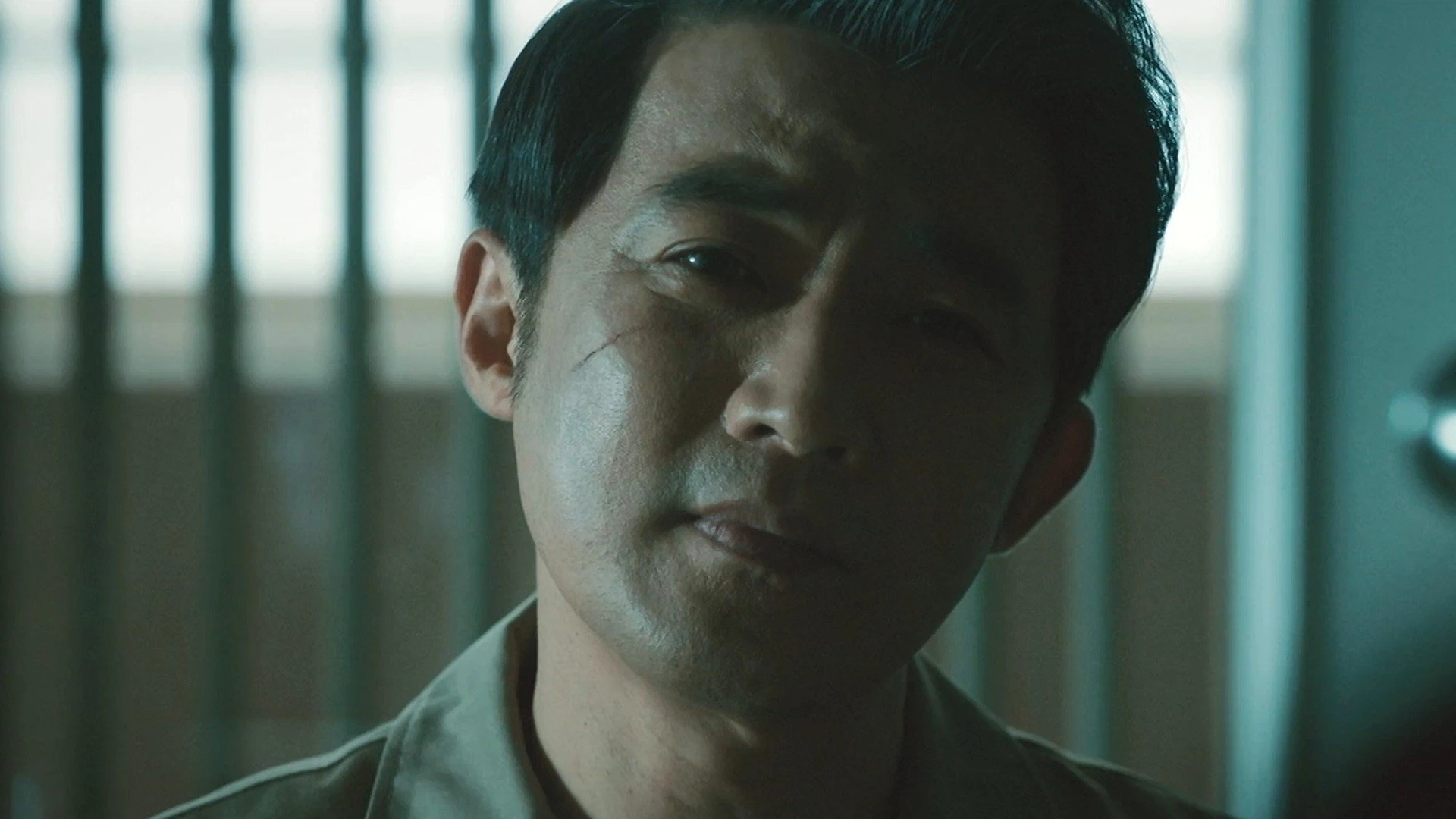 EP 19
EP 19
Before the End
May 12, 2021
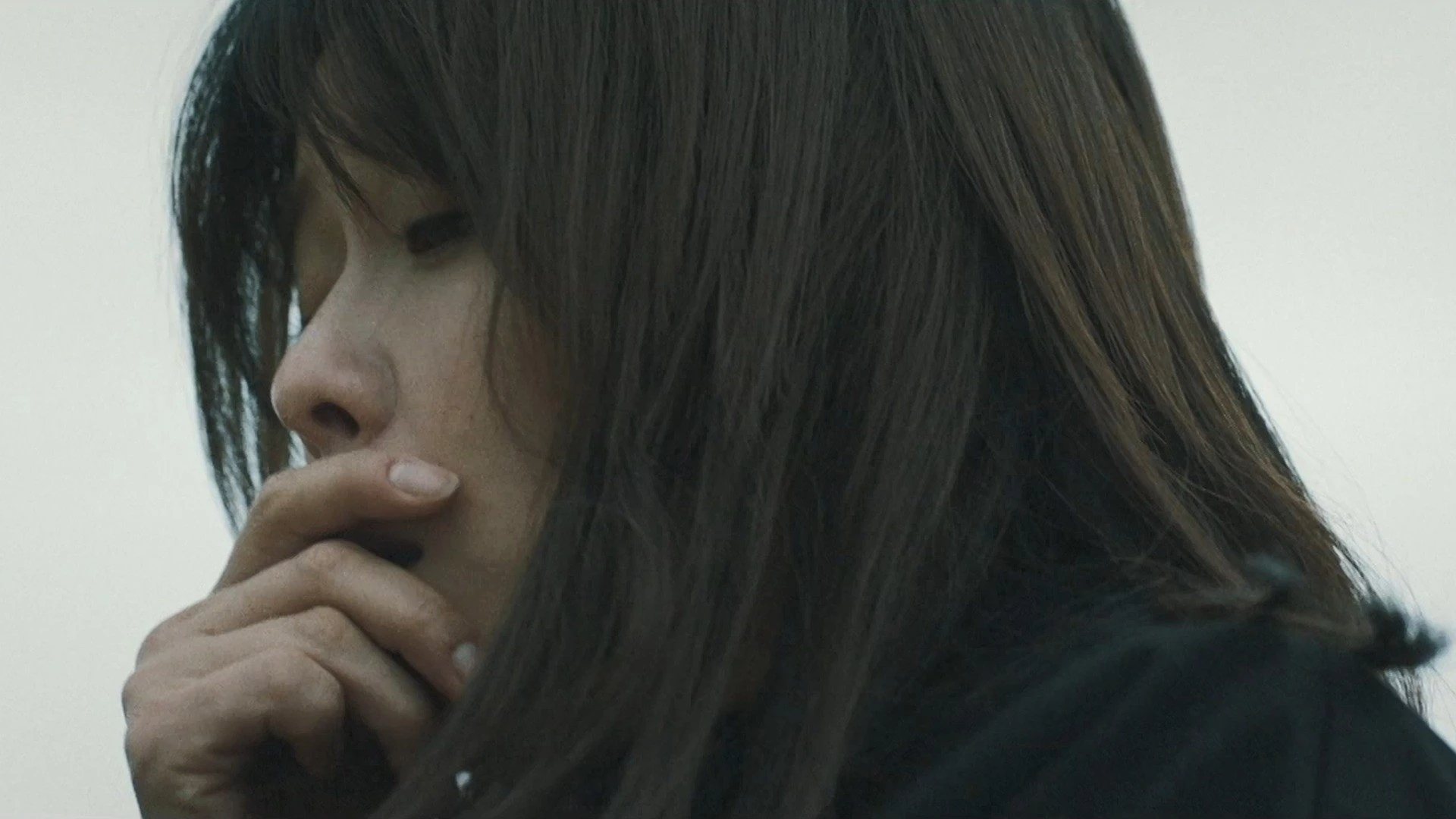
Ba-reum’s position inside the investigation becomes untenable — the distance between what he is and what the people around him still believe has closed to zero. Lee Seung-gi carries the episode with a stillness that is, by this point, more disturbing than any obvious intensity would be.
 EP 20
EP 20
Finale · Finale
May 19, 2021
Ba-reum’s crimes are exposed, the confrontation with Moo-chi arrives with the full weight of twenty episodes behind it, and Mouse answers its opening question without flinching. The ending doesn’t simplify. Ba-reum in prison, calm about what he’s become, is the drama’s honest admission that the genetic argument raised in the first scene was correct — just not in the way anyone wanted it to be.
🏁 Ending Explained
Full spoilers ahead — everything that happens in the finale and what it all means.
⚠️
Spoiler Warning — This section covers the full finale of Mouse. Stop here if you haven’t finished the series.
What Actually Happens. Jung Ba-reum’s identity as the serial killer — the one Ko Moo-chi has been hunting through two investigations and twenty episodes — is finally exposed in full. The confrontation isn’t an ambush; it’s an assembly. The evidence, when it reaches Moo-chi, is complete and irrefutable: the murders, the manipulations, the gap between who Ba-reum presented himself as and what he actually did. What makes the scene remarkable is what Lee Seung-gi finds in it — Ba-reum faces the exposure without panic or denial, with a kind of clinical self-observation that the warm police officer in episode one could not have possessed. The warmth was real. That’s the thing the finale refuses to take back.
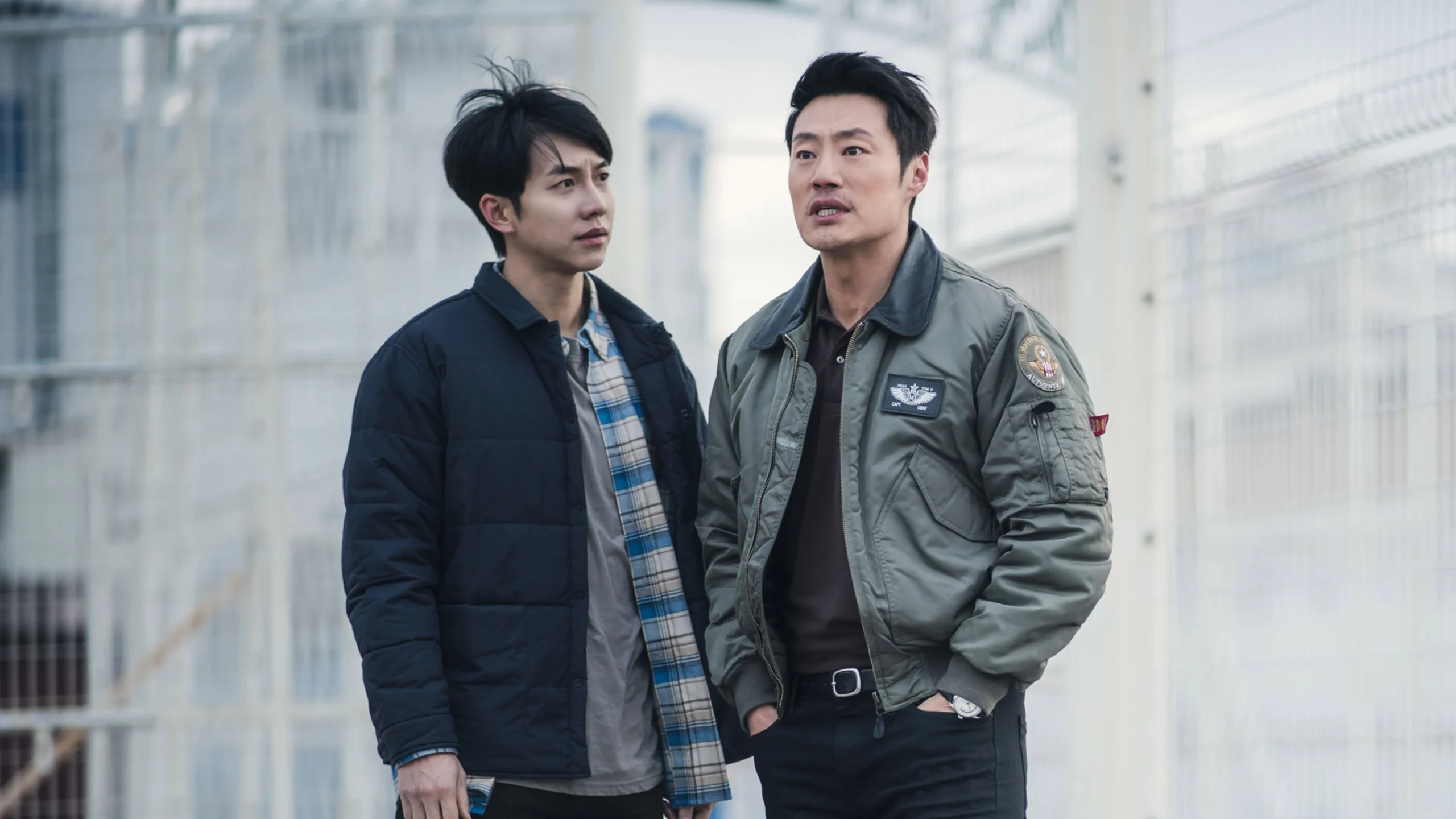
Is the Brain Transplant the Point? The mechanism behind Ba-reum’s transformation — receiving Sung Yo-han’s brain after the midpoint shooting — is the narrative decision that divides Mouse audiences most sharply. The show commits to it without apology: psychopathy was latent in Ba-reum’s DNA from birth (he is the son of serial killer Han Seo-joon), and the transplant removed the inhibitive layer that had kept that potential in check. This is the same genetic argument the drama opened with in its prologue. What the show is saying is not that the gene makes a monster. It’s that the gene, combined with the right conditions, removes the barrier between what a person is capable of and what they actually do.
Ko Moo-chi’s Resolution. Moo-chi gets accuracy, not catharsis. The killer he was hunting turns out to be the colleague he was partnering with — which closes a case without closing the wound underneath it. Lee Hee-jun’s final scenes are among his best in the series: a man who achieves exactly what he came for and discovers that achievement was never the point. The grief that made him a detective who hunts rather than investigates doesn’t disappear because the hunt is over. It was never really about the killer.
Oh Bong-yi’s Role. Bong-yi ends the drama as its most intact character — not because she escaped the damage, but because she built something that held when the people around her didn’t. Her refusal to let personal trust override evidence is what made Ba-reum’s exposure possible. Mouse needed her reliable from the beginning, and the finale pays that investment off: she doesn’t get to be surprised by the truth because she followed the truth regardless of what she wanted it to be.
What Mouse Actually Argues. The finale answers the opening question — can psychopathy be predicted? — with a yes that nobody wanted. Ba-reum had the genetic predisposition. He received the right brain. The conditions aligned. And the drama’s final image, a man in prison observing his own psychology with a calm scientific interest, is Mouse refusing to resolve that discomfort into something easier. He is not a monster the show invented to scare you. He is the answer to the question the doctors were arguing about in episode one, and Mouse is honest enough to let that be unsatisfying.
✍️ KDramaWorlds Editor’s Take
Our honest read on why this drama is worth your time — and who it’s for.
🧠 Psychological
🔪 Serial Killer
🔄 Identity Twist
📉 Moral Collapse
🎭 Dual Performance
Lee Seung-gi built his career on warmth — the variety show personality, the romantic lead whose likability was so consistent it functioned like a brand promise. Mouse is the drama that asks what happens when you run that promise into a place it can’t survive. Ba-reum’s first-half performance works because Seung-gi commits to the compassion all the way through — every rescue, every impulsive act of empathy — so that when the second half arrives and the warmth is gone, its absence carries real weight. He’s not retroactively faking the kindness. He’s carrying it into a context where it stops being available. The clearest parallel in recent K-drama is Beyond Evil, which uses Lee Joon-gi for a similar experiment in audience trust — a detective whose innocence is always precisely calibrated to keep you working. Mouse commits harder and takes the gamble further.
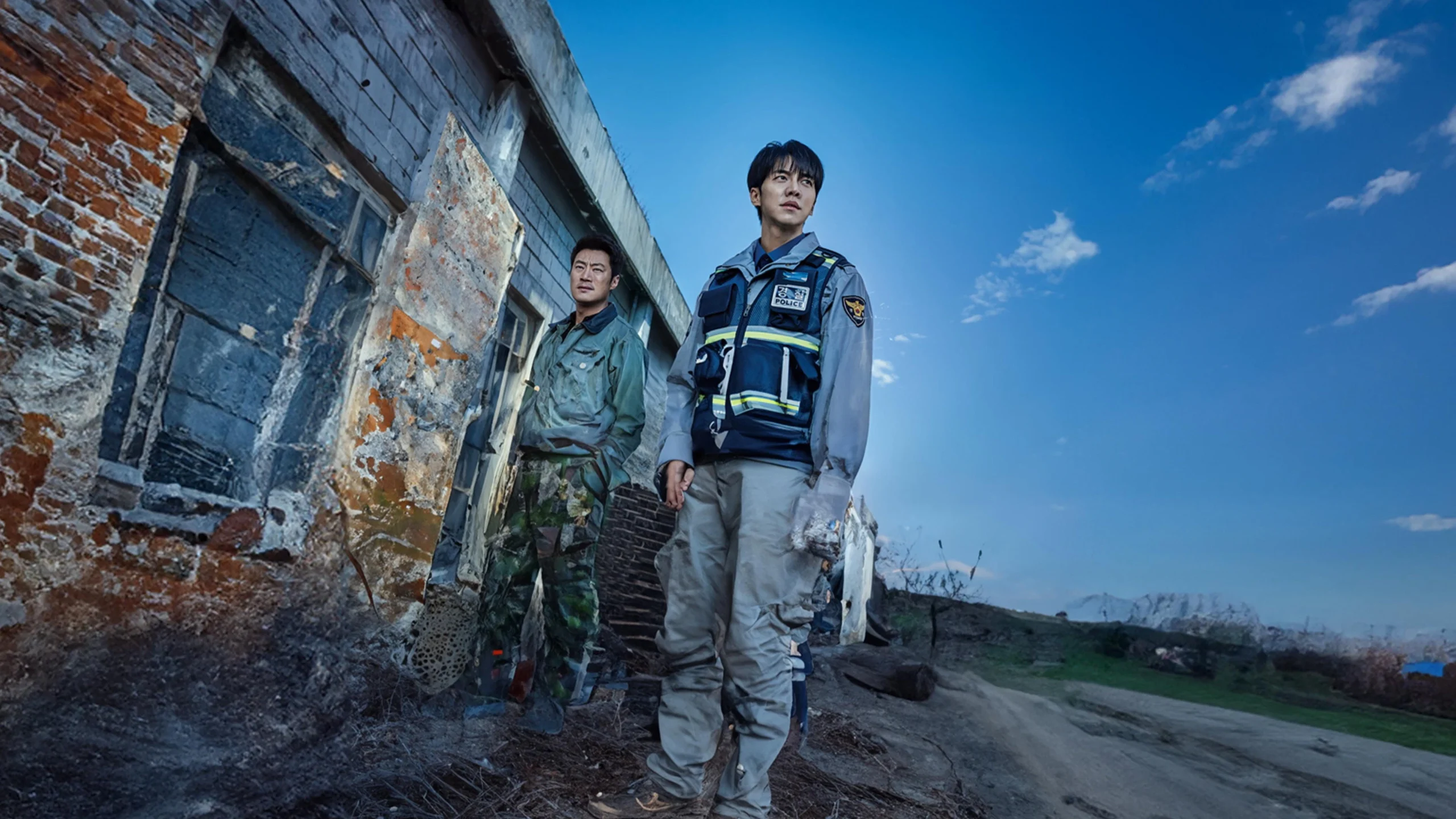
Lee Hee-jun as Ko Moo-chi plays grief as a load-bearing structure rather than a mood — a man so thoroughly organized around a single wound that removing it would leave nothing standing. The physical choices are specific: Moo-chi is perpetually on the edge of violence, and the restraint is more threatening than the outburst would be. Lee Hee-jun deployed a version of the same energy in Through the Darkness, where he played a detective who keeps his obsession quieter but no less consuming. In Mouse he’s louder, less controlled, and in some ways more interesting for it — a man who is right about everything except the one thing that matters most.
Mouse runs 20 episodes at 75–80 minutes each, and the weight shows in the middle stretch. The brain-transplant mechanic that drives the second half is the show’s central gamble: if it holds for you, Mouse earns a reputation that most psychological thrillers in K-drama spend eight episodes trying to build; if it breaks, you still have Lee Seung-gi’s best sustained performance and a villain who arrived by inverting everything you already liked about the protagonist. Either way, the show is doing something genuinely difficult — and that’s rarer than it should be.
👍👍👍 BEST FOR 👍👍👍
👁️ Viewers who like unreliable protagonists
🔍 Psychological thriller completists
⚖️ Patience-first watchers who reward ambition over comfort
⚖️ Final Verdict
What works
•Lee Seung-gi’s career-best performance — warmth that becomes the camouflage, not the cover story
•The midpoint reveal lands correctly — the show built for it from scene one
•Lee Hee-jun’s Moo-chi: grief weaponized into detective work, then forced to reckon with its own limits
What to know first
•20 episodes at 75–80 minutes each is a real commitment; the middle section earns patience unevenly
•The brain-transplant mechanism is the show’s central gamble — not everyone accepts it as plot logic
•The finale delivers resolution, not comfort — the drama refuses to simplify its own answer
8.2 / 10
A psychological thriller that earns its reputation in the first half and asks you to bet on it in the second — most of the time, that bet pays.
💬 Helpful? Share this guide →
🎬 You Might Also Like
If you liked Mouse, these are your next three watches.























Keep it kind, skip the harsh language, and please — no spoilers. Everyone's taste is different, and that's perfectly fine.
This space is for real reactions and discussion from other viewers. Help keep it comfortable for everyone by not giving away major plot details.
What do you think of this drama?
Login to share your review or leave a comment.
No email needed — just pick a username & password.