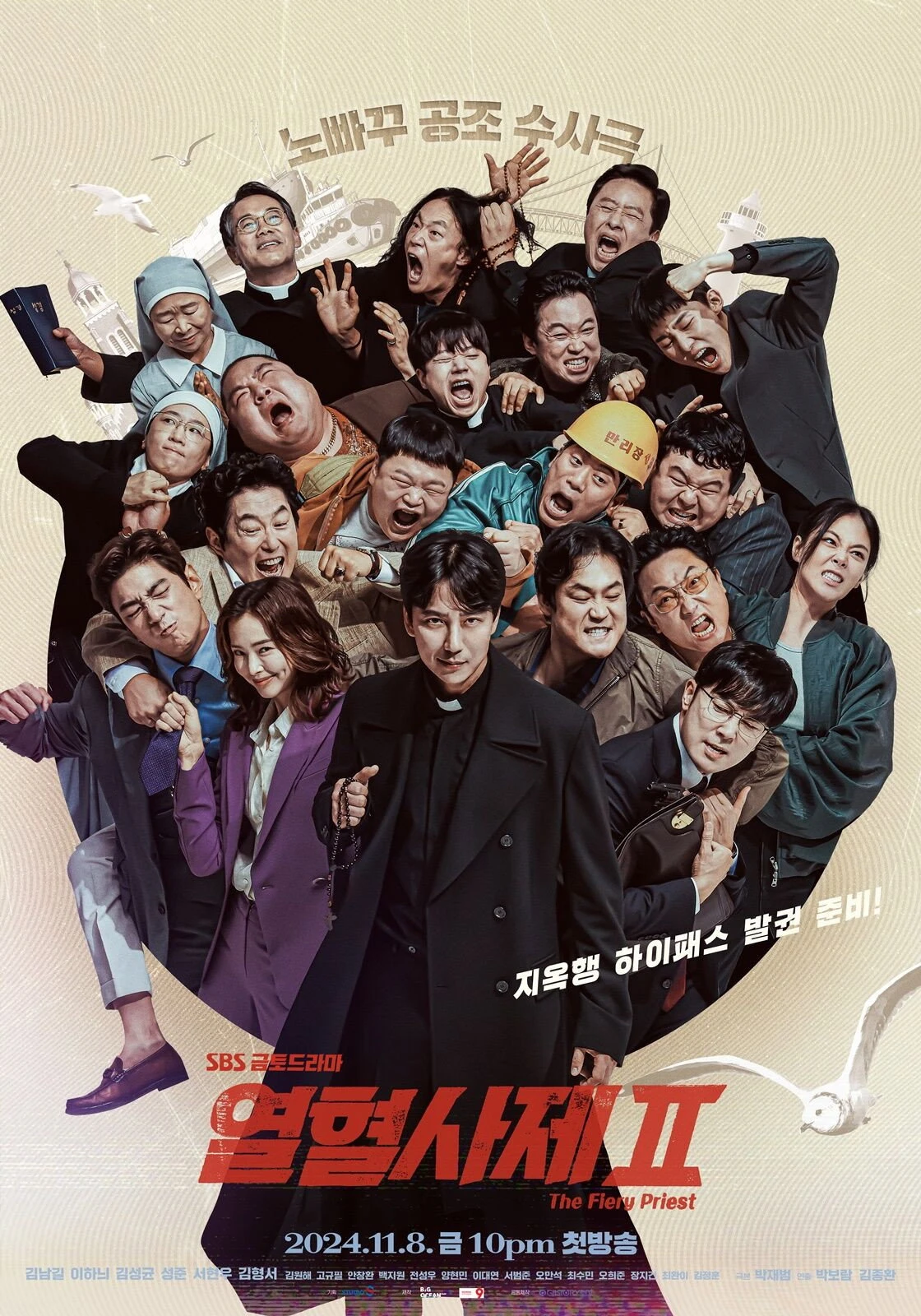
The Fiery Priest (Season 2)
📋 Drama Overview
What you’re getting into, at a glance.
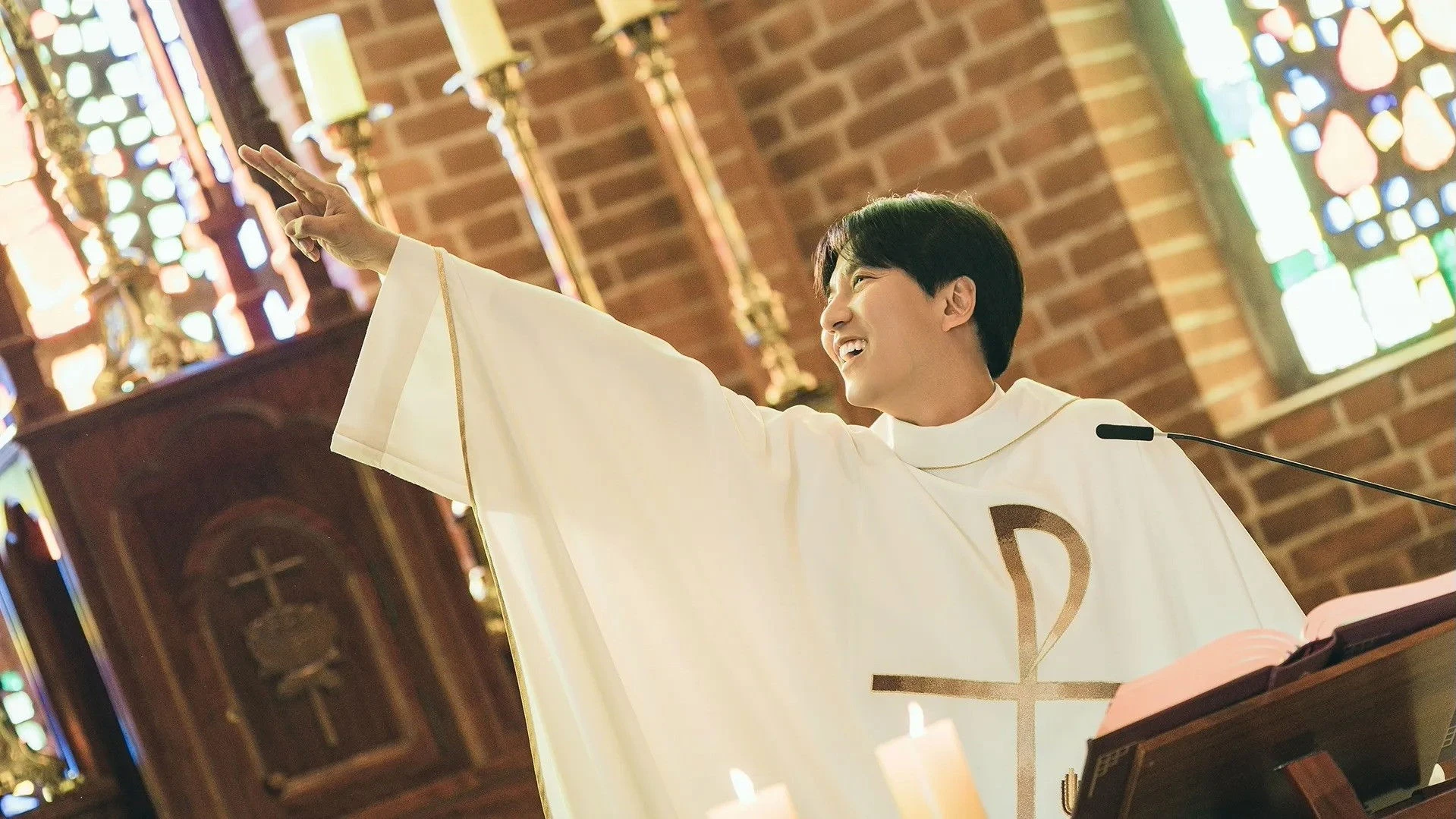
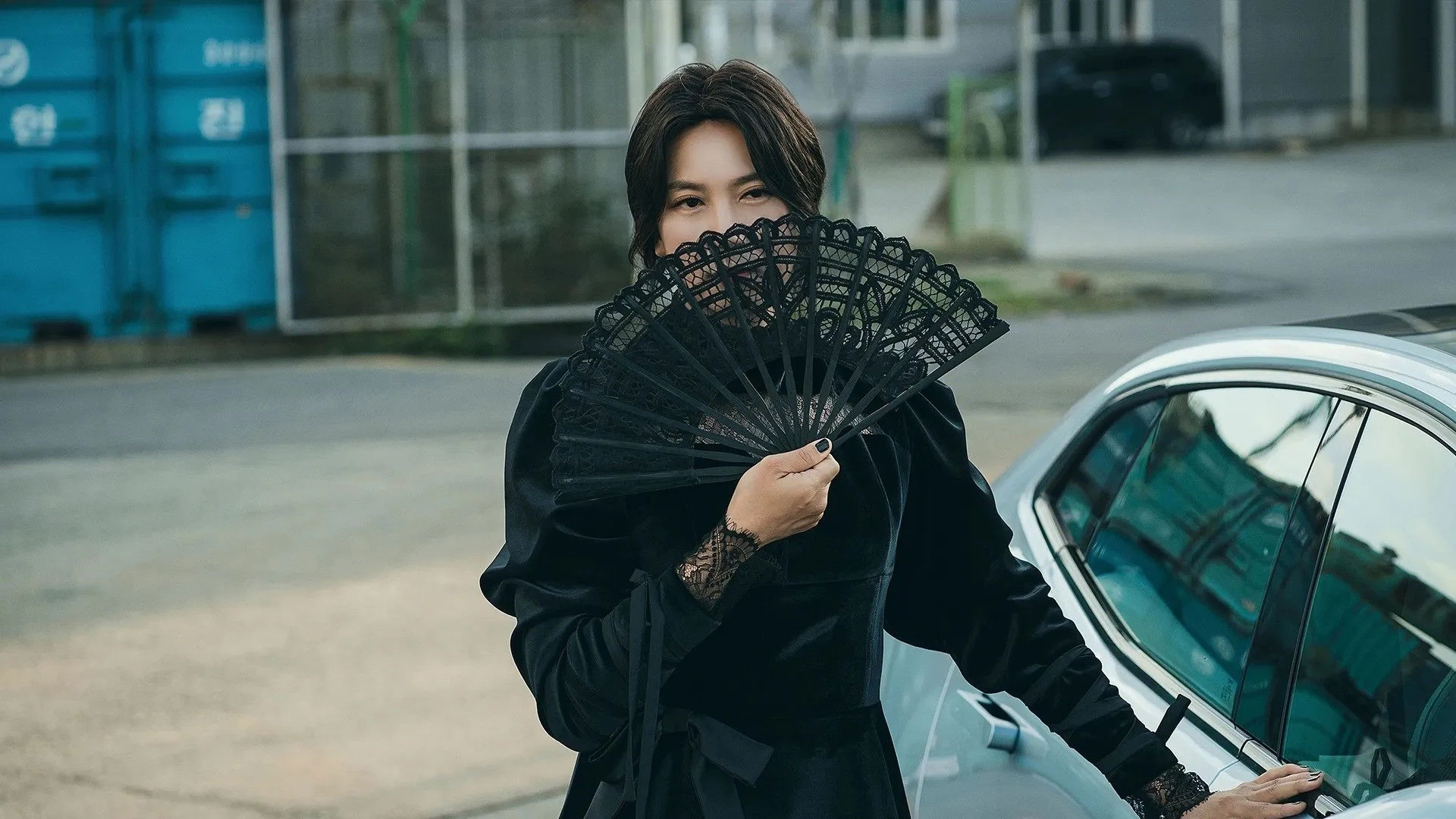
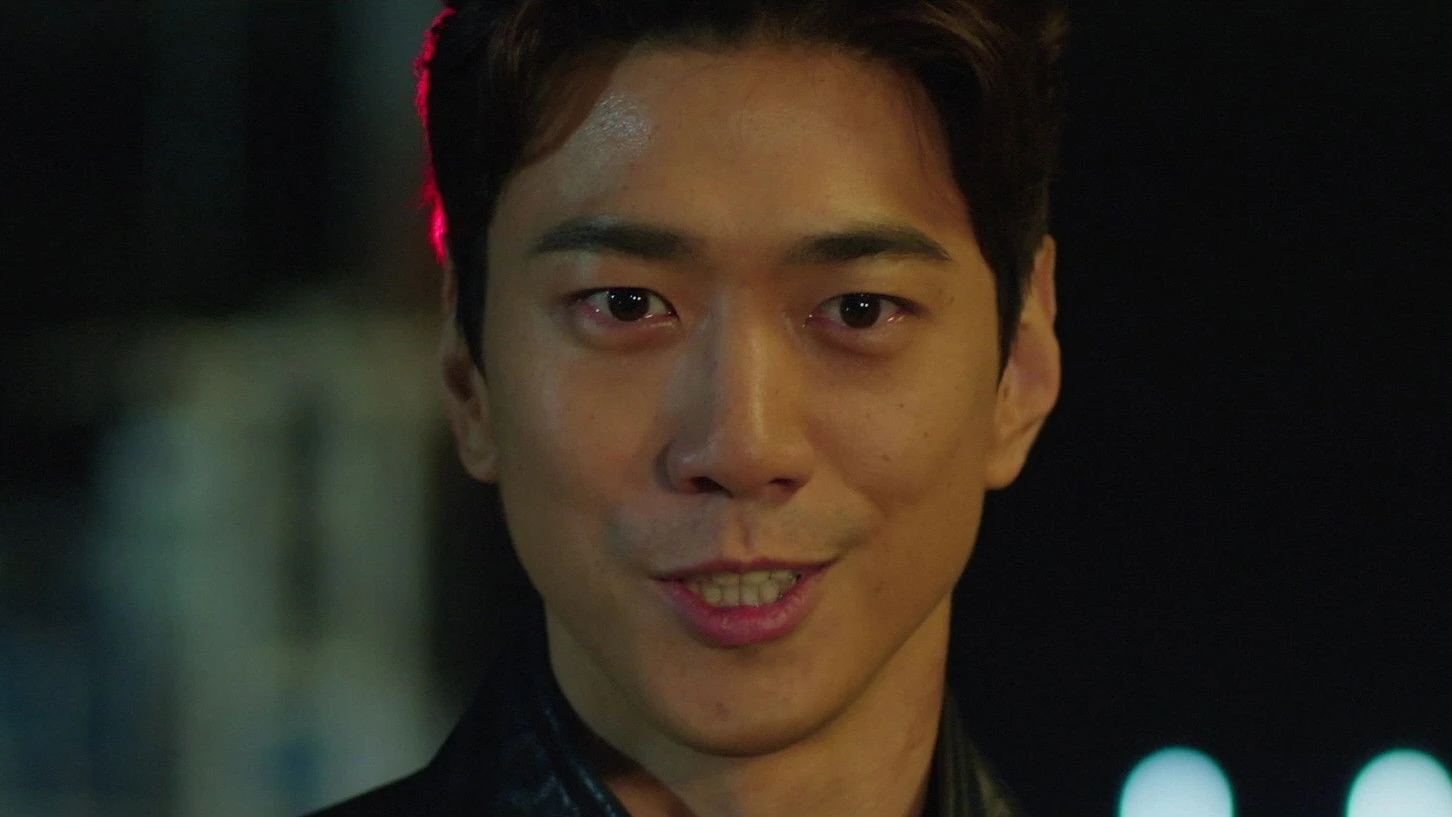
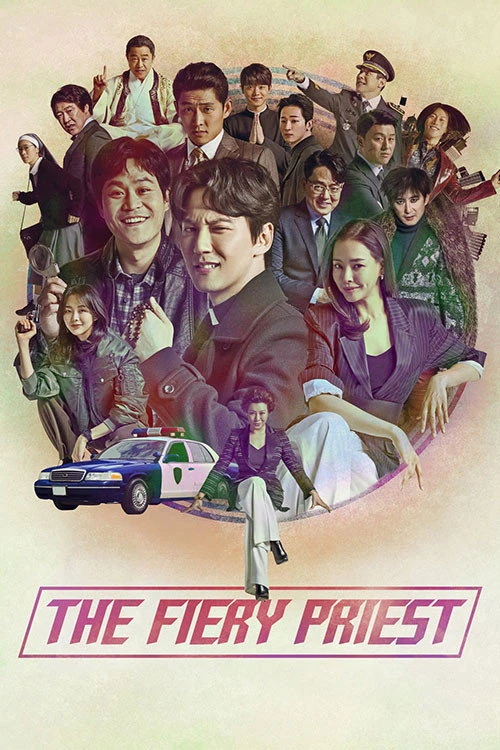
Five years after Gudam, Kim Hae-il is living the quiet version of his calling — until an altar boy collapses from a drug overdose at Father Lee Young-joon’s memorial mass and the show remembers exactly what kind of priest he actually is. The overdose traces back to a new empire being built in Busan by Kim Hong-sik, a drug lord who dresses his cruelty up as generosity, and Hae-il barely finishes grieving before he’s undercover at a seminary, watching the city’s elderly get quietly hooked on a drug called hepanyl.
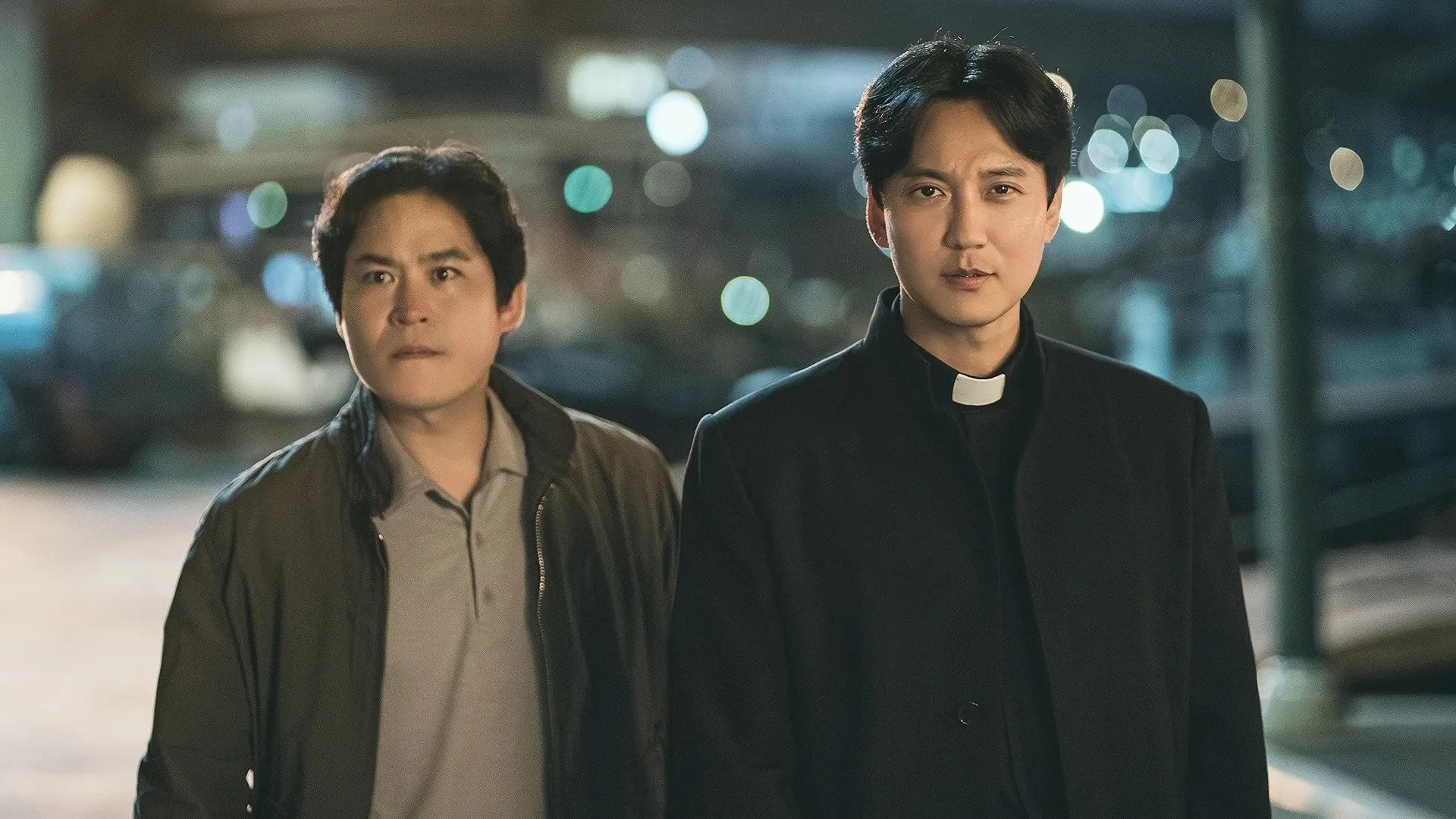
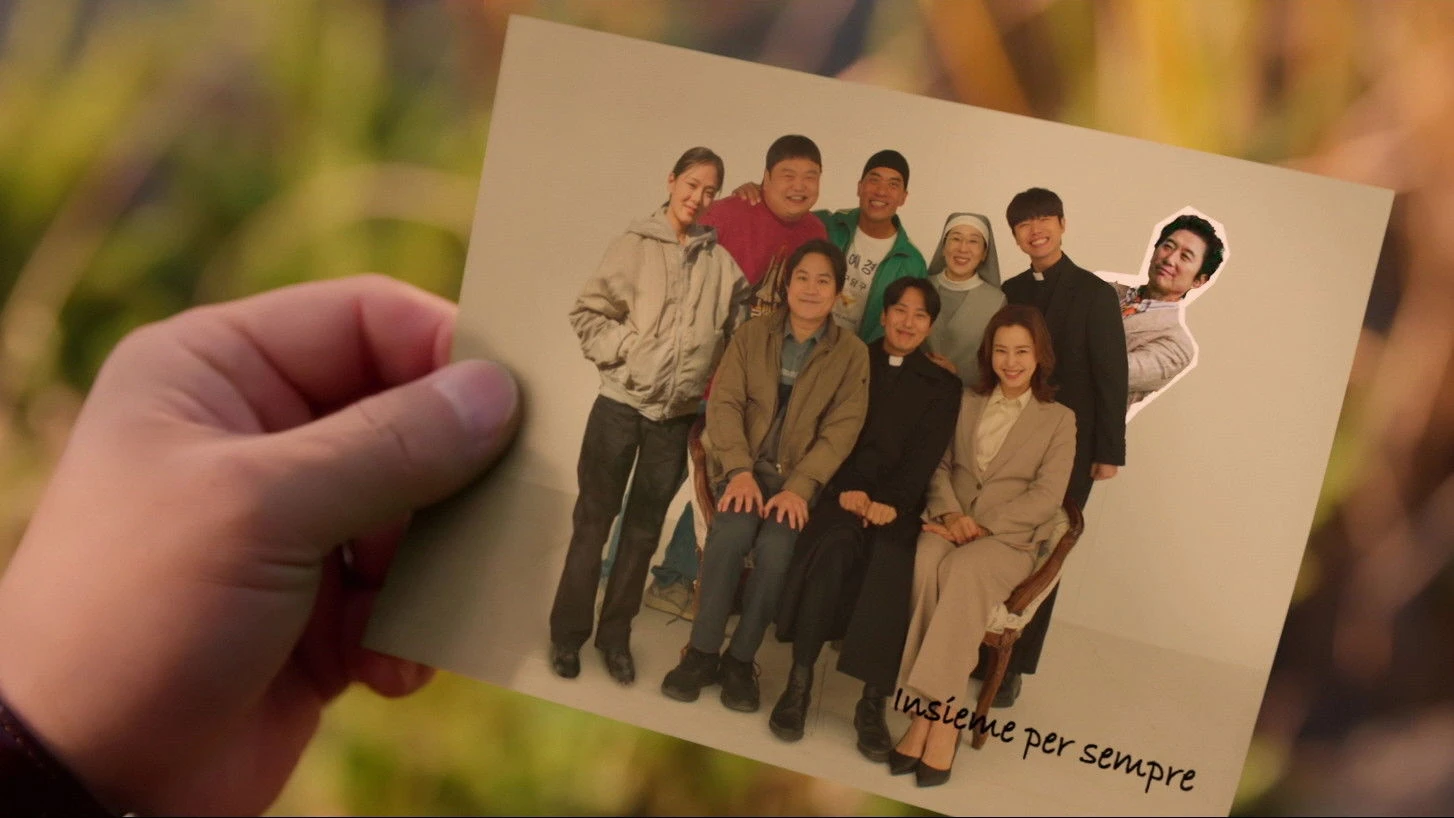
The Fiery Priest 2 reunites Hae-il with Prosecutor Park Kyung-sun and Detective Goo Dae-young — this time by choice rather than circumstance — and adds a new partner, Detective Goo Ja-young, to a team the show nicknames the Govengers before it’s even fully formed. Twelve tighter episodes trade the original’s sprawling conspiracy for a leaner cartel takedown, but keep the exact same trick: comedy and real stakes sharing a scene without either one blinking first.
⚡ Quick Verdict
Skip the scroll — here’s the verdict in one glance.
▶ Official Trailer
🎭 Cast & Characters
The old team’s back in a new city, and this time the reunion is the whole point.

Lead

Lead

Supporting
Supporting

Supporting

Supporting

Supporting
Supporting
Supporting

Supporting

Supporting
Supporting
📺 Episode Guide
Episode-by-episode, spoiler-light — a refresher, not a rewatch.

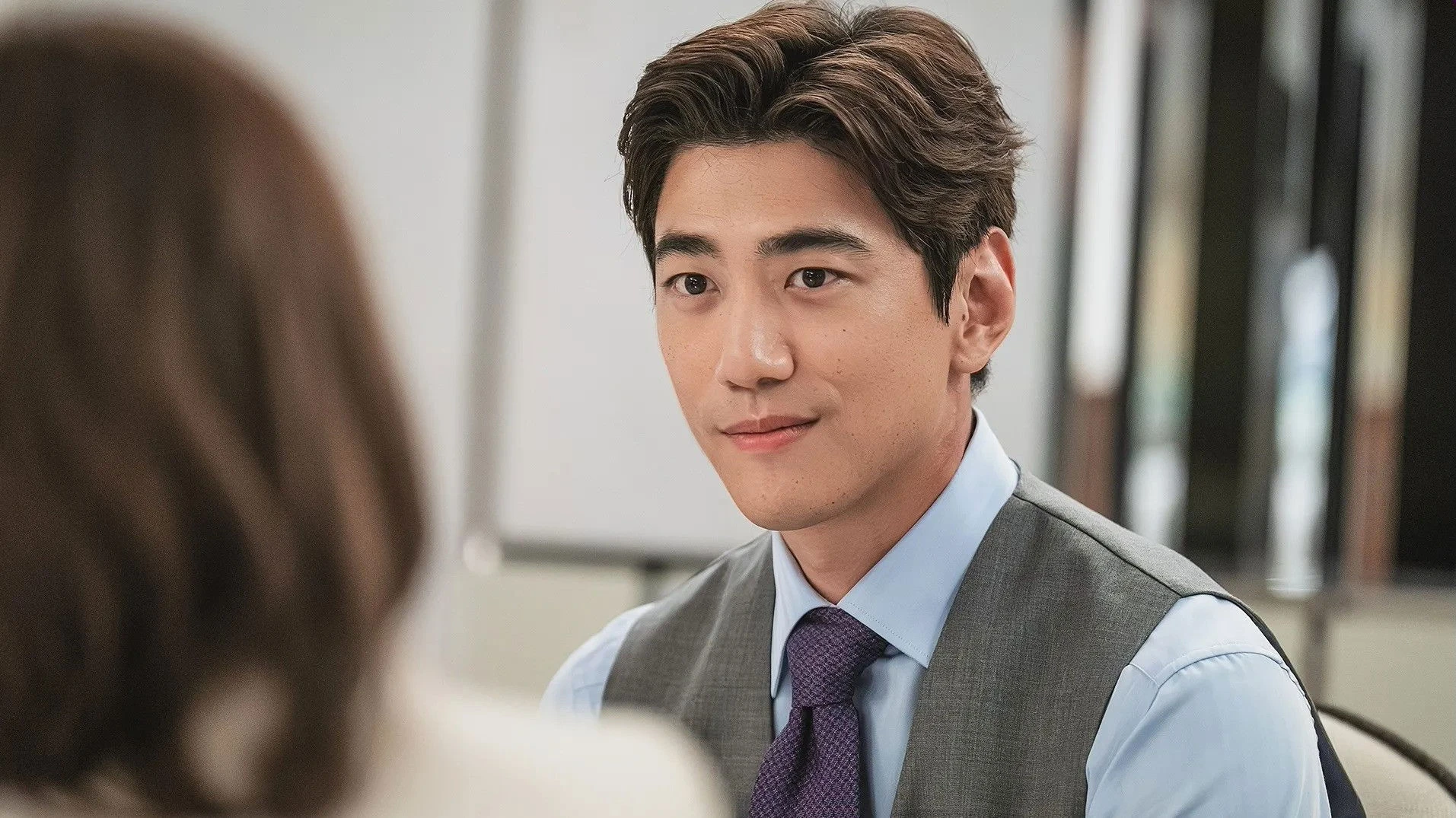
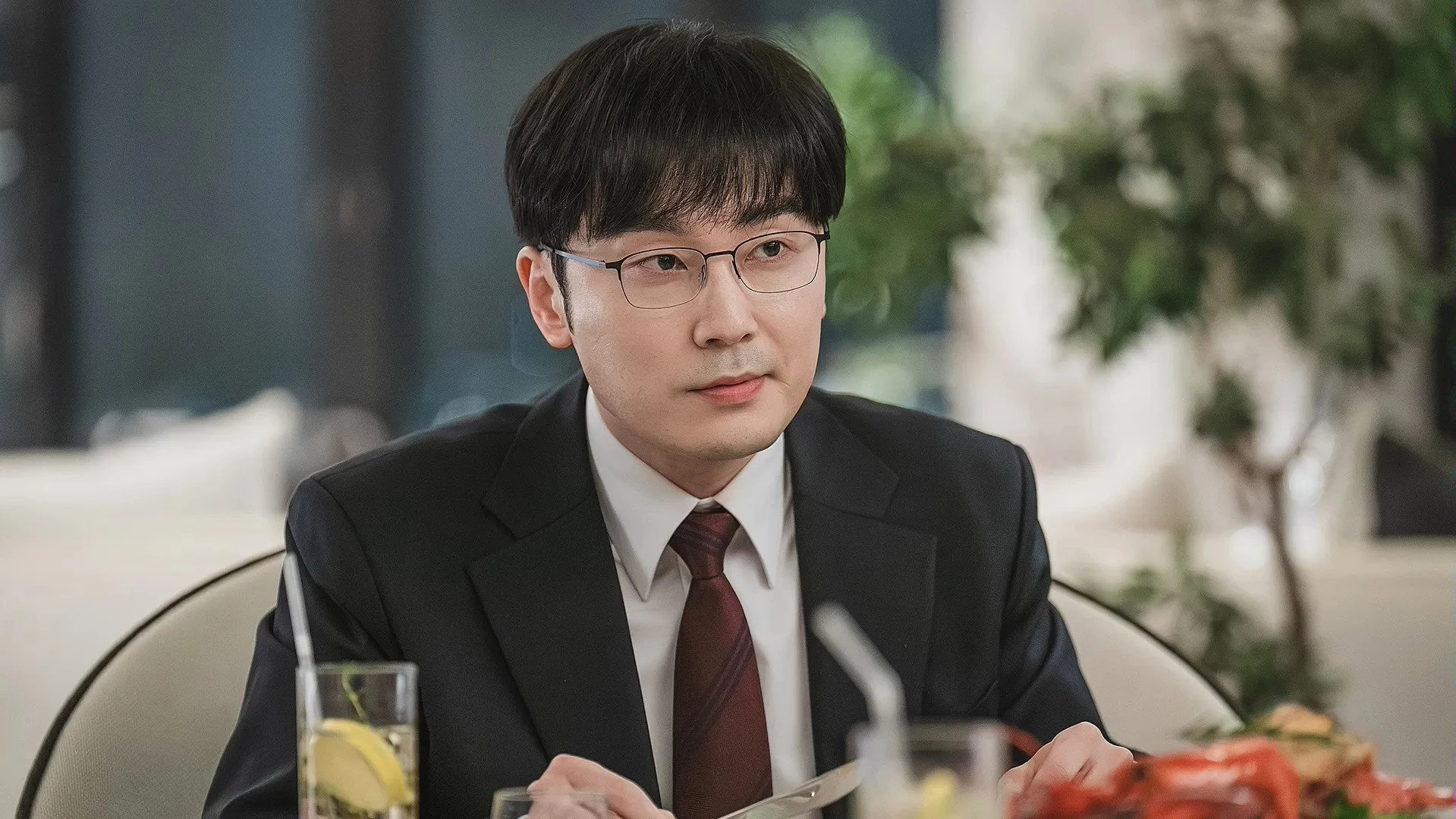
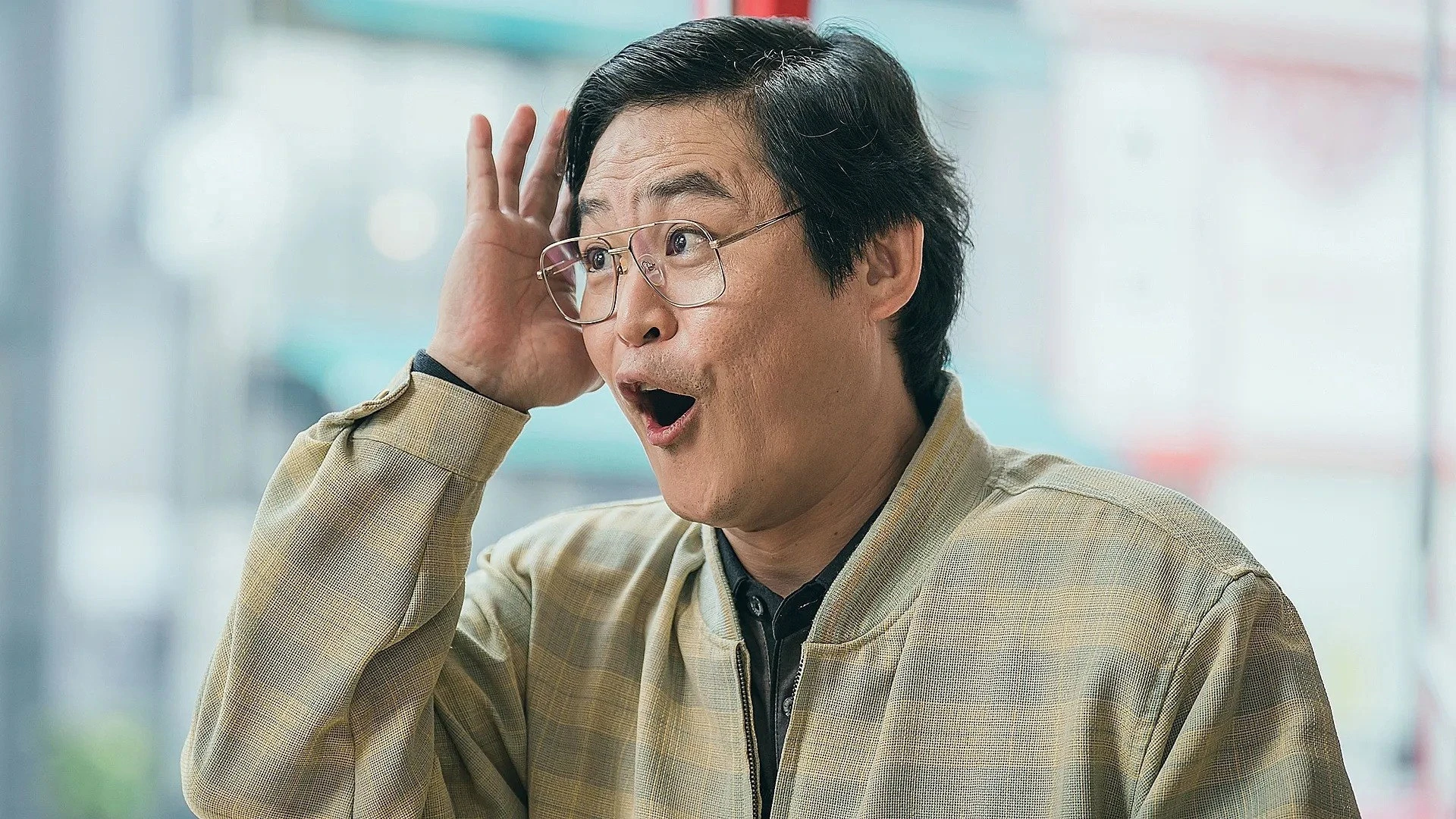

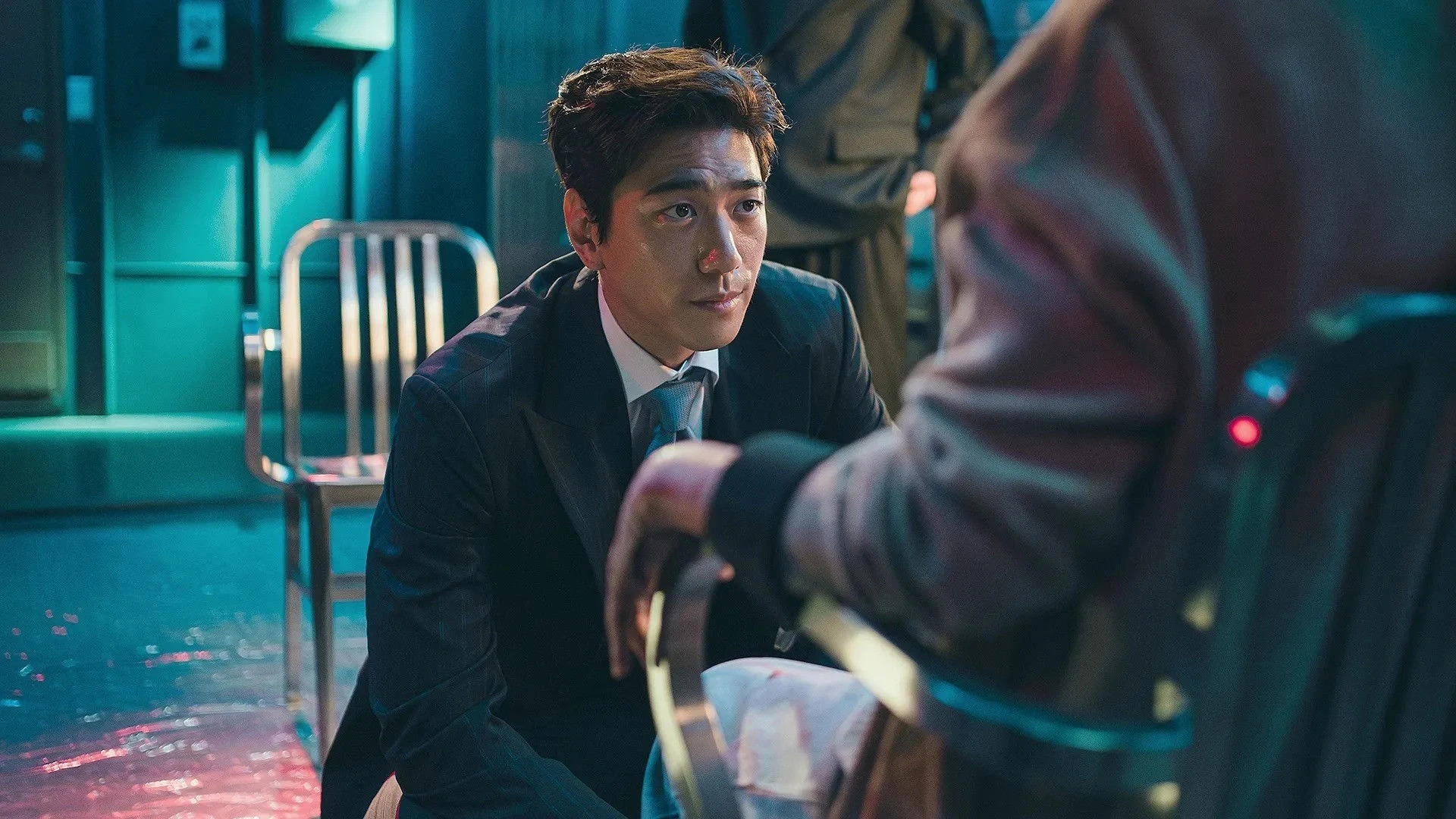
🏁 Ending Explained
The finale, explained in full. Spoilers ahead.
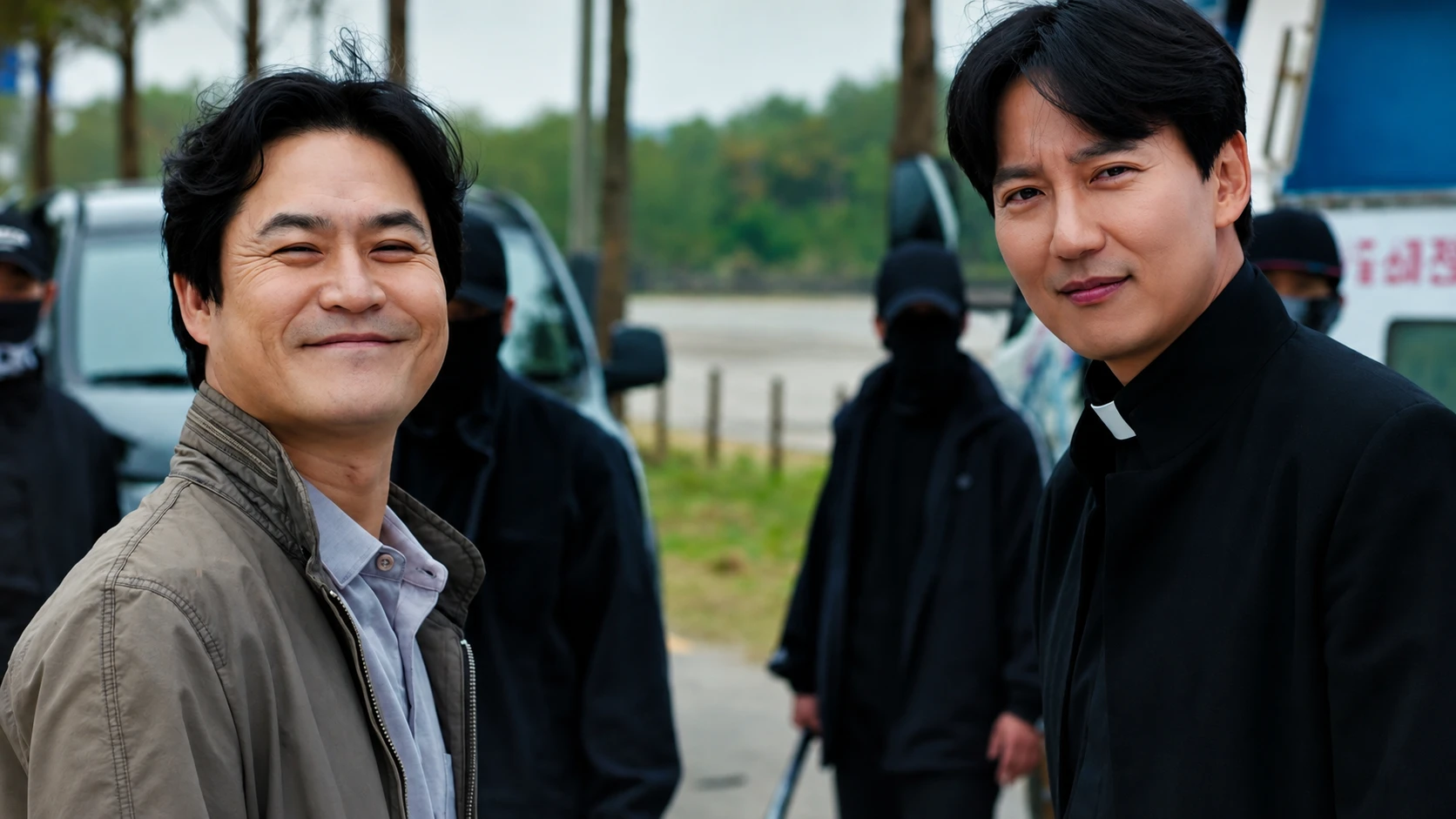
What actually happened The season’s endgame plays out at the Honey Jar-gate hearing, where Hae-il, Kyung-sun, and Dae-young lay out the evidence against Nam Du-heon — only to watch his composure nearly talk the case into collapse. The hearing gets rescued by the last person anyone expects to help: Kim Hong-sik, who storms in to assassinate Du-heon himself and gets stopped by Hae-il before he can pull it off. The attempted murder, ironically, is what finally sinks Du-heon — it exposes the alliance in real time, and both men go down together along with the rest of the network. Kyung-sun closes out the season by stepping directly into politics as an independent candidate, and Hae-il receives a gold cross from the Vatican that reads as recognition of work still very much unfinished.
Why letting Hong-sik almost pull the trigger was the smarter finale A cleaner ending would have had Hae-il’s team catch Du-heon on evidence alone, tidy and procedural. Instead, the season lets its actual drug lord try to murder his own political cover in front of the committee — a far more honest statement about how these alliances end. Corrupt partnerships don’t dissolve because good guys win; they dissolve because the people inside them stop trusting each other the moment the stakes get real, and Season 2 stages that collapse instead of just reporting it after the fact.
Hong-sik was never really Du-heon’s partner The finale’s twist works because it was seeded all season: Du-heon used Hong-sik as a tool for as long as it was convenient and never once treated him as an equal, which is exactly the kind of insult a man like Hong-sik doesn’t forgive quietly. Making the finale’s decisive blow come from villain-on-villain betrayal rather than a clean heroic takedown underlines the show’s actual argument — that networks like this one run on leverage, not loyalty, and leverage runs out the moment someone stops being useful.
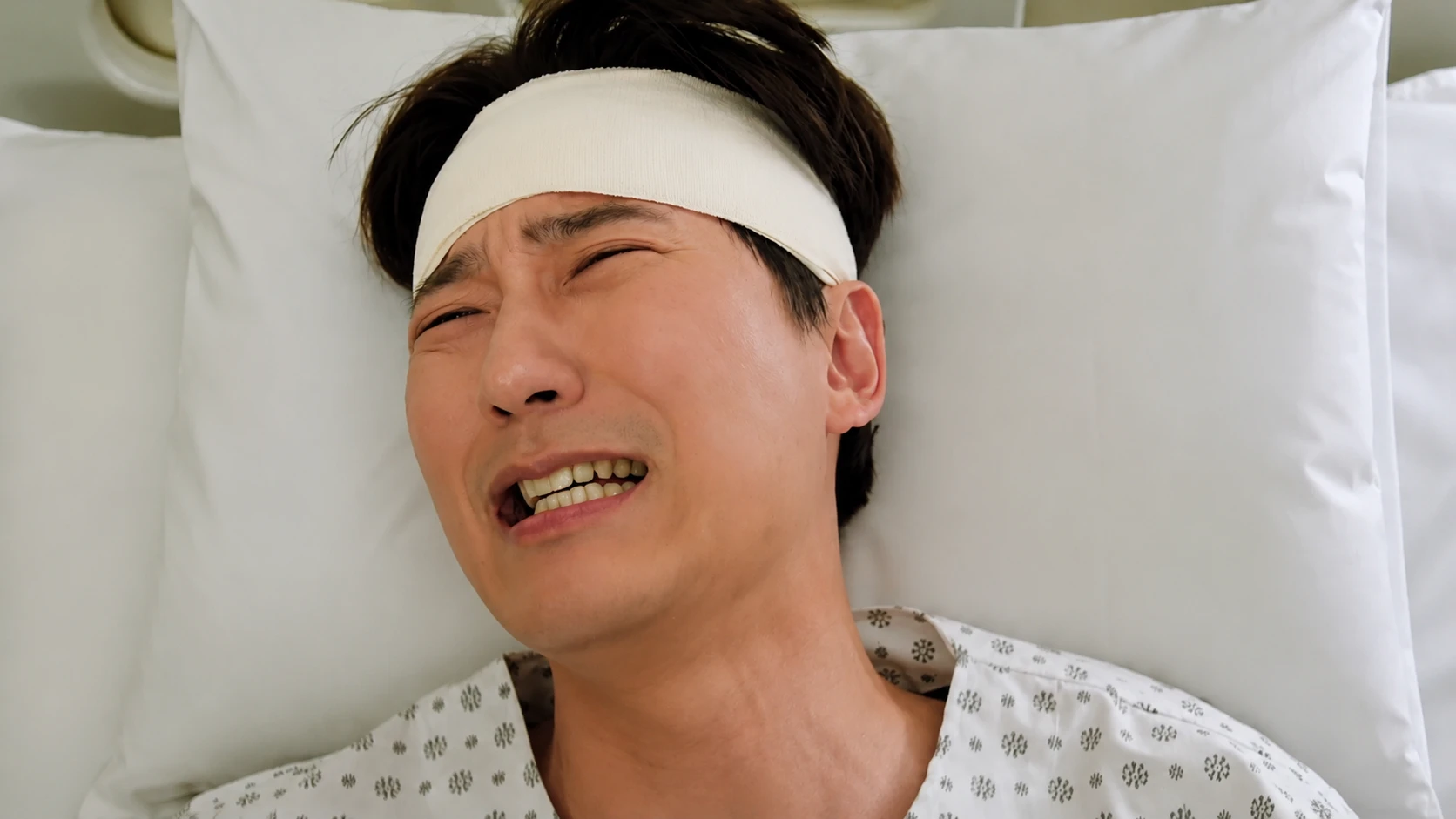
Kyung-sun’s ending is the season’s real thesis statement Season 1 ended with Kyung-sun choosing honesty over a comfortable lie inside a broken system. Season 2 goes one step further and has her leave that system entirely, running for office as an independent rather than climbing a ladder she’s already proven is rotten. It’s a natural continuation of a character who’s spent two seasons learning that the system doesn’t reward good behavior — it just occasionally tolerates it.
The KDW verdict Twelve episodes is a tighter, more efficient run than the original’s forty, and Season 2 uses the extra discipline well — new city, new villain, same commitment to letting comedy and real stakes share a scene without either one flinching. It doesn’t reinvent what made the first season work, and it doesn’t need to; it just proves the formula travels.
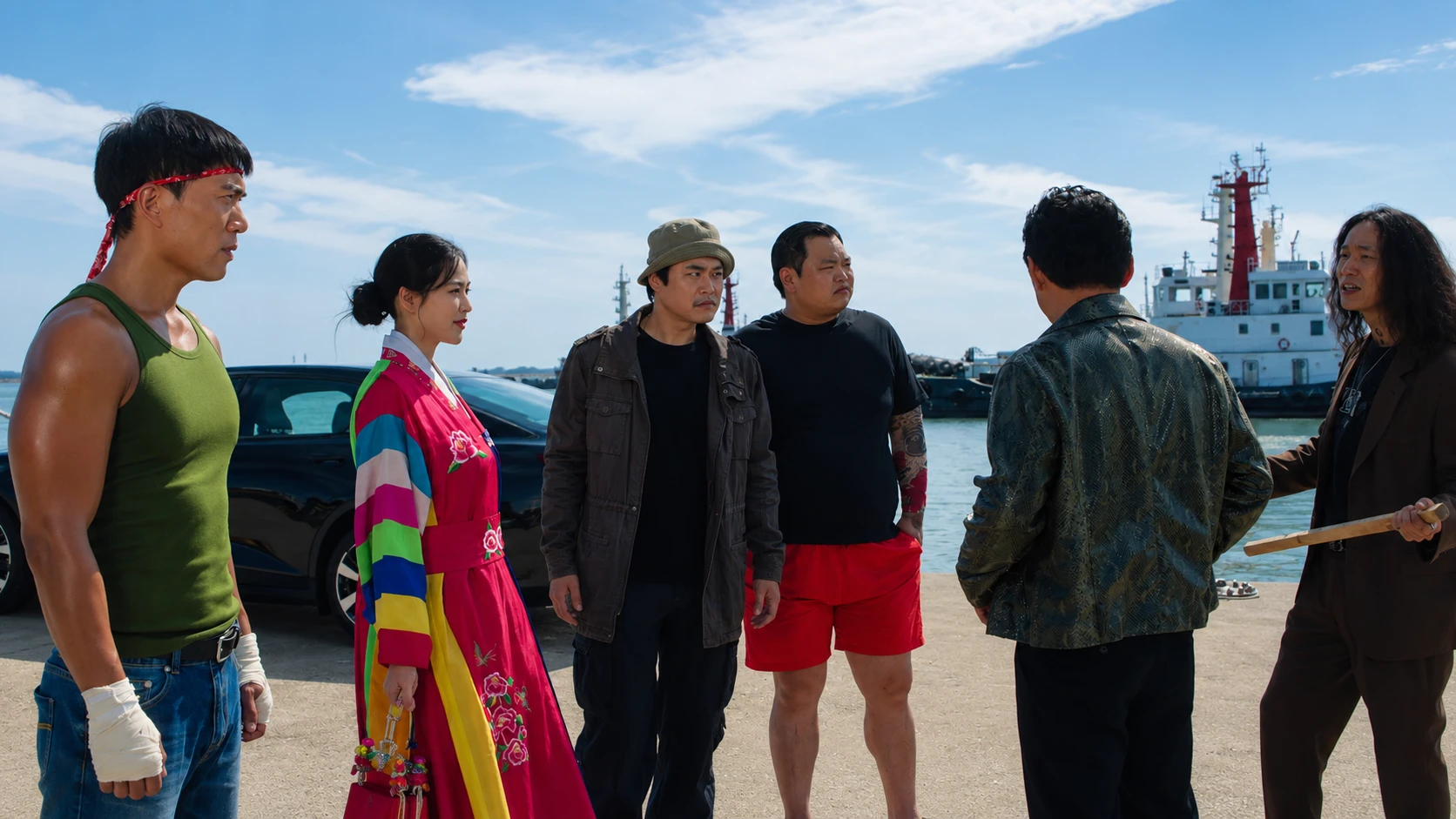
✍️ KDramaWorlds Editor’s Take
Our honest take — is it worth your time, and who’s it really for.
Five years and one city change later, Kim Hae-il punching first and confessing later is still the joke the show refuses to get tired of — and Season 2’s smartest move is trusting that the bit still works without a mentor’s murder to justify it. Vincenzo proved a morally unbound fixer cleaning up a corrupt system could carry an entire show on charisma alone; The Fiery Priest 2 makes the same bet with an actual ensemble instead of a solo act, and it mostly pays off.
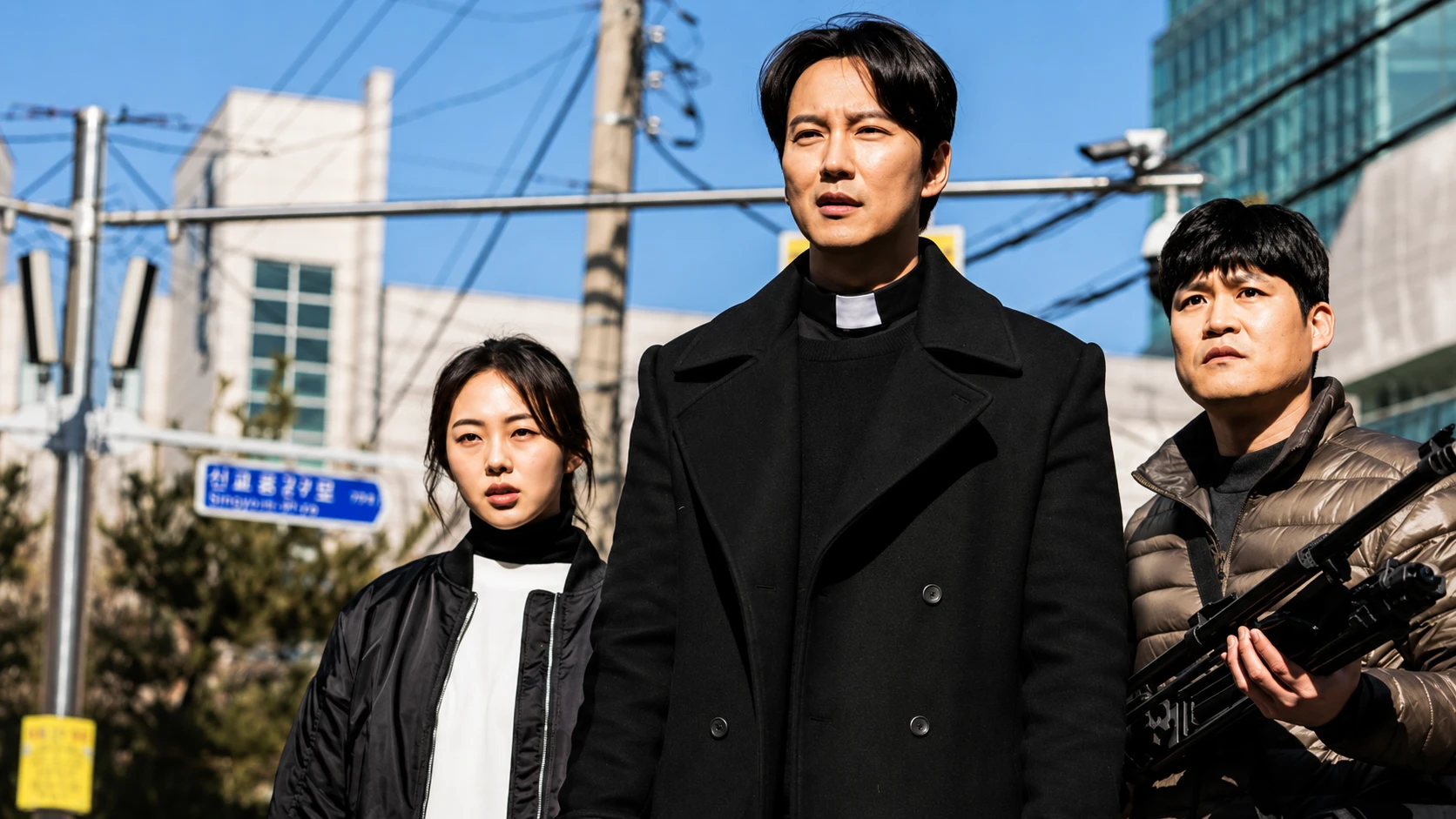
What Season 2 understands that a lot of sequels don’t is that reunion isn’t automatic — Hae-il, Kyung-sun, and Dae-young have to re-earn their trust in Busan the same way they built it in Gudam, just faster. Flex x Cop found similar mileage in a mismatched team learning to actually function as one instead of just sharing a case file; the Govengers get there through repetition and shared risk rather than a single big speech, which is the more believable version of the same arc.
The MS diagnosis subplot is the season’s most unexpected swing, and it lands harder than the drug cartel plot ever manages to — a show built on a hero who solves problems with his fists finally admitting that body doesn’t work forever. It’s not the reason to watch Season 2, but it’s the reason the season is better than a straightforward retread.
🎬 You Might Also Like
If you liked The Fiery Priest (Season 2), these are your next three watches.
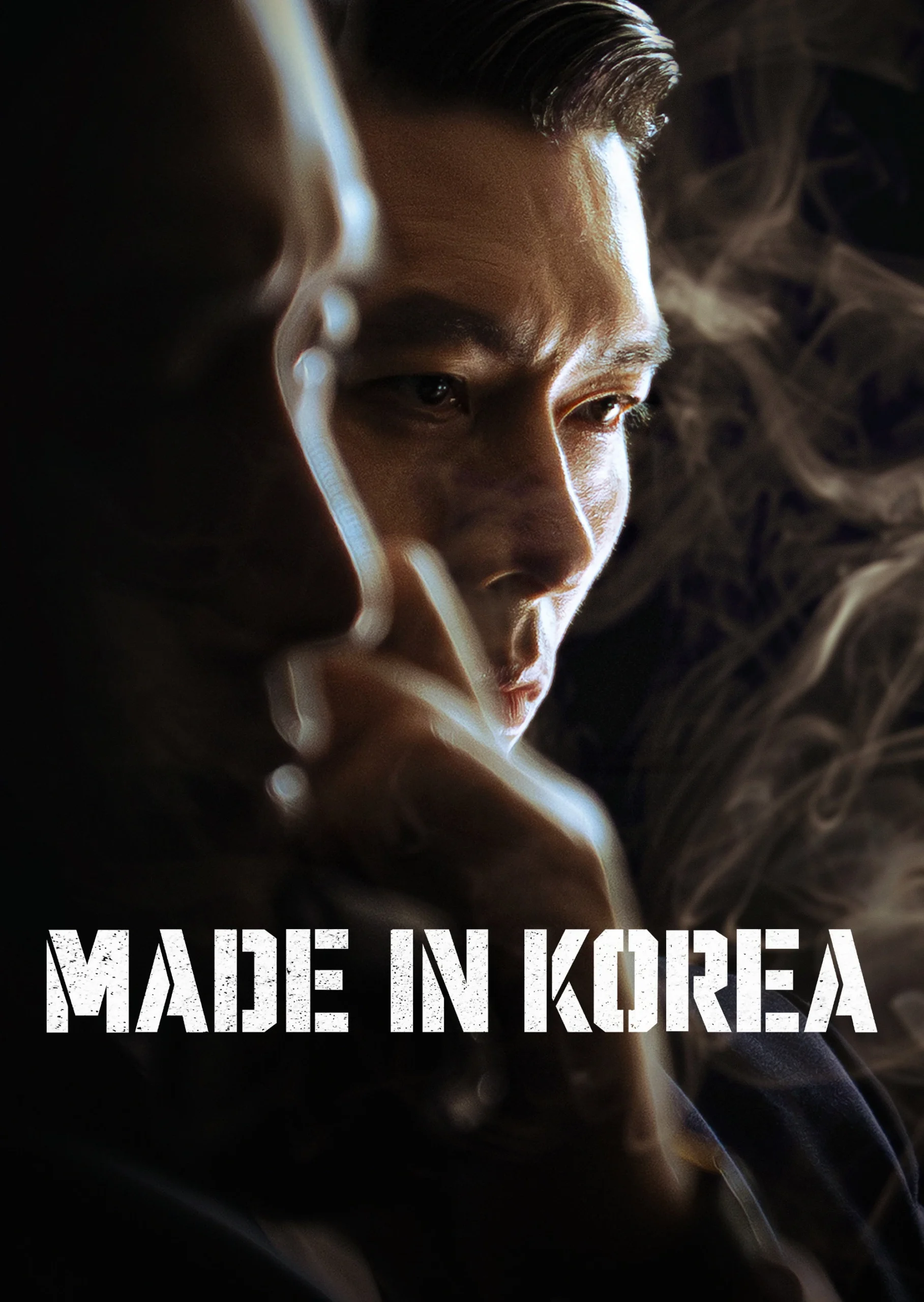 Made in Korea (Season 2)
ActionBrothers Rivalry
Read Full Review →
|
 Seoul Busters
comedycrime
Read Full Review →
|
 The Devil Judge
anti-heroCorruption
Read Full Review →
|













Keep it kind, skip the harsh language, and please — no spoilers. Everyone's taste is different, and that's perfectly fine.
This space is for real reactions and discussion from other viewers. Help keep it comfortable for everyone by not giving away major plot details.
What do you think of this drama?
Login to share your review or leave a comment.
No email needed — just pick a username & password.