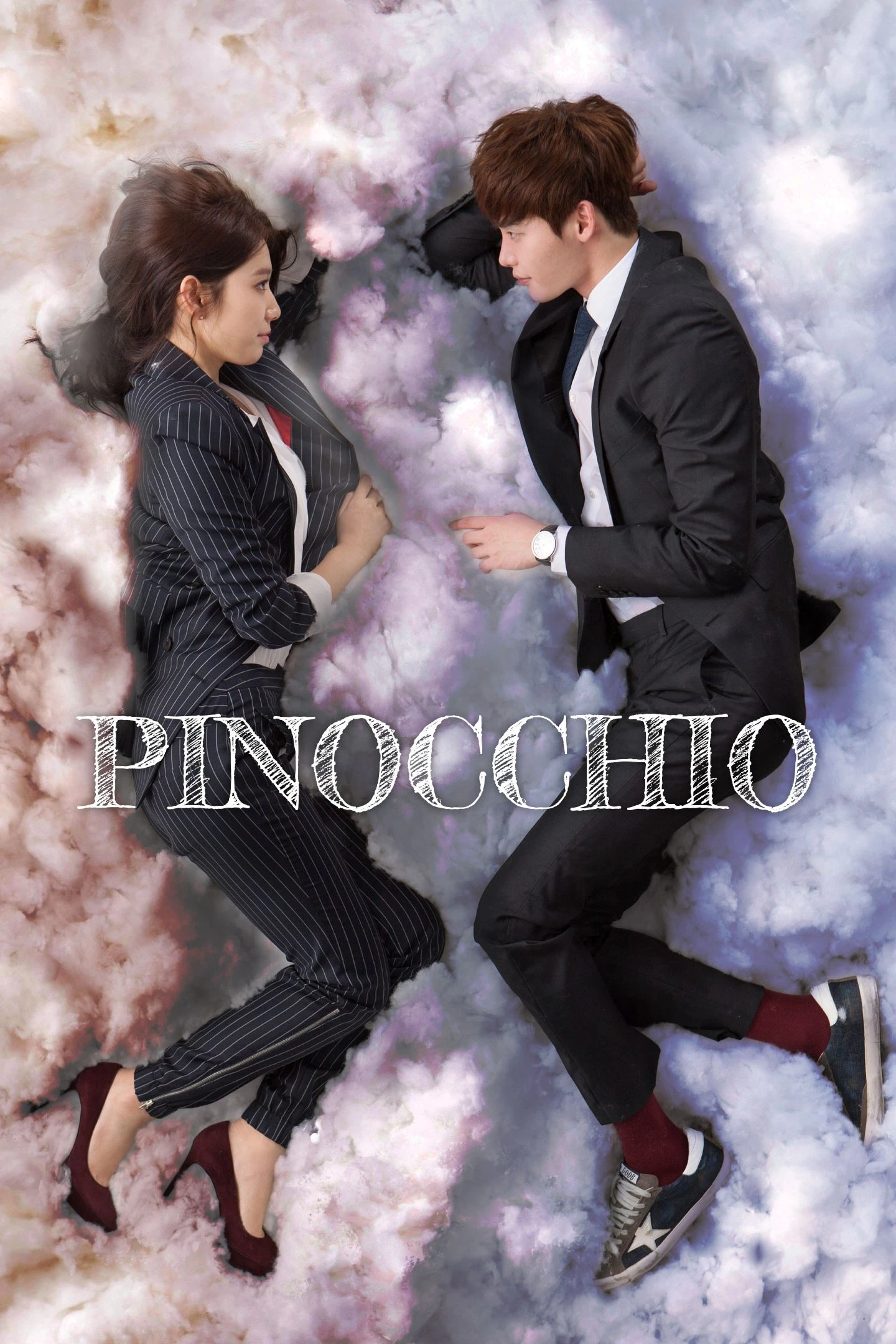
Pinocchio
📋 Drama Overview
Everything worth knowing, before the opening credits.
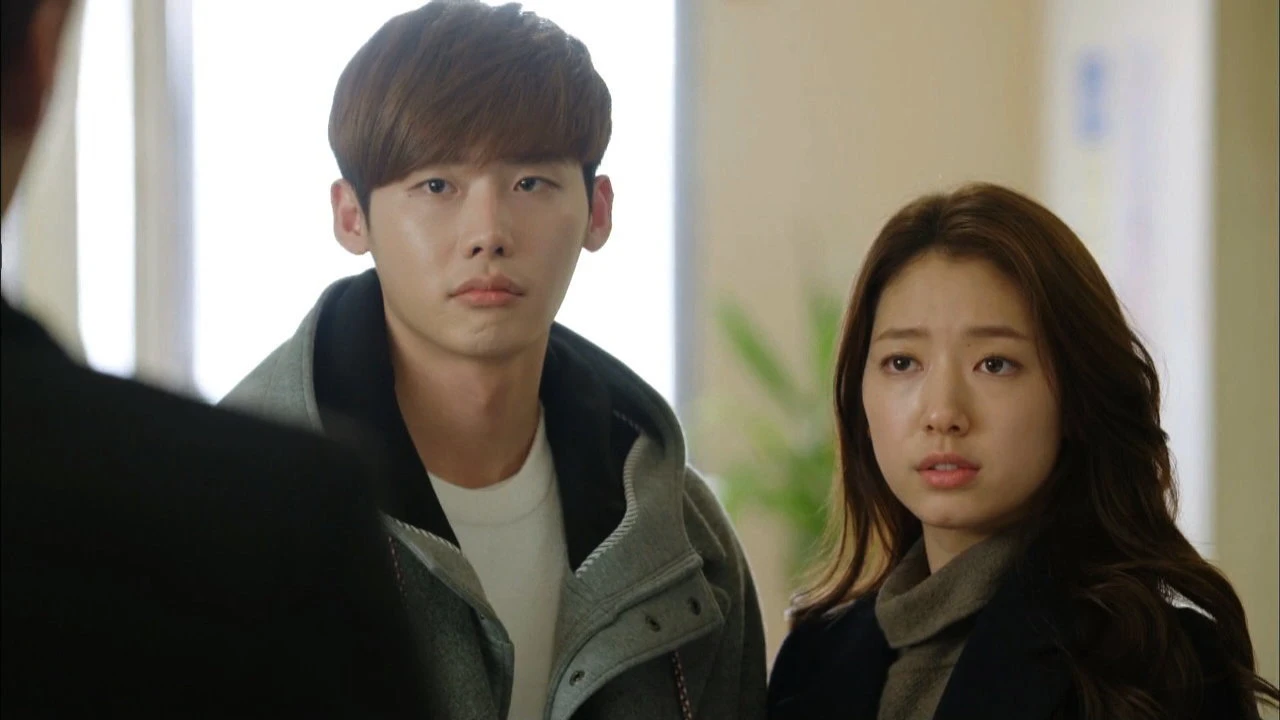
Gi Ha-myeong loses his father, his mother, and his name to a single reckless news report, and grows up as Choi Dal-po — a stranger’s adopted son hiding both his intelligence and a slow-burning need for justice. Choi In-ha grows up beside him with an inconvenient superpower: her body hiccups every time she lies, a condition the show calls Pinocchio syndrome, and one that makes her an unusually honest addition to a profession built on getting away with exactly the kind of lie that ruined Dal-po’s family.
Pinocchio follows both of them into the newsroom as rookie reporters, using their shared profession to ask a harder question than ‘will they fall in love’ — can either of them build a career on truth-telling in an industry that just destroyed one family with a single careless story? Twenty episodes later, the answer involves a corporate cover-up, two feuding mothers, and a reckoning fourteen years in the making.
⚡ Quick Verdict
Skip the scroll — here’s the verdict in one glance.
▶ Official Trailer
🎭 Cast & Characters
The rookie reporters chasing the truth behind the story that destroyed one of their families.

Lead

Lead

Supporting

Supporting

Supporting

Supporting
Supporting

Supporting

Supporting
Supporting
Supporting

Supporting
🍿 Where to Watch
Stream Pinocchio on these platforms.
📺 Episode Guide
Quick recaps per episode — just enough to stay caught up.
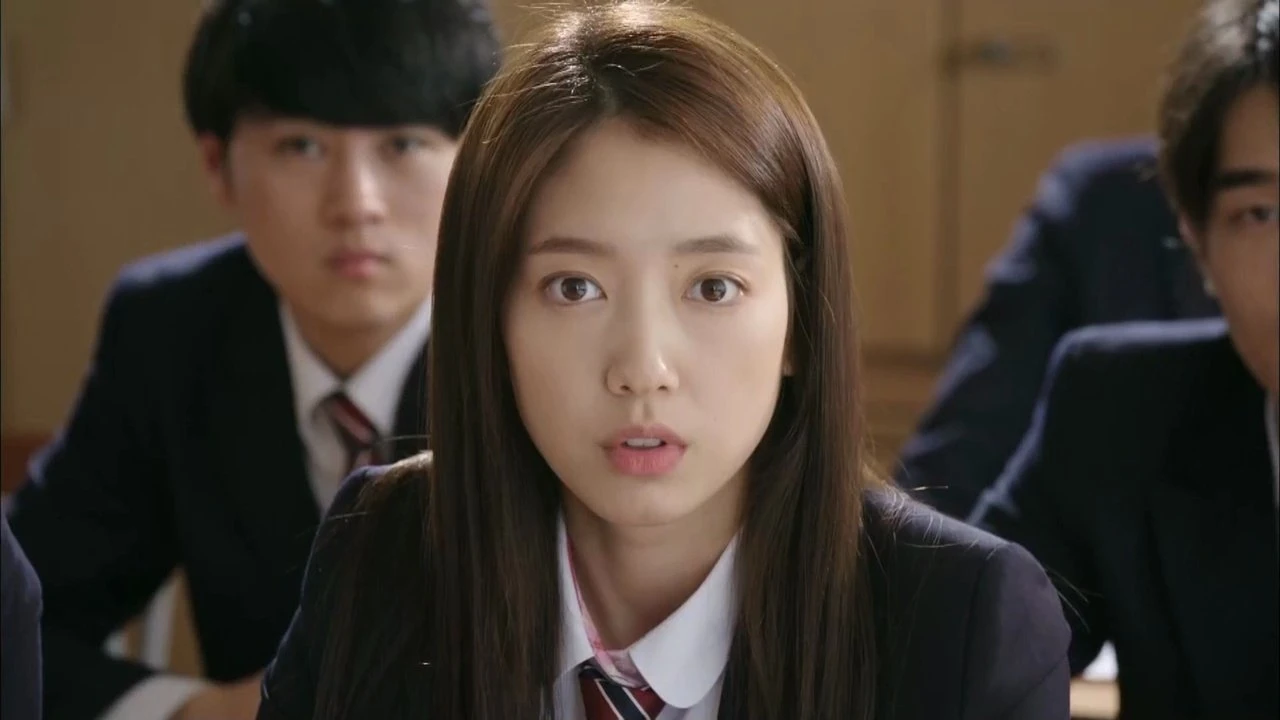
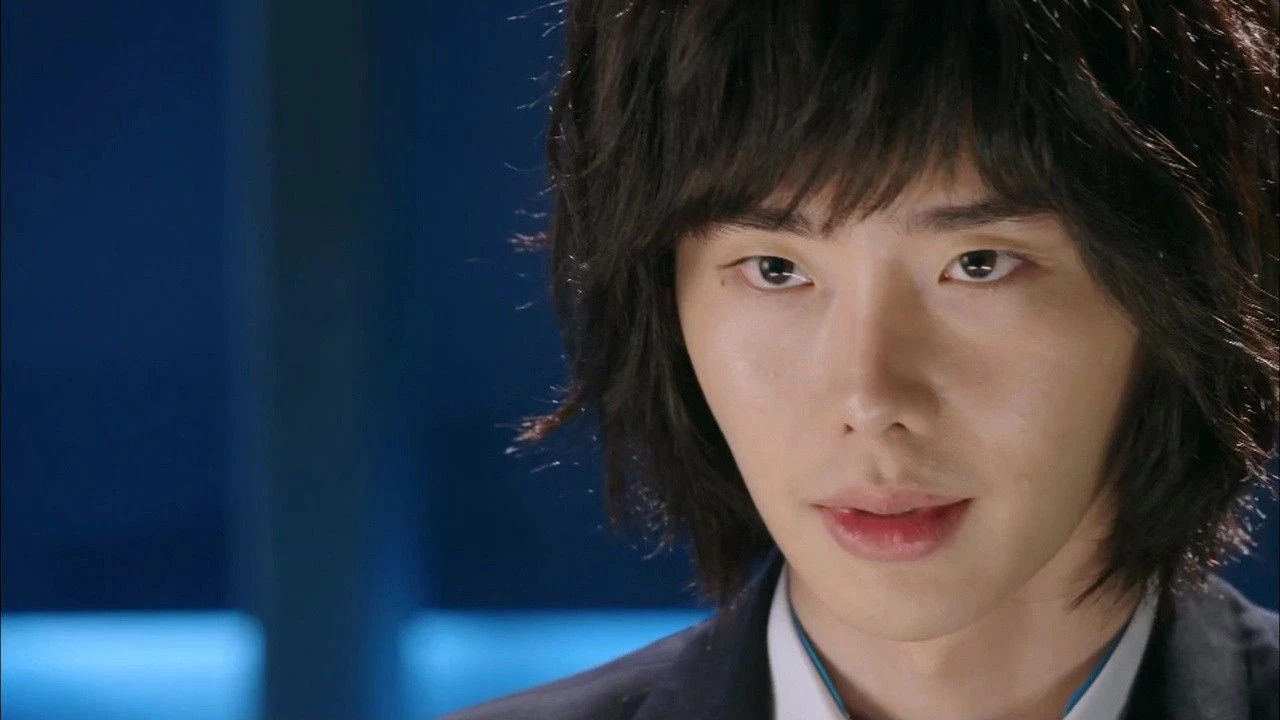
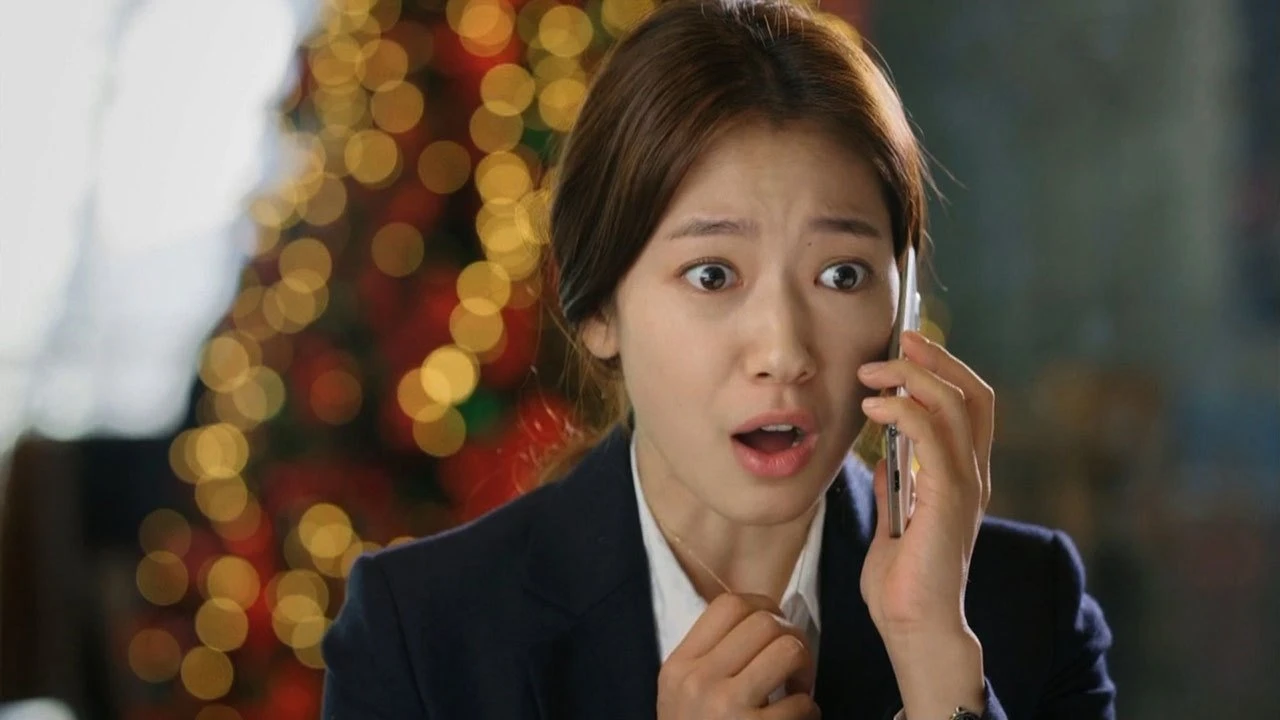
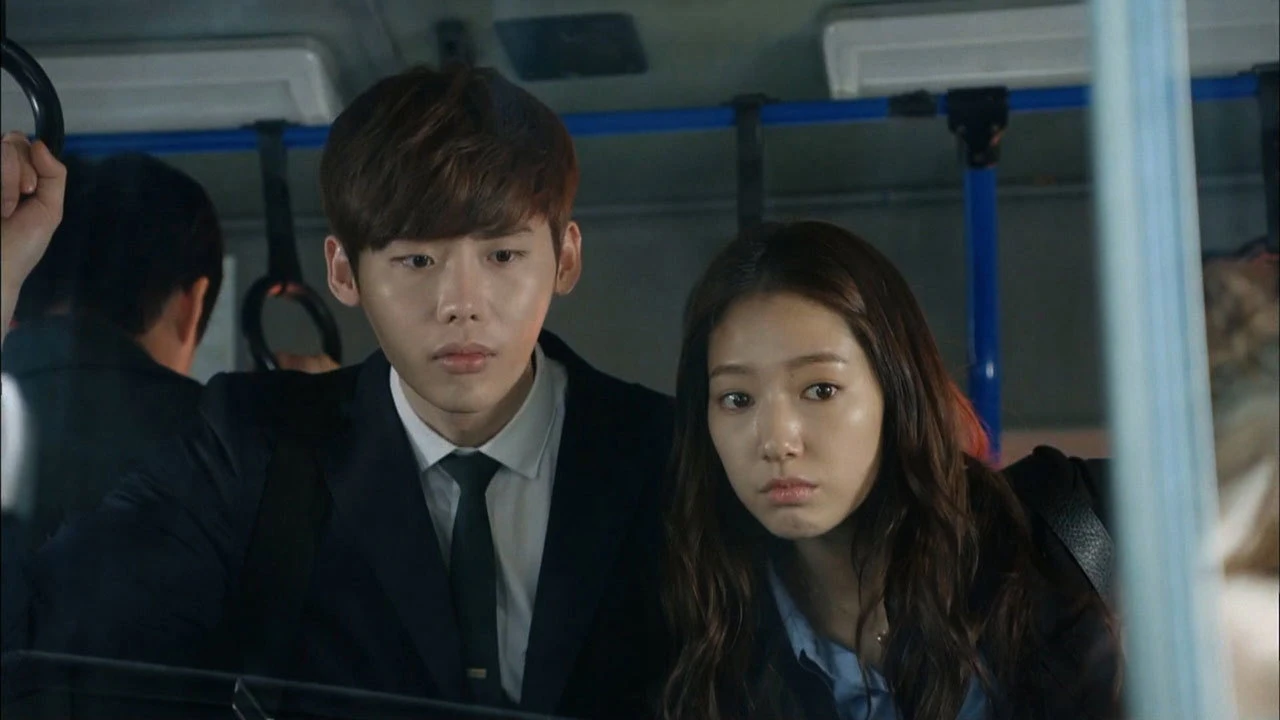
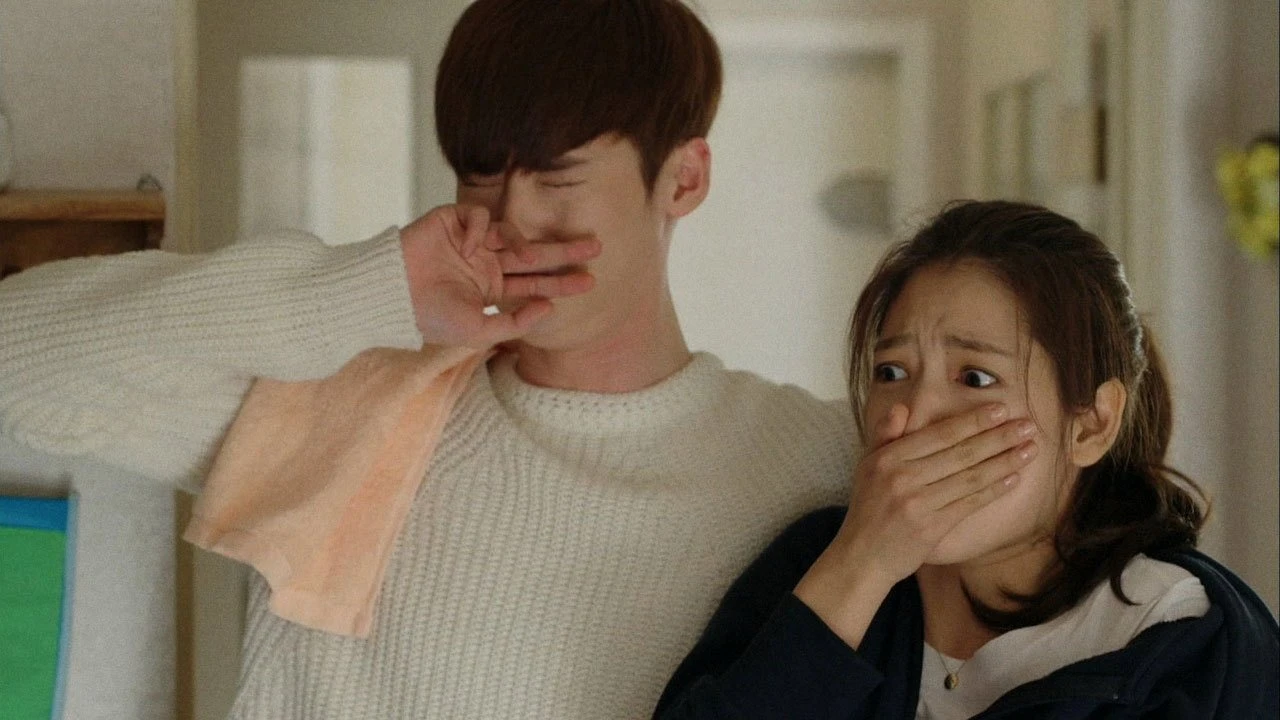
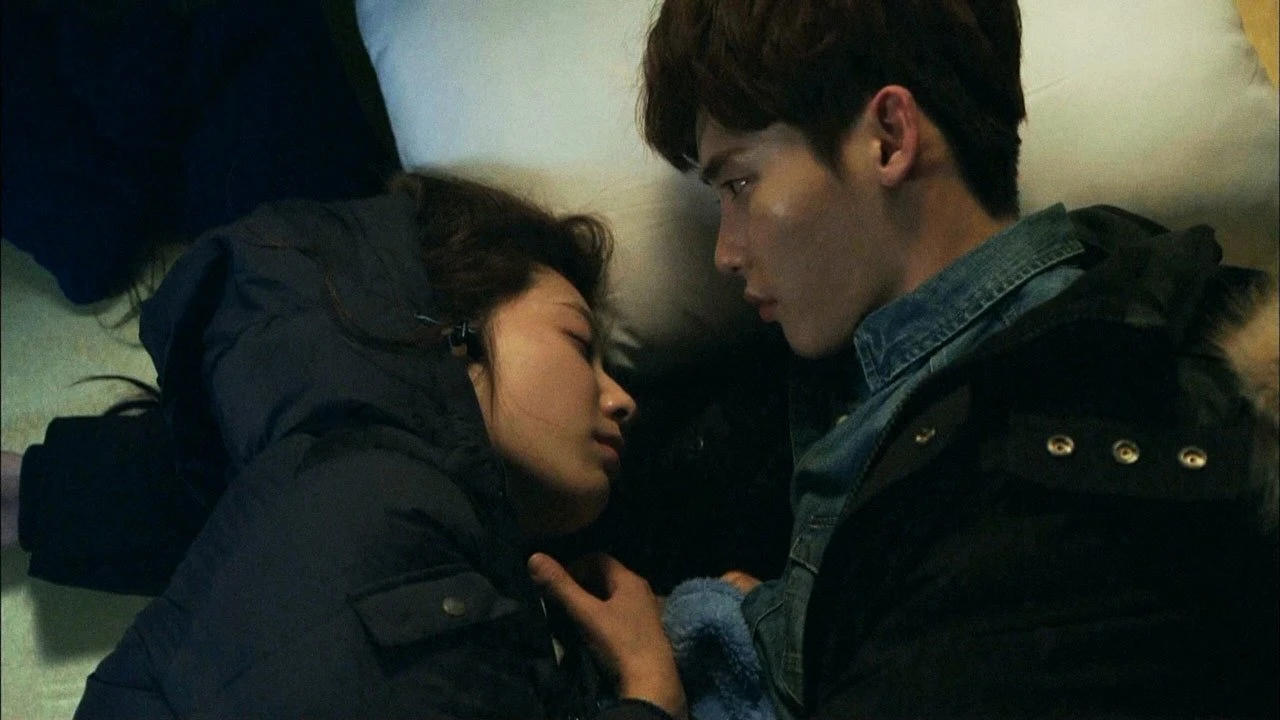
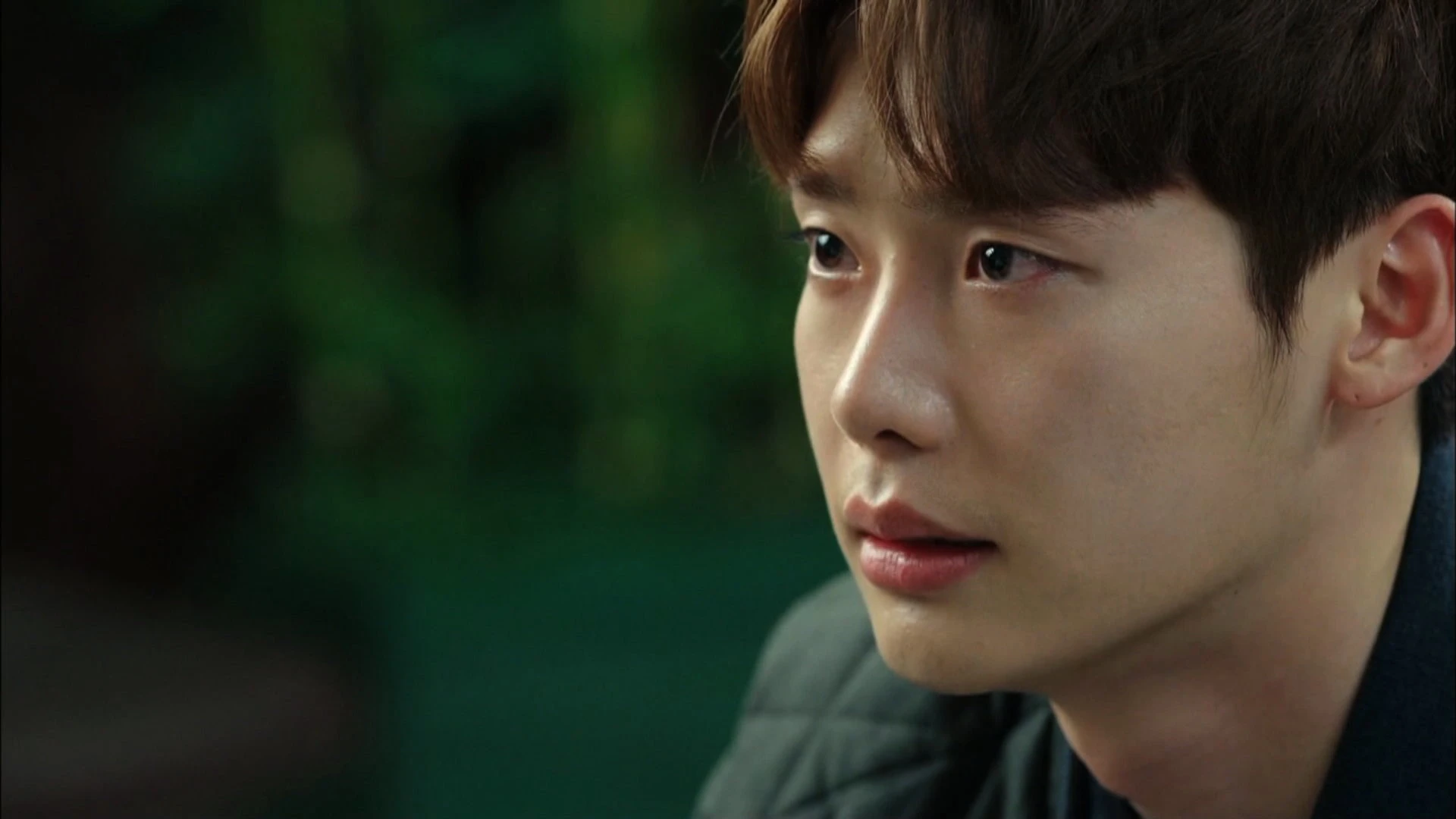
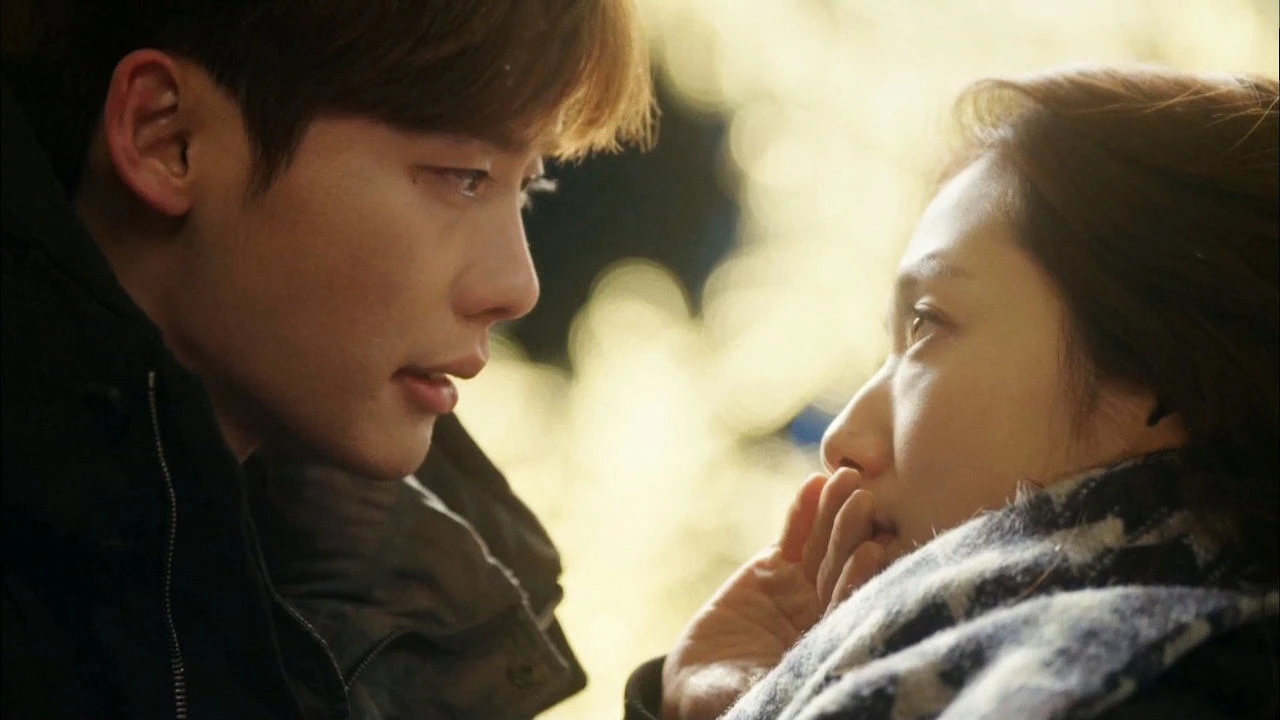
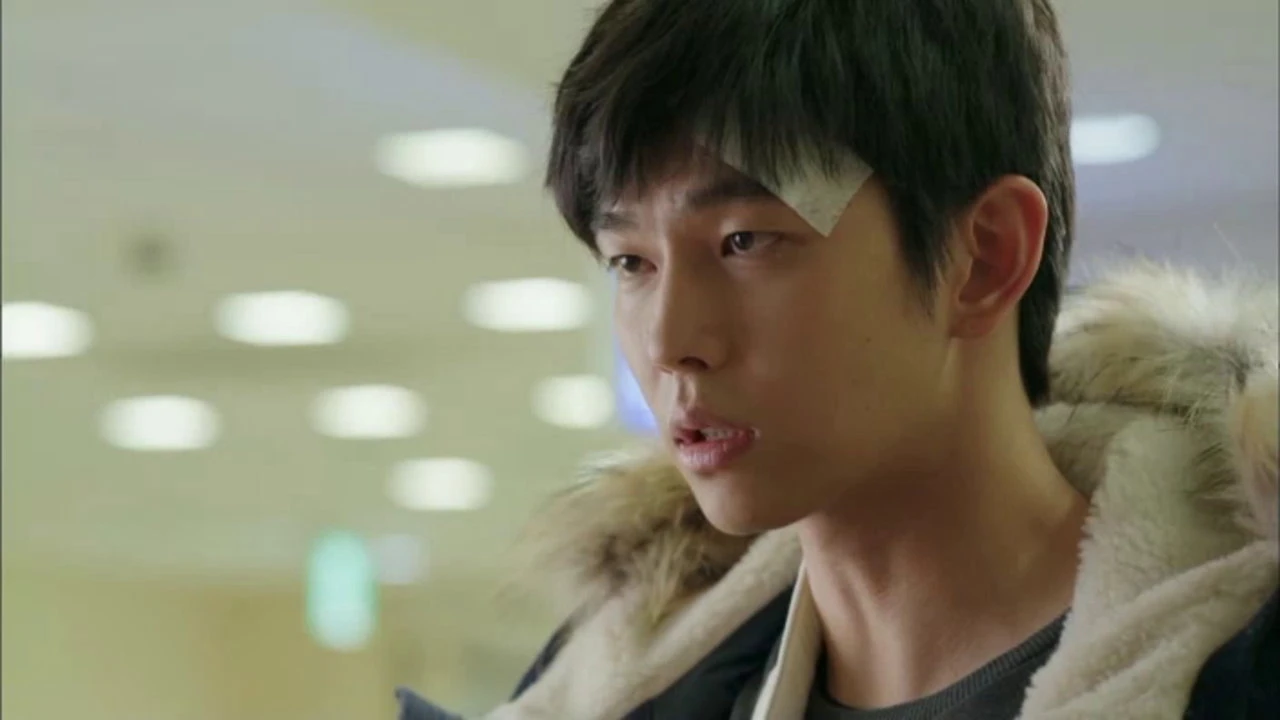
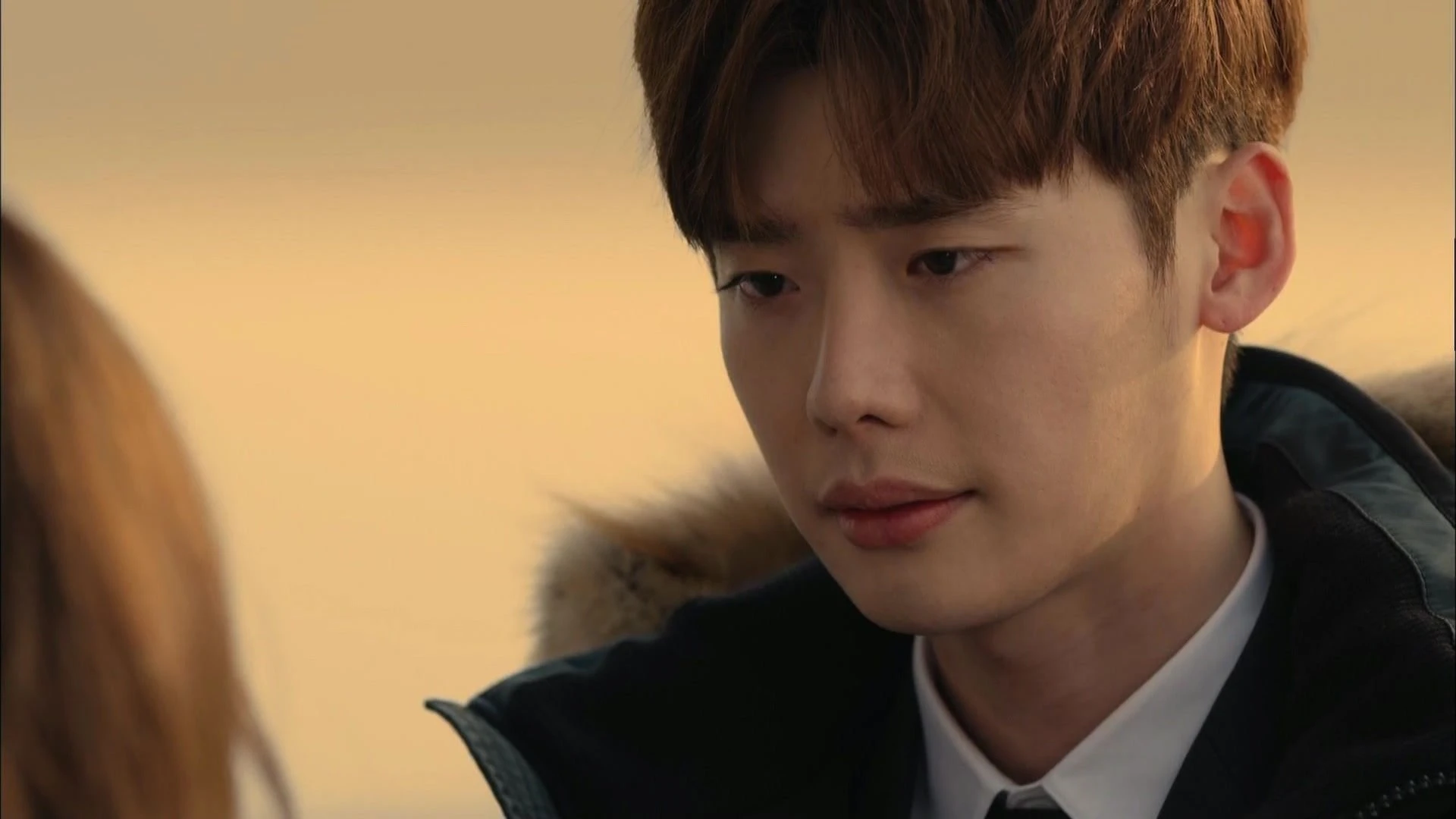


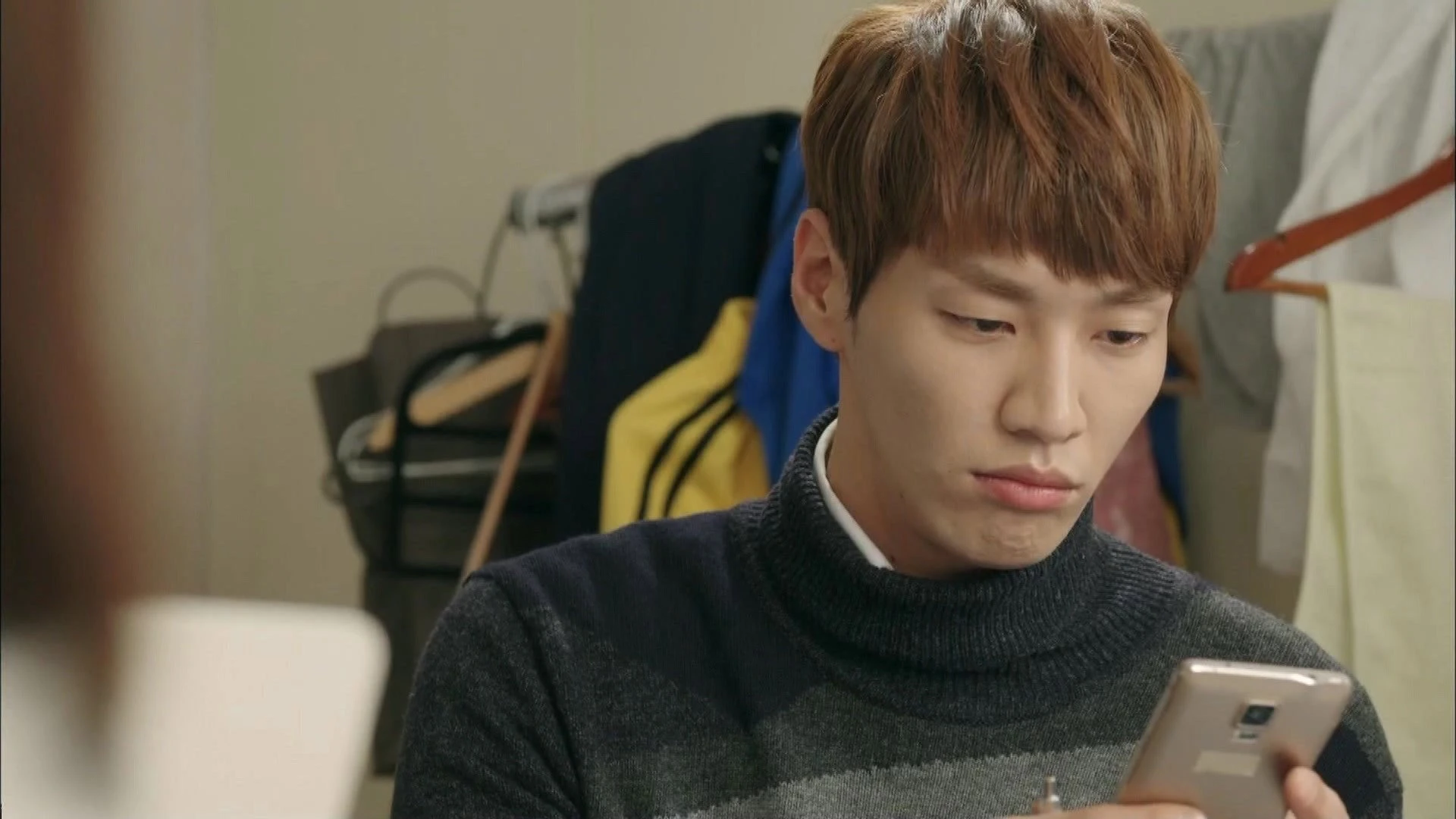
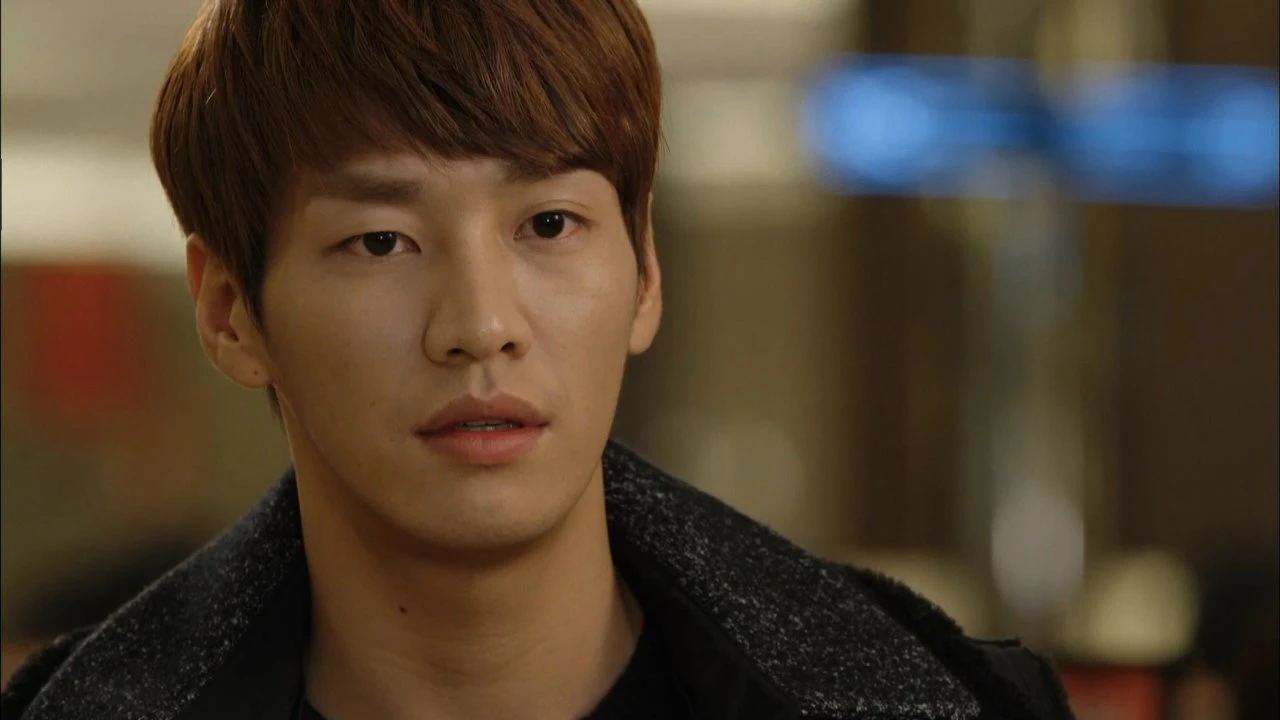
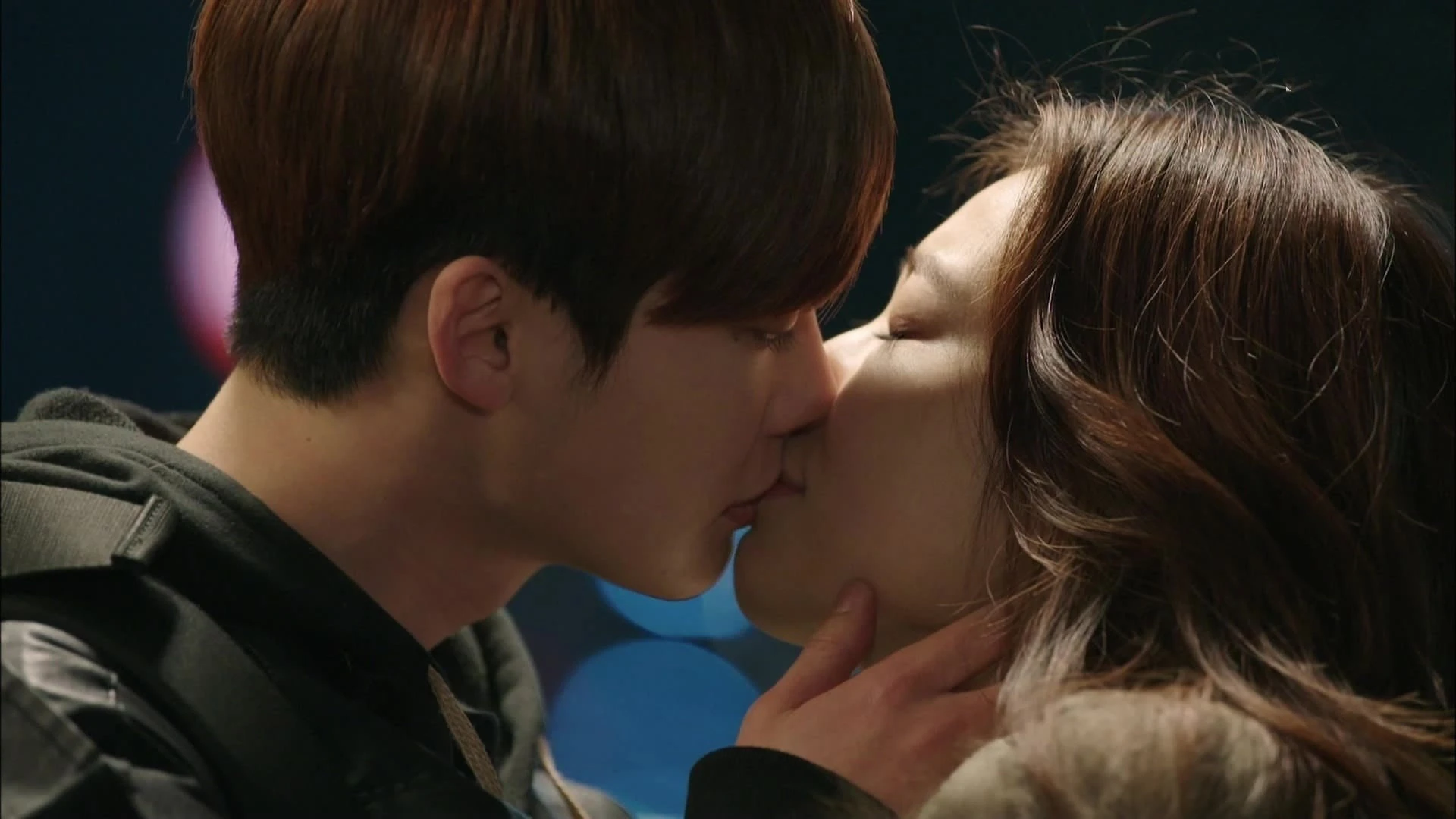

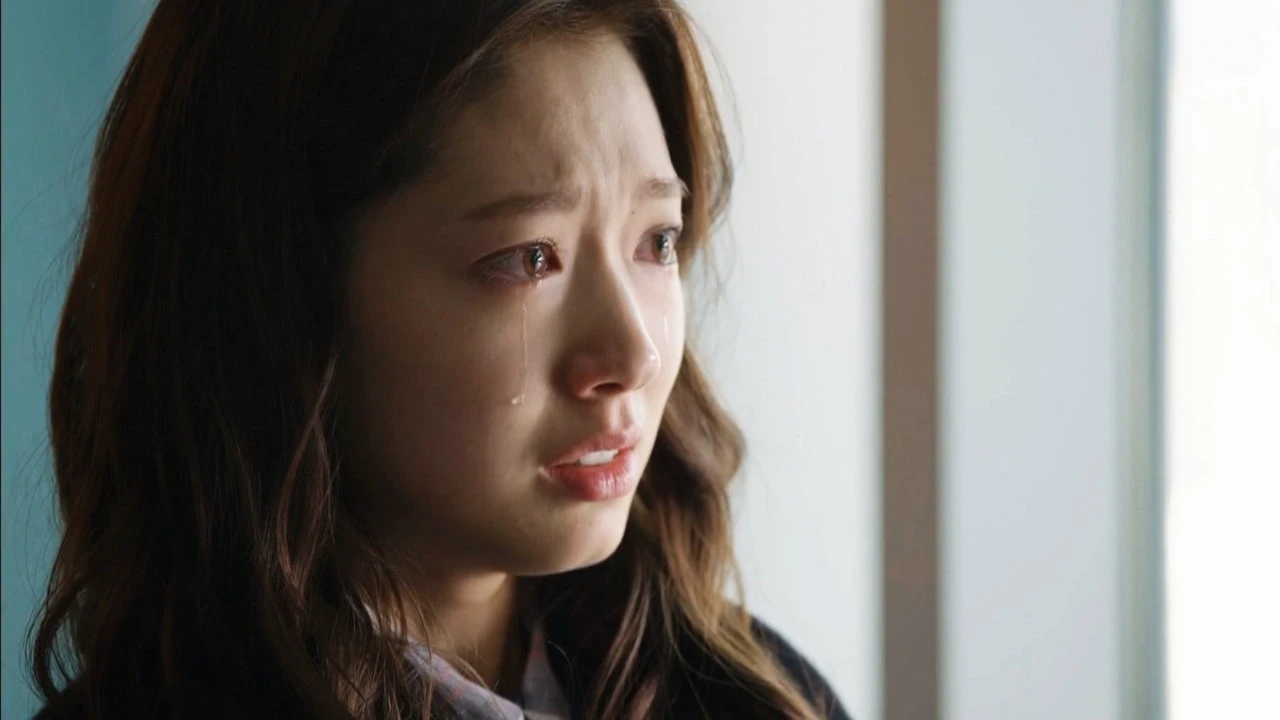
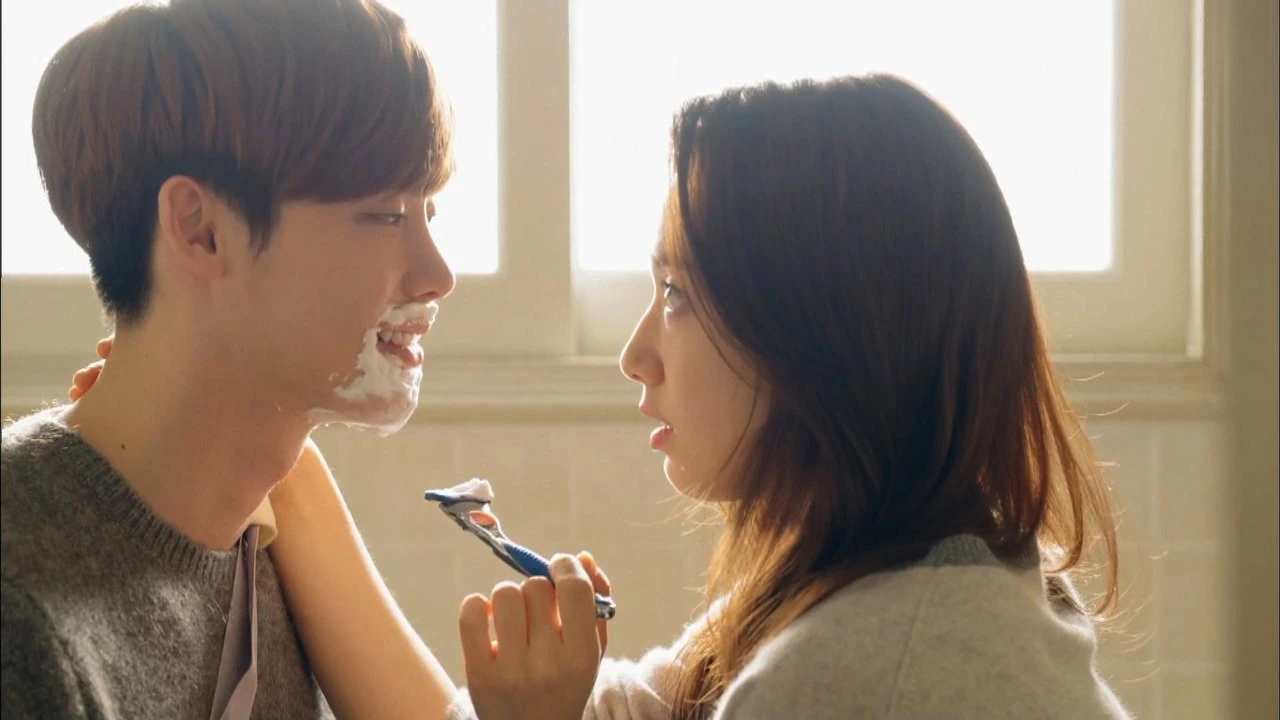
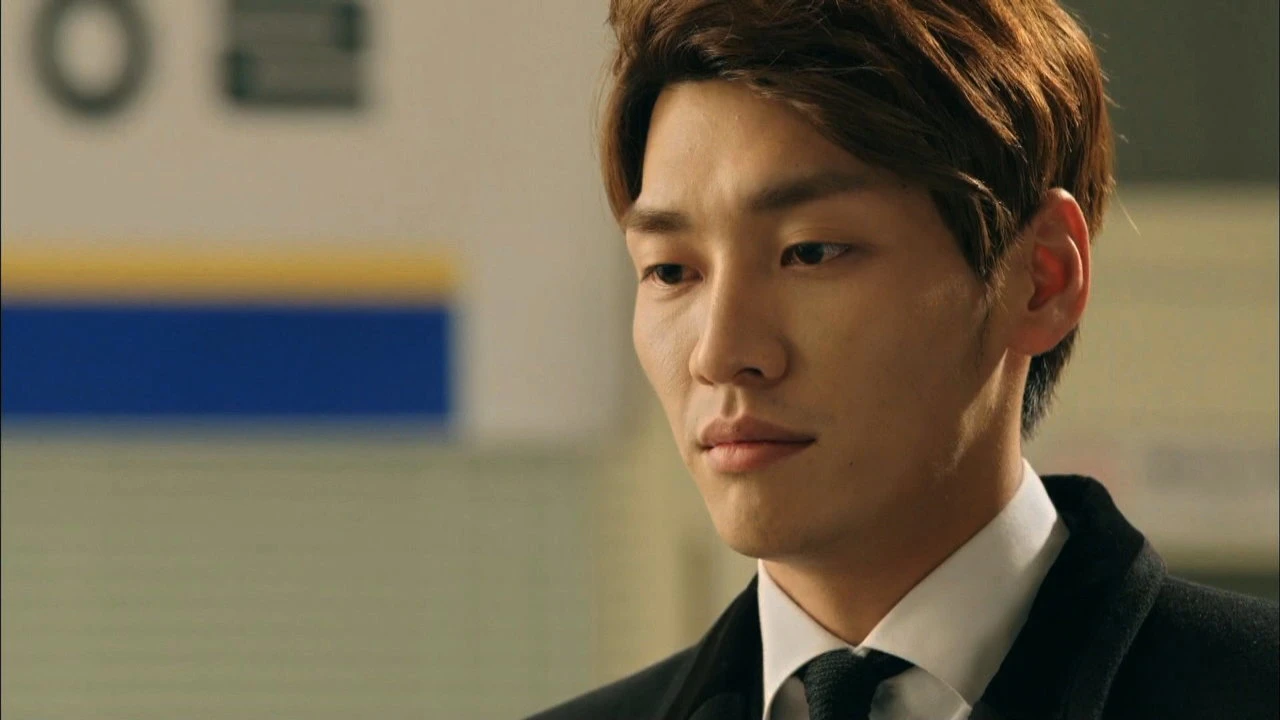
🏁 Ending Explained
From here on, full spoilers — the ending, unpacked.
What actually happened The finale ties off every major thread at once: Chairman Park is arrested for orchestrating the original cover-up and the corruption that followed it, and Song Cha-ok accepts her own punishment with what reads as genuine remorse rather than damage control. Ha-myeong — no longer hiding as Dal-po — keeps working as an honest reporter at YGN, and he and In-ha finally acknowledge their feelings openly, choosing a future together despite everything their mothers built between them.
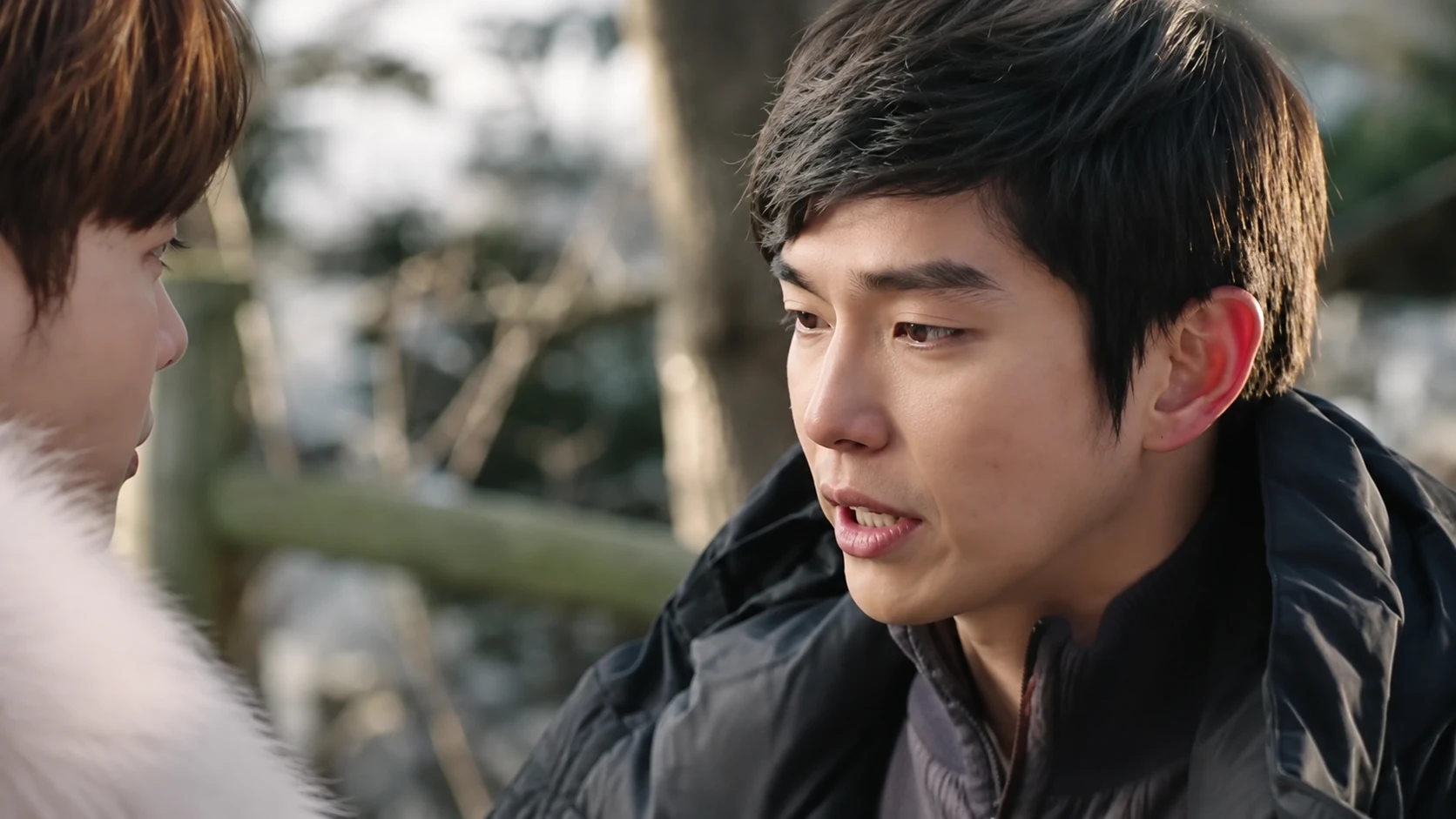
What it means The show’s real argument isn’t that truth eventually wins — it’s that truth only wins because people choose to tell it even when lying would be easier and safer. In-ha resigning from MSC, Beom-jo turning himself in, Ha-myeong forgiving Jae-myeong instead of finishing his revenge: every one of those choices costs the person making it something real. Pinocchio’s ending rewards honesty not as a fairy-tale inevitability, but as the direct result of characters repeatedly choosing the harder, costlier version of the truth.
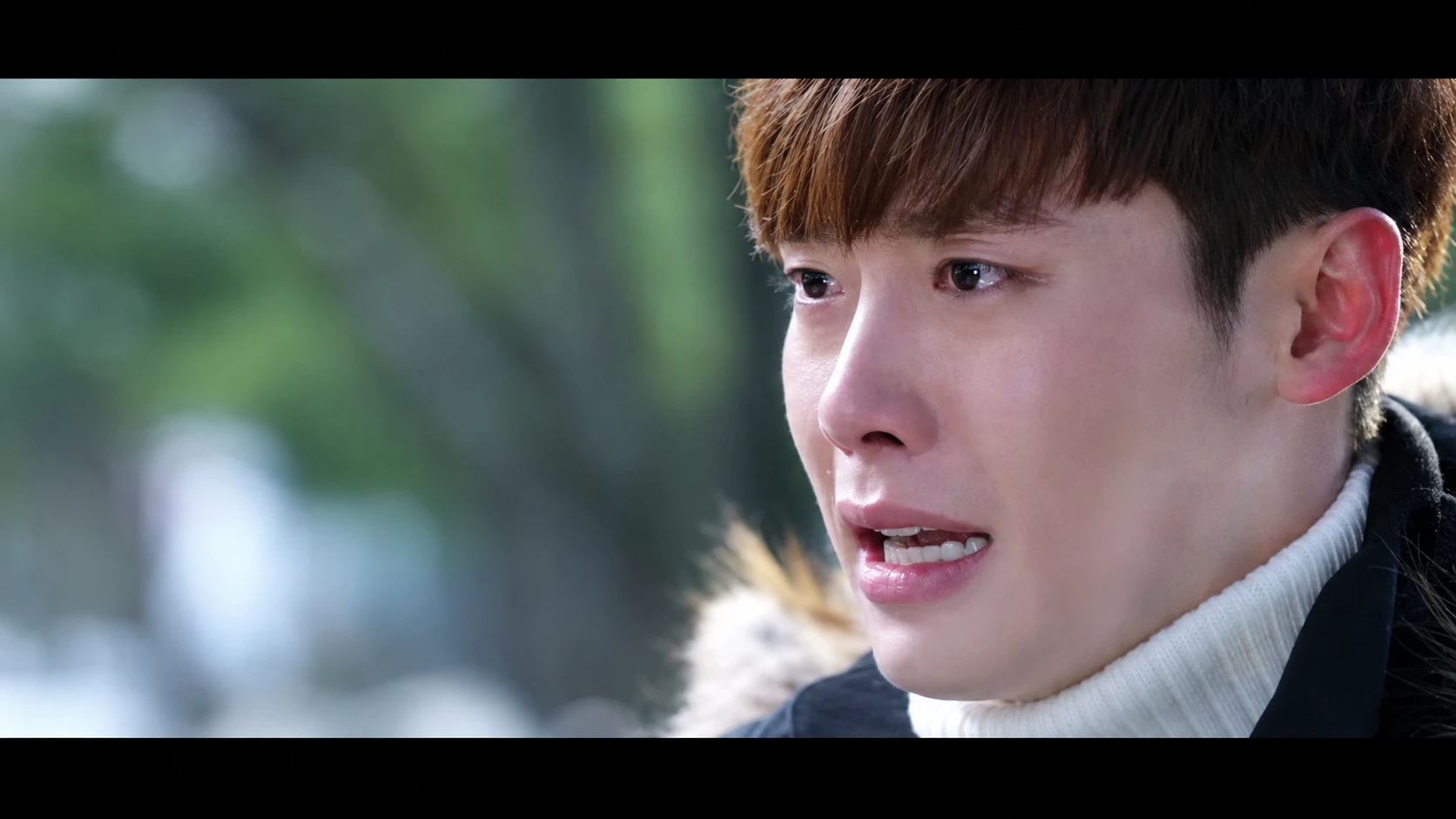
The brothers, resolved Jae-myeong’s arc gets the quietest but most important resolution — Ha-myeong doesn’t excuse what his brother did in prison, but he does let go of matching it with more violence of his own. That forgiveness closes the loop the finale opened thirteen years earlier: a family destroyed by one act of careless, weaponized journalism finally gets its healing through the opposite instinct, reporting that’s careful, accountable, and true. It’s the show’s clearest statement that revenge and justice were never actually the same thing.
What happens to Cha-ok Song Cha-ok doesn’t get a redemption arc so much as an accountability one — she accepts consequences rather than earning forgiveness outright, and the show is careful not to conflate the two. Her punishment matters more as a structural correction, a corrupt journalist finally facing consequences, than as a personal reconciliation with In-ha, and the finale leaves that relationship realistically unresolved rather than neatly patched over.
The KDW verdict Pinocchio earns its long, winding path back to a happy ending because it never treats media ethics as background noise to the romance — the two are the same fight, waged by two people who happen to love each other. Twenty episodes is a lot of runway for one plot, but the show uses nearly all of it, letting revenge curdle into responsibility and letting two broken families slowly become one working, honest newsroom. It closes as a rare melodrama that earns its warmth instead of manufacturing it.
✍️ KDramaWorlds Editor’s Take
Straight talk on whether this one’s worth watching, and for who.
Park Hye-ryun writes journalism as a moral battlefield instead of a backdrop, and Pinocchio is stronger for treating ‘getting the story right’ as its own kind of heroism — the show cares as much about a botched exclusive as it does about a kiss. While You Were Sleeping found Lee Jong-suk in similarly justice-obsessed territory a few years later, but Pinocchio gets there first and with sharper teeth — Dal-po’s trauma around the press isn’t just a character quirk, it’s the engine driving every plot decision he makes.

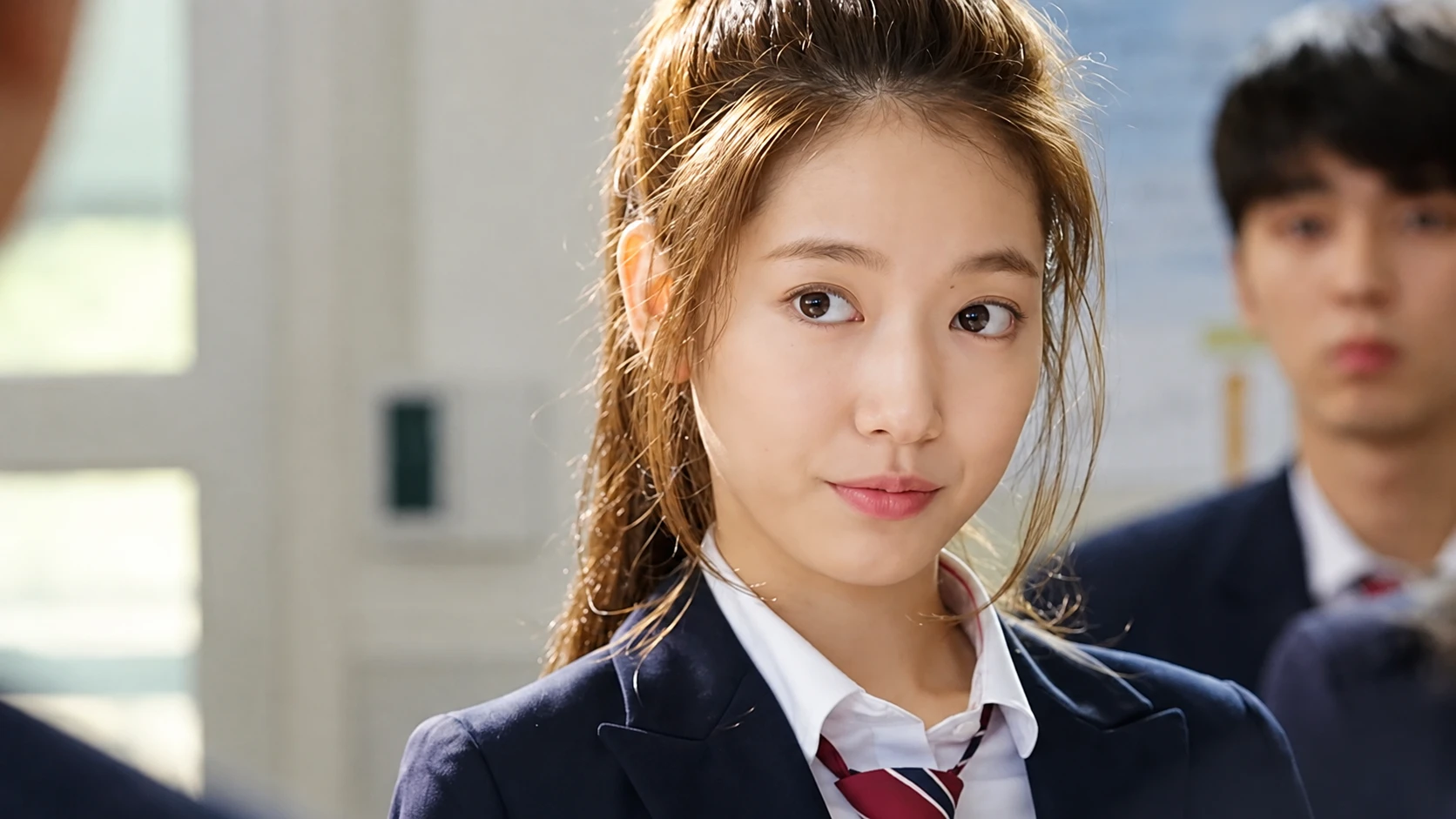
Park Shin-hye’s In-ha is the show’s real moral compass, and her Pinocchio syndrome does double duty as both plot device and thesis statement — a woman who is physically incapable of lying, pursuing a career built on other people’s willingness to do exactly that. It’s a sharper, more purposeful role than the one that made her a star in The Heirs a year earlier, and it’s easy to see why Pinocchio is still the one fans point to as her career-best.
Twenty episodes is a lot of room for one central mystery, and Pinocchio uses nearly all of it — the back half leans hard into corporate-conspiracy plotting that occasionally overshadows the two reporters it spent the first half building. It mostly earns the length by refusing to let either lead’s journalism ethics take a backseat to the romance, but viewers looking for a tighter melodrama should know this one takes its time getting to the finish line.
🎬 You Might Also Like
If you liked Pinocchio, these are your next three watches.
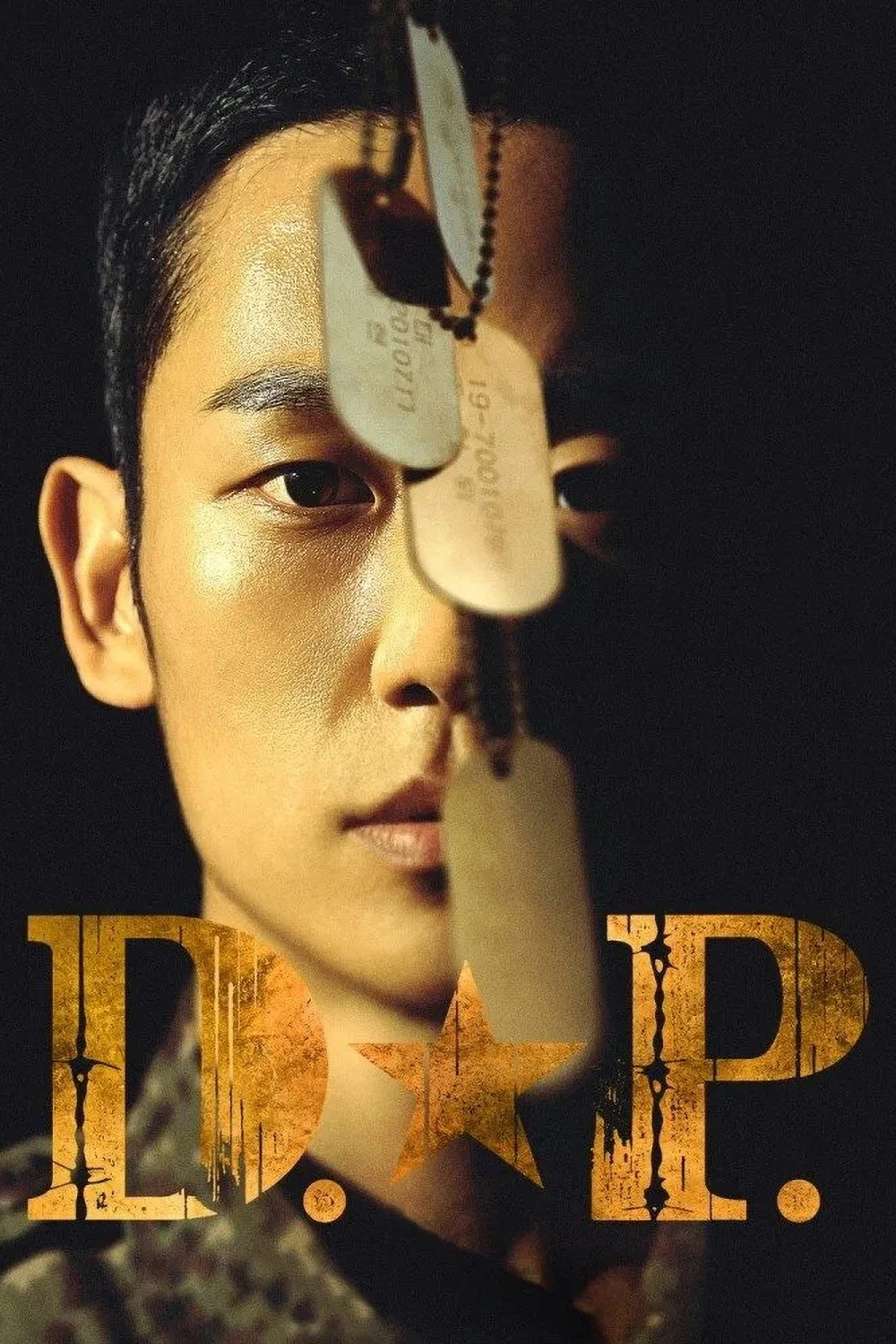
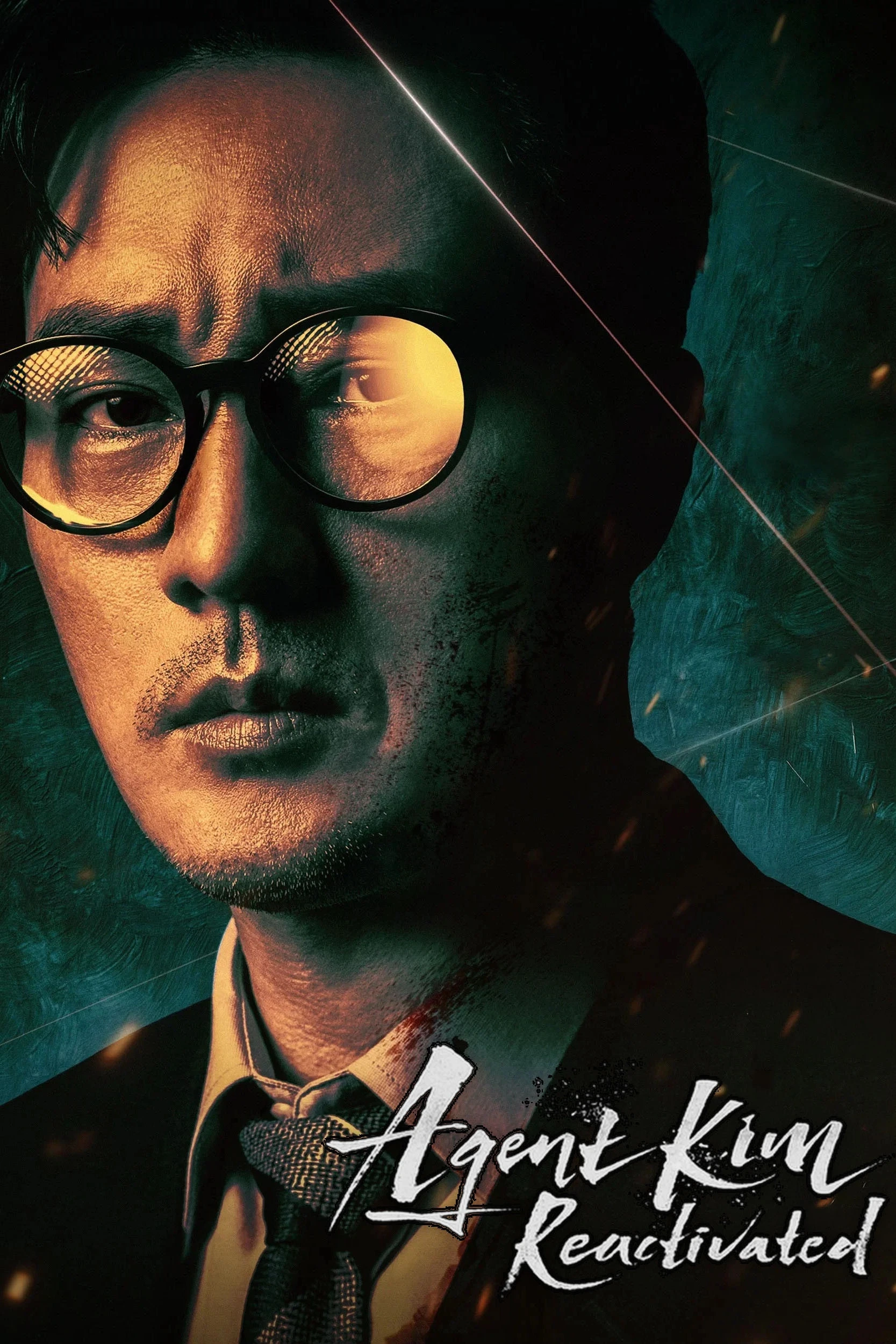 Agent Kim Reactivated
action thrillerBlack Ops
Read Full Review →
|
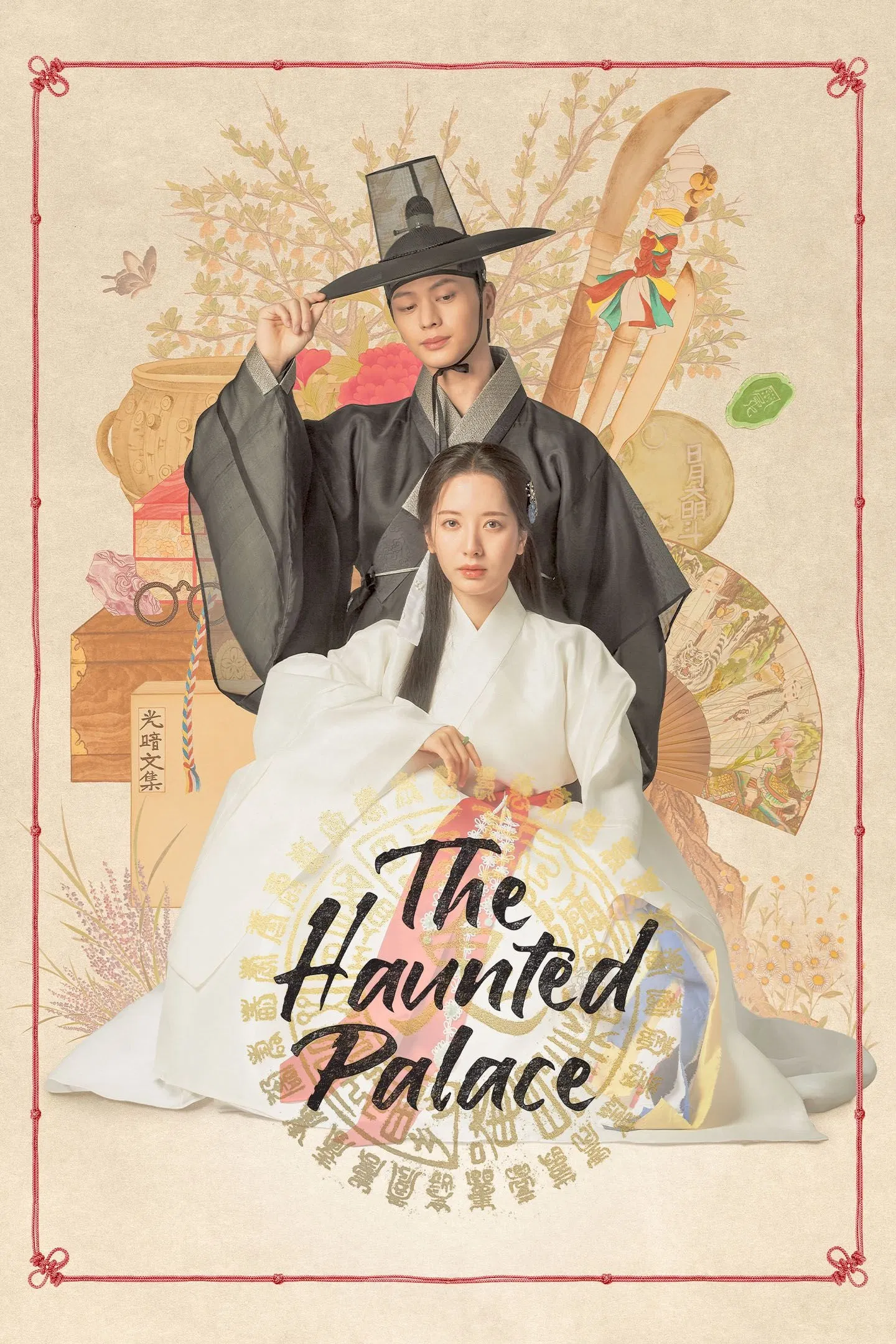
 Beauty and Mr. Romantic
Actress ComebackAmnesia
Read Full Review →
|
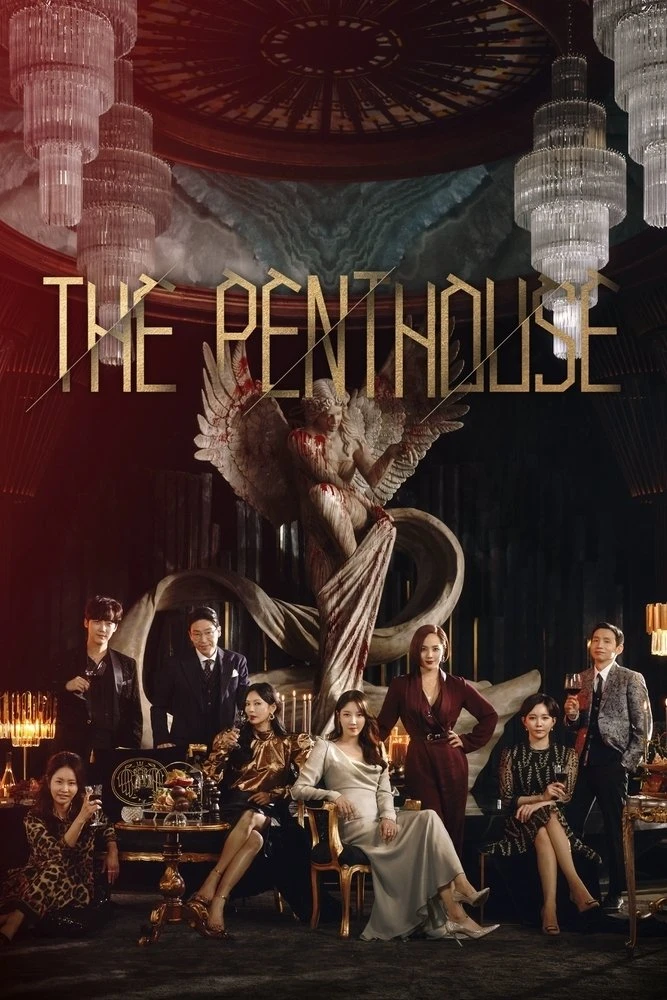
 Doctor Lawyer
Chaebol CorruptionCorruption
Read Full Review →
|












Keep it kind, skip the harsh language, and please — no spoilers. Everyone's taste is different, and that's perfectly fine.
This space is for real reactions and discussion from other viewers. Help keep it comfortable for everyone by not giving away major plot details.
What do you think of this drama?
Login to share your review or leave a comment.
No email needed — just pick a username & password.