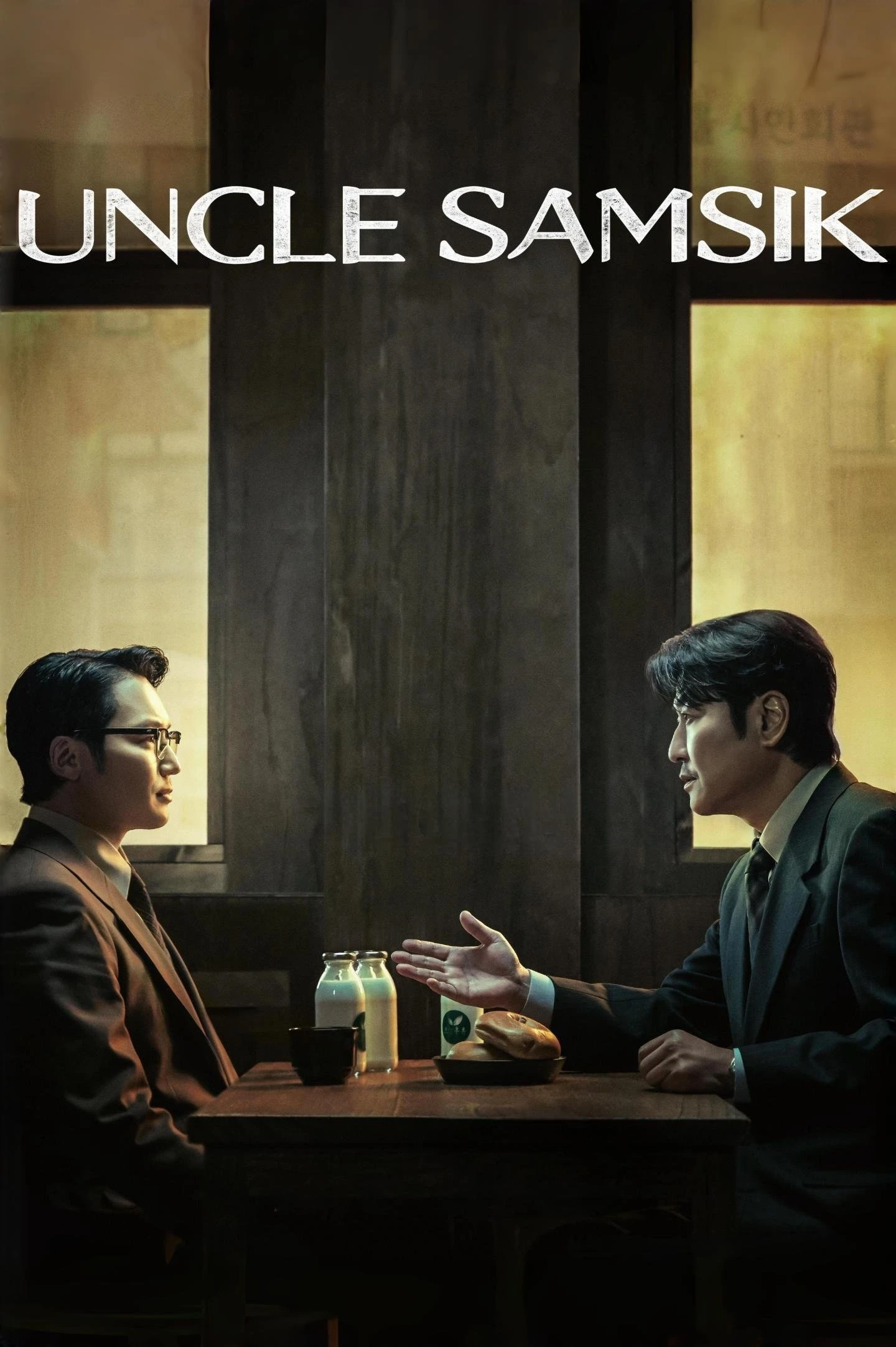
Uncle Samsik
📋 Drama Overview
Before you hit play, here’s the lay of the land.
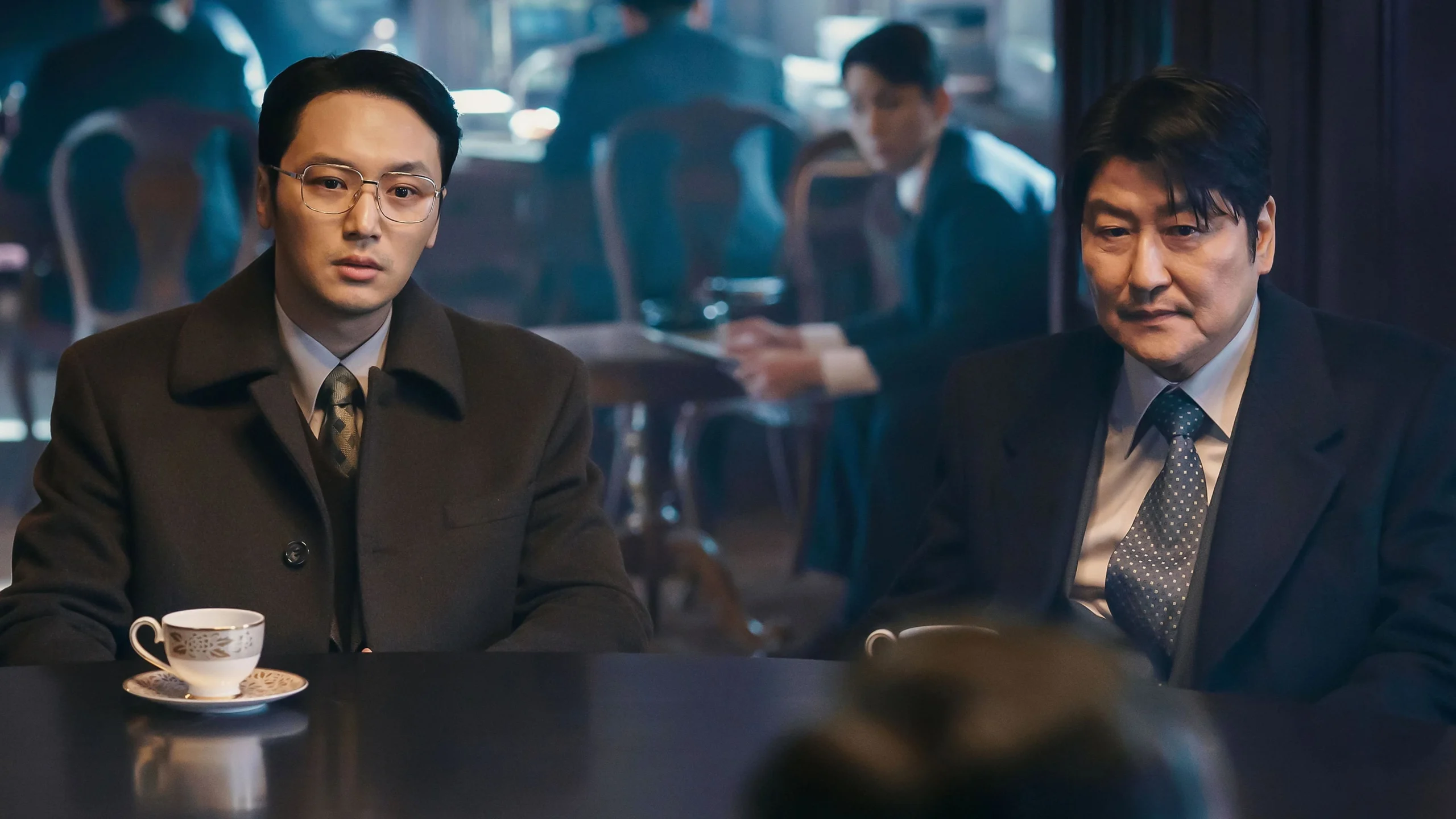
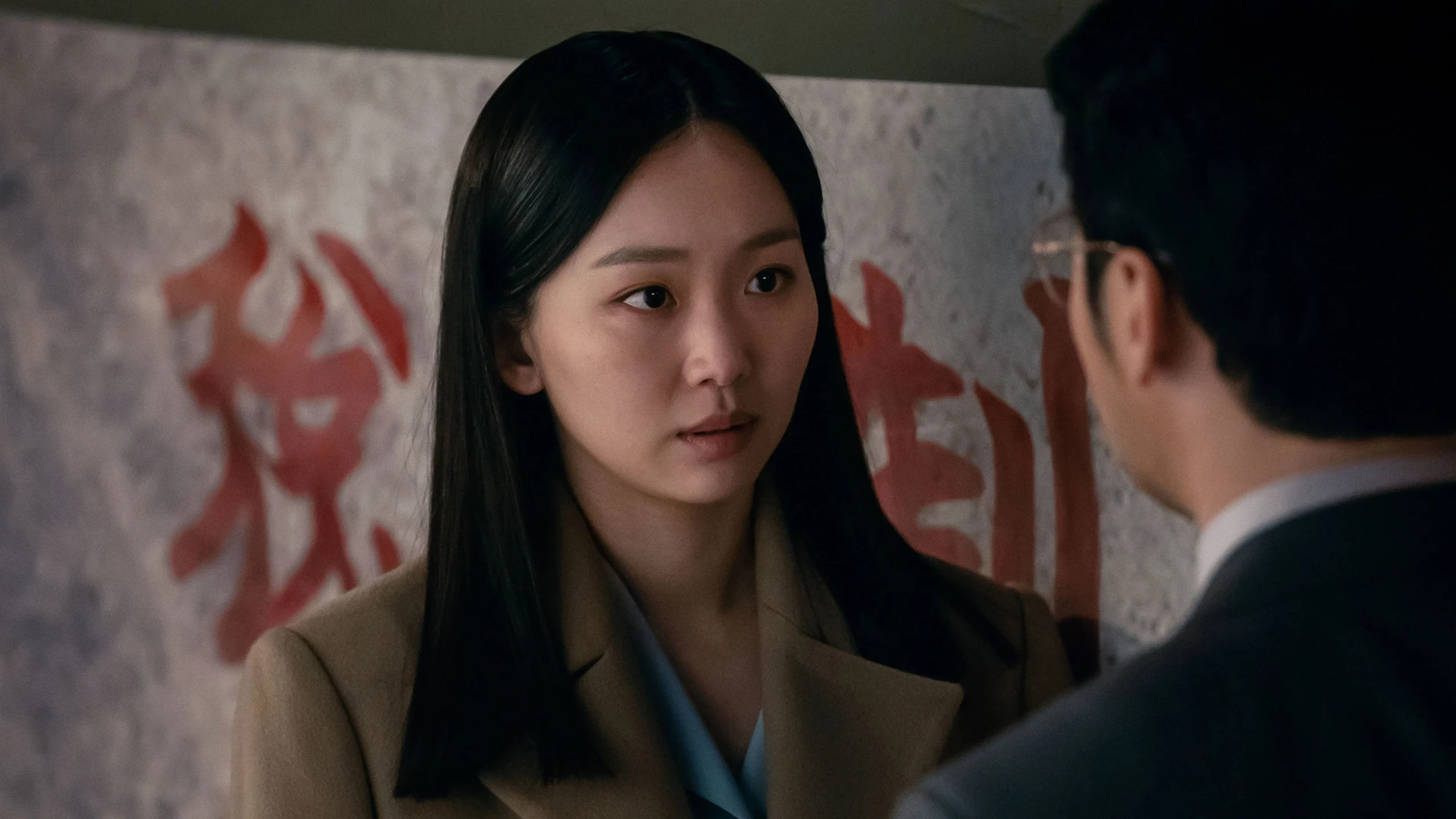
In 1960s South Korea, a black-market fixer who kept his entire district fed through the war meets a government economist who wants to feed the whole country — and decides, almost on sight, that the second man is his way into real power. Park Doo-chill, better known by his nickname Uncle Samsik, doesn’t offer Kim San money or threats. He offers something harder to refuse: the exact future San already wanted, delivered by someone San never has to admit he needed.
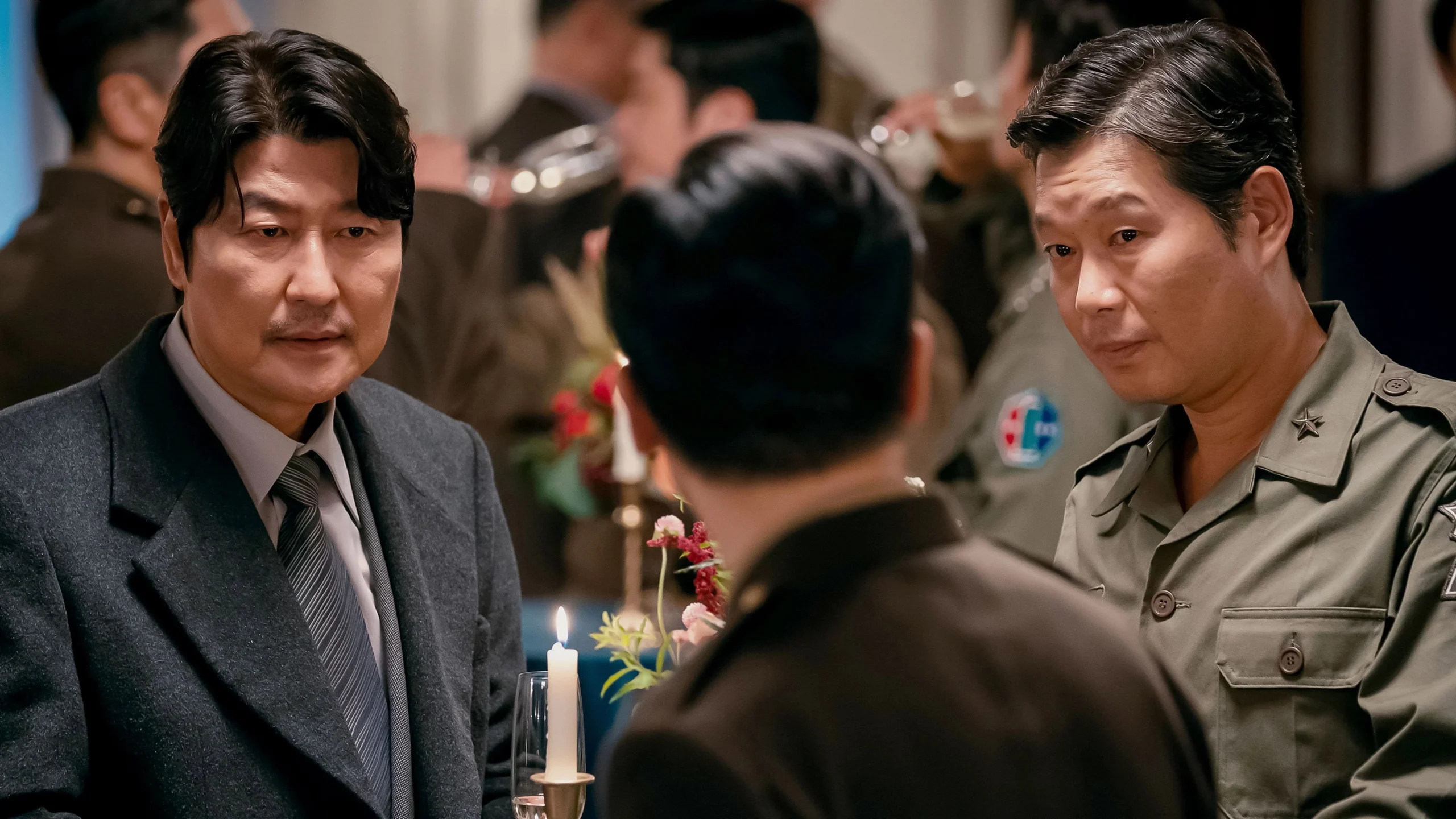
Uncle Samsik spends sixteen episodes complicating that offer. San’s idealism keeps curdling into the same ruthlessness he claims to be fighting, and Samsik’s manipulation keeps slipping into something that looks uncomfortably like genuine investment in San’s future. Song Kang-ho, in his first-ever TV drama role, plays Samsik as a man who’s rehearsed every kindness so many times he may have forgotten which ones are real — which turns out to be exactly the right approach for a show more interested in tragedy than plot twists.
⚡ Quick Verdict
Everything that matters, at a glance.
▶ Official Trailer
🎭 Cast & Characters
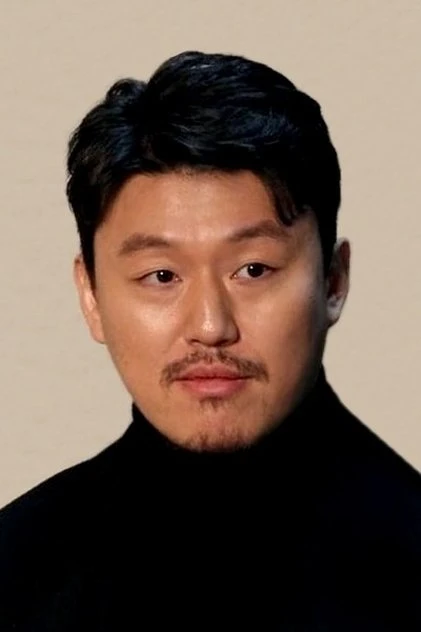
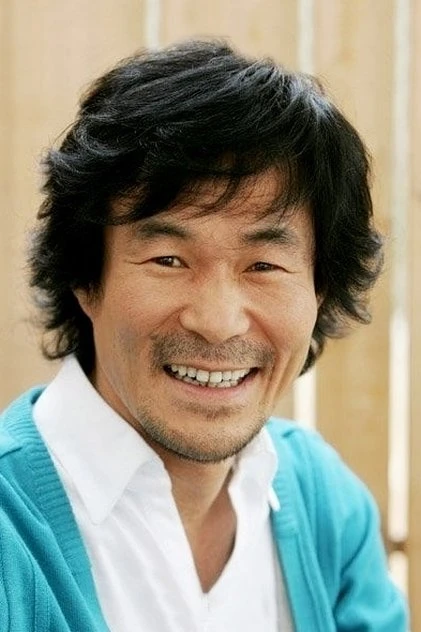
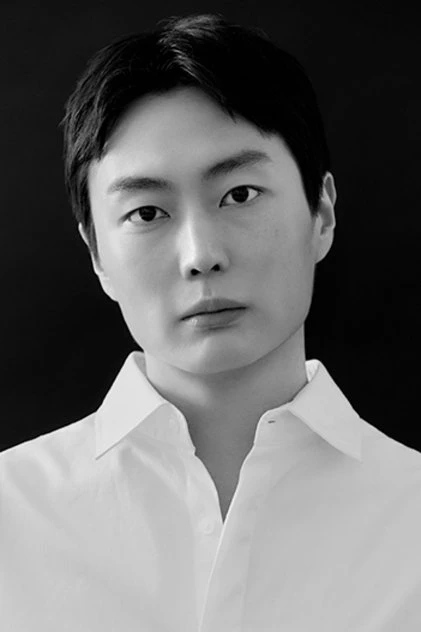
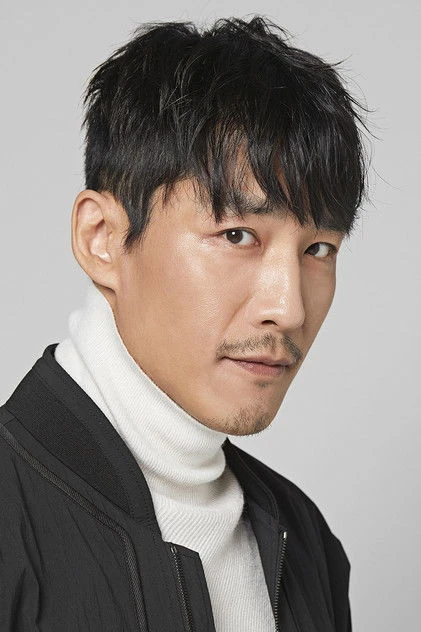
A two-hander built around the two men steering 1960s Korea from the shadows.
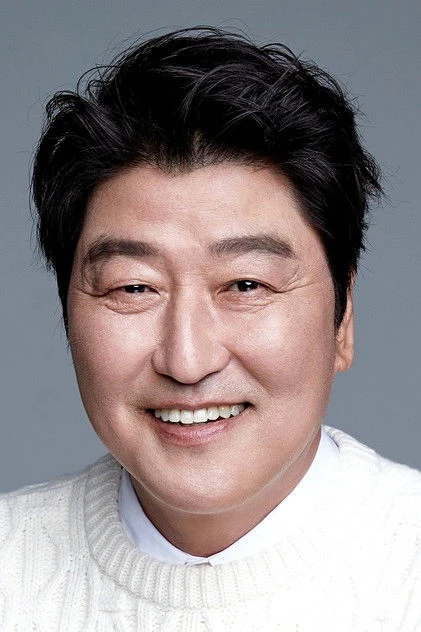
Lead

Lead
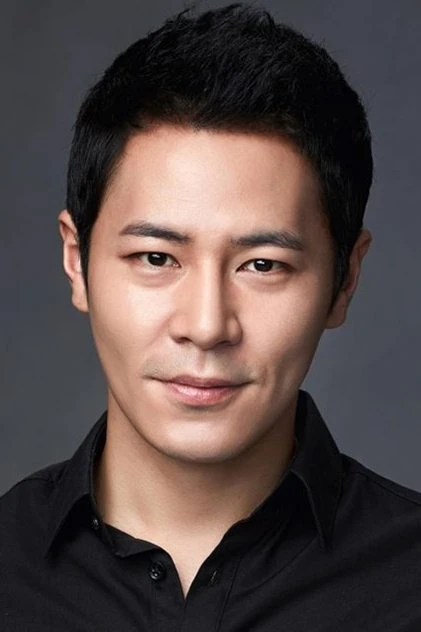
Supporting
Supporting

Supporting

Supporting
Supporting
Supporting

Supporting
Supporting
Supporting
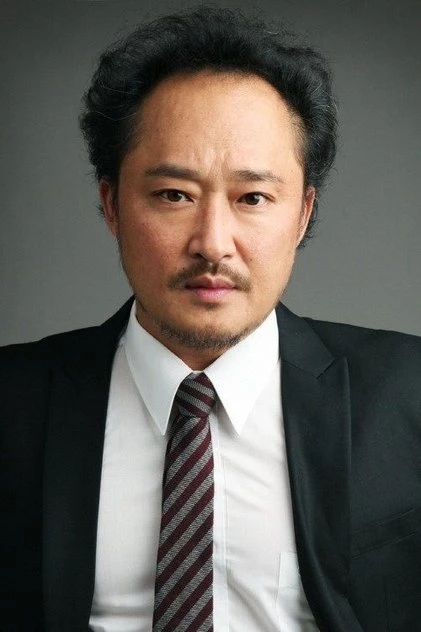
Supporting
📺 Episode Guide
Recaps that jog the memory, not spoil the ride.
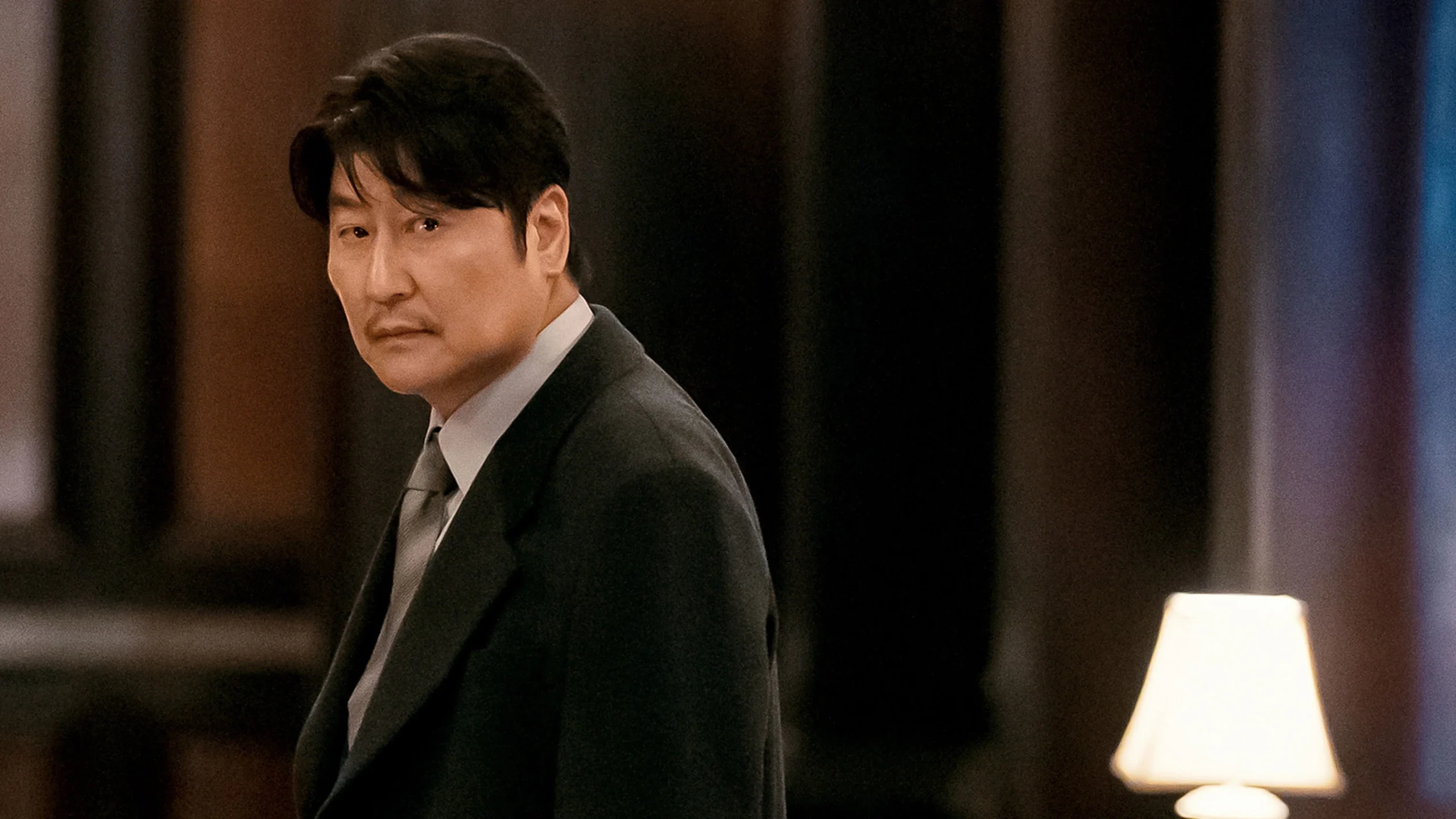
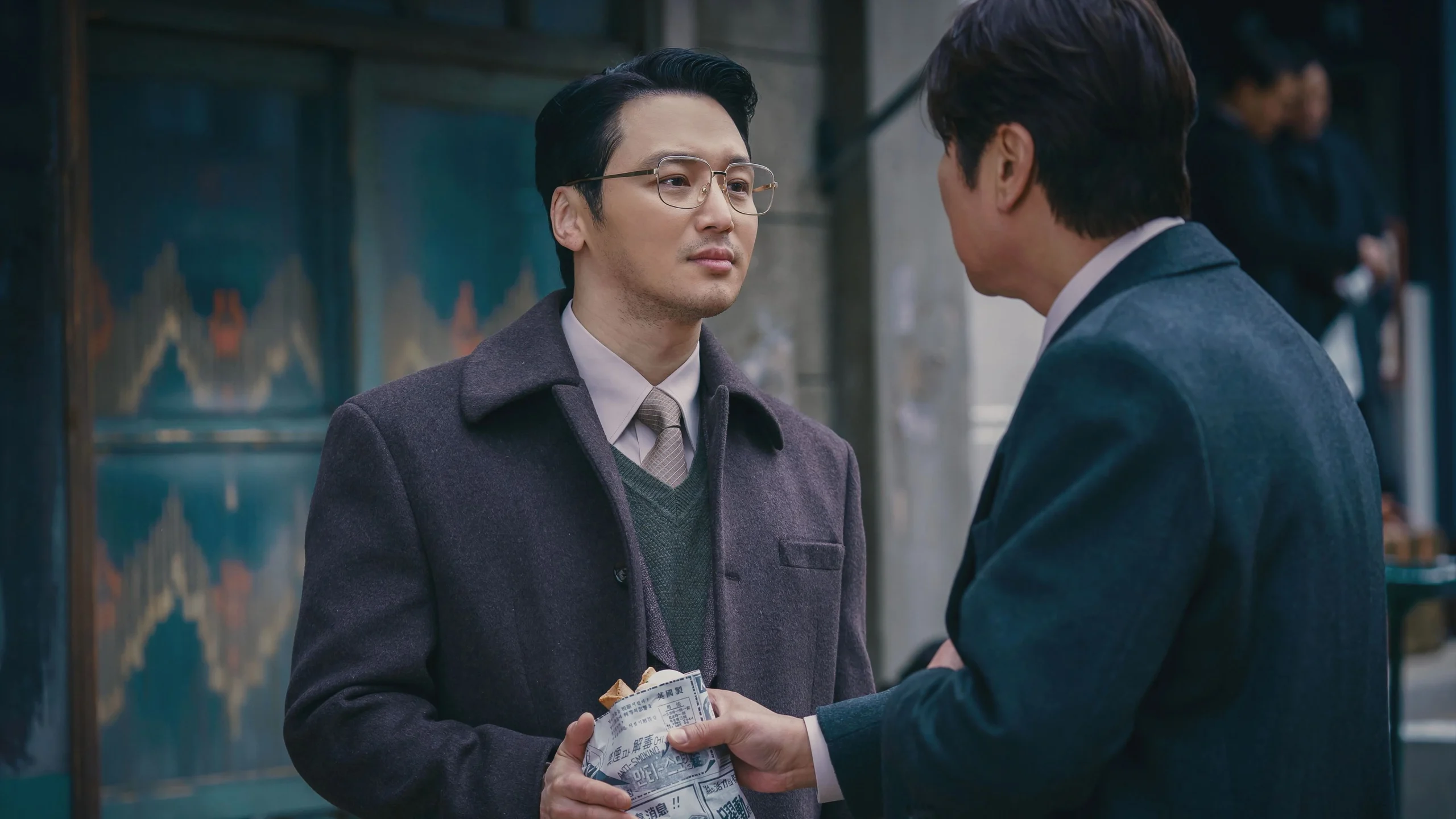
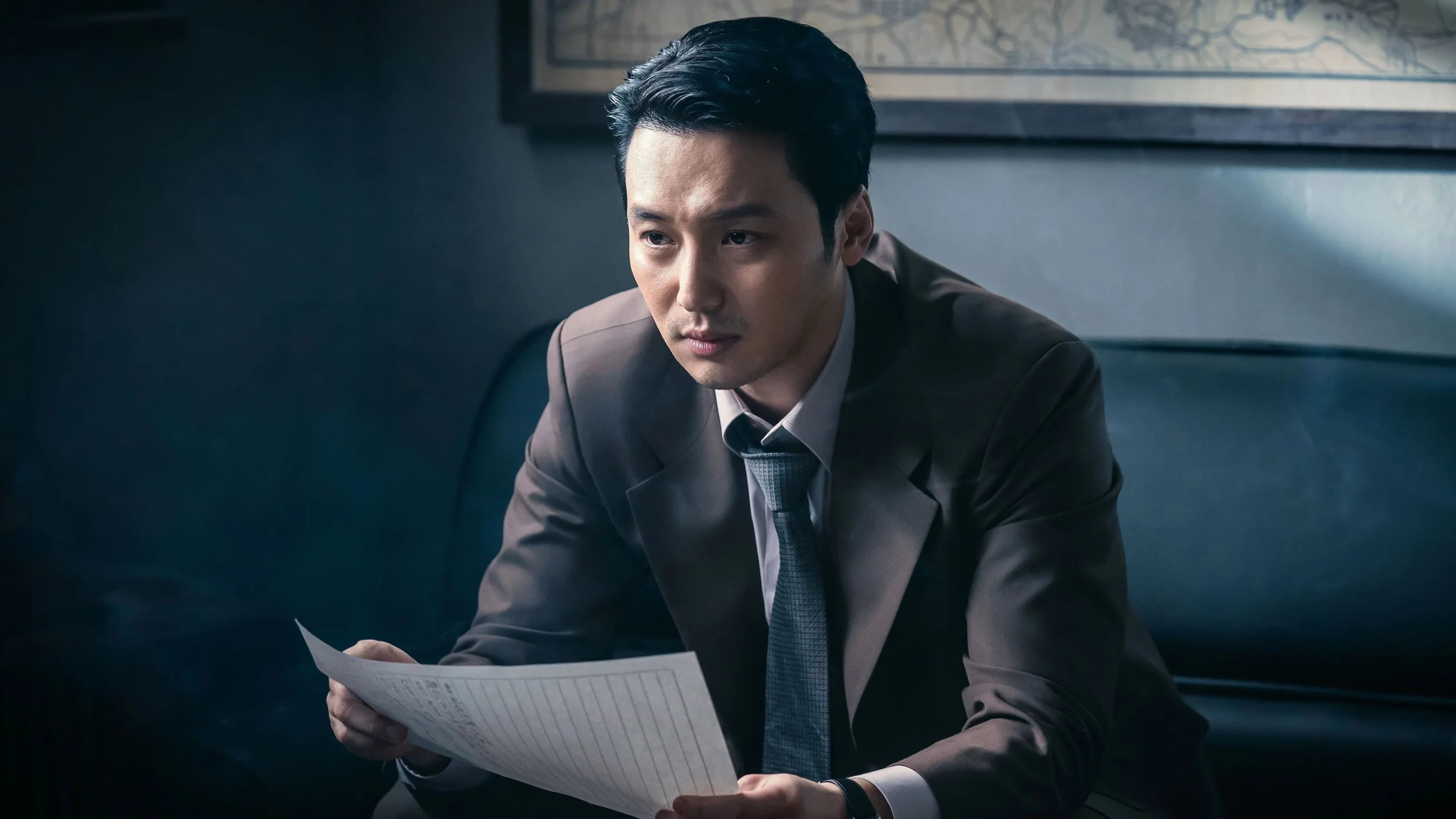
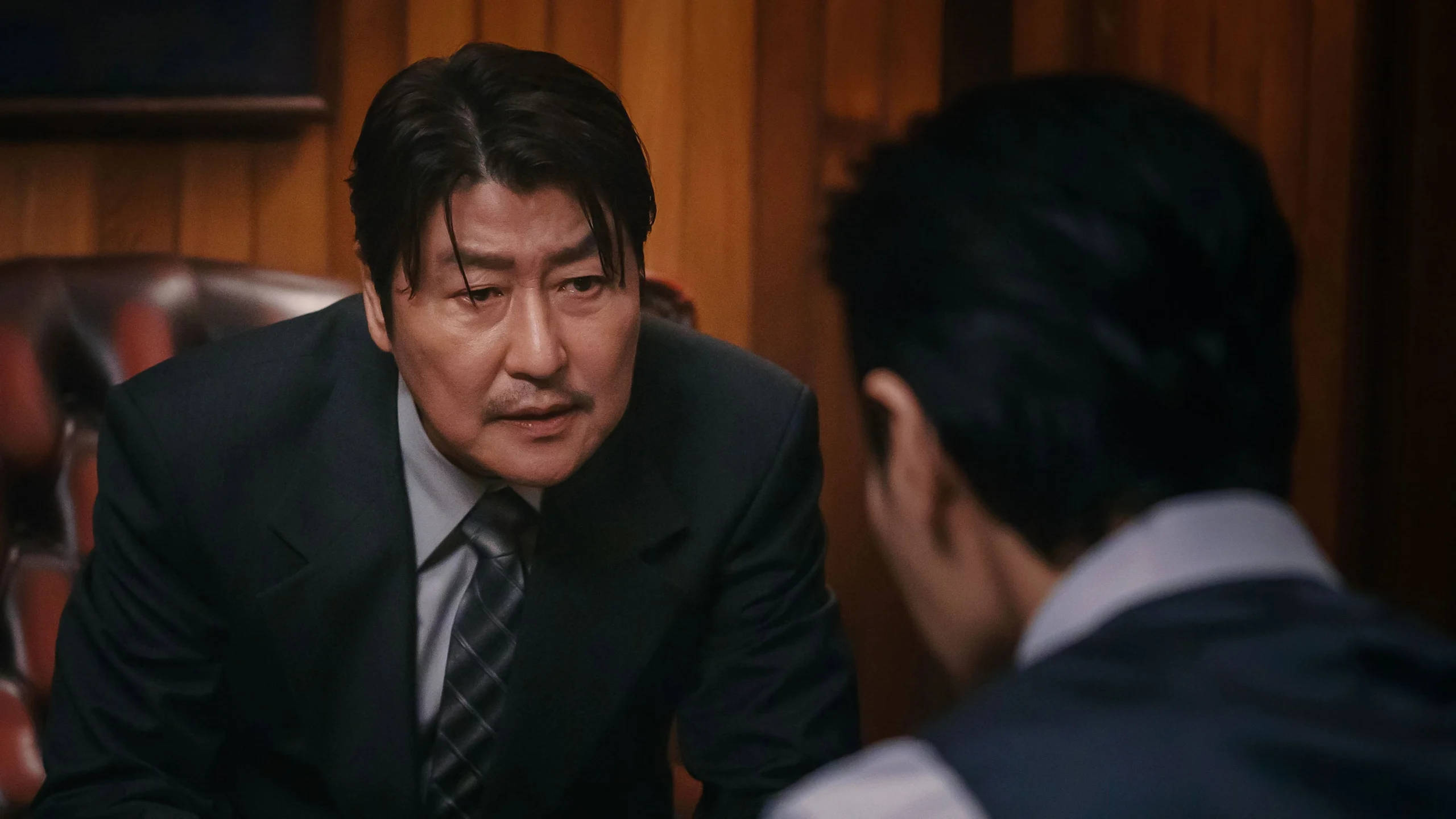


🏁 Ending Explained
From here on, full spoilers — the ending, unpacked.
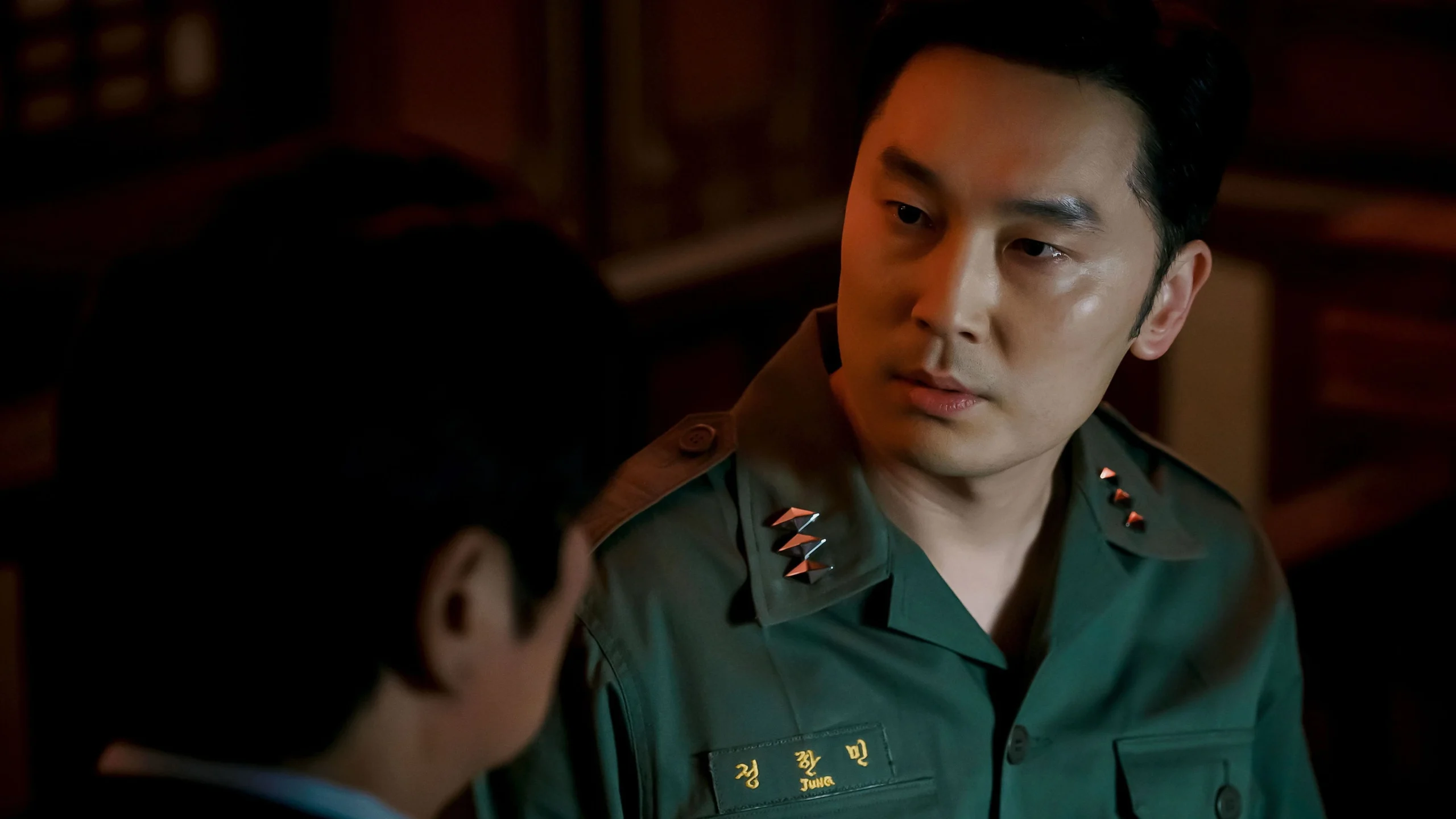
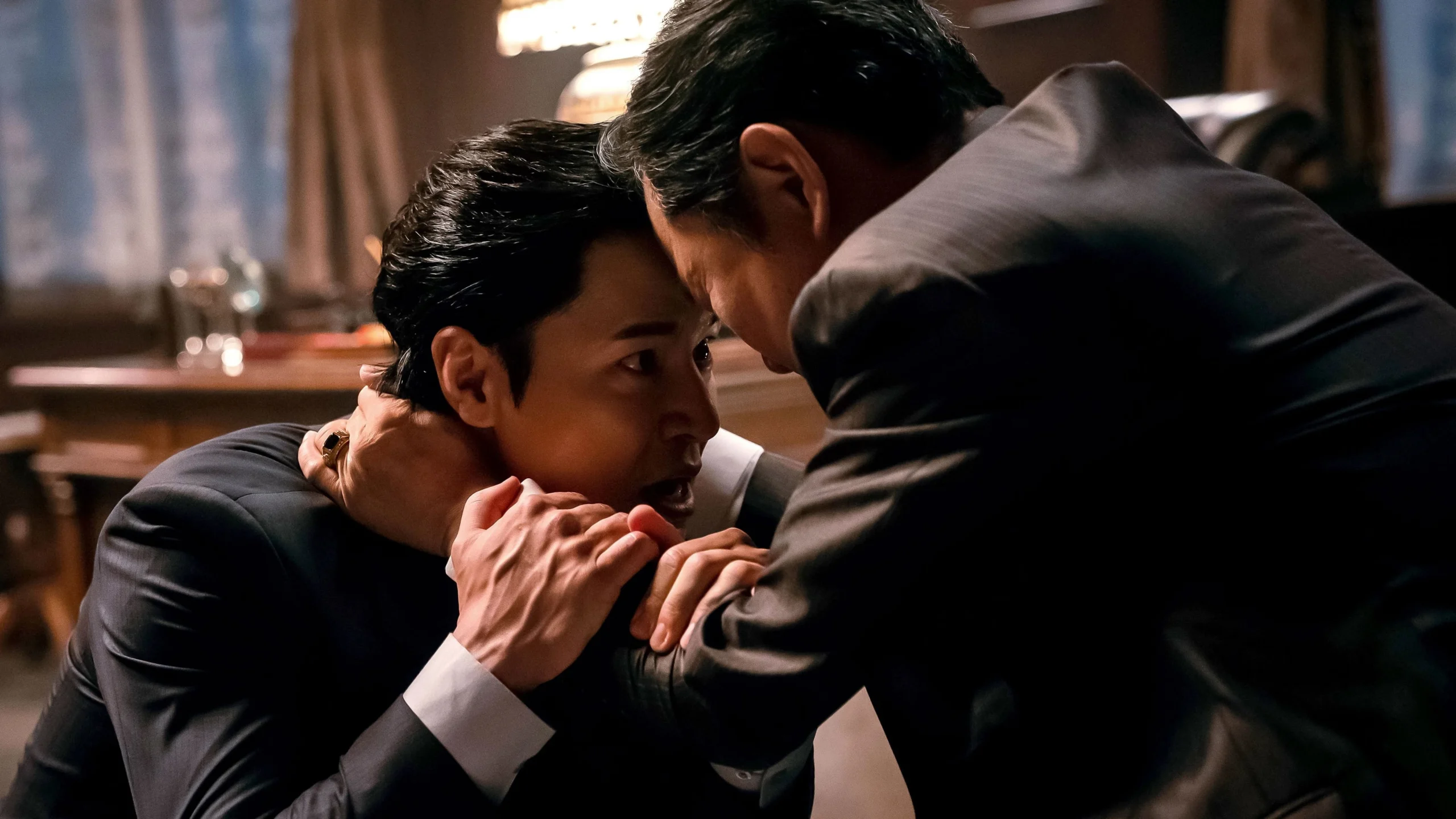
The coup finally happens — and it isn’t San’s or Samsik’s Jung Han-min, not San and not Samsik, is the one who actually pulls the trigger on the coup — recruiting soldiers who’ll go on to become the new regime’s interrogators and moving ahead the moment General Choi hesitates. It isn’t a triumph for anyone watching. It’s a plan built by committee finally outrunning every person who thought they were steering it.
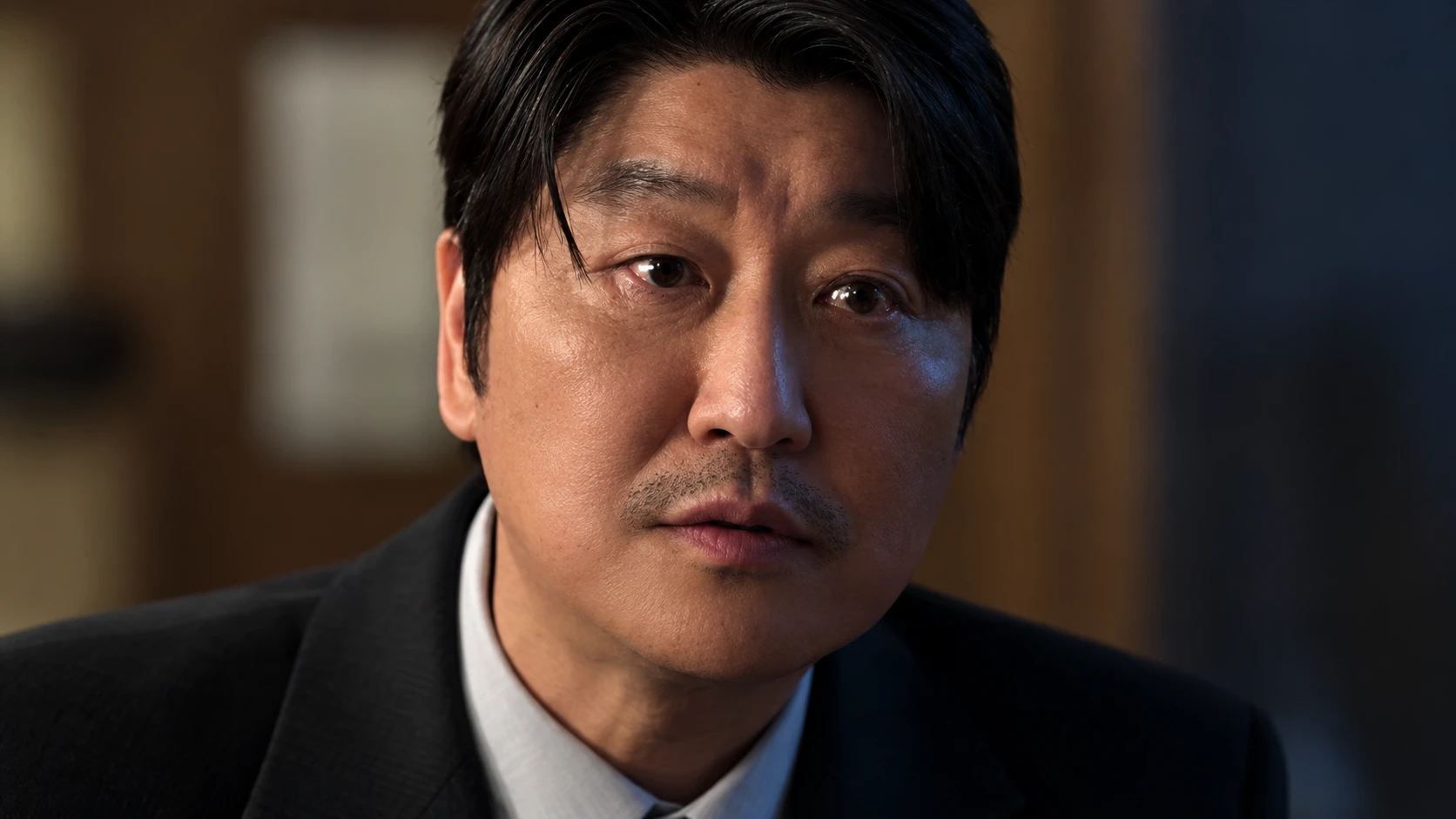
San’s response — trying to stop a coup he once might have welcomed — is the clearest sign of how far he’s drifted from the man Samsik recruited back in episode two. He’s not fighting for democracy in the abstract anymore. He’s fighting because he finally understands what Samsik’s “great plan” actually costs, and he doesn’t want to be the one who paid for it.
Captain Lee is revealed as General Choi’s betrayer The finale answers the question the whole season has been circling — who sold out General Choi — and the answer is Captain Lee, his own trusted lieutenant, not Han-min, not Samsik, and not San. It’s a small, almost anticlimactic reveal on purpose: betrayal in this world doesn’t need a mastermind, just someone close enough to have the opportunity.
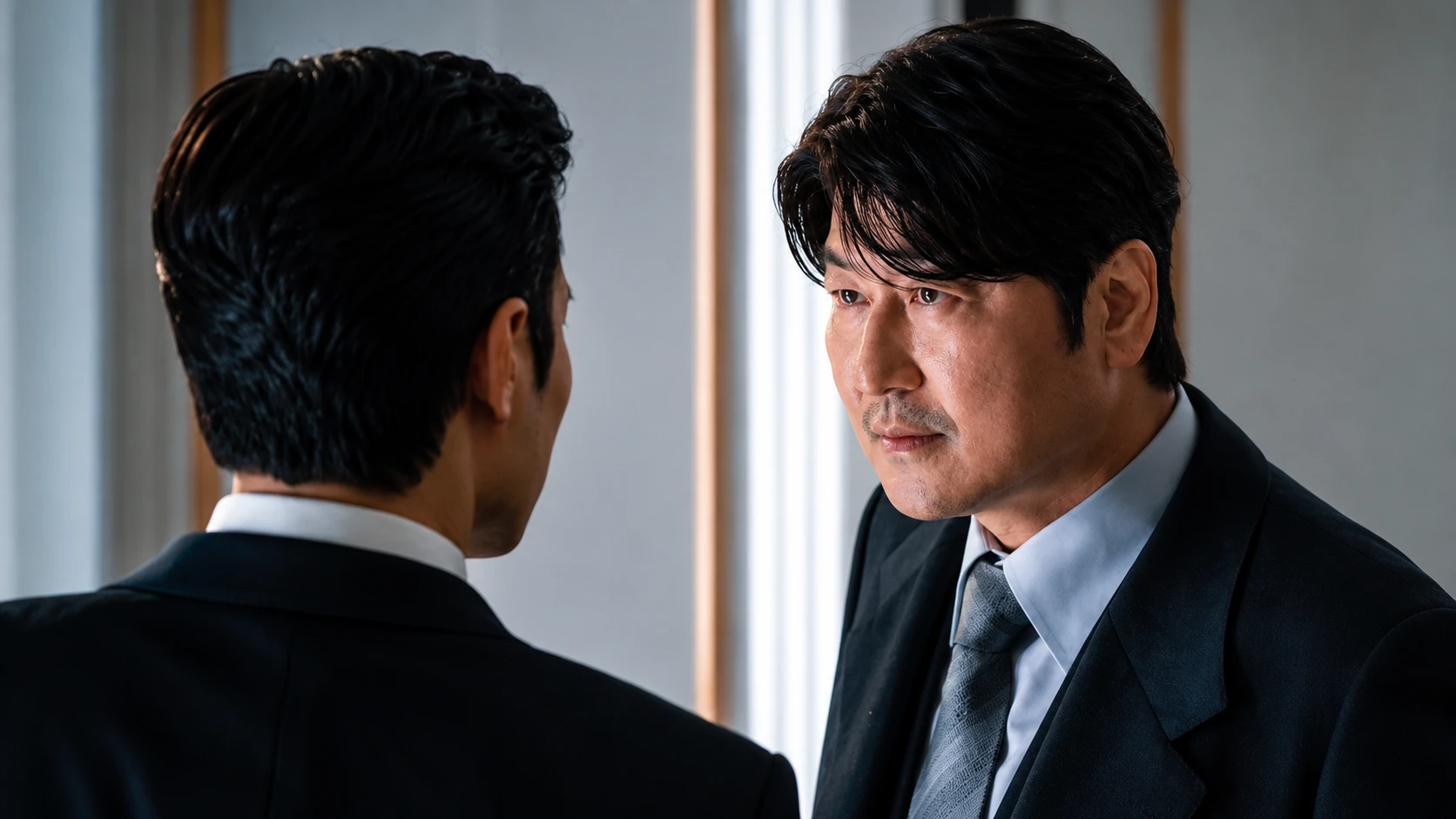
That reveal matters because it clears San and Samsik of the one crime that could have made either of them a clean villain. Neither man killed General Choi. They just built the conditions where somebody like Captain Lee could.
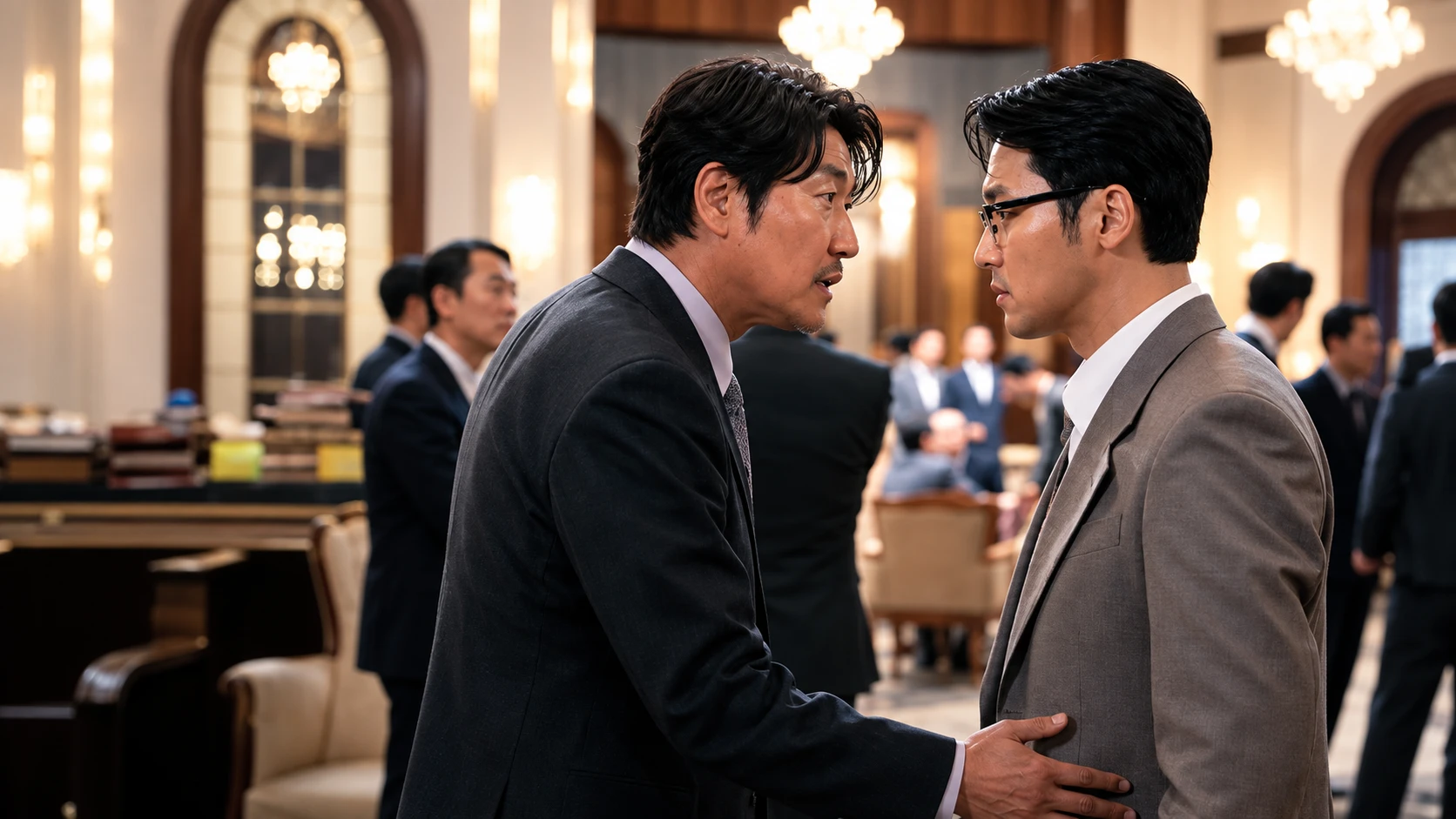
Samsik’s execution — and what “three meals a day” finally meant Samsik’s last request is almost embarrassingly small for a man who spent sixteen episodes thinking in decades and dynasties: he admits he’s never eaten pizza. Then he’s walked to his execution while San, locked in another room, can only listen. San survives, gets released, and goes on to the kind of future Samsik spent the whole series engineering for him — which means Samsik’s final act of loyalty and his final act of self-destruction turn out to be the exact same decision.
✍️ KDramaWorlds Editor’s Take
Here’s our real take, and exactly who this one’s for.
Give Song Kang-ho a role built entirely out of smiles that don’t reach the eyes and he’ll find twenty different ways to make that unsettling instead of cartoonish — that’s the whole engine of Uncle Samsik’s first half. Doo-chill never raises his voice, never needs to; he just keeps offering people exactly what they want until they’ve signed away something they didn’t realize was for sale. It’s a quieter kind of menace than Reborn Rich‘s boardroom theatrics, and arguably a more convincing one.
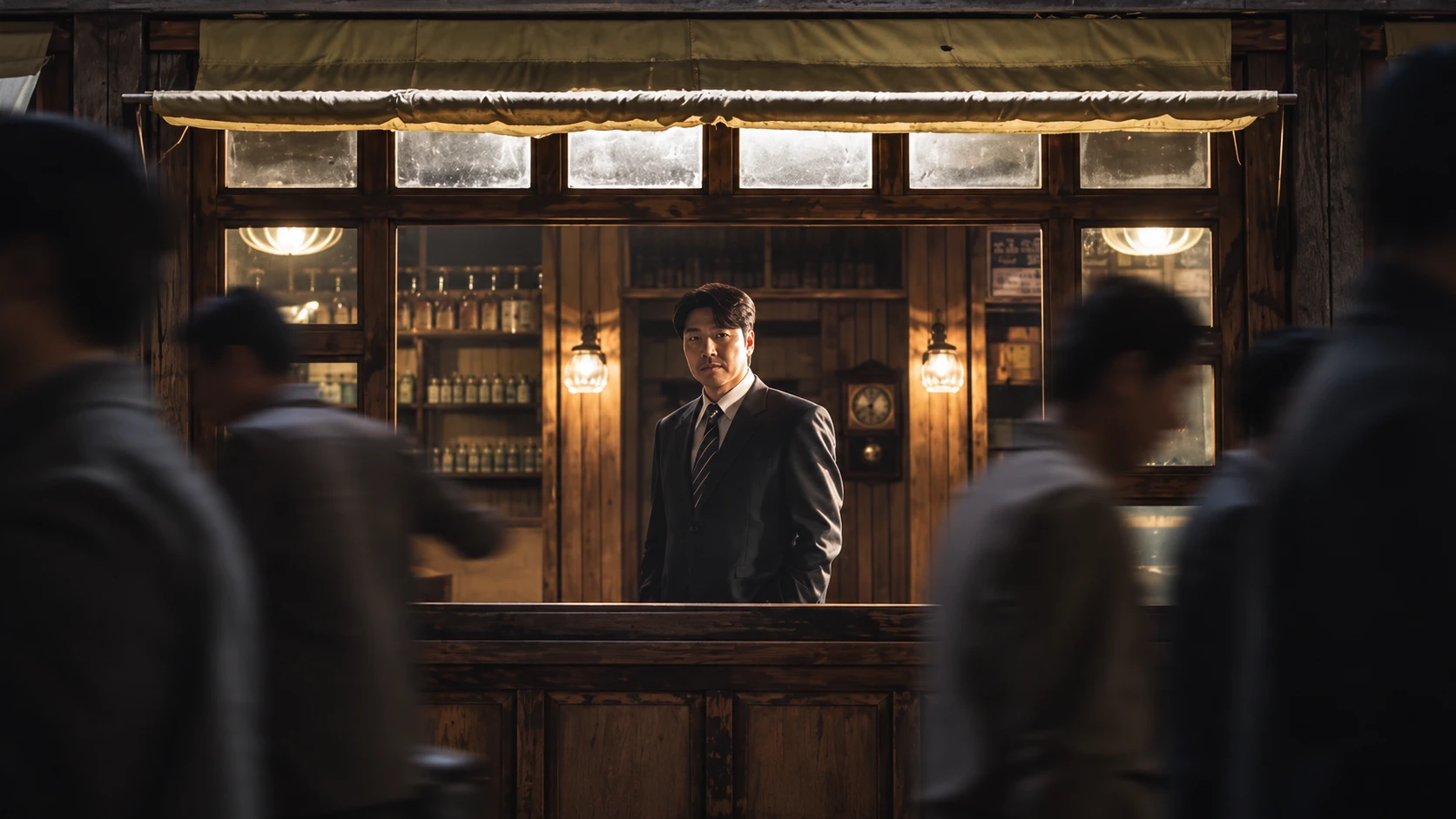
Byun Yo-han has the harder job, playing a man who’s supposed to be smart enough to see through Doo-chill and spends thirteen episodes not quite managing it — the show earns that by making San’s blind spot specific (ambition dressed as idealism) instead of just generic naivety. Anyone who enjoyed watching a principled outsider get slowly reshaped by the system he meant to fix should already be thinking of Payback: Money and Power, minus that show’s courtroom catharsis.
What keeps Uncle Samsik from tipping into prestige-drama self-seriousness is that it never pretends either man is purely using the other. Doo-chill’s jealousy of General Choi in episode seven is genuinely petty. San’s late-season coldness toward the man who made him is genuinely earned. By the finale, the show has made its tragedy feel inevitable rather than scripted — which, for a show about men engineering outcomes, is the hardest trick to land.
🎬 You Might Also Like
If you liked Uncle Samsik, these are your next three watches.
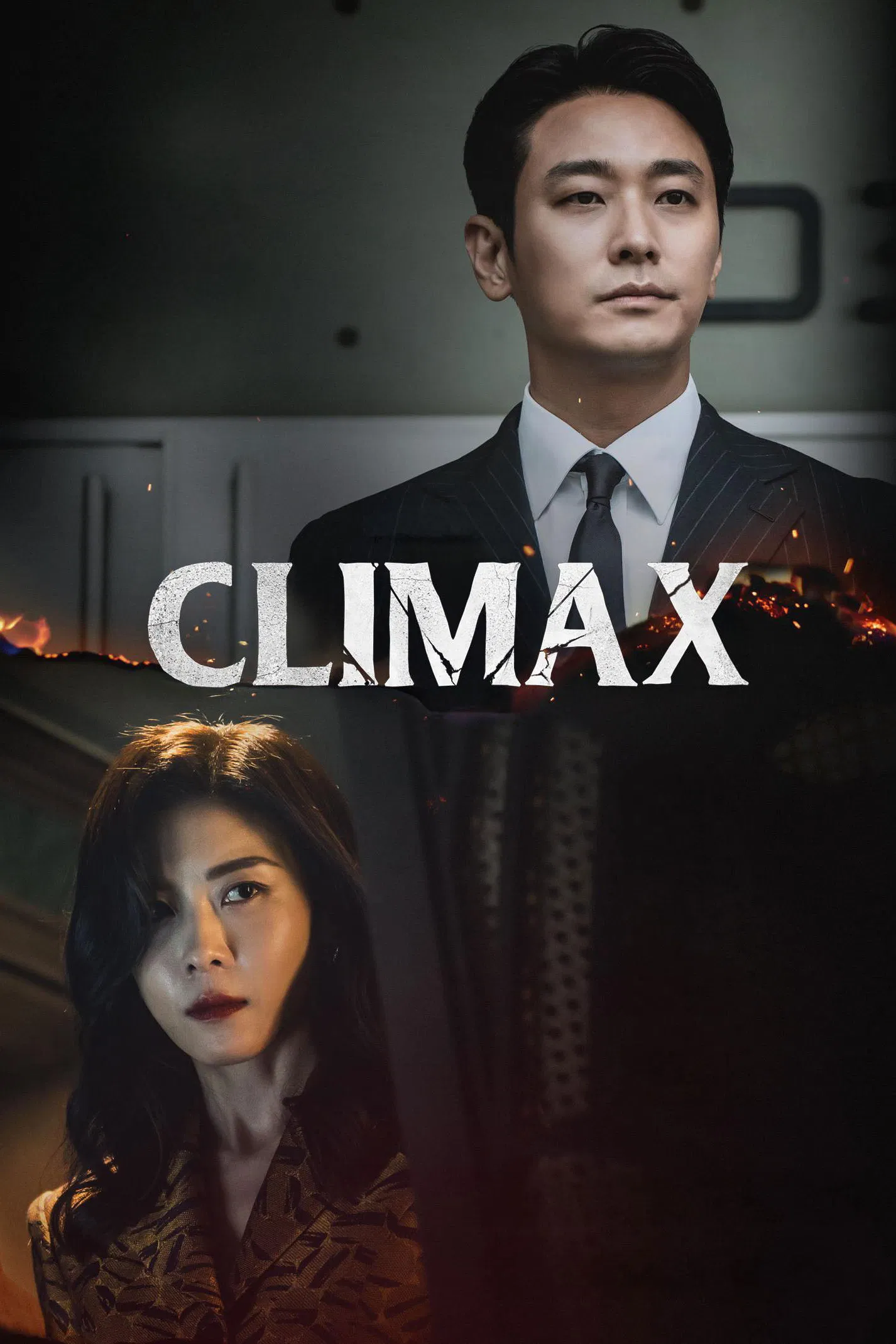 Climax
Corrupt ProsecutorHa Ji-won
Read Full Review →
|
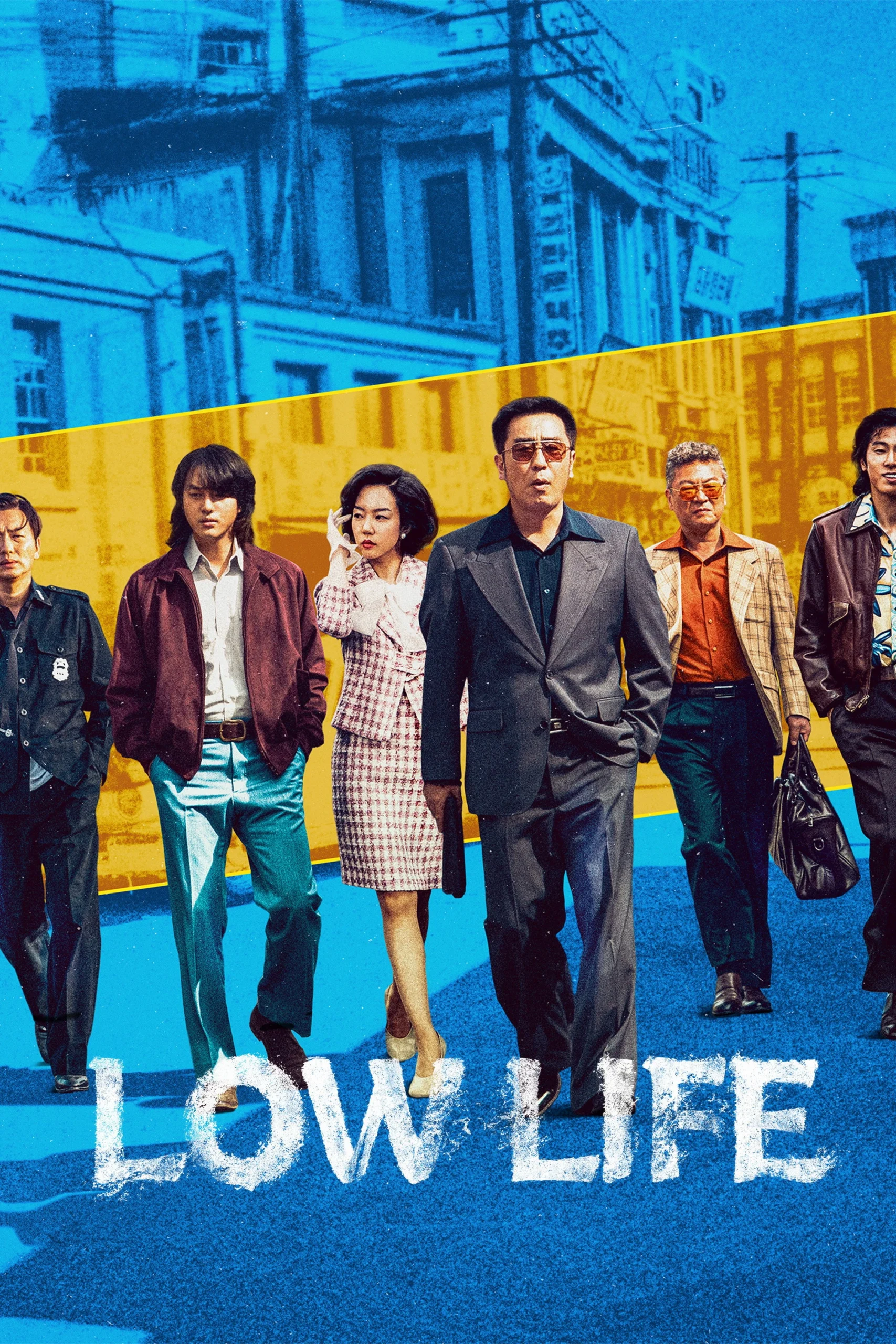 Low Life
Betrayalcrime
Read Full Review →
|
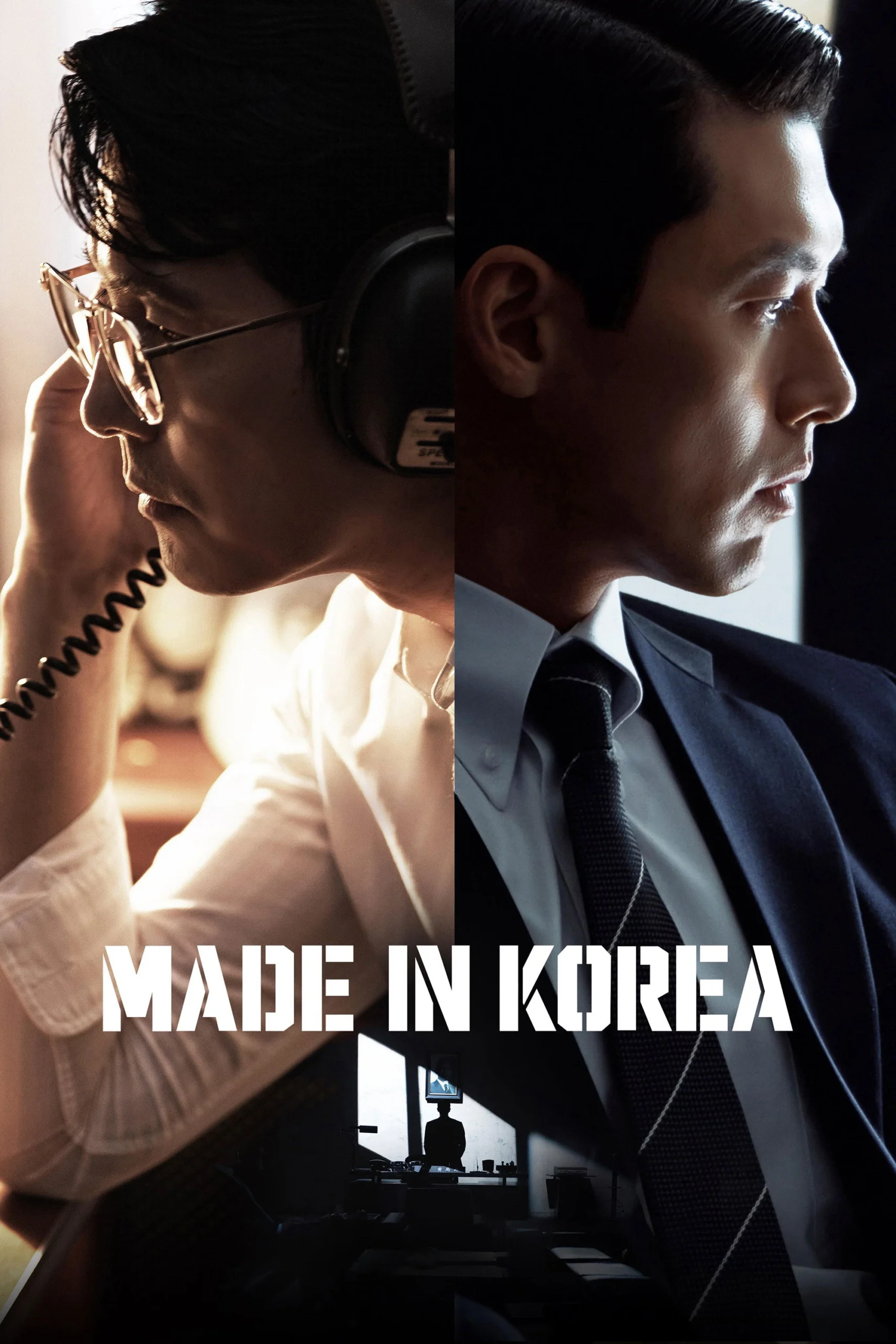 Made in Korea
Antihero Male LeadCorruption
Read Full Review →
|



Keep it kind, skip the harsh language, and please — no spoilers. Everyone's taste is different, and that's perfectly fine.
This space is for real reactions and discussion from other viewers. Help keep it comfortable for everyone by not giving away major plot details.
What do you think of this drama?
Login to share your review or leave a comment.
No email needed — just pick a username & password.