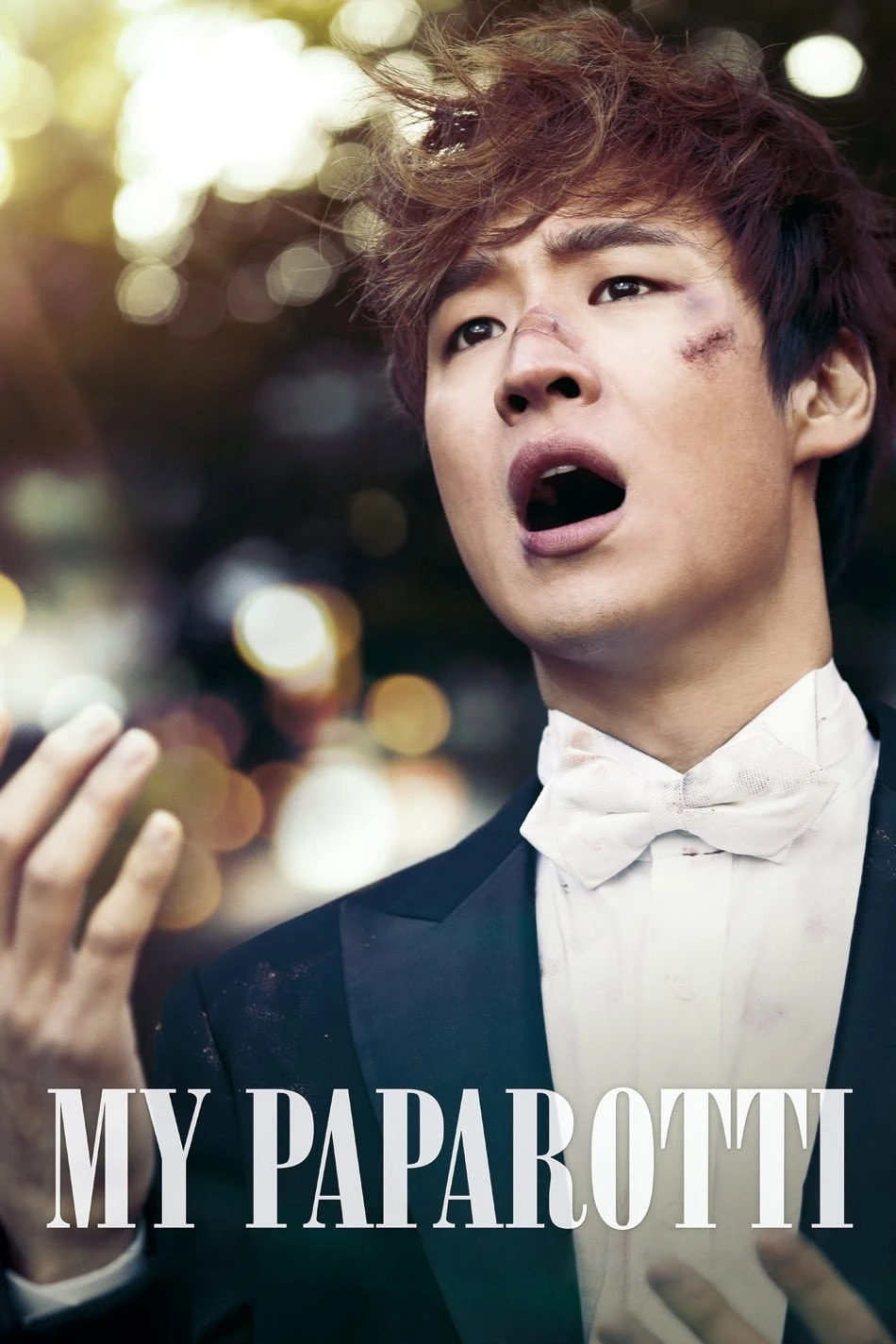
My Paparotti
🎬 Film Overview
Jang-ho (Lee Je-hoon) is a gifted high school student with a voice that belongs in an opera house and a life that belongs to a local gang. Sang-jin (Han Suk-kyu) is a promising vocalist whose singing career ended with a vocal cord tumor, and he now teaches music at a countryside art school with a cynic’s patience. When the principal, an old friend, asks him to look after a troublesome new student, the two recognise each other at once and neither is pleased. Yoon Jong-chan’s 2013 comedy-drama, reportedly based on the story of singer Kim Ho-joong, turns that bad first impression into a warm study of what a teacher owes a gift, and what the gift costs the boy who carries it.
⚡ Quick Verdict
No scrolling required — the verdict’s right here.
Watch My Paparotti Free (US Only)
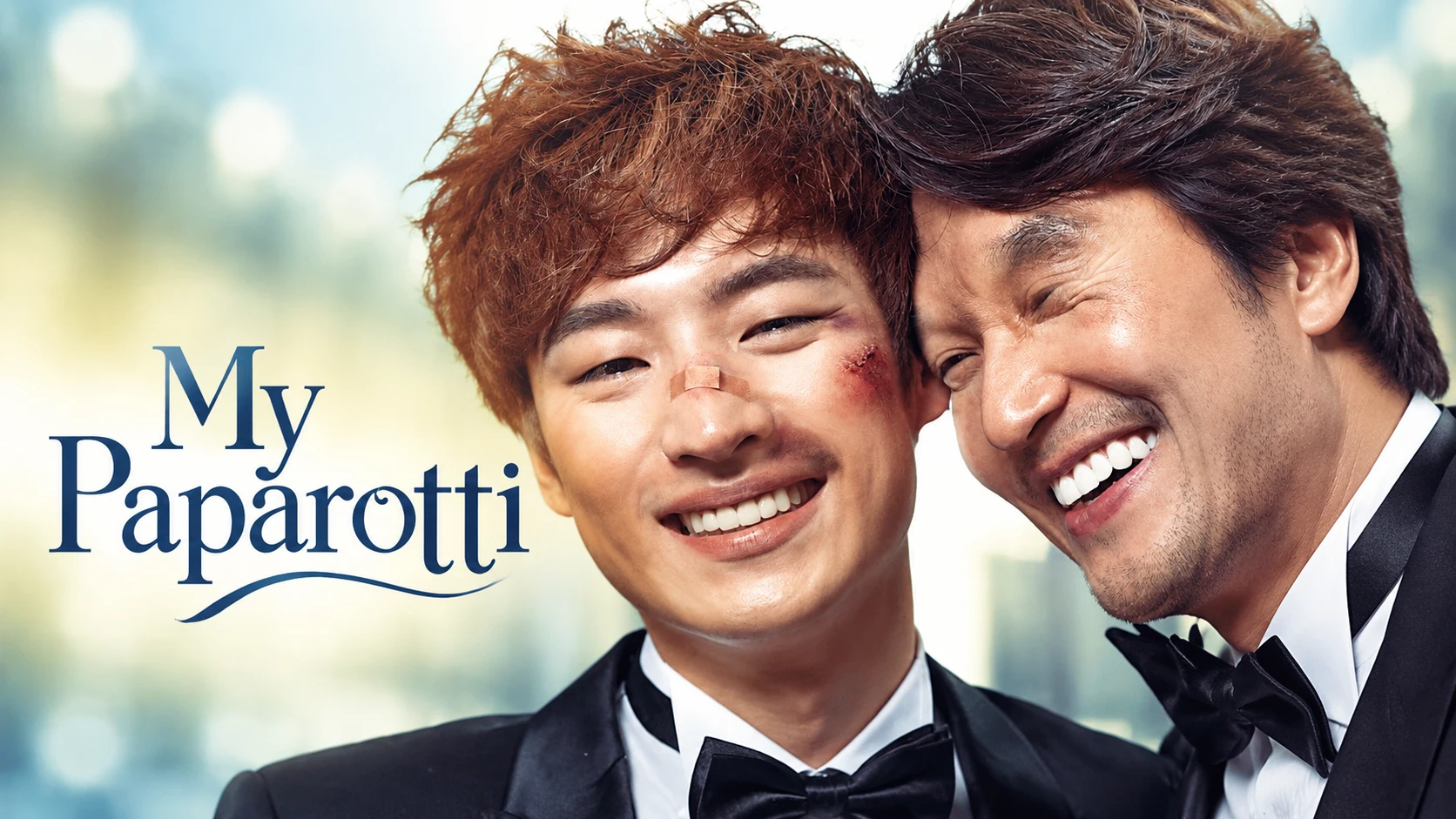
This film is free with ads, but the stream is currently available only in certain regions, mainly the United States. If the player shows “not available in your country,” the film can’t be played from your location.
Official Videos


🎭 Cast & Characters
The teacher, the student and the people around them.

Lead
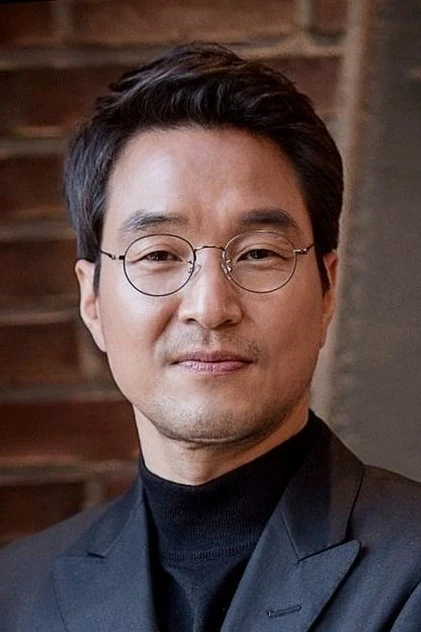
Lead

Supporting
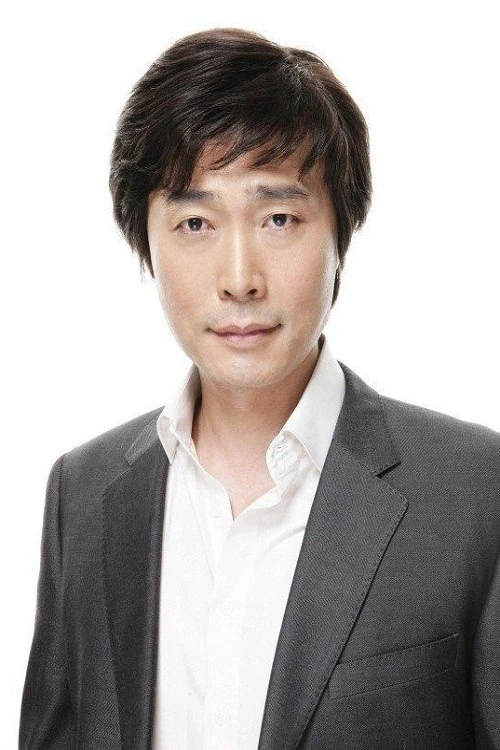
Supporting

Supporting
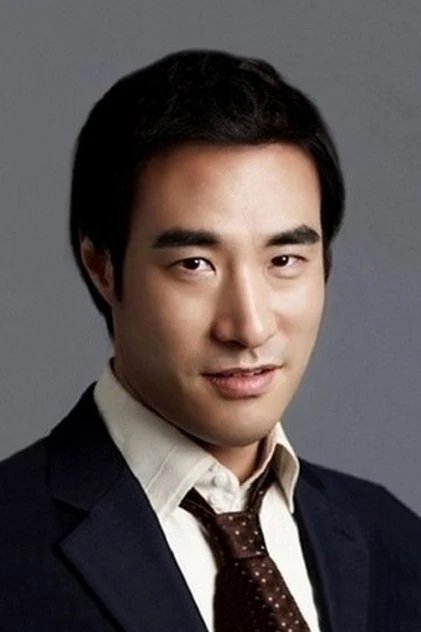
Supporting

Supporting

Supporting
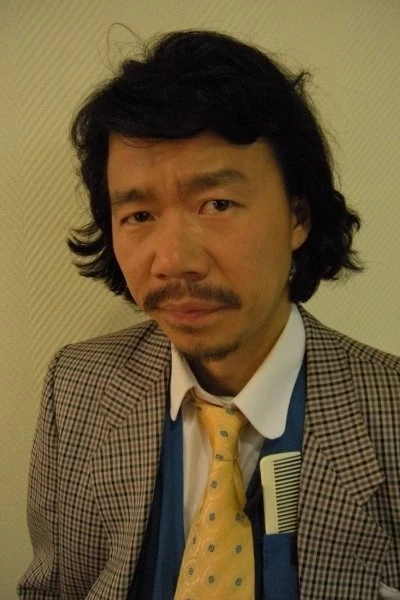
Supporting

Supporting

Supporting
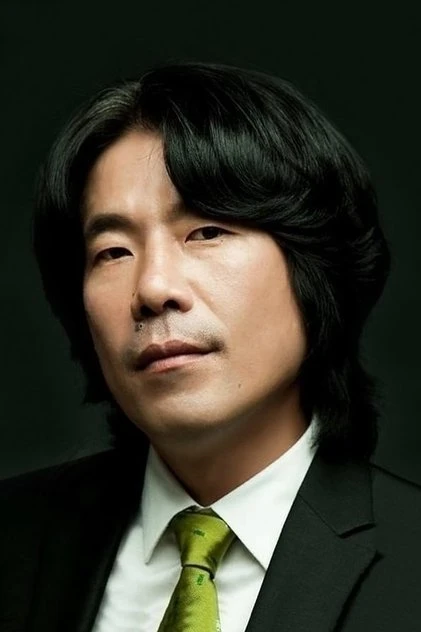
Supporting
📖 The Story
No spoilers ahead — just enough to see if it fits your taste.
Sang-jin was once a promising vocalist, but a vocal cord tumor ended that road, and when the film begins he is a music teacher at a countryside art high school. The trailer introduces him with a short card, “A cynical music teacher,” and the first scenes show a man who has made peace with a smaller life. He has a wife, Mi-sun, and a son at home, and a job he does without much passion. Han Suk-kyu has explained that the character was first written with a Gyeongsang dialect; since he is a Seoul native, he suggested turning Sang-jin into a Seoul man who failed in life and drifted down to the country, which suits the tired, wry teacher on screen.
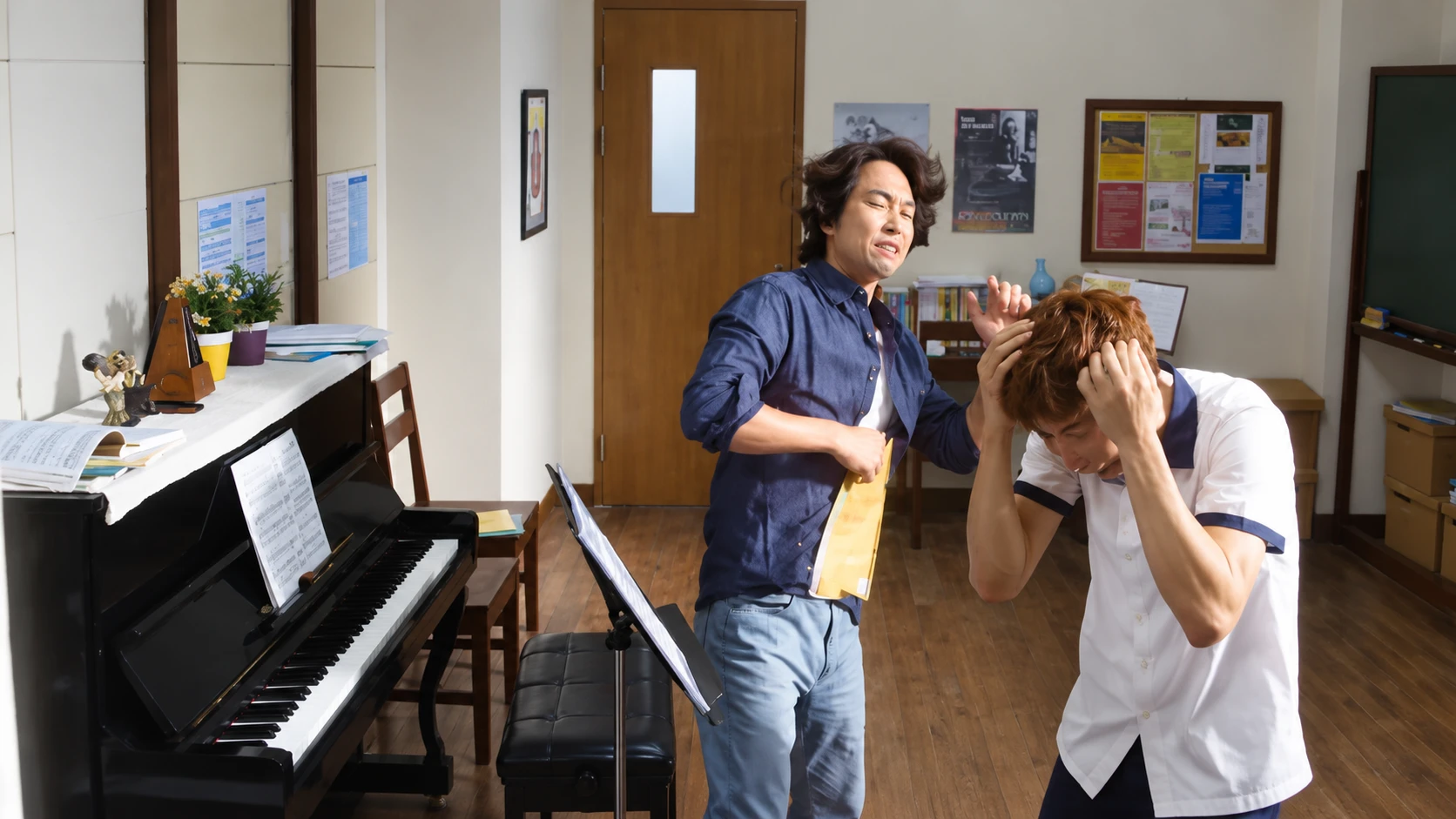
Jang-ho is the opposite kind of student. He belongs to a local gang and has been expelled from school several times, yet he dreams of becoming the next Pavarotti, the great Italian tenor whose name the film borrows for its title (and gently teases, since the Korean spelling bends it into Paparotti). The trailer card for him reads “A high school gangster with a gifted voice.” The setup echoes the story usually cited for the film, that of Kim Ho-joong, who told Star King viewers in 2009 about growing up among thugs before his grandmother pushed him toward singing.
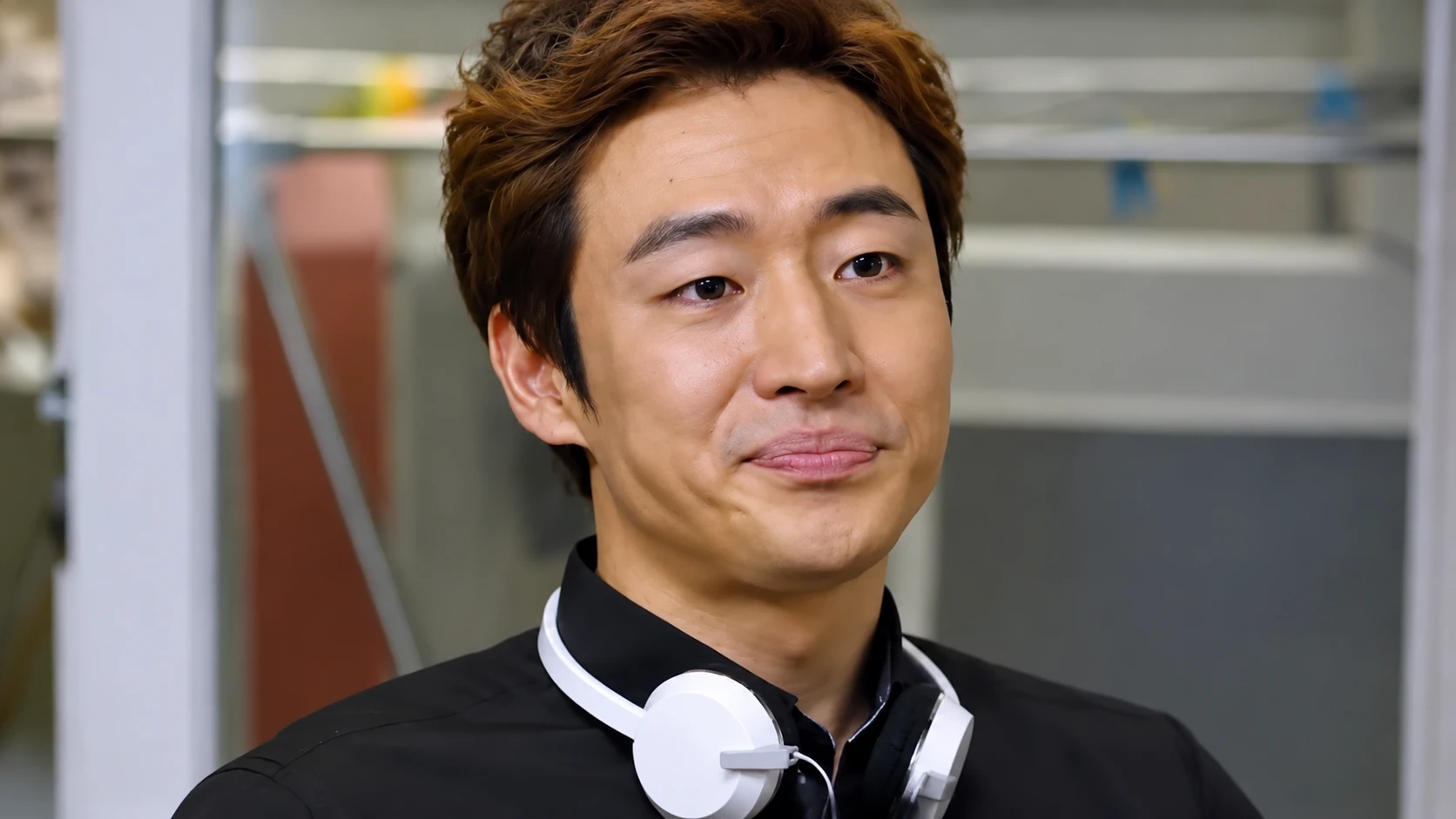
The school principal, Deok-saeng (Oh Dal-su), is an old friend of Sang-jin and asks him to take care of the new student. The meeting goes badly in an interesting way, because teacher and student recognise each other instantly; they have crossed paths before, and Sang-jin sees only a gangster who has been thrown out of school more than once and sounds like a hopeless case. One of his lines, “A thug who sings, how nice!”, sounds more like a joke at the boy’s expense than praise, while Jang-ho, in his own clumsy way, keeps trying to be taken seriously.
Then Jang-ho sings, and the teacher has to listen. A bar scene in the trailer shows a table of drinkers asking “Where did you learn to sing like that?”, which hints at how natural the boy’s voice is even though nobody trained it. Sang-jin takes him on reluctantly, and Deok-saeng is already entering the boy in singing competitions, since the school badly needs a better reputation. A small production detail is worth knowing: the voice heard in the film is Kang Yo-sep’s, and Lee Je-hoon’s lip-sync is good enough that reviewers praise it.
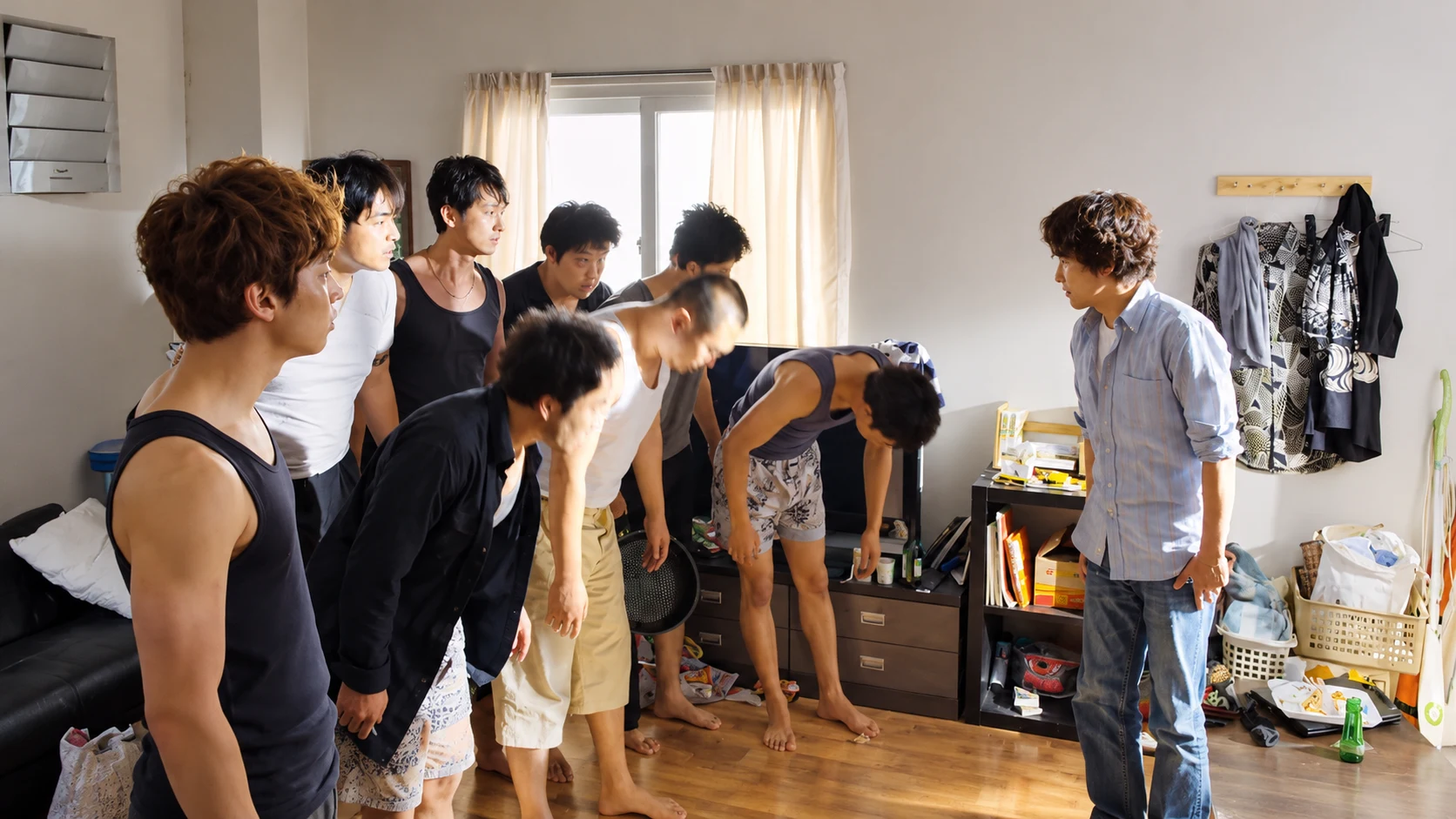
Talent alone settles nothing. Sang-jin sees that Jang-ho is not ready for the stage, partly because his attention is split between music and his work as a gangster, and his insistence that “Classical music is not for hobby” is as much a demand as a warning. Chang-soo (Cho Jin-woong) took care of Jang-ho when nobody else did, so the debt is real, and the trailer shows rough scenes with gang members, including a crowded room of men in vests and a calmer moment where the teacher speaks to two men in black. Walking out of a gang is rarely as simple as walking out of a classroom.
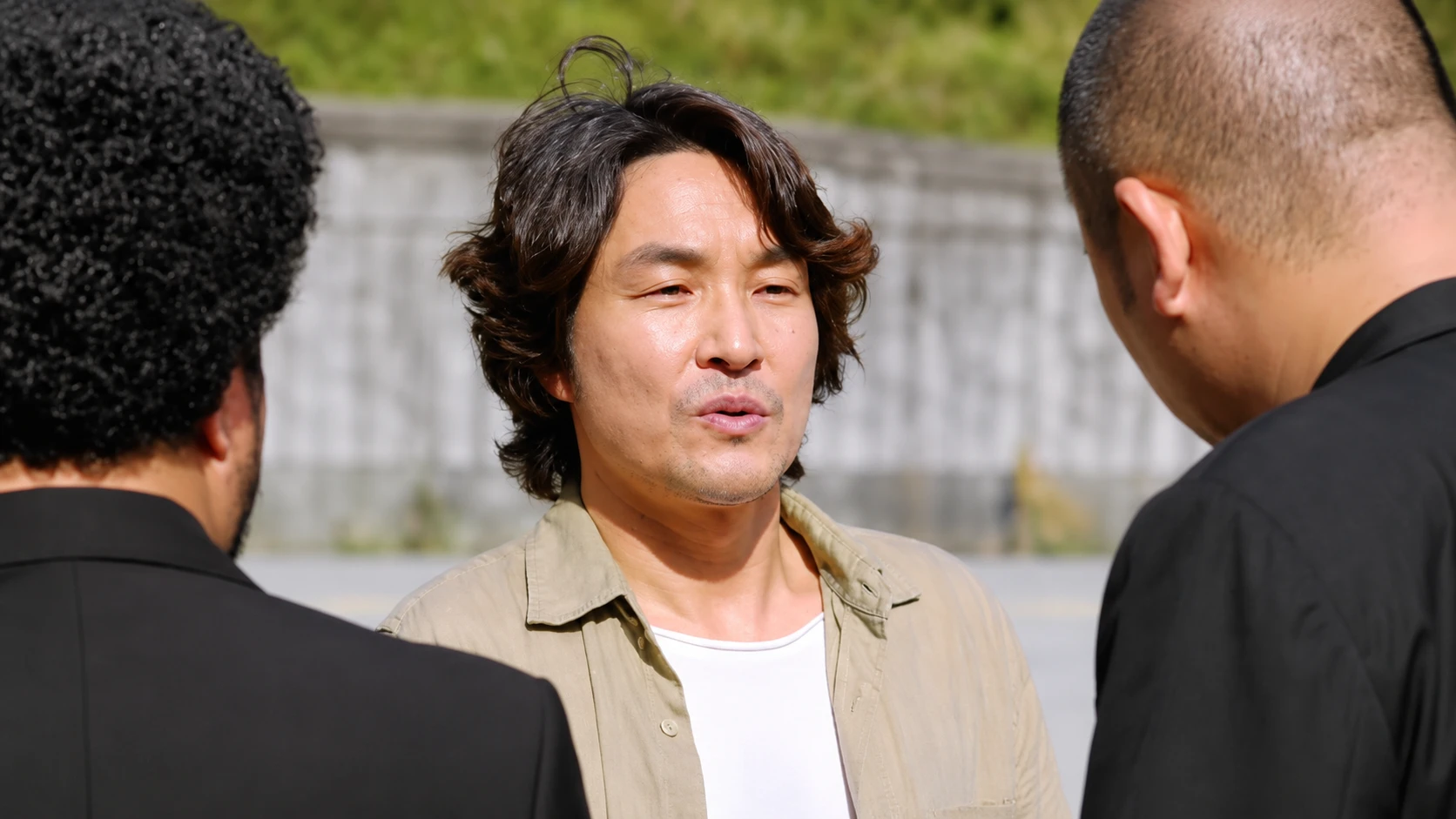
The film plays much of this as comedy. The trailer cuts between teacher and student in a school corridor, in a piano room, in a car park and in a car, and reviewers note a cheerful tone with a thread of tragedy and a few gangster-flick moments that give a sense of Jang-ho’s world. We also see Sang-jin’s family now and then, which fills out why he guards his small life so carefully. Jealousy sits in the relationship too. Han Suk-kyu has described Sang-jin as someone who looks at his student the way Salieri looked at Mozart, with envy, and who still gets to live out a surrendered dream through the boy.
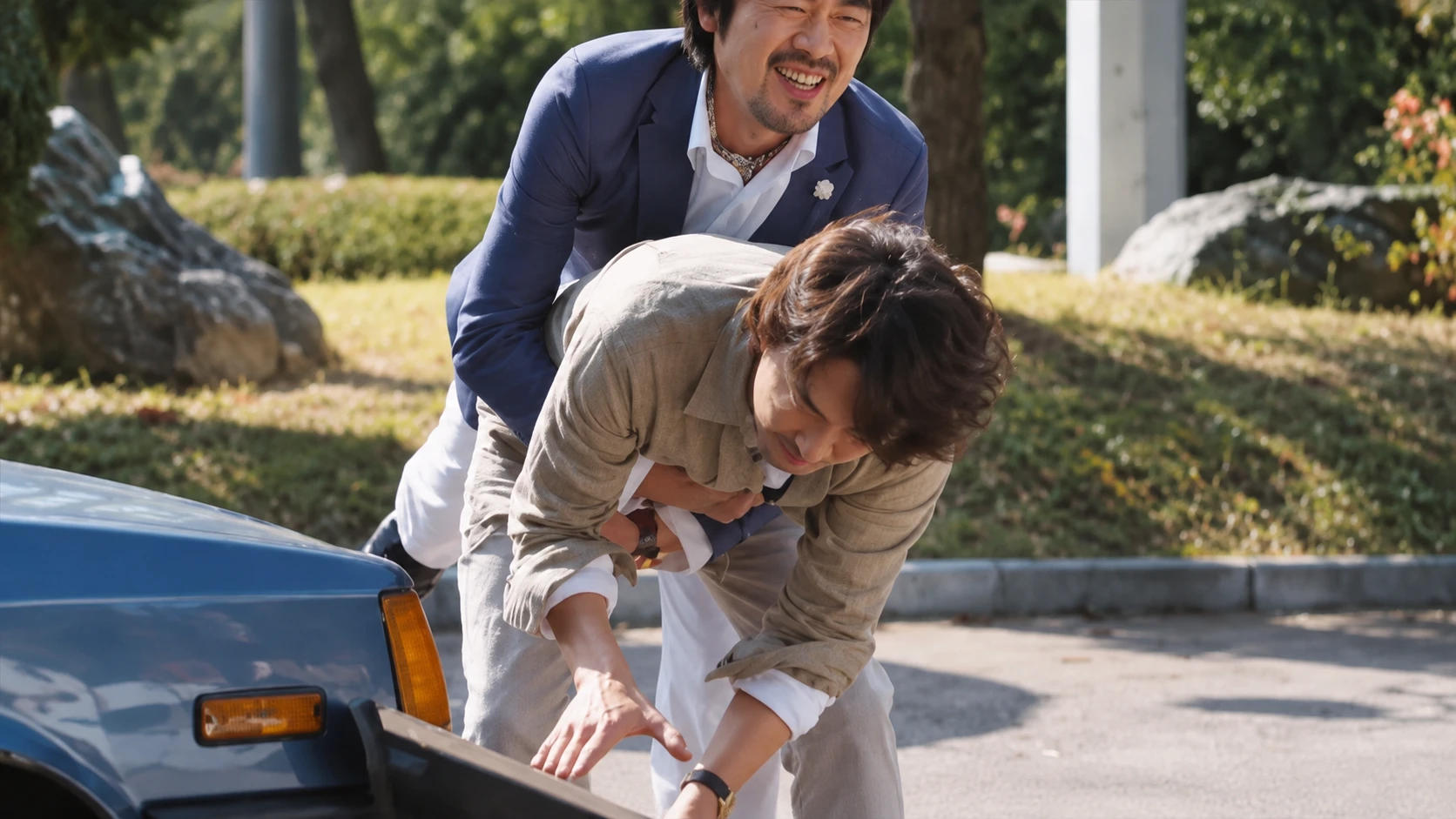
What keeps the story moving is the question of what each of them will do about the talent in front of them: whether the boy will risk his place in the gang for music, and whether the teacher will risk his comfortable cynicism for a student. A father-and-son warmth grows between them without turning corny, and then an unexpected conflict between two gangs in town pushes Jang-ho into a critical situation. The stakes build toward a singing competition, and the next section covers where that leads, with spoilers.
🏁 Ending Explained
Full spoilers from this point — what happened, and why.
The competition goes wrong Reports of the final stretch are thin, so it helps to separate what is solid from what is not. The solid part is the shape of the third act: the clash between the town’s two gangs forces Jang-ho into a critical situation just as his musical chance arrives, and several obstacles stand in the way before the story reaches its warm conclusion. A single plot summary adds that the clash leaves him injured before the competition, that he arrives late and is disqualified, and that Sang-jin begs the judges to let his student sing. I could not match those specific beats to a second source, so treat them as likely but unconfirmed.
If that account is right, it is the cruelest version of the film’s central tension: the gang life Jang-ho could not leave behind is exactly what costs him his chance. It also puts Sang-jin in a position he has not been in for years, pleading in public for someone else’s voice. The old singer who gave up quietly now has to fight loudly, which says more about how far he has come since the opening scenes than any speech could.
Italy and a later concert The same summary has Jang-ho studying in Italy afterwards and later performing as a world-class tenor, dedicating his concert to his teacher. That would fit the question Wikipedia’s synopsis ends on, whether Jang-ho can overcome the obstacles and fulfill his destiny as a world-class vocalist, and reviewers agree we are not denied a happy ending. I found no review that walks through the Italy sequence or the concert, so the destination (success, thanks to Sang-jin) is far better supported than the route taken to reach it.
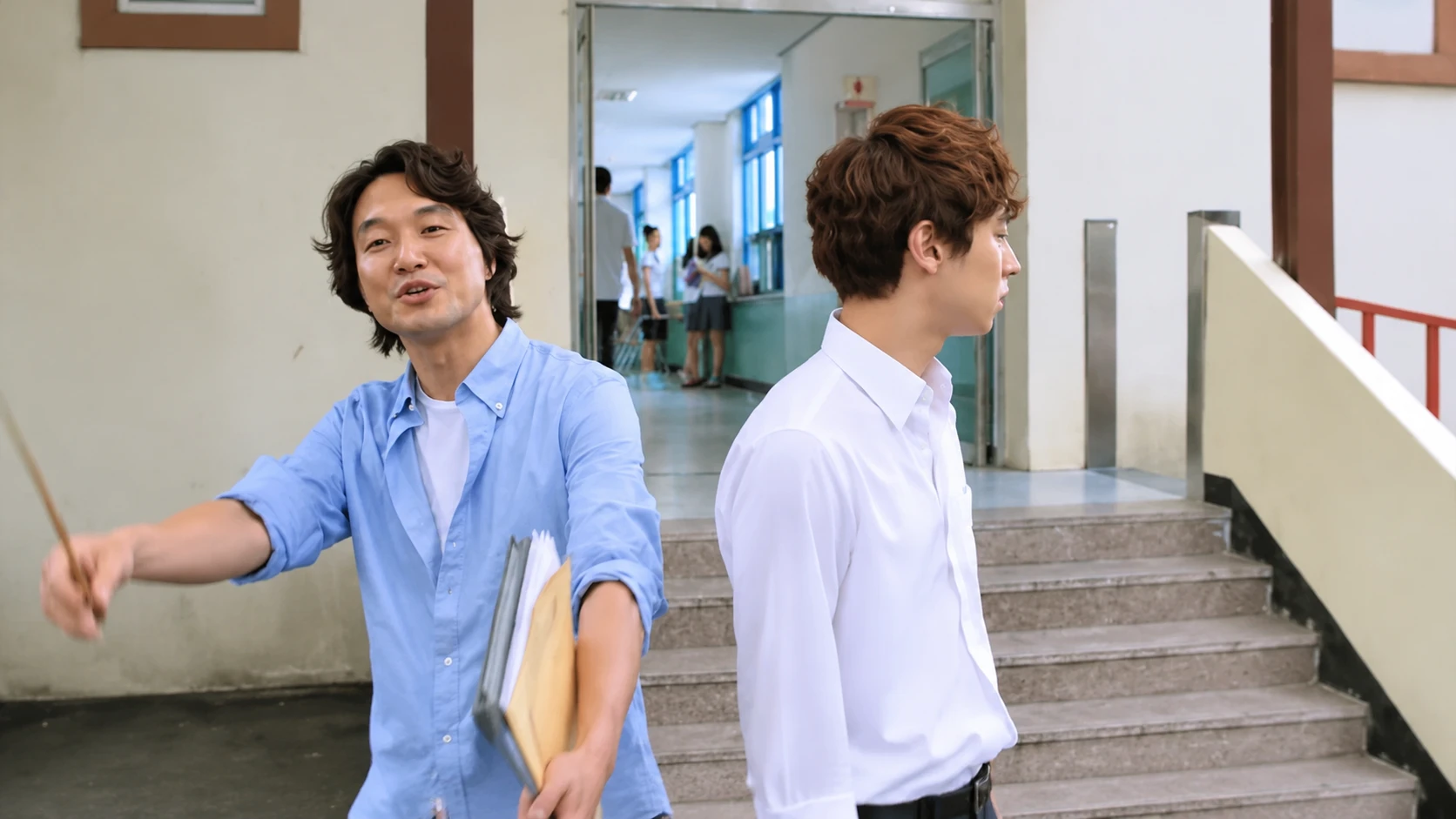
Whatever the exact staging, the emotional logic is easy to follow. Sang-jin, who once gave up on his own singing career, becomes the person who sends someone else toward the life he lost. Han Suk-kyu said this is what drew him to the script: a teacher who fulfills his own dream through a student. The film needs no twist to make that land, and it avoids a forced romance for the same reason; the relationship between the two leads is the love story.
What the ending means My Paparotti ends on the idea that a gift can be rescued by the right teacher, even after a public failure. It also echoes the message Han Suk-kyu says he wanted teenagers to take from it: do what you want to do, even though keeping it going is hard. Reports of the final scenes are limited, so finer details may differ from how other summaries tell them. What stays consistent is the arc, from a gangster who sings in bars to a tenor whose success belongs partly to the man who believed in him, with at least one famous aria, “Nessun Dorma”, among the pieces sung along the way.
✍️ KDramaWorlds Editor’s Take
Worth watching or not — our honest read, and who it’s for.
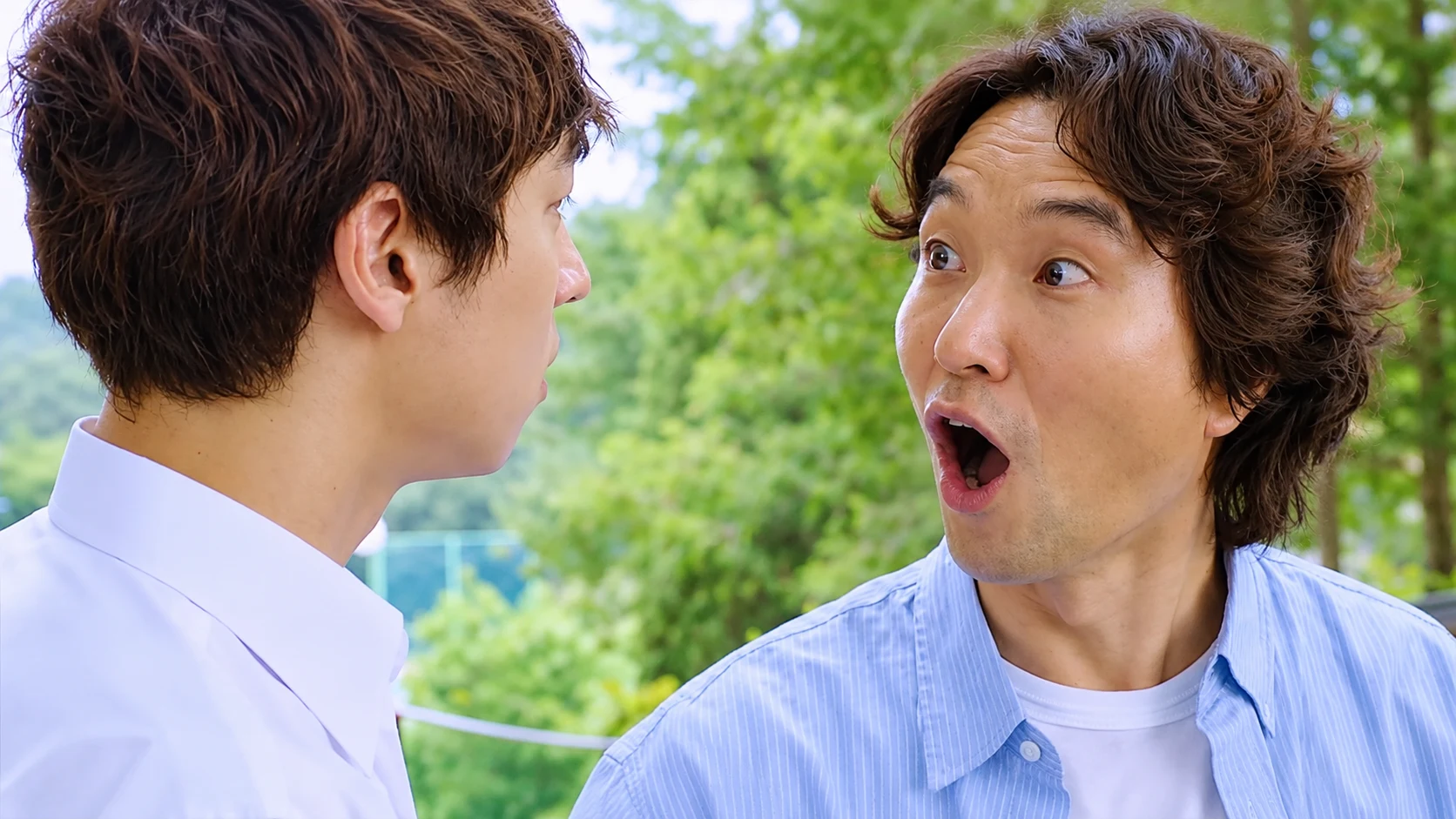
My Paparotti works because it lets a familiar story breathe through its two leads. Han Suk-kyu plays the cynical teacher with a lot of dry humor, and Lee Je-hoon gives the gangster student a gruff charm that makes the dream of becoming a tenor believable. Lee reportedly enlisted for his military service right around the time the film came out, which gives his performance a little extra weight in hindsight. The gangster-meets-school premise also invites a comparison with High School Return of a Gangster, though this film is far gentler and treats the classroom as a place where a rough kid might actually get saved.
The film does not hide where it is going. A gifted outsider and a reluctant mentor is a well-worn structure, and AsianMovieWeb’s reviewer says you can predict every step of the way and that without the actors it could have been a bit boring. The pleasure is in the details: the piano room, the school corridors, the comic friction between the two, and the rare scenes where the teacher’s family shows what he stands to lose. It sits comfortably beside other early-2013 crowd-pleasers such as Miracle in Cell No. 7 in aiming for warmth first. It earned about $10.4 million in South Korea, audience scores are positive but modest (TMDB 7.1 from 34 votes), and the film is rated 15+ in Korea.
The film is also honest about the thing it admires. Opera is treated with affection rather than reverence, so the singing scenes land as moments of feeling and do not play as showpieces, and the one misstep a reviewer noted is leaning on a piece as well known as Nessun Dorma. The supporting players, led by Oh Dal-su as the principal and Cho Jin-woong as the gang elder, give the school and the gang a lived-in feel, while Kang So-ra gets less room than a love interest might have. If you like warm Korean comedies that take music seriously, it is worth a watch. Go in for the chemistry and the singing rather than for plot surprises, and for the sense of a teacher quietly handing a dream down to a student.
🎬 You Might Also Like
If you liked My Paparotti, these are your next three watches.
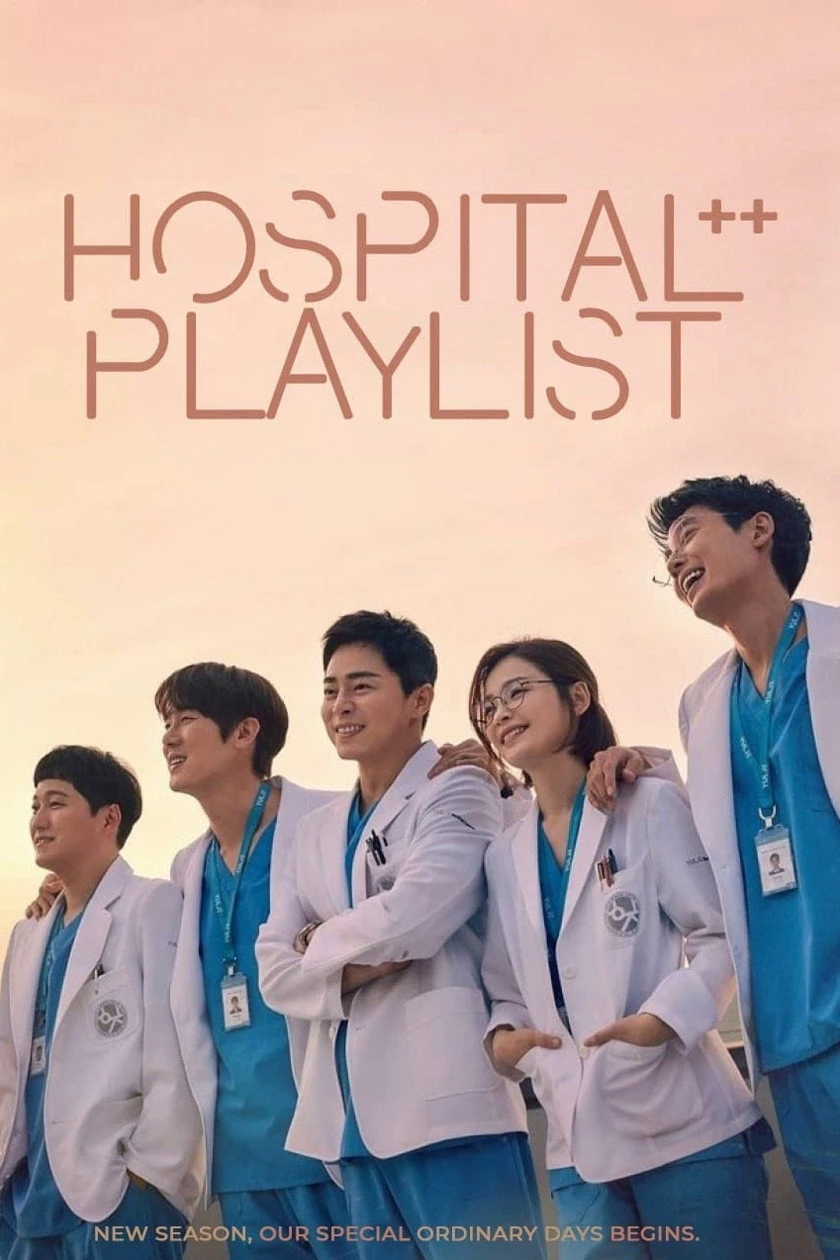 Hospital Playlist (Season 2)
Cho Jung-seokcomedy
Read Full Review →
|
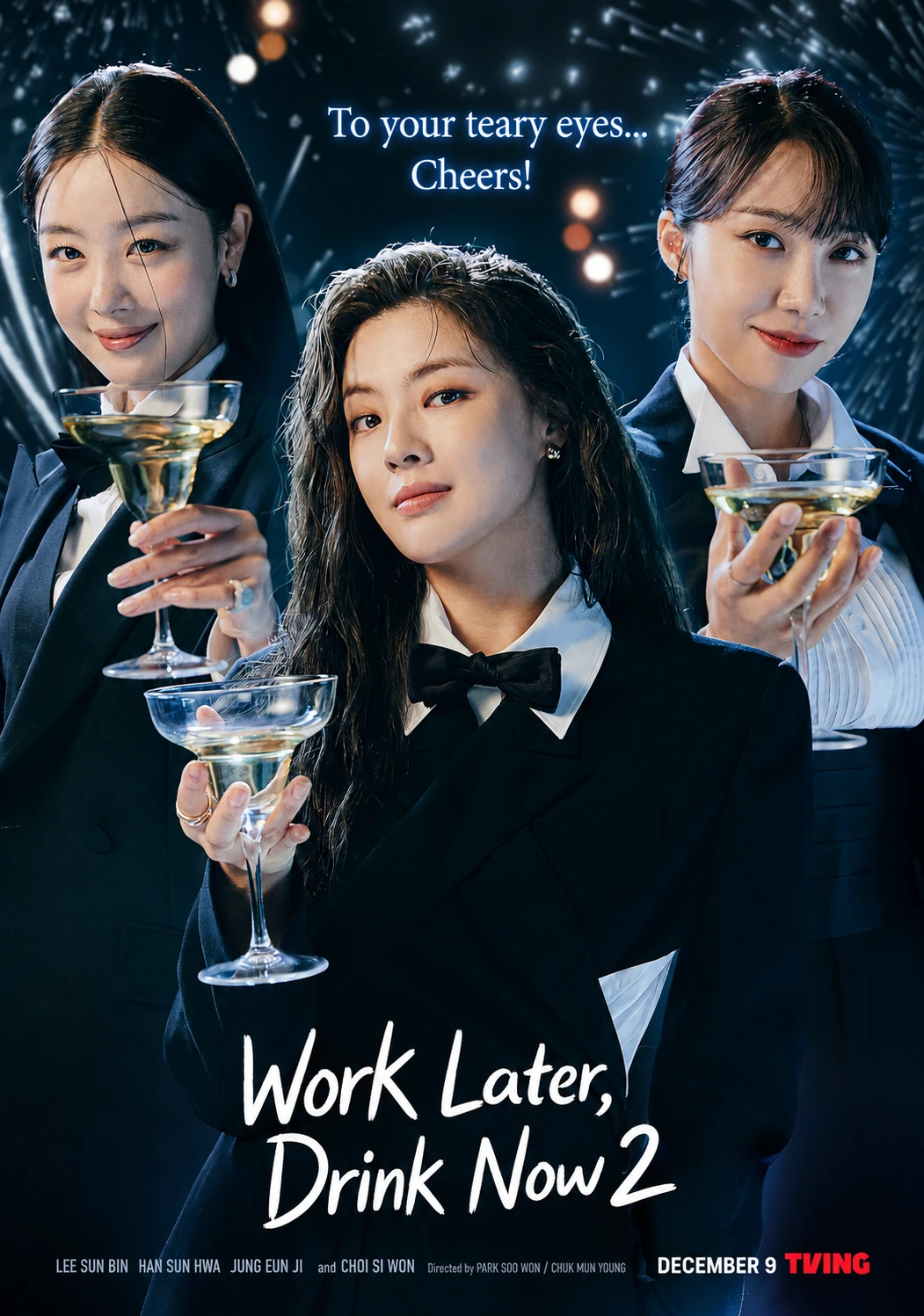 Work Later, Drink Now (Season 2)
comedyDrama
Read Full Review →
|
 Work Later, Drink Now (Season 1)
comedyDrama
Read Full Review →
|






Keep it kind, skip the harsh language, and please — no spoilers. Everyone's taste is different, and that's perfectly fine.
This space is for real reactions and discussion from other viewers. Help keep it comfortable for everyone by not giving away major plot details.
What do you think of this drama?
Login to share your review or leave a comment.
No email needed — just pick a username & password.