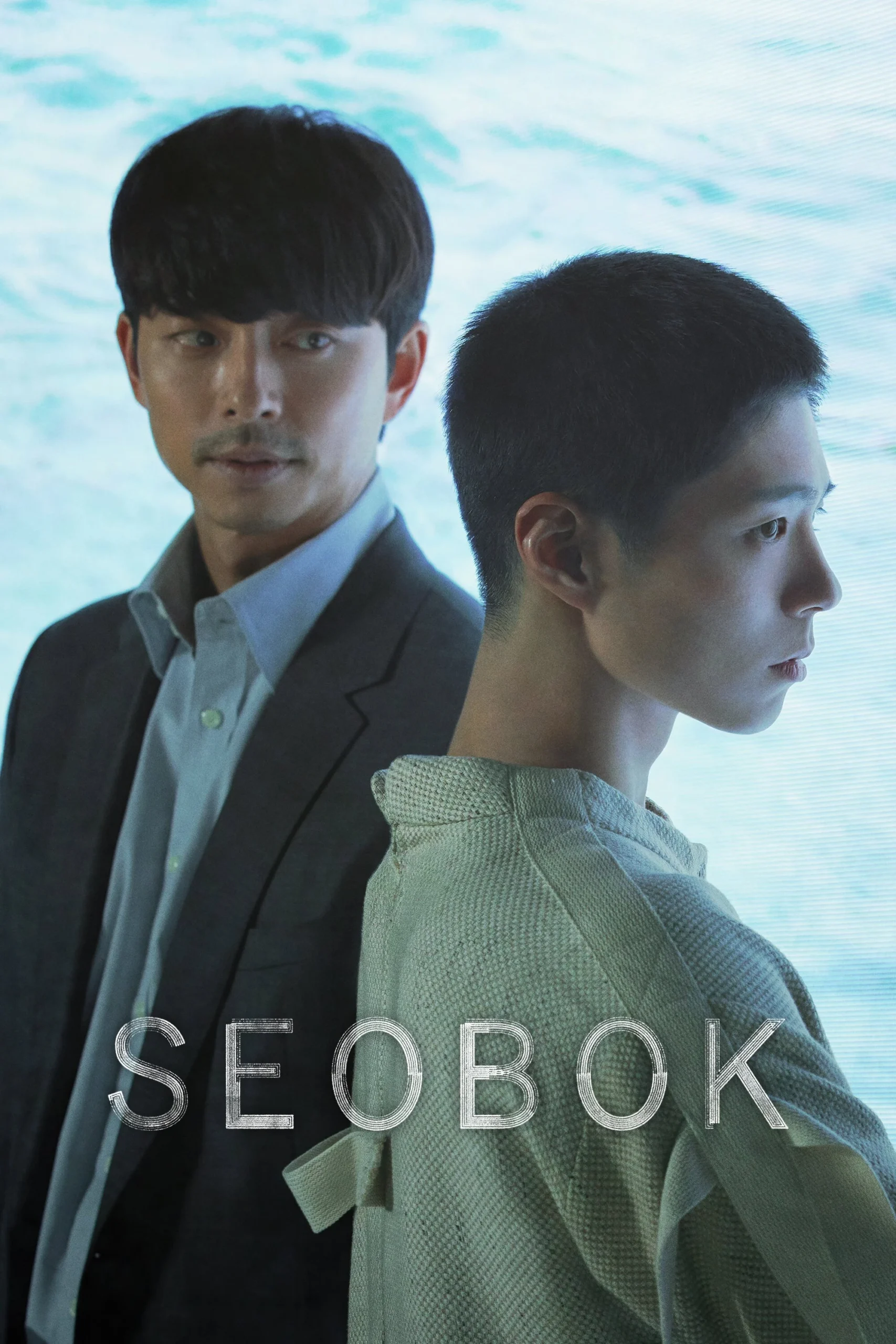
Seobok
🎬 Film Overview
The most valuable secret in South Korea is a young man in a lab coat, and the person assigned to move him is a dying ex-agent who cannot sleep. Seobok, the first human clone, may hold the key to defeating death, and Min Gi-heon, who has a brain tumour and not much time, is promised that the same key could save him. Then armed men attack, the pair end up on the road together, and everyone from the Institute’s chairman to American operatives starts closing in. Lee Yong-ju’s film pairs Gong Yoo with Park Bo-gum for the first time and asks what each man would do with the thing the other has.
⚡ Quick Verdict
Everything you need to decide, in one place.
Watch Seobok Free (US Only)
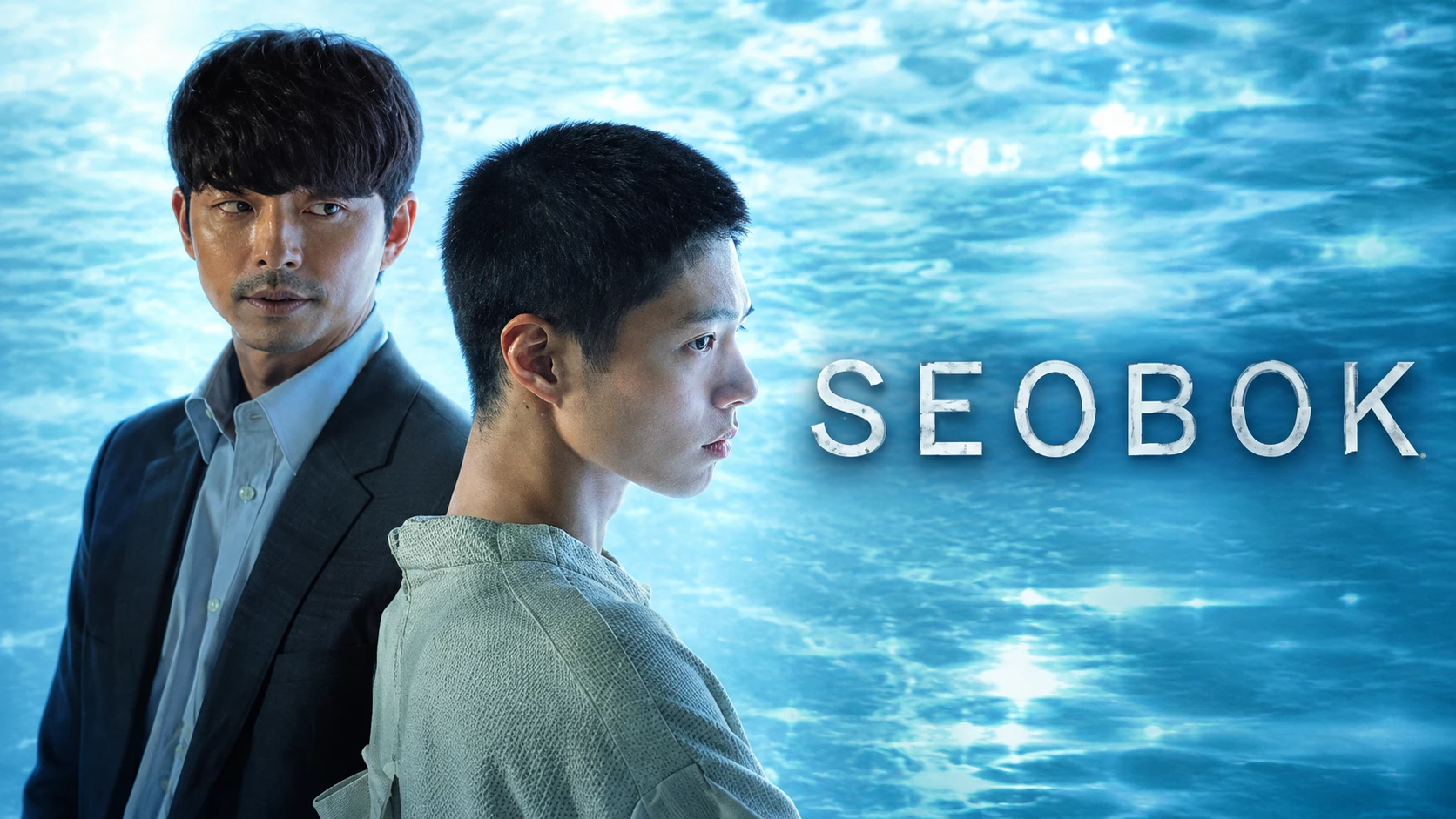
Free to watch - US only. Its owner makes this movie available only in the United States. If it doesn't play in your country, you may need a VPN with a server in an allowed country to watch it.
Region limits are set by the video owner, not by KDramaWorlds. Please make sure VPN use is allowed where you live and by YouTube's terms.
This film is free with ads, but the stream is currently available only in certain regions, mainly the United States. If the player shows “not available in your country,” the film can’t be played from your location.
Official Videos
 TRAILER
🎭 Cast & Characters
A dying agent, a clone who cannot die and the scientists, spies and soldiers chasing them.

Lead

Lead
Supporting

Supporting
Supporting
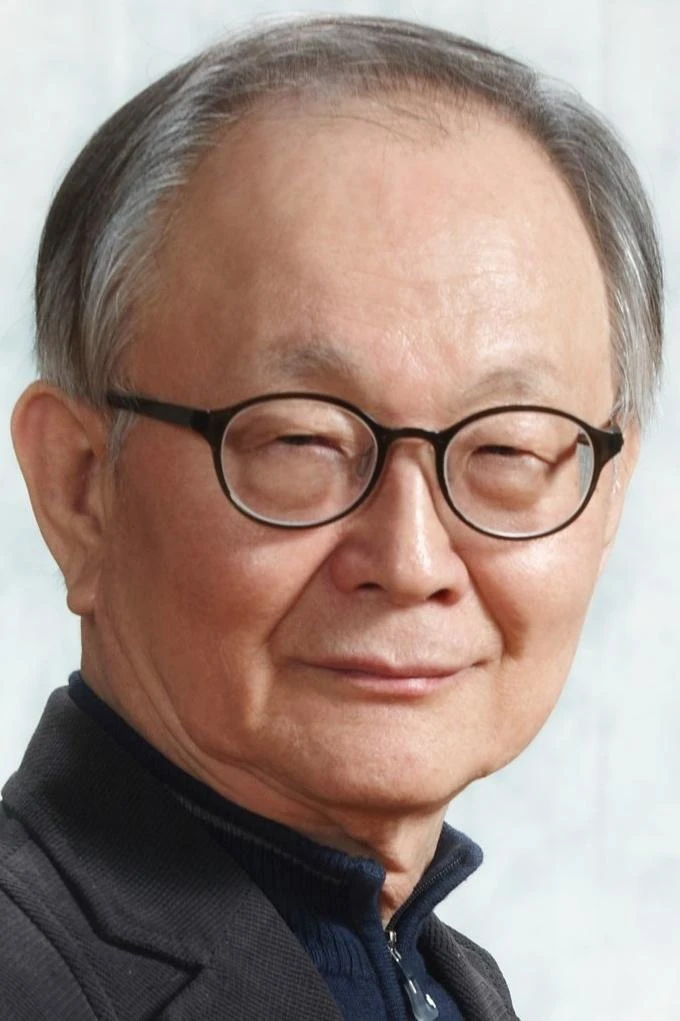
Supporting
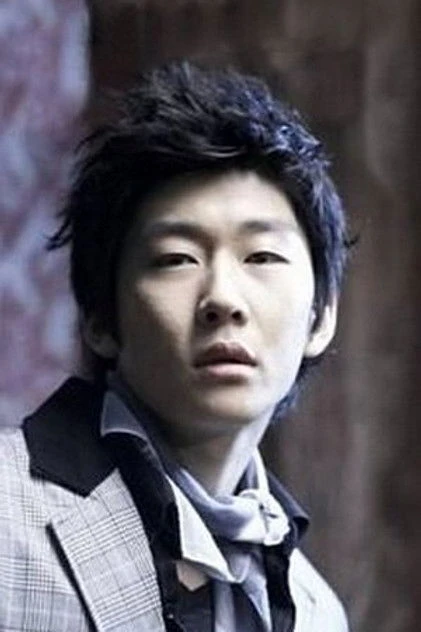
Supporting
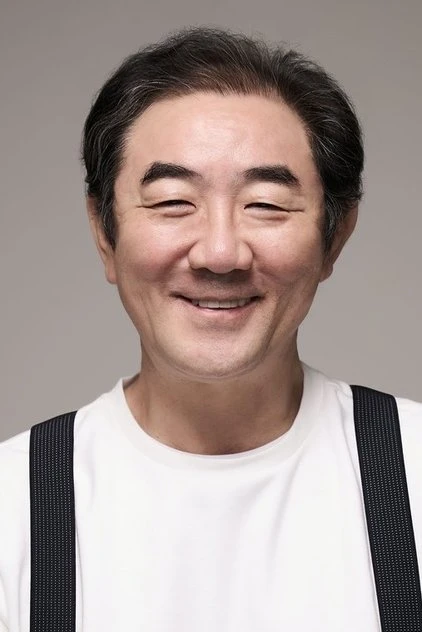
Supporting

Supporting
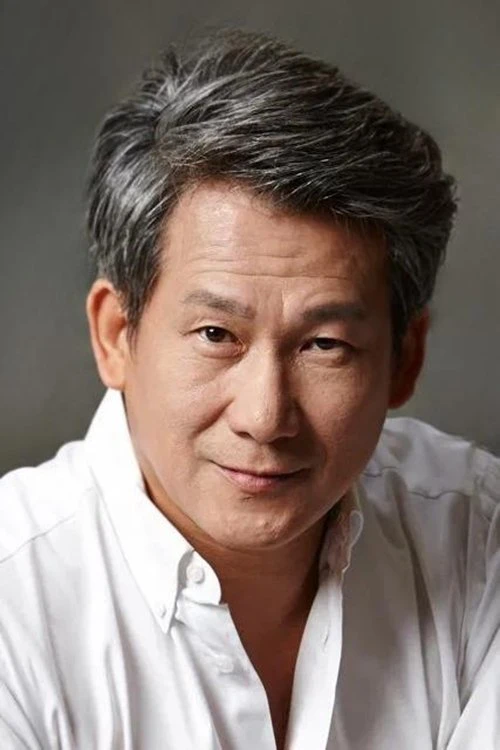
Supporting
Supporting
Supporting
📖 The Story
No spoilers ahead — just enough to see if it fits your taste.
Seobok opens with a death in someone else’s laboratory. Carl Anderson, an American geneticist working with the Seoin Research Institute, is killed by a bomb, and the review sources disagree on the details: one calls it a terrorist blast, another a drone strike. Whichever it was, the Institute decides that its most valuable project needs protecting right now. That project is Seobok, the first human clone, created through stem-cell cloning and genetic manipulation and named after the servant the Qin emperor sent to find the elixir of life. The film wants you to understand from the first scene that someone is willing to kill to keep a secret about death.
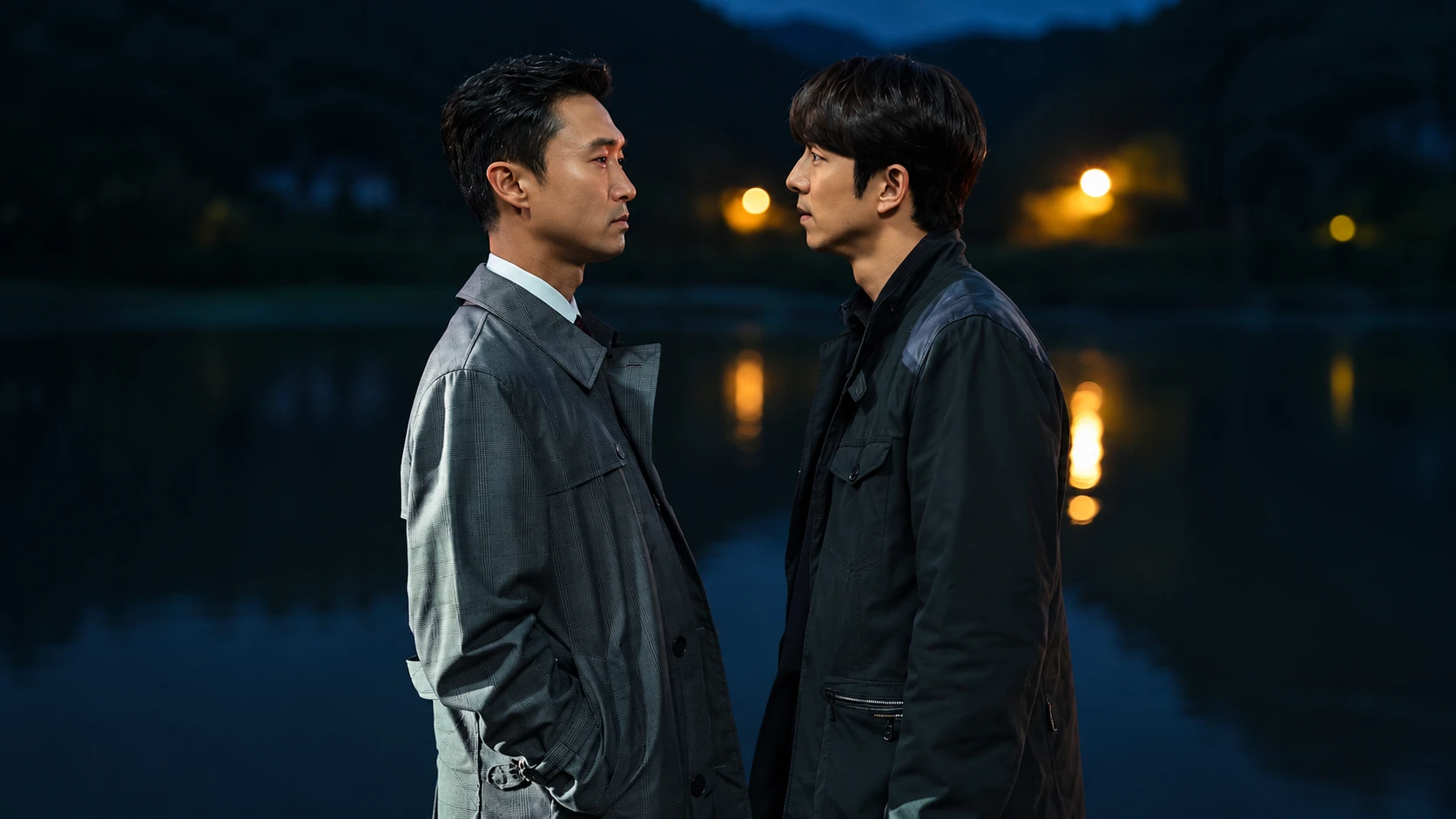
The man chosen to move him is the least convincing bodyguard imaginable. Min Gi-heon is a former intelligence agent who barely sleeps, lives on medication and has a brain tumour. TheReviewGeek puts his remaining time at about six months. His old colleague, Chief Ahn, pulls him back for a final job, and the offer carries a hook: the clone’s bone marrow can cure disease, including Gi-heon’s. Reviewers note that the film gives him very little else to go on. His illness is described as punishment for betraying a colleague, and the story rarely stops to explore that guilt. It is thin, but it is enough to make him say yes.
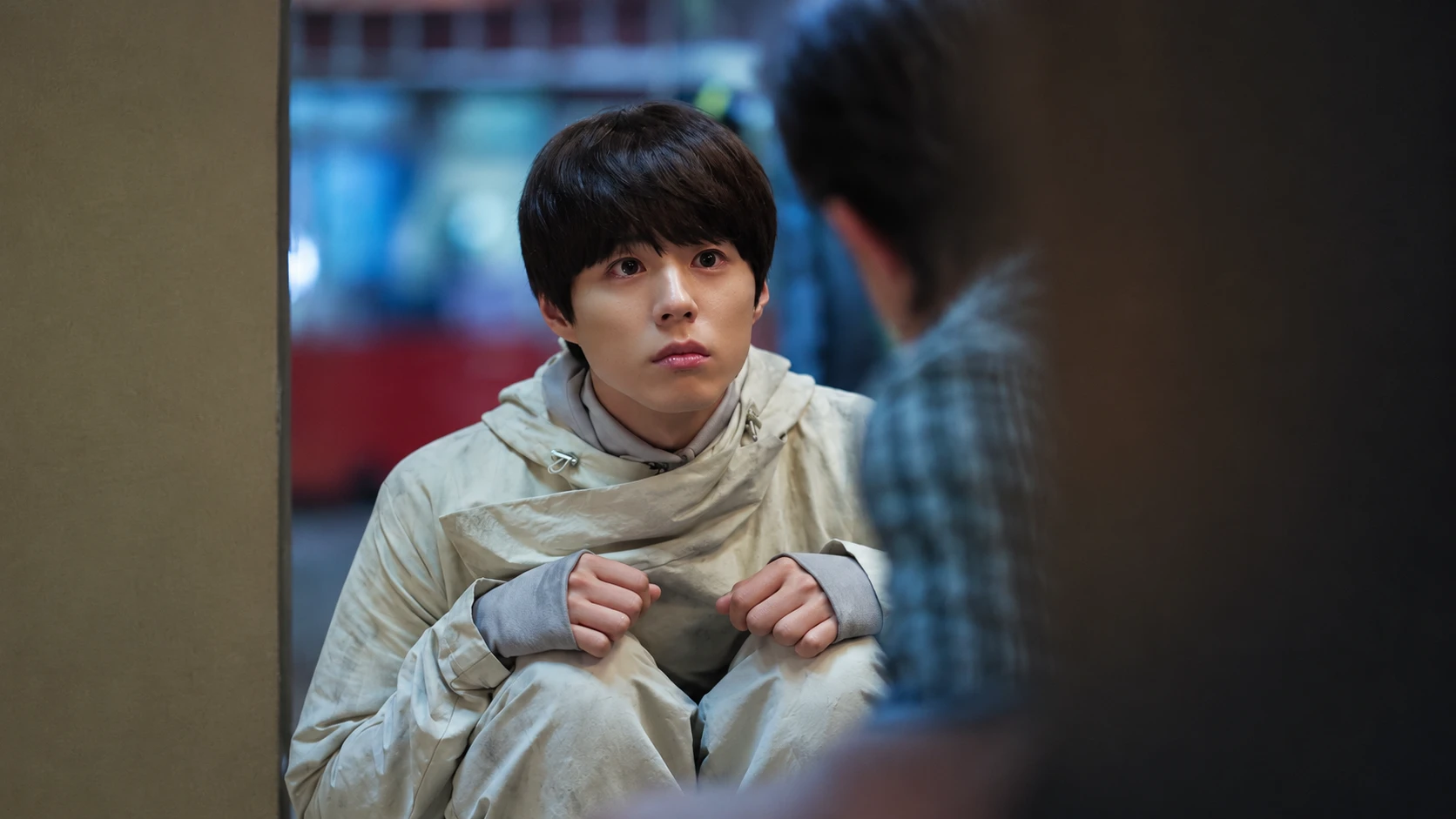
Then the clone is brought out of the lab. Seobok has the body of a twenty-year-old but has only been alive for about ten years, so he reacts to everything with a child’s curiosity and a very adult capacity for damage. The creator of the project, Dr. Im Se-eun, is the one he calls mother, and she made him from the genetic material of her dead son after losing her husband and child. He also has telekinetic abilities. Reviewers compare him to Charlie in Firestarter, with the same mix of innocence and danger. When armed men attack the transport, Seobok shows what he can do, and Gi-heon realises the cargo is not as fragile as advertised.
The transfer goes wrong, and from here the film becomes a road movie. Seobok refuses to go back to the laboratory and asks Gi-heon to take him to Ulsan. On the way, they cut through small towns and villages, and the clone sees the ordinary world for the first time. ScreenAnarchy describes the humour and exasperation that come from this, while Moria Reviews notes that this is the stretch where the two men start to connect. One is immortal in theory and does not know what to do with his life. The other is dying and knows exactly how much of his is left. Some reviewers wanted these scenes to run longer, because the bond the ending depends on is built quickly.
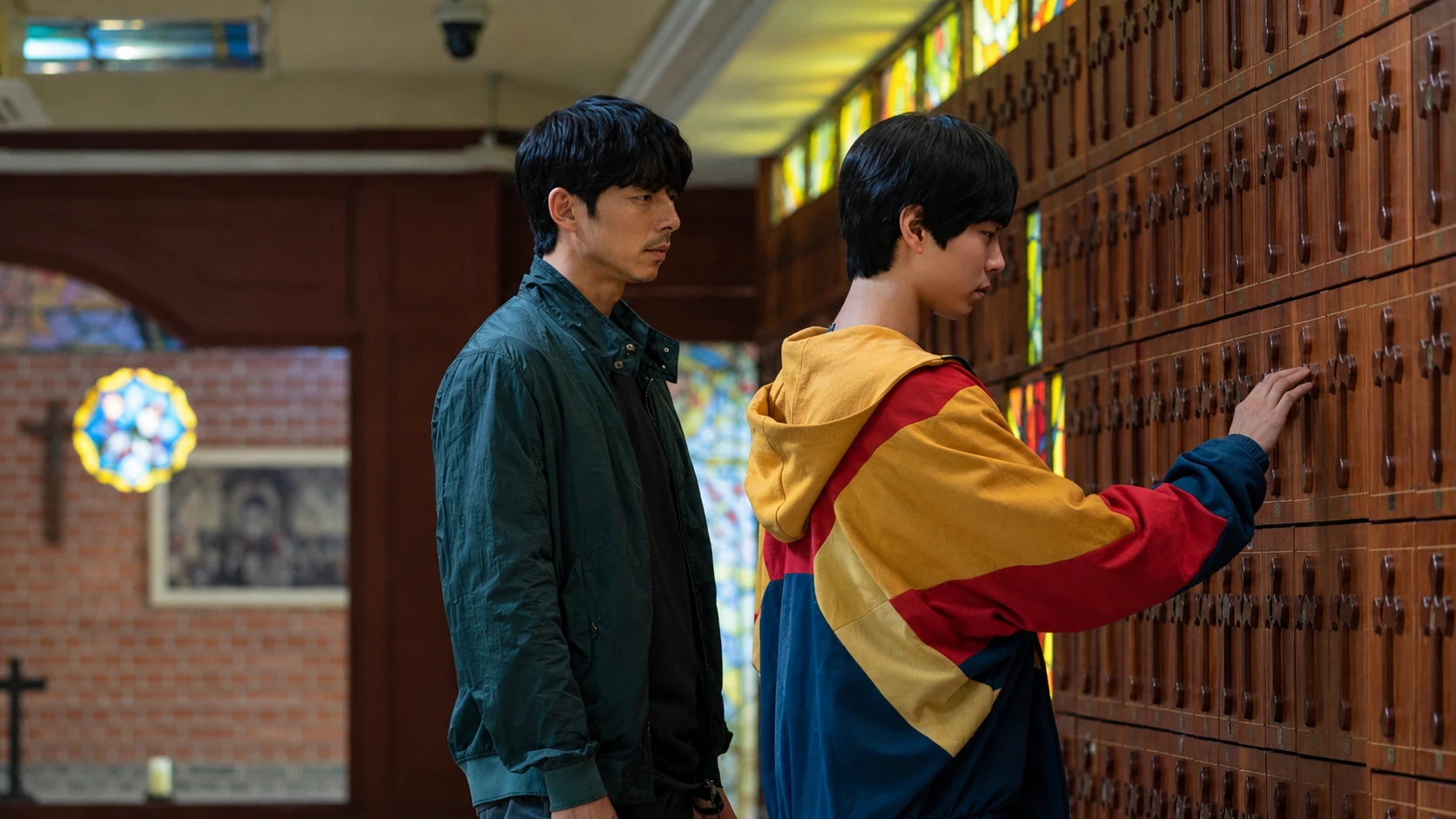
Ulsan matters because of why Seobok was made. According to DMT Talkies, he wants to see what is stored beneath a church there: memories of Dr. Im’s husband and her lost son, whose life Seobok was meant to continue. ScreenAnarchy describes a scene in which he visits the dead son’s resting place, in a tearful moment that tries to answer the question of where he comes from. Here the film gives him a reason to travel that is not just escape. It is also the one place where he is allowed to act like a person, not a specimen. Whatever else the film does, it makes this beat land.
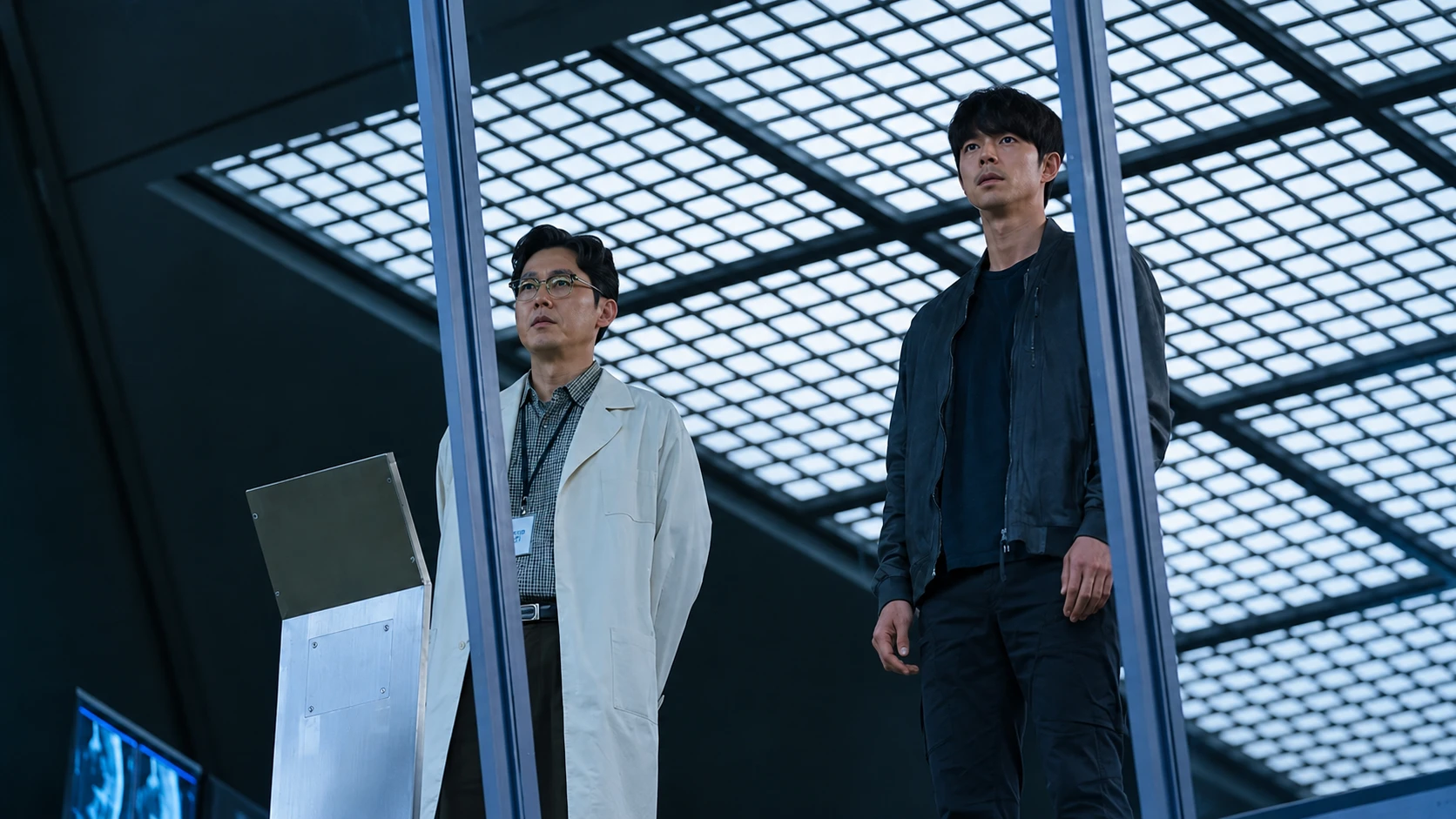
Meanwhile everyone else wants the clone for their own reasons. Seoin’s chairman, Kim Chun-oh, wants to protect his investment. The sources describe double agents inside the company, Chief Ahn working with his American contacts, and Americans who consider Seobok a threat to be eliminated. According to DMT Talkies, the Americans argued that immortality would only produce endless desires and conflicts, and that humans who stopped dying would eventually design their own extinction. The argument is delivered through a handful of narcissistic men who have decided they get to choose, and the film does not hide how little they can be trusted. Their double-crosses drive the violence in the second half.
What the clone is, exactly, stays blurry until late. DMT Talkies explains that Seobok is not truly immortal: his bone marrow produces cells that can heal almost any illness, but his rapid cell division would kill him if left unchecked, which is why he takes an inhibitor. His telekinesis lets him deflect or twist objects around him. Not invincible, then, but strong enough to frighten the people who built him. That is the tension the film sets up for its last act: a weapon that does not know it is one, a man who wants to live, and a handful of organisations that all prefer the clone dead or captured over free.
🏁 Ending Explained
Full spoilers ahead — what happens, what it means, and what it all adds up to.
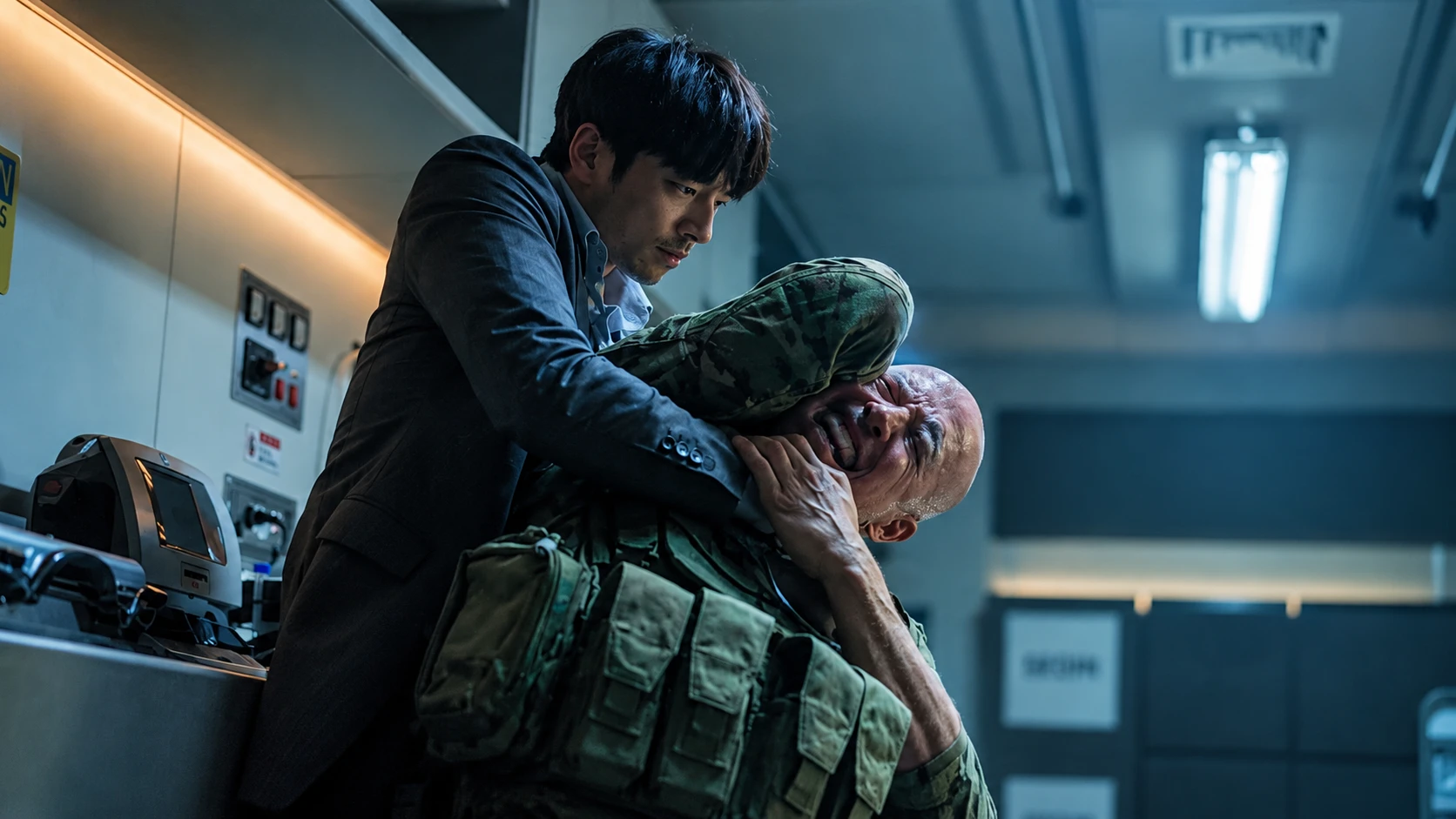
What actually happened Per DMT Talkies, the chairman had Dr. Im killed because she wanted to end the experiment. Seobok finds her body, loses control and, in the words of the review, kills everyone on the ship except Gi-heon. Moria Reviews describes the rest of the rampage: he sweeps people aside, crushes the aged chairman in his wheelchair like a tin can, throws up a force wall against gunfire, tears open the side of the ship and uses waves and holes in the ground against whole battalions. DMT Talkies adds that Chief Ahn is among the dead. The literal answer: nearly everyone who wanted Seobok is dead, and Gi-heon is left alone with him.
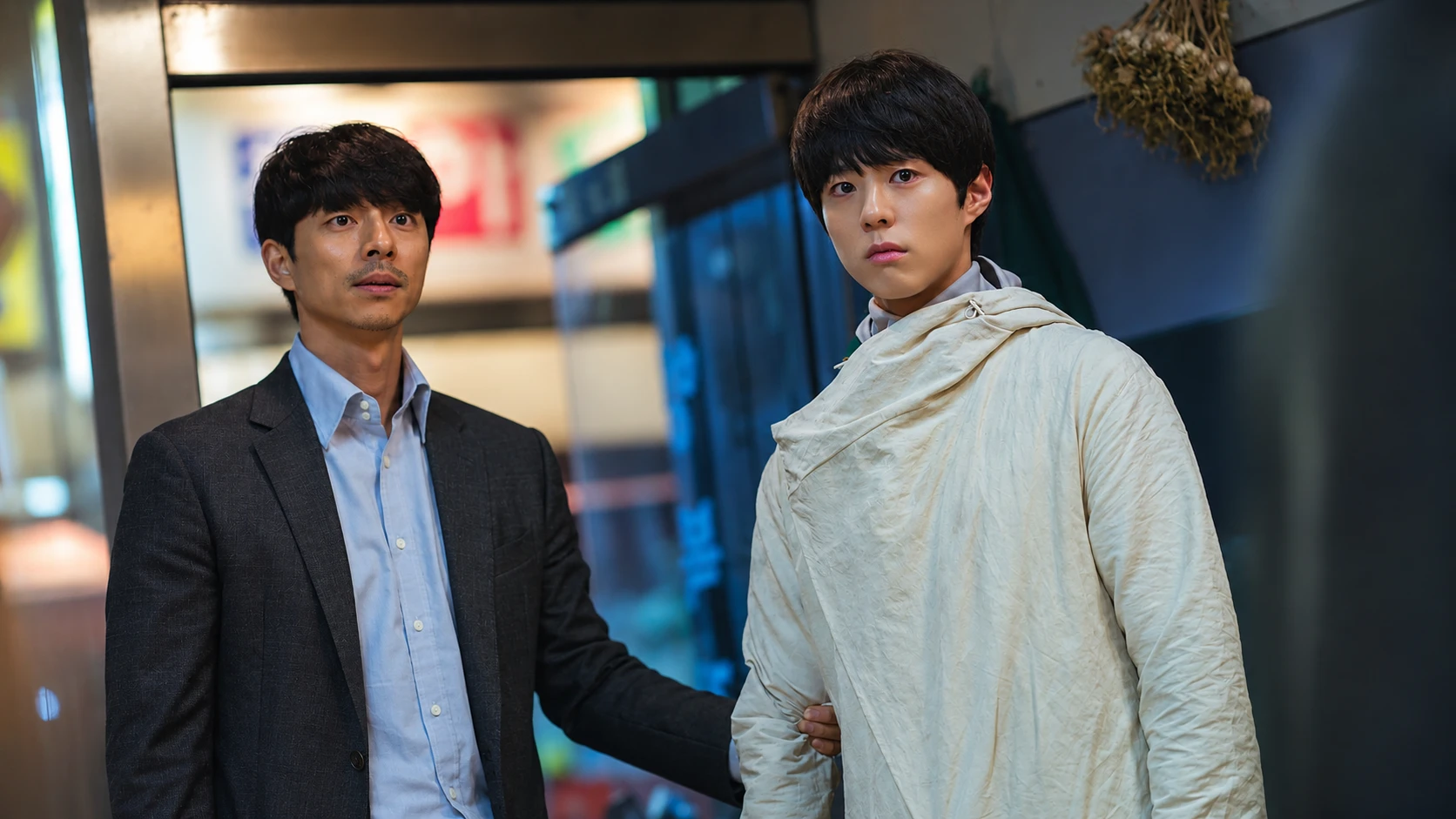
Then comes the choice the film has been building toward. Seobok understands that he is a weapon he cannot control, and, per DMT Talkies, he asks Gi-heon to end him. Moria Reviews reaches the same conclusion from the other side, calling the film’s belief fairly bleak: powers like these cannot be allowed to exist, and the only solution is for Gong Yoo’s character to shoot Park Bo-gum’s. Gi-heon does it. The film lets the gunshot be both an act of mercy and an act of humanity over attachment, because he has spent the whole journey wanting Seobok to live.
What the last words mean Before he dies, Seobok tells Gi-heon that no matter how afraid of death he is, he can never run away from it. DMT Talkies quotes the closing idea as living in the moment and acting for a better future. Notice who is being comforted. The dying man was promised a cure and receives something else, and the immortal clone, who was supposed to be the answer to death, is the one who delivers the lesson. Lee Yong-ju has said that the film is less a work of science fiction than an allegory of faith and death, and these final words are where that claim becomes concrete.
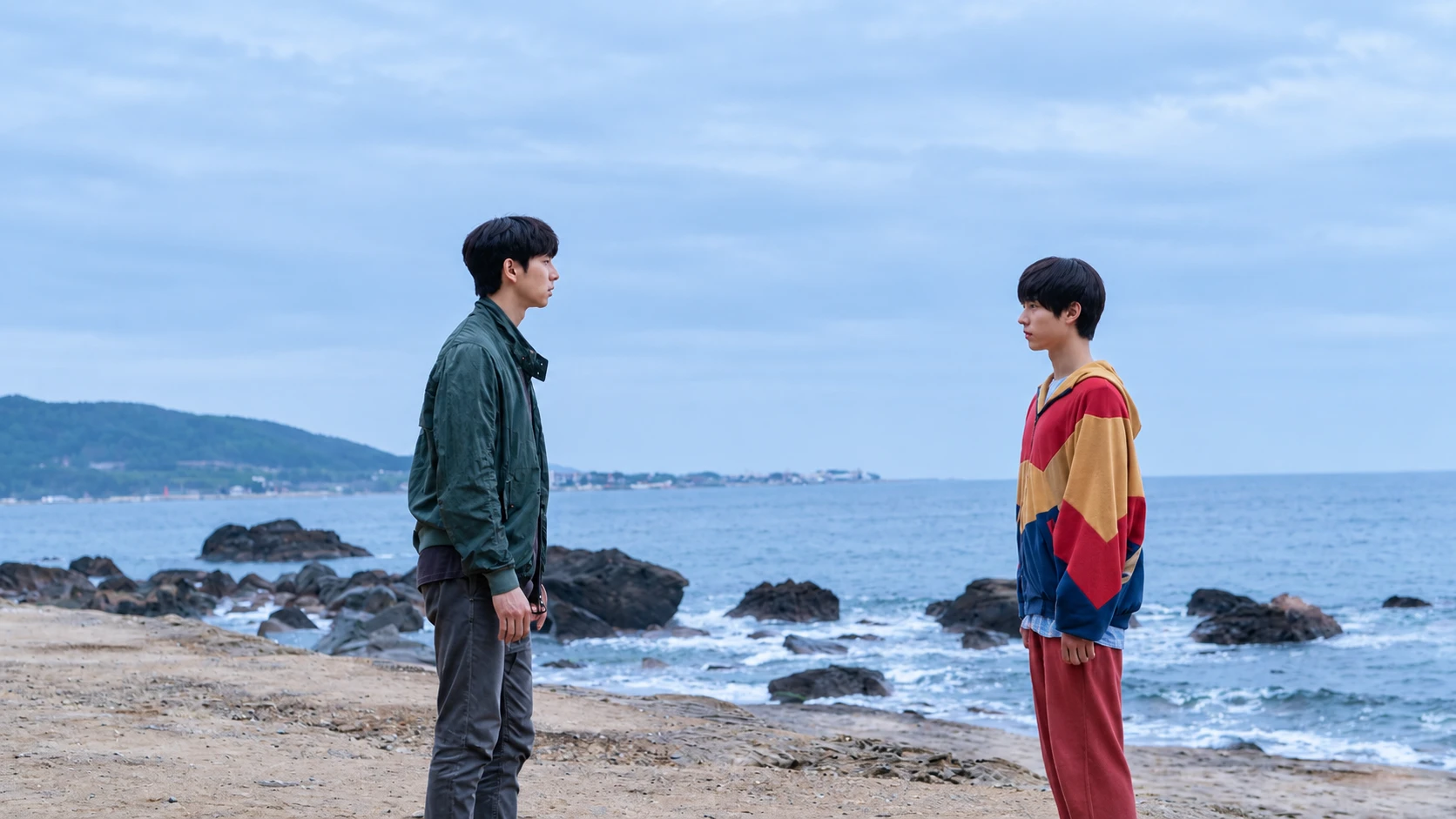
What happens to Gi-heon afterwards is not something the sources I read describe. None of them report whether he is cured, whether his tumour is ever mentioned again, or whether anyone on the Institute side survives to take responsibility. I am not going to guess. The bone marrow that could have saved him is gone with Seobok, so the cure that drew him into the mission never arrives in any form the reviews mention. Treat his fate as unconfirmed. The film also has no scene after the credits, according to What’s After the Movie and a separate search of review coverage.
What it means Seobok ends on a refusal. The institutions in the film all treat the clone as a tool, an asset or a threat. The only people who see him as a person are a mother who made him for the wrong reasons and a dying agent who finds out too late what he was escorting. Critics have been divided about the conclusion. Moria Reviews is unsure about the assumption that immortality means a life without purpose, and TheReviewGeek wanted more emotional build for the final choice. We found the last sequence rough but moving, mostly because Park Bo-gum plays the end as a request and not a tantrum. This summary follows two full-length reviews, and details may differ from the film.
✍️ KDramaWorlds Editor’s Take
Our genuine take on whether it’s worth your time, and who it’s for.
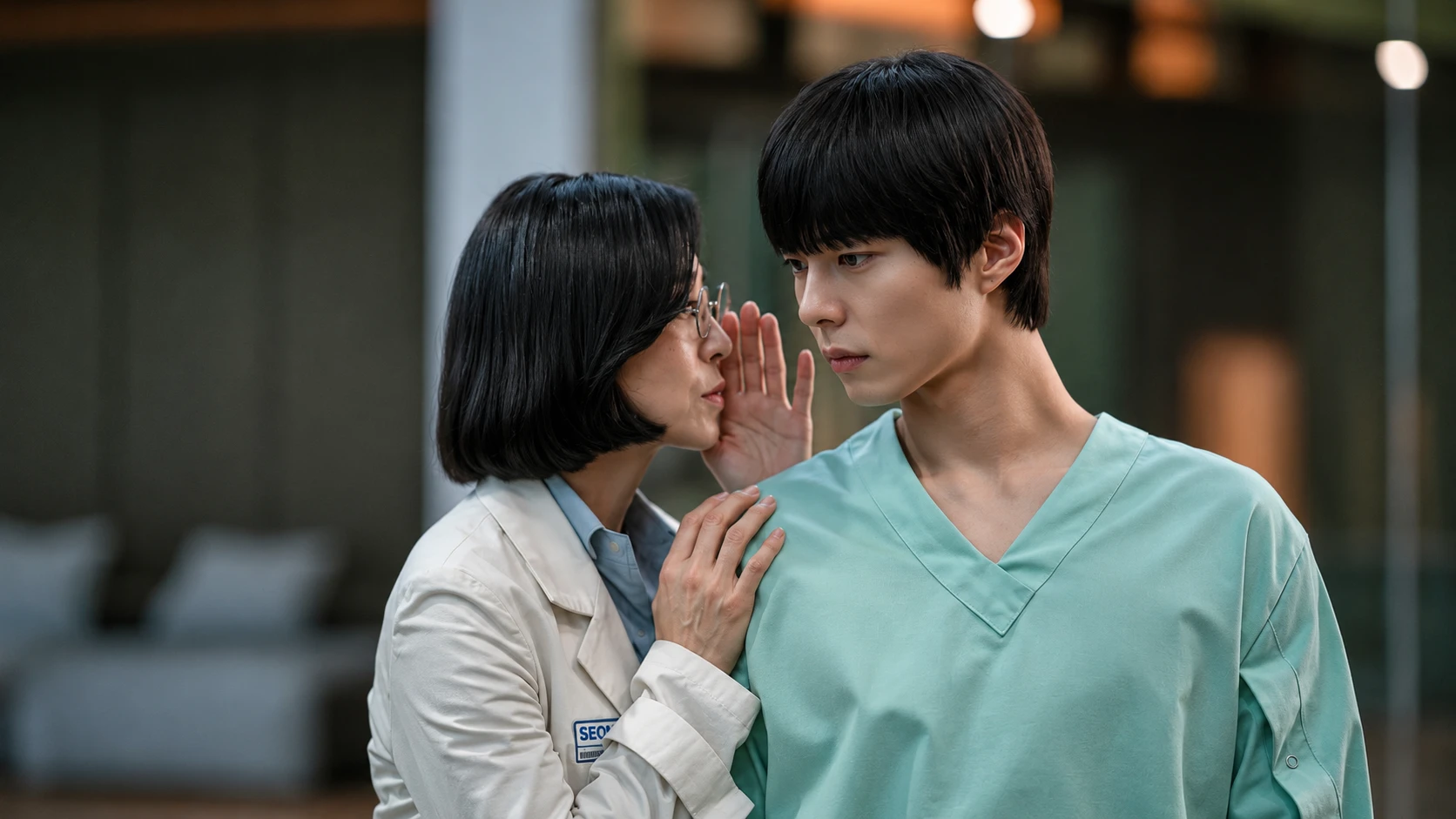
Seobok is easiest to describe as two men learning how to live from each other. Gong Yoo plays Gi-heon as the straight man, worn out and short of time, and Park Bo-gum plays Seobok as a child who happens to be able to crush metal with a look. If you remember Gong Yoo from Train to Busan, you know what he does well: protect someone in a bad situation. Here the scenario is quieter. He is protecting a person, not a train carriage, and the tenderness comes from how little the script gives him to say. TheReviewGeek singles out Park as the film’s strongest element, and Lee Yong-ju is quoted saying nobody else could have played the role.
The weaknesses are real and the reviews agree on them. TheReviewGeek questions why a one-of-a-kind specimen would be handed to one near-death operative, and wishes the film had given Gi-heon more than a vague guilt to carry. Moria Reviews finds the film’s equation of immortality with emptiness debatable. The film also borrows from many predecessors, with comparisons to Taken, Firestarter, Carrie and Akira appearing across reviews. Viewers wanting a bigger sci-fi canvas could try Space Sweepers, which came out the same year and shares Seobok’s interest in survival, though with far more noise and less sadness.
The effects deserve credit. Reviewers describe the telekinesis as imaginative and the destruction as properly scaled, and the film reportedly cost around 16 billion won and was released in cinemas and on TVING on the same day. On TMDB it holds 7.2 from 270 votes, What’s After the Movie lists a worldwide gross of 6.8 million dollars, and in Korea the rating is 15+. Park Bo-gum won Best New Actor at the Golden Cinematography Awards for it, according to Korean Wikipedia. It is a better watch if you treat it as a character piece with a sci-fi shell. The free YouTube listing is US-only, so check your region before you press play.
🎬 You Might Also Like
If you liked Seobok, these are your next three watches.
 Love in Disguise
Chaebol Heircrime
Read Full Review →
|
 Spice Up Our Love
Body Swapfantasy
Read Full Review →
|
 Work Later, Drink Now (Season 2)
comedyDrama
Read Full Review →
|









Keep it kind, skip the harsh language, and please — no spoilers. Everyone's taste is different, and that's perfectly fine.
This space is for real reactions and discussion from other viewers. Help keep it comfortable for everyone by not giving away major plot details.
What do you think of this drama?
Login to share your review or leave a comment.
No email needed — just pick a username & password.