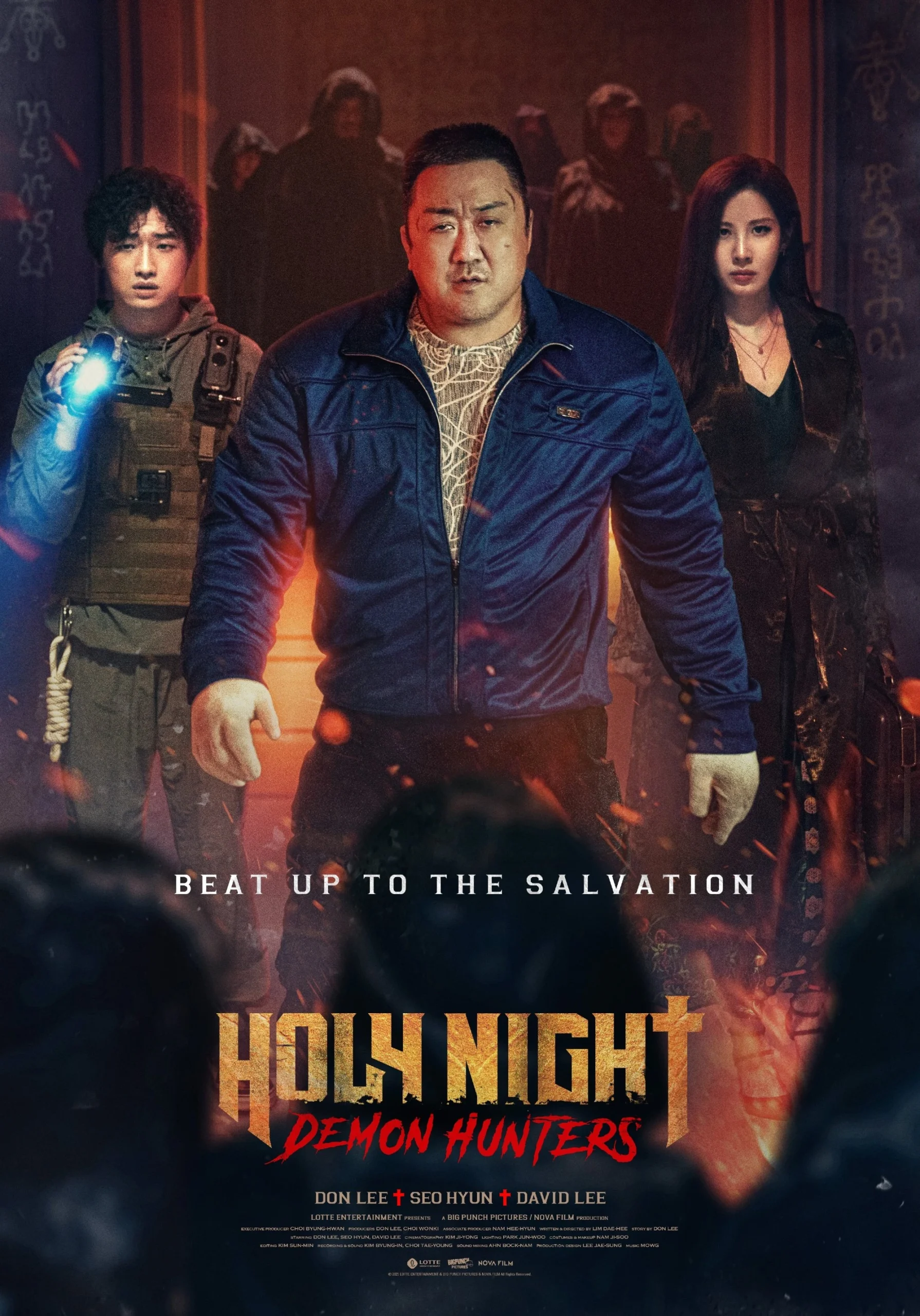
Holy Night: Demon Hunters
🎬 Netflix · Prime Video · Viu
⭐ 4.8 IMDb
🔞 NC16
🎬 Film Overview
Prime Video
Apple TV+Viu
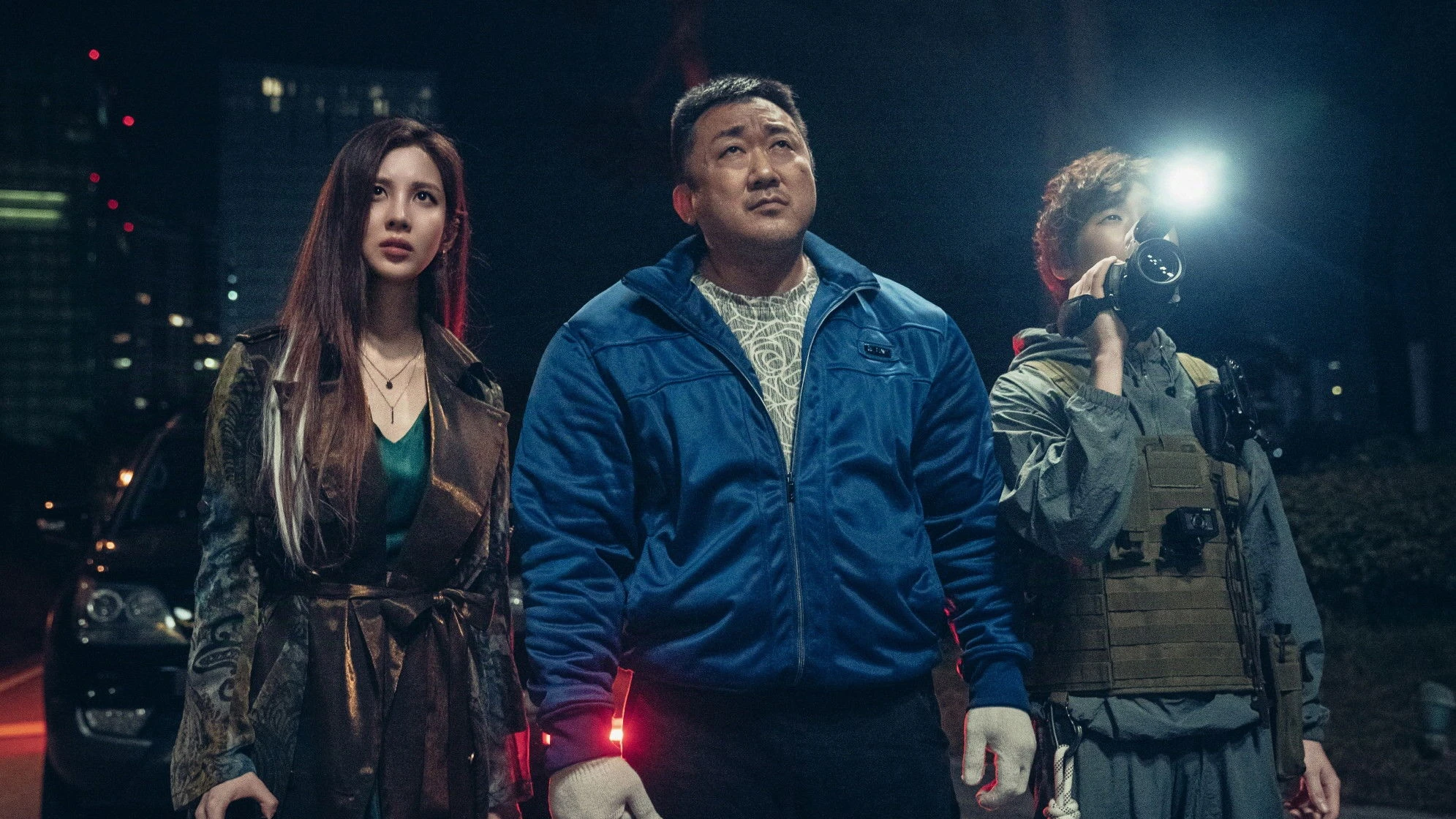
Ba-woo is not the kind of person you call through official channels. Part enforcer, part demonologist, built like something that hasn’t decided whether it wants to be a wall or a weapon — he leads Seoul’s demon hunting unit “Holy Night” from a space the government pretends not to need and definitely doesn’t want to acknowledge. Beside him: Sharon, a psychic shaman who perceives what no forensic kit can process, and Kim Gun, a young documenter whose camera is the only proof that what they face each night is real. The city doesn’t know they exist. That’s by design.
The case that redefines their limits arrives not through a crime scene but through a hospital room: a psychiatrist named Han Jung Won has exhausted every framework medicine offers trying to help her younger sister, Eun Seo, whose behavior has become impossible to explain through any clinical language. When they are finally referred to Holy Night, Sharon’s assessment is immediate — this is not a psychiatric disorder. Something old and deliberate has taken residence inside the girl, and it is fully aware the hunters have arrived.
⚡ Quick Verdict
One box. Everything you need to decide.
IMDb · Also rated 7.3 on MyDramaList
▶ Official Trailer
🎭 Cast & Characters
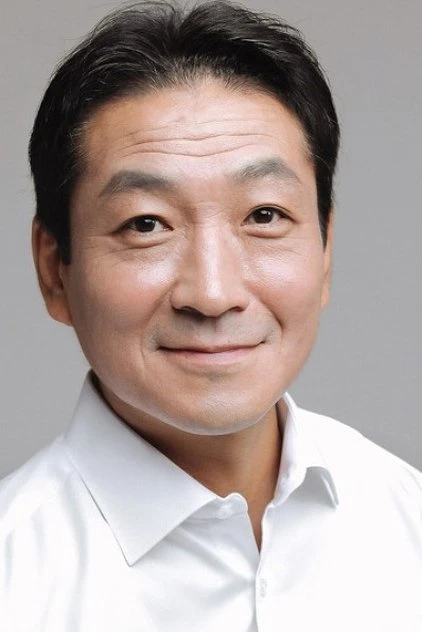
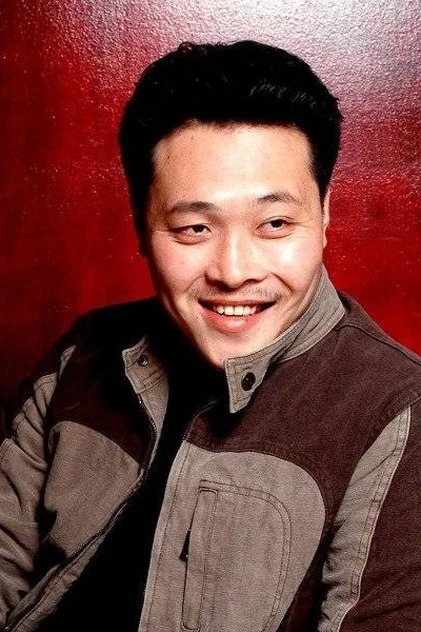
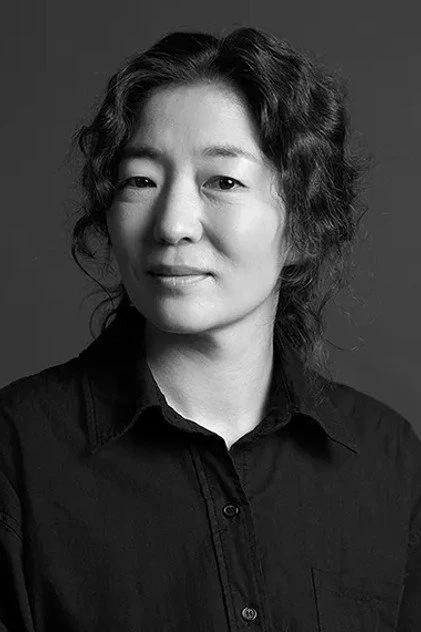
Twelve performances bringing Holy Night’s Seoul to life — from the team that fights what police refuse to name, to the family caught in the middle of something far older than any of them.

Lead

Lead

Lead

Supporting

Supporting
Supporting
Supporting
Supporting
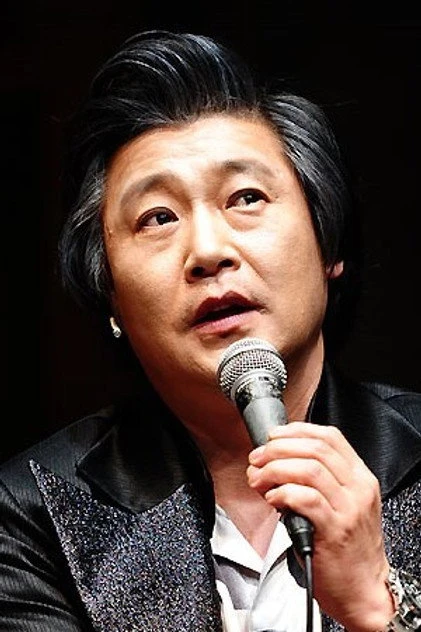
Supporting
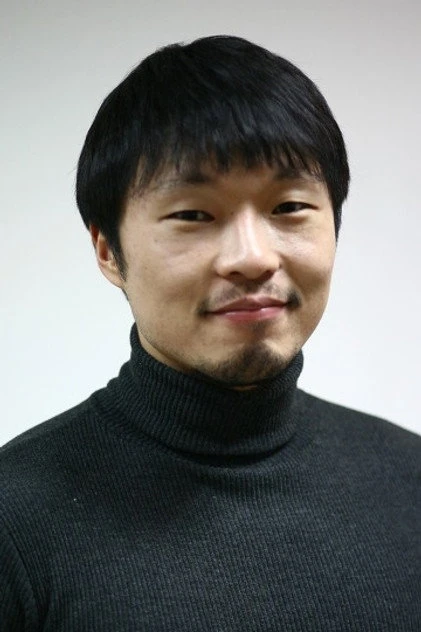
Supporting

Supporting

Supporting
🍿 Where to Watch
Stream Holy Night: Demon Hunters on these platforms.
📖 The Story
Spoiler-light — enough to understand what kind of film this is before you commit to it.
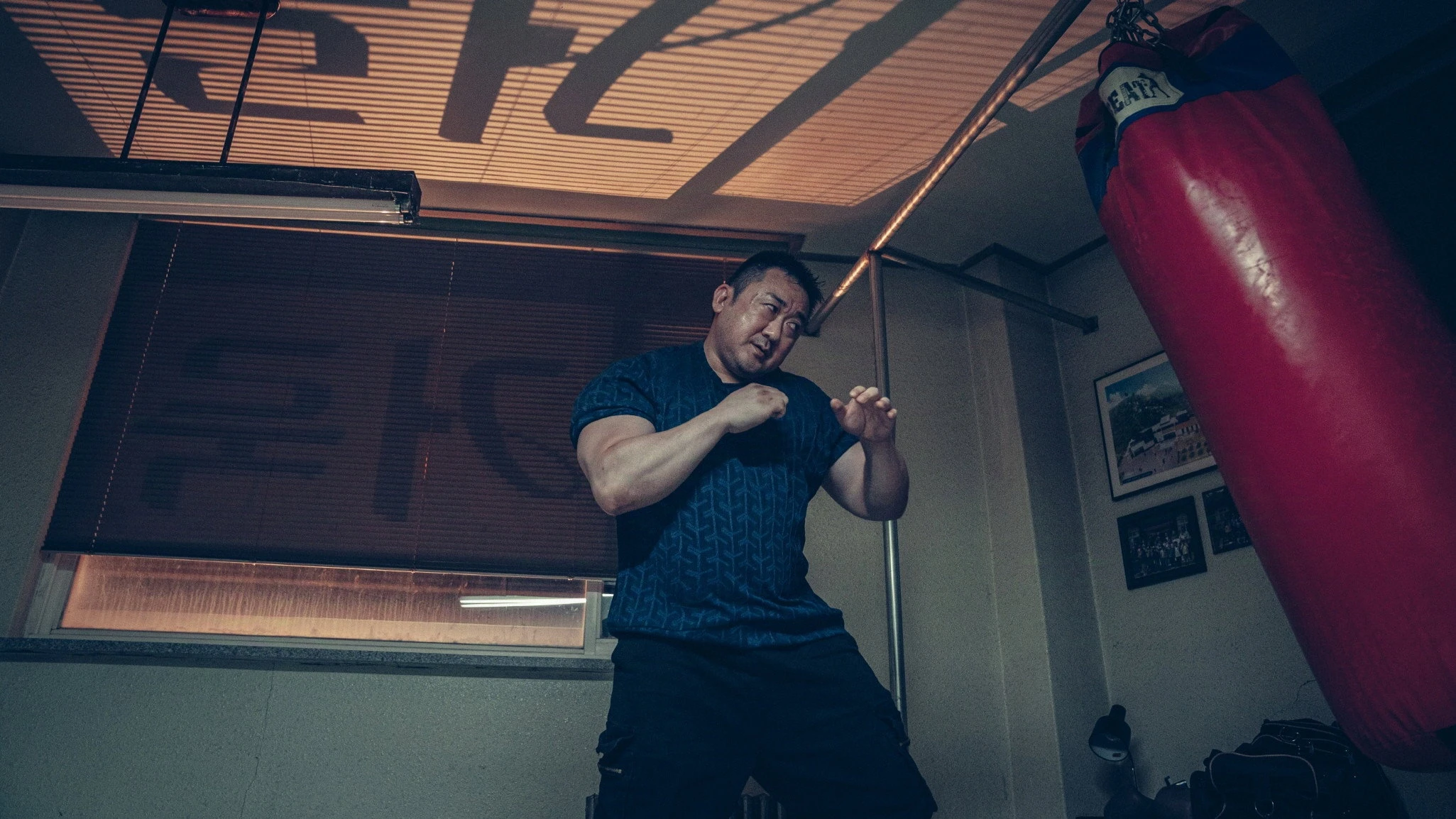
Kang Ba-woo has the kind of body that suggests a different era — built for violence that Korean cinema normally reserves for trained soldiers or cartoon superheroes. What makes him unusual is the context: he’s not a cop, not a soldier, not a vigilante in the traditional sense. He leads “Holy Night,” a trio that occupies the uncomfortable grey space between official law enforcement and something far older and stranger, operating in a city that has learned not to ask too many questions about certain kinds of disappearances. Seoul knows him as the person to call when the ordinary tools run out; the police treat him like a contractor they’d rather not have on the books. Beside him, Sharon operates entirely on a different frequency — a psychic shaman whose gifts don’t require fists, and who can sense, read, and challenge entities that no instrument can register. Completing the team: Kim Gun, camera always in hand, whose youth and nervous humor serve the practical function of making the team feel anchored to something human.
Han Jung Won is a psychiatrist. She deals in rational frameworks: diagnostic criteria, treatment plans, pharmacological intervention. By the time she makes contact with Holy Night, she has watched all of them fail. Her sister Eun Seo has been institutionalized, the behavior growing more erratic and violent in ways no clinical framework adequately addresses — not unusual, not extreme, but impossible in a way that resists documentation. What brought Jung Won here is not desperation alone; it is the specific, exhausted lucidity of someone who has ruled out every other option and is now standing in front of the only door left. The moment Sharon sets eyes on Eun Seo, the temperature of the scene changes. This is not illness. Something old and deliberate is living inside the girl — and it is fully aware the hunters have arrived.
The possession is not isolated — it is the exposed surface of something spreading through Seoul at a deliberate pace. A network of demon worshippers has been conducting systematic rituals across the city, each act of violence a calculated step in a ceremony designed to summon something catastrophic. For Ba-woo, the stakes are not abstract: his own past is threaded into the conspiracy in ways he has not allowed himself to fully confront, and the film makes clear early that what is at risk is not just Eun Seo’s life but the question of whether the city’s soul — and Ba-woo’s own — can be reclaimed from a darkness that has had years to take root.
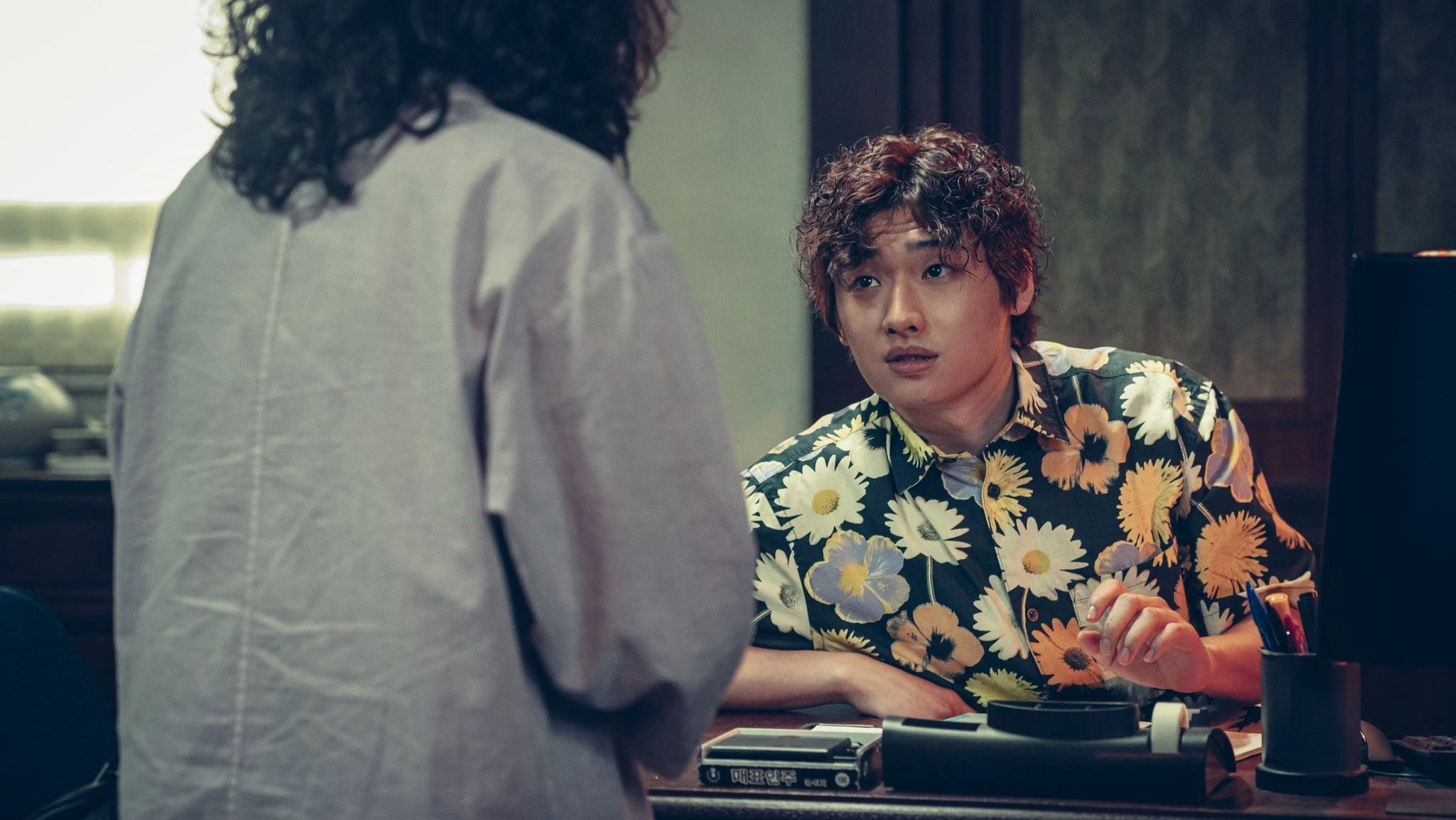
Jung Won is one of the film’s quietly compelling presences — a woman of science forced to place her trust in something she was trained to dismiss, and who makes that surrender feel costly rather than convenient. Her relationship with Ba-woo is not romantic but built on mutual desperation and a shared refusal to abandon her sister; the chemistry is practical rather than charged, which the film is wise enough to let stand as its own kind of intimacy. Father Marco — a Catholic priest whose history with Ba-woo forms an understated but emotionally important undercurrent — operates in the film’s periphery with a knowledge of the cult that reads as more intimate than casual familiarity. These supporting figures are not scenery; they carry the film’s quieter anxieties about faith, doubt, and what happens when rational people are forced to acknowledge the genuinely irrational.
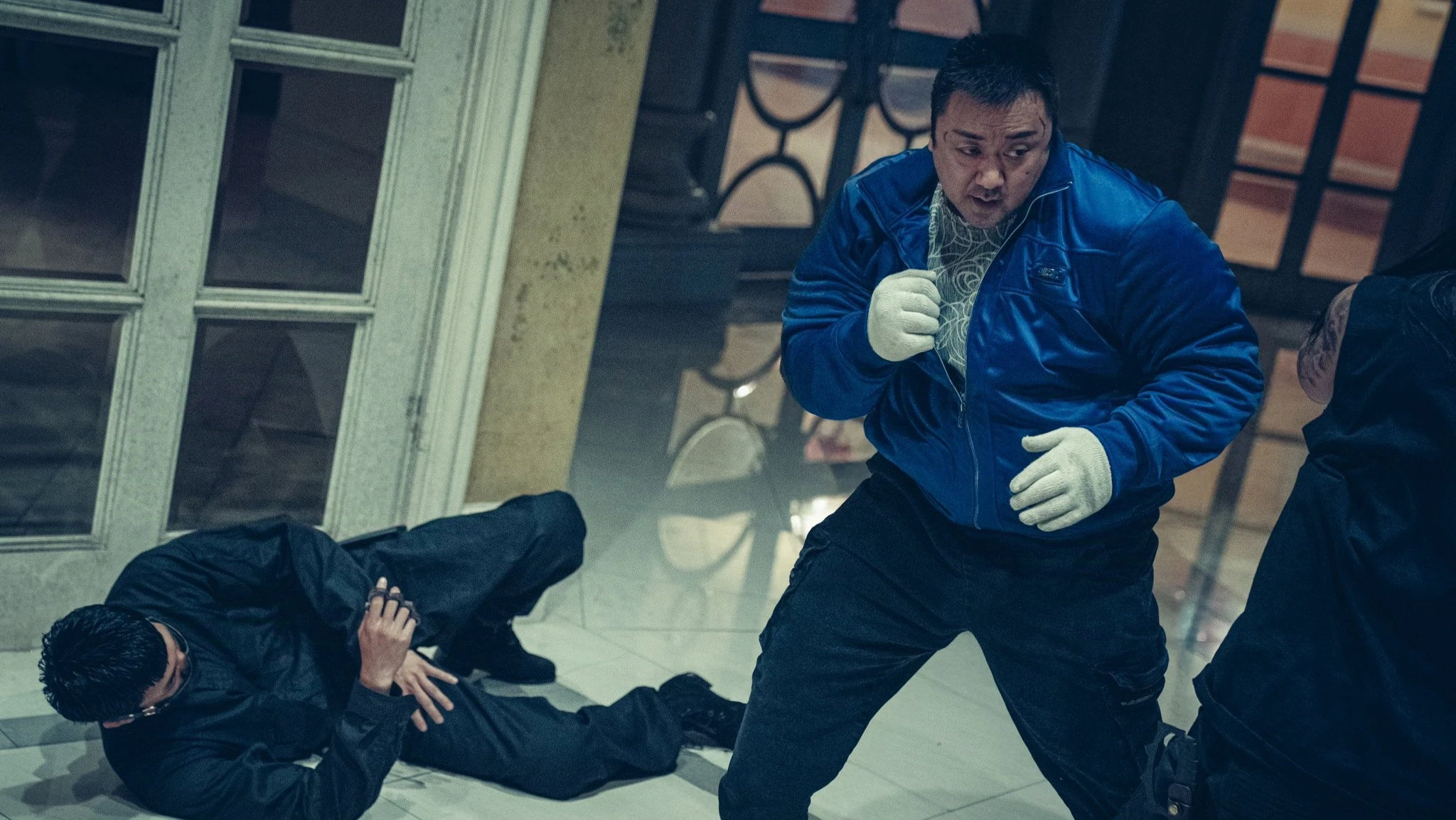
What separates Holy Night: Demon Hunters from a typical Korean action blockbuster is the deliberate collision of two very different film grammars. The film takes the six-stage structure of a formal Catholic-adjacent exorcism ritual — Presence, Clash, Deception, Breakpoint, Voice, and Closure — and treats it with the same tonal seriousness that genre films usually reserve for heist timelines or surgical countdowns. Ba-woo’s physical power means almost nothing against something without a body to hit, which forces the film to develop Sharon as the primary weapon in a way that mainstream Korean action films rarely afford female characters. This tension between brute force and spiritual discernment is the film’s most interesting dynamic — and the one it doesn’t fully exhaust.
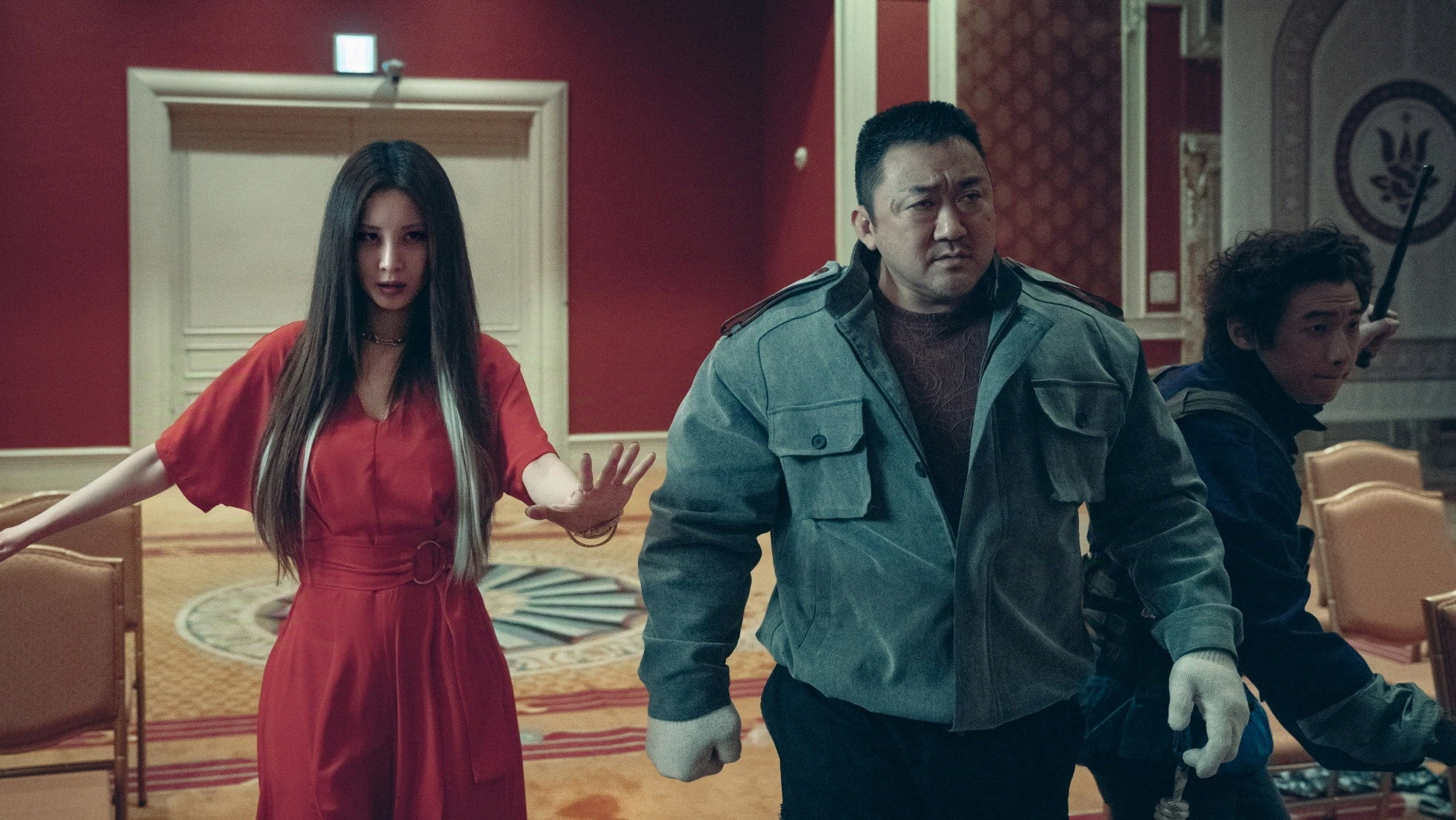
Holy Night: Demon Hunters is a film of two distinct halves, and the tonal gap between them is part of what makes it feel simultaneously uneven and genuinely strange. The opening scenes have the easy, comic-book swagger of a franchise starter — quick banter, cartoon competence, a confident team clearly enjoying their work. Then the exorcism begins, and the film descends into something else: flickering lights, contorting bodies, voices produced in registers no living person should manage. Each stage of the exorcism is a distinct, escalating texture — not a single extended scream but a carefully staged progression that gets more precise as it gets more disturbing. The result is a film that feels like a horror movie wearing an action blockbuster’s jacket, and which is most alive when it forgets to be commercially palatable.
Korean cinema has a long and fertile relationship with the supernatural, drawing on parallel traditions that most international audiences encounter separately: the shamanistic world of the mudang — the shaman-healer at the center of Korean folk religion — and the Catholic exorcism ritual introduced through missionary history. Holy Night: Demon Hunters taps explicitly into both: Sharon operates in the mudang tradition while the film’s ritual structure borrows heavily from Catholic demonology. This syncretism is not incidental. It reflects a genuine tension in contemporary South Korea, where Christianity and older shamanic practices coexist — sometimes uneasily — in the same households and across the same generations. The film makes an implicit argument that demons require multiple theological languages to defeat, and that neither science, the Church, nor the fist alone is sufficient.
🏁 Ending Explained
Full spoilers ahead — the finale, the animated coda, and what it all means for the film’s ambitions.
Spoiler Warning — This section covers the full ending of Holy Night: Demon Hunters, including the post-credits sequence. Stop here if you haven’t seen the film.
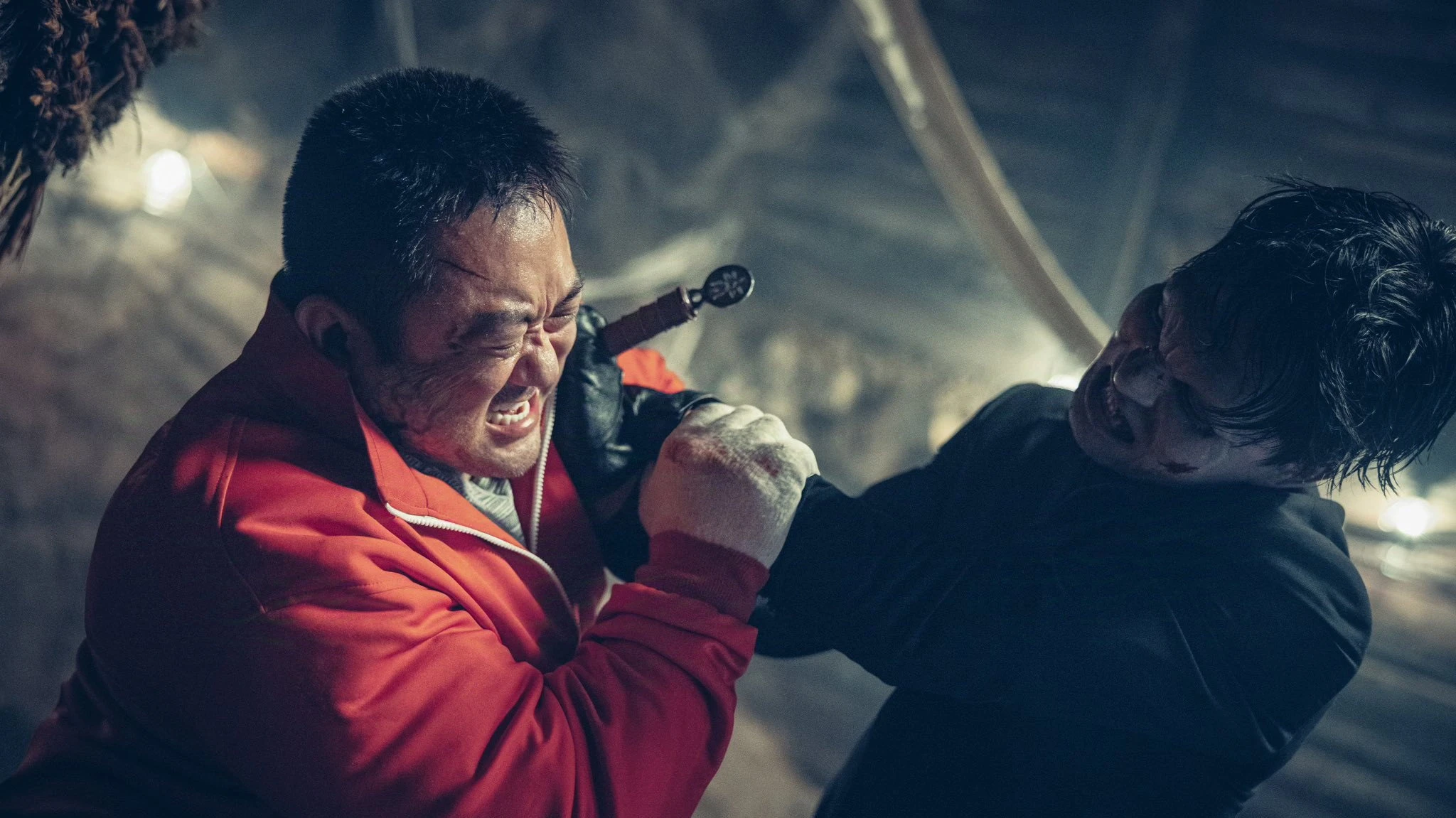
The Exorcism Completes. The finale centers on the sixth and final stage of the ritual: the expulsion of Molock from Han Eun Seo. Sharon leads the direct spiritual confrontation while Ba-woo does something the film has been quietly preparing us for since the opening: he doesn’t fight. He contains. In the basement sequence, Ba-woo draws demonic energy into himself — using his supernatural endurance as a vessel while Sharon performs the expulsion. Molock is cast out. Eun Seo survives, physically devastated but returned. The victory is real. The film immediately makes clear it is also incomplete.
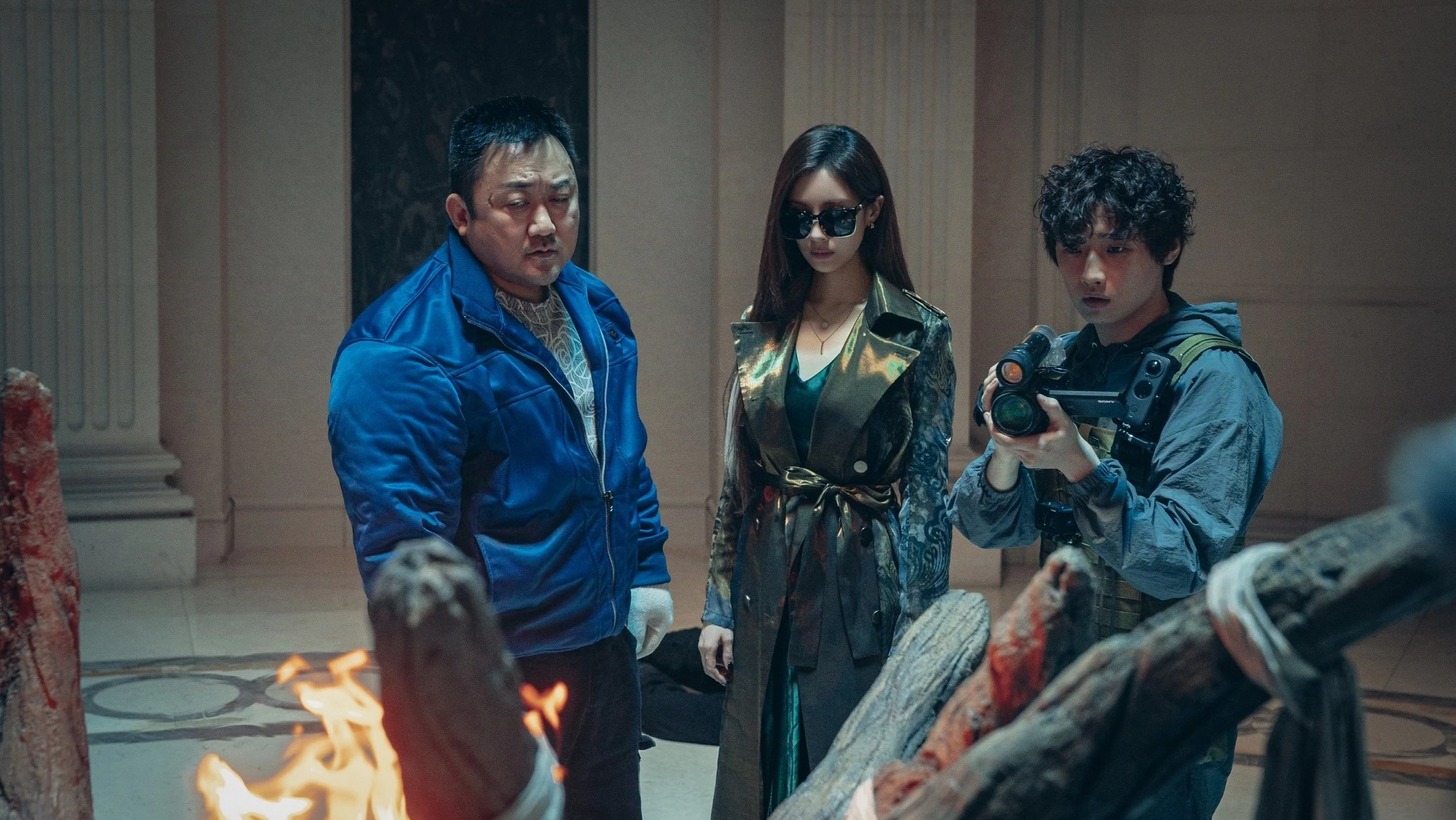
What Ba-woo’s Containment Reveals. The basement scene carries an implication the film doesn’t explain directly: the capacity to absorb demonic energy requires something in the hero that resonates with it. Ba-woo’s strength has never been merely physical — an early scene of him shrugging off a blow that should have incapacitated him reads, on rewatch, not as comic invincibility but as a first visual hint that his body operates according to rules closer to the demonic than the human. Sharon’s offhand early assessment of him implies she has always known this. What exactly Ba-woo is, and why he resonates so clearly with what he hunts, is the question the film plants without answering. That unanswered question is its most valuable asset going forward.
The Animated Coda. The film’s final frames cut to an animated post-credits sequence: the Lucifer Group — the Archbishop-level cult organization behind everything Holy Night just dismantled — is still operational, and a new threat is being staged at an orphanage that may be connected to Ba-woo’s own past. The decision to use animation rather than live action has divided audiences. The practical explanation is budget or production timing. The more interesting reading is intentional aesthetic distancing: the events depicted may represent Ba-woo’s own traumatic recounting rather than literal film continuity, processed through the visual grammar of myth rather than documentary. Either way, the orphanage connection suggests his origin story is entangled with what he hunts in ways neither he nor the audience yet fully understands.
Father Marco’s Unresolved Thread. The film deliberately leaves Father Marco incomplete. His childhood connection to Ba-woo and his knowledge of the Lucifer Group — which reads as more intimate than casual familiarity — invites two readings: a faithful but compromised figure who made past bargains with the cult, or a longer-term plant whose full betrayal is reserved for the sequel. Neither is confirmed, and that ambiguity is structural rather than accidental. It’s the kind of unresolved tension that gives a franchise something to pay off later — whether that payoff arrives depends on whether the sequel gets made. Father Marco is currently a promise the film has no obligation to keep.
KDW Verdict: Foundation Without Catharsis. The strongest reading of this ending is that Holy Night: Demon Hunters is consciously constructing a mythology rather than telling a story, and the animated coda is its most honest moment — an acknowledgment that this film’s job was foundation-laying, not resolution. The evidence is consistent throughout: the undercooked Father Marco subplot, the cult’s true leader dispatched in a cutscene, the carefully named six-stage exorcism structure that functions more as a franchise bible entry than a dramatic arc. It is not a failure of execution. It is a declaration of intent. In Holy Night: Demon Hunters, the real demon has always been the franchise model — and Ba-woo has only just learned its name.
✍️ KDramaWorlds Editor’s Take
Our honest read on whether this one is worth your 92 minutes.
Don Lee has spent a decade building one of K-cinema’s most reliable archetypes: the man who wins by hitting harder than what he’s hitting. The Roundup series is the purest expression of this — a franchise whose entire premise rests on the assumption that no adversary exists beyond the reach of his fists. Holy Night: Demon Hunters tests that premise deliberately. When the demon has no body to engage, Lee is required to perform something more interesting: containment. The basement sequence — where he absorbs rather than deflects — is the film’s best scene because it plays against everything the surrounding mythology has established about him. He makes it look effortless, which is the performance: a man who has always won by force learning, in real time, that the rules have changed, and not showing any of the cost until the scene is already over.
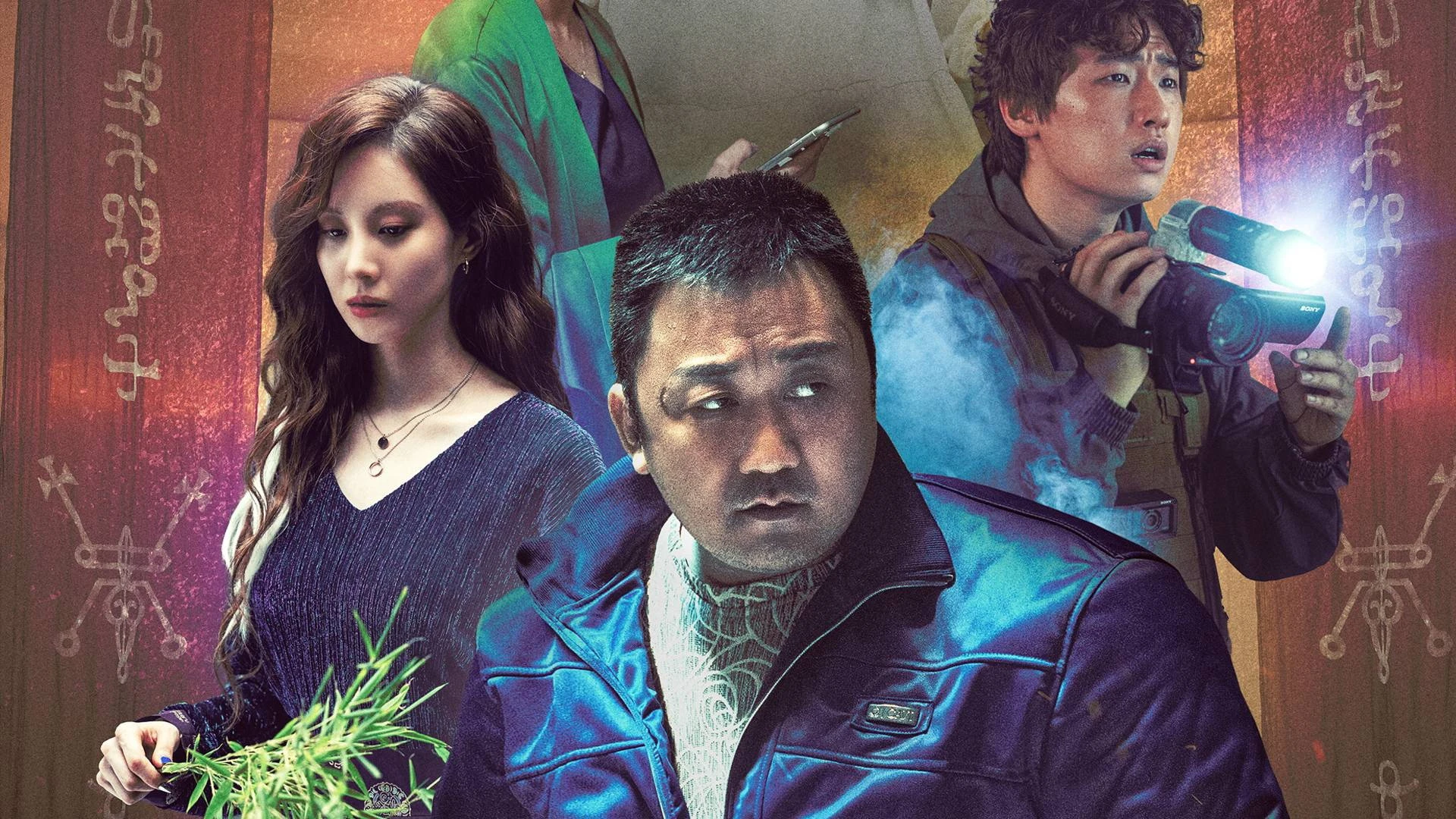
Seohyun’s Sharon is the film’s structural surprise. Korean action cinema rarely builds a genre film around a female character who is, functionally, the actual weapon — the one who does the work that fists cannot accomplish. Her performance operates at a different register from the film’s action beats: calm through the exorcism’s escalating chaos, precise in her spiritual assessments, and given enough screen authority to make Ba-woo’s deference to her expertise feel earned rather than convenient. Jung Zi-so as the possessed Eun Seo brings a physical commitment that makes the exorcism sequences genuinely uncomfortable — she’s not performing the horror-movie contortion set piece; she’s doing something quieter and therefore stranger, a presence that makes the room feel wrong rather than spectacular. For what the supernatural horror register looks like when the script fully trusts its female leads, see also Dark Nuns (2025).
At 92 minutes, Holy Night: Demon Hunters is unusually economical for a franchise-starter, and the efficiency cuts both ways: the film rarely drags, but Father Marco’s backstory, the cult’s architecture, and Ba-woo’s own origin are held back so deliberately it reads as contractual rather than structural. The IMDb score of 4.8 reflects audience frustration with that incomplete arc, and it’s not wrong — the film builds considerably more than it resolves. What it does right is harder to dismiss: the exorcism sequences are genuinely well-staged, Seohyun is given room to carry the third act, and the cultural syncretism between Korean shamanism and Catholic ritual makes Holy Night feel like something Korean genre cinema actually owns rather than borrows. For the Don Lee franchise question in its most satisfying form, The Roundup: Punishment (2024) remains the benchmark. If the sequel gets built, this is the foundation. If it doesn’t — this is still 92 minutes of a man learning that his fist is the wrong tool, and the more interesting question of what he does with his hands instead.
Horror fans who want supernatural mythology with their Seoul action
Viewers curious about Korean shamanism and Catholic exorcism traditions
The foundation is real. The house hasn’t been built yet.
🎬 You Might Also Like
If you liked Holy Night: Demon Hunters, these are your next three watches.
 Racket Boys
badmintonChoi Hyun-wook
Read Full Review →
|
 Pasta
ChefCulinary Competition
Read Full Review →
|
 Azure Spring
coastal dramaComing-of-Age
Read Full Review →
|








Keep it kind, skip the harsh language, and please — no spoilers. Everyone's taste is different, and that's perfectly fine.
This space is for real reactions and discussion from other viewers. Help keep it comfortable for everyone by not giving away major plot details.
What do you think of this drama?
Login to share your review or leave a comment.
No email needed — just pick a username & password.