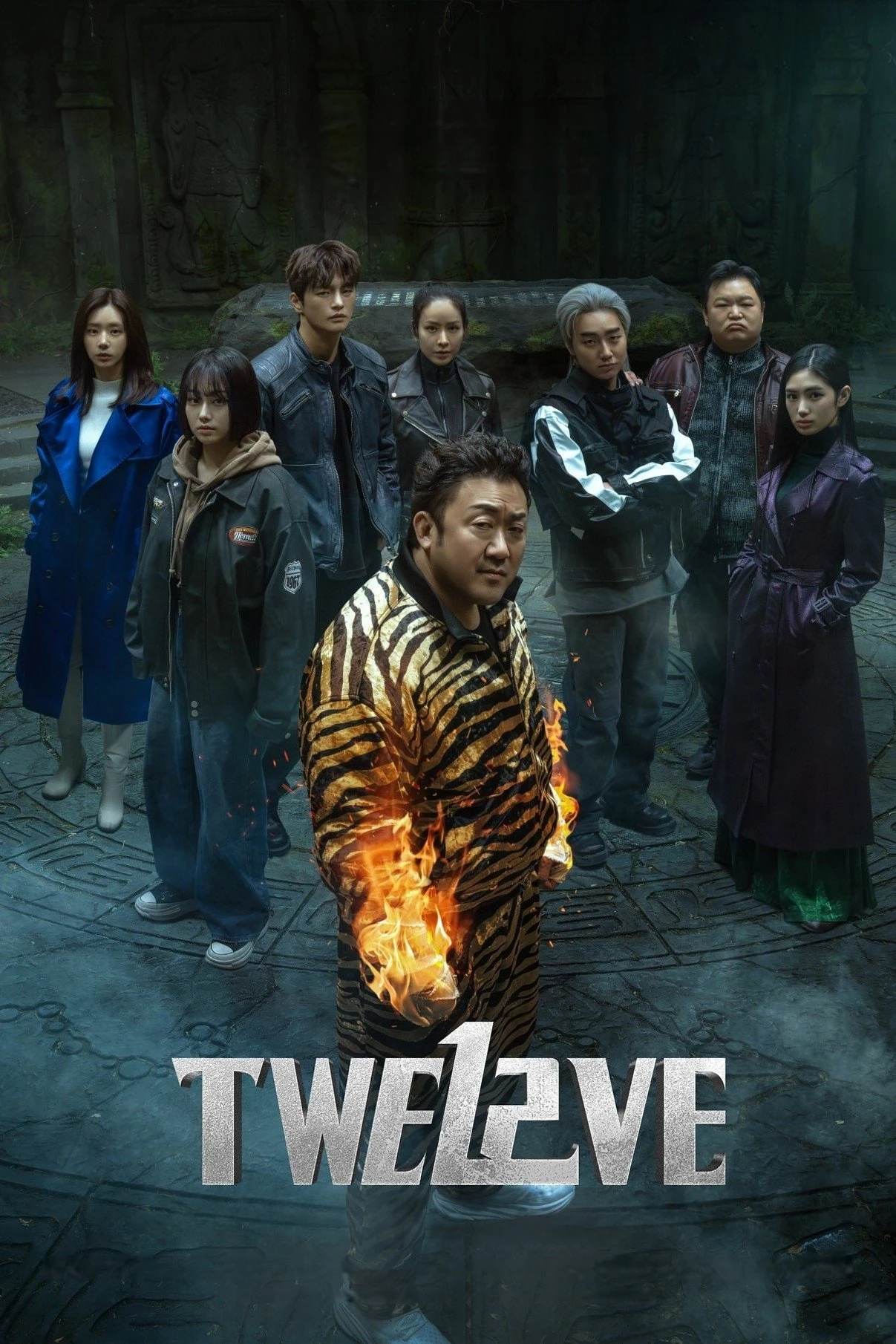
Twelve
🎬 Disney+
⭐ 7.8 / 10 MDL
📺 TV-14
📋 Drama Overview
Quick facts first, before the deep dive.
⚡ Fantasy Action Pick
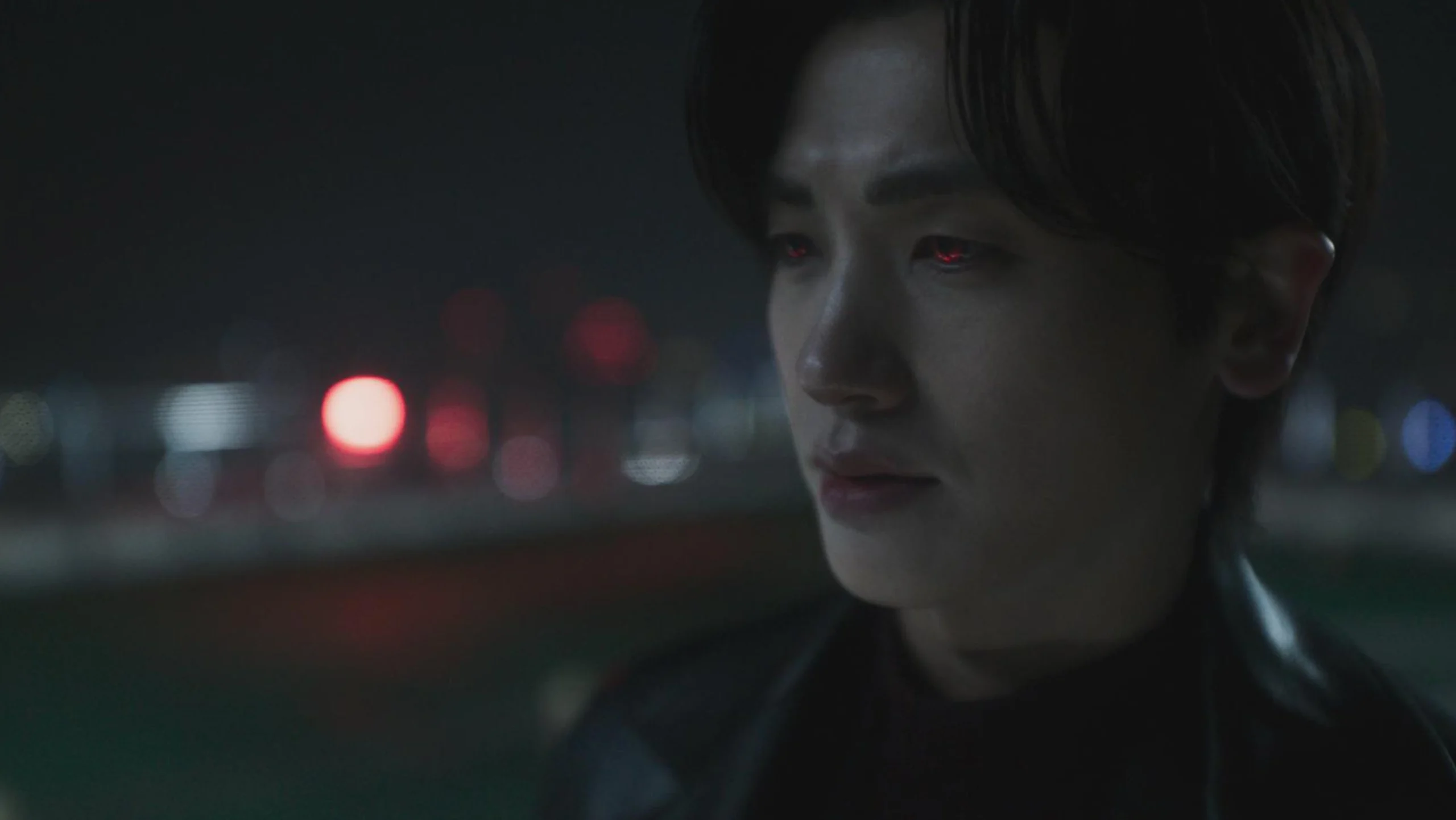
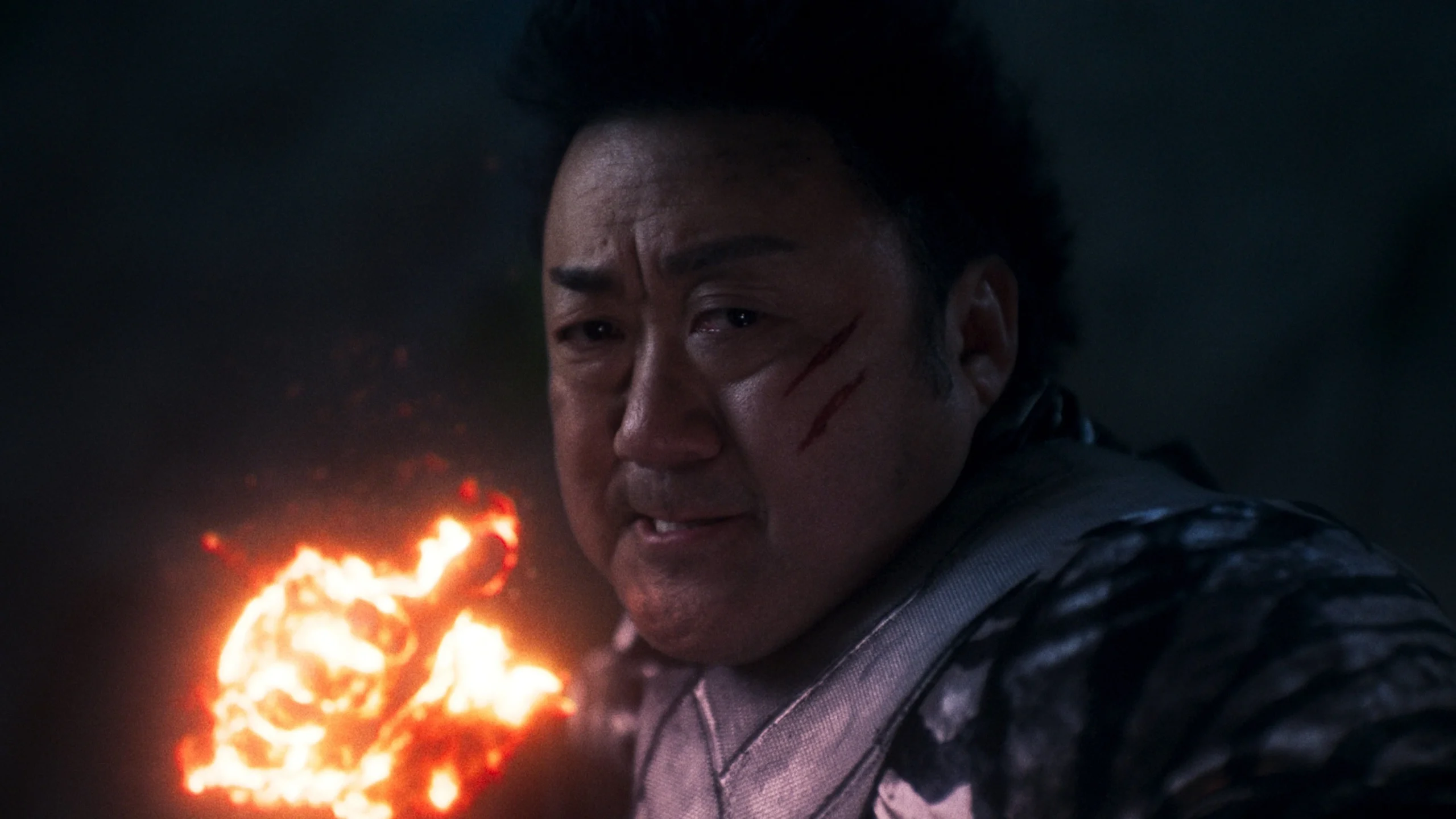
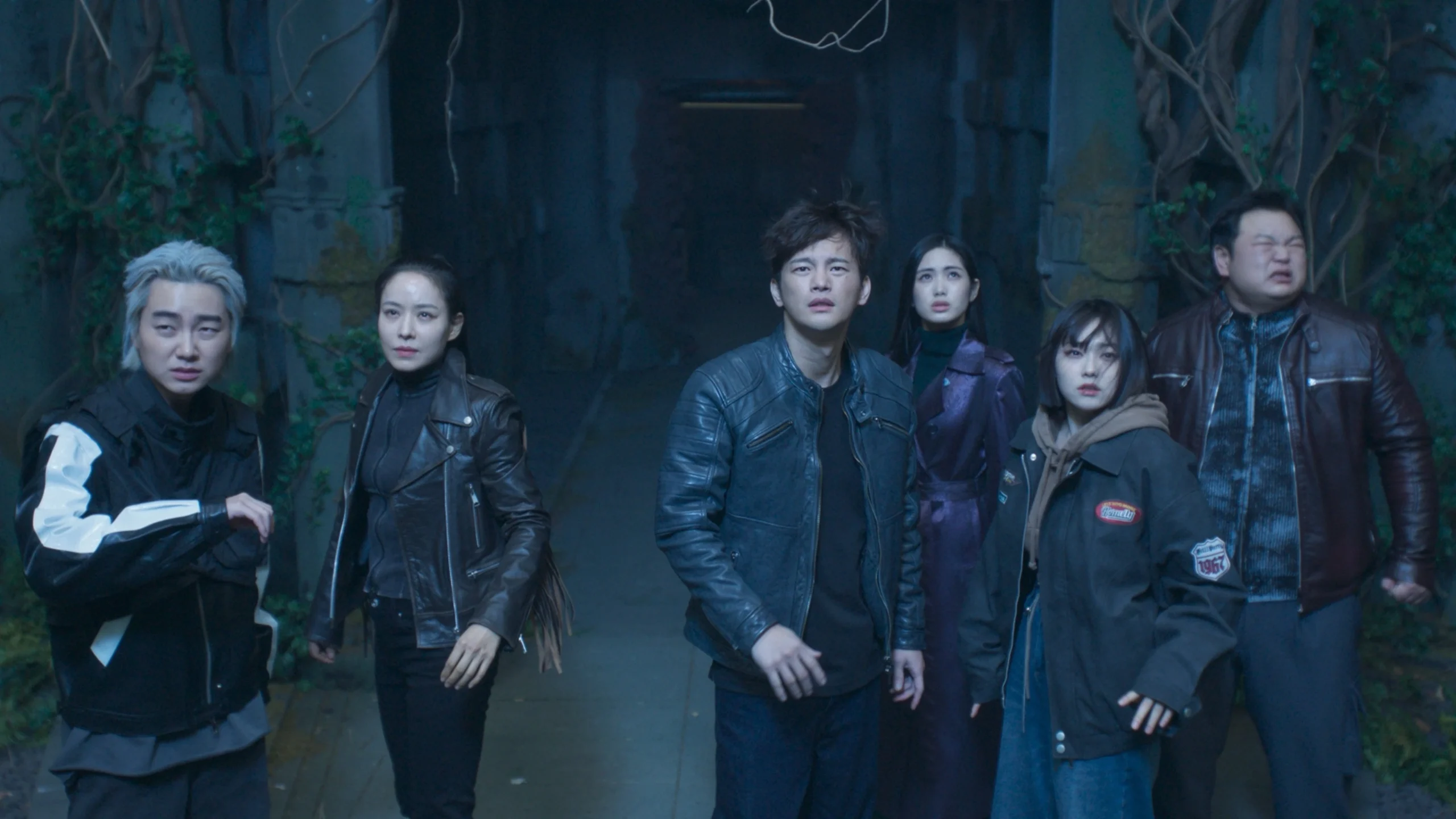
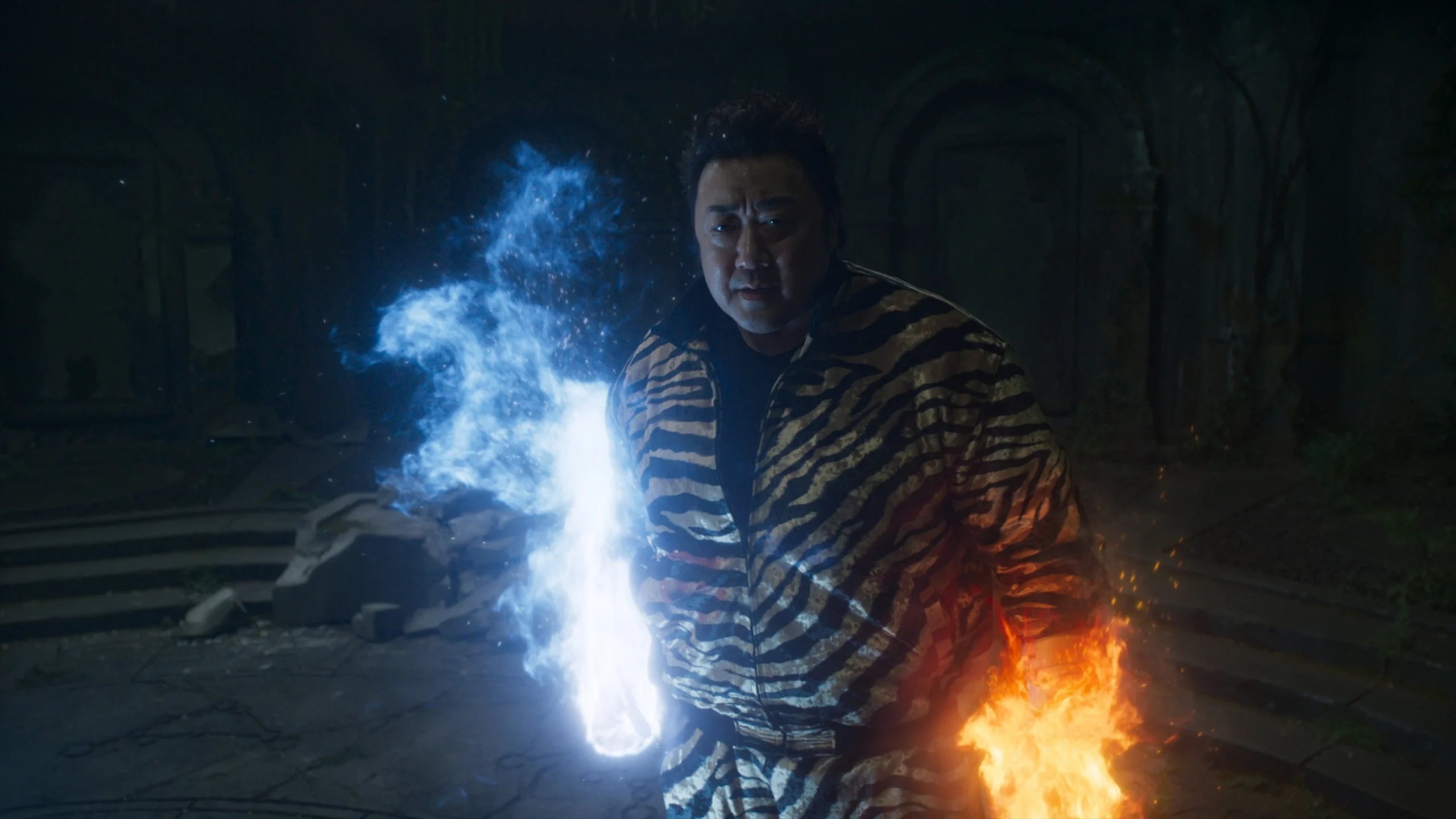
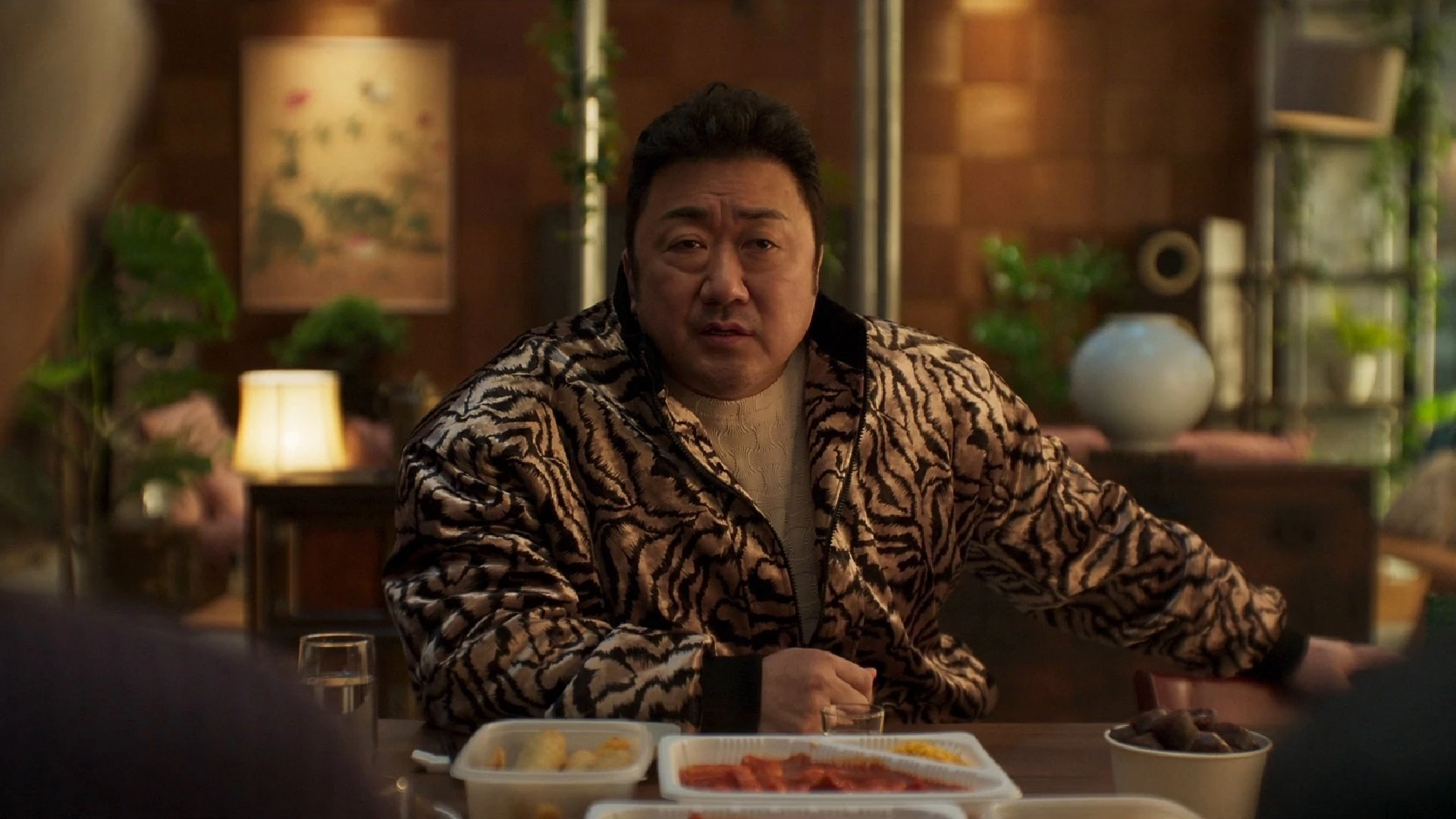
Centuries ago, twelve celestial beings — each embodying one of the Eastern zodiac animals — sealed a great evil behind the gates of hell and dispersed into the human world to live quietly under mortal disguises. Twelve begins when that seal fractures. The crow demon O Gwi (Park Hyung-sik) is the first to breach it, returning to modern Seoul with a corrupting red stone that lets him transform humans into monsters. Tae-san (Don Lee), the tiger angel and reluctant leader, must pull his fractured team back together before O Gwi finishes what he started.
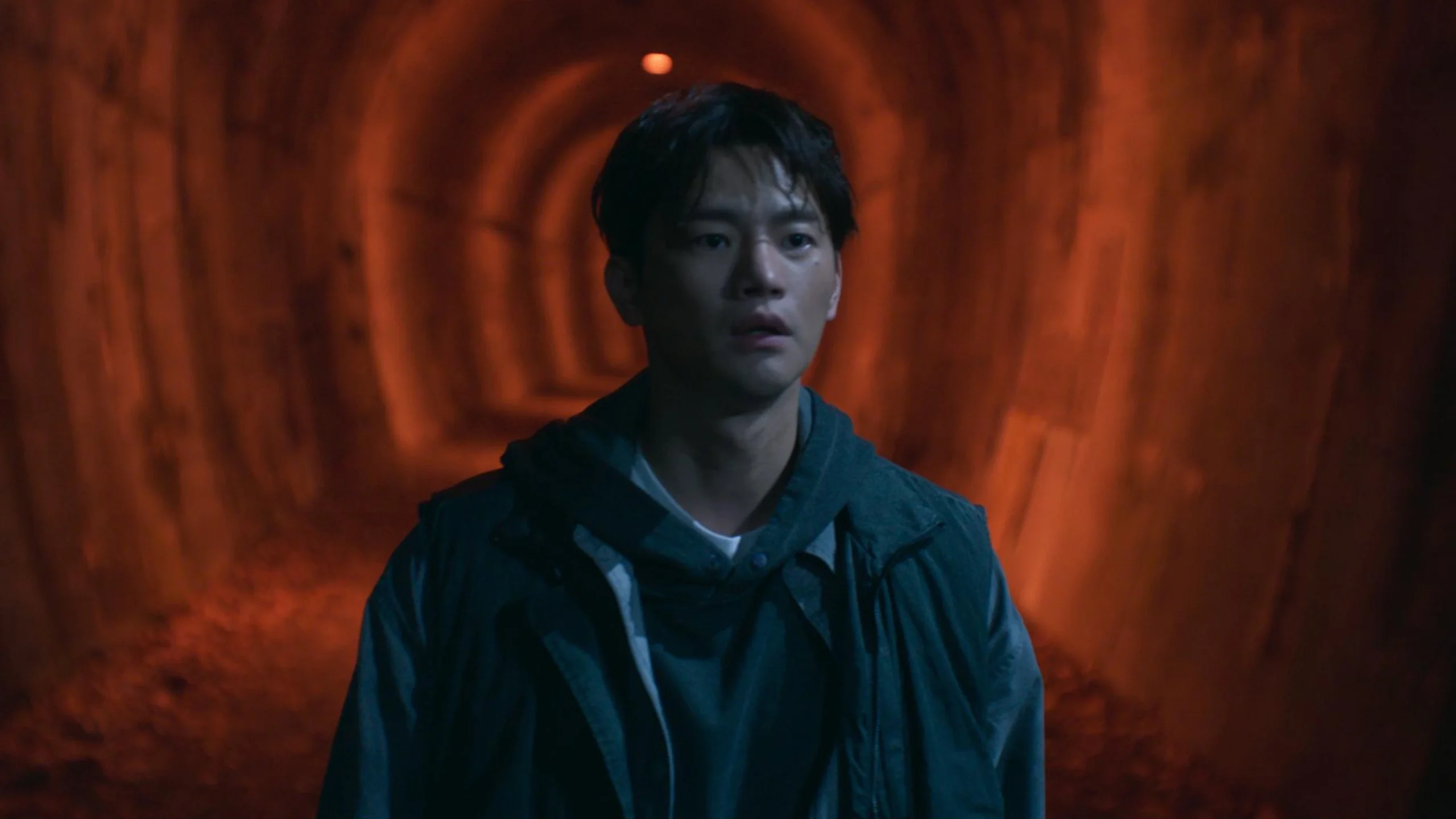
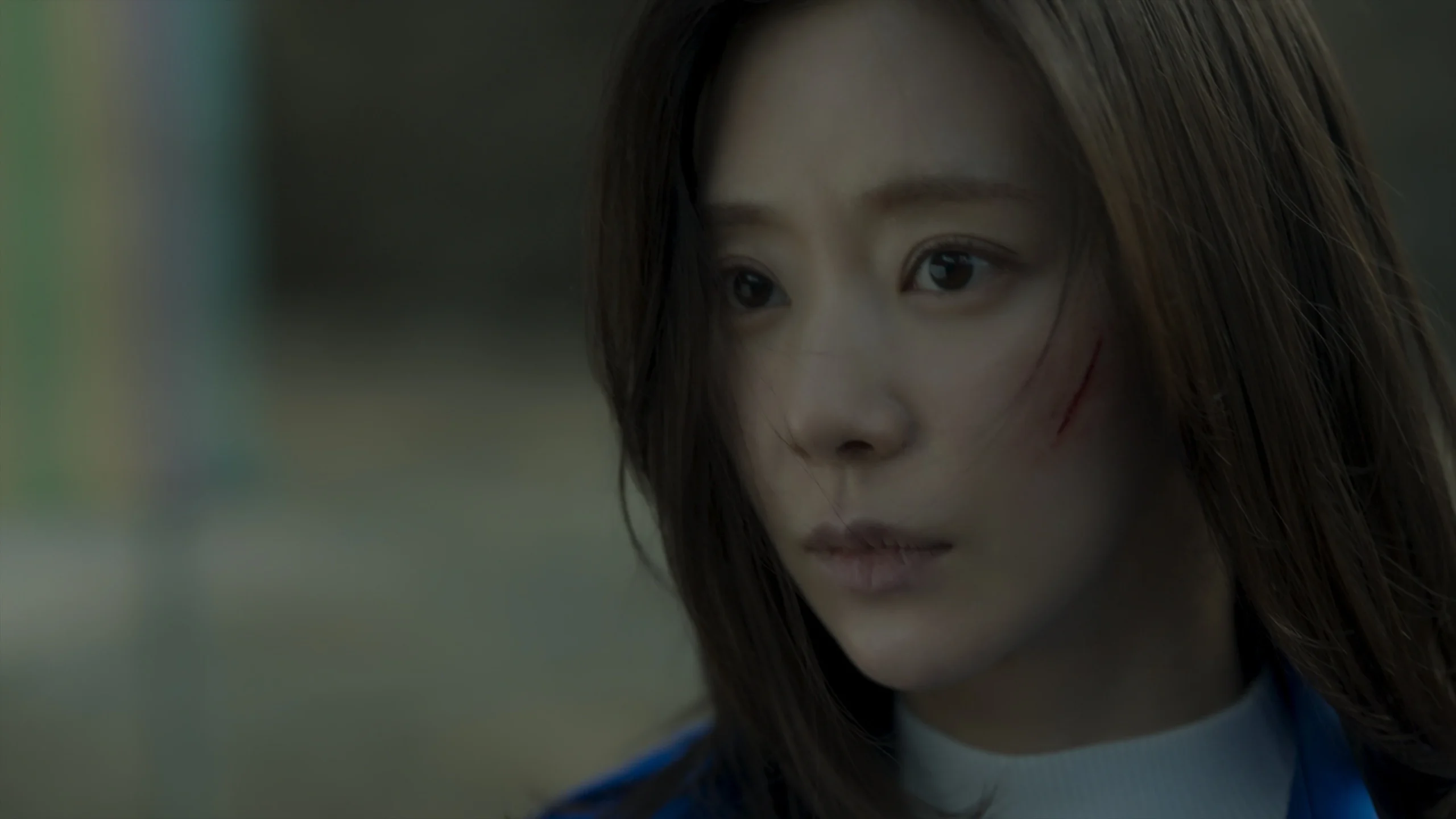
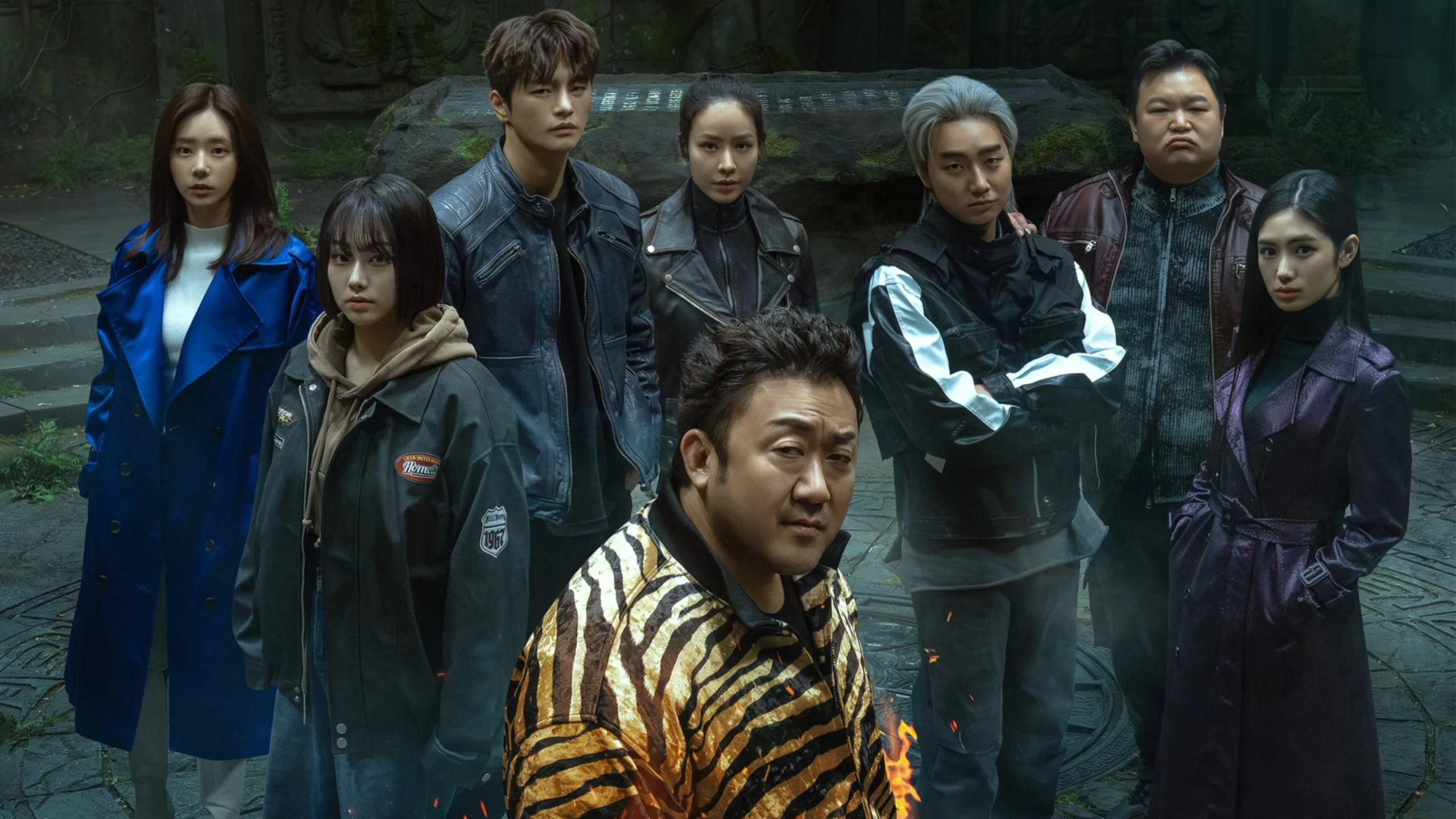
What makes the drama work isn’t just the premise — it’s the architecture beneath it. Each angel carries a distinct zodiac identity that shapes their power and their psychological wound. Won-seung (Seo In-guk) reads the future with the precision of a burden. Mir (Lee Ju-bin) carries a specific wound from the last war that makes her refusal to rejoin Tae-san feel earned. Bang-wool (Regina Lei) gets the most complicated arc — a fallen angel tempted by the one thing she genuinely lost. Eight episodes, no drift, every hour matters.
8 / 8 ✅ Completed
⚡ Quick Verdict
Everything that matters, at a glance.
· MDL Score
▶ Official Trailer
🎭 Cast & Characters
Ten zodiac angels, one crow demon, and a human guardian — every cast member carries a distinct mythology and the wound that comes with it.

Lead
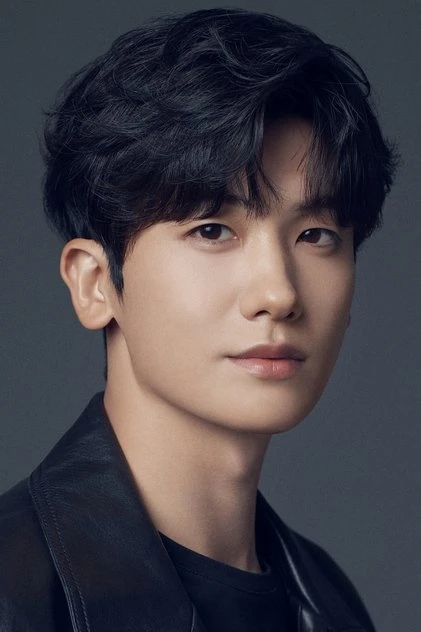
Villain

Lead

Supporting
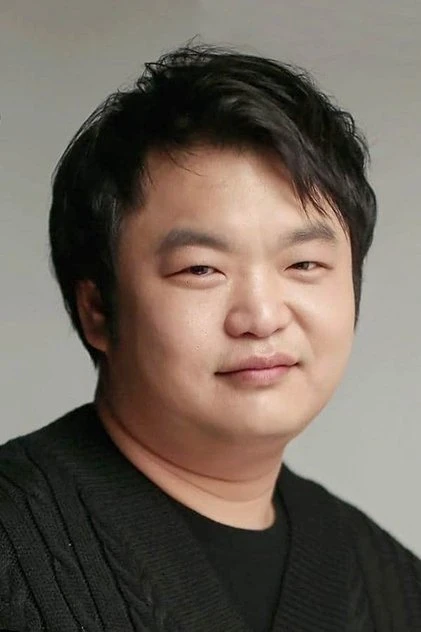
Supporting

Supporting

Supporting

Supporting

Supporting

Supporting
📺 Episode Guide
A spoiler-light refresher, episode by episode.
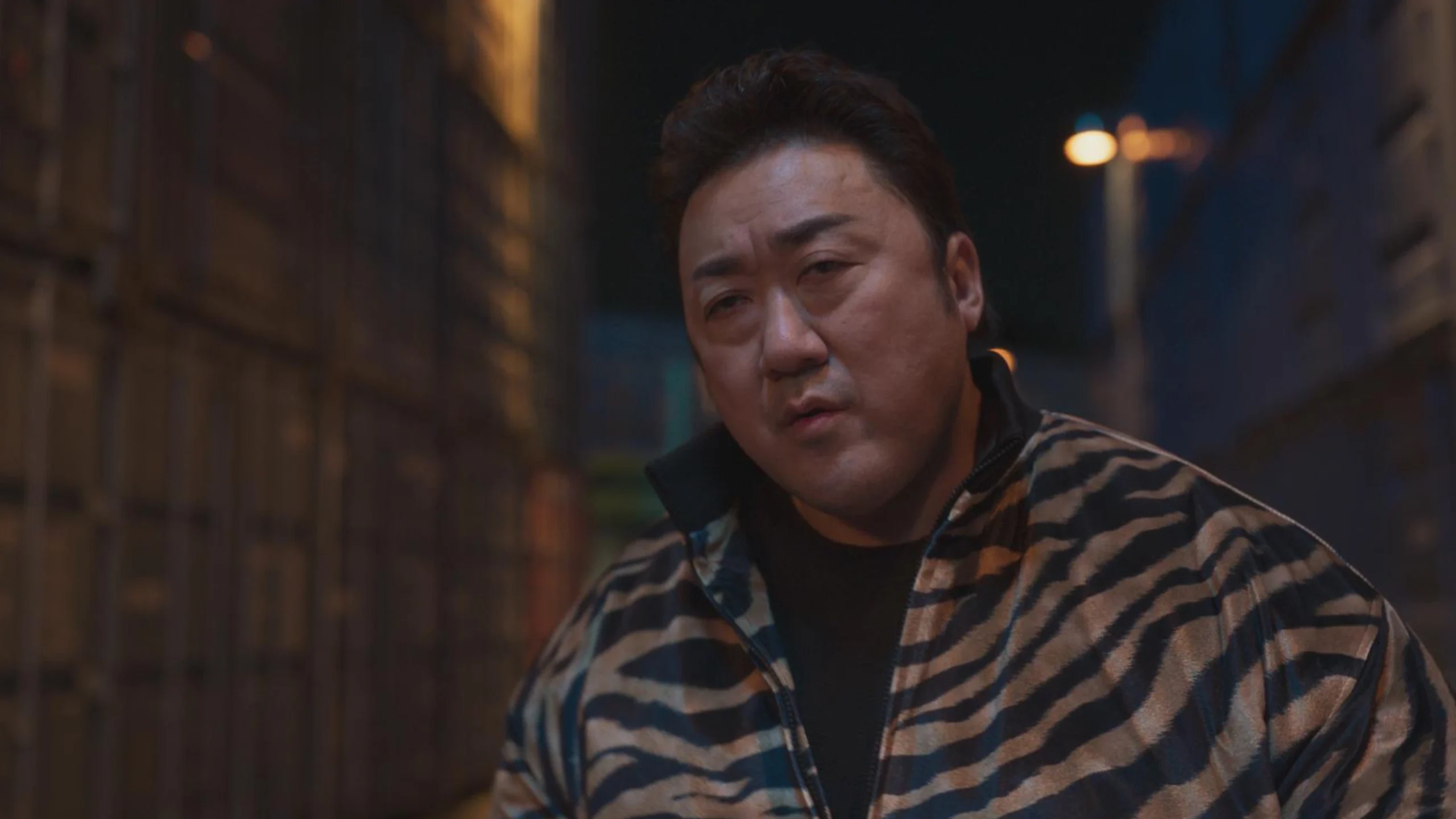
🏁 Ending Explained
Full spoilers from this point — what happened, and why.
Spoiler Warning — This section covers the full finale of Twelve. Stop here if you haven’t finished the series.
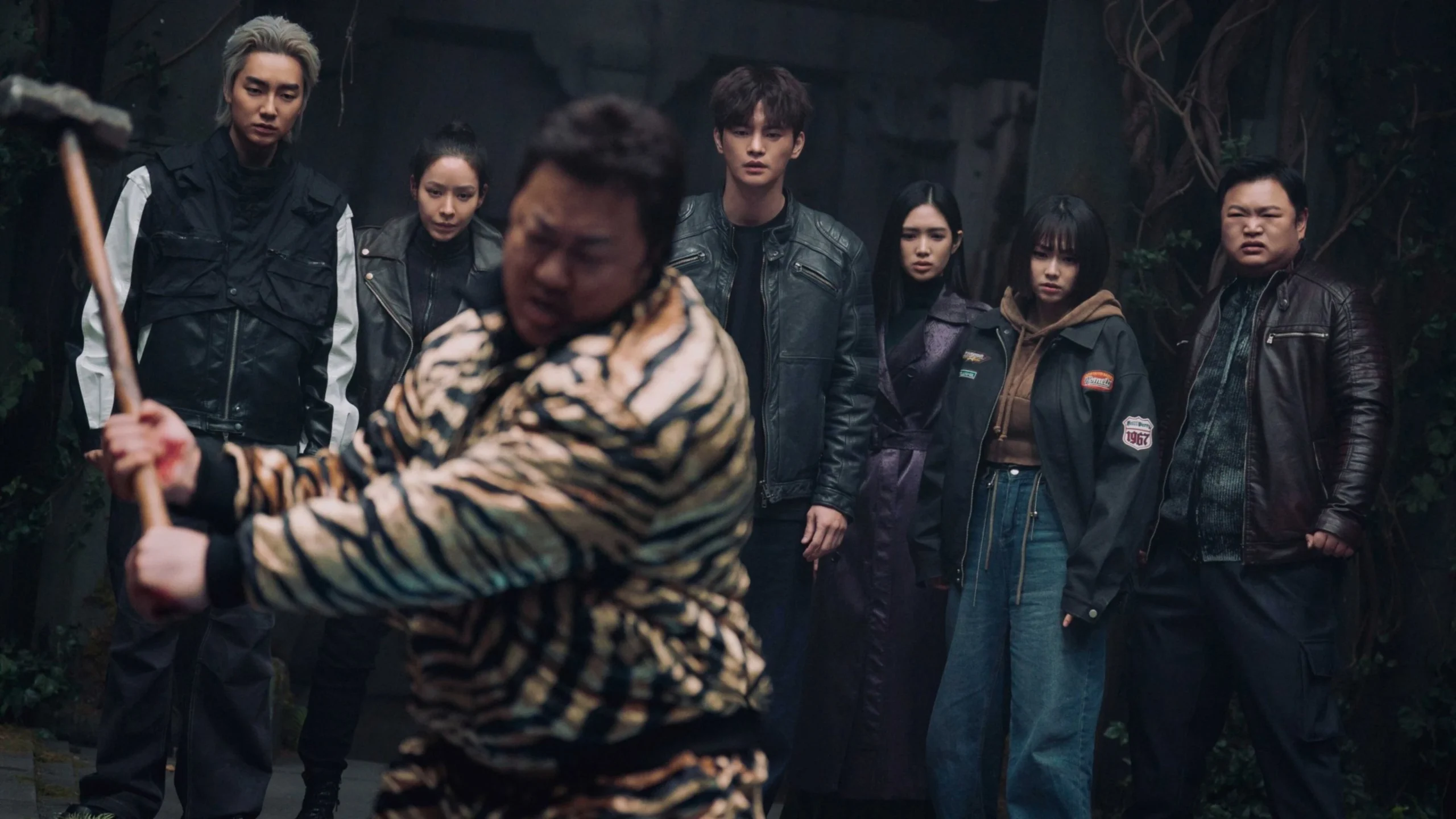
The Final March. The finale of Twelve earns its resolution because the show spent eight episodes making sure the obstacles were real. When Tae-san walks his nine remaining angels toward O Gwi’s position at the hell gate, the weight of who isn’t there anymore — Won-seung, who saw this moment in his visions and chose it anyway — hangs over every frame. Tae-san is fully accepting his role as leader not because he finally wants it, but because he understands now that refusing it costs other people more than it costs him.
O Gwi’s Last Stand. Stripped of the red stone’s amplification after Won-seung’s sacrifice in Episode 7, O Gwi is diminished — but not finished. The drama is smart enough not to defang him completely: he still nearly kills Tae-san in their final encounter, and the battle at the gate costs the group in ways that can’t be undone. Park Hyung-sik plays the diminished O Gwi as something more dangerous than a weakened villain: a man who knows he’s losing and starts making decisions that are purely about destruction rather than victory. The show doesn’t offer a clean fight. It offers a necessary one.
Mir’s Forgiveness — and the Gate. Mir’s role in the ending is the payoff the drama has been building since Episode 2. Her refusal to rejoin Tae-san wasn’t stubbornness — it was a specific grievance about a specific failure from their last war. The finale gives that grievance its due. She doesn’t forgive Tae-san because the plot requires it; she forgives him because she’s watched him carry the weight of that failure for six episodes without flinching. When she seals O Gwi inside the gate using her snake powers, it’s with the full ability her unresolved anger had been partially blocking. The forgiveness and the sealing are the same act.
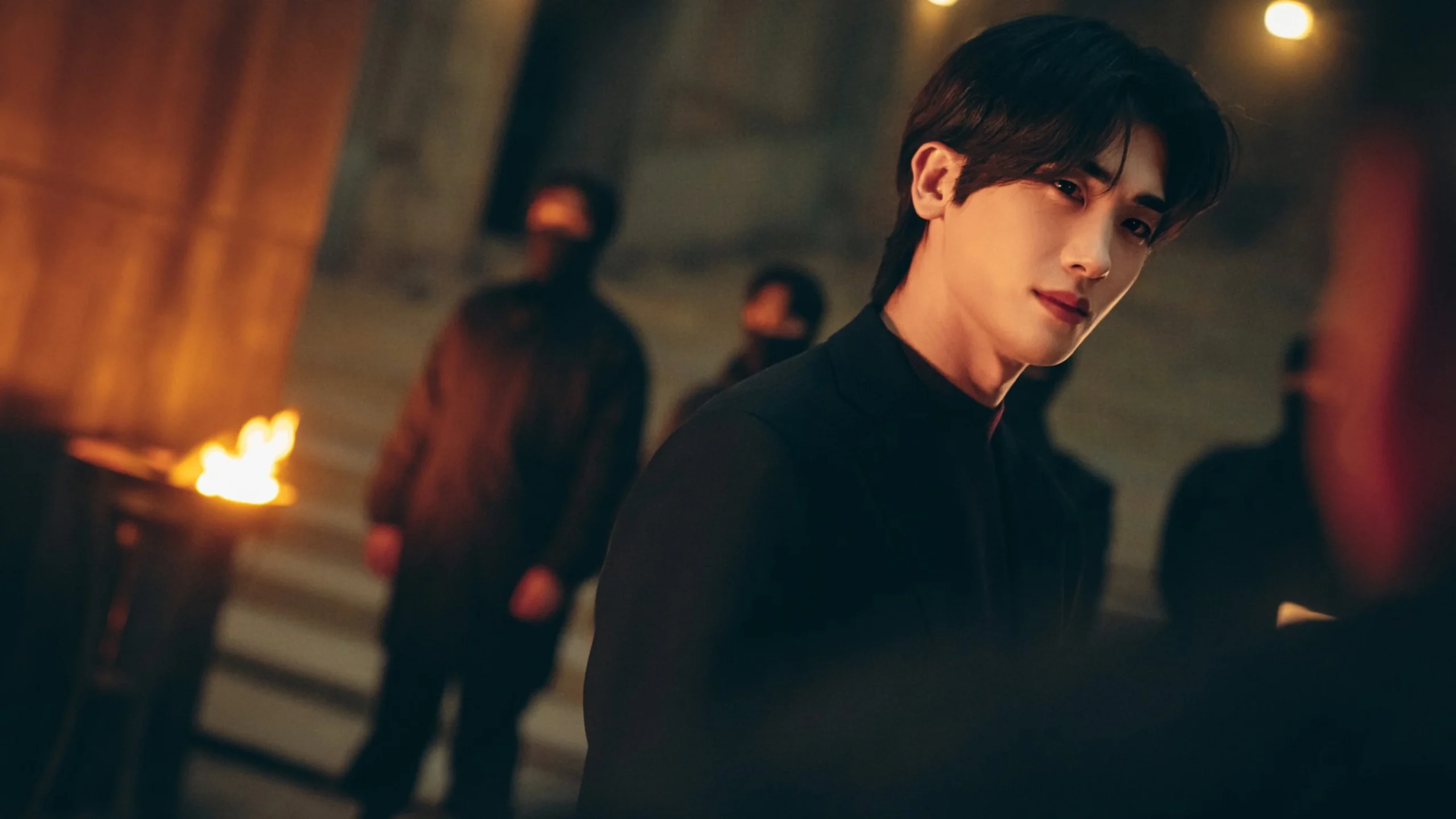
Bang-wool Chooses Humanity. Bang-wool’s ending is the quietest and possibly the most honest resolution in the finale. She spent four episodes being tempted by O Gwi’s promise to restore her lost lover, turned against him in Episode 7 when she realized he had no intention of ever delivering — and the finale doesn’t reward her with a substitute or a new love. She walks away from the angels, returns to a fully human life, and finds something that resembles peace without requiring someone to fill the empty space. The drama understands that what she lost cannot be replaced, only grieved properly, and it lets that be enough.
What Remains. The final image — the Twelve dispersing back into ordinary Seoul life, the gate sealed behind them — doesn’t carry the triumphalism most fantasy finales reach for. Won-seung is dead. Do-ni is permanently weakened. The government knows something happened, even if they don’t know what. And behind that gate, the sealed threat isn’t destroyed — it’s contained. Tae-san’s promise to honor Won-seung’s sacrifice by protecting humanity is sincere precisely because the show has never let him be sure it will be enough. Twelve ends not with certainty, but with commitment. That’s rarer, and it lands harder.
✍️ KDramaWorlds Editor’s Take
Worth watching or not — our honest read, and who it’s for.
⚡ Ensemble Superhero
🌙 Ancient vs Modern Seoul
⚔️ High-Stakes Action
💀 Won-seung’s Sacrifice
Korean drama has been circling the ensemble superhero concept for years without fully committing. My Demon used its supernatural mythology as backdrop for romance. Sisyphus: The Myth got tangled in its own logic and lost the characters inside the concept. Twelve is the first to actually build a superhero team — define each member’s power, personality, and psychological wound, then test all three across eight episodes — and trust that the mythology itself is the story rather than the setting.
The Eastern zodiac framing is doing real work here. Each animal identity creates a character logic: Won-seung’s dragon power is foresight, and foresight as a burden rather than an advantage is the entire engine of his arc. Mir’s snake nature ties to her history with betrayal in a way that makes her emotional resistance feel mythologically grounded, not just dramatically convenient. Park Hyung-sik as O Gwi is a swing worth examining — he built his reputation on warm leading-man roles, and his villain turn here is calibrated cold in a way that uses that contrast productively. Don Lee does what Don Lee does: makes physicality feel inevitable rather than performed, so when Tae-san’s full power finally appears in Episode 6, the reveal lands because you’ve been watching someone hold back for five episodes and you believed it.
Seo In-guk’s Won-seung is the heart of the show, and his exit in Episode 7 is one of the better-earned gut-punches in Korean fantasy in recent memory. The sacrifice works because the drama spent three episodes establishing that Won-seung could see it coming — he had time to choose differently and chose this instead. Eight episodes, no fat. If you’ve ever wanted to watch a Korean production trust its own mythological material enough to build an entire dramatic architecture from it, Twelve is that show.
Anyone who wanted a Korean ensemble superhero story built from Eastern mythology
Viewers who prefer tight, no-filler storytelling — 8 episodes that earn every minute
🎬 You Might Also Like
If you liked Twelve, these are your next three watches.
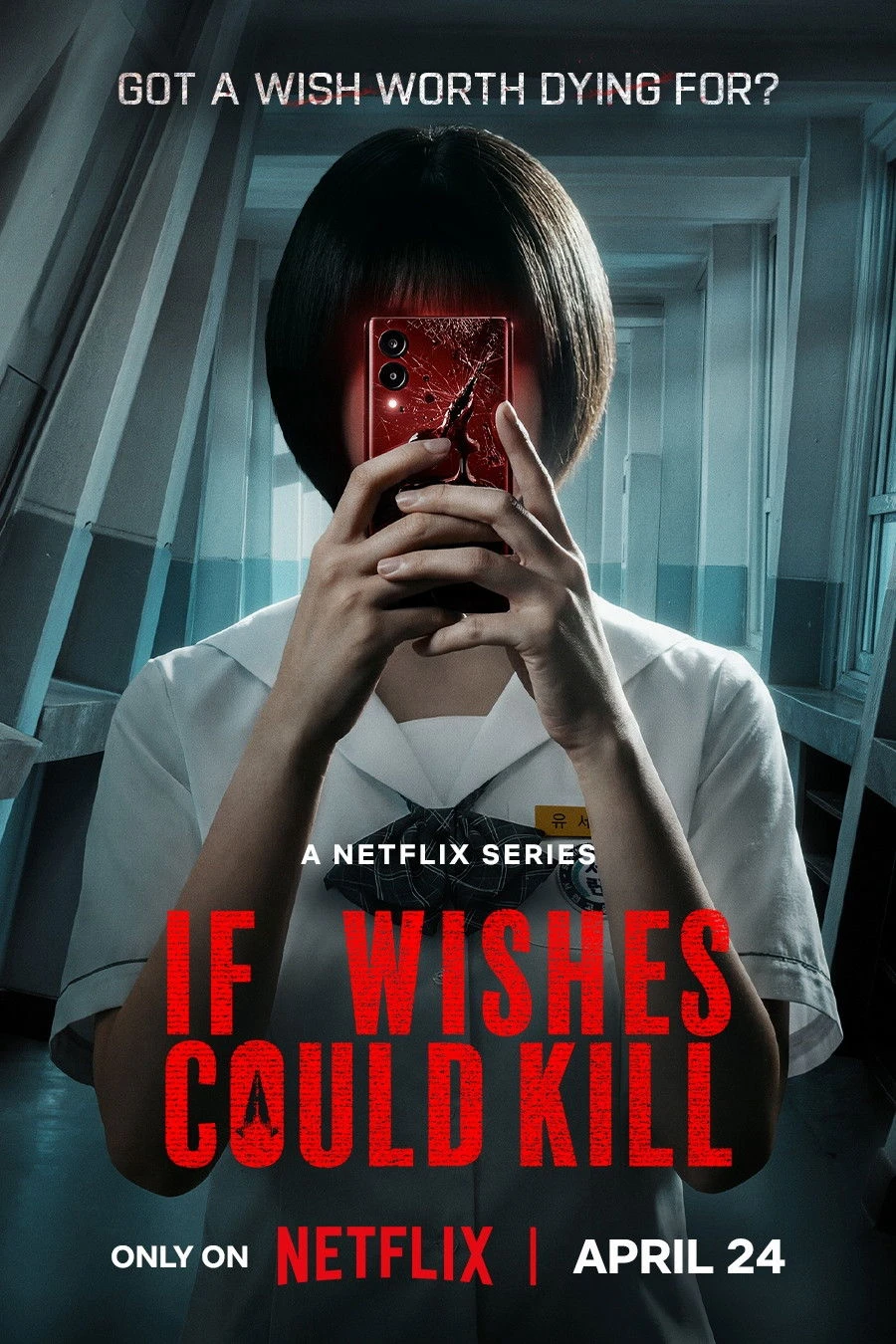 If Wishes Could Kill
Baek Sun-hohorror
Read Full Review →
|
 Family Matters
ActionBae Doona
Read Full Review →
|
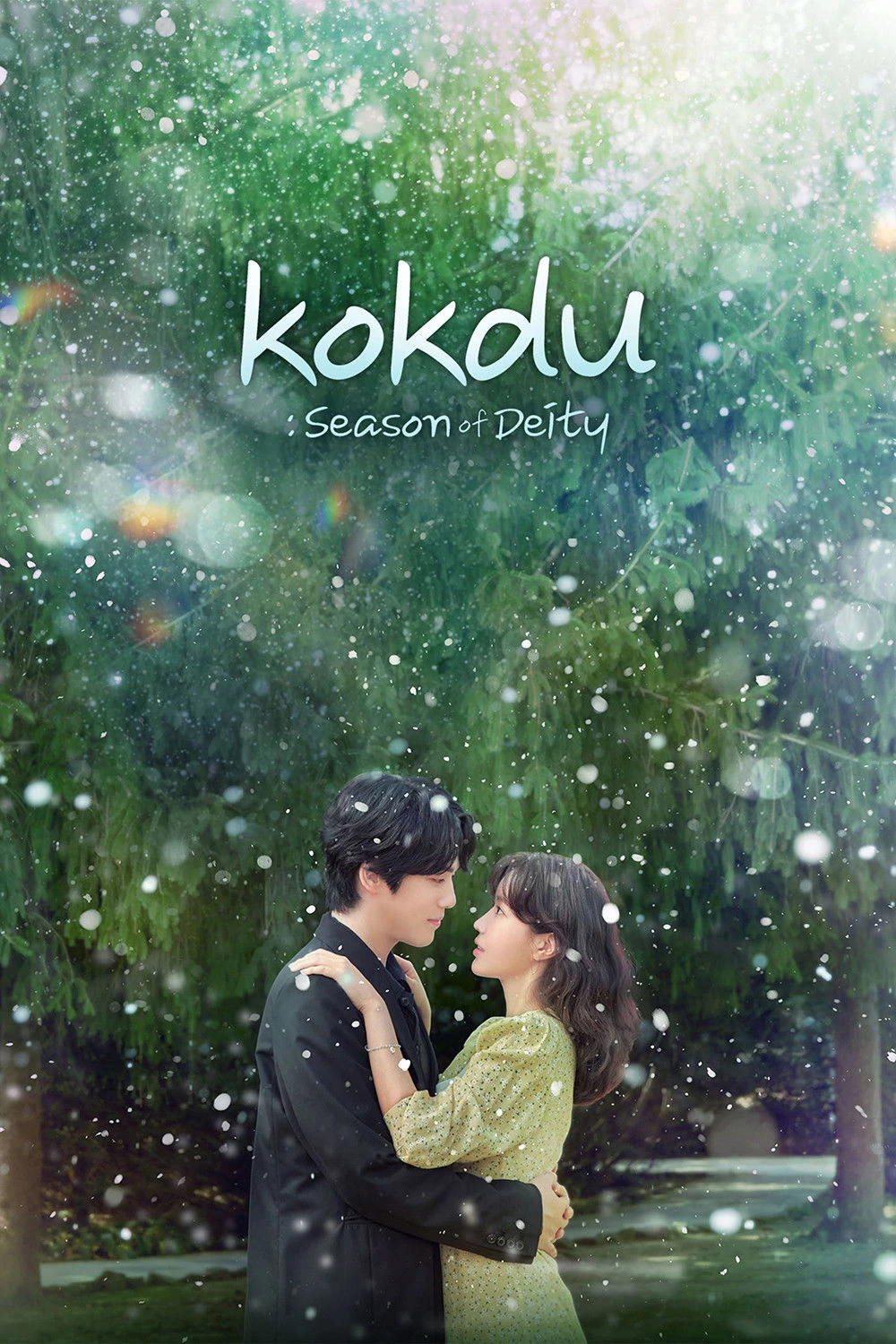 Kokdu: Season of Deity
comedycurse
Read Full Review →
|











Keep it kind, skip the harsh language, and please — no spoilers. Everyone's taste is different, and that's perfectly fine.
This space is for real reactions and discussion from other viewers. Help keep it comfortable for everyone by not giving away major plot details.
What do you think of this drama?
Login to share your review or leave a comment.
No email needed — just pick a username & password.