
Beyond Evil
🎬 Netflix · TVING
⭐ 8.7 / 10 MDL
🔞 TV-MA
📋 Drama Overview
The essentials — before you press play.
🏆 Baeksang Award Winner
TVING
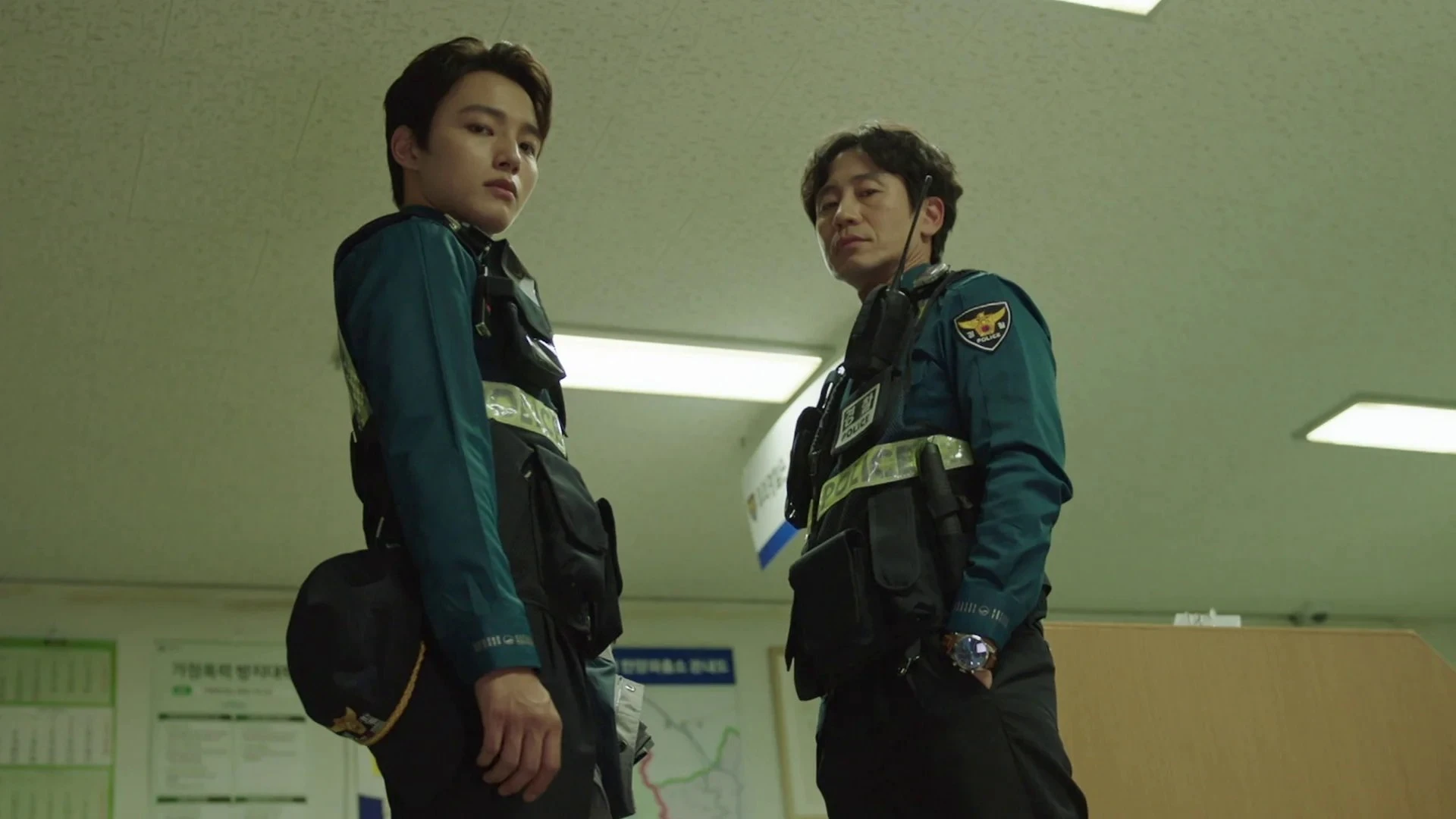
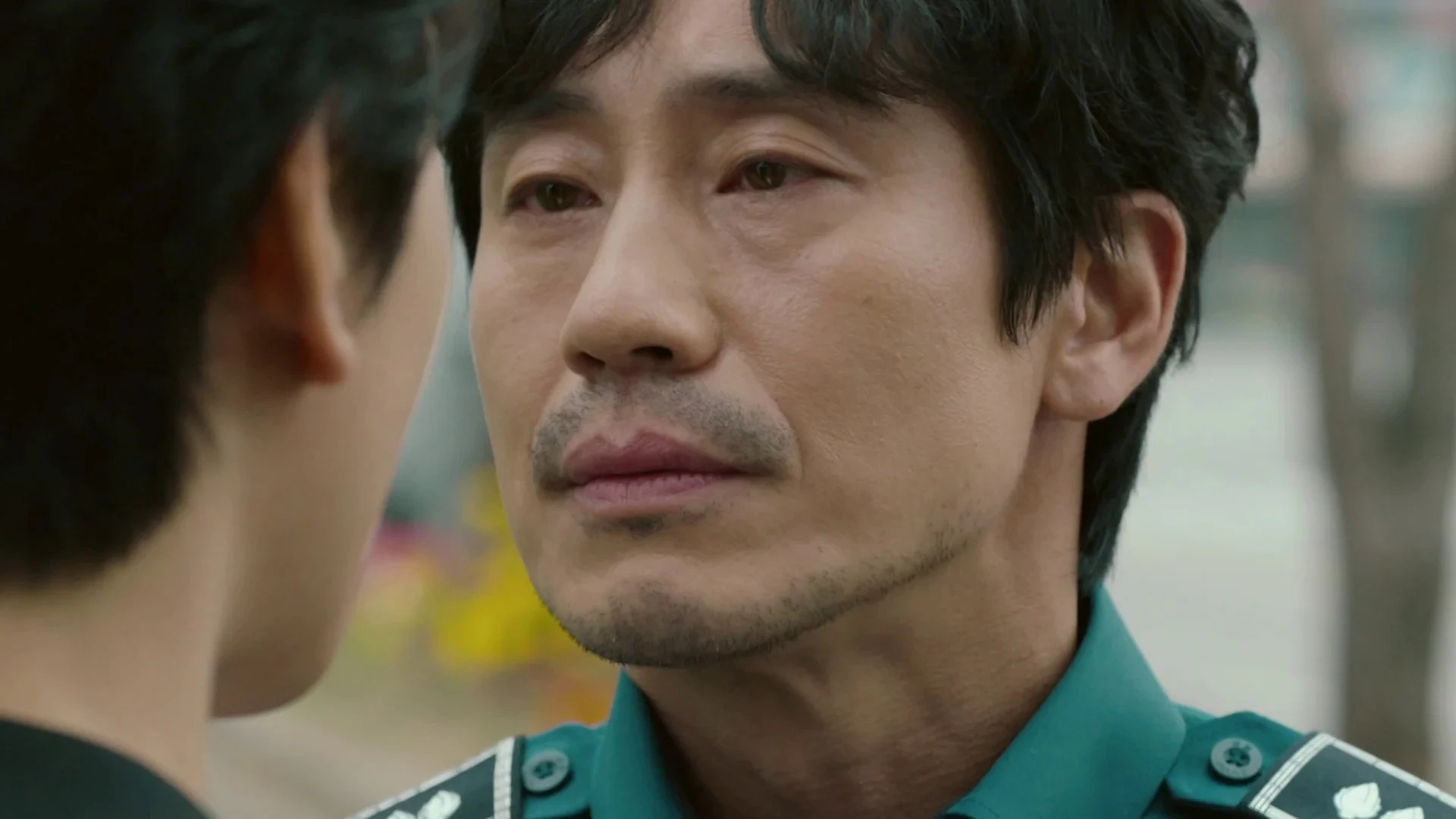
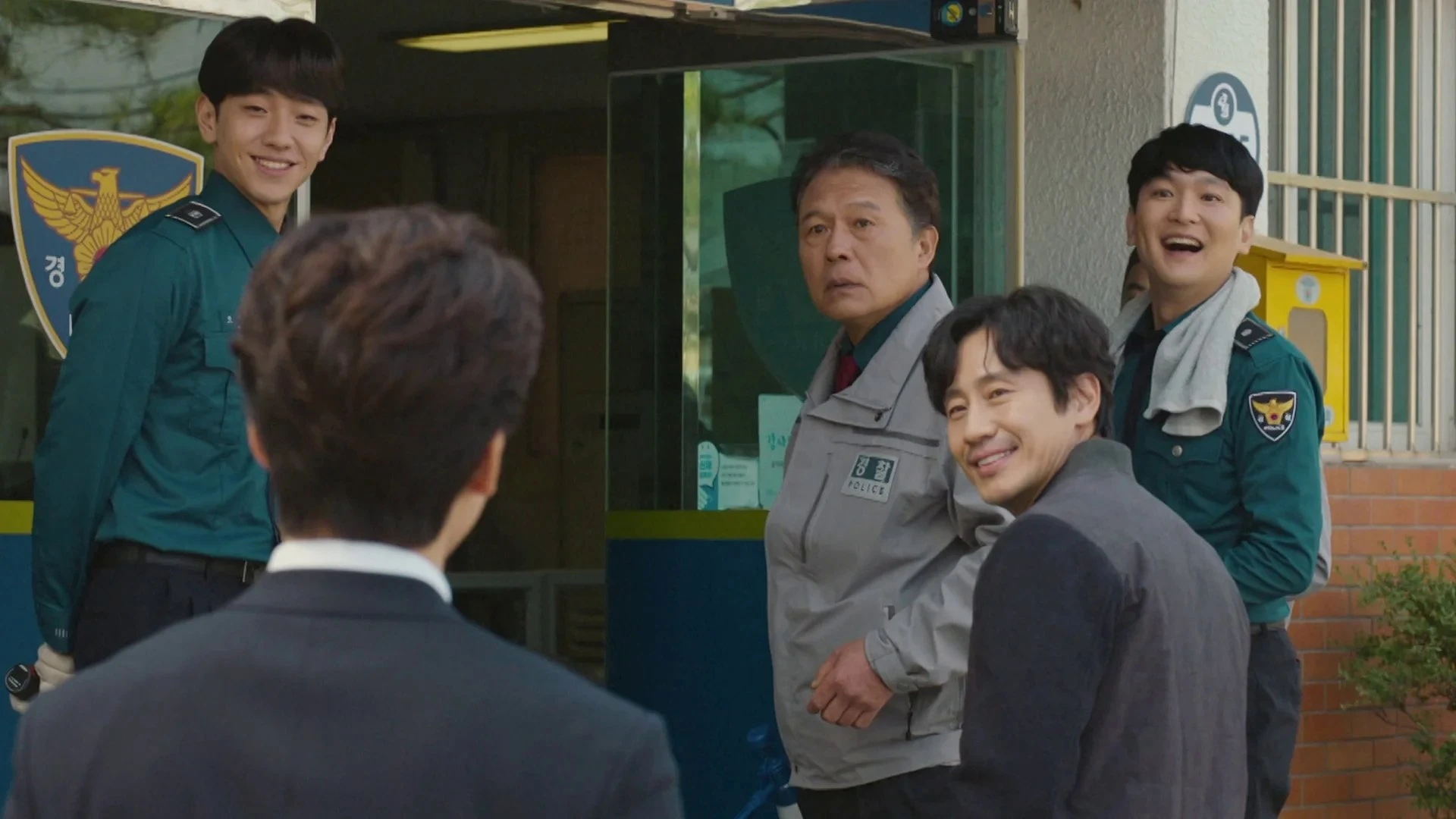
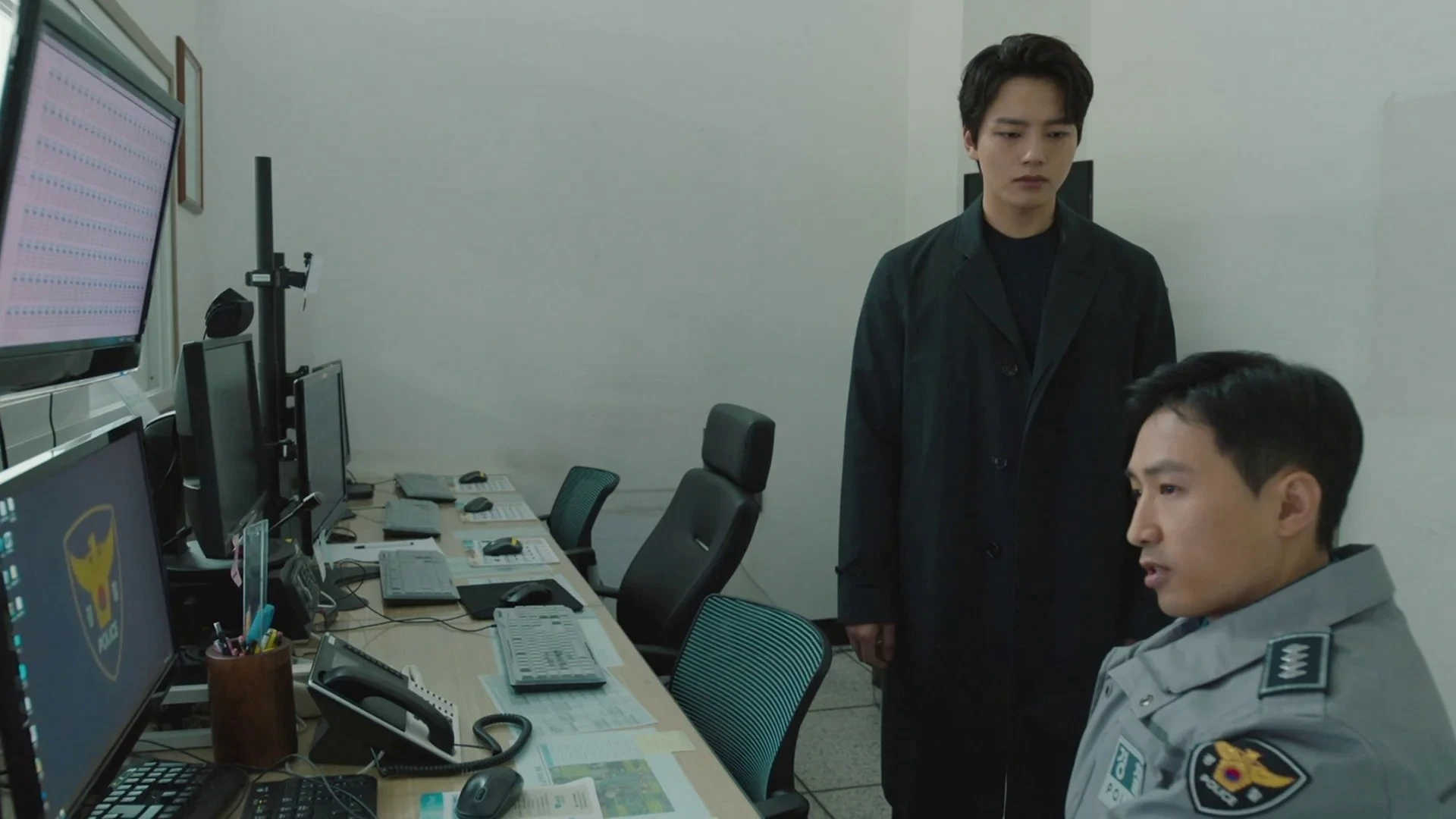
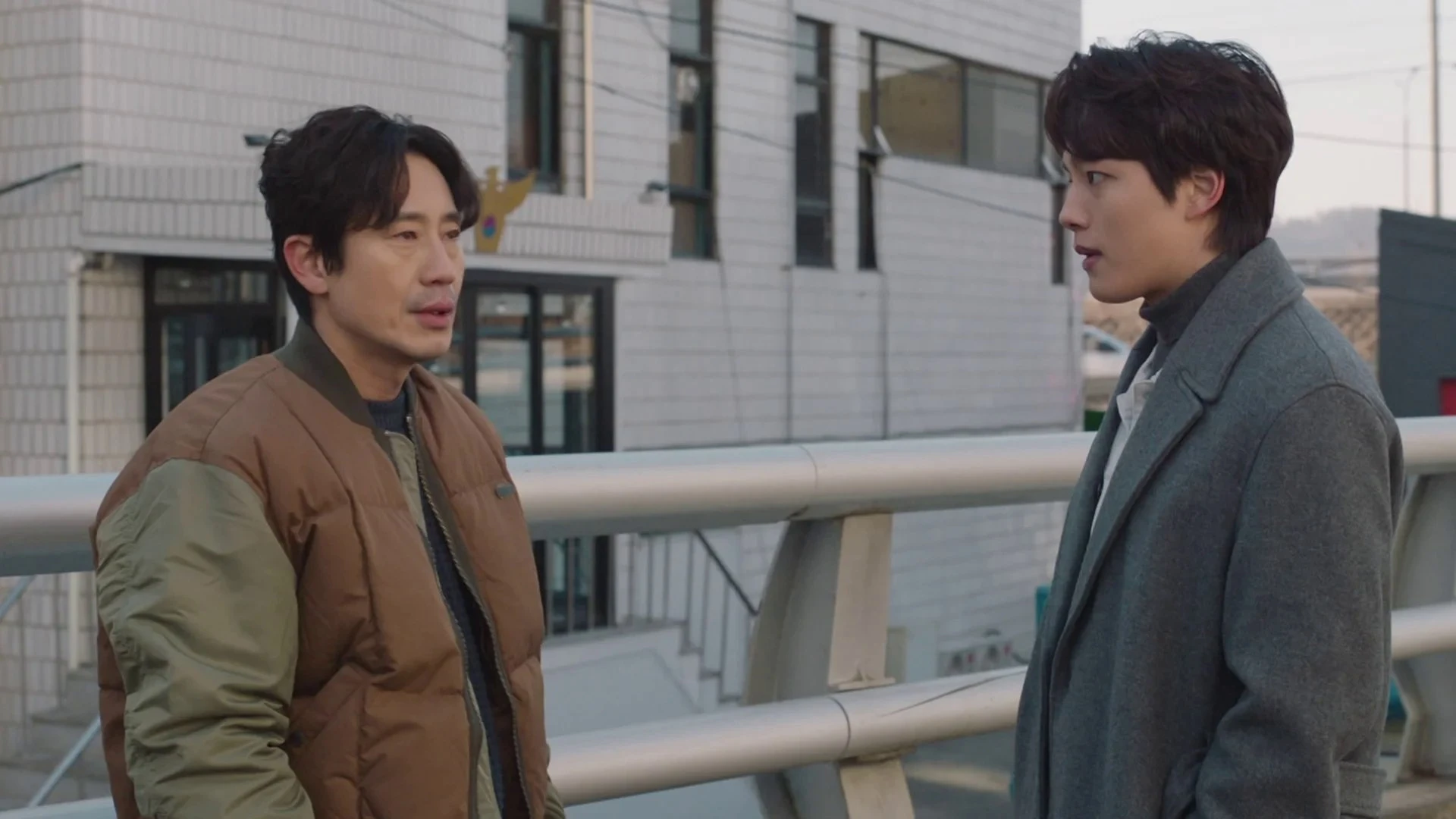
Lee Dong Sik (Shin Ha-kyun) has spent two decades as the most hated man in Manyang. A detective stripped of his rank and confined to small-town duty, he carries the unspoken accusation that he murdered his own twin sister, Yu Yeon — whose body was never found. When a new string of murders begins to mirror the cold cases that broke the community apart, elite Seoul detective Han Joo Won (Yeo Jin-goo) arrives at the Manyang Police Substation with one conviction: Dong Sik is the killer, and he will prove it.
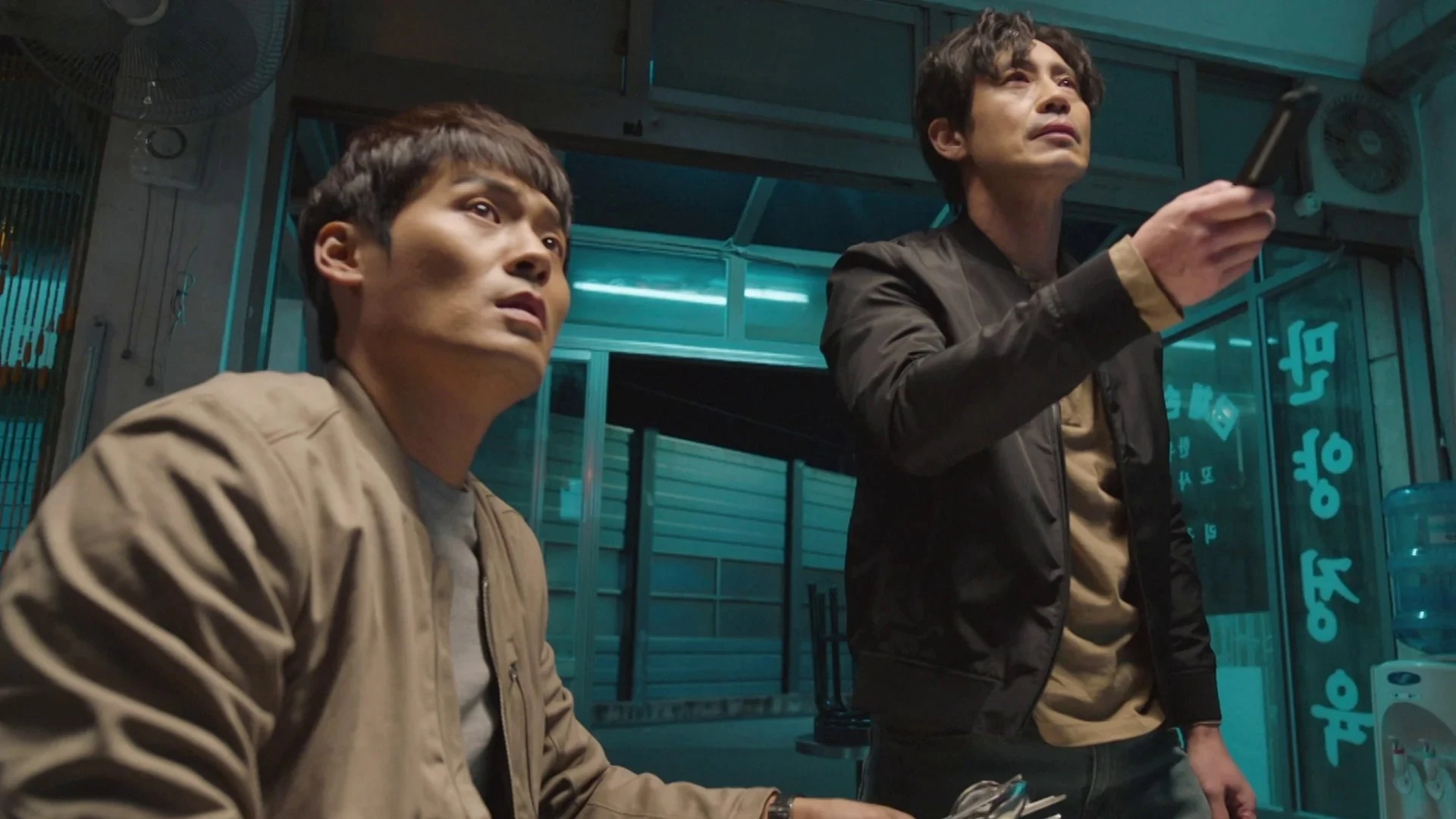
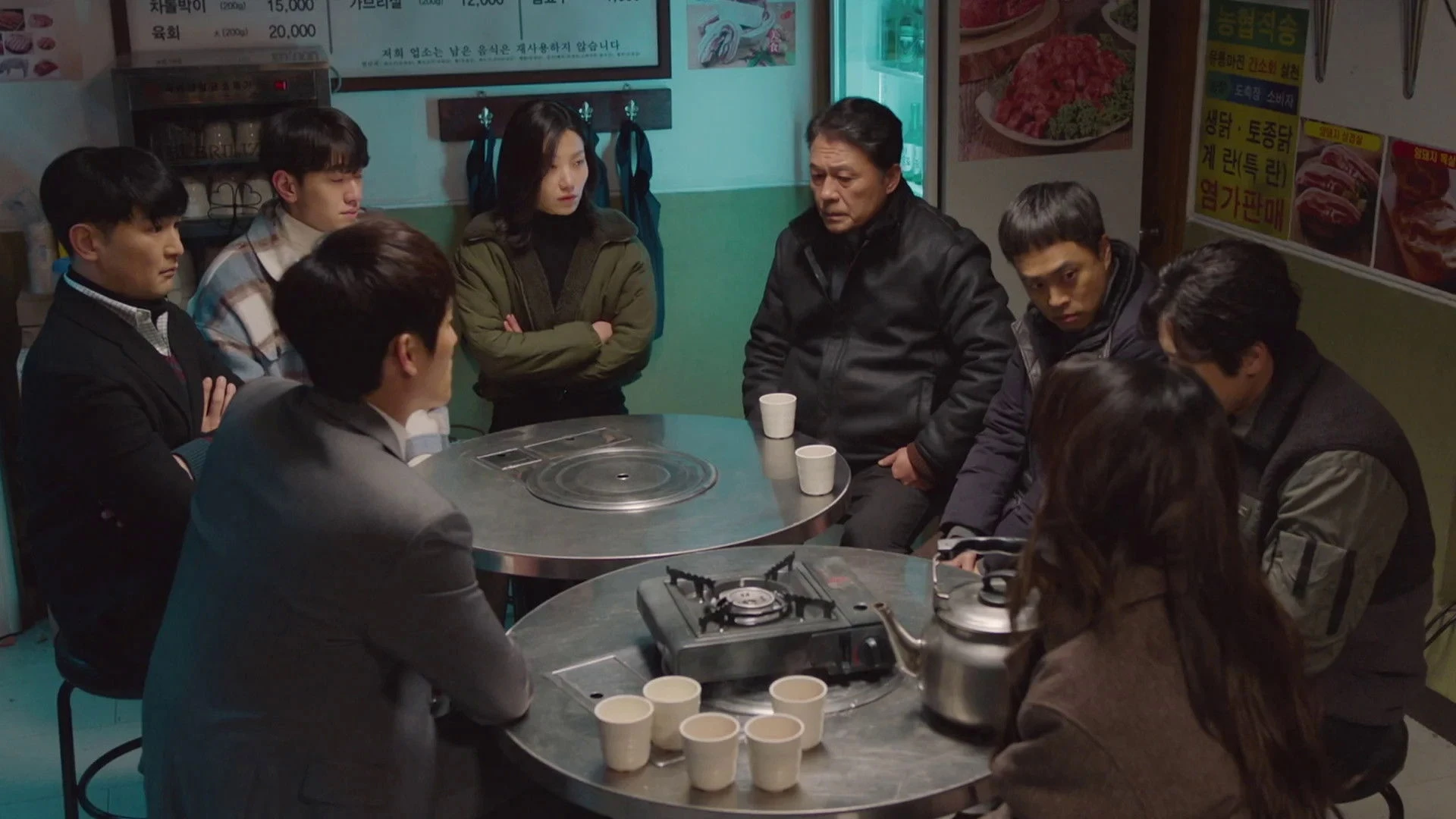
What follows is not a straightforward hunt. As Joo Won and Dong Sik are forced into an uneasy partnership, the layers of Manyang’s history — corruption buried in police records, political favors traded over unmarked graves, and secrets that several powerful people have spent years protecting — begin to surface. Both men will have to ask themselves the same question the drama asks of every viewer: what separates justice from monstrousness, and how far are you willing to go to find out?
16 / 16 ✅ Completed
⚡ Quick Verdict
The TL;DR, boxed and ready.
· MDL Score · 32,590 ratings
▶ Official Trailer
🎭 Cast & Characters
Twelve performances that bring Manyang’s twisted history to life — from the haunted to the guilty.

Lead

Lead

Supporting

Supporting

Supporting

Supporting

Supporting
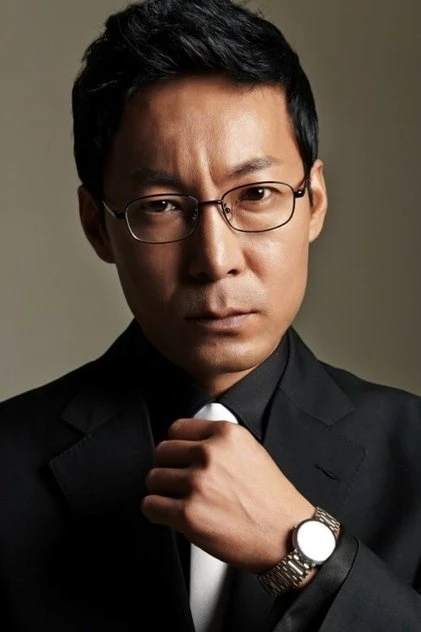
Antagonist

Antagonist

Villain

Special

Special
📺 Episode Guide
A light recap per episode — nothing more than a nudge.






🏁 Ending Explained
Spoilers from here on — what actually happened, and why it lands.
Spoiler Warning — This section covers the full finale of Beyond Evil. Stop here if you haven’t finished the series.
The truth was never buried — it was protected. The finale of Beyond Evil is not a sudden revelation but the final weight of everything the drama has been slowly stacking for sixteen episodes. Ji Hwa confronts Dong Sik, and he finally speaks the truth he has carried for twenty-one years: it was Chief Superintendent Han Gi Hwan who struck Yu Yeon with his car on that night in 2000, and it was an entire web of powerful people — police, politicians, a grieving mother — who helped him disappear it.

Sentences are delivered — and none of them feel like justice. Han Gi Hwan receives 20 years. Lee Chang Jin is sentenced to life. Councilwoman Do gets 9 years for concealing Jin Mook’s crimes in exchange for protecting her son. Jung Je receives 3 years for his role in the events of that night. Dong Sik himself receives 1 year with 2 years of probation — not because he was innocent of everything, but because the law can only see so far into what surviving two decades of false accusation does to a man. Joo Won is acquitted entirely for his role in uncovering the truth, the drama making clear that his methods — however morally complicated — were ultimately in service of something real.
What Joo Won releases is the thing that cannot be taken back. The recording of Han Gi Hwan and Lee Chang Jin — captured by the bug Joo Won planted in the car — goes to public media. It confirms not just guilt, but the texture of the cover-up: two men in a car casually discussing a life they destroyed, a name they buried, and the calculations they made to keep power. Joo Won’s decision to release it rather than use it as leverage is the moment the drama has been asking him to choose — between his father’s world and Dong Sik’s.

The epilogue earns its warmth precisely because the drama never pretended things would be clean. It is February 2022. Joo Won has been reassigned to the Women and Juvenile Affairs Division — a demotion that carries its own quiet commentary on how institutions absorb men who break from them. On the anniversary of Chief Nam’s death, he visits Yu Yeon’s grave. Then he goes to meet Dong Sik, Ji Hwa, and Jae Yi for a meal. Four people who survived the same disaster, sitting at the same table. Not healed. Not whole. But present — and that, the drama argues, is what counts.
The question the drama leaves you with is not who the monster was. It was always Han Gi Hwan and the system that protected him. The real question — the one Dong Sik and Joo Won have been circling since episode one — is what it costs to become the person who faces that. Both men paid. Both also, in their way, survived. Beyond Evil isn’t a story about justice arriving. It’s a story about what two damaged men chose to do when they finally had the same truth in their hands.
✍️ KDramaWorlds Editor’s Take
Our genuine take on whether it’s worth your time, and who it’s for.
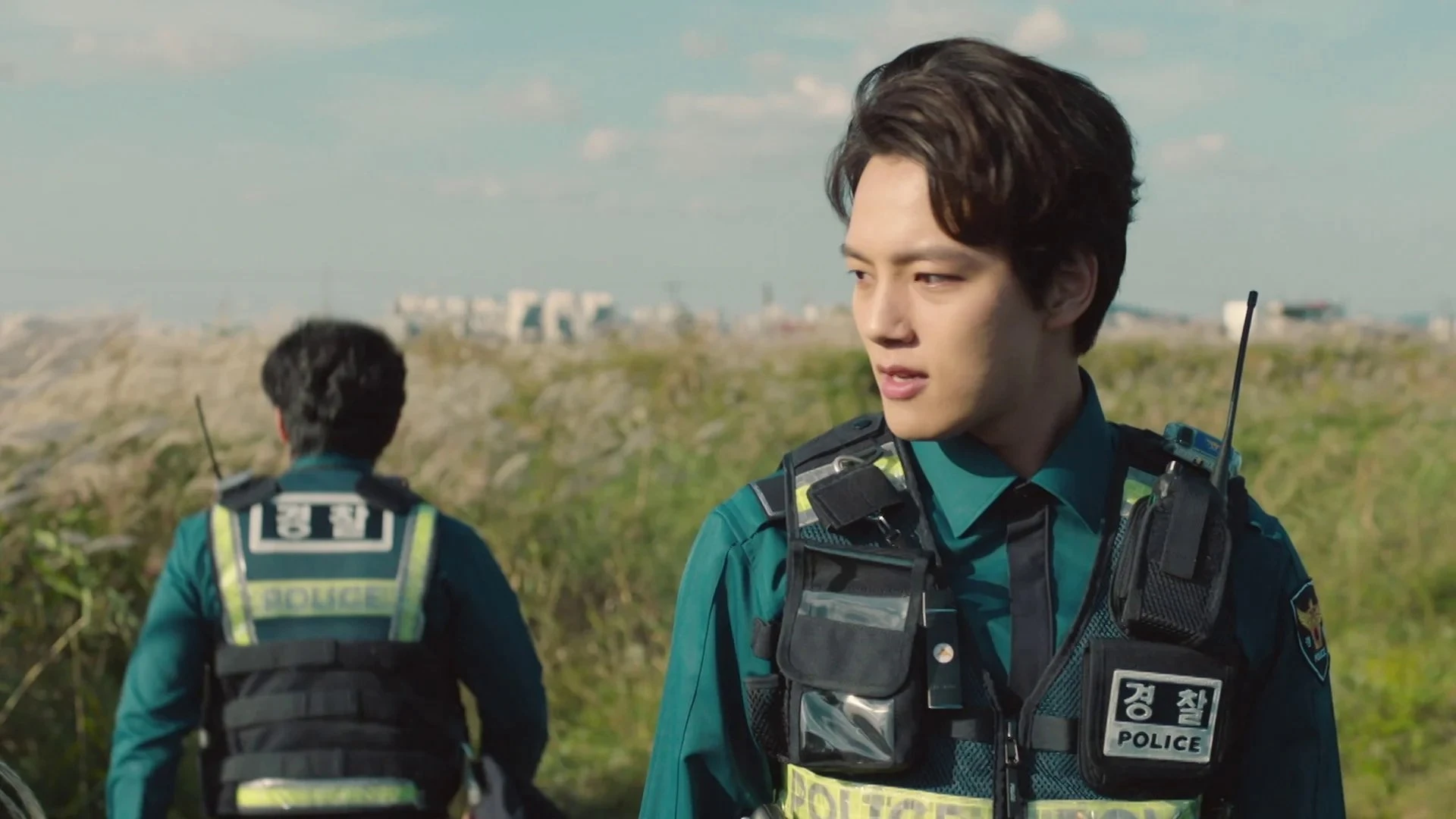
Beyond Evil is the kind of drama that trusts you to sit with discomfort. It opens slowly — deliberately, almost provocatively so — and for the first few episodes it’s easy to mistake patience for stagnation. What it’s actually doing is building two portraits of men who have been permanently altered by a town’s capacity for looking away. Shin Ha-kyun’s Dong Sik is a masterclass in playing someone who has learned to weaponise being underestimated. Yeo Jin-goo’s Joo Won is the counterweight: polished, principled, convinced of his own clarity — and slowly stripped of every certainty he arrived with. The dynamic between them is the engine of the entire drama, and it never loses its charge.
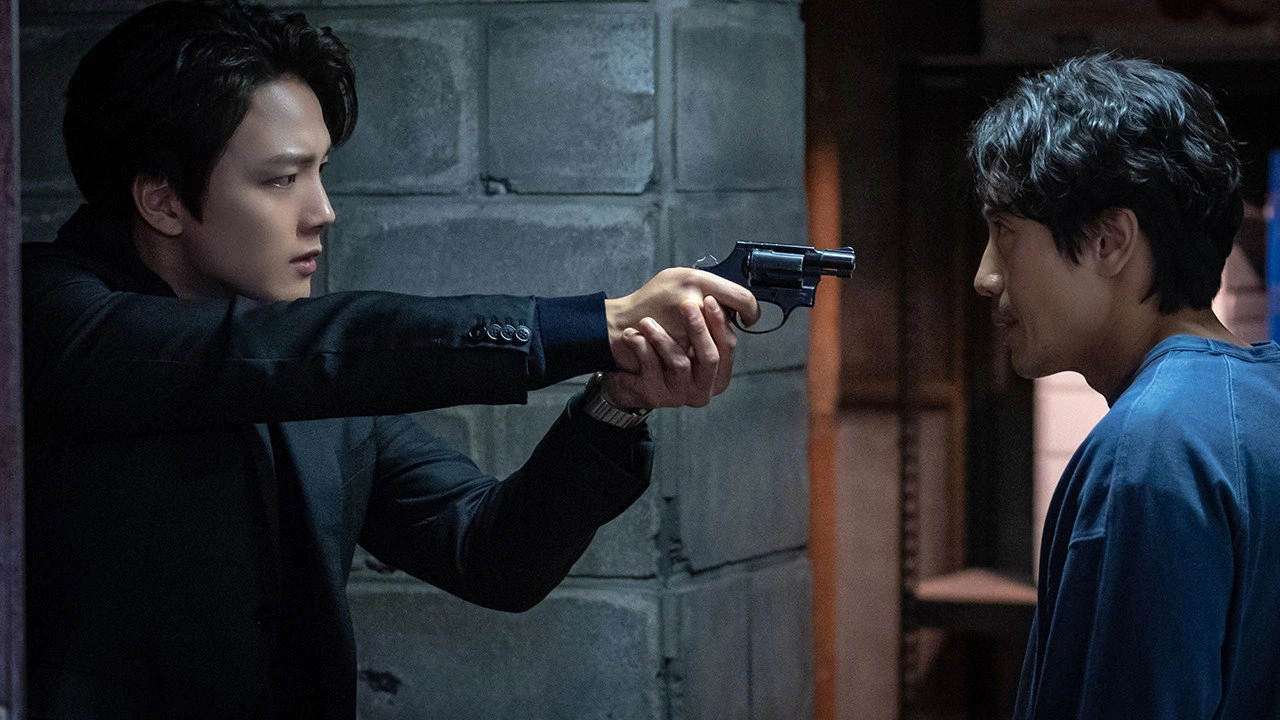
What sets Beyond Evil apart from comparable thrillers like Through the Darkness is how thoroughly the corruption is embedded — not as a backdrop or twist, but as the tissue of everyday life in Manyang. The killer is almost beside the point. What the drama is really excavating is how power protects itself, how communities enable silence, and how the people who break that silence pay in ways the law rarely accounts for. Kim Soo-jin’s writing is meticulous and unusually honest about the costs on every side. Very few K-thrillers are willing to put the two lead characters in the position this one does by episode 14.
The ending will divide people who wanted a cleaner moral ledger — and that division is the point. Beyond Evil earns its reputation not despite the ambiguity but because of it. It is not comfortable, it does not offer easy catharsis, and it asks you to hold two contradictory things at once: that what Dong Sik and Joo Won did was necessary, and that it came at a cost that doesn’t simply dissolve when sentences are handed down. One of K-drama’s finest psychological thrillers — watch it for the performances, stay for the ending that has genuinely earned its weight.
Viewers who appreciate award-calibre acting
Those who don’t need a clean moral resolution
🎬 You Might Also Like
If you liked Beyond Evil, these are your next three watches.
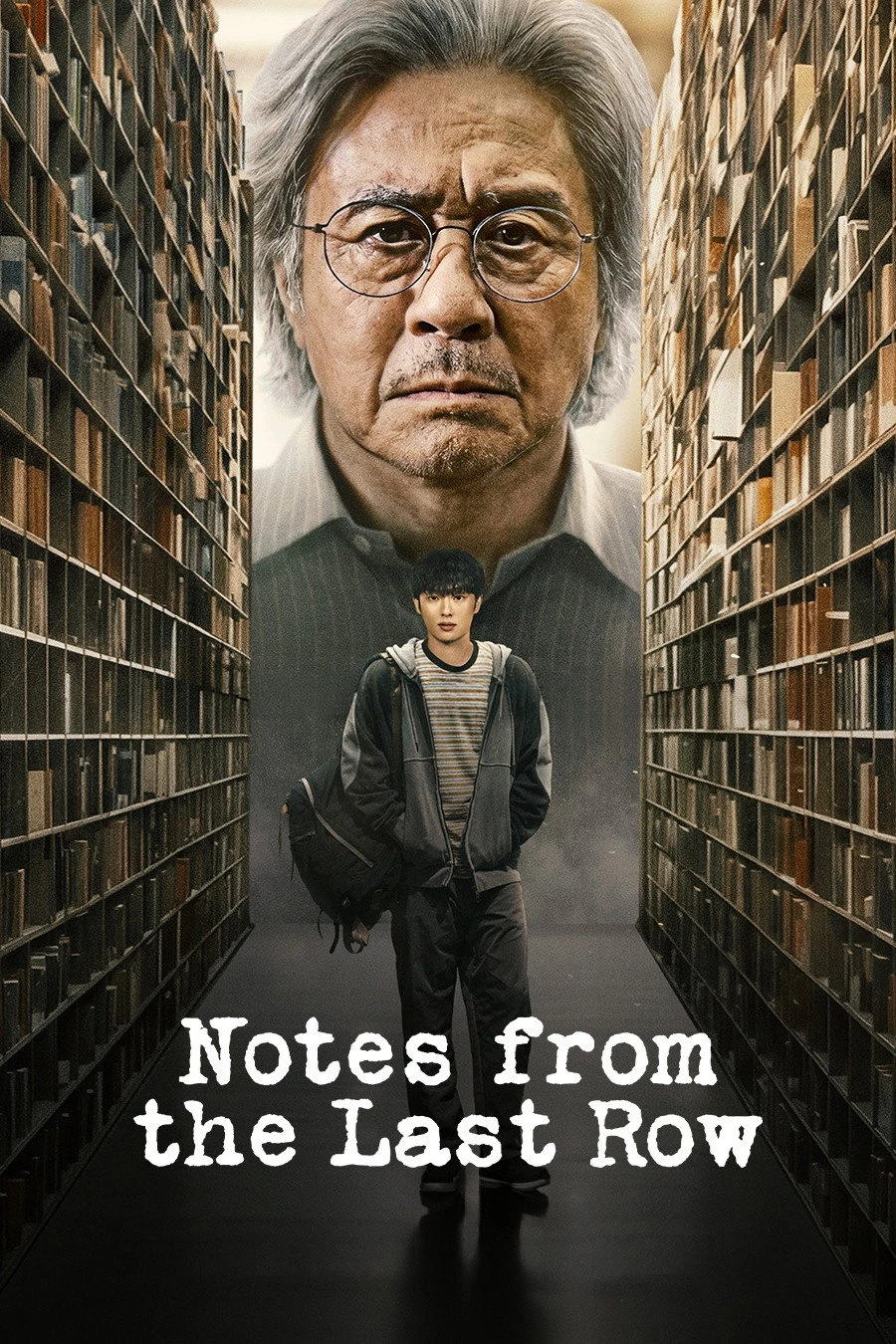 Notes from the Last Row
Choi Hyun-wookChoi Min-sik
Read Full Review →
|
 Bitter Sweet Hell
Black Comedyblackmail
Read Full Review →
|
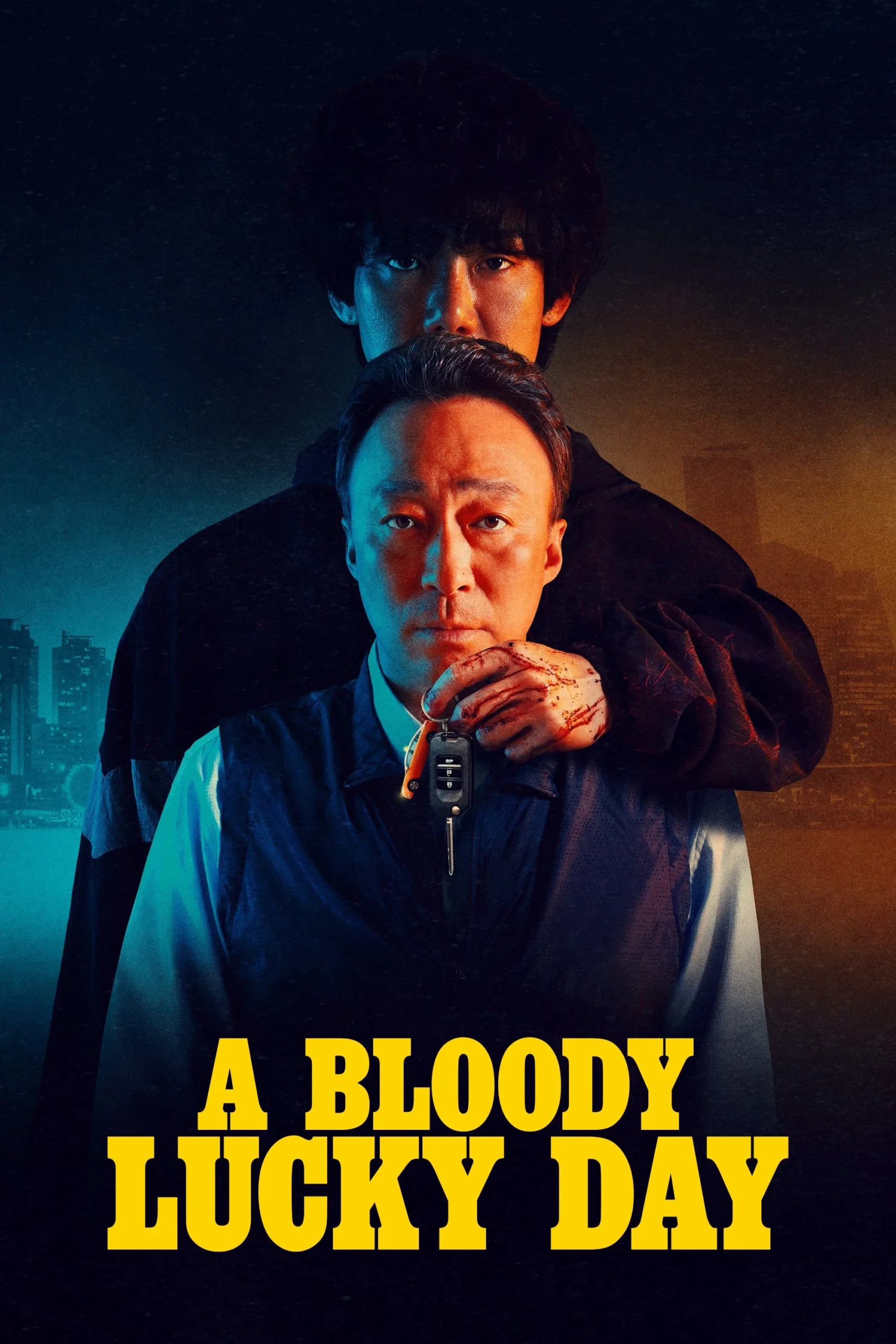 A Bloody Lucky Day
Cat and MouseCrime Thriller
Read Full Review →
|















Keep it kind, skip the harsh language, and please — no spoilers. Everyone's taste is different, and that's perfectly fine.
This space is for real reactions and discussion from other viewers. Help keep it comfortable for everyone by not giving away major plot details.
What do you think of this drama?
Login to share your review or leave a comment.
No email needed — just pick a username & password.