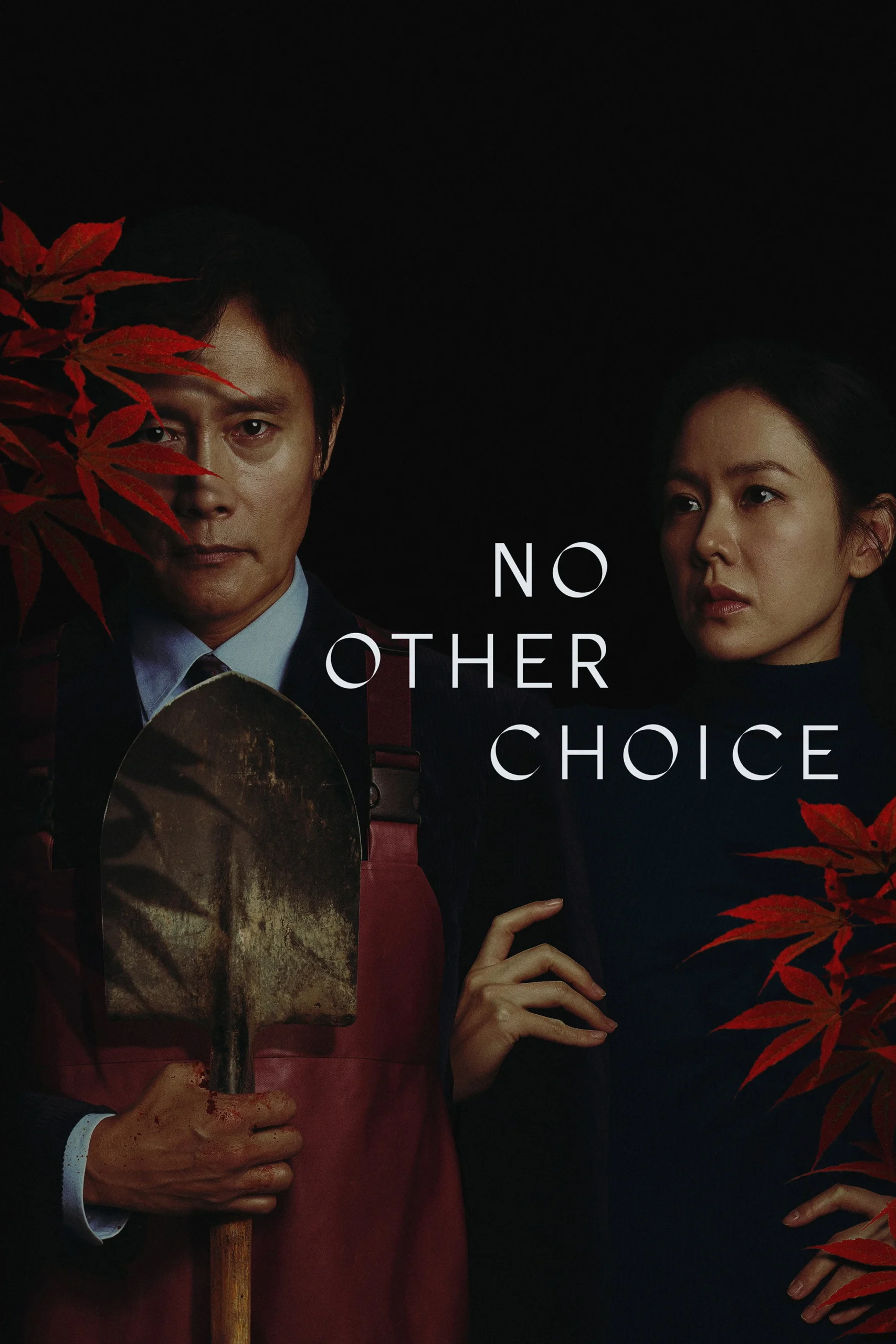
No Other Choice
🎬 Film Overview
Park Chan-wook has spent thirty years being the most precise filmmaker in Korean cinema — a director whose frames are so controlled that even violence feels like geometry. No Other Choice is his most economically legible film: a man loses his job and starts killing competitors for a new one. The clarity of the premise is part of the joke. What makes it genuinely unsettling is that the joke stays funny for longer than it should.
Yoo Man-su is not a monster. He is a paper industry expert with twenty-five years of loyal service, a forest house, a teenage son, an autistic daughter, and a wife who still believes in him. He is, the film insists, exactly like you — except that you haven’t received enough rejection letters yet. Park Chan-wook’s interest is in the precise moment when a person stops being the victim of a system and starts behaving like the system itself. The question the film asks, and refuses to answer cleanly, is whether there was ever a difference.
⚡ Quick Verdict
One box. Everything you need to decide.
· IMDb (1,100+ ratings) · 97% RT Critics · 76% RT Audience
▶ Official Trailer
🎭 Cast & Characters
Twelve performances in a dark comedy about ordinary people doing extraordinary things.
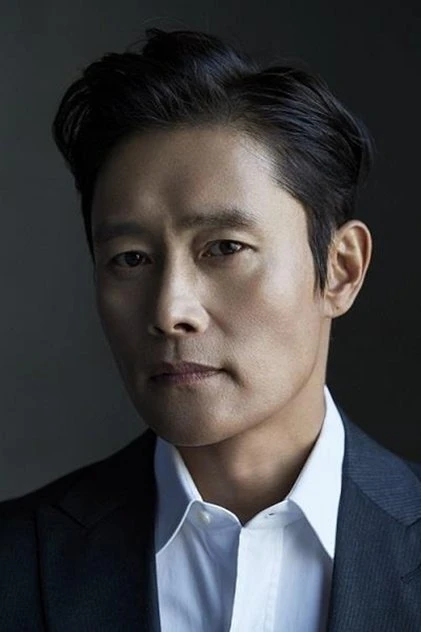
Lead

Lead
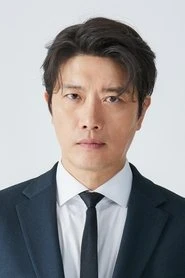
Supporting
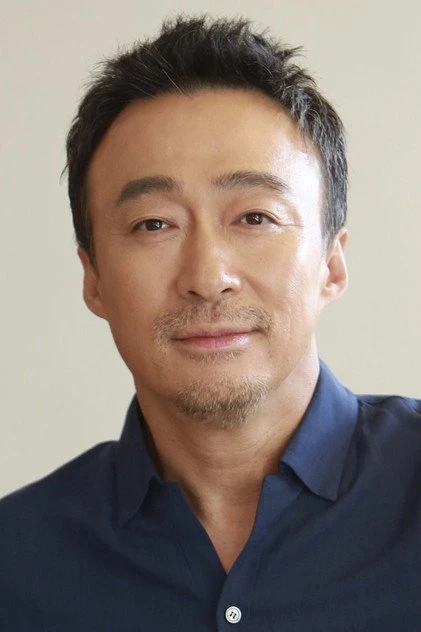
Supporting

Supporting
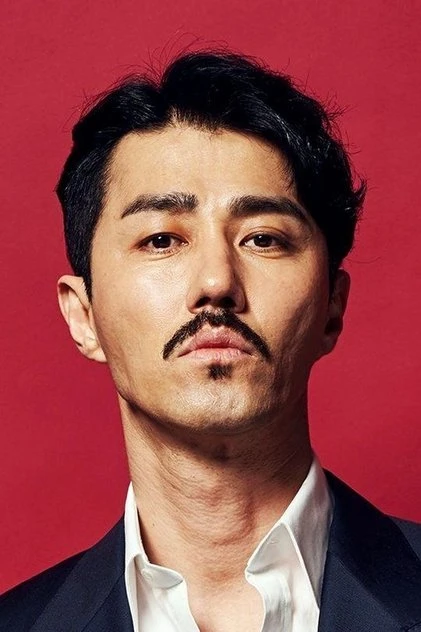
Supporting
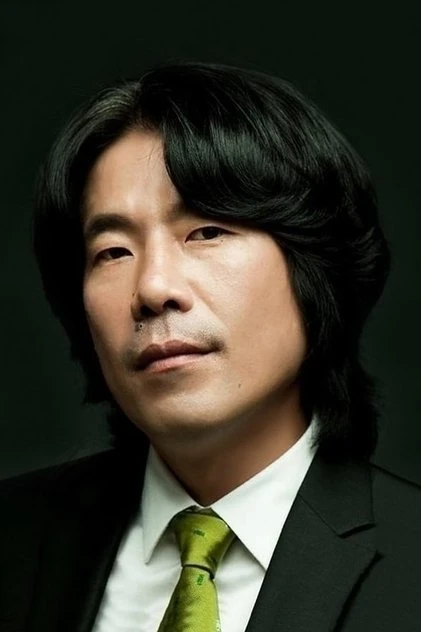
Supporting

Supporting

Supporting
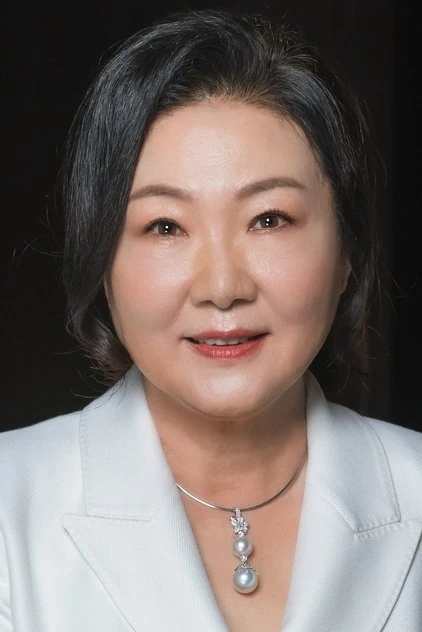
Supporting

Supporting

Supporting
📖 The Story
No spoilers — just enough to know if this is your film.
Yoo Man-su is the kind of man who has never needed to raise his voice, because he has always been exactly where he was supposed to be. Twenty-five years at the same paper mill, a genuine expertise that the industry respects, a family that trusts him to hold the structure together. His house is in a forest. His daughter brings him tea. The film opens in his particular contentment — and spends its first fifteen minutes making sure you understand precisely how complete it is, because what Park Chan-wook is about to dismantle is not a man in crisis. It is a man who has earned, through an entire adult life of competence, the right to believe he is safe.

The layoff does not arrive as a catastrophe. It arrives as a corporate email. A faceless buyout, a restructuring announcement, and twenty-five years of institutional loyalty converted overnight into a severance calculation. Man-su promises his wife that three months will be enough. He has the skills, the contacts, the reputation. He begins his job search with the methodical confidence of someone who has always been the expert in the room — and the rejection letters begin arriving with a frequency that the film renders with the specific cruelty of a comedy that knows exactly what it’s doing.
By month fourteen, the forest house is facing foreclosure. Man-su’s professional network has gone silent. The part-time work he accepts — which the film watches him perform with the quiet devastation of someone who has not yet told his family — is the only income left. It is at this point, past the threshold where most people would accept the new reality, that Man-su constructs a plan. Not a metaphorical plan. A literal, spreadsheet-documented strategy to eliminate his competition for the one open position at Moon Paper that could restore everything. Park Chan-wook shoots the planning phase with the same visual grammar he uses for action sequences. The implication is deliberate.
What the film does with its targets is its darkest and most interesting formal choice. Each competitor Man-su identifies is carrying their own version of his exact problem. Gu Bum-mo is an aging former industry titan whose career unravelled years ago, now surviving on whatever dignity he can salvage. Ko Si-jo is a skilled technician with a family to feed, swallowing his professional pride daily in a shoe store. The film refuses to let Man-su’s targets be abstractions — they have the same needs, the same fears, the same legitimate claims on the position he is trying to secure. The zero-sum logic of the job market has turned people with identical griefs into enemies.
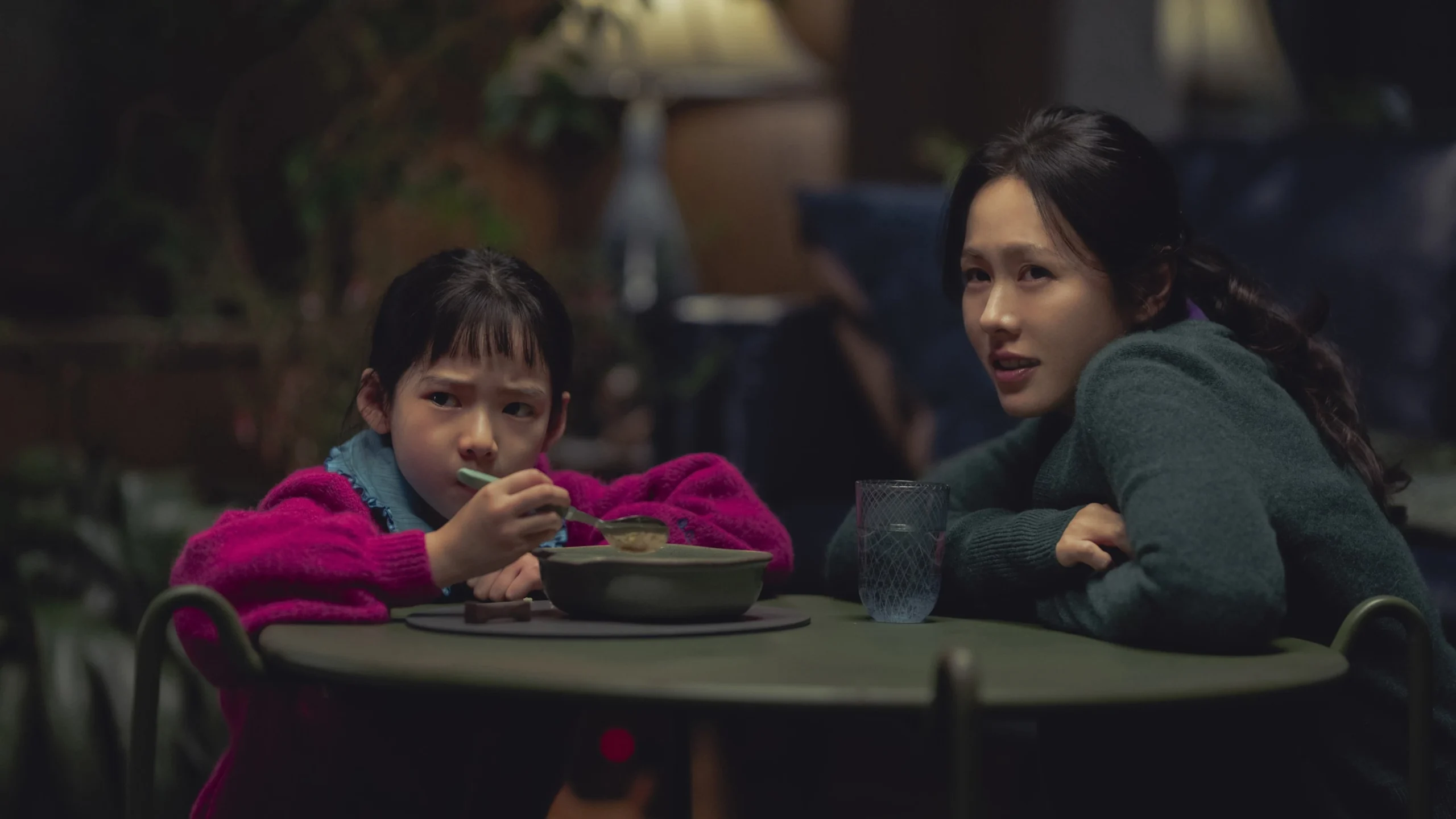
Lee Mi-ri is the film’s most carefully handled character, and Son Ye-jin’s performance is calibrated to resist easy reading. Mi-ri is not a passive bystander — she is a fiercely protective, extremely practical woman who loves her husband and understands, in ways the film declines to articulate directly, that the life she is living has certain conditions. How much she knows, how much she suspects, and how much she has decided not to examine too closely are questions the film holds open without pretending they aren’t there. The marriage is real. It is also, increasingly, a transaction.
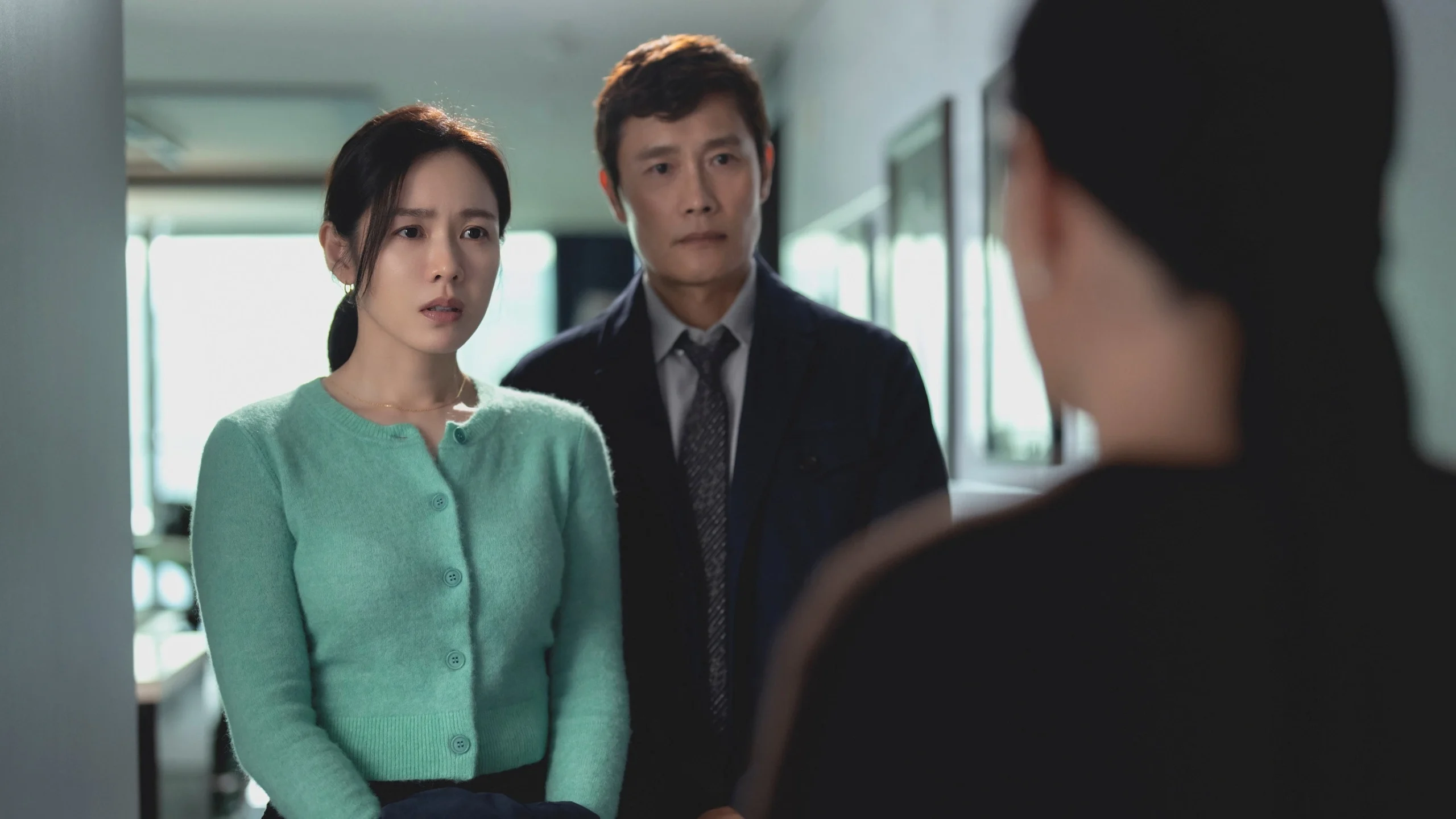
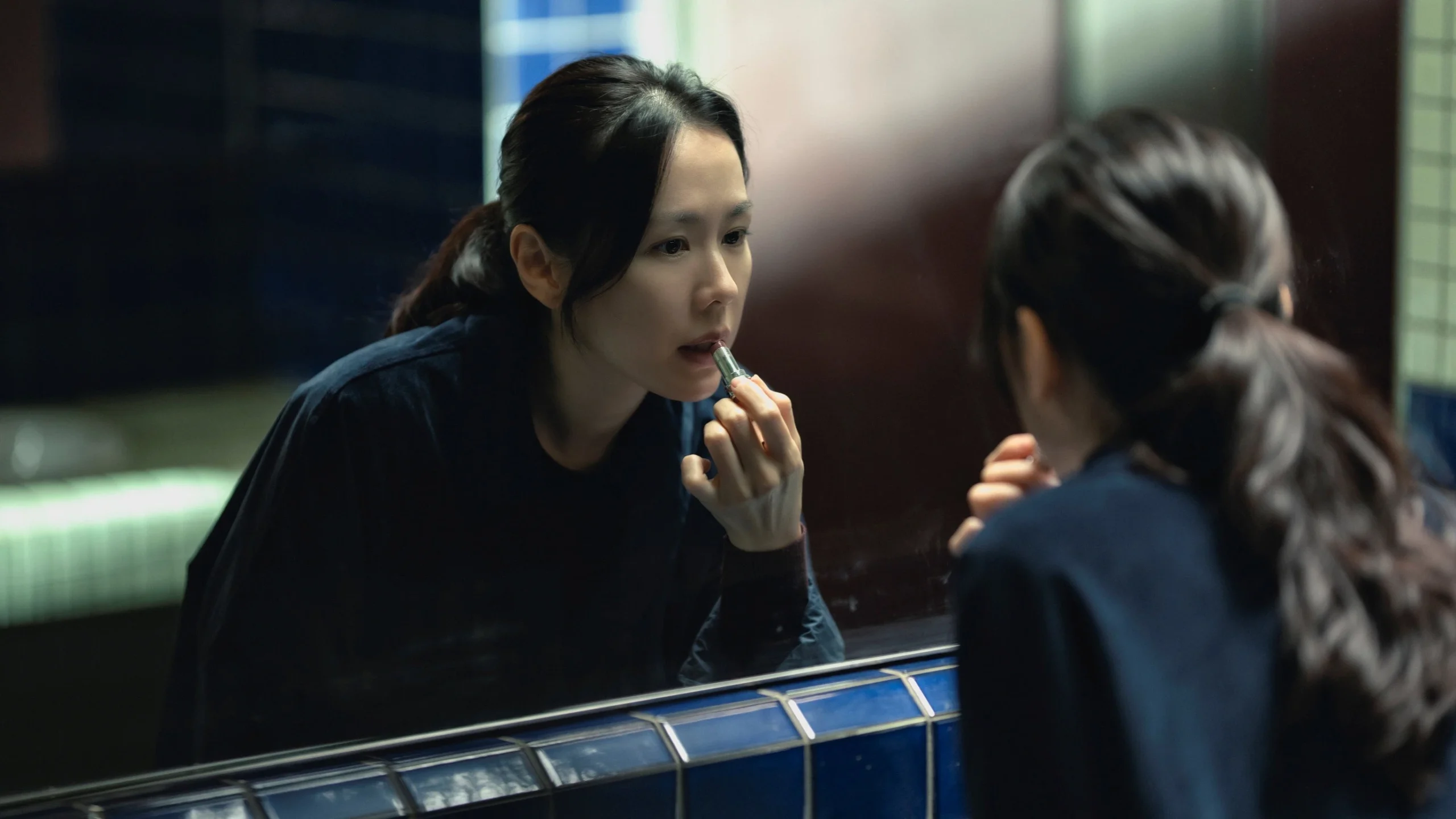
Park Chan-wook’s formal register is the film’s most surprising element for viewers who know him primarily as the director of Oldboy and The Handmaiden. Where those films generate dread through visual architecture and deliberate mythological weight, No Other Choice generates it through the opposite — the ordinary. The violence happens in unremarkable places, with unremarkable objects, with Man-su maintaining the facial expression of a man filling out a performance review. The camera observes with the detached patience of a workplace surveillance system. The effect is something that takes a while to locate: the film is incredibly, persistently funny, and the humor and the horror live in exactly the same space.
For non-Korean audiences, one layer of the film arrives with extra pressure. South Korean corporate culture places the middle-aged male provider in a social position that has almost no equivalent in the West — a role that conflates professional standing with personal value at a level that makes unemployment not just economically catastrophic but existentially annihilating. The film was selected as South Korea’s official Oscar submission and won the People’s Choice Award at TIFF, which suggests something its international audience grasped: that while the specifics are Korean, the mechanism is universal. The “no other choice” of the title is not Man-su’s conclusion alone. It is the conclusion the system was always building toward.
🏁 Ending Explained
Full spoilers ahead — what happens, what it means, and what the film has been building toward all along.
Full Spoilers Ahead — This section covers the complete ending of No Other Choice. Stop here if you haven’t watched.
The finale collapses every thread simultaneously — and none of them resolve cleanly. Man-su’s domestic life and his operational campaign collide in the film’s chaotic final act when his son Si-won and a friend are arrested for electronics theft. To protect Si-won from consequences, Man-su and Mi-ri blackmail the friend’s father into accepting full legal responsibility — a maneuver that requires them to leverage information about the father’s infidelity. The film holds this moment without irony: the couple that has been protecting their family through extraordinary means is now using ordinary corruption to do the same thing. The moral distance between the two actions is the width of a spreadsheet cell.
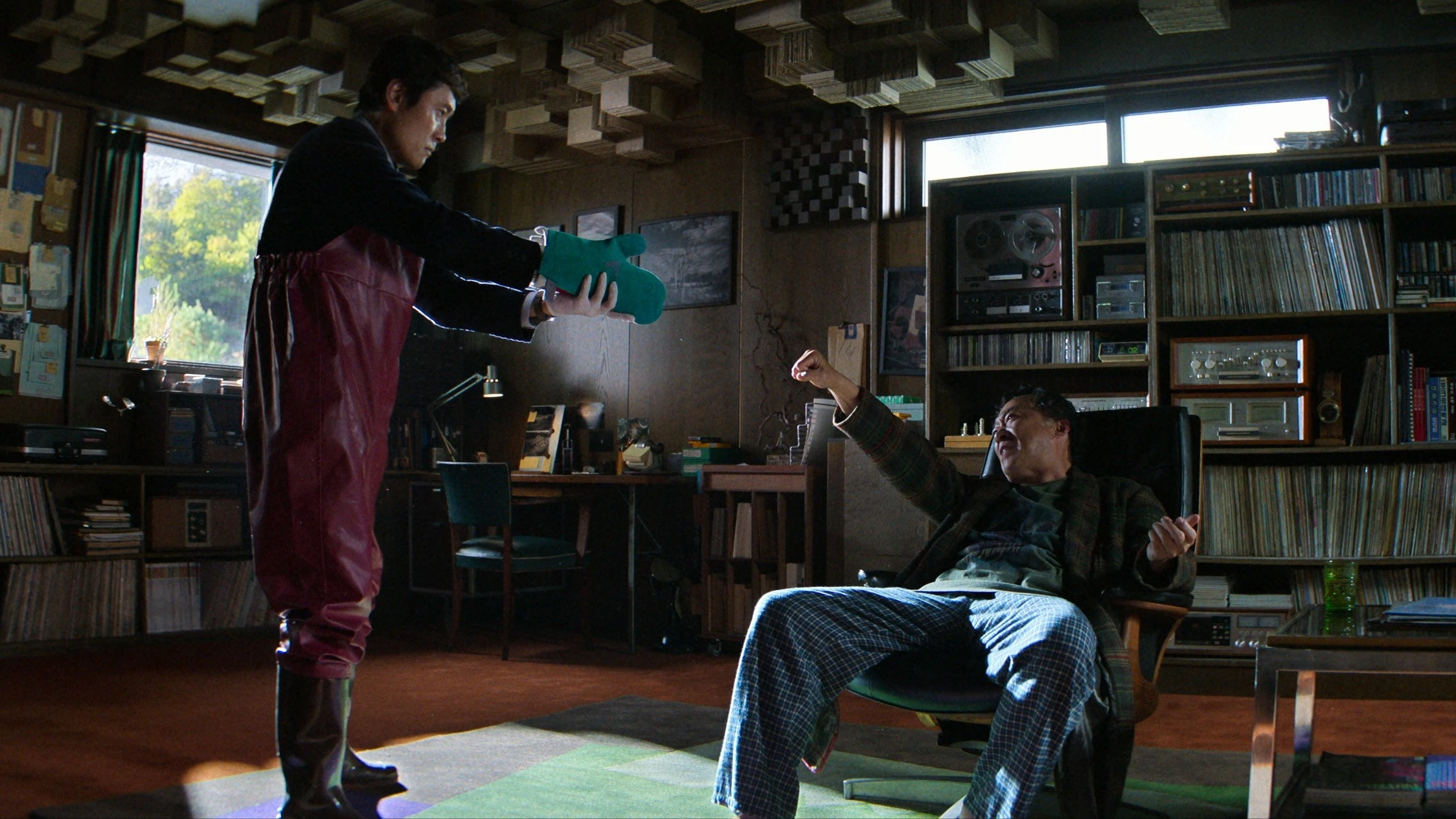
The death of Choi Seon-chul — the final, most formidable competitor — is where the film completes its thesis. Man-su lures Seon-chul to a remote cabin, engineers a situation in which excessive drinking compromises the man’s professional reputation, and when the situation spirals beyond control, suffocates him with a piece of meat staged to look like an accidental choking. The method matters. This is not a crime of passion or a lapse of reason. It is an improvised solution to an unexpected operational variable — documented, evaluated, and executed with the same cost-benefit logic Man-su applied to every other step of his plan. He has not lost himself. He has completed the process.
Mi-ri’s complicity is the film’s most carefully held ambiguity. When the family discovers a buried body in the garden and Mi-ri helps conceal the evidence, No Other Choice presents three readings simultaneously and refuses to arbitrate between them. First: she is in shock, acting on instinct to protect her family, processing the full truth of what her husband has done only after the fact. Second: she has known, or suspected, for longer than she has admitted to herself — and the concealment is not a first act of complicity but a final acknowledgment of complicity that has been building for months. Third: she and Man-su have, without a single direct conversation about it, made the same calculation together — that the family’s survival requires this, and that whatever it costs their individual ethics is a price they have agreed to pay. The film earns all three readings.
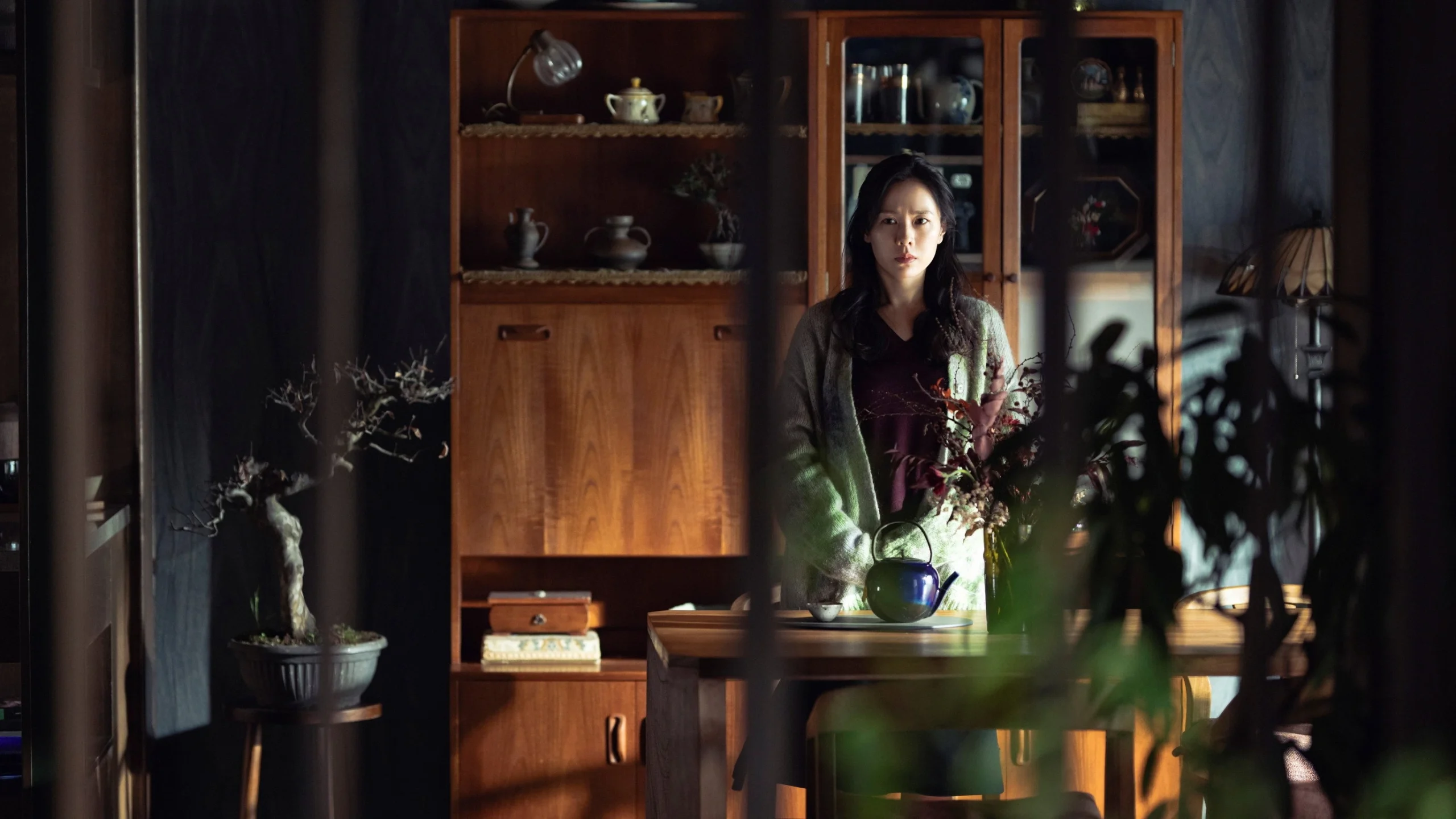
The title’s second meaning arrives in the finale and rewrites the entire film on a second viewing. “There is no other choice” is the phrase used by corporate HR departments when announcing mass layoffs — the language of institutional decision-making that distances the speaker from moral responsibility by framing violence as inevitability. Park Chan-wook has Man-su adopt this exact phrase as his private justification. It does not read as self-delusion. It reads as fluency — a man who learned the language of the system that destroyed him and is now deploying it with the same confidence. The film’s most chilling implication is that the phrase was never less true for the corporation than it is for Man-su. Both were exercising choices. Both called them something else.
The ending refuses catharsis in every direction. Man-su does not get caught. He does not confess. The position at Moon Paper is not confirmed. The children’s futures — a teenager who witnessed his parents’ moral collapse, a daughter with an autistic child’s specific relationship to order and stability — are left entirely open. The garden where the body was buried remains. The forest house remains. The family, technically, survives. What No Other Choice ultimately argues is something the corporation argued in its layoff email and Man-su argued in his cabin: that systems do not produce monsters. Systems produce outcomes, and the people inside them produce justifications, and by the time you notice the difference, you are already the system.
✍️ KDramaWorlds Editor’s Take
Our honest read on why this film is worth your time — and who it’s for.
Park Chan-wook
Known for: Oldboy (2003) · The Handmaiden (2016) · Decision to Leave (2022)
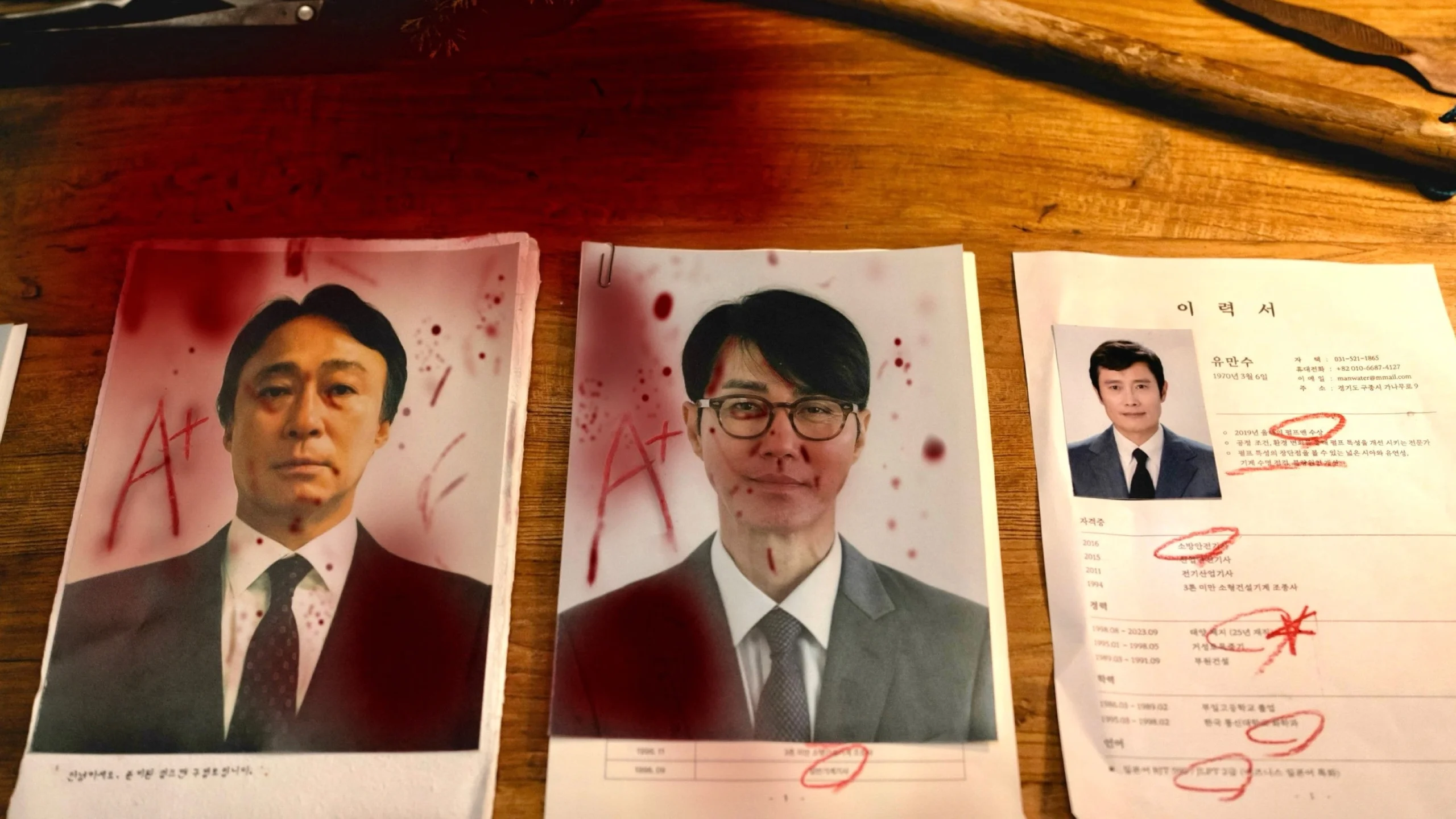
Lee Byung-hun is one of the few Korean actors whose star power is specifically calibrated to menace — he has spent his career playing men whose charm you should be suspicious of, whose stillness contains something dangerous. No Other Choice uses that quality differently than anything he has done before. Man-su’s menace is not directed outward at the audience. It is directed inward, at the self-image of a man who genuinely believes he is a good person doing necessary things. The performance works because Lee Byung-hun plays every decision as completely rational. There is no scene where Man-su cracks or questions or doubts. His face, when he is at his most violent, has the careful focus of someone completing a task he is qualified for. It is the same face he wears at the paper mill. The film Exhuma (2024) reached for something similar — the horror of ordinary competence applied to extraordinary circumstances — but Park Chan-wook locates it in a domestic register that makes it land closer.
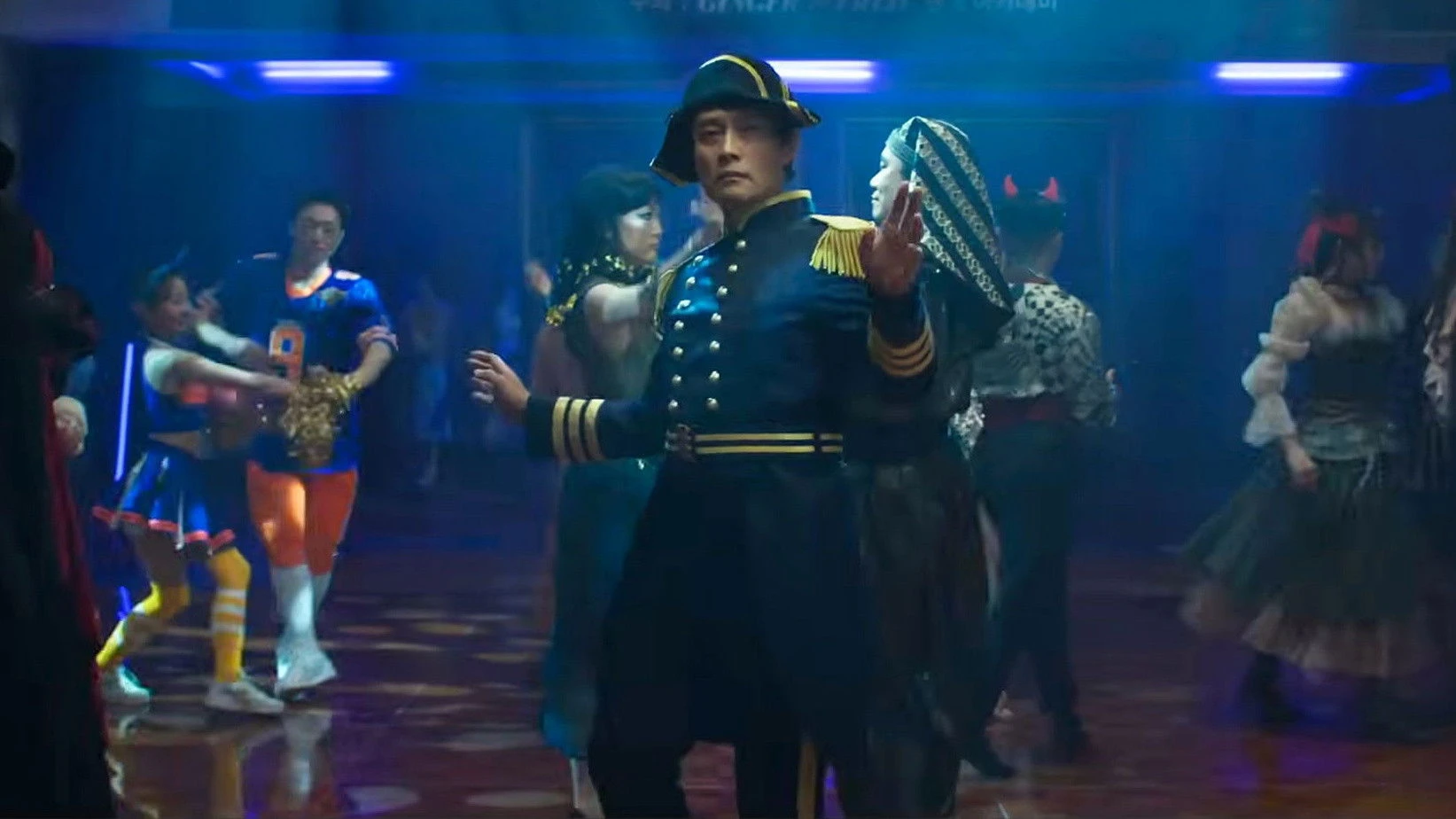
Son Ye-jin’s Mi-ri is the argument that the film’s critical discourse has not fully settled. The performance resists comfort: she is neither innocent nor visibly complicit, and the film — in what feels like a very deliberate directorial choice — never gives her a scene where she articulates her own position clearly. What Son Ye-jin does instead is reveal it in texture. The way Mi-ri moves through her house after certain conversations. The specific efficiency with which she assists in the cover-up — not panicked, not overcome, just… organized. The question the film leaves is whether that organization represents shock-driven instinct or the emergence of something that was always there. The ensemble surrounding the leads is equally precise: Cha Seung-won’s Ko Si-jo plays dignity compressed into a man-sized box, and the scene where Man-su encounters him in the shoe store is the closest the film comes to a genuine gut-punch. The dark comedy rhythm of No Other Choice — its closest Korean relative on KDW is the procedural bleakness of Following (2024) — depends entirely on the audience holding two things simultaneously: these are people in pain, and the pain has made them genuinely funny.
The film’s one genuine limitation is its runtime. At 140 minutes, No Other Choice earns most of its length — Park Chan-wook does not pace sloppily — but the midsection, where Man-su is tracking his second target, runs slightly longer than the comedy can sustain without the formal tension beginning to feel mechanical. The film is better in its first half, when the premise is still developing its own logic, than in the stretch where that logic is simply being applied. This is a minor caveat for a film that is otherwise one of the most controlled and formally intelligent pieces of Korean cinema in recent years. Watch it twice. The second viewing will not be funnier. It will be colder.
Anyone who has sent too many job applications into silence
Dark comedy viewers who want the film to earn its laugh
🎬 You Might Also Like
If you liked No Other Choice, these are your next three watches.
 Miss Night and Day
Age Transformationfantasy
Read Full Review →
|
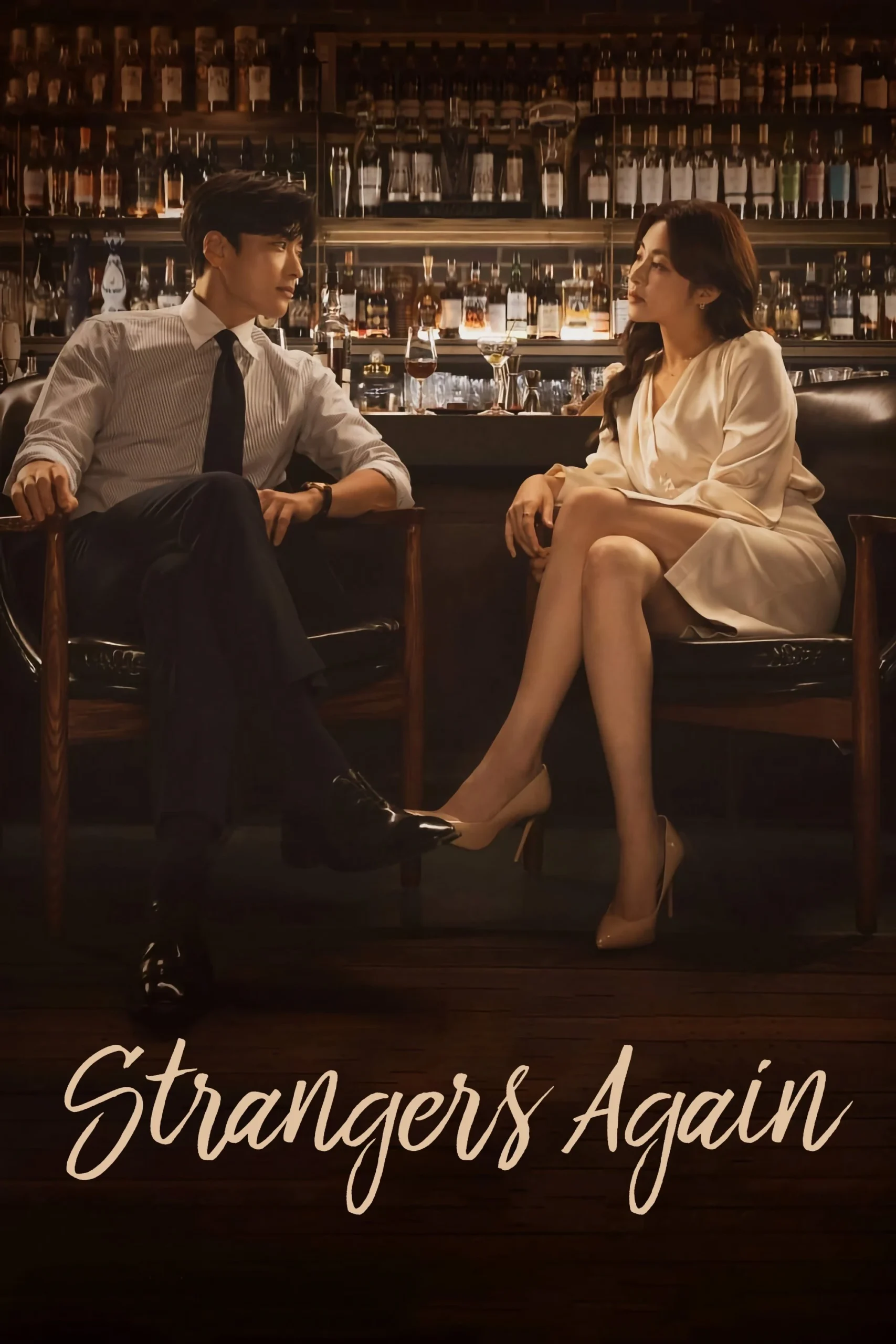 Strangers Again
Character Developmentdivorce
Read Full Review →
|
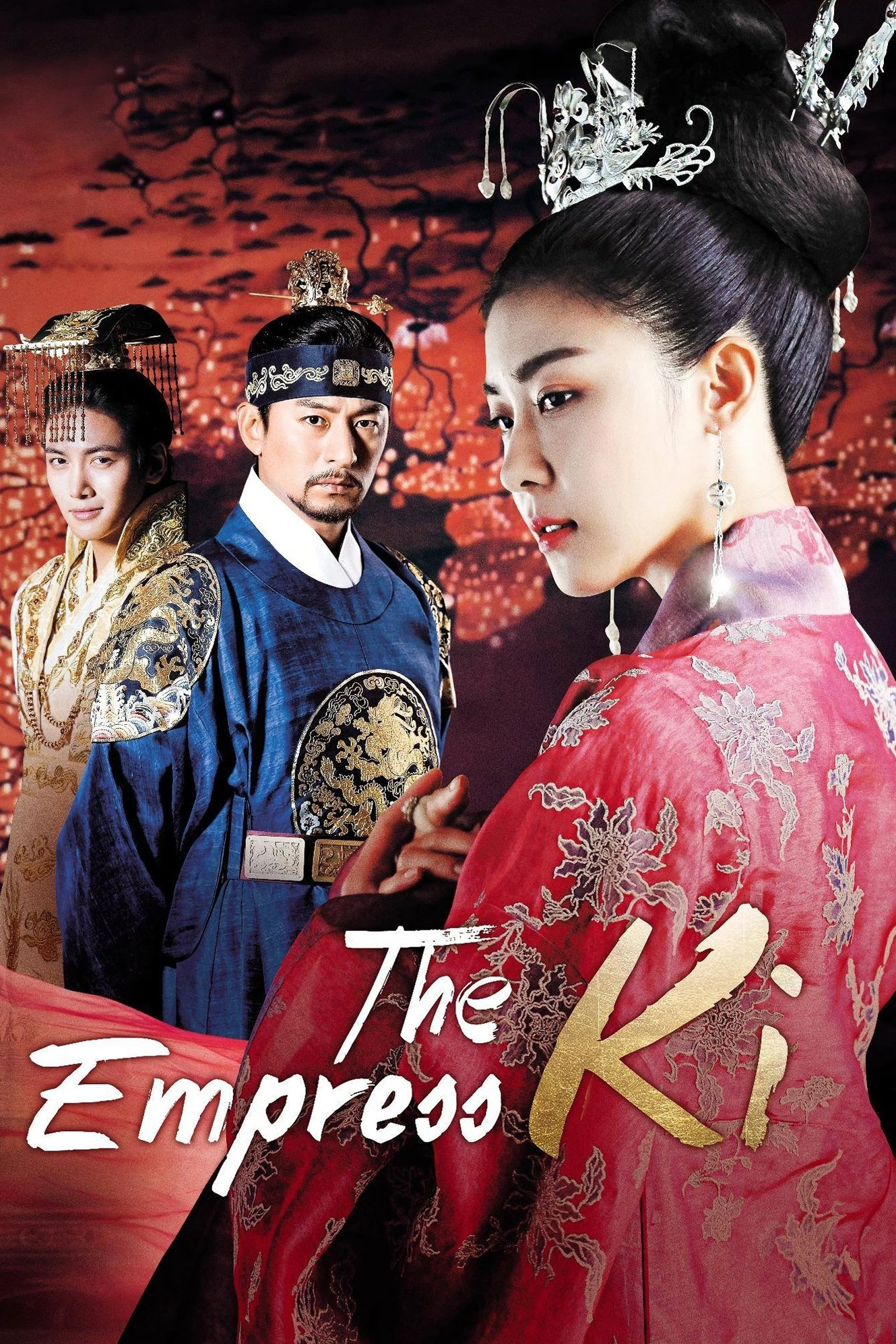 Empress Ki
cross-dressingGoryeo Dynasty
Read Full Review →
|









Keep it kind, skip the harsh language, and please — no spoilers. Everyone's taste is different, and that's perfectly fine.
This space is for real reactions and discussion from other viewers. Help keep it comfortable for everyone by not giving away major plot details.
1 Comment
Park Chan-wook building a film this economically legible — a man loses his job and starts killing the competition for a new one — and still making the premise stay unsettling well past the initial joke is a real high-wire act 📄 — and the film’s insistence that Man-su isn’t a monster so much as someone who ran out of rejection letters is the detail that actually stays with you. Curious where everyone landed on whether there really was a difference between him and the system.
What do you think of this drama?
Login to share your review or leave a comment.
No email needed — just pick a username & password.