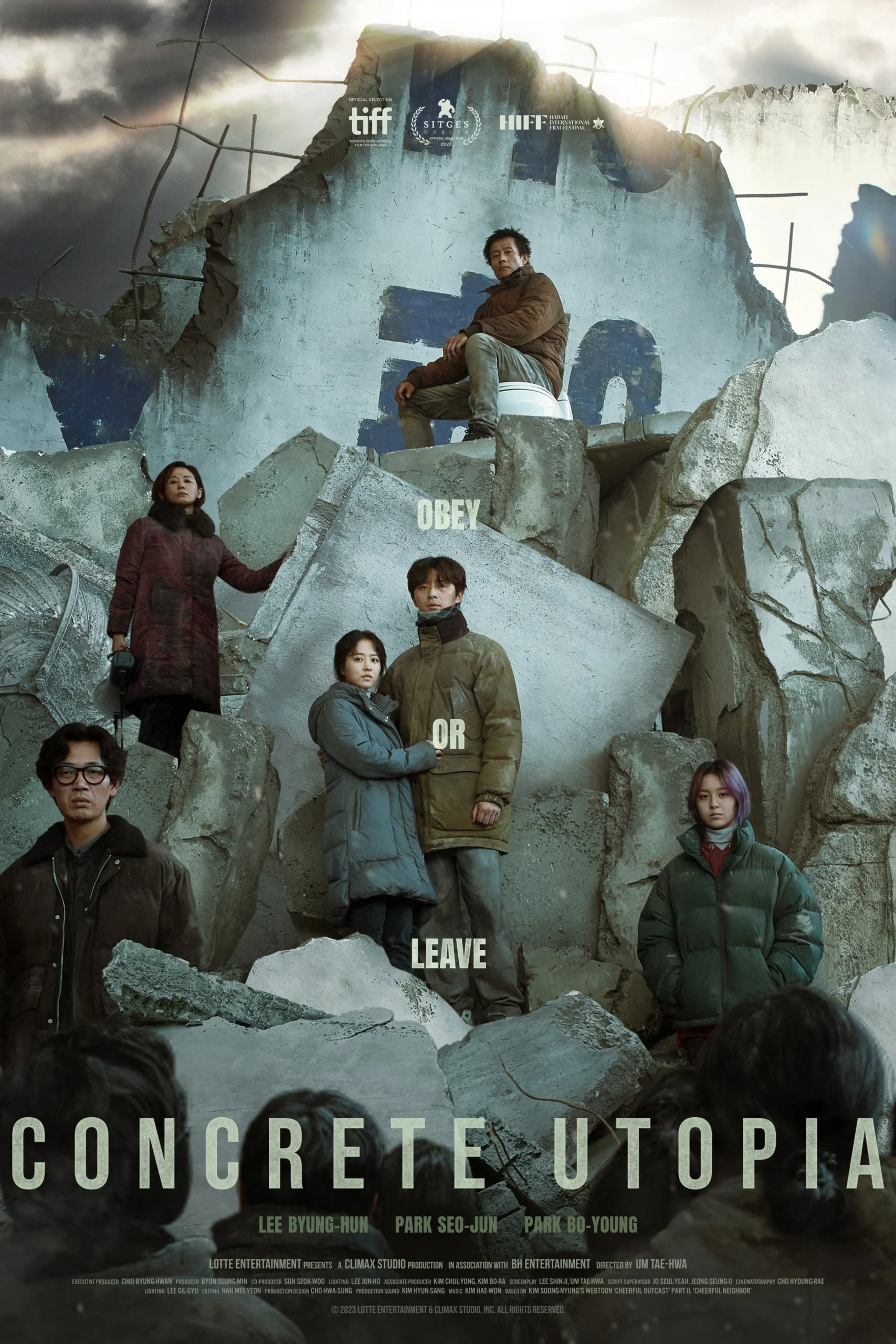
Concrete Utopia
🎬 Prime Video · Viki · VIU
⭐ 6.7 IMDb
🔞 15+
🎬 Film Overview
Viki
VIU
Vidio
The question Concrete Utopia refuses to let you avoid isn’t whether these people will survive — it’s whether they deserve to, and whether you can honestly say you’d do differently. Set in the ruins of Seoul after a catastrophic earthquake has leveled everything except one apartment complex, the film places Min-seong and Myeong-hwa — an ordinary, decent couple — into a community that is in the process of building a new society from scratch. The material for that society turns out to be exactly the same as the old one: ownership, exclusion, and the logic that belonging somewhere gives you the right to defend it at any cost.
Director Um Tae-hwa described this as a “human black comedy,” and that framing is exactly right — not because the film is funny in a comfortable way, but because the horror is recognizable. The residents of the Imperial Palace Apartments don’t become monsters. They become voters. The violence they endorse and the leader they elect are products of a system they constructed together, and the film’s deepest discomfort comes not from the cruelty on screen but from the clarity with which it traces the line between what happened in the ruins and what was already happening before the earthquake hit.
⚡ Quick Verdict
One box. Everything you need to decide.
· IMDb
· 7.7 MDL (5,540 users)
· 100% RT Critics (63 reviews)
· 75% RT Audience
▶ Official Trailer
🎭 Cast & Characters
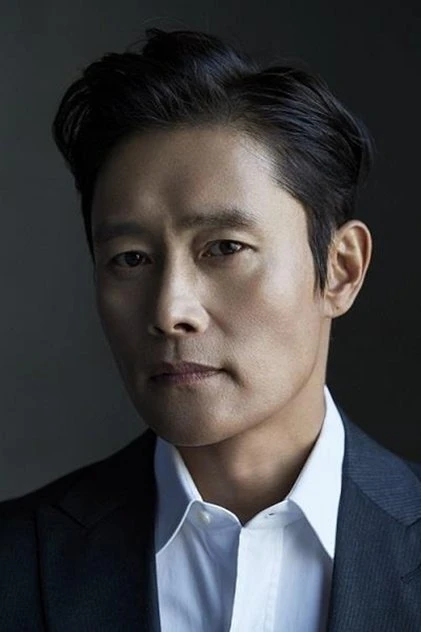
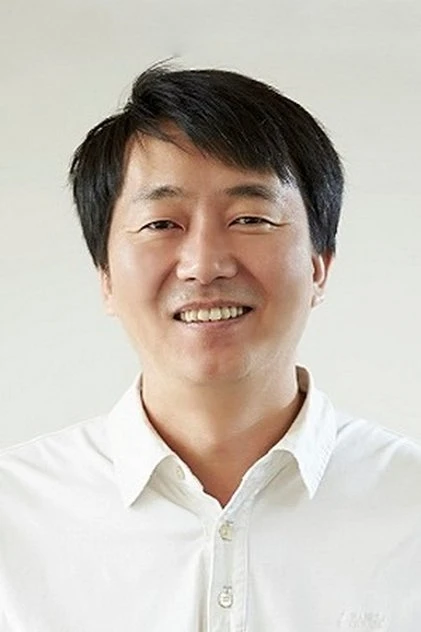
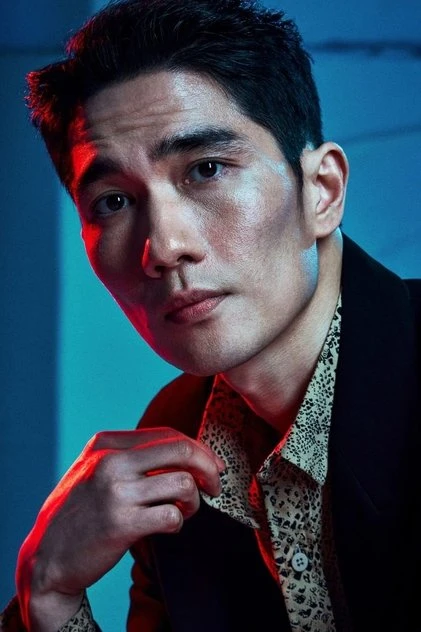
Three leads — and a community of supporting performances — in a film designed to make you question who you’d stand with.
Lead

Lead

Lead

Supporting

Supporting

Supporting
Supporting

Supporting
Supporting

Supporting

Supporting
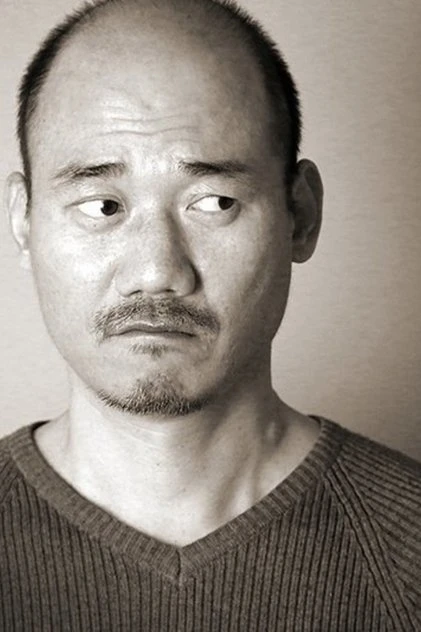
Supporting
🍿 Where to Watch
Stream Concrete Utopia on these platforms. Availability varies by region — check JustWatch for your country.
📖 The Story
No spoilers — just enough to know whether this is your film.
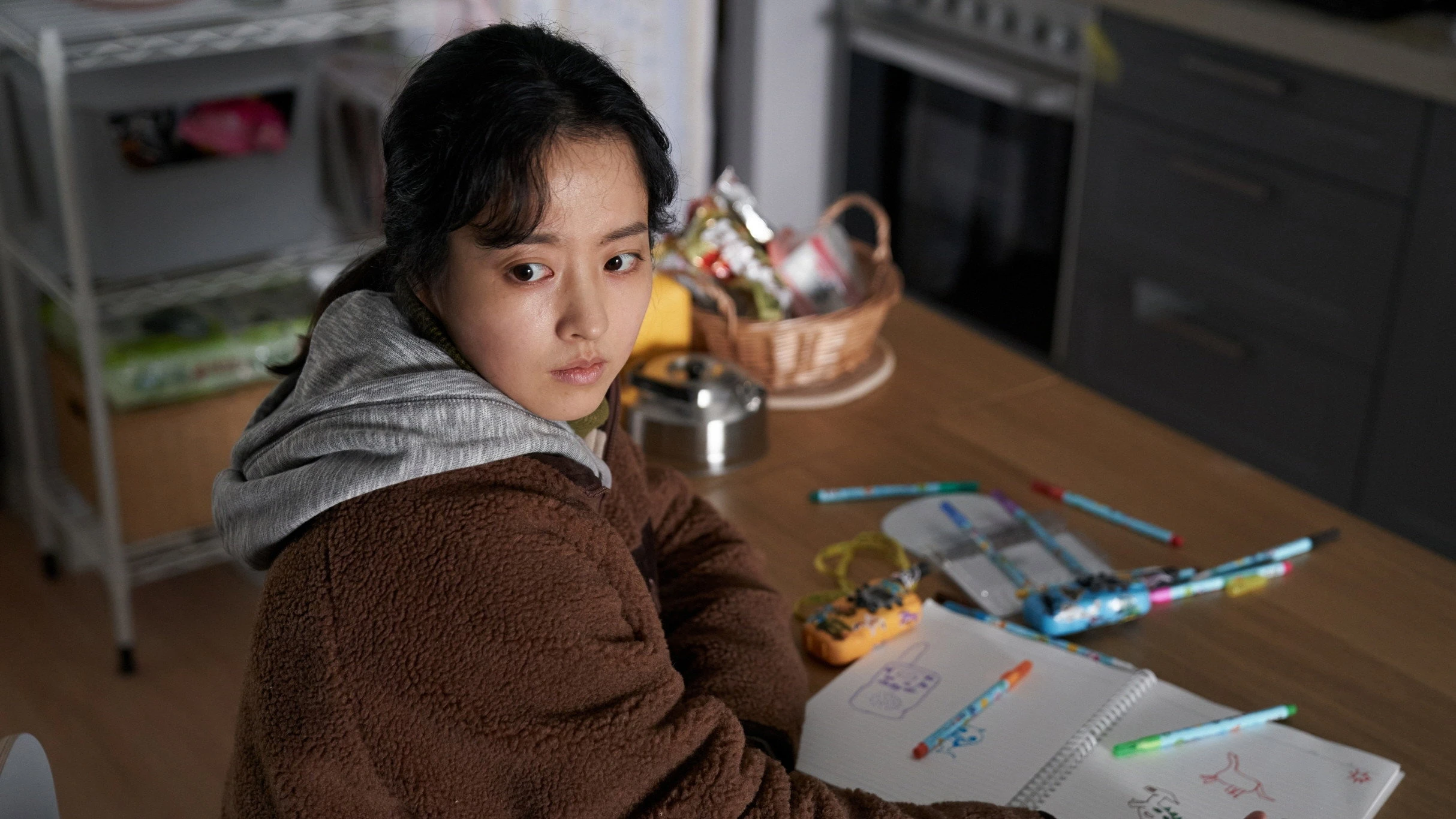
Before the earthquake, Min-seong is the kind of man who doesn’t think very hard about the systems he lives inside — not because he’s incurious, but because the systems are working. He and Myeong-hwa rent a modest unit in the Imperial Palace Apartments, a middle-class residential complex whose grandly ironic name is something only the apocalypse will make visible. Myeong-hwa is a nurse, which means she has spent years professionally calibrating her response to suffering. That training is going to be the most important thing about her — and the most difficult to override.
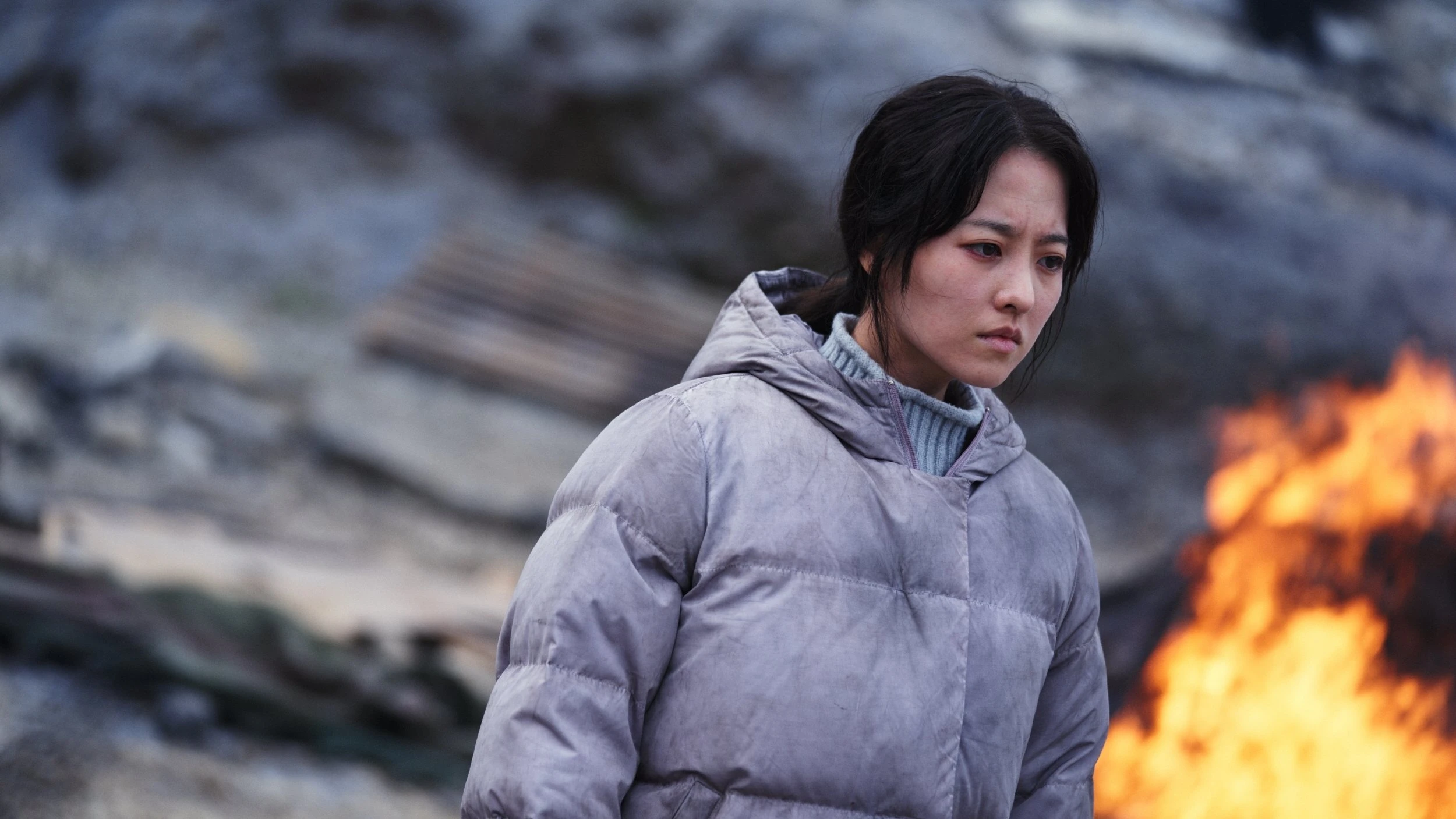
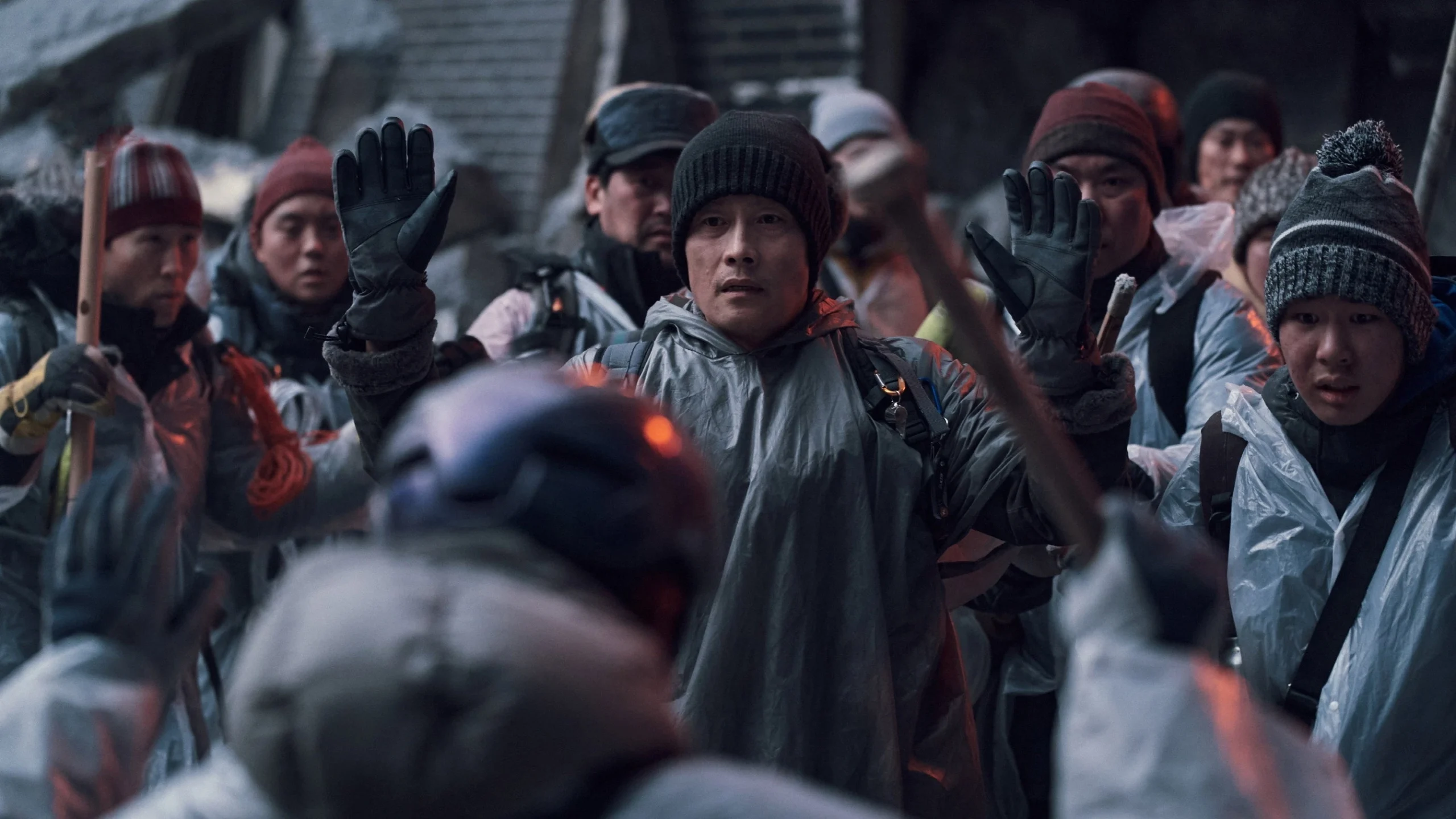
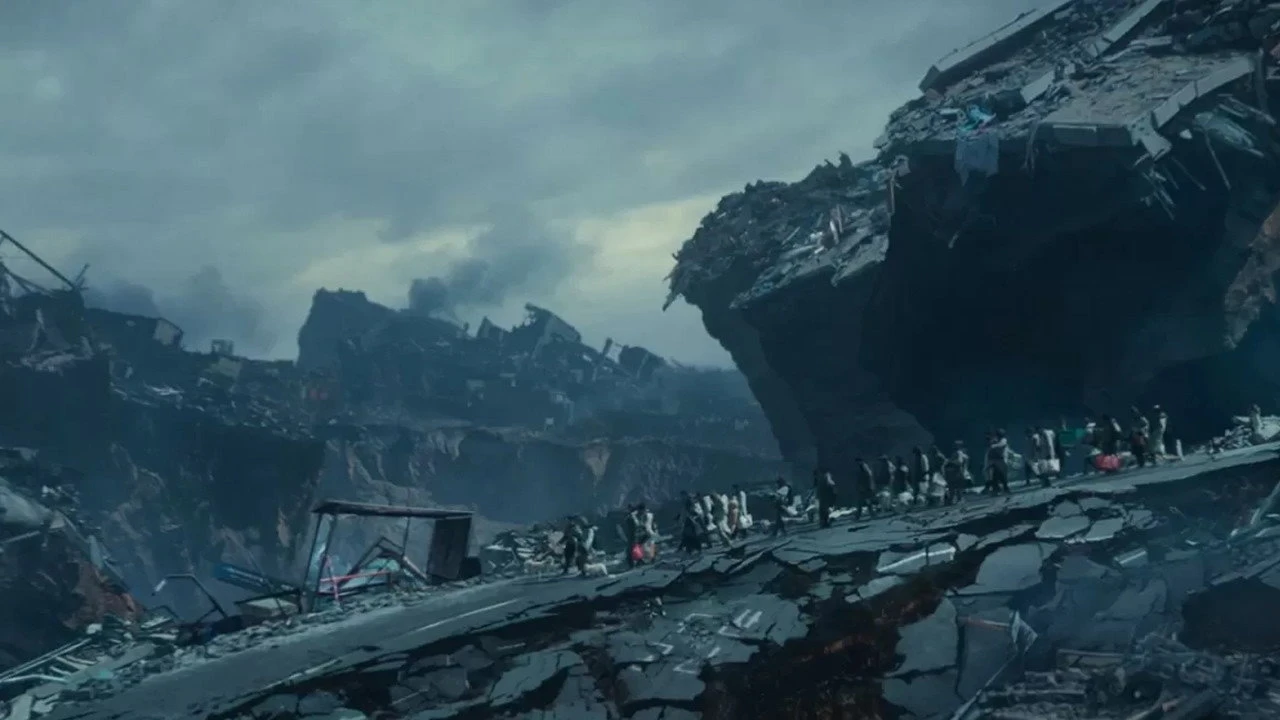
A single night removes everything except the building they’re standing in. The earthquake that levels Seoul is handled with a restraint that makes it more frightening, not less: Um Tae-hwa isn’t interested in spectacle for its own sake. What he holds the camera on is the aftermath — the silence where a city used to be, smoke rising from ruins still settling, and the inexplicable, impossible fact that one building is still standing. Survivors from across the wreckage begin walking toward it, drawn by the same logic as everyone else: there is nowhere else to go.
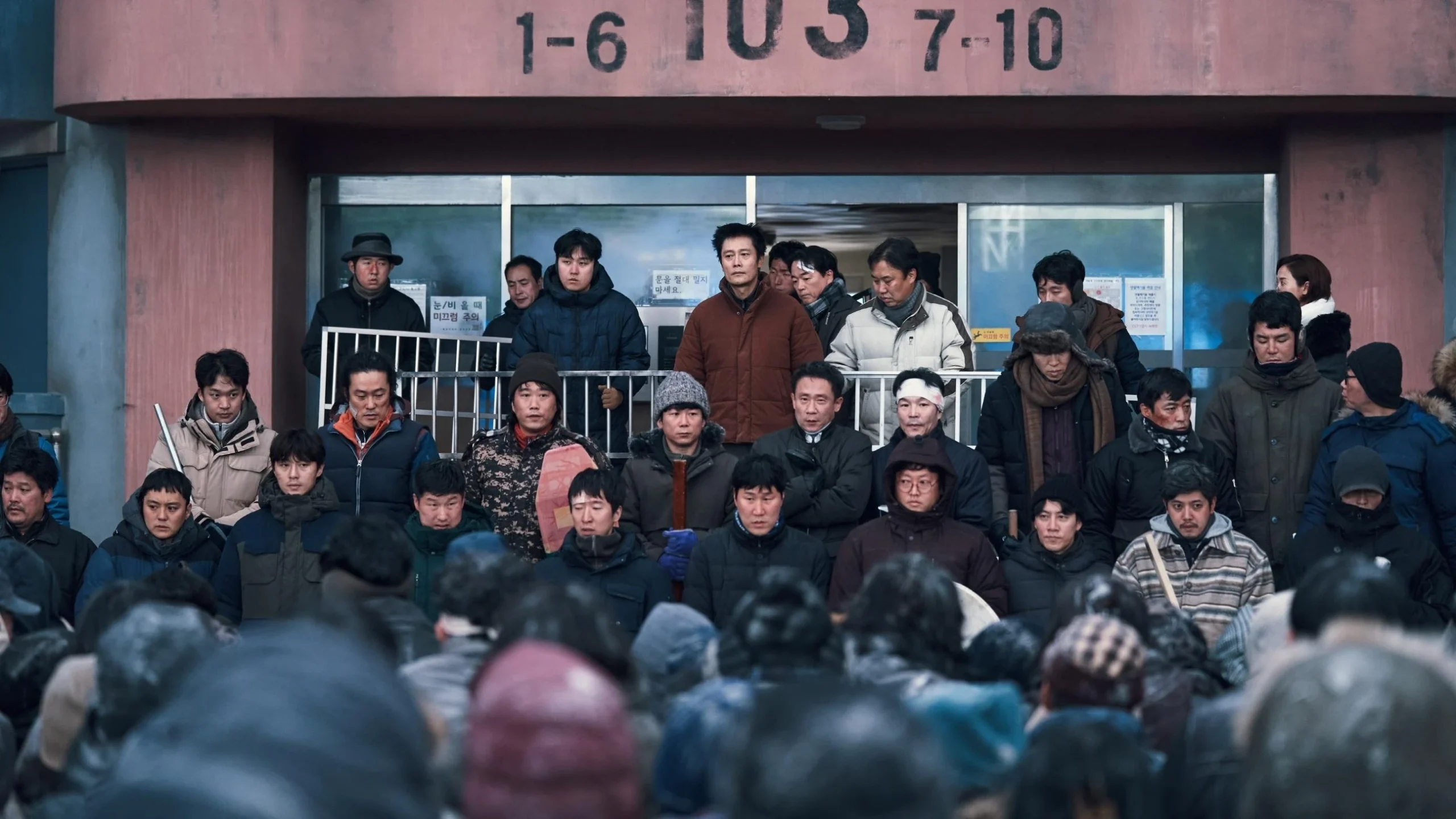
The residents face a decision that the film refuses to make abstract: open the doors or close them. This is not a philosophical question in Concrete Utopia — it is a logistics question, an emotions question, a question of whether you can look into the face of someone freezing to death and explain to them why they don’t belong here. What makes the film’s middle section so difficult to watch is not that the residents choose wrong. It’s that they choose entirely within the limits of recognizable human behavior. They’re not cruel. They’re afraid. Those two things turn out to be interchangeable.
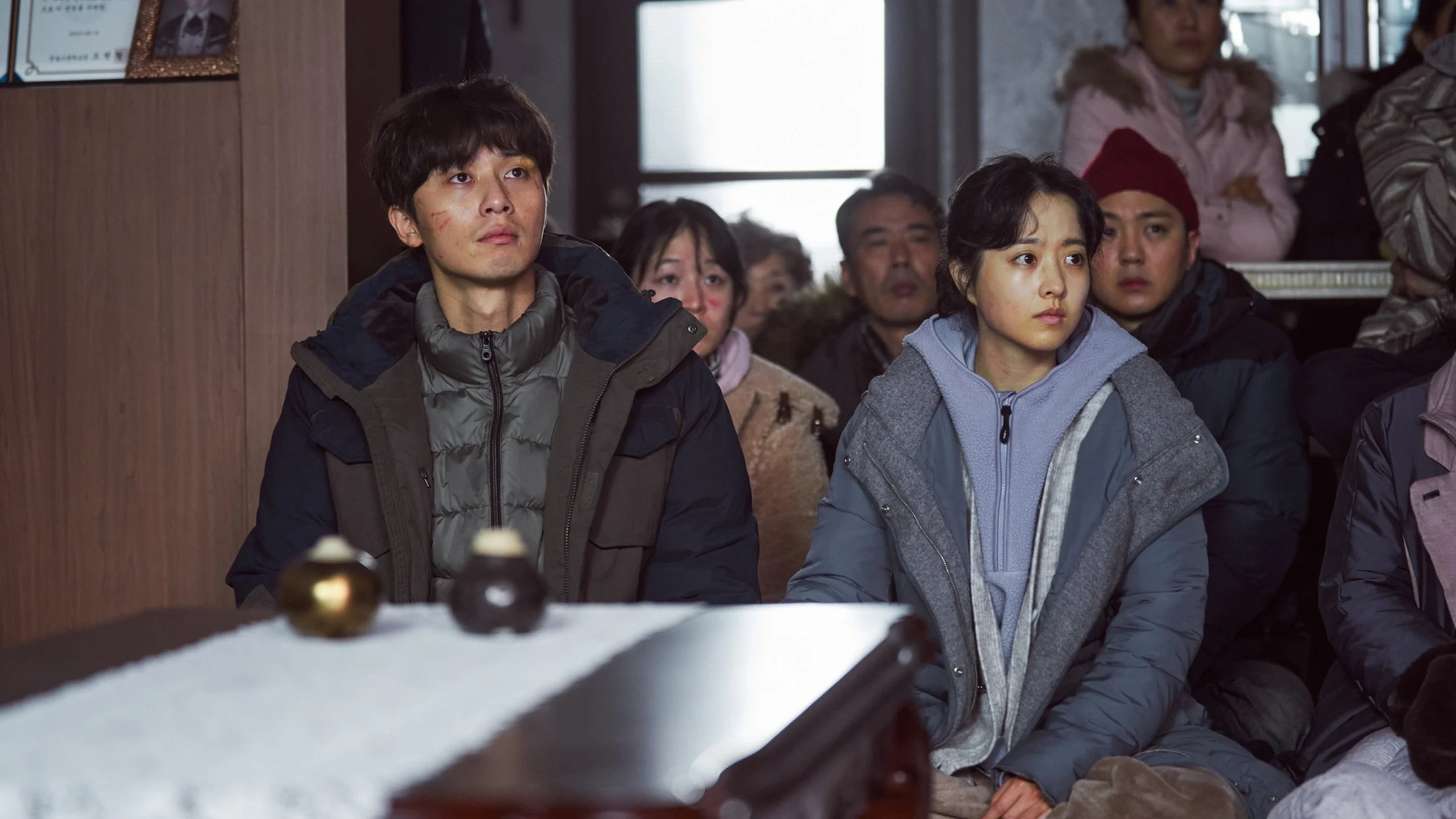
The man who emerges as their leader is charismatic in the specific way that crisis requires: he projects certainty. Yeong-tak’s willingness to do what others feel but won’t say aloud makes him indispensable in a way that has nothing to do with competence and everything to do with necessity. Geum-ae, played by Kim Sun-young in a performance that deserves more attention than it typically gets in discussions of this film, represents something equally disturbing — the ordinary neighbor who finds that crisis finally gives her permission to stop being polite. And then there is Hye-won, young and sharp-eyed, who begins to notice that not everything about Yeong-tak’s story adds up. She is the film’s conscience, and the tragedy is that no one wants to hear from her.
Most Korean disaster films give you someone to root for without ambivalence. Concrete Utopia does not. The architects of the apartment’s new rules are also its victims; the people being expelled are also people who, in slightly different circumstances, would be making the same decisions from the other side of the door. Um Tae-hwa stages this as a slow-motion moral experiment: removing the infrastructure of civilization to watch what the underlying logic looks like without its scaffolding. What remains is something that feels both alien and entirely familiar.
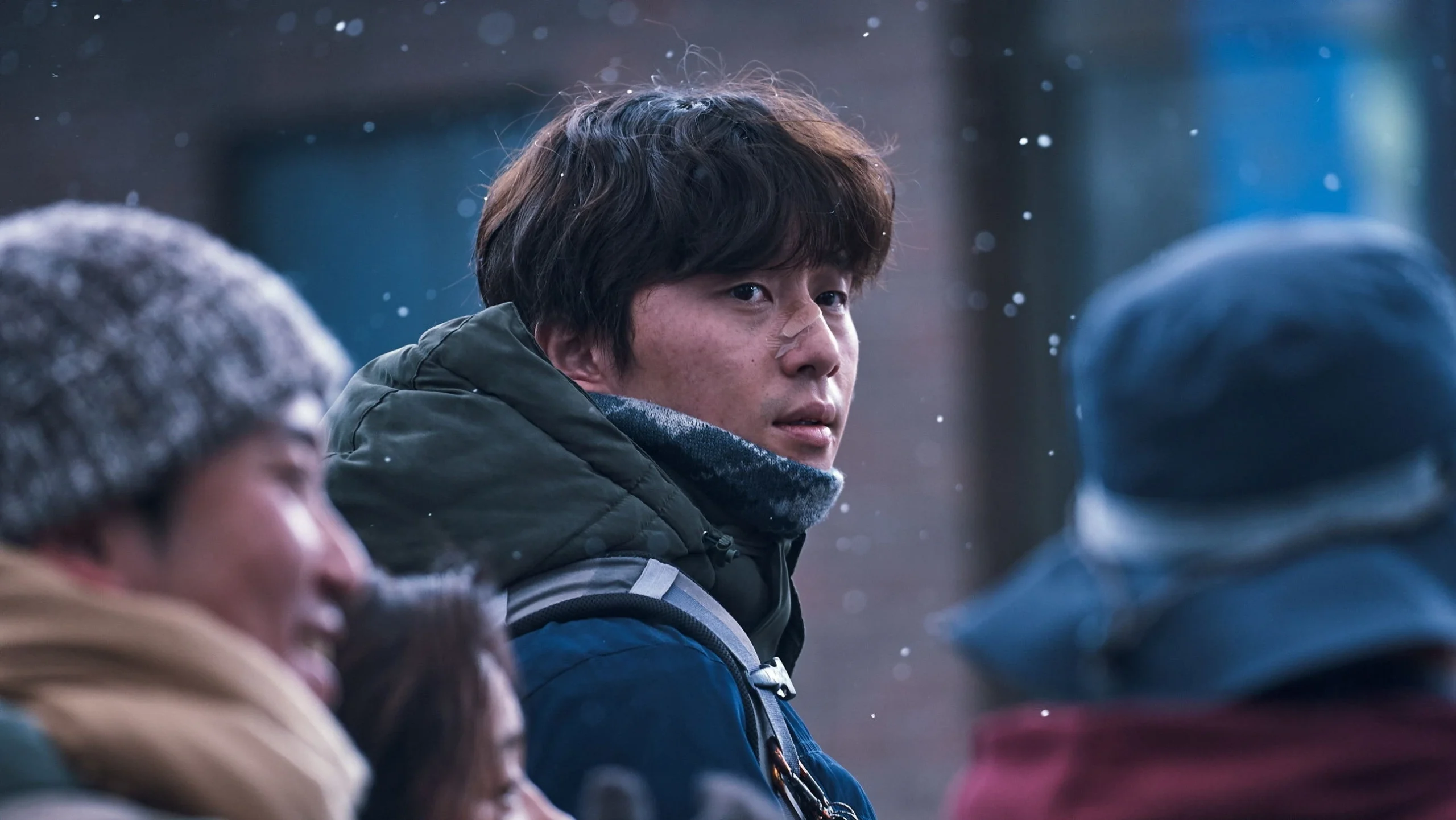
The film moves through darkness with a kind of unexpected grace. The cinematography finds bleak beauty in the ruin — Seoul’s broken skyline photographed with the same care usually reserved for the city at its most iconic. Lee Byung-hun’s performance as Yeong-tak has a theatrical quality that Um Tae-hwa leans into deliberately: a man who is always, slightly, performing for his audience, calibrated to the specific crowd watching him. Park Bo-young’s Myeong-hwa grounds the film at its emotional center — still, precise, and increasingly isolated by the clarity of what she sees around her.
Non-Korean audiences may underestimate how specifically Korean the film’s central violence is. In South Korea, the apartment you own is not just housing — it is the primary index of your class position, your family’s security, and your social worth. Decades of rapid urbanization made apartment ownership the defining aspiration of the Korean middle class, and the phrase “apartment resident” carries connotations of legitimacy that go well beyond property rights. When the residents of Hwang Gung Apartments declare that the building belongs to them and act accordingly, they are not improvising a new brutality. They are applying a logic the country spent fifty years teaching them. The apocalypse didn’t create the system. It just made the system impossible to ignore.
🏁 Ending Explained
Full spoilers — what happens in the final act and what it all means.
Full Spoilers Ahead — This section covers the complete ending of Concrete Utopia. Stop here if you haven’t watched.
The final assault arrives not as a movie climax but as a structural correction. The outsiders who attack the building are not a mob — they are organized, trained, and armed with the discipline of people who have spent weeks surviving in exactly the conditions the residents have been working to prevent others from escaping. The assault is less a dramatic confrontation than an inevitable consequence: what was built on exclusion, meeting the thing it excluded. And in the middle of it, Yeong-tak’s true identity is exposed — not as a twist but as a thematic detonation. He is not Kim Yeong-tak. He is a man named Se-beom who assumed Yeong-tak’s identity after the real resident died in the earthquake. The leader who enforced the rules of belonging had no right to be there in the first place. He is also fatally wounded in the fighting and dies inside the building he bled for. Min-seong, who fought at his side and believed in him, dies quietly in his sleep from his wounds. Myeong-hwa survives — and walks toward the outsiders, asking to join them.
The ending inverts the film’s architecture from the inside out. Se-beom’s illegitimate occupation of the apartment — the identity he wore without right, the people he expelled, the violence he justified — makes the entire project of exclusion reveal itself as fiction. He had no claim to be there. The rules he enforced, the belonging he defended, the community he built: all of it was constructed on top of a lie. What does it mean when the person most committed to the logic of “residents only” is the one who had no right to be a resident at all? It means the legitimacy they were all defending was never real either. Se-beom’s death inside the building he bled for is not heroic — it is the final, hollow irony of a man who mistook possession for identity.
The film earns its ambiguities. Whether Se-beom’s attachment to the community became genuine — whether he found something real under the stolen name — is never resolved, and it shouldn’t be. His return to the apartment while mortally wounded suggests something more than simple possession, and some of the film’s most interesting conversations happen in this space: not about what he did, but about whether it matters that he came to believe in it. A second major ambiguity is the fate of the building itself. Outsiders have breached it, remaining residents are still inside, and the film does not tell us whether the apartment falls, is shared, or becomes another ruin. The story ends before the new system is built — which may be precisely the point.
The strongest reading of this ending is not the most sympathetic one. Se-beom was not a tragic figure who found the wrong way to belong — he was the product of a system the residents built specifically because they needed someone like him. They didn’t elect a leader. They licensed a proxy. The violence he enacted on their behalf was the violence they felt but wouldn’t say aloud, made visible by delegation. His false identity is not a plot revelation: it’s a mirror. The community that demanded legitimate residency was always already illegitimate, built on the same exclusionary logic he was practicing without authorization. The utopia of the title was never the apartment. It was the concept of deserving.
Se-beom’s earliest scenes carry a different texture on rewatch. A slight over-performance of familiarity, a hesitation that reads as presence rather than deception until you know to look. Myeong-hwa’s discomfort is visible from nearly the beginning, too — not the dramatic telegraphing of a woman about to become the moral center, but the quieter discomfort of someone who has spent her professional life watching people decide who counts as a patient. She makes the only decision available to a person who cannot stop counting. Her final walk toward the outsiders is not optimism. It is the only available form of honesty.
✍️ KDramaWorlds Editor’s Take
Our honest read on why this film is worth your time — and who it’s for.
Um Tae-hwa
Known for: Midnight FM (2010) · Concrete Utopia (2023)
Lee Byung-hun has built his career in two registers: the cold and the calculated. From I Saw the Devil to his turn as the Front Man in Squid Game, he has always been most interesting when the performance contains a visible seam — when you can see the character performing for his own benefit as much as for the other characters. Yeong-tak is his best version of this: a man who is always slightly ahead of himself, gesturing toward a larger identity than the room can support. The performance is theatrical in the most precise sense — not overblown, but aware of its audience at all times, calibrated to the specific crowd that’s watching. The grand gestures feel emotionally true because the film understands why he makes them: he’s not performing for the other residents. He’s performing for himself. His authority depends on his own belief in it.
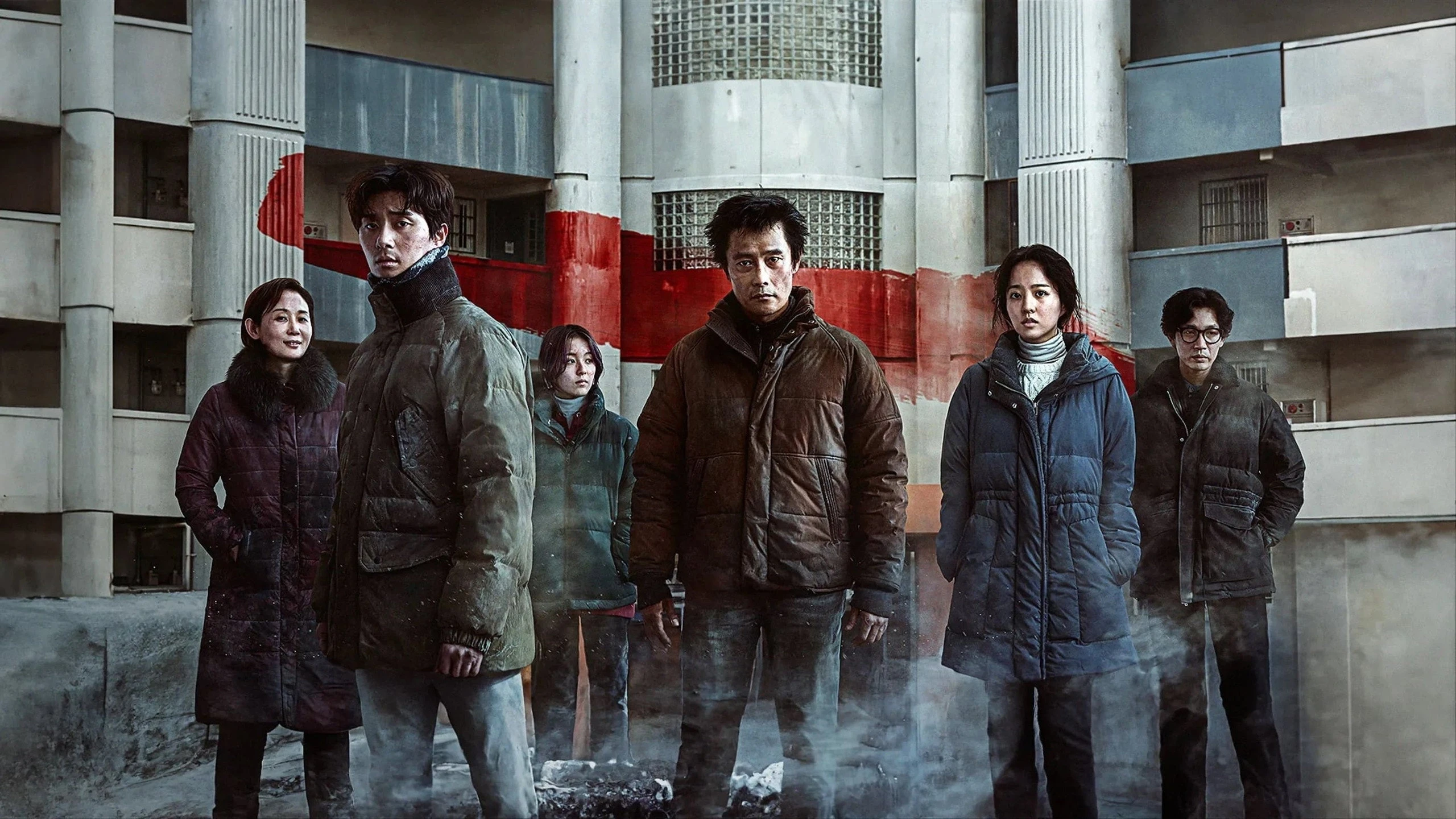
Park Bo-young is doing the harder job. Myeong-hwa’s moral clarity isn’t written as heroism — it’s written as a kind of professional reflex that keeps reasserting itself despite everything the community asks her to override. Park Bo-young plays this with exceptional physical restraint: the moments where she simply cannot complete the required action are quieter than any of the film’s confrontational scenes, and they land harder. Park Seo-jun, cast somewhat against type as someone who genuinely wants to be on the right side of things and keeps choosing the available option instead, is given a character whose arc is the film’s most ordinary and therefore its most damning. The film also compared well to Train to Busan in its willingness to use a disaster frame to say something uncomfortable about the society producing the survivors — but where Train to Busan offers redemption, Concrete Utopia does not. That is not a flaw. It is a choice.
The film’s structural weakness is that it’s most interested in what happens at the level of the community and least interested in some of the individuals within it. A few supporting characters exist primarily to represent positions rather than people, and the middle section gives more space to exposition than the material requires. The final thirty minutes recover everything — but the cost is a somewhat schematic midpoint. None of this diminishes what Um Tae-hwa achieves: Concrete Utopia is among the best Korean films of the decade, precise where it matters, unsparing without being punishing, and carrying more implications out of the theater than it brings in. 100% on Rotten Tomatoes is rarely wrong about films like this. It’s not.
Anyone curious about what Korean housing culture reveals about Korean society
Viewers who want a disaster film that asks harder questions than “who survives?”
One of the sharpest Korean films of the decade — and one of the most honest about what civilization actually costs.
🎬 You Might Also Like
If you liked Concrete Utopia, these are your next three watches.
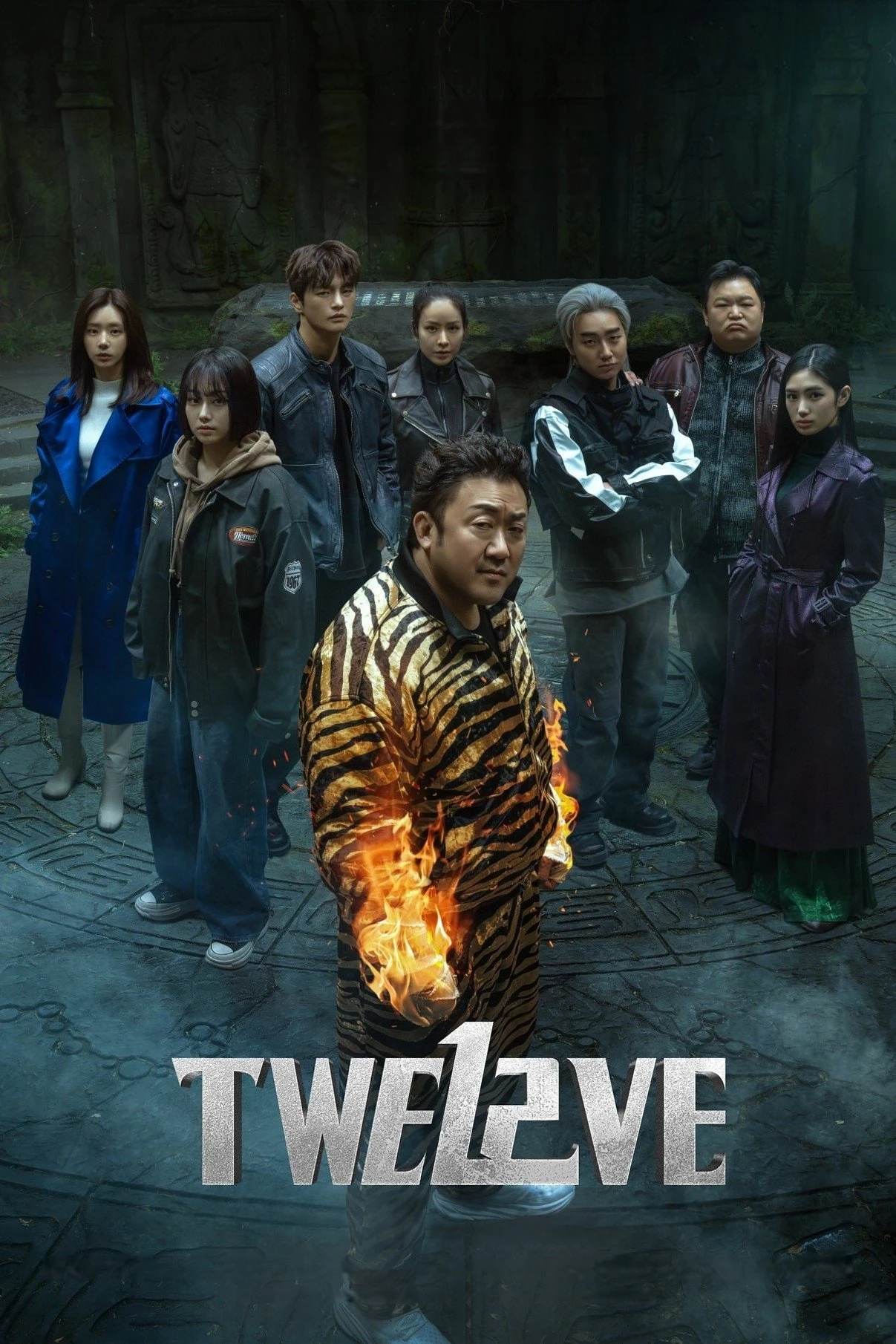 Twelve
Actionangels vs demons
Read Full Review →
|
 Still Shining
Coming-of-AgeFirst Love
Read Full Review →
|
 A Good Day to Be a Dog
curse
Read Full Review →
|









Keep it kind, skip the harsh language, and please — no spoilers. Everyone's taste is different, and that's perfectly fine.
This space is for real reactions and discussion from other viewers. Help keep it comfortable for everyone by not giving away major plot details.
What do you think of this drama?
Login to share your review or leave a comment.
No email needed — just pick a username & password.