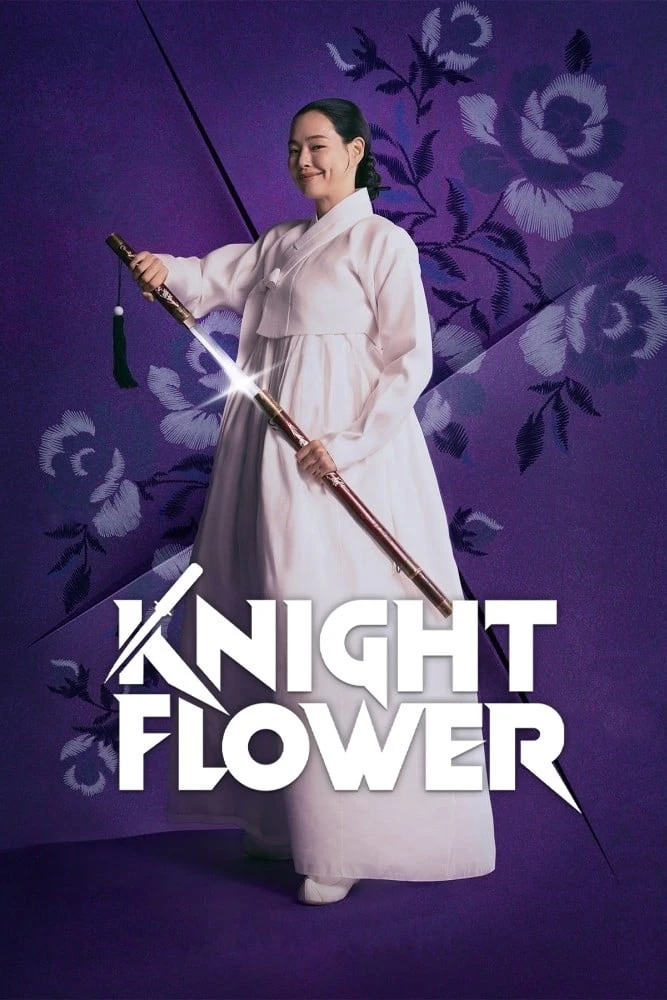
Knight Flower
🎬 Netflix · Viki
⭐ 8.0 / 10 MDL
🔞 12+
📋 Drama Overview
A quick primer before the opening scene.
🌸 Sageuk Must-Watch
Viki
Jo Yeo-hwa (Lee Hanee) has spent fifteen years as the model widow of Joseon’s most prestigious noble family — confined indoors, draped in mourning attire, and bound by every rule the era could devise. She mourns a husband she never once met. But the moment the sun goes down, she becomes someone else entirely: a masked figure in black who scales compound walls, delivers rice to the starving, and fights back against the corrupt with a fighting style that has made her a legend among the common people.
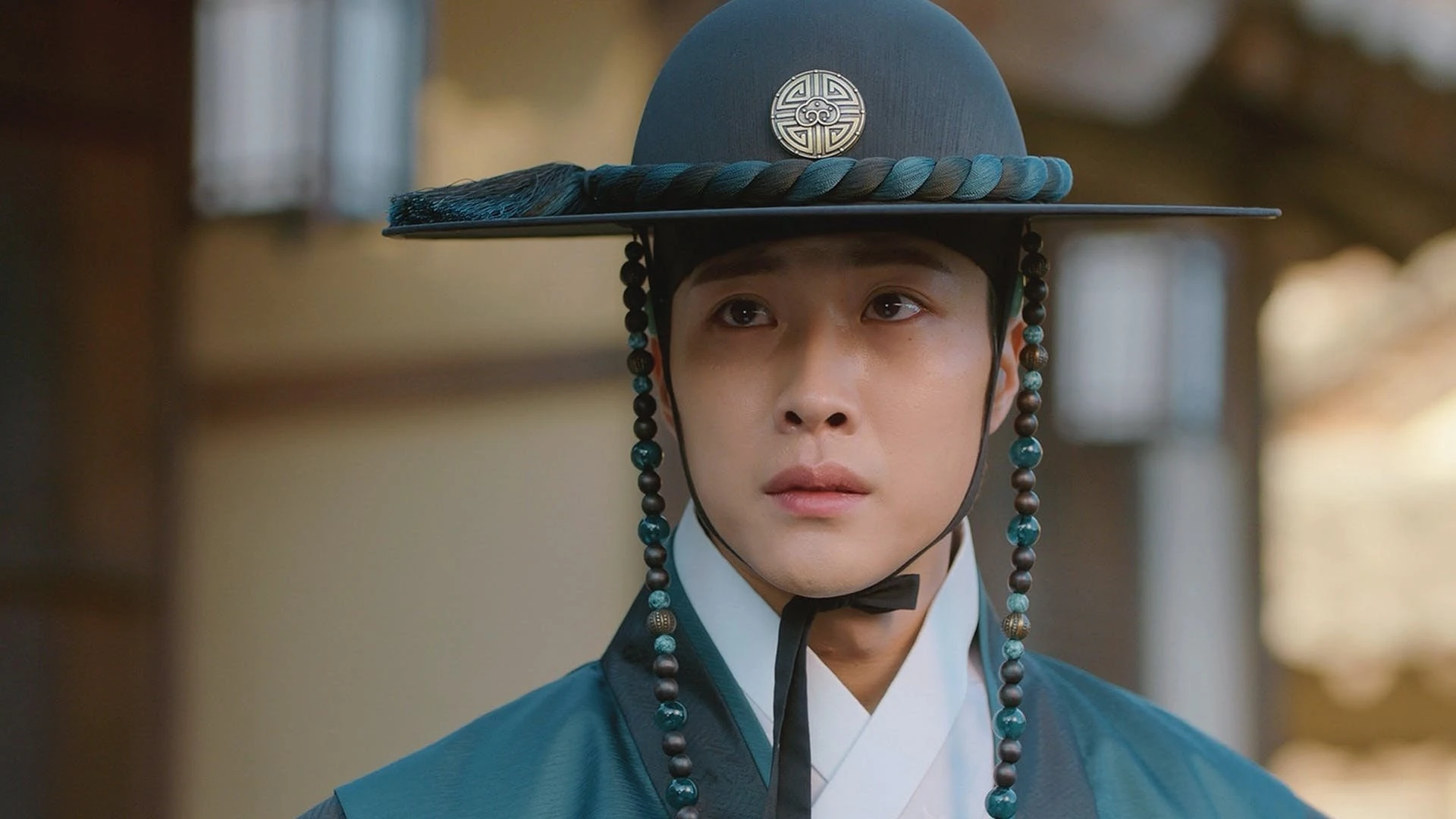
Her double life begins to unravel when she keeps crossing paths with Park Su-ho (Lee Jong-won), an incorruptible Capital Garrison lieutenant with a gift for being exactly where he shouldn’t be. As Su-ho inches closer to unmasking her, a fifteen-year-old buried case begins to surface — pulling both of them into a conspiracy far larger, and far more dangerous, than either anticipated.
12 / 12 ✅ Completed
⚡ Quick Verdict
The short version — everything that matters, boxed up.
· MDL Score · 12,000+ ratings
▶ Official Trailer
🎭 Cast & Characters
Twelve performances that bring Joseon’s most unlikely vigilante story to life.

Lead

Lead
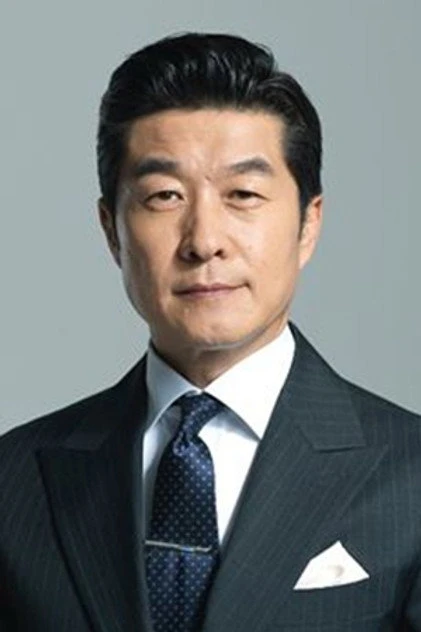
Supporting

Supporting
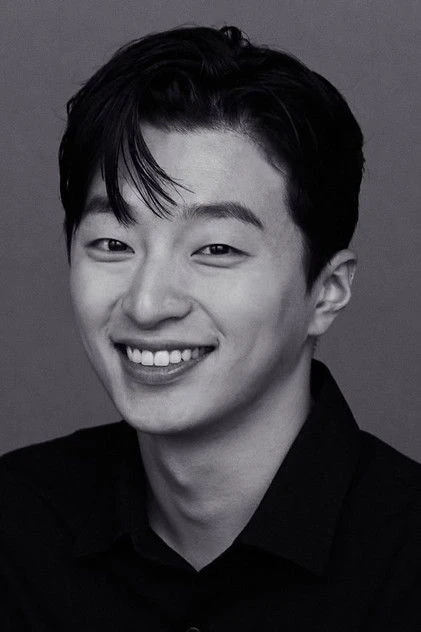
Supporting

Supporting

Supporting
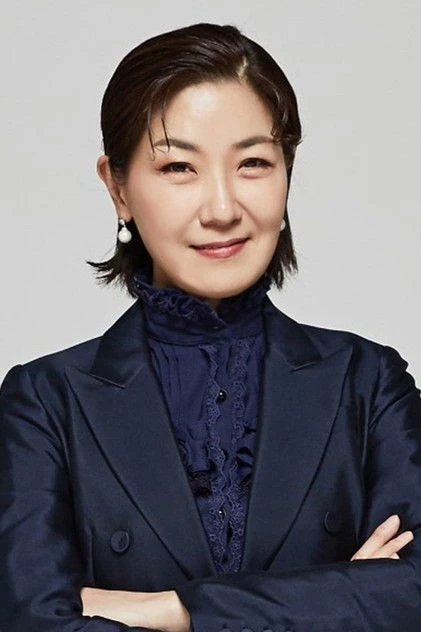
Supporting
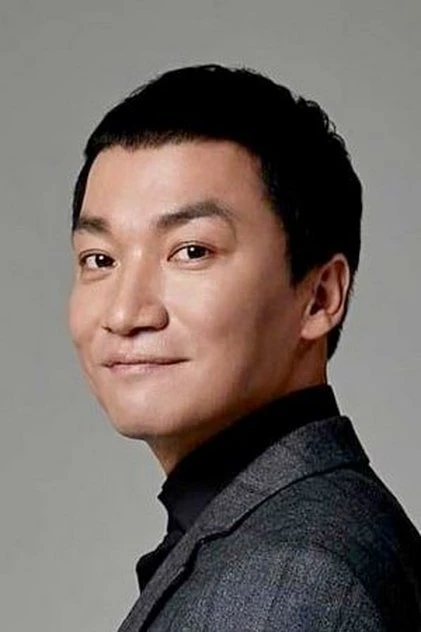
Antagonist

Supporting

Supporting
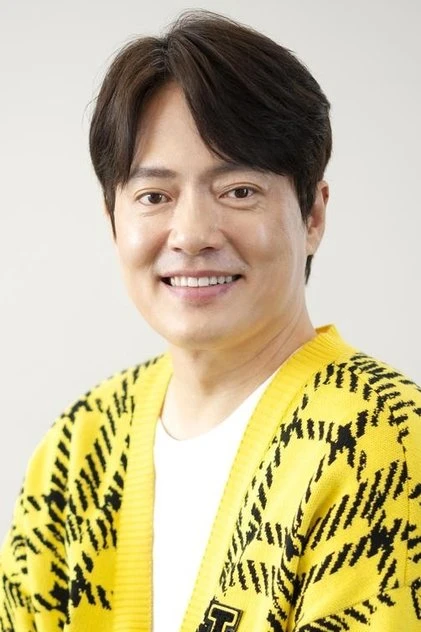
Antagonist
📺 Episode Guide
Recaps that jog the memory, not spoil the ride.
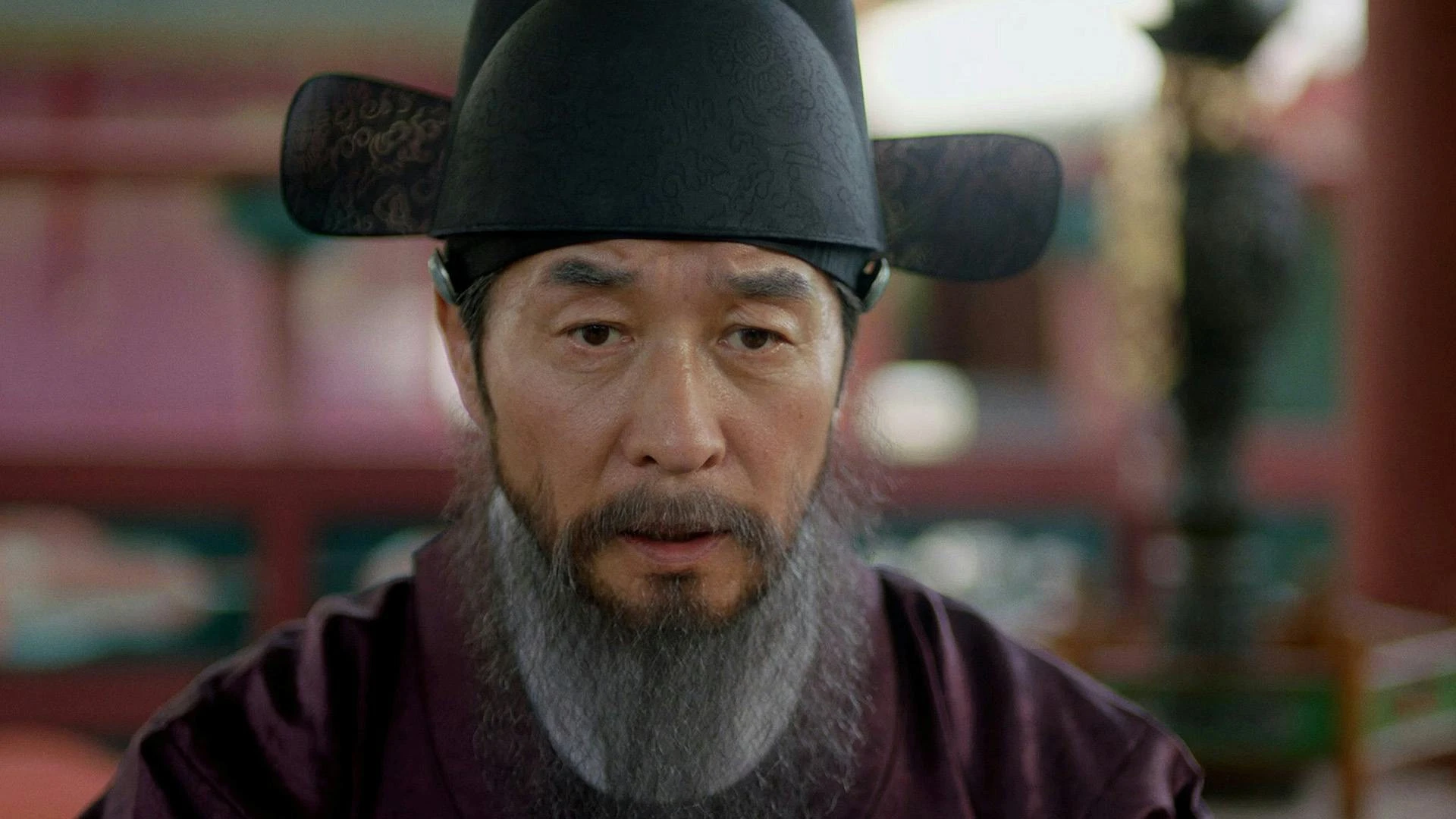
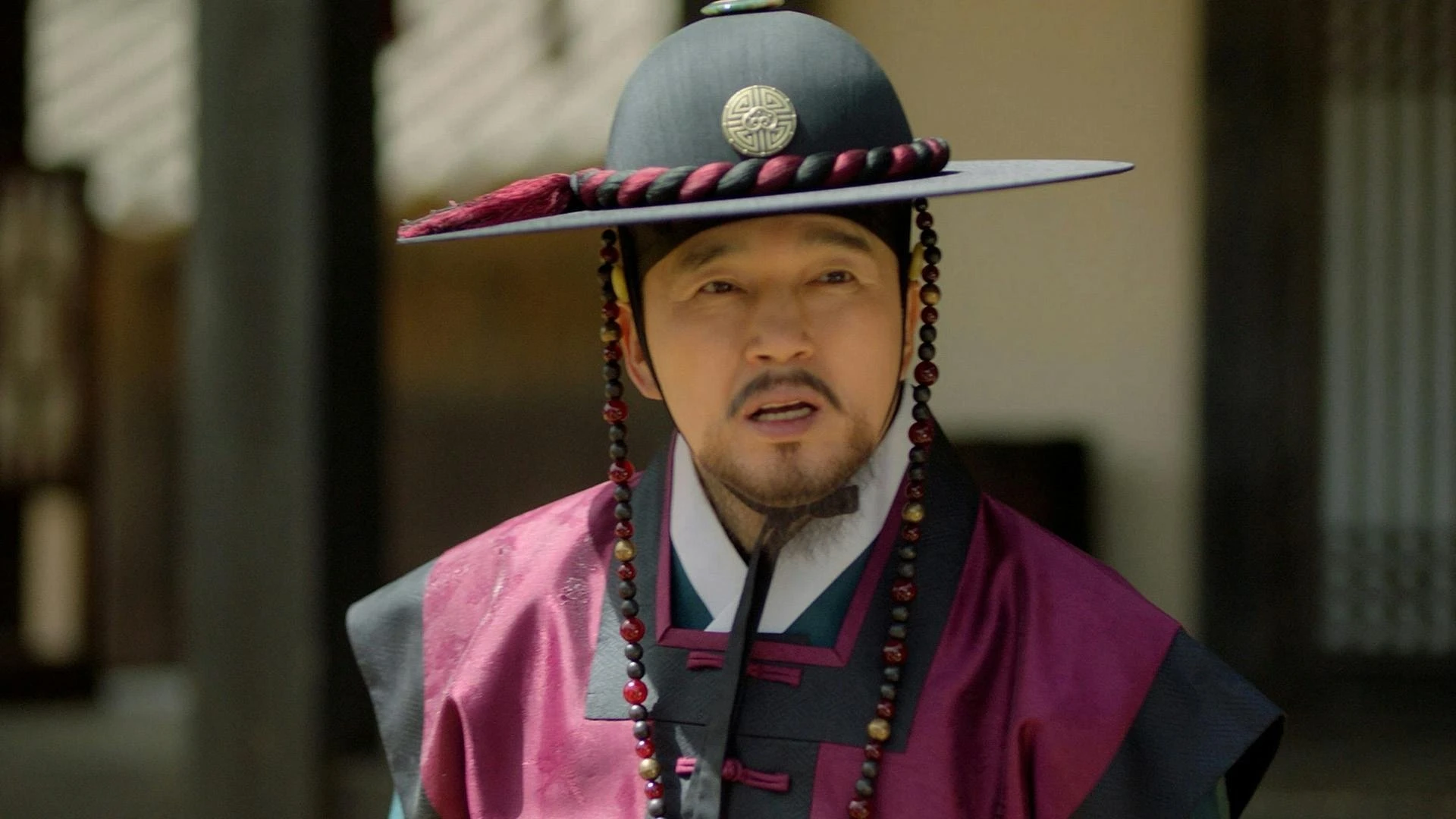
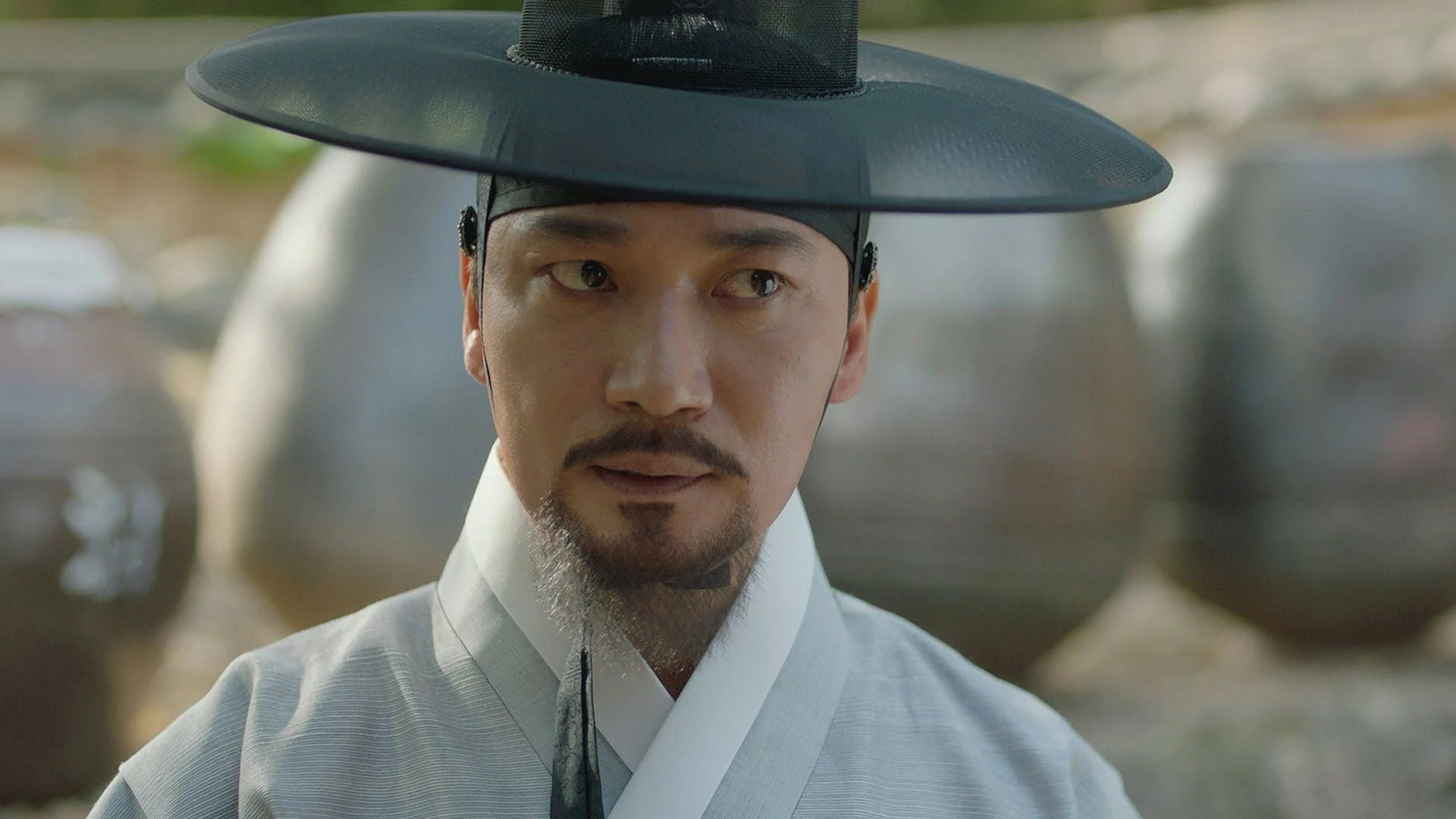
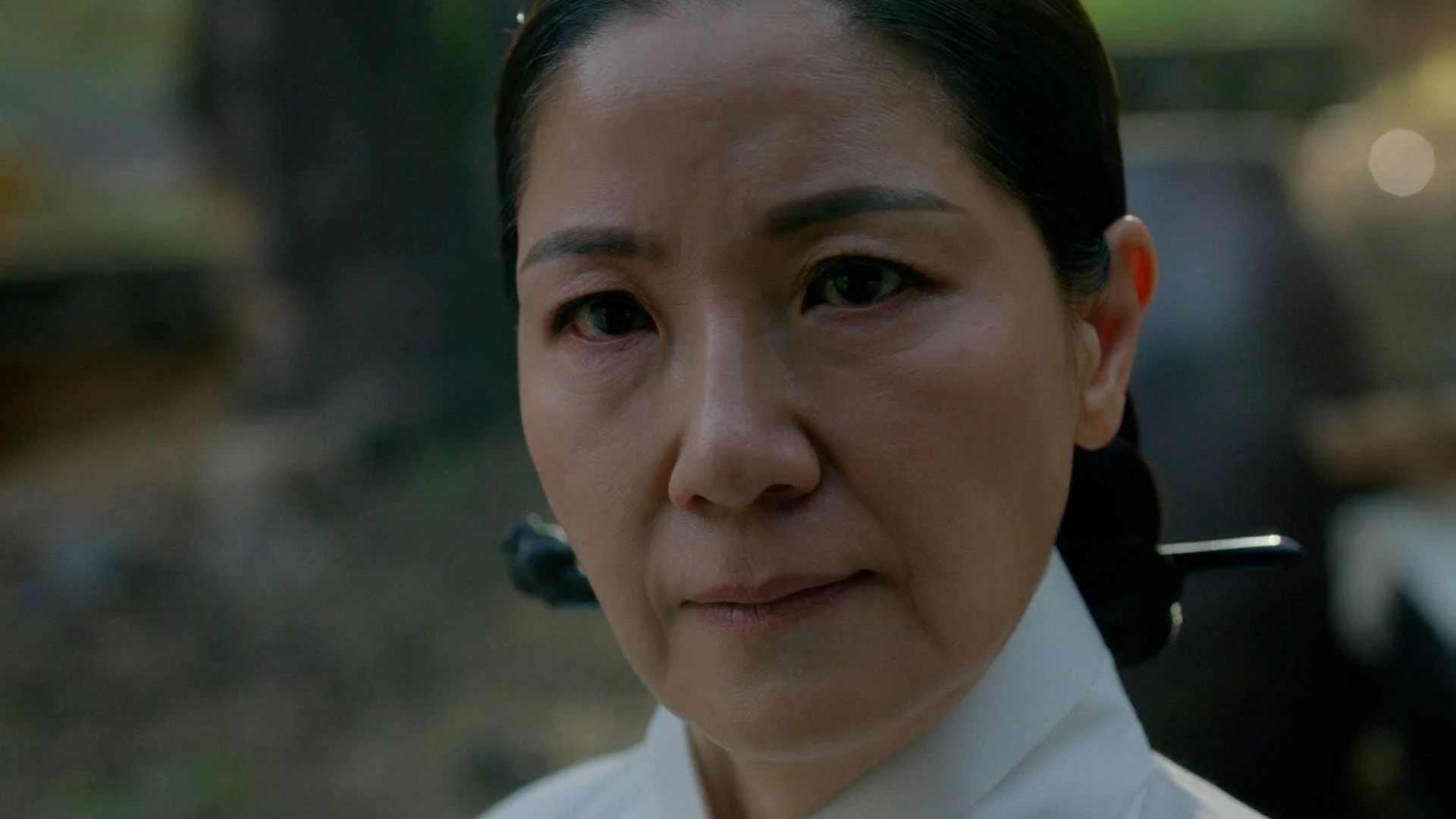
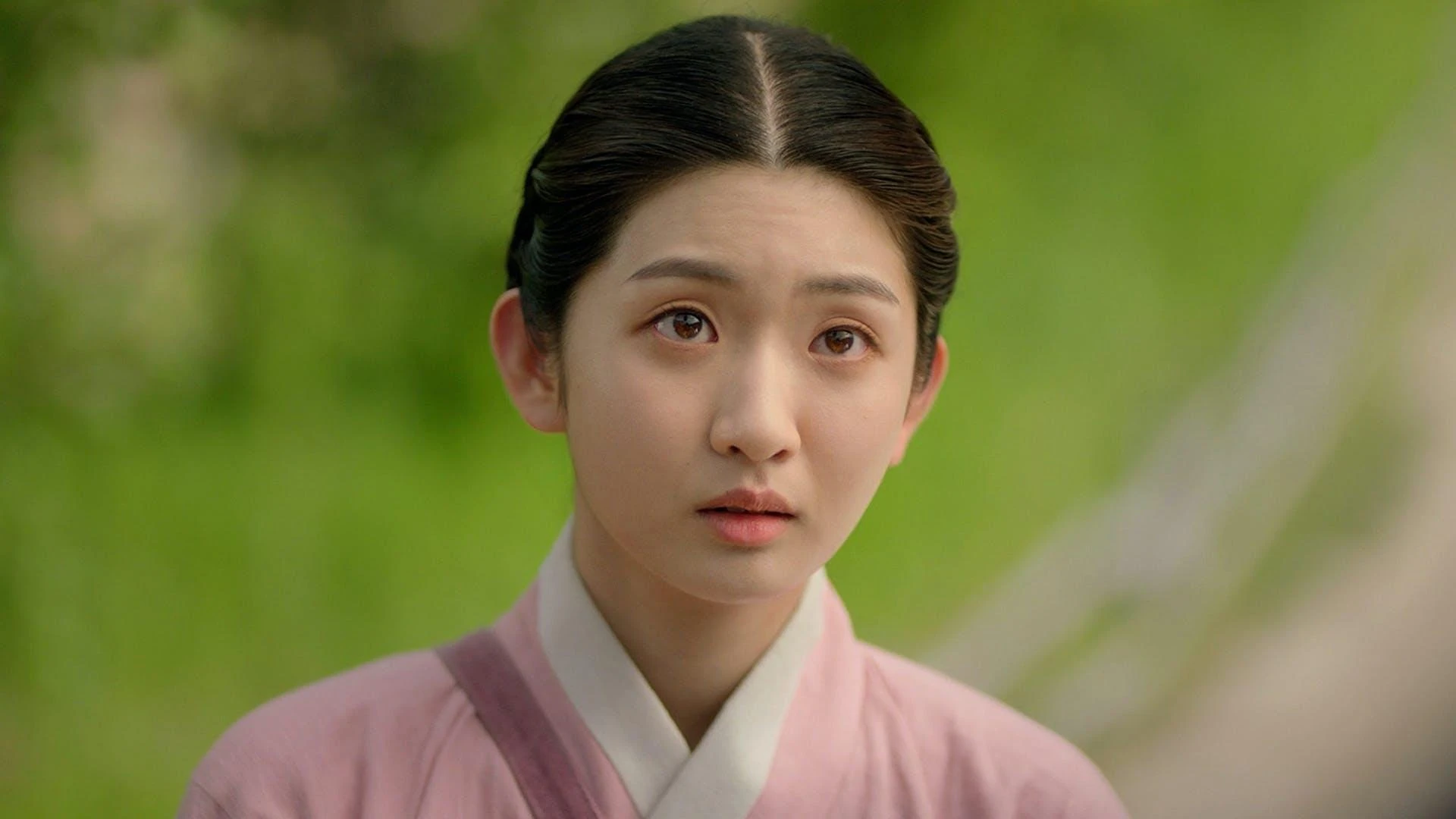
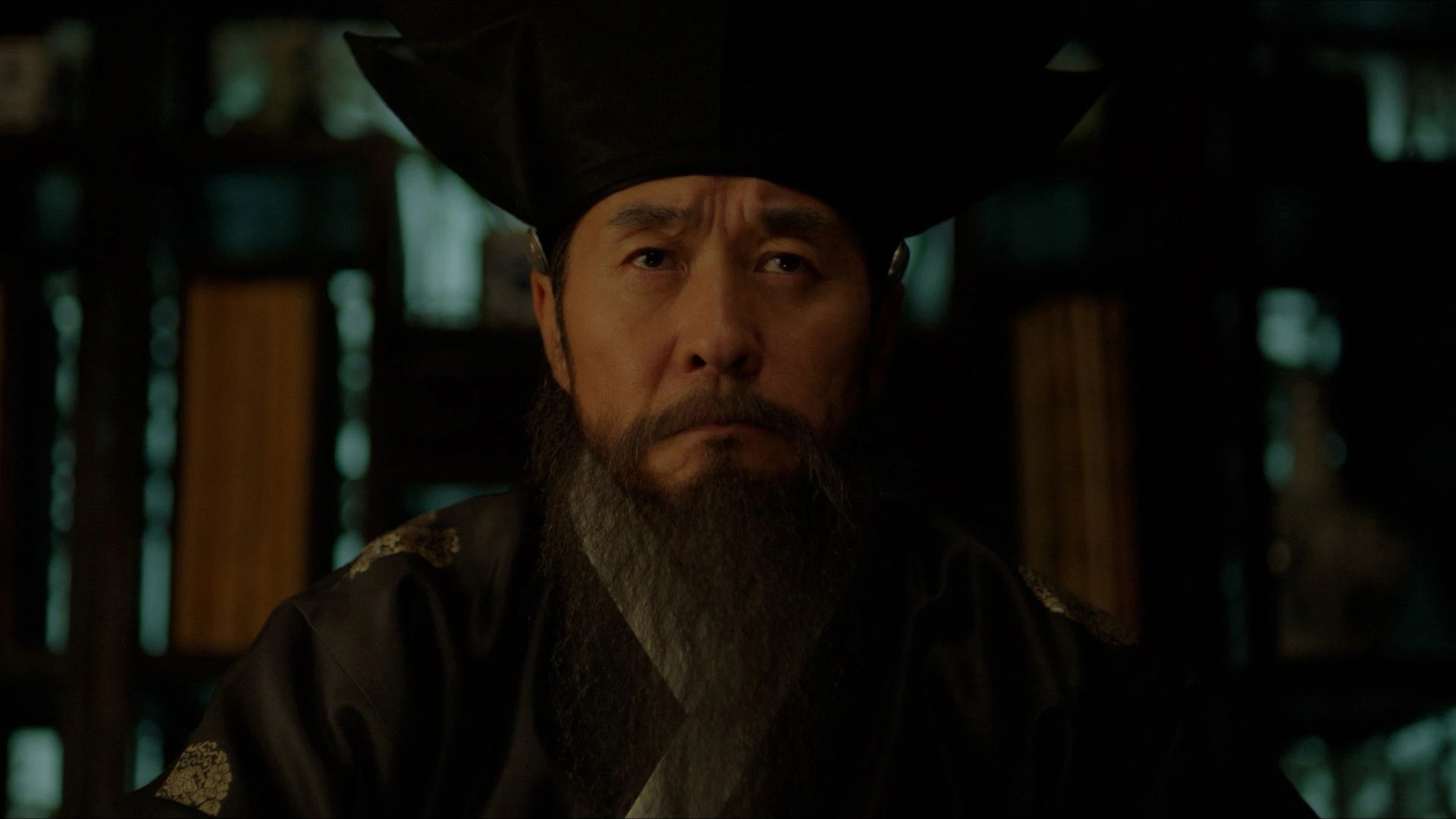
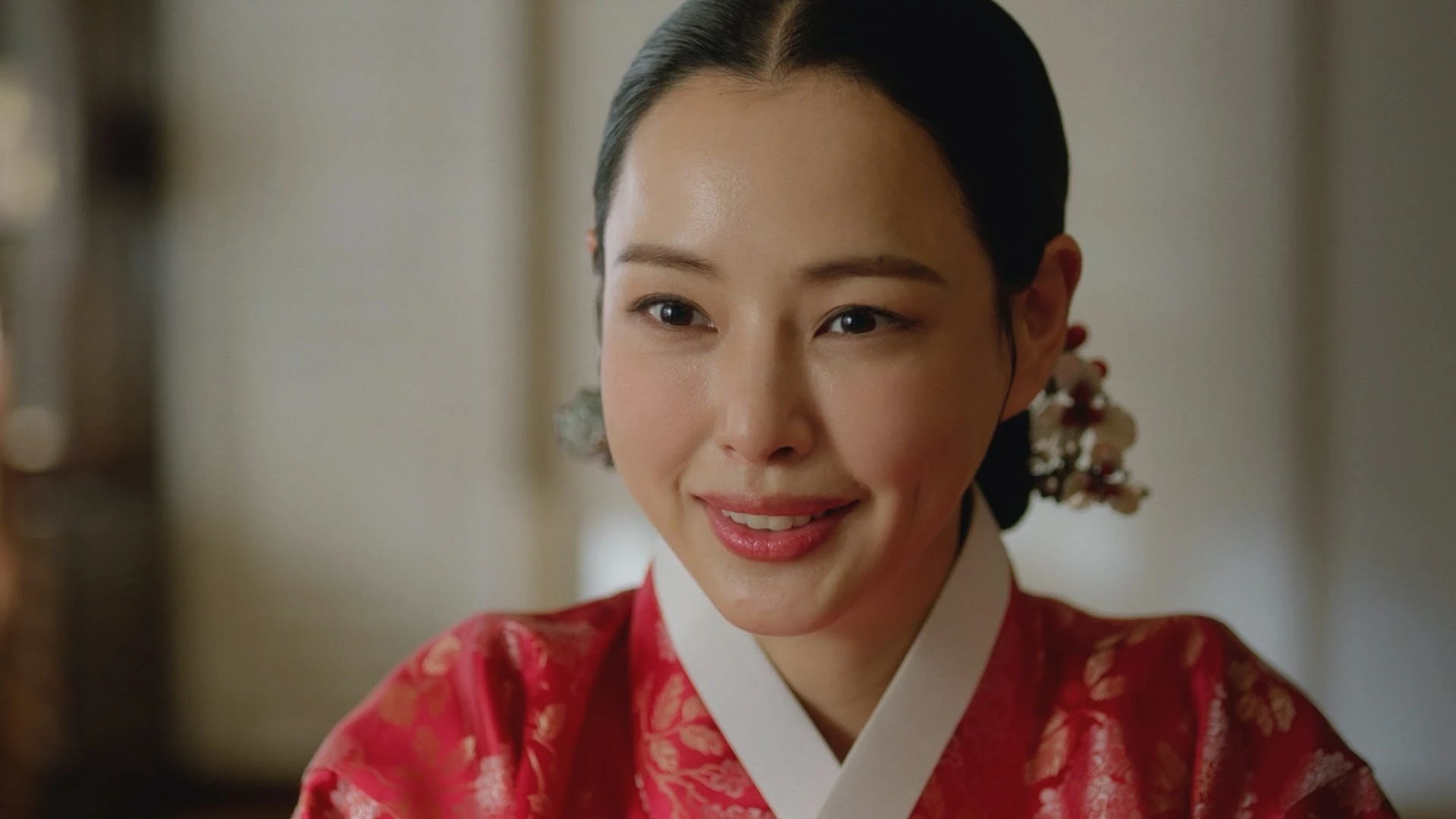
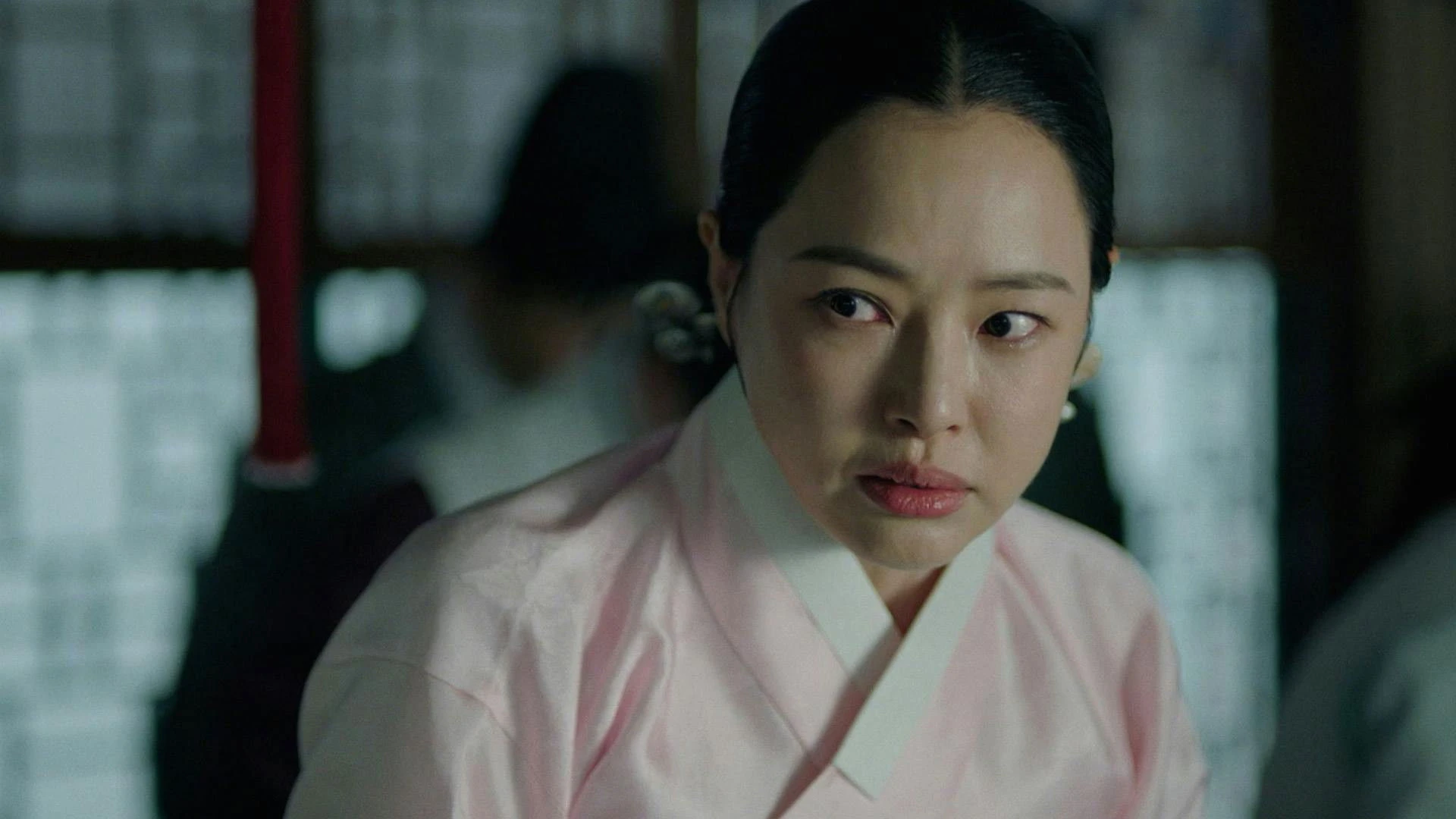
🏁 Ending Explained
From here on, full spoilers — the ending, unpacked.
Spoiler Warning — This section covers the full finale of Knight Flower. Stop here if you haven’t finished the series.
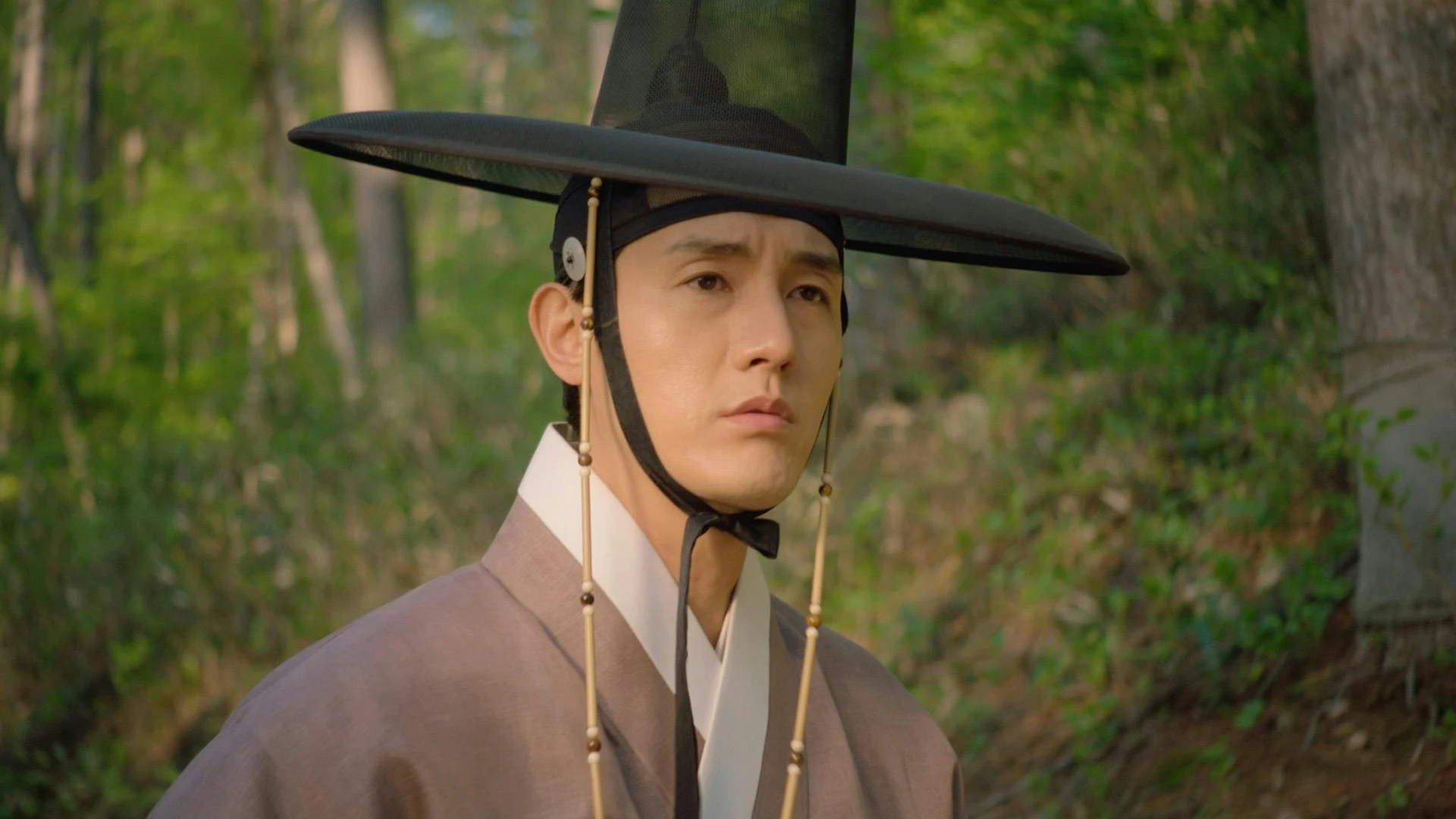
The conspiracy finally has a face. Episode 12 opens with the accumulated weight of fifteen years crashing down at once. Lord Seok Ji-seong — the patriarch of the very household that imprisoned Yeo-hwa in a widow’s life — is revealed as the architect of everything: the kidnapping ring, the poisoning of the late king, the cover-up that cost a young man his life before his wife ever met him. Park Yoon-hak, who spent the entire drama operating in the shadows as a merchant, is unmasked as a royal investigator who has been working in concert with King Yi So all along. The final confrontation strips away every layer of respectability from Joseon’s most powerful household.
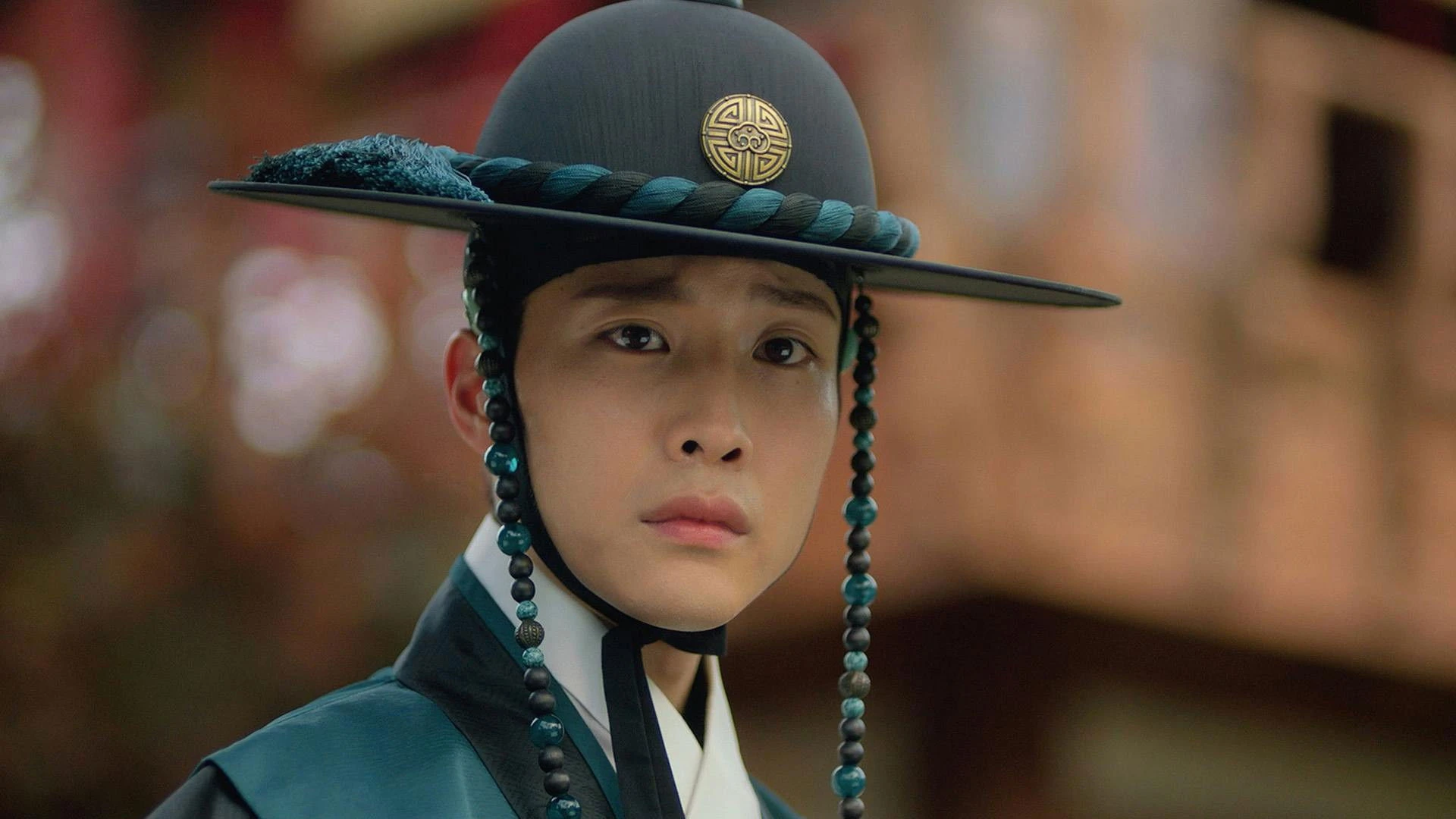
The villains fall, and the court delivers what Joseon rarely gave women. Lord Seok, Pil-jik, and their co-conspirators are brought down not by a single dramatic confrontation, but by the convergence of Yoon-hak’s secret investigation, Su-ho’s relentless evidence-gathering, and Yeo-hwa’s fifteen years of quietly surviving a household that should have broken her. When Yeo-hwa’s identity as the masked Hero is finally, fully revealed, the drama makes a choice that defines its entire tone: instead of disgrace, she receives something that Joseon almost never offered a widow — the right to be seen.
Su-ho stops chasing, and the walls come down. The man who spent twelve episodes determined to unmask a vigilante ends those twelve episodes unable to imagine a world where she’s confined to one anymore. The finale’s final scenes are deliberately unhurried — two people standing on the same side of every wall that once separated them, no masks, no roles, no fifteen-year-old case to solve. Knight Flower never pretended to be a drama about political revolution; it was always about one woman who refused to let grief become a life sentence. In the end, the Hero doesn’t need a mask — and the officer who was never going to stop looking finally finds someone worth standing beside.
✍️ KDramaWorlds Editor’s Take
Here’s our real take, and exactly who this one’s for.
⚔️ Action-Light
🎭 Strong Female Lead
💞 Slow-Burn Romance
🕵️ Mystery Undertow
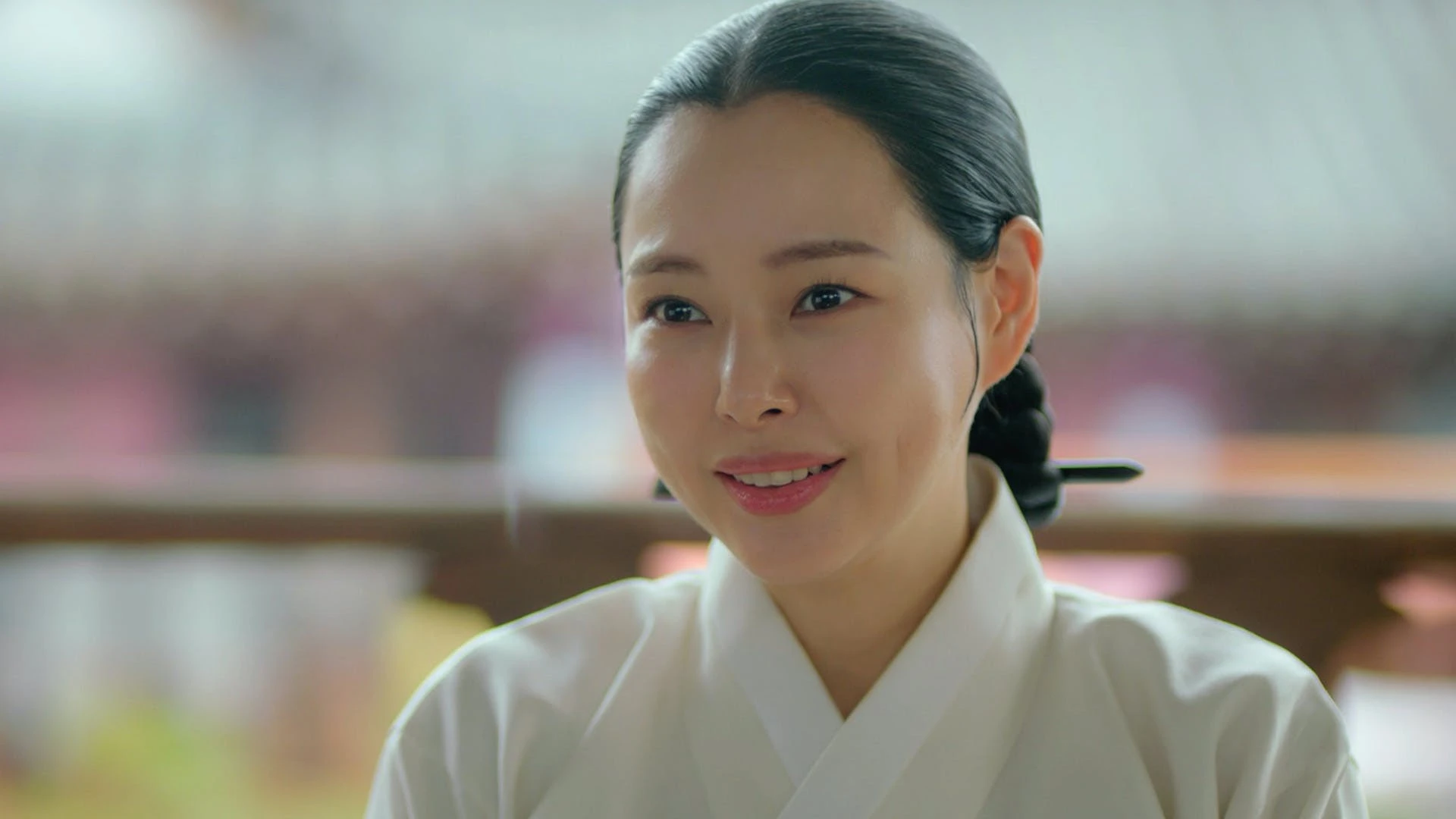
Knight Flower works because Lee Hanee refuses to let it be anything less than fully alive. Former Miss Korea turned actress, she carries the dual-life premise entirely on her physical and comedic instincts — her Yeo-hwa is the kind of character who can deliver a devastating rooftop fight sequence and a painfully awkward daytime bowing scene within the same episode, and make both feel like the same woman. The drama is built around her range, and she never once lets it show the seams. What makes the show particularly satisfying is how seriously it takes the social horror underneath the comedy: the widow’s life that imprisons Yeo-hwa isn’t played for pathos, but it isn’t minimized either. The show understands exactly why her nightly escapes mean what they mean. Against the backdrop of The Red Sleeve‘s more traditional Joseon romance, Knight Flower feels deliberately, almost cheerfully subversive — less interested in the institution than in the woman surviving it.
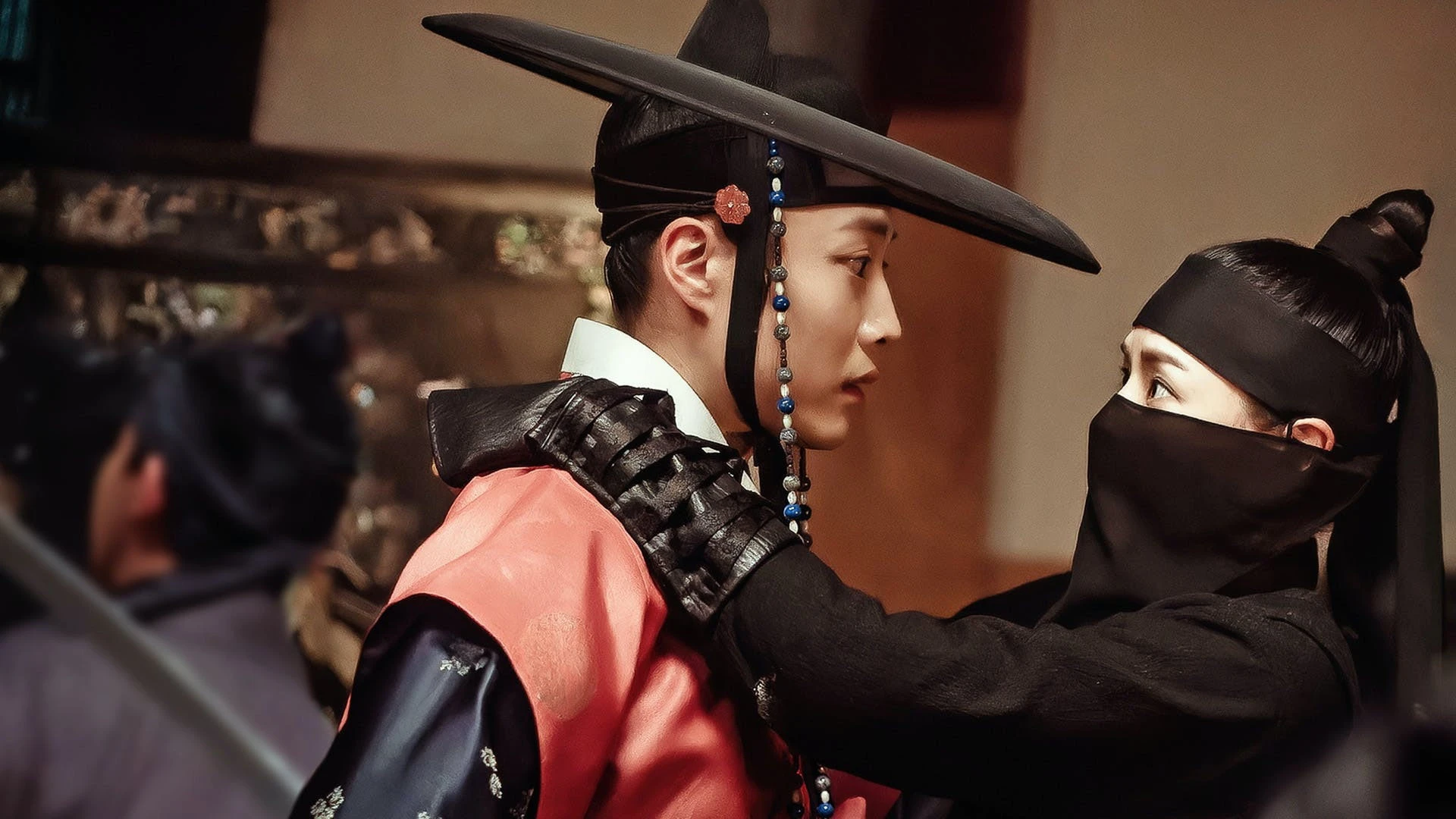
Where the drama is more uneven is in its back half, once the political conspiracy takes center stage. The kidnapping ring and the buried royal court corruption are perfectly serviceable Joseon-thriller architecture, but they’re less interesting than watching Lee Hanee dodge her mother-in-law while also chasing criminals across rooftops. Lee Jong-won is charming and committed as Su-ho — the chemistry between the leads is easy and genuine — but Su-ho himself is more a device than a character: defined by his pursuit of Yeo-hwa and his incorruptibility, rather than by anything he wants for himself. Viewers who came for the comedy-action energy of the first six episodes may find the tonal shift toward serious conspiracy somewhat deflating. That said, the final episode brings it all back together with the kind of emotional clarity the show always promised — and crucially, it earns the happy ending without cheating toward it.
Knight Flower is not the most ambitious sageuk of its era — it doesn’t try to be. It’s a precisely calibrated twelve-episode delivery mechanism for a very specific kind of joy: the sight of a woman who was told to disappear choosing, night after night, to show up instead. The production design is beautiful, the action sequences are genuinely fun rather than merely competent, and the supporting cast of veteran actors grounds every Joseon-household scene in lived-in reality. If you’ve bounced off heavier historical dramas, this is the entry point — light enough to be accessible, smart enough to be more than escapism. Bloom in the right season, and even a Joseon wall can’t hold you.
Fans of wuxia-flavored action scenes in a Joseon setting
Viewers who prefer slow-burn romance over instant chemistry
🎬 You Might Also Like
If you liked Knight Flower, these are your next three watches.
 The Ordinary Jackpot
Dramafantasy
Read Full Review →
|
 Missing Crown Prince
Enemies to LoversEXO
Read Full Review →
|
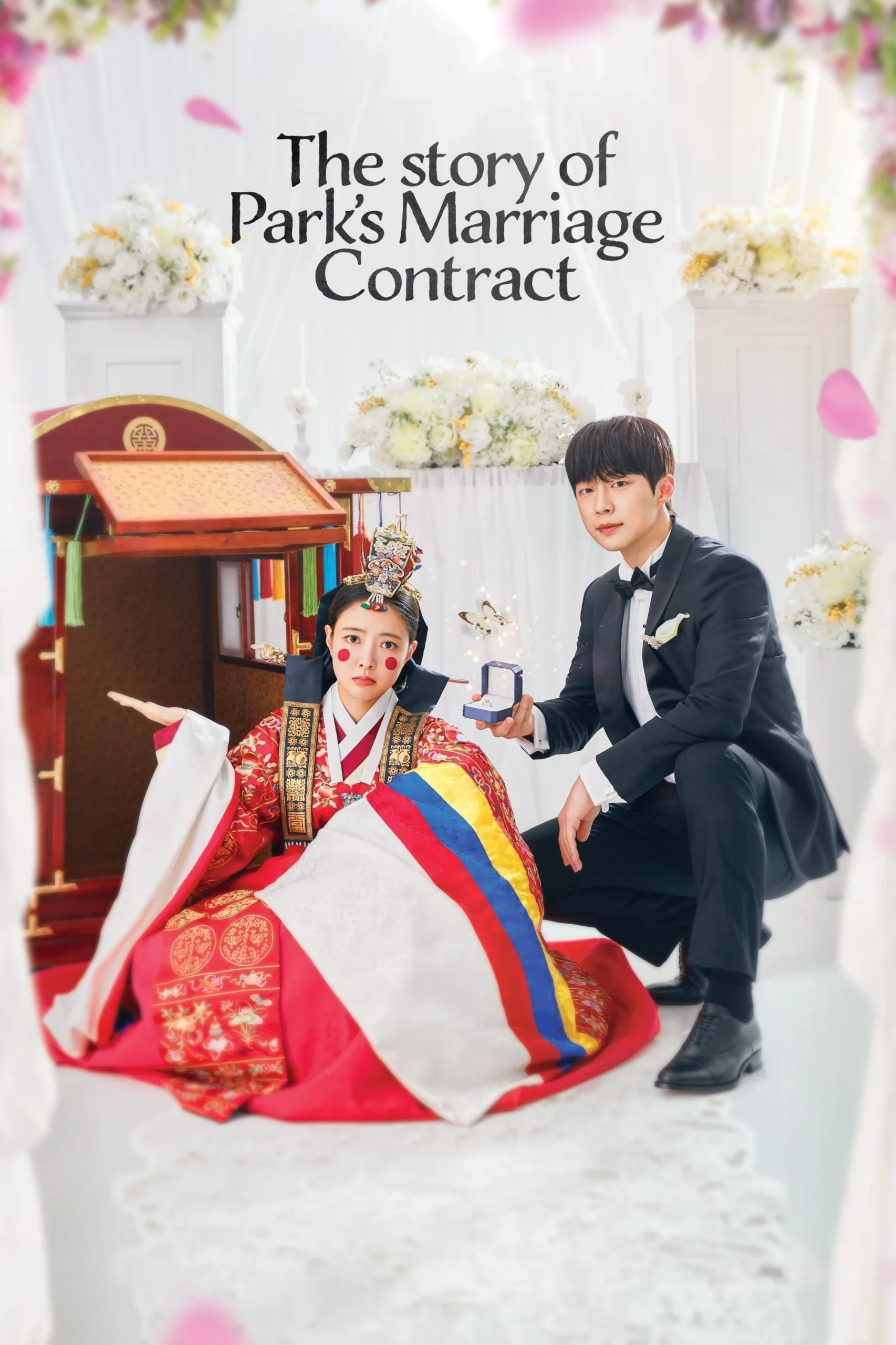 The Story of Park's Marriage Contract
Bae In-hyukCheon Ho-jin
Read Full Review →
|








Keep it kind, skip the harsh language, and please — no spoilers. Everyone's taste is different, and that's perfectly fine.
This space is for real reactions and discussion from other viewers. Help keep it comfortable for everyone by not giving away major plot details.
What do you think of this drama?
Login to share your review or leave a comment.
No email needed — just pick a username & password.