
Red Swan
🎬 Disney+ · Hulu
⭐ 7.8 / 10 MDL
🔞 TV-MA
📋 Drama Overview
Everything you need to know before you hit play.
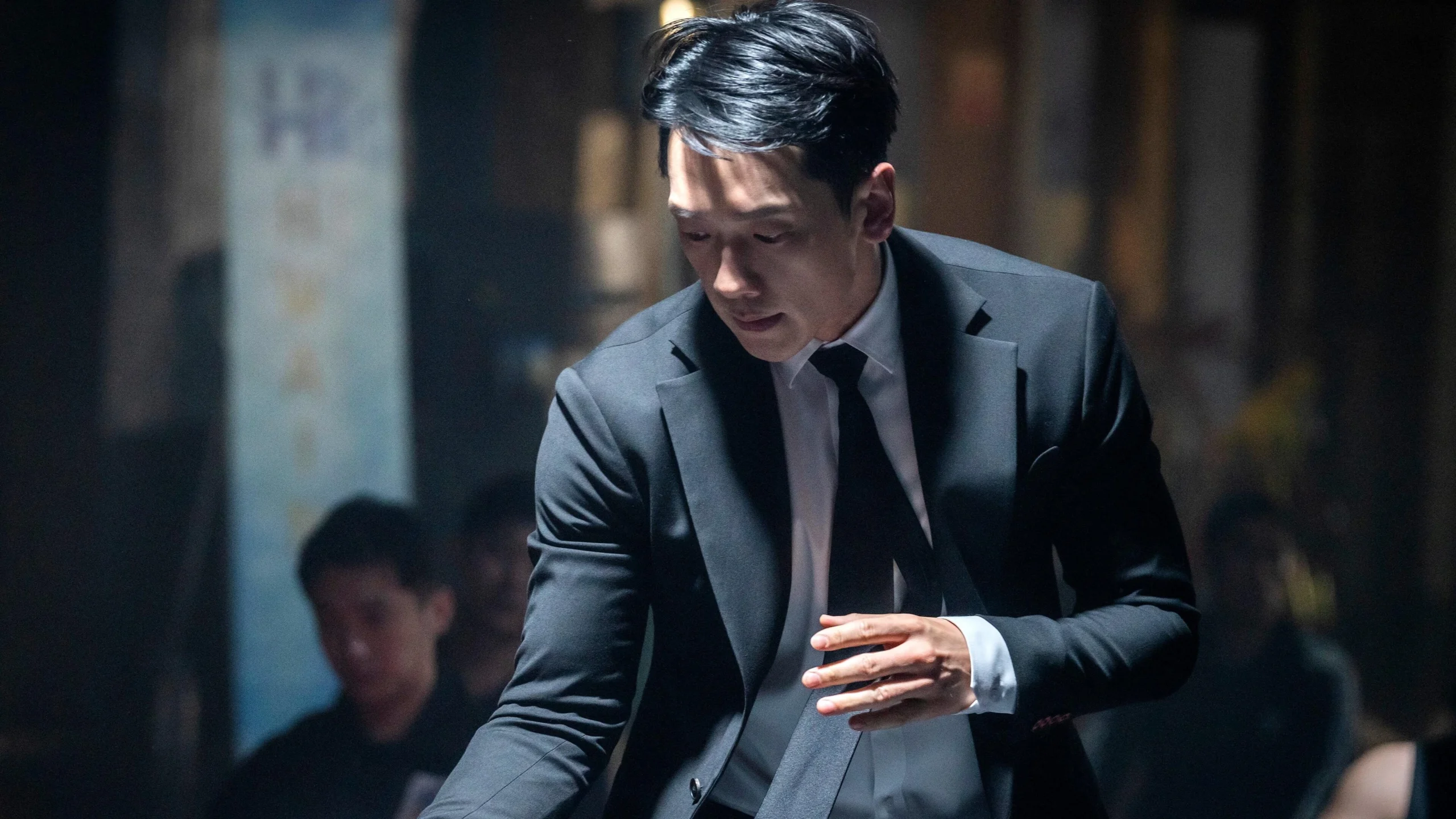
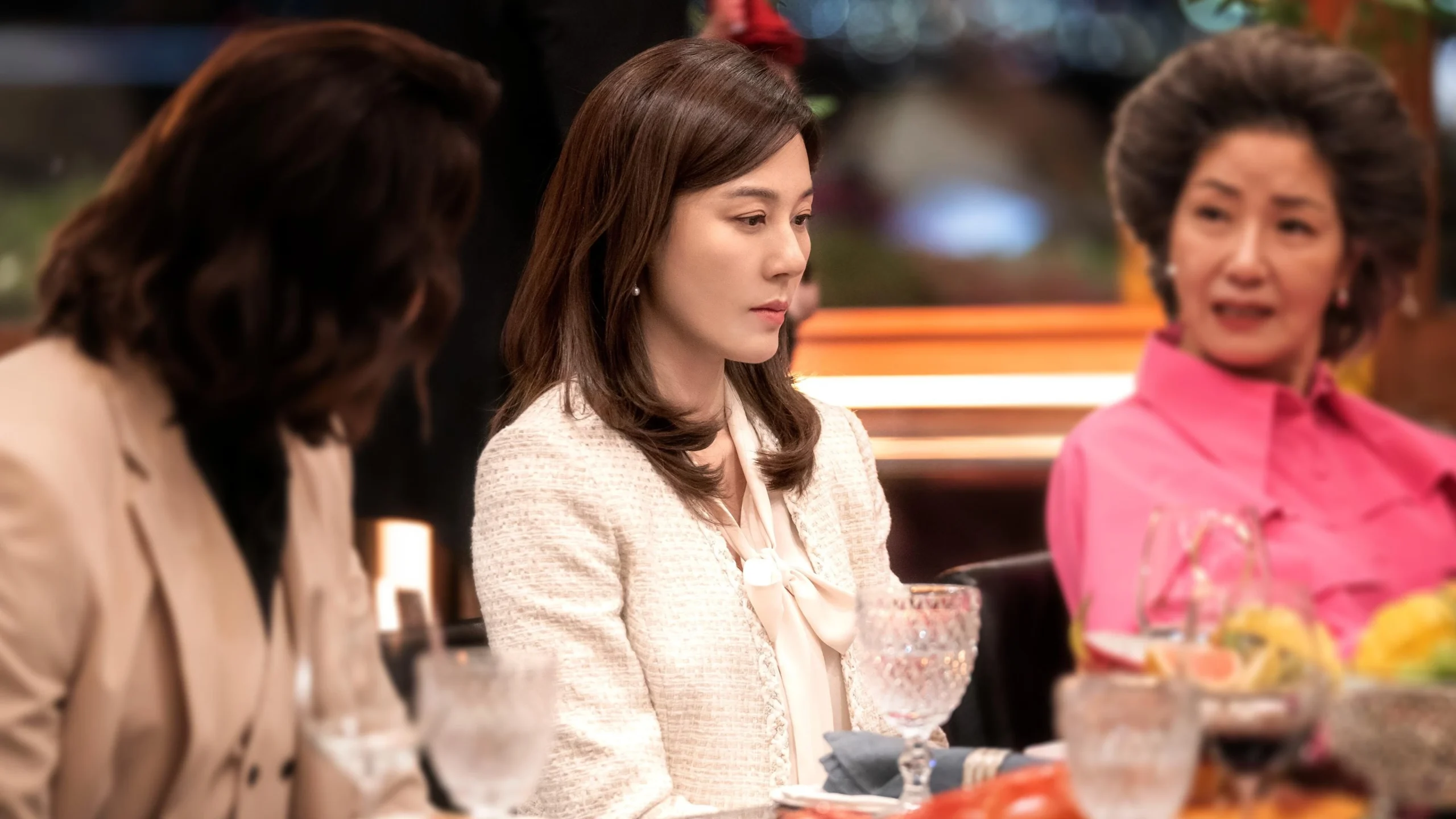
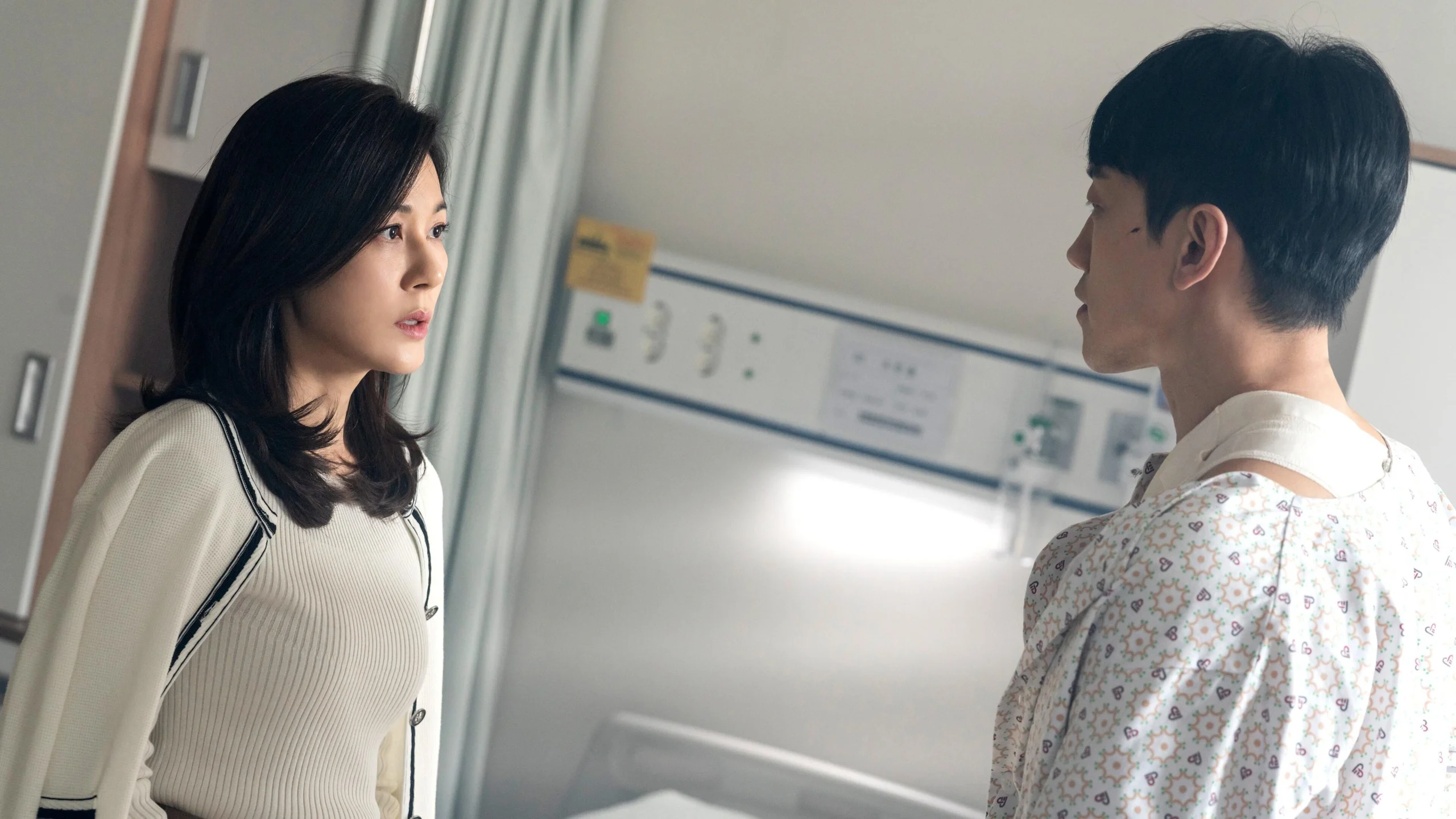
Oh Wan-soo was once a world-class golfer — a woman who built herself from nothing. Her marriage to Kim Yong-guk, heir to the vast Hwain Group conglomerate, seemed like the next chapter of a hard-won life. Instead, it became a gilded cage. As chairwoman of the NOW Foundation, she keeps up appearances while her husband flaunts his mistress and his mother treats her as a disposable asset. When a shooting in Manila nearly ends her life, the bodyguard assigned to protect her — Seo Do-yoon — turns out to be a man with his own hidden agenda buried inside the Hwain Group.
What follows is a tightly wound ten-episode thriller about a woman who stops surviving and starts fighting back. Wan-soo and Do-yoon peel back layer after layer of corruption, slush funds, and family violence — all while navigating a slow-burning romance that neither of them expected. With Mi-ran, the matriarch of the Hwain family, operating as a shadow architect behind every attempt on Wan-soo’s life, the stakes never stop escalating.
10 / 10 ✅ Completed
⚡ Quick Verdict
One box. Everything you need to decide.
· MDL Score · 5,259 ratings
▶ Official Trailer
🎭 Cast & Characters
Twelve performances from golf courses to corporate war rooms — every player in the Hwain family power game.

Lead

Lead

Antagonist

Villain

Supporting

Antagonist

Supporting

Supporting

Supporting
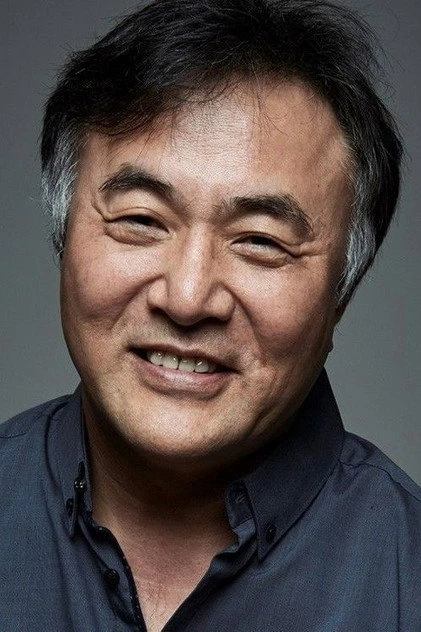
Supporting

Supporting

Supporting
📺 Episode Guide
Spoiler-light recaps — enough to remember where you left off, nothing that ruins the ride.


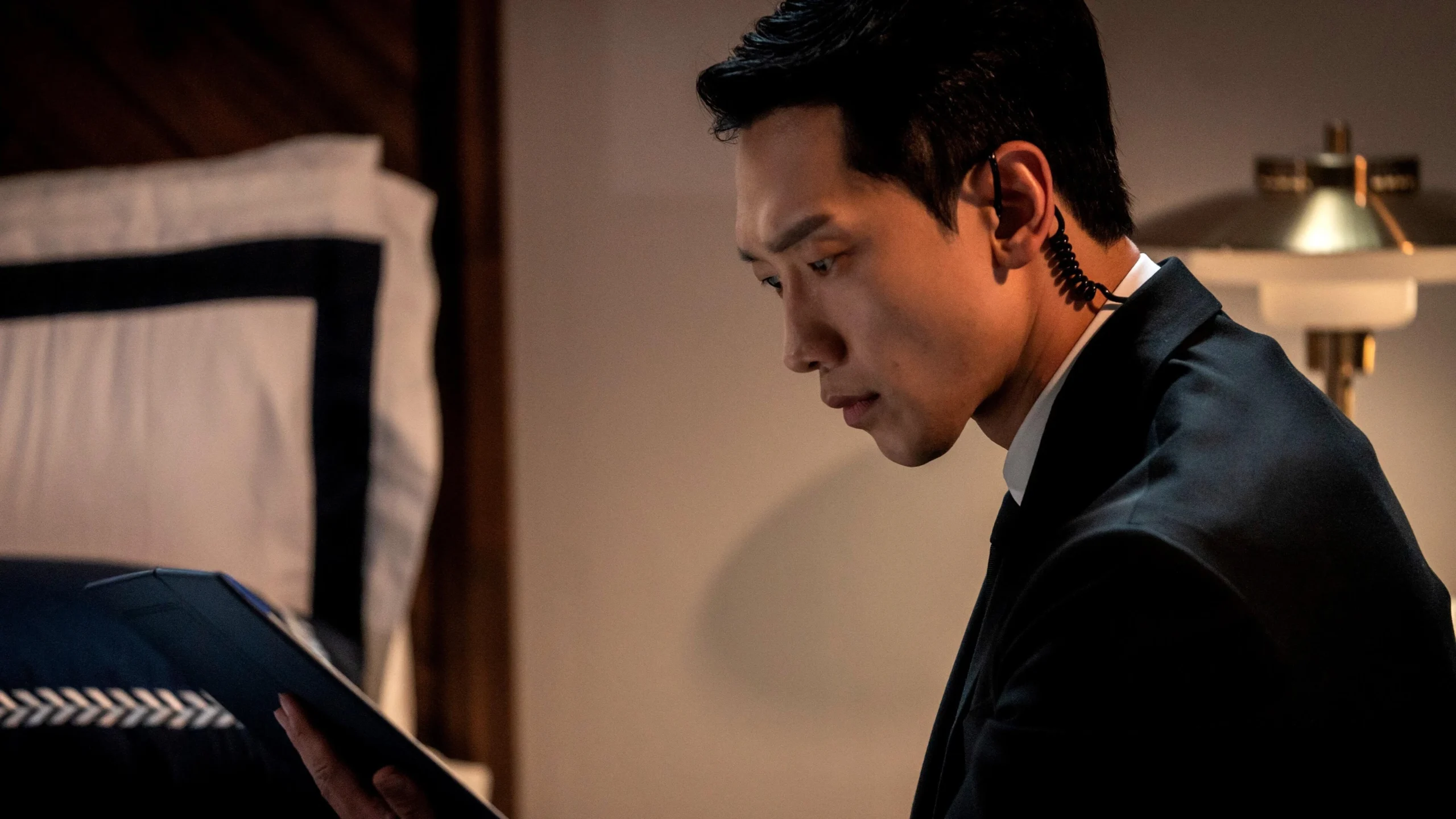

🏁 Ending Explained
Full spoilers ahead — everything that happens in the finale and what it all means.
Spoiler Warning — This section covers the full finale of Red Swan. Stop here if you haven’t finished the series.
Mi-ran’s mask finally breaks. The finale opens with the full weight of the prosecutor’s case against Park Mi-ran pressing down on the Hwain Group. Every thread that the series spent nine episodes carefully pulling — the slush fund ledger Wan-soo fought to secure, the assassination trail that Do-yoon traced back through the Manila shooter to the woman who gave the order, the death of the former chairman that was never an accident — converges in the final hour with the momentum of a controlled collapse. Seo Yi-sook plays Mi-ran’s unraveling with the same terrifying composure she brought to the character’s cruelty, which makes the moment her control finally slips land that much harder.
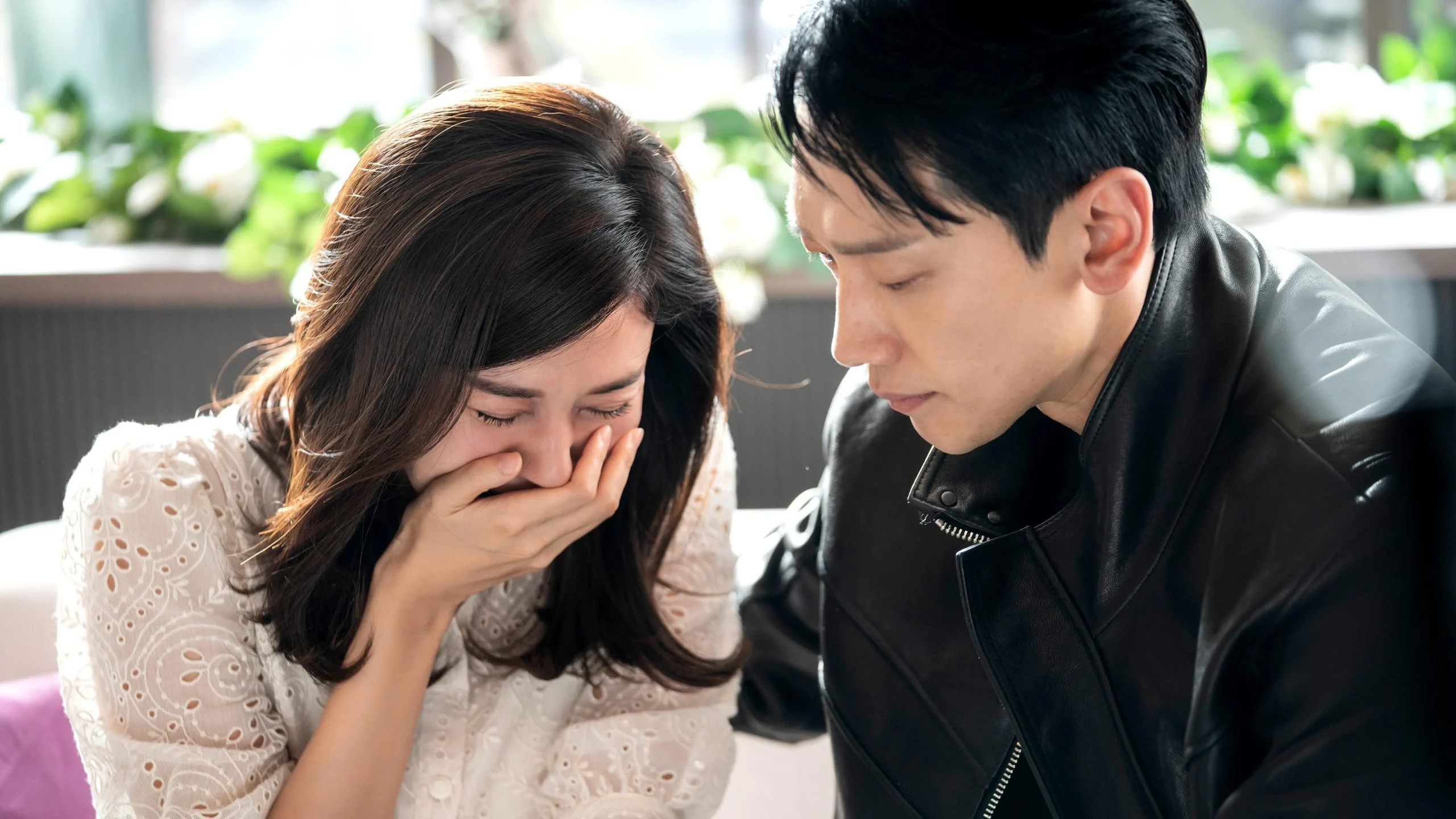
The final shooting creates one last pivot. Before Mi-ran’s arrest can close the case cleanly, a shooting incident occurs — and Wan-soo is briefly implicated as the prime suspect. It is the series’ last act of institutional violence against her: a woman who spent ten episodes surviving assassination attempts is suddenly the one holding the gun in the public imagination. The reversal is short-lived, and the truth of who fired and why resolves the question definitively, but the moment crystallizes what the show has been saying all along about whose version of events gets believed first and why.
Yong-guk inherits nothing that was ever really his. Jung Gyu-woon’s final scenes give the character something the first eight episodes mostly denied him: genuine accountability. The man who allowed his mother to puppet his life, his marriage, and his role as heir faces the end of the Hwain era without the insulation of either Mi-ran’s protection or Wan-soo’s tolerance. He is not a villain in the finale — he is something more complicated and less satisfying: a man who chose compliance so many times that it became indistinguishable from complicity.
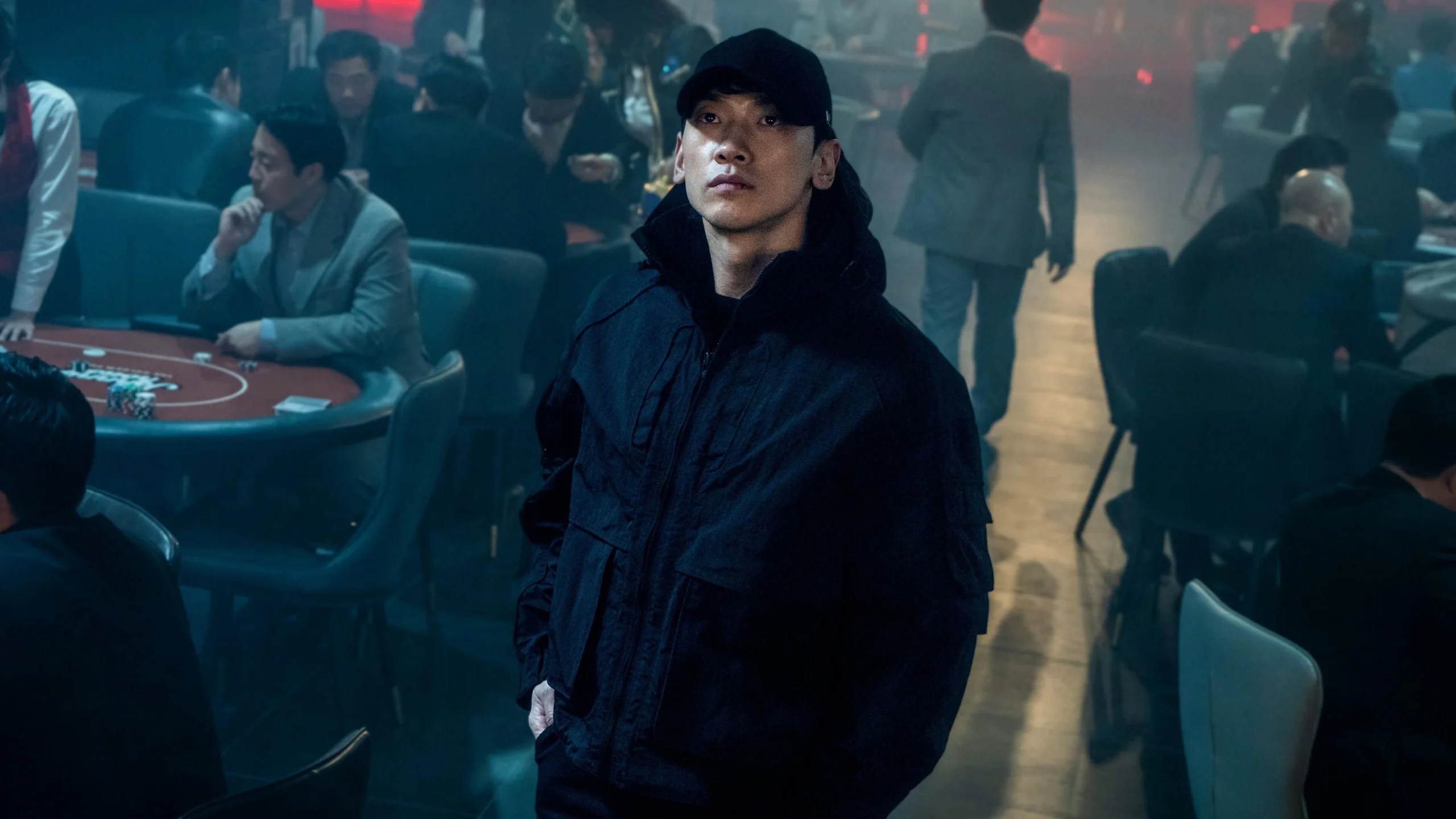
Do-yoon’s real mission is complete — and so is something else. The reason Seo Do-yoon infiltrated Hwain Group in the first place was to find justice for a friend who was killed on Mi-ran’s orders. The finale delivers that justice through legal channels, which is both structurally tidy and emotionally right — Do-yoon is a man whose moral code runs straight. What the ending also delivers, without overstating it, is that his loyalty to Wan-soo has long since stopped being professional. They are freed from the Hwain Group’s shadow simultaneously, which is the only way the show was ever going to let them move toward each other without complication.
Wan-soo reclaims her own name. The series ends on Wan-soo not in the context of a marriage, a foundation, or a family dynasty — but as herself. The woman who was introduced as Oh Wan-soo, former golfer, now-chairwoman-of-someone-else’s-charity, exits the story simply as Oh Wan-soo. It is a quiet ending for a drama that has spent ten episodes being loud about injustice, and it earns that quiet. The closing image does not rush toward a romance declaration — it trusts the viewer to understand what two people who survived the same fire are walking toward together. Red Swan’s final gesture is an act of restraint, and it is exactly right.

✍️ KDramaWorlds Editor’s Take
Our honest read on why this drama is worth your time — and who it’s for.
Red Swan is a better drama than its premise suggests on paper. A former athlete trapped in a chaebol marriage, saved by a mysterious bodyguard with a hidden agenda — this is well-trodden ground in K-drama, and the show knows it. What elevates it is Kim Ha-neul, who plays Oh Wan-soo not as a victim waiting for rescue but as someone who has spent years learning which battles to defer and has finally decided to stop deferring all of them. The performance carries a weight of suppressed intelligence that makes every scene where Wan-soo takes control feel genuinely earned rather than scripted. Rain, for his part, understands that Do-yoon’s appeal is in stillness — a man who communicates competence and care without using either word.
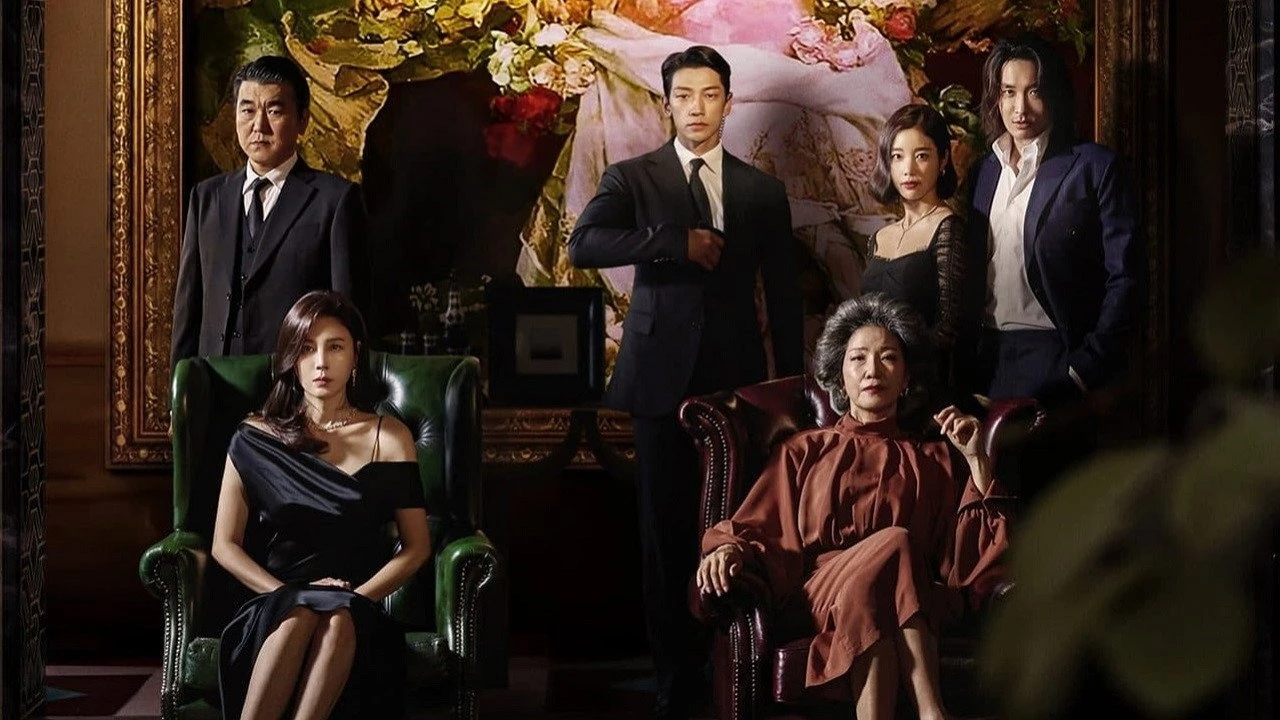
The weakest element is the one the genre always struggles with: the romance. Disney+ clearly wanted a love story, and the show delivers one, but Do-yoon and Wan-soo’s connection is far more compelling in its restraint than in the moments where the script tries to articulate it directly. The thriller machinery is tighter than the emotional machinery — and when Mi-ran is in the room, everyone else’s storyline briefly dims in comparison. Seo Yi-sook’s performance as the Hwain matriarch is the kind of villain work that K-drama fans will talk about long after the specifics of the plot have faded. She is charming, monstrous, and always entirely in control — until she isn’t.
As a ten-episode package, Red Swan is lean enough to avoid the pacing problems that usually sink this genre at the midpoint. It is not the deepest chaebol drama ever made, and it does not pretend to be — but it knows exactly what it is, it executes that vision consistently, and it closes on a note of genuine emotional satisfaction. If you have been burned by bodyguard romance dramas that deliver action without stakes or romance without chemistry, this one is a more honest version of the genre than most. Watch it for Kim Ha-neul, stay for the conspiracy, and leave quietly grateful that the finale didn’t oversell the ending.
Viewers who love watching chaebol power structures collapse from within
Anyone who wants a female lead who fights back instead of waiting to be saved
🎬 You Might Also Like
If you liked Red Swan, these are your next three watches.
 Reverse
AmnesiaChaebol
Read Full Review →
|
 Cinderella Game
ChaebolChoi Shang
Read Full Review →
|
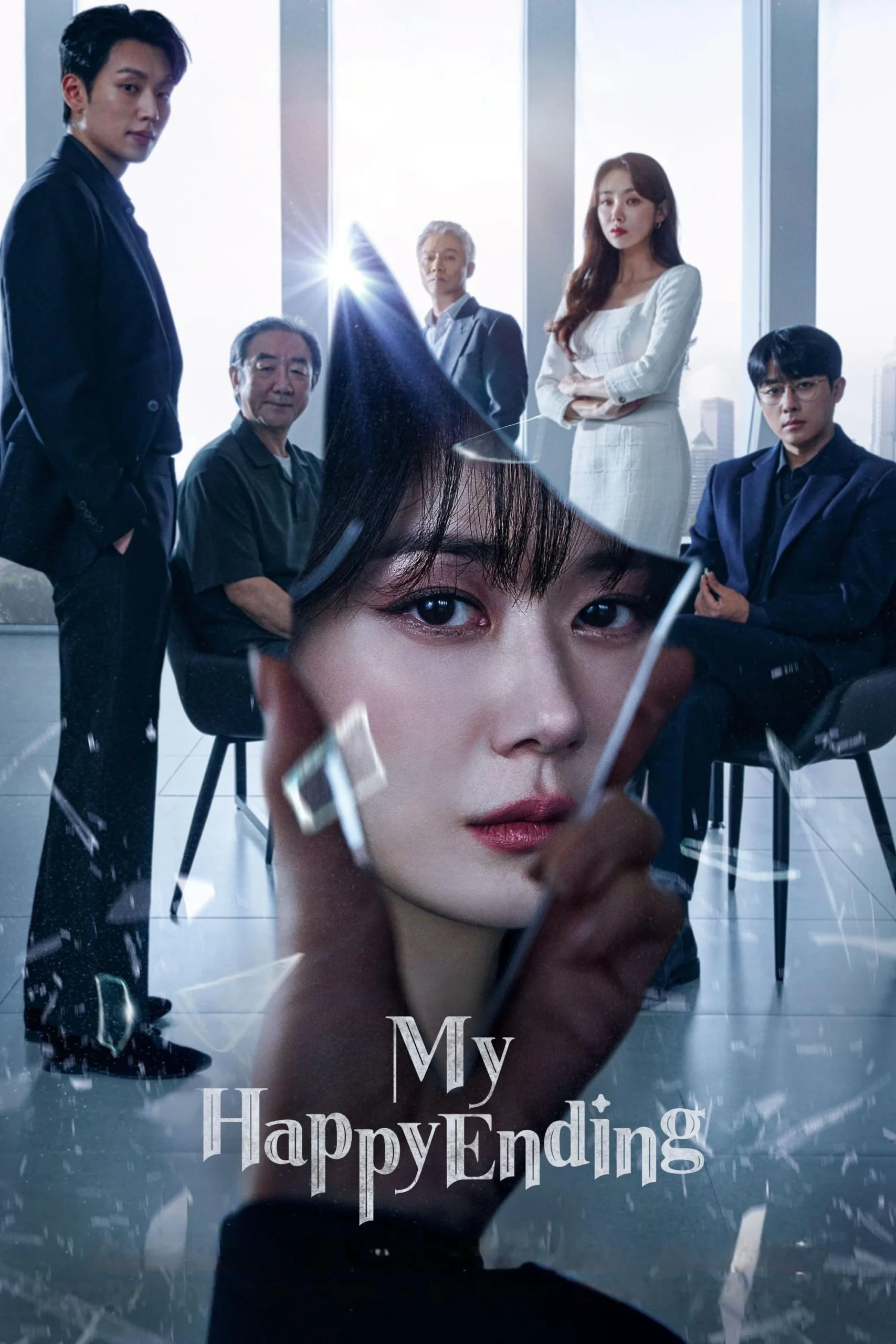 My Happy Ending
ChaebolJang Na-ra
Read Full Review →
|
















Keep it kind, skip the harsh language, and please — no spoilers. Everyone's taste is different, and that's perfectly fine.
This space is for real reactions and discussion from other viewers. Help keep it comfortable for everyone by not giving away major plot details.
What do you think of this drama?
Login to share your review or leave a comment.
No email needed — just pick a username & password.