
Head Over Heels
🎬 Prime Video · tvN
⭐ 8.4 MDL
📺 15+
📋 Drama Overview
What you’re getting into, at a glance.
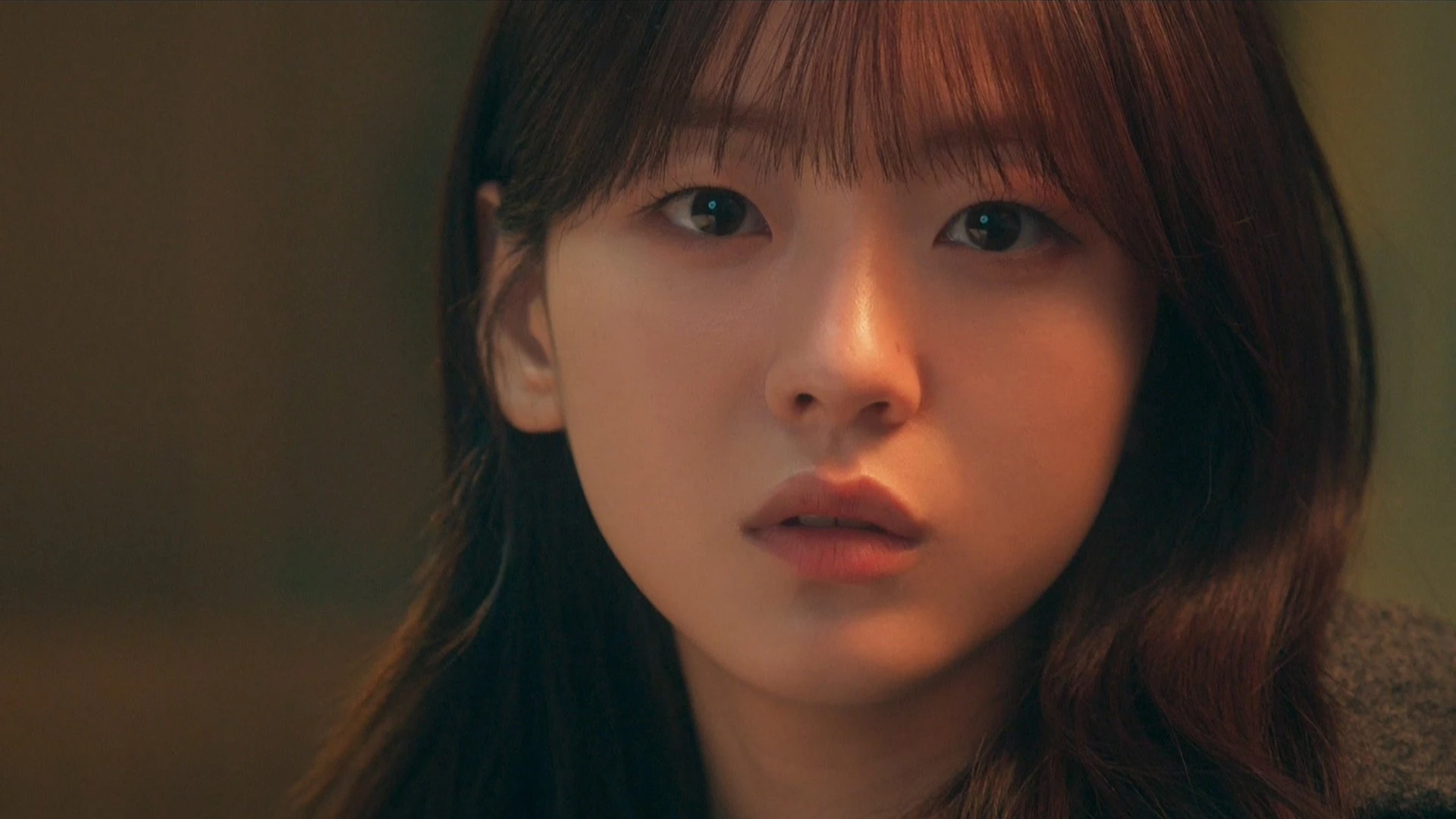
Park Seong-a has a problem most teenagers don’t: she can see who’s going to die. Not as abstract anxiety — as a practicing shaman named Fairy Cheon Ji, she reads fate the way other students read textbooks. When Bae Gyeon-u walks into her shrine upside-down and she sees his death written clearly in her vision, the drama makes its first and most important claim: some people are born into luck, and some aren’t, and Seong-a is the rare kind who can tell the difference from across a room.
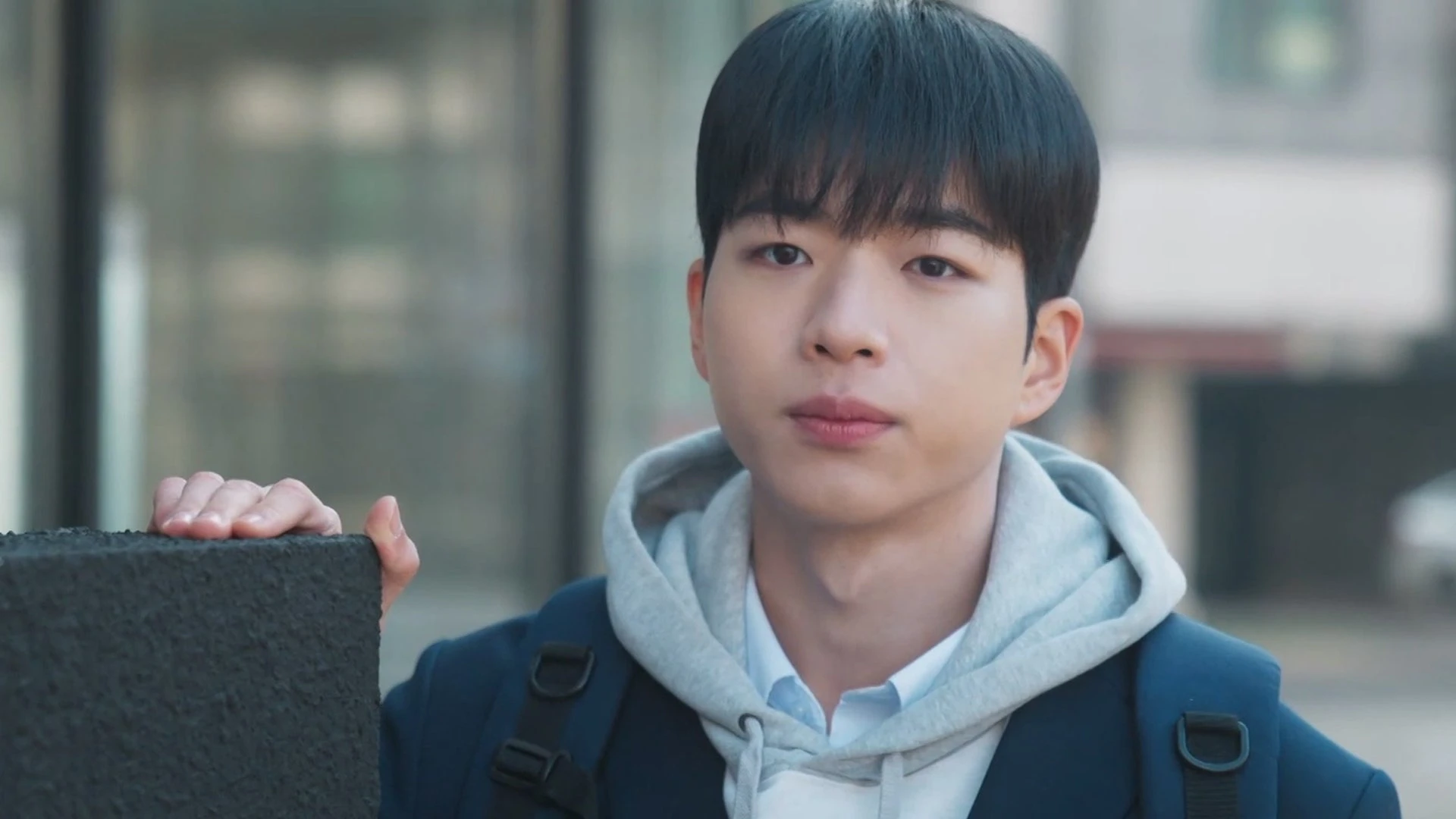
What makes the show work is that she chooses to protect him anyway, knowing the cost. Gyeon-u, for his part, has spent his entire life absorbing misfortune so thoroughly that he’s stopped believing it can be changed. The gap between them is not romantic distance — it’s the distance between someone who can see the future and someone who has already accepted the worst version of it. The drama is about what happens when those two people collide with a folklore myth that was built to keep them apart.
12 / 12 ✅ Completed
⚡ Quick Verdict
One glance, one verdict — everything you need is right here.
MDL Score · Check MyDramaList for updated community rating
▶ Official Trailer
🎭 Cast & Characters
A girl who fights fate for a boy who’s been losing to it his whole life — and the woman who arranged that loss.

Lead

Lead

Supporting

Villain
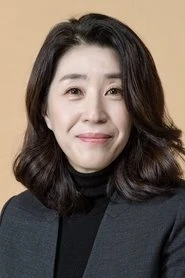
Supporting
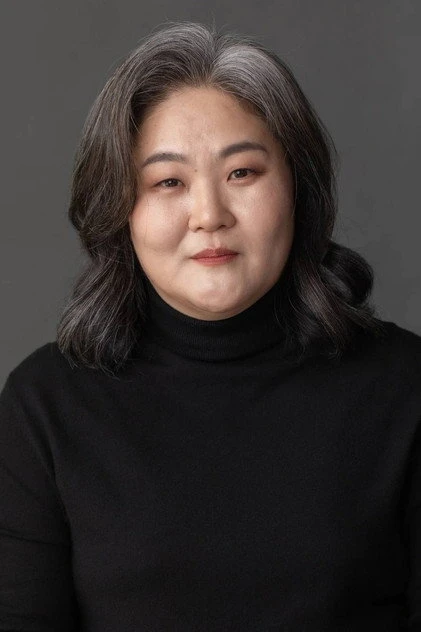
Supporting
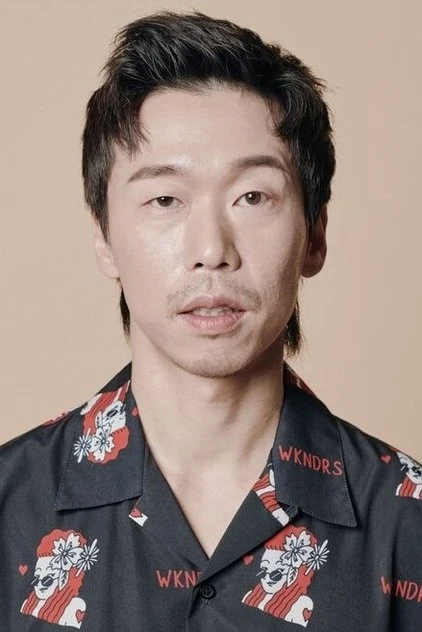
Supporting
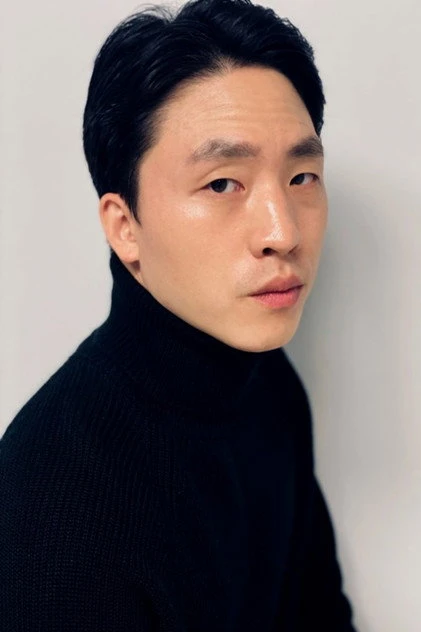
Supporting
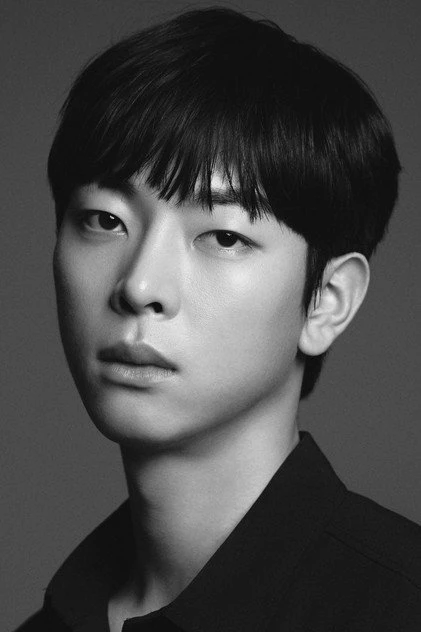
Supporting
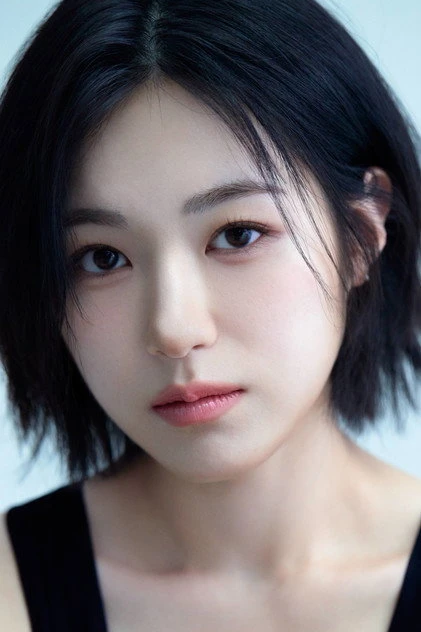
Supporting

Supporting
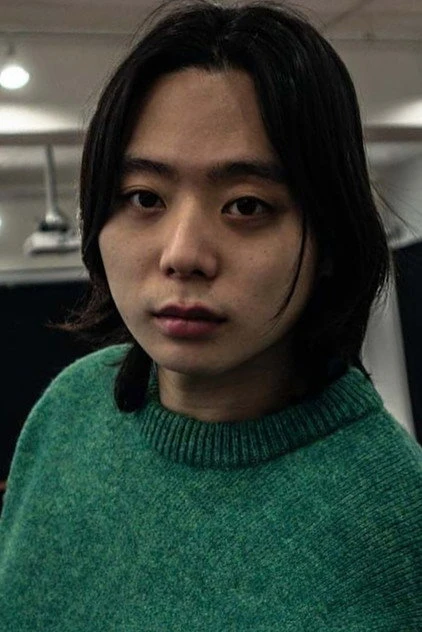
Supporting
📺 Episode Guide
A light recap per episode — nothing more than a nudge.
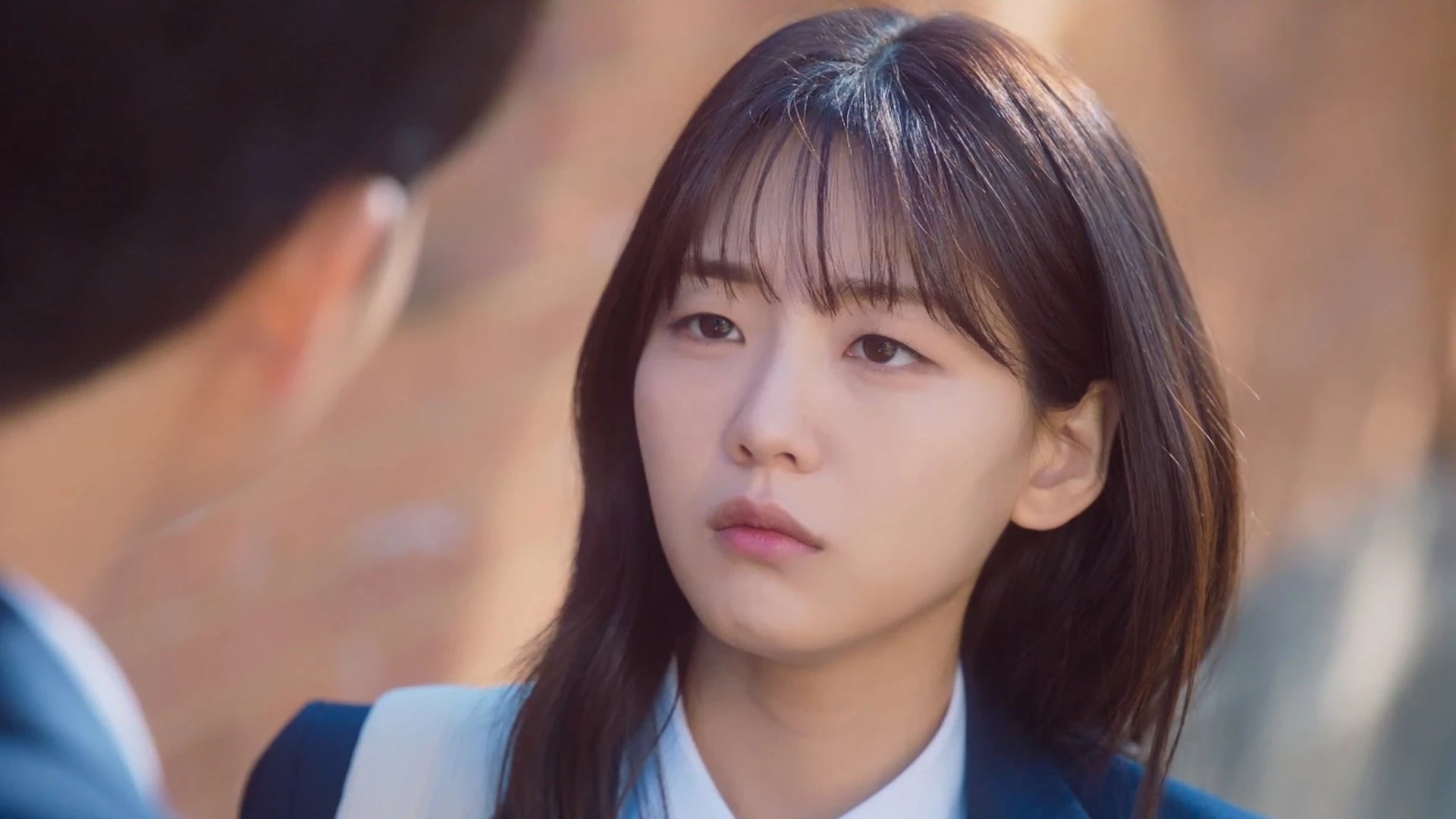
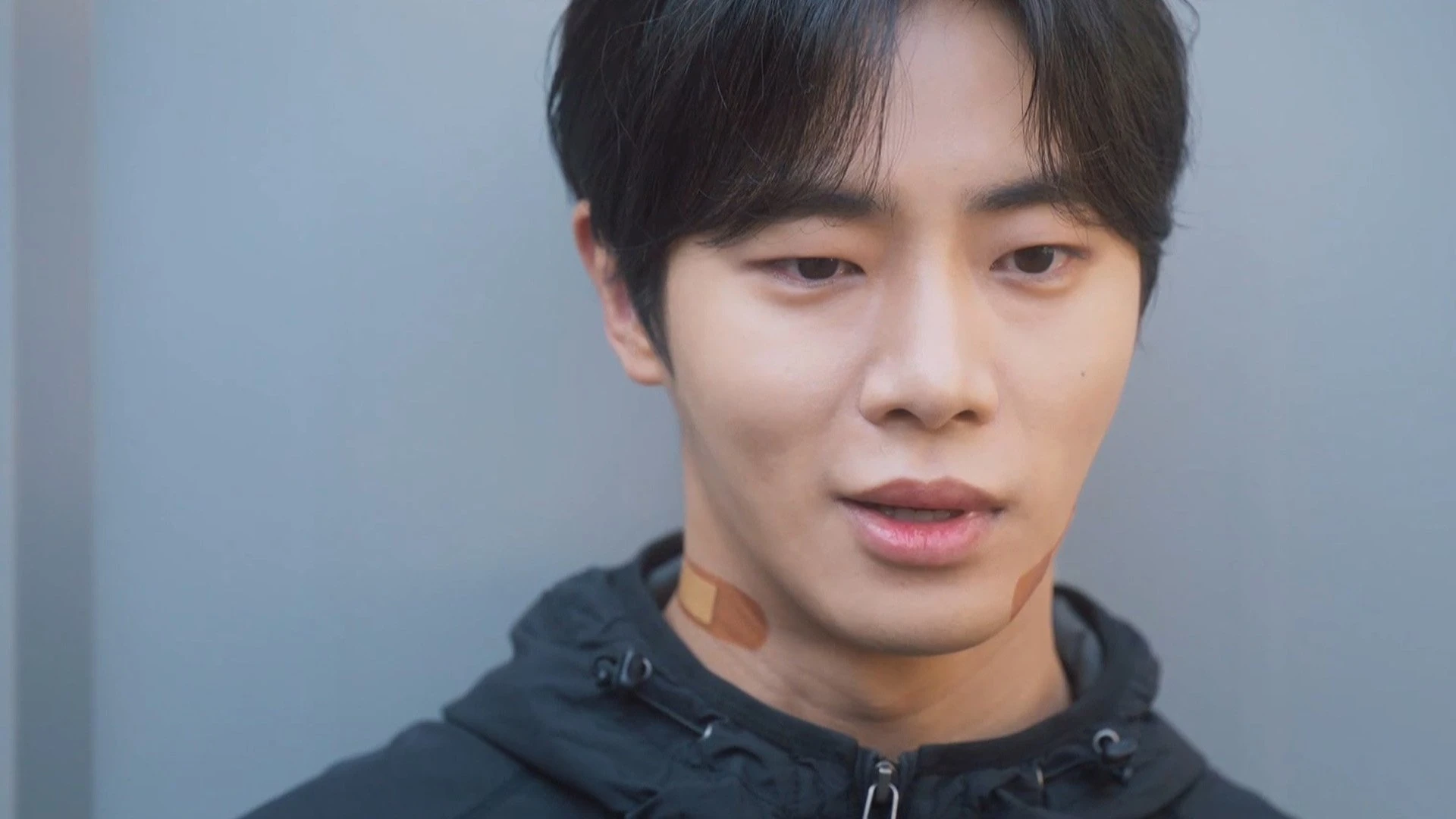
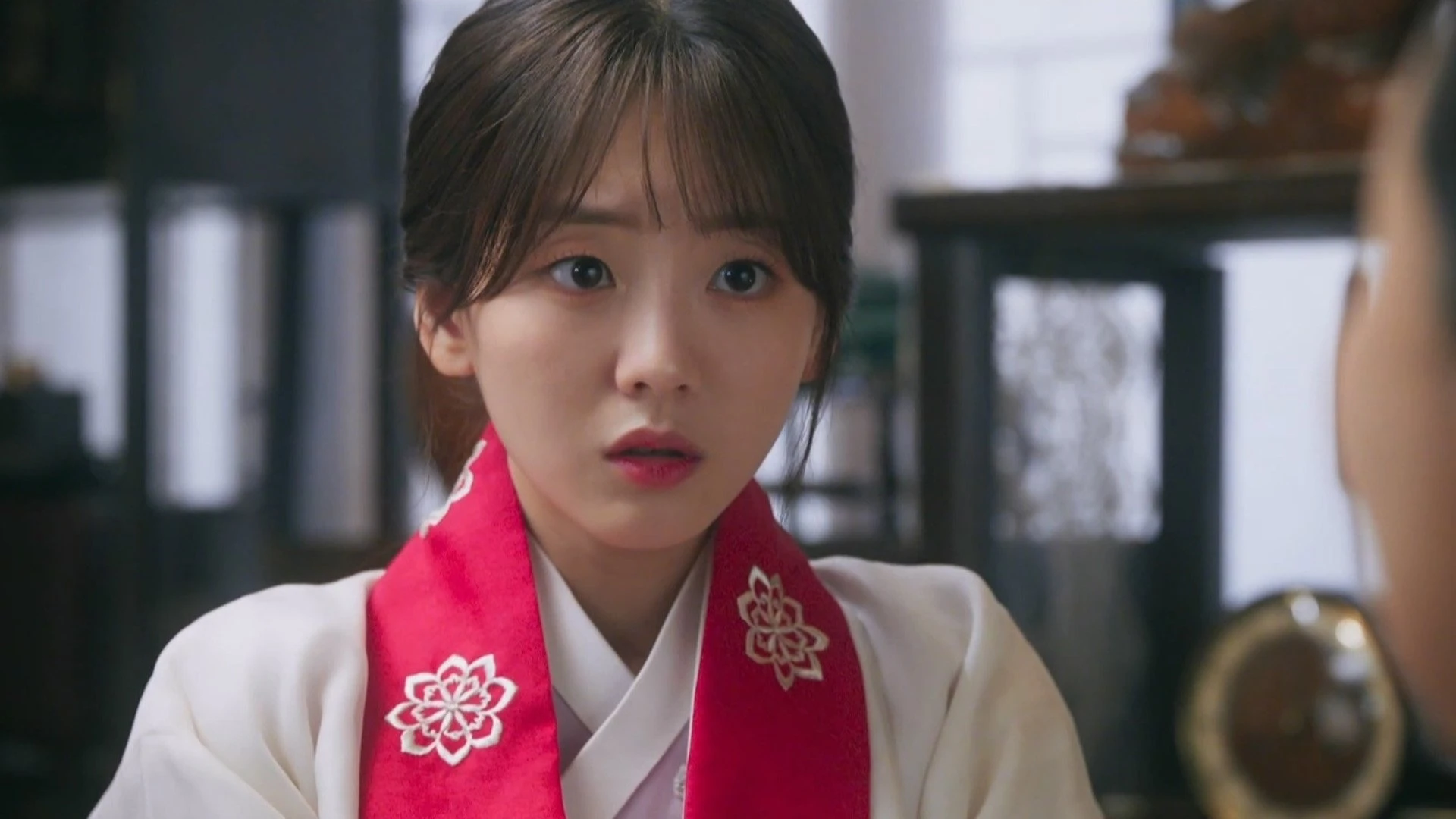
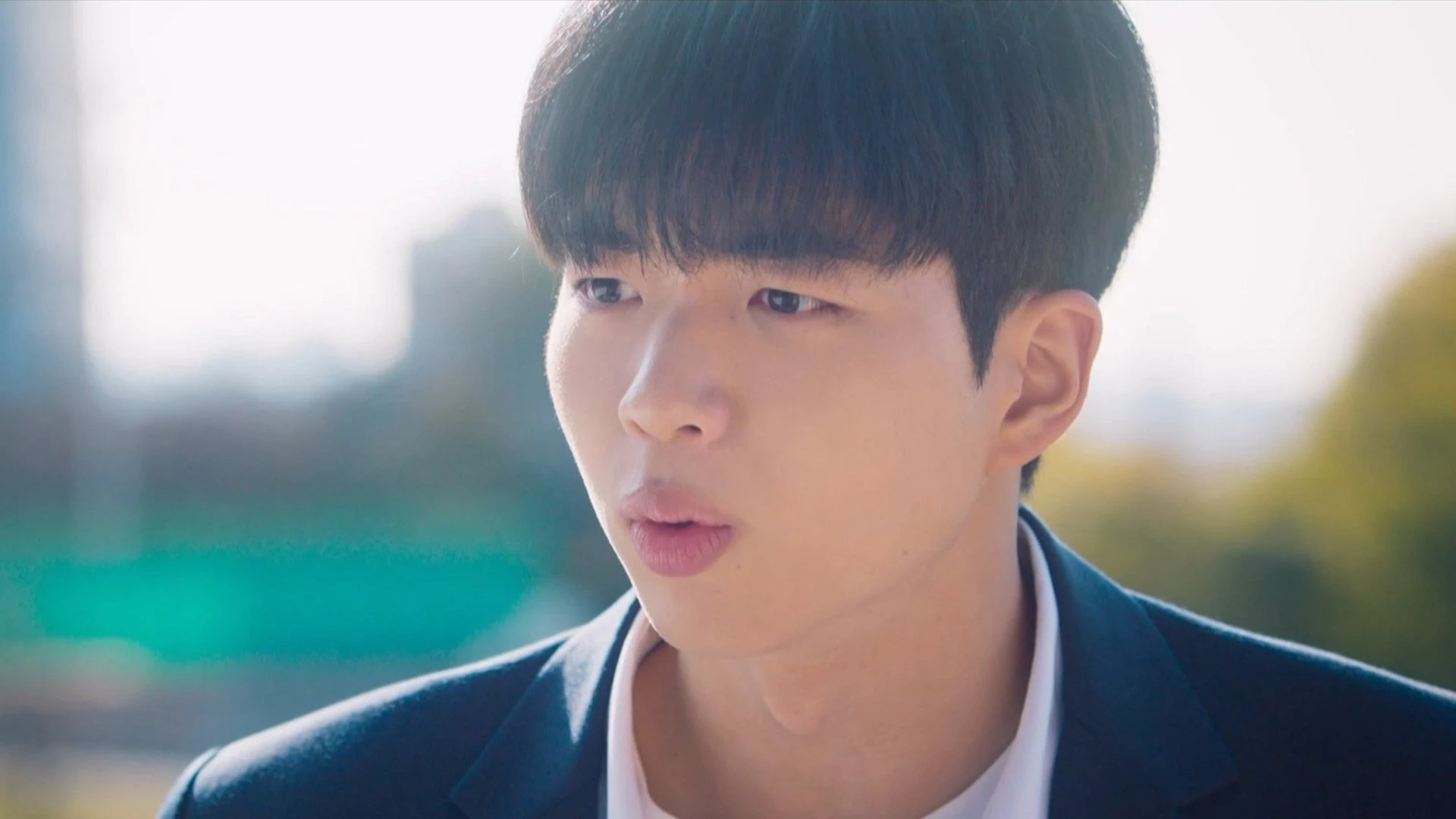
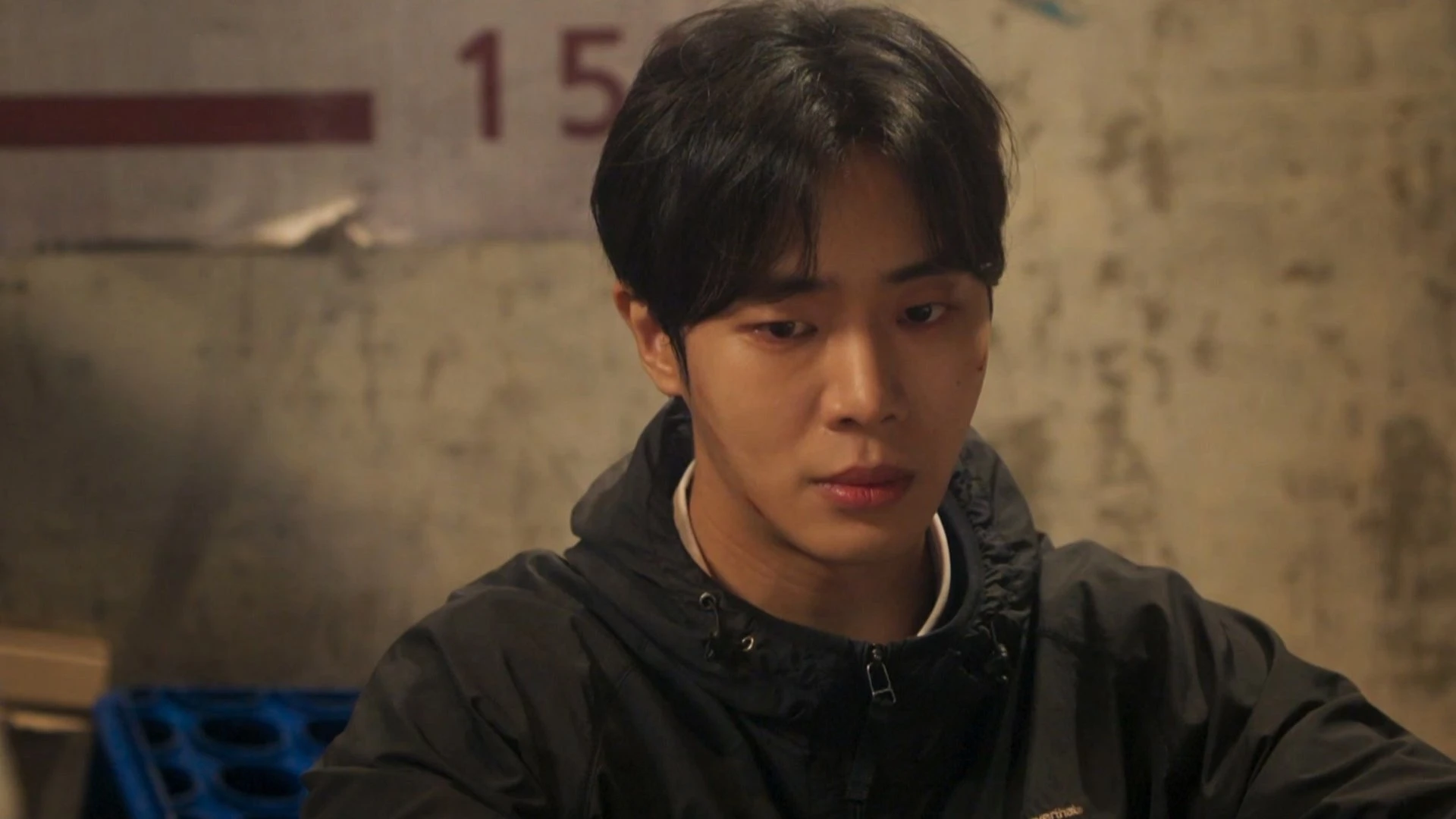
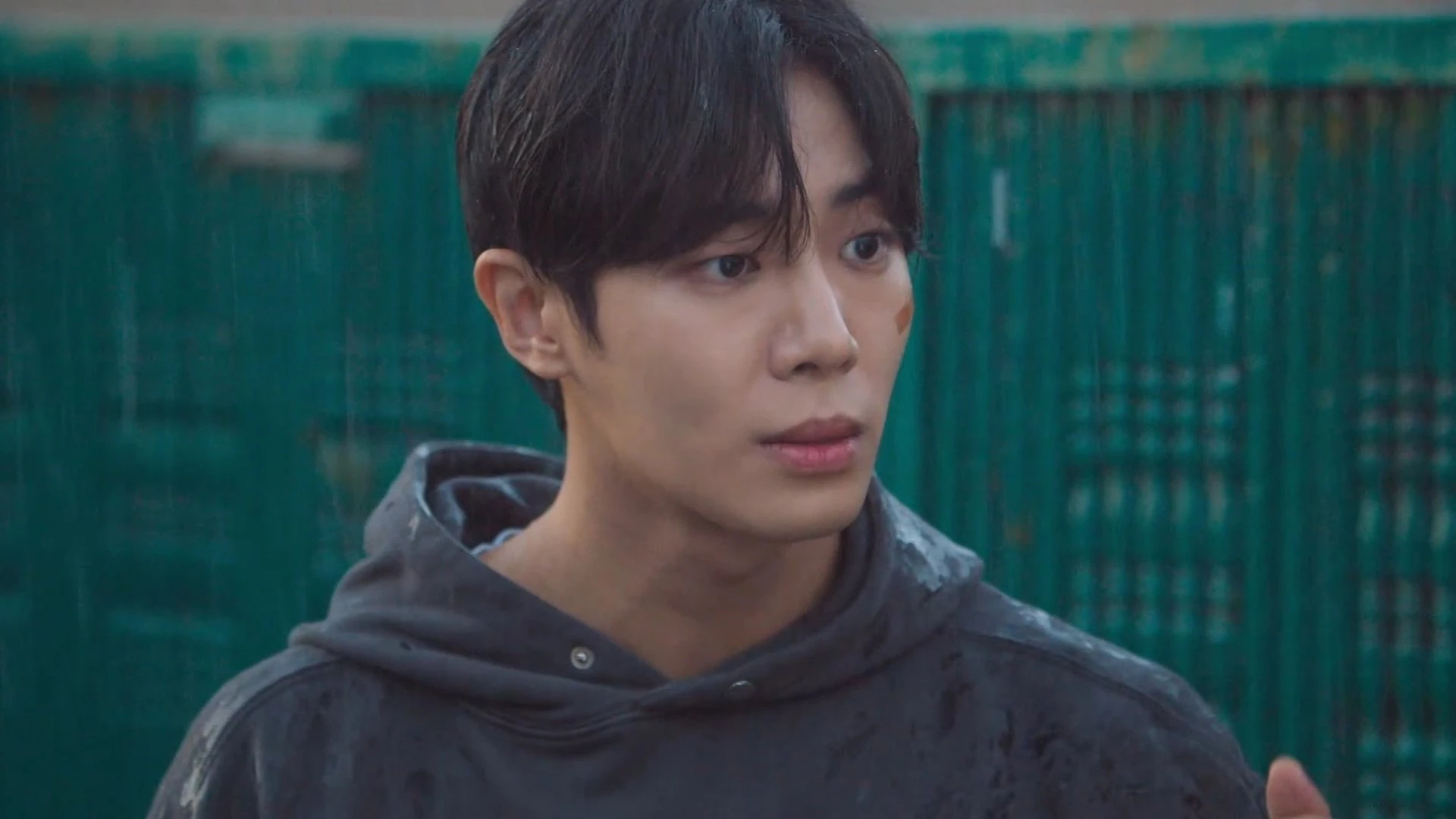
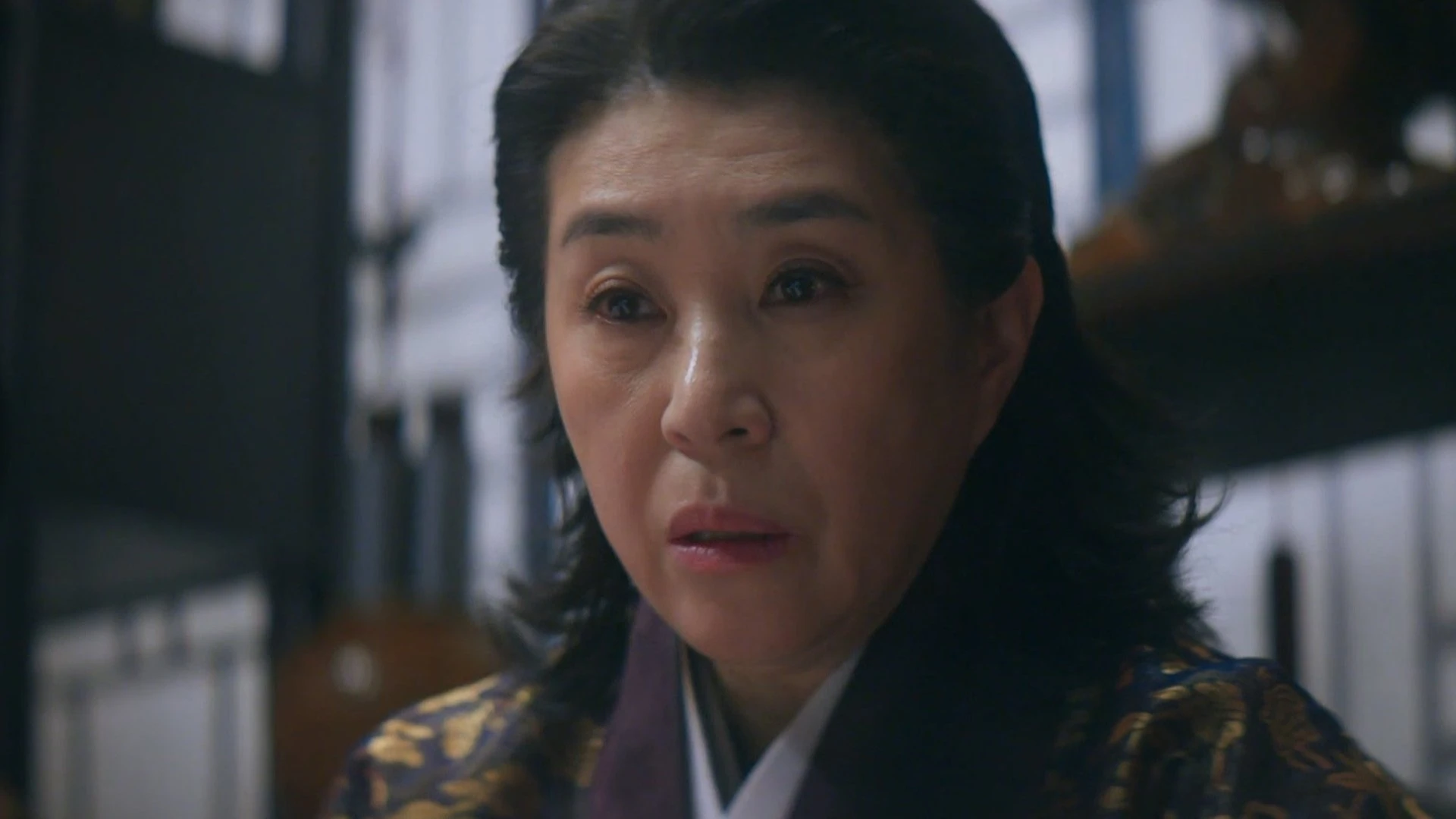
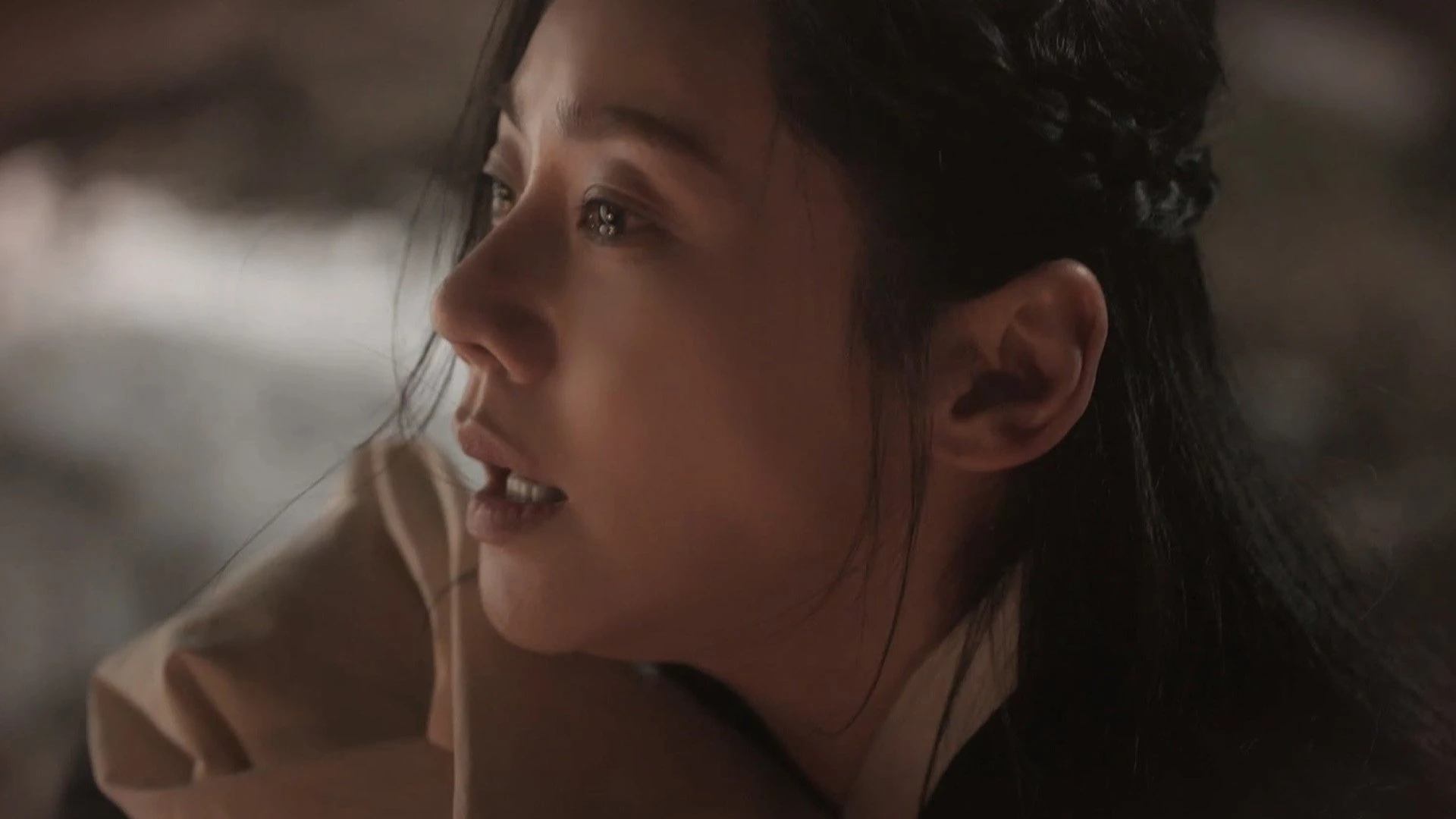
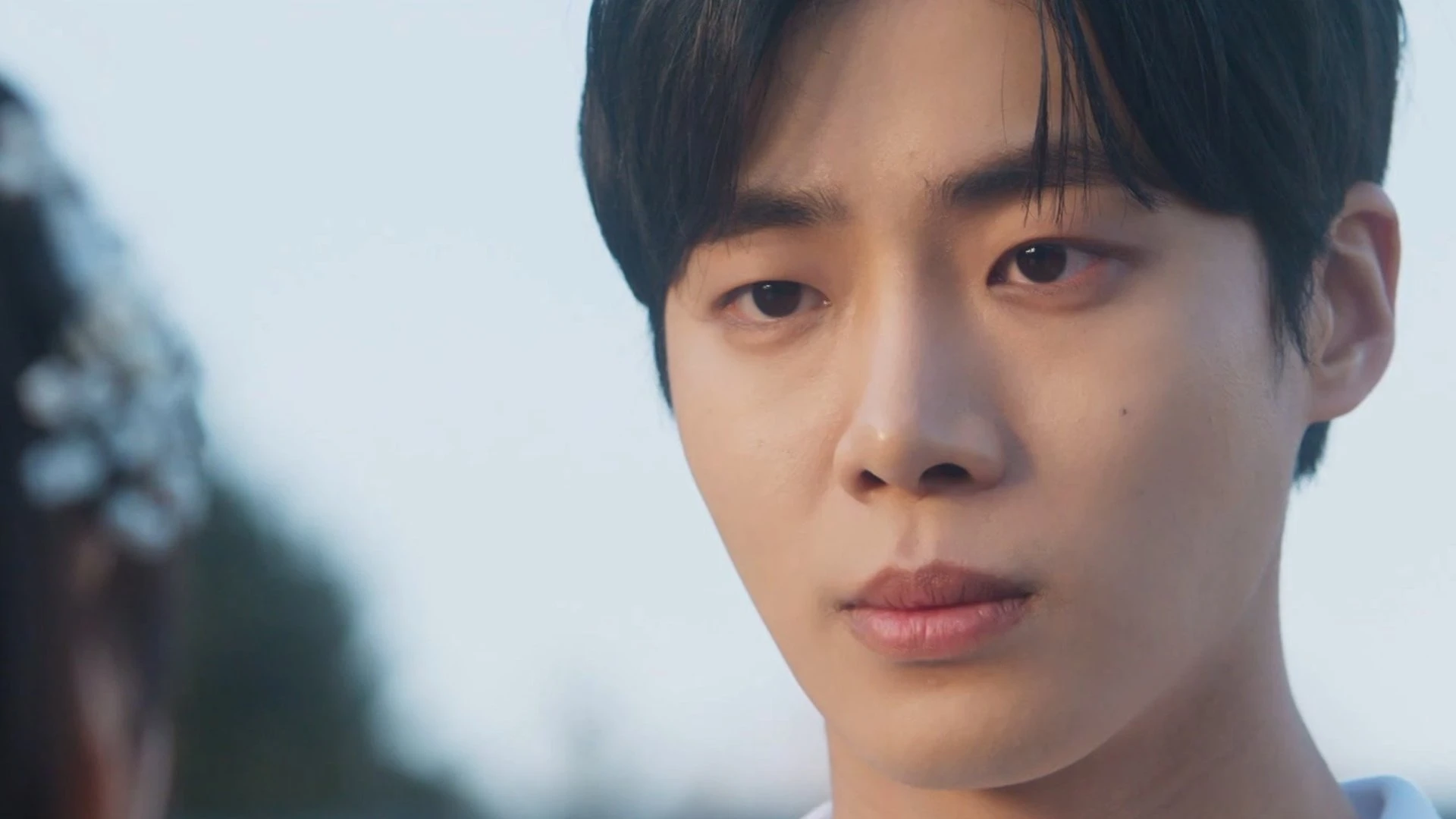
🏁 Ending Explained
Spoilers from here on — what actually happened, and why it lands.
Spoiler Warning — This section covers the full finale of Head Over Heels. Stop here if you haven’t finished the series.
What Actually Happens. Seong-a defeats Yeom-hwa and breaks the curse that has been shadowing Gyeon-u since before he understood he was cursed. The spirit Bong-su is separated from Gyeon-u’s body. Gyeon-u survives. Yeom-hwa’s long manipulation is fully exposed — the misfortune was manufactured grief, not natural fate. Seong-a and Gyeon-u end the drama as a couple, with her shaman identity no longer a secret between them.
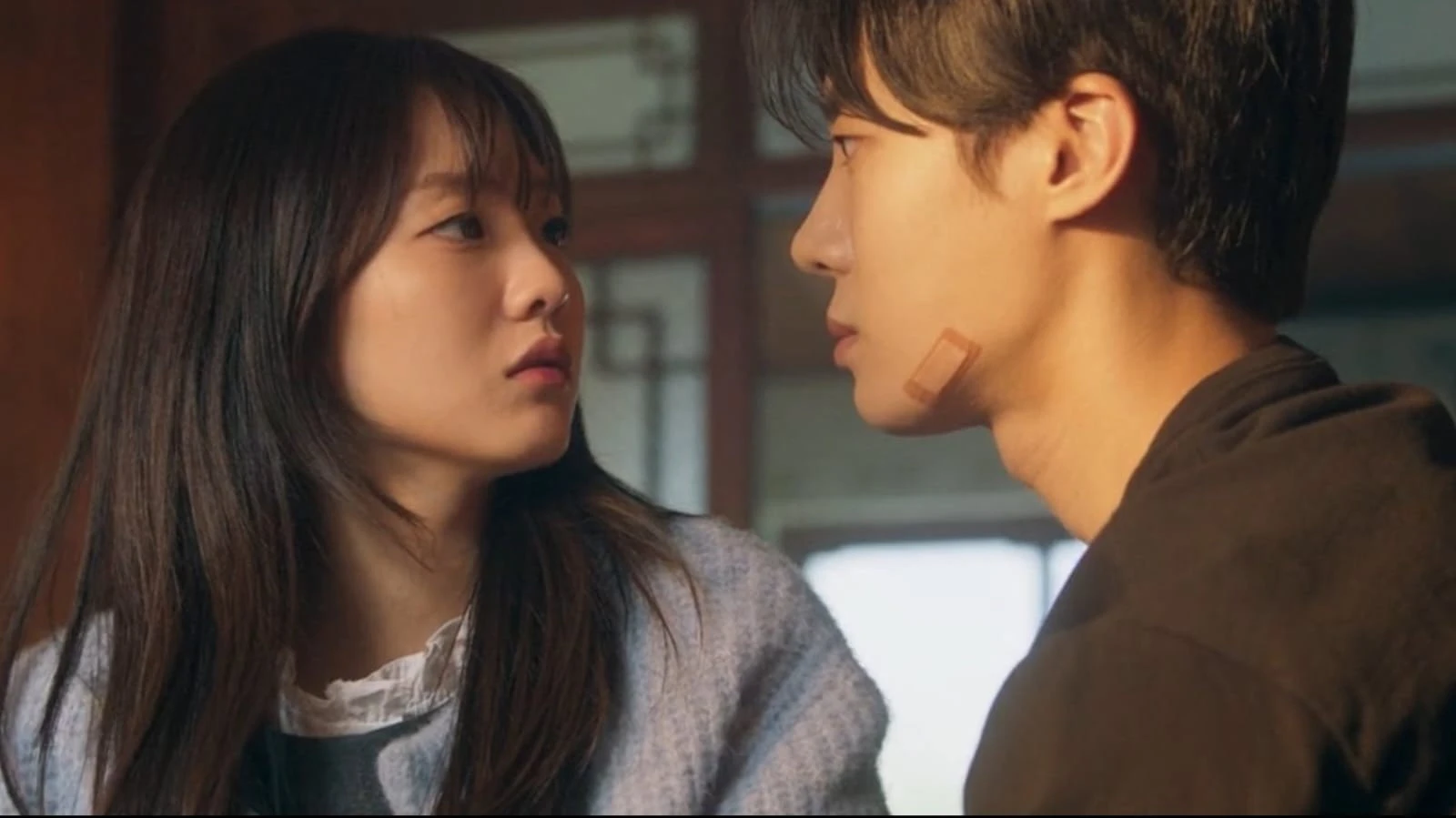
Who Is Bong-su, Actually? The possession of Gyeon-u — and then of Seong-a’s body in the finale — completes the drama’s most unsettling reveal: Bong-su was not a random haunting. The spirit was a piece of Yeom-hwa’s unresolved grief, given form and direction. The meeting between Gyeon-u and Bong-su inside Seong-a’s body is where the show stops being about bad luck and starts being about what grief does when it refuses to end. Yeom-hwa didn’t summon Bong-su. She became him.
What Gyeon-u’s Arc Actually Resolves. Gyeon-u doesn’t become someone who believes in good luck — he becomes someone who understands that the bad luck was never natural. The distinction matters more than it sounds. The finale doesn’t offer him an improved worldview or a compensating joy; it offers him the truth, which is that the suffering was real and it had a source. Knowing the source doesn’t undo the years of misfortune. It means he can stop carrying the explanation himself.
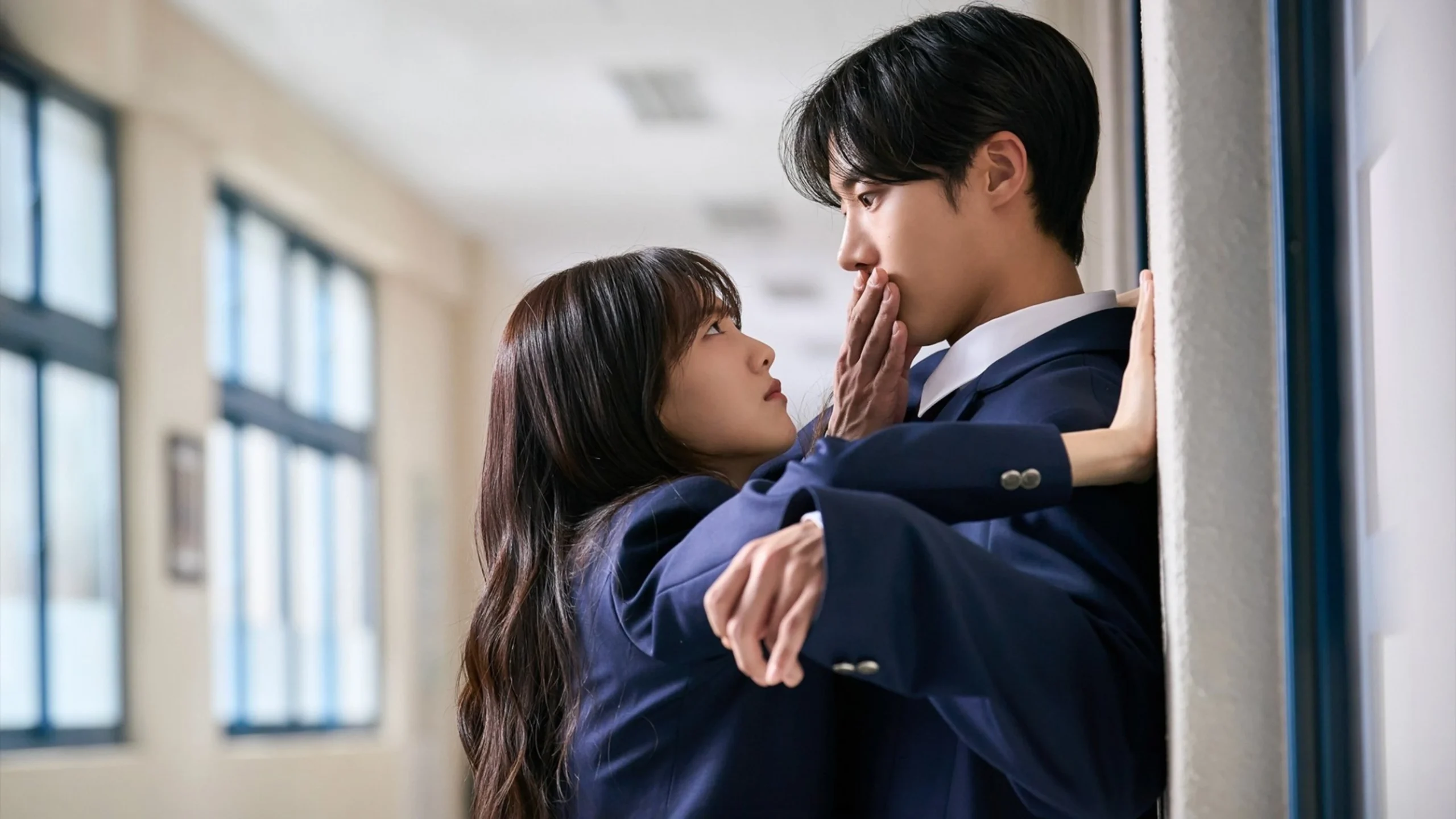
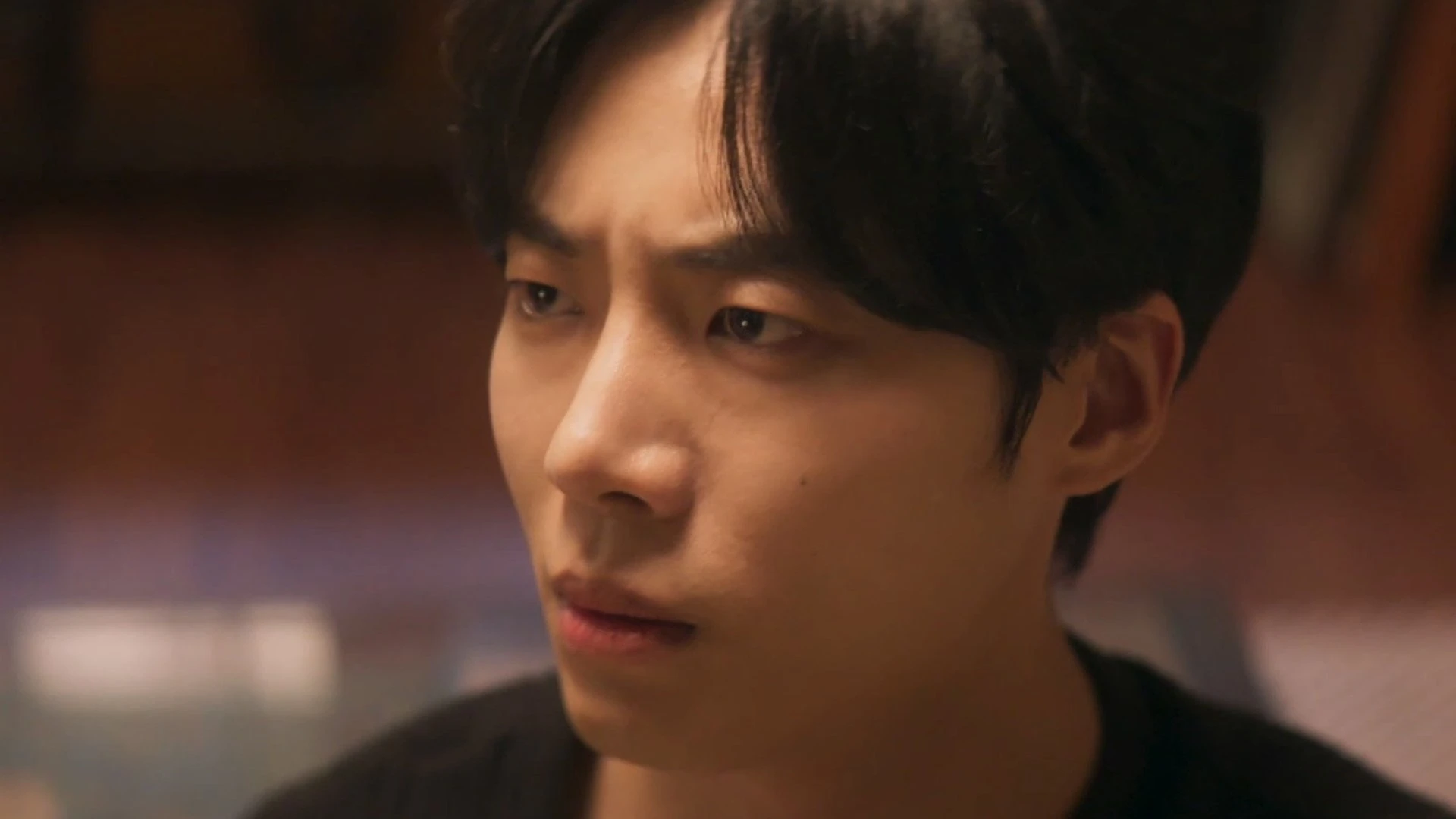
What Yeom-hwa Was Actually Doing. Yeom-hwa’s motivation is grief that calcified into control. She didn’t manipulate Gyeon-u’s fate out of malice in the ordinary sense — she did it because keeping him suffering kept her own loss from having to end. The show exposes this not as an excuse but as a verdict: this is what obsession looks like when it’s given enough time. The finale doesn’t invite sympathy for Yeom-hwa. It invites recognition of the mechanism, which is colder and more unsettling than sympathy would have been.
What “견우와 선녀” Actually Refers To. The Korean title — Gyeon-u and Seonnyeo, the Cowherd and the Weaver Fairy — draws from a folktale about two lovers separated by the heavens, permitted to meet only once a year across a bridge built by birds. The drama uses this to set up a structural question: what if the fairy refused the separation? Seong-a is the fairy who chose to stay, to fight the forced departure before it could be imposed. But the occupation selects for this specific refusal: a shaman reads fate, which means she encounters the annual separation not as an edict but as a forecast — and forecasts, unlike edicts, can be challenged. The title refers not to the folktale’s ending but to its refusal. A shaman who falls head over heels doesn’t accept what she sees. She reads the fortune differently.
✍️ KDramaWorlds Editor’s Take
Here’s our honest verdict, and who’s going to love it.
💜 First Love
⚡ Fate-Defying
👻 Spirit Possession
🌸 Korean Folklore
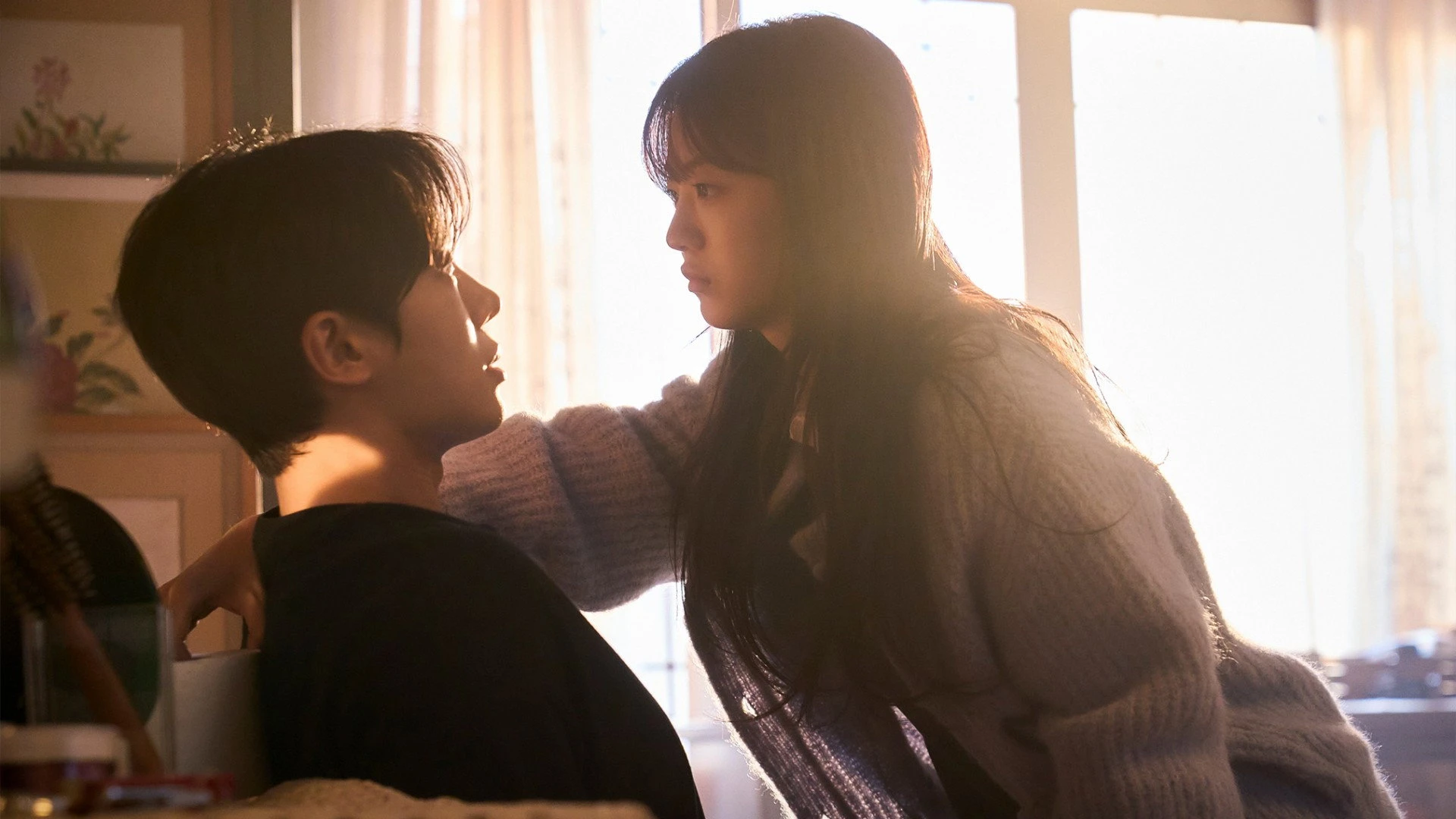
Cho Yi-hyun is one of the most reliable young actresses working in Korean drama right now — the one who finds the specific grain of a character’s psychology and holds it consistently across an entire run. In Head Over Heels, she plays a teenager who has been managing supernatural responsibility alone for long enough that it has become routine; the exhaustion lives in how efficiently she processes what would shatter most people. There’s a scene in episode nine where Gyeon-u sees ghosts for the first time and registers relief rather than fear, and Cho Yi-hyun plays the moment of watching him arrive in her world not as triumph but as a kind of quiet recognition — finally, one less thing to carry alone. If you’ve followed her work in High School Return of a Gangster (2024), the expansion in register here is visible: she’s funnier, lighter when the story asks for it, and then exactly as precise when the weight arrives.
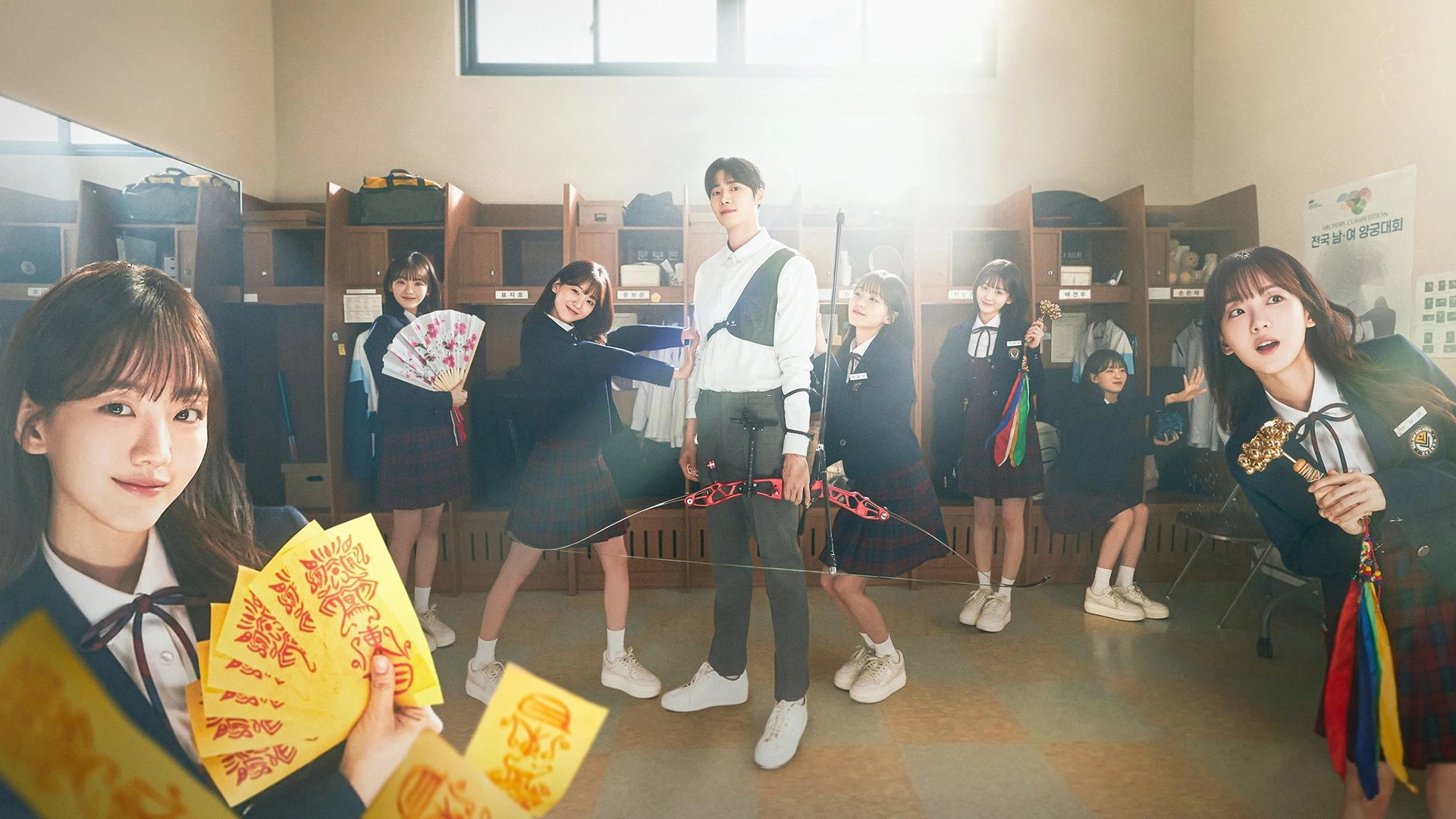
Choo Young-woo’s Gyeon-u has a harder job: a character defined by passive suffering for the first five episodes, and the drama needs the audience to care about him before it gives him anything active to do. Choo makes this work by locating the specific quality of someone who has absorbed misfortune so long he’s stopped bracing for it — he doesn’t read as tragic, he reads as used to it, which is worse. Choo Ja-hyun’s Yeom-hwa is the drama’s most useful character: a villain whose motivation is recognizable enough to be uncomfortable. Grief that turns into control because the alternative is just grief. For something that works the same protecting-someone-from-death premise with less folk mythology and more procedural romance, Doom at Your Service (2021) is the natural comparison — Head Over Heels is more specific about the villain and funnier about the lead.
The show’s structural clarity is unusual for this genre: the folktale source gives it a question with a shape — what if the fairy refused the separation? — and the drama answers it with actual plot mechanics rather than vague resistance. Gyeon-u is passive for longer than it can comfortably afford, and the compression in episodes 10 and 11 is noticeable. But the finale earns its position, and it earns the specific thing it was going for: a heroine who doesn’t have to choose between love and identity. Both are hers. That’s harder to write than it sounds, and the show gets it right.
Viewers who want romantic leads who fight fate rather than accept it
Cho Yi-hyun fans — her most complete lead performance yet
Cho Yi-hyun makes a well-worn premise feel specific. The show mostly keeps up with her.
🎬 You Might Also Like
If you liked Head Over Heels, these are your next three watches.
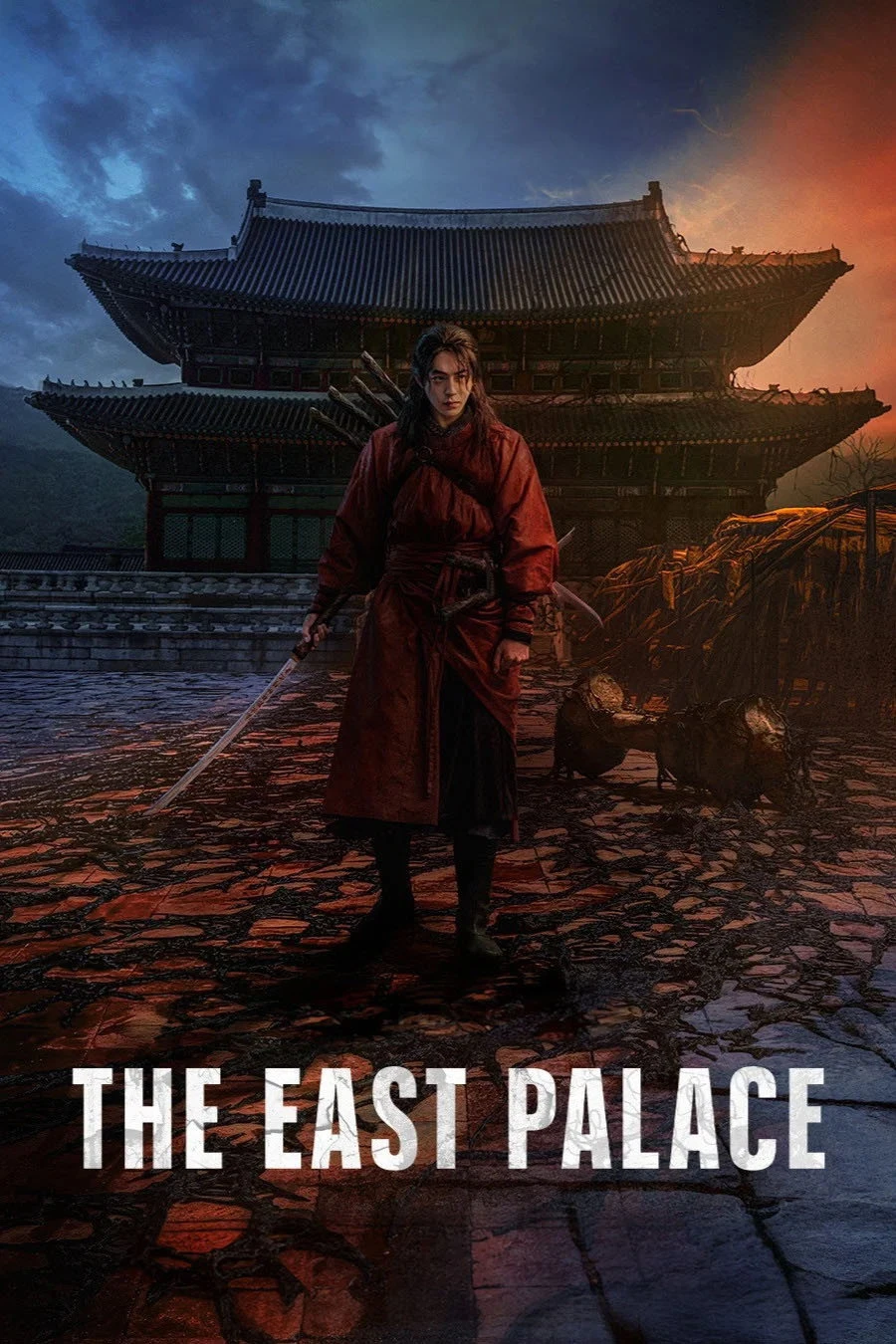 The East Palace
Ak-gwicourt lady
Read Full Review →
|
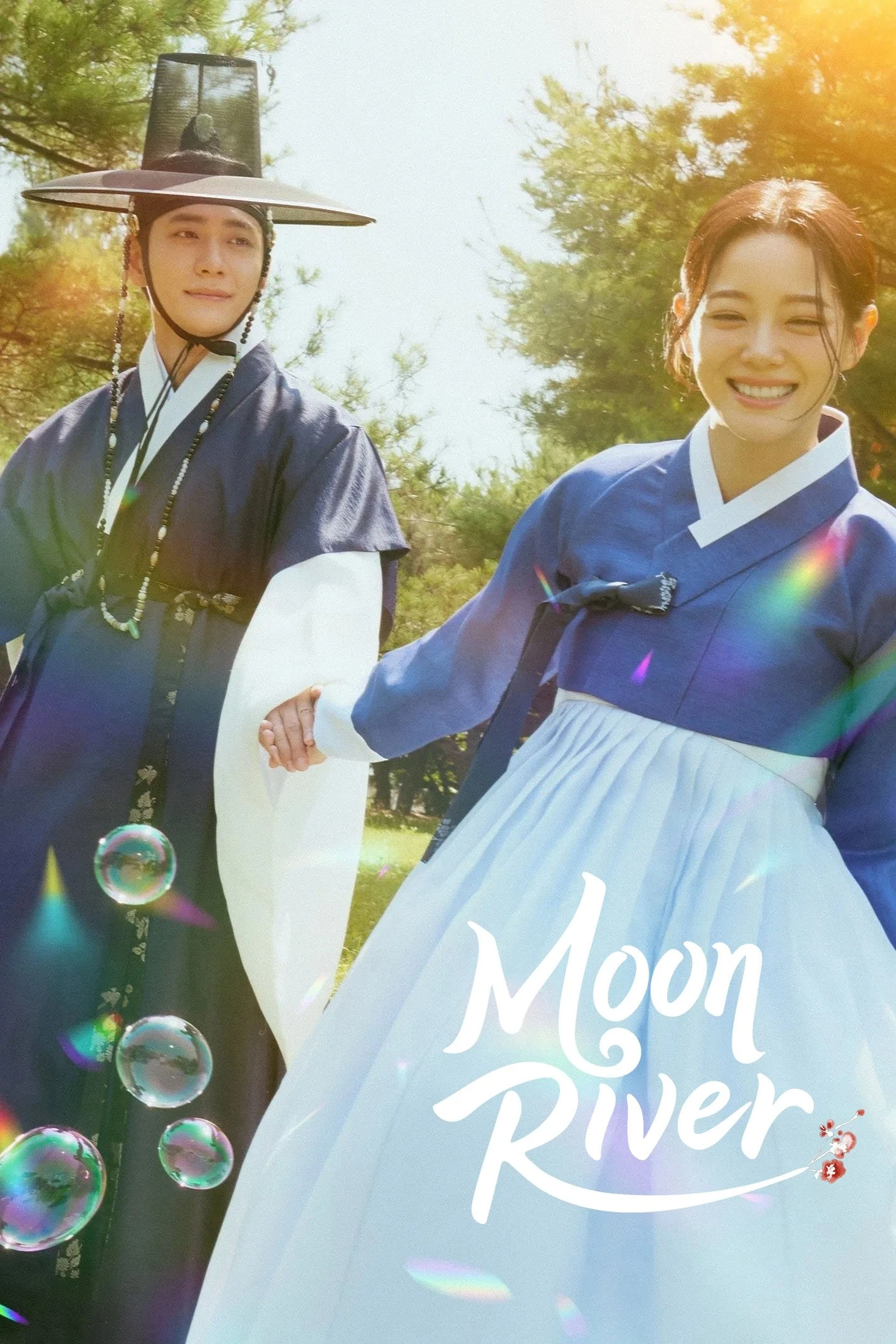 Moon River
Body SwapFantasy Romance
Read Full Review →
|
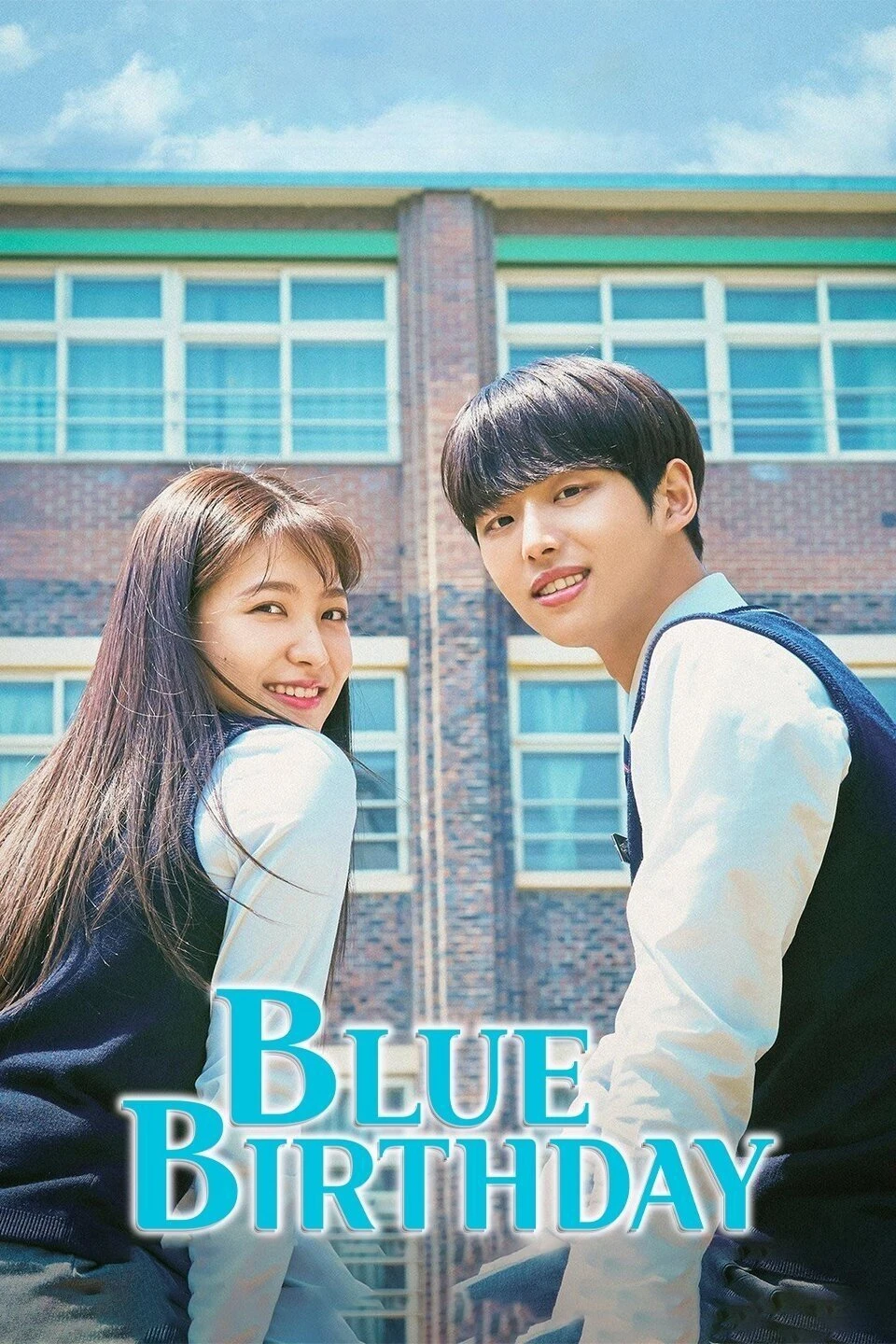 Blue Birthday
fantasyFirst Love
Read Full Review →
|





Keep it kind, skip the harsh language, and please — no spoilers. Everyone's taste is different, and that's perfectly fine.
This space is for real reactions and discussion from other viewers. Help keep it comfortable for everyone by not giving away major plot details.
What do you think of this drama?
Login to share your review or leave a comment.
No email needed — just pick a username & password.