
Tale of the Nine-Tailed
🎬 Netflix · TVING
⭐ 8.4 / 10 MDL
🔞 15+ · Teens 15 or older
📋 Drama Overview
Everything you need to know before you hit play.
🔥 Fantasy Must-Watch
TVING
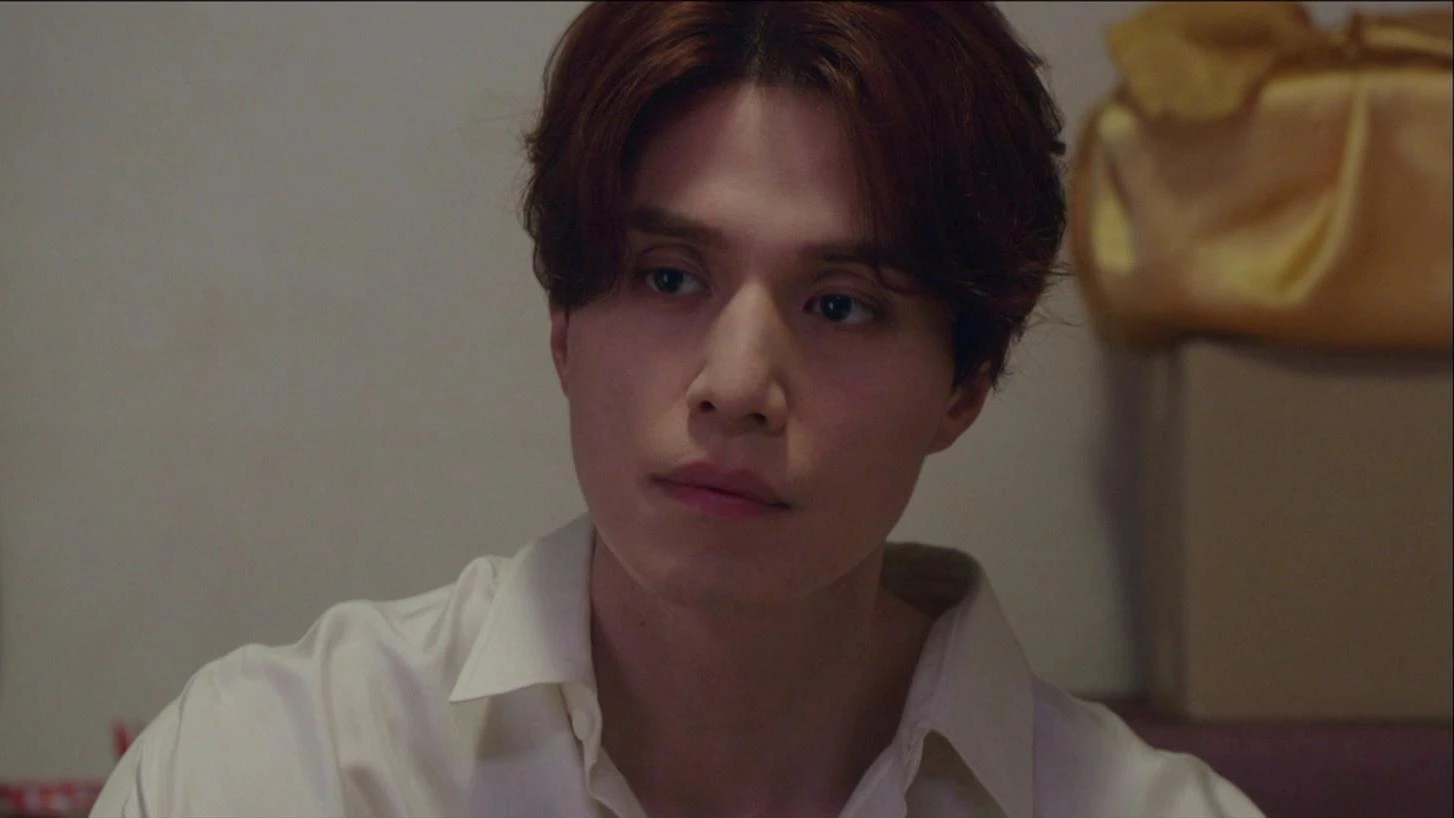
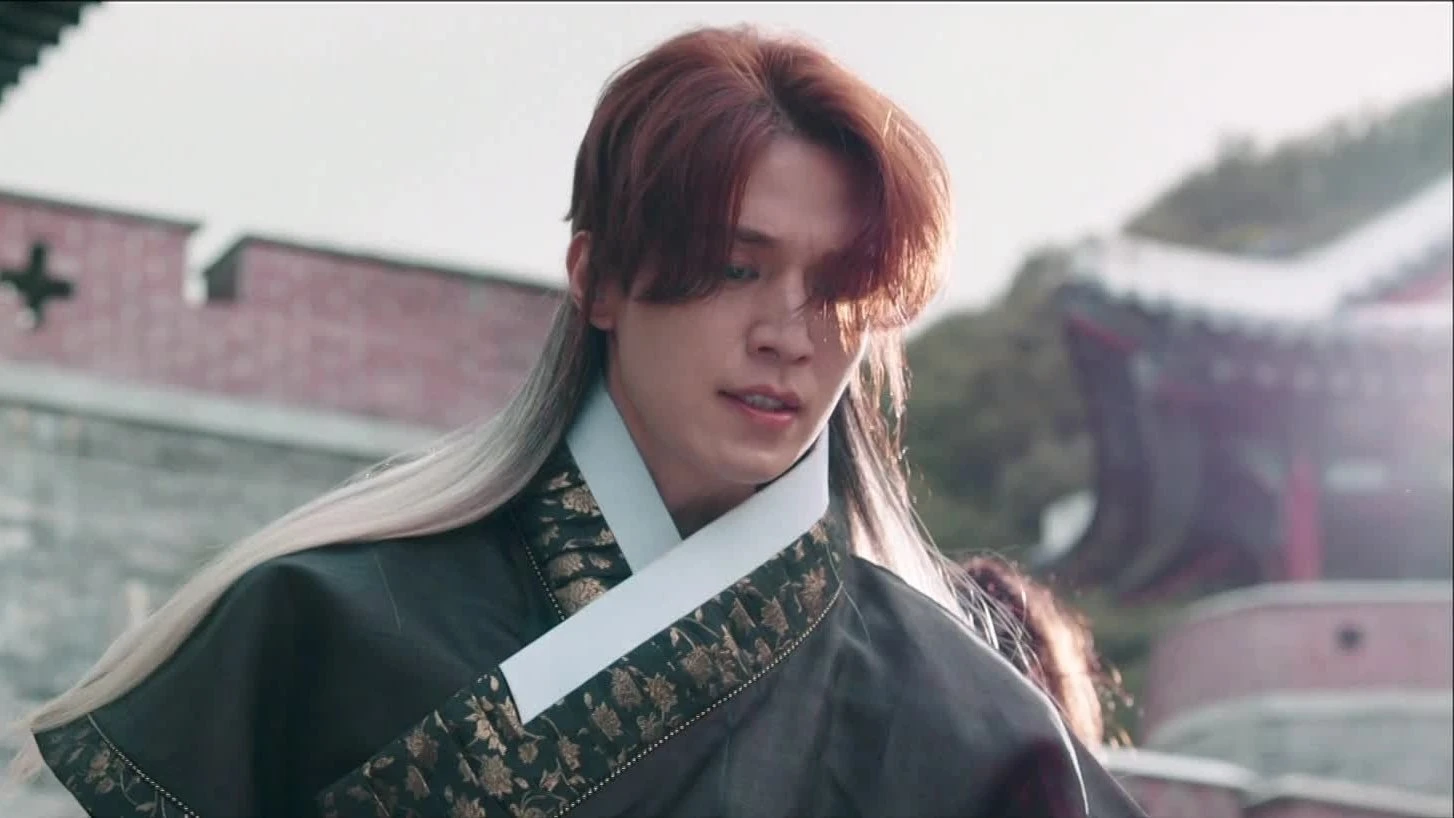
Lee Yeon (Lee Dong Wook) is a 1,000-year-old nine-tailed fox — a gumiho who once served as the guardian spirit of Baekdudaegan, the great mountain ridge of Korea. Centuries ago, he fell in love with a human woman named Ah-eum, who was killed by the Imoogi, an evil serpent that had long coveted his power. Lee Yeon struck a deal with the afterlife: he would surrender his mountain post and spend eternity in the human world, hunting rogue supernatural beings for the Afterlife Immigration Office — in exchange for the chance that Ah-eum would one day be reincarnated, and they could be reunited.
That chance arrives in the form of Nam Ji-ah (Jo Bo Ah), a headstrong TV producer who has spent years chasing the supernatural since her parents mysteriously vanished. But reuniting with the woman he loves is only part of what Lee Yeon must face. His half-brother Lee Rang (Kim Bum) — bitter, abandoned, and powerful — has been quietly engineering chaos in the mortal world. And the Imoogi, having taken a human body, is circling Ji-ah with intentions of his own. Lee Yeon has 1,000 years of regret on his shoulders and one chance to finally set it right.
16 / 16 ✅ Completed
⚡ Quick Verdict
One box. Everything you need to decide.
· MDL Score · 70,273 ratings
▶ Official Trailer
🎭 Cast & Characters
Six performances that carry a 1,000-year love story — from the devoted fox to the half-brother who steals every scene.

Lead

Lead

Antagonist

Villain

Supporting

Supporting
📺 Episode Guide
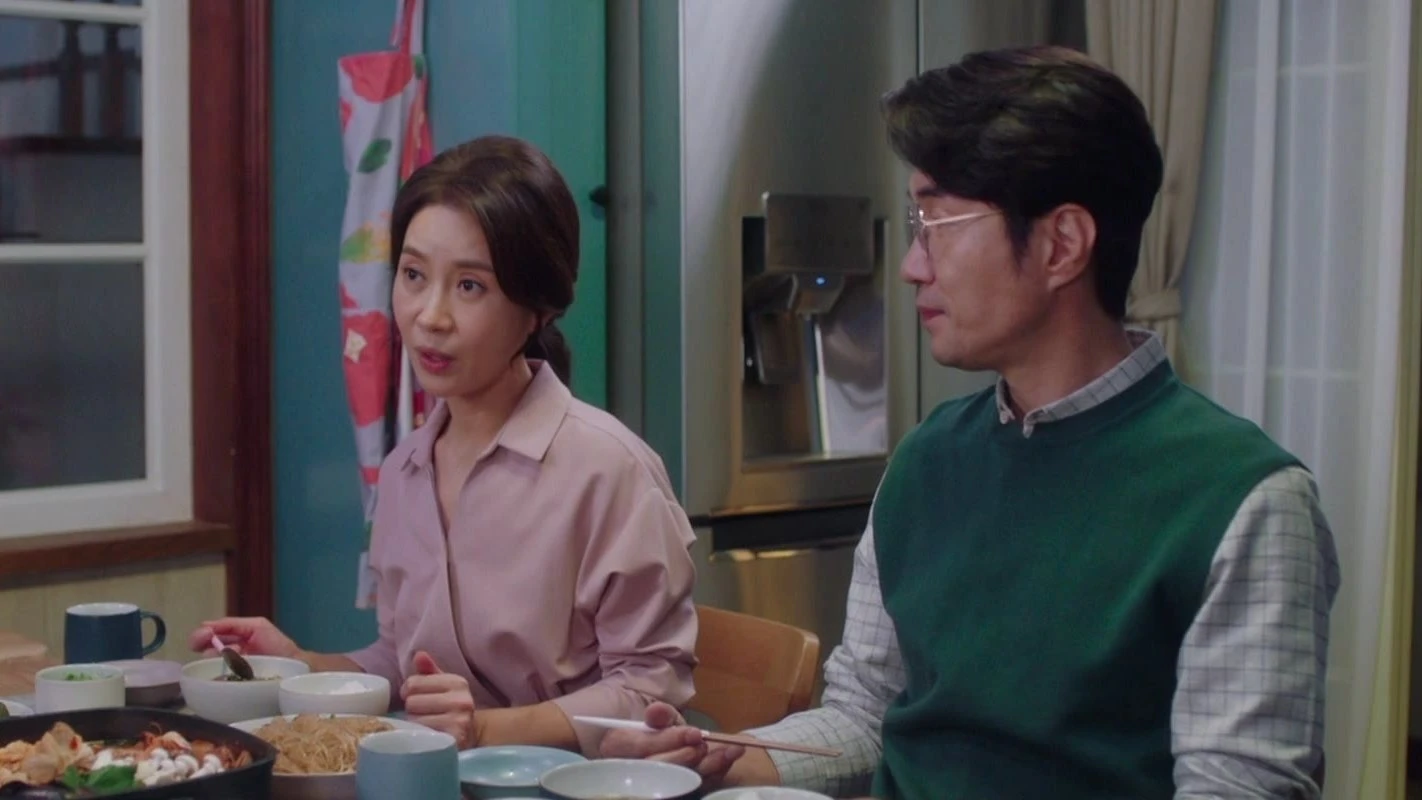
Spoiler-light recaps — enough to remember where you left off, nothing that ruins the ride.







🏁 Ending Explained
Full spoilers ahead — everything that happens in the finale and what it all means.
Spoiler Warning — This section covers the full finale of Tale of the Nine-Tailed. Stop here if you haven’t finished the series.
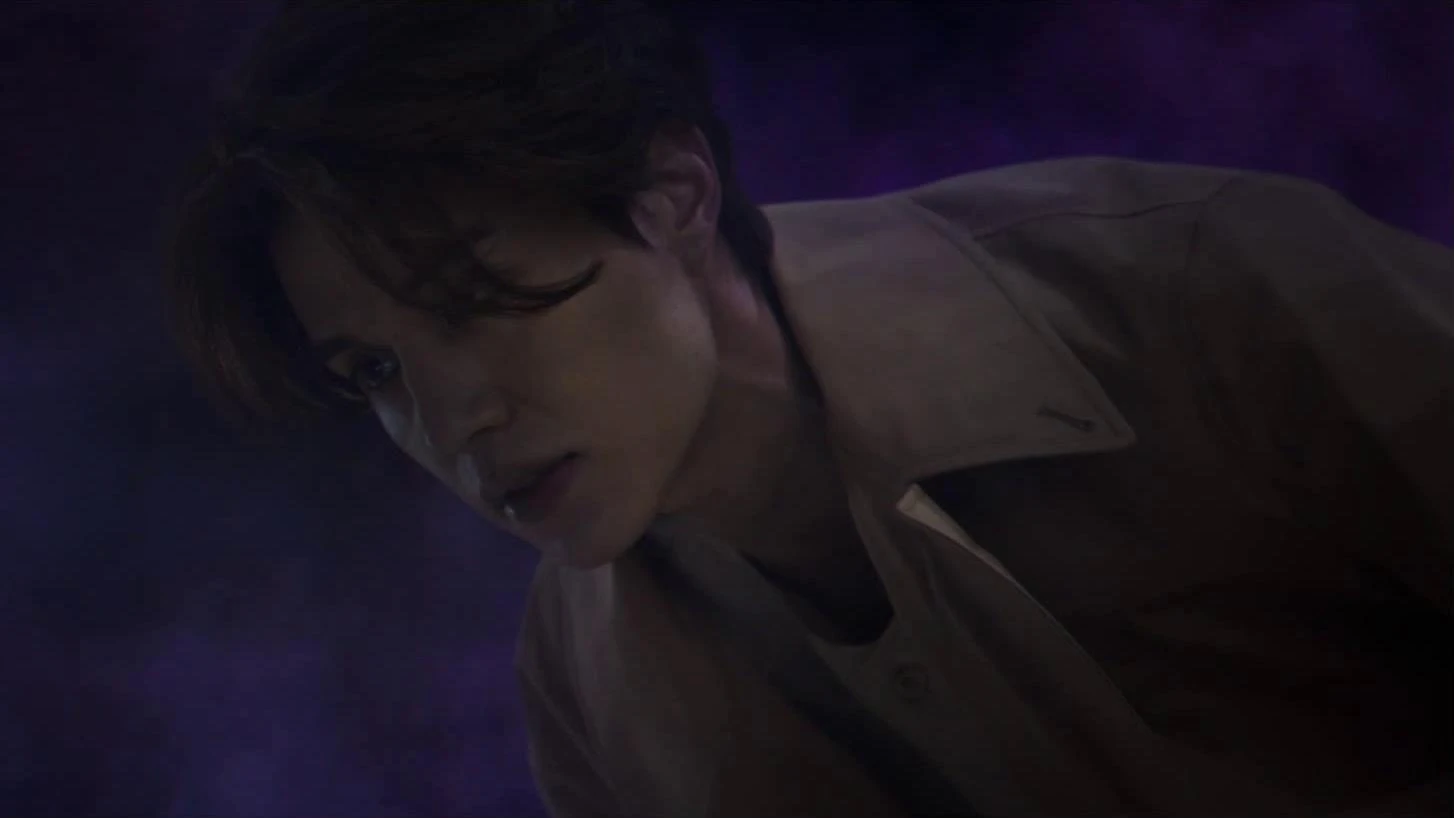
The Sacrifice at the Samdo River. Episode 15 delivers the blow the show has been building toward since the first episode. Lee Yeon, having exhausted every alternative, puts his plan into motion: he lures Imoogi to the Samdo River — the boundary between the living world and the afterlife — and drags them both into the current. By crossing the river himself, he neutralises Imoogi’s power and ensures that Ji-ah will not become the serpent’s vessel. Ji-ah watches him disappear into the water, helpless. Lee Rang, who has been quietly turning away from his own darkness over the preceding episodes, watches his brother sacrifice everything — and feels the full weight of every moment he spent trying to destroy him.

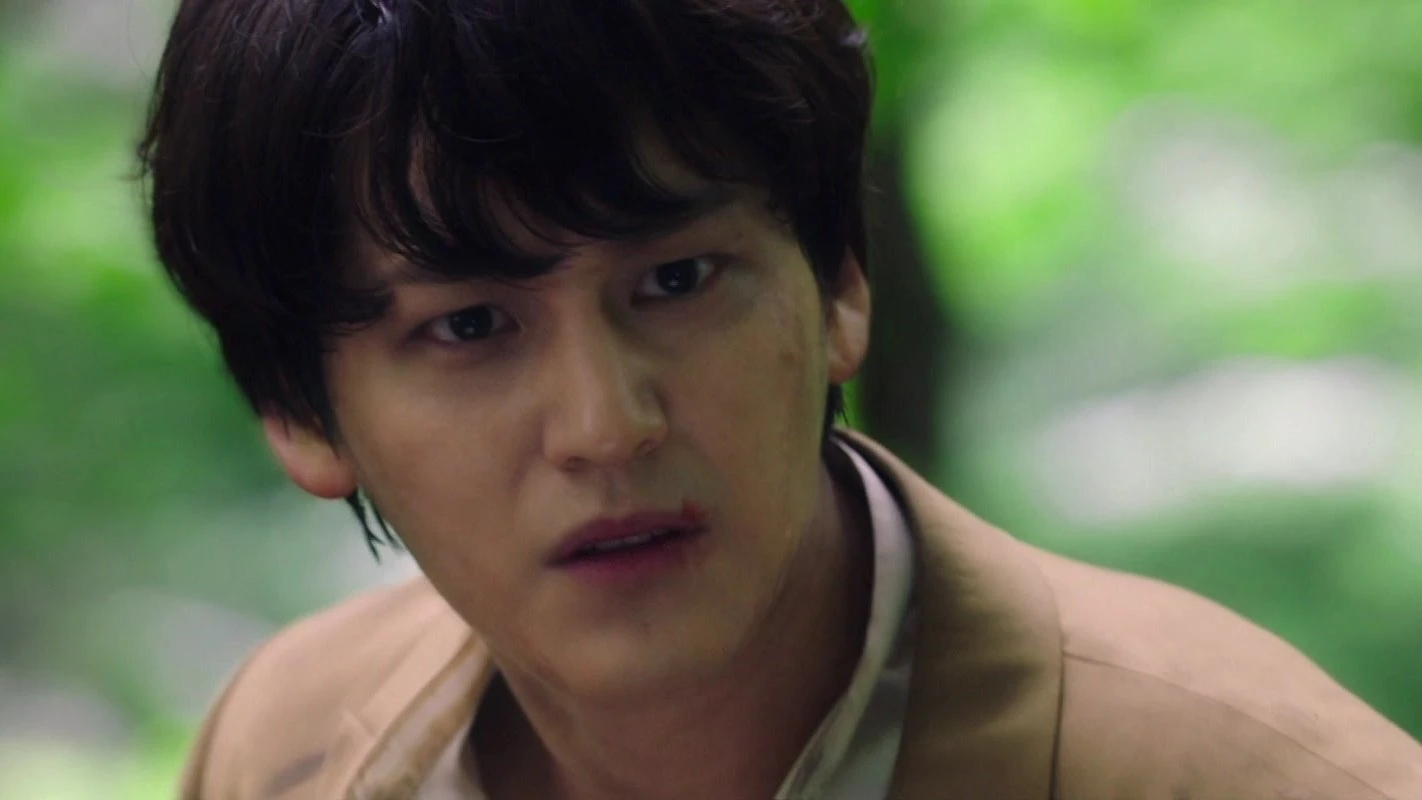
The King of Darkness and the Impossible Choice. In the finale, Ji-ah and Lee Rang are separately brought before the King of Darkness — one of the afterlife judges — who presents the terms for Lee Yeon’s return. Someone who loves him must voluntarily offer their own life in his place. Ji-ah moves to do it immediately. Lee Rang stops her. He is the one who steps forward. The scene is the culmination of everything the show has been building in his arc: a man born unwanted, raised in the shadow of a brother he both loved and resented, who spent years manufacturing reasons to hate — choosing, at the end, to give everything for the person he could never stop loving.
The Fox Bead and the Rewrite. The King of Darkness does not simply accept the trade. What ultimately restores Lee Yeon is a confluence of forces: Lee Rang’s willingness to sacrifice, the power of the original promise bound in the fox bead — a piece of Yeon’s soul given to Ah-eum a thousand years ago, now residing in Ji-ah — and the accumulated weight of every choice both brothers made across the series. The afterlife, it turns out, has a small amount of mercy. Lee Yeon is returned to the living world. Lee Rang does not die — instead, he is reborn as a child, given the chance at an uncomplicated childhood that was stolen from him the first time.
What the Imoogi Was Always About. The show uses Imoogi not primarily as a villain but as a mirror. Where Lee Yeon spent a thousand years choosing love — waiting, searching, hoping — Imoogi spent the same millennium choosing possession. He did not want Ah-eum’s soul because he loved her; he wanted it because he wanted what Lee Yeon had. The conflict was never really about a serpent threatening a woman. It was about what a person becomes when they spend centuries defined by wanting something they cannot have — and what a person becomes when they spend the same centuries choosing, again and again, not to let loss make them cruel.
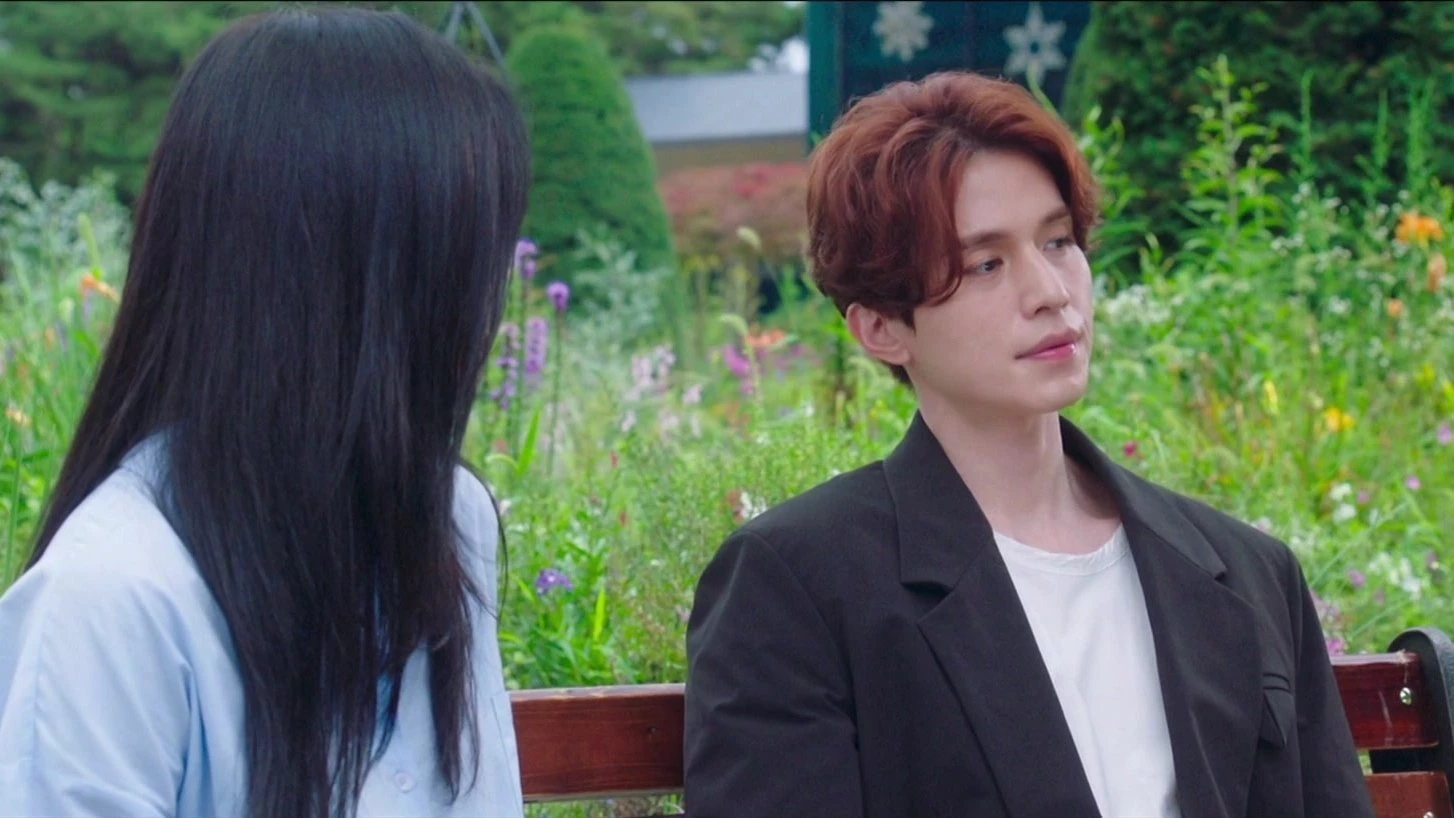
The World They Get to Keep. Lee Yeon and Ji-ah are reunited in the present day. They are married. The centuries-long promise encoded in the fox bead has finally been fulfilled — not by fate overriding their choices, but by every choice they made freely. The final scenes show Lee Rang reborn as a small child, watched over quietly from a distance by the people who cared for him in his previous life. Ki Yu-ri is there. The drama’s closing image is Lee Yeon and Ji-ah — not in any mythological setting, not in a moment of supernatural drama, but simply standing together in the ordinary world that cost so much to reach. A thousand years is a long time to wait. The show earns every second of it.

✍️ KDramaWorlds Editor’s Take
Our honest read on why this drama is worth your time — and who it’s for.
Lee Dong Wook was born to play a gumiho. There is something about the combination of his particular stillness, his elegance, and the way he carries centuries of weariness without ever making it heavy — that fits Lee Yeon like a tailored suit. The role is essentially a reprise of his Goblin energy transposed into a different mythology, and if you loved him there, you will love him here. But the real revelation of Tale of the Nine-Tailed is Kim Bum as Lee Rang. What begins as a stock antagonist — jealous, cruel, motivated by sibling resentment — becomes, by the second half, the drama’s emotional centre. Kim Bum plays the transition from menace to grief with a precision that should have earned him every award that season. Scenes that look like villain posturing in episode two look like a man collapsing inward by episode twelve. If you watch this for the central romance and find it slightly predictable, watch it again for Lee Rang. The show is about him.

The show’s relationship with Korean mythology is its strongest asset and, occasionally, its greatest liability. When it commits to the lore — the Afterlife Immigration Office, the Samdo River, the fox bead and what it represents, the bureaucratic afterlife hierarchy that would not feel out of place in a Park Chan-wook film — it is genuinely unlike anything else in the K-drama landscape. When it retreats from that mythology into more conventional romance beats in episodes seven through ten, you feel the absence. The Imoogi is a serviceable villain but never quite as compelling as the brotherly conflict, and the drama occasionally seems to know this, cutting away from him to spend time with Lee Rang at exactly the moments when Imoogi should command full attention. If you are coming from My Roommate Is a Gumiho expecting a similar lightness, recalibrate: this is a considerably darker, more emotionally demanding drama, closer in tone to Doom at Your Service than anything romantic-comedy adjacent.
The finale earns its resolution. Not because everything is wrapped neatly — some mythology threads are left loose, and the Imoogi’s defeat is more functional than spectacular — but because Lee Rang’s arc pays off in a way that is genuinely surprising and genuinely moving. The show set out to tell a love story about a man waiting a thousand years for someone. What it actually delivered was a story about two brothers who could not tell each other the truth until it was almost too late. One of the most underrated emotional payoffs in 2020 K-drama — don’t let the love story distract you from the brother who makes it mean something.
Viewers who want fated romance with genuine emotional weight
Anyone who values a supporting character arc that outshines the leads
🎬 You Might Also Like
If you liked Tale of the Nine-Tailed, these are your next three watches.
 No Tail to Tell
Fantasy RomanceGumiho
Read Full Review →
|
 Love In Sync
Emotional TransferenceL
Read Full Review →
|
 Tale of the Nine-Tailed 1938
bittersweetbrotherhood
Read Full Review →
|















Keep it kind, skip the harsh language, and please — no spoilers. Everyone's taste is different, and that's perfectly fine.
This space is for real reactions and discussion from other viewers. Help keep it comfortable for everyone by not giving away major plot details.
What do you think of this drama?
Login to share your review or leave a comment.
No email needed — just pick a username & password.