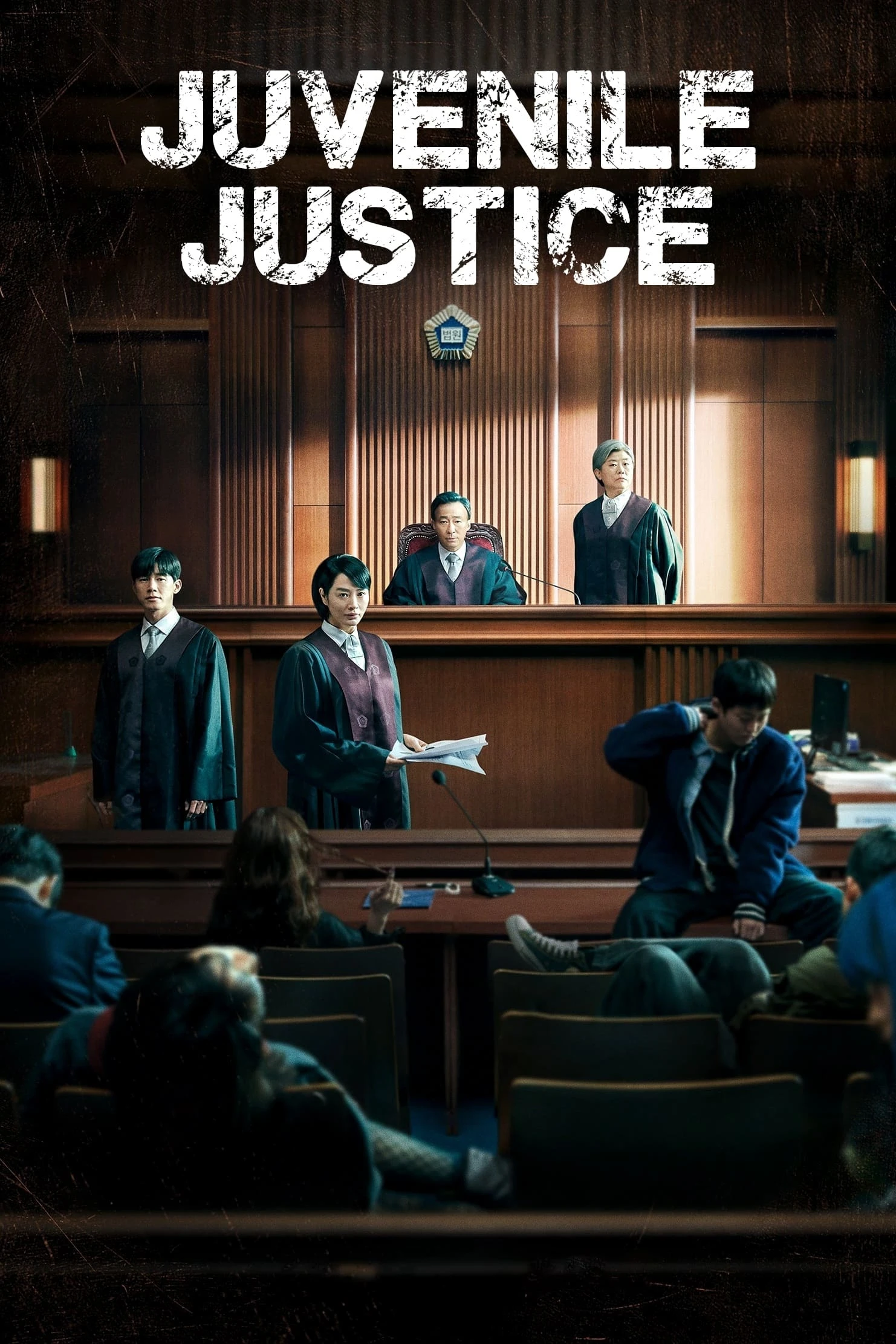
Juvenile Justice
✅ Completed · 10 eps
🎬 Netflix
⭐ 8.5 / 10 MDL
🔞 18+ · Violence
📋 Drama Overview
Everything you need to know before you hit play.
Completed
🔥 Netflix Must-Watch
Netflix
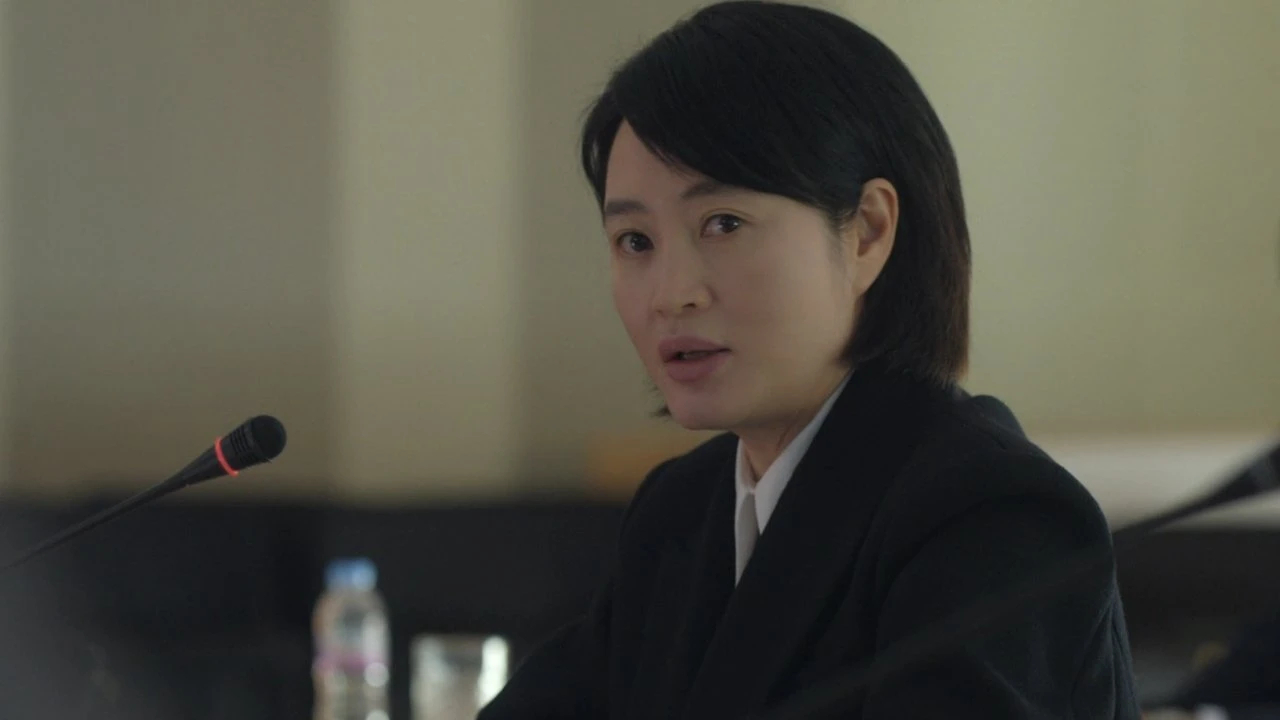
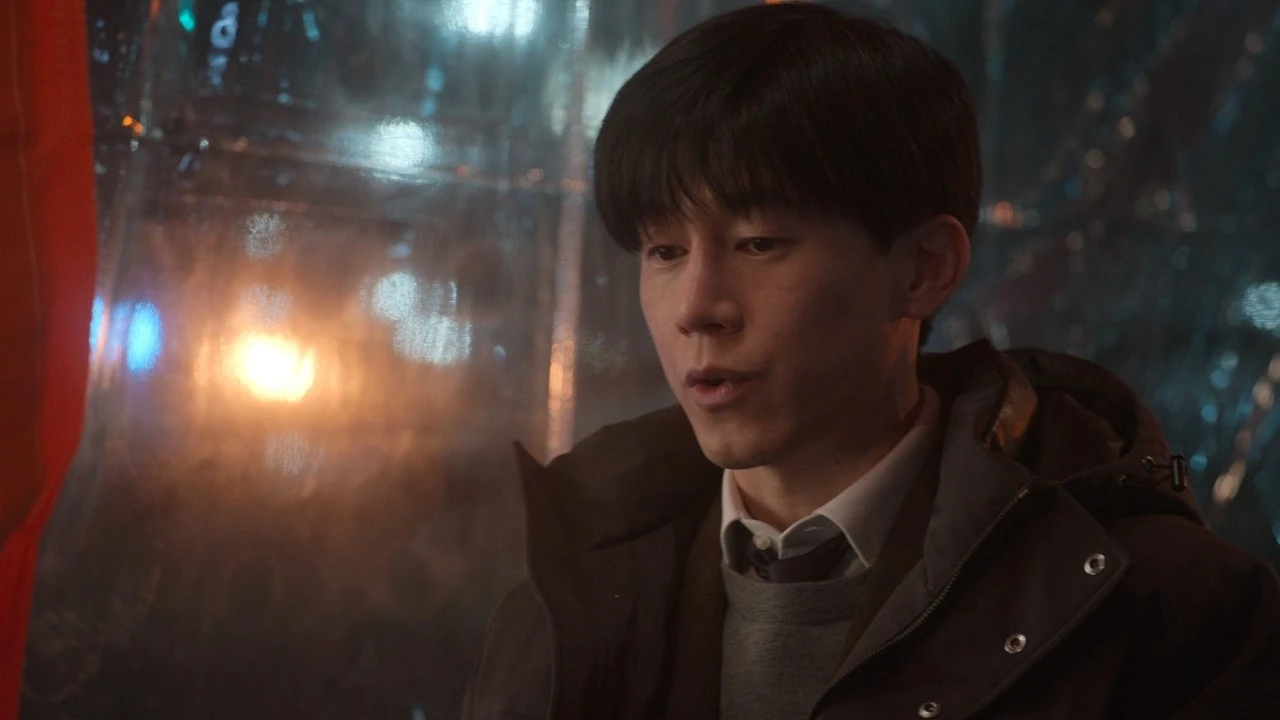
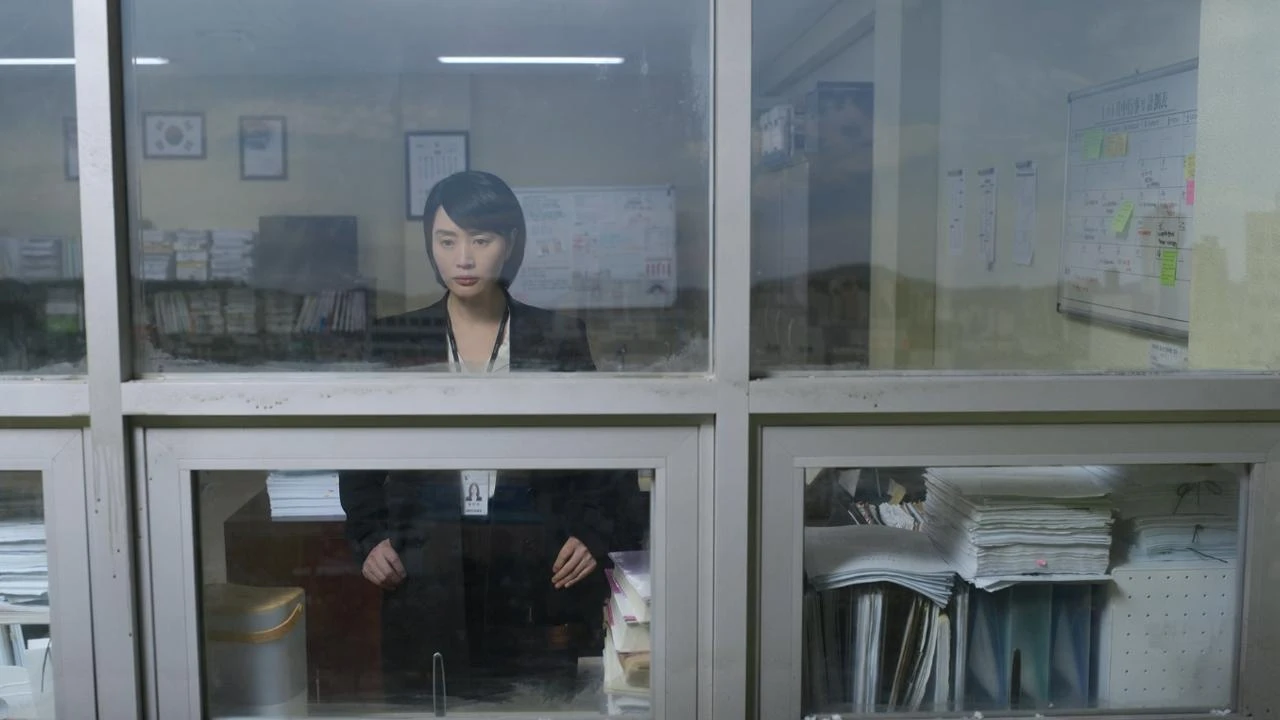
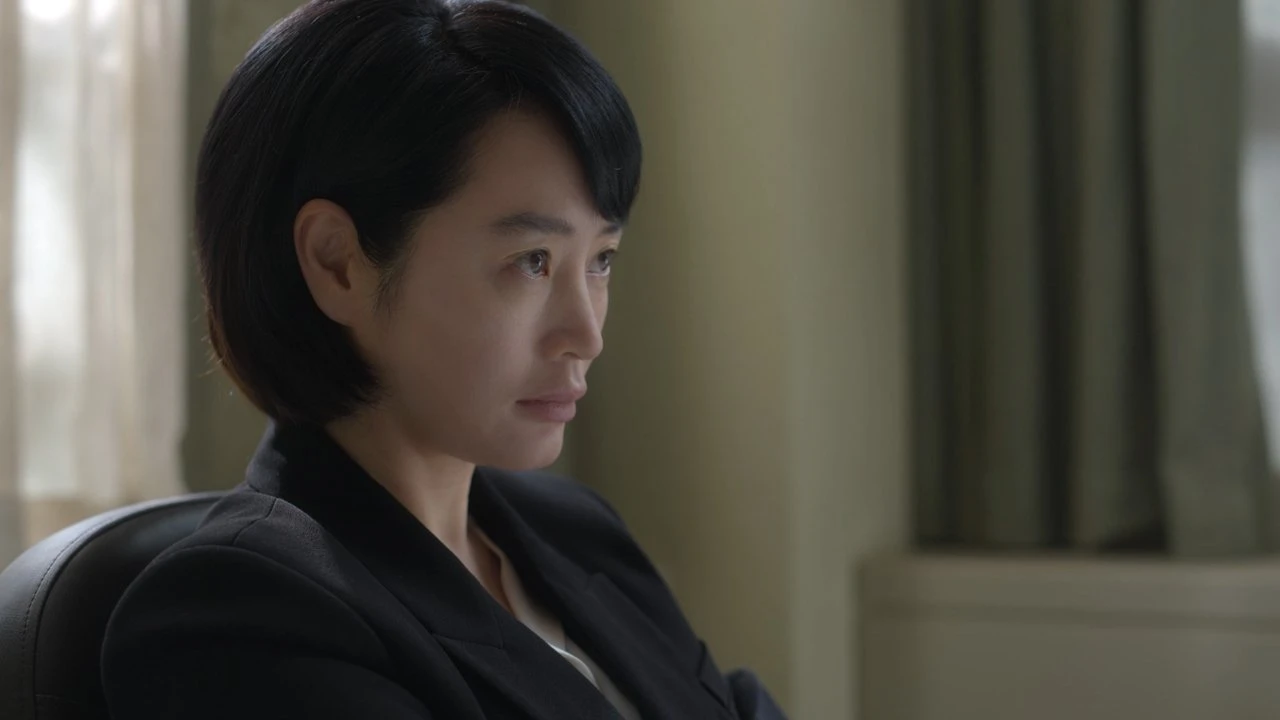
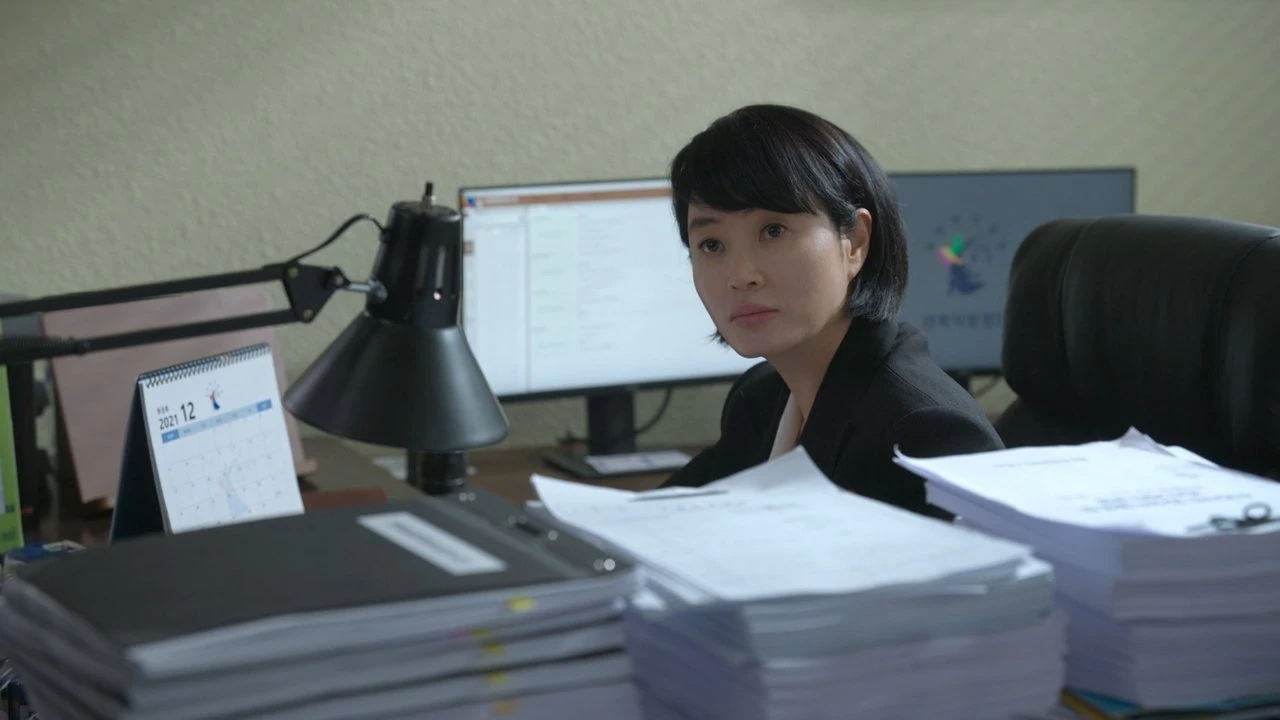
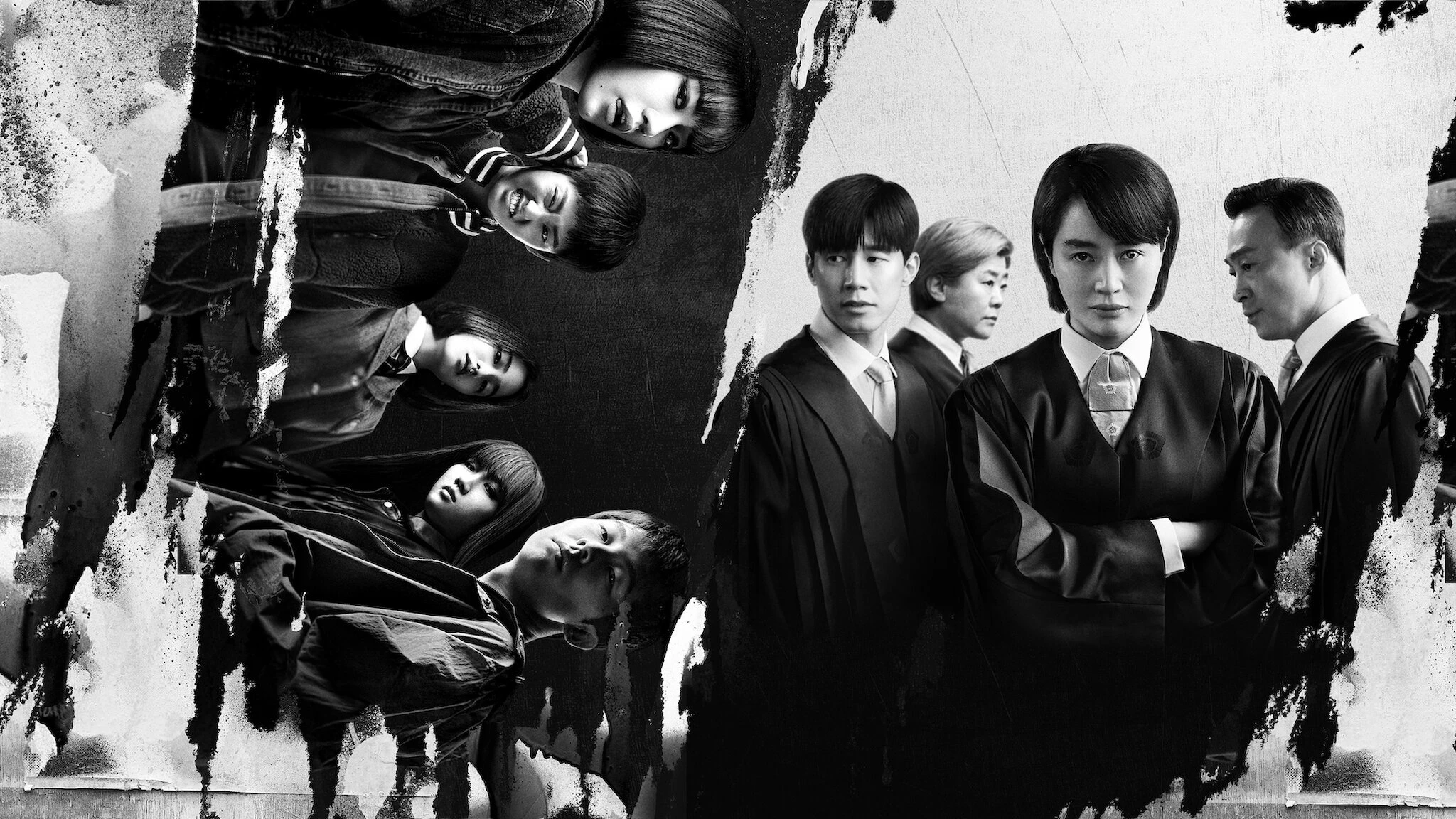
Shim Eun-seok (Kim Hye-soo) is an elite judge with a well-documented hatred of juvenile offenders — not a bias she hides, but one she wears like a credential. When she is assigned to the Yeonhwa District Juvenile Court, one of the highest-delinquency divisions in the country, she arrives cold, certain, and ready to punish. What she finds is her compassionate colleague Judge Cha Tae-joo (Kim Mu-yeol), who believes in rehabilitation and second chances — and a series of cases that refuse to cooperate with her certainties.
Each case pries open a different fault line in Korean society: a brutal child murder, institutional abuse in a youth recovery home, class privilege shielding young offenders from consequence, a fatal joyride with good intentions, and finally a sexual assault case that forces Eun-seok to confront what is actually driving her convictions. Senior Judge Kang Won-joong (Lee Sung-min) adds political intrigue as a man whose ambitions quietly corrode his integrity. Juvenile Justice does not offer comfortable resolutions — only the hard question of who, exactly, is responsible for the young.
Episode Progress
10 / 10 ✅ Completed
⚡ Quick Verdict
One box. Everything you need to decide.
⭐ 8.5 / 10
· MDL Score · 26,700 ratings
▶ Official Trailer
🎭 Cast & Characters
Two judges, one court, and a philosophical collision — six performances carrying a drama about who is really on trial.

Lead
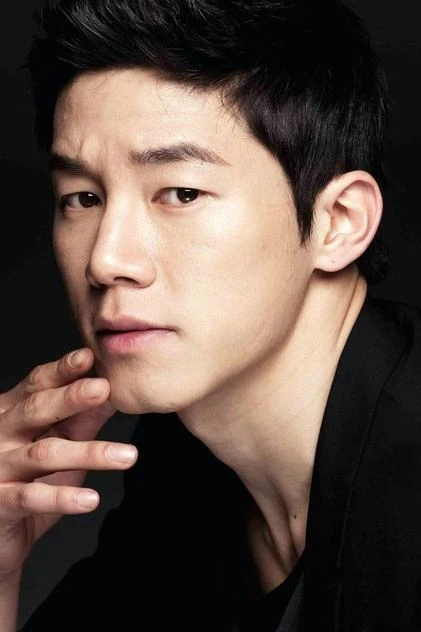
Lead

Antagonist

Supporting

Supporting
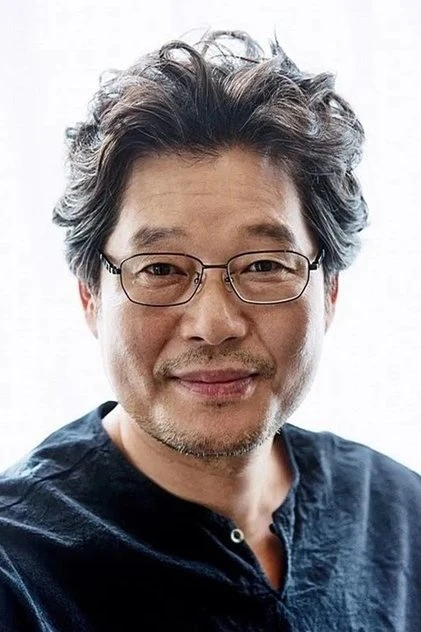
Supporting
📺 Episode Guide
Spoiler-light recaps — enough to remember where you left off, nothing that ruins the ride.
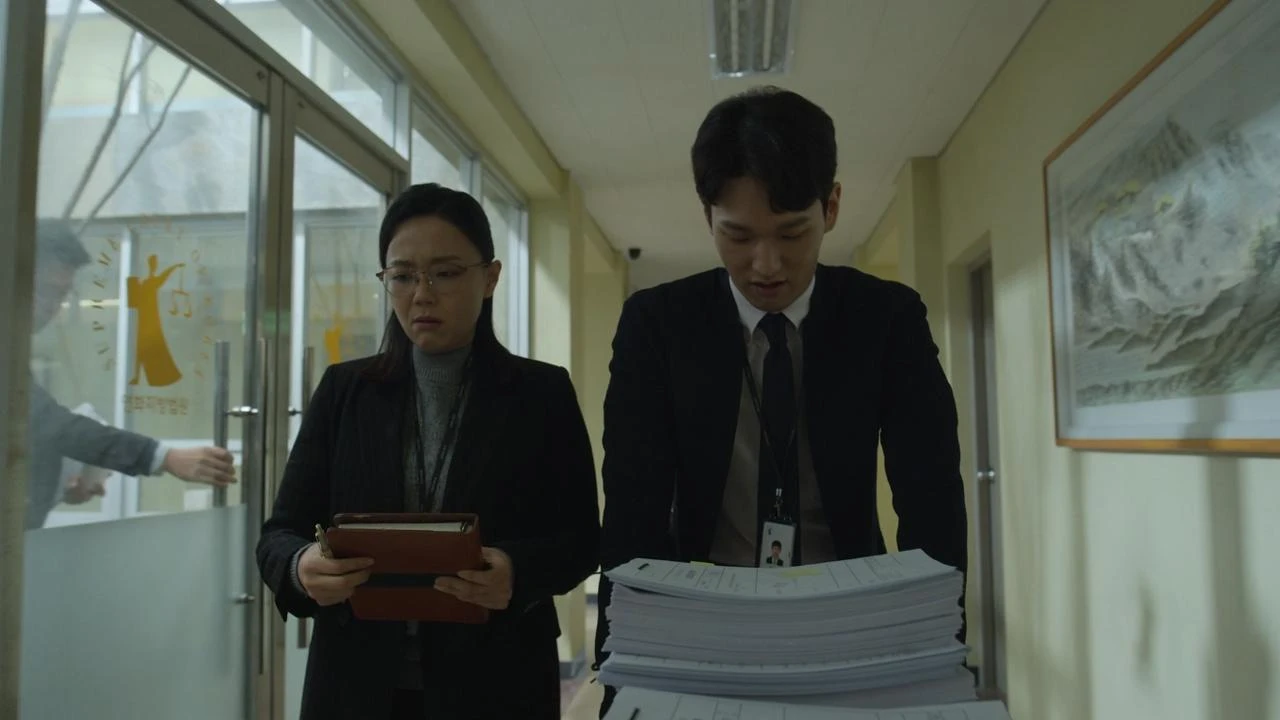


🏁 Ending Explained
Full spoilers ahead — everything that happens in the finale and what it all means.
⚠️
Spoiler Warning — This section covers the full finale of Juvenile Justice. Stop here if you haven’t finished the series.
The finale removes Eun-seok from the courtroom entirely. The season’s final case — tracking the ringleader of a runaway gang — escalates in ways the earlier cases never did, placing Eun-seok in genuine physical danger. It is a deliberate structural choice: the drama has spent nine episodes establishing her as a figure of institutional authority, and then strips that authority away completely to see what is left. What is left is a woman who has been running from a specific grief for years, and who can no longer outrun it.
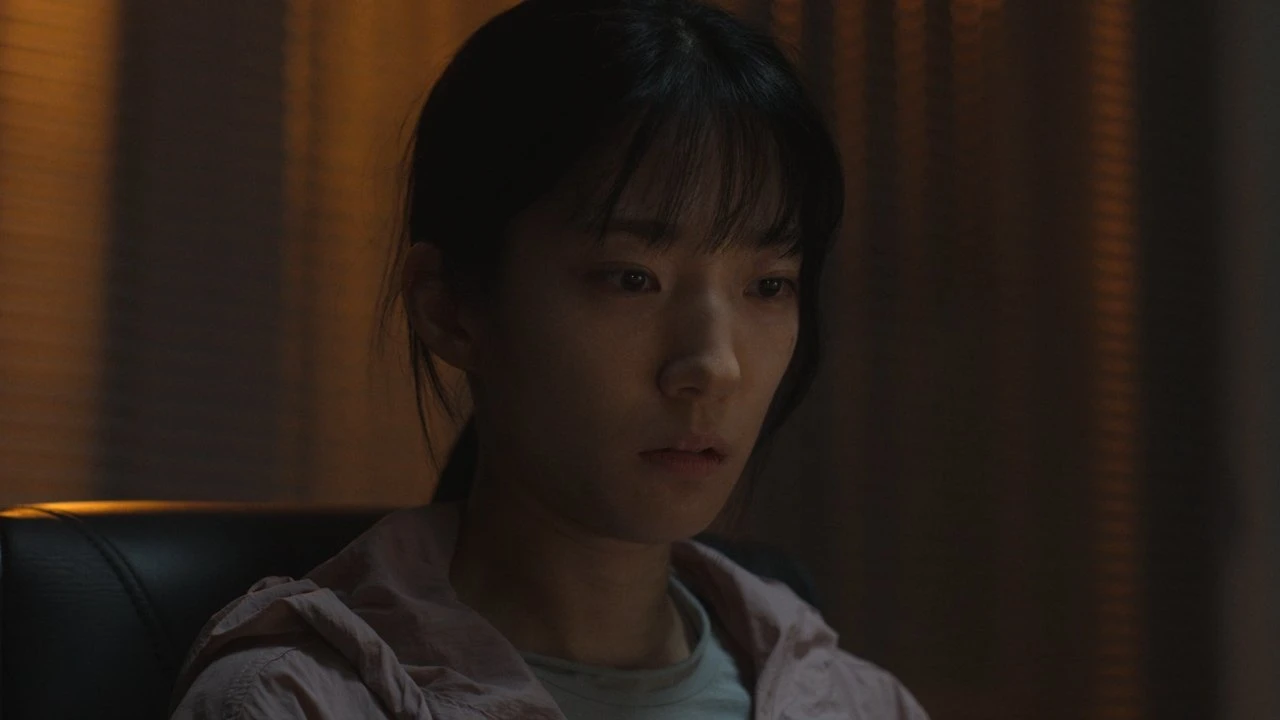
Eun-seok’s backstory is the answer to everything. Her aversion to juvenile offenders has never been abstract ideology — it was always personal. The revelation that a young offender was responsible for a devastating loss in her own life recontextualises every cold ruling she has delivered, every time she refused leniency that Tae-joo would have granted. She was not enforcing a philosophy. She was trying to hold a verdict that the original court never delivered. What the finale does carefully is refuse to make this revelation an excuse. Her grief is real. Her bias was still bias. Both things remain true simultaneously.
Kang Won-joong’s arc closes on consequence, not redemption. His political ambitions have been quietly corroding his integrity all season — prioritising his family’s scandal over his judicial obligations, weaponising procedural requirements to deflect accountability, treating the court as a career instrument. The finale forces the reckoning he has been delaying. He does not receive a dramatic fall. What he receives is something harder: the recognition that the compromises he made were seen, and recorded, and that institutional reputation is a more fragile thing than he believed.
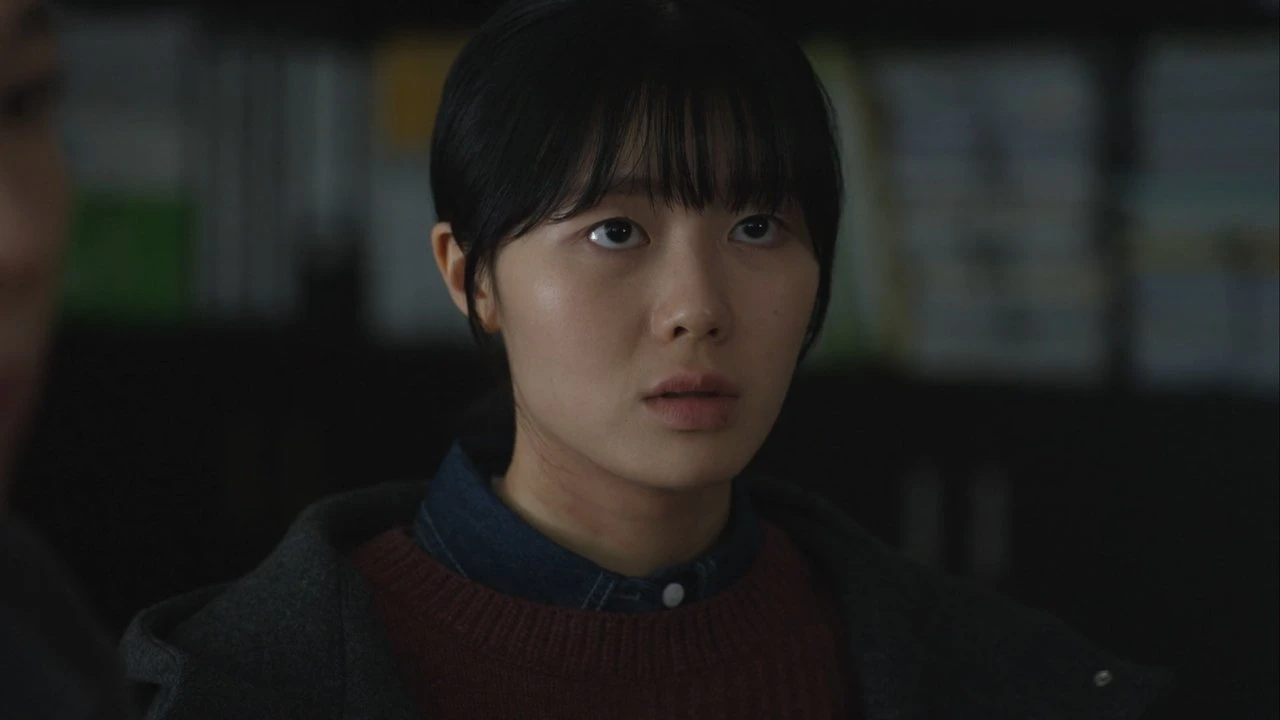
Chief Judge Na Geun-hee’s confrontation is the season’s quietest and most devastating moment. She has operated as the institutional centre of gravity throughout — pragmatic, politically literate, occasionally complicit. Her final scene asks whether pragmatism and principle can coexist inside the same career, and does not answer that question cleanly. She does not resign. She does not transform. She acknowledges. The show understands that in real institutions, moral reckonings rarely produce dramatic exits.
The finale’s final statement belongs to Eun-seok, not the court. Having spent ten episodes punishing juveniles for failing to be fully responsible for themselves, she is left with the question of whether she has been fully responsible for her own choices. The drama does not resolve this with a courtroom speech or a symbolic ruling. It resolves it with her continuing to show up — changed in ways the audience can see and she cannot articulate, still imperfect, still the most capable person in that building. Juvenile Justice earns its ending precisely because it never promises one.
✍️ KDramaWorlds Editor’s Take
Our honest read on why this drama is worth your time — and who it’s for.
⚖️ Morally Complex
🧊 Cold & Precise
💔 Gut-Wrenching
📢 Socially Urgent
🏆 Prestige TV Energy
The performance that anchors Juvenile Justice is one of Korean drama’s finest — Kim Hye-soo does not play Shim Eun-seok as a woman softened by experience, which is what a lesser version of this story would do. She plays her as a woman whose experience has made her harder in specific, traceable ways, and the drama has the patience to let that precision mean something. Every scene Eun-seok is in communicates the gap between what she is capable of and what she allows herself to do. The anthology case structure that might have felt episodic instead feels cumulative — each case adding a layer to the philosophical argument the show is making, until by Episode 9 you realise you have been watching a portrait build itself case by case. The Manipulated gave us a lead performance built around physical transformation. Juvenile Justice gives us one built around stillness — and it is the harder achievement.
What divides viewers is the show’s refusal to deliver emotional relief. Each case resolves — in the sense that a ruling is delivered — but the drama is careful to ensure the resolution never quite satisfies. The system is shown to work and fail simultaneously, sometimes in the same episode. Tae-joo’s warmth does not fix things. Eun-seok’s severity does not fix things. That is the point, and it is the point some viewers will find exhausting. If you come to K-drama for the emotional reward loop — tension, then release, then warmth — Juvenile Justice will frustrate you. If you come for the kind of television that trusts you to sit with discomfort, it will become one of the best things you have watched this decade.
The The Glory explored what it costs a victim to build a life around revenge — the toll of making justice your entire personality. Juvenile Justice explores something adjacent: what it costs an institution to function when the people inside it cannot separate their wounds from their work. The answer, given across ten impeccably constructed episodes, is that the cost is borne by the most vulnerable people the institution was built to protect. Required viewing — not comfortable, and not meant to be.
Viewers who want K-drama that argues, not just entertains
Fans of prestige legal dramas like The Good Wife or Suits
Anyone who loved My Name and wants the same intensity with a courtroom lens
🎬 You Might Also Like
If you liked Juvenile Justice, these are your next three watches.
 Teach You a Lesson
ChamgyoyukERPA
Read Full Review →
|
 Heavenly Ever After
afterlifeAge Gap Romance
Read Full Review →
|
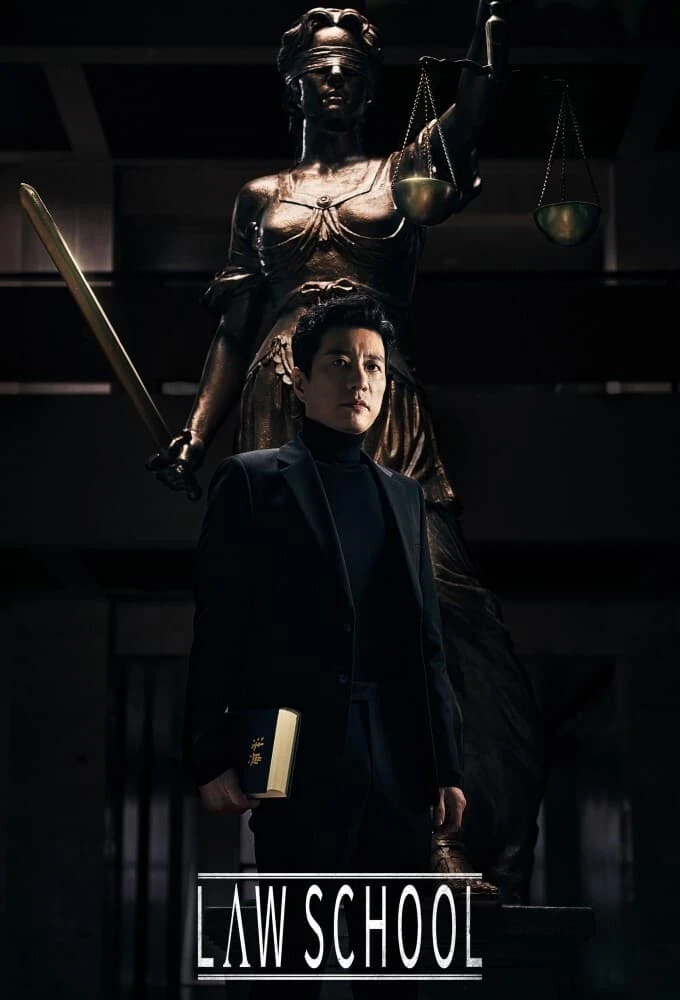 Law School
Courtroom Dramacrime
Read Full Review →
|











Keep it kind, skip the harsh language, and please — no spoilers. Everyone's taste is different, and that's perfectly fine.
This space is for real reactions and discussion from other viewers. Help keep it comfortable for everyone by not giving away major plot details.
What do you think of this drama?
Login to share your review or leave a comment.
No email needed — just pick a username & password.