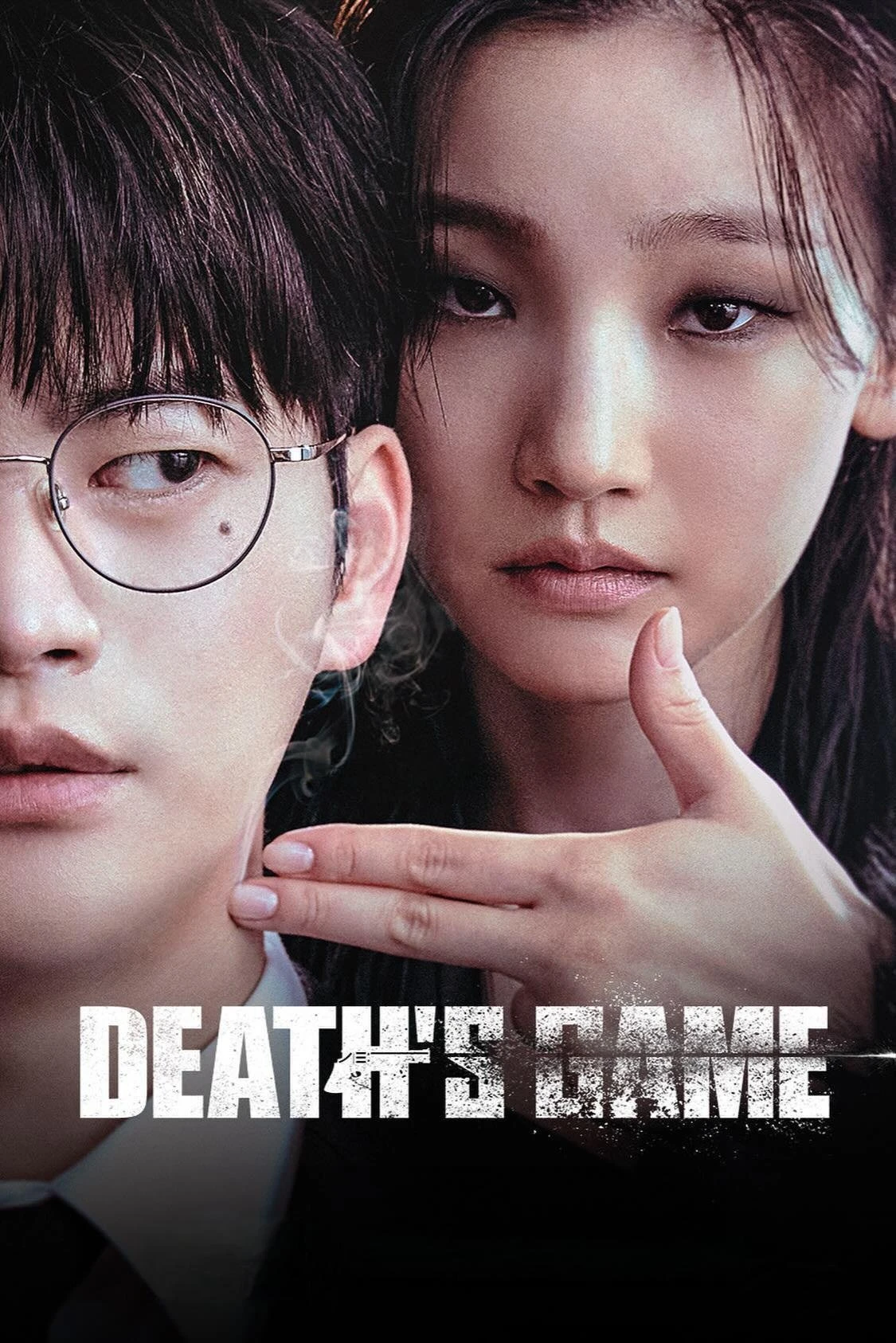
Death’s Game
🎬 TVING · Prime Video
⭐ 8.8 / 10 MDL
🔞 TV-MA · 19+
📋 Drama Overview
A fast rundown of what this one’s about.
🔥 Fantasy Must-Watch
Prime Video
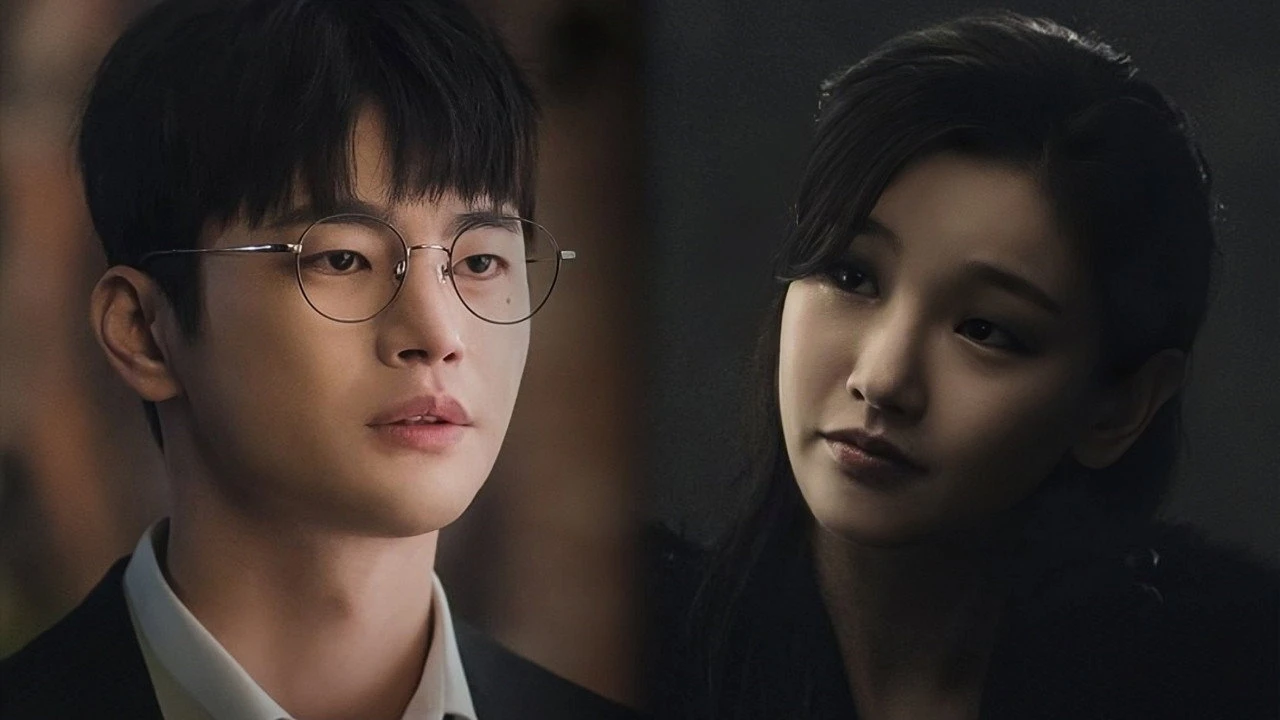
After seven years of failed job hunting, losing his savings to a bitcoin scam, and being evicted from his apartment, Choi Yee-jae (Seo In-guk) makes the decision to end his life by jumping from a building. At the gateway to the afterlife, he encounters Death (Park So-dam) — who is anything but sympathetic. Offended by Yee-jae’s casual attitude toward dying, Death punishes him with a cruel and elaborate game: reincarnate into 12 different bodies, each one facing a fatal situation, and survive each death to earn the right to live out that person’s remaining lifetime.
As Yee-jae inhabits one life after another — a businessman on a doomed plane, a high school bully’s victim, a crime organization enforcer, a newborn baby, an MMA fighter, a famous model — he begins to see the interconnected threads between each existence. Cutting across all of them is Park Tae-u (Kim Ji-hoon), the cold and calculating CEO of Taekang Group, whose crimes reach further than Yee-jae ever imagined. What begins as punishment becomes something more: a forced confrontation with the weight of life itself, and the people it leaves behind when it ends too soon.
8 / 8 ✅ Completed
⚡ Quick Verdict
No scrolling required — the verdict’s right here.
· MDL Score · 55,000+ ratings
▶ Official Trailer
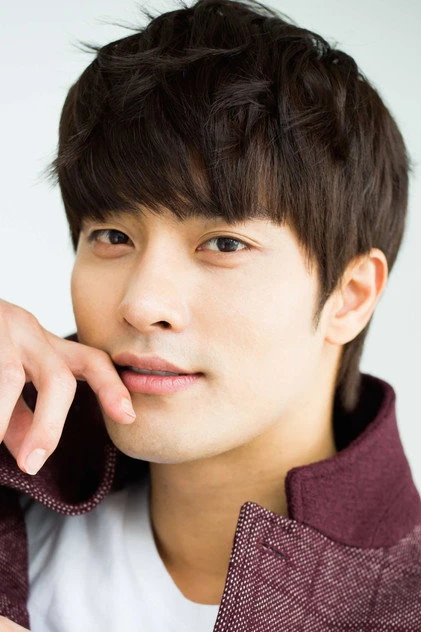
🎭 Cast & Characters
Twelve actors. One soul. The performances that make this premise land.

Lead

Lead
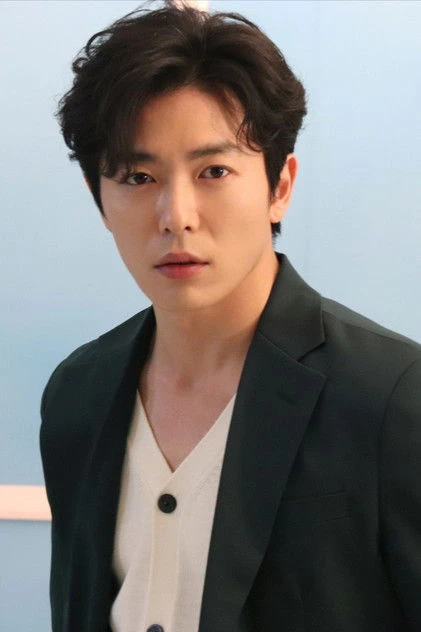
Villain
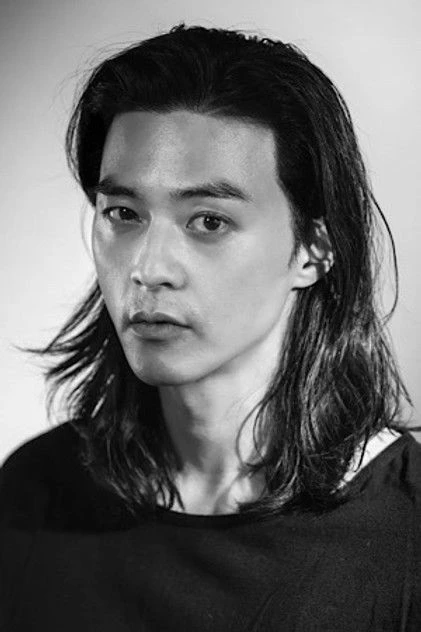
Villain

Supporting

Supporting

Supporting
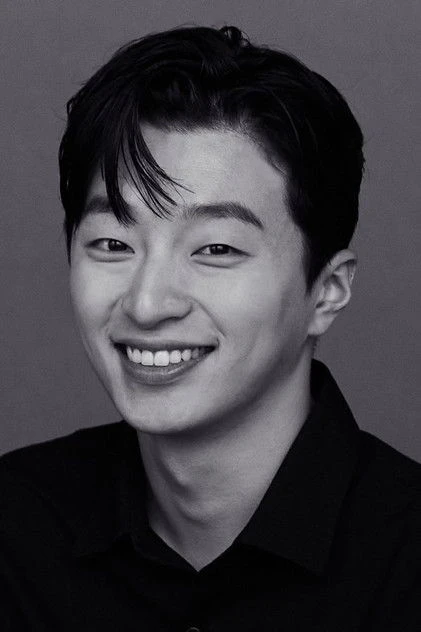
Supporting

Supporting

Supporting

Supporting
Supporting
📺 Episode Guide
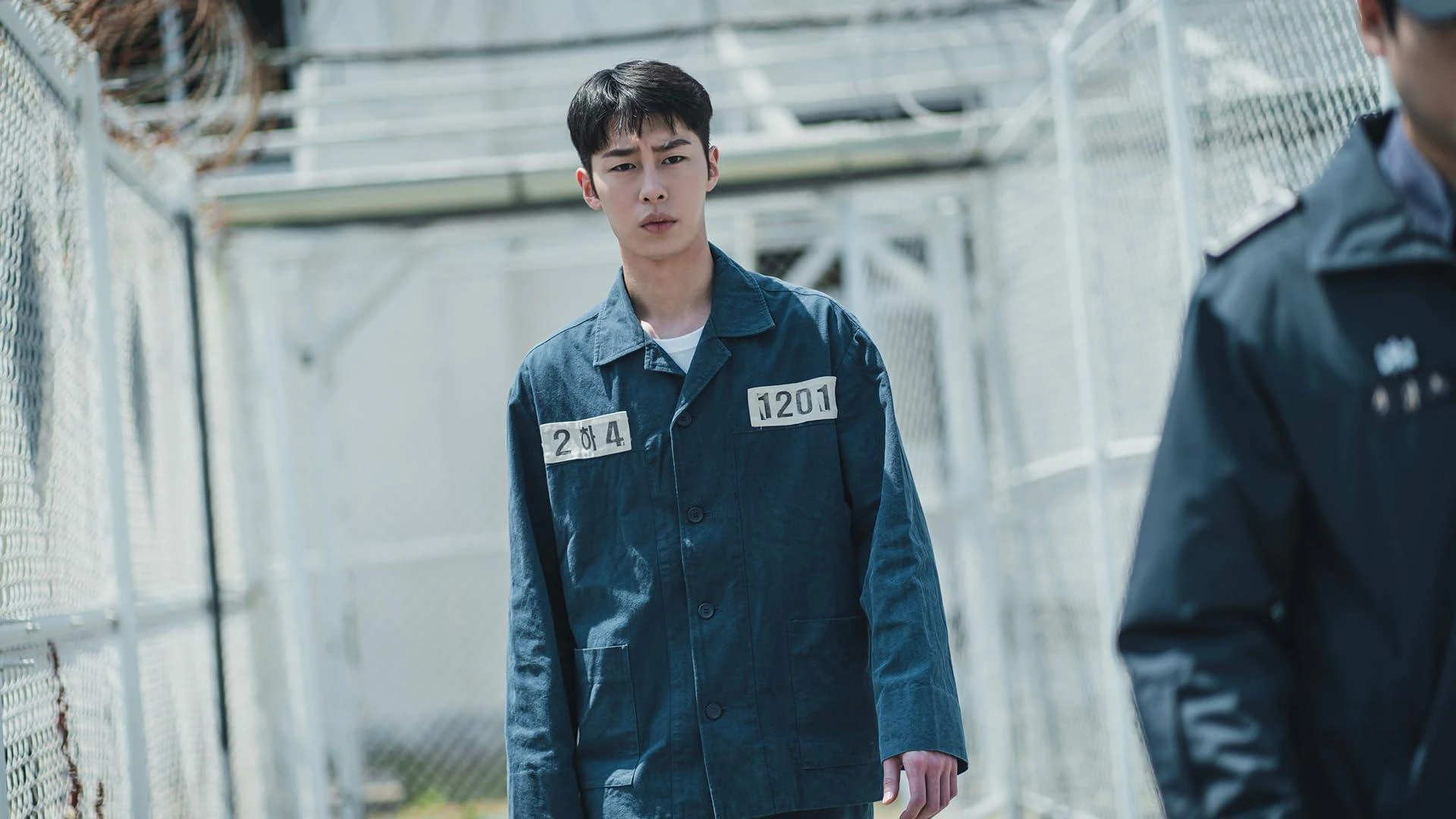
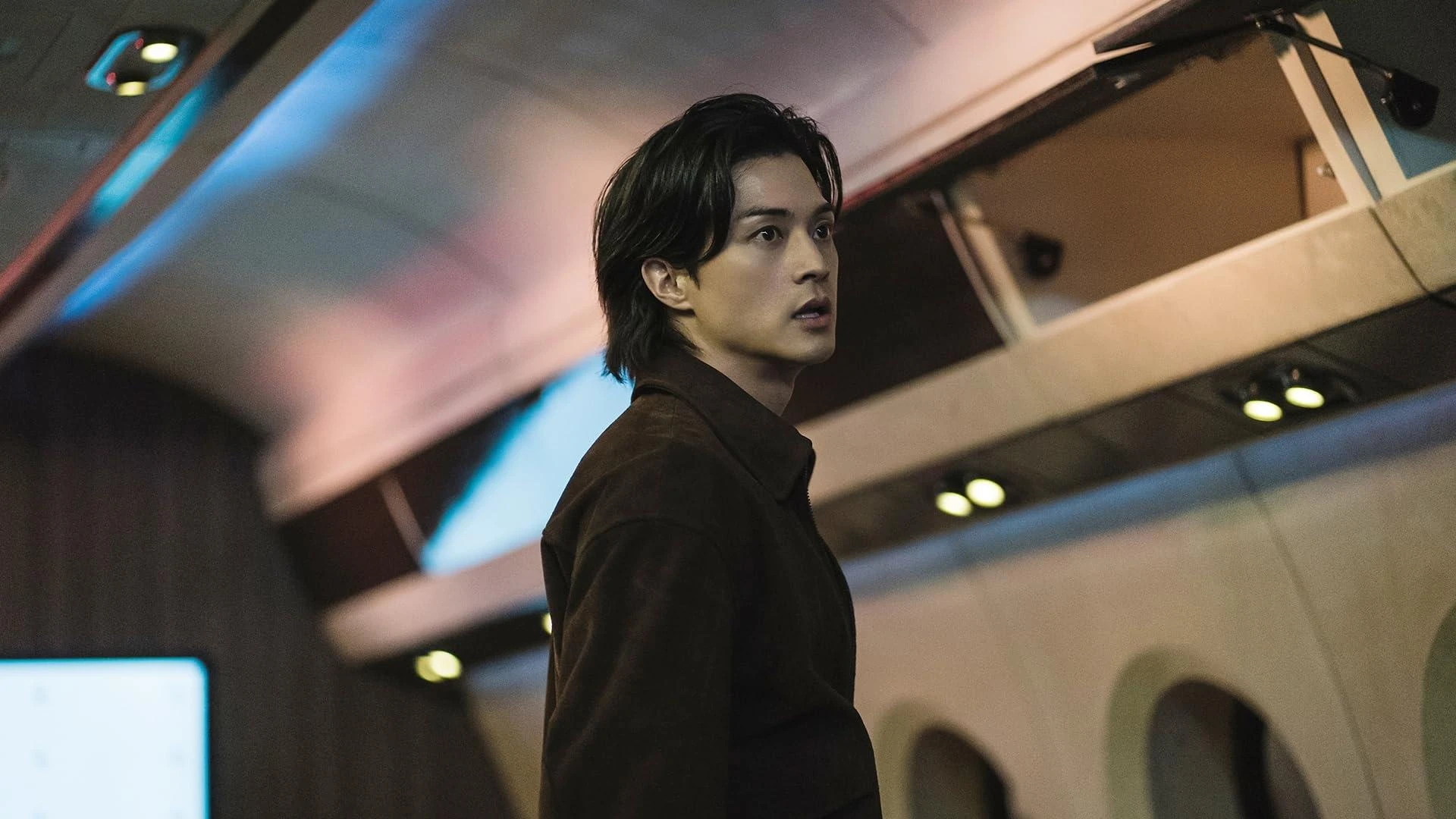
Spoiler-light recaps — each life, each death, just enough to follow the game.


🏁 Ending Explained
Everything that happens in the finale, explained in full — spoilers ahead.
Spoiler Warning — This section covers the full finale of Death’s Game. Stop here if you haven’t finished the series.
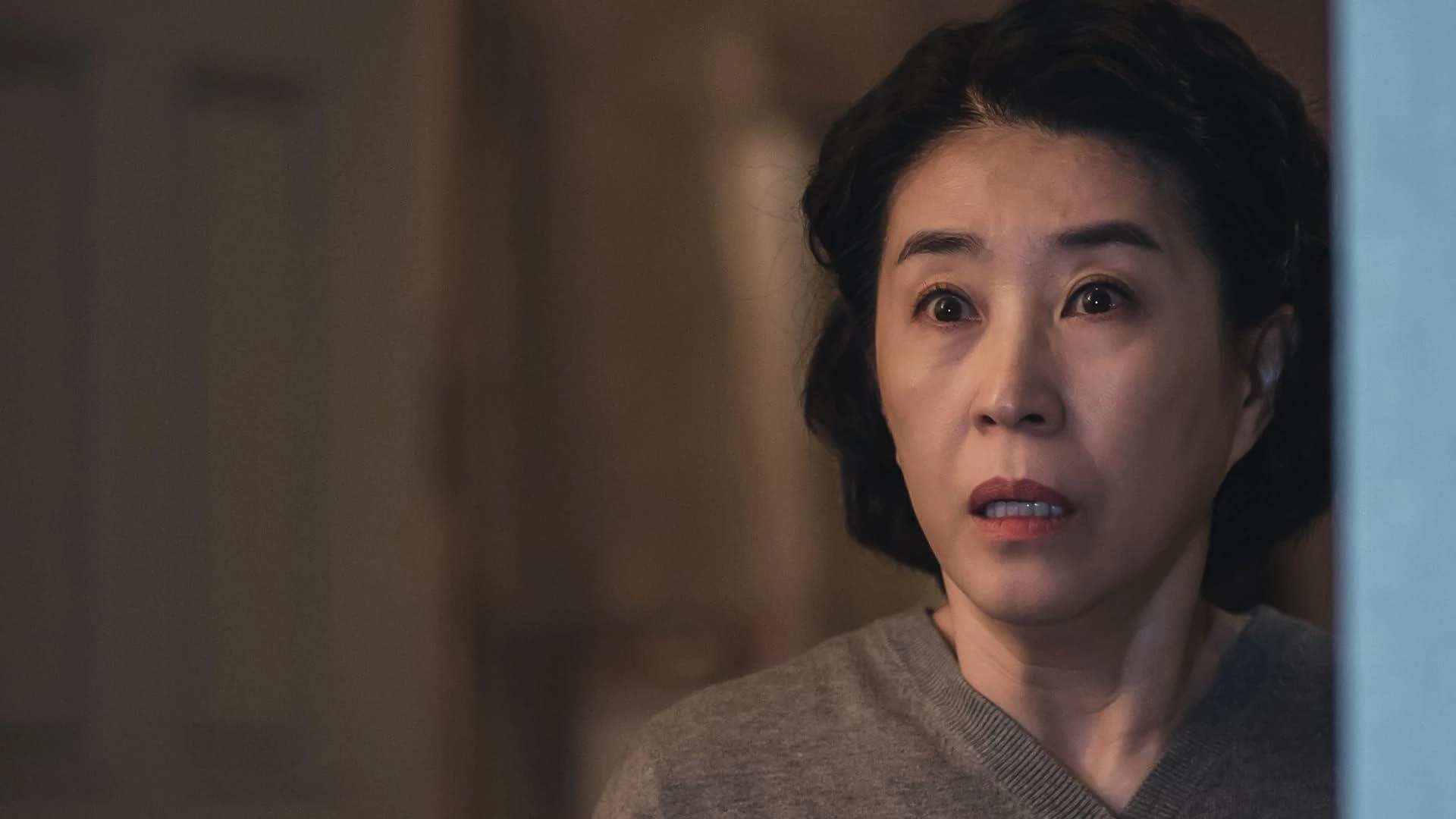
The Twelfth Life Is the One He Never Considered. After eleven deaths — plane explosion, extreme sports, murder by brick, betrayal by a lover, MMA prison, infant neglect, hit-and-run, painter’s brain tumour, detective’s sacrifice, homeless staircase fall — Yee-jae arrives at what he expects to be the last challenge. Death fires the final bullet. He wakes up not in a stranger’s body, but in his mother’s. The woman who raised him alone after his father died. The woman who buried her only son.
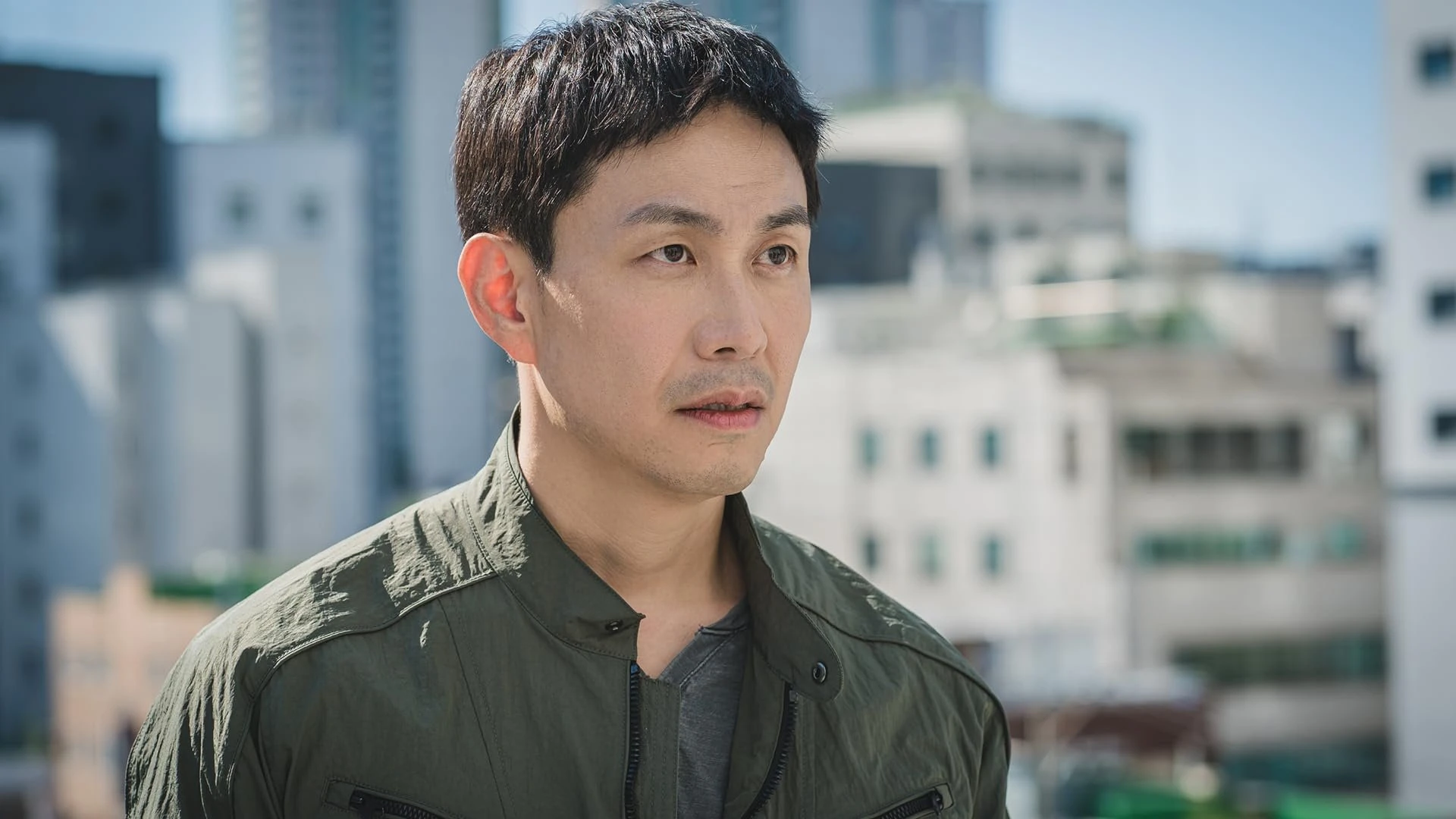
Living the Grief He Caused. As his mother, Yee-jae experiences her life in reverse — not from her youth but from the moment she lost him. He feels her wake up each morning in a house that still smells like her son. He feels the specific weight of grief that comes not from aging or illness or war but from a child who chose to leave. The drama gives this incarnation more emotional space than any of the preceding eleven. There is no villain to survive here, no organization to escape. Only a woman’s daily life, and the size of the absence at its centre.
What the Game Was Actually Teaching. The finale makes Death’s thesis explicit: Yee-jae didn’t fear death because he didn’t understand the cost of his own life to the people attached to it. Every incarnation was designed — not to punish him with danger, but to show him value from the outside. The bullied student had people who cared. The model had a woman who spent years mourning him through fiction. The detective’s sacrifice mattered to strangers. His mother’s entire existence had been organized around him. Death’s game was never about survival. It was about recognition.
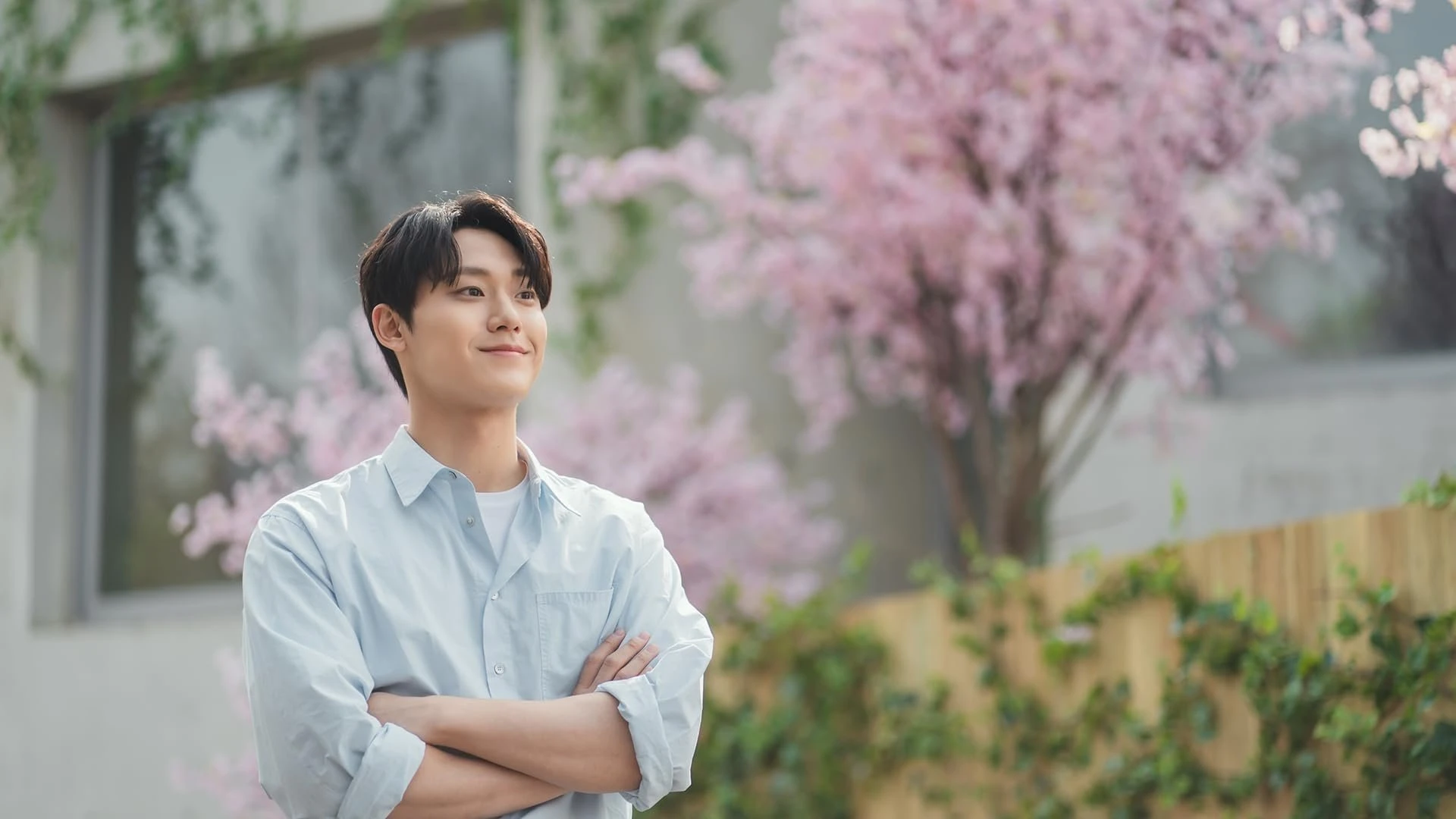
Tae-u’s Fate and the Loose Threads. Park Tae-u ends the drama incapacitated — legs gone, facing criminal prosecution for the full scope of his crimes as Yee-jae’s evidence (assembled across multiple lifetimes) reaches the authorities. The network he built to cover his abuses is dismantled. Ji-soo continues her life, her novels, her unspoken grief. The drama doesn’t romanticize her fate or tie it to Yee-jae’s redemption — she gets to exist beyond his story, which is the right choice. Several threads are intentionally left open, which frustrated some viewers and read to others as the point: lives don’t resolve neatly, and death doesn’t either.
The Final Verdict of the Game. The series closes on Yee-jae completing the twelfth life and standing before Death one last time. She doesn’t gloat. The game is over and the lesson has been absorbed — not as a moral platitude, but as lived experience accumulated across twelve impossible existences. The final line of the drama is the one Death spoke at the beginning: humans only learn to struggle to live after they have died, never while they are alive. In the context of everything that came before it, the line lands completely differently the second time. The show earns its ending by making that reversal feel like the only ending it could ever have had.
✍️ KDramaWorlds Editor’s Take
Our genuine take on whether it’s worth your time, and who it’s for.
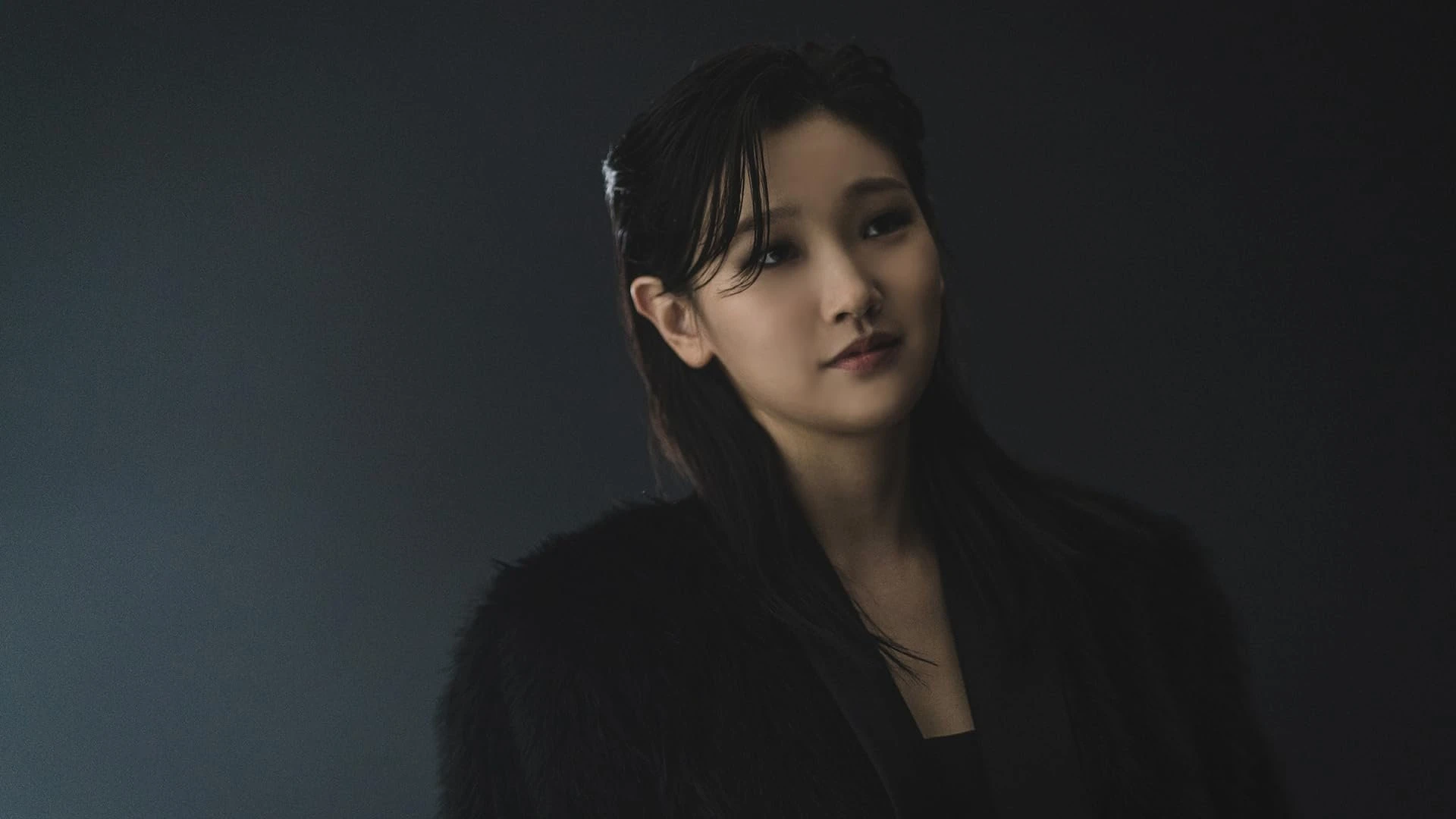
Death’s Game works because it commits to the full weight of its premise. This isn’t a drama about a man who learns a lesson in a tidy montage — it’s a drama about a man who is forced to inhabit eleven other lives before finally inhabiting his own mother’s, and each death costs something real. Seo In-guk carries an enormous amount here: every incarnation has a different physicality, a different emotional register, a different genre flavour (crime thriller, high school drama, action, sports, domestic tragedy), and he doesn’t coast on any of them. Park So-dam as Death plays the show’s tonal gamble perfectly — imperious, faintly contemptuous, occasionally darkly funny, and by the finale, something closer to heartbroken. The casting of Kim Jae-uck as the painter Jeong Gyu-cheol and Kim Ji-hoon as the chaebol villain Tae-u gives the drama its menace anchor across the second half. Both performances are cold and precise in exactly the way the drama needs.
The drama’s honest limitations are structural. Eight episodes covering twelve lives means some incarnations get genuinely shortchanged — the extreme sports athlete and the homeless man in particular flash past without landing. The revenge plot against Tae-u also dominates the second half in a way that occasionally crowds out the show’s more interesting existential material. Some viewers found the villain’s accumulating presence reductive — the show at its best is about mortality and connection, not about one sadistic CEO. There’s also a version of this drama that is harder to watch than any amount of violence: the infant episode, delivered with no narrative escape hatch, is deeply distressing. These are not failures of execution — they’re genuine considerations about whether this show is right for you right now. If it is: A Killer Paradox and Tomorrow are the two K-dramas that sit nearest this one thematically.
The finale is the reason to watch. The twelfth life — as his own mother — is the sequence the entire drama is building toward, and it delivers. Not through spectacle or plot resolution, but through the accumulation of grief shown from the inside. It’s the kind of ending that recontextualizes the eight episodes before it. Death’s Game has rough patches, uneven pacing, and one villain subplot that outlasts its usefulness. It also has moments of genuine emotional devastation, a lead performance of uncommon range, and an ending that earns every minute of its setup. Few dramas this ambitious succeed as fully as this one does.
Fans of dark, high-concept fantasy that takes its premise seriously
Anyone who has ever lost someone to a choice they couldn’t understand
🎬 You Might Also Like
If you liked Death's Game, these are your next three watches.
 Teach You a Lesson
ChamgyoyukERPA
Read Full Review →
|
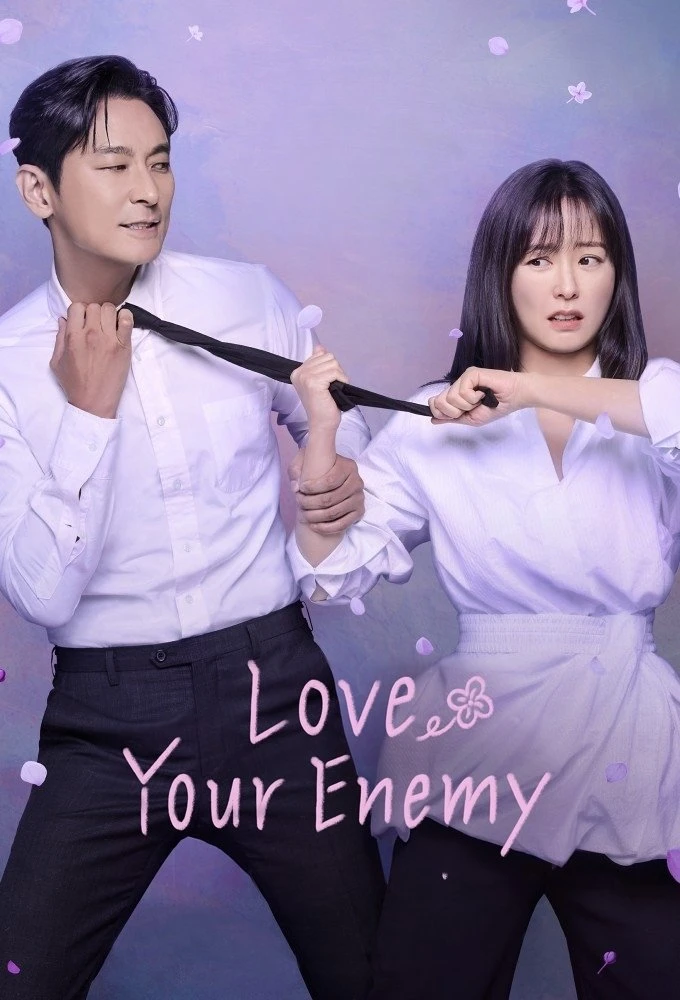 Love Your Enemy
Enemies to LoversJu Ji-hoon
Read Full Review →
|
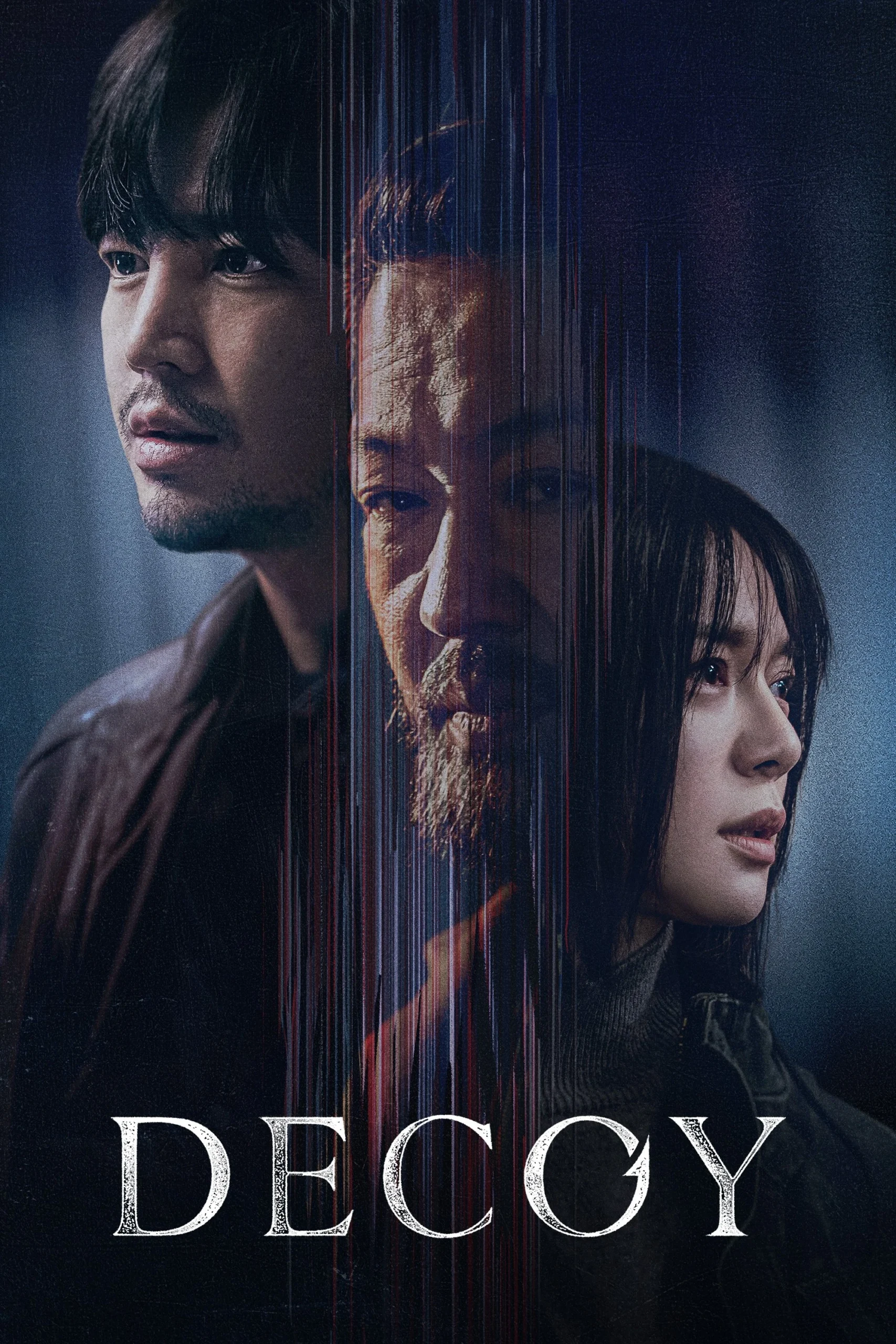 Decoy
Corruptioncrime
Read Full Review →
|




Keep it kind, skip the harsh language, and please — no spoilers. Everyone's taste is different, and that's perfectly fine.
This space is for real reactions and discussion from other viewers. Help keep it comfortable for everyone by not giving away major plot details.
What do you think of this drama?
Login to share your review or leave a comment.
No email needed — just pick a username & password.