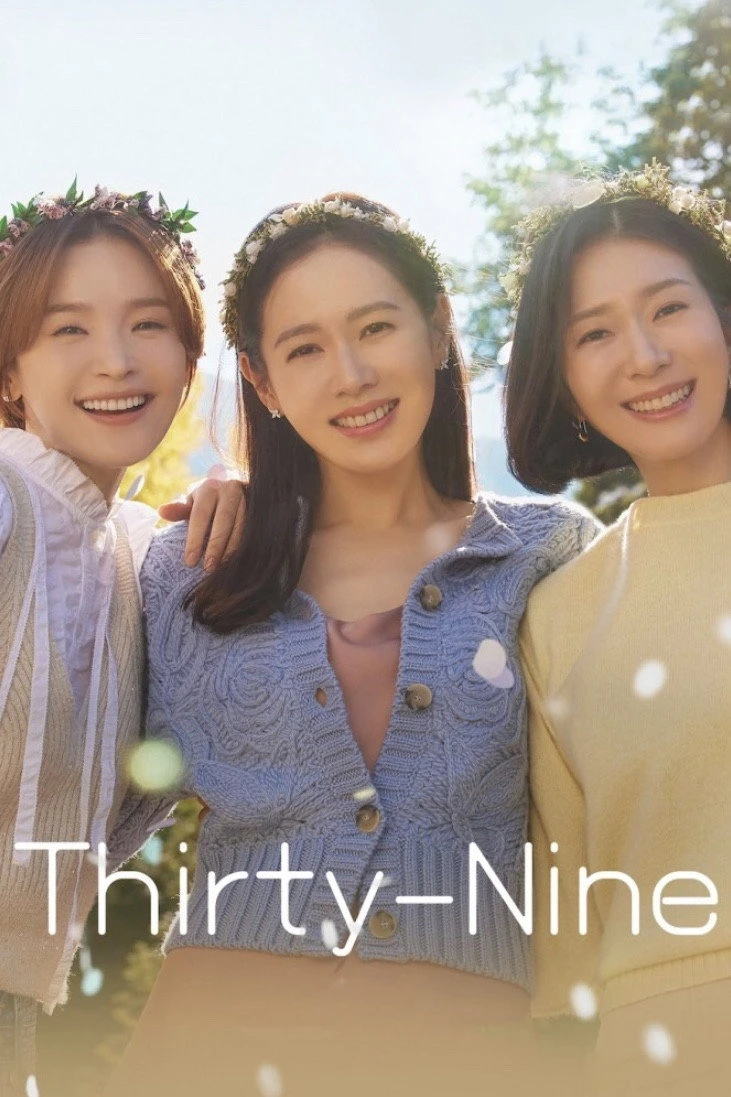
Thirty-Nine
🎬 Netflix
⭐ 8.3 / 10 MDL
🔞 15+
📋 Drama Overview
Start here — the basics before the first scene.
💗 Emotional Must-Watch
JTBC
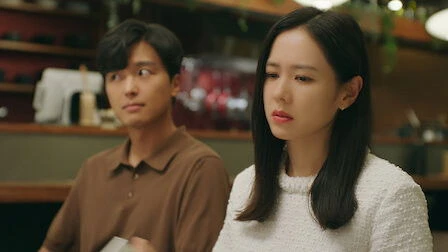
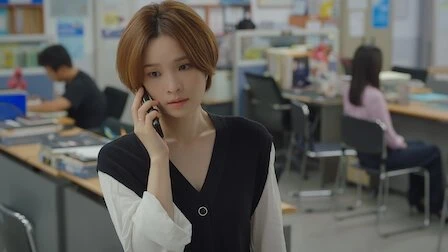
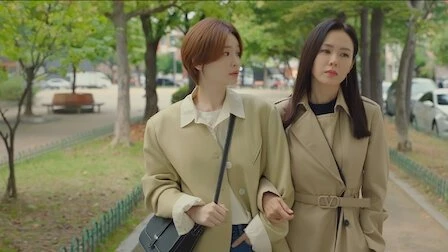
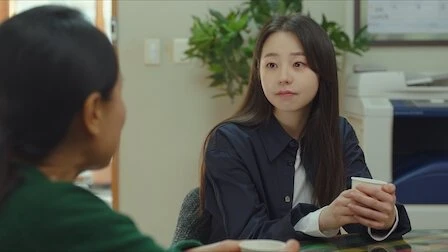
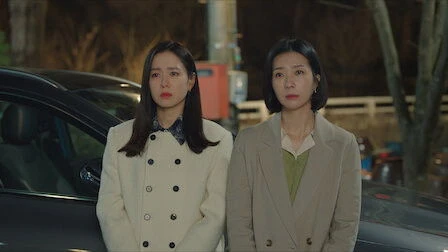
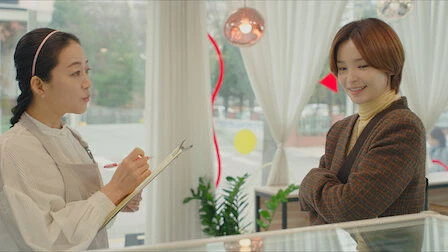
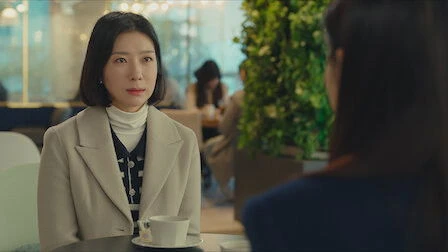
Cha Mi Jo (Son Ye-jin) is a dermatologist at a prestigious Gangnam clinic — polished, composed, and quietly in love for the first time in years. Jeong Chan Young (Jeon Mi-do) is an acting teacher who once dreamed of the stage, still carrying the warmth of a person who gives more than she takes. Jang Joo Hee (Kim Ji-hyun) manages cosmetics at a department store, soft-spoken and still searching for her first real romance. The three have been best friends since they crossed paths in high school, and now, on the brink of turning 40, their lives are finally starting to feel like something they built themselves.
Then one of them receives a diagnosis that changes everything. The drama that follows is not about fighting or surviving — it’s about what three people do with the time that remains, and what it looks like to truly love someone you are about to lose. Thirty-Nine is unhurried, precise, and quietly devastating.
12 / 12 ✅ Completed
⚡ Quick Verdict
The TL;DR, boxed and ready.
· MDL Score · 17,668 ratings
▶ Official Trailer
🎭 Cast & Characters
The people who make this drama worth watching.

Lead

Lead

Lead

Supporting
Supporting
Supporting

Supporting
Supporting
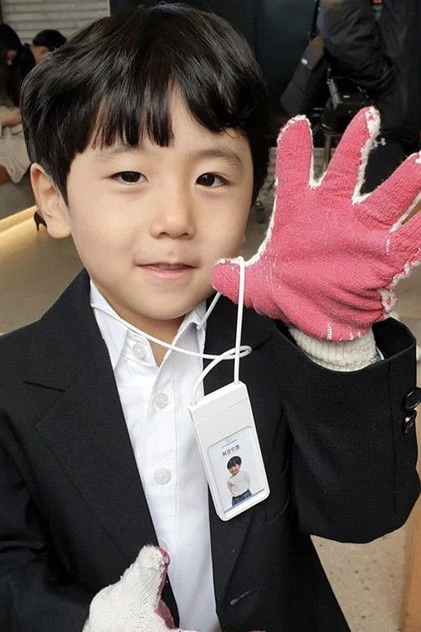
Supporting
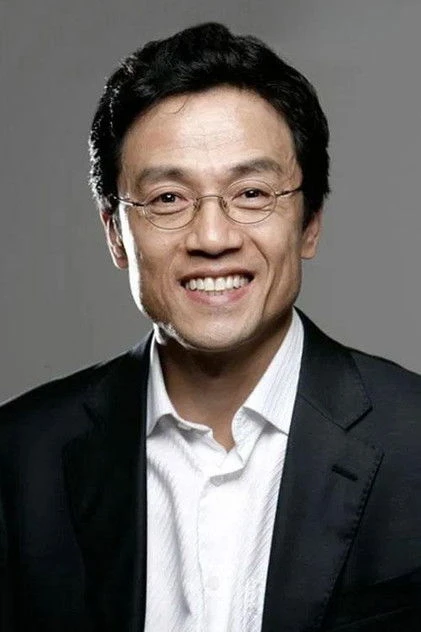
Supporting
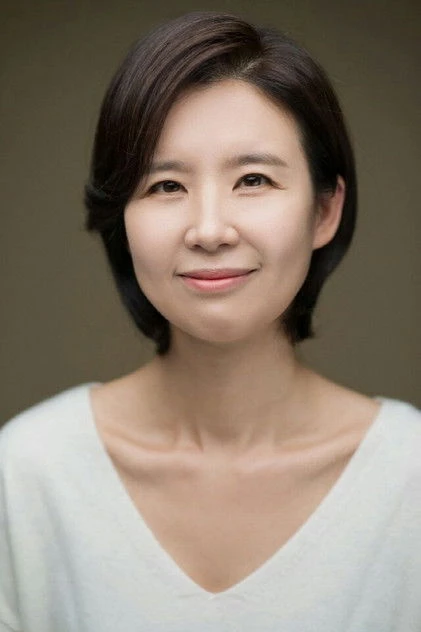
Supporting
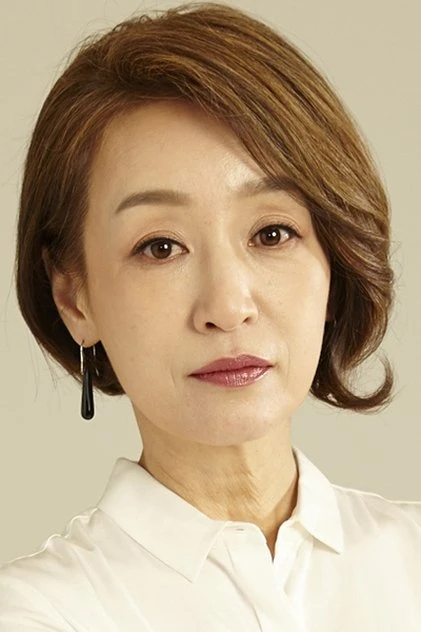
Supporting
🎬 Episode Guide
Spoiler-light recaps — every episode, in order.
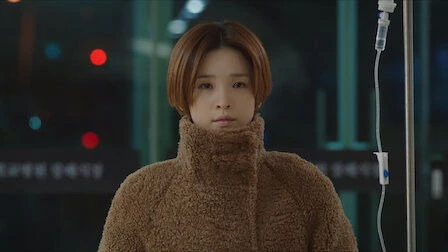
🏁 Ending Explained
Spoiler territory from here — the finale, fully unpacked.
Spoiler Warning — This section covers the full finale of Thirty-Nine. Stop here if you haven’t finished the series.
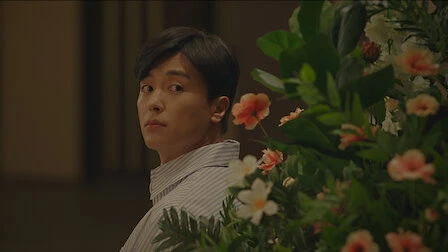
The Last Gathering. The most significant thing Mi Jo does in the finale is not about her own storyline — it’s about Chan Young. Knowing Chan Young had imagined a future funeral where certain people would be present, Mi Jo organises a gathering of every one of those people while Chan Young is still alive to receive them. Friends, her acting students, people from different chapters of her life — they come one by one. Chan Young, overwhelmed, tells Mi Jo that even with a life cut short, she has received more than enough love for a lifetime. It is the scene the entire drama has been building toward, and it lands without a single false note.
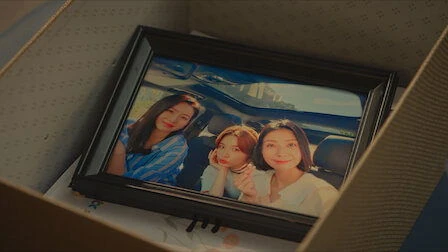
Chan Young’s Choice. Jin Seok moves in with Chan Young at her mother’s urging. He wants to marry her desperately — and Chan Young refuses. Not out of sadness or resignation, but out of a clear-eyed conviction: it would cheapen the authenticity of what they have. The drama honours her choice without comment or contradiction. Chan Young dies off-screen, and the show wisely does not attempt to film it. The absence is its own kind of statement — some things are better understood than shown.
What She Left Behind. The second half of the episode is not grief — it is the execution of Chan Young’s instructions. Mi Jo discovers she is adopting Hoon, the orphan boy Chan Young loved. Mi Jo prepares to marry Seon U, whose father has reconciled himself to the relationship. Joo Hee opens a nail salon directly across from Hyun Joon’s restaurant, and the two are openly together. Everyone has been told to treat Chan Young’s parents as their own family — and they do. The inheritance Chan Young left behind was not things. It was arrangements. A life reorganised so that the people she loved would not be alone.
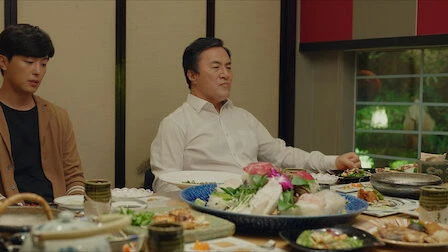
Mi Jo’s Biological Mother. The subplot that ran in the background all series reaches its quiet resolution here. Mi Jo visits her biological mother in prison one final time, tells her plainly that she is not her mother, and leaves. There is no drama and no tears — only a decision Mi Jo has finally made about what she owes to the past. It is a small scene in a finale full of larger ones, but it matters. Some wounds don’t get healed. They get named, acknowledged, and walked away from.
The Last Visit. The drama’s final scene is Mi Jo and Joo Hee at Chan Young’s grave. They bring updates: Mi Jo’s upcoming wedding, Joo Hee’s new business, the child Mi Jo is about to adopt. They bicker, laugh, speak to Chan Young as though she is still listening — because to them, in every way that counts, she is. Mi Jo narrates that they will never get used to her absence, and they will miss her always. It is not a scene of healing. It is a scene of continuing — which is the closest thing to healing that grief allows.
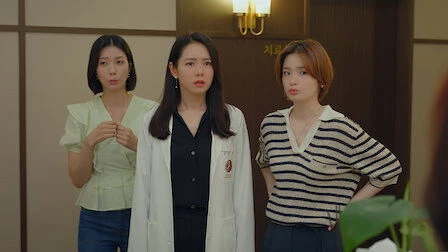
✍️ KDramaWorlds Editor’s Take
Here’s our real take, and exactly who this one’s for.
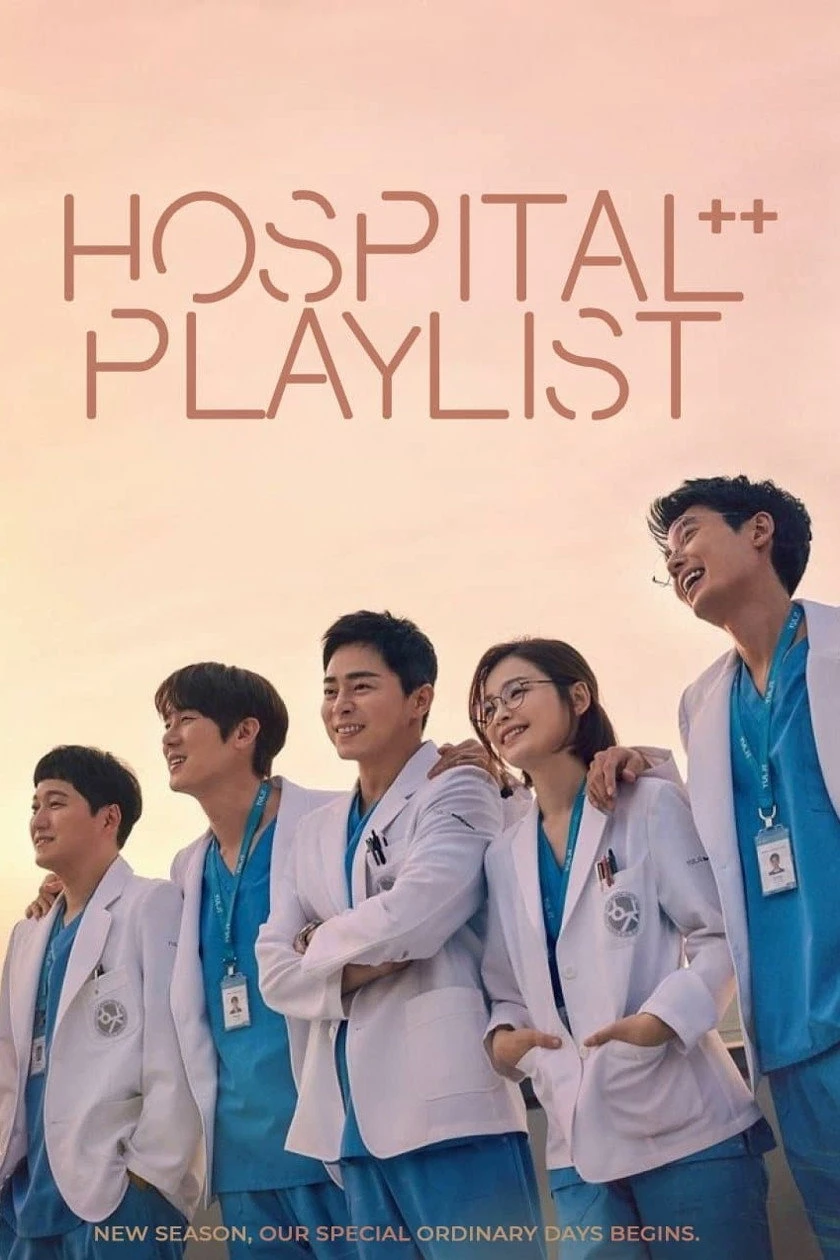
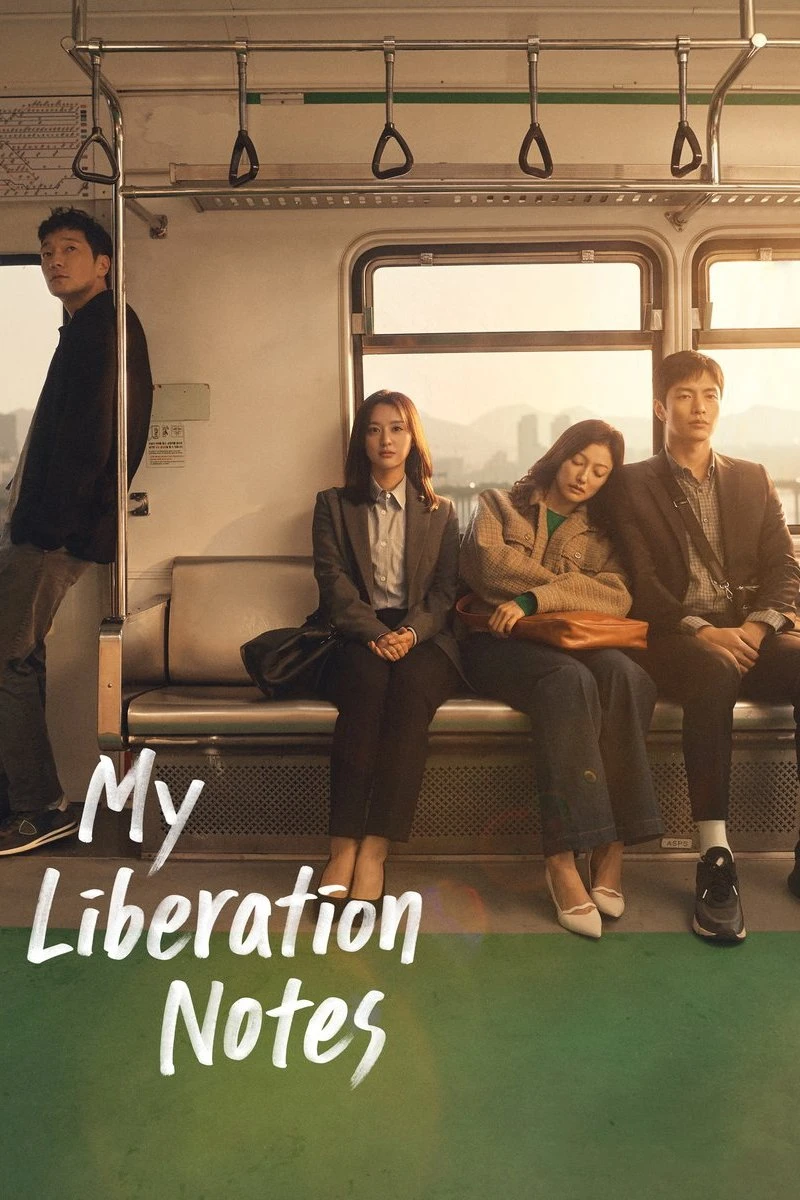
The central question Thirty-Nine asks is one that almost no drama has the patience to actually sit with: what do you do when someone you love is going to die and there is nothing you can do about it? The answer the drama gives — you show up, you make memories, you honour the instructions they leave behind — sounds simple until you watch Jeon Mi-do and Son Ye-jin play it with the kind of restraint that makes every scene feel earned. This is not a drama that uses terminal illness as a dramatic accelerant. It uses it as a lens, and the friendship it illuminates is among the most convincing ever written for Korean television. For fans of My Liberation Notes or Hospital Playlist, this is precisely the kind of drama that earns the label quiet masterpiece.
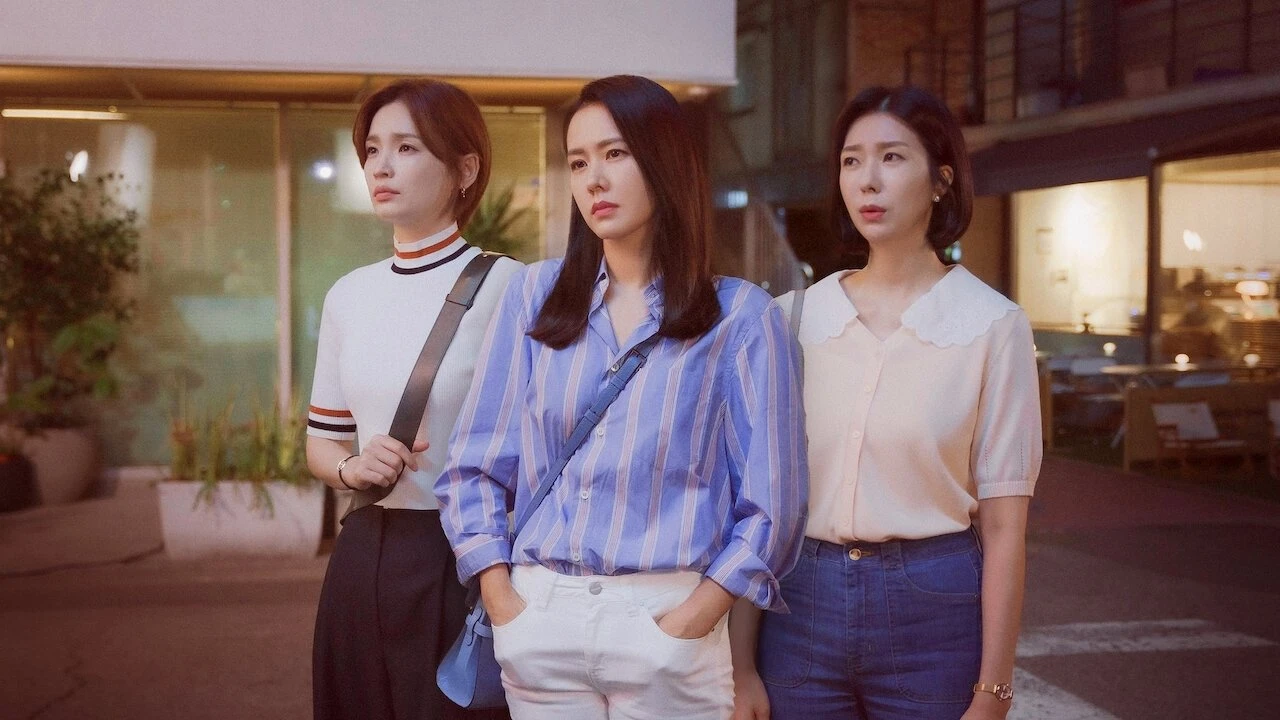
Jeon Mi-do is the revelation. Her Chan Young carries the entire weight of the diagnosis storyline without ever becoming pitiable or sentimental — she plays the character with a warmth and a humour and a stubbornness that makes the eventual goodbye devastating precisely because Chan Young is so fully alive right up until she isn’t. Son Ye-jin anchors the drama with a more internal performance — Mi Jo is the one who has to hold the secret, to manage her love for Chan Young while pretending she doesn’t know the truth — and there are episodes where Ye-jin communicates more in a single held expression than most actors do in monologues. The two leads and Kim Ji-hyun as the gentler, funnier Joo Hee form a trio whose chemistry is so complete that you genuinely believe in fifteen years of shared history within the first episode.
The drama does sag slightly in the mid-section — Mi Jo’s biological mother subplot never fully earns its screen time — and the episodic length (~78 minutes) occasionally outstays its emotional welcome. But these are minor complaints against a drama that gets the important things exactly right. The finale, in particular, is one of the best closings in recent K-drama: not a twist, not a revelation, but a series of quiet, deliberate actions that honour everything the drama stood for. Watch it with tissues, a free evening, and someone you love nearby.
Anyone craving a drama about friendship over romance
People who want to see Son Ye-jin and Jeon Mi-do at their absolute best
🎬 You Might Also Like
If you liked Thirty-Nine, these are your next three watches.
 Salon De Nabi
Choi DanielComeback Drama
Read Full Review →
|
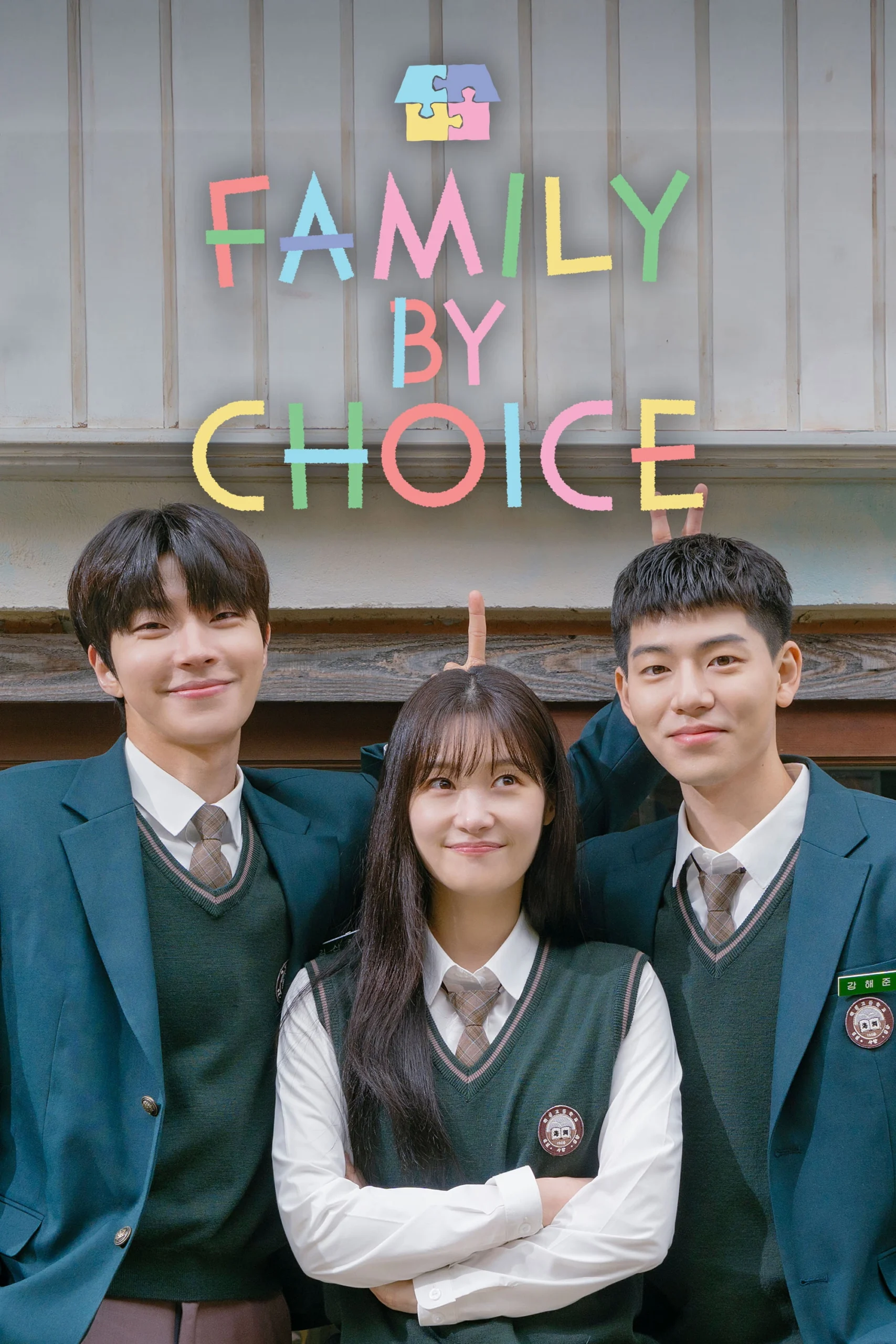 Family by Choice
Bae Hyeon-seongFound Family
Read Full Review →
|
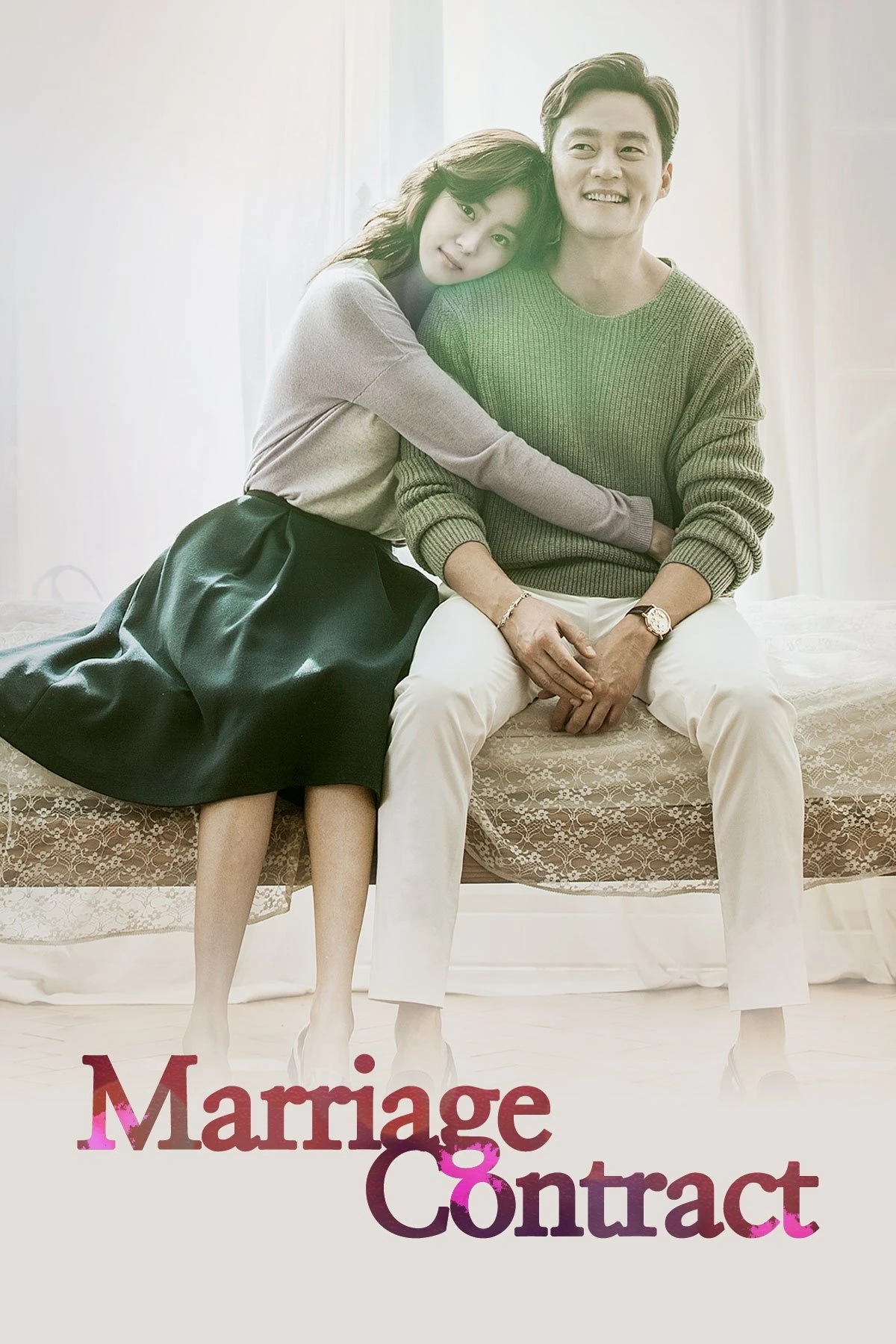 Marriage Contract
ChaebolFound Family
Read Full Review →
|








Keep it kind, skip the harsh language, and please — no spoilers. Everyone's taste is different, and that's perfectly fine.
This space is for real reactions and discussion from other viewers. Help keep it comfortable for everyone by not giving away major plot details.
What do you think of this drama?
Login to share your review or leave a comment.
No email needed — just pick a username & password.