
May It Please the Court
🎬 Disney+ · Hulu
⭐ 7.9 MDL
📺 15+
📋 Drama Overview
What you’re getting into, at a glance.
⚖️ Legal Thriller Pick
Hulu
Noh Chak-hee is the kind of lawyer who wins. Not because justice has always been on her side — because she’s been careful about which cases to take. Her reassignment from Jangsan’s elite litigation team to a provincial public defender’s office isn’t framed as punishment. But everyone, including Chak-hee, understands what it is.
The cases she and her eccentric new partner Jwa Si-baek inherit keep pointing at the same pattern: wealthy men, brutal deaths, and a silence that has held for decades. As the murders accumulate, so does the evidence that Chak-hee’s past and the victims’ secrets share more geography than coincidence. What begins as an inconvenient reassignment becomes the most consequential case she’s ever had — and the first one she didn’t choose.
12 / 12 ✅ Completed
⚡ Quick Verdict
No scrolling required — the verdict’s right here.
MDL Score · Check MyDramaList for updated community rating
▶ Official Trailer
🎭 Cast & Characters
Jung Ryeo-won and Lee Kyoo-hyung lead a cast that keeps the courtroom uncomfortable.

Lead
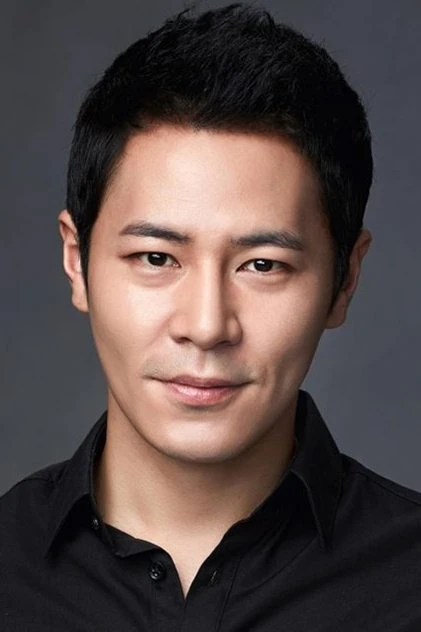
Lead
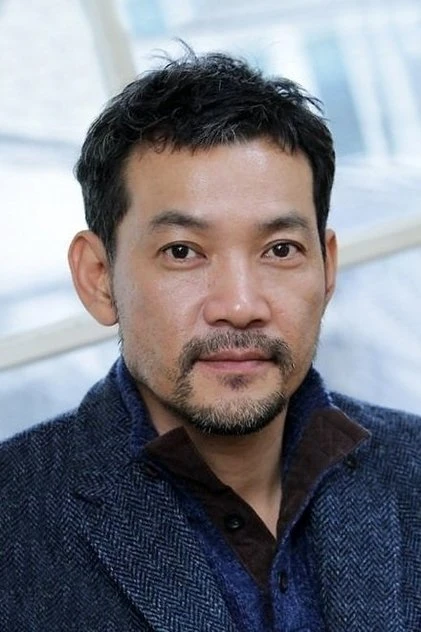
Villain

Supporting

Supporting

Supporting

Supporting

Supporting

Supporting

Supporting

Supporting

Supporting
📺 Episode Guide
Light-touch recaps to keep you oriented, episode by episode.




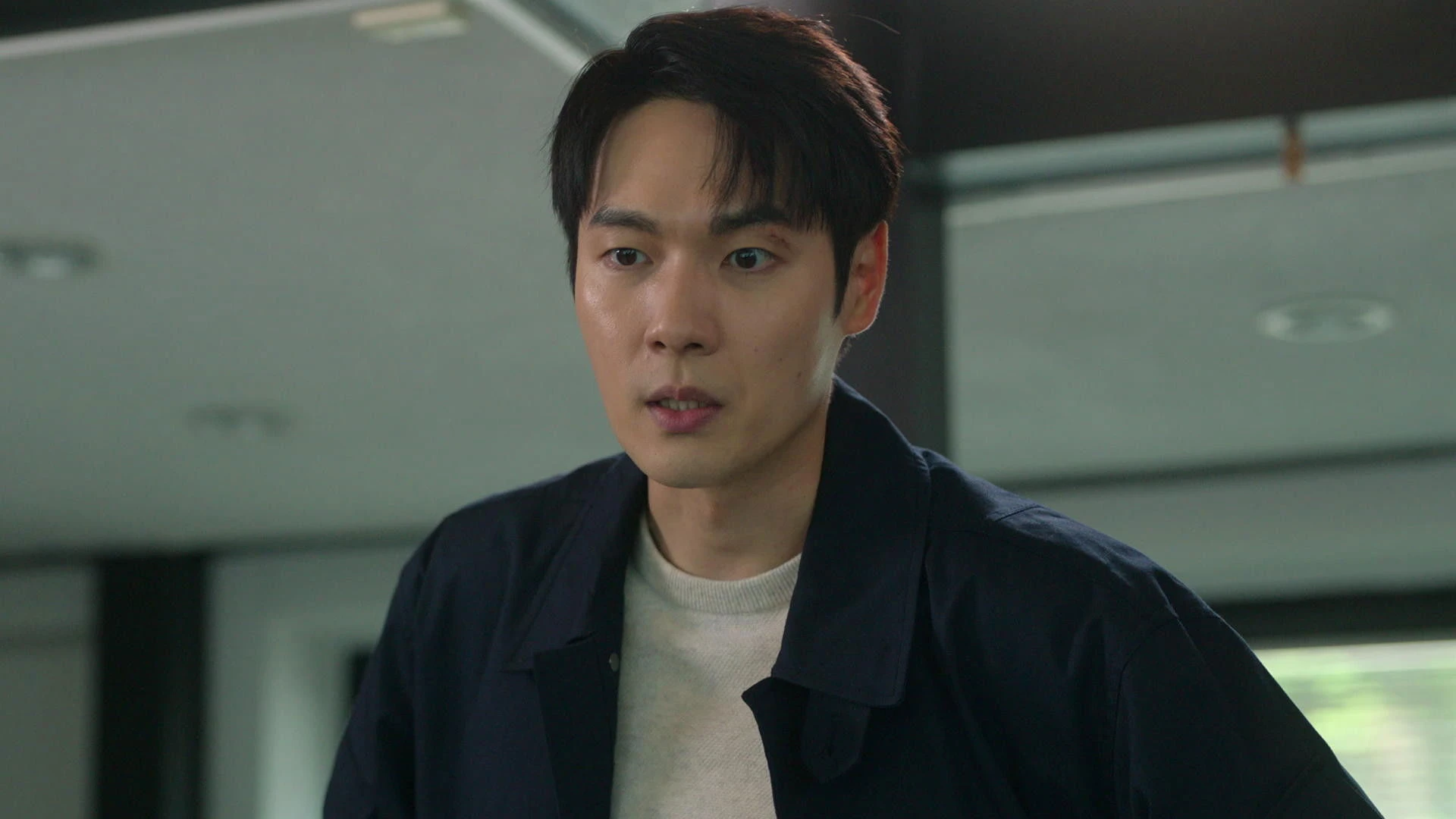
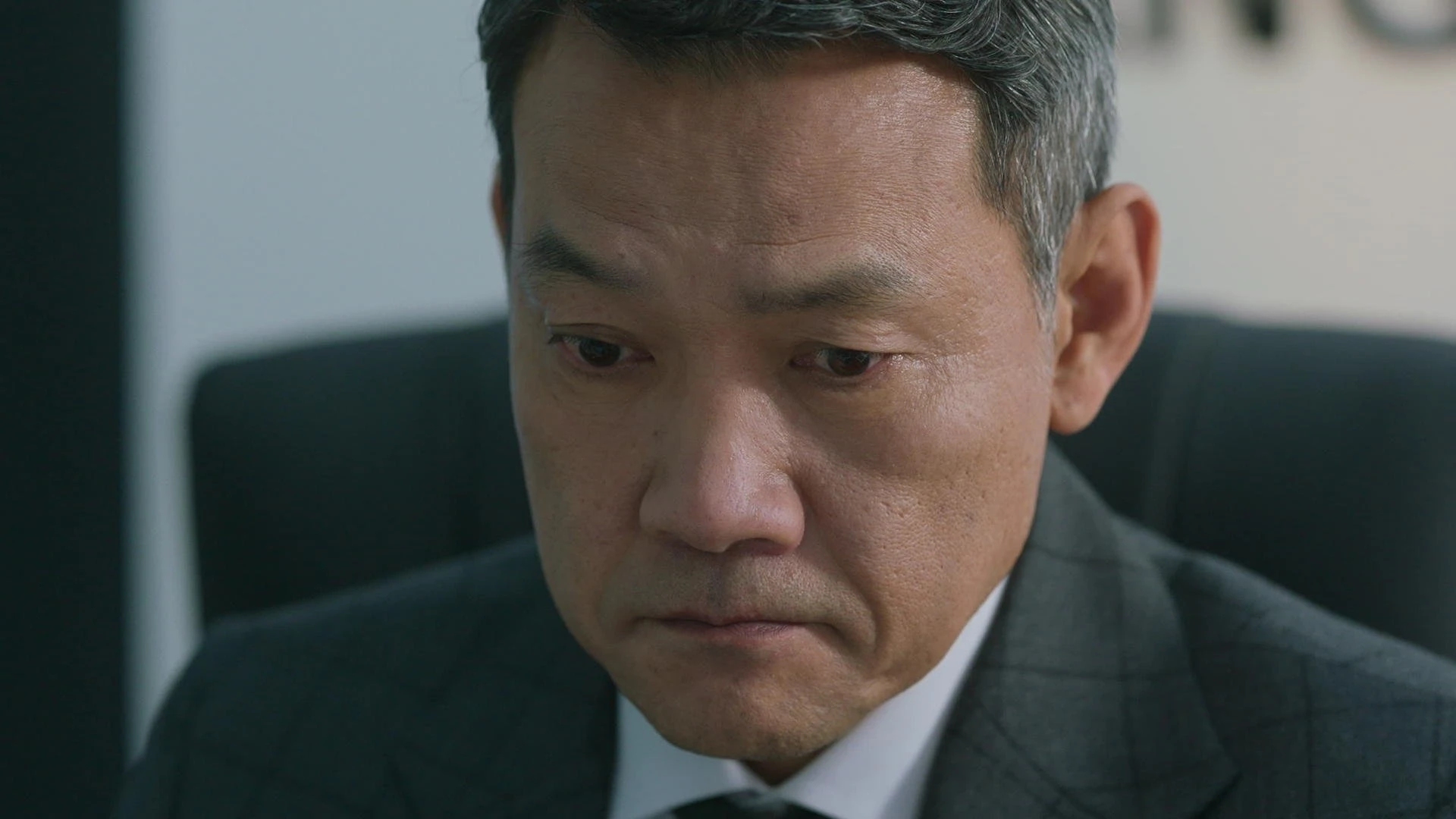

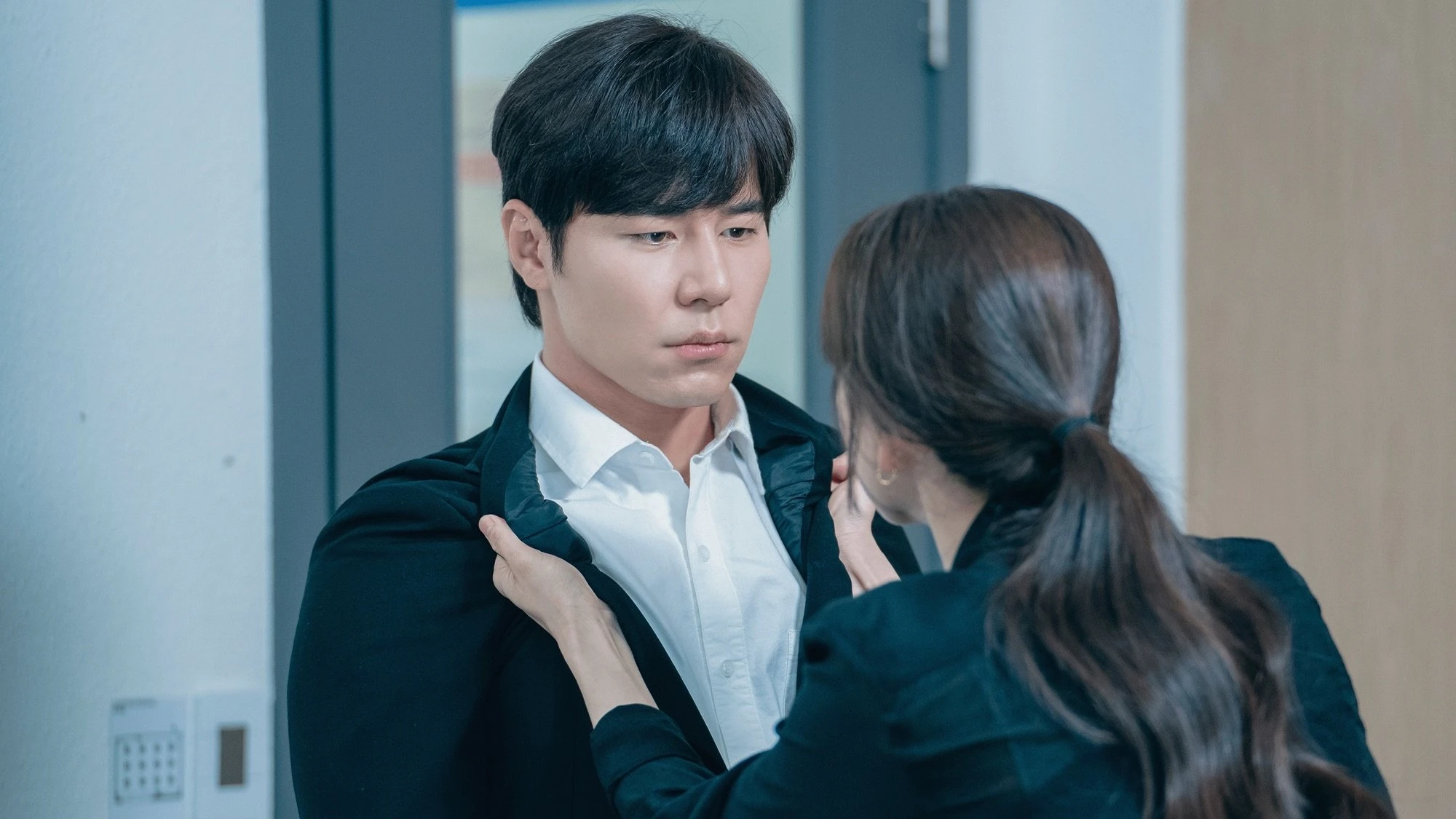

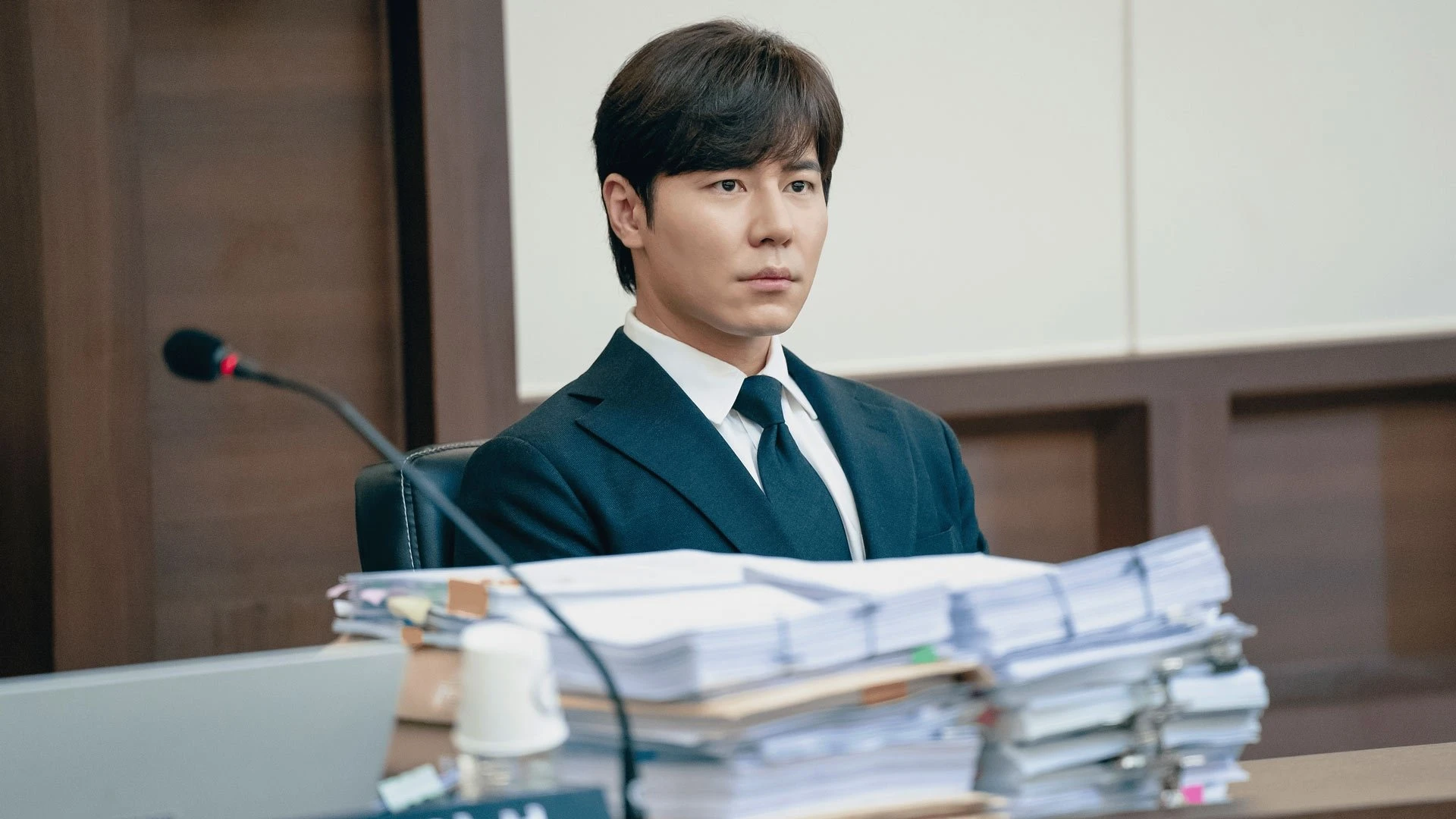
🏁 Ending Explained
The finale, unpacked in full. Consider yourself warned.
Spoiler Warning — This section covers the full finale of May It Please the Court. Stop here if you haven’t finished the series.
The Killer’s Motive. The murders were not random. They were systematic — men who shared a specific crime from thirty years prior, believed themselves to have gotten away with it, and were wrong. The finale names the killer and closes the loop on what that crime was. It’s not a twist engineered for shock; it’s the confirmation of a pattern the show has been building toward since Episode 6. The anger behind it is comprehensible. The method is not. What the show understands, and what the finale earns, is that these two things can be simultaneously true.
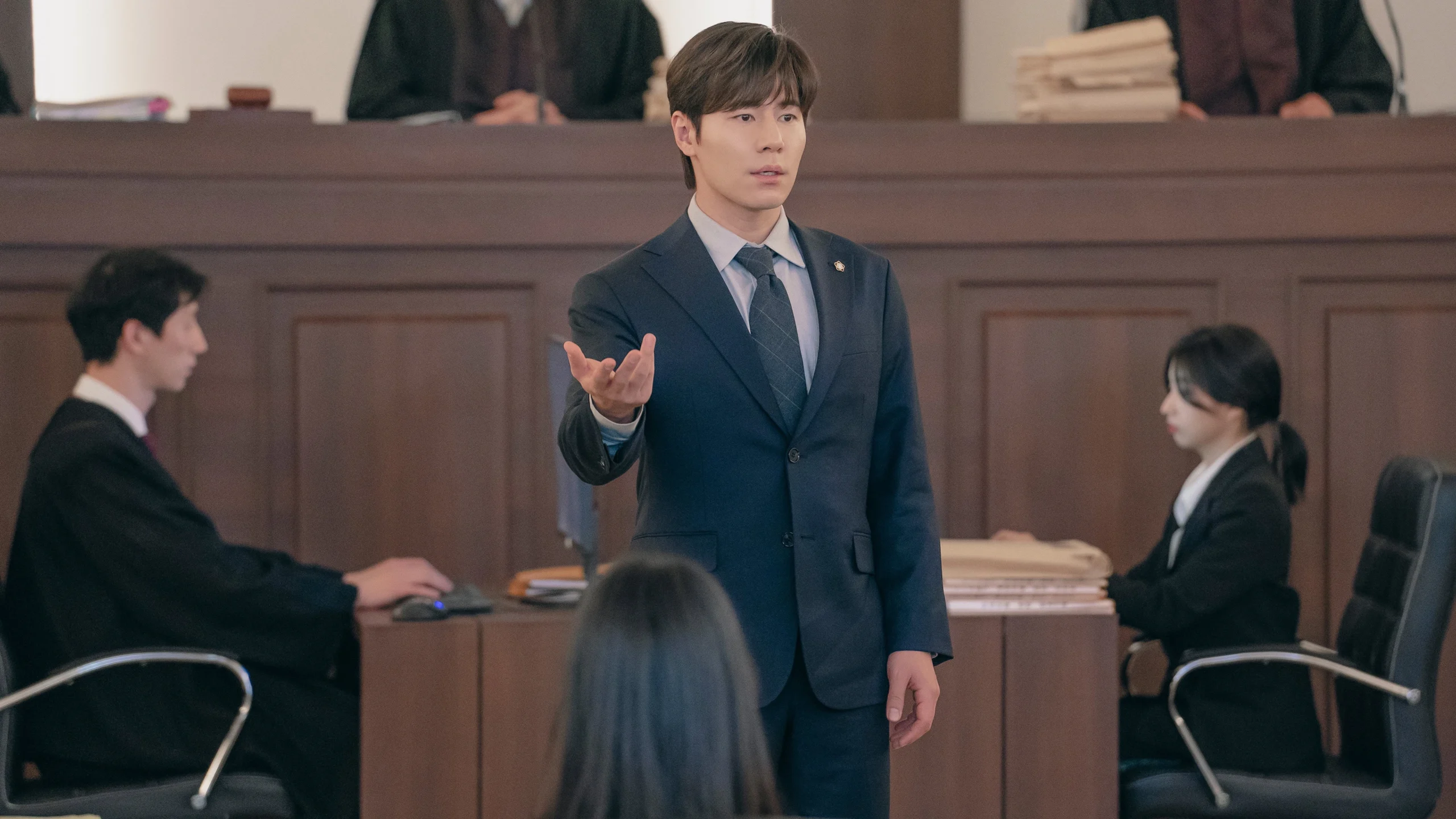
Noh Chak-hee’s Choice. What Chak-hee does in the finale matters more than what she proves. She doesn’t just win a case — she makes a public accounting of the compromises her previous career required, which is a different thing entirely and a harder one. The scene is not written as confession. It’s written as correction. Chak-hee spent years being useful to people who needed wrong things done carefully. The finale is the moment she stops — not because the system punished her for it, but because she stopped being willing.
Jwa Si-baek’s Disclosure. Jwa Si-baek’s past finally surfaces: why he rejected conventional legal prestige, and how his choices fed directly into the exposure of this crime. The revelation doesn’t make him a different character — it makes the version we’ve been watching make sense in a new register. He didn’t opt out of a prestigious career. He was responding to something specific. What he built in place of that career, it turns out, mattered in ways he couldn’t have predicted.

Jang Ki-do’s Collapse. Jang Ki-do’s political ambitions — and the protection he extended to people who needed that protection — are dismantled through evidence rather than drama. The finale doesn’t give him a confrontation scene with moral weight. It gives him consequences. Oh Ha-ran’s role throughout — what she knew, when, and what she chose to do with that knowledge — is resolved with specificity. The show doesn’t spare her, but it doesn’t simplify her either. Kim Hye-eun plays the final resolution as someone who has been carrying a calculation for ten episodes and is only now allowed to set it down.
The Legal System’s Reckoning. May It Please the Court ends with the justice system forced to reckon with how it was used. Not reformed — that would be too optimistic for a show this clear-eyed about how institutions work. But accountable, at least on paper, which is where all institutional accountability starts. Chak-hee walks out of the finale as a public defender. Not because she failed to return to corporate law. Because she stopped wanting to.
✍️ KDramaWorlds Editor’s Take
Here’s our honest verdict, and who’s going to love it.
⚖️ Legal Precision
🩸 Cold Anger
🏛️ Institutional Rot
🕵️ Slow Burn
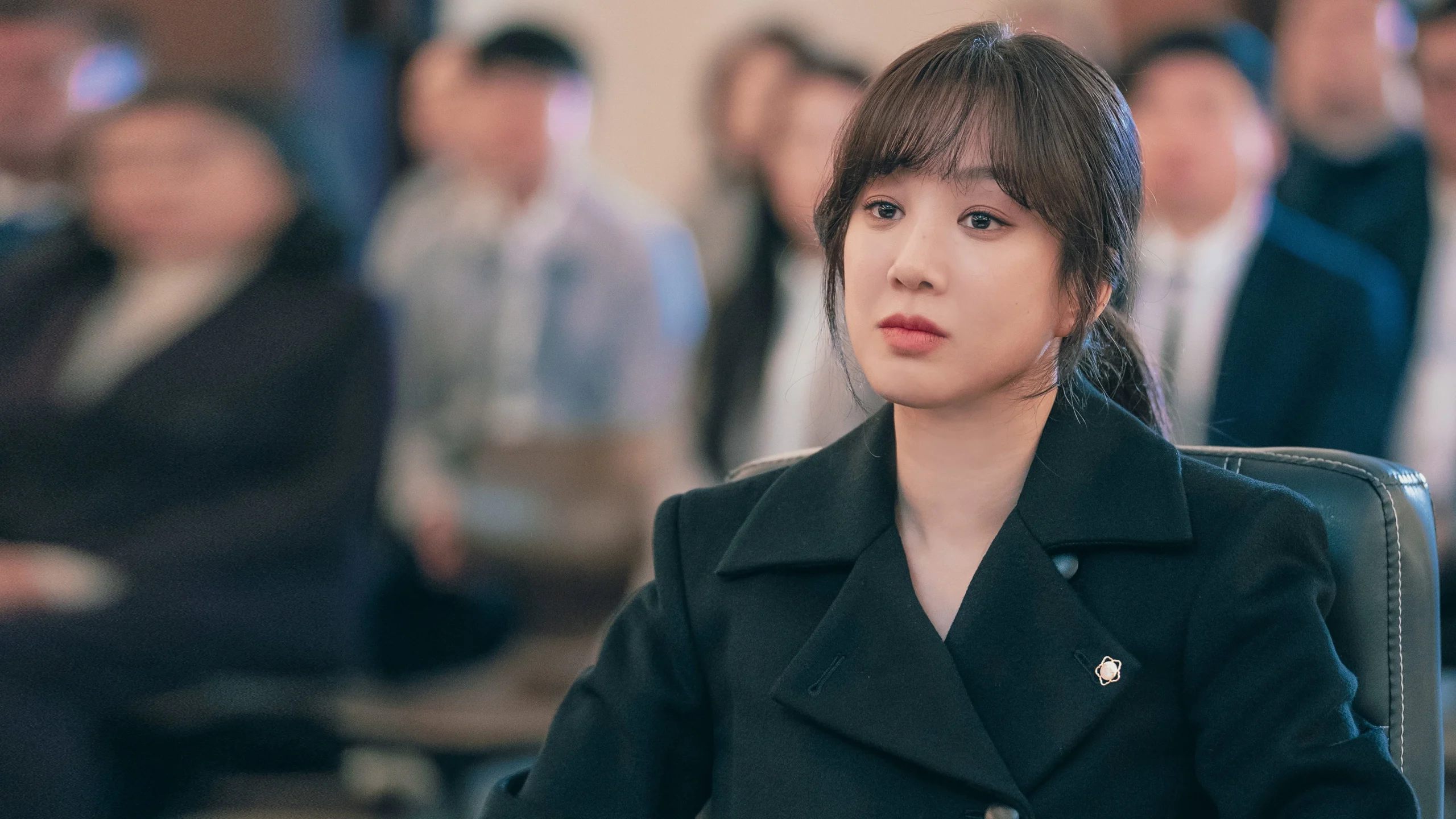
Jung Ryeo-won has made a career out of characters who are competent in ways that cost them something. In May It Please the Court, she plays that register with precision — Noh Chak-hee is formidable and compromised in equal measure, and Ryeo-won handles the transition from institutional operator to something more principled without softening either version. She doesn’t play the first Chak-hee as a villain, which is the right call; she plays her as someone who made a series of reasonable choices that turned out to have a shape she never examined. It’s in her stillness during the early courtroom scenes — the economy of movement that reads less as confidence than as someone who has learned to perform certainty — that you understand exactly what kind of reckoning is coming. Viewers who appreciated Extraordinary Attorney Woo for its legal procedural clarity will find this the darker counterpart — same world, opposite moral compass at the start.
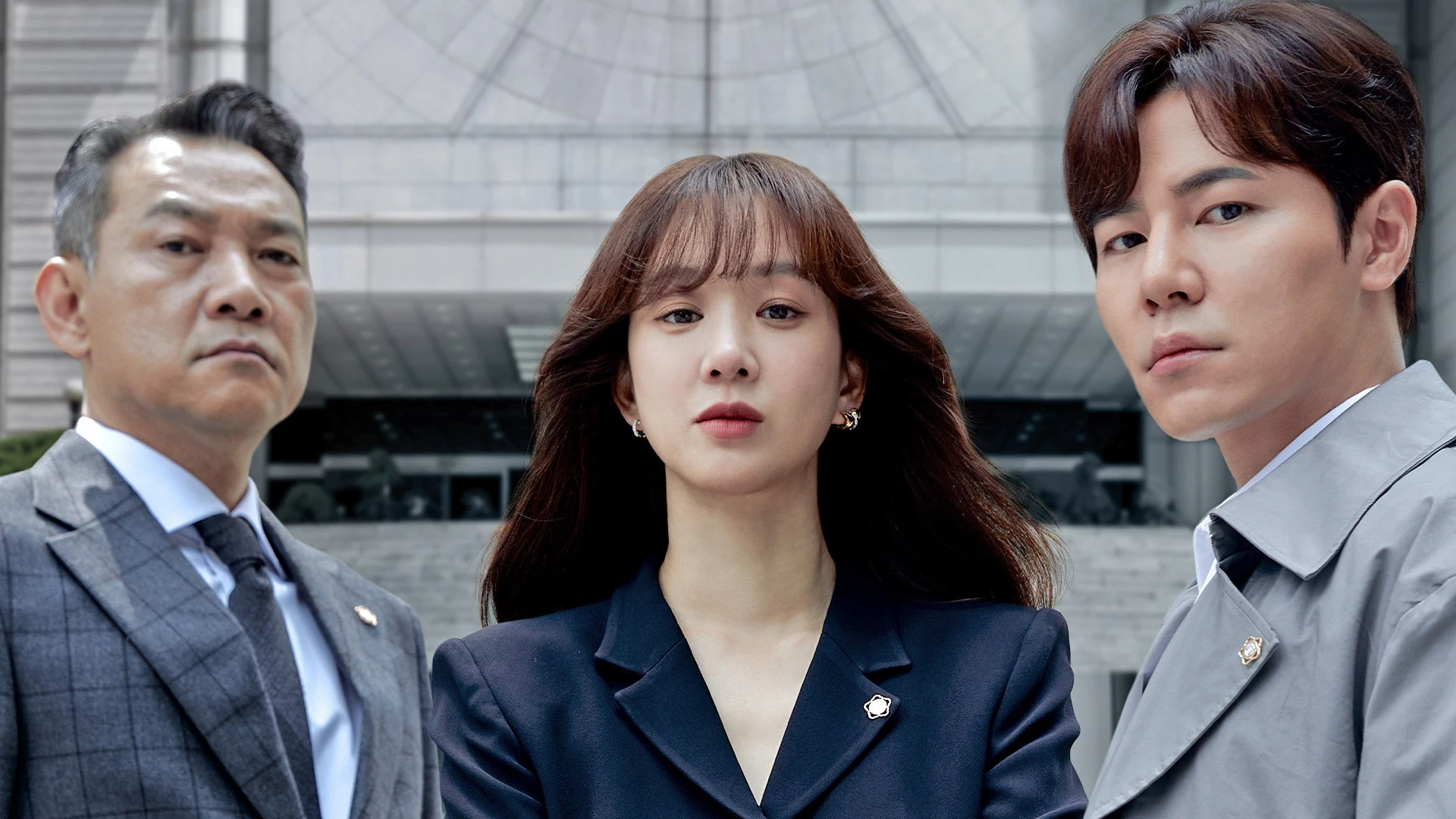
Lee Kyoo-hyung’s Jwa Si-baek is the show’s most interesting performance decision: a character coded as comic relief in the early episodes who reveals himself, gradually, as the person who understood the case from the beginning. Kyoo-hyung plays the eccentricity without winking at the audience — the oddness is real, not performed — which means when the backstory arrives, it doesn’t feel like a rewrite. It feels like the explanation the show owed you. There’s a specific quality to how Si-baek listens to clients that Kyoo-hyung commits to from the first episode: a stillness that isn’t patience, exactly, but something slower and more deliberate, as if he’s waiting to hear the thing behind the thing being said. It’s the kind of performance that only pays off if you trust it early. Followers of his supporting work in Beyond Evil will recognize the precision — this is the role where he gets the center of the frame, and earns it.
The middle section — Episodes 5 through 7 — is where the serial murder investigation moves slower than the emotional stakes warrant, and some of the corporate conspiracy threads take more episodes to pay off than feels proportionate. The show also never quite decides what to do with Oh Ha-ran: Kim Hye-eun plays the ambiguity with control, but the character’s final resolution arrives too quickly for something the drama treated as a long game. Stick with it anyway. The finale is disciplined and specific — it closes every arc it opened — and Jung Ryeo-won’s last scene is the choice the whole drama was quietly working toward. Twelve episodes, no wasted resolution.
Viewers who like mysteries that reward paying attention from the start
Anyone patient enough for a slow burn that actually closes every thread it opened
A legal thriller that understands the law is not where justice lives — but it might still be where accountability begins.
🎬 You Might Also Like
If you liked May It Please the Court, these are your next three watches.
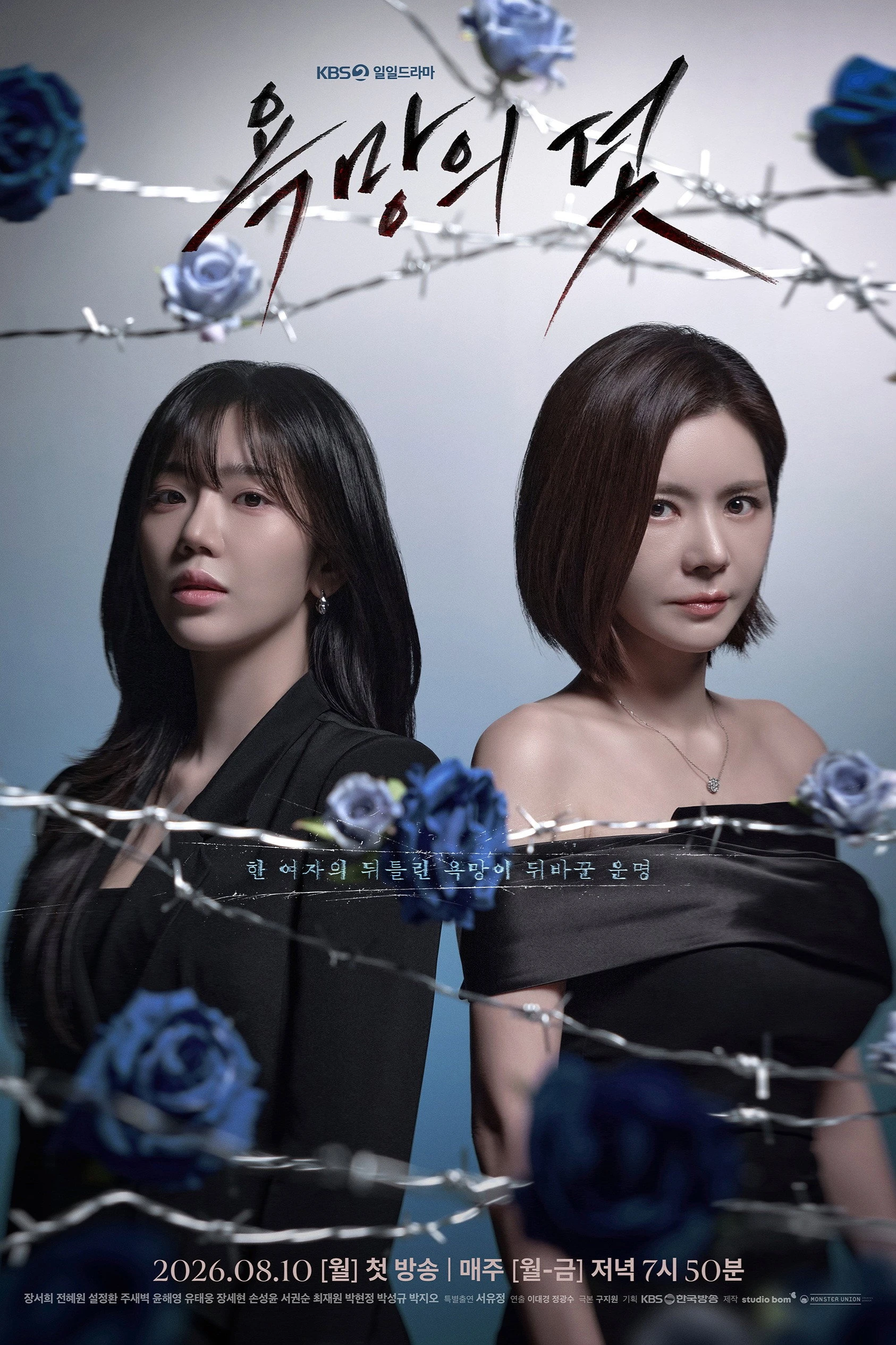 A Trap Called Desire
Ambitioncorporate intrigue
Read Full Review →
|
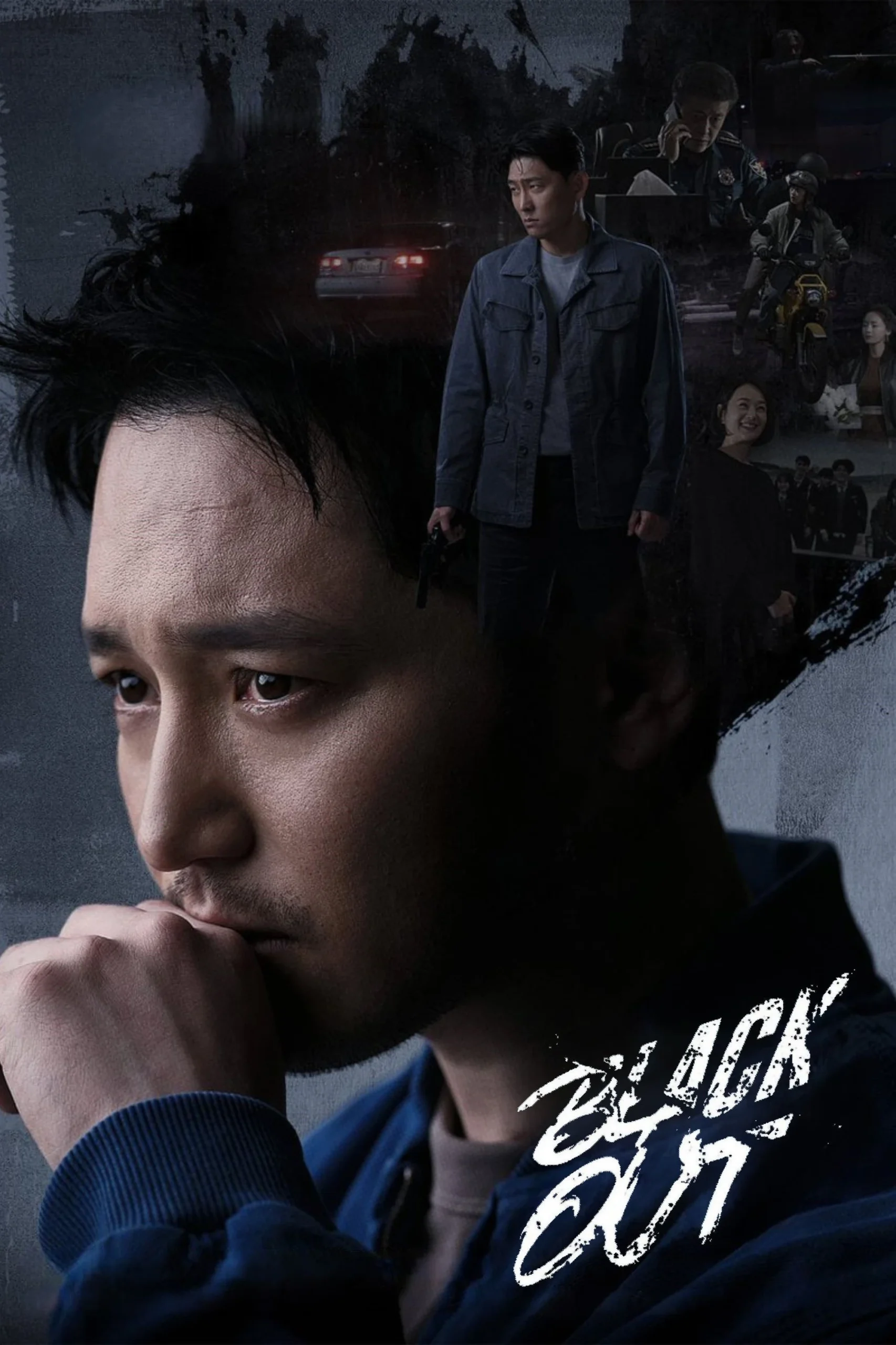 Black Out
Byun Yo-hancrime
Read Full Review →
|
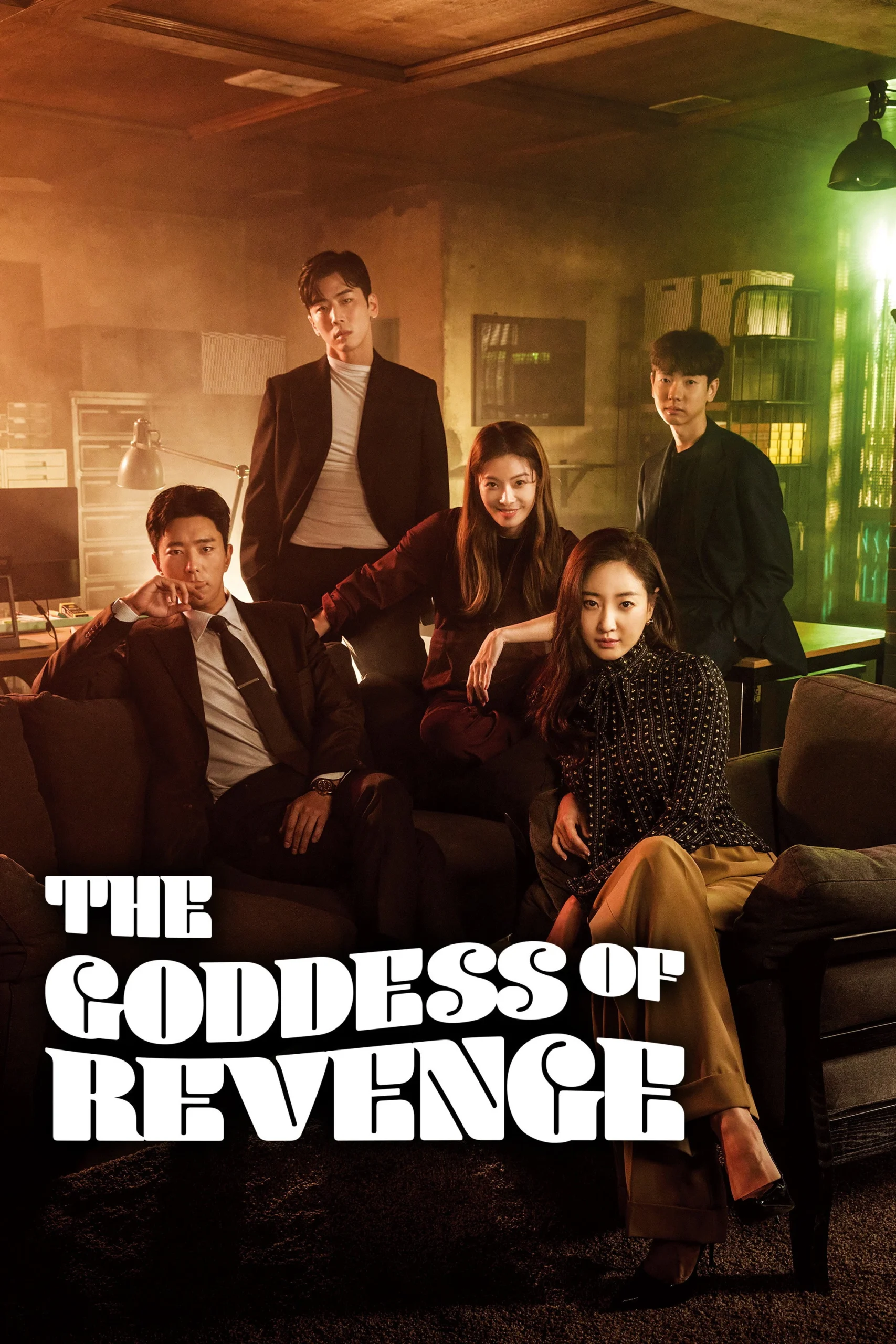 The Goddess of Revenge
ChaebolFemale Lead
Read Full Review →
|















Keep it kind, skip the harsh language, and please — no spoilers. Everyone's taste is different, and that's perfectly fine.
This space is for real reactions and discussion from other viewers. Help keep it comfortable for everyone by not giving away major plot details.
What do you think of this drama?
Login to share your review or leave a comment.
No email needed — just pick a username & password.