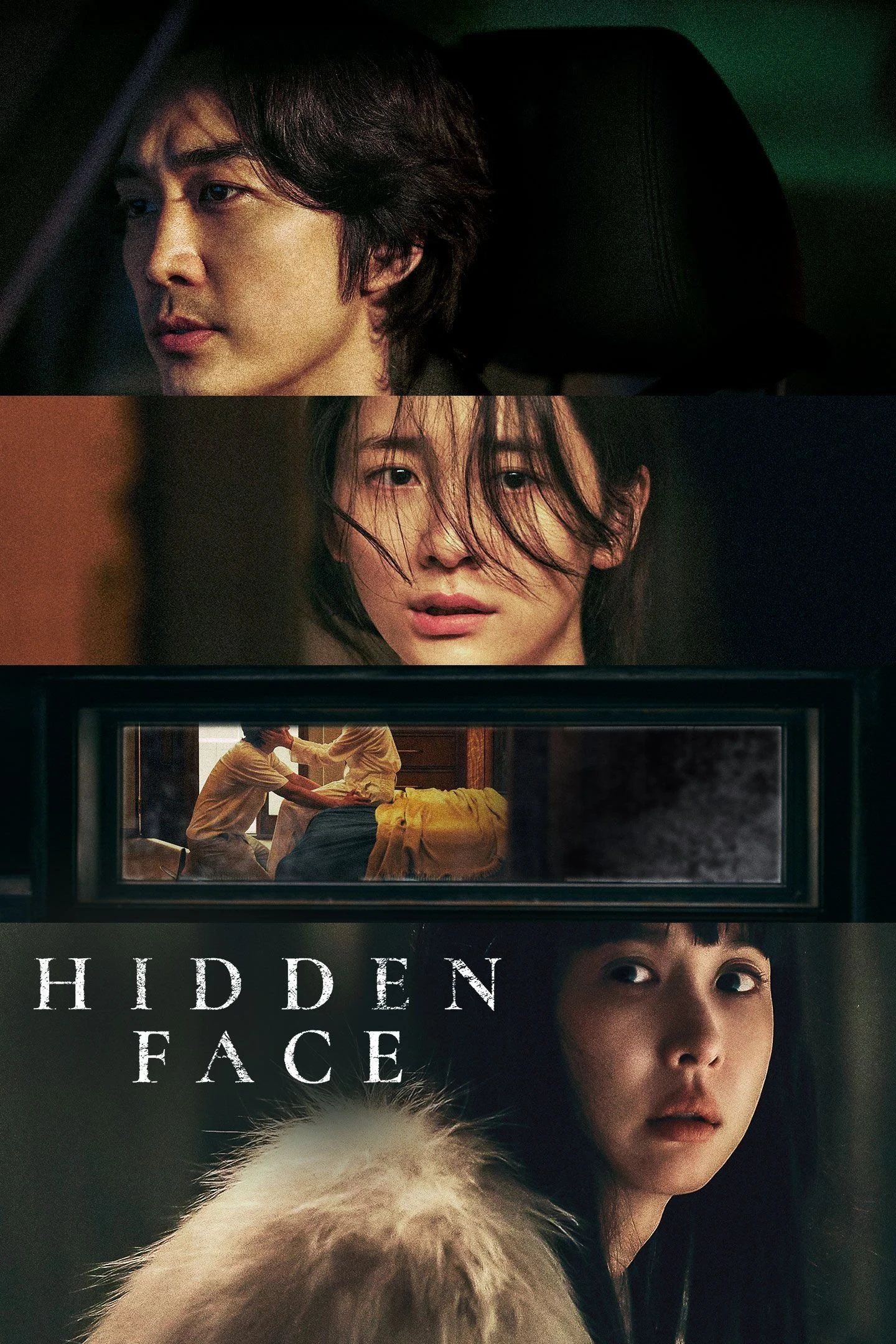
Hidden Face
🎬 Prime Video · Tubi · Apple TV+ · Viu
⭐ 6.2 IMDb
🔞 R (19+)
🎬 Film Overview
EROTIC THRILLER PICK
Conductor Seong-jin has built a comfortable life on someone else’s money — a prestige podium, a family-funded apartment, a fiancée whose mother bankrolls half the orchestra. Then Soo-yeon vanishes, leaving only a farewell video and a hole in the cello section. Grief is supposed to be uncomplicated. Seong-jin doesn’t get that luxury, not once Mi-joo, the cellist hired to replace Soo-yeon, starts replacing more than her seat.
Hidden Face spends its first act as a fairly conventional missing-fiancée mystery before showing its hand: Soo-yeon never left the building. She’s sealed inside a soundproof room built into her own house, forced to watch Seong-jin and Mi-joo fall into bed together in real time. It’s a lurid premise, borrowed from a 2011 Spanish-Colombian cult thriller, and the film knows exactly how far to push it — using the voyeurism not as a gimmick but as the engine for a much colder story about what people do when they’re sure no one is watching.
⚡ Quick Verdict
Skip the scroll — here’s the verdict in one glance.
· IMDb · 1,000 ratings
▶ Official Trailer
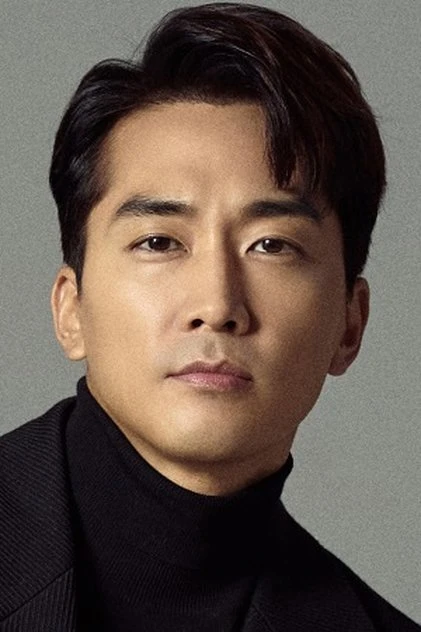
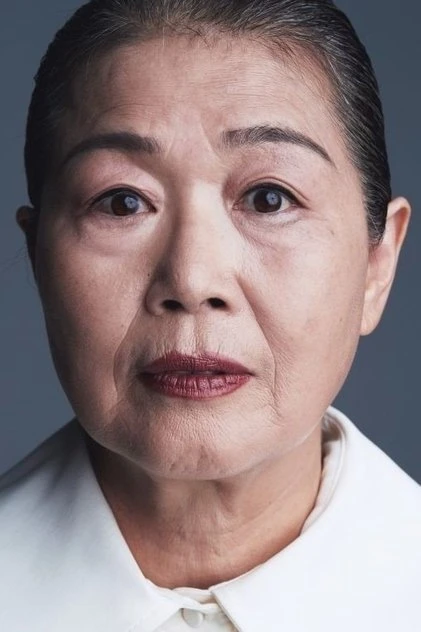
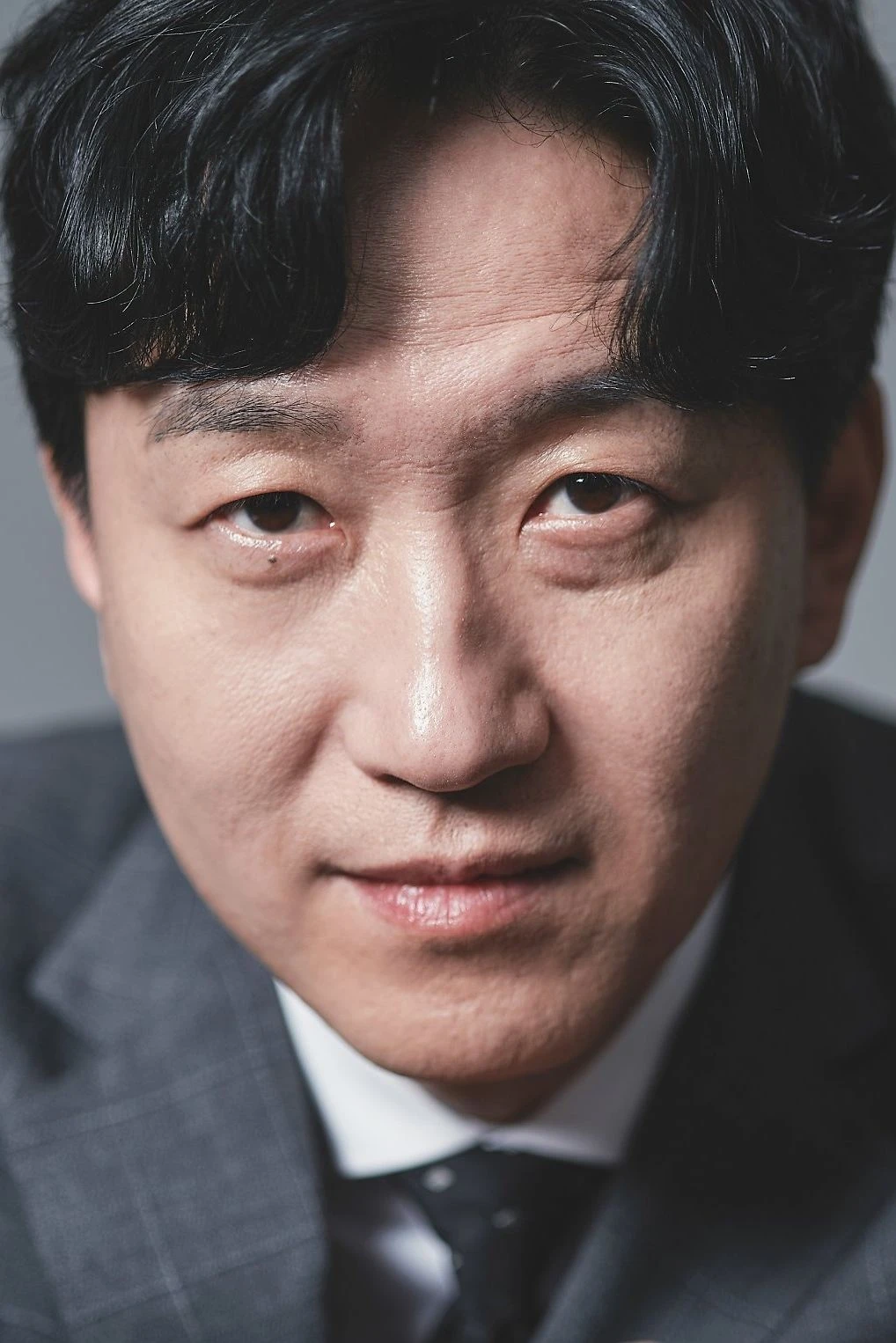
🎭 Cast & Characters
A love triangle where one point of the triangle can see everything.
Lead

Lead

Lead

Supporting

Supporting

Supporting
Supporting

Supporting

Supporting
Supporting

Supporting
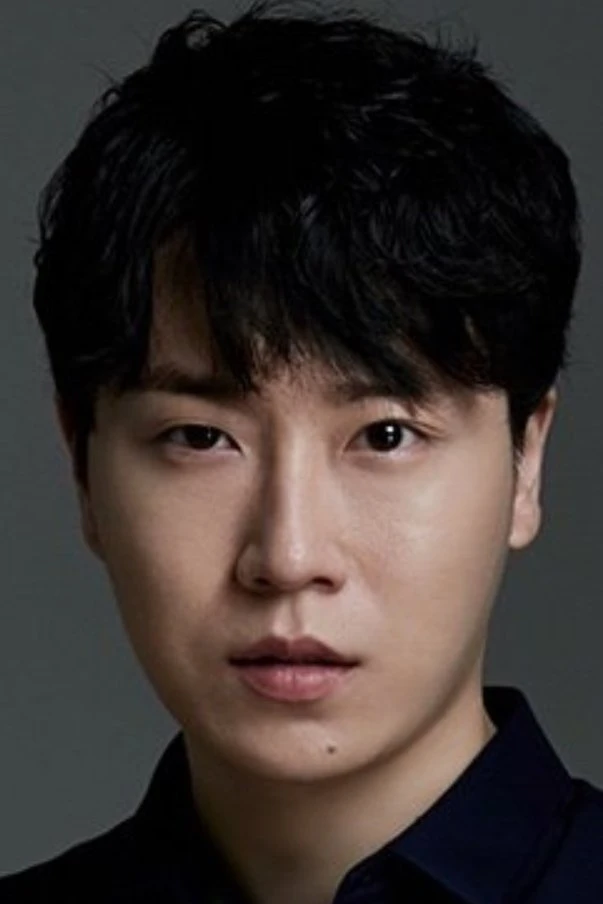
Supporting
📖 The Story
A quick, spoiler-free look at what you’re in for.
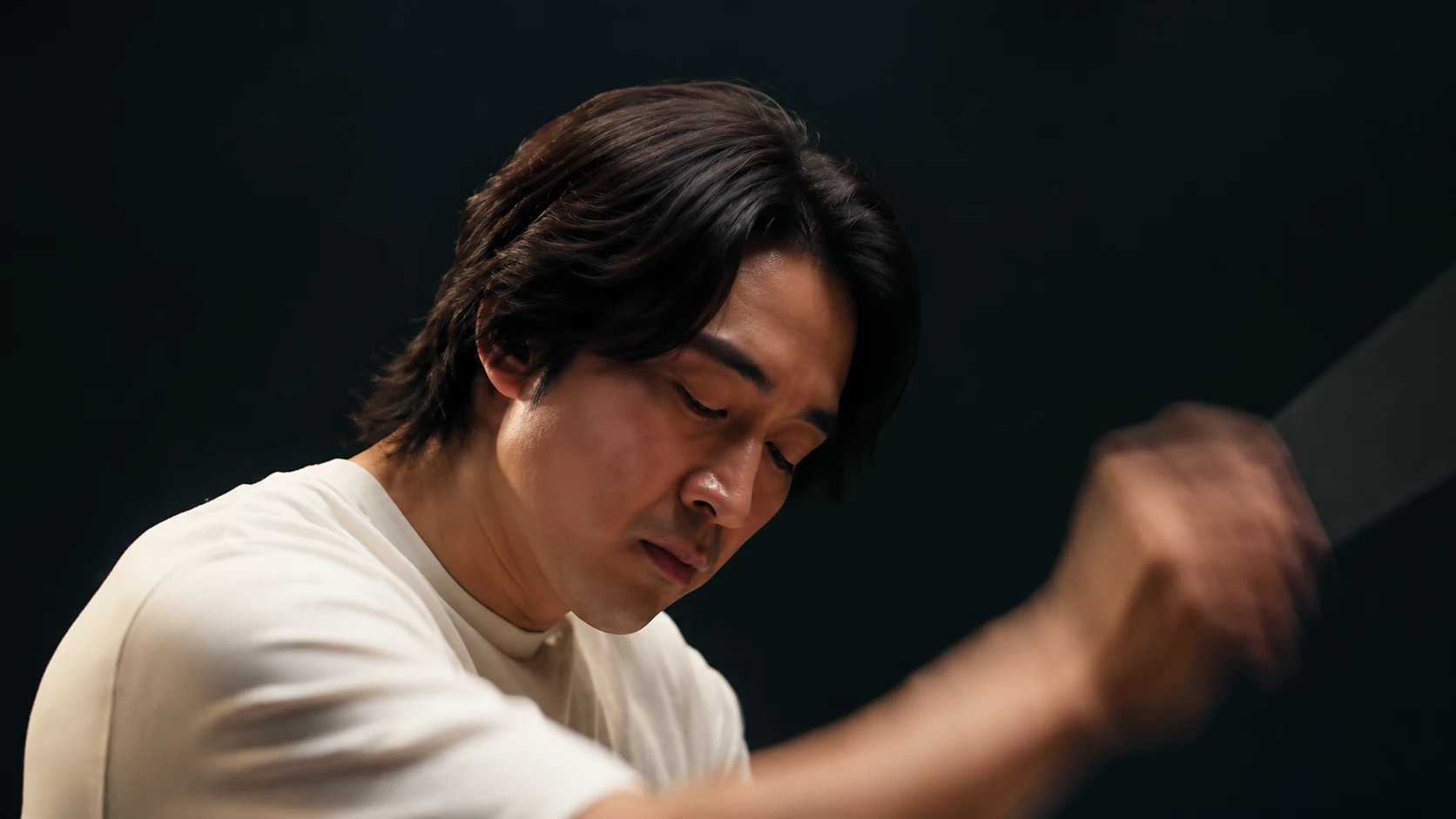
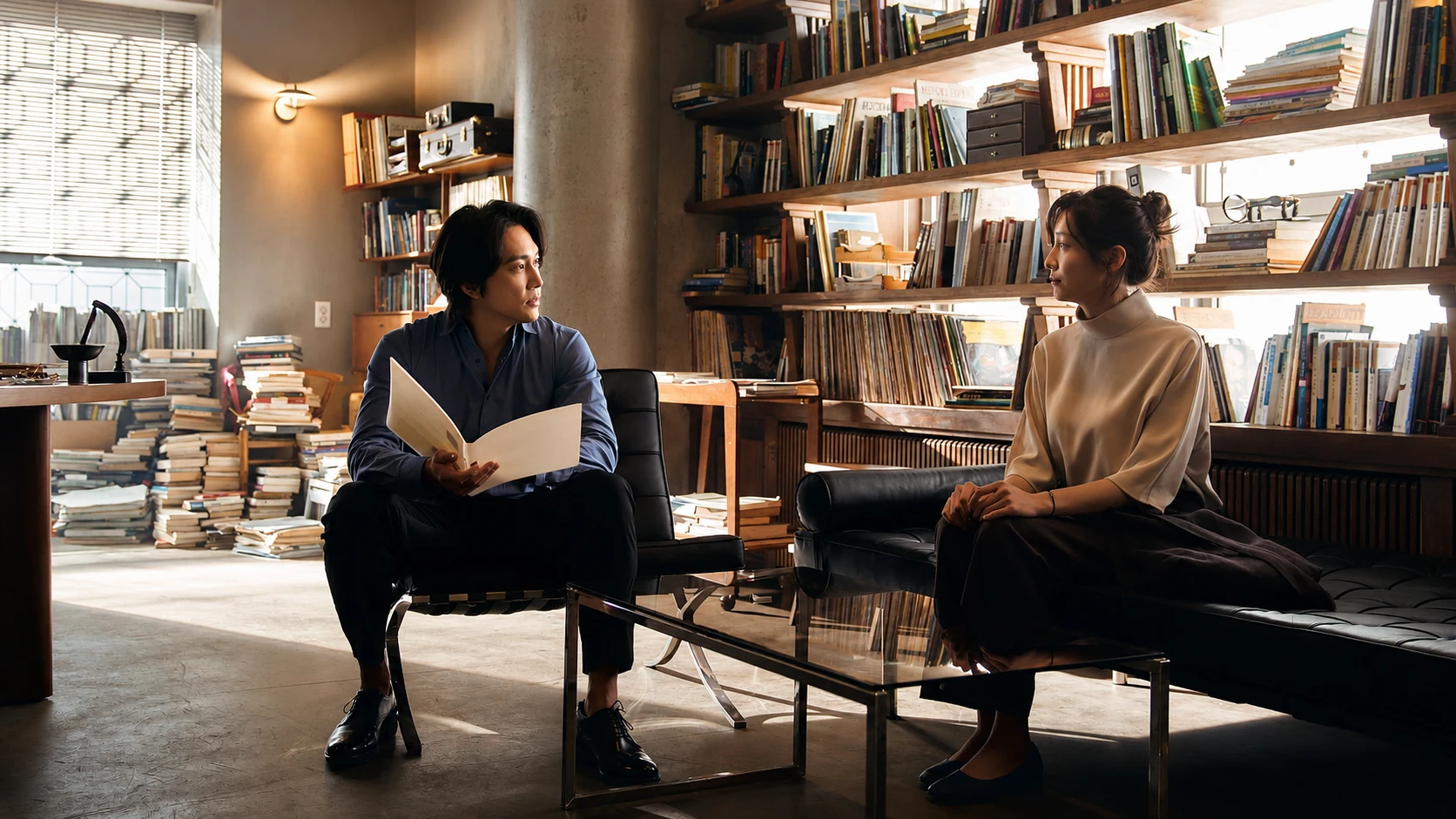
Seong-jin conducts a mid-tier orchestra propped up by his fiancée’s family money, and it’s clear from the opening scenes that his career and his relationship are the same transaction wearing two faces. Soo-yeon plays cello in his section, her mother Hye-yeon writes the checks that keep the ensemble afloat, and the wedding on the calendar looks less like romance than a merger everyone already signed off on.
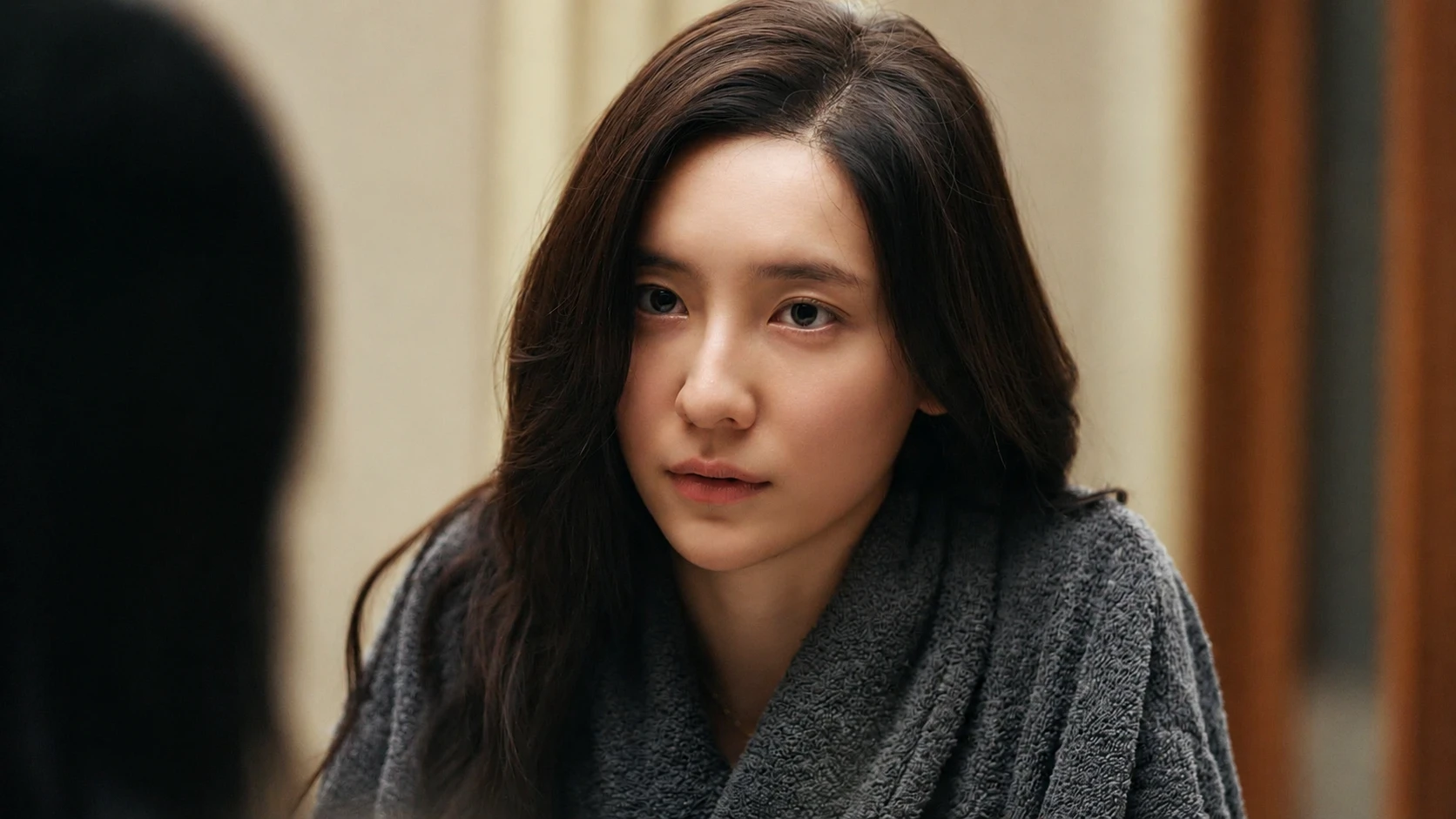
Then Soo-yeon is gone — no note beyond a video message thanking Seong-jin and asking him to move on, no explanation the police can find, no body. The orchestra needs a cellist immediately, which is how Mi-joo lands in the chair Soo-yeon left warm.
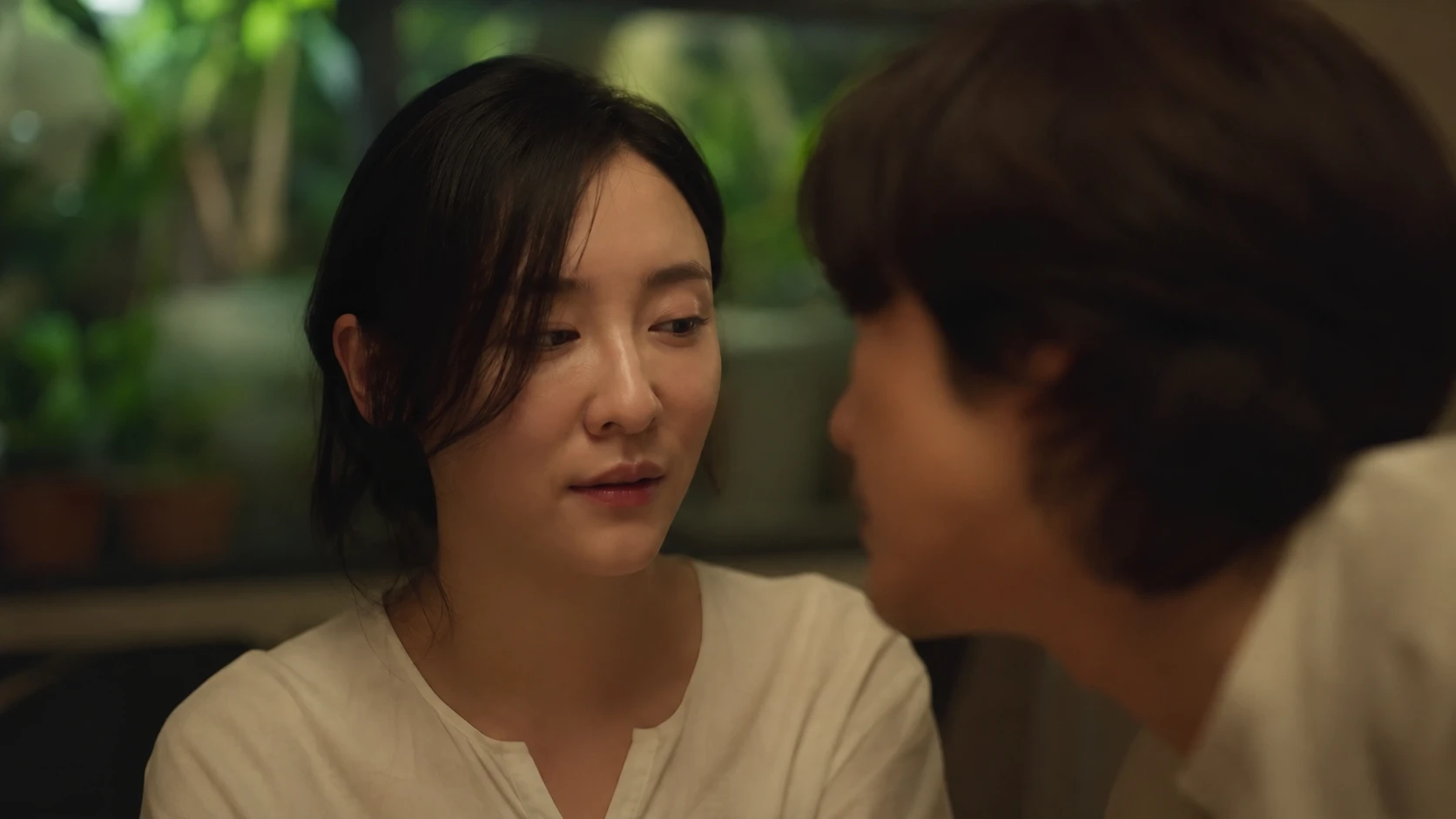
Grief and attraction turn out to share a lot of the same wiring. Seong-jin and Mi-joo’s rehearsals stretch into dinners, dinners into something else, and the film lets the audience watch two people convince themselves that comfort and betrayal are different things. Soo-yeon’s old apartment — the one Hye-yeon still pays for — becomes the setting for the affair, which is where the film’s actual premise reveals itself.
Soo-yeon never left. A hidden, soundproofed room built into the house’s architecture has kept her trapped since the night of her “disappearance,” watching every rehearsal dinner and every night Mi-joo stays over through a gap in the wall. What looked like a farewell video was staged. This was never a missing-persons story — it was a loyalty test that went catastrophically wrong.
Mi-joo isn’t oblivious forever. A past connection to Soo-yeon that Seong-jin never knew about starts pulling her toward the house’s buried secret, and the film shifts from erotic drama into something closer to a home-invasion thriller, with Mi-joo as the investigator uncovering a crime scene that’s still technically occupied.
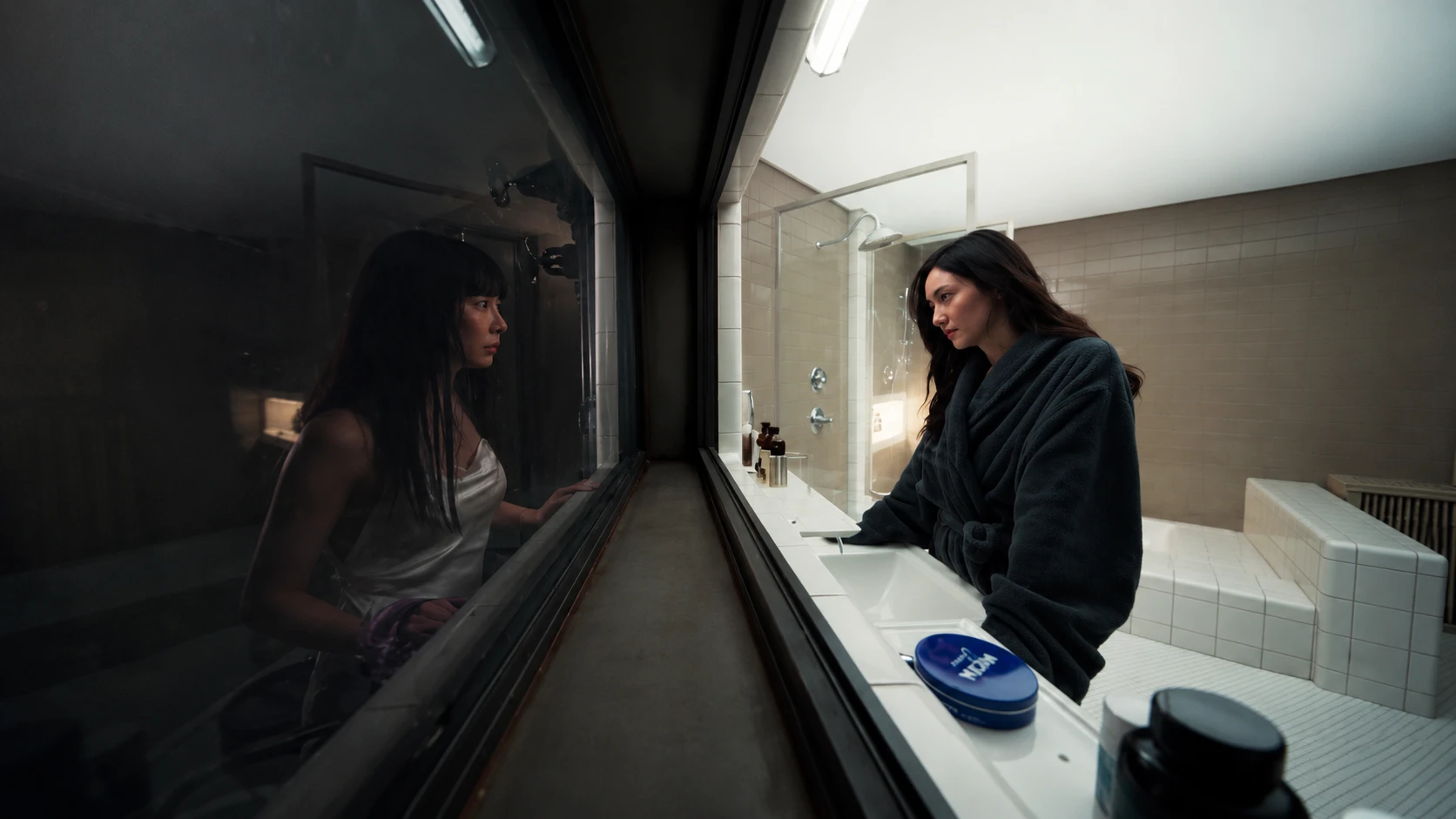
By the time Mi-joo finds the entrance to the room, Soo-yeon has spent weeks alone with nothing but rage and the sound of her own replacement’s life through a wall. That’s not a woman who wants rescuing so much as one who wants an audience for what happens next.
The confrontation that follows is less a twist than a trap finally springing. Two women who each believed they had the upper hand end up fighting over a door that only one of them will walk back through — and Seong-jin, the man both relationships were actually about, is nowhere near strong enough to stop it.
🏁 Ending Explained
Full spoilers — what happened, and why it hits the way it does.
Full Spoilers Ahead — This section covers the complete ending of Hidden Face. Stop here if you haven’t watched.
What actually happens Mi-joo finds the hidden room and the messages Soo-yeon left scratched into its walls, and confronts Seong-jin with what he’s let happen under his own roof. In the chaos that follows, Soo-yeon — who has already worked her way loose — fights Mi-joo for control of the room’s door. Mi-joo loses. The film’s final image is her sealed inside the same space Soo-yeon just escaped, trading one prisoner for another.
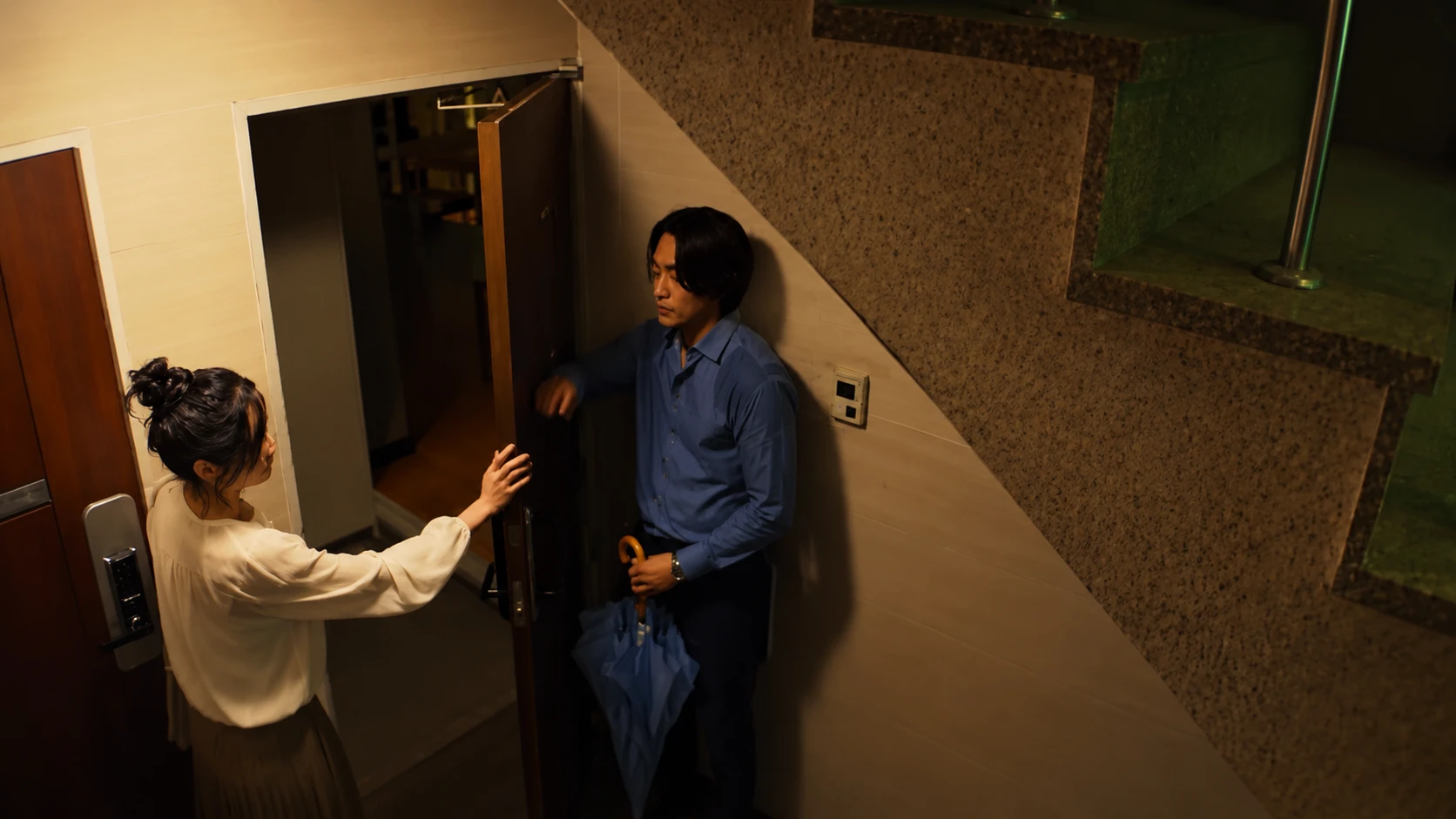
The trap resets itself The swap only works as an ending because the film has spent two hours establishing that this house punishes whoever trusts it least reliably. Soo-yeon built the room as a test of loyalty; Mi-joo walked into a house already rigged to catch someone. The roles of victim and instigator collapse into each other by the final shot, which is the point — nobody in this triangle gets to stay innocent long enough to earn sympathy.
What’s left unresolved The film doesn’t say how long Mi-joo stays trapped, or whether she gets out at all — it leaves her exactly where Soo-yeon spent the middle act, which is the joke and the horror at once. Soo-yeon’s own state afterward is just as open; weeks alone behind soundproofed walls isn’t the kind of thing a person walks away from clean, however satisfied the revenge feels in the moment.
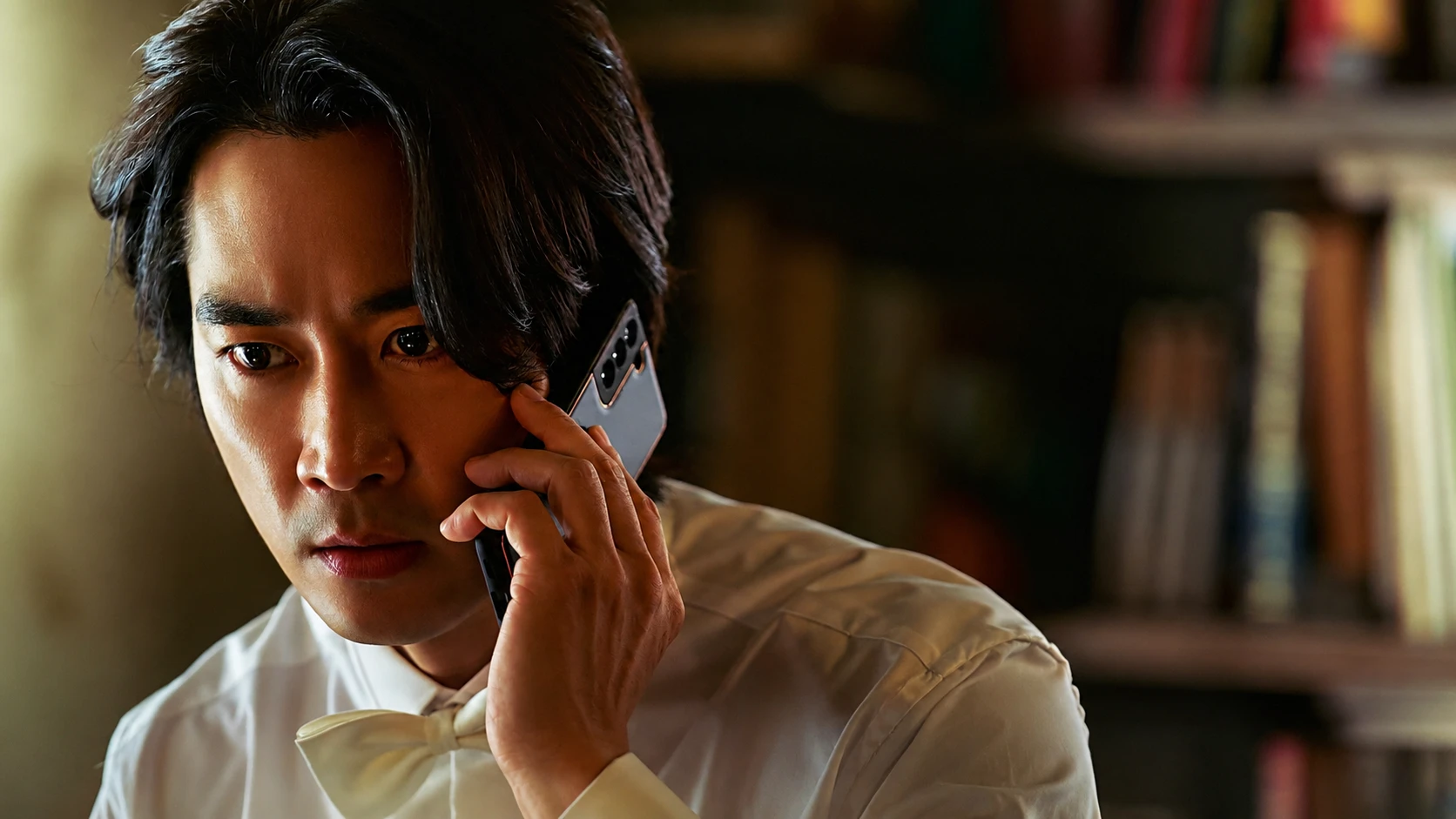
And Seong-jin gets away with it That’s arguably the nastiest choice the film makes. He’s the reason both women end up where they end up, and the ending never forces him to answer for either woman’s fate directly — he just gets to keep conducting. Hidden Face isn’t interested in punishing him on screen so much as letting the audience sit with the fact that he won’t be.
Why the title works on rewatch Go back to the early scenes and Soo-yeon’s farewell video plays completely differently once you know she staged it — every calm word is a dare, not a goodbye. The hidden room is the literal hook, but the title is really about how little any of these characters show each other before the walls come down. Everyone in this house is performing a version of themselves right up until they aren’t.
✍️ KDramaWorlds Editor’s Take
Straight talk on whether this one’s worth watching, and for who.
Kim Dae-woo
Known for: Kim Dae-woo built his reputation writing the screenplay for Untold Scandal (2003) before moving to directing with Forbidden Quest (2006), The Servant (2010), and Obsessed (2014) — a run of stylish, R-rated period dramas about desire, class, and the transactions people pretend are romance. Hidden Face trades the hanbok and Joseon-era setting for a modern-day orchestra, but the interests are identical: money buying access to bodies, and bodies eventually finding a way to even the score.
The best trick Hidden Face pulls is casting Cho Yeo-jeong as the one doing the watching. She spends most of the runtime saying almost nothing, and the performance is built entirely on the difference between a woman grieving and a woman keeping score — a distinction the film lets you clock about twenty minutes before Seong-jin does. It’s the kind of morally slippery, genre-literate thriller that Decision to Leave proved Korean cinema could do at a prestige level, minus that film’s restraint — Hidden Face would rather be pulpy than tasteful, and mostly benefits from choosing.
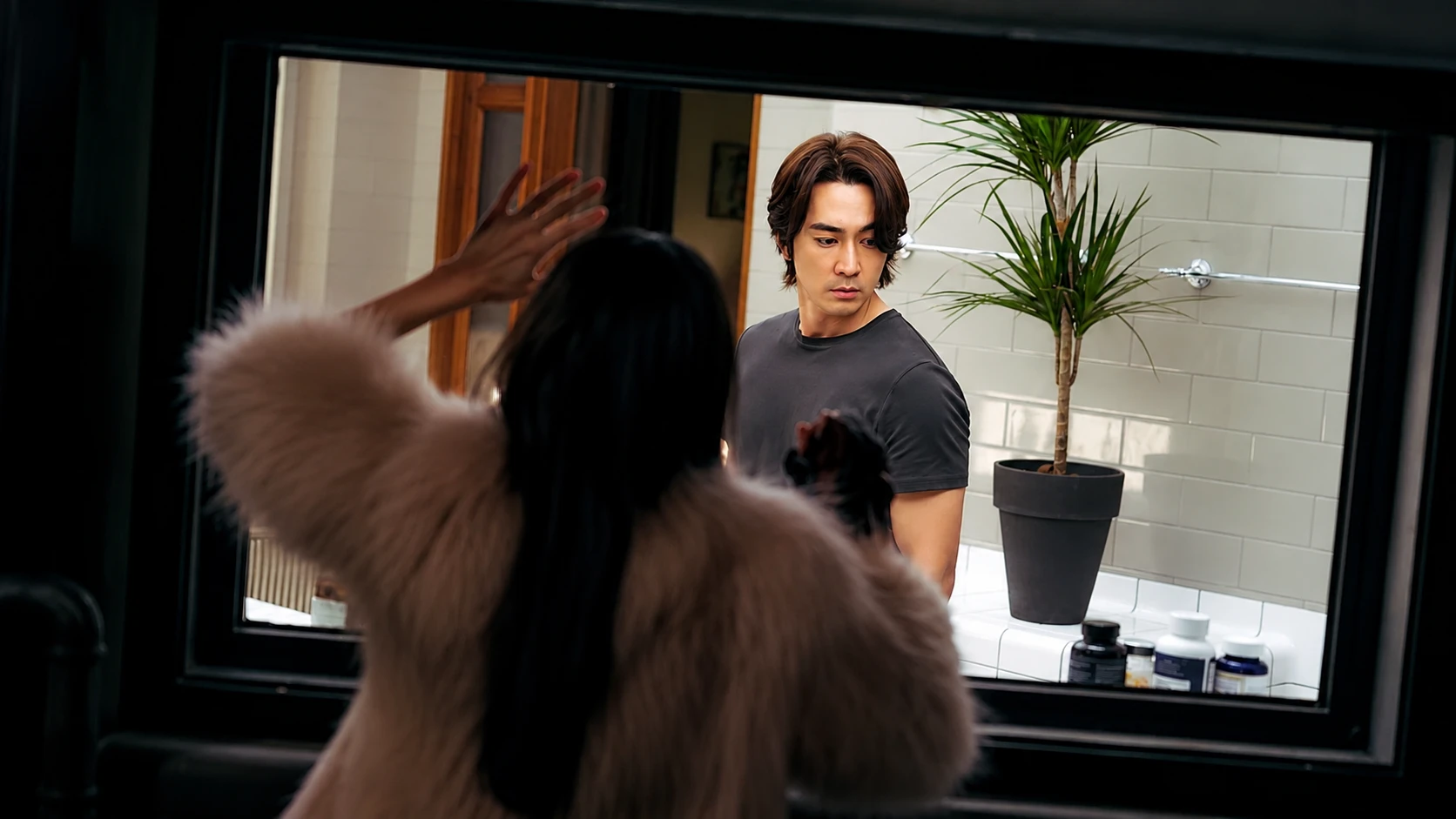
Kim Dae-woo has spent two decades writing and directing stories about people who marry into money and then discover exactly what that money is quietly buying them — Untold Scandal, The Servant, now this. What’s different here is the mechanism: instead of a scheming aristocrat pulling strings, the trap is architectural. The house itself is complicit, the way the apartment in Sleep stopped being a safe place the moment its occupants stopped trusting each other inside it.
It’s not a subtle film, and it doesn’t pretend to be. What it is, is confident — confident enough to let its love triangle stay unlikable, confident enough to let its ending punish the wrong person on purpose. That confidence is worth more than restraint would have been here.
🎬 You Might Also Like
If you liked Hidden Face, these are your next three watches.


This review was written and fact-checked by the KDW editorial team — a small group of K-drama viewers who watch every title before writing about it. No screeners, no synopsis-only takes.







Keep it kind, skip the harsh language, and please — no spoilers. Everyone's taste is different, and that's perfectly fine.
This space is for real reactions and discussion from other viewers. Help keep it comfortable for everyone by not giving away major plot details.
What do you think of this drama?
Login to share your review or leave a comment.
No email needed — just pick a username & password.