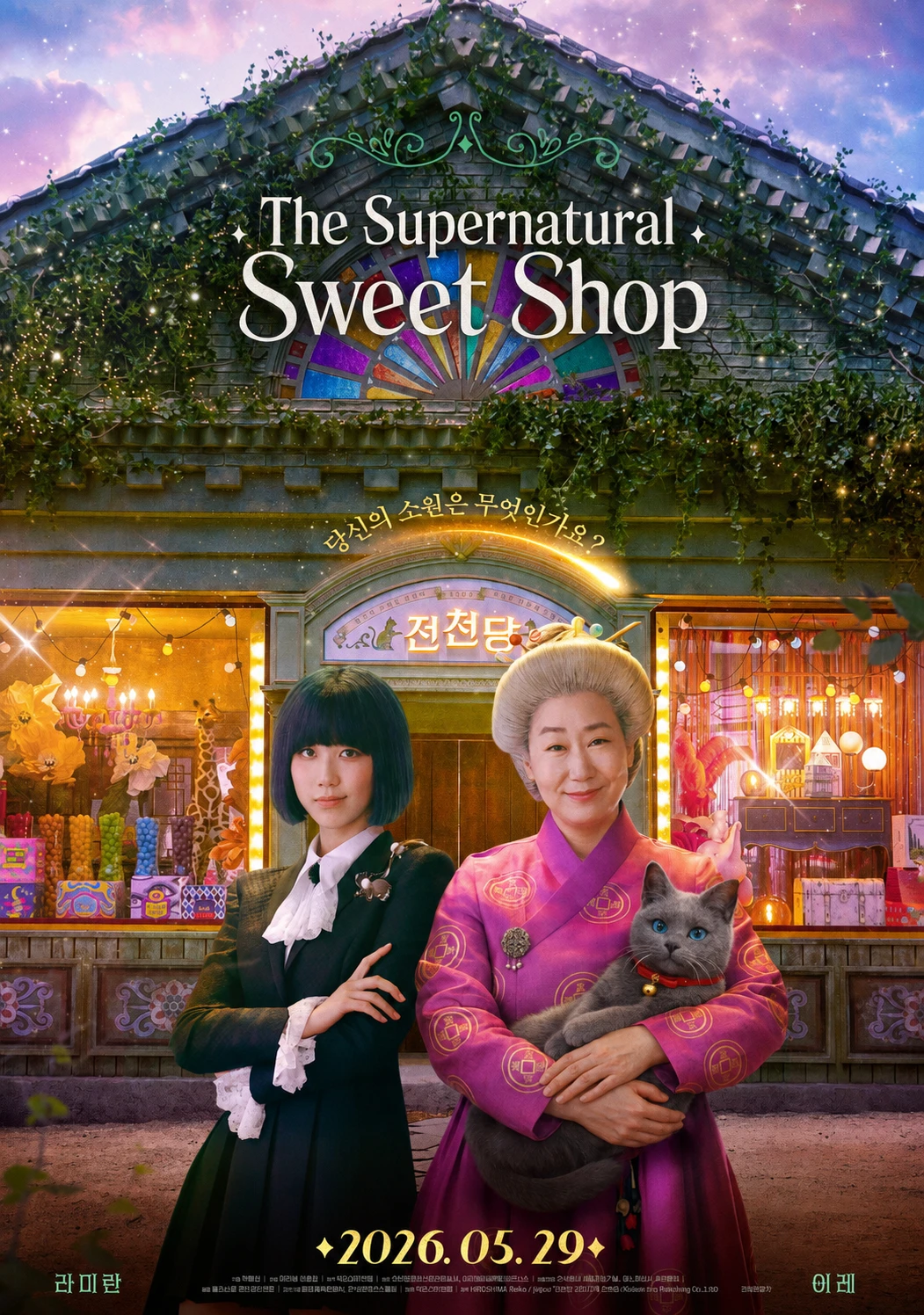
The Supernatural Sweet Shop
🎬 Film Overview
Hidden somewhere only the truly desperate can find it, Hong-ja’s candy shop grants wishes to anyone carrying the right lucky coin — a cure for a sick parent, courage against bullies, talent enough to win a competition. Every candy works exactly as promised. What happens after is where the real story begins. Rival shop owner Yo-mi offers her own tempting alternative just down the road, preying on the jealousy and greed that Hong-ja’s customers start to feel once they realize magic doesn’t erase the hard parts of being human. Adapted from the beloved Japanese novel series Fushigi Dagashiya Zenitendo and reframed through a Korean lens, The Supernatural Sweet Shop is a gentle, fable-like meditation on the cost of getting exactly what you wished for.
⚡ Quick Verdict
The short version — everything that matters, boxed up.
▶ Official Trailer
🎭 Cast & Characters
The shop owner who grants wishes, and the rival who exploits them.

Lead

Lead
📖 The Story
A spoiler-free look — enough to know if this one’s for you.
Hong-ja’s candy shop doesn’t appear on any map — it shows up only for people carrying a specific lucky coin and a wish desperate enough to need magic. She’s the store’s sole proprietor, dressed in hanbok, with an unsettling talent for reading exactly what a customer wants before they’ve said a word. Everyone who finds her shop is already at the end of something — patience, hope, or options.
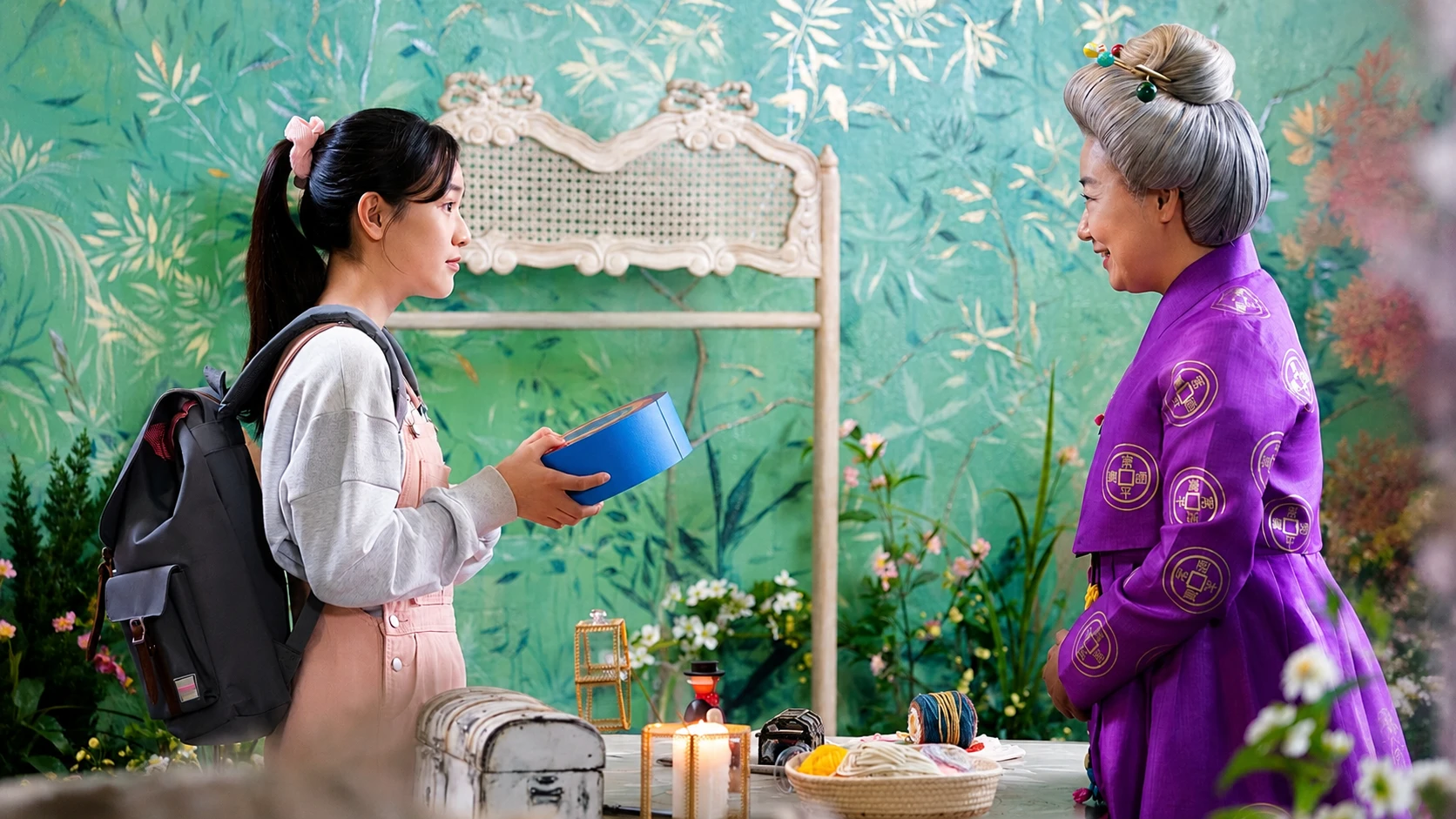
Each candy is custom-built for the person buying it, and it works exactly as promised: a sick mother gets cured, a bullied student gets the courage to fight back, an aspiring pianist gets the talent competition judges can’t ignore. The catch isn’t hidden in fine print — it’s in what happens after. The film treats the wish-granting itself as the easy part; the real story starts once the customer has to live with getting what they asked for.
What starts as wholesome wish fulfillment curdles fast once the emotional cost becomes clear. Characters don’t just risk losing what they gained — they risk losing their sense of who they were before the candy changed everything. The film is less interested in whether the magic works than in whether the person wielding it can handle what it does to them.

Enter Yo-mi, who runs the rival shop Hwa Ang Dang just down the road, offering her own sweets to anyone who’s started to resent what Hong-ja’s honesty cost them. Where Hong-ja deals in wishes granted with consequences attached, Yo-mi deals in shortcuts — jealousy, greed, and the temptation to take more than you were given. Customers caught between the two shops become the film’s real battleground.
The film’s sharpest idea is refusing to make the magic itself good or evil — it’s neutral, and the outcome depends entirely on the person holding it. That’s a more thoughtful spin on the wish-fulfillment fantasy than the genre usually bothers with, avoiding easy good-versus-evil framing in favor of something closer to a fable about self-awareness and restraint.

Visually, the film leans into fairy-tale whimsy — bright colors, a shop that feels handcrafted rather than digital, a sense of wonder around every corner — while keeping a low hum of tension running underneath it. That balance comes from its source material: this is a Korean adaptation of Reiko Hiroshima’s Japanese novel series Fushigi Dagashiya Zenitendo, filtered through a distinctly Korean lens, right down to Hong-ja’s hanbok and the shop’s traditional interior.
Rather than trying to cram in every story from the source material, the film narrows its focus to three — condensed enough to fit a feature runtime but chosen specifically to hit on school bullying and academic pressure, two anxieties that land especially hard in a Korean context. It’s a small, focused anthology dressed up as a fairy tale, using the shop as a frame for asking what people actually do once they get what they wished for.

🏁 Ending Explained
Spoilers ahead — the ending, broken down in full.
What actually happened The film builds to a confrontation between Hong-ja and Yo-mi that plays out less like a magical showdown and more like a referendum on their customers’ choices. Everyone who took a shortcut through Yo-mi’s shop has to face what that shortcut actually cost them, while those who stuck with Hong-ja’s more honest (if harder) path get something closer to real resolution. All three of the film’s central wish-and-consequence stories close out in this stretch, each character forced to decide whether to own their mistakes or double down on them.
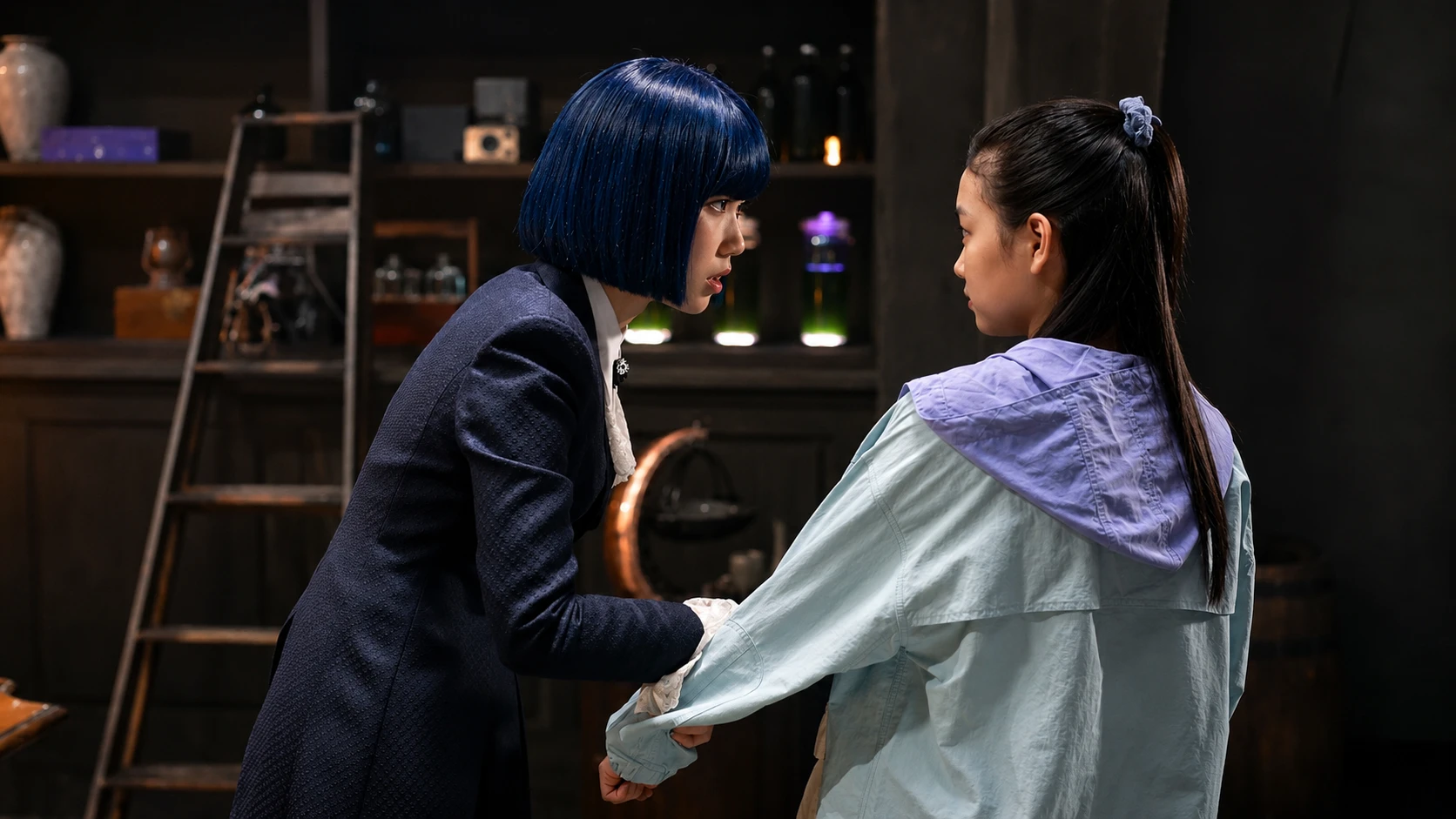
What it means The ending’s whole argument is that fortune cuts both ways, and which way it cuts depends entirely on the person holding it, not the magic itself. Getting what you wished for was never going to fix what was actually wrong — the film is explicit that shortcuts bought with greed or jealousy just relocate the problem instead of solving it. It’s a fairy tale with a genuinely old-fashioned moral: good choices compound into good outcomes, and there’s no candy that substitutes for that.
What’s left unresolved The Hong-ja/Yo-mi rivalry doesn’t get a tidy conclusion — the film leaves their opposing shops standing, suggesting the tug-of-war between honest wishes and tempting shortcuts is ongoing rather than something that gets solved once. That’s a deliberate choice: as long as people have desires and weaknesses, the film implies, both shops stay in business. It also leaves the door open for more stories in this world, and there’s already a 12-episode drama series announced that will presumably pick the thread back up.
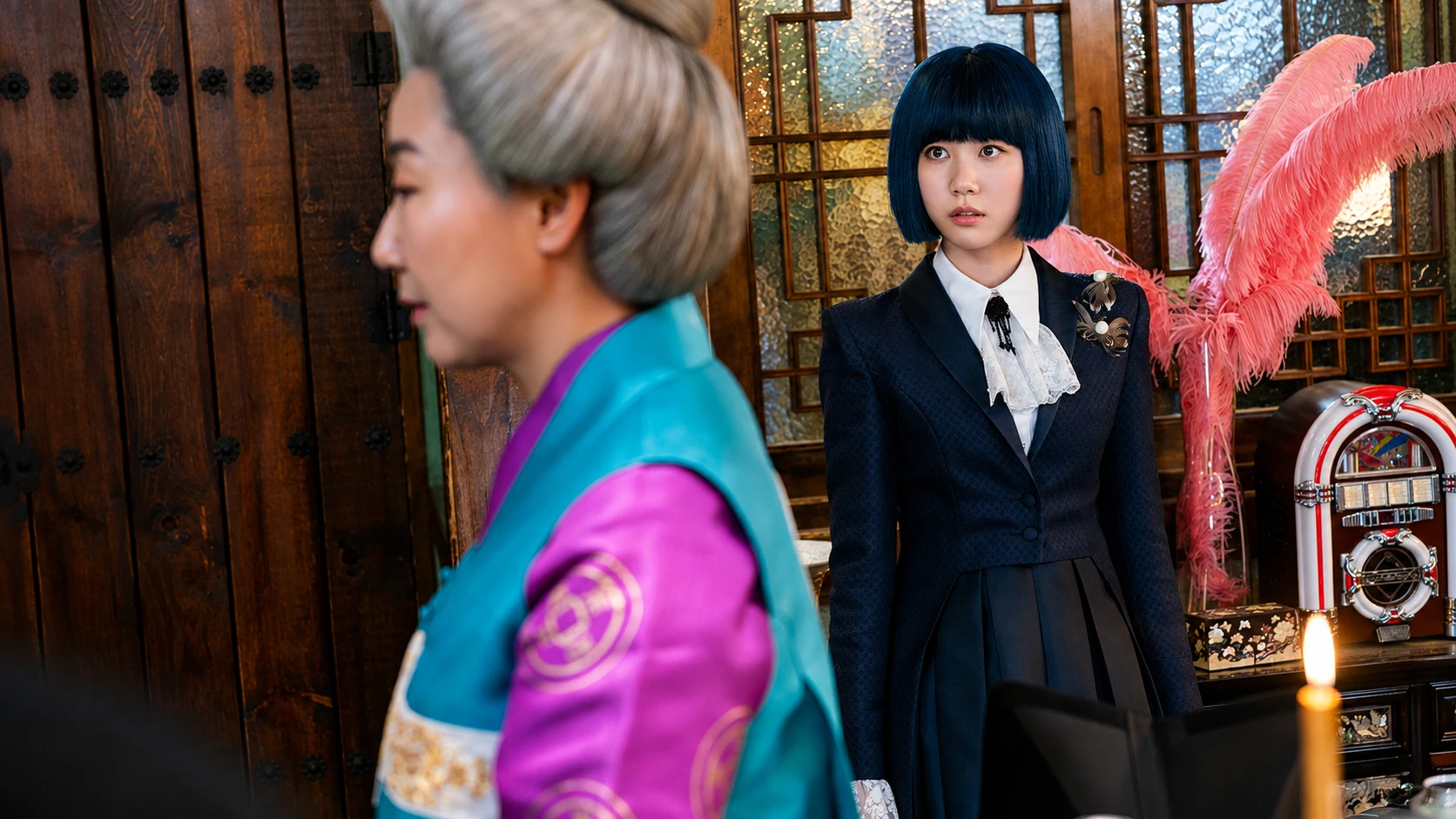
The deeper allegory Read as a whole, each customer’s arc says the same thing in a different costume: the magic only amplifies what was already there. A kind person given power tends to stay kind; someone already leaning toward envy or shortcuts finds a candy that makes that worse. The film’s post-credits tease reinforces that this lesson isn’t a one-time event — it’s a cycle every new customer has to learn for themselves.
The KDW verdict The Supernatural Sweet Shop works best as a fable rather than a plot-driven fantasy — its pleasures are in the specific ache of watching someone get exactly what they wanted and realize it wasn’t enough, not in surprises or spectacle. That makes for a gentler, more contemplative ending than the premise’s rival-witch setup might suggest, but it’s the right ending for a story that’s spent its whole runtime arguing that real change happens on the inside, not in a candy wrapper.

✍️ KDramaWorlds Editor’s Take
Here’s our honest verdict, and who’s going to love it.
There’s something quietly satisfying about a fantasy premise built entirely around a shop — no chosen ones, no world-ending stakes, just a storefront that only appears when someone needs it badly enough. Korean fantasy keeps returning to this structure because it works: Hotel Del Luna did it with a hotel for restless spirits, and The Supernatural Sweet Shop does it with candy tailored to your most desperate wish, using Ra Mi-ran’s watchful, warm performance as Hong-ja to anchor the whole conceit.
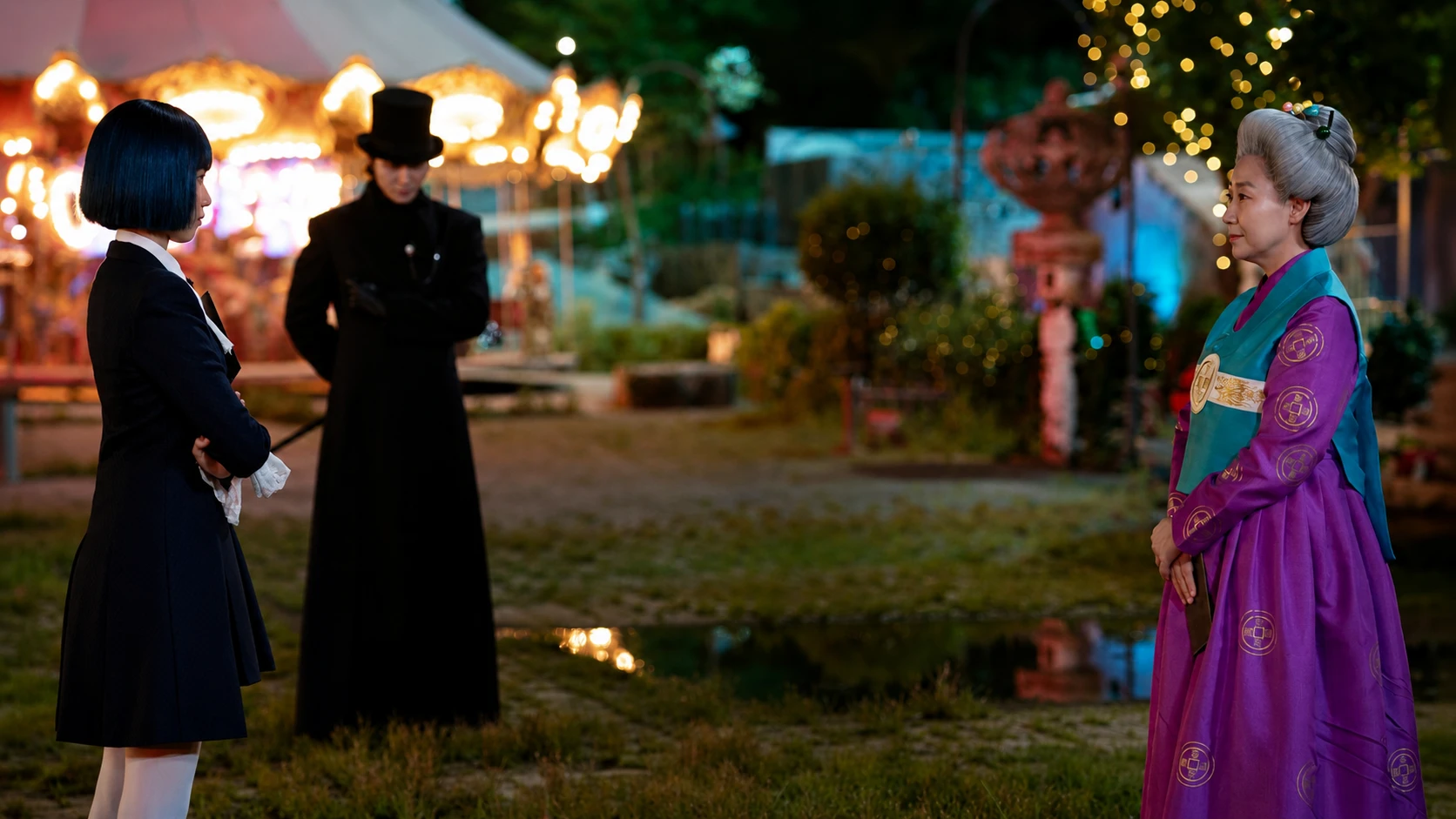
What keeps the film from tipping into saccharine territory is its refusal to let anyone off easy — even well-intentioned wishes have real costs, and the film trusts its (mostly young) audience to sit with that instead of softening it. That same instinct to treat difficult emotional material honestly, without condescending to its audience, is what made Miracle in Cell No. 7 resonate as hard as it did — Korean family fantasy tends to earn its tears rather than manufacture them.
At 89 tight minutes, the film doesn’t have room to fully develop all three of its customer stories to the depth a 12-episode version of this same material presumably will — the announced drama series adaptation feels almost like an admission that the feature-length cut is a compressed appetizer. Still, as an introduction to Hong-ja’s shop and the moral universe it runs on, it’s a charming, unhurried watch that trusts a simple premise to do the heavy lifting.
🎬 You Might Also Like
If you liked The Supernatural Sweet Shop, these are your next three watches.
 Summer Vacation
Cho Yi-hyunfantasy
Read Full Review →
|
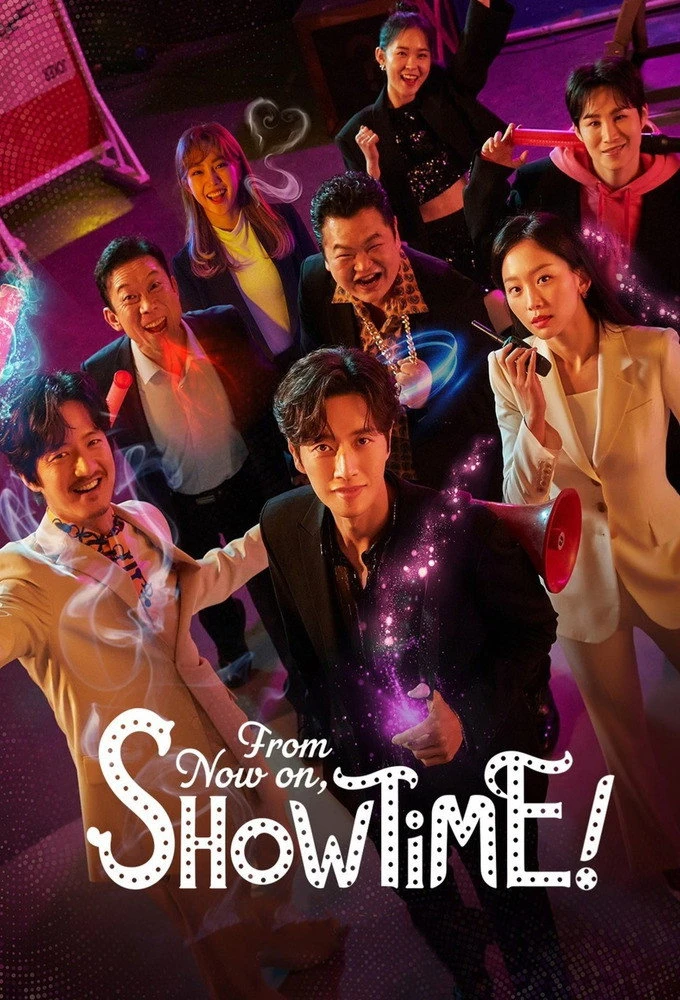 From Now On, Showtime!
comedyEnemies to Lovers
Read Full Review →
|
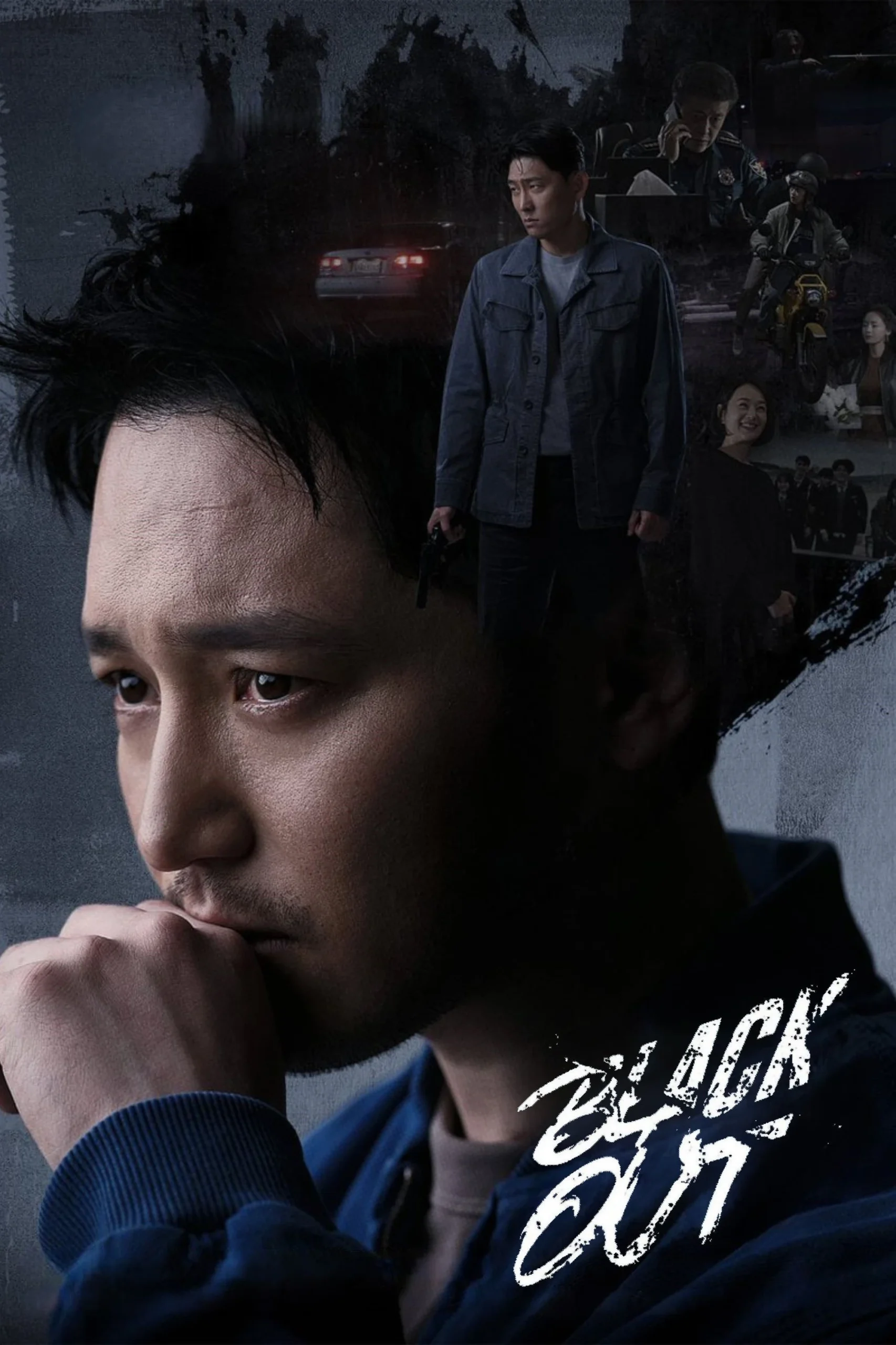 Black Out
Byun Yo-hancrime
Read Full Review →
|













Keep it kind, skip the harsh language, and please — no spoilers. Everyone's taste is different, and that's perfectly fine.
This space is for real reactions and discussion from other viewers. Help keep it comfortable for everyone by not giving away major plot details.
What do you think of this drama?
Login to share your review or leave a comment.
No email needed — just pick a username & password.