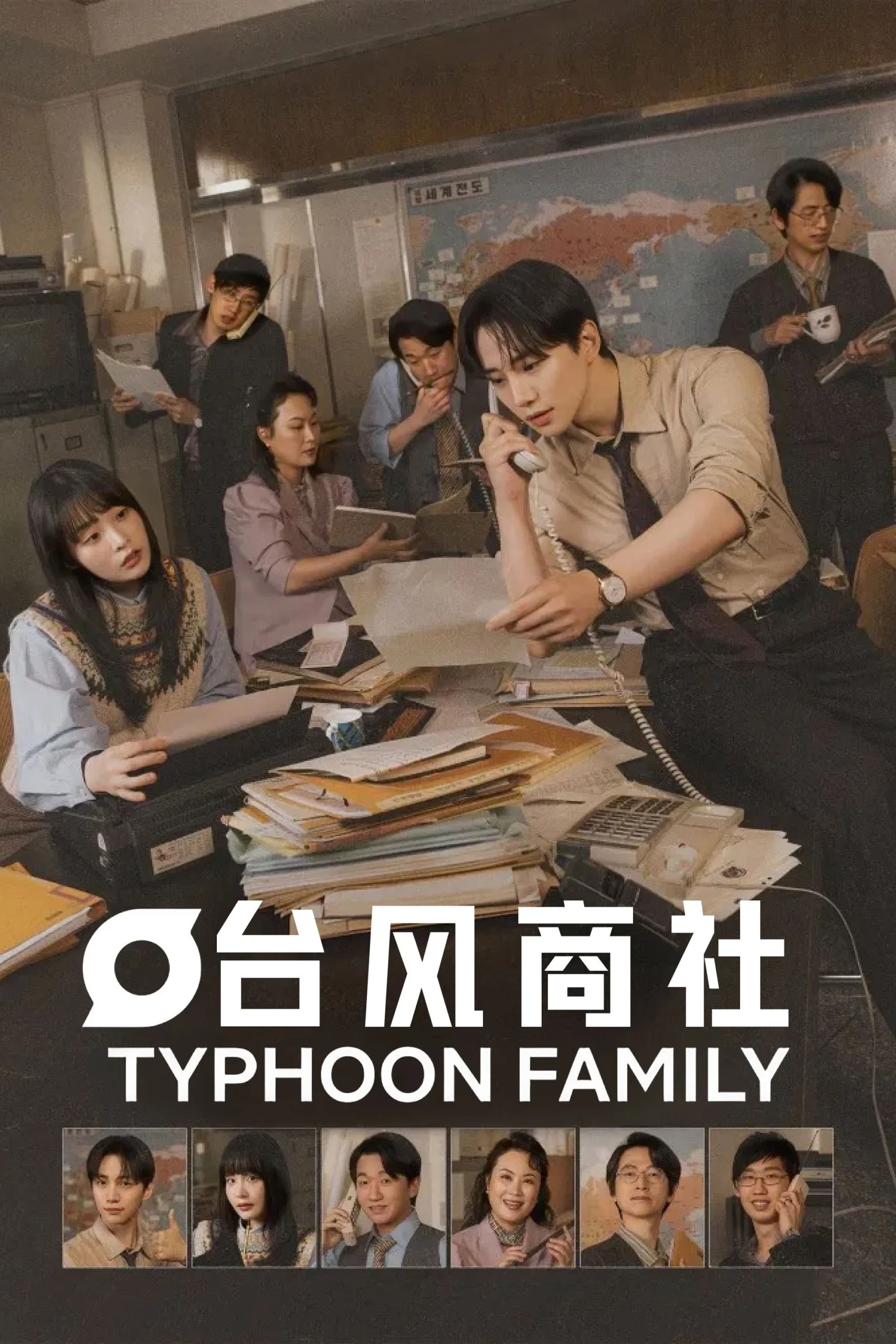
Typhoon Family
🎬 Netflix · TVING
⭐ 8.1 / 10 MDL
📋 Drama Overview
Everything you need to know before you hit play.
🔥 Business Must-Watch
TVING
In October 1997, South Korea’s economy is on the verge of collapse — and Kang Tae-pung’s world falls apart right along with it. The son of a struggling Euljiro trading company CEO, Tae-pung has spent his twenties coasting through life as part of Apgujeong’s flashy “Orange Tribe,” unbothered by responsibility. Then his father dies of a heart attack at the worst possible moment, leaving behind a company with no employees, no inventory, no money — and a mountain of debt. Tae-pung, who has never worked a real day in his life, is suddenly CEO.
What follows is not a polished corporate drama. It’s messy, funny, and genuinely moving — the story of a man who discovers what he’s made of by being forced into situations no amount of privilege could have prepared him for. Oh Mi-seon, the company’s fiercely capable bookkeeper, becomes his unlikely anchor: the one person who understands what Tae-pung’s father actually built, and what it would take to save it. Together they fight creditors, rivals, loan sharks, and their own deepening feelings — all against the backdrop of a nation learning the same brutal lesson about what actually matters.
16 / 16 ✅ Completed
⚡ Quick Verdict
One box. Everything you need to decide.
· MDL Score · 13,376 ratings
▶ Official Trailer
🎭 Cast & Characters
Six performances carrying the heart of this story — from the man who refused to give up to the people who refused to leave.

Lead

Lead

Supporting

Antagonist

Supporting
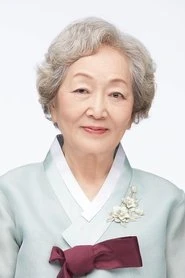
Supporting
📺 Episode Guide
Spoiler-light recaps — enough to remember where you left off, nothing that ruins the ride.


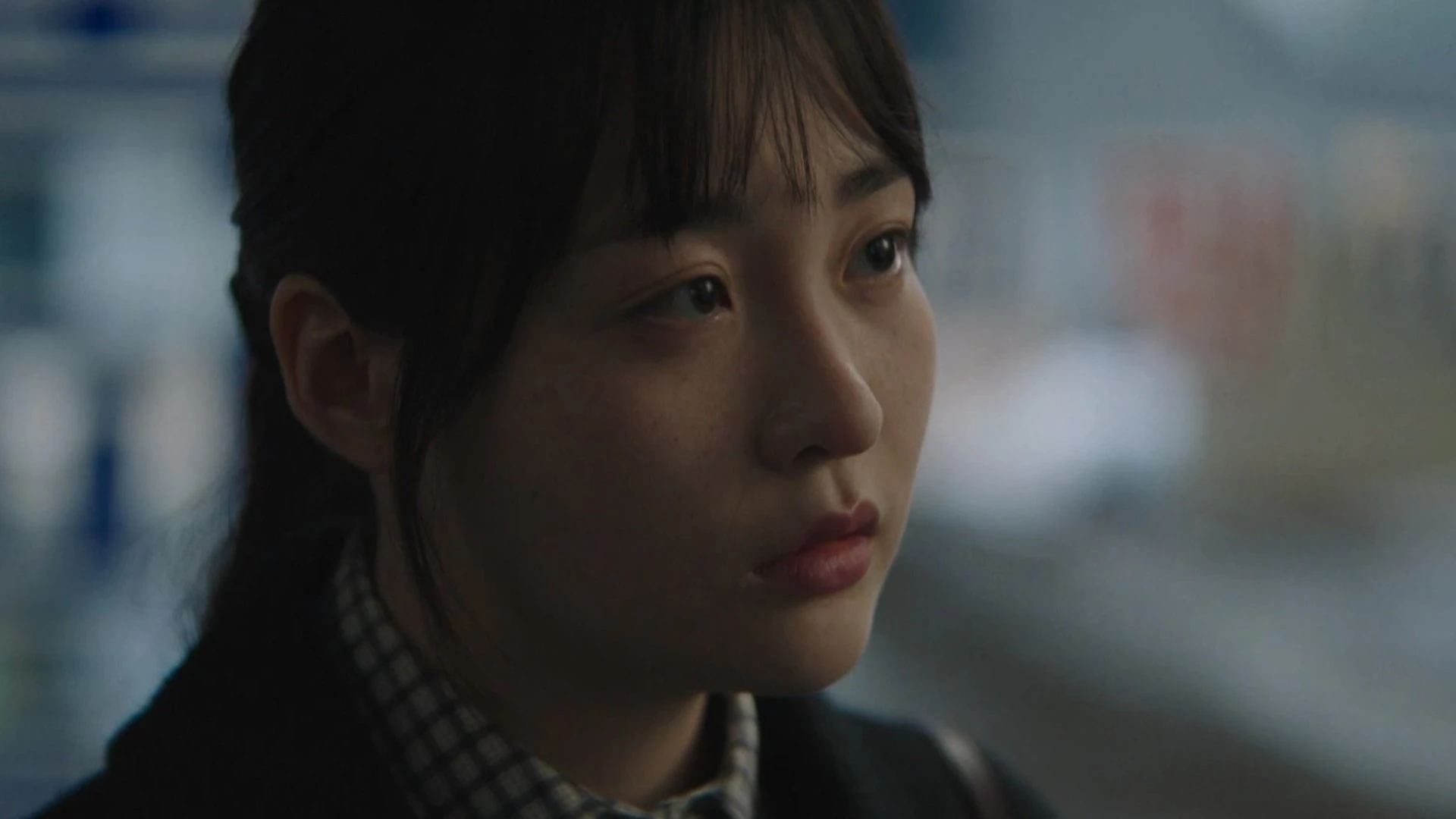
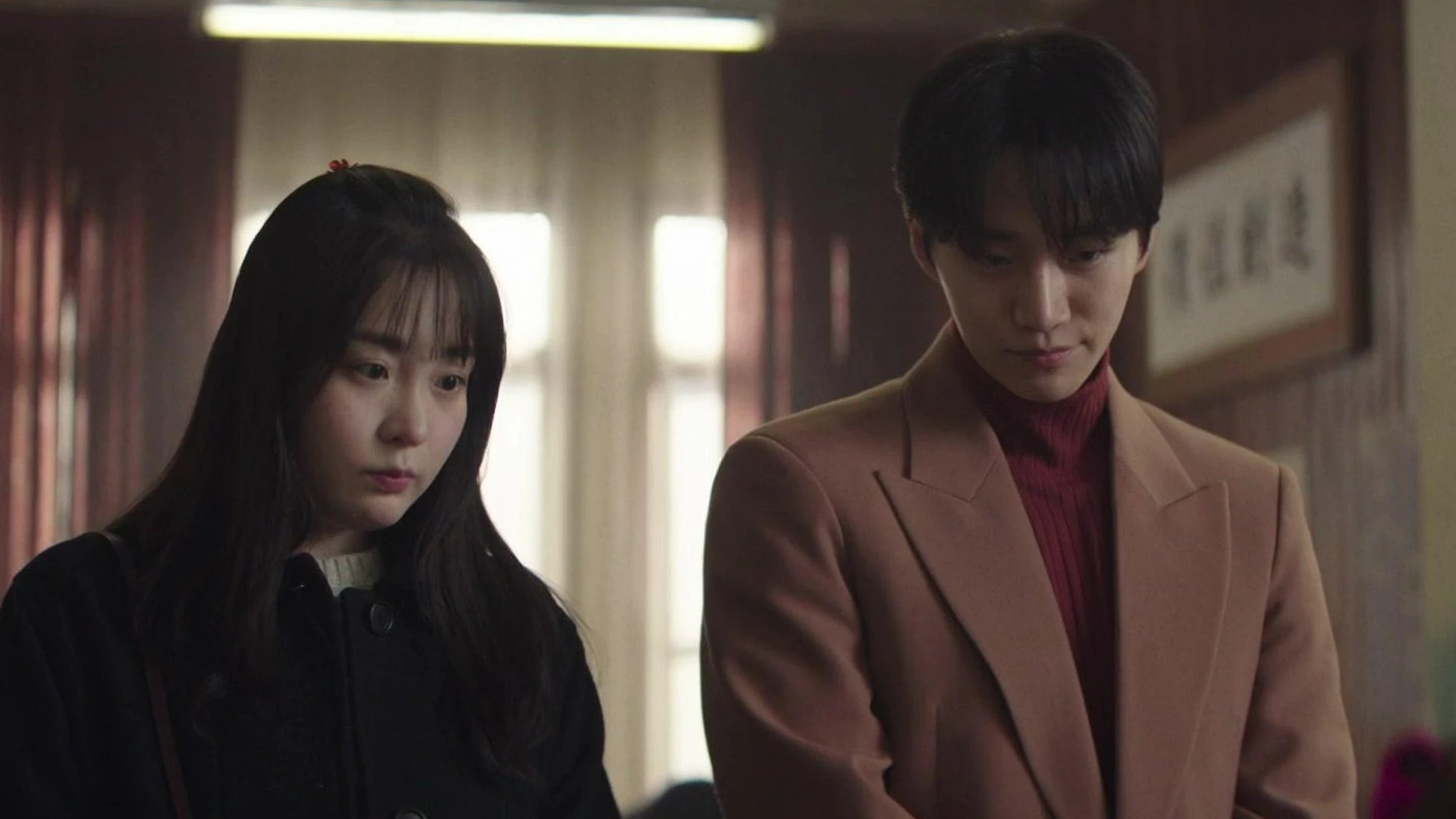

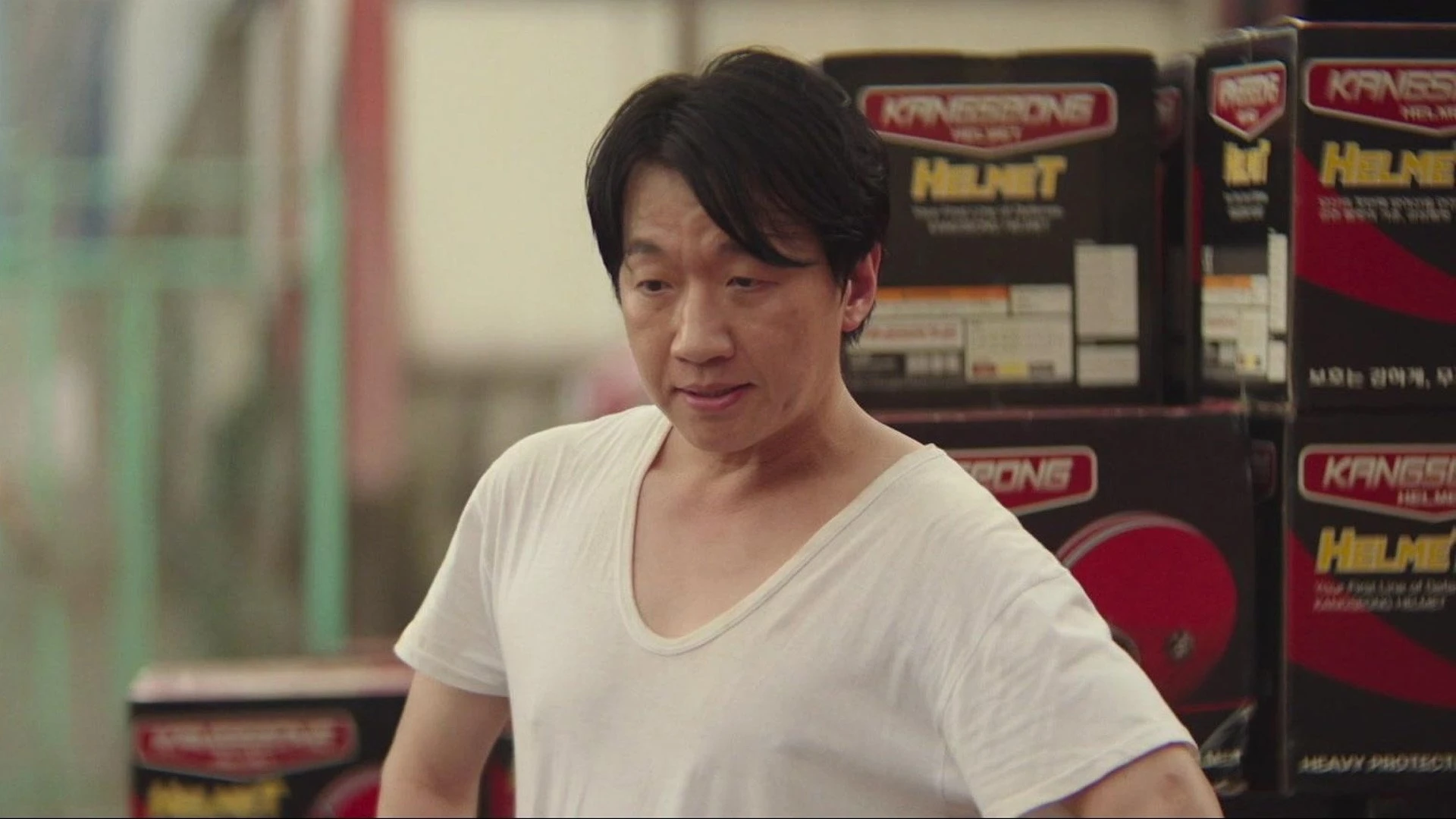
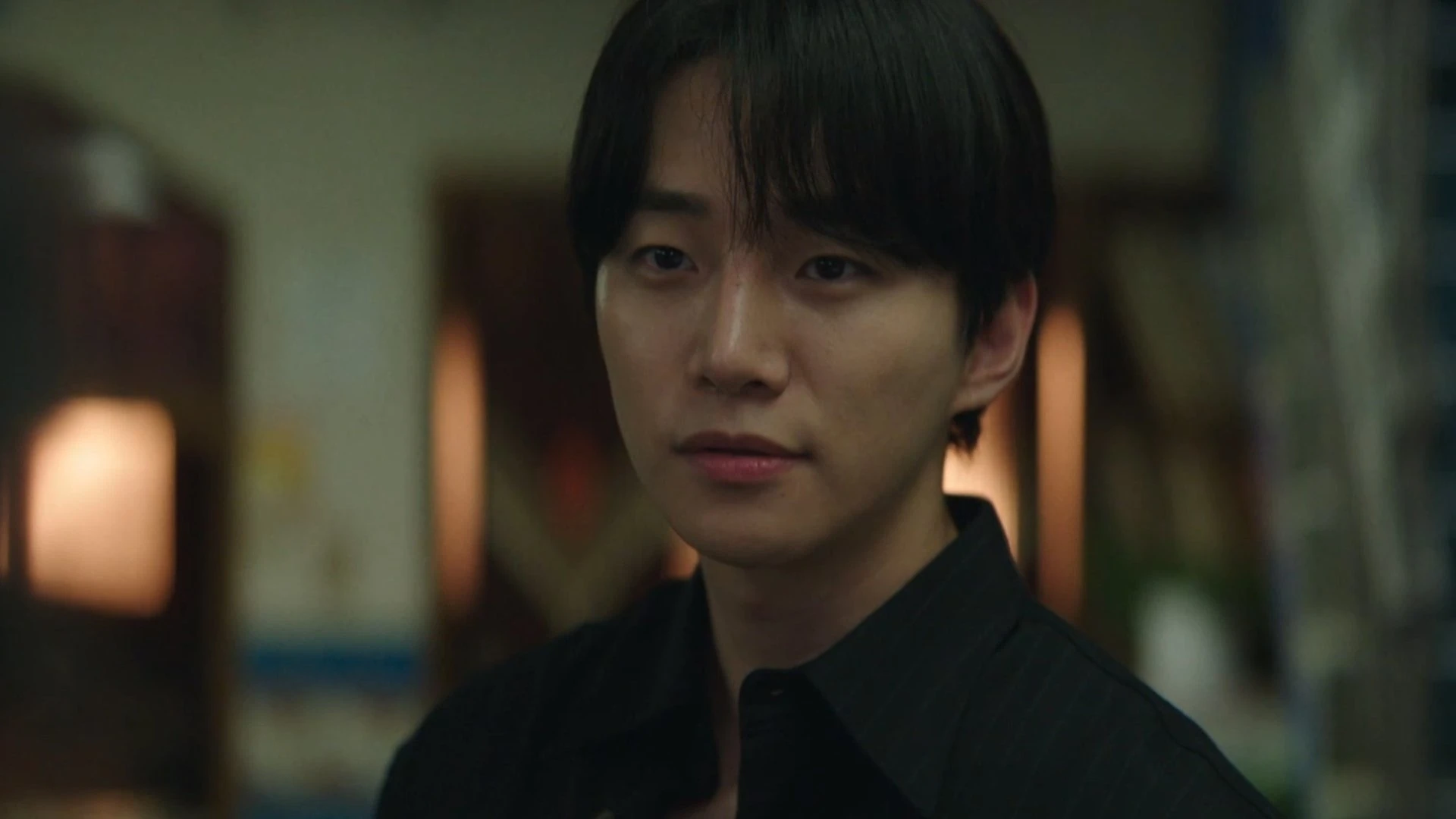
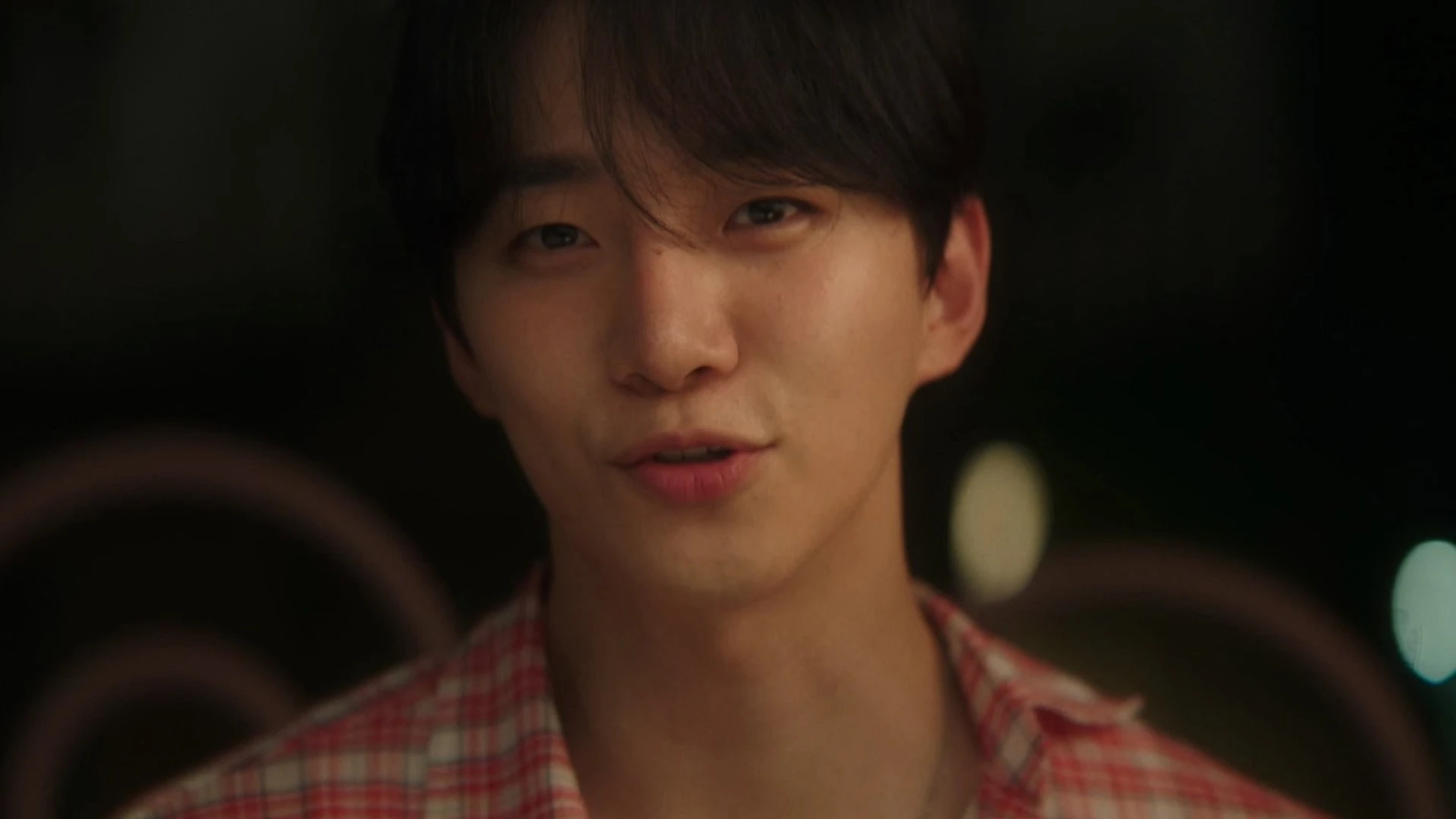
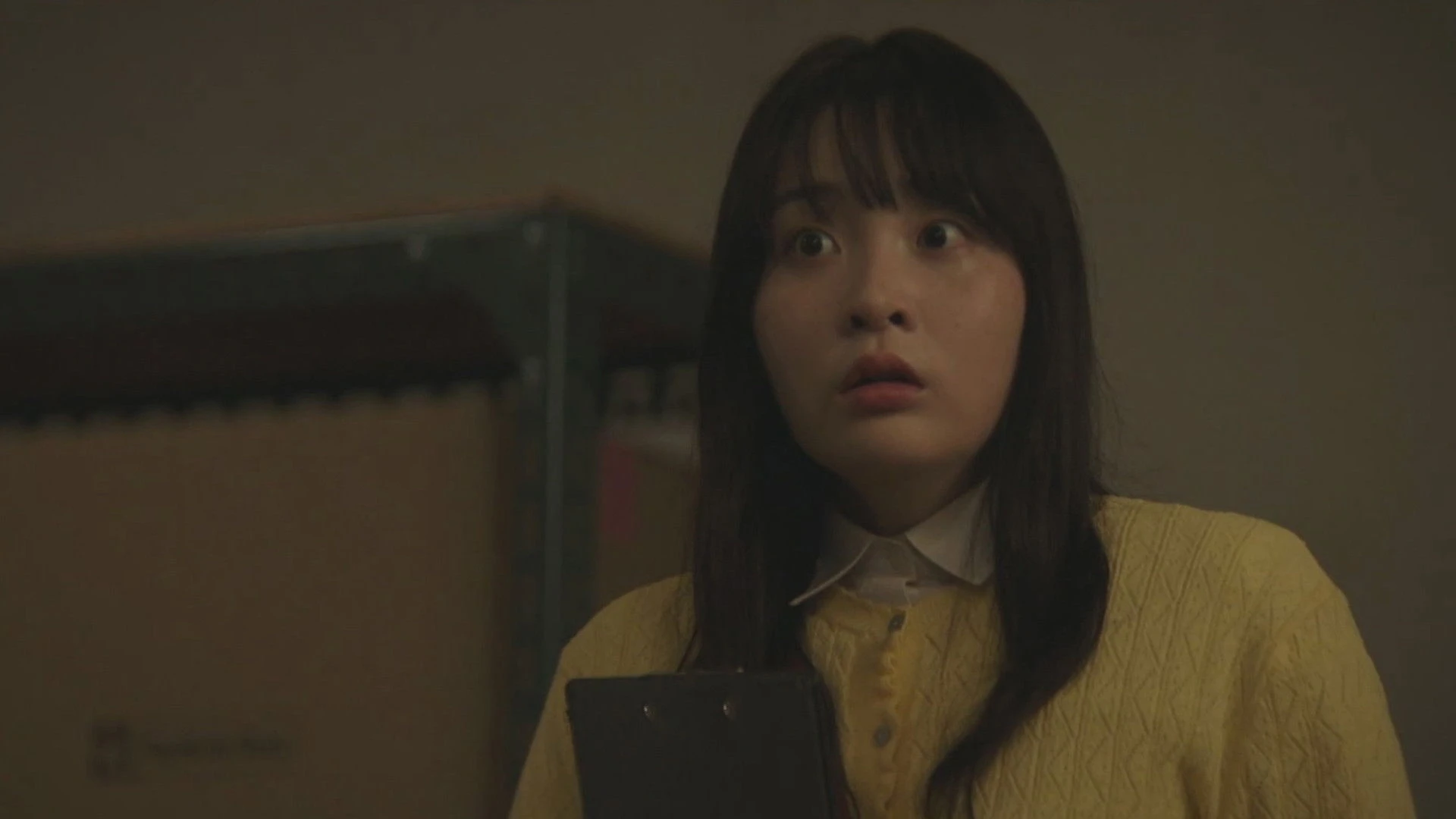

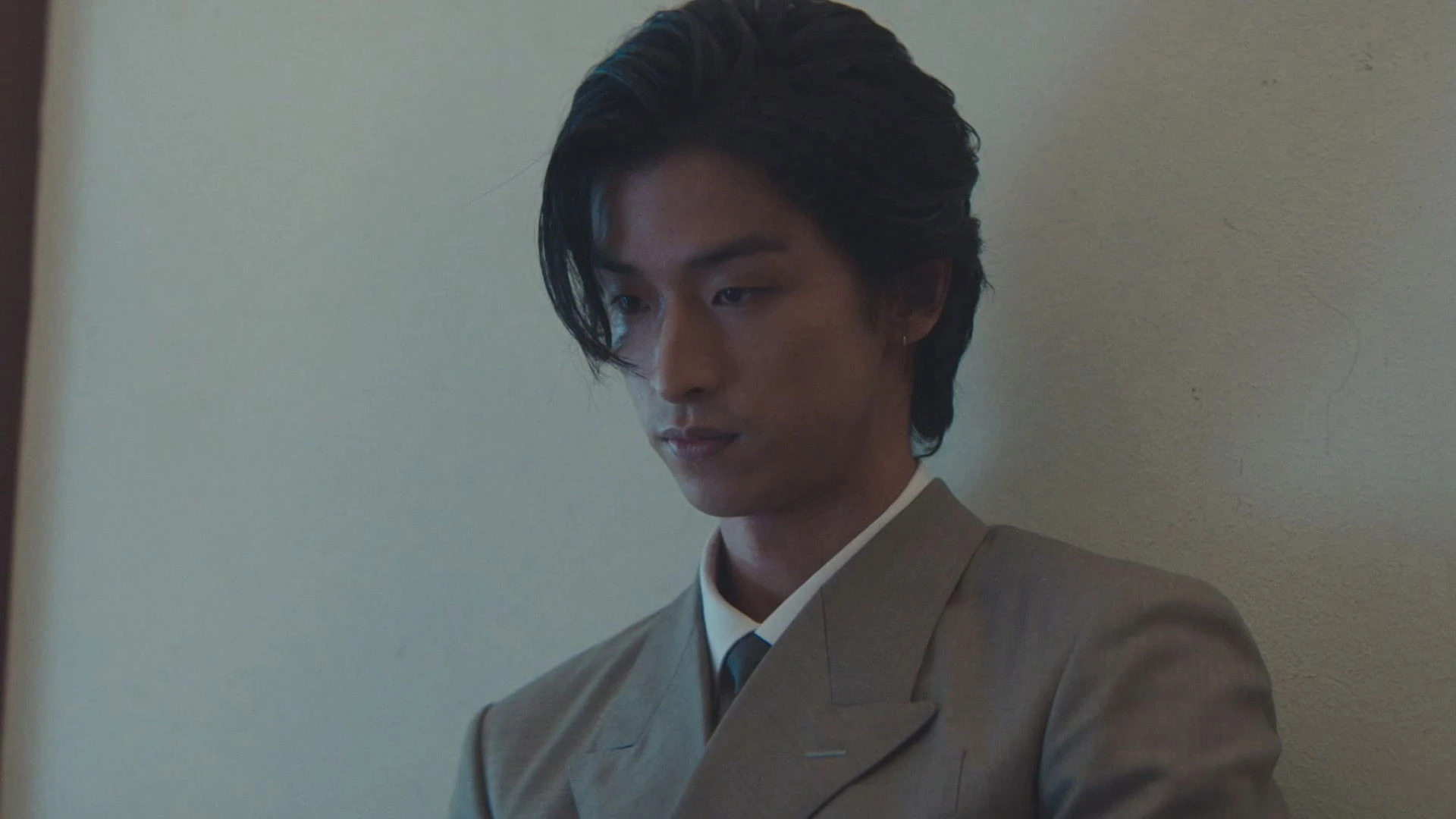
🏁 Ending Explained
Full spoilers ahead — everything that happens in the finale and what it all means.
Spoiler Warning — This section covers the full finale of Typhoon Family. Stop here if you haven’t finished the series.
The Promissory Note. Episode 16 opens with Tae-pung discovering a promissory note hidden inside his late father’s broken wooden nameplate — a document signed by Pyo Bak-ho nine years earlier, when Pyo’s company was on the verge of collapse and Kang Jin-young quietly bailed him out. The note is worth 40 million won. Seon-taek is the one most moved by the discovery: she gave Jin-young that nameplate when Typhoon Trading first moved offices in 1983, and the fact that he kept something so precious inside it says everything about the man he was. For the team, it’s both a weapon and a revelation — proof that Typhoon Trading’s story goes back further than any of them knew.
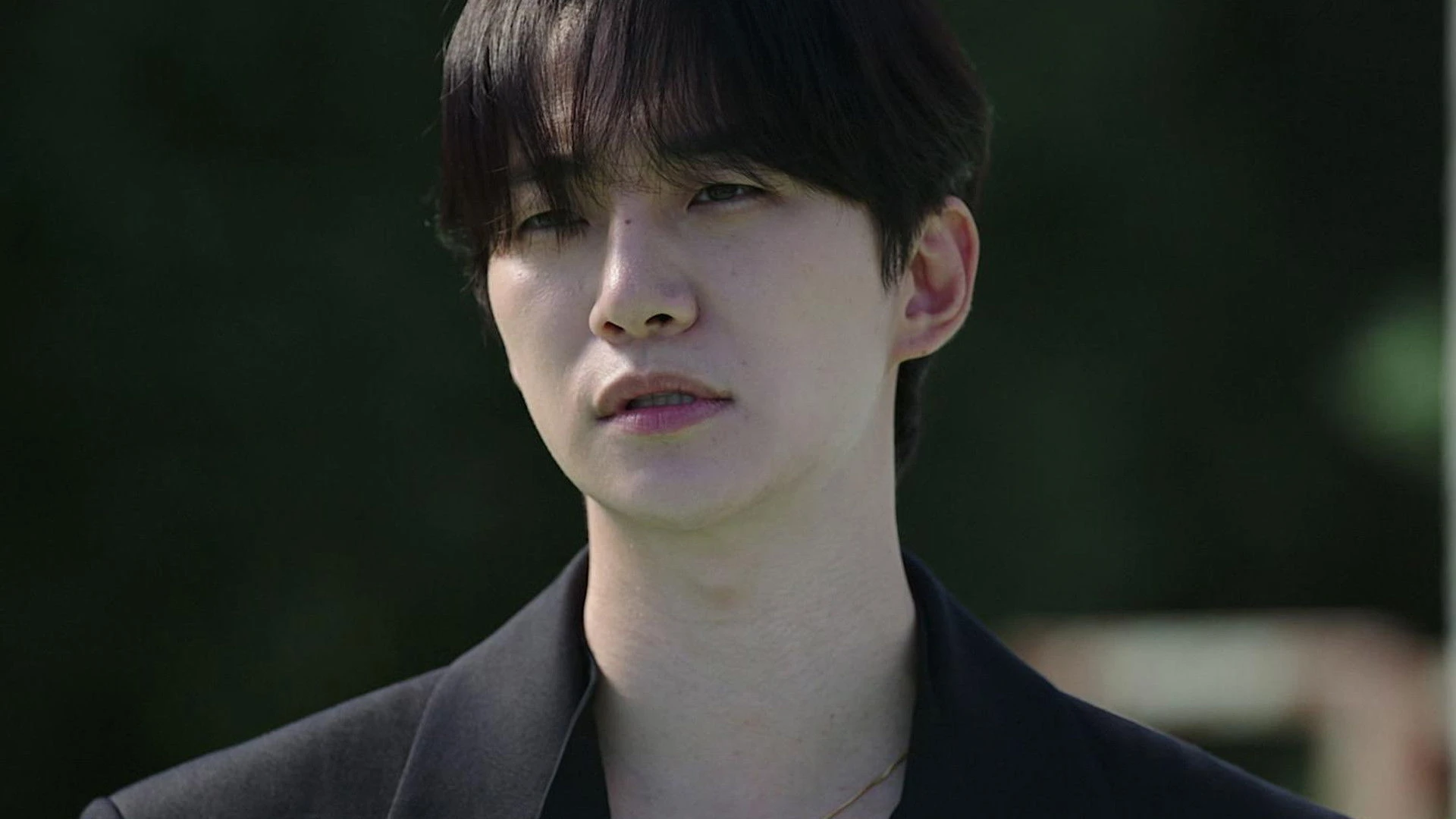
The Final Battle — Patents and Portable Media Players. Going through documents stolen from Pyo Merchant Marine’s office, the team uncovers Hyun-jun’s scheme: he has struck a deal with Mark Choi, a foreign businessman who wants to manufacture portable media players (PMPs). The devices overheat — and the solution is a patented cooling fan owned by Gang-sik’s factory. Hyun-jun planned to seize the factory, hand the patent to Mark, and use the payout to purchase his own merchant ship. Tae-pung’s counter-move is elegant: release the patent entirely. With no exclusive patent to buy, Mark has no reason to proceed. Within fourteen hours, the plan is executed. Mark withdraws. Hyun-jun — who already committed his own building as collateral expecting Mark’s payment — is left with nothing.
The Fall of the Pyo Family. Hyun-jun’s collapse is thorough and fitting. He loses the factory deal, loses his building, loses his merchant ship ambition. The final blow comes from the one person whose approval he spent the entire series chasing: Pyo Bak-ho turns his own son in for embezzlement and misuse of company funds. It’s a devastating scene — Bak-ho doesn’t do it out of principle so much as wounded pride, declaring “I lost” as he walks away from a son who was always more tragic than villainous. Hyun-jun never wanted power for its own sake. He wanted his father to see him. The ending gives him consequences without giving him redemption, and the restraint is exactly right.
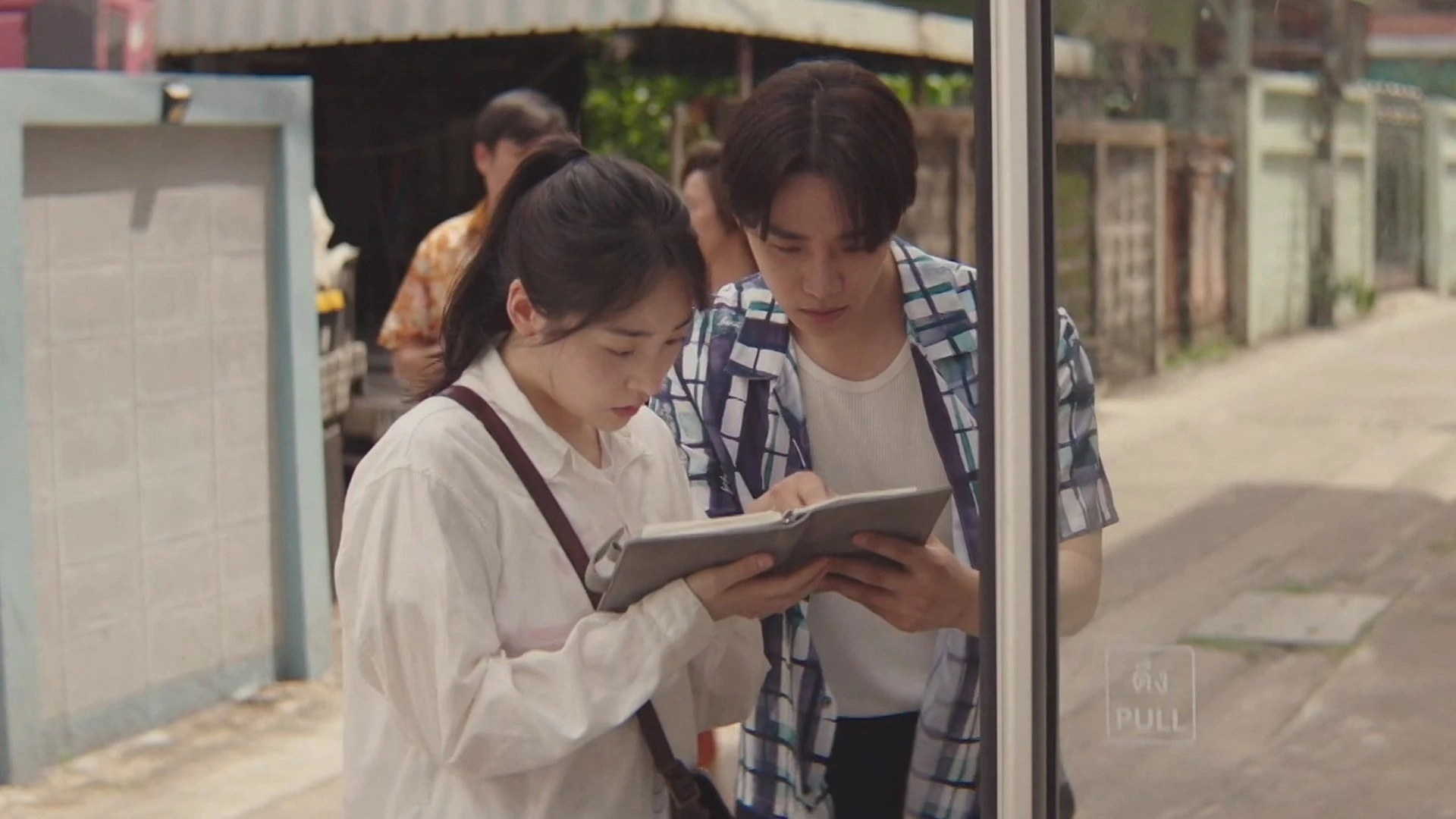
What the Promissory Note Really Means. Tae-pung chooses not to use the note as leverage. He shows it to Bak-ho — not to collect, but to reveal the kind of man his father was. Jin-young saved Bak-ho at his lowest point and never said a word about it. The note isn’t about money. It’s about what Typhoon Trading was always built on: the belief that people matter more than profit. Tae-pung loses the note before it can be formally used — but by then, it has already done its real work. He doesn’t need leverage. He’s already become the person his father was quietly trying to raise.
Tae-pung and Mi-seon. Their relationship reaches its quiet confirmation in the finale — not a grand declaration, but something more earned. Two people who have been working side by side through crisis after crisis, building something together, finally acknowledging what has been obvious to everyone else for episodes. The romance lands because the drama never prioritized it above the company’s survival. It was always the subtext, never the text — and that restraint makes the payoff feel real.
The Supporting Cast. Nam-mo, Tae-pung’s best friend who has spent the series drifting, finally commits — to music, to Mi-ho, to himself. He confesses openly, acknowledges he may never be rich, and promises to give everything he has. Mi-ho’s grandmother blesses the relationship on one condition: that Mi-ho stays happy. It’s a small moment, but the warmth is genuine. The Typhoon Trading old guard — Seon-taek, Myung-gwan, the team — find their way back to each other in the finale’s quieter scenes, the found family complete.
The Epilogue — 2001. The drama jumps forward to 2001. Typhoon Trading has not only survived the IMF crisis — it has become an example for other struggling small businesses, appearing on television and making public donations to companies still fighting to stay afloat. The employees who stayed, and the ones who came back, are all still there. The “typhoon family” of the title was never about blood. It was about the people who chose to stay in the storm together — and who came out the other side still standing, still a team, still a family. The typhoon was never the disaster. It was always the beginning.
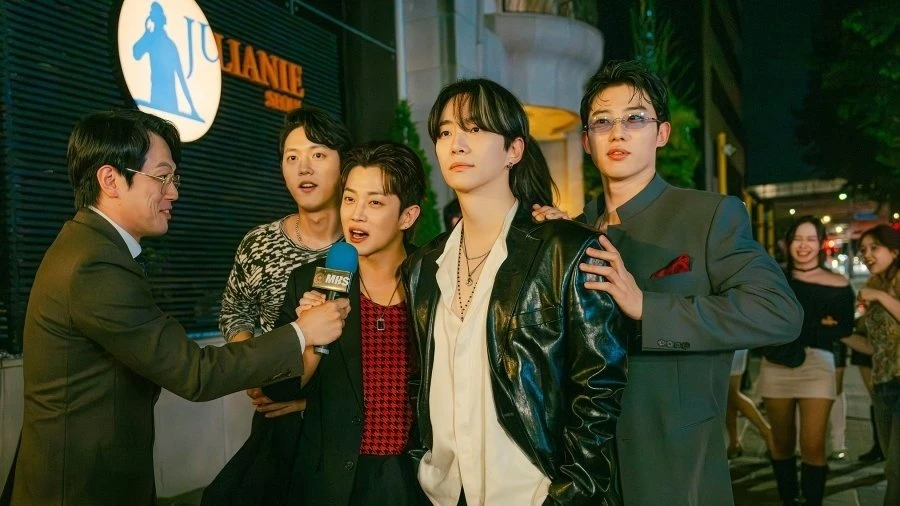
✍️ KDramaWorlds Editor’s Take
Our honest read on why this drama is worth your time — and who it’s for.
💛 Warm & Heartfelt
📅 90s Korea Nostalgia
🤝 Found Family
💪 Quietly Inspiring
Lee Jun-ho doesn’t play Kang Tae-pung as a buffoon who stumbles into competence — he plays him as someone who was always more than he let himself be. That’s a harder performance to land, and it’s what makes the transformation feel earned rather than convenient. From the moment Tae-pung sits alone in his dead father’s empty office — surrounded by nothing but debt and the faint impression of a man he never properly knew — you can see the exact instant a person decides to choose something bigger than themselves. The 1997 IMF crisis backdrop is rendered with genuine care: the period details are sharp without being museum-piece, and the show has the wisdom to keep the national tragedy as context rather than spectacle. If you’ve watched Business Proposal and wanted the workplace romance to carry more emotional weight, this is what that looks like.
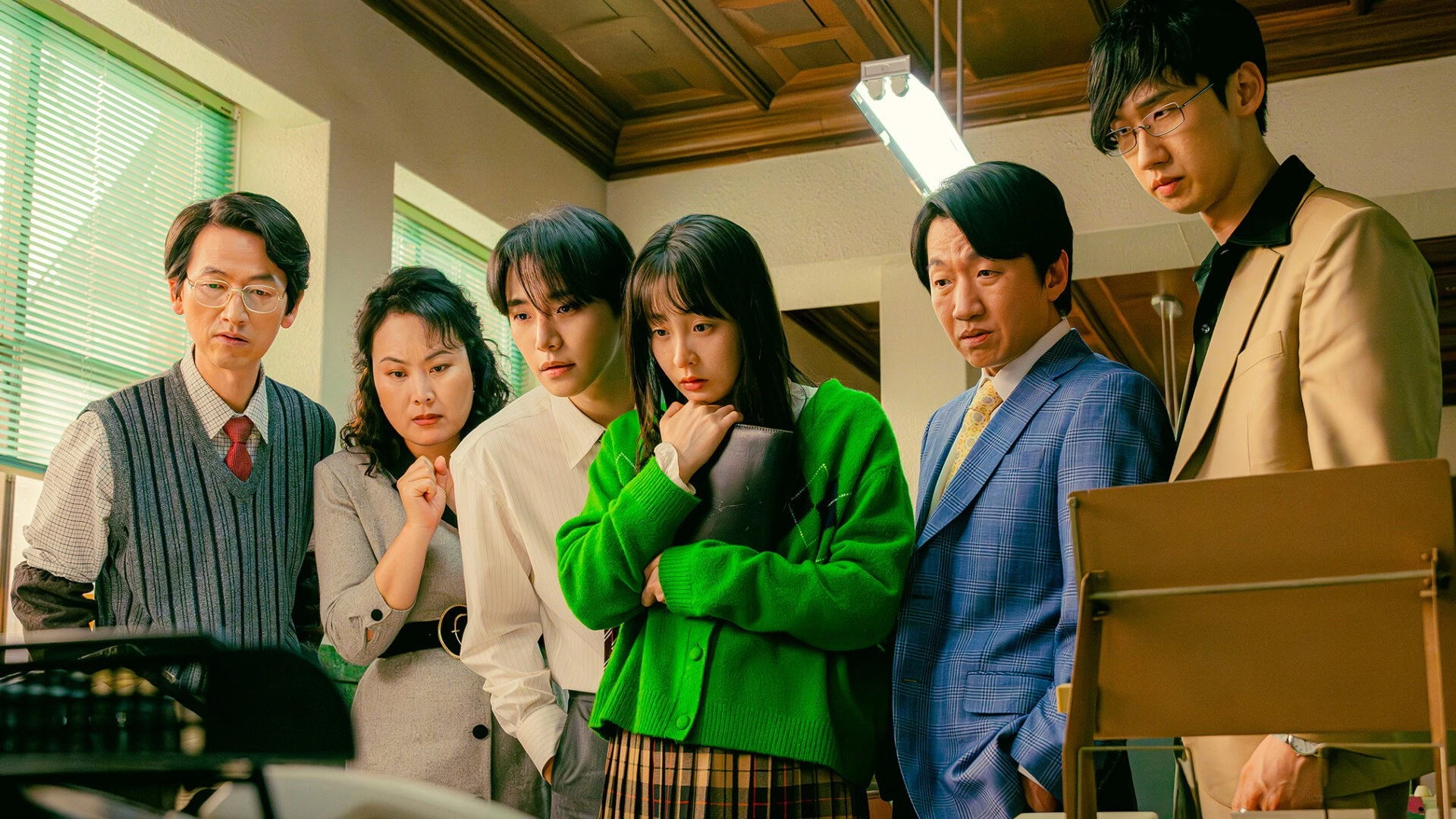
The divisive question with Typhoon Family is pacing. At 16 episodes running ±75 minutes each, the formula — Tae-pung makes a bold move, things look good, then disaster arrives — repeats often enough that some viewers disengage around episodes 8 or 9. That criticism is fair. But Kim Min-ha as Oh Mi-seon provides consistent counterbalance: her quiet competence, her barely-suppressed care for both the company and for Tae-pung, adds the emotional intelligence that prevents the business plot from becoming mechanical. The secondary romance between Wang Nam-mo and Mi-seon’s sister also earns more warmth than you’d expect from a subplot. The show handles its 1990s setting with affection — from the Apgujeong Orange Tribe scenes in the opening episodes to the textures of a trading office running on phone calls and physical ledgers.
Typhoon Family is not trying to be The Glory or Signal. It sits in a more specific lineage — the hopeful workplace drama where good people figure out how to survive without becoming someone they’d be ashamed of. In that lane, it’s one of the better examples 2025 produced. The finale doesn’t reach for grandeur; it goes for honesty, and it gets there. Some threads don’t fully pay off, and the middle stretch tests patience. None of that undoes what the show does right: a man learning what his father was trying to teach him, one brutal business lesson at a time. A slow-burn underdog story that rewards patience.
Anyone drawn to 1990s Korea — the fashion, the phones, the pre-internet hustle
Viewers who prefer warmth over shock — growth over revenge
🎬 You Might Also Like
If you liked Typhoon Family, these are your next three watches.
 The WONDERfools
action comedyCha Eun Woo
Read Full Review →
|
 A Virtuous Business
comedyfemale friendship
Read Full Review →
|
 Frankly Speaking
announcerGo Kyung-pyo
Read Full Review →
|











Keep it kind, skip the harsh language, and please — no spoilers. Everyone's taste is different, and that's perfectly fine.
This space is for real reactions and discussion from other viewers. Help keep it comfortable for everyone by not giving away major plot details.
What do you think of this drama?
Login to share your review or leave a comment.
No email needed — just pick a username & password.