
Karma
🎬 Netflix
⭐ 8.1 / 10 MDL
🔞 18+ Violence & Profanity
📋 Drama Overview
Everything you need to know before you hit play.
🔥 Crime Must-Watch
Six strangers. One body. One irreversible decision. Karma opens with a burn victim being rushed to hospital — and then rewinds, methodically, to expose how each of the six people in this story ended up in the same suffocating web. There’s Han Sang-hoon, a traditional medicine doctor with a stylish life — glasses, a gorgeous girlfriend named Yu-jeong, a thriving Gangnam clinic. There’s Park Jae-yeong, a man drowning in cryptocurrency debts who has borrowed from loan sharks and sees only one way out. There’s Kim Beom-jun, a quiet operator whose successful private clinic has darker machinery underneath. And there’s Lee Ju-yeon, a surgeon carrying the kind of childhood trauma that changes how a person sees justice entirely.
When Jang Gil-ryong, an undocumented worker who can’t afford to say no, is pulled into disposing of a body — and Sang-hoon’s car hits that same body on a mountain road — the chain of consequence begins. Each character makes one bad decision, and then another, and then another, until every path leads to the same inescapable place. Written and directed by Lee Il-hyung and adapted from the Kakao webtoon Akyeon by Choi Hee-sun, Karma doesn’t ask you to sympathise with anyone. It asks you to watch — and to understand exactly how a group of flawed, frightened, ordinary people can destroy each other completely.
6 / 6 ✅ Completed
⚡ Quick Verdict
One box. Everything you need to decide.
· MDL Score · 13,314 ratings
▶ Official Trailer
🎭 Cast & Characters
Six performances, six threads — and one inescapable collision.
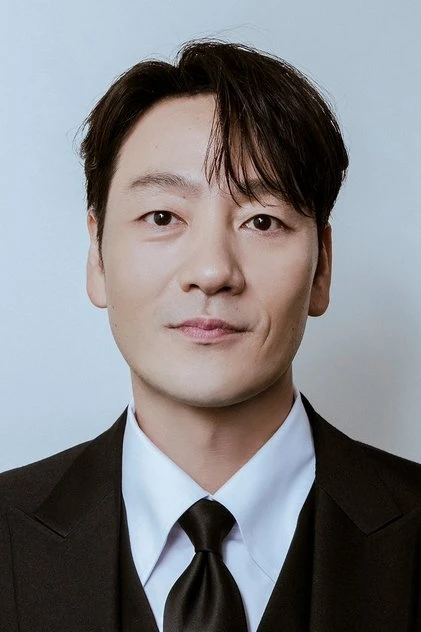
Lead

Lead
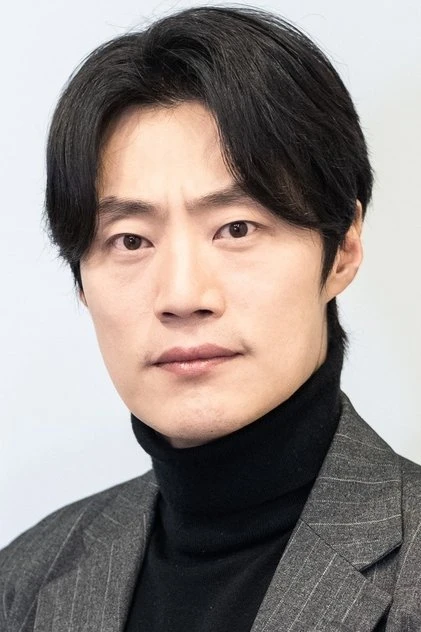
Antagonist

Lead
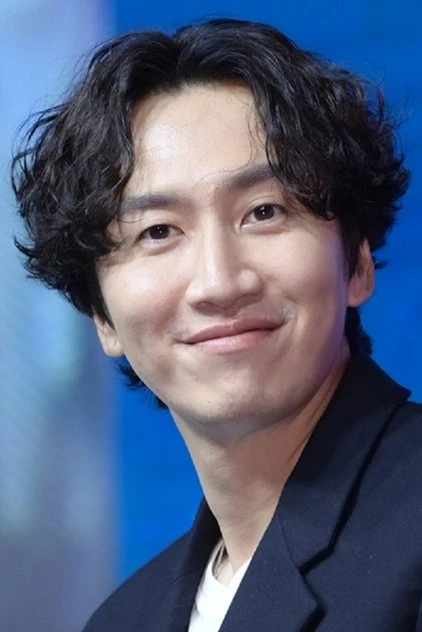
Lead

Lead
📺 Episode Guide
Spoiler-light recaps — all 6 episodes, every perspective.
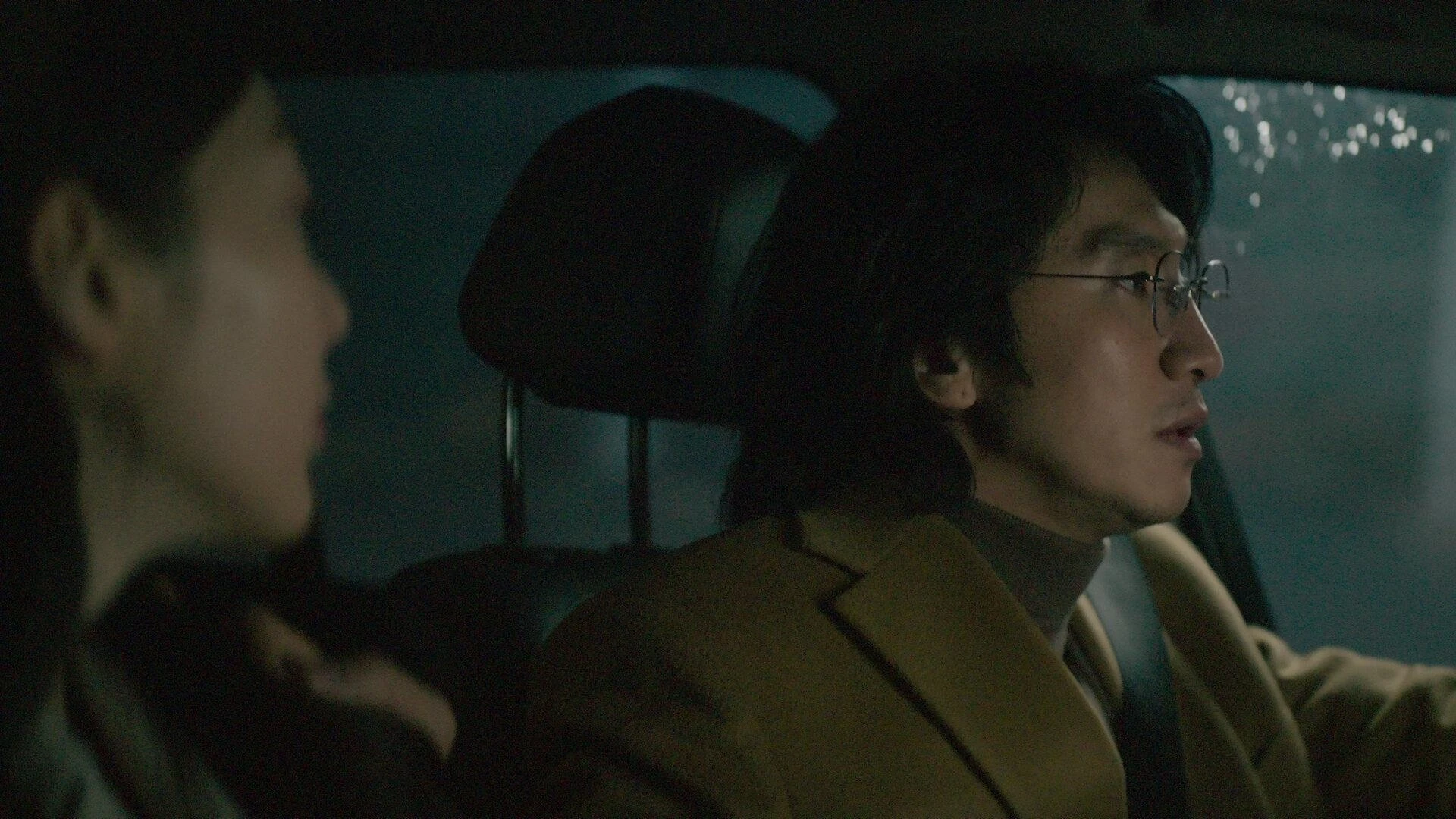


🏁 Ending Explained
Full spoilers ahead — everything that happens in the finale and what it all means.
Spoiler Warning — This section covers the full finale of Karma. Stop here if you haven’t finished the series.
The Organ Harvest Loop Closes. Kim Beom-jun has spent the entire series running a discreet organ-harvesting operation beneath the surface of his successful Gangnam clinic — aided, as the finale reveals, by Dr. Yoon, who secretly worked for the loan shark all along. In the final hour, Beom-jun is hiding at the Guhoe warehouse, trying to evade police while his network collapses around him. The loan shark’s henchmen, confusing him for Park Jae-yeong, seize him and bring him to the same facility where he once took organs from others. The irony is total and without mercy: Beom-jun’s own machine becomes the instrument of his end.
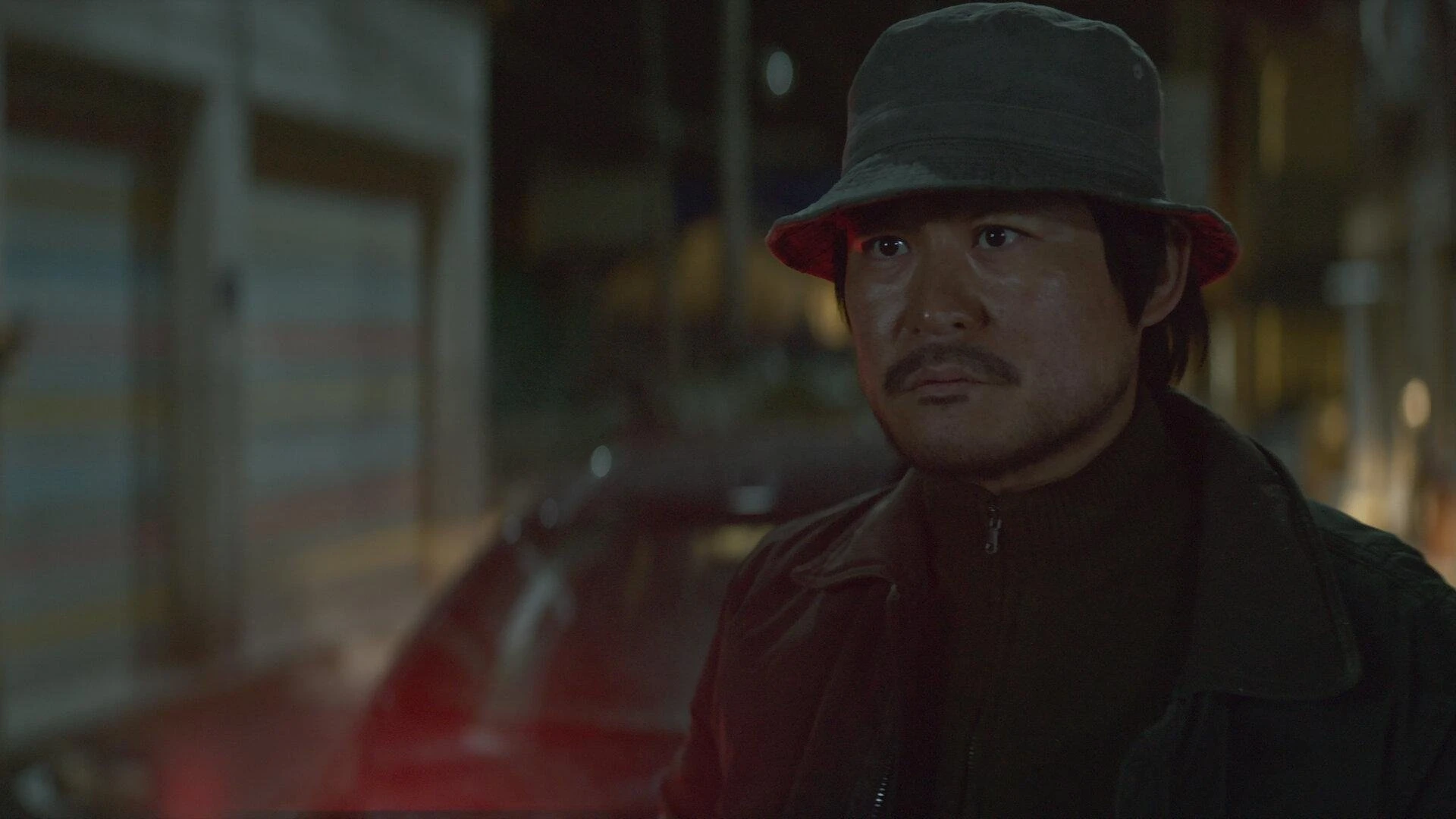
Jae-yeong and Gil-ryong’s Last Encounter. Park Jae-yeong — the debtor who set the entire chain in motion by hiring Gil-ryong to kill his own father — makes one final attempt to eliminate the only living man who can testify against him. The confrontation fails. Gil-ryong, still alive and still in motion, delivers an unconscious Jae-yeong directly to Beom-jun — completing the loop in a direction none of them planned. The man who started it all is handed, powerlessly, to the man he thought he could use.
The Witness and the Weight of a Bad Decision. Han Sang-hoon, the Gangnam doctor who hit the body on the mountain road and then spent five episodes trying to make the problem disappear, faces the full consequence of every choice he made in that spiral. The drama has made clear throughout that his sin was not the accident — it was the decision to manage and contain rather than confess. Everything that followed was downstream of that one moment. The finale doesn’t let him forget it.

What Karma Actually Means Here. The show is not moralistic about it. There is no speech, no scene where a character articulates the theme. What the finale delivers instead is a kind of mechanical, almost indifferent retribution — each character’s transgression answered by a consequence that was, in retrospect, entirely logical from the choices they made. The webtoon’s title, Akyeon, means “ill-fated relationship,” and that is precisely what the drama delivers: not cosmic justice, but cause and effect, traced to its only possible conclusion.
Ju-yeon’s Resolution. Lee Ju-yeon is the one character in the drama who entered the story for a reason that had nothing to do with money. She came for the person responsible for her childhood trauma — and in the finale, she confronts that truth. She gets the only version of closure this drama is capable of offering: not peace, but an end. She is the only character who survives the finale without losing herself in the process. The final image of the series centres on her, walking away from what she came to do — and choosing to keep going.
The Supporting Cast’s Reckoning. Park Ho-san’s Hwang Cheol-mok and the other orbit characters receive resolution consistent with the show’s world-view: no one who touched the chain of events escapes untouched. The drama closes these threads efficiently, with more attention to consequence than sentiment — which is, by this point, exactly the register the series has earned.
No Epilogue, No Warmth. There is no time jump. No warm final scene. The finale ends as it began — with the hospital, and a body, and the understanding that what happened here happened because of choices, not fate. The show calls it karma. What it means is something colder. Cause and effect, played out to its only possible conclusion — and the one person who got to walk away had to earn it.

✍️ KDramaWorlds Editor’s Take
Our honest read on why this drama is worth your time — and who it’s for.
🔄 Non-Linear Thriller
💀 Karmic Darkness
🔍 Methodical
😶 No Easy Exits
Karma doesn’t give you a protagonist. That is not an accident — it is the structural argument of the entire drama. Lee Il-hyung, who wrote and directed all six episodes, is interested in what happens when you remove the moral anchor from a crime story entirely. There is no one to root for here. Every character in Karma has done something indefensible, is about to do something indefensible, or is doing something indefensible right now. What the show offers instead of sympathy is the intellectually rigorous pleasure of watching six dominoes fall in exactly the direction they were always going to fall. It is a difficult pleasure. It is also a real one.
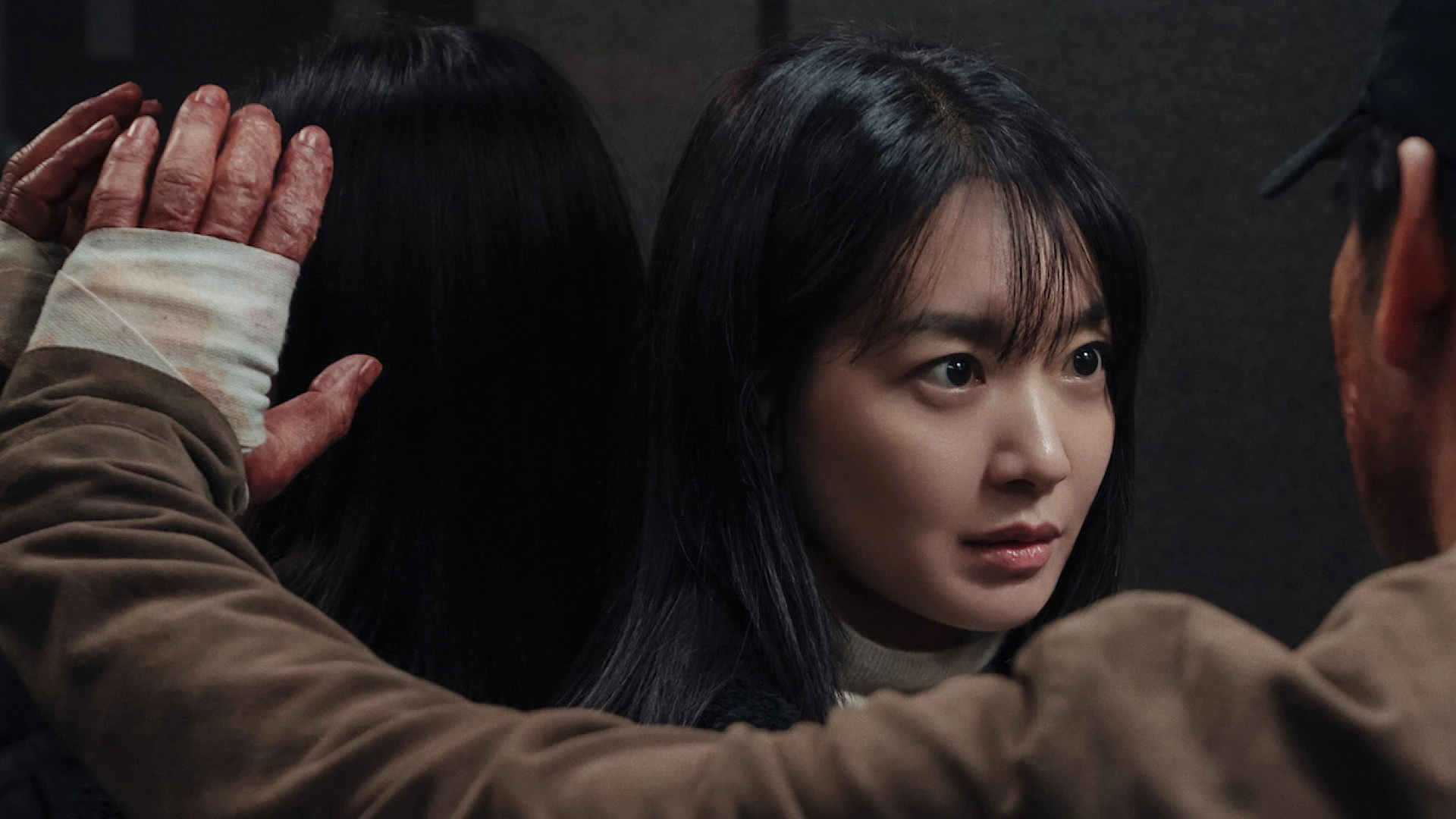
The non-linear structure — which overlaps the same event from different characters’ perspectives across multiple episodes — is genuinely well-executed, which is the thing that separates Karma from the many dramas that attempt this and lose the audience somewhere in episode three. Each perspective recontextualises what came before without contradicting it. The series is tight at six episodes and it earns that tightness: there is very little waste, and the connective tissue between storylines is laid with more care than most thrillers twice its length. Park Hae-soo is controlled and menacing as Beom-jun. Shin Min-a is excellent — her work in episode four, in particular, is some of the best dramatic acting she has delivered in a career full of them. If you want a comparison point: where The Glory gives you a protagonist to love and a villain to hate, Karma gives you neither — and commits to that choice completely.
The trade-off is that Karma is deliberately, consistently cold. If you are looking for a drama that rewards emotional investment in its characters, this is not that show — and it doesn’t want to be. It is a mechanism, beautifully assembled, designed to demonstrate one thesis: actions have consequences, and the consequences are never as controlled as the people who made them imagined. For audiences who can sit with that — who find the intellectual satisfaction of a closed loop more rewarding than the emotional satisfaction of a redemption arc — Karma is a very good five hours. Dark, relentless, and structurally impeccable: Netflix Korea at its most efficient and least forgiving.
Viewers who love watching pieces click into place
Anyone who can watch with zero heroes on screen
🎬 You Might Also Like
If you liked Karma, these are your next three watches.
 The Scarecrow
cold casecriminal profiler
Read Full Review →
|
 As You Stood By
Jeon So-nee
Read Full Review →
|
 The Golden Spoon
Body SwapClass Divide
Read Full Review →
|













Keep it kind, skip the harsh language, and please — no spoilers. Everyone's taste is different, and that's perfectly fine.
This space is for real reactions and discussion from other viewers. Help keep it comfortable for everyone by not giving away major plot details.
What do you think of this drama?
Login to share your review or leave a comment.
No email needed — just pick a username & password.