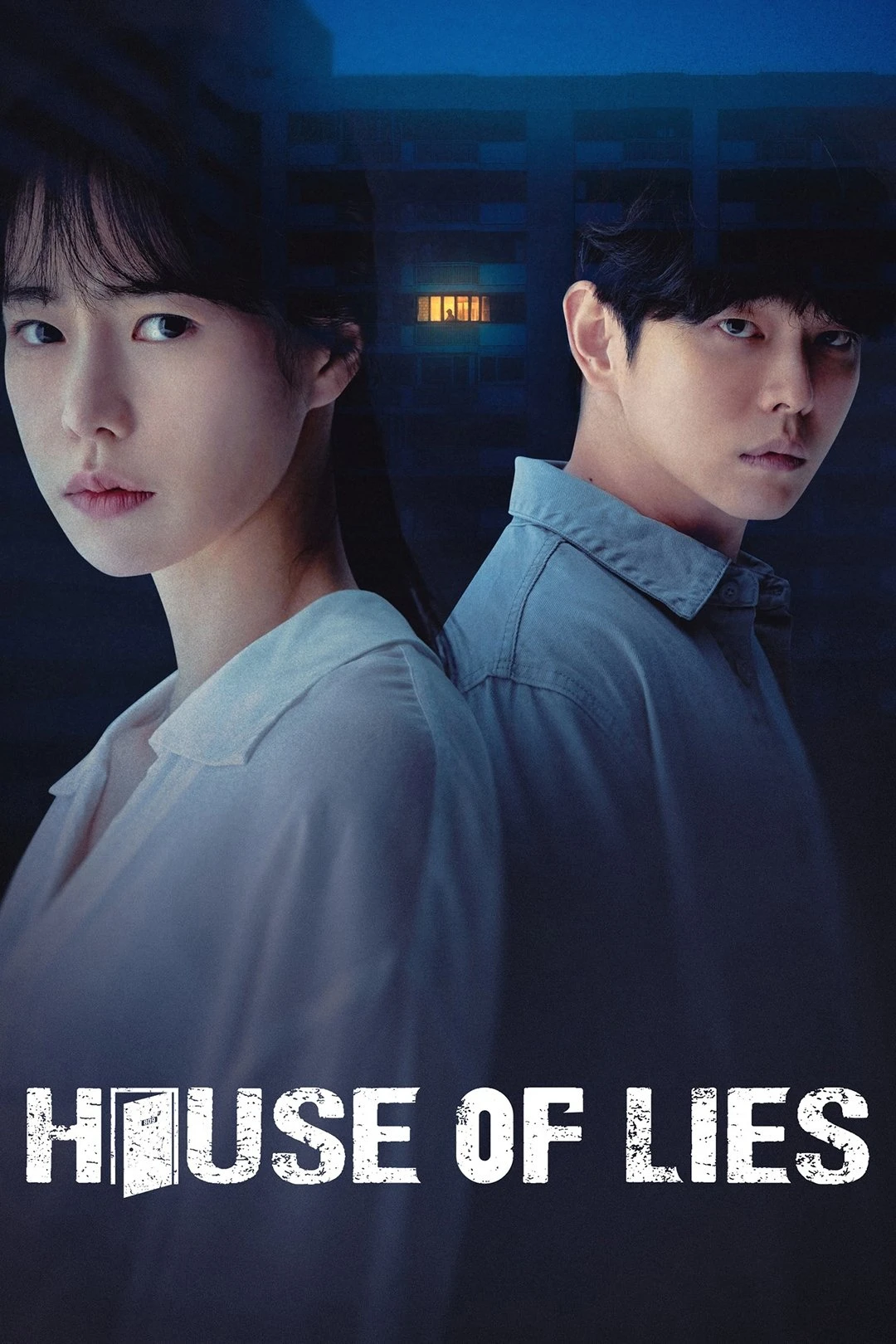
House of Lies
🎬 TVING
⭐ 7.6 / 10 MDL
🔞 TV-MA
📋 Drama Overview
Start here — the basics before the first scene.
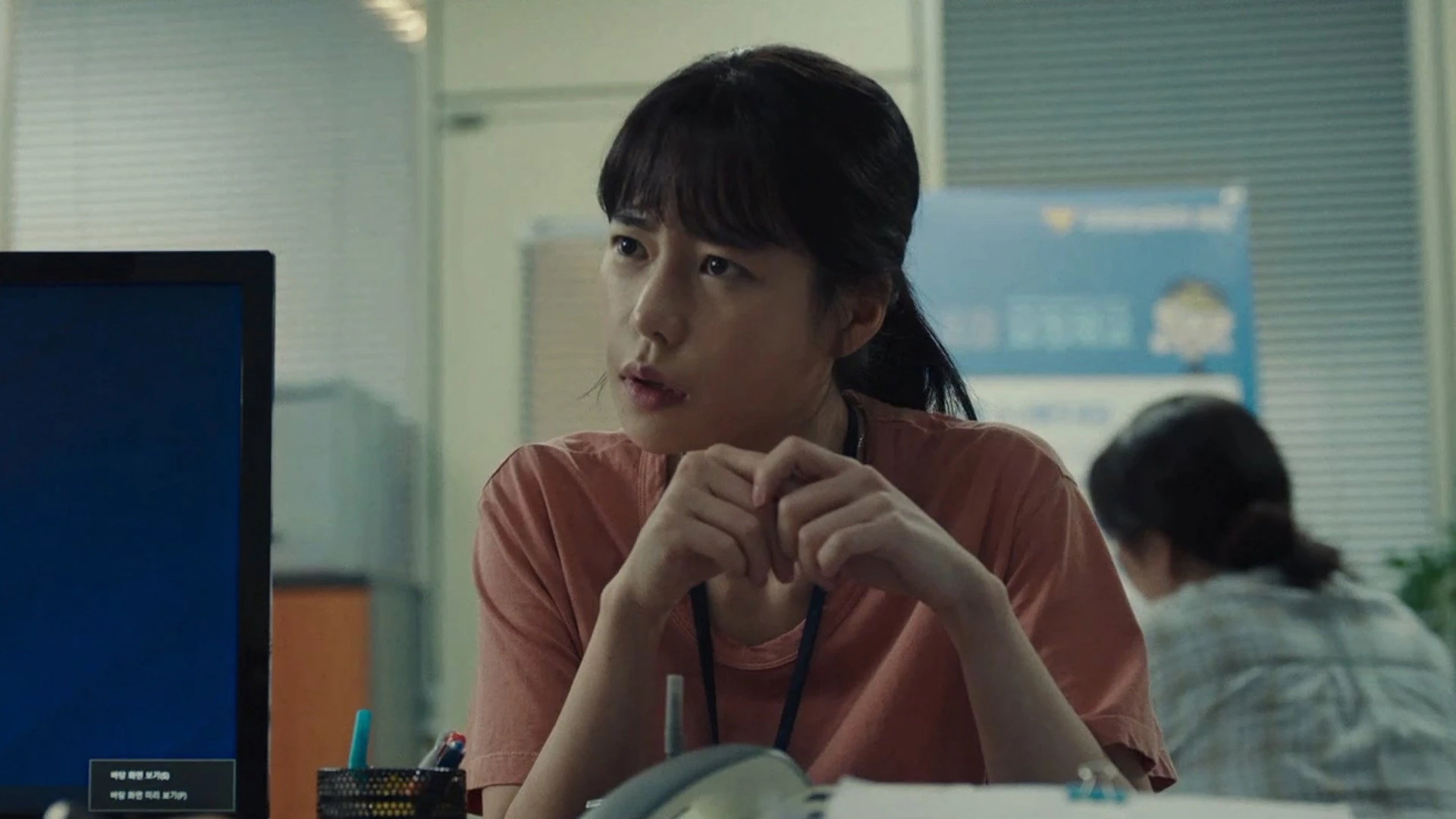
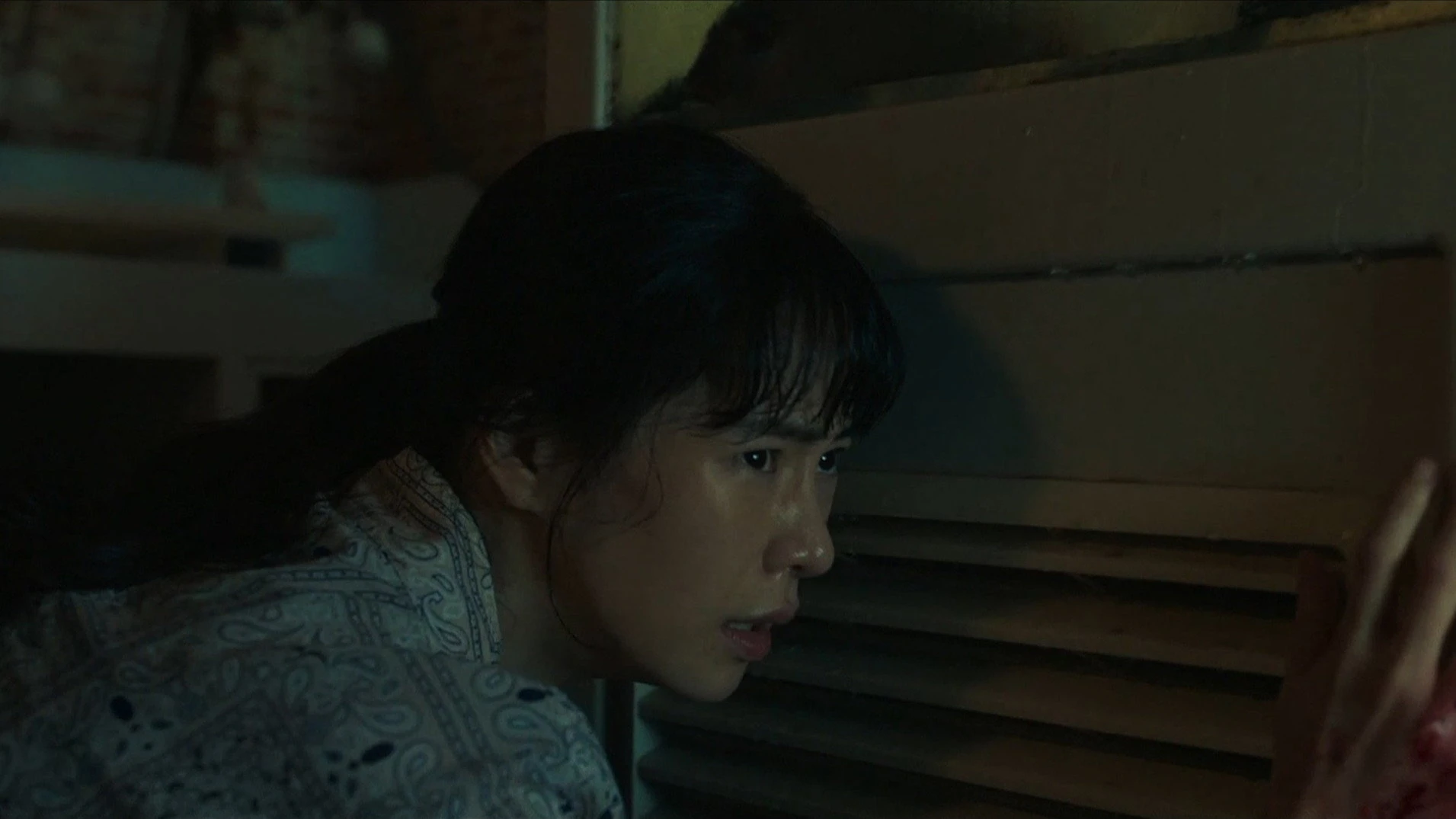
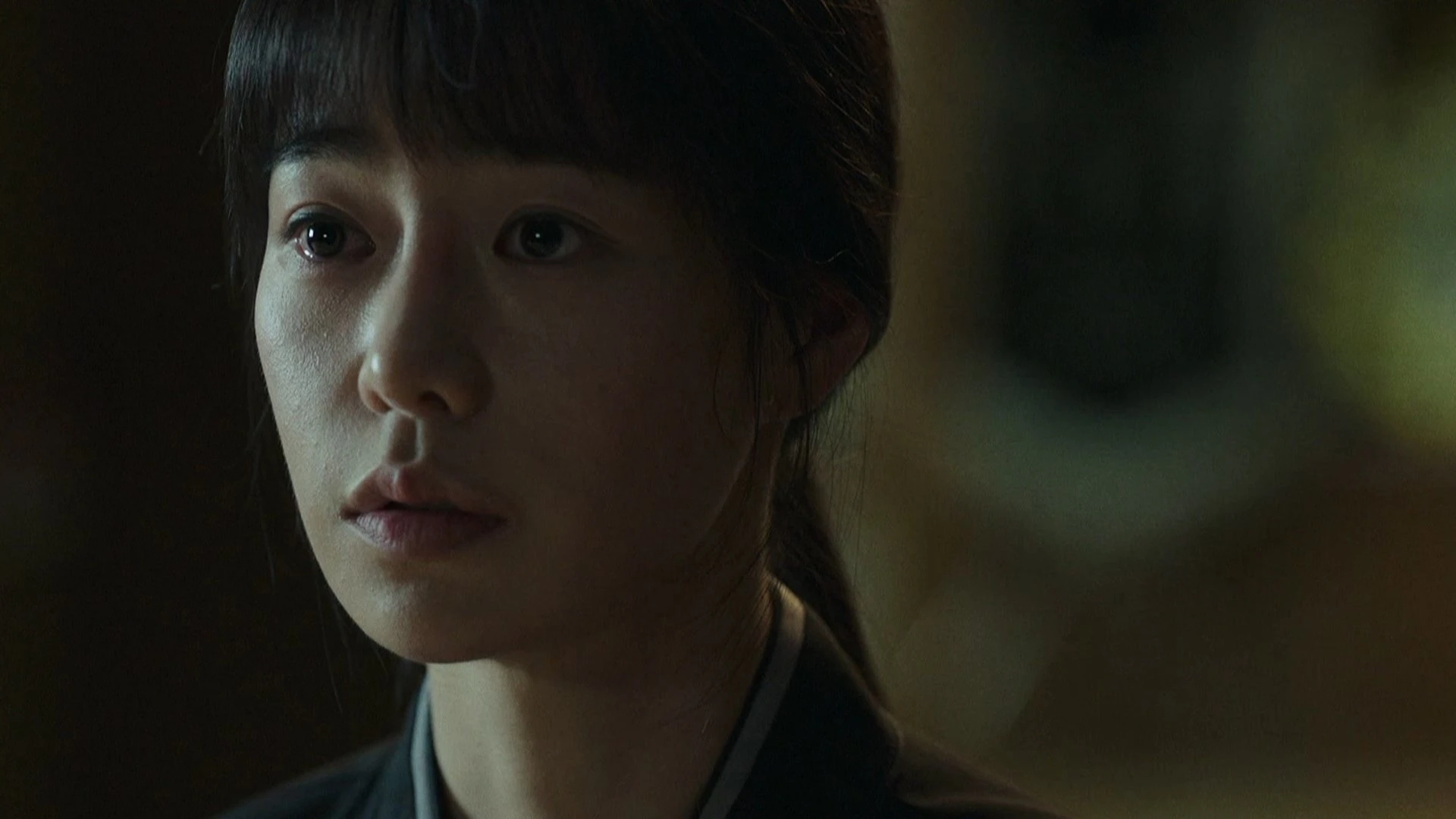
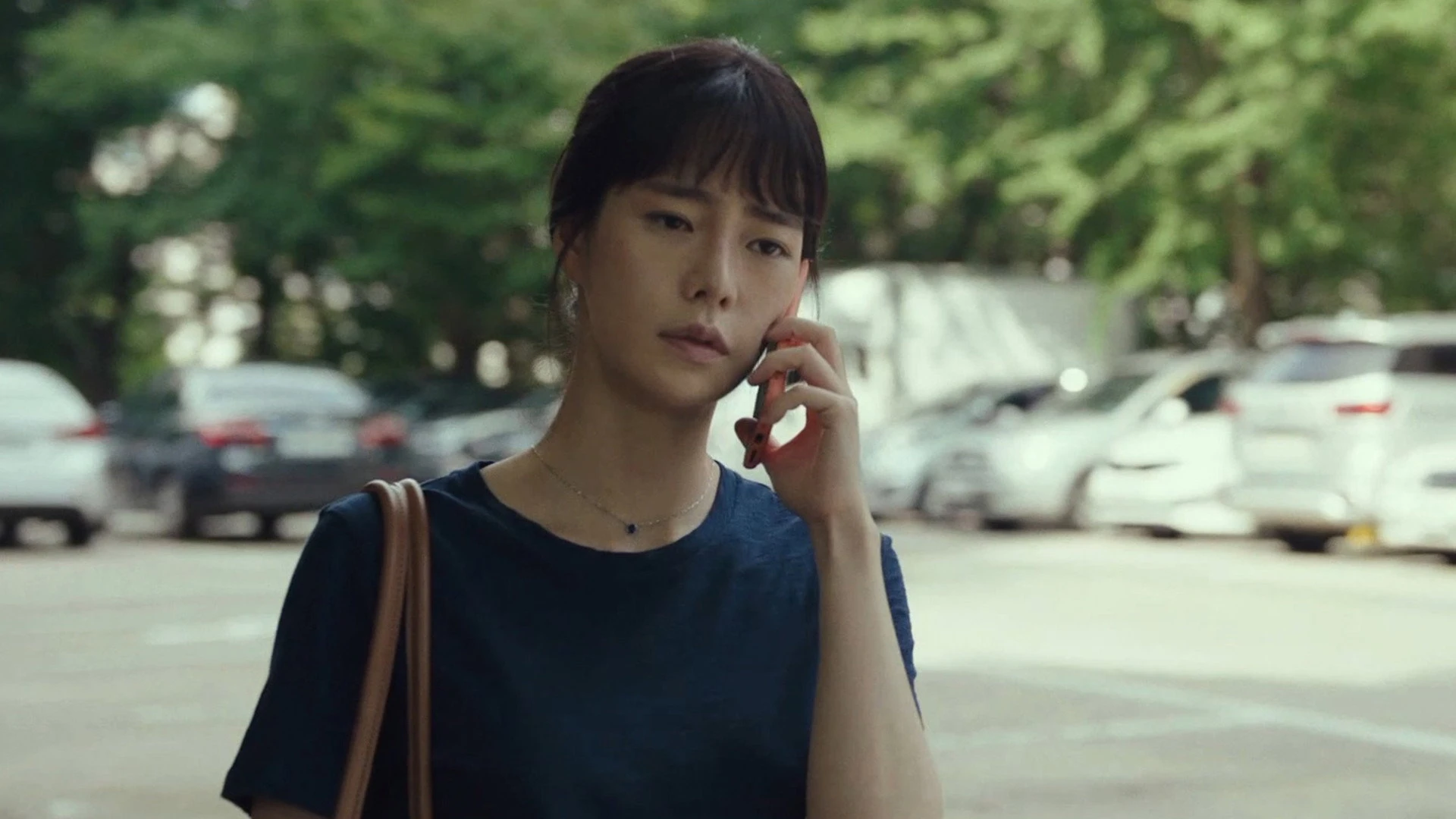
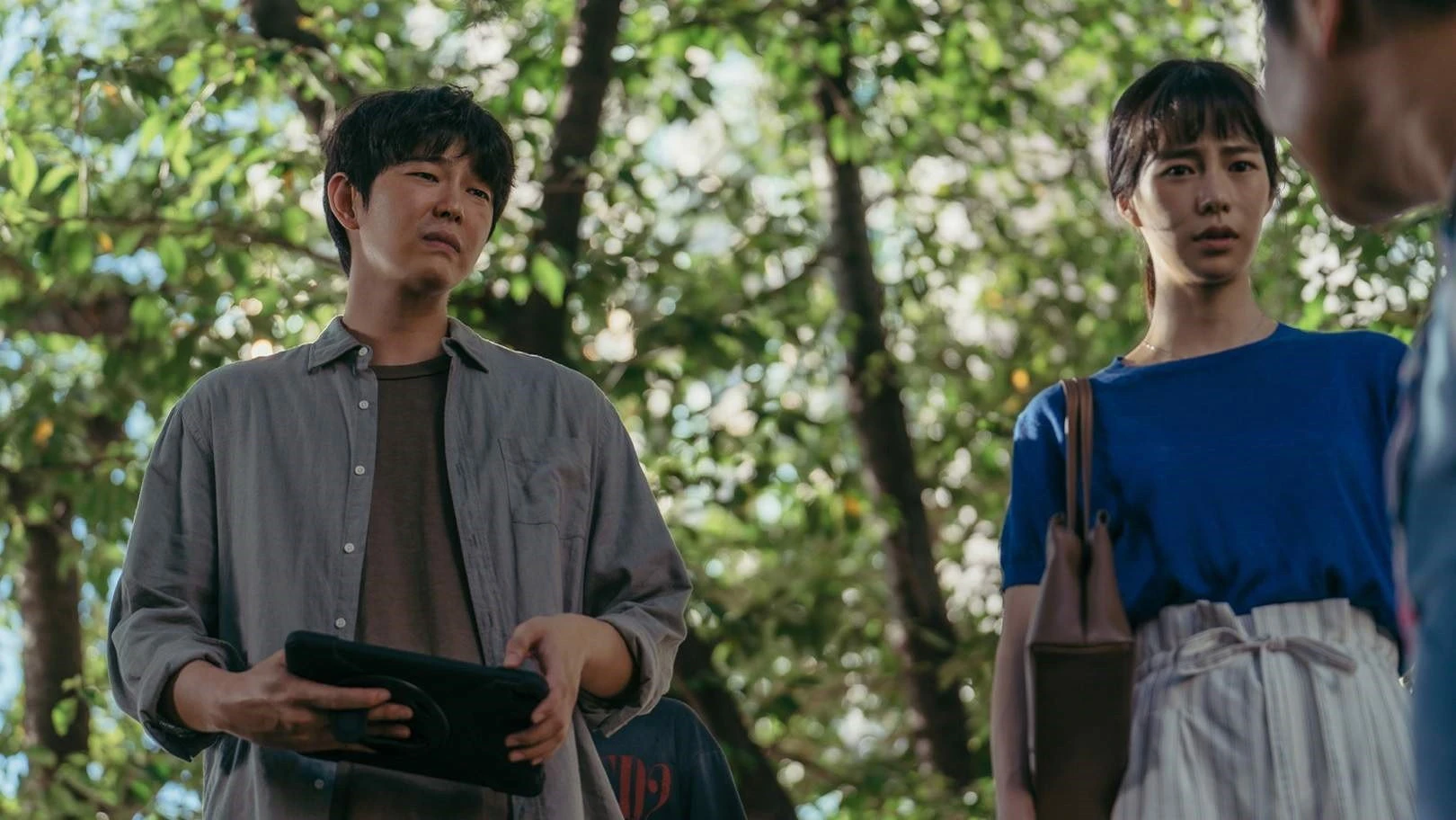
Song Ji-na grew up in Rose Mansion and left — which means she understood exactly what kind of place it was. When her older sister Ji-hyun disappears without explanation, Ji-na comes back. What she finds isn’t just a missing person case: it’s a building full of people who have collectively decided that certain things don’t need to be reported, investigated, or remembered. Lim Ji-yeon plays Ji-na with the specific cold focus of someone whose distrust has just been proven right.
The Korean title is ‘장미맨션’ — Rose Mansion — and the building is the show’s real protagonist. Every resident has something to lose if the truth about Ji-hyun surfaces. Director Yoon Hong-seung, known in the industry as ‘Chang’ and previously acclaimed for Korean horror, brings sustained unease to what could have been a standard missing-person thriller, turning a single apartment block into an architecture of shared guilt.
12 / 12 ✅ Completed
⚡ Quick Verdict
One glance, one verdict — everything you need is right here.
· MDL Score
▶ Official Trailer
🎭 Cast & Characters
The cast that makes a single apartment building feel like a community built on shared guilt.

Lead

Lead

Supporting
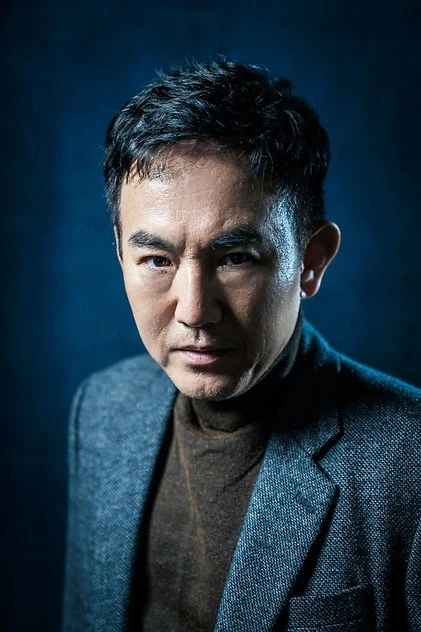
Supporting

Supporting

Supporting

Supporting

Supporting

Supporting

Supporting

Supporting

Supporting
📺 Episode Guide
Quick recaps per episode — just enough to stay caught up.



🏁 Ending Explained
The finale, unpacked in full. Consider yourself warned.
Spoiler Warning — This section covers the full finale of House of Lies. Stop here if you haven’t finished the series.
What happened to Ji-hyun — the literal resolution Ji-hyun is dead — and the circumstances of her death are tied to the apartment’s reconstruction scheme and the people who had financial or personal reasons to ensure her silence. The finale reveals the chain of decisions that produced her disappearance: who knew what, who protected whom, and how long the truth was successfully buried by a community with more to lose from it surfacing than from burying one more secret. The mystery resolves, and the answer is grim in the specific way that answers are when they confirm what the surviving family member already feared but couldn’t yet say.
Min-soo’s secrets — and what they change Min-soo’s hidden past surfaces in the final episodes, confirming the show’s quiet suspicion: his involvement in this case was never purely procedural. He had his own connections to what happened at Rose Mansion — connections that made him simultaneously the most useful person to Ji-na and the one with the most complicated reasons for being useful. The ending refuses to make him a villain, but it refuses to let him be simple either. What he did for Ji-na was real. What he withheld was also real. Both things remain true at the close.
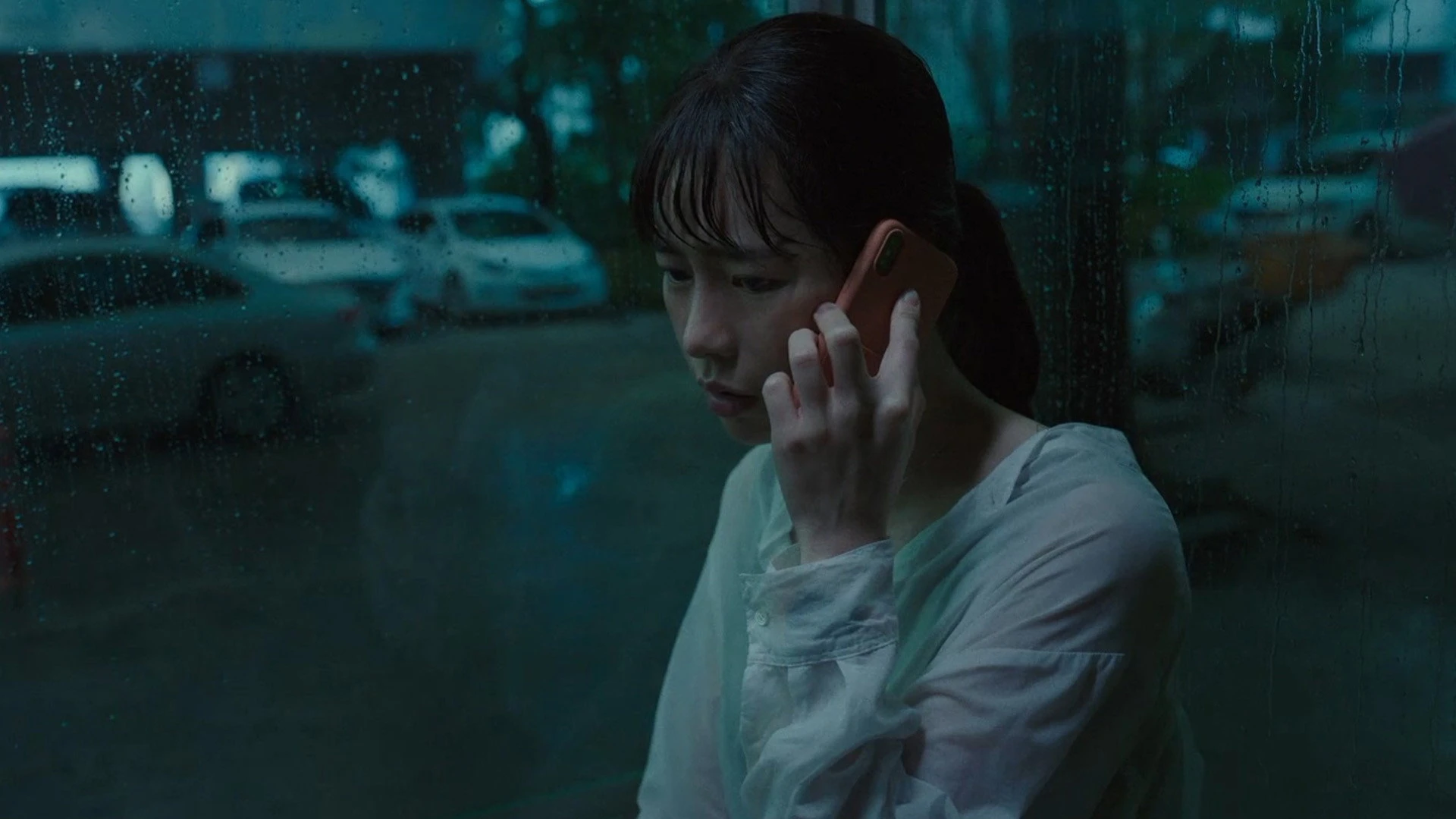
Ji-na’s grief — what the truth actually costs Ji-na’s emotional outcome is the finale’s most carefully handled element. She gets the truth she came for. It doesn’t bring Ji-hyun back. It doesn’t transform her grief into something more manageable or give her family any path toward recovery. What it does is give her grief a specific shape — a name, a set of faces, an account of what happened that removes the worst-case possibility of never knowing. Whether that’s enough is a question the show leaves genuinely open. Lim Ji-yeon plays Ji-na’s final scenes with the exhausted precision of someone who won and still lost.

What the building itself was protecting Rose Mansion is the ending’s final subject. The reconstruction project — the bureaucratic reason the building and its residents are already in flux — is the context that made Ji-hyun’s disappearance possible to conceal. Residents preparing to leave, negotiating compensation, looking past the present — they had reasons to keep their heads down. The show’s argument is that disappearances like Ji-hyun’s don’t require a single villain with a plan. They require a building full of people who collectively decided not to notice.
The KDW verdict Director Chang (Yoon Hong-seung), whose background is Korean horror cinema, gives the finale the specific stillness of a story that has nothing left to hide — not because everything is resolved, but because the damage is now fully visible. House of Lies earns its ending by making the cost of the truth proportional to what the truth actually is. Ji-hyun’s story didn’t have a redemptive resolution waiting on the other side of the investigation. The show knew that from episode one and built toward it honestly. That’s a different kind of ending than a thriller usually delivers. It’s the right one for this drama.
✍️ KDramaWorlds Editor’s Take
Our honest opinion — and the kind of viewer who’ll love it most.
🔍 She’s Not Looking for Justice — She’s Looking for Ji-hyun
🗝️ Every Resident Has a Key They Shouldn’t
💀 Greed Buried Under Concrete
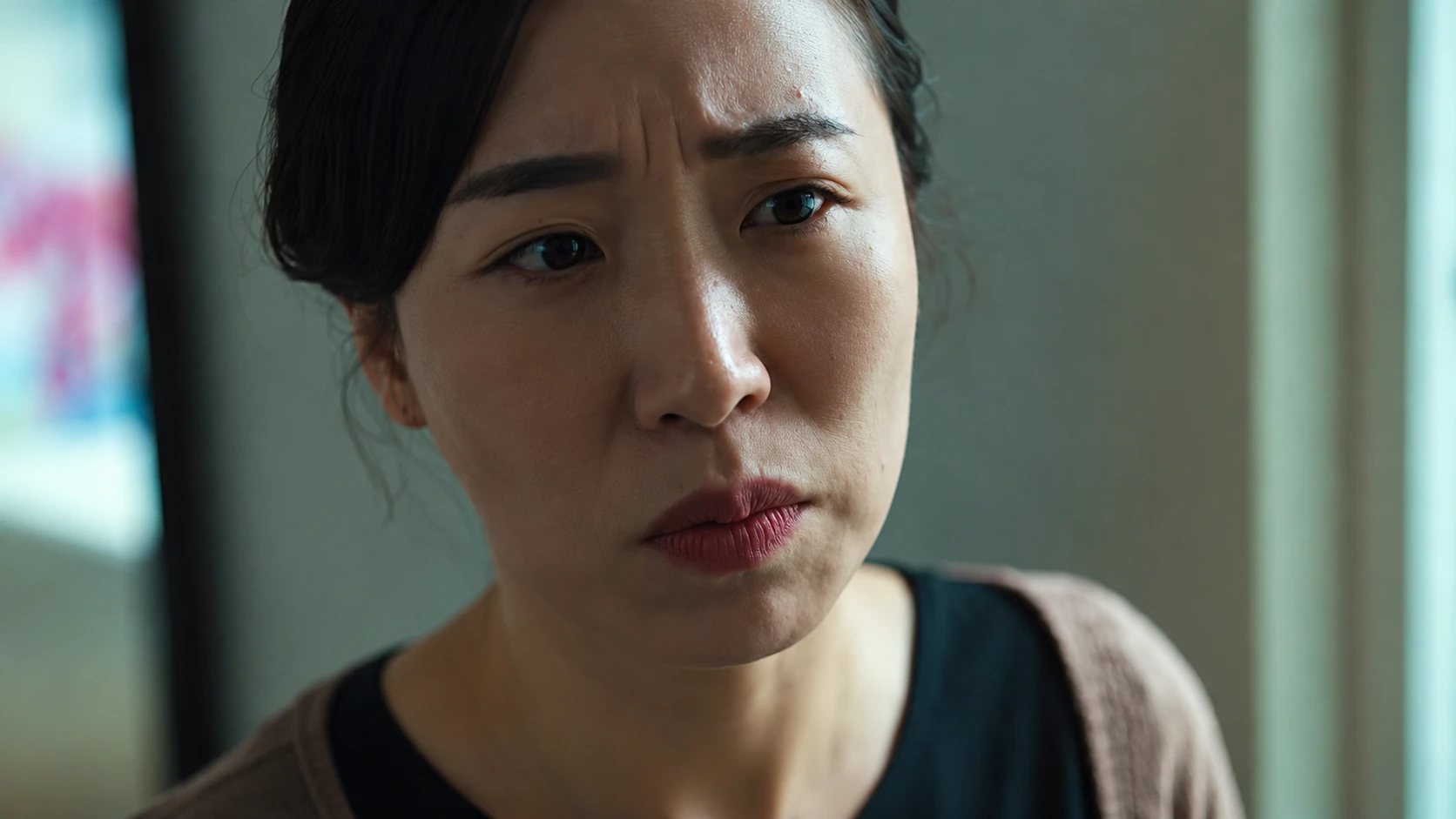
There’s a moment in episode six where Ji-na stops knocking on doors and starts walking through them uninvited, and the shift changes the register of the show. She’s moved from investigation to something closer to siege — going to find her sister’s story in this building whether the residents cooperate or not. Lim Ji-yeon carries that momentum physically, with the same restless precision that made her so unsettling in The Glory. The dynamic recalls the domestic-thriller suffocation of Lies Hidden in My Garden — the same understanding that the most dangerous secrets are the ones that require an entire community to maintain.
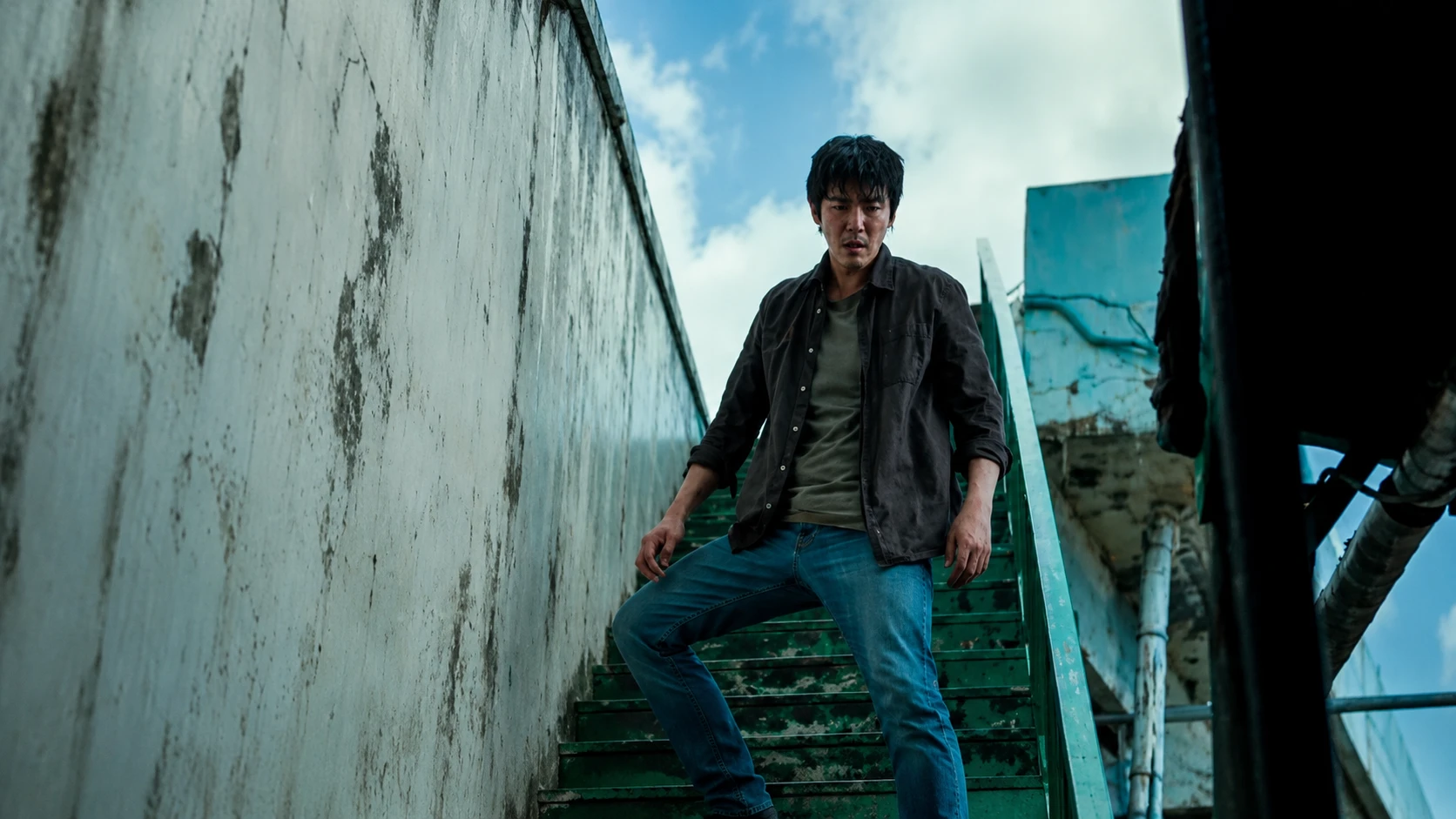
What the show gets right about apartment-building psychology is that communities of proximity are never actually communities of trust. The residents of Rose Mansion know too much about each other to be friends and too little to feel safe. That dynamic — enforced closeness generating mutual suspicion rather than solidarity — is what makes the building feel threatening before any crime is confirmed. The same pressure drives the gated-community paranoia of Pandora: Beneath the Paradise, just applied to a different social register — less wealth, more desperation.
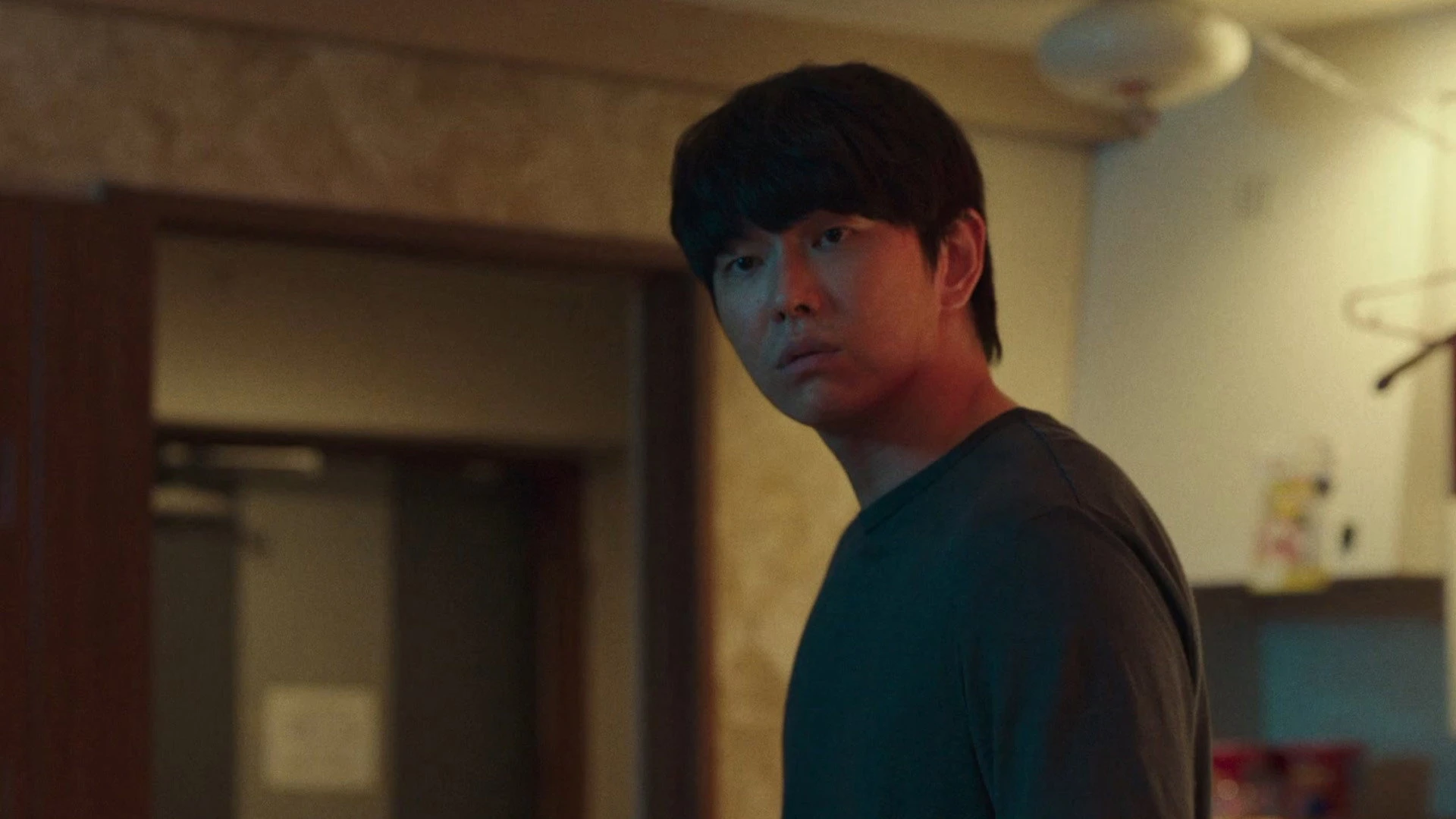
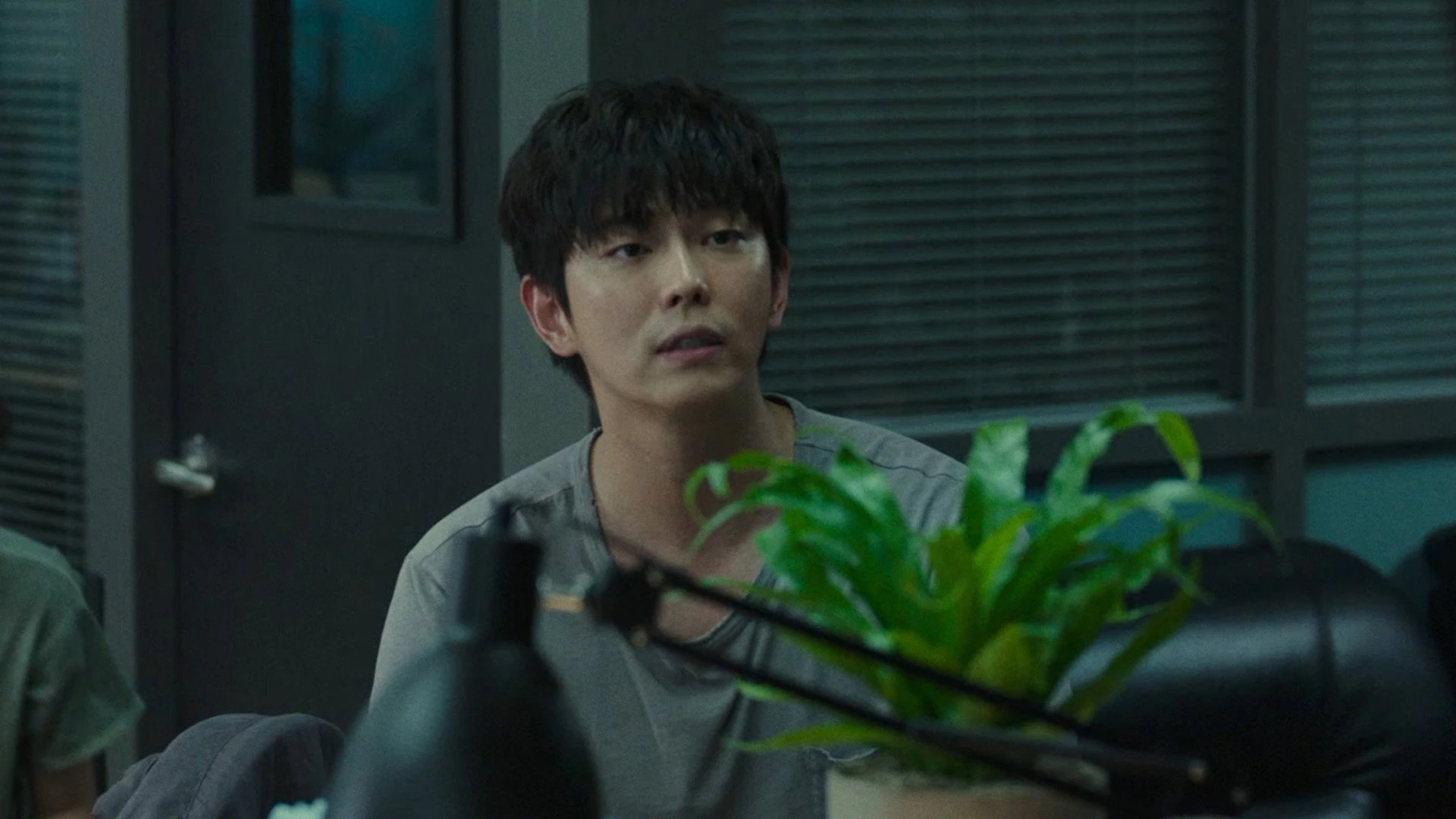
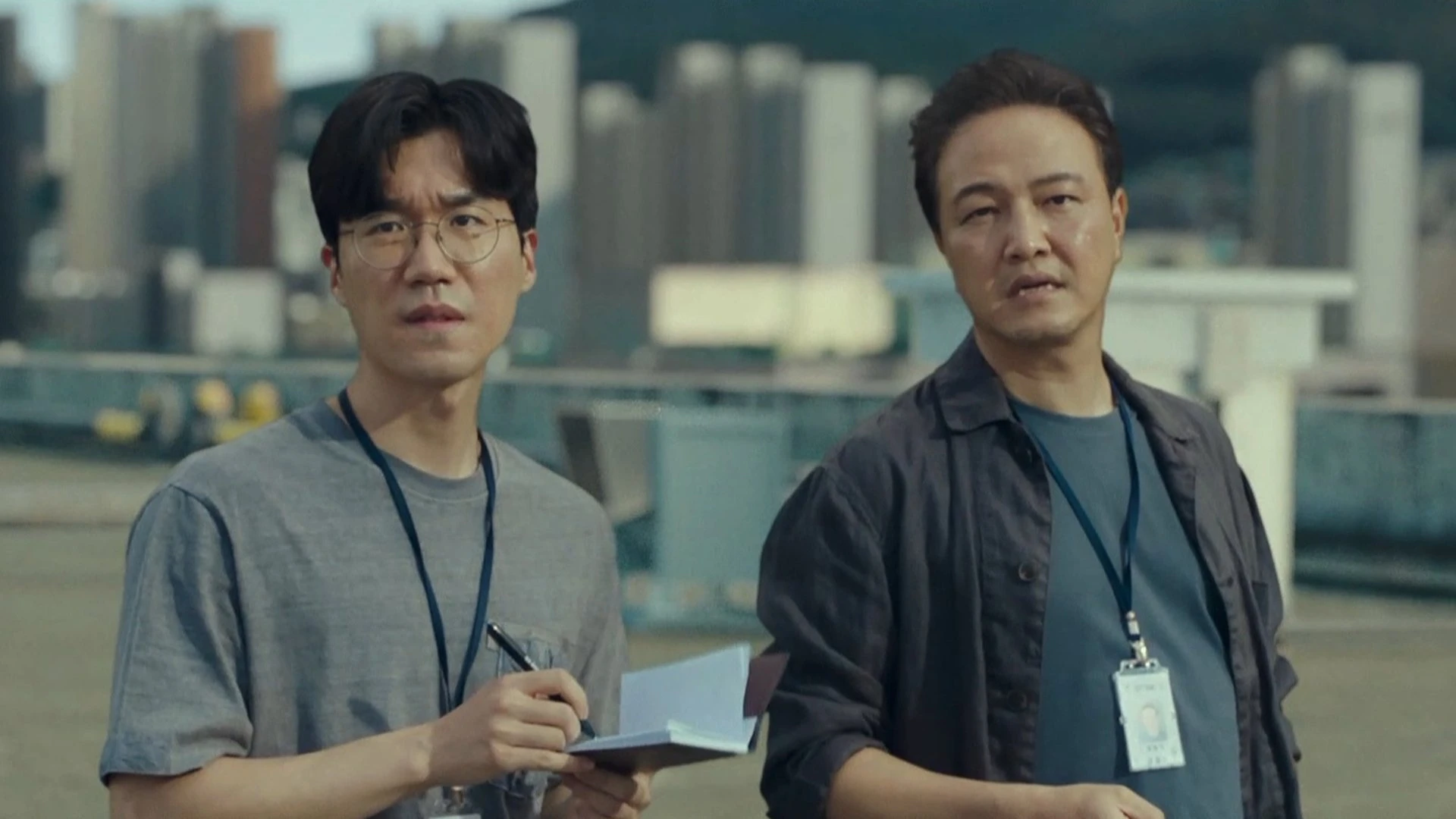
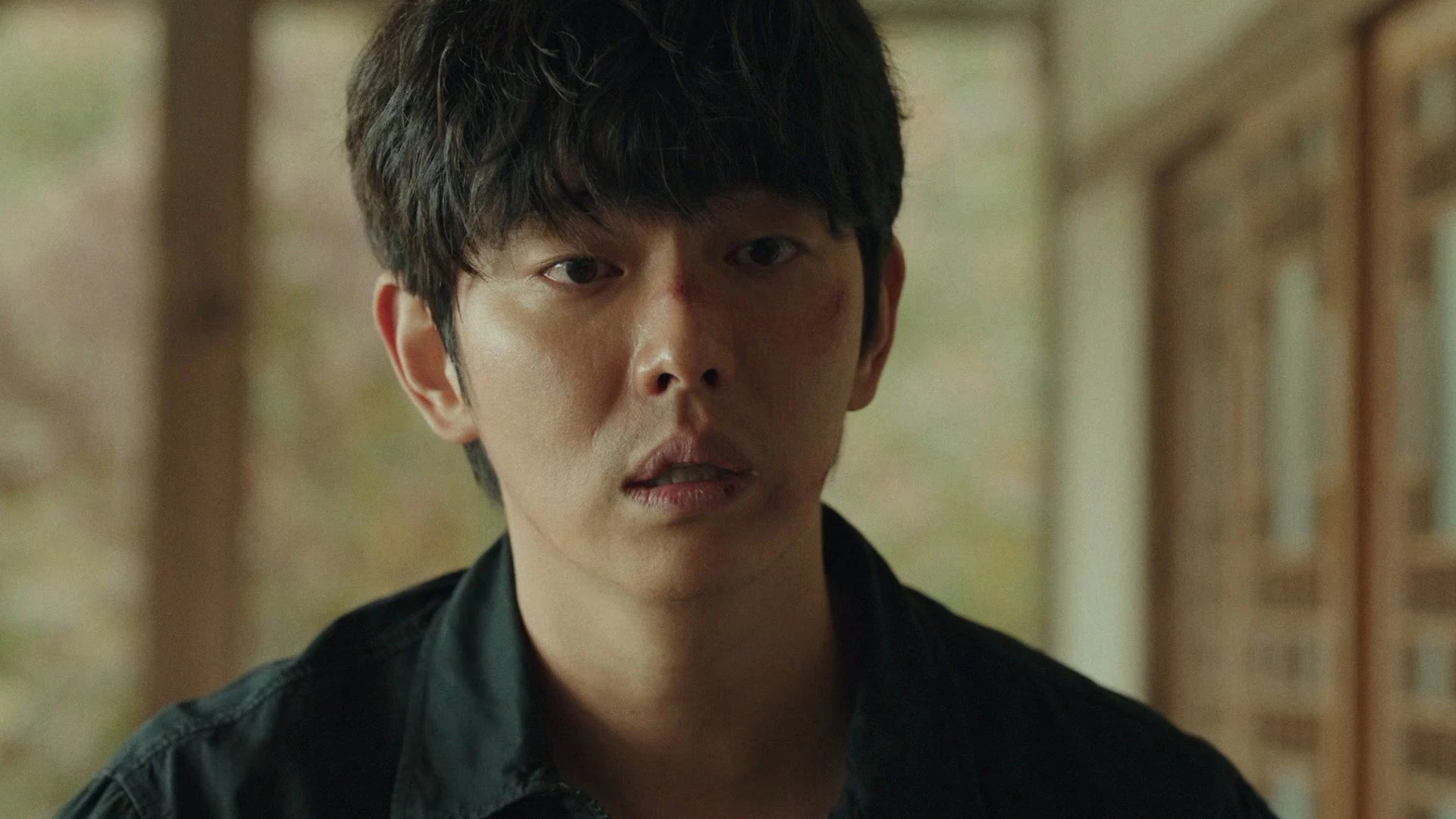
Park Min-soo (Yoon Kyun-sang) is the drama’s structural wild card — a detective whose helpfulness toward Ji-na is always slightly offset by the question of what exactly he knows and when he knew it. Yoon Kyun-sang plays the role with a surface openness that keeps the audience uncertain, which is exactly the right note. A fully trustworthy ally in this story would have been boring. A detective with his own hidden layer gives the show its double axis: Ji-na looking in at the building, Min-soo looking sideways at the case.
Anyone who finds the ‘everyone in the building knows something’ thriller premise genuinely unsettling
Lim Ji-yeon fans who want more of her controlled, combustible intensity
🎬 You Might Also Like
If you liked House of Lies, these are your next three watches.
 Made in Korea (Season 2)
ActionBrothers Rivalry
Read Full Review →
|
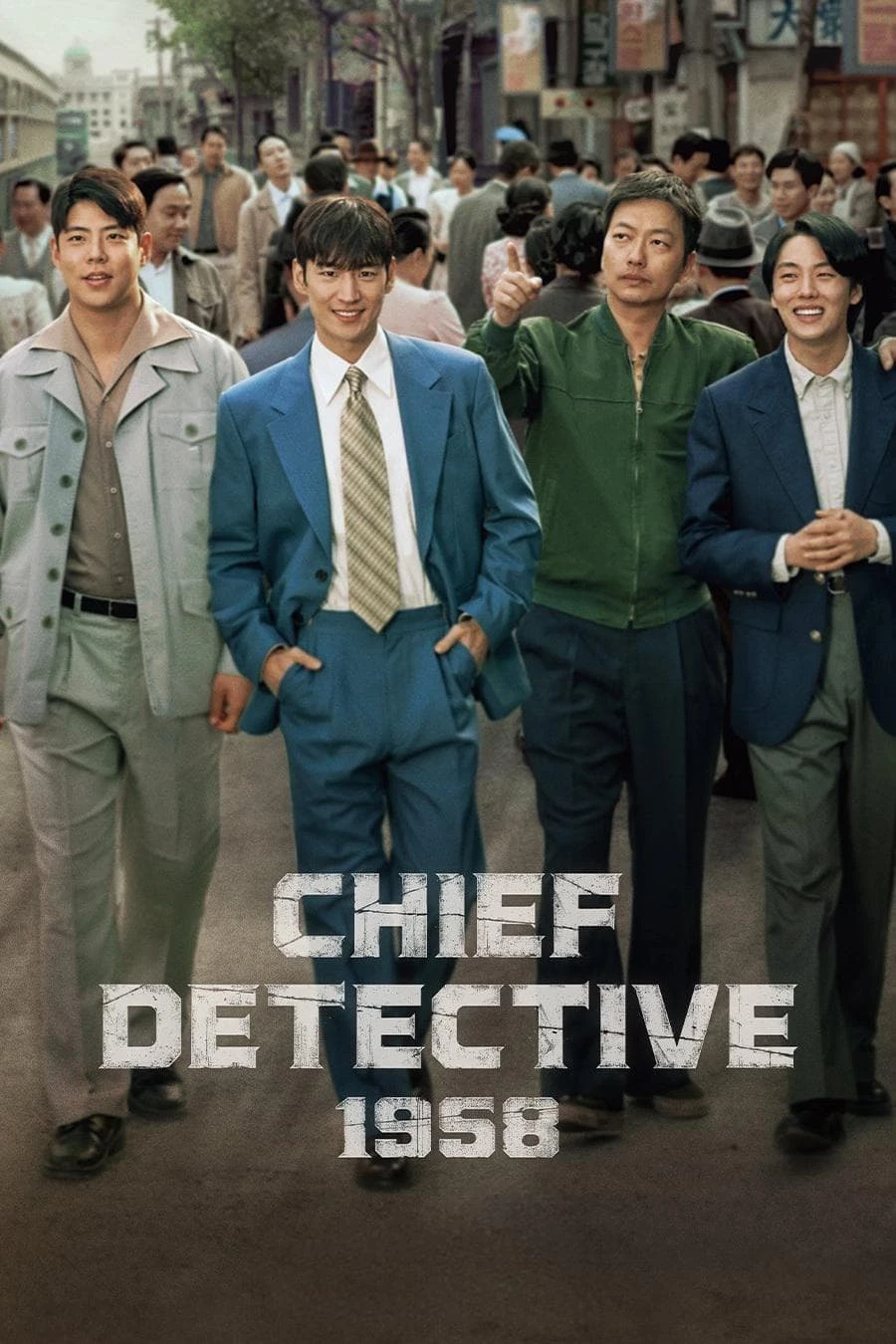 Chief Detective 1958
Buddy CopsCorruption
Read Full Review →
|
 The Goddess of Revenge
ChaebolFemale Lead
Read Full Review →
|














Keep it kind, skip the harsh language, and please — no spoilers. Everyone's taste is different, and that's perfectly fine.
This space is for real reactions and discussion from other viewers. Help keep it comfortable for everyone by not giving away major plot details.
What do you think of this drama?
Login to share your review or leave a comment.
No email needed — just pick a username & password.