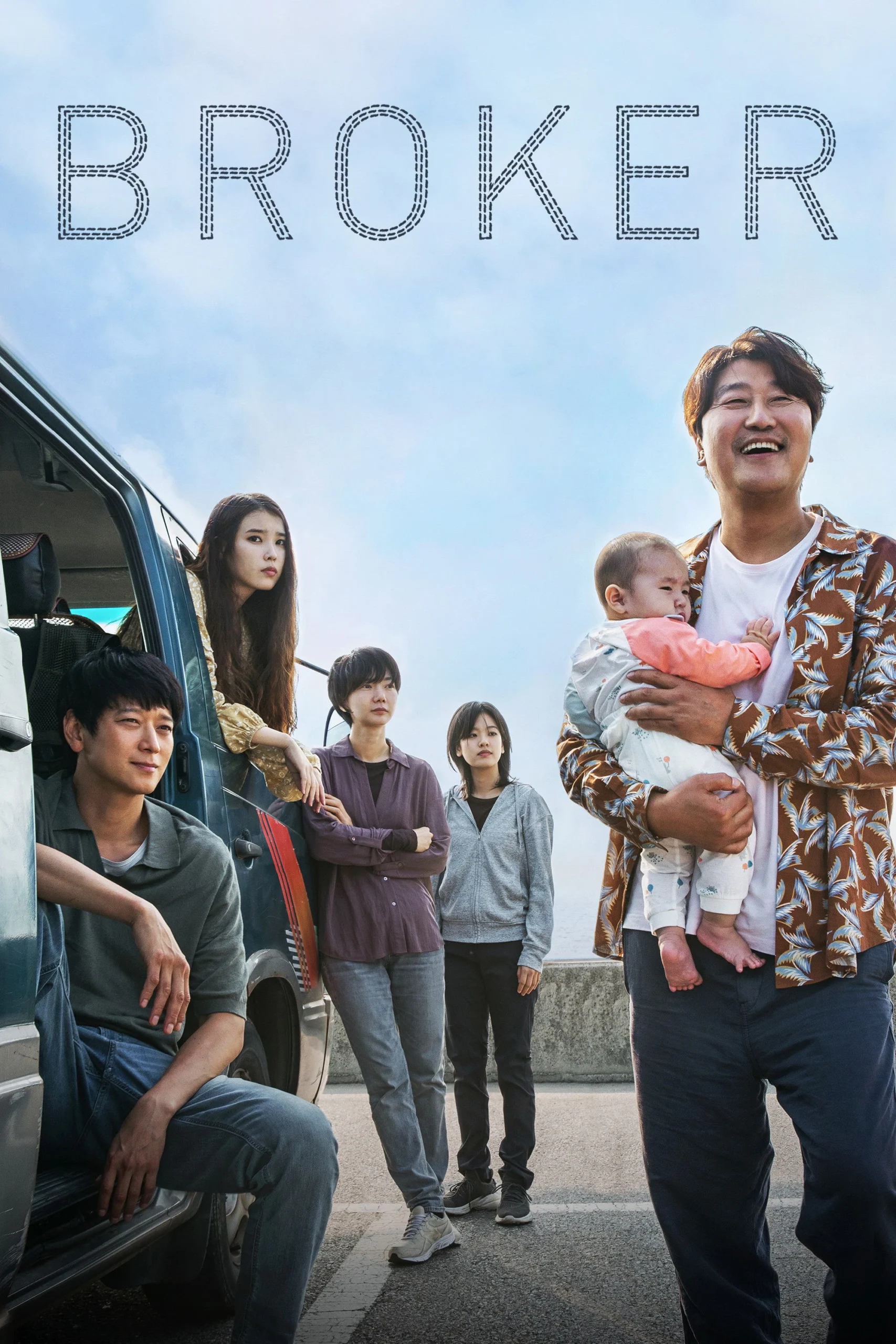
Broker
🎬 Netflix · Apple TV
⭐ 7.1 IMDb
🔞 R
🎬 Film Overview
FOUND FAMILY DRAMA PICK
On a rainy night in Busan, a young mother named So-young leaves her infant son at a church’s baby box — and two men are waiting to take him. Sang-hyeon and Dong-soo aren’t kidnappers in any legal sense the film is interested in; they’re brokers, intercepting abandoned infants and selling them to vetted, desperate couples who can’t get through Korea’s formal adoption system. When So-young returns the next day for her son, she doesn’t call the police. She joins them instead.
Hirokazu Kore-eda, the Japanese director behind Shoplifters, extends his fascination with found families across the strait, and Broker earns its place beside that film rather than repeating it. What follows is a road trip across South Korea in search of the right buyer, trailed the entire way by two detectives who see nothing but exploitation in what Sang-hyeon and Dong-soo believe is a kind of rescue. Song Kang-ho won Best Actor at Cannes for this performance — the first Korean actor to do so — and it’s easy to see why: he plays a man whose moral compromises never fully obscure his sincerity.
⚡ Quick Verdict
Skip the scroll — here’s the verdict in one glance.
· IMDb
▶ Official Trailer
🎭 Cast & Characters
The unlikely family assembled around one baby nobody wanted to lose.

Lead

Lead

Supporting

Supporting

Supporting

Supporting

Supporting

Supporting

Supporting

Supporting

Supporting

Supporting
📖 The Story
Spoiler-free — enough to know whether this is your kind of film.
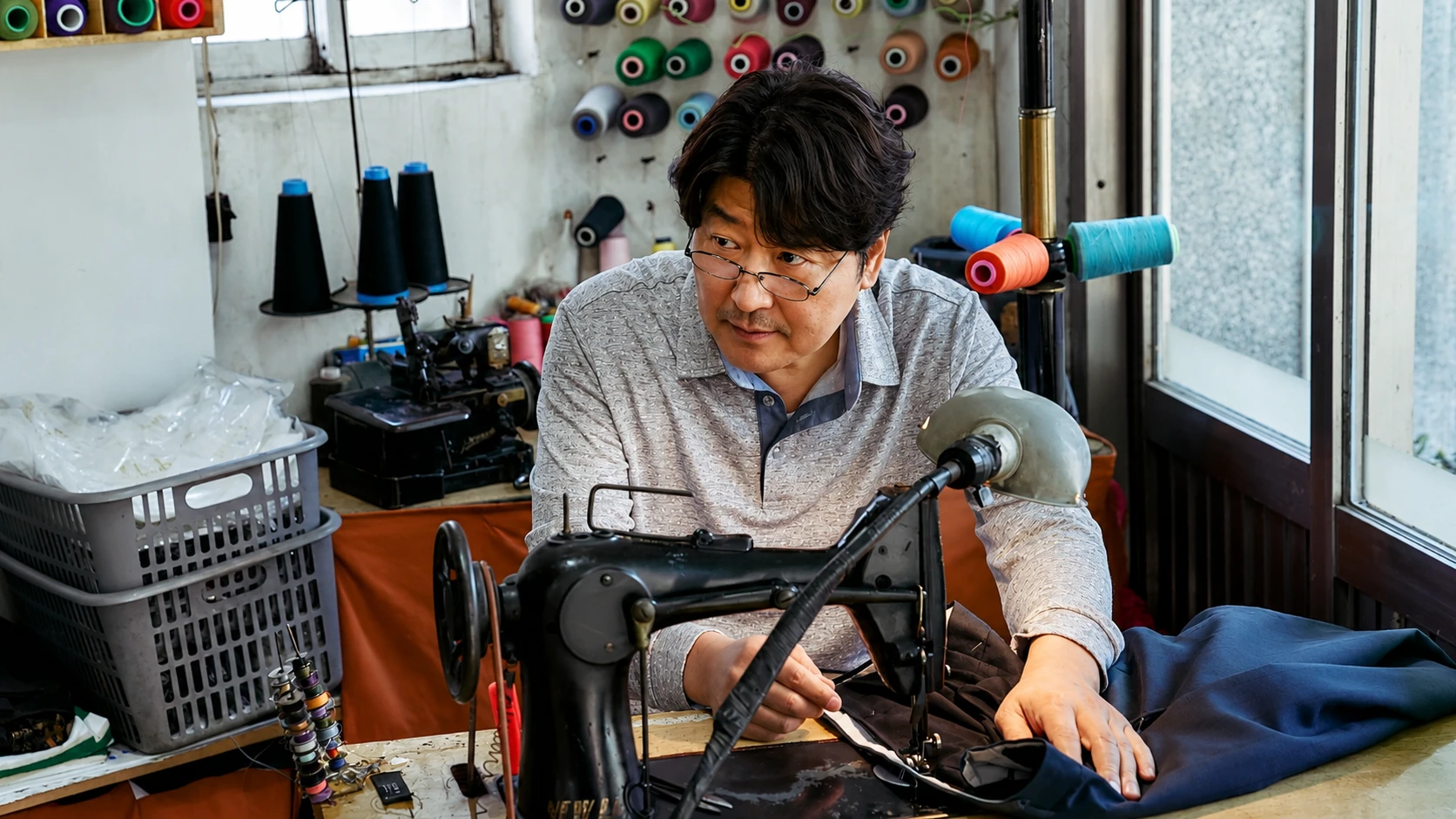
Ha Sang-hyeon runs a struggling laundry and moonlights as half of an illegal adoption operation, working alongside Dong-soo, an employee at a church’s baby box facility who grew up in an orphanage himself. Their business model is straightforward and, in their own telling, almost charitable: intercept infants left anonymously at the box, bypass a formal adoption system they consider slow and indifferent, and place the children with couples who’ve already been vetted and are willing to pay. Neither man frames what they do as theft. They frame it as matchmaking.
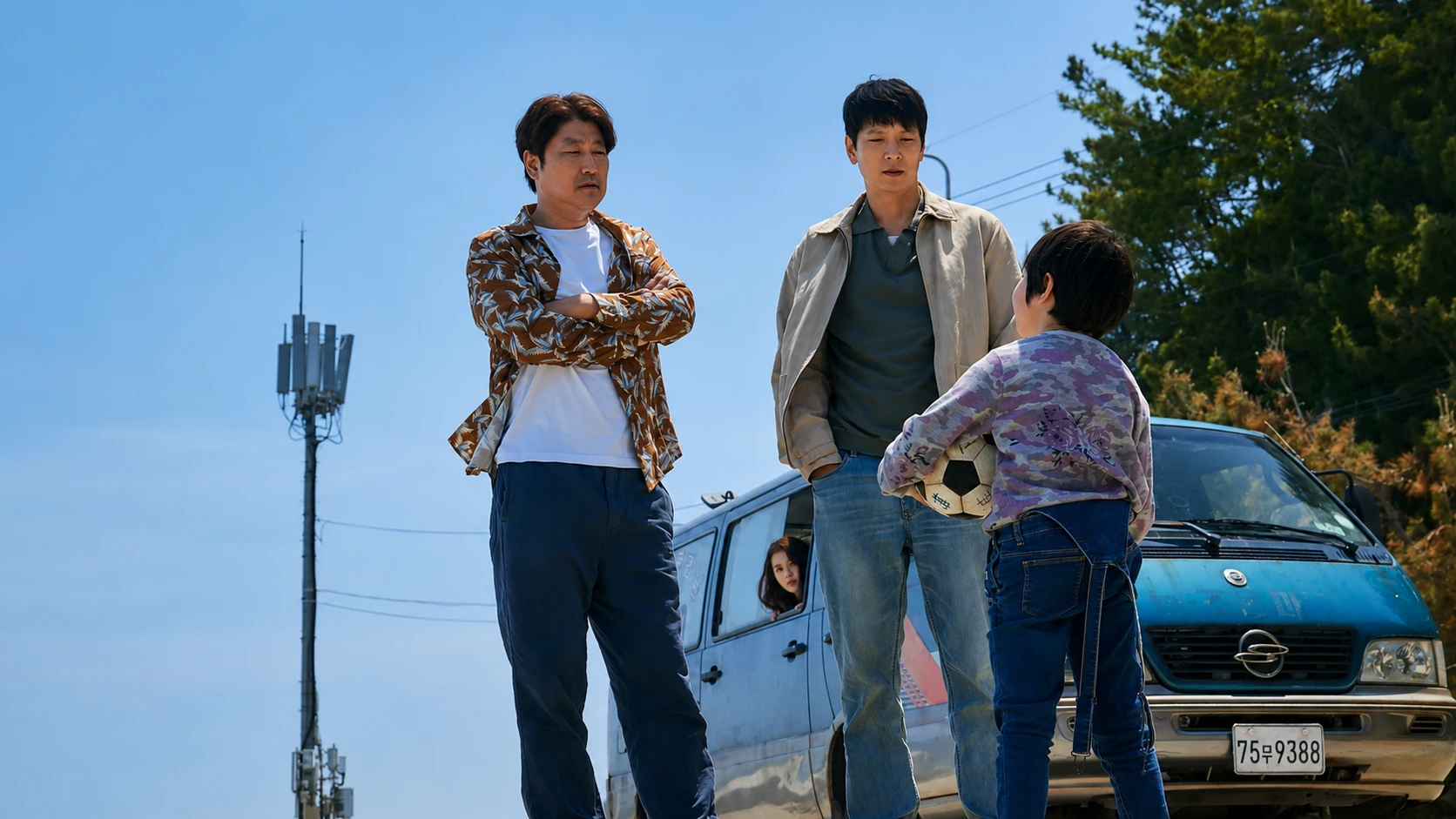
The film introduces this arrangement without judgment, letting the audience sit with the uncomfortable logic before deciding how uncomfortable to actually be. Sang-hyeon’s debts and Dong-soo’s orphanage-shaped worldview both feed into a shared conviction that they’re offering these children something the system can’t guarantee: a home chosen specifically for them, rather than assigned.
Moon So-young changes the equation. She leaves her infant, Woo-sung, at the baby box on a rainy night and returns the next morning having changed her mind — only to discover the brokers have already taken him. Rather than report them, she does something the film treats as its real inciting turn: she asks to come along. What begins as leverage over two men who could go to prison becomes, gradually, participation in their search for Woo-sung’s family.
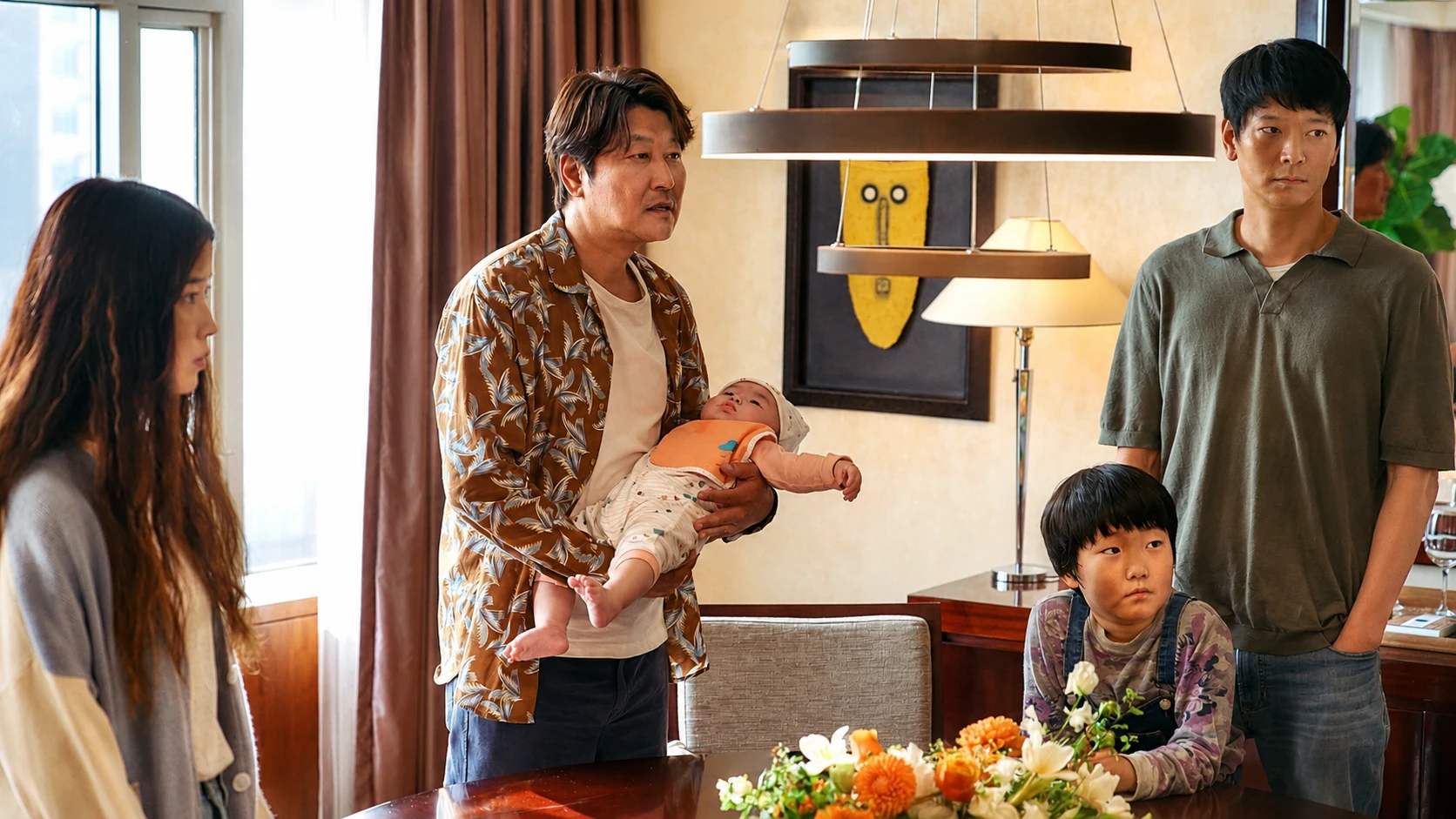
The road trip that follows adds Hae-jin, a boy from Dong-soo’s old orphanage who stows away in the van rather than be left behind again, rounding out a group that increasingly resembles a family despite none of them being related and most of them breaking the law by traveling together. Two detectives, Soo-jin and Lee, track the group’s movements, viewing the entire operation as straightforward exploitation of vulnerable infants and desperate buyers.
Kore-eda spends the middle of the film letting these five people function as an ad hoc unit — sharing meals, arguing about parenting philosophy, protecting each other from buyers who turn out to have their own troubling motives. The film’s visual style favors ordinary, textured landscapes over anything picturesque, and the pacing is unhurried enough that small character moments — Sang-hyeon’s private financial panic, So-young’s guarded silences, Dong-soo’s barely-suppressed anger at mothers who give up their children — accumulate into something substantial.

Detective Soo-jin’s pursuit runs parallel, and her own hardening judgment of So-young — sharpened by something in her own past the film reveals gradually — gives the chase thread more than procedural function. She isn’t simply an obstacle. She’s the film’s other lens on what it means to fail, or refuse to fail, the people who need you.
By the time the group reaches its final buyers, the transaction at the center of the plot has become almost beside the point. What the film has actually been building is the question of whether five strangers, brought together by a crime, have become something more binding than the families some of them were born into — and what it will cost each of them to find out.
🏁 Ending Explained
Everything the ending means, spoilers and all.
Full Spoilers Ahead — This section covers the complete ending of Broker. Stop here if you haven’t watched.
What actually happens The group’s final attempt to place Woo-sung collides with two threats at once. So-young, who has struck a deal with Detective Soo-jin for a reduced sentence tied to an earlier crime, plans to turn herself in once the placement is finalized. Dong-soo, aware the police have set a trap at the meeting point, deliberately takes the fall to shield Sang-hyeon and So-young and is arrested on the spot. Separately, Sang-hyeon confronts Tae-ho, a gangster hired by the widow of Woo-sung’s biological father to reclaim the child, and manages to protect the baby and escape.
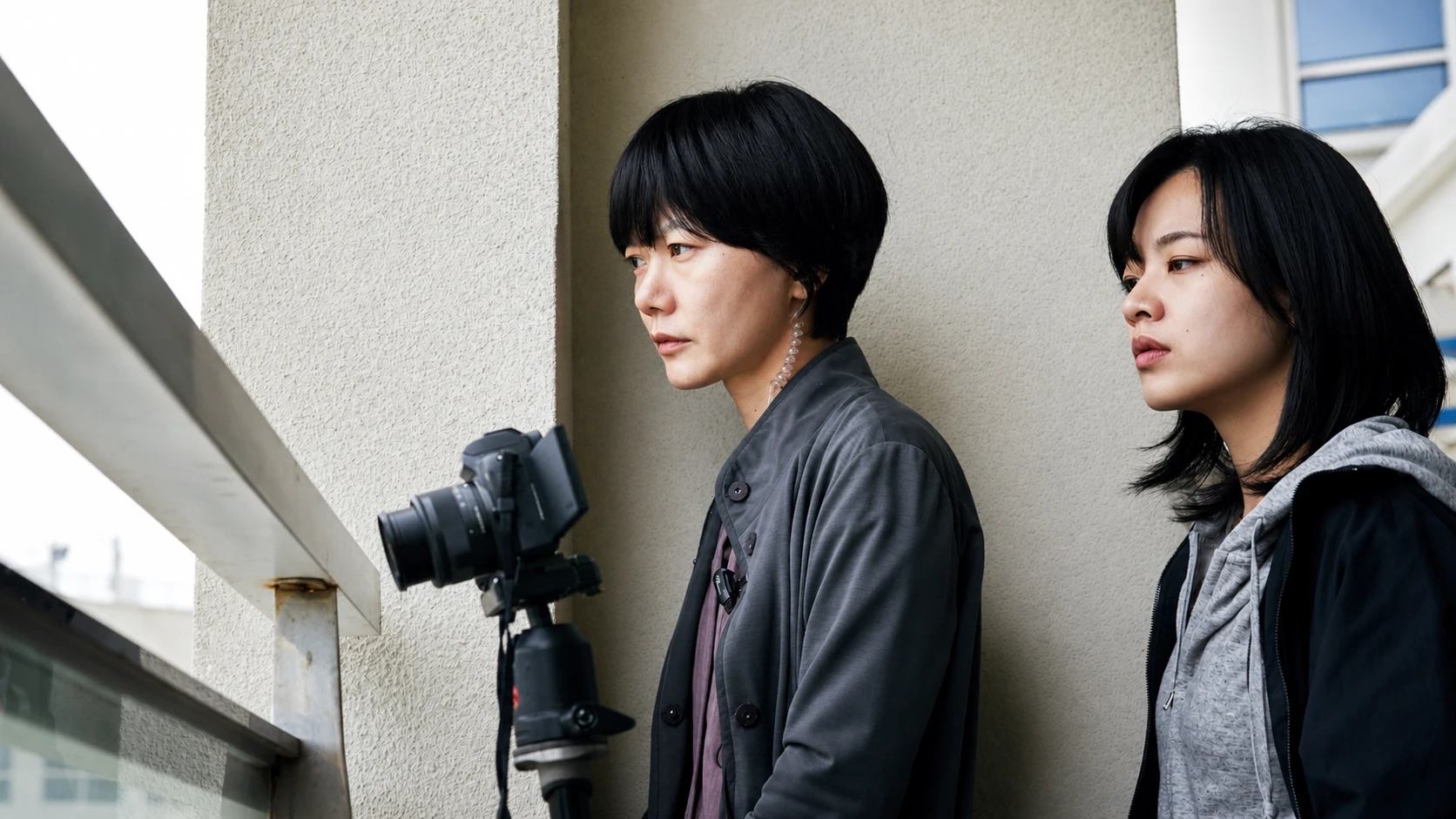
What So-young and Dong-soo’s choices actually mean So-young’s decision to turn herself in is the film’s clearest act of maternal love, and it’s deliberately not a comfortable one — she chooses a stable future for Woo-sung over her own freedom, reversing the abandonment that opened the film without erasing the fact that it happened. Dong-soo’s arrest is its mirror: a man raised in the exact system he’s been illegally circumventing chooses, in the end, to protect this specific child from experiencing what he did.
What the ambiguity is for Kore-eda leaves several threads deliberately unresolved. Sang-hyeon’s fate after the confrontation with Tae-ho is never explicitly shown, though the film implies he continues watching over the group from a distance. What happens between So-young and Woo-sung after her release, and how involved Detective Soo-jin becomes in the child’s life, are left open to interpretation rather than answered. The ambiguity isn’t evasiveness — it’s the film declining to package a genuinely unresolved question of family into something tidier than it actually is.
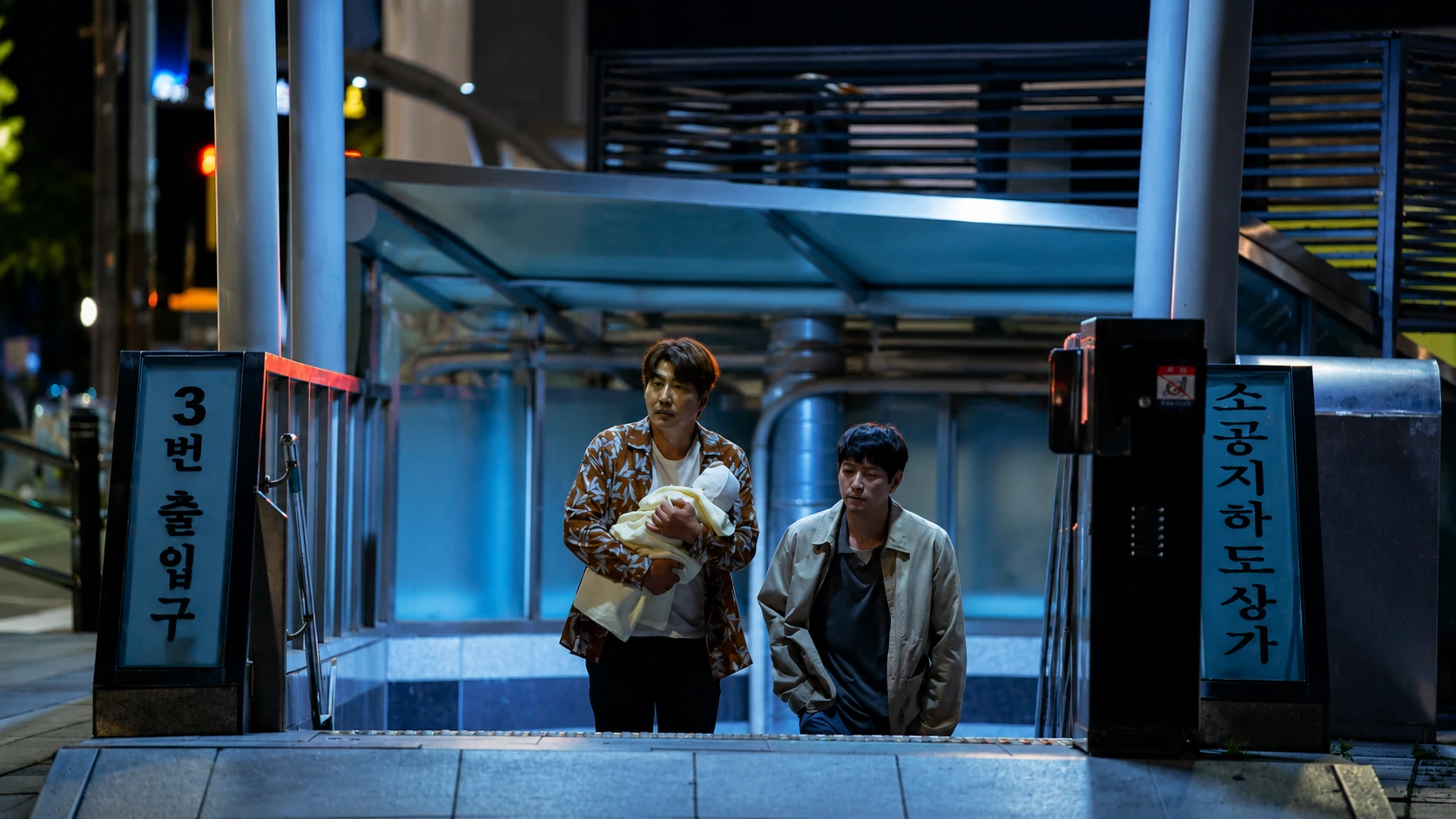
Found family as the film’s real thesis The strongest reading of that ambiguity is that Broker is arguing for found family as a real, load-bearing structure rather than a consolation prize. Sang-hyeon, Dong-soo, So-young, and Hae-jin arrive at their bond through crime, self-interest, and accident, and the film insists that origin doesn’t disqualify what they built. Legality and legitimacy turn out to be different questions entirely.
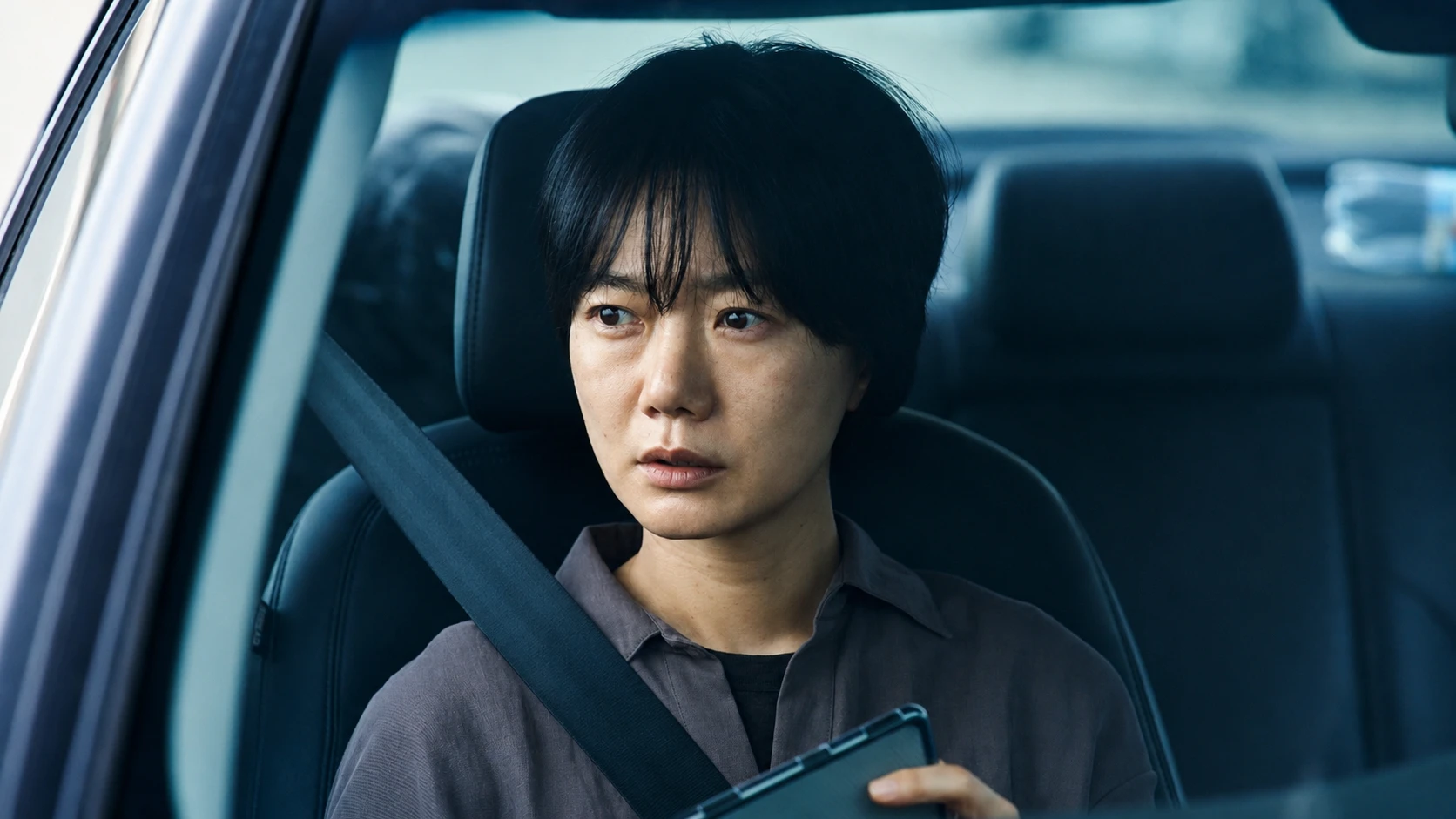
The KDW verdict on the ending What makes the ending land is how it recontextualizes the opening. Detective Soo-jin’s early, harsh judgment of So-young for abandoning her baby softens into something closer to empathy by the film’s close. Dong-soo’s anger at mothers who give up their children resolves into forgiveness — for So-young, and implicitly for his own mother. The baby box scene that opens the film, initially read as a tragedy, becomes instead the first step of a journey toward a family more genuinely committed to Woo-sung than the system that box was meant to serve.
✍️ KDramaWorlds Editor’s Take
Our real opinion — worth the watch, and for who exactly.
Hirokazu Kore-eda
Known for: Hirokazu Kore-eda is the Japanese writer-director behind Shoplifters (2018), which won the Palme d’Or and an Academy Award nomination for Best International Feature, and a body of work — Nobody Knows, Like Father Like Son, Our Little Sister — built almost entirely around families assembled outside conventional bloodlines. Broker marks his first Korean-language feature, and he brings the same unhurried, non-judgmental camera to a culturally specific issue — Korea’s baby box system — that he’s spent two decades applying to found families in Japan. Song Kang-ho’s Cannes win confirmed what Kore-eda’s Japanese collaborators have long understood: his actors do their best work when he refuses to tell them how to feel about their own characters.
What’s remarkable about Song Kang-ho’s Cannes-winning performance is how little he reaches for sympathy. Sang-hyeon is broke, morally compromised, and not always honest with the people around him, and Song plays every scene with the same unforced warmth regardless of how the character’s choices should probably read. It’s a different register from his most famous morally gray father figure — his Cannes triumph here follows a career that includes Parasite‘s Kim Ki-taek, another father improvising his way through a broken system, but Sang-hyeon is gentler, sadder, and somehow easier to forgive.
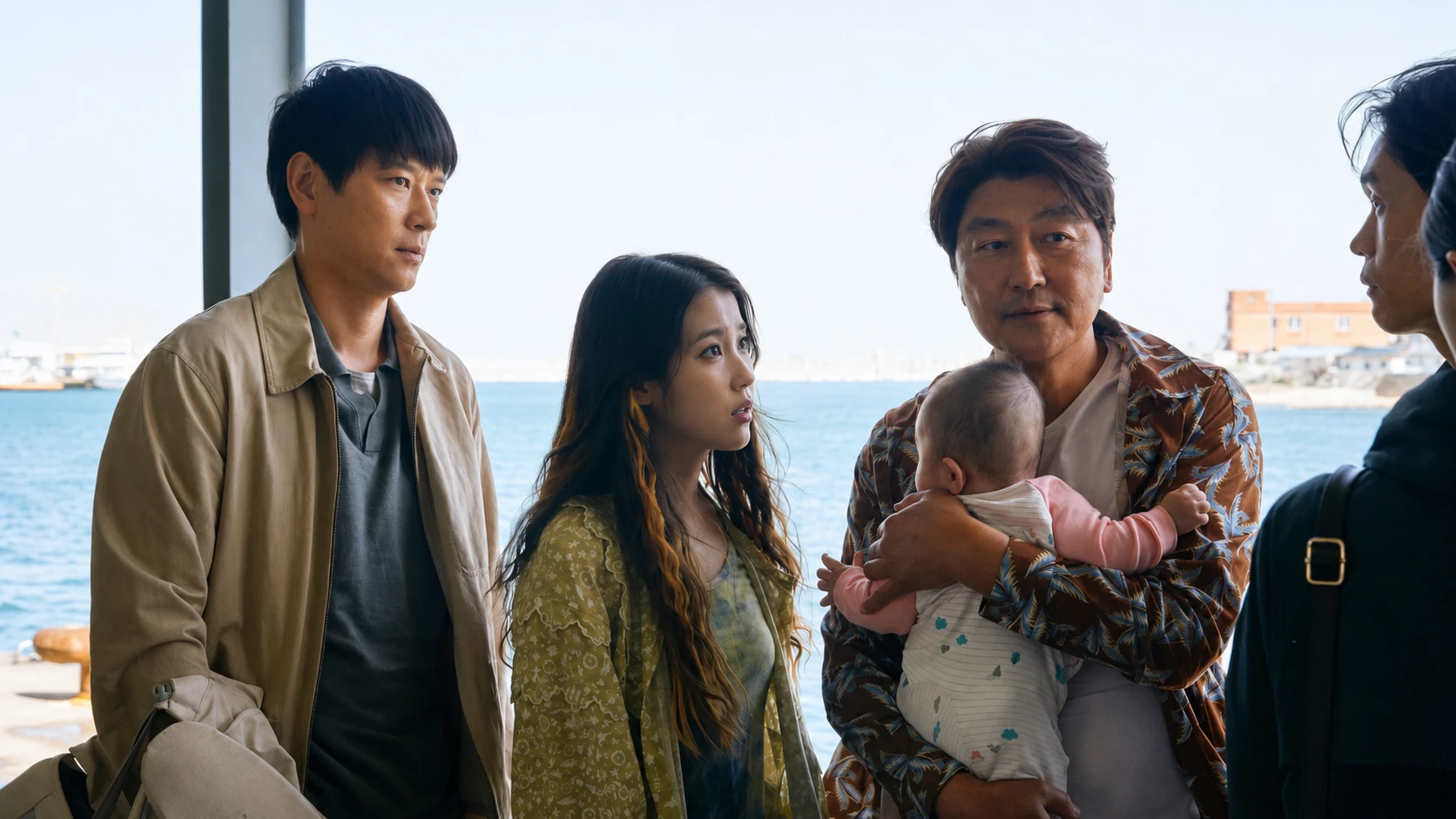
IU’s So-young is the film’s most carefully calibrated performance — she has to play a woman the story initially positions as unsympathetic, a mother who left her baby, and gradually reveal the desperation underneath without ever fully excusing the choice. The film doesn’t ask you to forget what she did. It asks you to understand it, which is the harder trick. Korean cinema has a long history of finding devastating tenderness in stories about parents and the children they almost lose, going back at least to Miracle in Cell No. 7, and Broker earns its place in that lineage through restraint rather than melodrama.
Bae Doona’s Detective Soo-jin could have been the film’s moral scold — the character whose job is to remind everyone, and the audience, that what’s happening is illegal. Instead Kore-eda gives her a hardening-then-softening arc that runs almost as deep as the central trio’s, and Doona plays the shift with enough control that her late-film empathy never feels like a script correcting itself. By the film’s end, the line between pursuer and found family has quietly blurred, which is exactly the kind of moral complexity Kore-eda built his career on.
🎬 You Might Also Like
If you liked Broker, these are your next three watches.
 Welcome to Waikiki (Season 1)
comedyFound Family
Read Full Review →
|
 The Light in Your Eyes
Alzheimer'sfamily
Read Full Review →
|
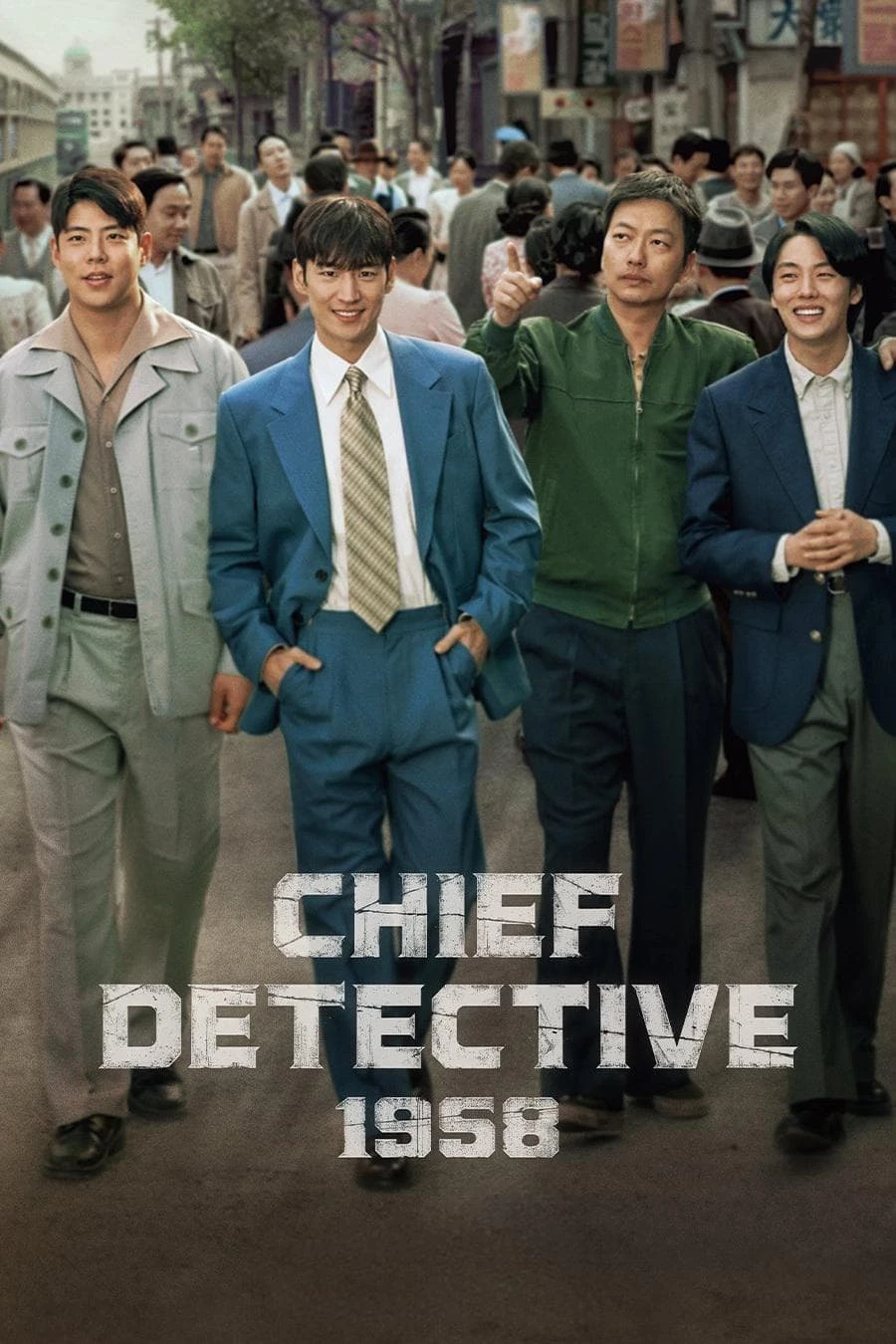 Chief Detective 1958
Buddy CopsCorruption
Read Full Review →
|













Keep it kind, skip the harsh language, and please — no spoilers. Everyone's taste is different, and that's perfectly fine.
This space is for real reactions and discussion from other viewers. Help keep it comfortable for everyone by not giving away major plot details.
What do you think of this drama?
Login to share your review or leave a comment.
No email needed — just pick a username & password.