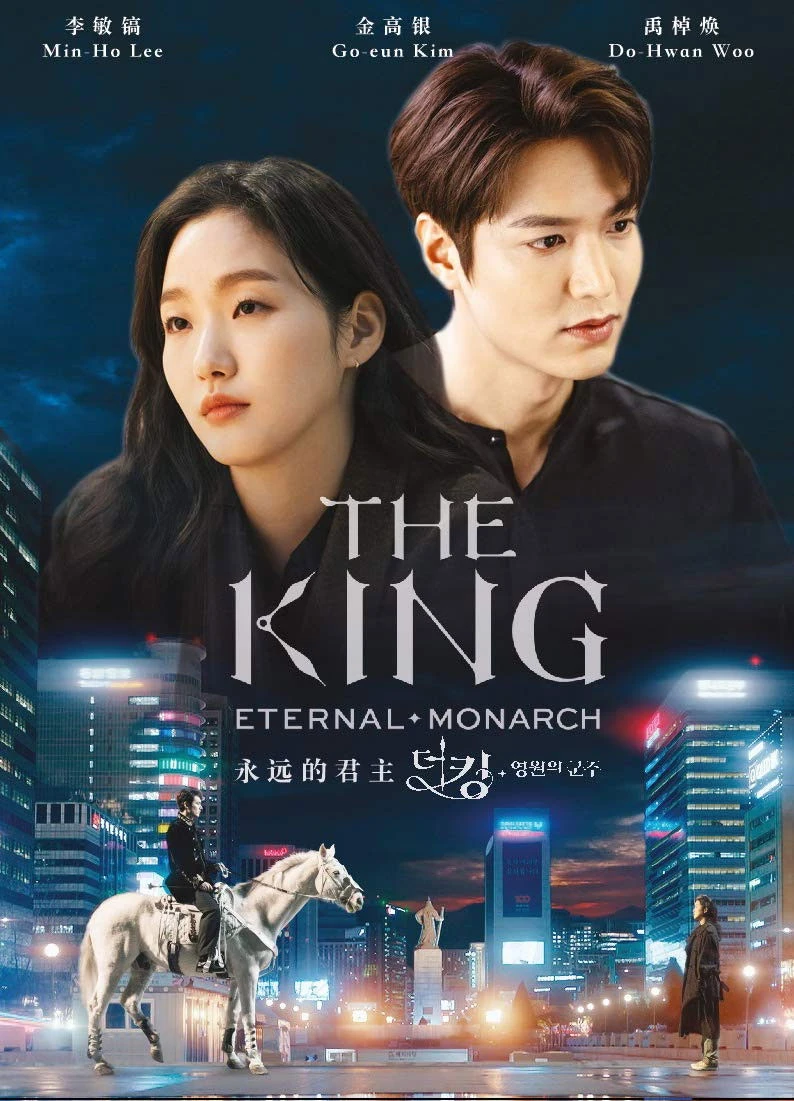
The King: Eternal Monarch
🎬 Netflix · Viki
⭐ 8.2 / 10 MDL
🔞 15+ · Teens
📋 Drama Overview
The essentials — before you press play.
Viki
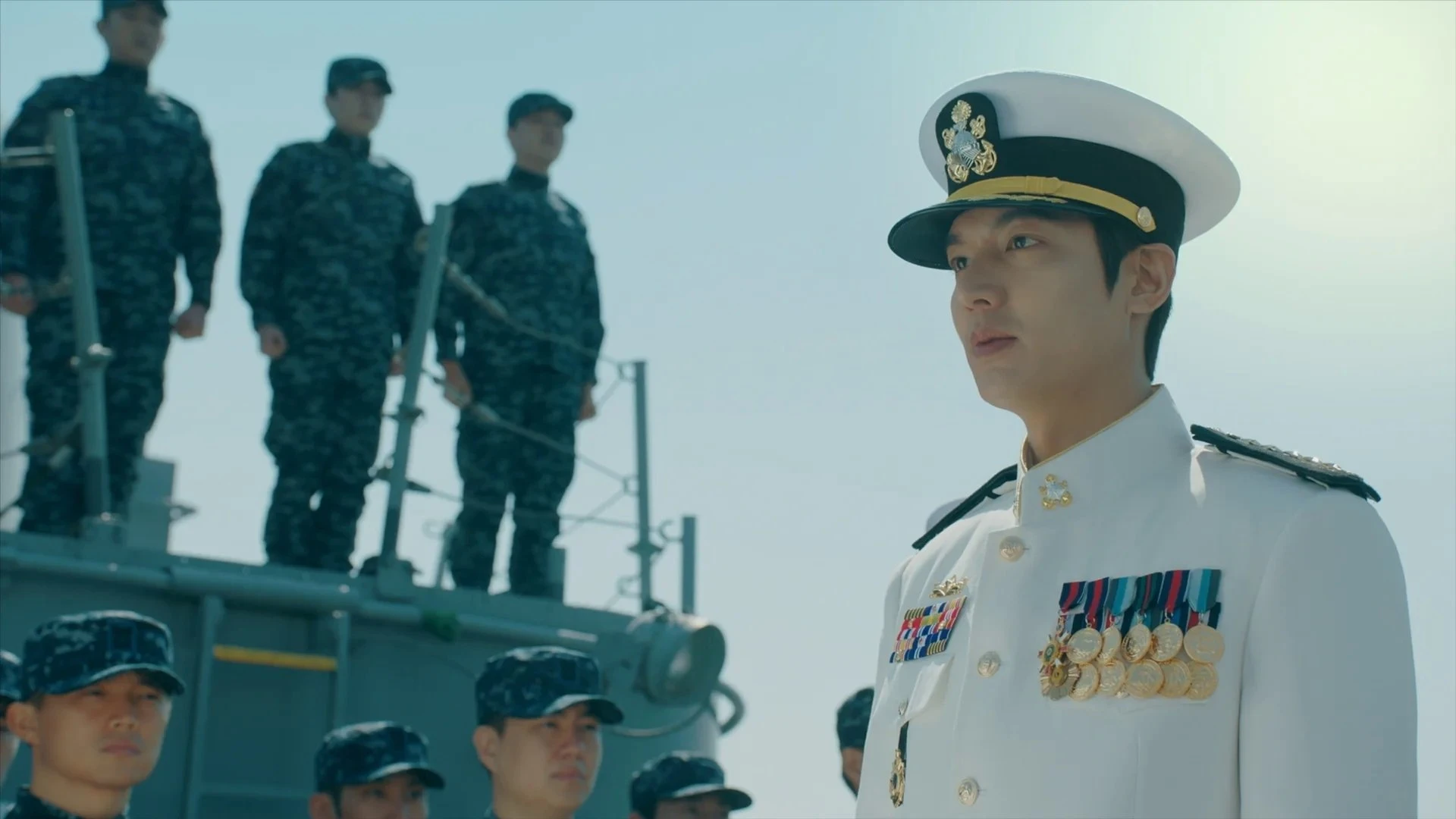
Lee Gon (Lee Min-ho) is the Emperor of the Kingdom of Corea — a parallel world where Korea became a constitutional monarchy after a split from our own history. As a child, he watched his father murdered by his half-uncle Lee Lim, who stole the legendary Manpasikjeok flute and used it to escape into a parallel reality: the Republic of Korea we know today. Lee Lim spent twenty-five years building a secret army in both worlds, placing doppelgängers of the living and the dead into positions of power.
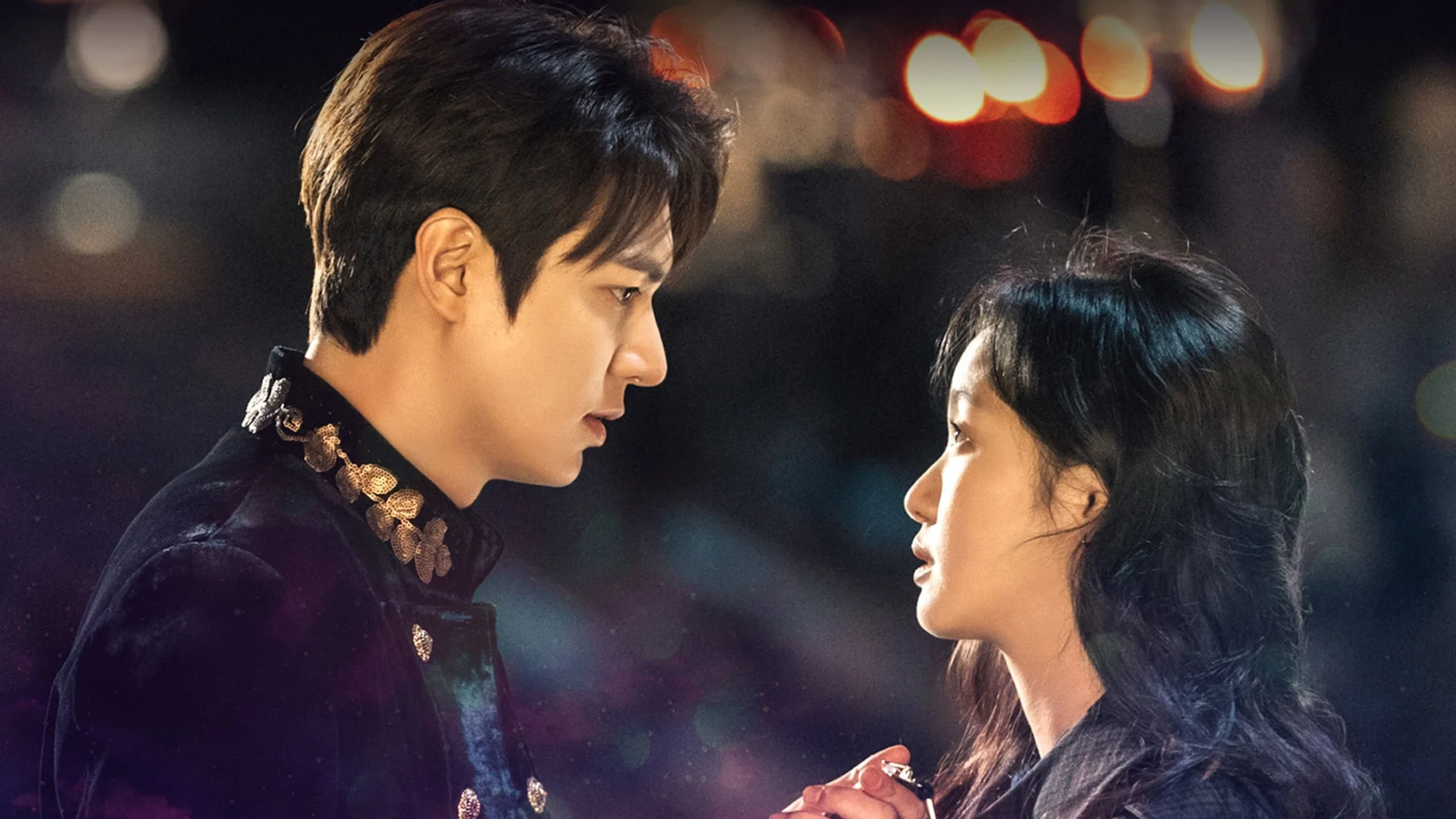
Now an adult and ruling emperor, Lee Gon follows a mysterious cloaked figure through the bamboo forest portal and arrives in the Republic of Korea — where he immediately finds Jeong Tae-eul (Kim Go-eun), a plainclothes police detective whose ID card he has carried since the night of his father’s death. What begins as an impossible meeting becomes a love story stretched across two realities, a conspiracy spanning decades, and a race against a man who controls time itself.
16 / 16 ✅ Completed
⚡ Quick Verdict
The whole picture, condensed into one box.
· MDL Score · 69,737 ratings
▶ Official Trailer
🎭 Cast & Characters
The faces behind the two worlds.

Lead

Lead

Supporting

Supporting

Supporting

Villain
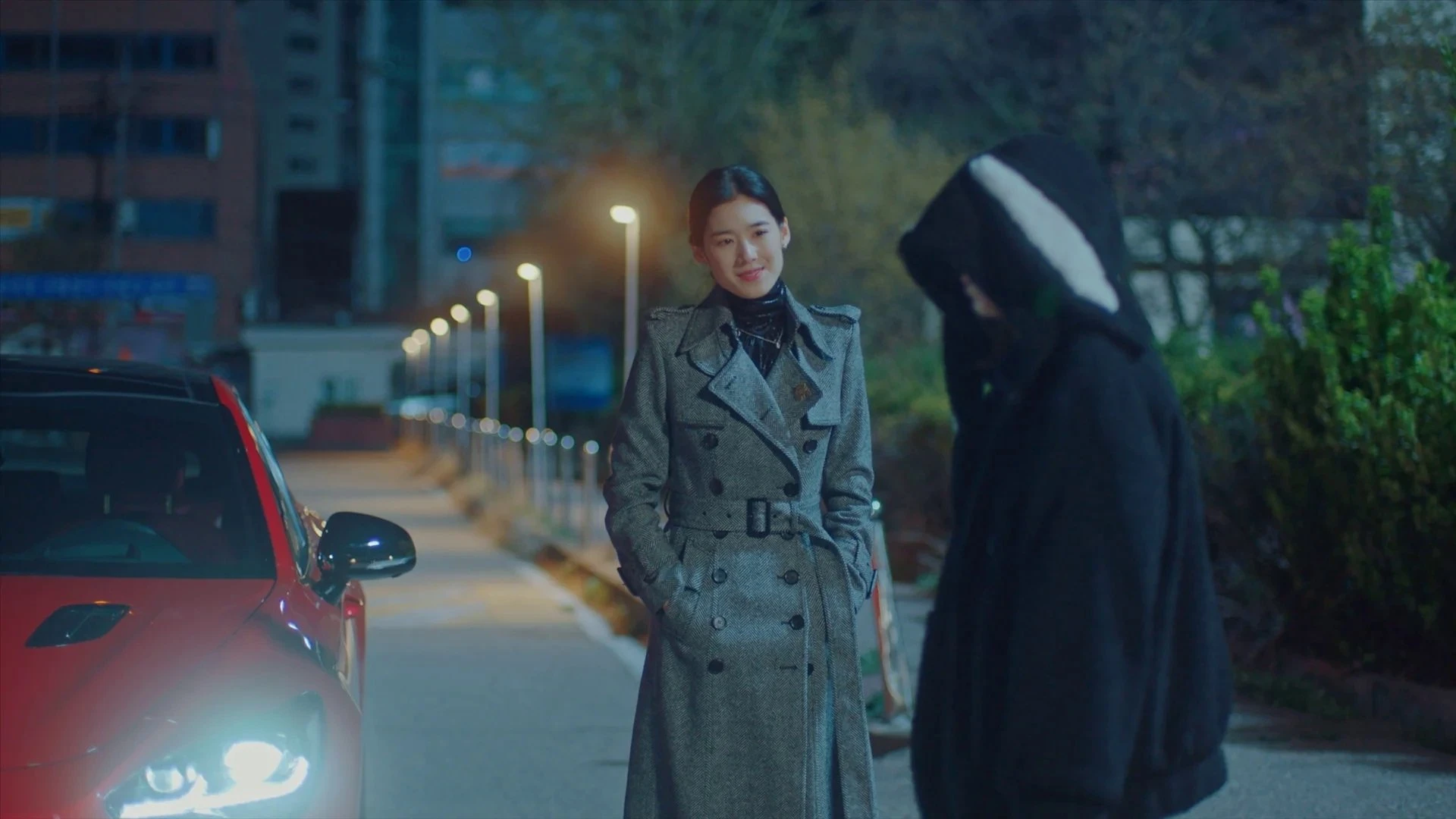
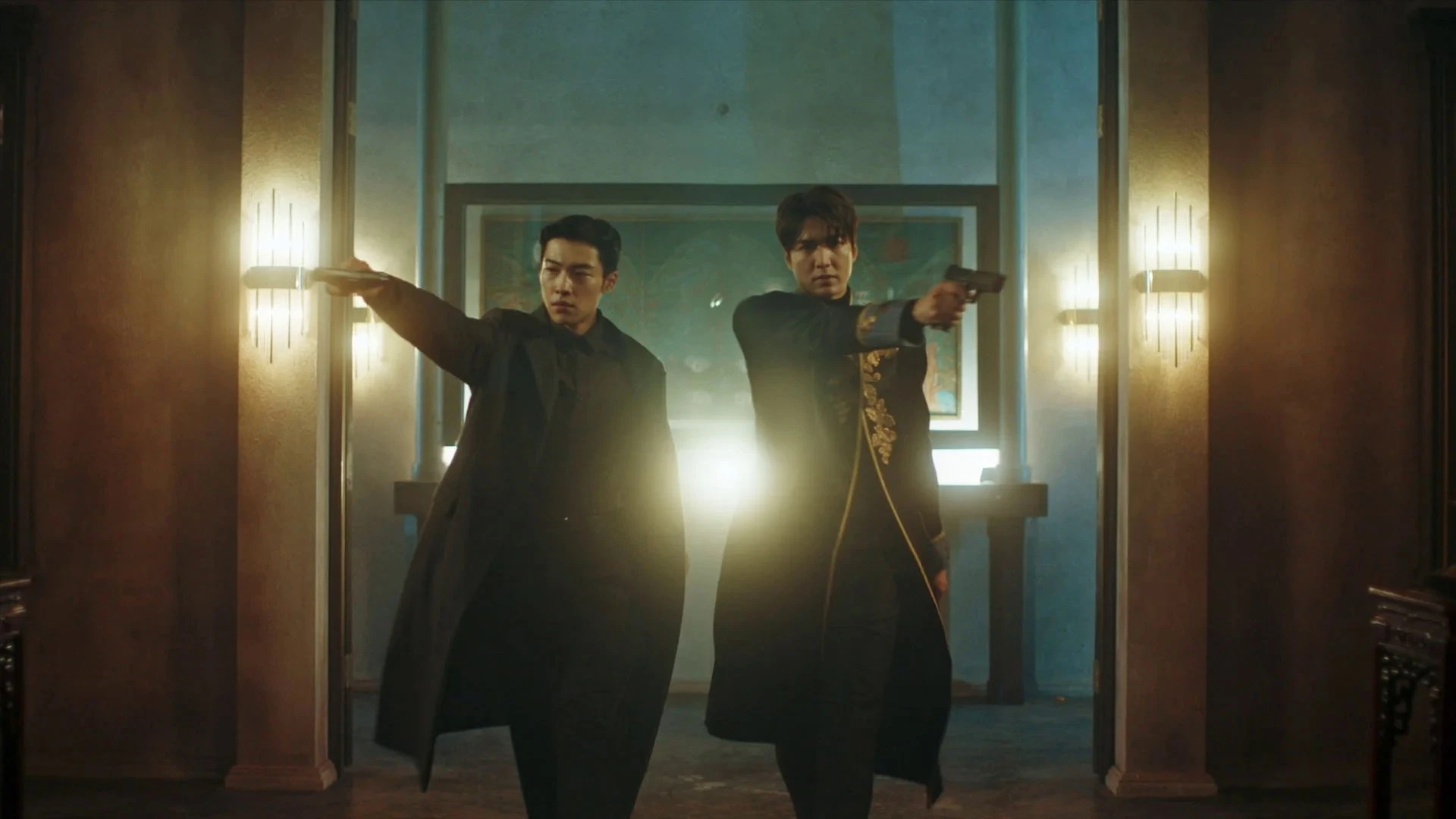
📺 Episode Guide
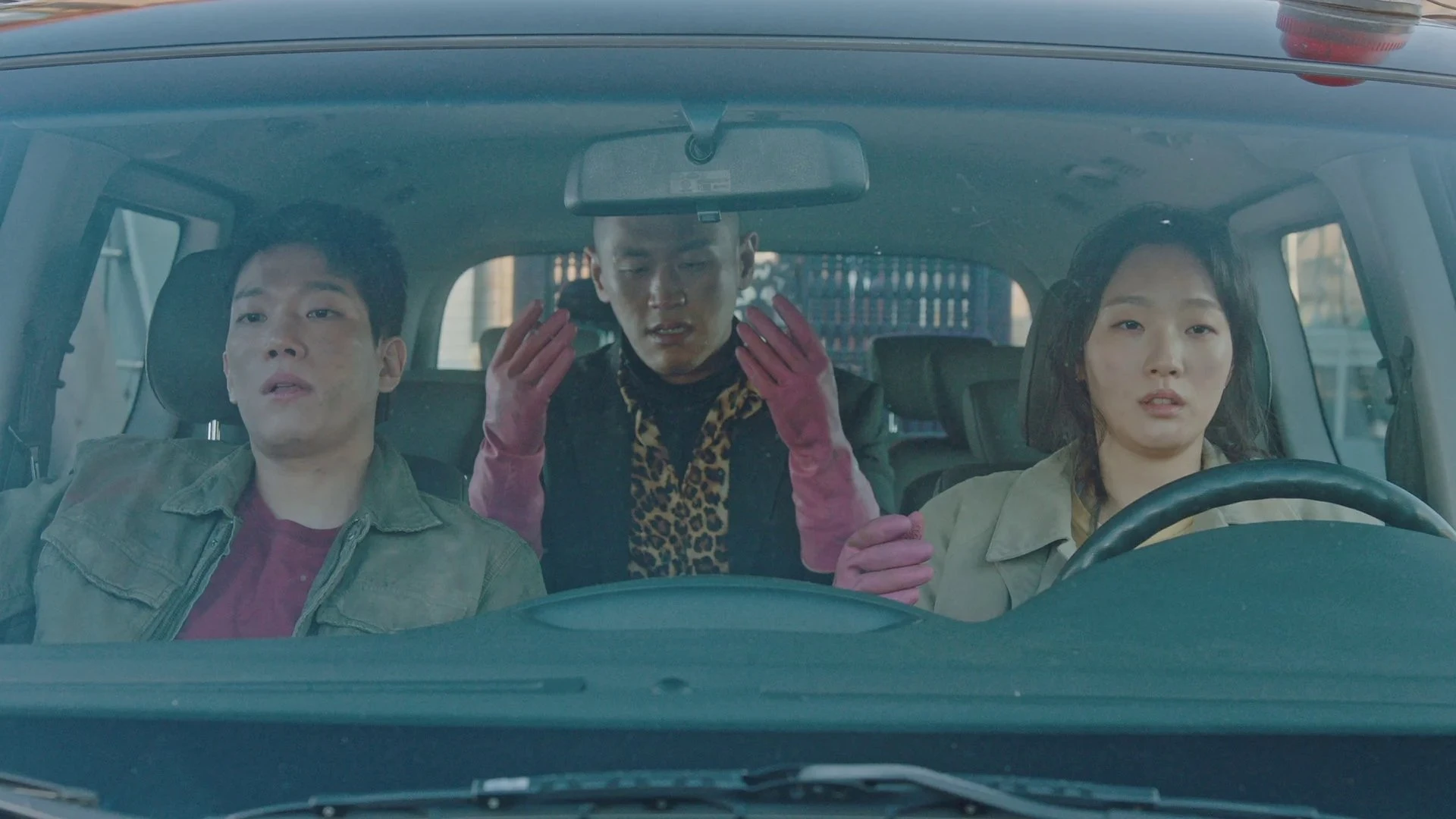
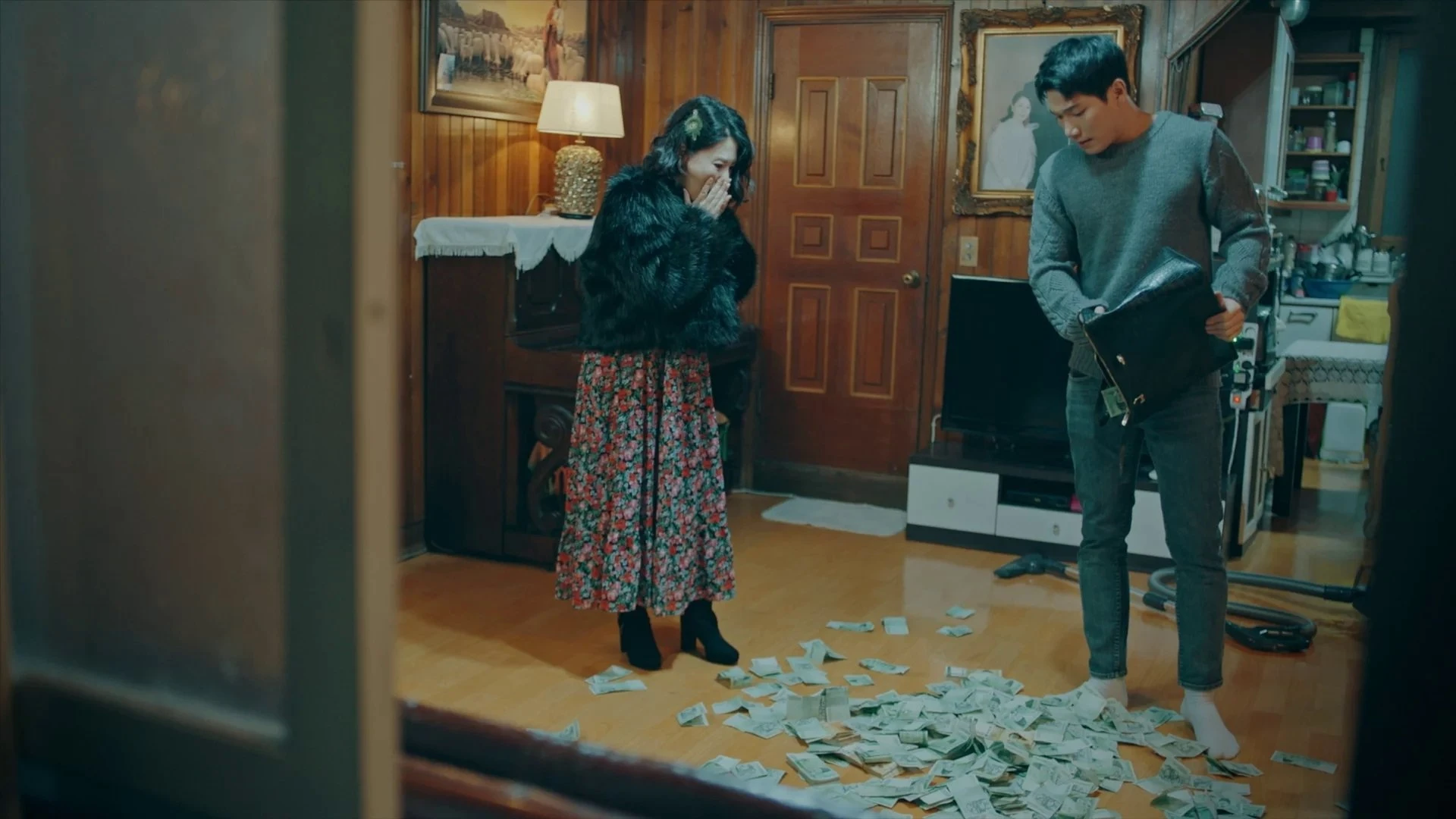
Spoiler-light recaps for all 16 episodes — what happens and why it matters.








🏁 Ending Explained
Everything the finale means, spoilers and all.
Spoiler Warning — This section covers the full finale of The King: Eternal Monarch. Stop here if you haven’t finished the series.
The Closed Loop Confirmed. Episode 16 doesn’t begin with a twist — it begins with a confirmation. The cloaked figure who appeared on the night of Lee Ho’s assassination, who handed young Gon Tae-eul’s ID card, was Lee Gon himself. The closed time loop is now fully sealed: he traveled back to save his own life, and in doing so, set every subsequent event in motion. It’s the kind of structural payoff that only works if you’ve been patient enough to trust it. This episode asks you to have been exactly that patient.

Lee Lim Erased From History. In the final confrontation, Lee Gon destroys the Manpasikjeok — both halves, in the same moment. The portal collapses. The timeline alterations are reversed. Lee Lim’s entire twenty-five-year operation is undone: the doppelgängers he planted cease to exist in the positions they stole, the people who killed their counterparts are returned to their rightful places, and Lee Lim himself is effectively eliminated from the timeline. It is not a dramatic fight scene. The flute breaks, and a man who spent decades manipulating two worlds simply stops existing as a force in either of them.
Jo Yeong’s Fate. Jo Yeong survives — gravely wounded after protecting child Lee Gon across multiple points in the rewritten history. His fate is left poignant and deliberately open: he exists now in a world where his king no longer has a portal to cross through, where the duality of both his counterpart and his duty has been resolved. The show treats his ending as earned rest rather than resolution, which is the more interesting choice.

The Search Across Timelines. With the Manpasikjeok destroyed, Lee Gon can no longer use the portal as it was. Instead, he traverses multiple timelines — world by world, version by version — searching for Tae-eul, whose memory of him has been partially erased by the collapse of the flute’s magic. The show doesn’t specify how many versions he visits or how long the search takes. What it shows is the commitment: an emperor who gave up both his worlds to find one woman, moving through realities that don’t recognise him to reach the one that will.
The Reunion. He finds her in the Republic of Korea. She doesn’t fully remember him — but she recognises something. The drama’s final scene doesn’t play as a reunion of equals who remember everything. It plays as a first meeting that has the weight of everything that came before it, even if only one of them can feel why. Shin-jae finds peace with his identity. Jo Eun-sup and Na-ri move toward something real. The supporting cast settles into undamaged versions of their lives. The series ends not on triumph, but on the quieter idea that love persists even when memory doesn’t — and that’s enough.
✍️ KDramaWorlds Editor’s Take
Our real opinion — worth the watch, and for who exactly.
💜 Slow-Build Romance
⏳ Time-Travel Mystery
👑 Imperial Grandeur
🪞 Doppelgänger Dread
Lee Min-ho has done charisma-driven lead roles across his career — Boys Over Flowers, The Heirs, Legend of the Blue Sea — but The King: Eternal Monarch is the one where the charisma is actually in service of something. Lee Gon is written as a man who has spent twenty-five years certain of one thing: that the woman whose ID card he found would exist, and that he would find her. Lee Min-ho plays that certainty without making it arrogant. There’s a quietness underneath the emperor’s confidence — the quietness of someone who has been carrying a loss since childhood and built a persona around it. It’s his most complete performance.

The drama’s reputation is divided — and not without reason. Kim Eun-sook is writing at her most ambitious here, building a mythology that spans two realities, a closed time loop, a twenty-five-year conspiracy, and a romance that has to carry the emotional weight of all of it. The middle stretch — roughly episodes 9 through 12 — requires more patience than most viewers were willing to give it in 2020. The pacing is uneven, and some of the parallel-world mechanics are explained through dialogue that would rather tell than show. Whether that reads as a flaw or as a consequence of genuine narrative ambition depends entirely on what you’re prepared to invest in. The final act pays off almost everything it promised, and the finale delivers on its own terms — quietly, deliberately, without the kind of spectacle that would have felt hollow by that point.
Woo Do-hwan is the show’s secret weapon. Playing both Jo Yeong and Jo Eun-sup — characters who share a face but nothing else — he creates two entirely distinct people without ever leaning on obvious tricks. The scenes where both versions share space are the show’s most technically impressive, and the emotional strand of Jo Yeong’s story (a man built entirely around duty, slowly discovering what he might want for himself) is the one that lands hardest in the finale. The King: Eternal Monarch is not a tight drama. It is an ambitious one — and in its best moments, ambition wins.
Anyone who wants a mythology-heavy drama that actually pays its debts
Viewers who loved Goblin or Crash Landing on You and want something larger in scope
🎬 You Might Also Like
If you liked The King: Eternal Monarch, these are your next three watches.
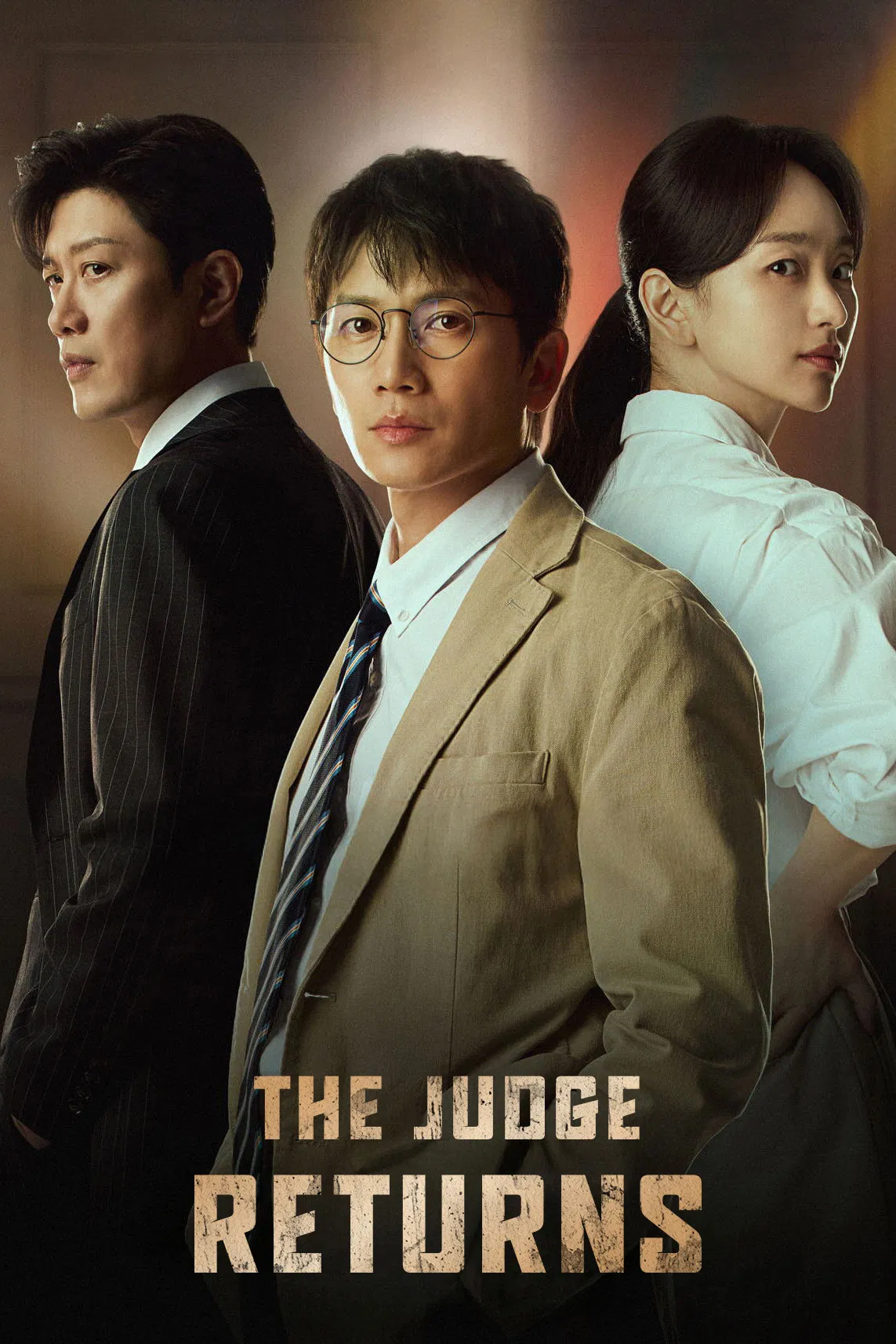 The Judge Returns
CorruptionJi Sung
Read Full Review →
|
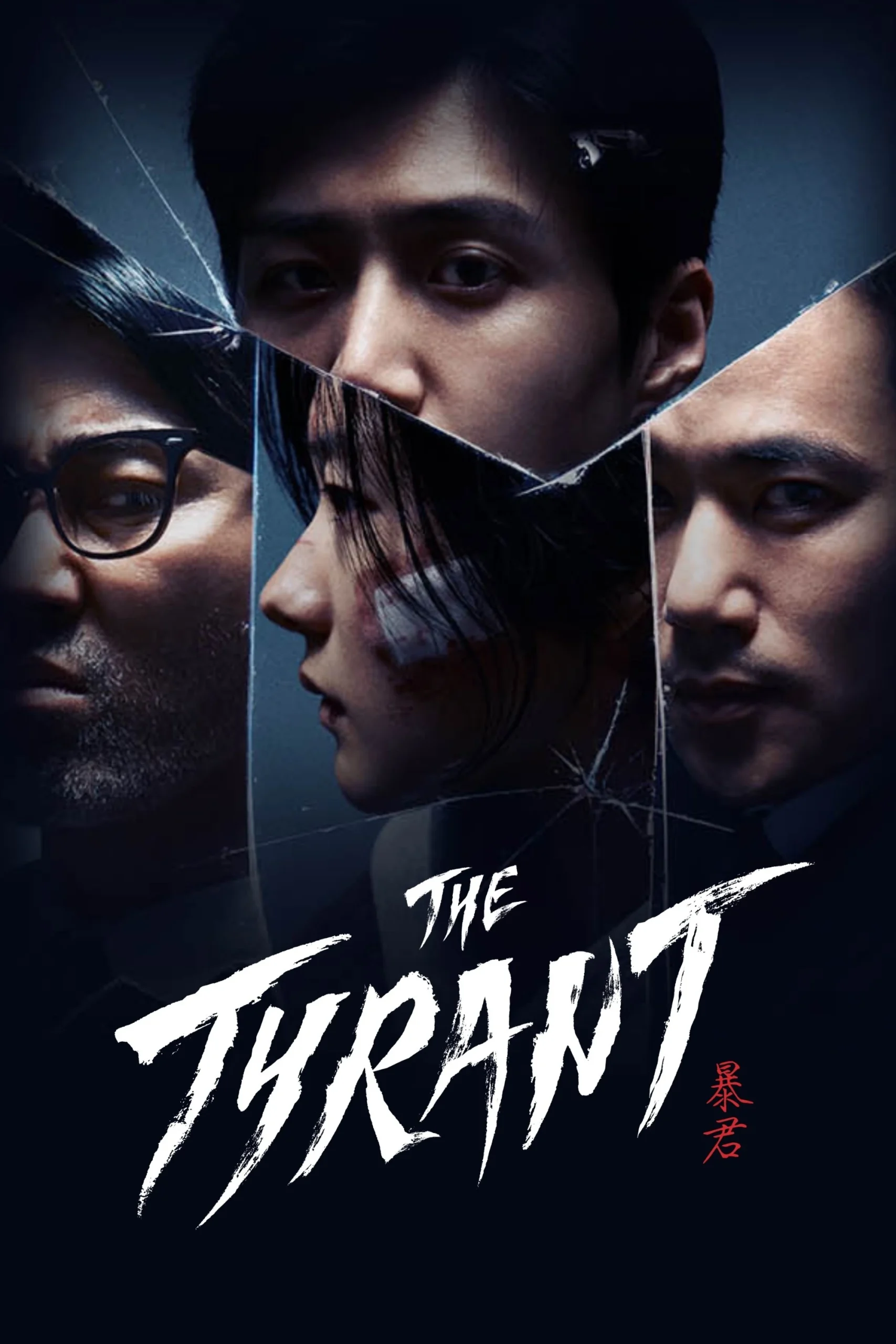 The Tyrant
action thrillerantihero
Read Full Review →
|
 A Time Called You
Ahn Hyo-seopDoppelganger
Read Full Review →
|













Keep it kind, skip the harsh language, and please — no spoilers. Everyone's taste is different, and that's perfectly fine.
This space is for real reactions and discussion from other viewers. Help keep it comfortable for everyone by not giving away major plot details.
What do you think of this drama?
Login to share your review or leave a comment.
No email needed — just pick a username & password.