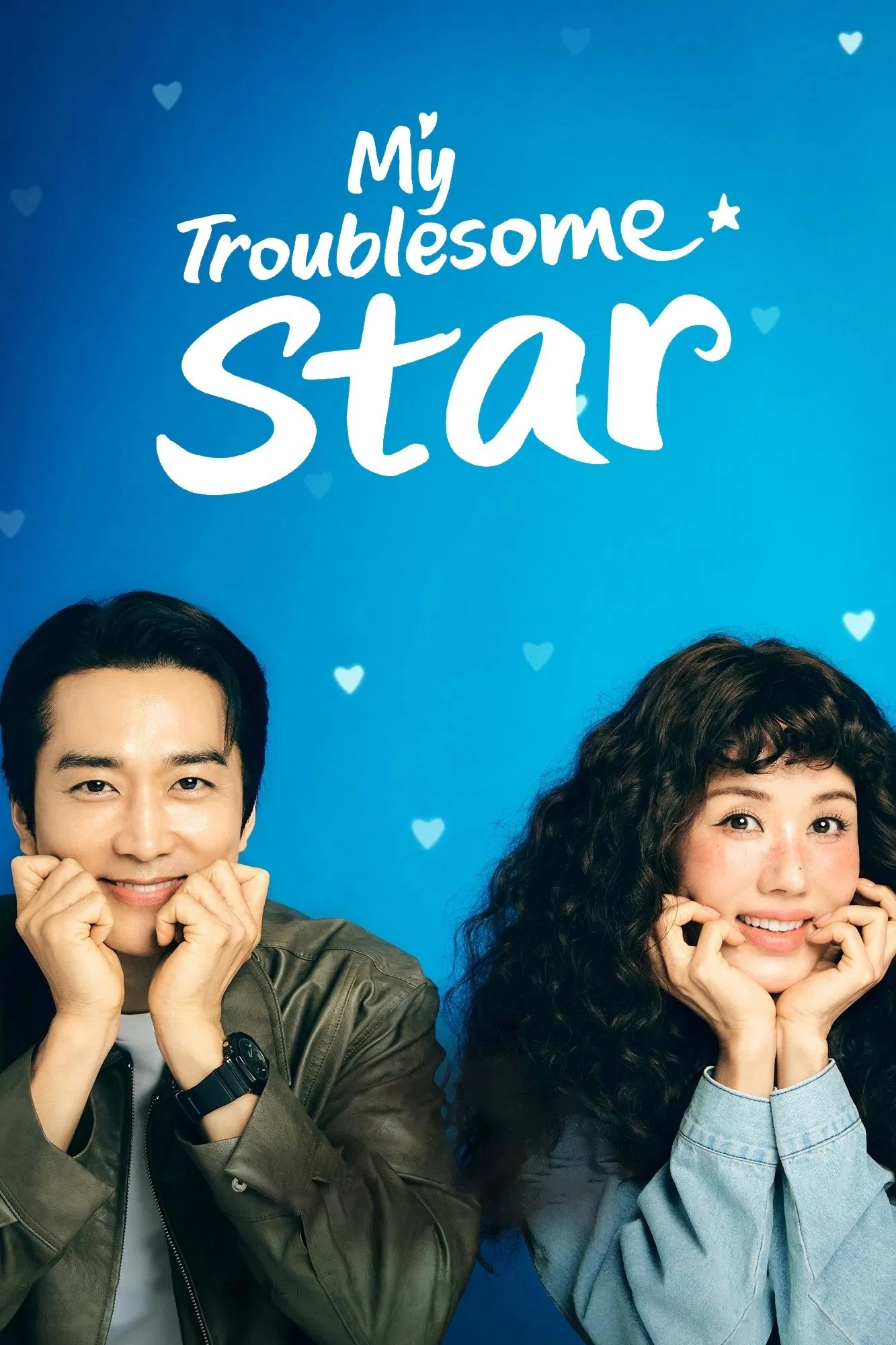
My Troublesome Star
🎬 Viki · Apple TV+ · VIU
⭐ 8.0 MDL
📺 PG-13
📋 Drama Overview
Start here — the basics before the first scene.
🕰️ Time-Slip Romance Pick
Apple TV+
VIU
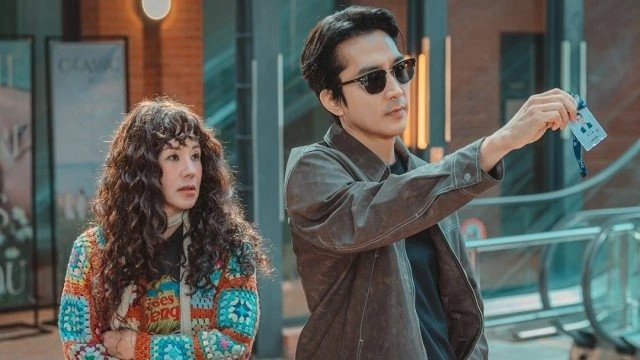
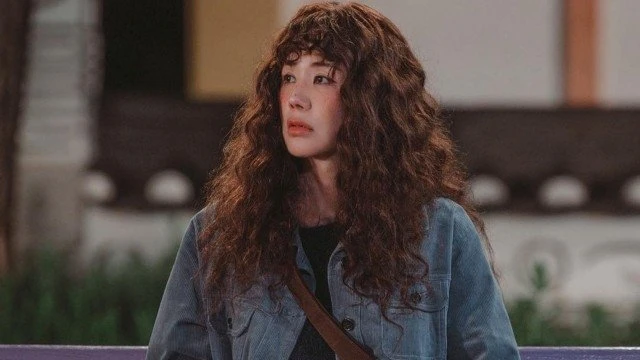
Im Se-ra’s career peak in 2000 comes with a particular kind of visibility — the kind that makes people feel entitled to you and furious when you step back. She is not just famous; she is the type of famous that the industry builds entire schedules around. Then one night, an accident takes 25 years from her without asking permission.
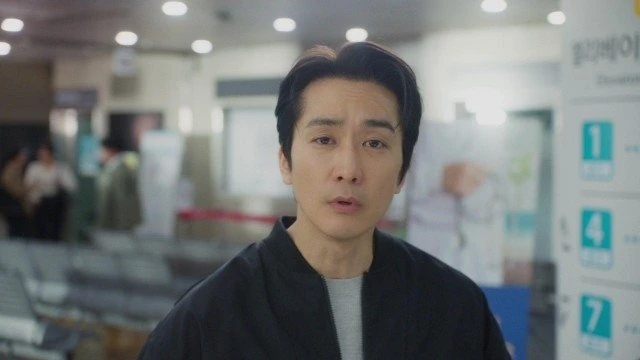
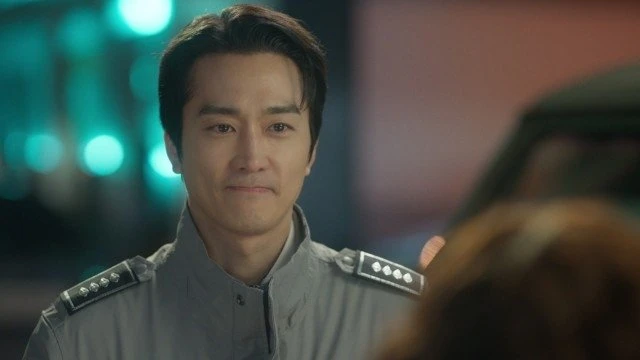
She wakes as Bong Cheong-ja in 2025: a different face, a different body, a life she has no memory of building. The entertainment industry has been rebuilt from different materials. Her family moved on without her. And the detective assigned to her case — Dokgo Cheol, demoted from violent crimes to traffic duty for reasons the drama takes its time revealing — turns out to have a connection to her past she didn’t expect. What starts as practical assistance becomes something the drama earns slowly: two people, both stuck inside someone else’s version of their story, trying to find the exit together.
12 / 12 ✅ Completed
⚡ Quick Verdict
The short version — everything that matters, boxed up.
MDL Score · Check MyDramaList for updated community rating
▶ Official Trailer
🎭 Cast & Characters
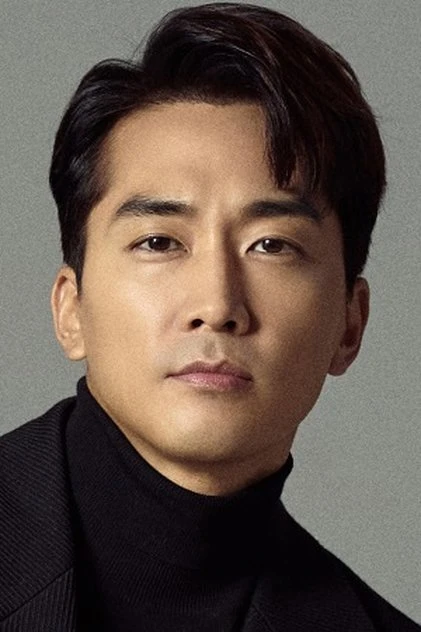
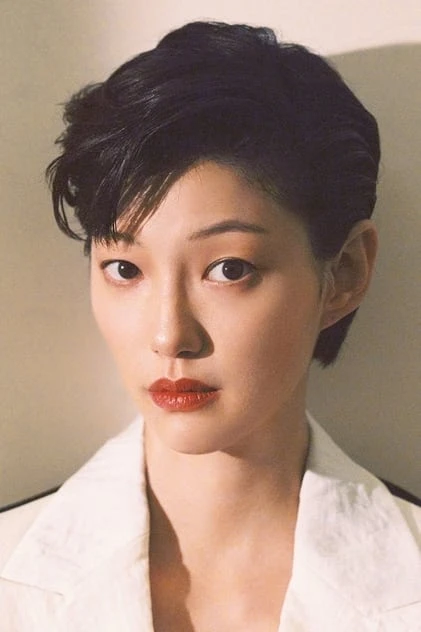
Two people who’ve been in this industry long enough to know what it costs — playing characters for whom that knowledge arrived twenty-five years too late.

Lead
Lead
Supporting
Supporting

Supporting

Supporting
📺 Episode Guide
Episode-by-episode, spoiler-light — a refresher, not a rewatch.
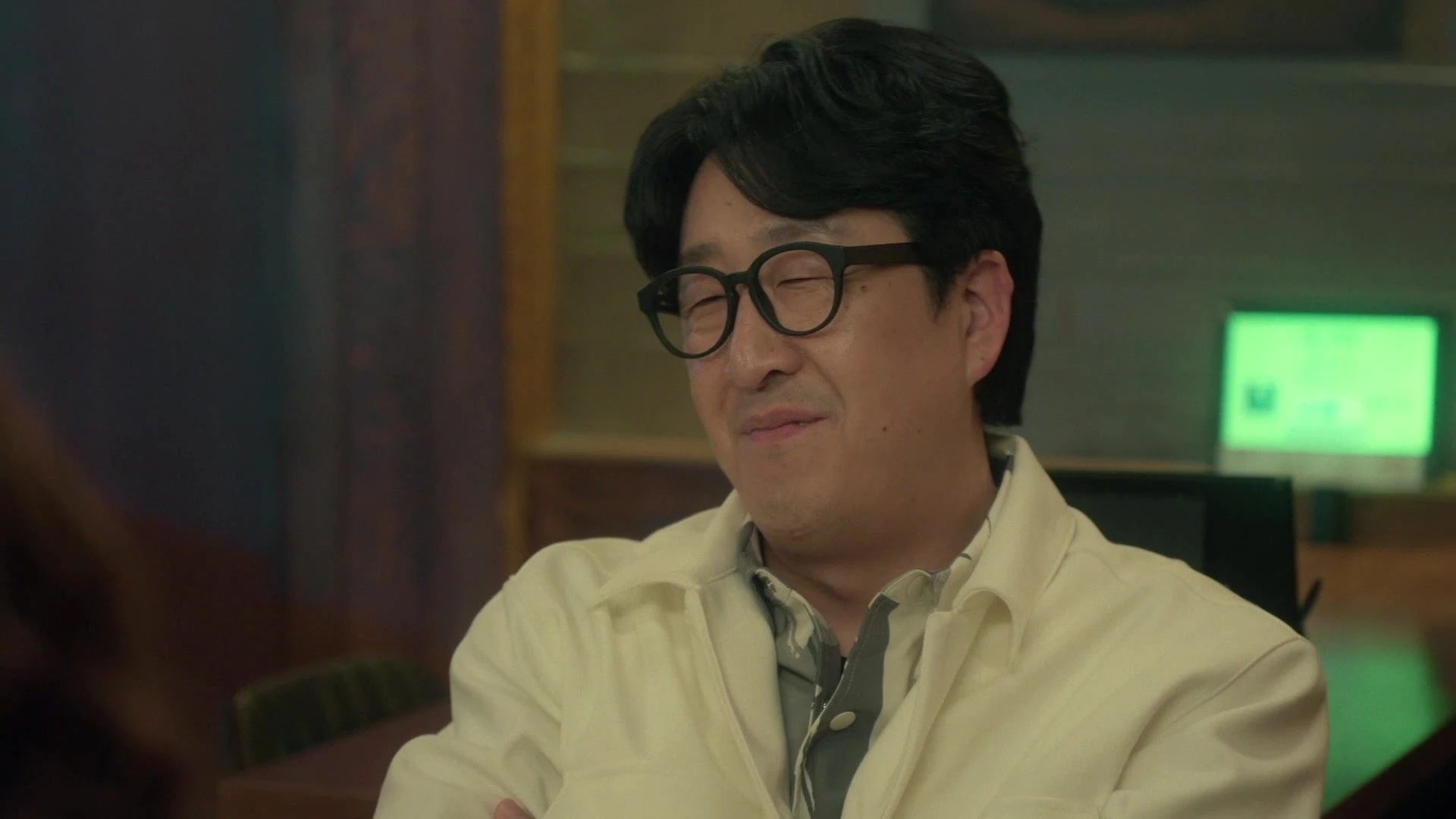
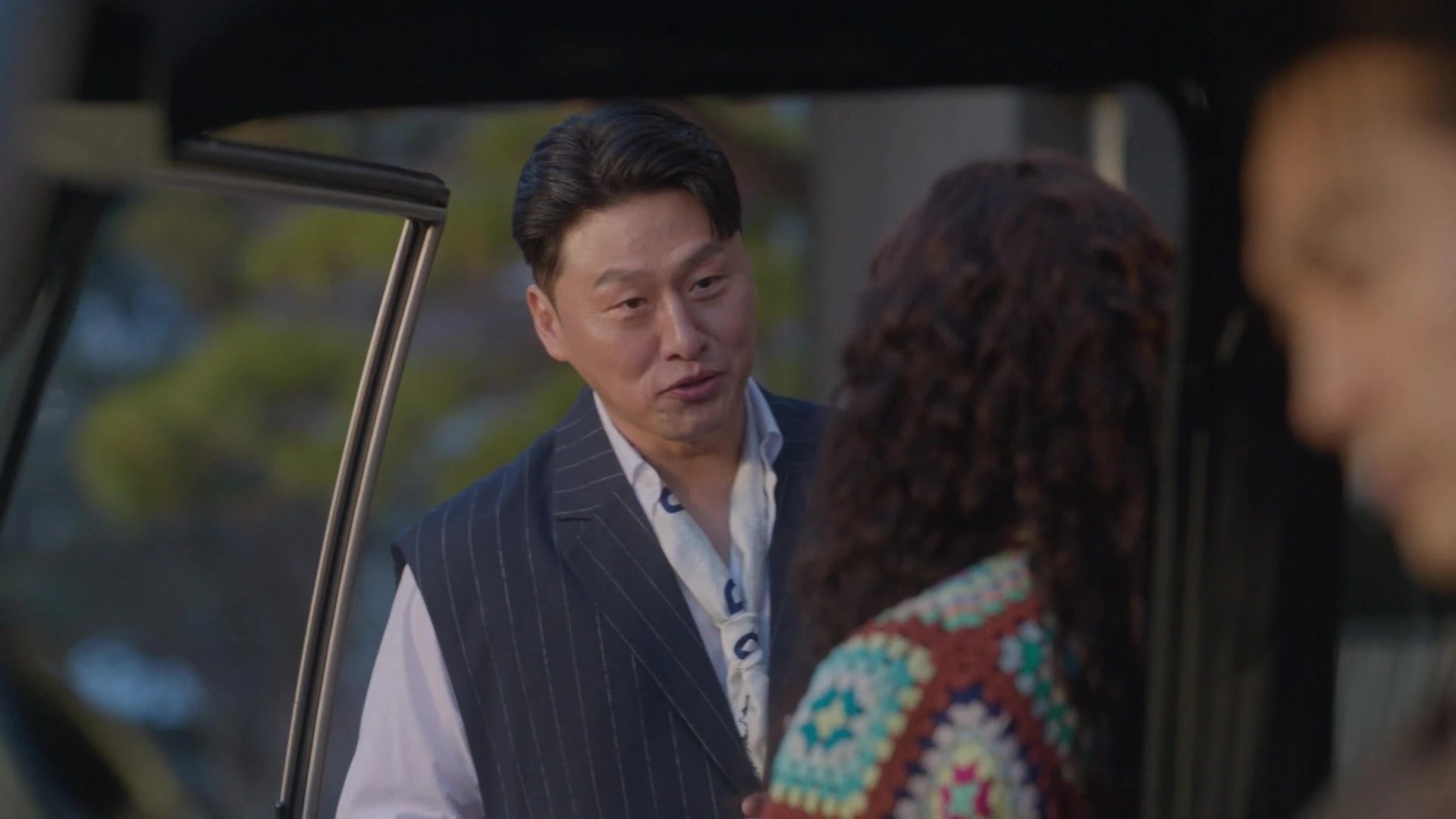
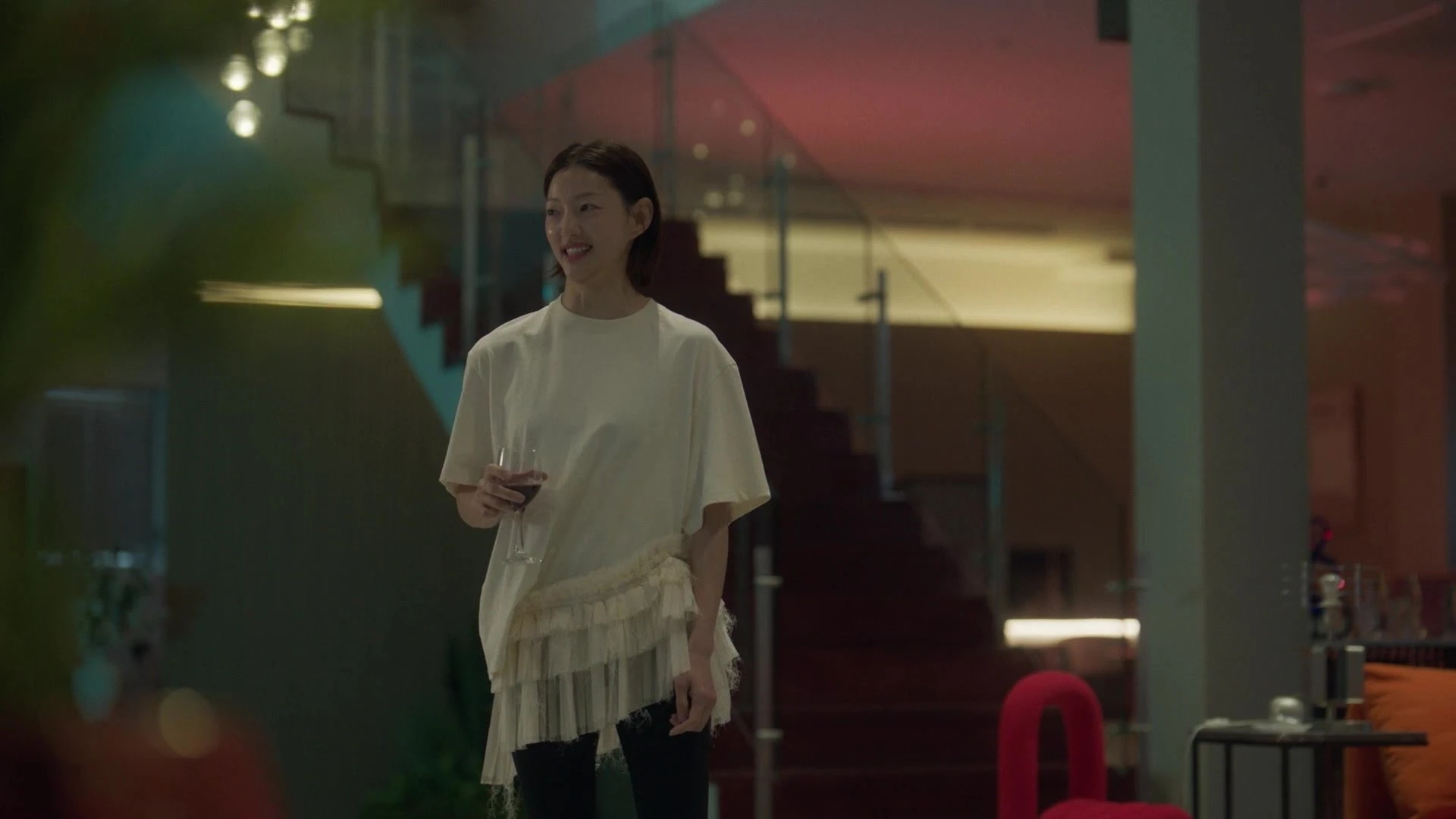
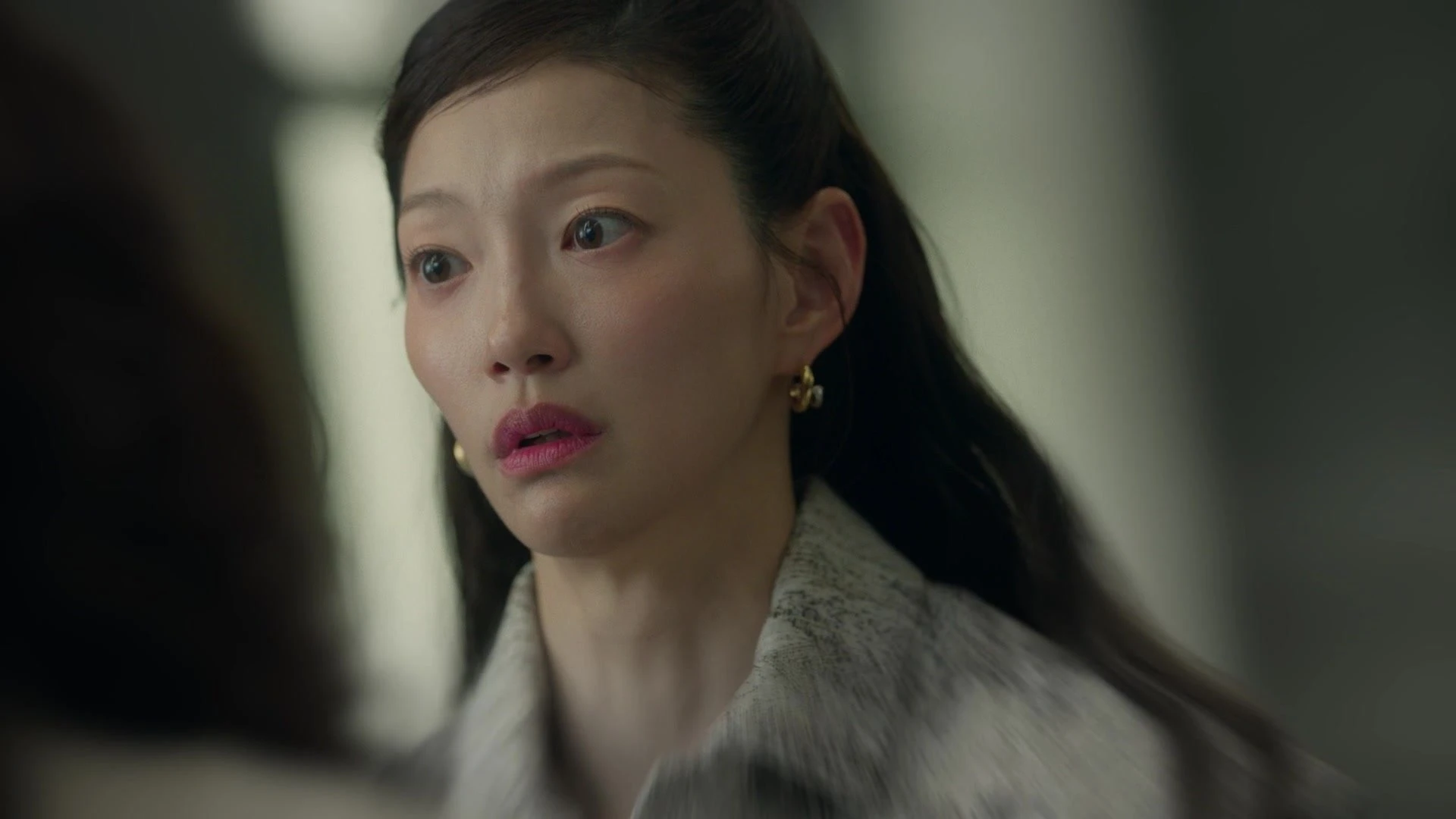
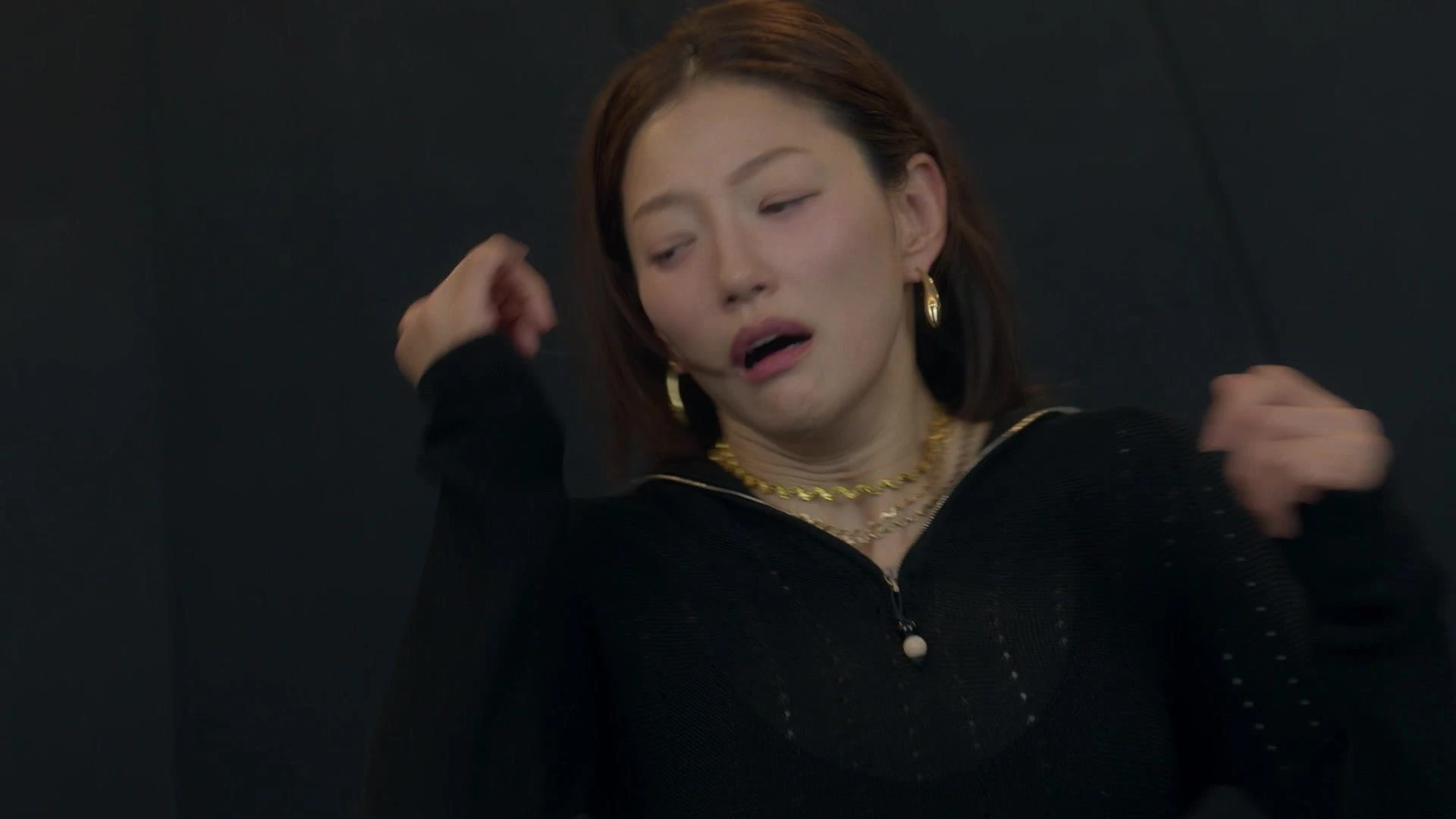
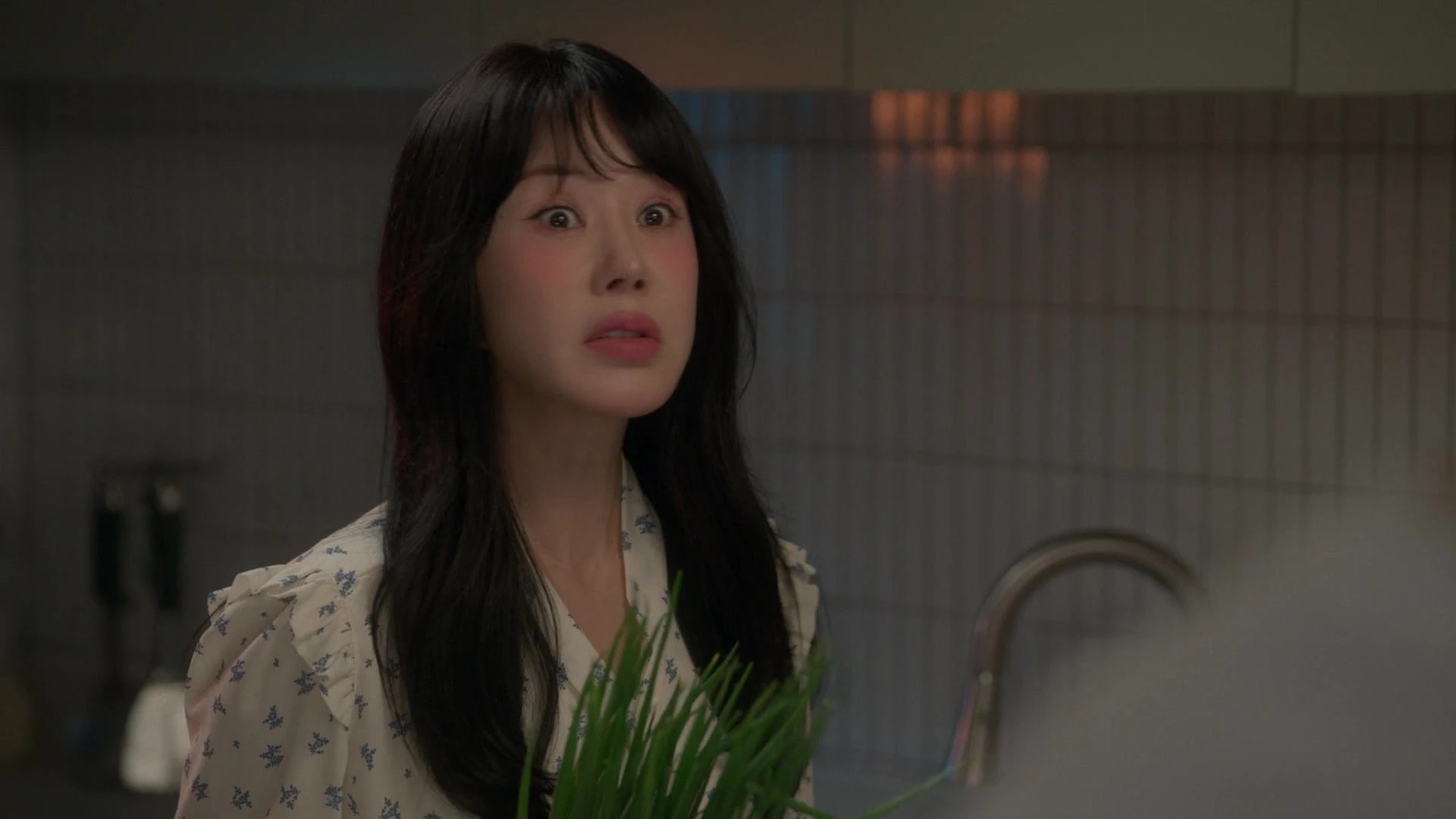
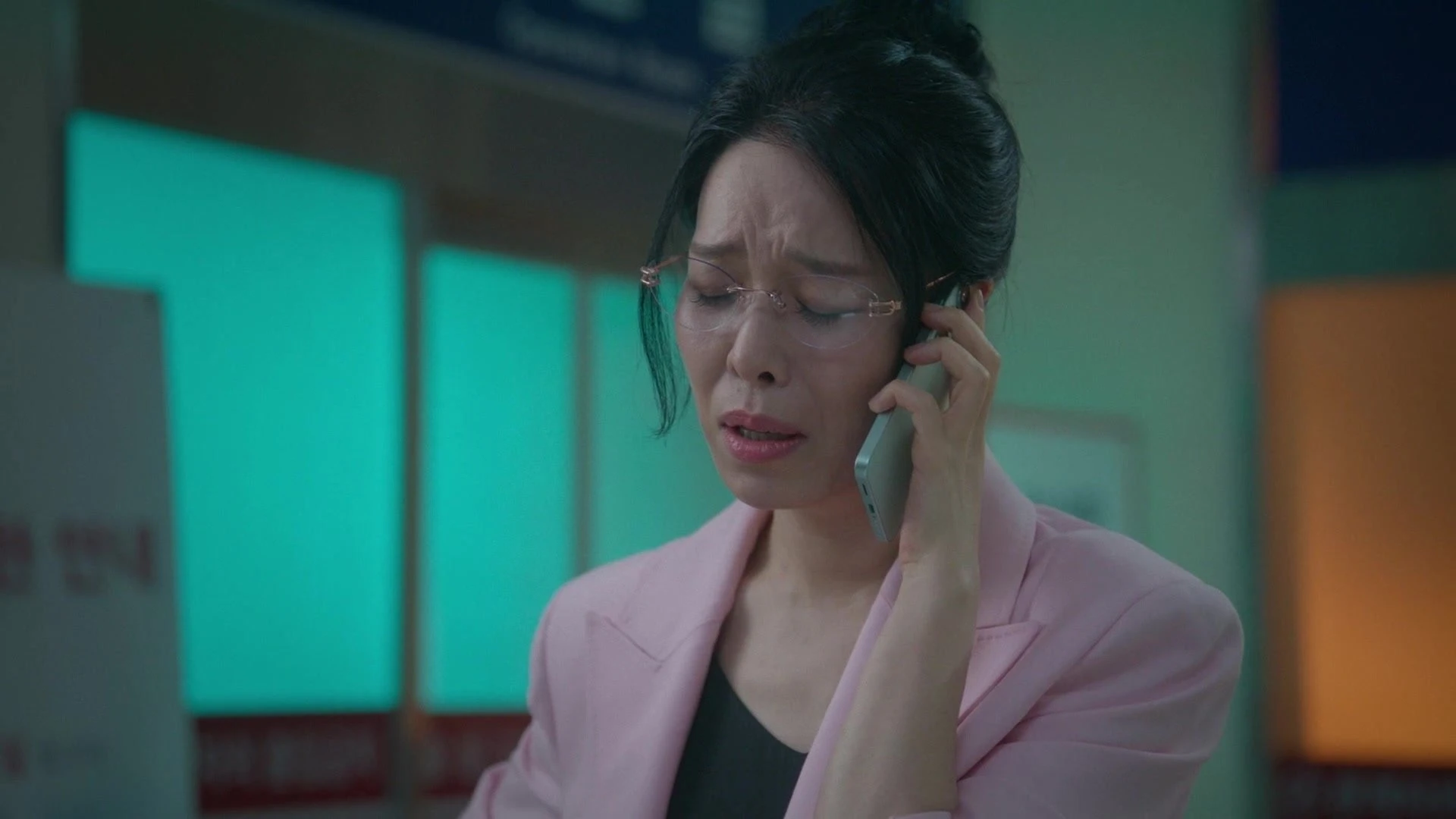
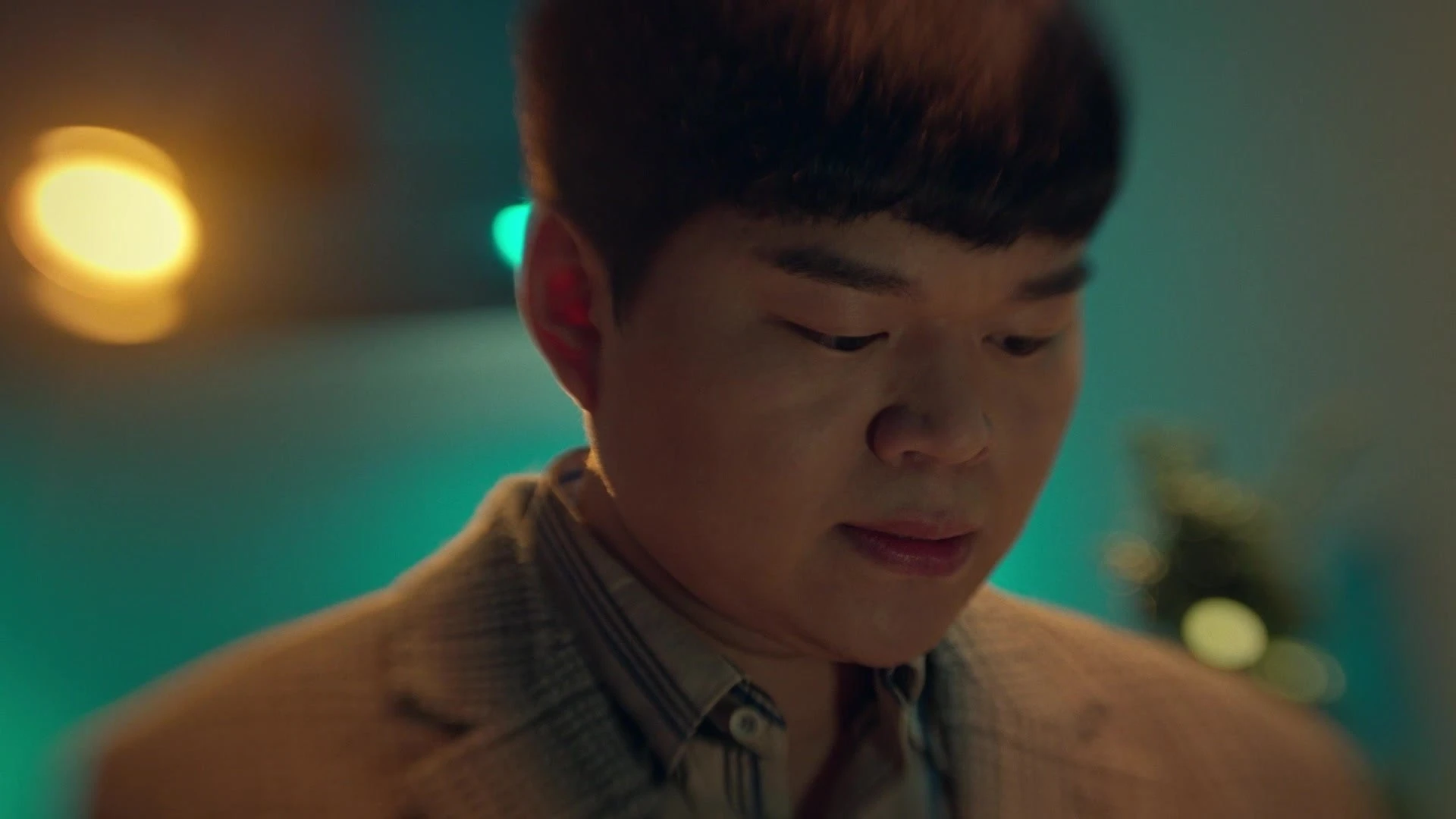
🏁 Ending Explained
Spoilers ahead — the finale, broken down in full.
Spoiler Warning — This section covers the full finale of My Troublesome Star. Stop here if you haven’t finished the series.
What Actually Happens. The finale closes the accident investigation and the romance in the same motion — which is exactly right, because the drama has been arguing since episode five that these were never separate stories. The people responsible for burying Im Se-ra face consequences. Cheong-ja gets to choose what she does with the truth. Dokgo Cheol gets to choose what he does with the person he’s become. The episode is careful to give each of these endings weight rather than speed.
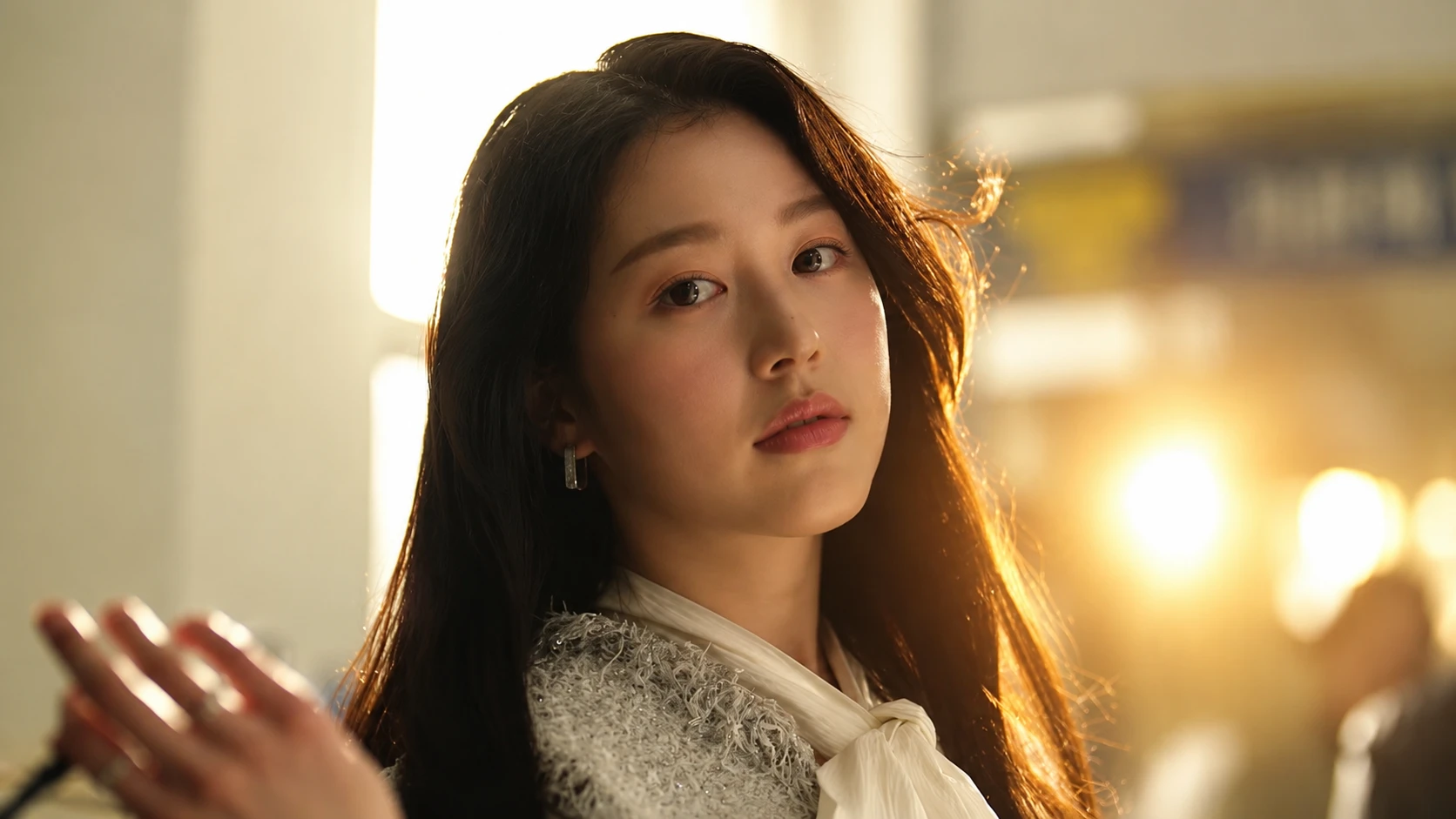
What Happens to Cheong-ja / Im Se-ra. Cheong-ja doesn’t get the 25 years back. The drama is honest about that. What she gets instead is authorship — her story, told in her voice, on her terms. The people who buried the accident expected her to stay buried with it. She doesn’t. The finale doesn’t frame her reclaimed identity as a triumph over the people who took it from her; it frames it as a decision she makes about herself, which is a harder thing and a more meaningful one.
What Happens to Dokgo Cheol. Dokgo Cheol’s resolution is the quieter of the two, but the drama gives it room. The demotion that opened the series — a violent crimes detective moved to traffic duty, stuck in place — turns out to have been a man waiting for a reason to move forward. He finds it in Cheong-ja. Not because she completes him but because the search, and what it asked of him, turned him back into someone with a purpose worth carrying.
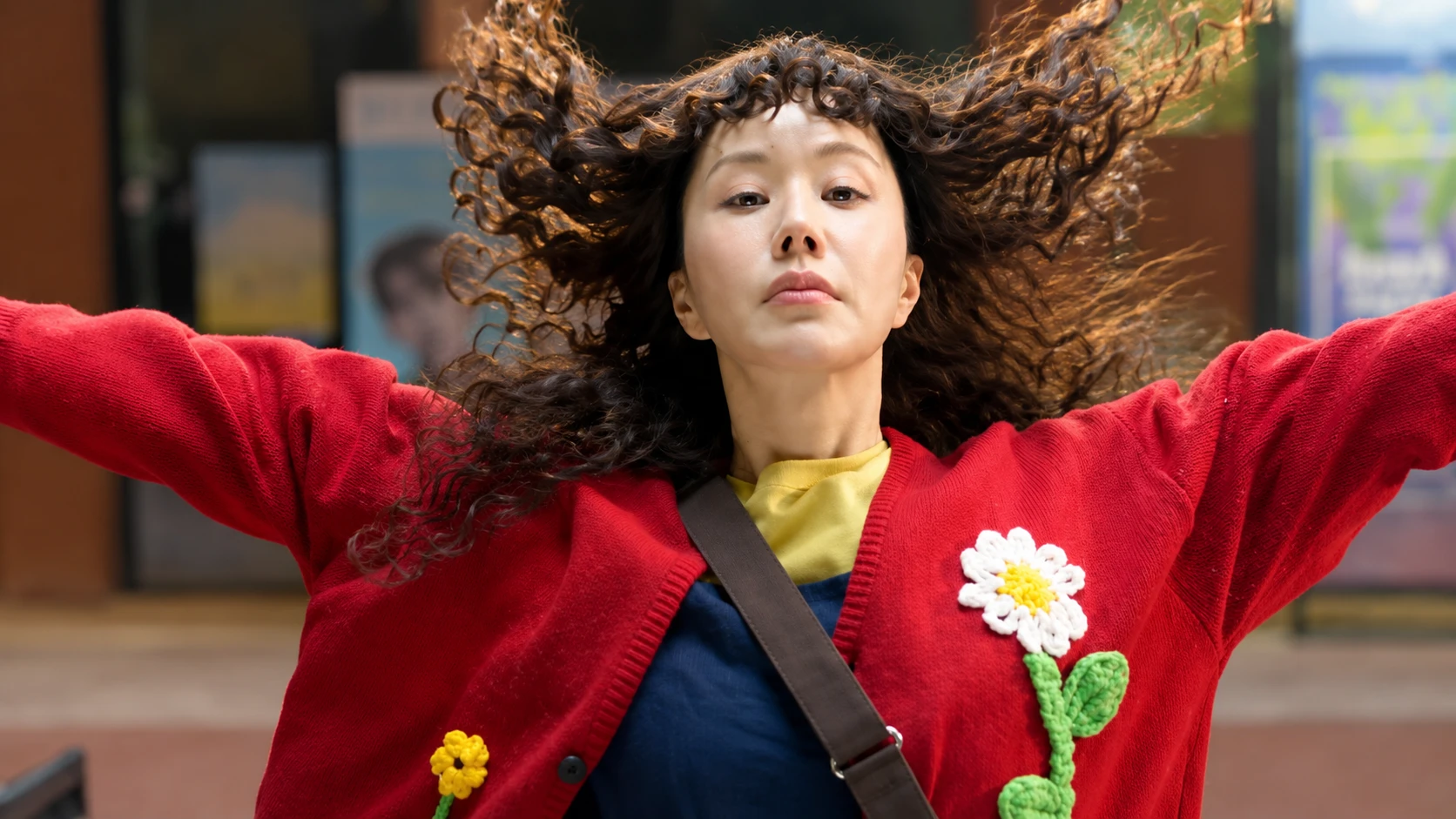
What Happens to the People Responsible. The culprits face consequences that the drama treats as logical rather than cathartic. There’s no breakdown monologue, no theatrical moment of exposure. Just the slow correction of an industry that got away with something for 25 years — and now can’t. The drama’s restraint here is deliberate: the point was never punishment, it was correction. The silence ends. That’s enough.
Is It a Closed Ending? Yes. Both leads get forward motion, not question marks. For a drama that spent twelve episodes living inside ambiguity — about identity, about the past, about whether a life interrupted can be resumed — the choice to give definite resolution feels earned rather than tidy. The show understood something: these characters didn’t need their old lives back. They needed new ones that didn’t require forgetting what happened to them.
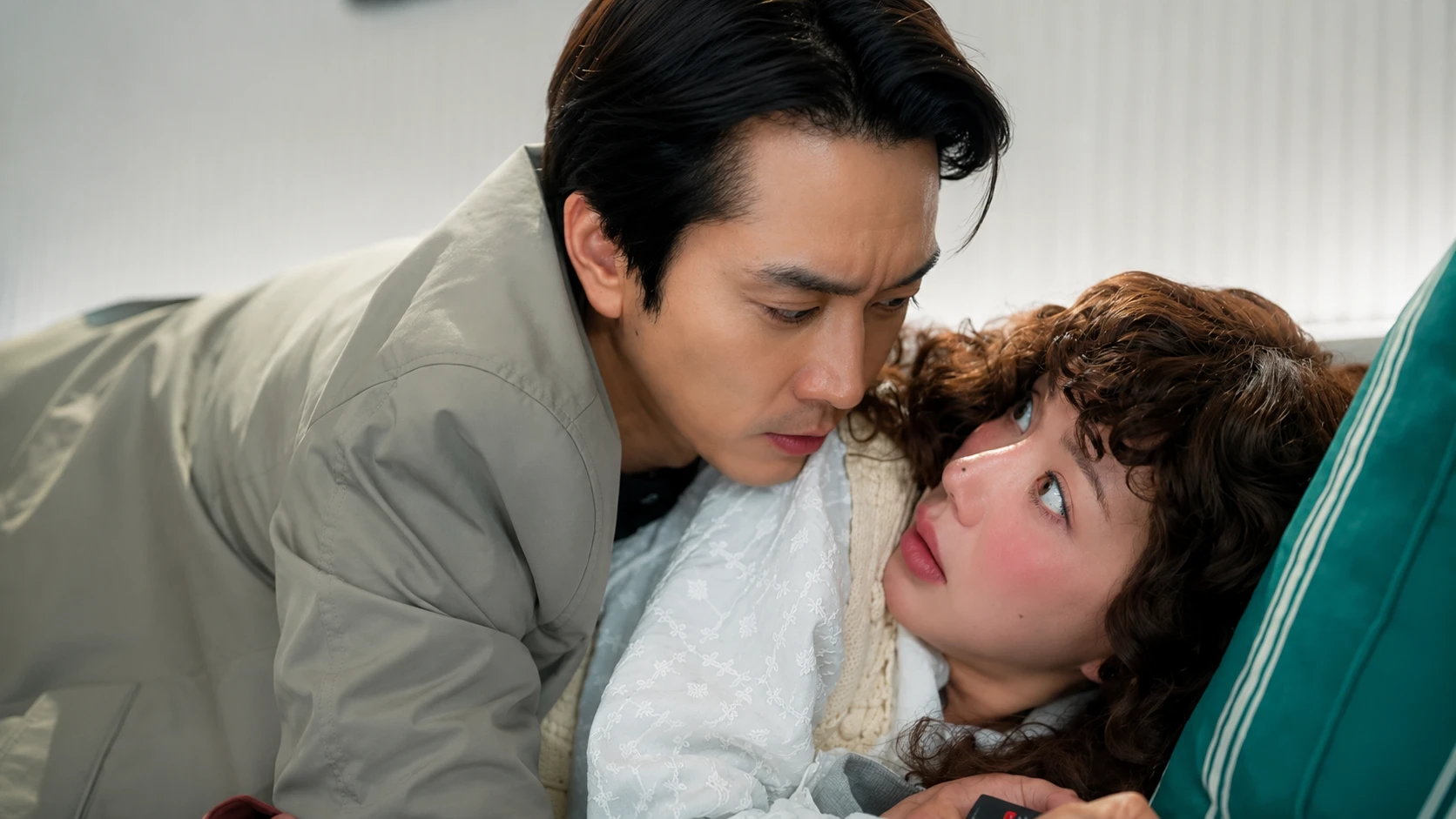
What ‘금쪽같은 내 스타’ Actually Means. The Korean title translates roughly as “my star, precious as gold” — 금쪽 (geumjjok) is a term of endearment, the kind you’d use for something irreplaceable. The English title flips it to “troublesome.” Both versions are accurate to the drama, and the gap between them is the whole point. To the industry, to the people who controlled her, to the people who buried the accident: Se-ra was a problem, a liability, a star who had become inconvenient. To Dokgo Cheol, and eventually to herself: she was the one worth the trouble. The title isn’t a joke. It’s the argument the drama spent twelve episodes making.
✍️ KDramaWorlds Editor’s Take
Our honest take — is it worth your time, and who’s it really for.
🎭 Comeback Arc
🔍 Mystery-Romance
💗 Second Chance
😄 Warm Comedy
Uhm Jung-hwa has been a fixture of Korean entertainment long enough that casting her as a woman who was Korean entertainment’s biggest fixture in the year 2000 is less metaphor than autobiography. The drama knows exactly what it’s doing with that casting — and she does too. What she brings to Bong Cheong-ja that a younger actress couldn’t is the specific way a person carries a career in their body: the posture, the instinct, the refusal to be invisible even when she’s been given a face no one recognizes. Her physical comedy is precise without being broad, and her grief, when it arrives, doesn’t announce itself — it’s already been in the room for a few episodes before it speaks.
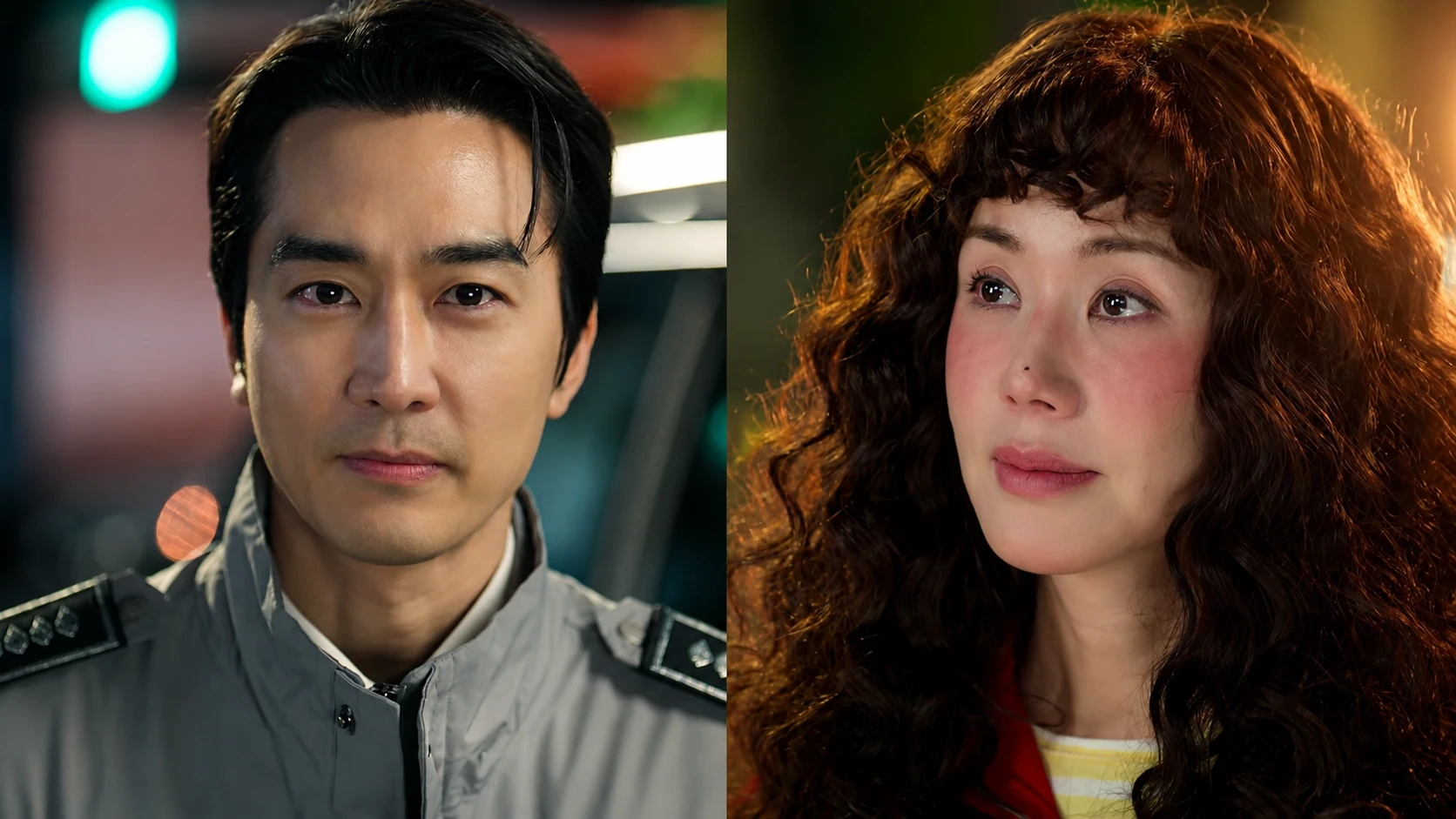
Song Seung-heon’s Dokgo Cheol is a different register than the idealized romanticism he built his early career on — less polished, more lived-in, carrying the particular exhaustion of someone who was once good at something and was then told to stop. The dynamic between them works because neither is playing down to the material. She pushes against him; he resists and then yields; the shift is gradual enough that when it arrives, you’ve been watching it come for three episodes without fully realizing it. For comparable dramas that use displacement as emotional rather than just structural material, My Perfect Stranger (2023) and Melting Me Softly (2019) cover adjacent territory, though neither has a lead performance as specifically inhabited as Uhm Jung-hwa’s here.
The mystery elements don’t always match the romantic comedy’s energy — around episodes 5–7, the investigation and the romance are pulling in slightly different directions, and the drama doesn’t fully reconcile them. The middle stretch asks for patience. What keeps it honest is that the show never pretends the body-transfer mechanics are internally consistent, which would be the worse failure: hand-waving a premise is forgivable; trying and failing is not. The finale delivers what the first episode promised: two people stopped in the wrong moment of their lives, choosing a different one.
Romance viewers who want a mystery thread running underneath
Time-slip drama completionists who don’t need the rules to be airtight
A star vehicle that earns the label — Uhm Jung-hwa carries it further than the script alone would go.
🎬 You Might Also Like
If you liked My Troublesome Star, these are your next three watches.
 Summer Vacation
Cho Yi-hyunfantasy
Read Full Review →
|
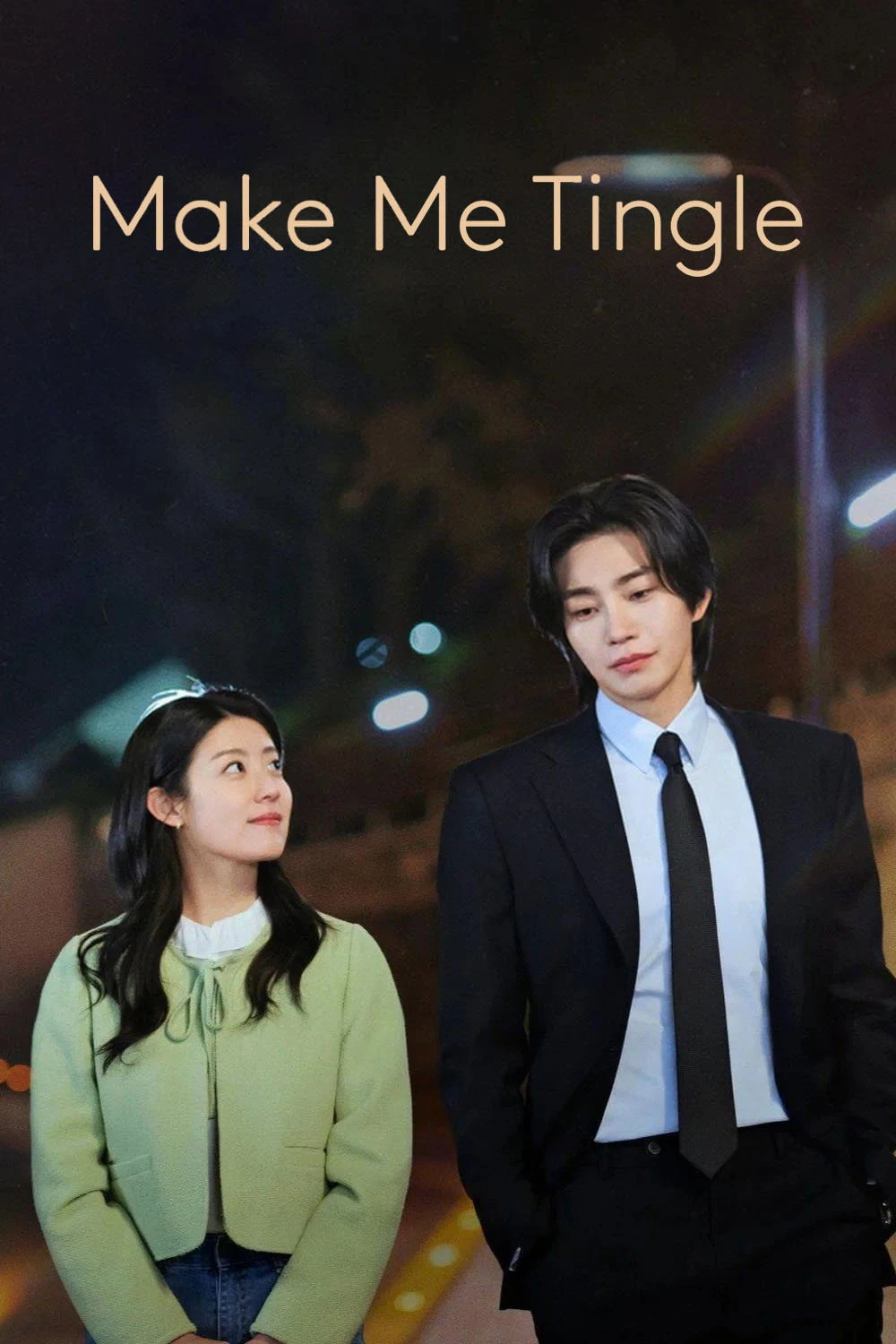 Make Me Tingle
Adult ContentBlind Date
Read Full Review →
|
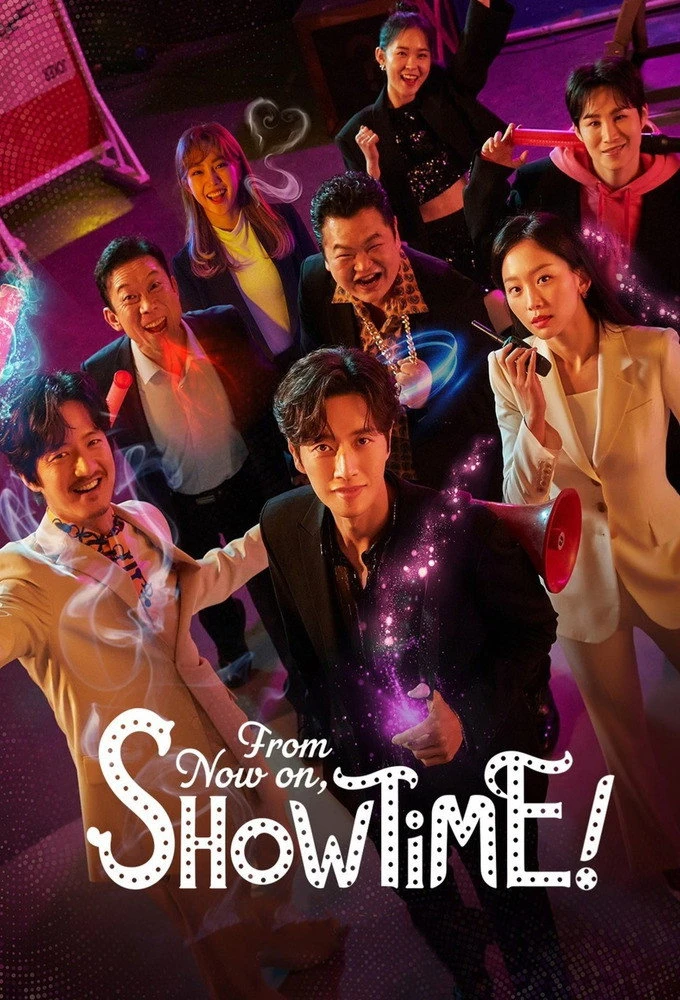 From Now On, Showtime!
comedyEnemies to Lovers
Read Full Review →
|








Keep it kind, skip the harsh language, and please — no spoilers. Everyone's taste is different, and that's perfectly fine.
This space is for real reactions and discussion from other viewers. Help keep it comfortable for everyone by not giving away major plot details.
What do you think of this drama?
Login to share your review or leave a comment.
No email needed — just pick a username & password.