
Frankly Speaking
🎬 Netflix · JTBC
⭐ 7.4 / 10 MDL
🔞 15+
📋 Drama Overview
Everything you need to know before you hit play.
JTBC
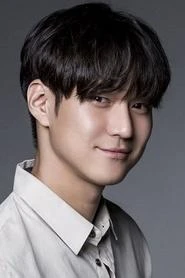
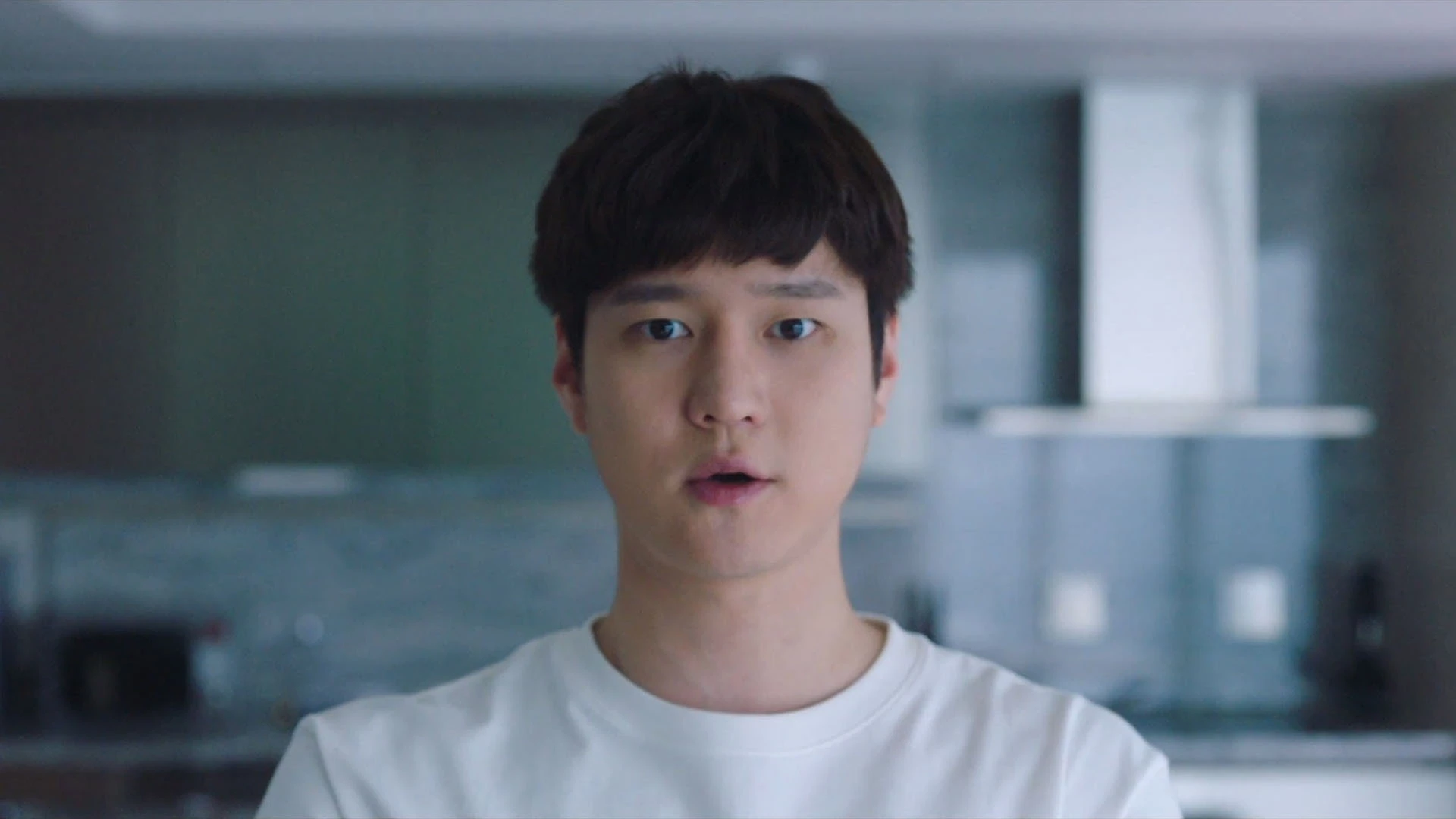
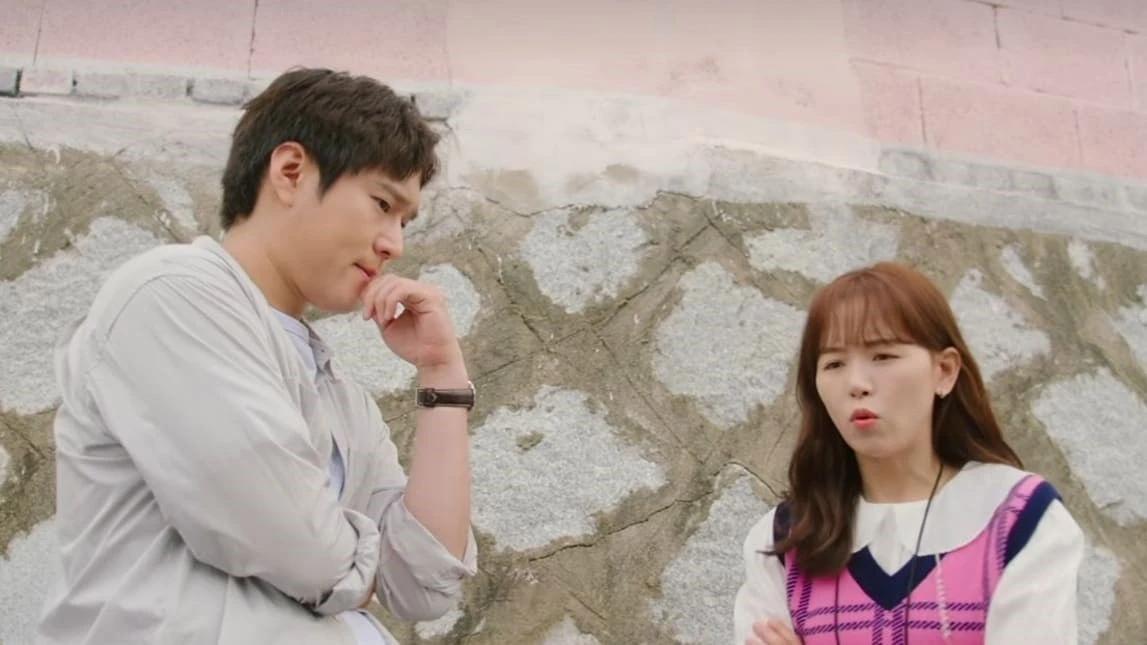
Song Ki-baek (Go Kyung-pyo) is a polished, well-mannered news announcer who has spent years carefully curating a flawless public image. Everything unravels when a mysterious condition strips him of all self-censorship — every unfiltered thought, every buried opinion, every inconvenient truth now exits his mouth the moment it forms. For a man whose entire career is built on controlled language, it is nothing short of catastrophe.
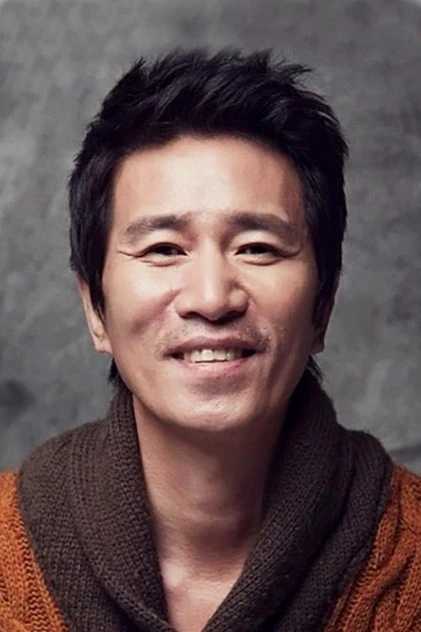
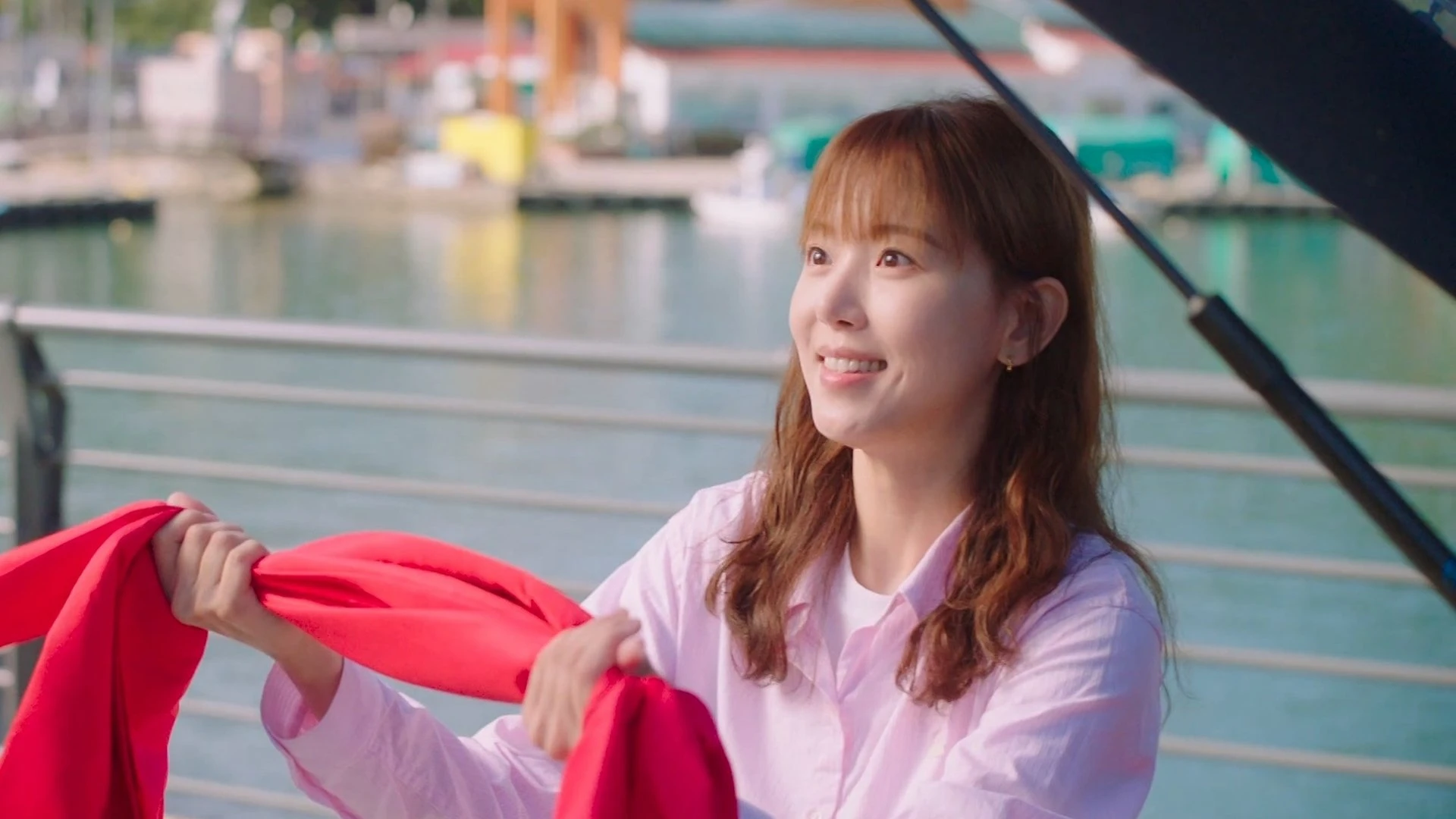
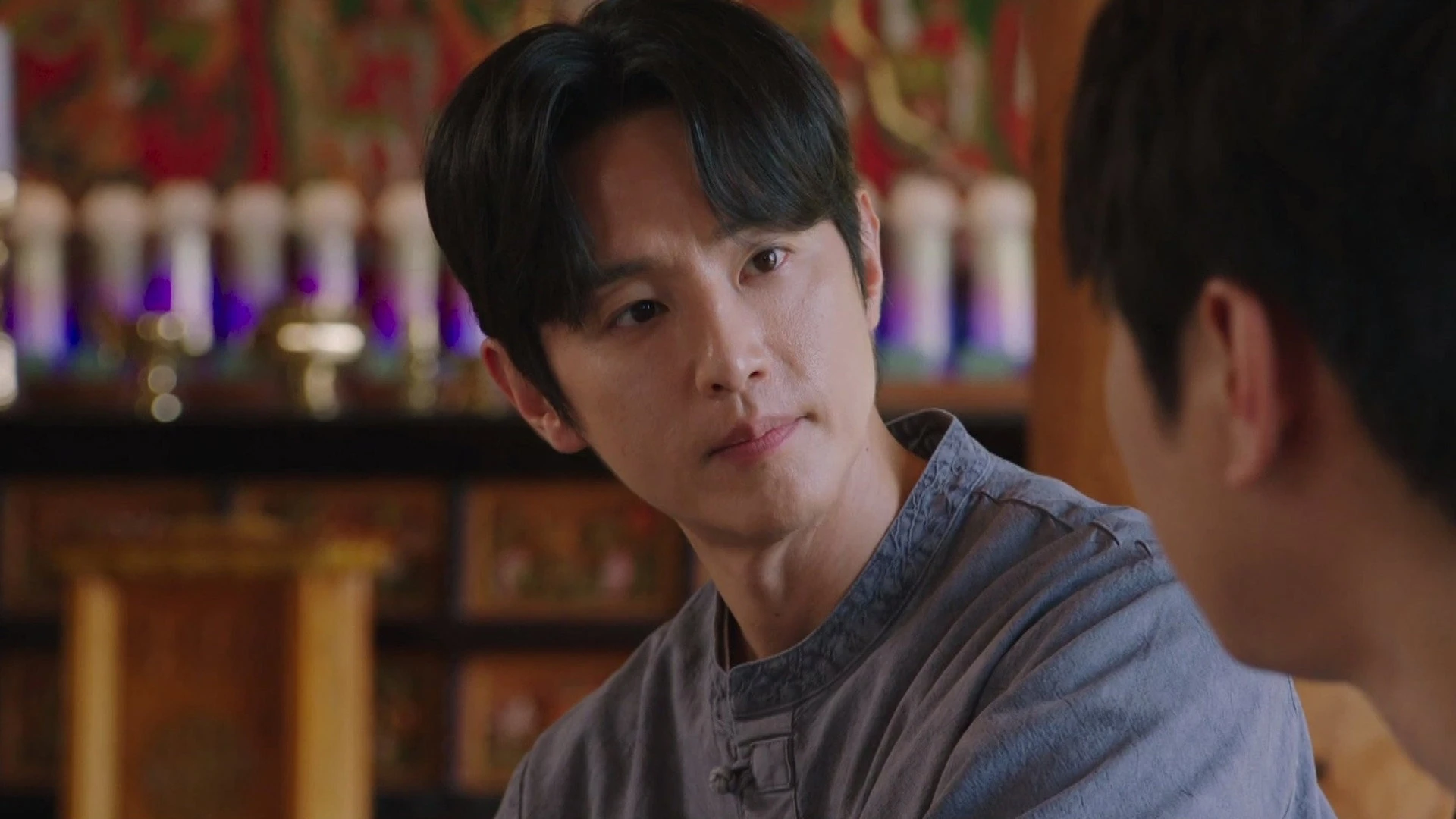
On Woo-joo (Kang Hanna), an energetic variety show writer perpetually hunting for compelling content, spots an opportunity in Ki-baek’s involuntary honesty and convinces him to appear on her show. What begins as a purely professional arrangement — chaotic and mortifying for him, creatively goldmine for her — slowly accumulates warmth, complications, and feelings that neither of them planned for. Into the mix steps celebrity Kim Jung-heon (Joo Jong-hyuk), a charming former acquaintance whose reappearance complicates everything for everyone.
12 / 12 ✅ Completed
⚡ Quick Verdict
One box. Everything you need to decide.
· MDL Score · 8,629 ratings
▶ Official Trailer
🎭 Cast & Characters
Twelve performances — from the announcer who lost his filter to the writer who turned it into content.
Lead

Lead

2nd Lead

Supporting
Supporting
Supporting
Supporting
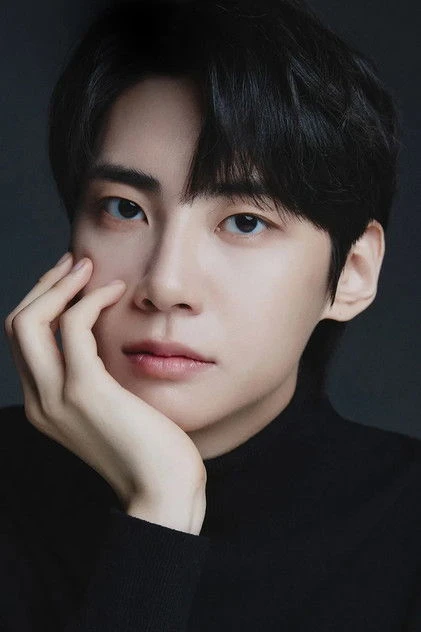
Supporting
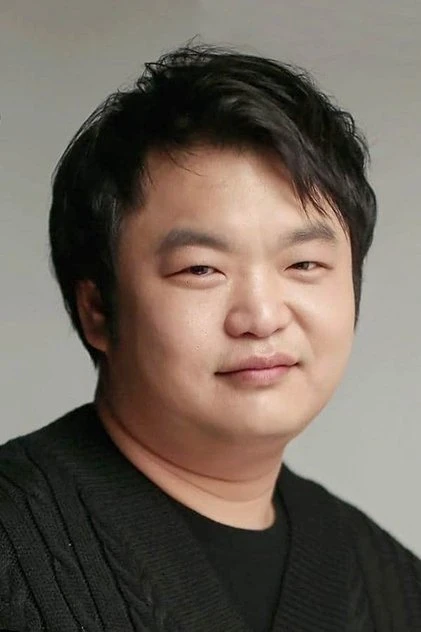
Supporting
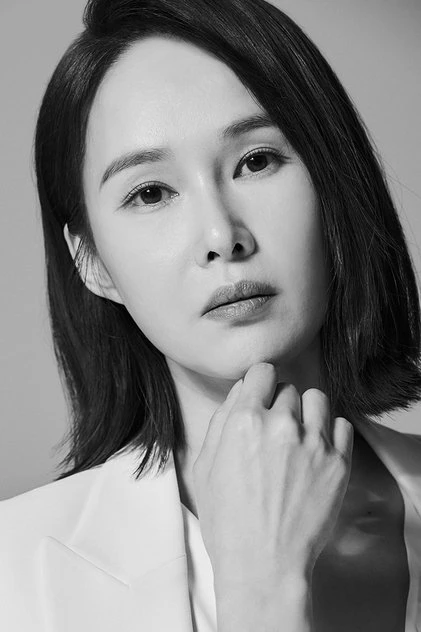
Supporting

Supporting
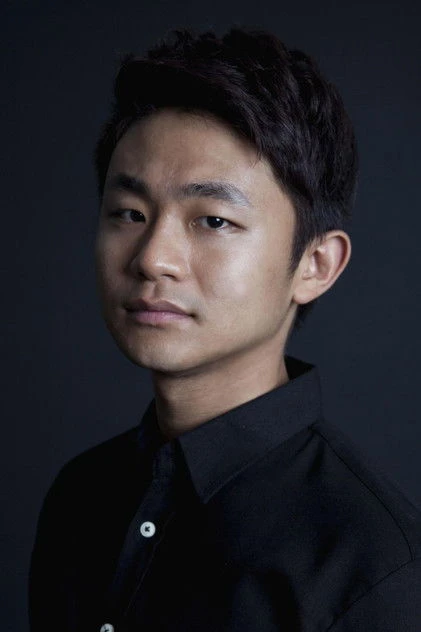
Supporting
📺 Episode Guide
Spoiler-light recaps — enough to remember where you left off, nothing that ruins the fun.
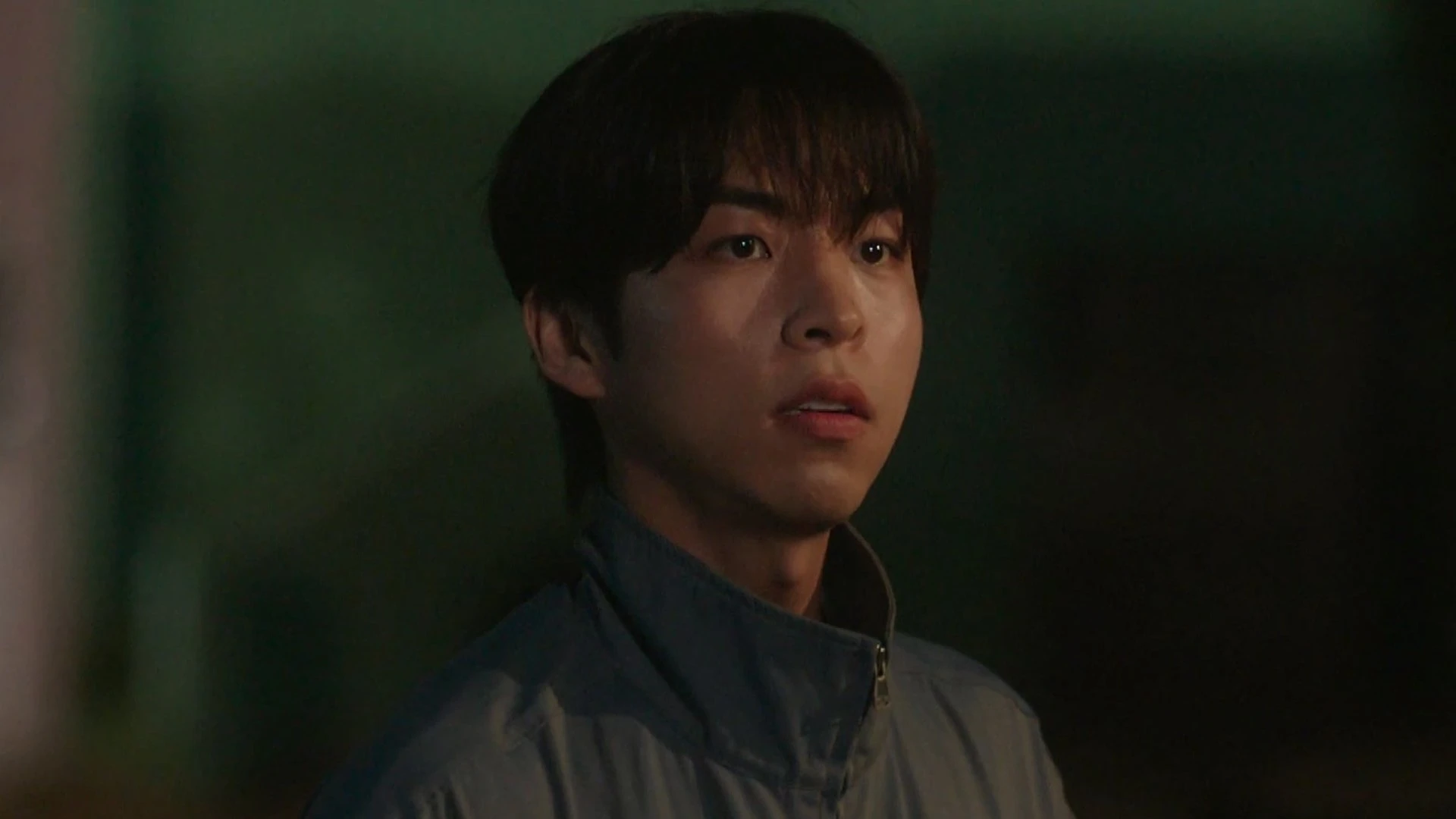

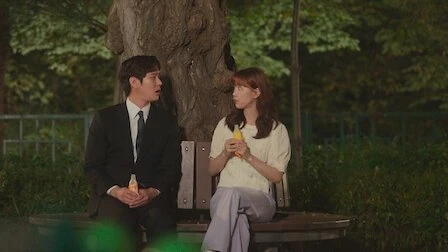

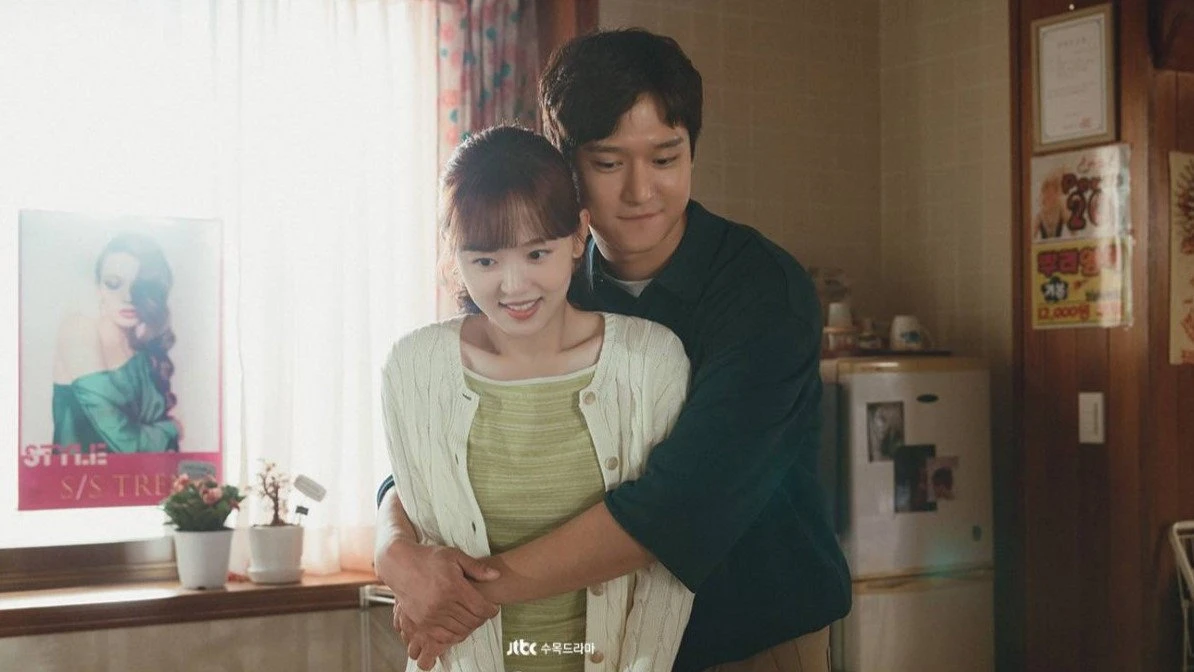
🏁 Ending Explained
Full spoilers ahead — everything that happens in the finale and what it all means.
Spoiler Warning — This section covers the full finale of Frankly Speaking. Stop here if you haven’t finished the series.
The accident that resets everything. The finale opens on the full weight of what happened at the end of Episode 11 — Ki-baek’s mother intentionally turned the steering wheel to absorb the crash impact, sparing her husband and sons at the cost of landing herself in a coma. It is the kind of sacrifice that the drama has been quietly building toward through all the family scenes that felt like background noise: this family loves each other badly and incompletely, but they love each other. Ki-baek responds the way people do when they cannot afford to fall apart — he keeps moving, takes on variety show work, and pays medical bills with a smile that nobody who knows him believes for a second.
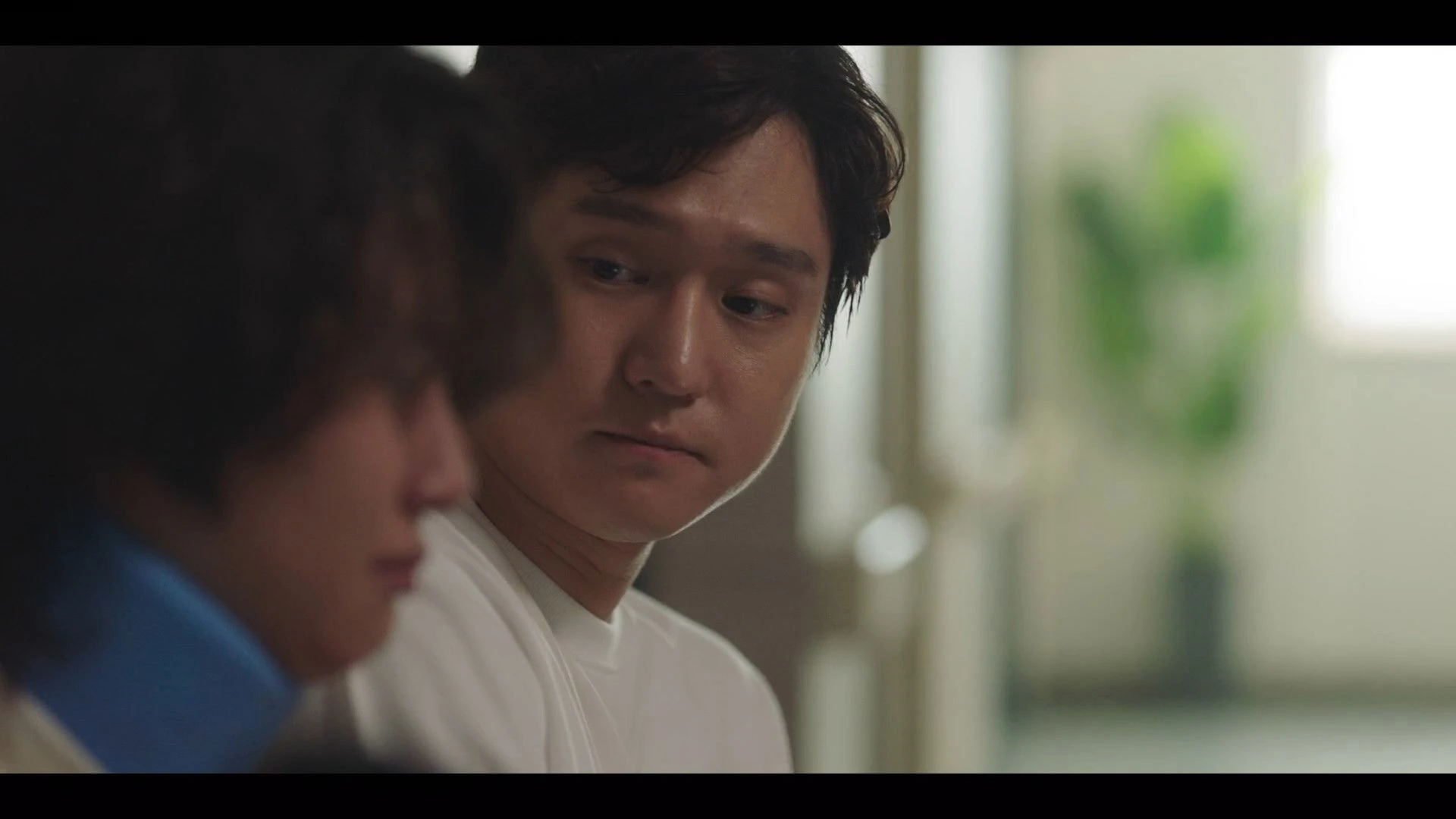
Ki-baek finally breaks — and Woo-joo is there. The no-filter condition has been quietly fading, the drama explains it as the mind’s way of protecting him when crisis demands that he perform stability for everyone around him. Woo-joo, who has spent years reading people for a living, is not fooled. She confronts him with the same directness he spent twelve episodes accidentally modeling, and he breaks down in a scene that is the emotional payoff the entire series was building toward — not spectacular, but honest. He confesses his love mid-cry, which is exactly how it should happen in a show about a man who was forced to stop performing emotions he did not feel.
Woo-joo’s origins, resolved with grace. The finale also closes Woo-joo’s birth family storyline — her biological mother reveals she had been watching from a distance all these years without making contact, a choice that could easily have become a source of bitterness. Woo-joo receives it differently, choosing to see the path her mother made as the one that led her to Bok-ja, the adoptive mother who actually showed up. It is a quiet piece of character writing, and Kang Hanna plays it with exactly the right amount of complexity — not forgiveness exactly, but something more durable.
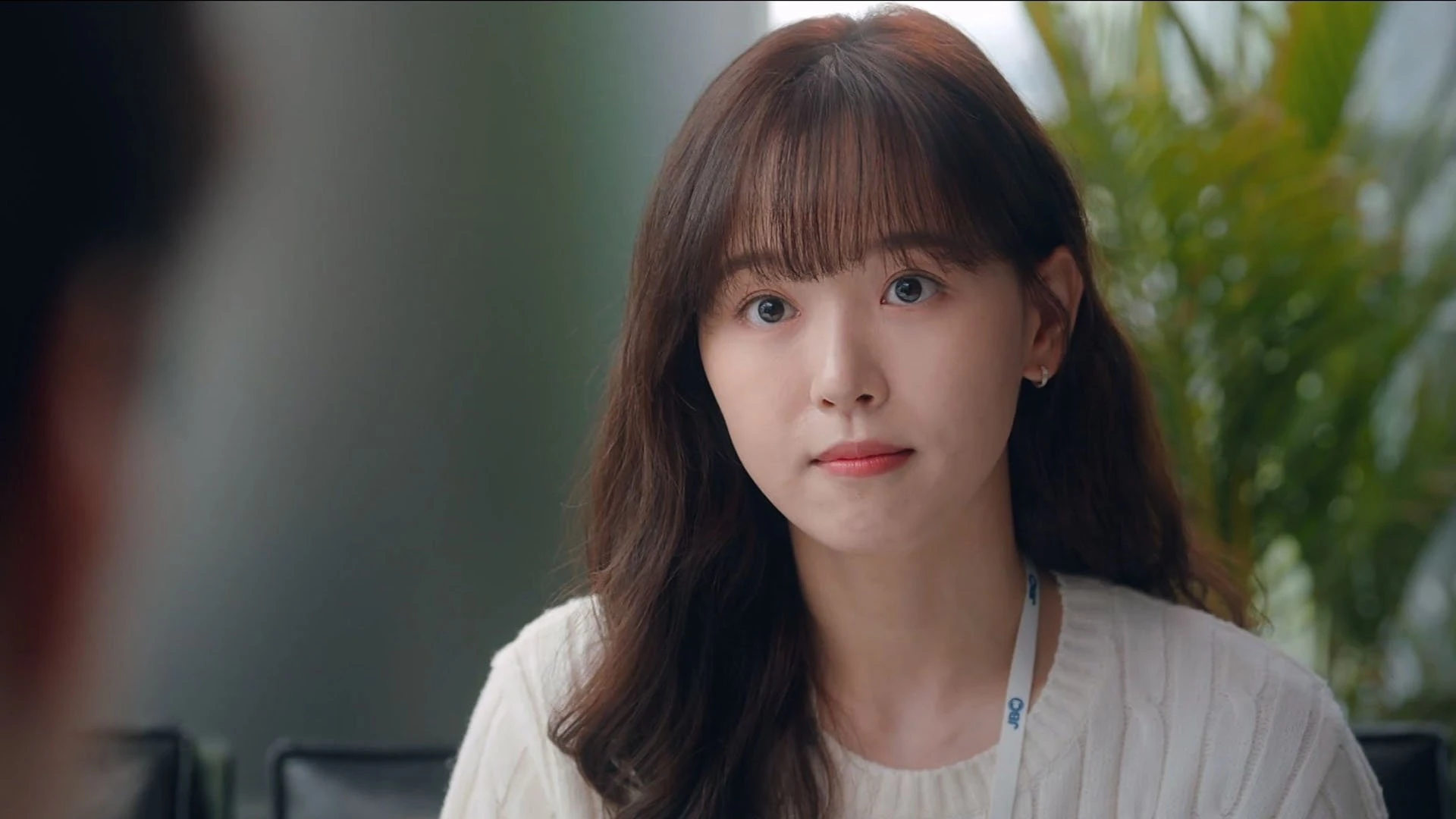
Everyone lands somewhere true. A six-month time skip delivers on all fronts: Woo-joo launches her original variety show with her writing team intact, Ki-baek turns down a news anchor position and then accepts it on his own terms — this time as the kind of anchor who makes guests feel at ease rather than the polished mannequin he used to be. Jung-heon quietly steps away from the industry to address the burnout and panic attacks that were visible in the background all season, eventually finding his way back to a genuine friendship with Ki-baek. The drama closes on Ki-baek proposing to Woo-joo with couple rings — unheroic, a little awkward, and exactly right. Frankly Speaking is, at its core, a drama about what happens when a person stops performing composure and discovers they do not need it as much as they thought.
✍️ KDramaWorlds Editor’s Take
Our honest read on why this drama is worth your time — and who it’s for.
The premise of Frankly Speaking — a news announcer who loses all ability to self-censor — is one of those high-concept rom-com hooks that only works if the lead can carry the physical and emotional weight of it. Go Kyung-pyo carries it completely. His version of Ki-baek is not a man who is funny because he says embarrassing things; he is a man who is funny because of what the saying costs him — the split-second horror that crosses his face right before the honest sentence escapes, the desperate attempts at damage control in the seconds after. It is precise, committed comedy, and the first half of this drama benefits enormously from it. Kang Hanna matches him well, bringing a warmth and groundedness to Woo-joo that stops the character from becoming a plot device — she is a person, and you can see her thinking. The broadcasting industry setting is also a genuine strength: specific enough to feel real, familiar enough to be legible, and full of the kind of petty professional politics that make workplace rom-coms sing. Internal link: if the broadcasting industry angle appeals, Doctor Slump (2024) scratches a similar itch — different setting, same DNA of two exhausted professionals slowly falling into each other.
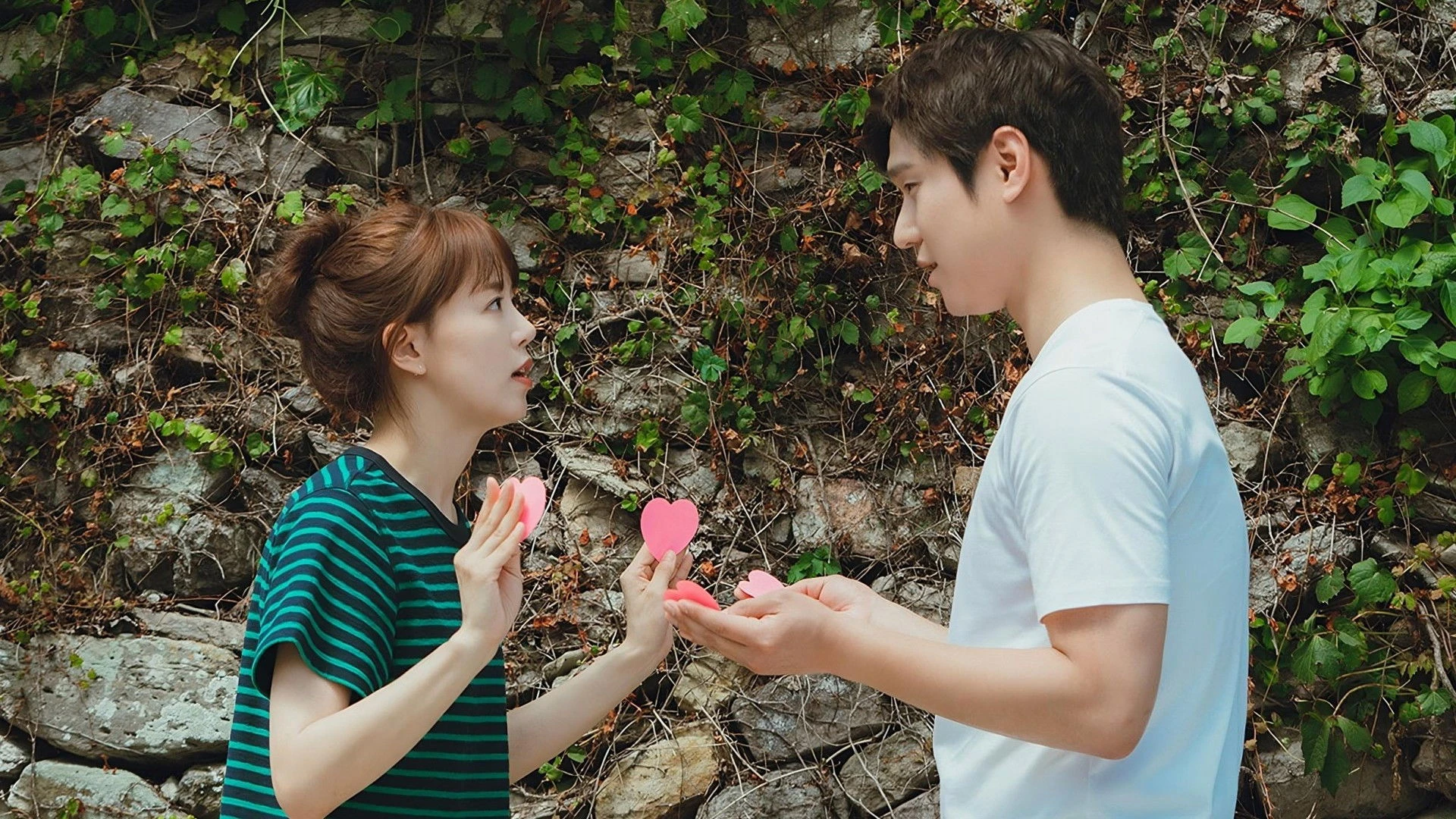
The part where Frankly Speaking loses the thread is also the part most K-dramas lose the thread: the second half. The no-filter gimmick, which is the engine of the show’s best comedy, quietly recedes around Episode 7 and is replaced by a more conventional healing-drama structure — family reconciliations, professional crises, a love triangle that never quite catches fire because Joo Jong-hyuk plays Jung-heon with such integrity that you genuinely root for him even knowing he will not win. That last point is worth noting: for a second male lead, Jung-heon is unusually human. His arc ends with him confronting depression and stepping back from the industry — a choice that feels earned rather than written to clear the field. The drama makes room for him to land somewhere real, and that is more generosity than most rom-coms extend. The supporting characters, by contrast, are mostly props — the writing team, the family members, the broadcasting station colleagues — they appear when needed and vanish without ceremony. It is a thin bench for a show with this much warmth in its leads.
Frankly Speaking is the kind of drama that is easier to enjoy if you do not spend too much time thinking about what it was in the first three episodes and what it became by the last three. Taken as a whole, it is a competently made, frequently charming, occasionally genuinely funny workplace rom-com with two likable leads, a fresh-ish premise, and a finale that delivers without any nasty surprises. Go Kyung-pyo has never been better deployed for pure comedy, and Kang Hanna reminds you why she deserved a lead role years before this one. The 12-episode runtime is the right call — at 16 this would have been exhausting; at 12 it is complete. Come for Go Kyung-pyo’s face right before every truthful sentence, stay for the surprisingly earnest family drama hiding underneath the chaos.
Fans of broadcasting / entertainment industry settings
Anyone who appreciated Joo Jong-hyuk in Squid Game and wants more of him
K-drama regulars looking for something light with a little healing underneath
🎬 You Might Also Like
If you liked Frankly Speaking, these are your next three watches.
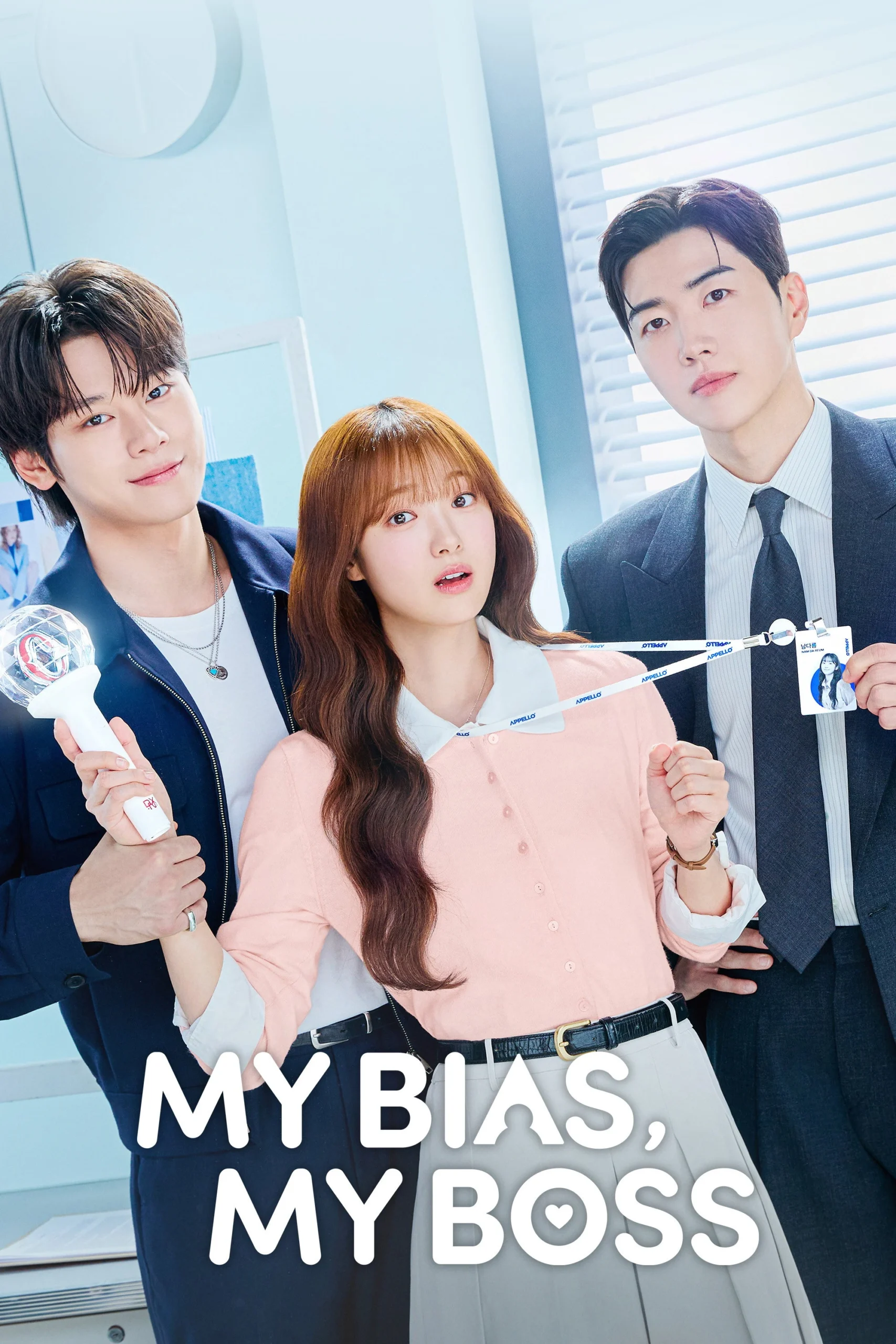 My Bias, My Boss
CEO Male LeadFangirl
Read Full Review →
|
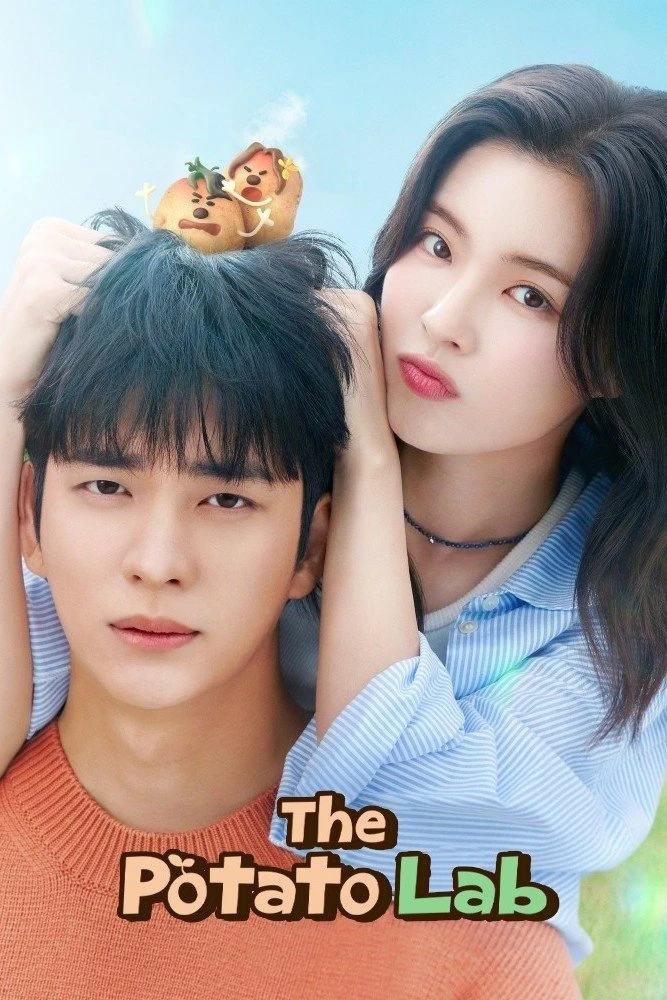 The Potato Lab
Enemies to LoversKang Tae Oh
Read Full Review →
|
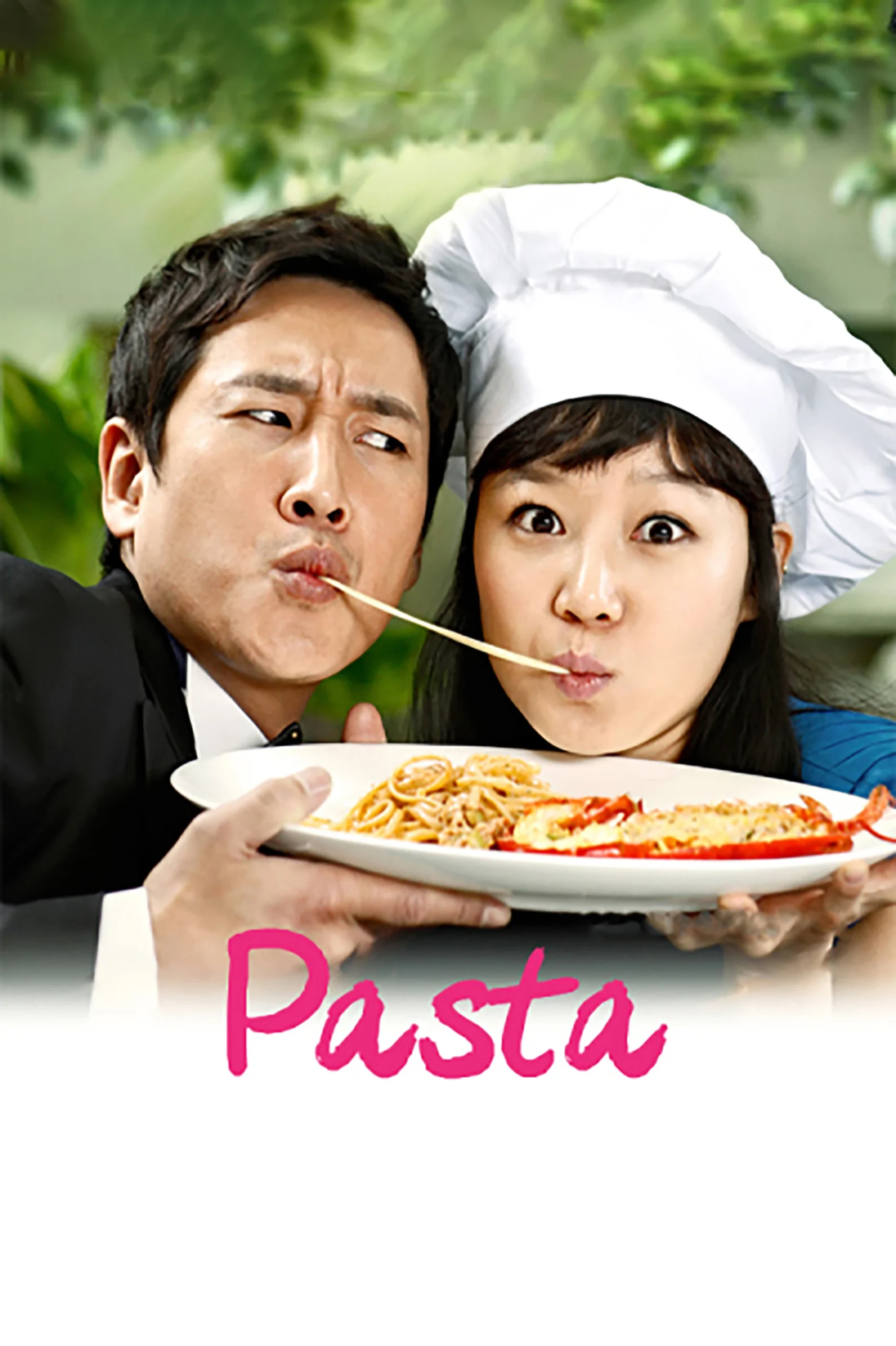 Pasta
ChefCulinary Competition
Read Full Review →
|










Keep it kind, skip the harsh language, and please — no spoilers. Everyone's taste is different, and that's perfectly fine.
This space is for real reactions and discussion from other viewers. Help keep it comfortable for everyone by not giving away major plot details.
What do you think of this drama?
Login to share your review or leave a comment.
No email needed — just pick a username & password.