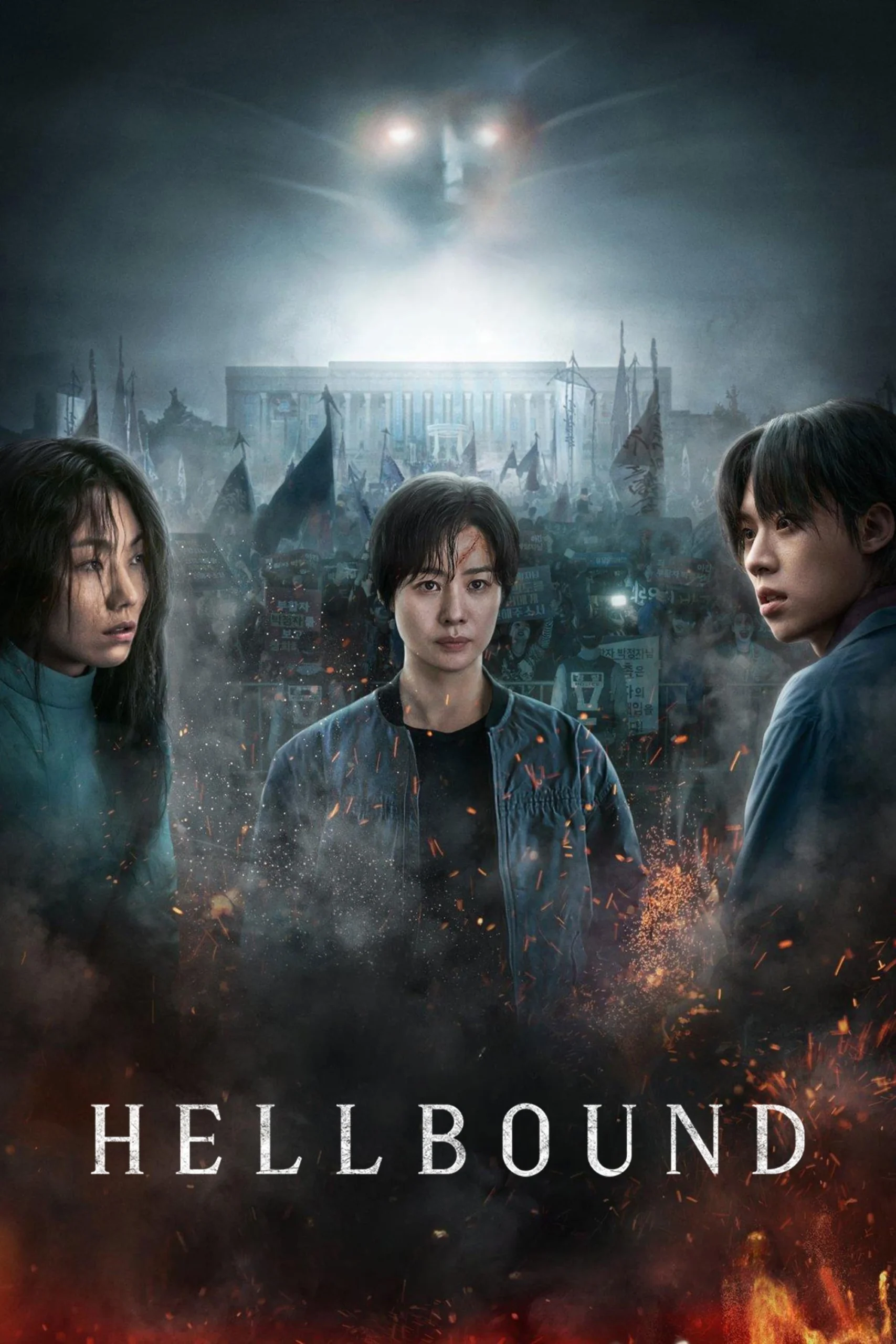
Hellbound (Season 2)
🎬 Netflix
⭐ 7.1 / 10 MDL
🔞 TV-MA
📋 Drama Overview
What you’re getting into, at a glance.
🔥 Netflix Original
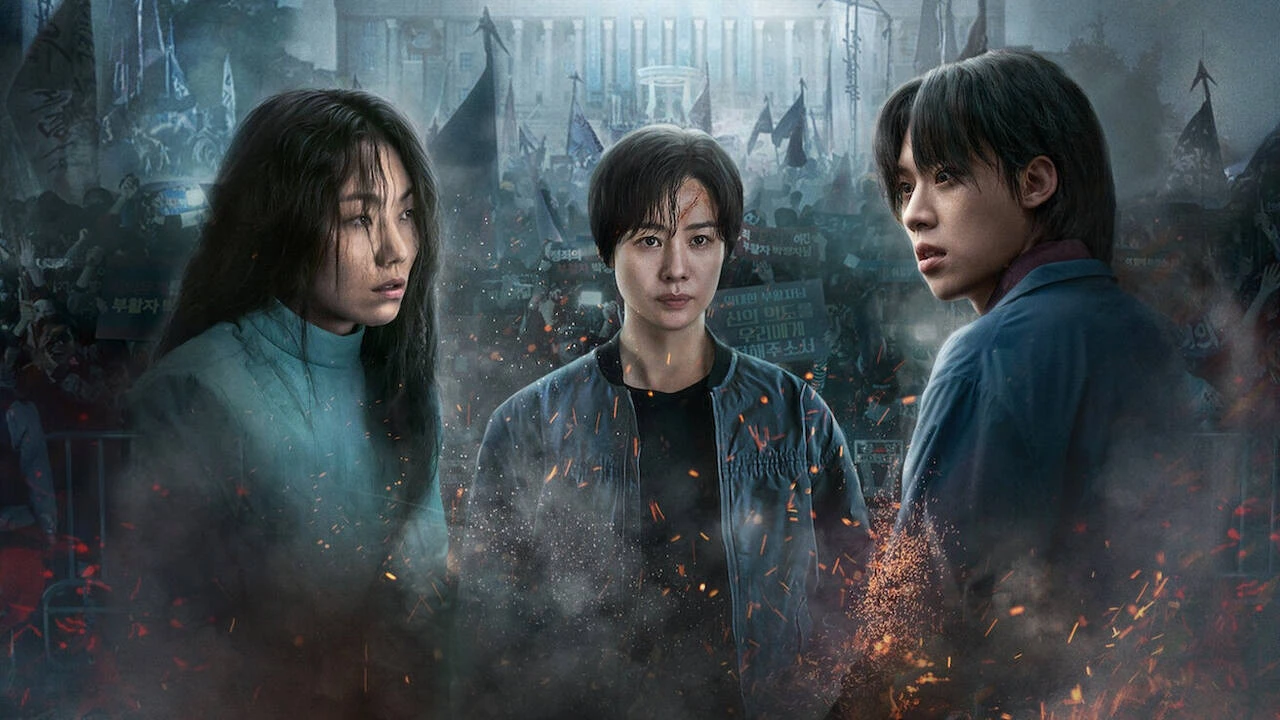
Eight years have passed since the hellbound decrees first tore South Korea apart — and things have only gotten worse. The New Truth Society, once a fringe religious movement, now operates as a de facto governing power, its doctrine enforced by the fanatical street militia known as the Arrowheads. Lawyer Min Hye Jin (Kim Hyun-joo) leads Sodo, an underground resistance fighting to protect the condemned and challenge the regime’s grip on truth.
Then the impossible happens twice. Jung Jin Su (Kim Sung-cheol) — the cult’s own founder, publicly damned in the original decrees — returns from Hell with no explanation. Days later, Park Jung Ja (Kim Shin-rok), the single mother whose brutal condemnation became the event that legitimized the New Truth, comes back too. Two resurrections. No doctrine. And every faction — government, church, resistance — scrambling to exploit or bury what they mean.
6 / 6 ✅ Completed
⚡ Quick Verdict
The whole picture, condensed into one box.
· MDL Score
▶ Official Trailer
🎭 Cast & Characters
Twelve performances navigating faith, power, and resurrection in a world where divine wrath has become someone else’s political tool.

Lead

Lead

Lead

Supporting

Antagonist

Supporting

Special

Special

Special

Supporting

Antagonist

Supporting
📺 Episode Guide
Just enough per episode to remember where things stood.
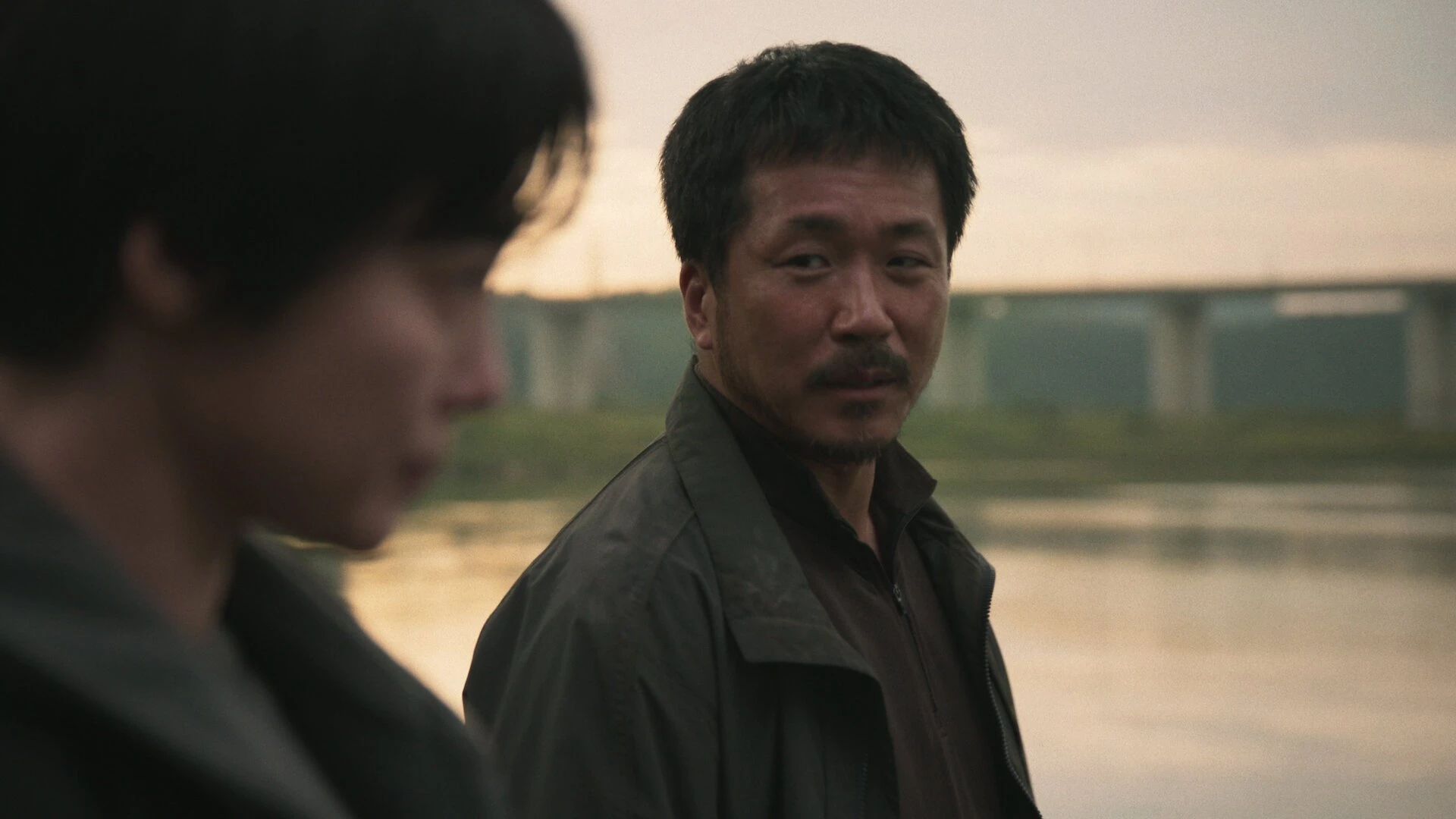
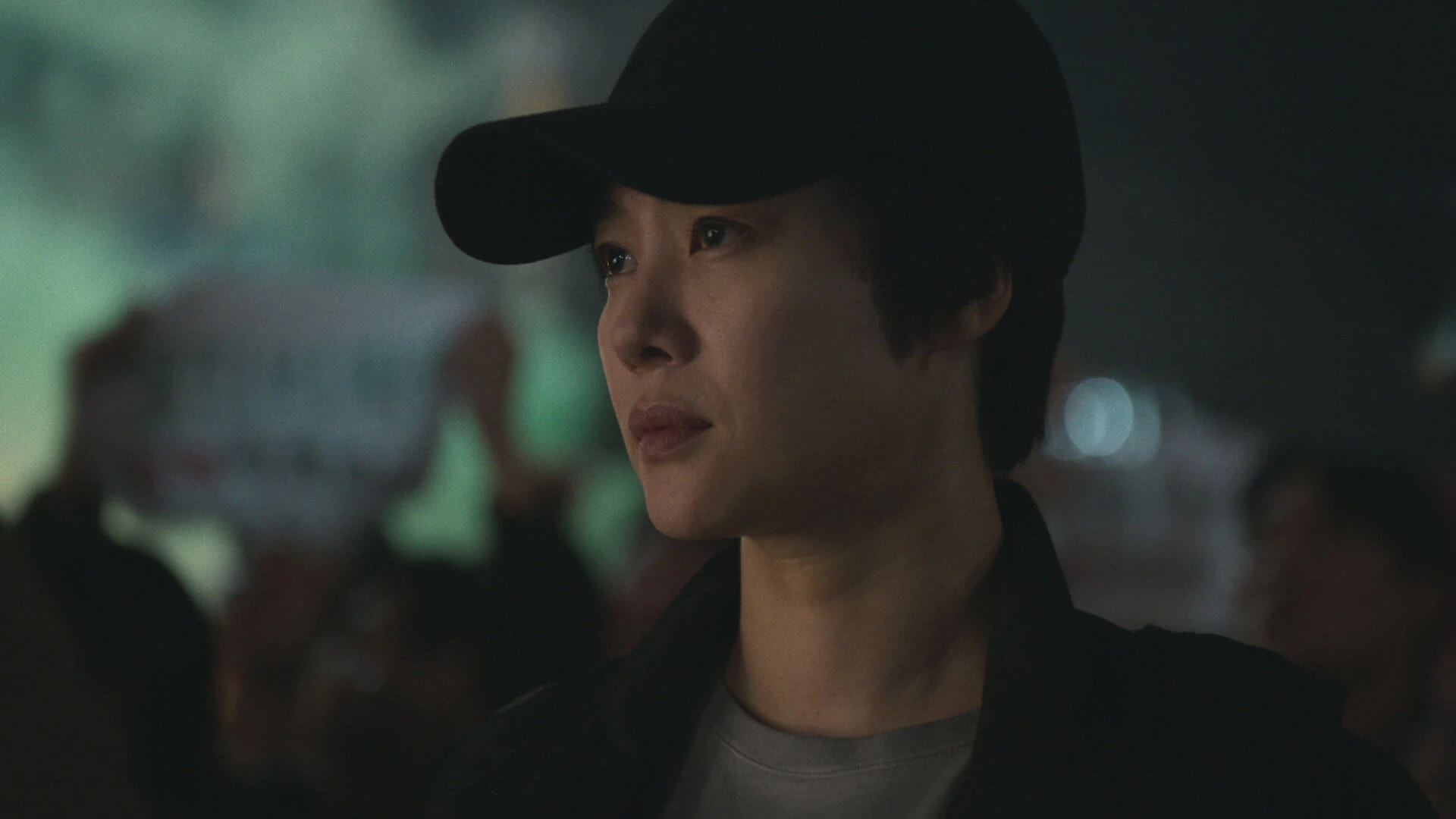
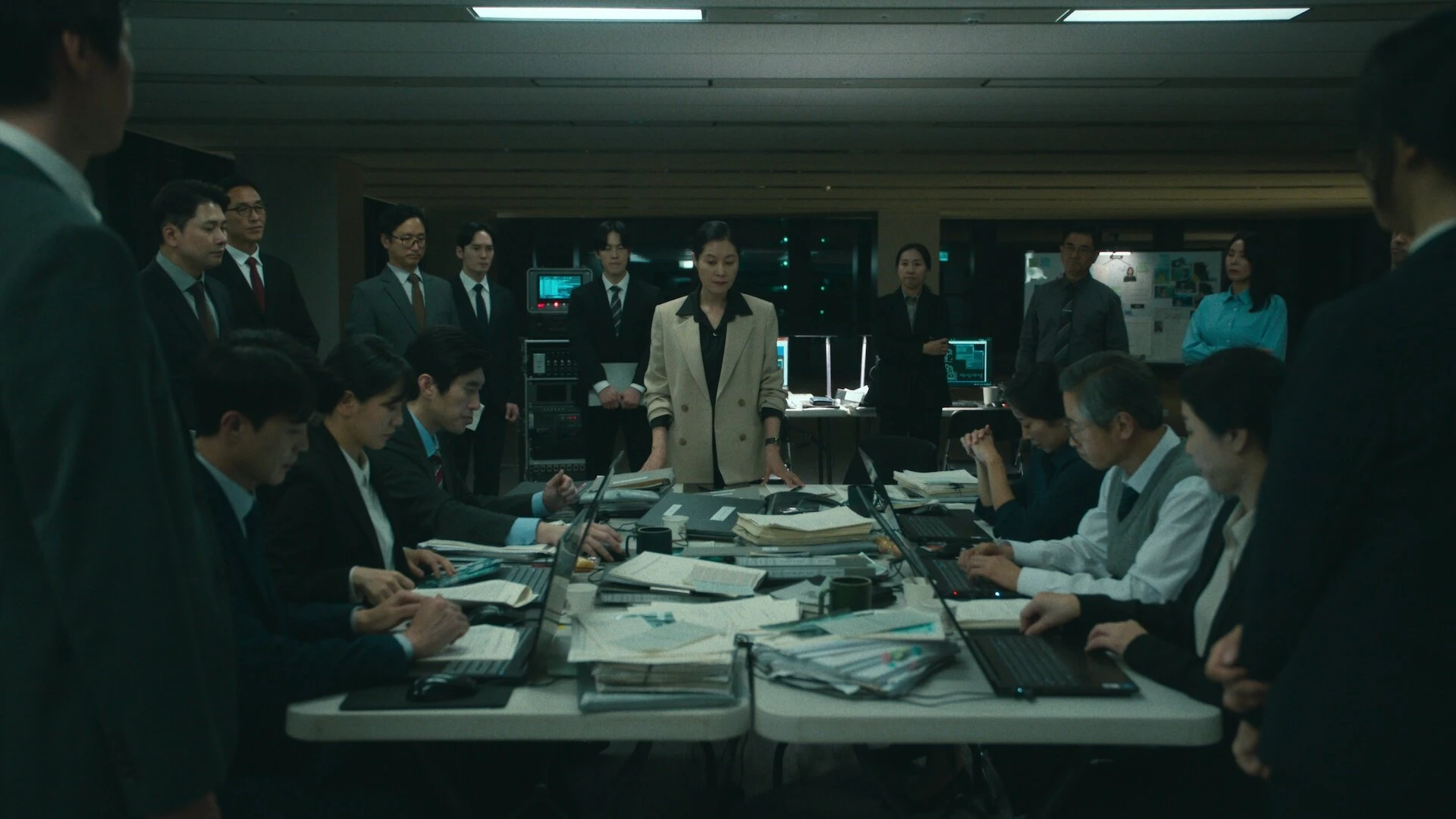
🏁 Ending Explained
Full spoilers. Stop here if you haven’t finished the series.
Spoiler Warning — This section covers the full finale of Hellbound Season 2. Stop here if you haven’t finished the series.
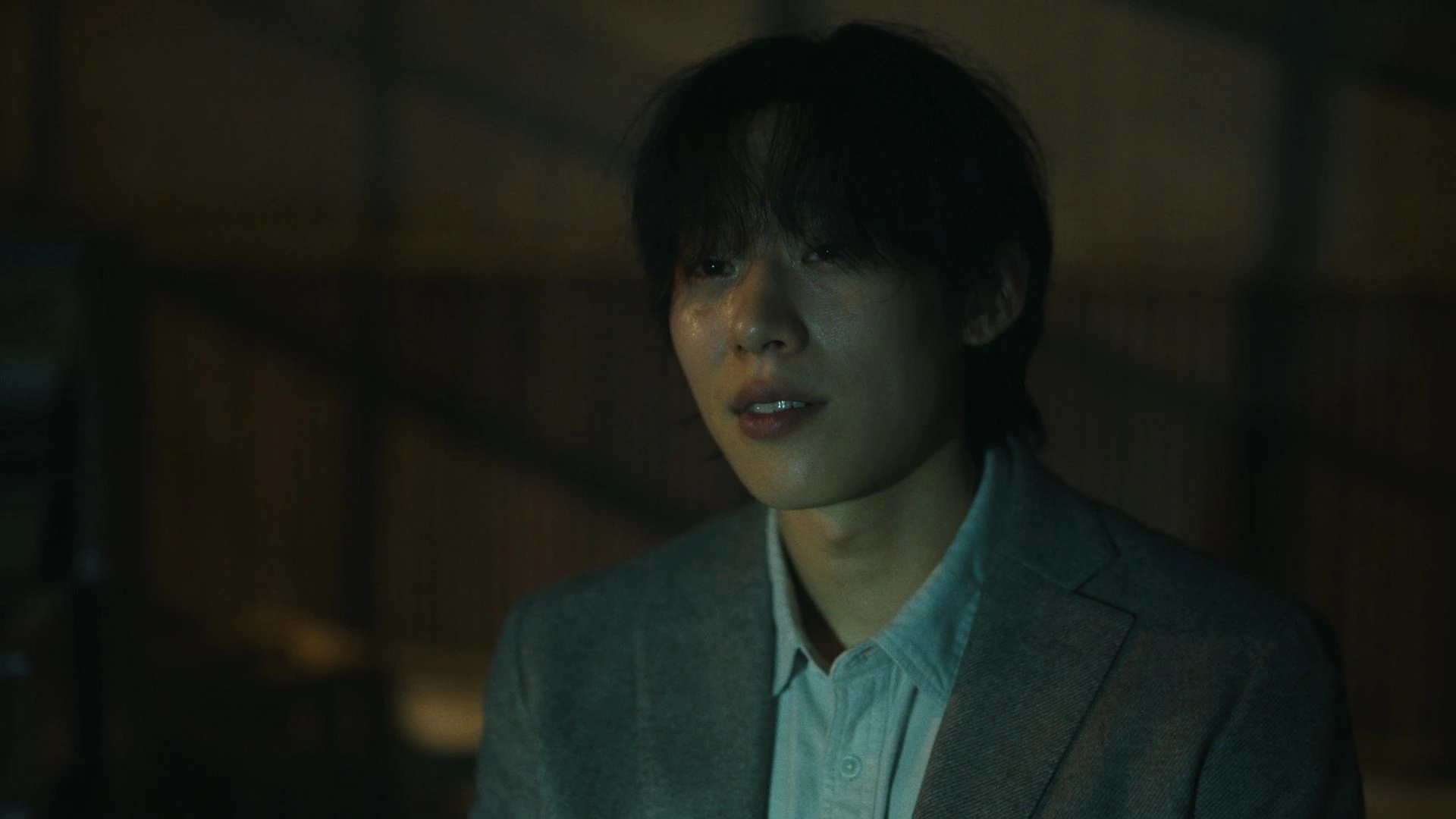
The season’s central argument arrives in Jung Jin Su’s failure. He returns from Hell with every opportunity to become something different — a man who has seen the consequences of the ideology he built, who could use that knowledge to dismantle it. Instead he spends his resurrection looking inward, seeking his own absolution, treating the world around him as a backdrop to his personal theological crisis. The show doesn’t punish him with spectacle. It just watches him waste the chance. His arc closes not with condemnation but with the quiet, devastating observation that self-interest dressed as spiritual searching is still just self-interest.
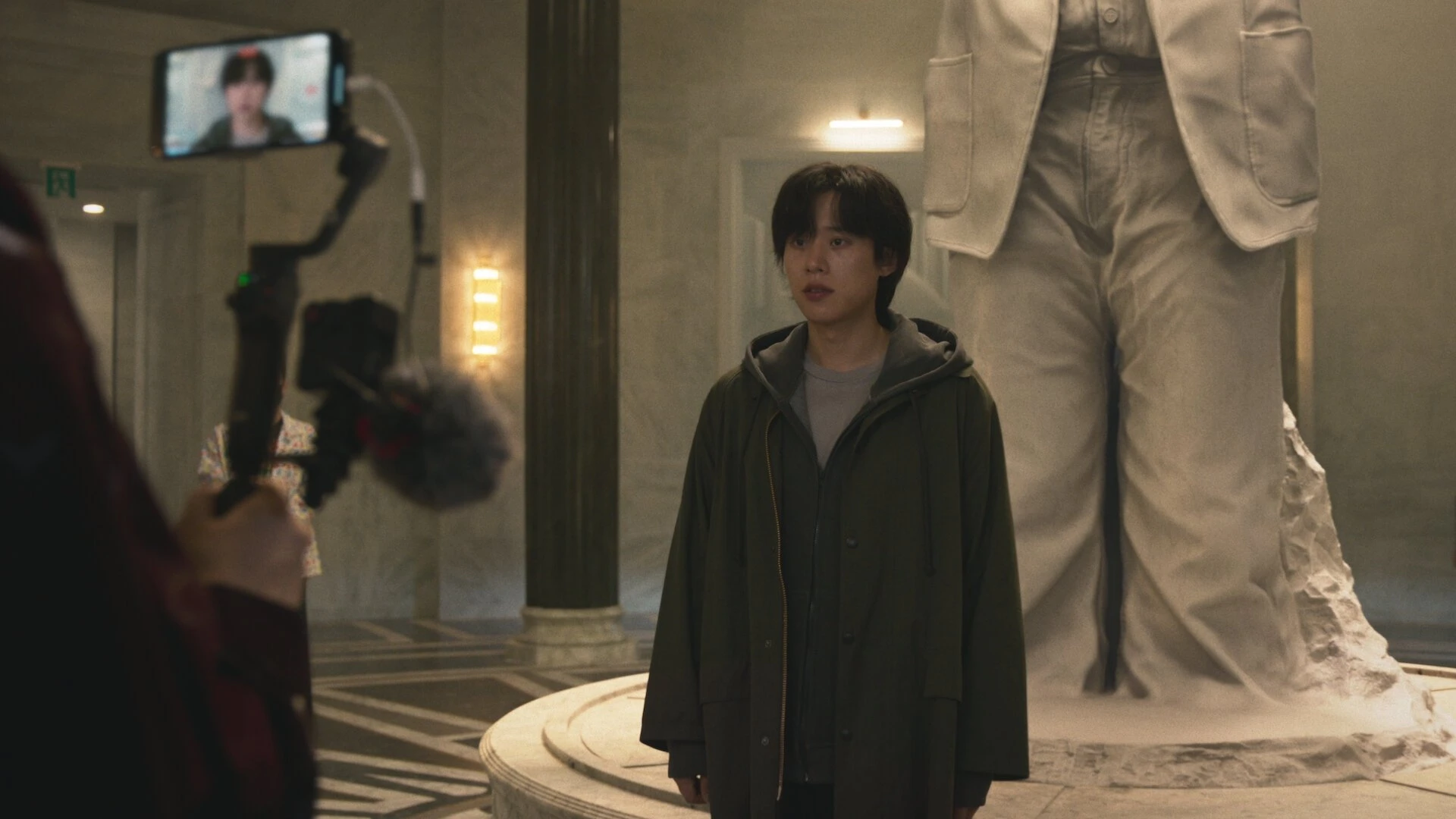
Park Jung Ja’s final declaration is the pivot the whole season has been building toward. When she tells Jin Su they are fundamentally different, she isn’t claiming moral superiority — she’s drawing a line between someone whose resurrection opened them toward others and someone whose resurrection collapsed them further inward. Kim Shin-rok plays the moment with enormous restraint: no triumph, no bitterness, just clarity. It’s the clearest moral statement *Hellbound* has ever made, and it arrives without a sermon. The scene works because the show trusts its own logic.
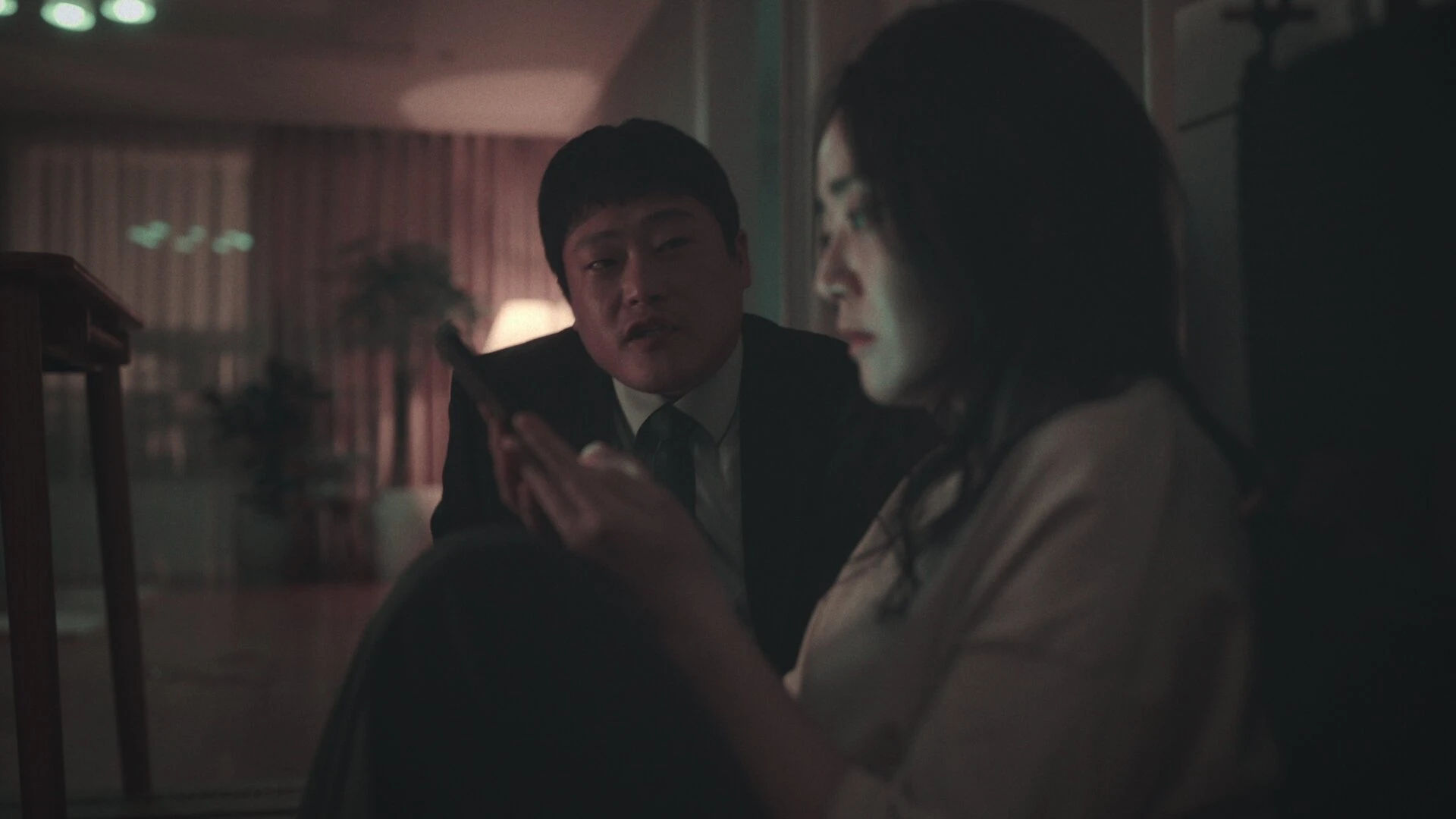
Detective Jin Gyeong Hun’s subplot carries the season’s emotional weight in a way that sneaks up on you. His daughter Jin Hui Jeong is dying of cancer throughout — a death without a decree, a death without divine wrath, just biology and time. In her final moments, it’s a family photograph that brings her peace. Not a hellbound pronouncement. Not New Truth doctrine. A memory of love. Yang Ik-june holds the scene with enormous economy, and it functions as *Hellbound*’s quietest argument: the supernatural machinery of fear is powerful until you sit next to someone you love at the end.
Min Hye Jin’s ending is the closest thing this season has to hope — and Yeon Sang-ho is careful not to oversell it. She survives the assault from both the Arrowheads and government forces, which in this world is already a minor miracle. She’s last seen raising the child Toughie (Jae Hyeon), telling him a story built on truth and love rather than fear. The visual rhymes with the New Truth’s own propaganda machinery, but the content is the opposite — not doctrine, but narrative. Not control, but witness. It’s the smallest possible act of resistance, and the show frames it as the most meaningful one available.
The mythology stays deliberately unresolved, and the ending hints at Season 3 without requiring it. The origin of the supernatural executors is never explained. The logic of who gets condemned and why is never decoded. The resurrected Jae Hyeon is hinted to carry some latent power of his own — a thread left hanging rather than developed. Whether *Hellbound* returns for a third season or not, this functions as a complete moral statement about power, fear, and the stories we tell to justify both. The show doesn’t need to explain its monsters. It’s always been about the people who use them.
✍️ KDramaWorlds Editor’s Take
Kim Hyun-joo does something quietly remarkable in Season 2: she makes Min Hye Jin’s exhaustion feel earned rather than performative. This is a character who has been right about everything since Season 1 and has paid for it every time, and Hyun-joo plays the accumulation of that cost without letting it tip into martyrdom. Hellbound has always been a show about ideas weaponized — and Season 2 sharpens that argument by making the resistance itself morally complex. Hye Jin isn’t pure. She makes compromises. She survives because she’s willing to. The show respects that enough not to punish her for it. For fans of the original season, this is the most careful performance in the entire series — and it happens to anchor the whole thing.
Where the season divides its audience is pacing. Season 1 moved with the urgency of a horror series — the decrees were viscerally terrifying, the execution sequences brutal, the momentum relentless. Season 2 is more interested in political maneuvering and ideological collapse. The Arrowheads feel less like a physical threat and more like a structural metaphor. Some viewers will find this intellectually satisfying; others will miss the raw dread of the first run. Both reactions are valid. What Yeon Sang-ho is building here is closer to political tragedy than supernatural horror — and it’s unambiguously what he intended. If you came for monsters, Season 2 will test your patience. If you came for what the monsters represent, it rewards you. The Squid Game Season 2 comparison writes itself — both sequels traded visceral spectacle for more deliberate ideology, and both split their fanbases cleanly down that line.
The verdict: Hellbound Season 2 is a worthy continuation that doesn’t repeat its predecessor — which is exactly what a good sequel should do. It’s slower, yes. The new cast additions don’t all land with equal weight, and the open ending will frustrate anyone who wanted closure on the mythology. But Kim Sung-cheol’s portrayal of Jin Su’s failed redemption arc is some of the most precise character work in Korean genre television this year, and the finale’s thesis — that love and truth are the only real counterweights to institutional fear — lands without sentimentality. The show knows exactly what it’s about. It just trusts you to keep up.
🎬 You Might Also Like
If you liked Hellbound (Season 2), these are your next three watches.
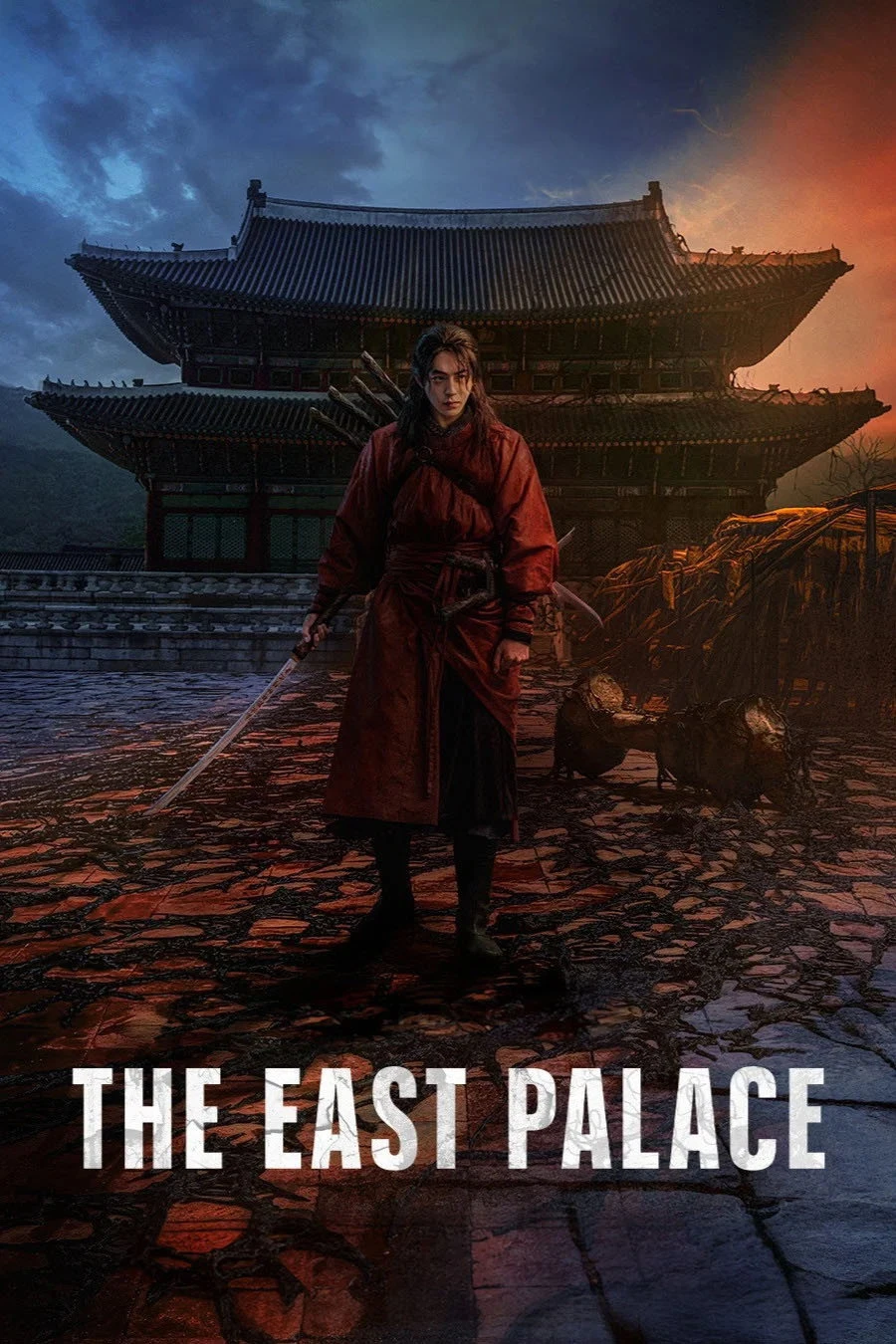 The East Palace
Ak-gwicourt lady
Read Full Review →
|
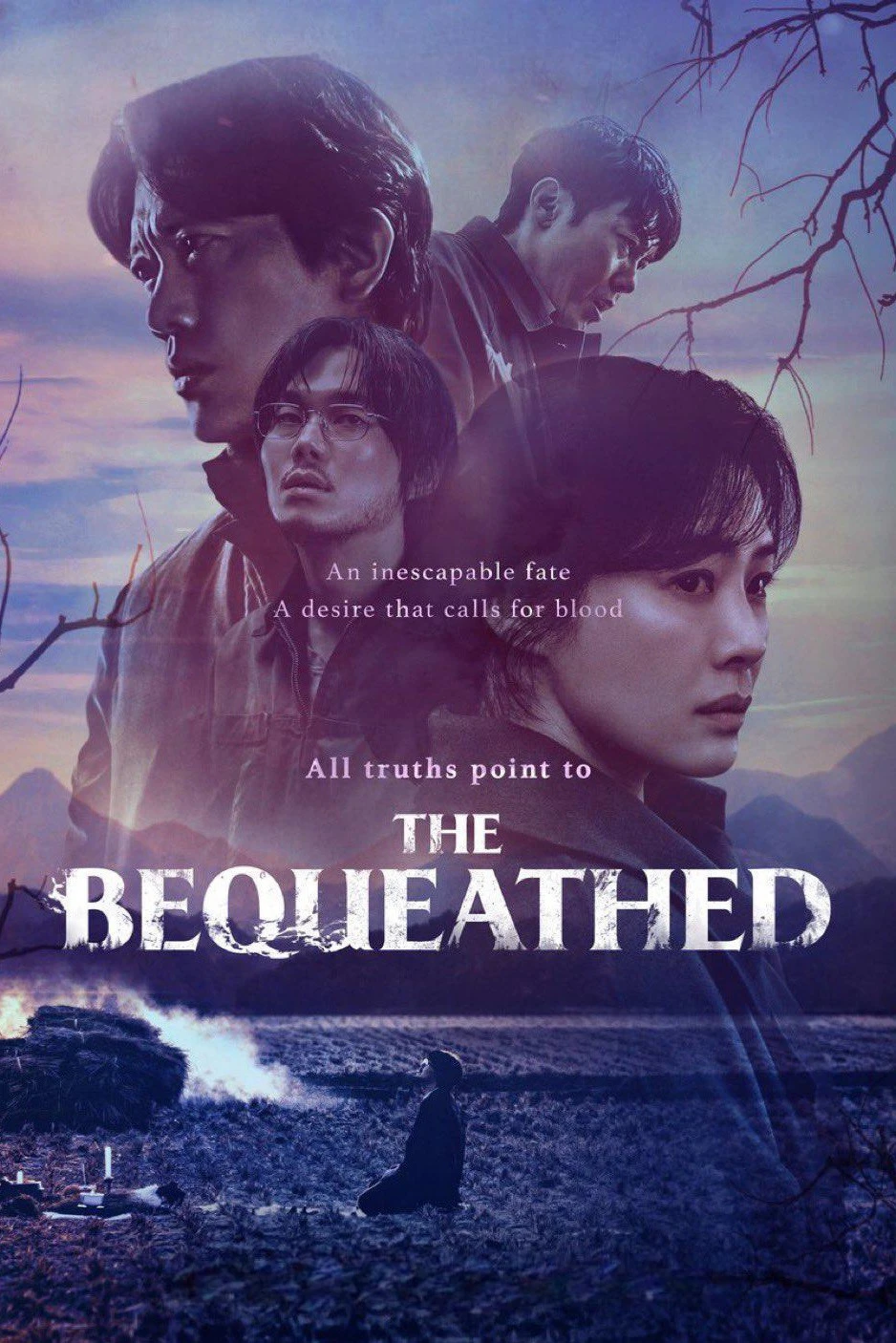 The Bequeathed
binge-worthycompleted
Read Full Review →
|
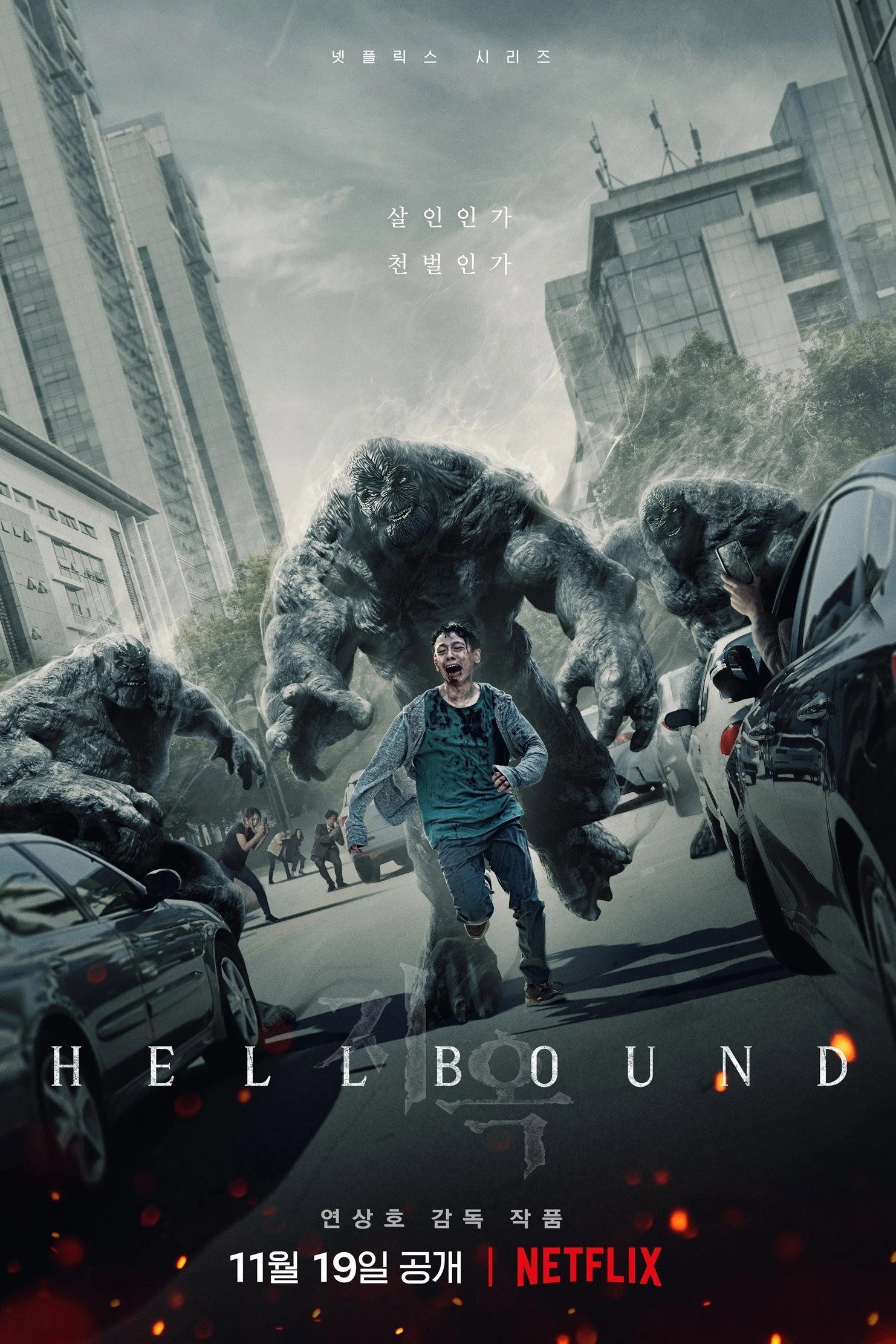 Hellbound (Season 1)
creature horrordark fantasy
Read Full Review →
|












Keep it kind, skip the harsh language, and please — no spoilers. Everyone's taste is different, and that's perfectly fine.
This space is for real reactions and discussion from other viewers. Help keep it comfortable for everyone by not giving away major plot details.
What do you think of this drama?
Login to share your review or leave a comment.
No email needed — just pick a username & password.