📺 K-Drama Guide · Action · Thriller
Pandora: Beneath the Paradise
판도라: 조작된 낙원 · 2023
✅ Completed · 16 eps
🎬 Disney+ · Hulu
⭐ 7.4 / 10 MDL
🔞 TV-MA
⚡ Updated · Jun 05, 2026
📋 Drama Overview
Everything worth knowing, before the opening credits.
Completed
🔥 Thriller Pick
Pandora: Beneath the Paradise
판도라: 조작된 낙원 (Pandora: Jojakdoen Nakwon) · 2023 · South Korea
Disney+
Hulu
Revenge
Political Conspiracy
Memory Loss
Female-Led
Secret Identity
Thriller
Hong Tae-ra (Lee Ji-ah) appears to have it all — a beautiful home, a devoted family, and a husband on the cusp of political greatness. But her perfect life has a flaw she cannot see: entire chapters of her past are simply gone. When suppressed memories begin to bleed back in — vivid, violent, and deeply wrong — Tae-ra realizes that the identity she has lived is not her own. Someone built this version of her. And someone very powerful needs her to stay in it.
As her husband Pyo Jae-hyun’s (Lee Sang-yun) political ambitions pull the family into the public eye, a conspiracy centered on a technology company called Hatch tightens around them. Ko Hae-su (Jang Hee-jin), a sharp investigative journalist with her own reasons to want the truth, becomes both Tae-ra’s greatest threat and her most unexpected ally. What began as a personal reckoning with a stolen past becomes a full collision with the corrupt power networks that manufactured it — and Tae-ra’s rage, once it finally surfaces, refuses to be contained.
Episode Progress
16 / 16 ✅ Completed
⚡ Quick Verdict
Everything you need to decide, in one place.
⭐ Worth it?YES — if you enjoy female-led revenge thrillers
⏱️ CommitmentVery High — ~17 hours total
💛 VibeDark · Conspiratorial · Revenge-Driven
📺 Skip if…You lose patience with slow-burn conspiracy plotting
⭐ 7.4 / 10
· MDL Score
🎭 Cast & Characters
The performances that carry Pandora’s layered world of manipulation, revenge, and fractured identity.
Lee Ji-ah
Hong Tae-ra
Lead
Lee Sang-yun
Pyo Jae-hyun
Lead
Jang Hee-jin
Ko Hae-su
Supporting
Park Ki-woong
Jang Do-jin
Antagonist
Bong Tae-gyu
Koo Seong-chan
Supporting
Han Soo-yeon
Hong Yu-ra
Supporting
Cha Kwang-soo
Ko Tae-seon
Villain
Ahn Nae-sang
Jang Keum-mo
Antagonist
Hong Woo-jin
Jang Kyo-jin
Supporting
Kyeon Mi-ri
Min Young-hui
Supporting
Shim So-young
Kim Seon-duk
Supporting
Jeong Jae-seong
Han Kyung-rok
Supporting
🍿 Where to Watch
Stream Pandora: Beneath the Paradise on these platforms.
📺 Episode Guide
All 16 episodes of Pandora: Beneath the Paradise — spoiler-light recaps to guide you through each twist.
 EP 01
EP 01
Cracks in the Paradise
Mar 11, 2023 · tvN
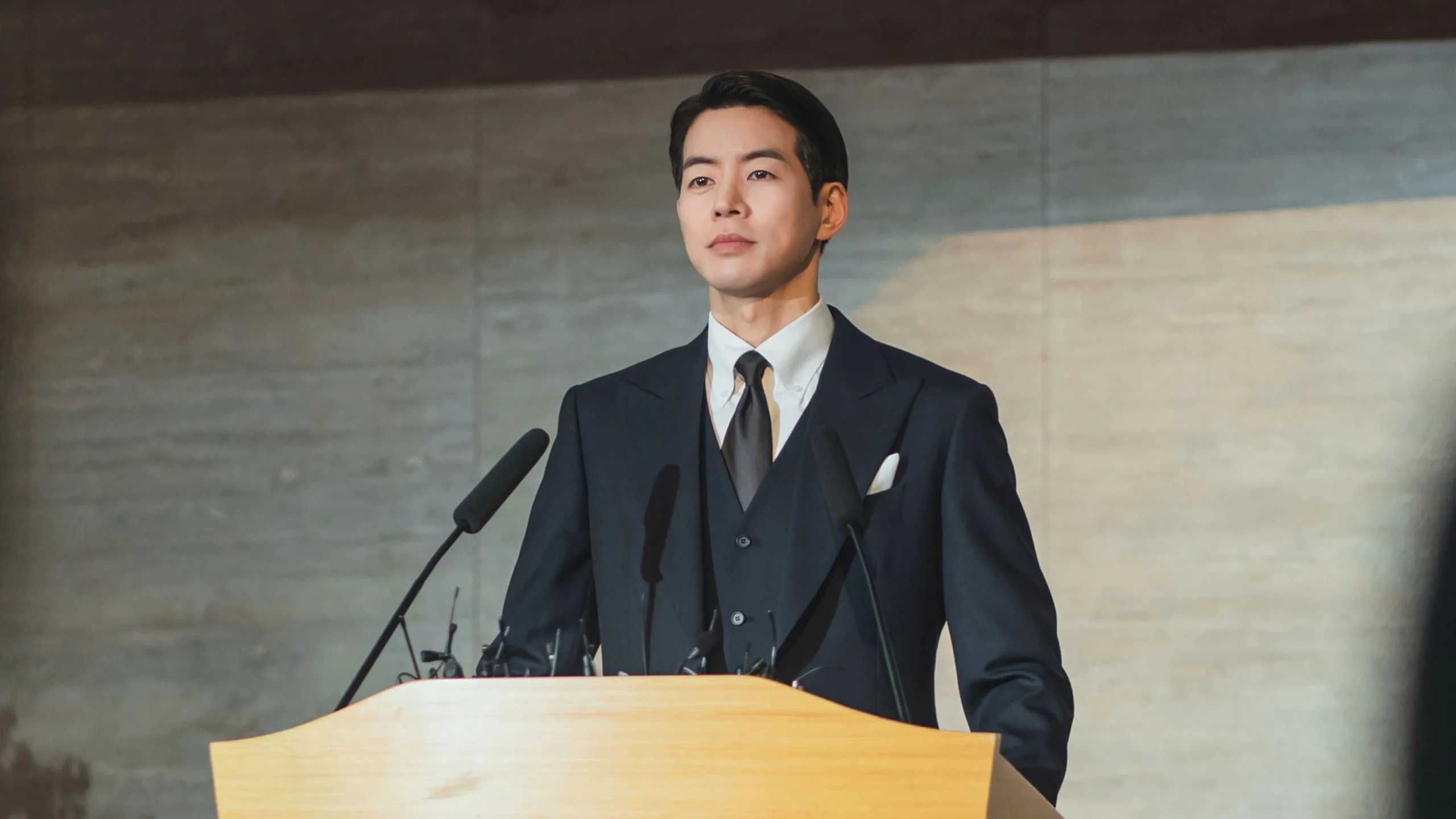
Hong Tae-ra’s curated life — devoted husband, bright-eyed daughter, pristine home — is introduced at its most convincing. But the premiere quickly introduces the fissure: Tae-ra has no memory of a significant stretch of her past. A chance encounter and an unsettling vision begin the unraveling, signaling that the paradise she inhabits was built on something deeply wrong.
 EP 02
EP 02
Fifteen Years Ago
Mar 12, 2023 · tvN
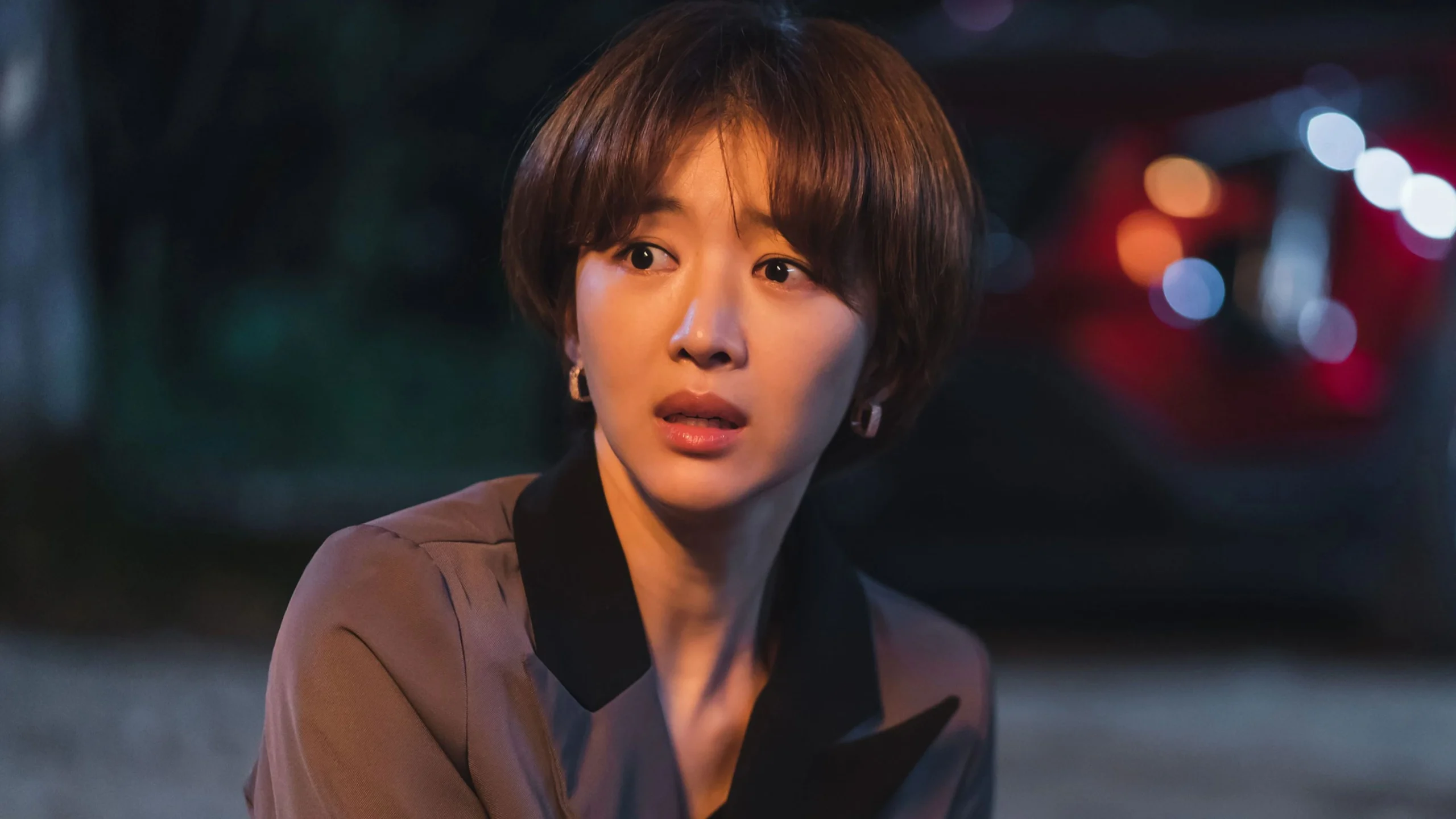
Tae-ra becomes increasingly convinced that her recovered fragments point to a violent incident from fifteen years in the past. Her connection to Ko Hae-su — a journalist she barely knows — begins to feel less coincidental. A sudden death connected to Hatch Corporation sharpens the tension and confirms that the stakes are far more dangerous than personal.
 EP 03
EP 03
Identity in Question
Mar 18, 2023 · tvN
The investigation into Tae-ra’s past widens as more people around her reveal signs of knowing more than they let on. The episode deepens the link between her erased history and the network of influence surrounding Jae-hyun’s corporate and political world. For the first time, Tae-ra begins to question not just what happened — but who she actually is.
 EP 04
EP 04
The Fabricated Life
Mar 19, 2023 · tvN
Tae-ra is pulled in two directions — protecting her daughter and husband from the growing danger, and confronting who engineered her manufactured identity. The political and corporate conspiracy moves closer to the surface as Jae-hyun’s ambitions attract unwanted scrutiny and Hatch’s reach within the power structure becomes clearer.
 EP 05
EP 05
The Scandal Goes Public
Mar 25, 2023 · tvN
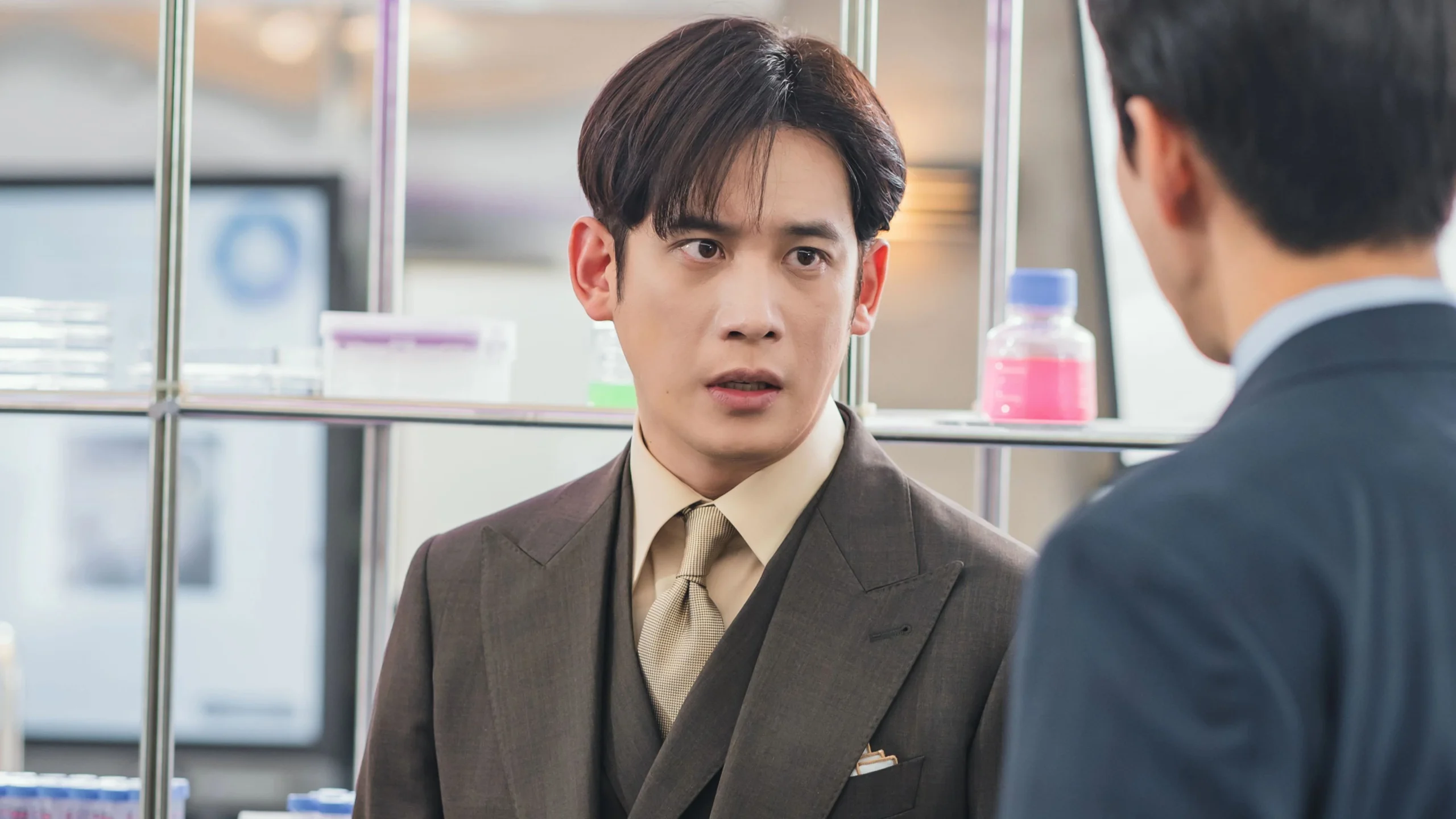
When Yu-ra is found dead, Do-jin immediately becomes the prime suspect given their affair, turning a private tragedy into a media spectacle. Hae-su seizes the moment, inviting Tae-ra onto her talk show in a calculated move that forces the personal scandal into public view. What was once buried behind closed doors becomes impossible to manage from the outside.
 EP 06
EP 06
Allies and Enemies
Mar 26, 2023 · tvN
As Tae-ra digs deeper, key players around her begin dropping their neutral facades. Allies reveal agendas and enemies reveal vulnerabilities. The episode is a careful reshuffling of the conspiracy map — every answer Tae-ra finds opens two more questions, and the scale of how controlled her existence has been becomes genuinely alarming.
 EP 07
EP 07
Old Wounds
Apr 1, 2023 · tvN
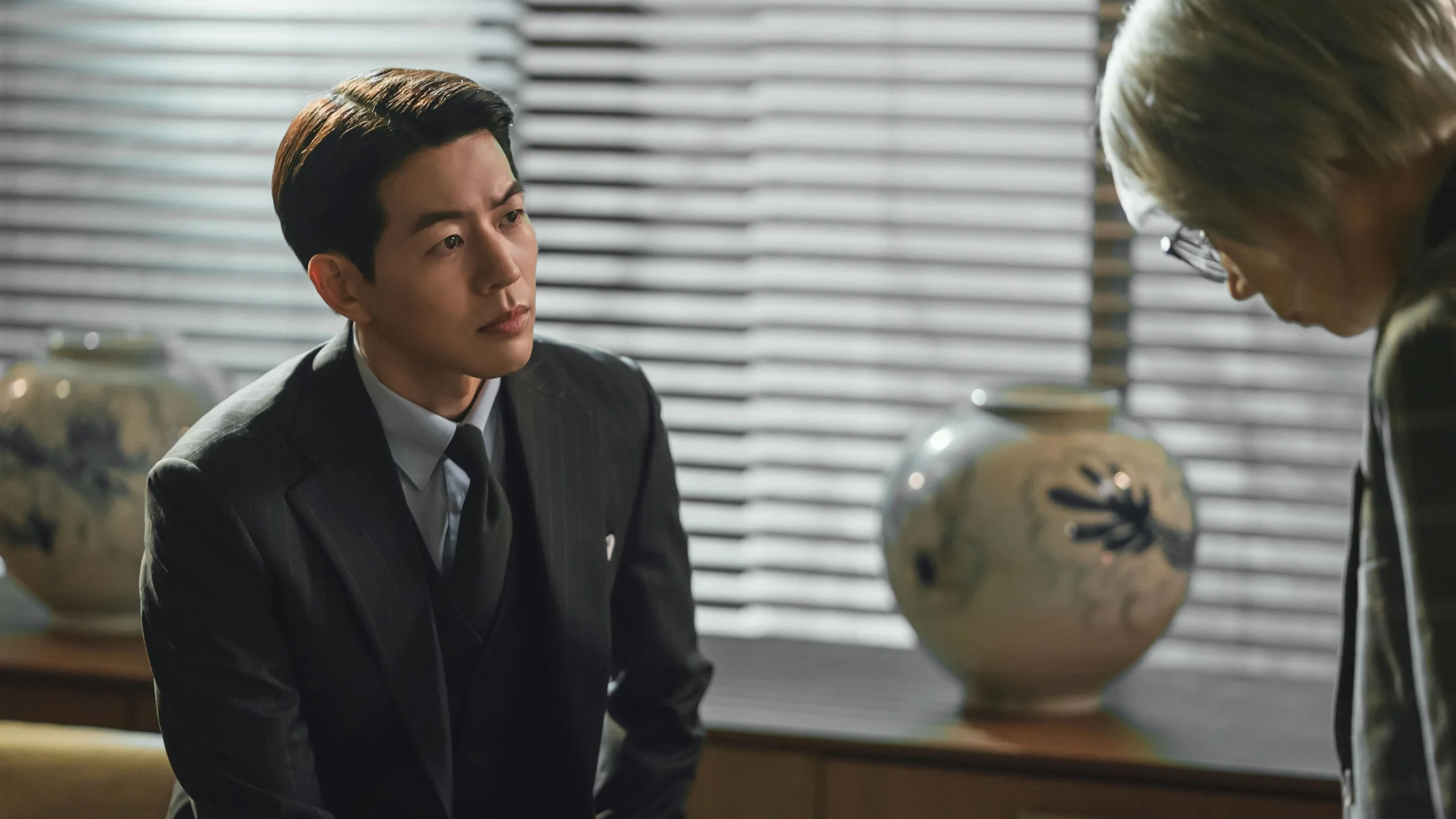
The midpoint episode shifts register — buried loyalties and old wounds come forward as the drama toggles between family betrayal and escalating political pressure. Tae-ra continues closing the distance between herself and the people responsible for her stolen past, and for the first time it feels like she might actually reach them.
 EP 08
EP 08
The Confession
Apr 2, 2023 · tvN
A pivotal episode: Pil-seung confesses to killing Chairman Song and orchestrating the assassination of President Ko Tae-sun fifteen years prior, while Tae-ra once again tries to absorb blame that isn’t hers. Do-jin is blindsided by the revelation of his father’s true history. The conspiracy expands beyond a single crime and into a systemic network of calculated violence.
 EP 09
EP 09
Rewriting the Past
Apr 8, 2023 · tvN
The fallout from Pil-seung’s confession sends shockwaves through every major relationship in the drama. Every character is forced to recalibrate what they thought they knew about the events of fifteen years ago. Alliances that seemed fixed become uncertain, and the shifting loyalties suggest the final confrontation is beginning to take shape.
 EP 10
EP 10
The Truth, Unfiltered
Apr 9, 2023 · tvN
Gyo-jin escapes from the Hatch laboratory, and Tae-ra makes a critical move — saving Hae-su so that the two women can finally face together what happened fifteen years ago. This is the series’ fulcrum: the crime at the center of everything is no longer obscured by fragments and rumors. The past is on the table, and the reckoning cannot be delayed much longer.
 EP 11
EP 11
The Second Presentation
Apr 15, 2023 · tvN
Jae-hyun finds himself unable to read Hae-su’s intentions, leaving him dangerously exposed. Meanwhile, Tae-ra and Gyo-jin work together to intercept Hatch’s second public demonstration — a controlled media event designed to normalize the technology that was used to destroy Tae-ra’s identity. The episode frames image management and memory manipulation as two sides of the same weapon.
 EP 12
EP 12
No More Hiding
Apr 16, 2023 · tvN
The final stretch begins in earnest. Pressure builds on Tae-ra’s family from multiple directions, and the evidence that has been slowly accumulating begins to converge. For everyone involved — conspirators and truth-seekers alike — it becomes apparent that the lies can no longer hold. The episode sets up the final confrontations with controlled but palpable urgency.
 EP 13
EP 13
Endgame Moves
Apr 22, 2023 · tvN
The drama pushes hard toward its resolution as the remaining pieces of the conspiracy lock into place. Betrayals multiply and survival strategies collide as Tae-ra closes the distance between herself and the architects of her suffering. The episode is dense with movement — every character who has been circling the truth is now forced to act.
 EP 14
EP 14
Loyalty’s Last Test
Apr 23, 2023 · tvN
Political ambition, family loyalty, and the weight of buried crimes converge as the drama narrows toward its final confrontation. Those who have been protecting the lie face growing cost, and those exposing it face growing danger. The episode delivers two crucial character decisions that will determine how the finale plays out.
 EP 15
EP 15
Before the Breaking Point
Apr 29, 2023 · tvN
The penultimate episode delivers the series’ most emotionally charged confrontations. Relationships fracture under the weight of what can no longer be denied, and the hidden architecture of Tae-ra’s fabricated life is laid bare. The episode ends with every central character positioned for the final reckoning — no more delays, no more safe distance from the truth.
 EP 16
EP 16
The Box Opens
Apr 30, 2023 · tvN
The finale brings Tae-ra’s buried past fully into the light. The murders, the memory manipulation, and the political ambitions that sustained the conspiracy for fifteen years are exposed and confronted. Tae-ra’s bond with her family is tested one final time before the circle closes — connecting the identity that was stolen from her to the life she fought to reclaim on her own terms.
🏁 Ending Explained
Everything the finale means, spoilers and all.
⚠️
Spoiler Warning — This section covers the full finale of Pandora: Beneath the Paradise. Stop here if you haven’t finished the series.
Tae-ra’s revenge finds its target. The finale opens with the conspiracy’s key architects — Ko Tae-seon, Jang Keum-mo, and those who enabled fifteen years of silence — finally cornered. Tae-ra’s recovery of her full memory in the penultimate episode means she arrives at the final confrontation with complete clarity about who destroyed her original life and why. The woman who spent most of the series fighting to understand what had been done to her now knows, and she is prepared to make it matter.
The conspiracy is brought into the open. The Hatch Corporation’s memory manipulation technology — the mechanism by which Tae-ra’s identity was fabricated and her past was erased — is exposed publicly. This exposure is not just personal vindication; it becomes evidence in a chain that implicates the political figures who sanctioned and benefited from the assassination of President Ko Tae-sun fifteen years earlier. Jae-hyun, who spent the entire series caught between his own ambition and an increasingly unmanageable truth, faces the full consequence of the choice he made when he chose power over honesty.
Hae-su’s role closes the circle. Ko Hae-su, the journalist who began as Tae-ra’s adversary and became her most important collaborator, ensures the truth reaches the public. Her decision to go all-in on exposing the conspiracy — at genuine personal cost — reframes what her character was doing throughout the series. She was never simply chasing a story. She was chasing accountability for the death of her father, President Ko Tae-sun. The finale validates that mission entirely.
Tae-ra reclaims her identity. The emotional resolution of the finale rests on Tae-ra’s relationship with her daughter — a bond that was never manufactured, regardless of how the life around it was constructed. The show makes the case that the love she gave and received within her fabricated paradise was real, even if the paradise itself was not. Tae-ra does not escape the weight of what was done to her original self, but she refuses to let that theft define everything that came after.
The paradox the title promised. Pandora’s box, once opened, cannot be closed — and the finale earns that metaphor. Every truth that surfaces costs someone something irreversible. Jae-hyun’s political future is destroyed. Ko Tae-seon’s power structure collapses. Gyo-jin’s liberation from Hatch comes too late to restore what was taken from him. But the show’s final image returns to Tae-ra standing in daylight, no longer performing a role she was assigned, choosing rather than being chosen for. The paradise was a lie, but the woman who survived it was entirely her own.
✍️ KDramaWorlds Editor’s Take
Worth the watch? Our honest answer, and who it’s aimed at.
🕵️ Conspiratorial🧠 Memory & Identity🔥 Revenge-Fueled💼 Political Intrigue👩 Female-Led
Pandora: Beneath the Paradise works best when it trusts Lee Ji-ah to carry it — and for the most part, it does. She plays Hong Tae-ra with a particular kind of controlled desperation: a woman who has internalized so completely the role that was assigned to her that even her confusion feels composed. The show’s central hook — a manufactured identity held in place by deleted memories — is clever enough to sustain real tension, and the first six episodes are genuinely gripping. Writer Hyun Ji-min constructs the conspiracy with patience, and the political backdrop of Jae-hyun’s ascent gives the personal stakes an added layer of consequence that separates this from a standard revenge thriller. For viewers who responded to similar setups in Flower of Evil or The Glory, Pandora offers a compelling variation on the theme of a woman uncovering the architecture of her own victimization.

The middle stretch is where patience becomes a requirement rather than a preference. As the conspiracy expands — Hatch’s technology, the presidential assassination, the interlocking loyalties of men who have been covering for each other for fifteen years — the emotional focus that made the early episodes so effective gets diluted. Jang Hee-jin’s Ko Hae-su is consistently sharp, and her dynamic with Lee Ji-ah gives the drama its best scenes in the second half, but the sheer volume of moving parts works against the show’s emotional core. Park Ki-woong brings an unsettling quality to Jang Do-jin that the script ultimately underuses, and several supporting threads are resolved with less attention than the build-up warranted. The Hatch storyline is conceptually interesting — the idea of memory as a commodity that can be reprogrammed for someone else’s convenience is disturbing in exactly the right ways — but the execution in episodes 11 and 12 leans too heavily on procedural mechanics at the expense of character.
What the finale gets right is its emotional logic. The show was never really about the conspiracy — it was about whether Tae-ra could reclaim authorship of her own life, and the ending delivers that without sentimentality. The 7.4 MDL score is fair: this is a drama that falls short of its premise’s full potential but remains thoroughly watchable for the performances and the ideas it’s reaching toward. Come for the political thriller, stay for Lee Ji-ah’s best screen work in years.
👍👍👍 BEST FOR 👍👍👍
👩 Fans of female-led revenge dramas with a psychological edge
🏛️ Viewers who enjoy K-dramas where political power is the villain
🧠 Anyone fascinated by memory, identity, and the ethics of manufactured selves
⚖️ Final Verdict
What works
•Lee Ji-ah’s layered, emotionally committed central performance
•A genuinely unsettling premise — memory as a tool of control
•Jang Hee-jin’s sharp, multi-layered turn as Ko Hae-su
•Political backdrop that adds real-world weight to the revenge plot
What to know first
•The conspiracy expands wide in the second half — emotional focus thins
•16 episodes is a long commitment; the middle stretch requires patience
•Some supporting characters are underdeveloped given the setup
•Not a romance — this is a thriller first, and the personal relationships serve the plot
7.4 / 10A compelling female-led thriller that earns its ambitions in the first half — stick with it for Lee Ji-ah and a finale that delivers the emotional closure it promised.
💬 Helpful? Share this guide →
🎬 You Might Also Like
If you liked Pandora: Beneath the Paradise, these are your next three watches.

























Keep it kind, skip the harsh language, and please — no spoilers. Everyone's taste is different, and that's perfectly fine.
This space is for real reactions and discussion from other viewers. Help keep it comfortable for everyone by not giving away major plot details.
What do you think of this drama?
Login to share your review or leave a comment.
No email needed — just pick a username & password.