
Vagabond
🎬 Netflix
⭐ 8.5 / 10 MDL
🔞 15+ · Thriller
📋 Drama Overview
The essentials — before you press play.
🔥 Action Must-Watch
Cha Dal-gun is a stuntman who raises his orphaned nephew alone — until a plane carrying the boy crashes over the Mediterranean, killing everyone aboard. Convinced the crash was no accident, Dal-gun travels to Morocco and spots a man who was supposed to be dead, forcing him into a dangerous partnership with NIS operative Go Hae-ri as they peel back layers of government corruption and a billion-dollar arms conspiracy.
What begins as a personal quest for truth quickly spirals into something far larger: a web of corrupt officials, shadowy arms dealers, and powerful players willing to bury hundreds of lives to protect a weapons deal. Dal-gun and Hae-ri find themselves fighting not just enemies from outside, but traitors within the very institutions meant to protect Korea.
16 / 16 ✅ Completed
⚡ Quick Verdict
Everything you need to decide, in one place.
· MDL Score · 80,000+ ratings
▶ Official Trailer
🎭 Cast & Characters
Twelve performances fuelling a story where nobody in power can be trusted.

Lead

Lead

Supporting

Villain

Supporting

Antagonist

Supporting

Supporting

Antagonist

Supporting

Supporting

Antagonist
📺 Episode Guide
Episode-by-episode, spoiler-light — a refresher, not a rewatch.












🏁 Ending Explained
Everything that happens in the finale, explained in full — spoilers ahead.
Spoiler Warning — This section covers the full finale of Vagabond. Stop here if you haven’t finished the series.
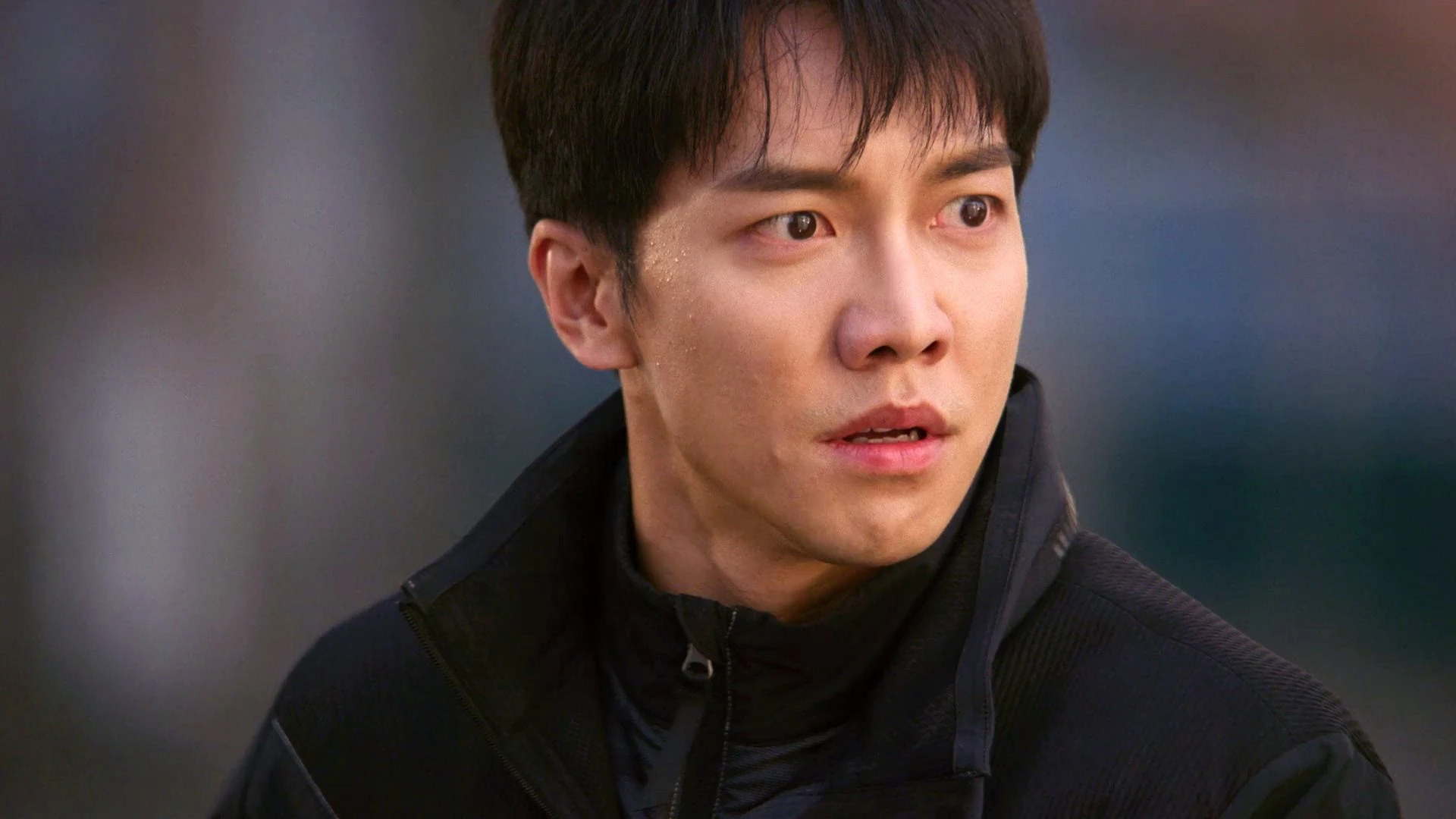
The Samael revelation resets everything. The penultimate episode’s most devastating move is not an action sequence — it’s a whisper. Oh Sang-mi, before she can be silenced, reveals the codename Samael to Dal-gun and Hae-ri, signalling that the person who truly orchestrated Flight B357 is not one of the politicians or arms dealers they’ve been chasing. Samael operates at a level above all of them — and is still free. Dal-gun and Hae-ri enter the finale not in triumph but in genuine bewilderment. They’ve won battles and lost the war.

The prison gambit. In the finale, Hae-ri goes undercover inside a prison facility to extract Samael’s true identity from Jessica Lee — who holds it as currency. Jessica agrees to cooperate only under one condition: NIS protection guaranteeing her safety. The sequence is among the series’ most tense, because the audience understands that whatever Jessica reveals will either resolve or irrevocably complicate everything. She talks. The name she gives points to someone with enormous political reach — a figure whose exposure would detonate Korean politics. But before that information can be acted upon, chaos erupts around them.
Dal-gun’s survival — and separation. Dal-gun, operating in the shadows and hunted by multiple factions simultaneously, survives through sheer resourcefulness and improvisation. He forges emergency alliances with allies who are themselves endangered. But the finale denies him the moment every action thriller promises: the face-to-face reckoning with the true architect of his nephew’s death. Samael is identified but not confronted. The conspiracy is partially dismantled but not destroyed. Dal-gun and Hae-ri are separated under dangerous circumstances — the romantic thread that developed quietly across 16 episodes is left in a bittersweet, unresolved state.

What the open ending means — and why it frustrates. The Vagabond finale is engineered as a bridge to a Season 2 that never materialised. This is not ambiguity as artistic choice — it’s a commercial cliffhanger left permanently unresolved. The victims’ families, including Park Kwang-deok whose grief has been a moral anchor across the run, find renewed resolve through their losses. But the systemic corruption that enabled Flight B357 remains partially intact on screen. Samael’s identity is hinted but not confirmed for the audience. Justice is partial, provisional, and deliberately incomplete.
What Vagabond is really about. Strip away the action choreography, the Morocco locations, and the conspiracy machinery, and Vagabond is a drama about one thing: what it costs an ordinary person to refuse to accept a lie told by powerful people. Dal-gun is not a spy or a soldier — he’s a stuntman who loved his nephew. The system wanted him to grieve quietly and go home. He didn’t. That refusal is the drama’s beating heart, and it’s what makes the open ending genuinely poignant even when it’s infuriating. The fight wasn’t finished — but the fact that it happened at all is the point.

✍️ KDramaWorlds Editor’s Take
Straight talk on whether this one’s worth watching, and for who.
Vagabond is what happens when a Korean production team gets a genuine blockbuster budget and uses every dollar of it. The Morocco sequences look like a feature film. The action choreography is among the best the medium has produced. Lee Seung Gi delivers a physically committed, emotionally raw performance that carries the entire weight of a story that would collapse under a lesser lead — he makes you believe in a stuntman taking on a government conspiracy with nothing but grief and stubbornness. Suzy matches him with a Hae-ri who is professionally competent and quietly complicated, even if the drama keeps her at arm’s length from the emotional centre. What Vagabond does best is create momentum: episode after episode, the conspiracy tightens, the danger escalates, and the question of who to trust keeps shifting beneath your feet. It is genuinely thrilling for at least twelve of its sixteen episodes.
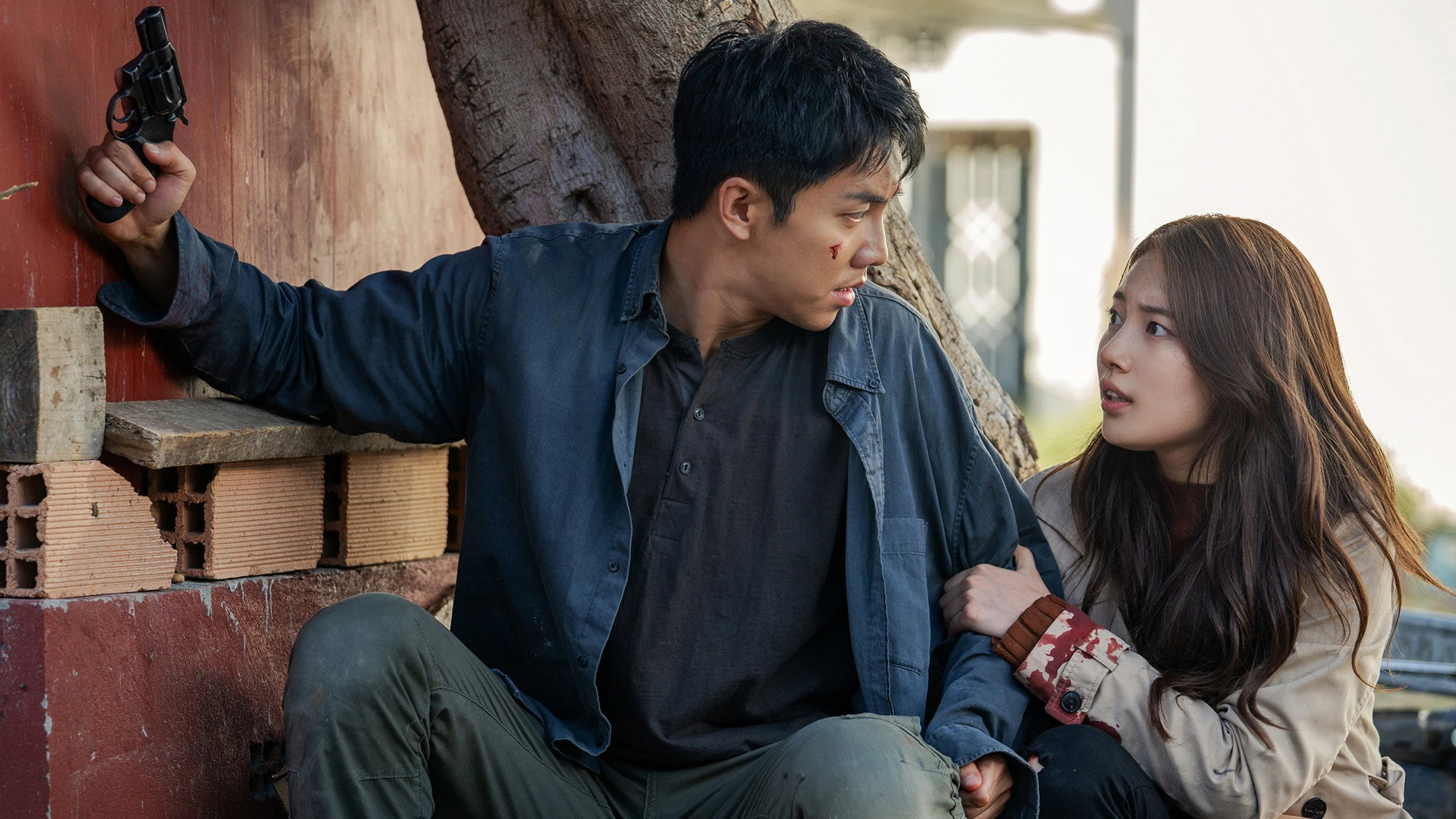
The complication is the ending — and you need to know about it before you start. Vagabond was clearly designed as a multi-season story, and the finale functions entirely as a Season 2 setup. Samael is never confronted. Dal-gun and Hae-ri are separated without resolution. The conspiracy is wounded but not killed. For a drama that asks you to invest 18+ hours across 16 long episodes, the deliberate inconclusiveness lands hard — and that Season 2 was never greenlit. Some viewers find the open ending artistically defensible; most find it genuinely frustrating. Think of it less as a standalone story and more as the first half of something that never got its second half. If you can make peace with that going in, the journey is absolutely worth taking. If you can’t — this is a drama that will test you at the finish line. Also worth knowing: the live ratings also bear watching, with the drama also available on Netflix. If you liked the espionage angle, The Veil (2021) is a tighter, more complete version of the NIS-corruption story — and Vincenzo (2021) delivers the satisfaction of a completed conspiracy takedown that Vagabond never quite manages.
All of that said: there are stretches of Vagabond — particularly the first arc in Morocco and the mid-series NIS infiltration sequences — that are as propulsive and cinematic as anything in Korean television. The supporting ensemble, particularly Moon Jeong Hee’s ice-cold Jessica Lee, gives the thriller real menace. And the core emotional engine — a man refusing to let a lie become official history — is genuinely moving in a way that outlasts the plot’s specific machinations. Watch it knowing exactly what you’re getting: a spectacular, unfinished story. It will entertain you deeply and frustrate you completely — sometimes in the same episode.
Conspiracy thriller addicts who love government corruption plots
Lee Seung Gi fans wanting him at his most physical and committed
🎬 You Might Also Like
If you liked Vagabond, these are your next three watches.
 Agent Kim Reactivated
action thrillerBlack Ops
Read Full Review →
|
 Your Honor
Corruptioncrime
Read Full Review →
|
 Queen of Masks
CorruptionKim Seon-a
Read Full Review →
|
















Keep it kind, skip the harsh language, and please — no spoilers. Everyone's taste is different, and that's perfectly fine.
This space is for real reactions and discussion from other viewers. Help keep it comfortable for everyone by not giving away major plot details.
What do you think of this drama?
Login to share your review or leave a comment.
No email needed — just pick a username & password.