
The Silenced
🎬 Netflix · Viki · VIU · Tubi
⭐ 5.7 IMDb
🔞 15+
🎬 Film Overview
COLONIAL GOTHIC PICK
Cha Joo-ran has spent her whole life being told she’s too fragile for ordinary life — a chronic illness that’s kept her indoors, kept her apart, kept her waiting to get better. So when a spot opens at a remote girls’ boarding school in 1938 Keijo that promises a specialized health program, her family sends her without much hesitation. The school looks like a sanctuary: manicured grounds, a caring staff, girls who seem to genuinely thrive under its regimen. Joo-ran’s health does improve, almost immediately — which should feel like relief, and does, right up until she notices what improvement is actually costing the girls around her.
Director Lee Hae-young — working from his own screenplay — builds The Silenced as an exercise in patience. Girls vanish. Explanations get vaguer. Joo-ran’s own body starts doing things a chronically ill teenager’s body has no business doing, and the film lets that wrongness accumulate scene by scene rather than announcing itself. What emerges isn’t a haunted-house story so much as an institutional one — a school that markets rescue while quietly conducting an entirely different kind of experiment on the girls in its care, set against a colonial occupation that was already treating Korean bodies as something to be reshaped and controlled.
⚡ Quick Verdict
Everything you need to decide, in one place.
· IMDb · 3.8K ratings
▶ Official Trailer
🎭 Cast & Characters
A boarding school ensemble anchored by three very different registers of fear.

Lead

Lead

Lead
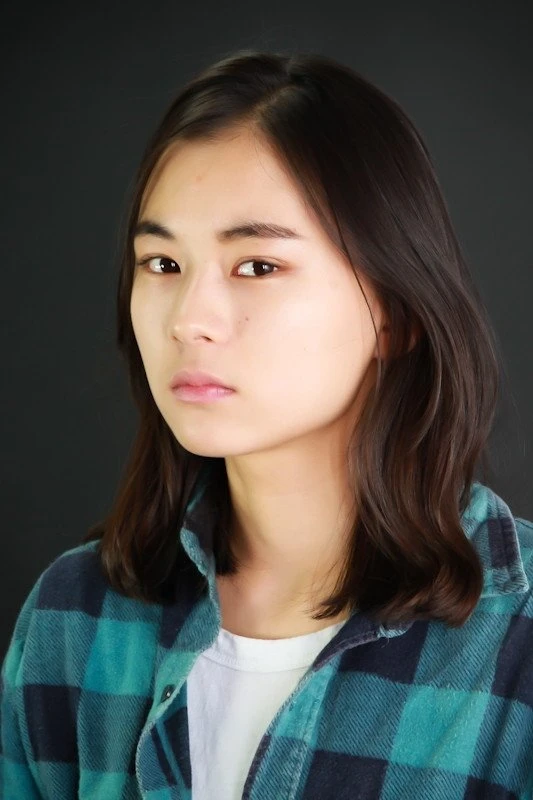
Supporting
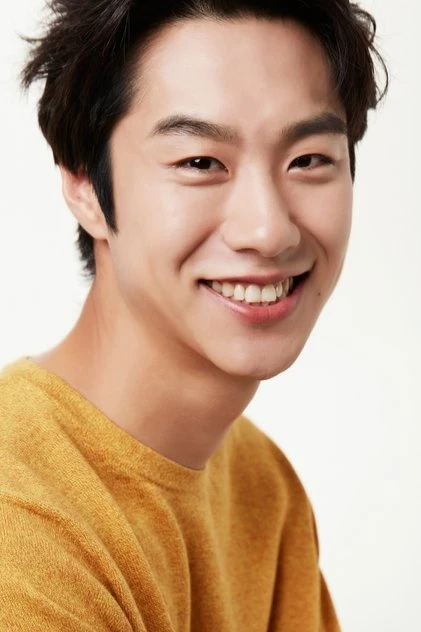
Supporting

Supporting

Supporting
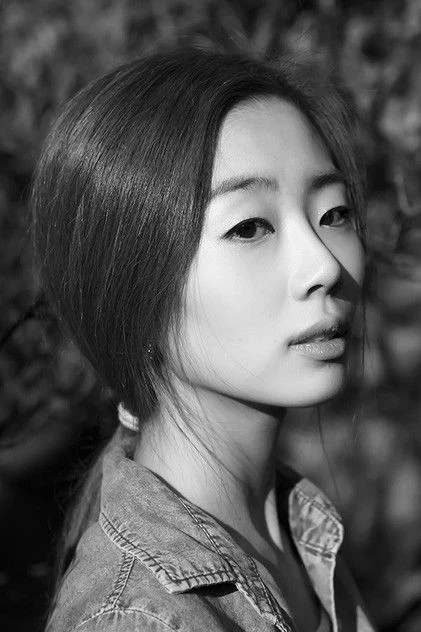
Supporting

Supporting

Supporting

Supporting
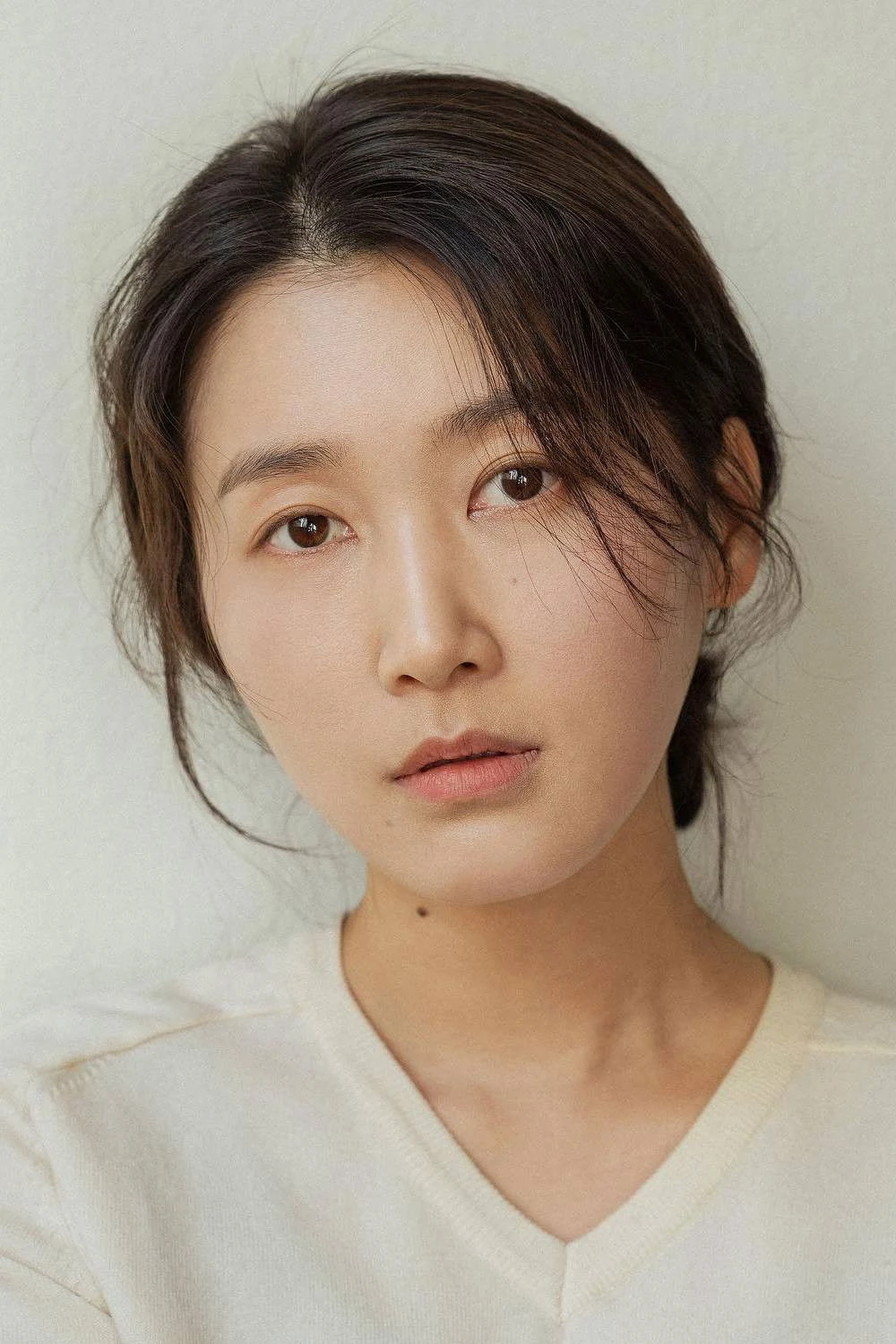
Supporting
📖 The Story
No spoilers ahead — just enough to see if it fits your taste.
The year is 1938, and Korea has spent decades under Japanese colonial rule — a fact the film never announces outright but never lets you forget either. Cha Joo-ran, chronically ill and quietly withdrawn, arrives at a secluded girls’ boarding school after her family is told its specialized health program can succeed where ordinary treatment has failed. The school presents itself as a refuge: strict routines, matching uniforms, a Headmistress whose warmth feels almost aggressive in its insistence. Joo-ran, unused to structure or company, finds the adjustment disorienting before she finds it anything else.
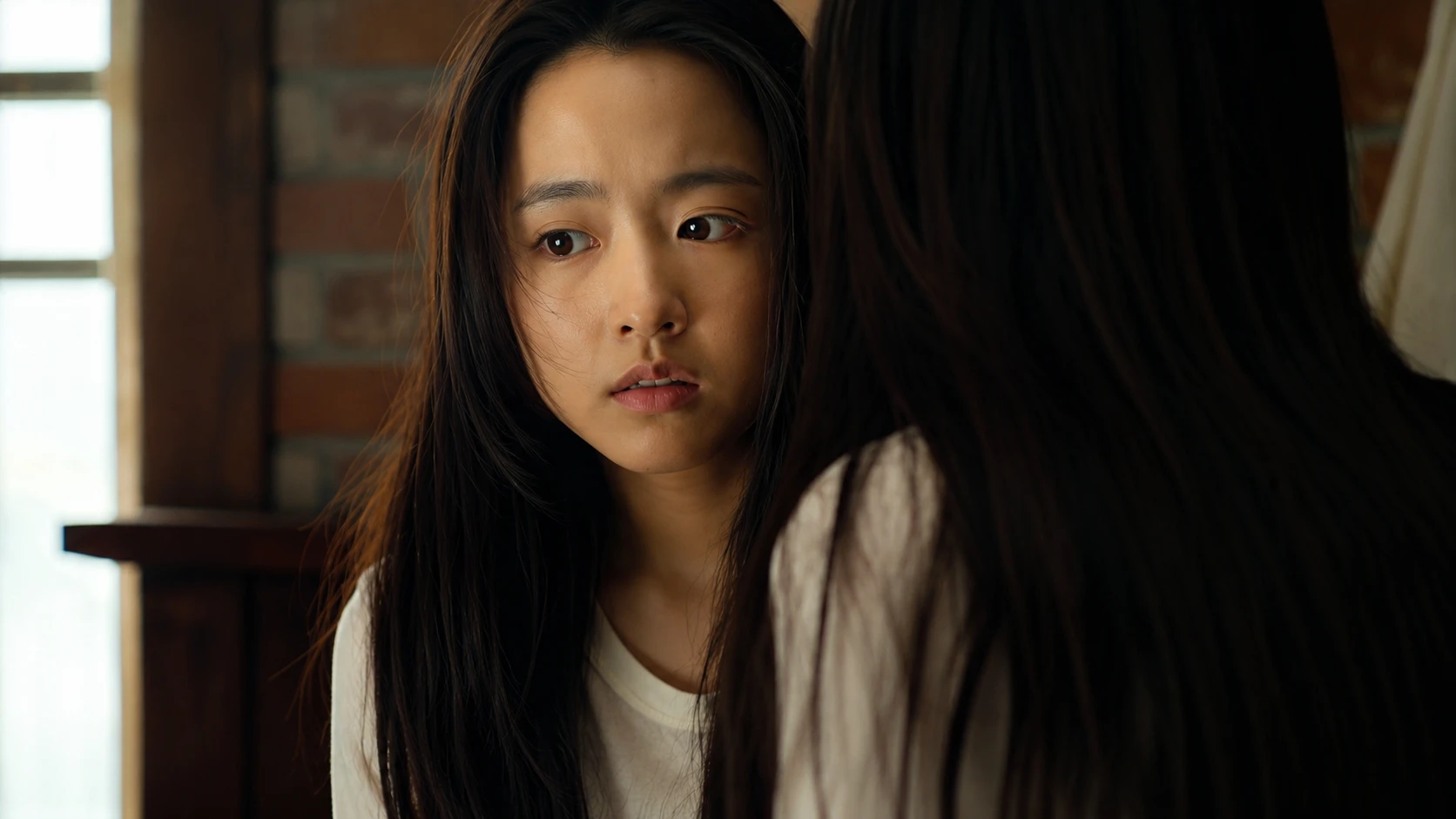
Her arrival lines up with a run of stranger and stranger incidents. Girls who seemed perfectly healthy start having seizures, forgetting things, displaying sudden bursts of strength that don’t match their frames. Then they disappear, and the staff’s explanations get thinner each time. Joo-ran is observant in the specific way sick people often are — she’s spent years paying close attention to her own body, and that same attention starts turning outward, toward a school that keeps insisting nothing is wrong.
What she wants isn’t really answers, not at first — it’s belonging, the ordinary life her illness has always denied her. That’s what makes her growing unease so costly. Every symptom she develops, every unnatural change in her own strength and appetite and temper, threatens the one place that’s ever treated her like she might get to be normal. The film is careful to keep the personal stakes ahead of the mystery-plot stakes: this isn’t a girl solving a puzzle, it’s a girl watching the one good thing in her life turn out to be a trap.
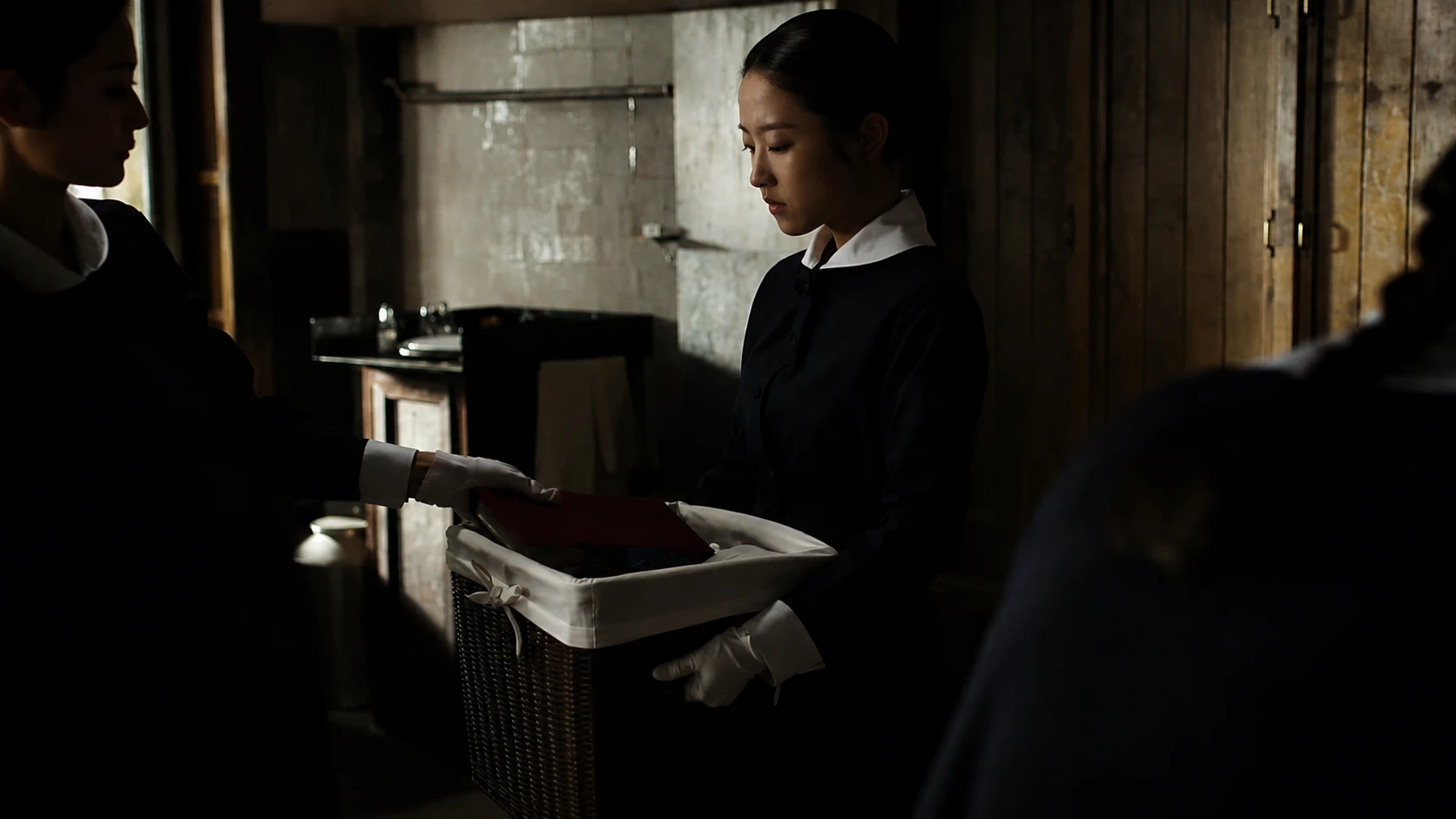
The friendship that anchors her through it is Yeon-deok — athletic, confident, unbothered by rules in a way Joo-ran has never had the health or the nerve to be. Yeon-deok takes her in, shares what she knows, becomes the closest thing to family the school has offered anyone. Their bond does the narrative’s heaviest lifting; without it, The Silenced would just be atmosphere. With it, the film has an actual reason to make you dread what’s coming for these two specifically.
Lee Hae-young shoots the whole thing like a fairy tale gone wrong rather than a conventional horror film — greens and grays and browns, decay dressed up as decorum, occasional bursts of color that feel like the film briefly losing its composure. There are no jump scares to speak of. The dread here is architectural: corridors, dormitories, a headmistress’s office, all rendered just wrong enough that you start distrusting the building itself before you distrust any person in it.
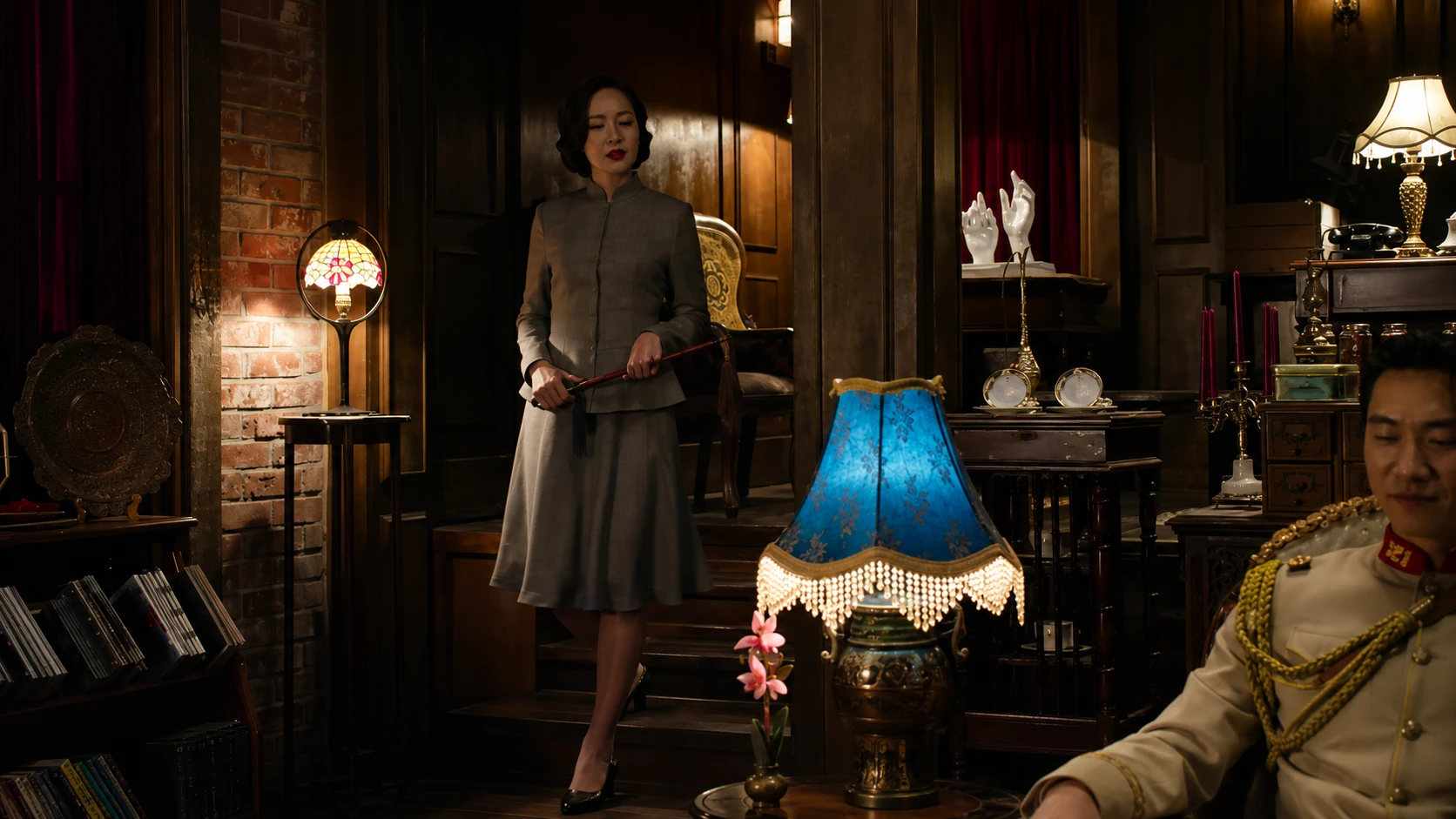
That patience is a choice, and not every viewer will reward it the same way. The pacing holds the mystery at arm’s length for a long stretch, trusting the accumulation of small wrongnesses to do work that a lesser film would hand to exposition. It mostly works — right up until the answer arrives and the film has to decide how much explaining the ending actually needs.
None of it works without the 1930s setting doing real thematic labor. This is occupation-era Korea, when Korean names, language, and identity were being systematically replaced, and the school’s forced uniformity — the haircuts, the Japanese names, the discipline dressed up as care — reads as more than period detail. It’s the same machinery the empire ran on, just given a fence and a curriculum. The horror of what’s happening to these specific girls and the horror of what colonial rule did to a specific generation end up being the same horror, told at two scales at once.
🏁 Ending Explained
Everything that happens, explained in full — spoilers ahead.
Full Spoilers Ahead — This section covers the complete ending of The Silenced. Stop here if you haven’t watched.
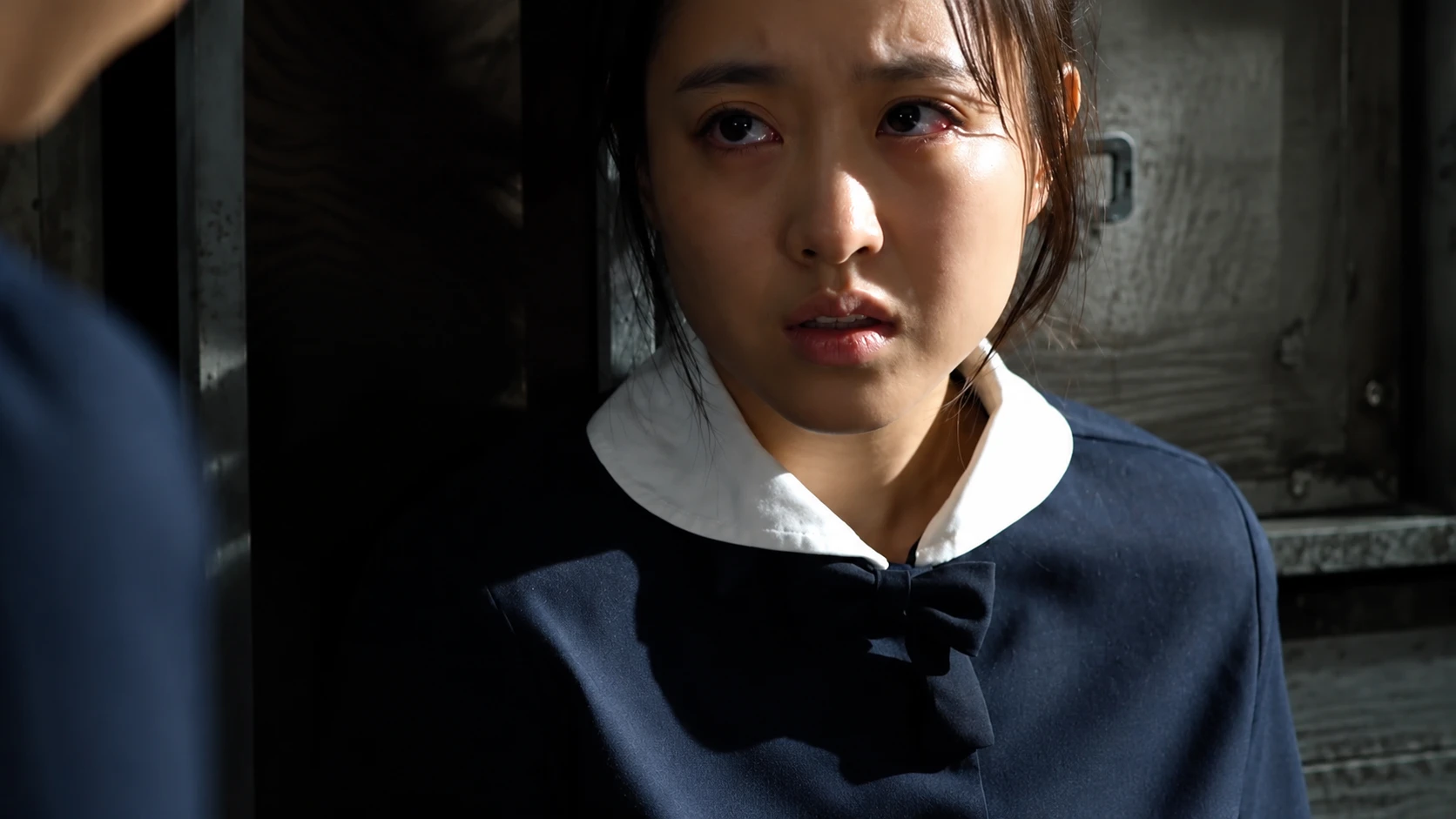
What the school was actually doing By the time Joo-ran confronts the Headmistress and the Japanese military officers overseeing the program, the shape of the horror is finally clear: the “special health treatment” was cover for testing a performance-enhancing drug meant to engineer super-soldiers for the Imperial Army. The girls’ improving health was never a cure — it was the drug taking hold, and the seizures, memory loss, and unnatural strength were the side effects nobody warned them about. The disappearances were girls who didn’t survive the dosage, or who survived it in ways the school needed to hide. Yeon-deok finds the proof herself: the preserved bodies of the missing girls, kept in tanks in a part of the school that was never meant to be found. She’s drowned by staff for finding it.
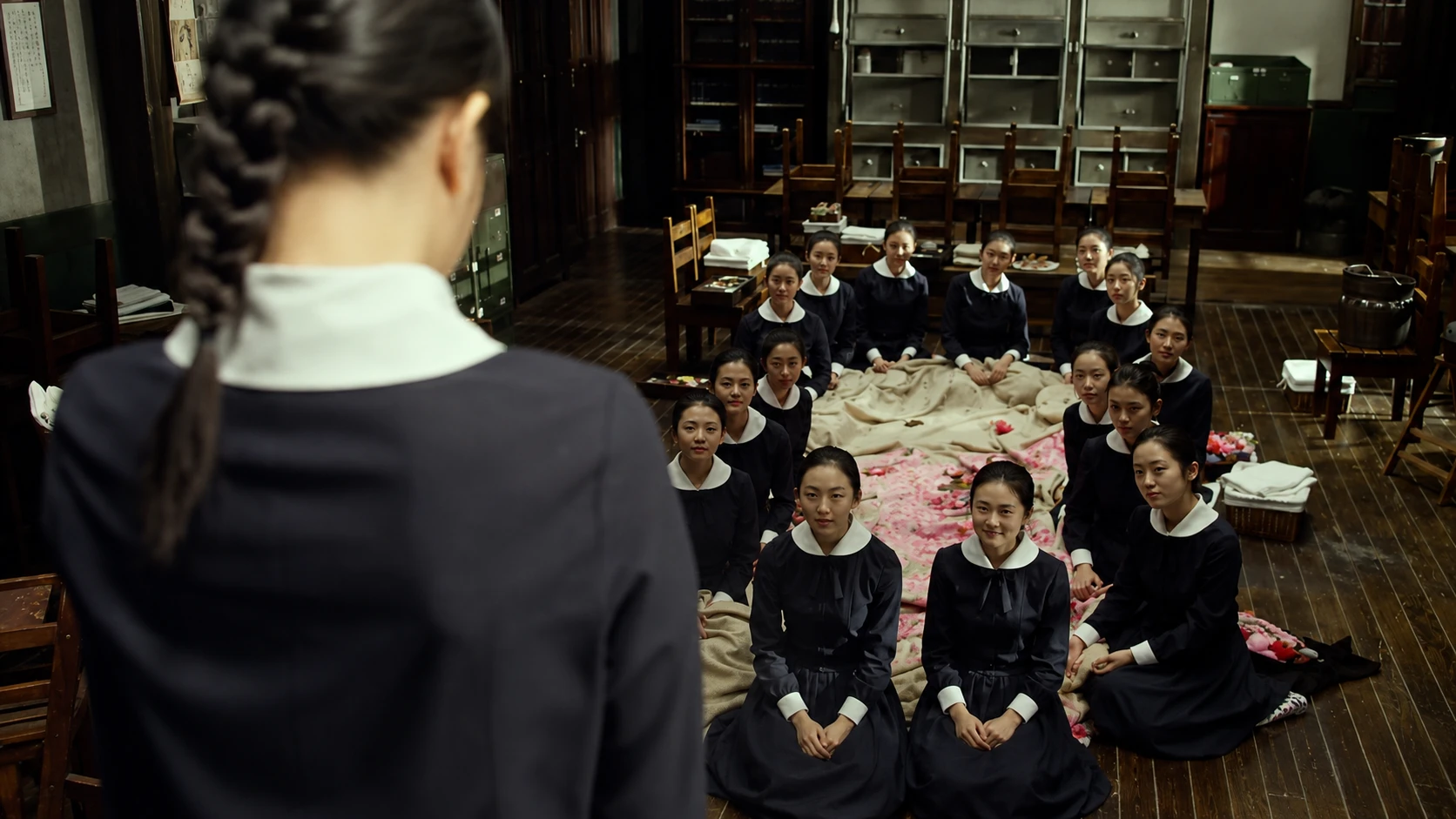
Joo-ran’s transformation and revenge Joo-ran’s response is not restraint. Fully aware now of what’s been done to her and to Yeon-deok, she lets the same drug that was supposed to make her compliant make her something else entirely, and turns it directly on the people who administered it. It reads less like a heroic turn than an explosion — years of enforced smallness converted, all at once, into violence aimed at the people who engineered that smallness in the first place.
Why the ending reads as reclamation, not victory There’s no triumphant note here. Joo-ran killing the Headmistress isn’t framed as justice served so much as the only response left to someone who has run out of other options. The film’s thesis lands in that distinction: oppression pushed far enough doesn’t produce heroes, it produces people willing to burn everything down, themselves included, because the alternative is disappearing quietly. Joo-ran surviving the encounter matters less than the fact that she stopped being controllable at all.
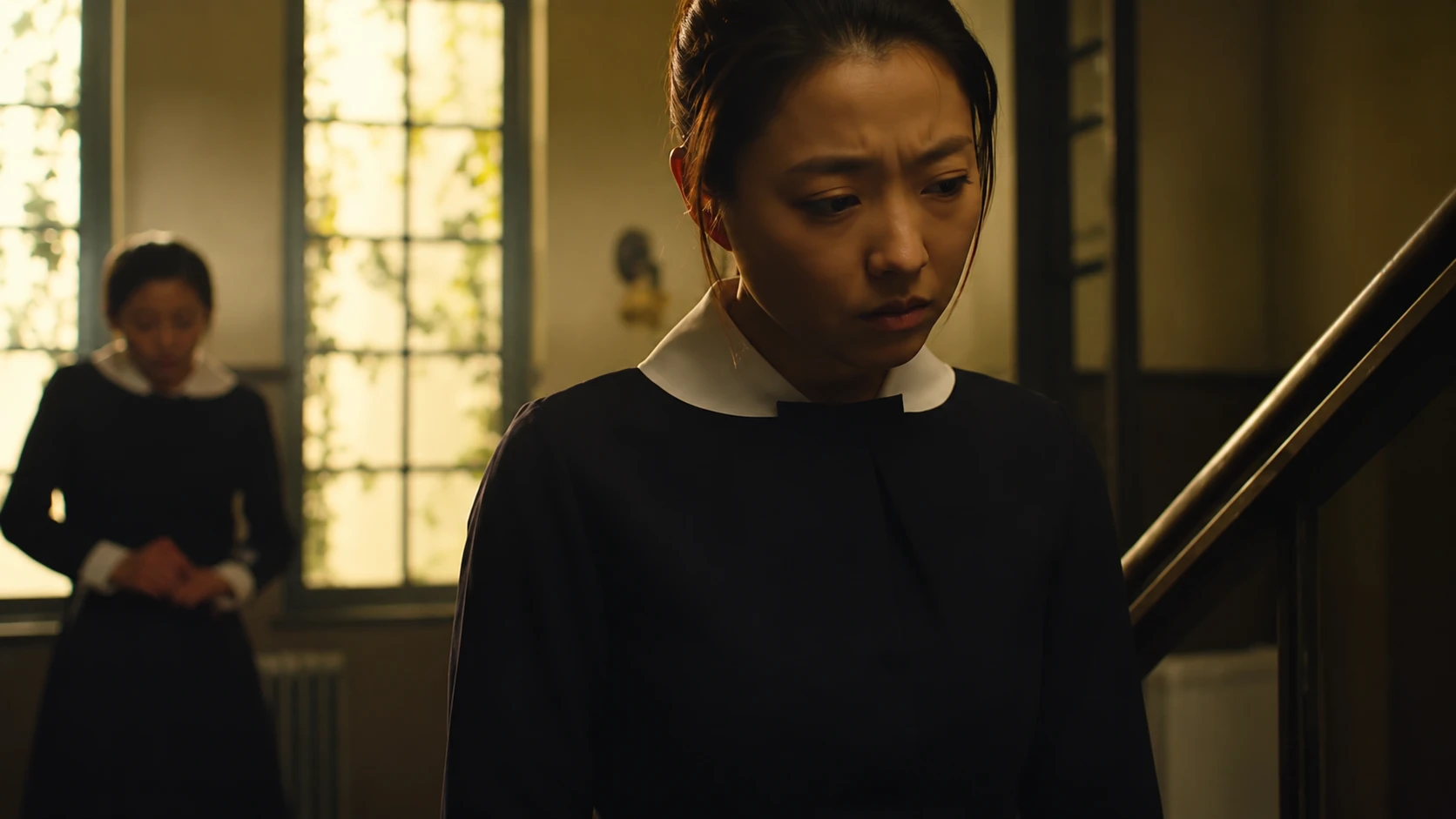
What the ending leaves unresolved The film leaves plenty unresolved on purpose. How far the drug program extended beyond this one school, whether the Japanese military command above the Headmistress ever answers for it, whether any other girls got out before Joo-ran arrived — none of it gets closure. That’s less a loose end than a choice: this was never going to be a story where destroying one facility fixes anything larger than itself.
The rewatch clue hiding in plain sight Go back to Joo-ran’s arrival with the ending in mind and the Headmistress’s warmth curdles instantly — every gentle instruction, every “treatment,” every insistence on uniformity reads as the opening move of exploitation rather than care. The uniforms, the confiscated belongings, the enforced sameness that seemed like ordinary boarding-school strictness the first time through are the film quietly stripping these girls of individuality well before the drug ever does it to their bodies. The violence at the end isn’t a break from that pattern. It’s what happens when someone the pattern was built to erase decides not to disappear.
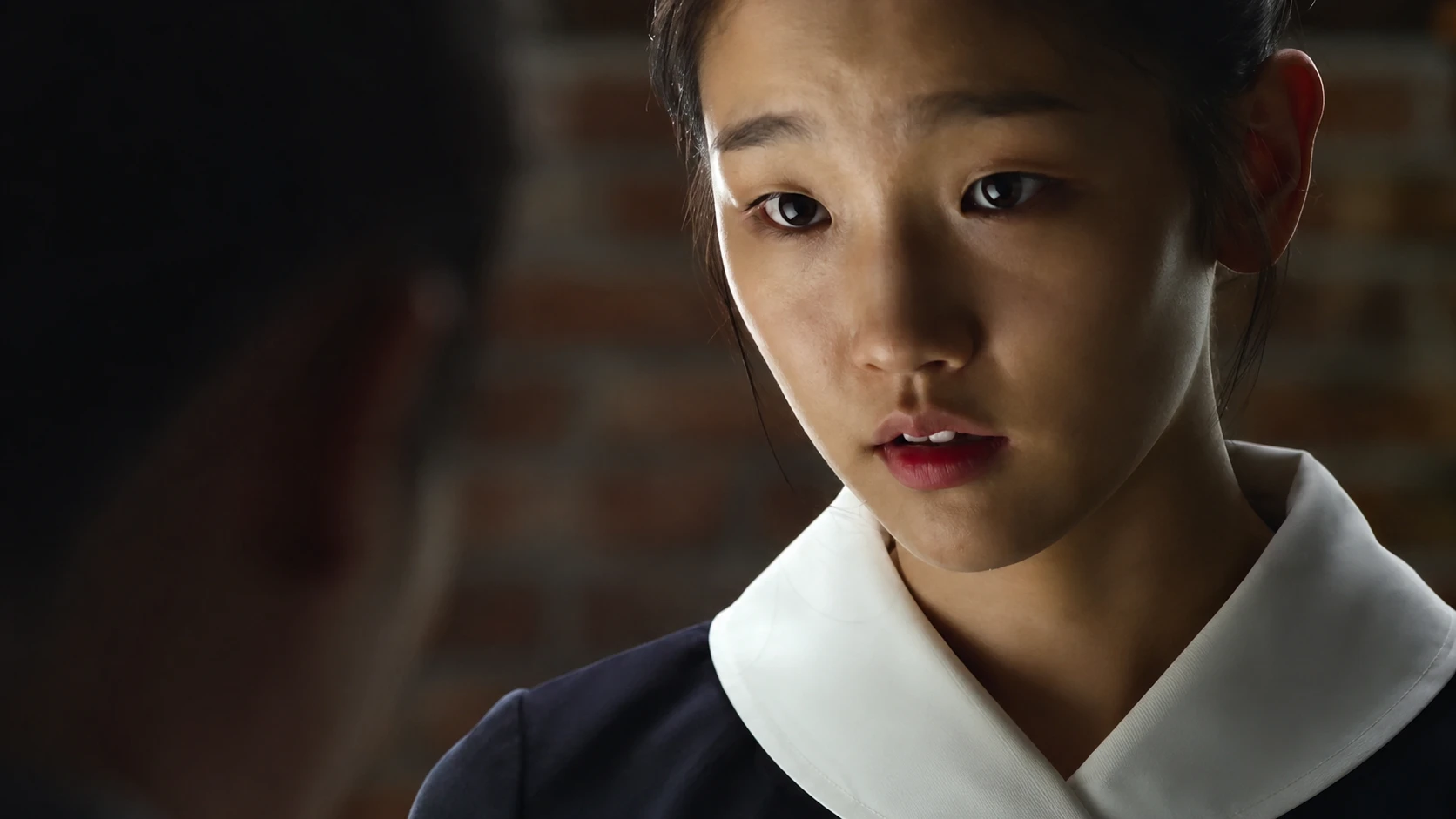
✍️ KDramaWorlds Editor’s Take
Our real opinion — worth the watch, and for who exactly.
Lee Hae-young
Known for: Lee Hae-young made his name blending genre mechanics with atmosphere and historical weight — The Silenced arrived three years before his career-defining hit Believer (2018), and both films share his interest in institutions that hide their true function behind respectable surfaces. Where Believer works within crime-thriller conventions, The Silenced commits fully to gothic atmosphere, trading procedural momentum for the kind of dread that accumulates through repetition and unease rather than plot mechanics.
Park Bo-young spends the first half of The Silenced doing something she’s rarely asked to do on screen: disappearing into frailty, letting Joo-ran’s illness make her smaller and quieter than the actors around her. It’s a real commitment, not just a performance choice — when the drug-fueled reversal finally arrives, it lands as hard as it does because she spent an hour convincing you this girl couldn’t hurt anyone. The film’s colonial-era body-horror premise puts it in conversation with other Korean genre work that treats Japanese occupation as more than period wallpaper — Kingdom: Ashin of the North does something similar by rooting its horror in the same historical wound, even if its monsters are literal rather than pharmaceutical.
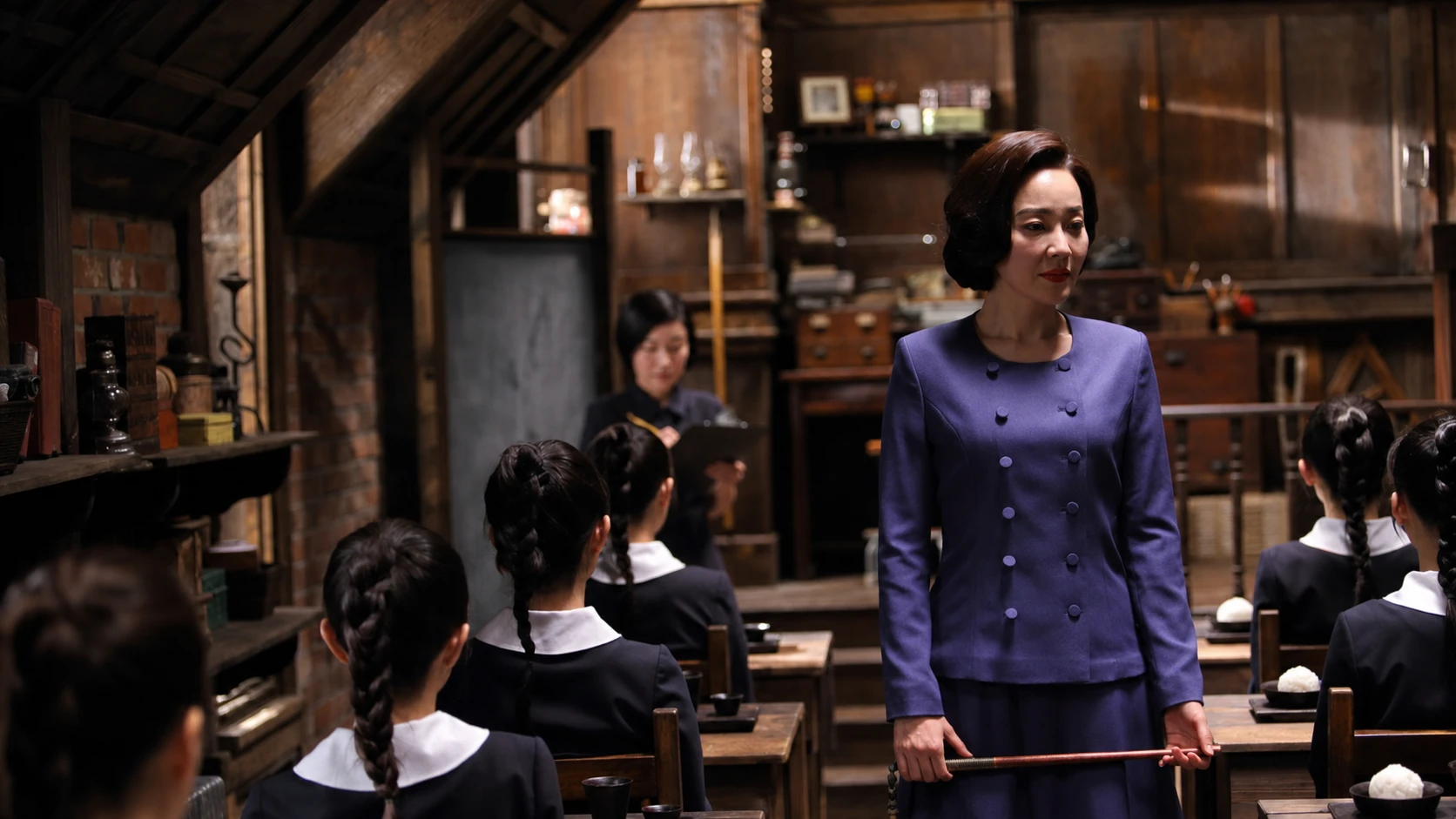
Where the film is most confident is in its refusal to rush. Lee Hae-young trusts the slow accumulation of wrongness — a seizure here, a vague explanation there — the same way a good slow-burn mystery earns its late-film reveal instead of announcing it. Fans of Following will recognize the pacing instinct, even though the genres barely overlap otherwise — both films bet that patience pays off more than shock value does. The bet mostly works here too, though The Silenced occasionally lingers a beat too long once the mystery has clearly tipped its hand.
What stays with you isn’t the reveal itself — super-soldier serums are a familiar enough genre device — it’s the specific cruelty of dressing exploitation up as care, and the way Park So-dam’s Yeon-deok gives Joo-ran’s rage an actual person to be angry on behalf of. Strip away the period setting and the plot mechanics, and what’s left is a fairly simple, fairly devastating idea: institutions that promise to heal you are sometimes the ones doing the damage.
🎬 You Might Also Like
If you liked The Silenced, these are your next three watches.
 Welcome to Waikiki (Season 1)
comedyFound Family
Read Full Review →
|
 The Light in Your Eyes
Alzheimer'sfamily
Read Full Review →
|
 Something in the Rain
Age GapJung Hae-in
Read Full Review →
|




Keep it kind, skip the harsh language, and please — no spoilers. Everyone's taste is different, and that's perfectly fine.
This space is for real reactions and discussion from other viewers. Help keep it comfortable for everyone by not giving away major plot details.
What do you think of this drama?
Login to share your review or leave a comment.
No email needed — just pick a username & password.