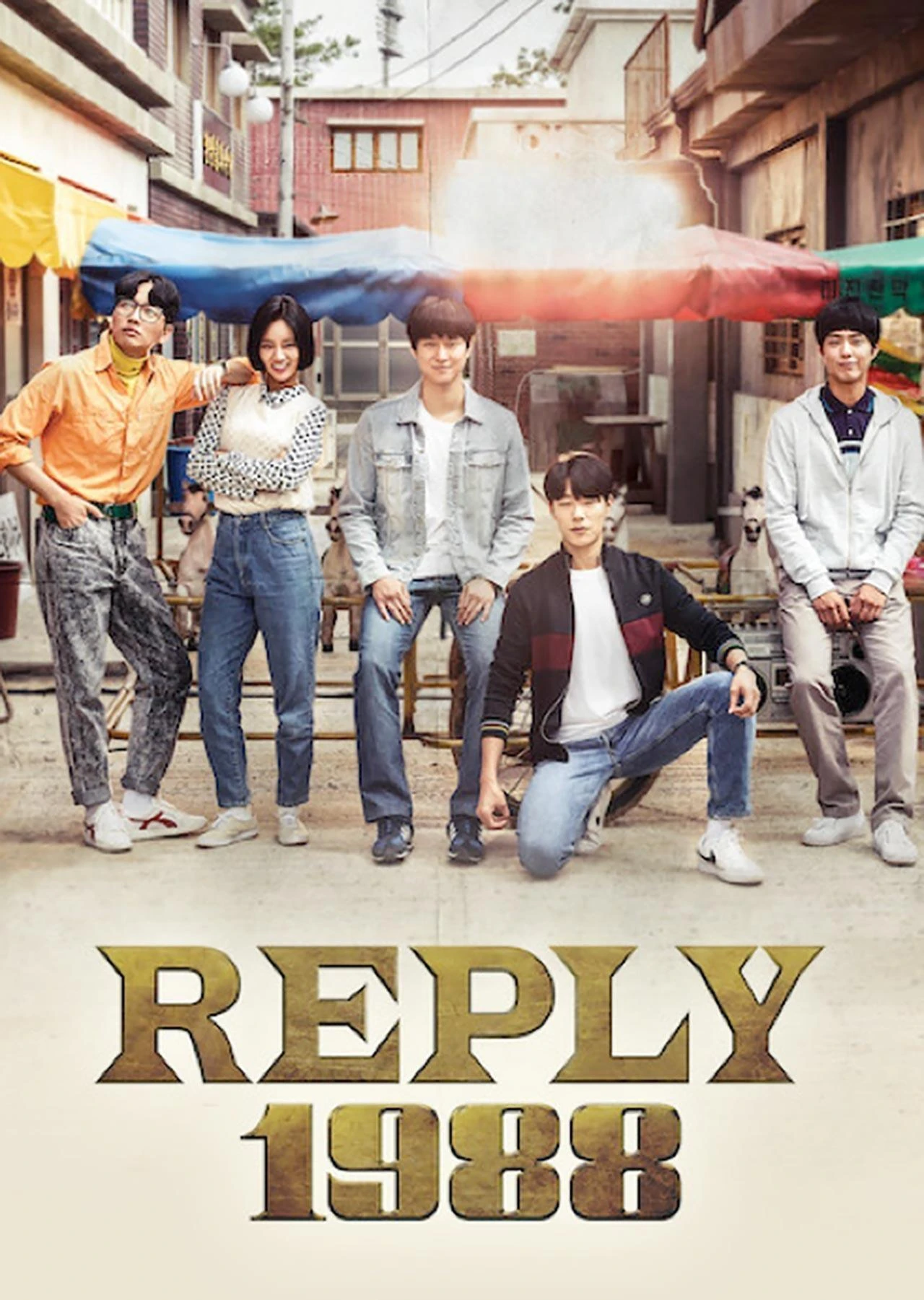
Reply 1988
🎬 Netflix · Viki · Viu
⭐ 9.0 / 10 MDL
📅 15+
📋 Drama Overview
Everything you need to know before you hit play.
🏆 #1 Rated K-Drama
Viki
Viu
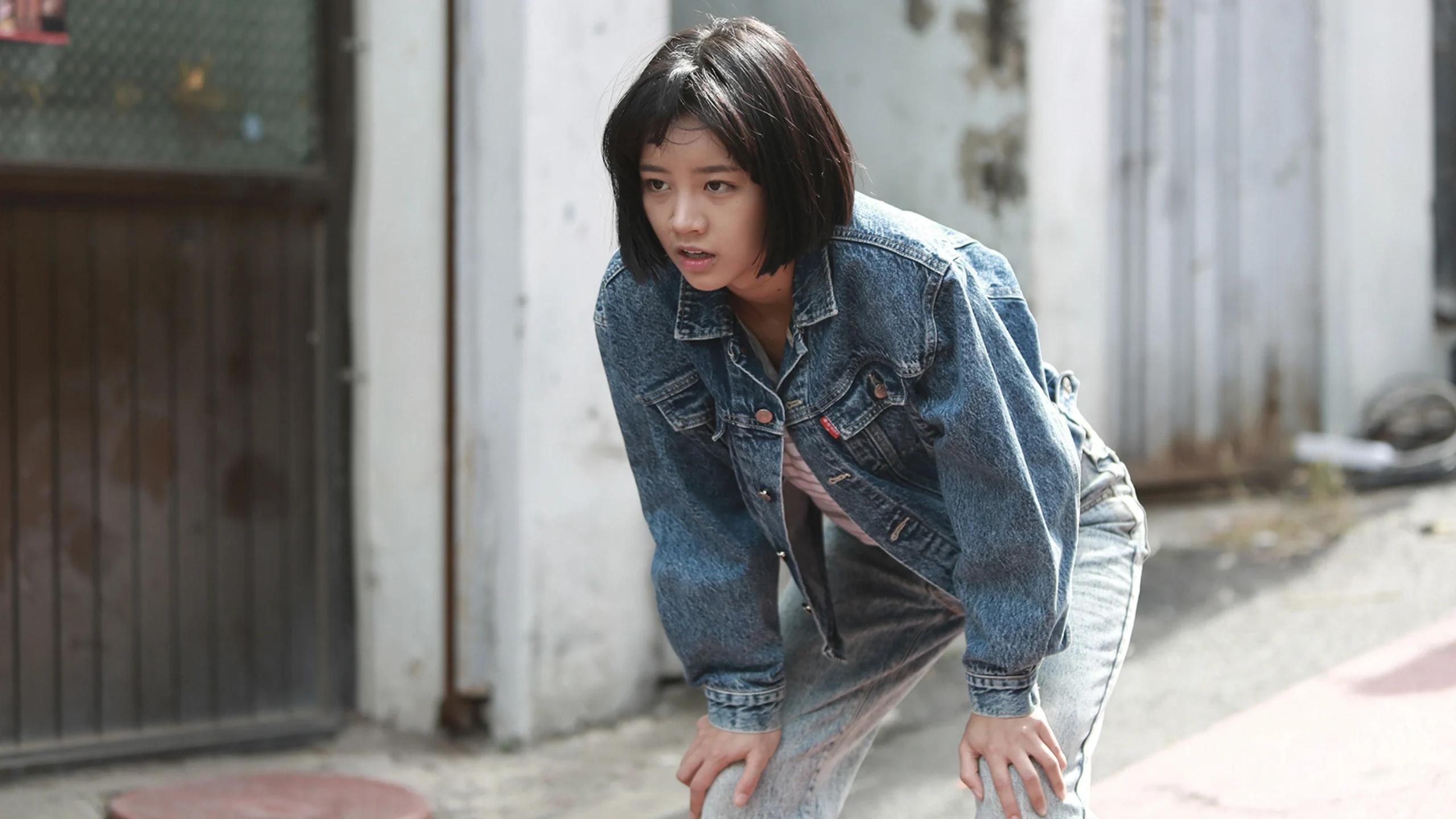
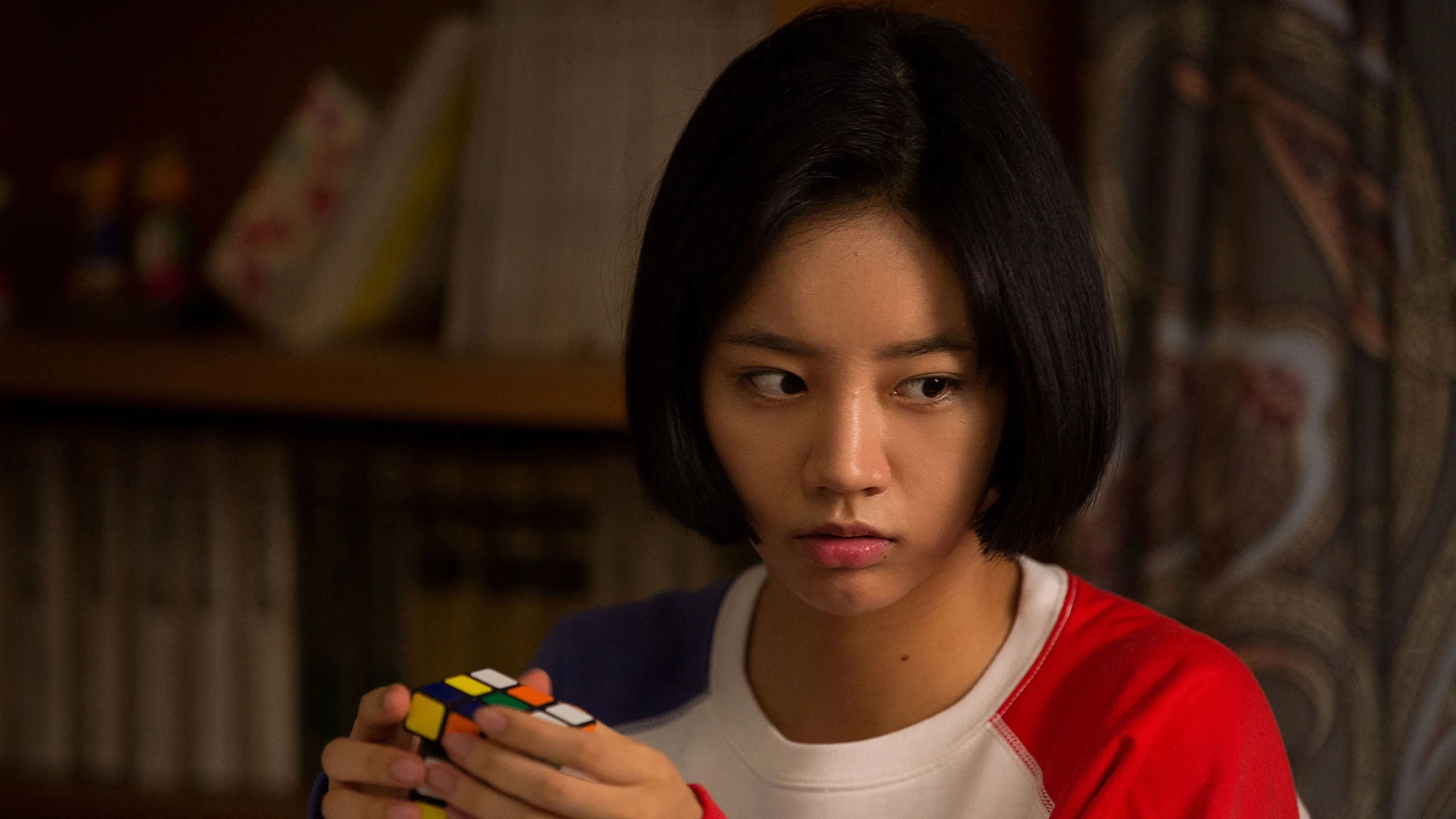
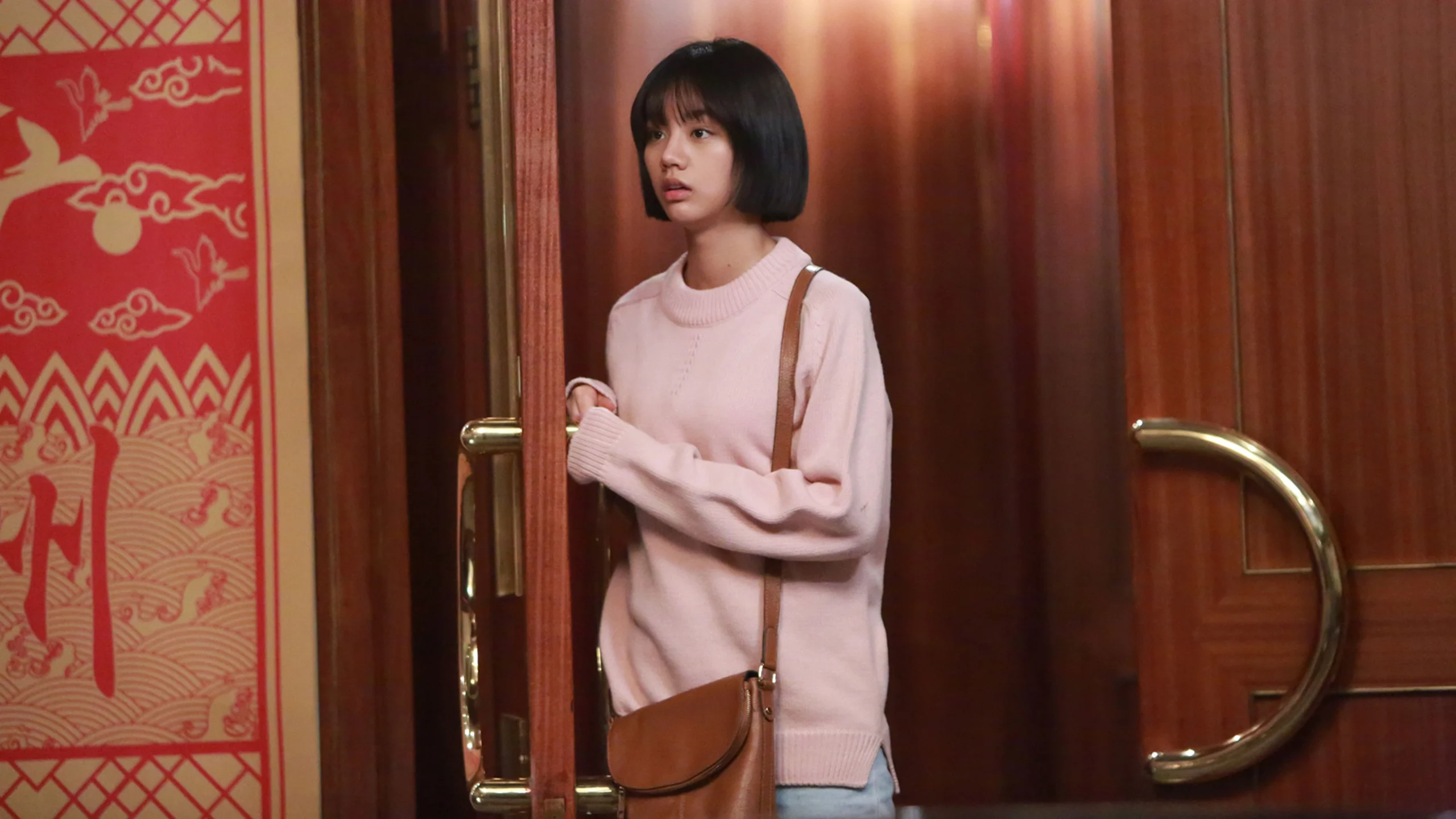
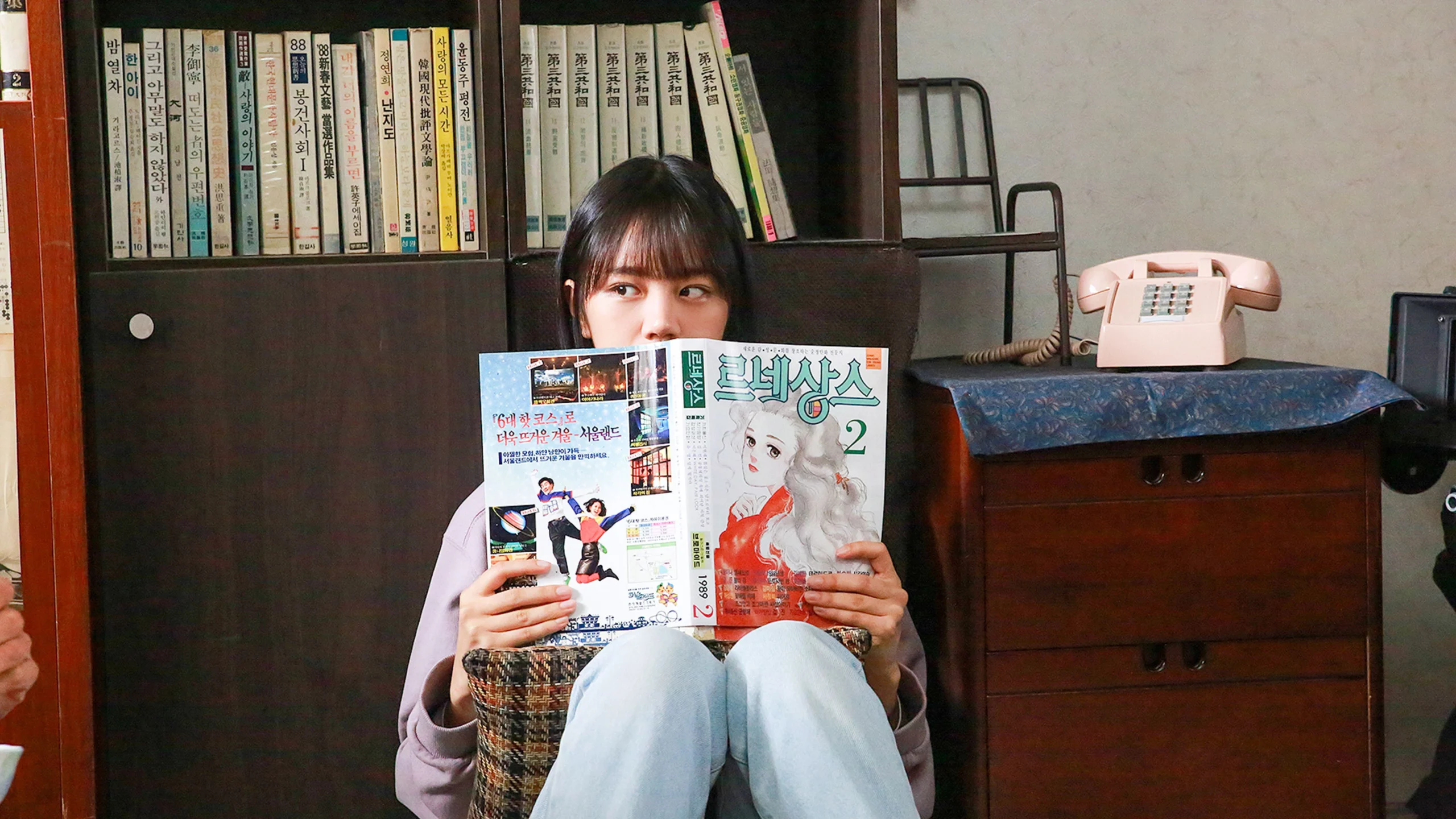
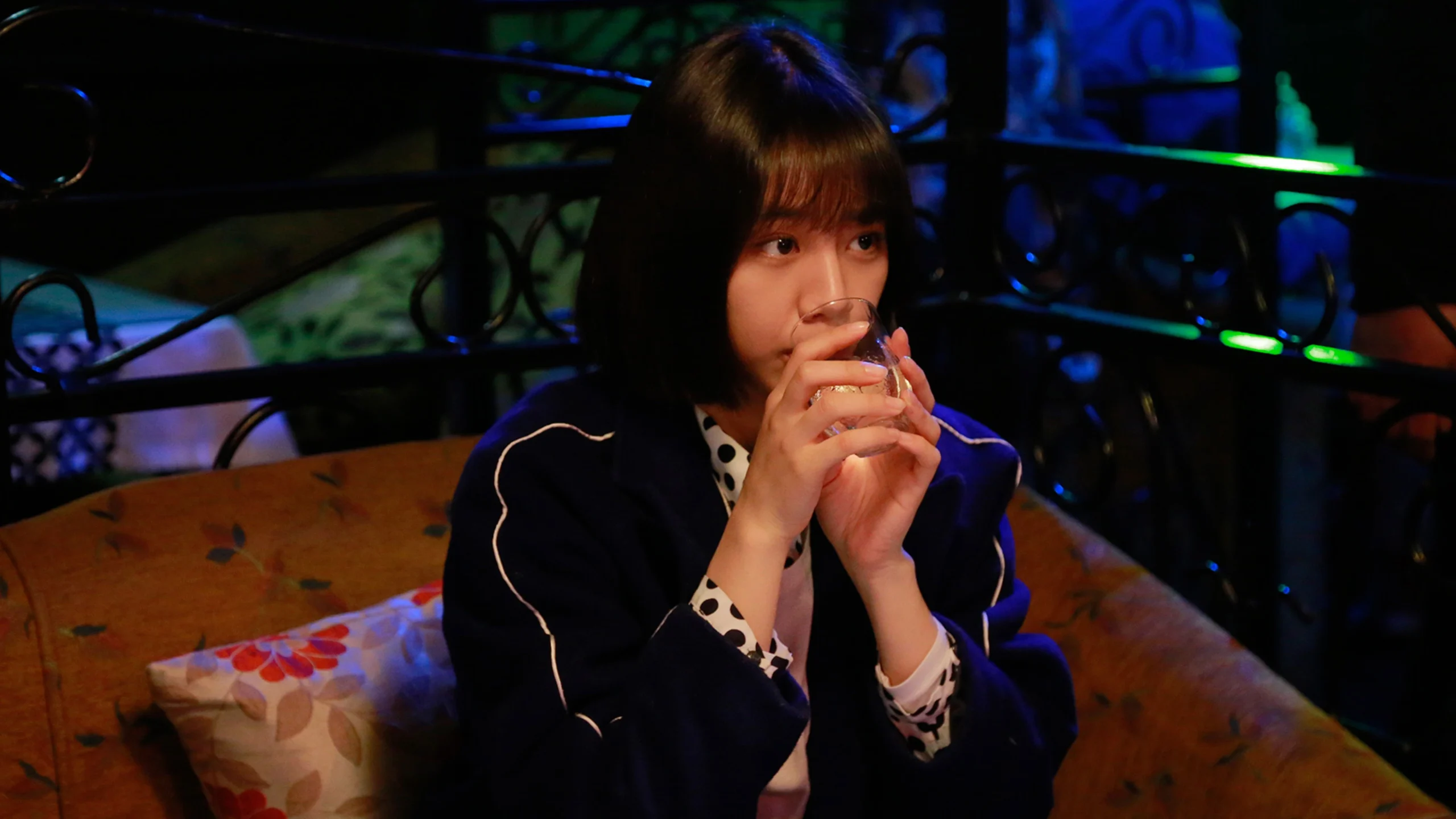
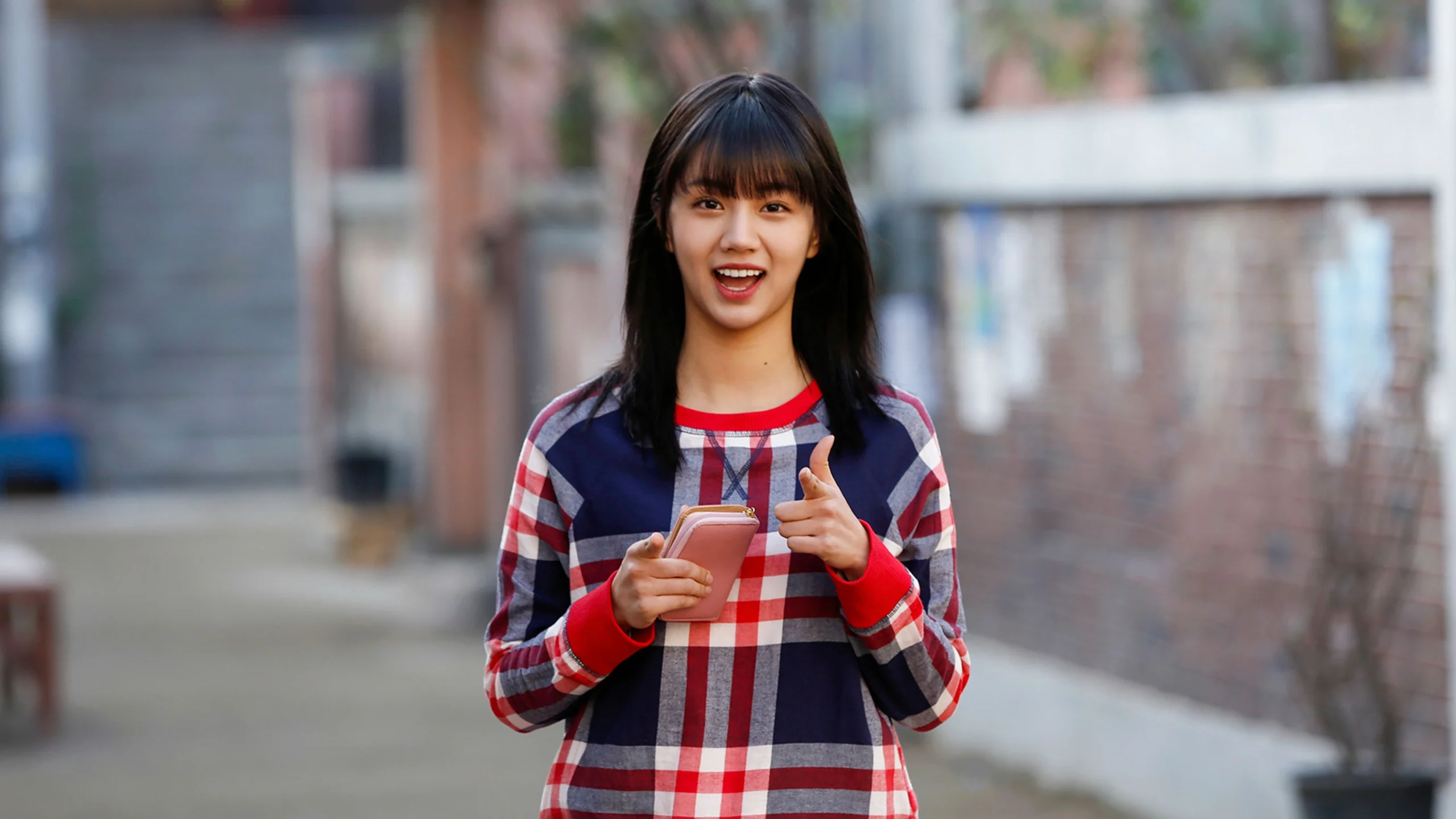
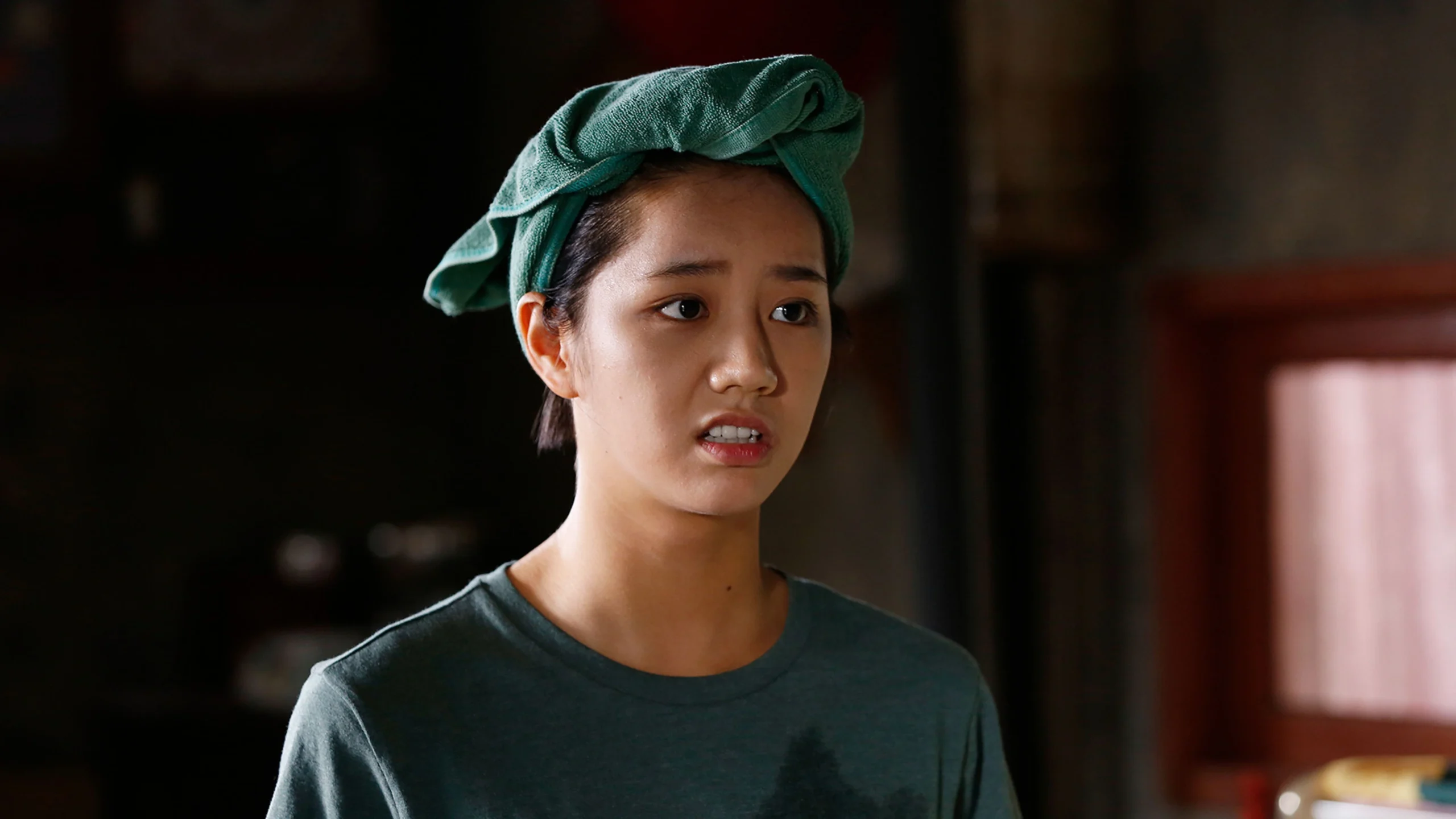
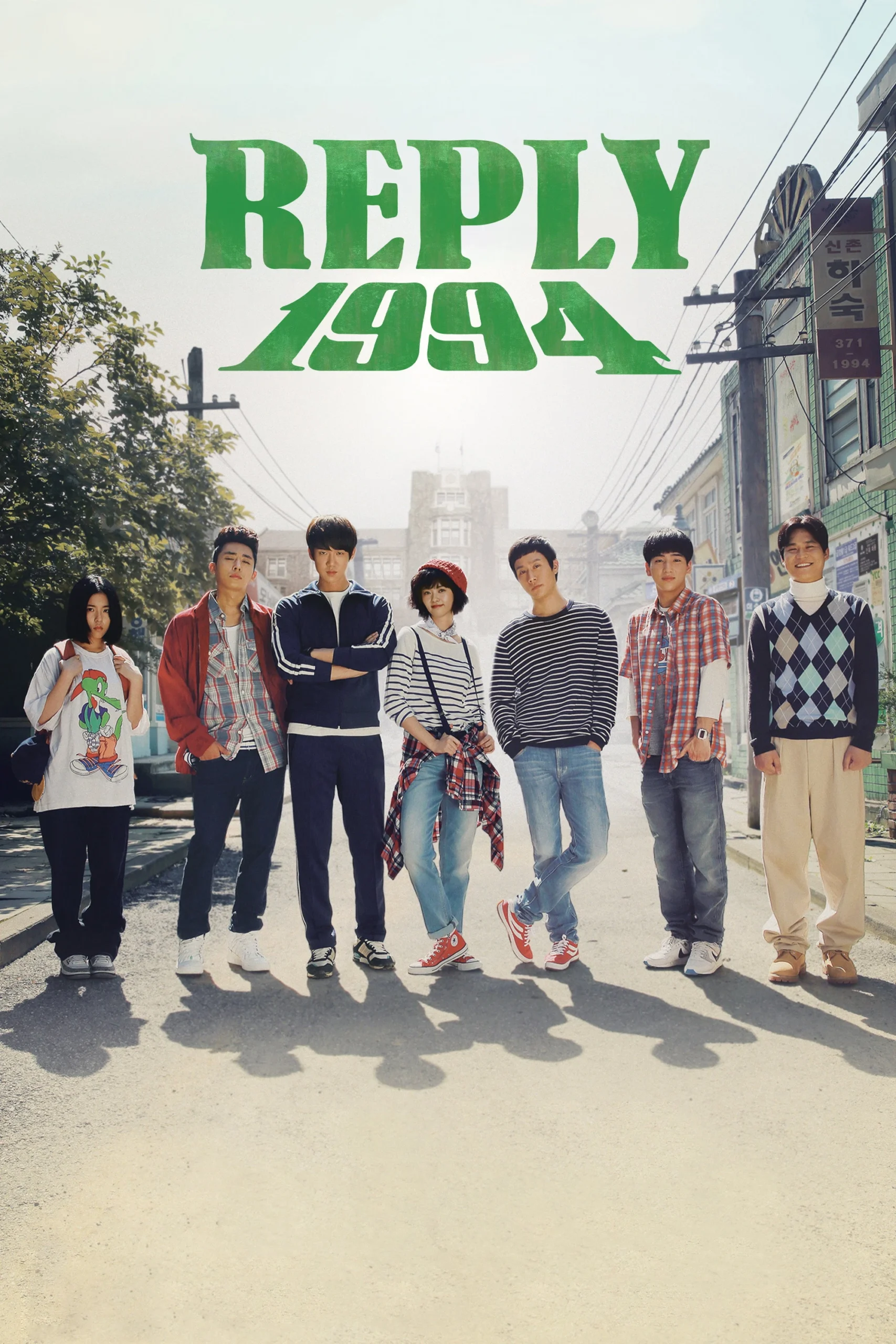
Five childhood friends born in 1971 — Deok Sun, Jung Hwan, Sun Woo, Dong Ryong, and Taek — grow up side by side in the tight alleyways of Ssangmun-dong, Seoul, in the autumn of 1988. Their families share food, laughter, grief, and everything in between across adjoining homes. At the center of the story is Deok Sun (Lee Hye Ri), the overlooked middle child who struggles to find her footing academically and romantically — while the drama slowly unravels the mystery of which of the boys she ultimately marries.
What makes Reply 1988 different from every other coming-of-age drama is where the camera spends its time. The parents — their marriages, their financial anxieties, their small dignities and private sorrows — are given as much weight as the youth storylines. The result is a drama that hits completely differently depending on which generation you belong to, and devastates both.
20 / 20 ✅ Completed
▶ Official Trailer
🎭 Cast & Characters
The ensemble that made Ssangmun-dong feel like home.

Lead
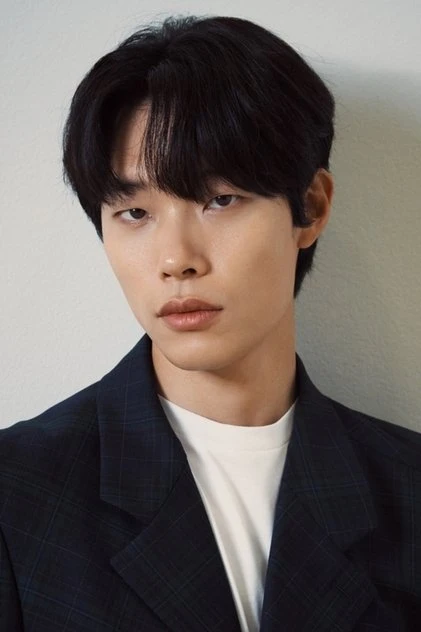
Lead

Lead
Lead
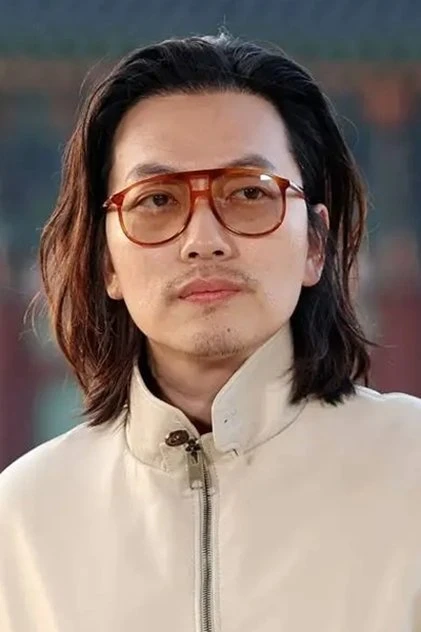
Lead

Supporting
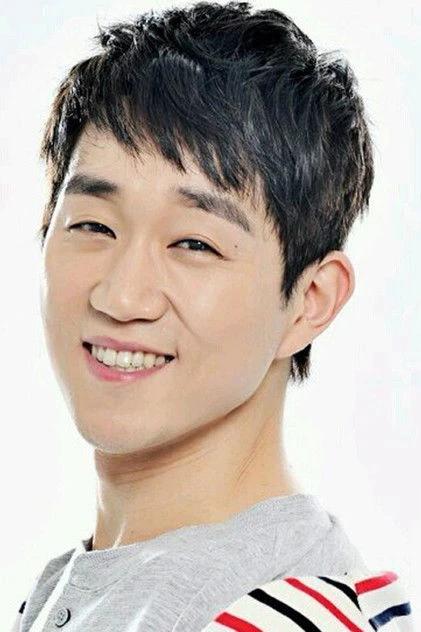
Supporting

Supporting
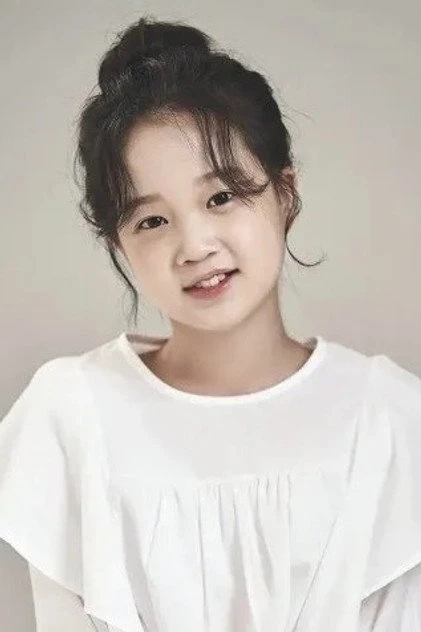
Supporting
Supporting
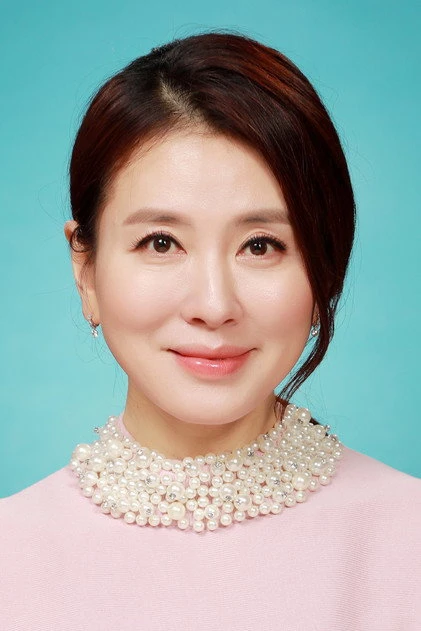
Supporting
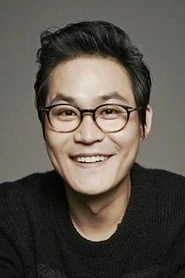
Supporting
📺 Episode Guide
Spoiler-light recaps — enough to remember where you left off, nothing that ruins the ride.
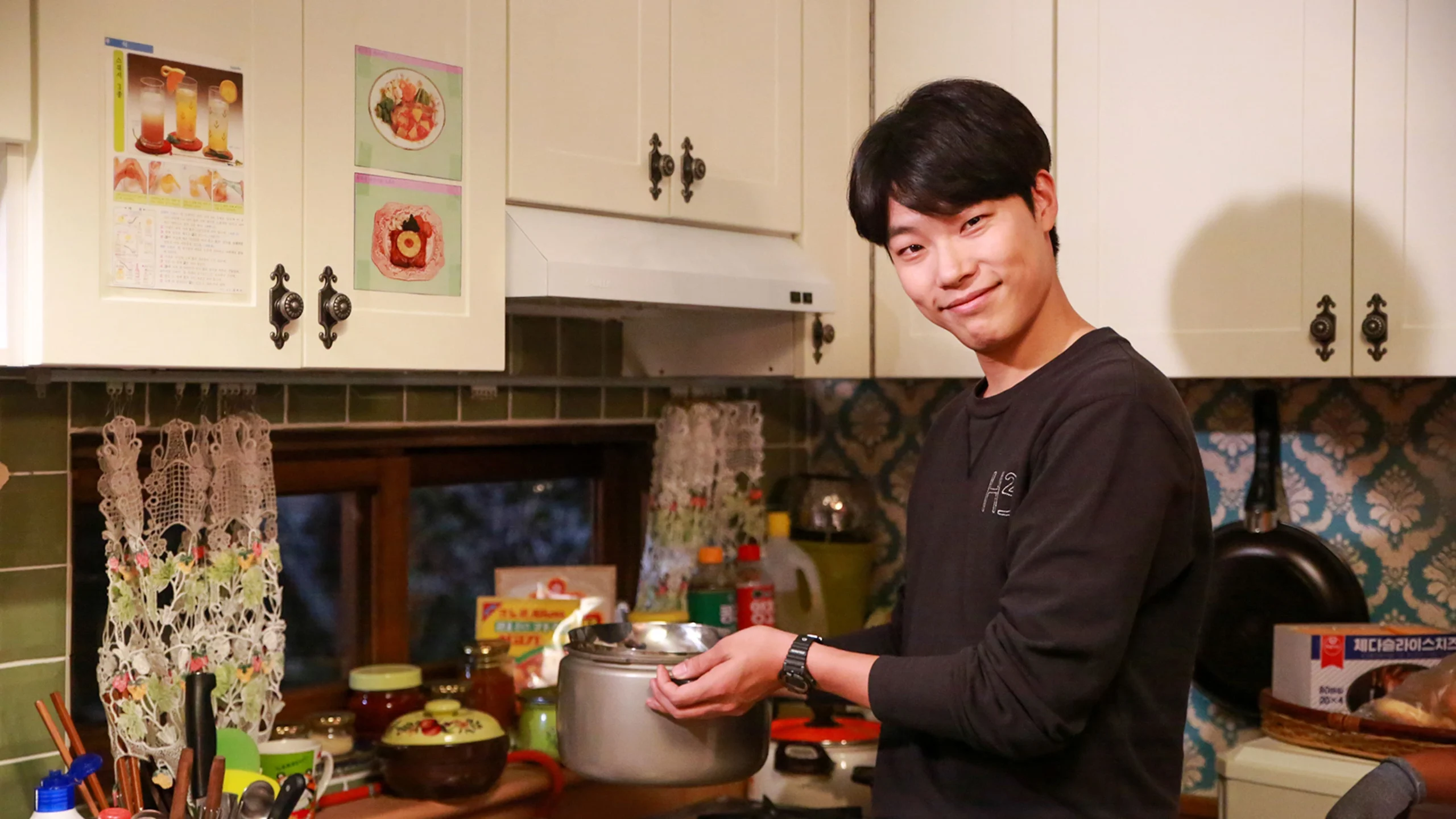
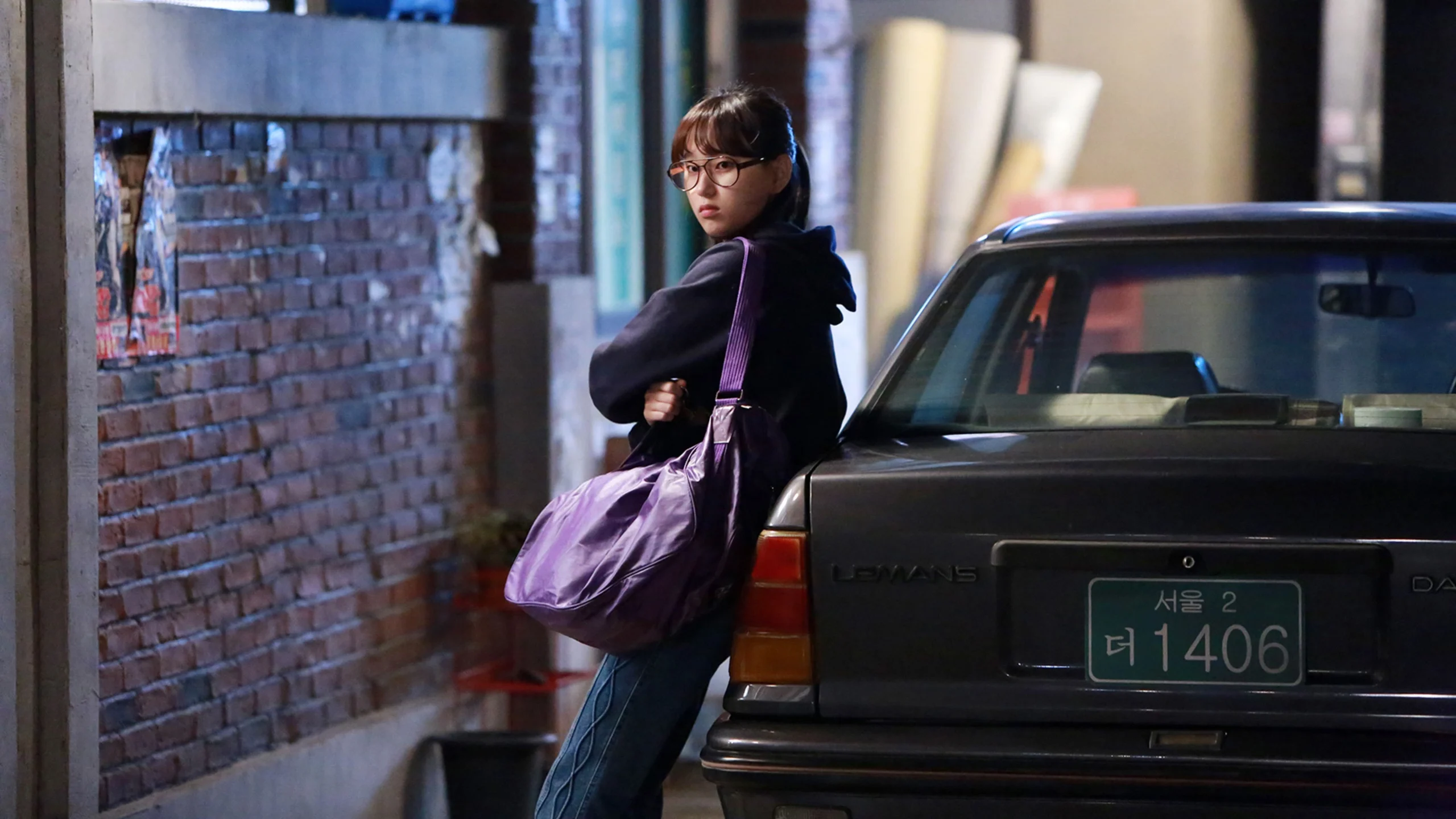
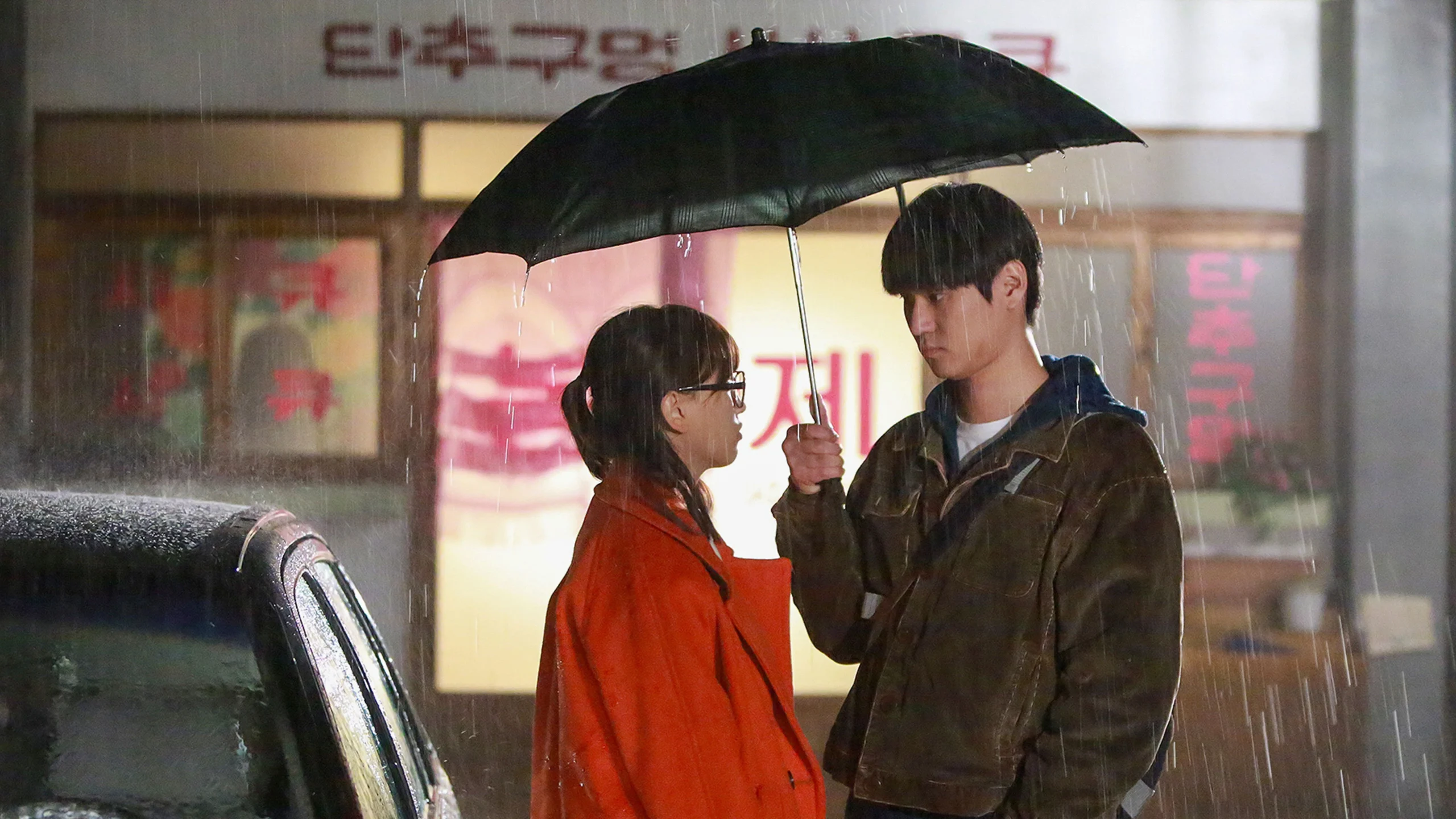
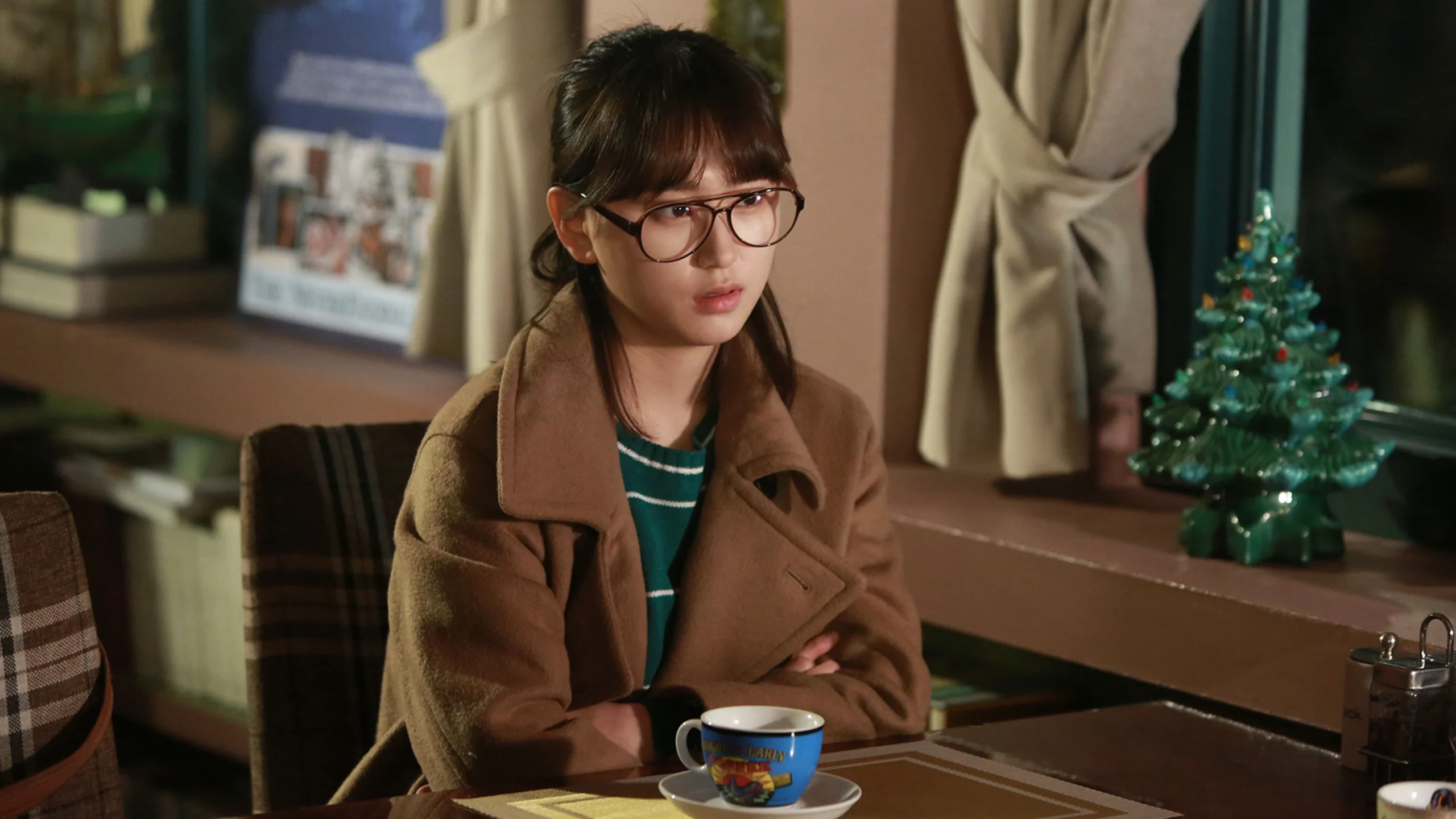
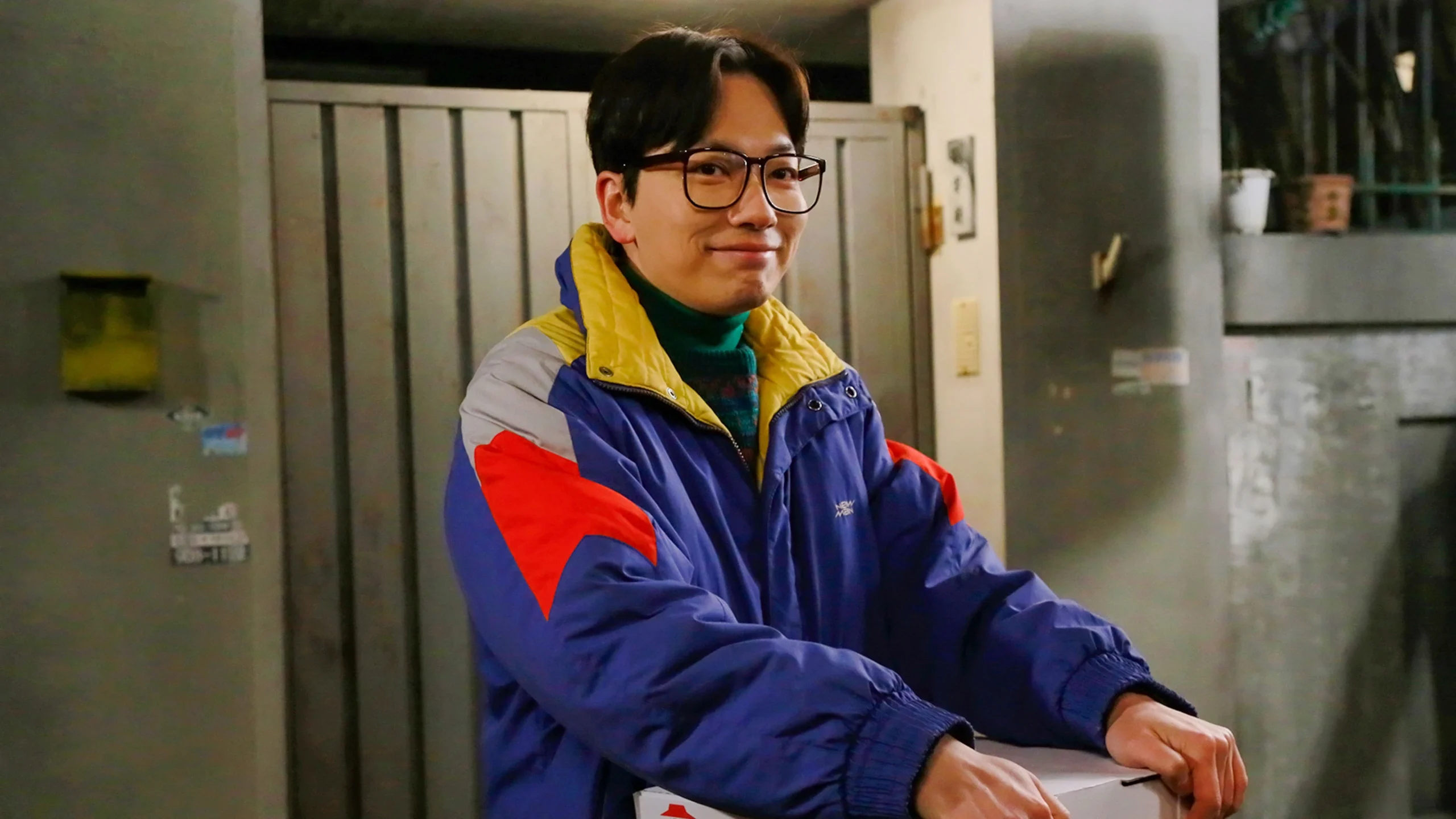
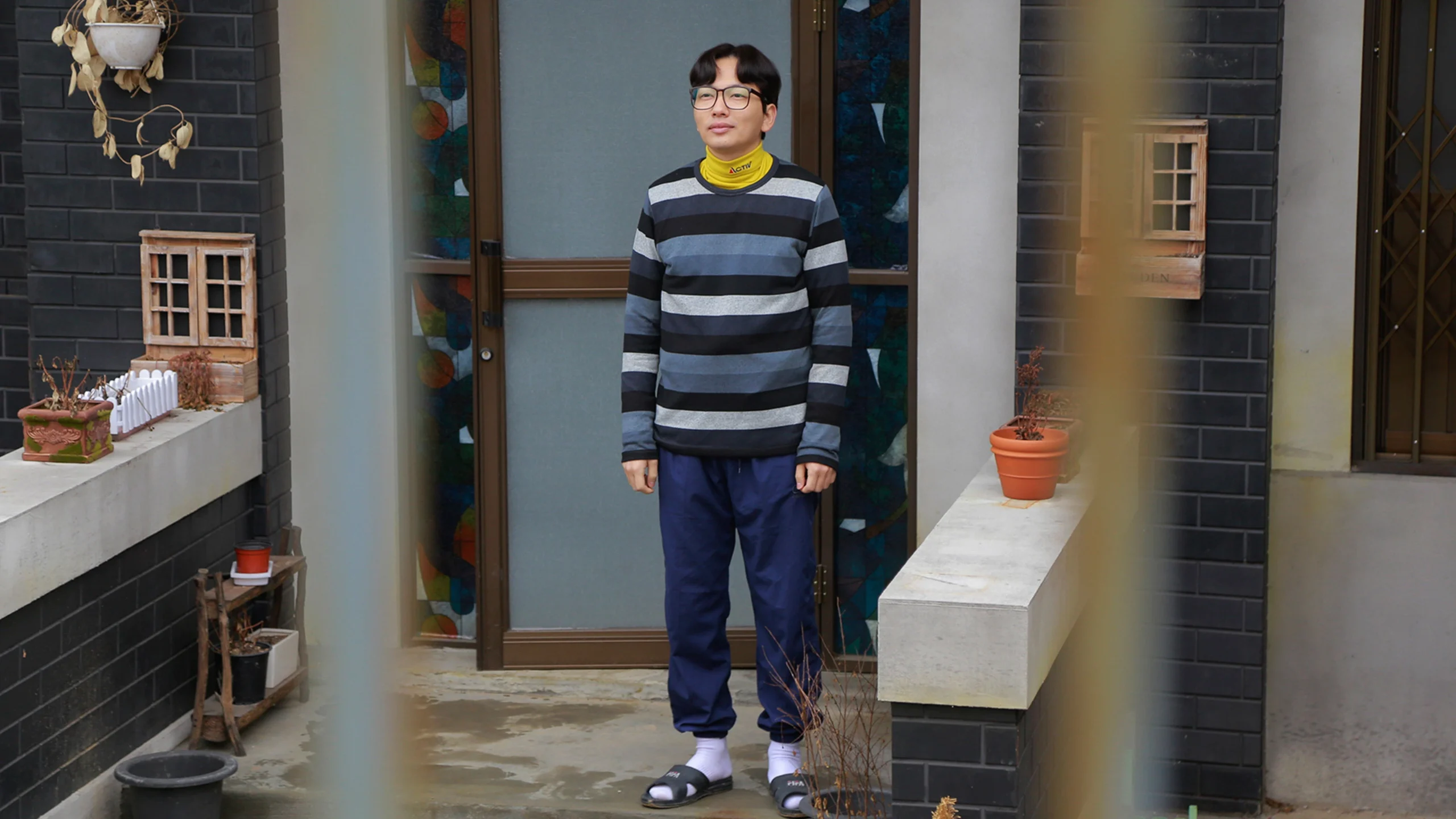
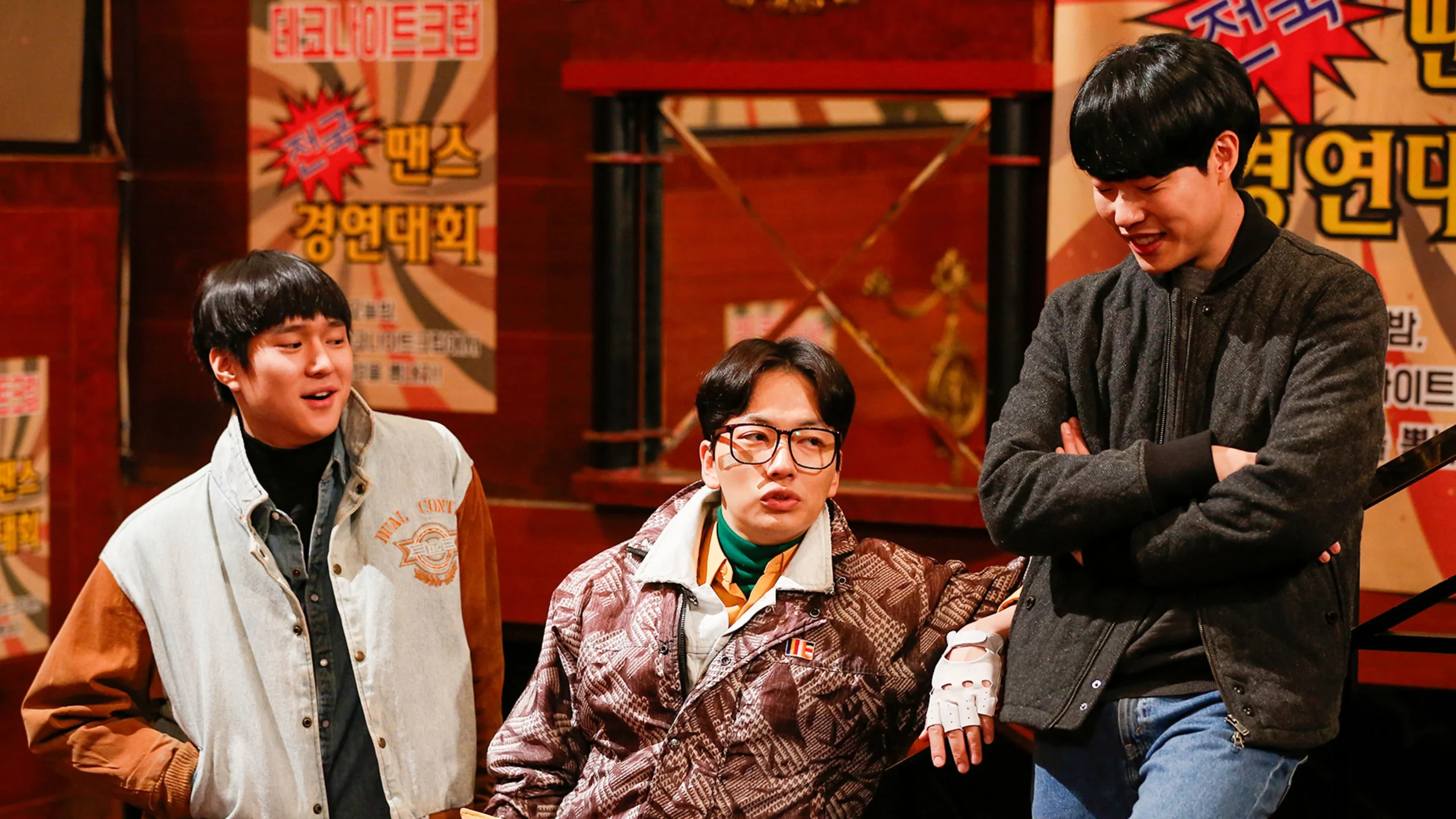
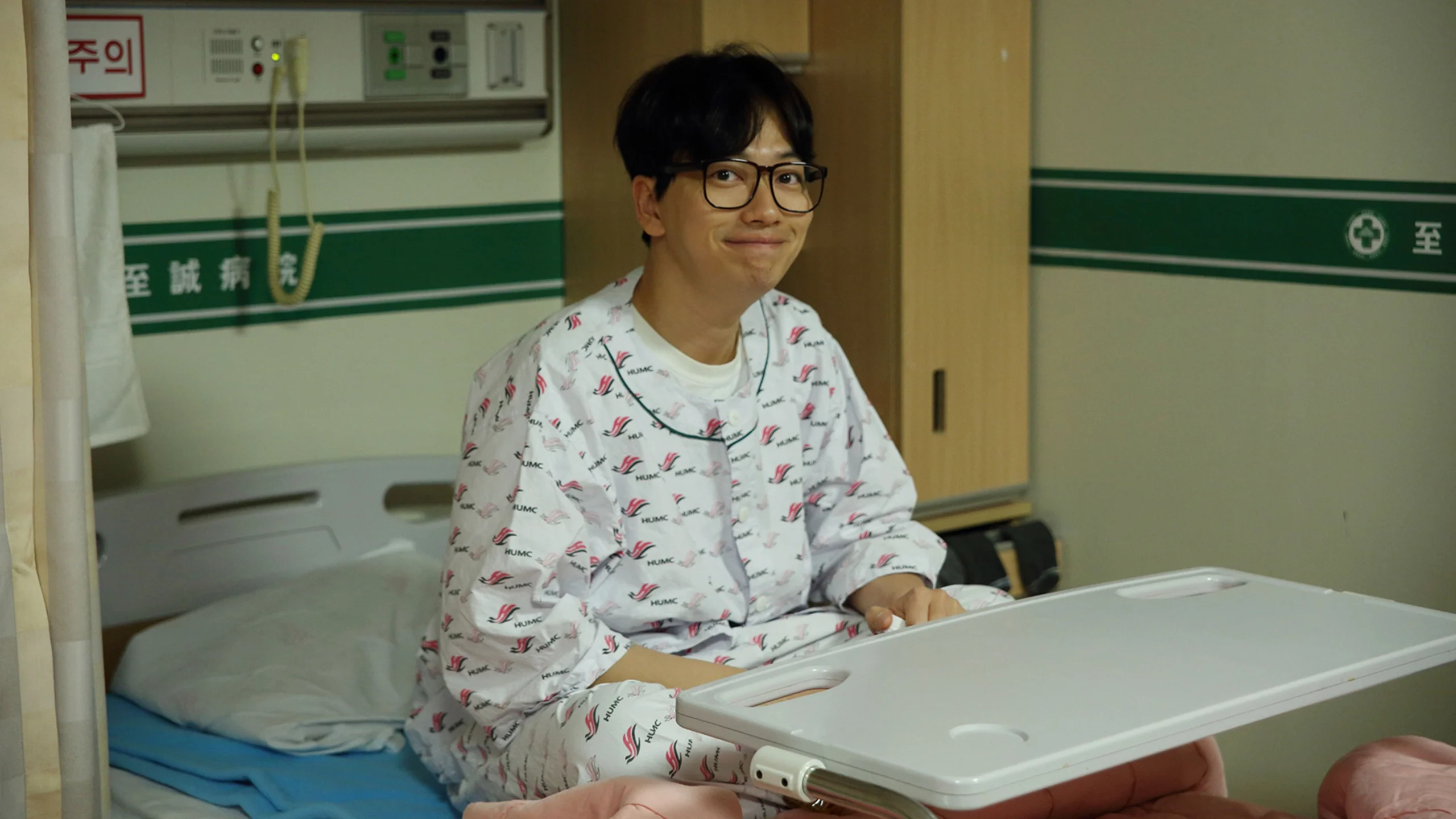
🏁 Ending Explained
Full spoilers ahead — everything that happens in the finale and what it all means.
Spoiler Warning — This section covers the full finale of Reply 1988. Stop here if you haven’t finished the series.
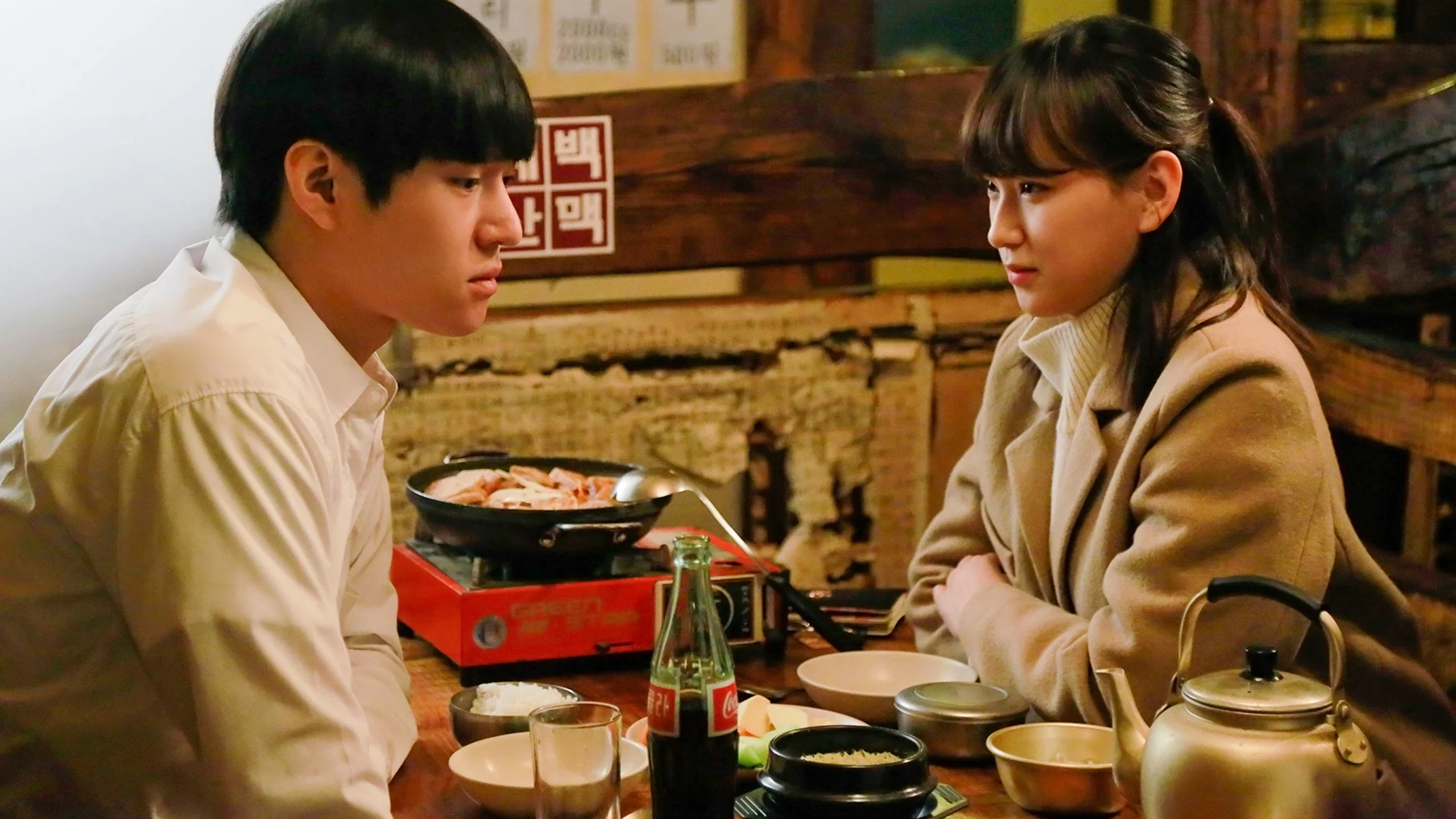
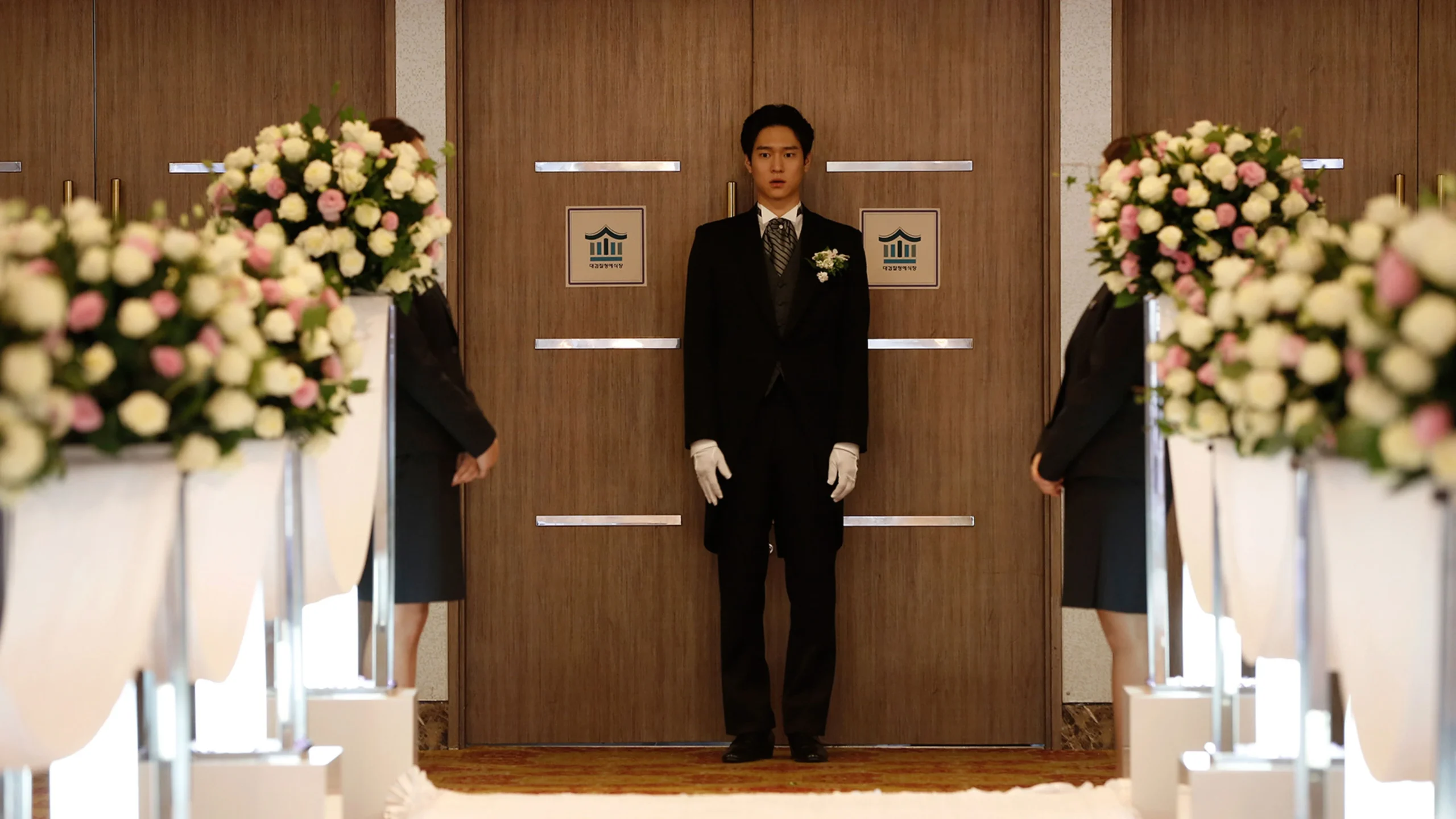
The Answer the Drama Was Always Building Toward. The husband mystery — stretched across 20 episodes with extraordinary, sometimes maddening patience — is resolved in the finale with an answer that isn’t a surprise so much as a confirmation of what the drama was quietly arguing all along. Deok Sun marries Taek. Not Jung Hwan — the brooding, perpetually almost-confessing boy who most viewers were convinced she would end up with. Taek, who loved her with a certainty and quietness he never performed, and who acted when Jung Hwan repeatedly pulled back. In a present-day interview segment, Taek and Deok Sun appear as a warm, comfortable married couple. The reveal recontextualizes every moment you thought was pointing toward Jung Hwan and shows you a different story happening underneath it.
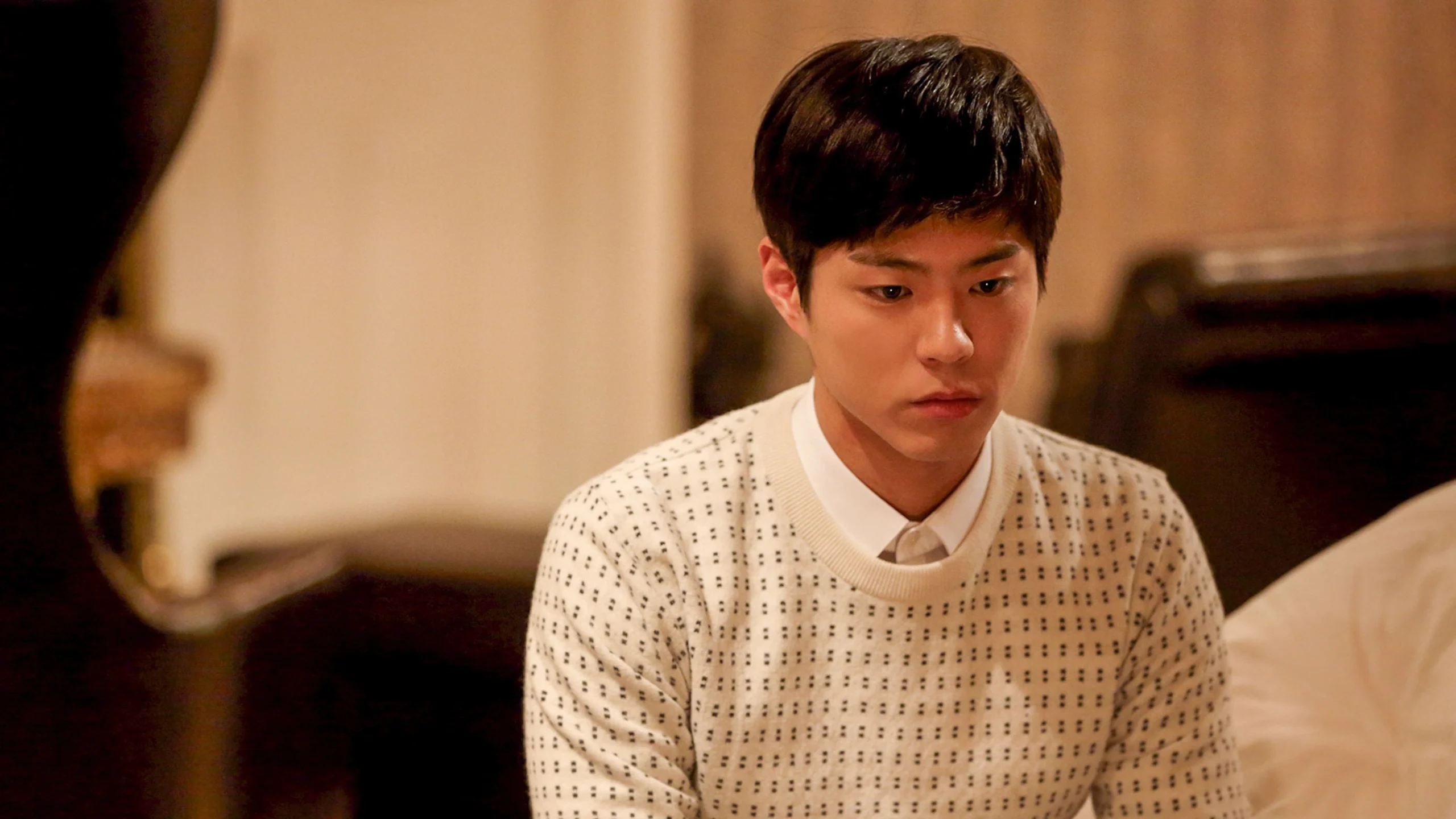
Jung Hwan’s Arc — and What His Hesitation Cost. The finale gives Jung Hwan his due without turning him into a villain or a punchline. His visit to Taek at the military base in Episode 19, where Taek acknowledges the photo quietly and both men let the unsaid stay unsaid, is one of the drama’s finest scenes. Jung Hwan’s love was real. His hesitation was also real — a character trait, not a flaw introduced to justify the outcome. The finale suggests his life turns out fine; he finds his way. But what Reply 1988 argues, gently and without malice, is that love not acted on doesn’t stop being love, it just stops being a choice.
Where Everyone Ends Up. The supporting ensemble gets full closure, not footnotes. Bo Ra and Sun Woo reconcile with Sun Woo’s three conditions and commit to a future that eventually leads to marriage — his mother’s initial resistance overcome. Jung Bong, who passed the bar exam while everyone was watching the younger generation, finds his own happiness with Mi Ok. Dong Ryong builds a quiet, independent life running a restaurant. Taek’s father and Sun Woo’s mother finally find each other after years of quiet proximity. The entire generation of parents — who were given as much screen time and as much emotional weight as their children — are allowed to have futures that are not defined by sacrifice.
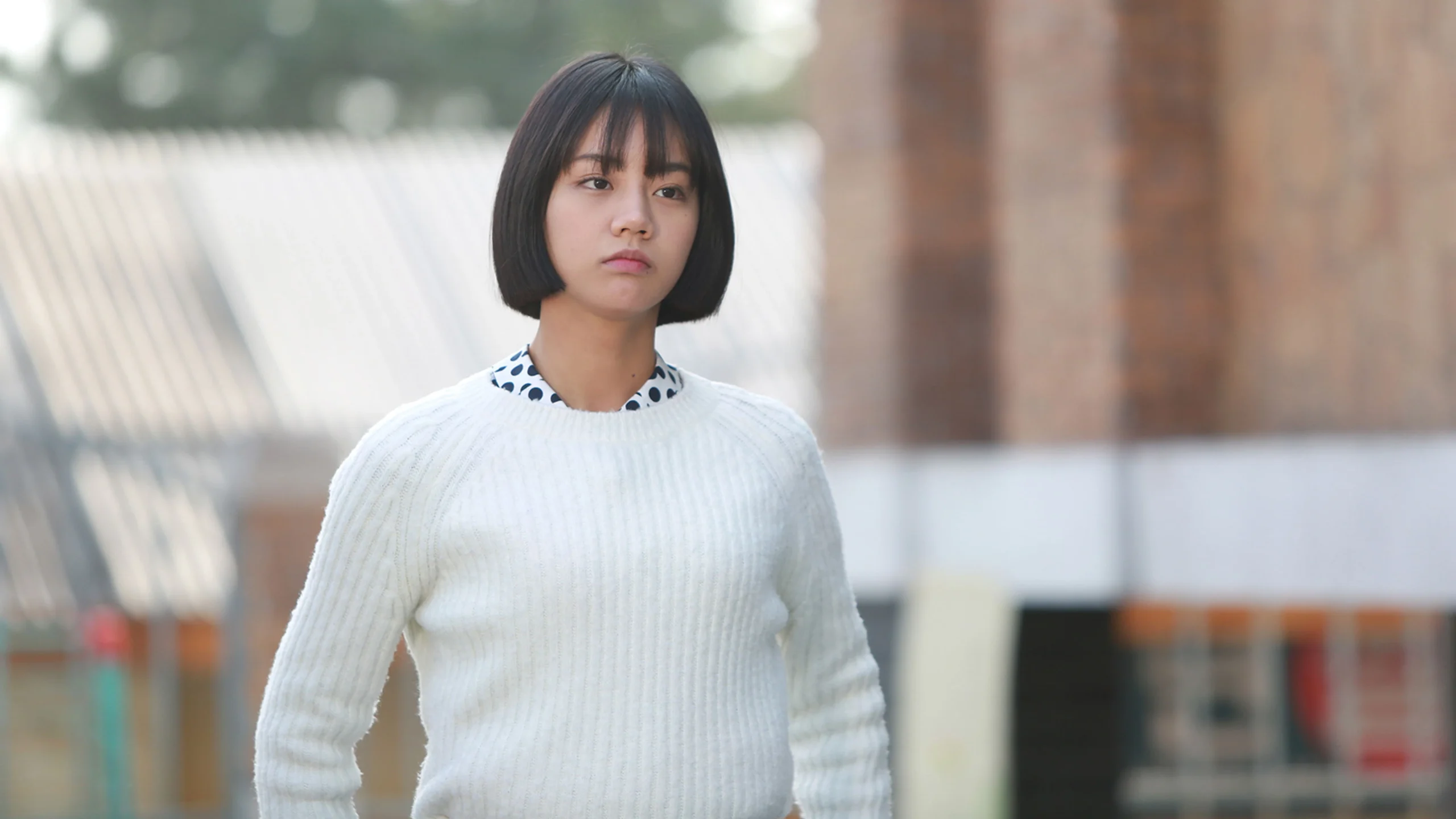
The Monologue That the Finale Is Really About. The drama’s emotional center of gravity turns out not to be who Deok Sun marries, but what she says in the final minutes. The extended monologue from adult Deok Sun — narrated over images of Ssangmun-dong — doesn’t say she misses being young, or being innocent, or being in love for the first time. She says she misses the place because it is the place that held the youth of everyone she loved: her parents when they were still struggling, her friends before they scattered, her first real understanding that ordinary life contains everything. It’s the drama’s thesis, stated plainly and without decoration, and it lands harder than most finales that spend their entire runtime building to a single revelation.
The Record and What It Means. Episode 20 recorded an 18.8% nationwide cable audience share — the highest in Korean cable television history at the time of broadcast. That number matters not as a stat but as evidence: this wasn’t a prestige drama that found its audience slowly, or a niche product beloved by a small community. It was a drama that an entire country watched and then talked about for years. Reply 1988 holds a 9.0 on MyDramaList scored by nearly 70,000 users and is consistently rated the greatest K-drama ever made. Its finale didn’t end a story — it gave an entire generation of viewers a specific, irreplaceable feeling. That the best part of growing up is, in the end, the people who grew up next to you.
✍️ KDramaWorlds Editor’s Take
Our honest read on why this drama is worth your time — and who it’s for.
There is a specific kind of drama that doesn’t try to make you feel anything — it just reconstructs a world with enough precision and care that the feelings arrive without being asked. Reply 1988 is that drama. It is not the most plot-driven K-drama ever made. It is not the most technically ambitious. What it does — and does better than almost anything else in the medium — is make ordinary life feel worth watching. Five families crammed into one alleyway, sharing food they could barely afford, yelling at each other through walls thin enough that secrets were impossible to keep. You’re not watching a story. You’re watching a place.
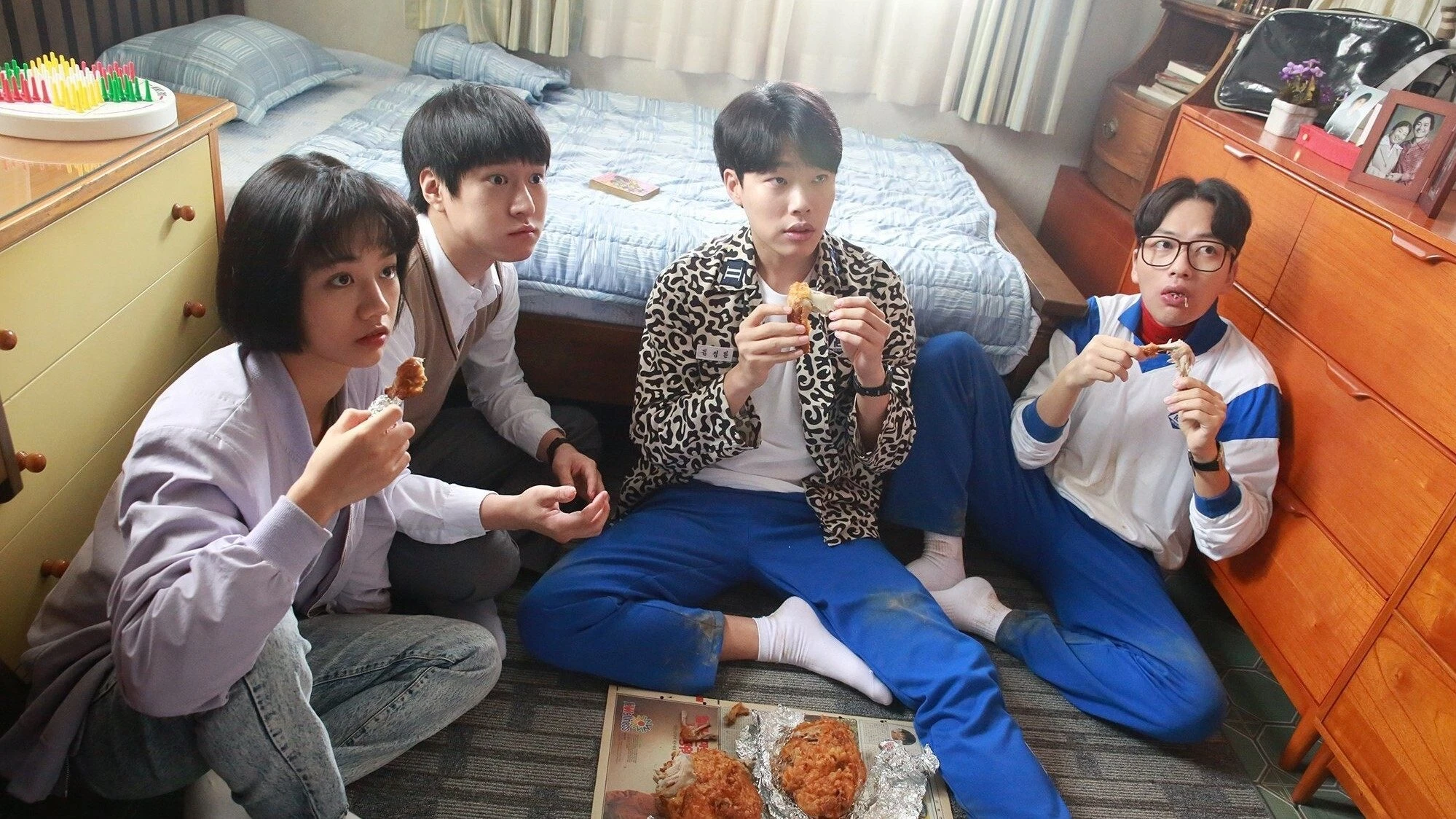
What separates Reply 1988 from its predecessors in the Reply series — and from most coming-of-age dramas in general — is the decision to treat the parents as equals. Sung Dong-il and Lee Il-hwa as Deok Sun’s parents, Kim Sung-kyun and Ra Mi-ran as Jung Hwan’s — these performances contain entire marriage histories in small gestures. There’s a scene in the middle of the series where Deok Sun’s father sits alone and cries, quietly, because his family has been struggling for so long that a small piece of good news is almost too much to take. It’s the kind of moment that has no equivalent in dramas that keep their parents conveniently peripheral. This show understood that the kids’ story and the parents’ story are the same story, and it told both with equal seriousness. The ensemble approach also carries real risk — with this many characters, you can lose the thread — but writers Lee Woo-jung and Kim Song-hee manage it with a structural confidence that makes the Hospital Playlist writers look like students. Which is exactly right, since Lee Woo-jung wrote both.
The husband mystery — which of the boys does Deok Sun marry — is the drama’s most discussed element and its most misunderstood one. Many viewers spent 20 episodes certain it was Jung Hwan, felt betrayed by the reveal that it was Taek, and then rewatched the series and understood. This is not a drama that cheated. It showed you exactly what both men were, and it gave you the answer that the characters earned. Jung Hwan’s hesitation wasn’t a quirk — it was a statement about what kind of love he was capable of offering. Taek’s quietness wasn’t a limitation — it was a form of certainty that never needed to announce itself. If you’re new to the series, try to hold the mystery loosely. The drama is better when you’re watching the people rather than hunting for the clue. That said, Reply 1988 stands firmly alongside When Life Gives You Tangerines as one of the rare dramas that captures what it means to grow up inside a family that is trying its best — and whose best is, in retrospect, everything.
🎬 You Might Also Like
If you liked Reply 1988, these are your next three watches.
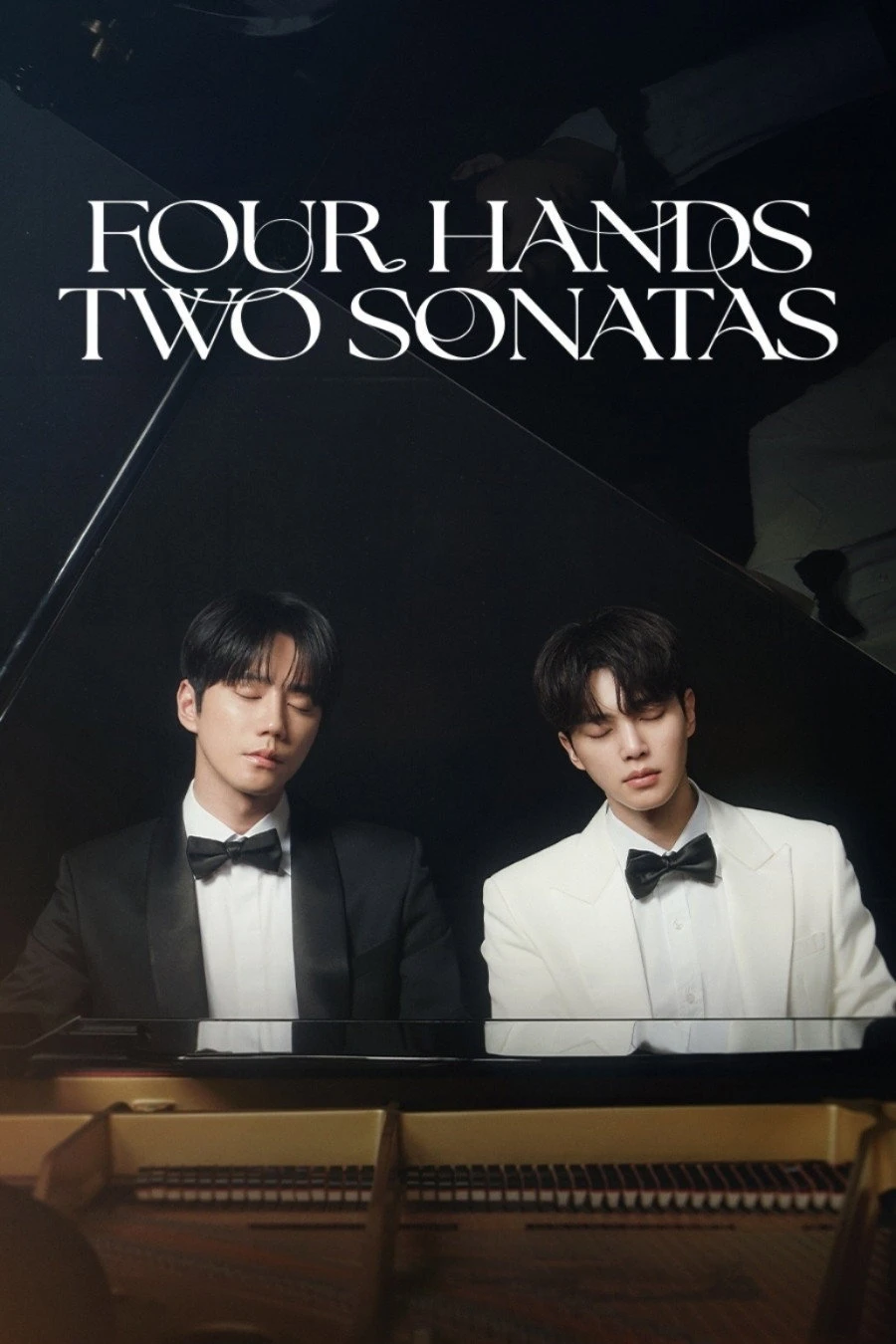 Four Hands, Two Sonatas
Classical MusicComing-of-Age
Read Full Review →
|
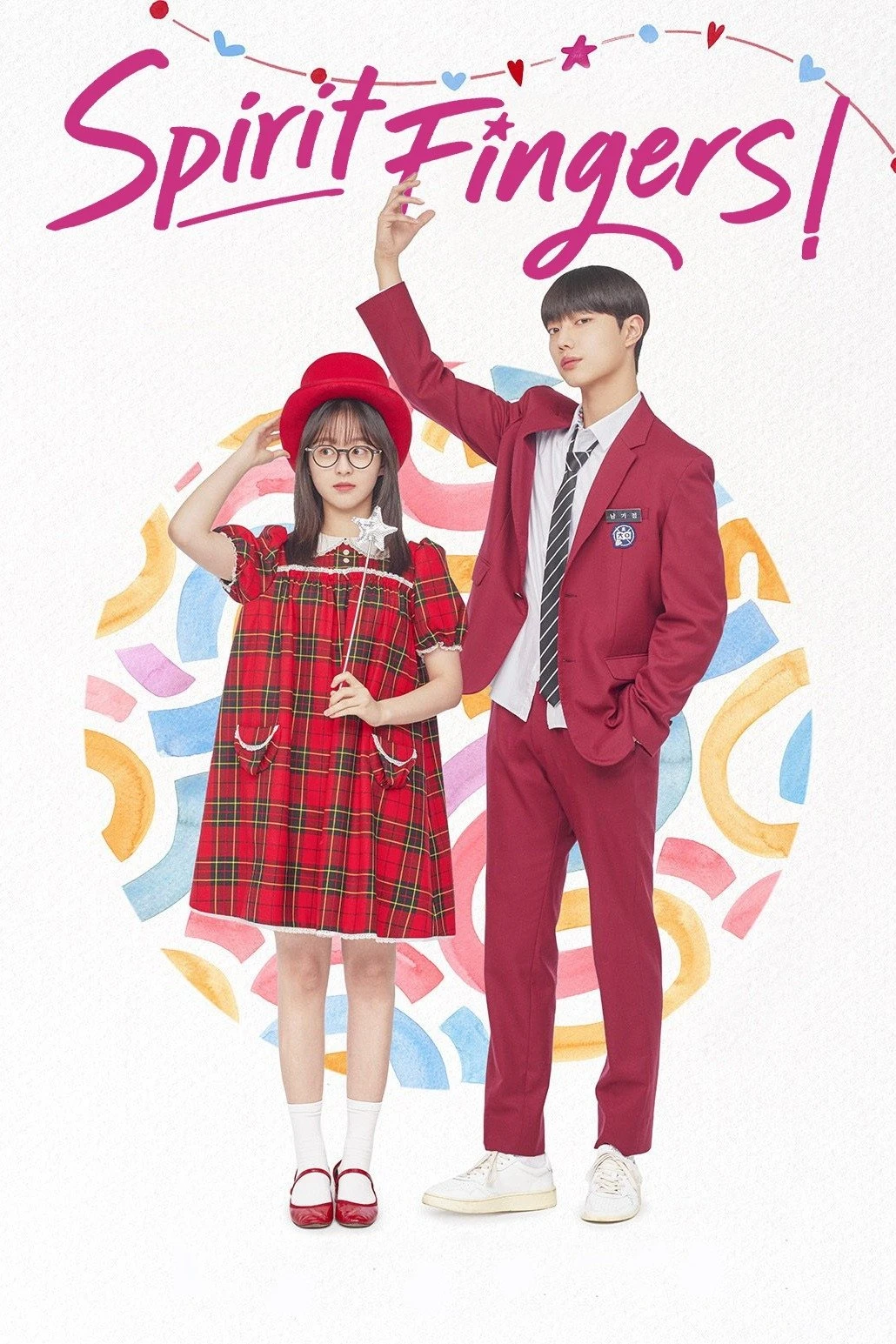 Spirit Fingers
art clubCho Jun-young
Read Full Review →
|
 All That We Loved
Cellular MemoryCho Jun-young
Read Full Review →
|




Keep it kind, skip the harsh language, and please — no spoilers. Everyone's taste is different, and that's perfectly fine.
This space is for real reactions and discussion from other viewers. Help keep it comfortable for everyone by not giving away major plot details.
What do you think of this drama?
Login to share your review or leave a comment.
No email needed — just pick a username & password.